Life Science Worksheets for Ages 3-7 - Page 2
29 filtered results
-
From - To
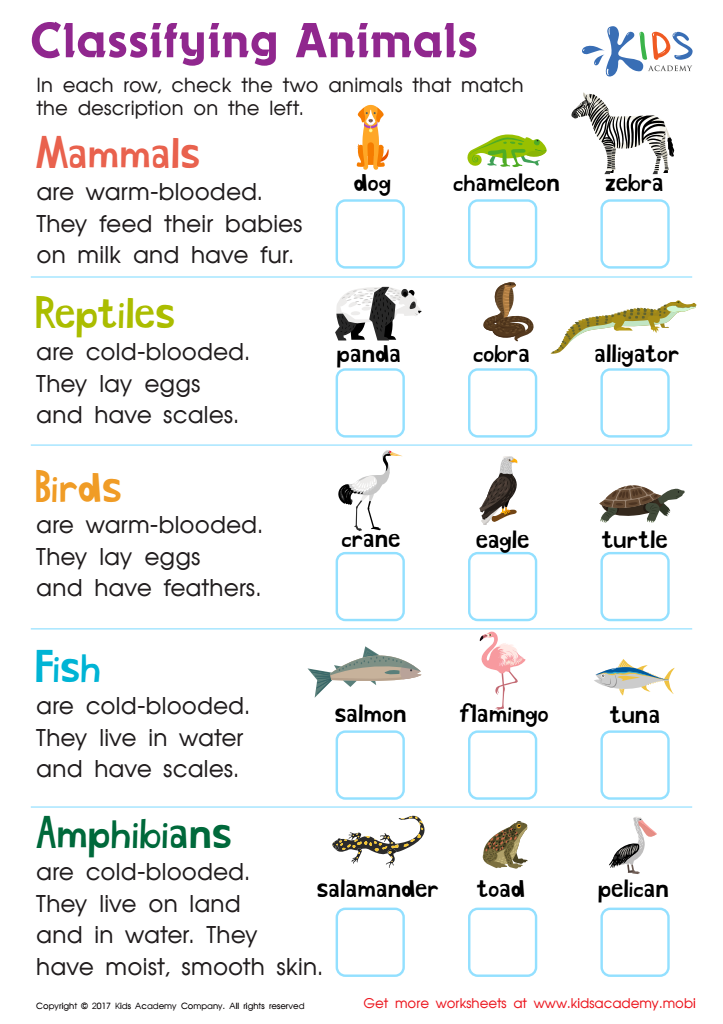
Classifying Animals Worksheet
 Assign to My Students
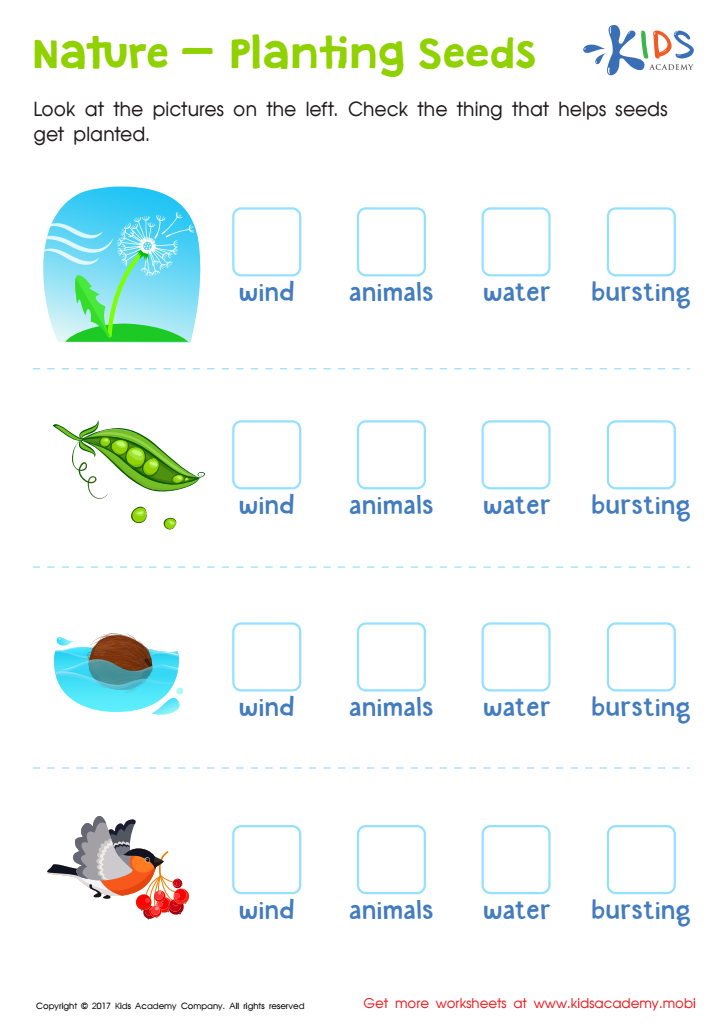
Nature Planting Seeds Worksheet
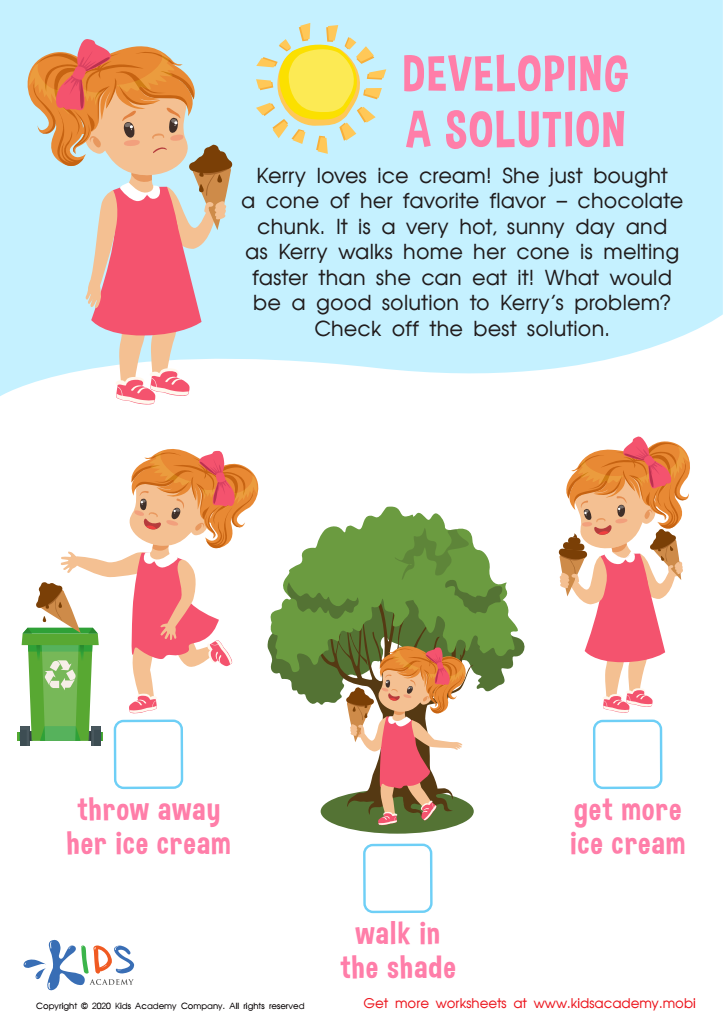
Developing Solution Worksheet
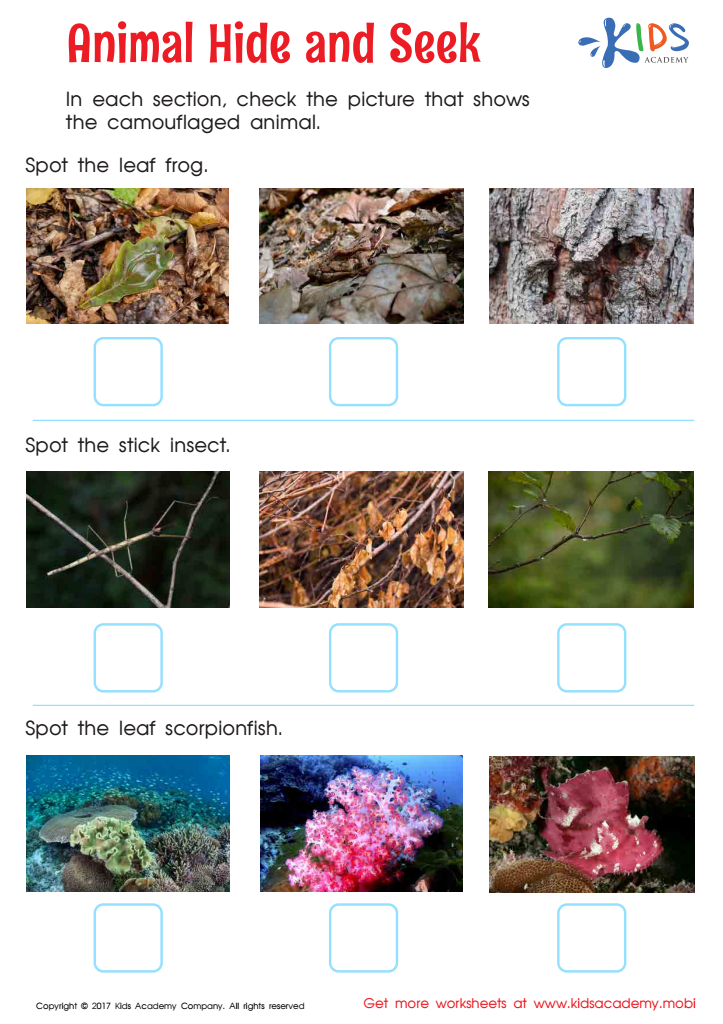
Animal Hide and Seek Worksheet
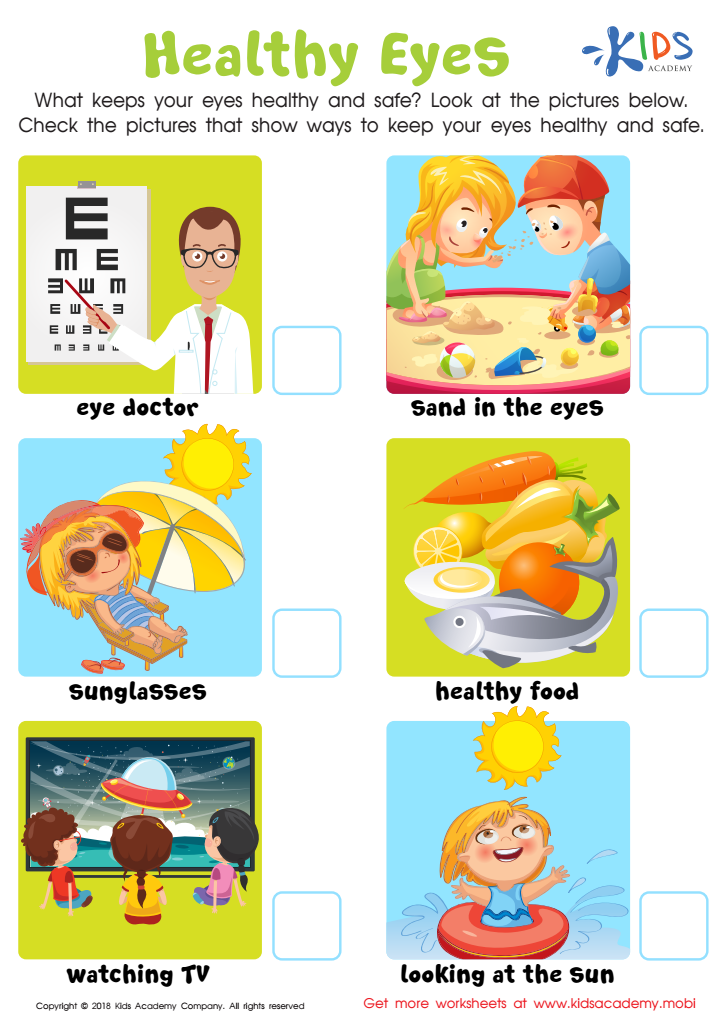
Healthy Eyes Worksheet





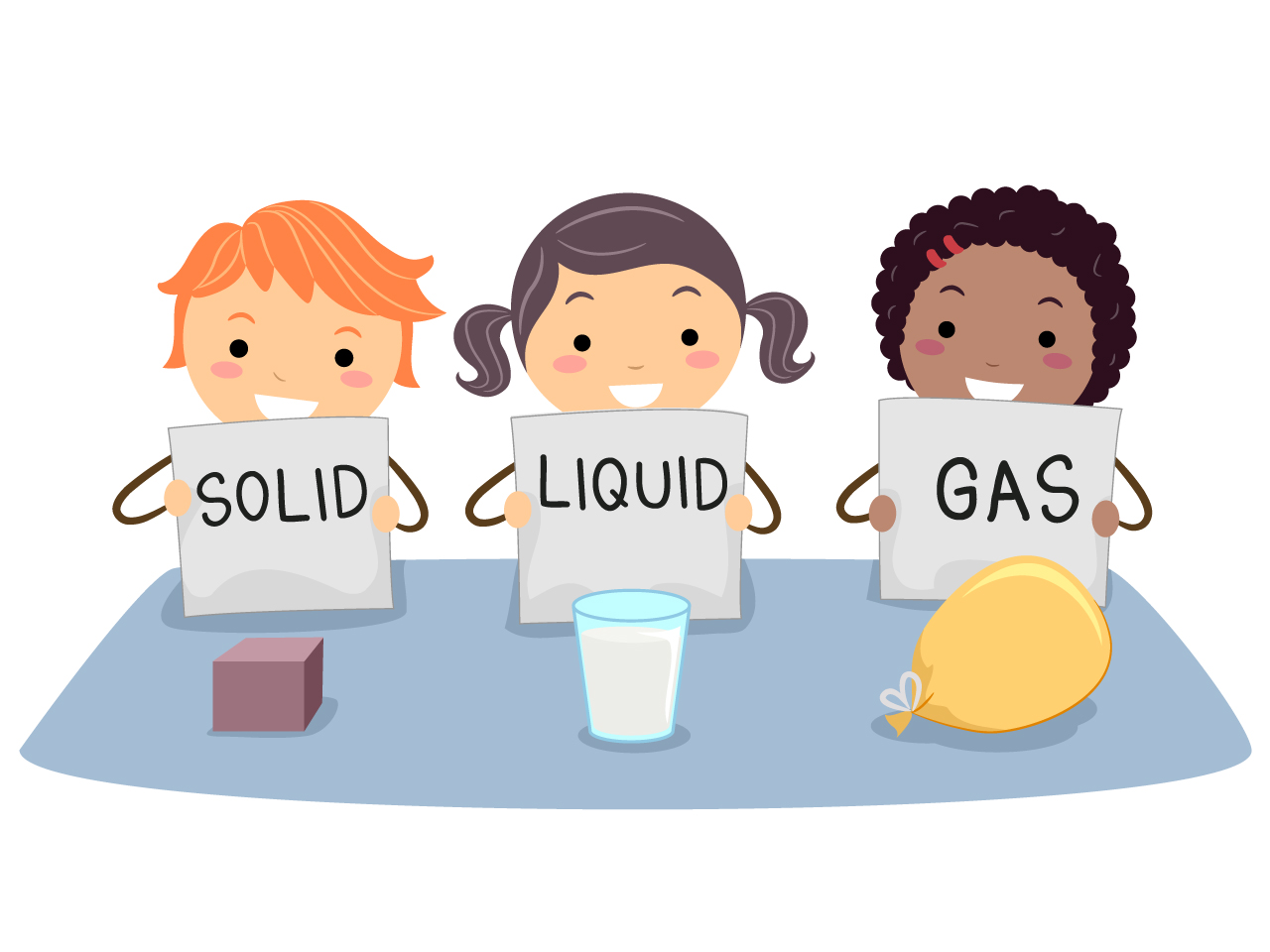

Life Science for ages 3-7 is crucial as it lays the foundation for understanding the natural world. During these formative years, children's brains are like sponges, absorbing information rapidly. Introducing them to life science nurtures curiosity, critical thinking, and a sense of wonder about living organisms and ecosystems.
For parents and teachers, cultivating an interest in life science can also foster environmental stewardship from a young age. This awareness leads children to become more compassionate and responsible future citizens who understand and respect nature. Additionally, hands-on activities such as observing plants grow, learning about animals, and discovering life cycles can enhance fine motor skills and observational abilities.
Integrating life science into early education also supports cognitive development. It encourages children to ask questions like "Why does a caterpillar turn into a butterfly?" and "How do plants grow from seeds?" These inquiries promote problem-solving and investigative skills, which are essential across all areas of learning.
Moreover, a strong foundation in life science can ignite a lifelong passion for STEM (Science, Technology, Engineering, and Math) subjects, preparing children for future academic pursuits. Ultimately, an early introduction to life science helps build a holistic educational framework that combines knowledge, empathy, and respect for the world around us.