Tracing Words Worksheets for Ages 3-7 - Page 2
42 filtered results
-
From - To
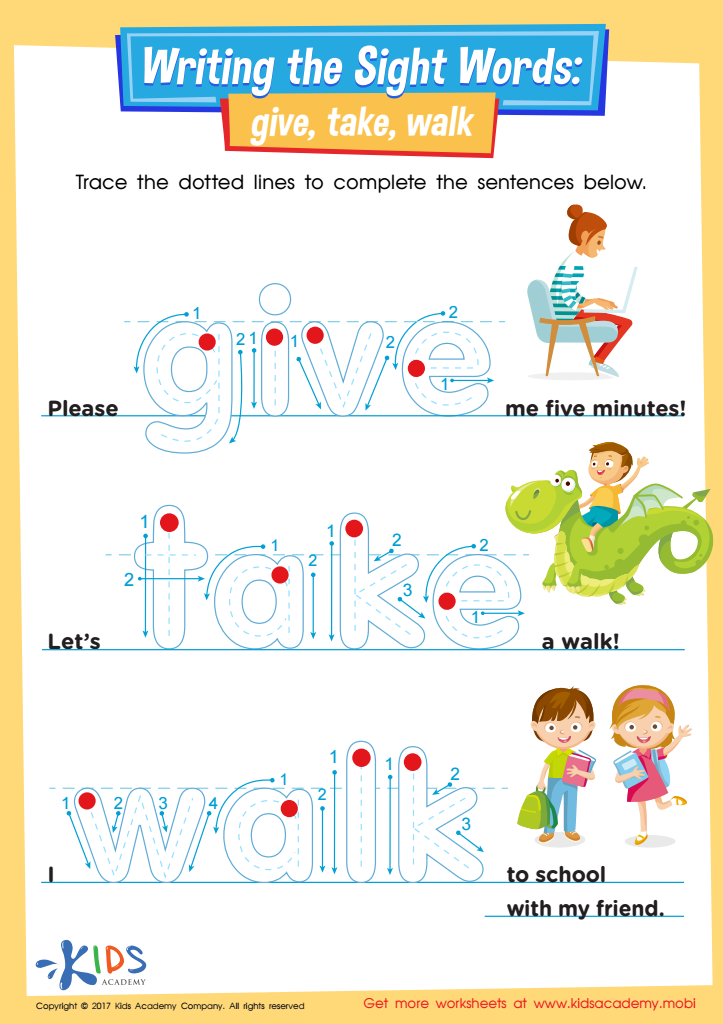
Give, Take, Walk Printable Sight Words Worksheet
 Assign to My Students
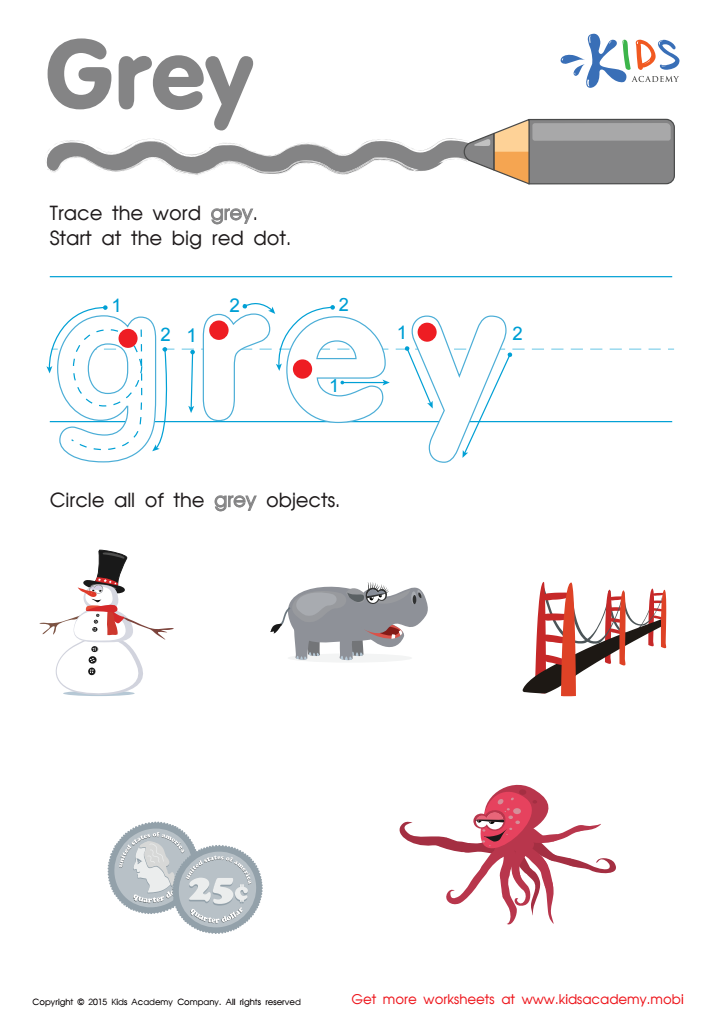
Grey Tracing Color Words Worksheet
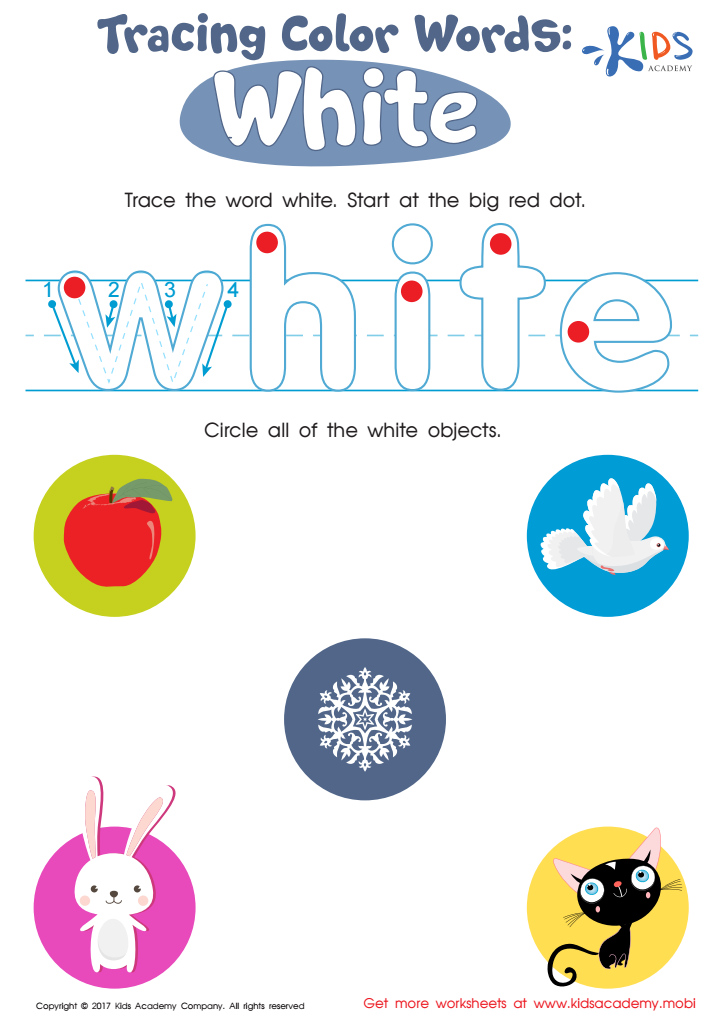
White Tracing Color Words Worksheet
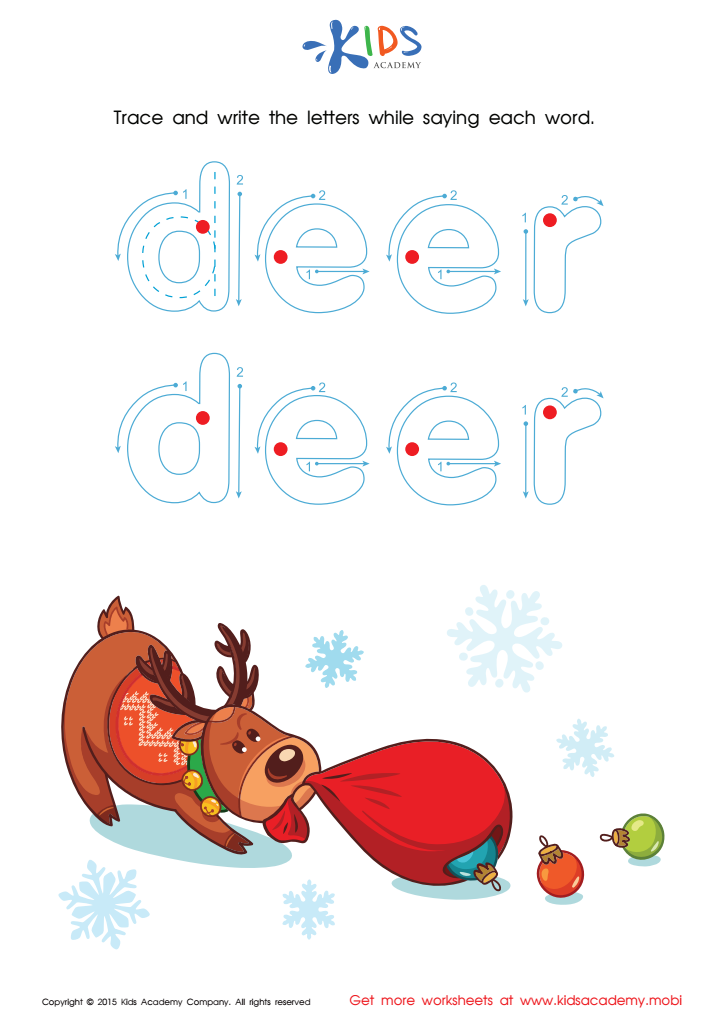
Deer Tracing Winter Words Worksheet
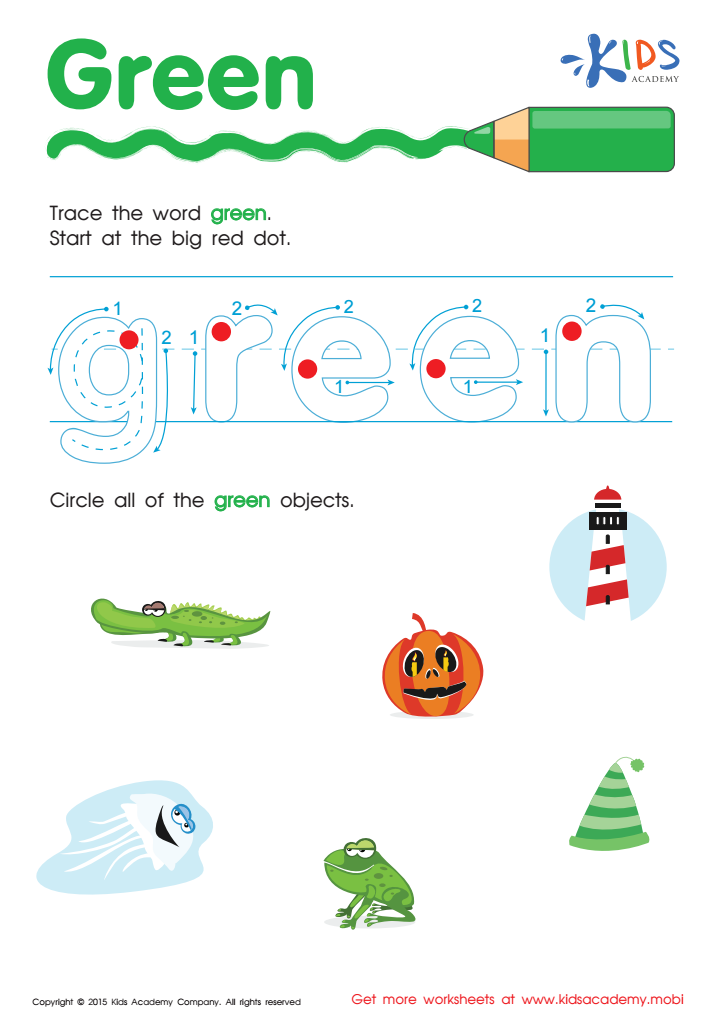
Green Tracing Color Words Worksheet
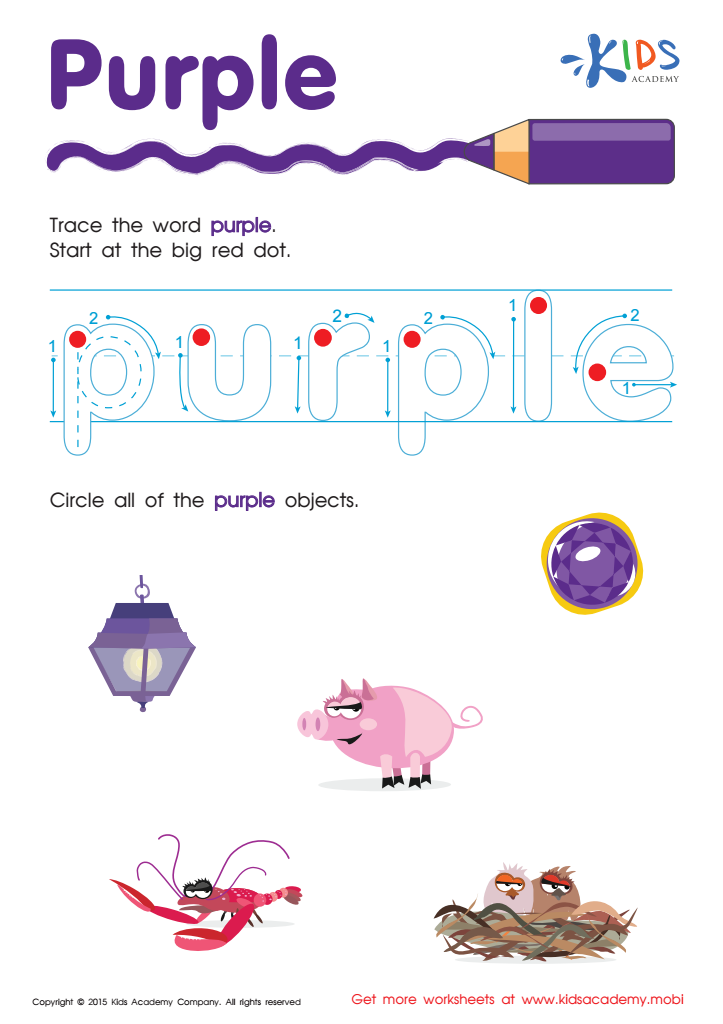
Purple Tracing Color Words Worksheet
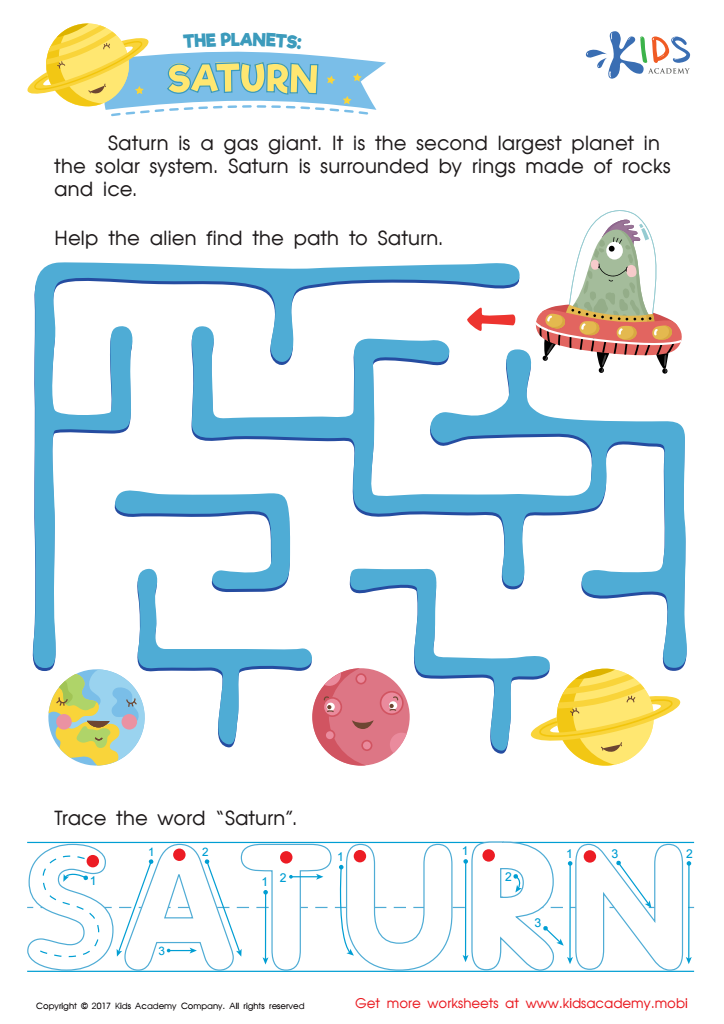
The Planets: Saturn Printable
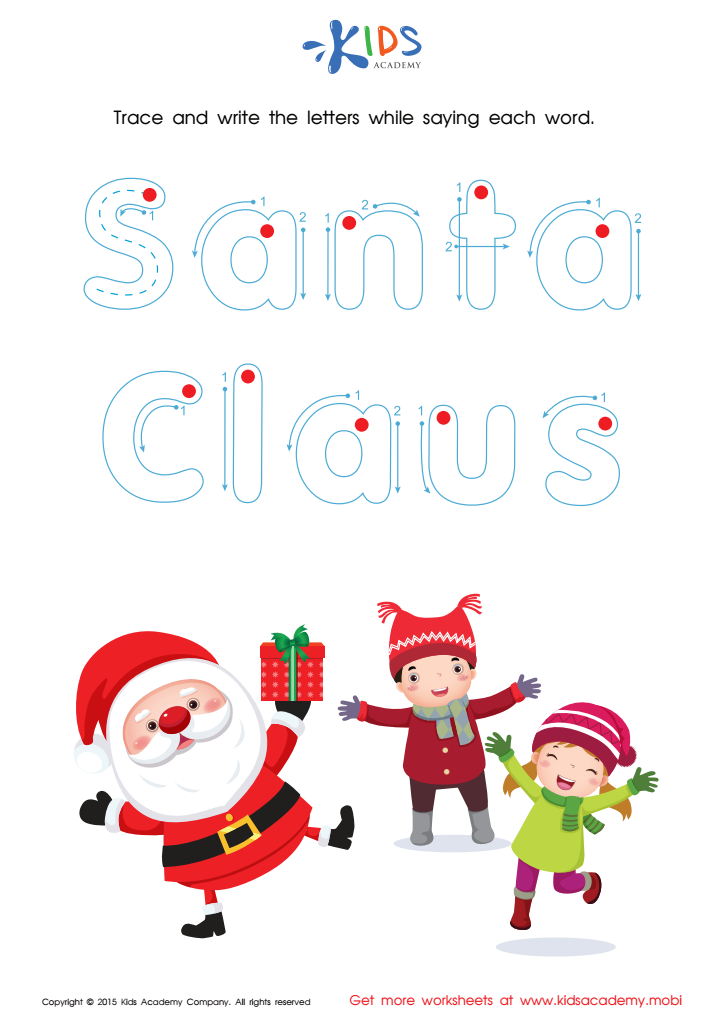
Santa Claus Tracing Winter Words Worksheet
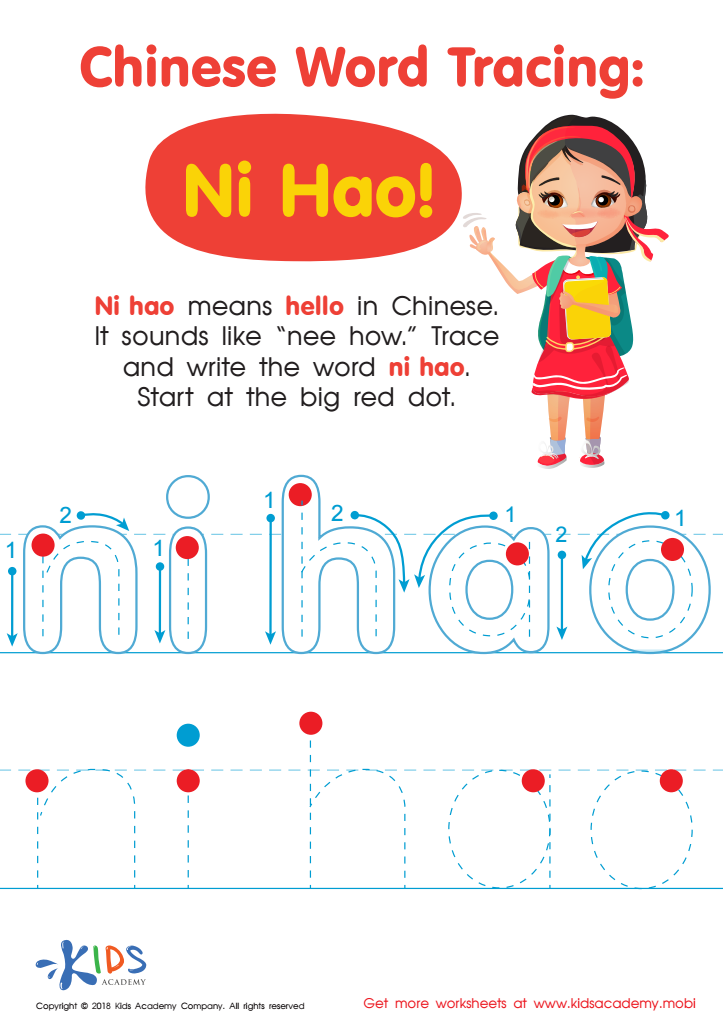
Chinese Word Tracing: Ni Hao Worksheet
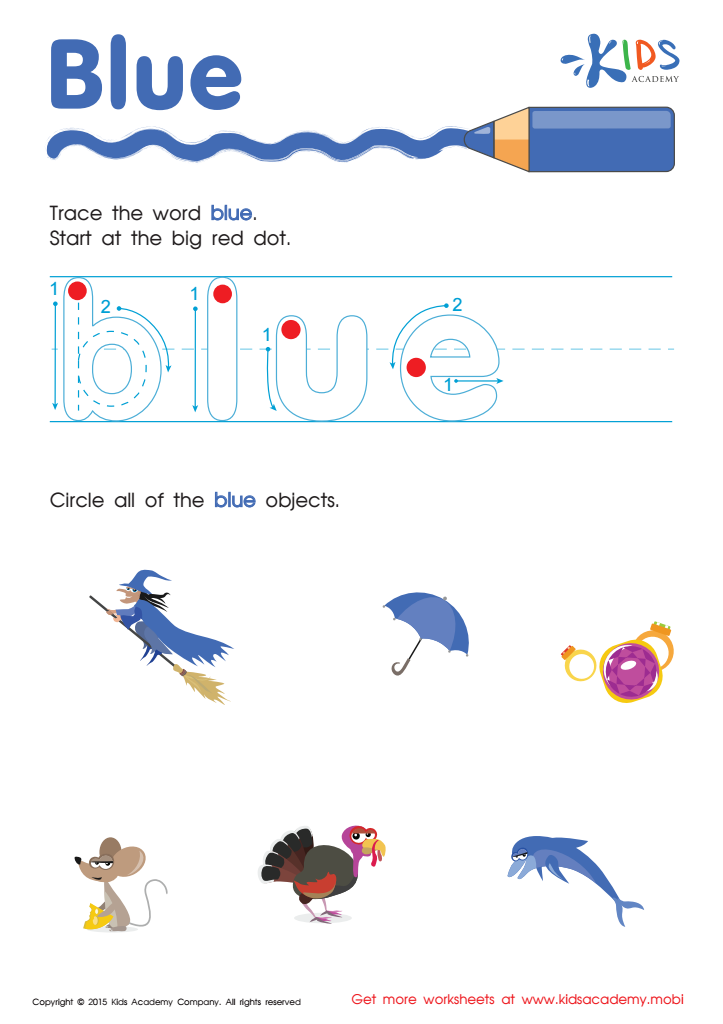
Blue Tracing Color Words Printable
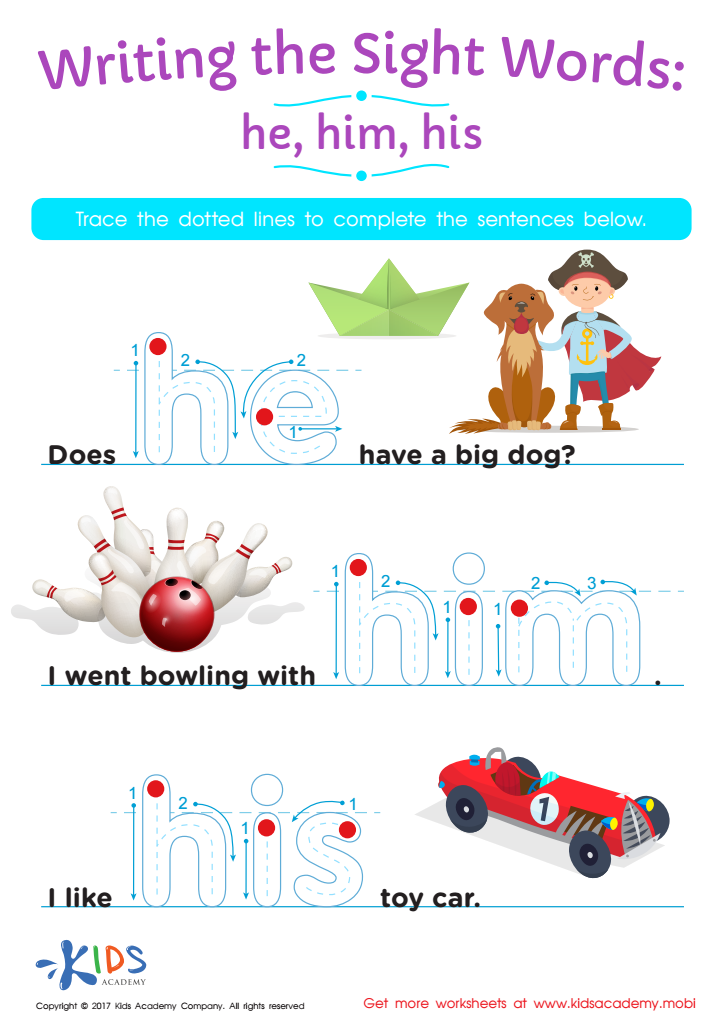
He, Him, His Printable Sight Words Worksheet
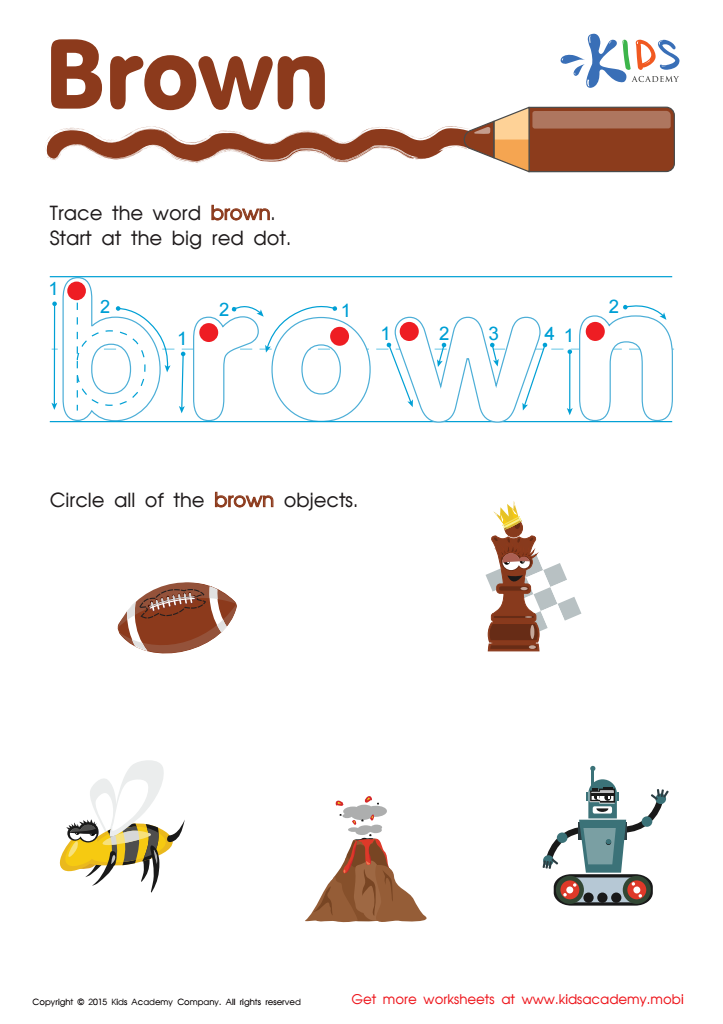
Brown Tracing Color Words Worksheet
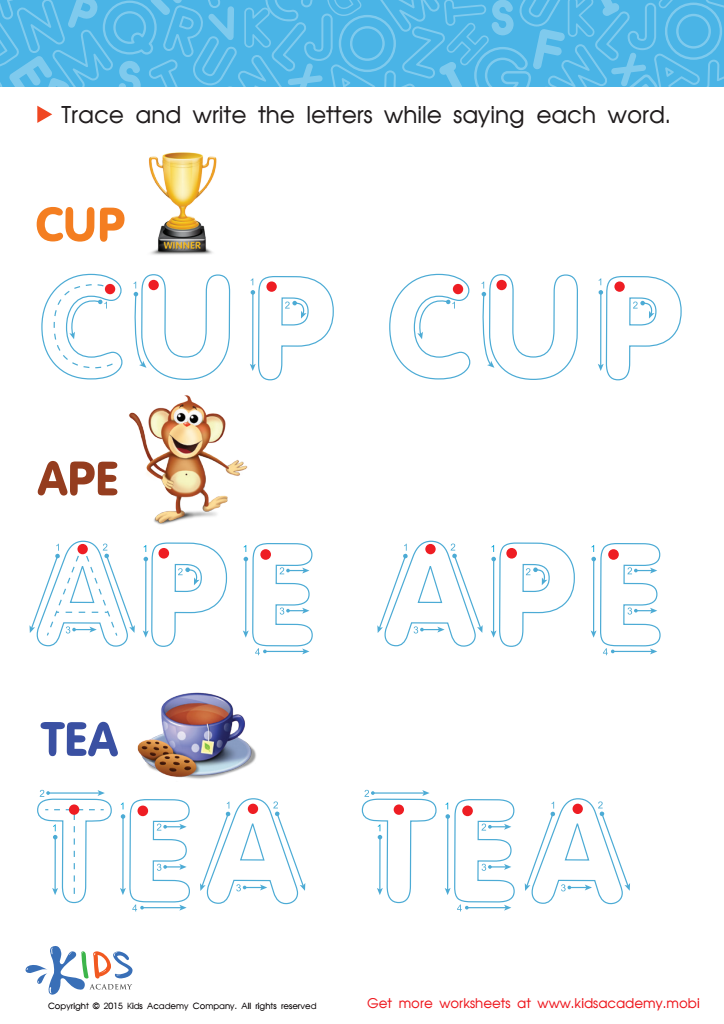
A Cup, an Ape and Tea Spelling Worksheet
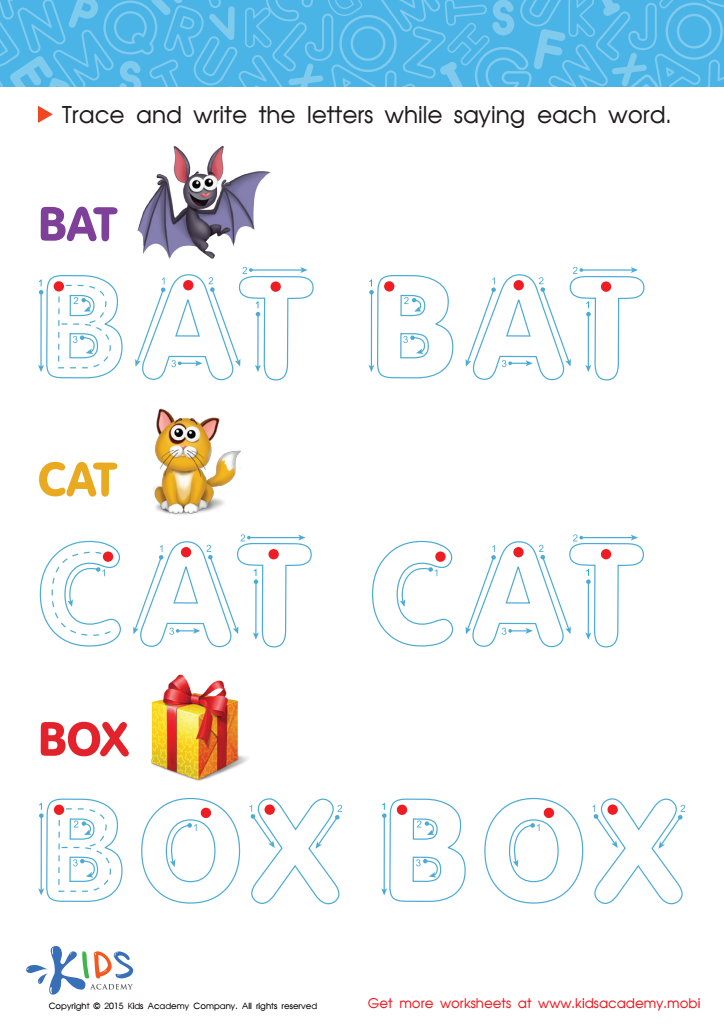
A Bat, a Cat and a Box Spelling Worksheet
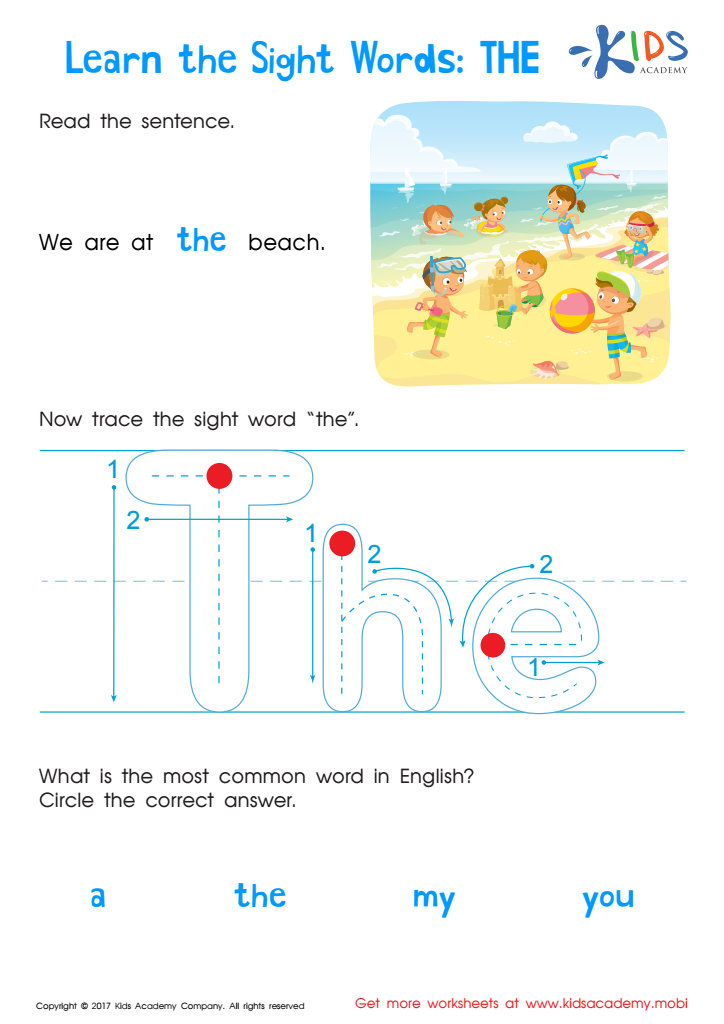
Sight Words: The Worksheet
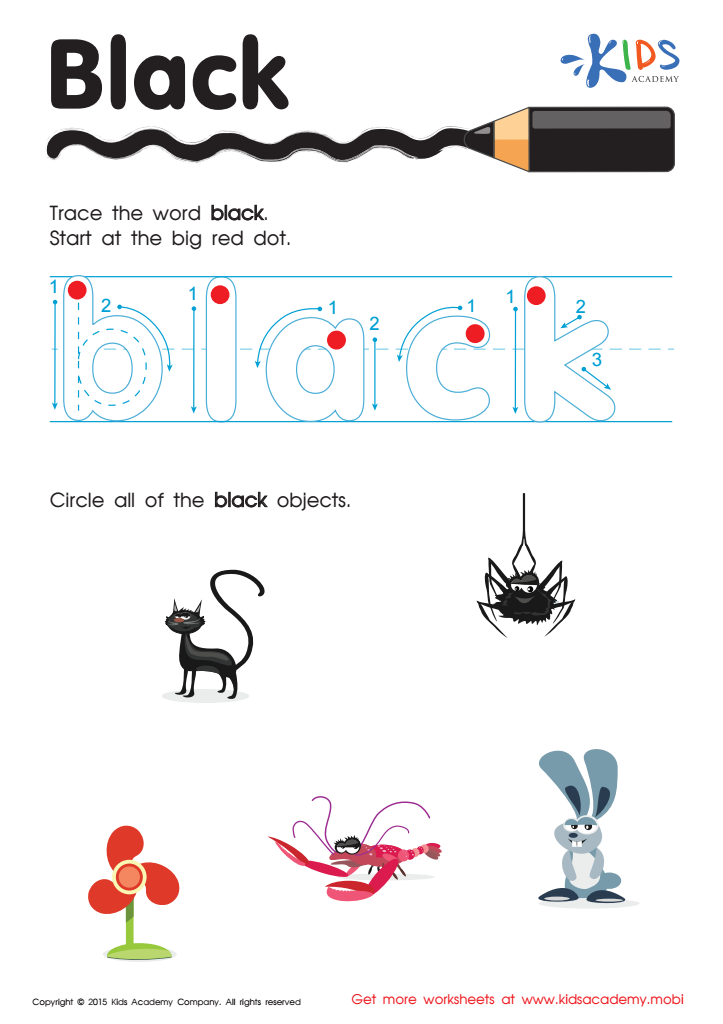
Black Tracing Color Words Printable
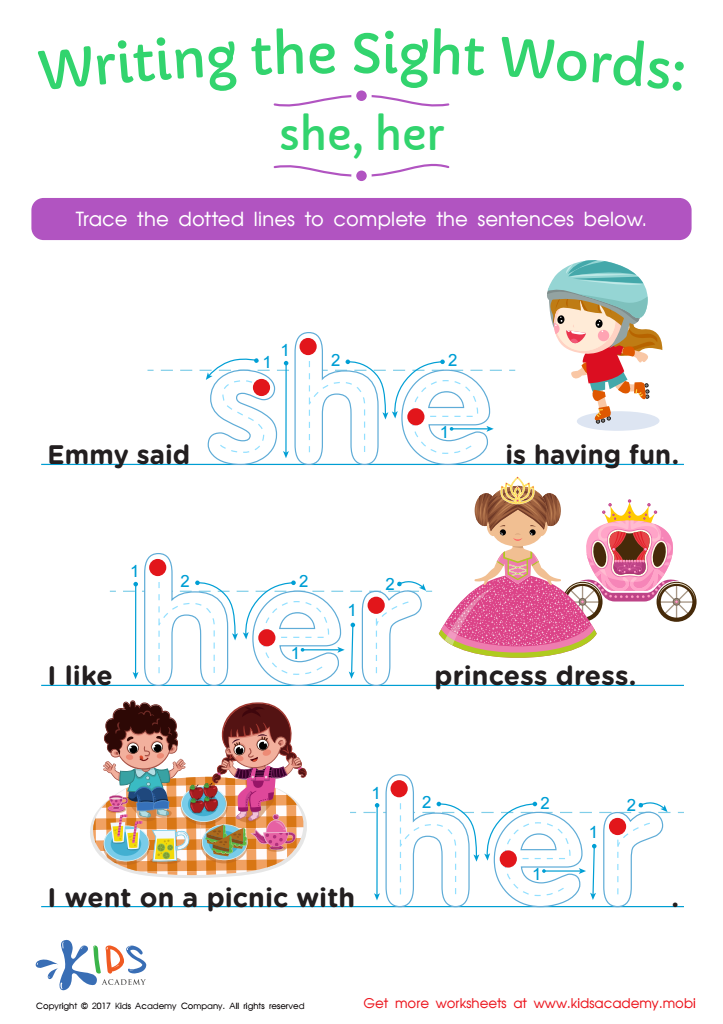
She, Her Printable Sight Words Worksheet
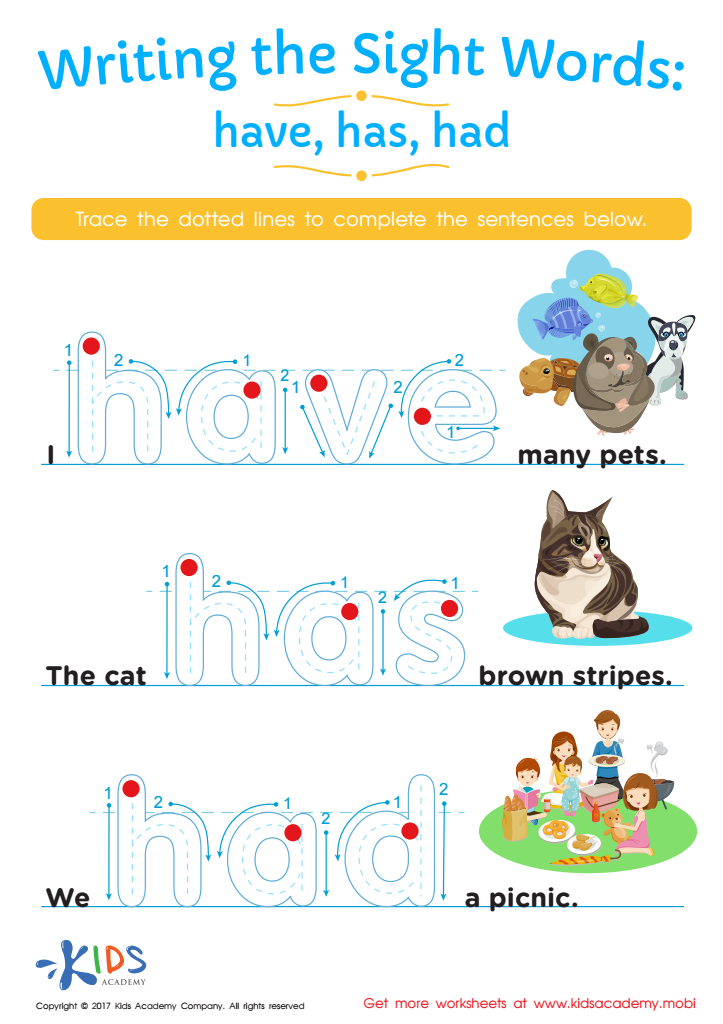
Have, Has, Had Worksheet Sight Words Worksheet








Tracing words is an essential activity for young children aged 3-7, and both parents and teachers should prioritize it for numerous reasons. Firstly, word tracing helps in the development of fine motor skills. Holding a pencil and tracing the shapes of letters strengthens the hand muscles and improves hand-eye coordination. This foundational skill makes future writing tasks easier and more efficient.
Secondly, it promotes letter recognition and familiarity with the alphabet. When children trace words, they encounter and repetitively practice each letter, making it easier for them to identify and recall these letters in both uppercase and lowercase forms. This fundamental knowledge is crucial for reading proficiency.
Additionally, tracing words supports cognitive development. It encourages pattern recognition, memory retention, and sequencing, all of which are vital cognitive skills. By seeing and tracing words, children begin to understand connections between sounds, symbols, and meanings, paving the way for effective reading and writing.
Moreover, traced words often come with aural and spoken components, enhancing phonemic awareness—recognizing the individual sounds in words. This is a critical skill for decoding new words while reading.
Lastly, consistent engagement in tracing can boost a child's confidence and enthusiasm for learning. Mastery of tracing facilitates smoother transitions to writing words independently, laying a firm foundation for academic success.