Filters

36 filtered results

Clear all filters
Favorites
With answer key
Interactive

36 filtered results

Difficulty Level

Grade


Subject

    Check out this FREE Trial Lesson on Life Science for age 3-9!

    Animal Adaptations

    Favorites
    With answer key
    Interactive
    • 3-9
    • Life Science
    Pond Trouble Worksheet
    Pond Trouble Worksheet

    Pond Trouble Worksheet

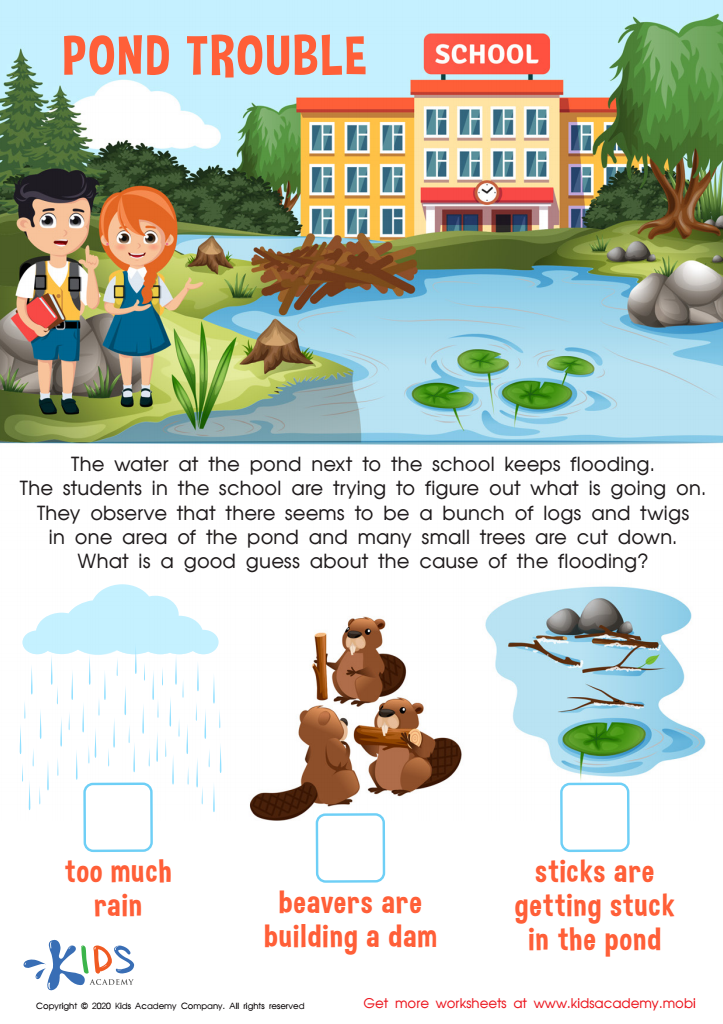
    This fun worksheet will get your child's brain buzzing! They must help the characters solve the mystery of a flooding pond by reading the explanation and carefully considering each answer choice. Encourage them to think deeply about the possible cause before picking the most likely one.
    Pond Trouble Worksheet
    Worksheet
    Beaver Pond: Looking for a Solution Worksheet
    Beaver Pond: Looking for a Solution Worksheet

    Beaver Pond: Looking for a Solution Worksheet

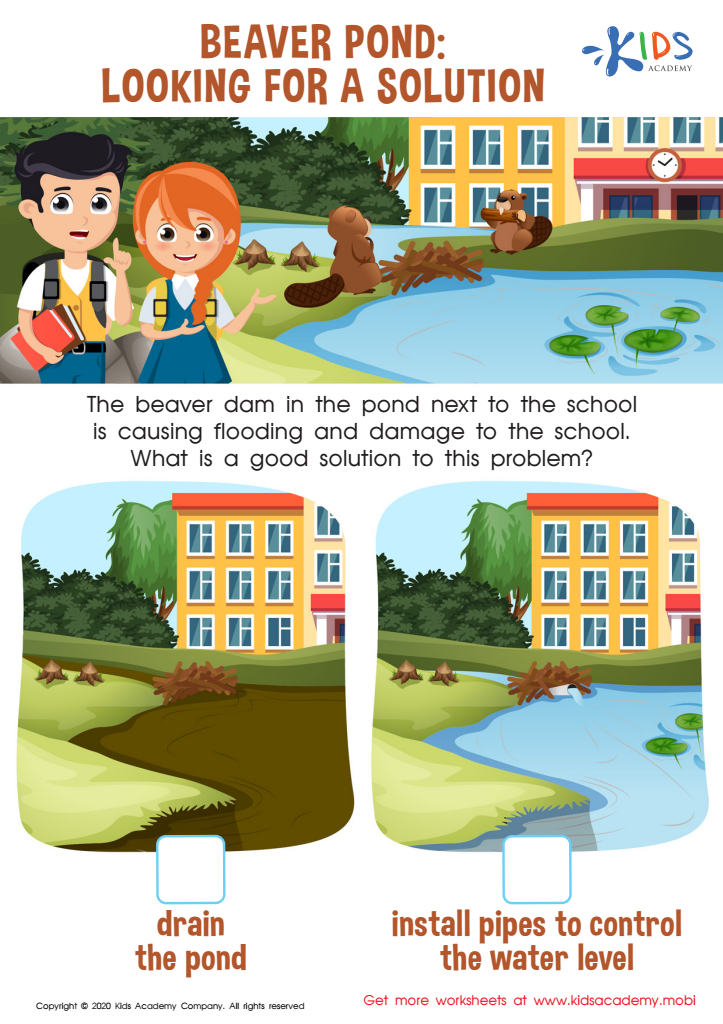
    Beavers are building dams and flooding the local pond! Help your child practice problem-solving skills by reading through and selecting from possible solutions, with this fun PDF worksheet. See how your child's skills are improved!
    Beaver Pond: Looking for a Solution Worksheet
    Worksheet
    Animal camouflage worksheet
    Animal camouflage worksheet

    Animal Camouflage Worksheet

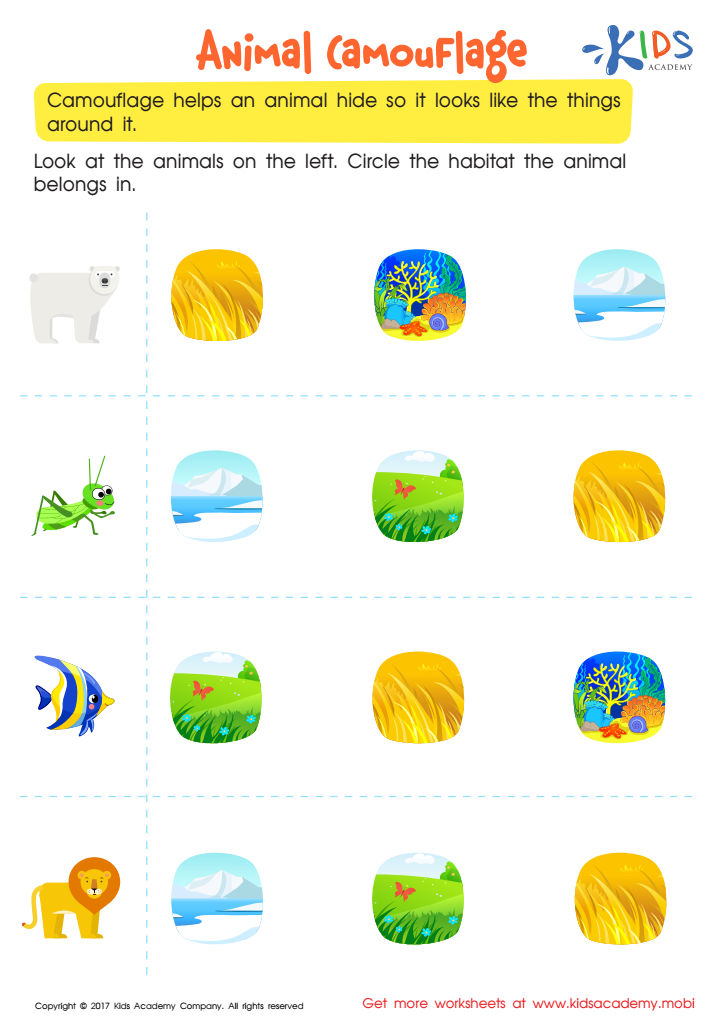
    Camo isn't just for the military! Animals use camouflage, blending into their environment with coat patterns. Introduce your kid to this fascinating natural phenomenon with this cute animal camouflage worksheet.
    Animal Camouflage Worksheet
    Worksheet
    Life cycle of a salmon worksheet pdf
    Life cycle of a salmon worksheet pdf

    Cycle Of Salmon Worksheet

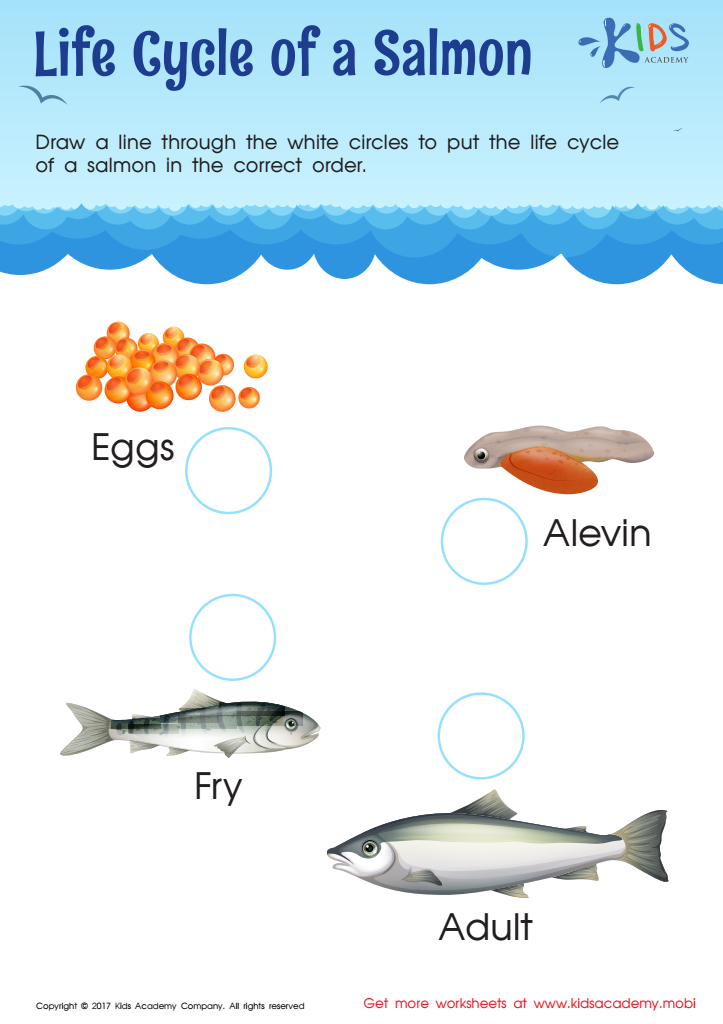
    Explore the life cycle of a salmon with this grade 2 worksheet! Kids will learn by arranging the stages of the salmon's lifecycle in order. Science activities in this set cover a wide range of lifecycles in nature.
    Cycle Of Salmon Worksheet
    Worksheet
    Classifying animals worksheet 2nd grade
    Classifying animals worksheet 2nd grade

    Classifying Animals Worksheet

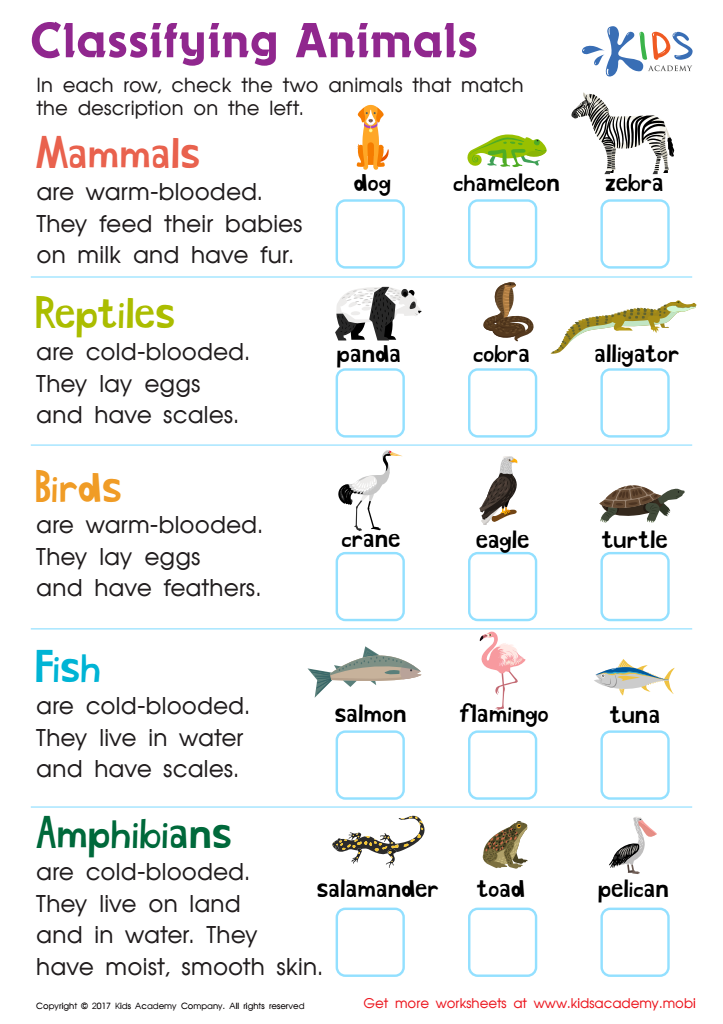
    Print the 2nd grade animal classification worksheet and help kids study the differences between mammals, reptiles, birds, fish and amphibians. Let them pick two examples from the options given.
    Classifying Animals Worksheet
    Worksheet
    Plants and seeds worksheet
    Plants and seeds worksheet

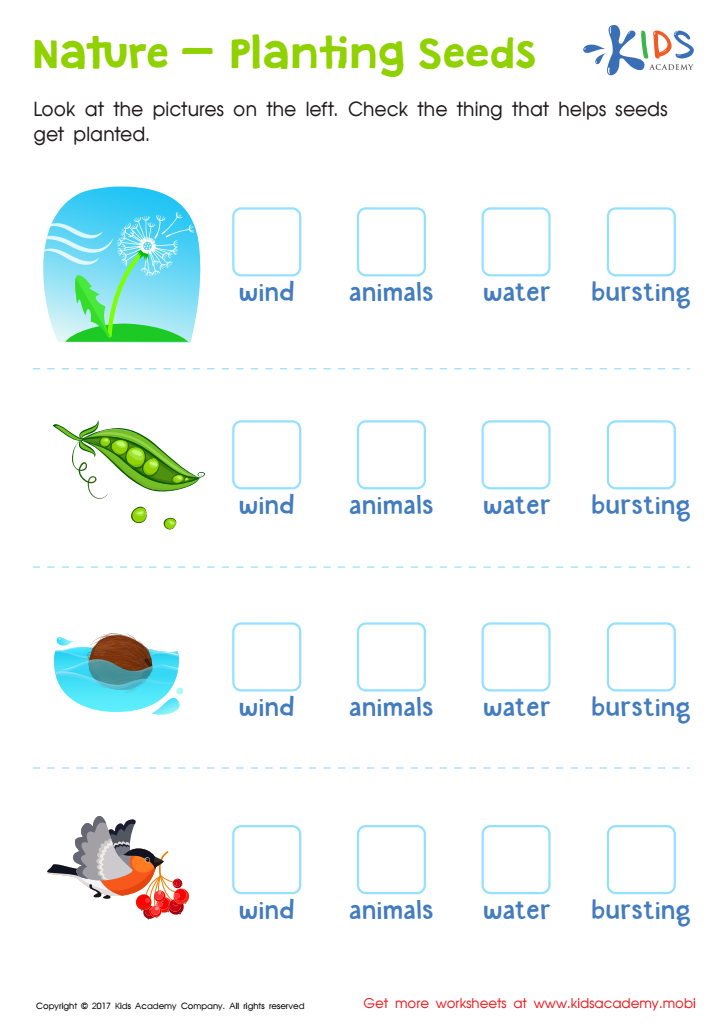
    Nature Planting Seeds Worksheet
    Help your child explore the fascinating cycle of plants and seeds with this worksheet. They'll learn how plants grow and how seeds travel to the ground. Challenge them to identify the right way each seed gets planted!
    Nature Planting Seeds Worksheet
    Worksheet
    Developing Solution Worksheet
    Developing Solution Worksheet

    Developing Solution Worksheet

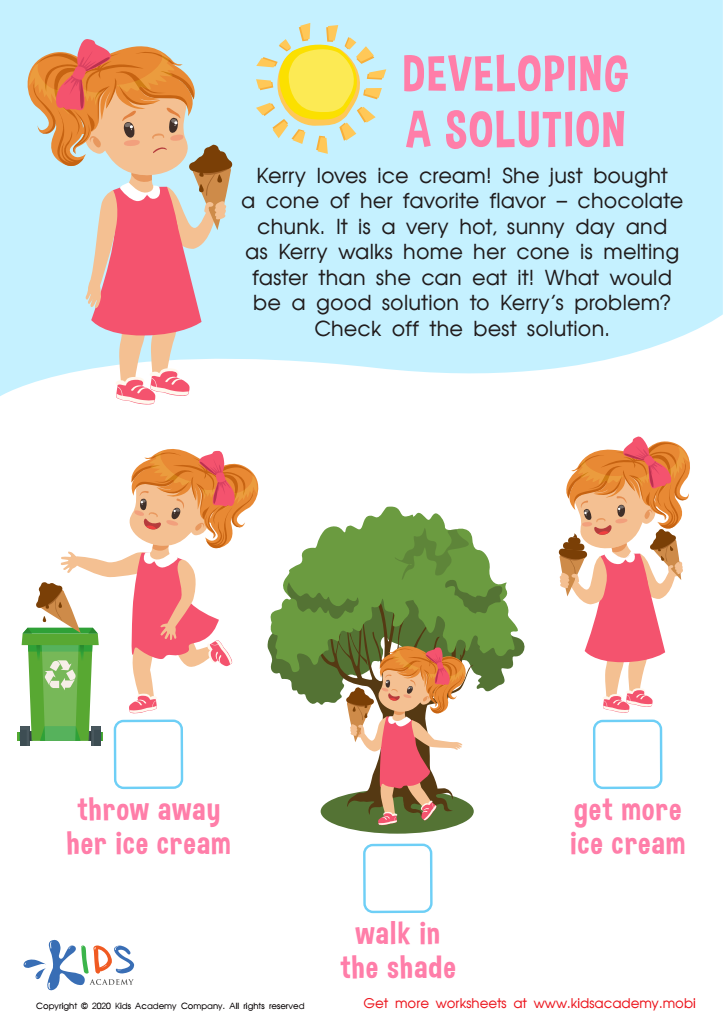
    Facing a challenge? Boost your child's problem-solving skills with this science worksheet from Kids Academy! Kerry is eating an ice cream cone and it's melting too fast. Read through the suggested solutions and help your child pick the best one! With this activity, your child will understand the cause of the problem and learn to act accordingly.
    Developing Solution Worksheet
    Worksheet
    Amphibians vs Reptiles Worksheet PDF
    Amphibians vs Reptiles Worksheet PDF

    Amphibians vs Reptiles Worksheet

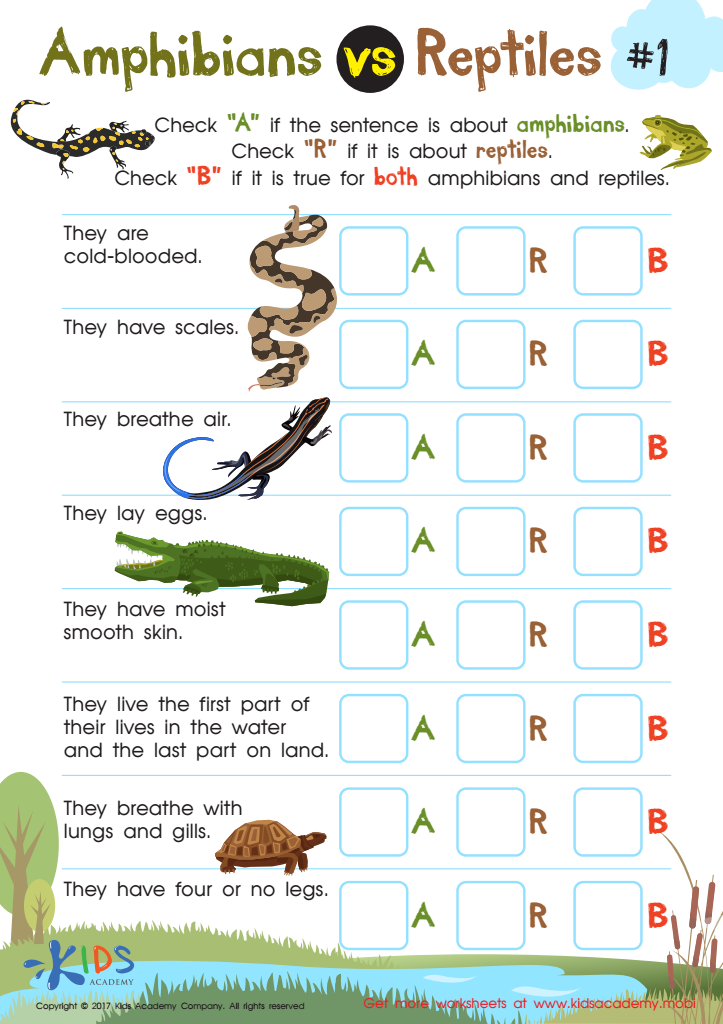
    Kids will love learning the differences between amphibians and reptiles with this worksheet! Each fact must be read to correctly identify if it pertains to reptiles or amphibians. Focusing on the unique attributes of both groups, this PDF will make the comparison captivating and fun!
    Amphibians vs Reptiles Worksheet
    Worksheet
    Animal hide and seek worksheet pdf
    Animal hide and seek worksheet pdf

    Animal Hide and Seek Worksheet

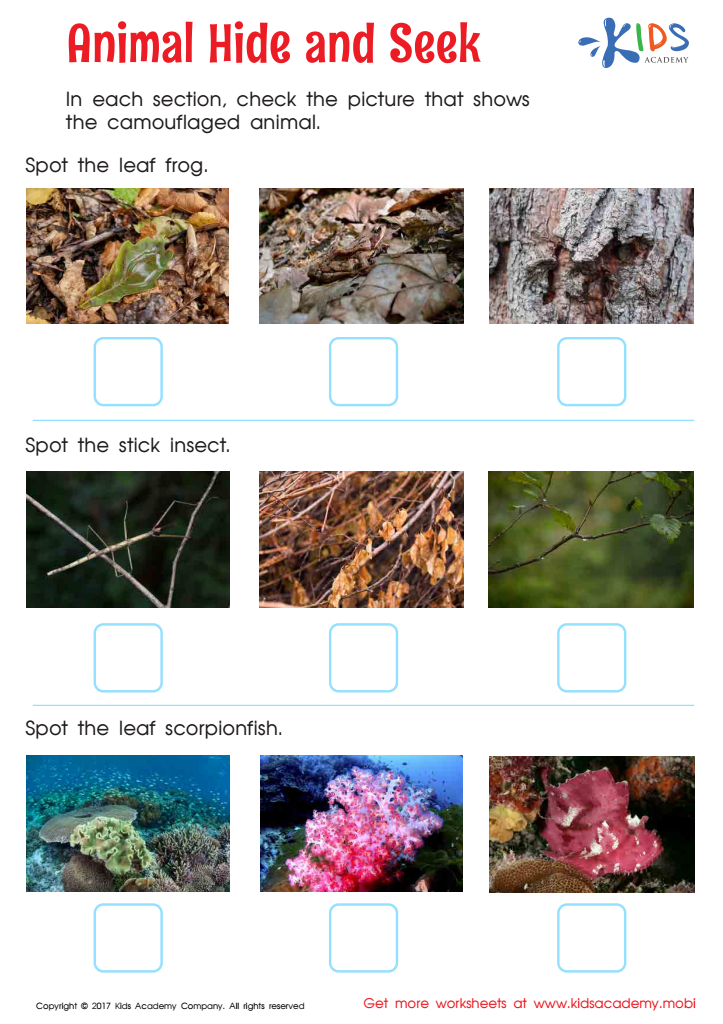
    Try Kids Academy's animal hide and seek worksheet. See if your kids can spot the hidden animals – a leapfrog, a stick insect, and a leaf scorpionfish. A fun and educational activity to raise awareness of the variety of nature and spur further exploration of the world around them.
    Animal Hide and Seek Worksheet
    Worksheet
    Healthy Eyes Worksheet
    Healthy Eyes Worksheet

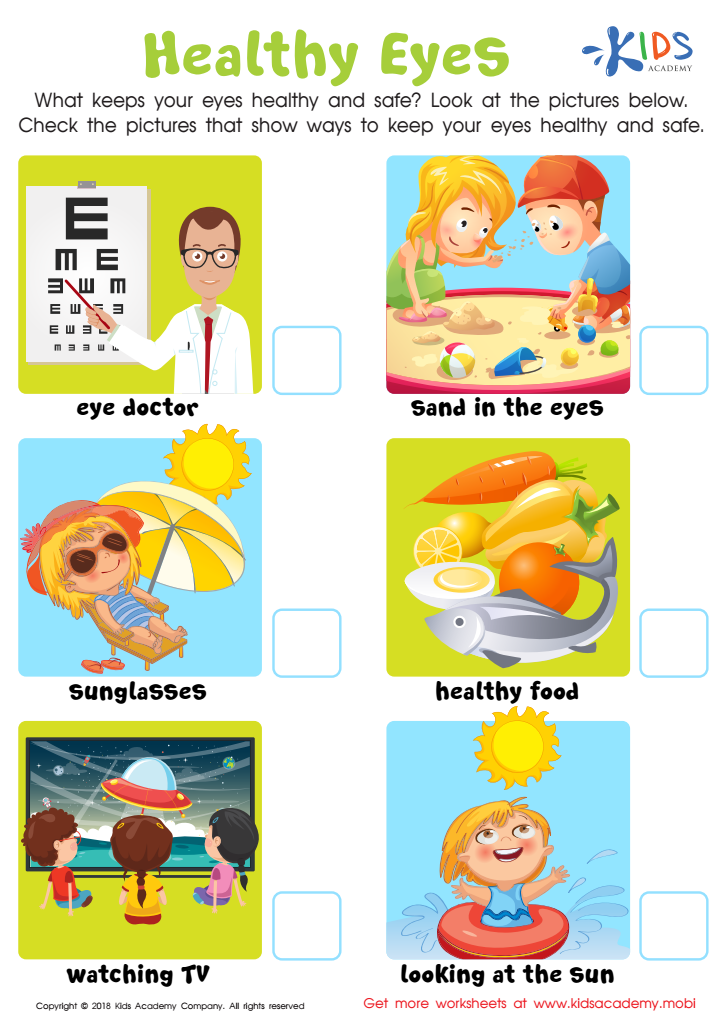
    Healthy Eyes Worksheet

    Does your child know how to care for their eyes? Help them understand with this worksheet. Look through the pictures together and discuss the different ways to keep the eyes healthy and safe. These include visits to the doctor, wearing sunglasses, and eating healthy food.
    Healthy Eyes Worksheet
    Worksheet
    Honeybee worksheet for 3rd grade
    Honeybee worksheet for 3rd grade

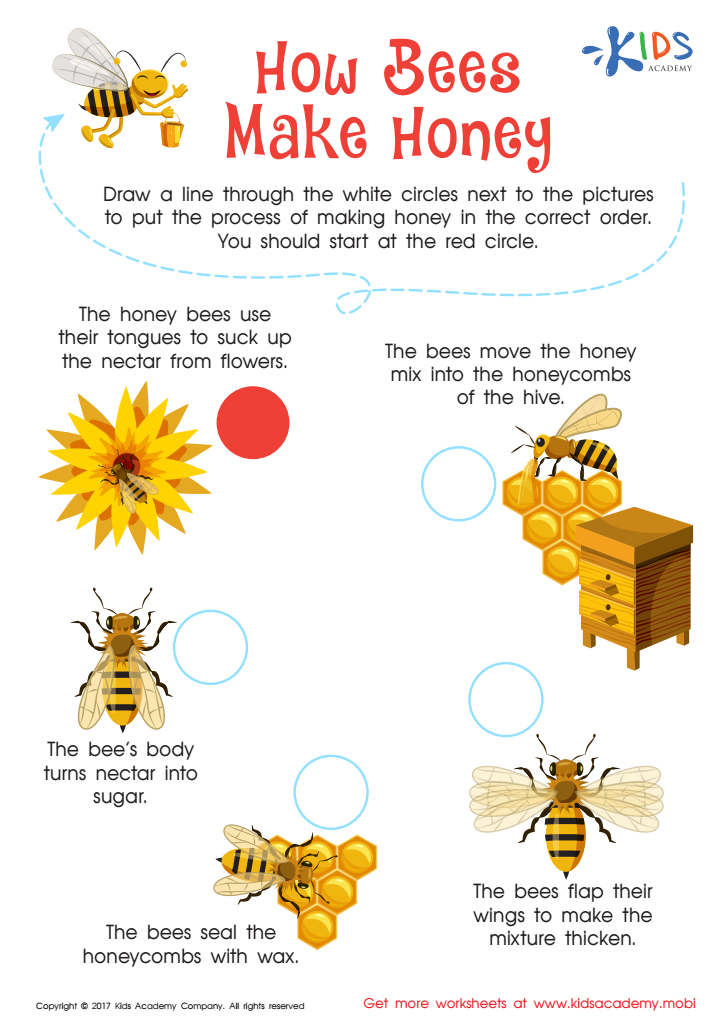
    Honey Bee Worksheet

    Kids learn about life science and the process of making honey with this sweet honeybee worksheet for 3rd grade. They identify the steps bees take and put the cycle in order, developing knowledge and appreciation for honeybees!
    Honey Bee Worksheet
    Worksheet
    Tundra habitats worksheet for 3rd grade
    Tundra habitats worksheet for 3rd grade

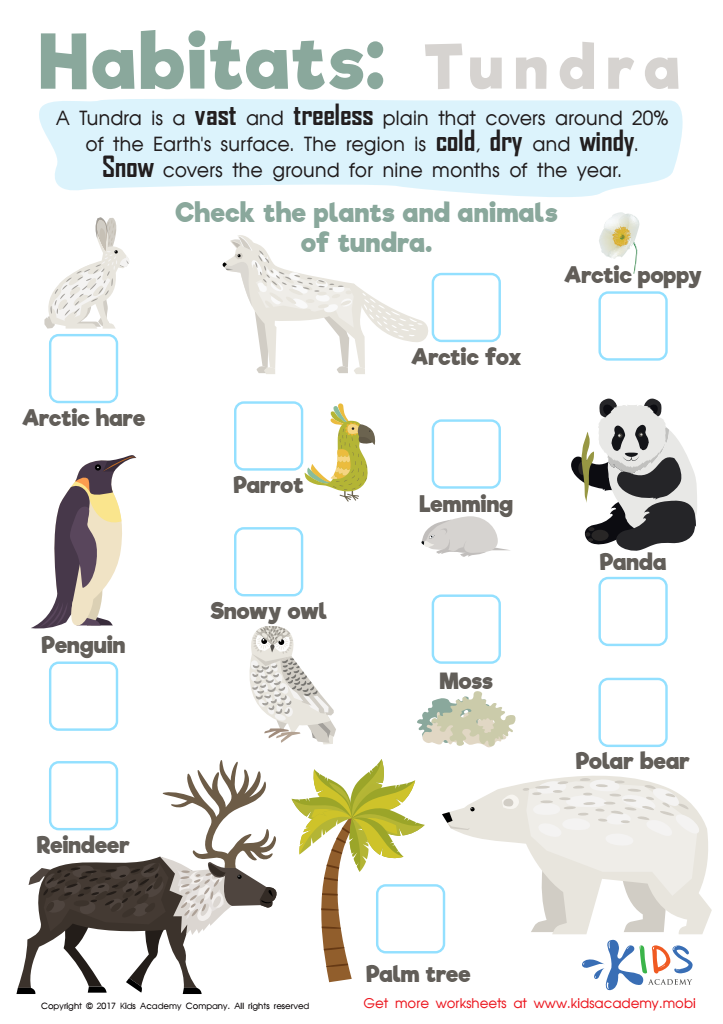
    Tundra Habitats Worksheet

    Kids can increase their scientific vocab and learn about tundra habitats with this worksheet. They'll start by reading facts about the tundra, then identify animals that live there using their knowledge. It's a great way to explore the world!
    Tundra Habitats Worksheet
    Worksheet


    Life Science for children aged 3-9 is crucial for fostering curiosity and understanding about the natural world. At this developmental stage, children are naturally inquisitive and eager to explore their environment. Introducing them to life science nurtures this curiosity and sets a foundation for scientific thinking and inquiry. It aids in developing critical thinking skills as children learn to observe, ask questions, and make connections between concepts.

    Understanding basic principles of life science, like the life cycles of plants and animals, the importance of habitats, and human impacts on the environment, instills a sense of wonder and respect for living things. It also promotes environmental stewardship from a young age, which is essential given current global challenges such as climate change and biodiversity loss.

    For teachers, age-appropriate life science education aids in meeting educational standards and can make learning interdisciplinary by incorporating math, reading, and social studies elements. For parents, engaging in life science activities at home enhances bonding and provides meaningful, hands-on learning experiences beyond the classroom.

    Overall, life science education at an early age helps children develop a lifelong love for learning, an appreciation for the natural world, and the critical skills necessary to think scientifically about the everyday phenomena they encounter.