Shape Recognition Geometry Worksheets for 3-Year-Olds
21 filtered results
-
From - To
Enhance your 3-year-old's geometric learning with our engaging Shape Recognition Geometry Worksheets. Tailored for preschoolers, these fun and interactive worksheets help kids easily identify and differentiate between basic shapes such as circles, squares, and triangles. Our expertly designed activities encourage young learners to recognize shapes in everyday objects, boosting their cognitive skills and laying a strong mathematical foundation. Each worksheet is colorful, simple, and ideal for fostering early learning progression, making shape recognition both enjoyable and educational. Give your child a head start with shapes through our unique, high-quality printables designed to spark curiosity and learning.
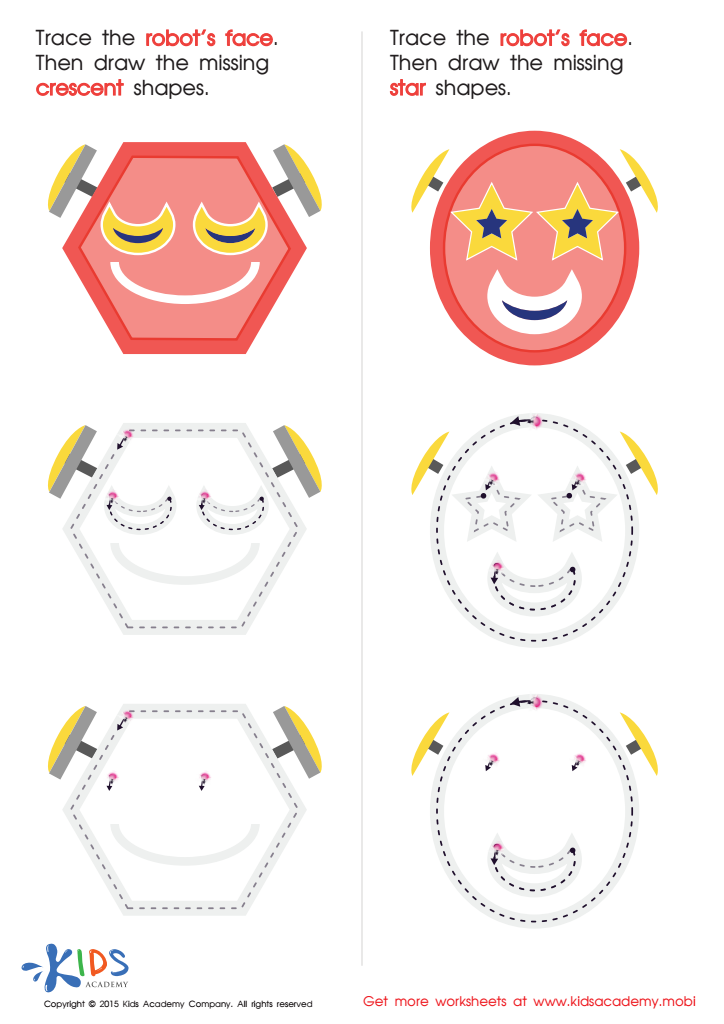
Composing a Robot's Face of Crescents And Stars Worksheet











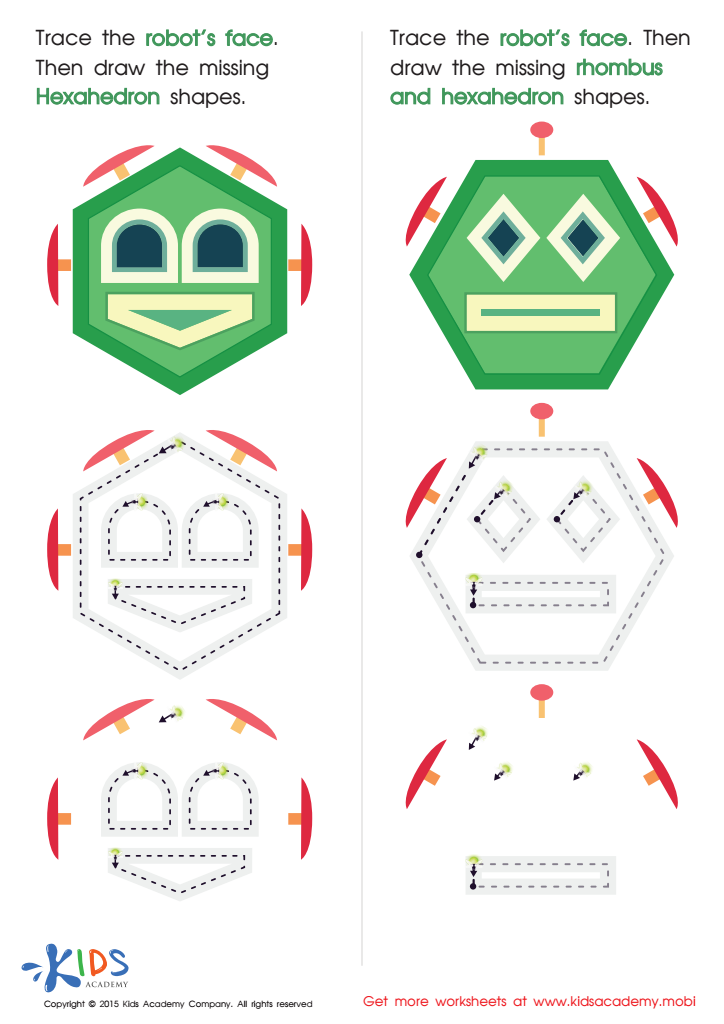
Practice Drawing Hexahedrons And a Rhombus Worksheet
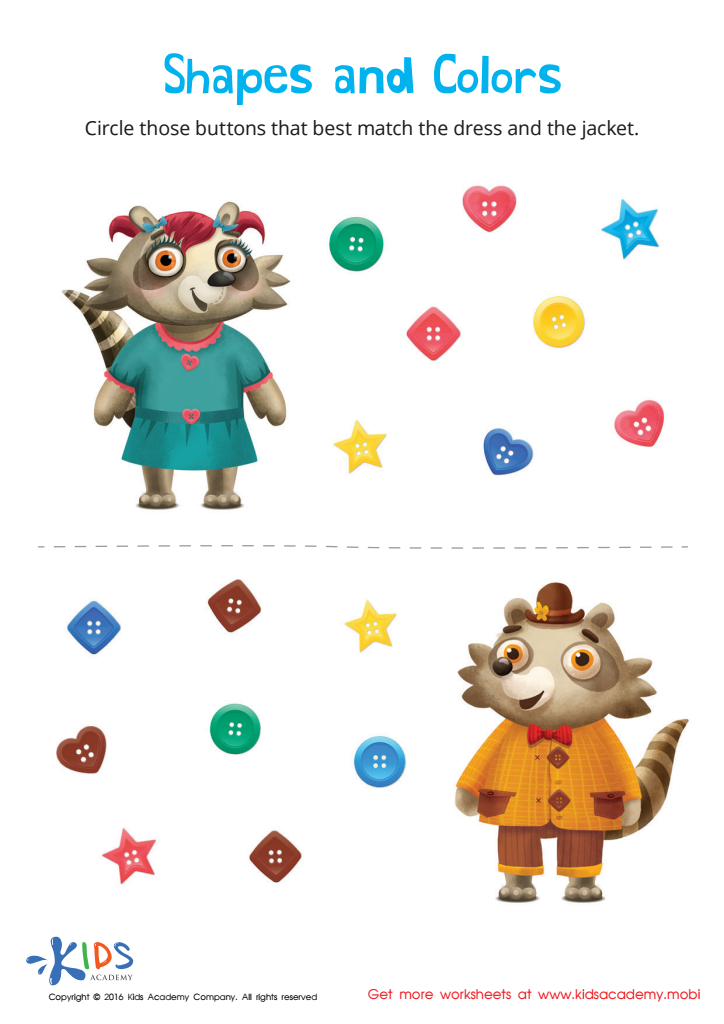
Matching: Shapes and Colors Worksheet
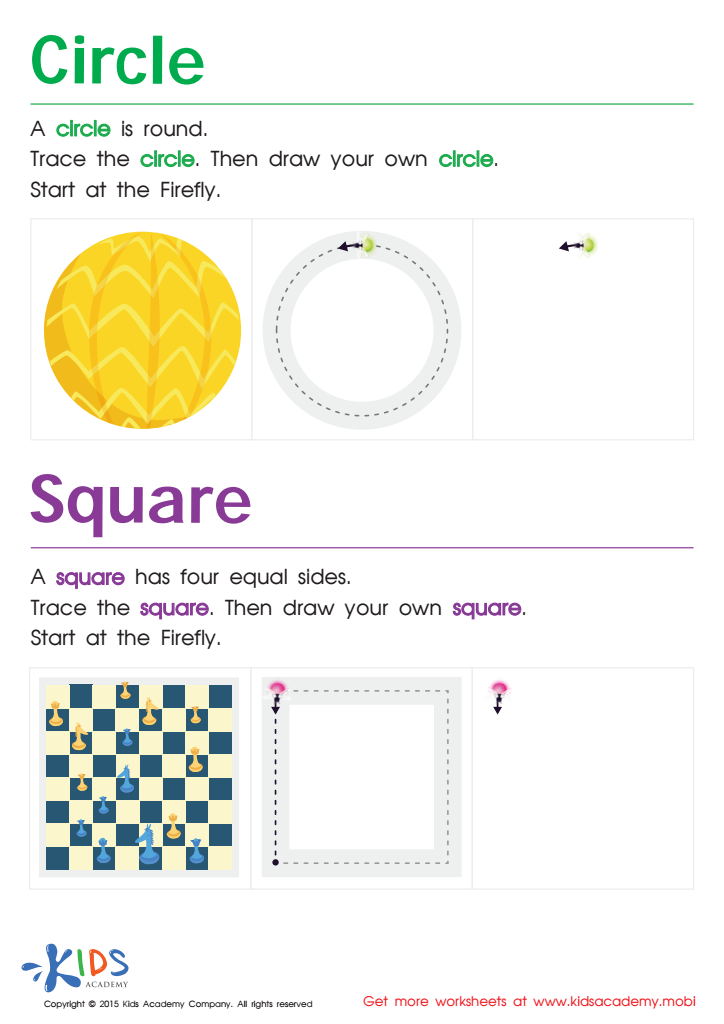
Trace And Draw a Circle And a Square Worksheet
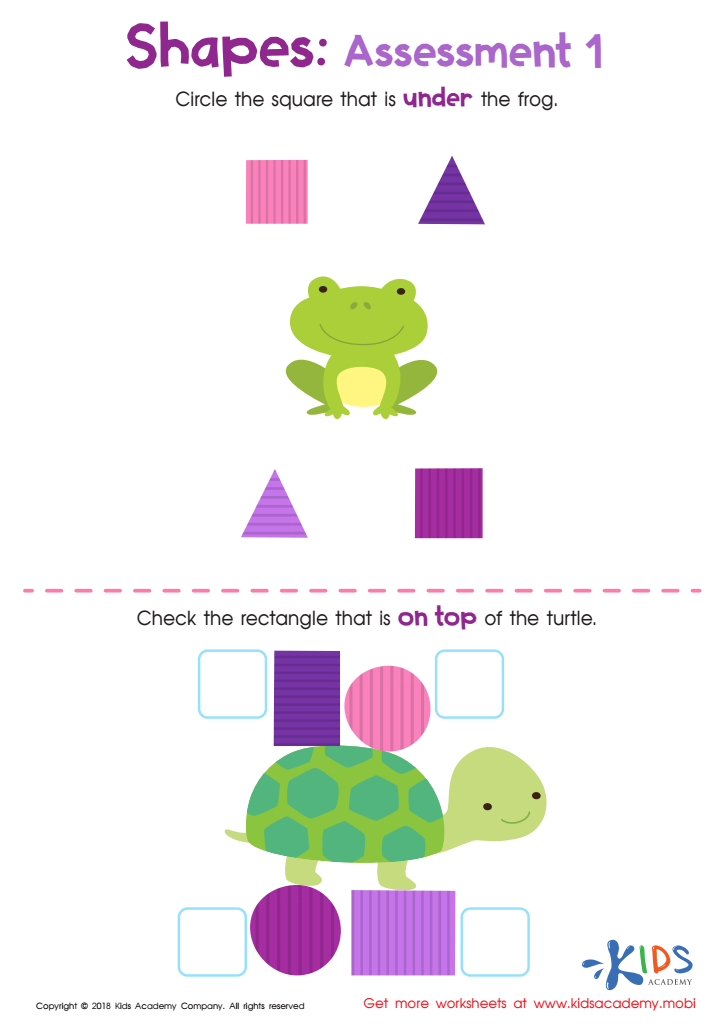
Geometry – Assessment 1 Worksheet
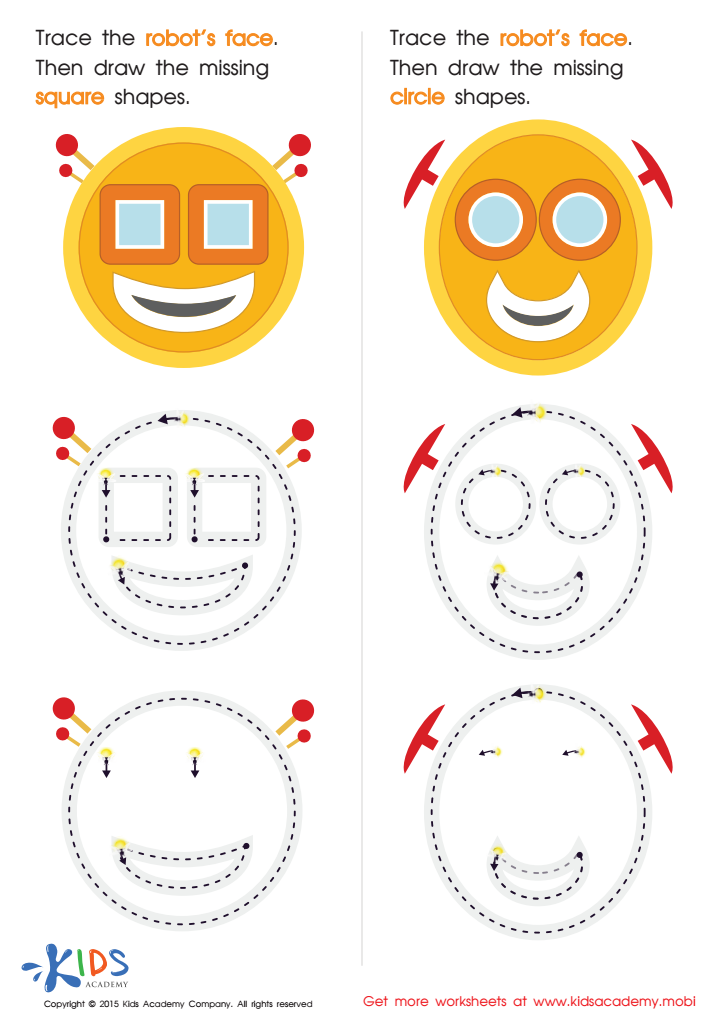
Practicing to Draw Circles And Squares Printable
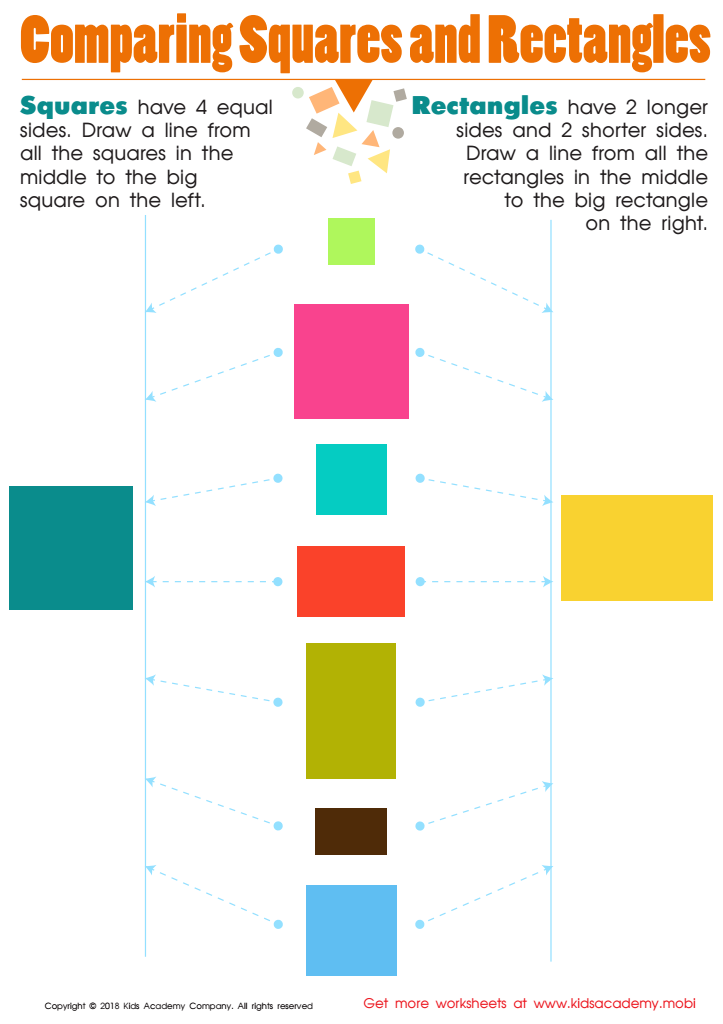
Comparing Squares Rectangles Worksheet
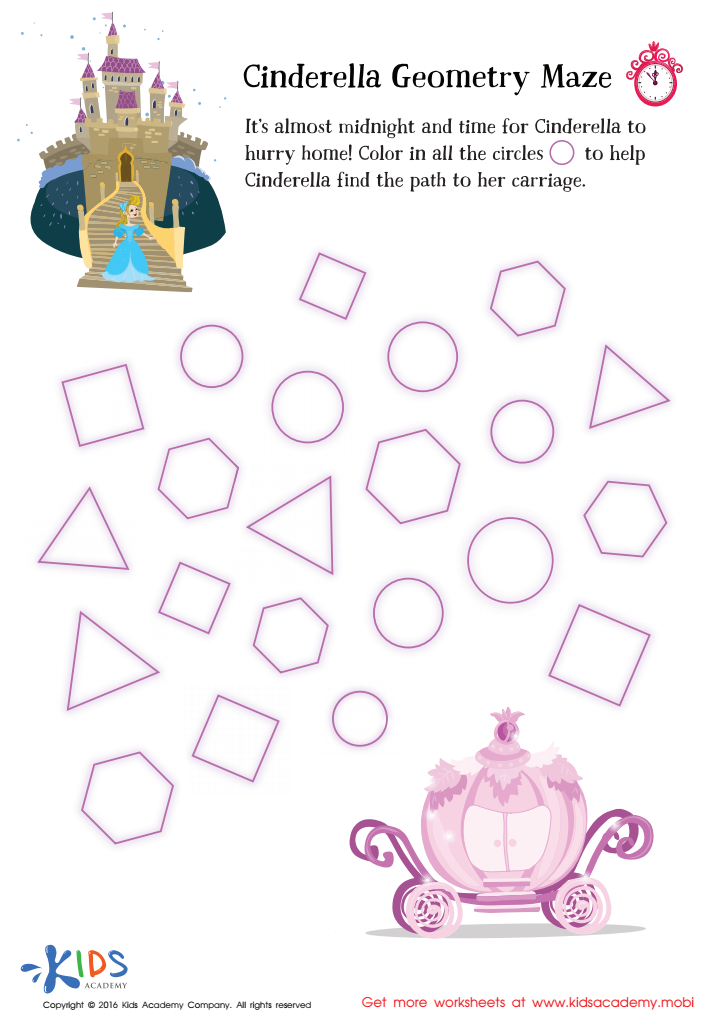
Cinderella Geometry Maze Worksheet
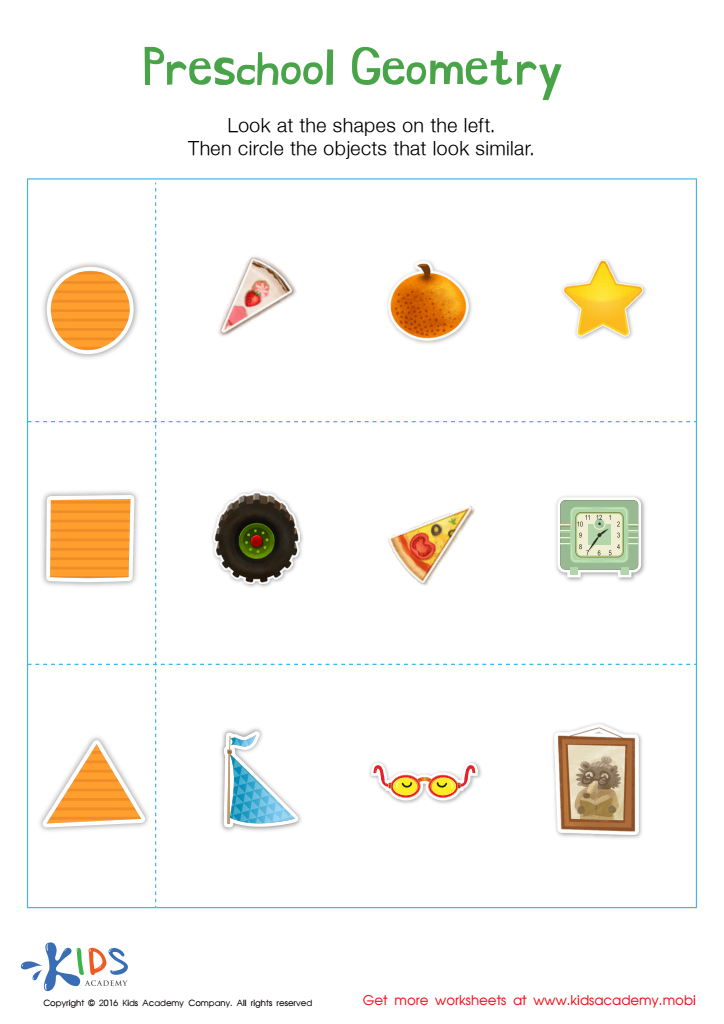
Preschool Geometry Match Up Worksheet
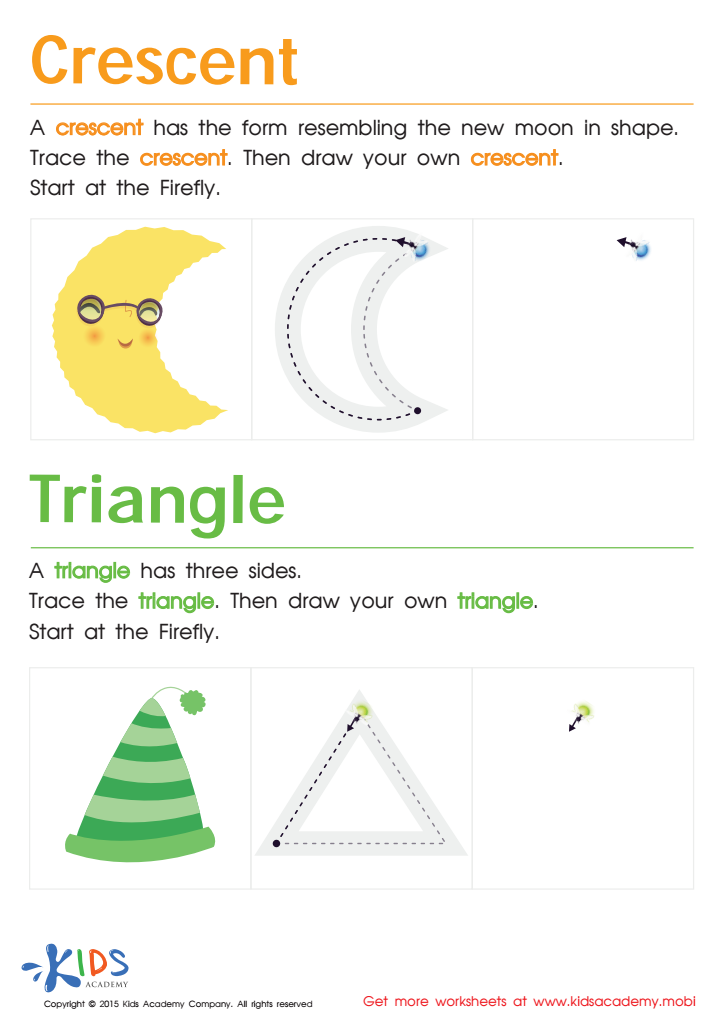
Learning to Draw Crescents And Triangles Worksheet
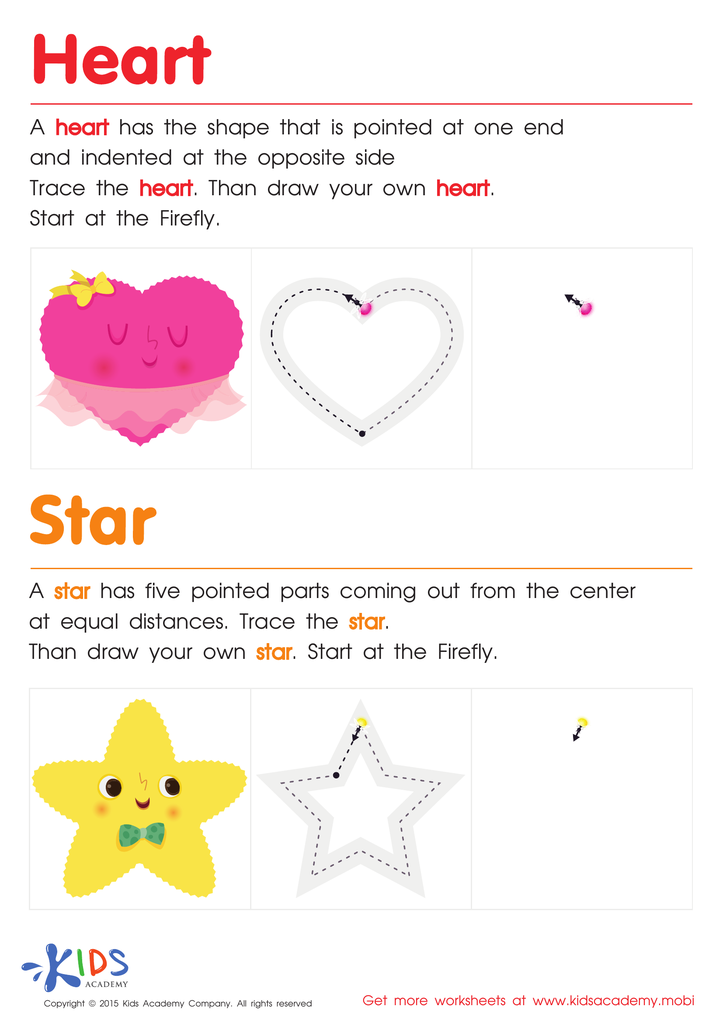
Let's Learn to Draw Hearts And Stars Printable
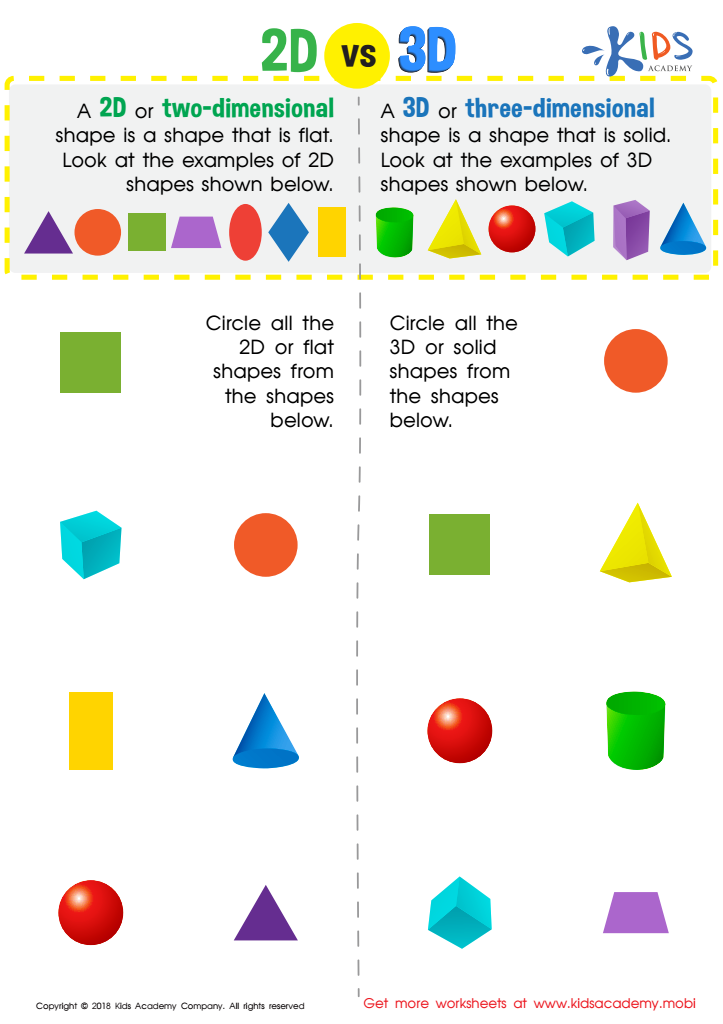
2D vs 3D Shapes Worksheet
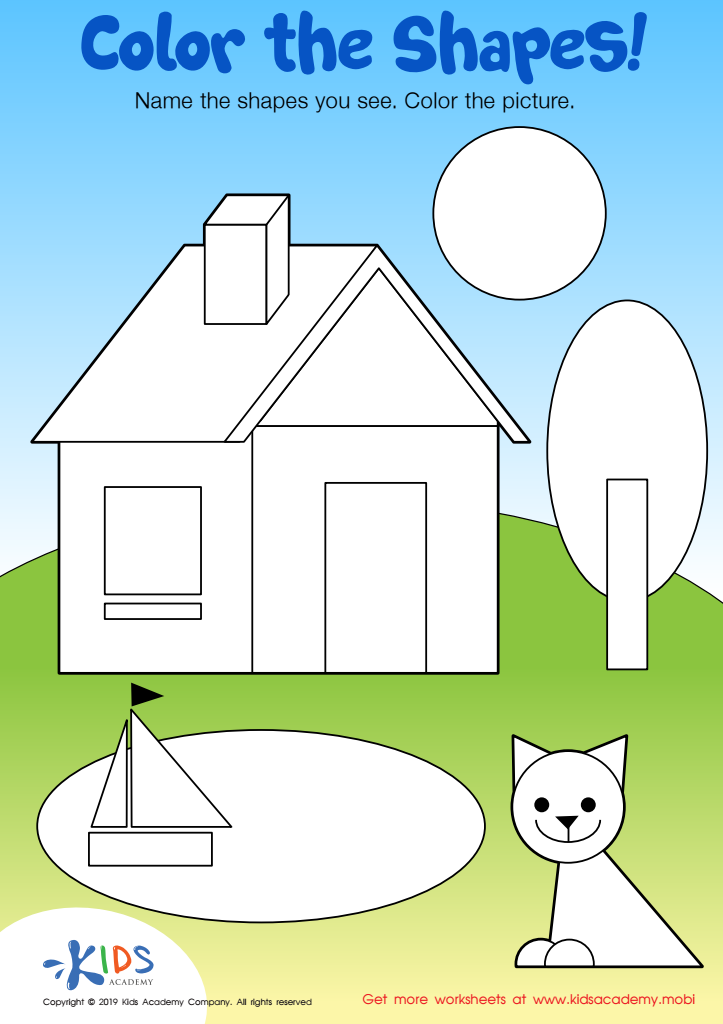
Color the Shapes Worksheet
 Assign to My Students
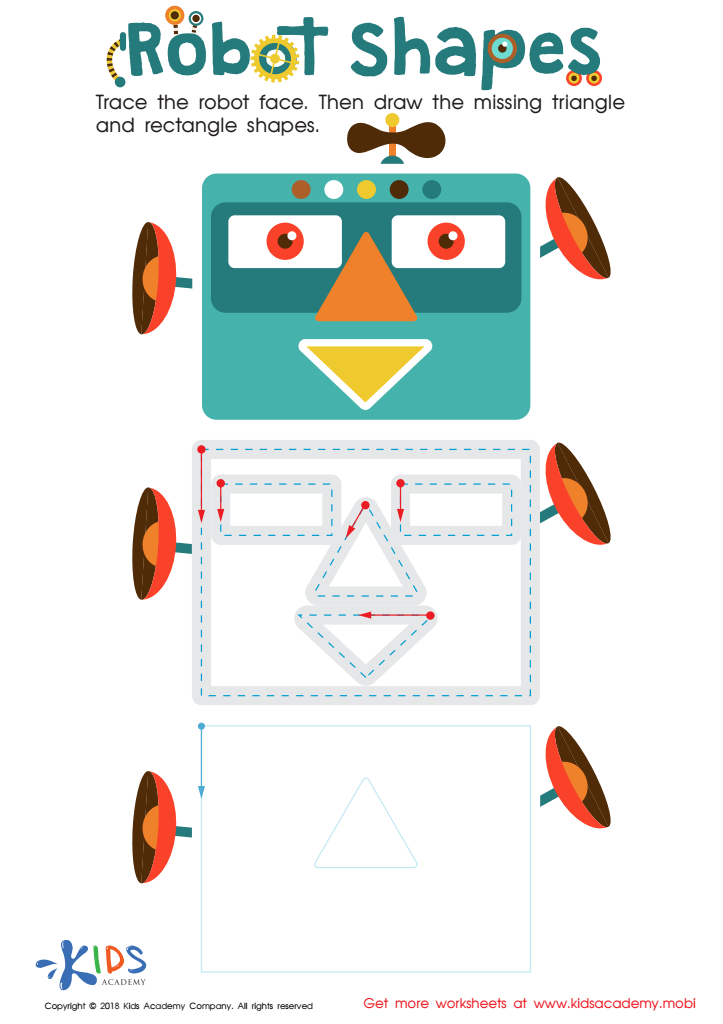
Robot Shapes Worksheet
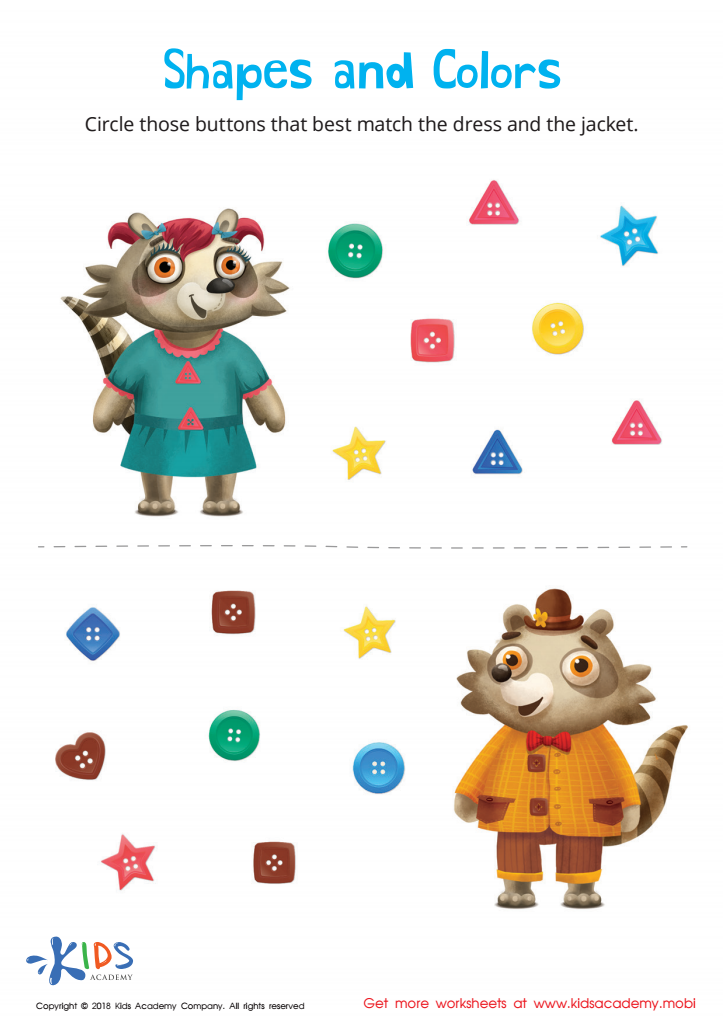
Shapes and Colors Worksheet
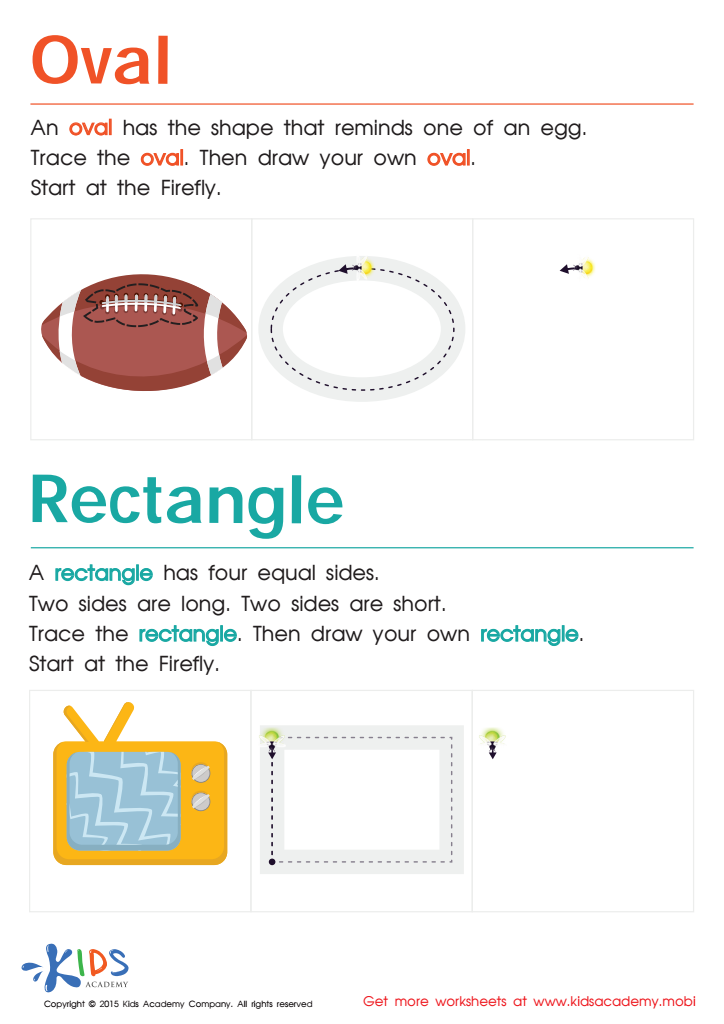
Easy Drawing of Ovals And Rectangles Worksheet
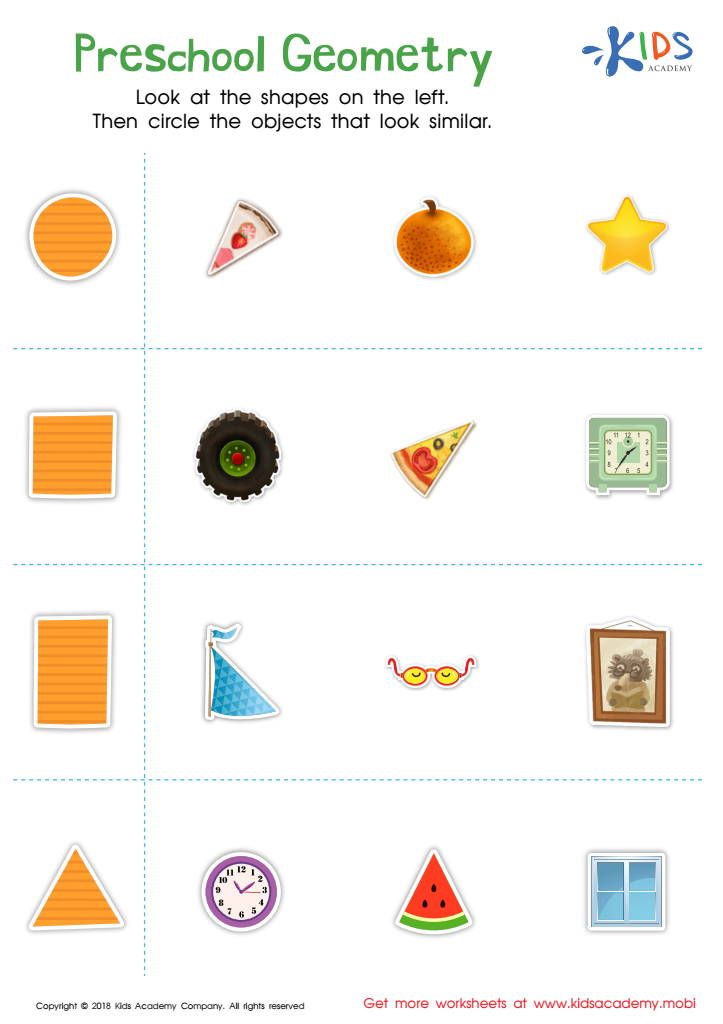
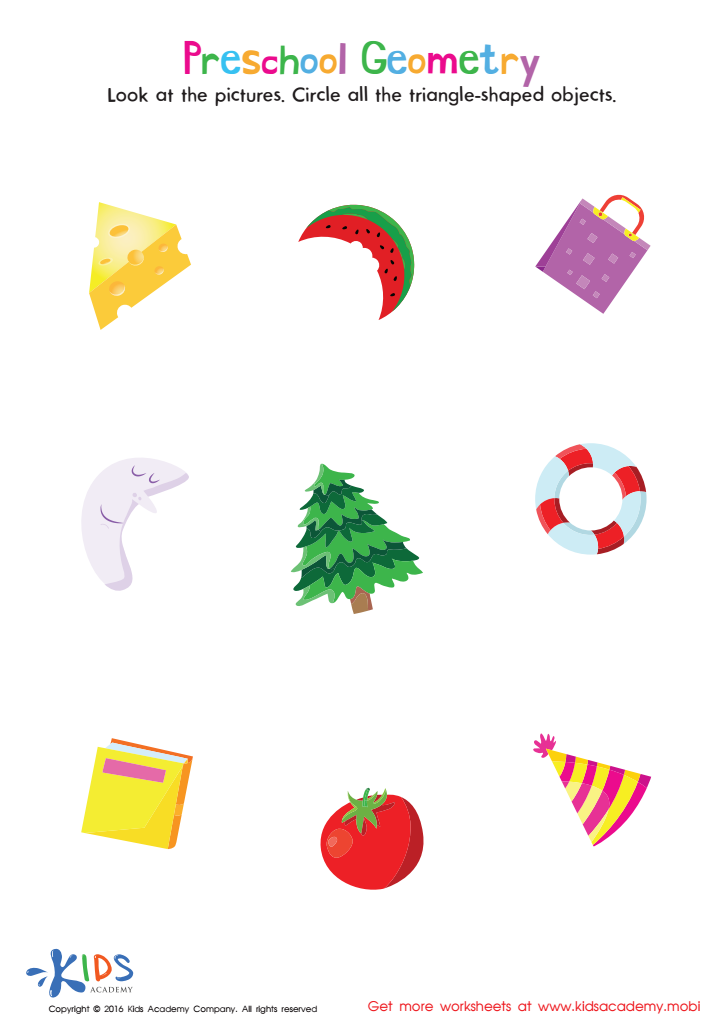
Preschool Geometry Worksheet
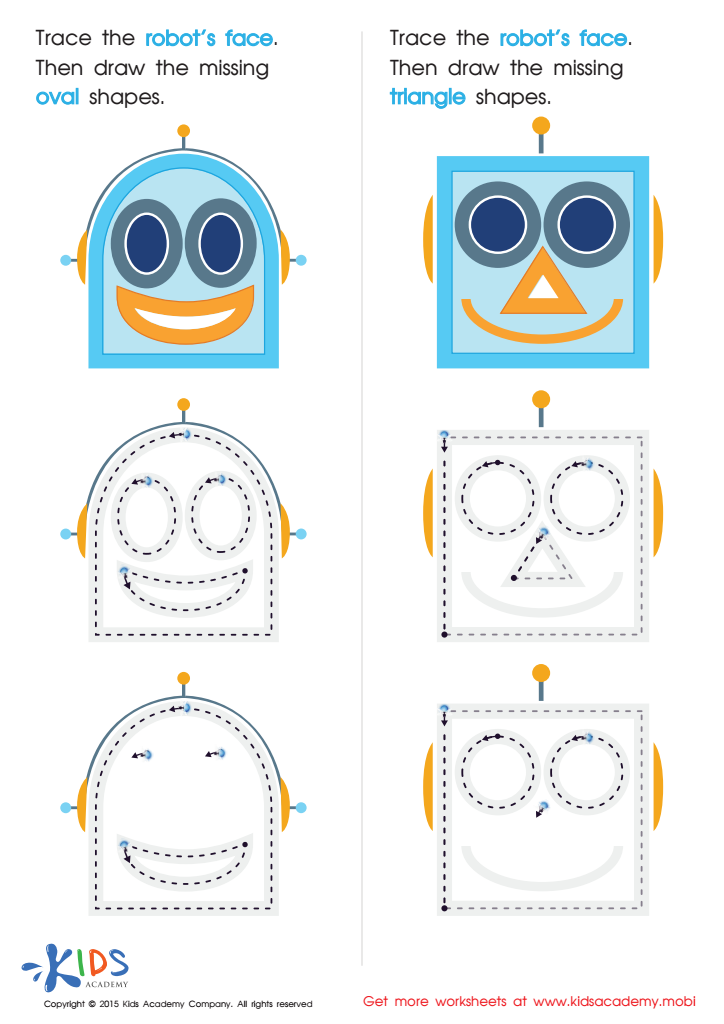
Drawing Ovals And Triangles with Fun Printable
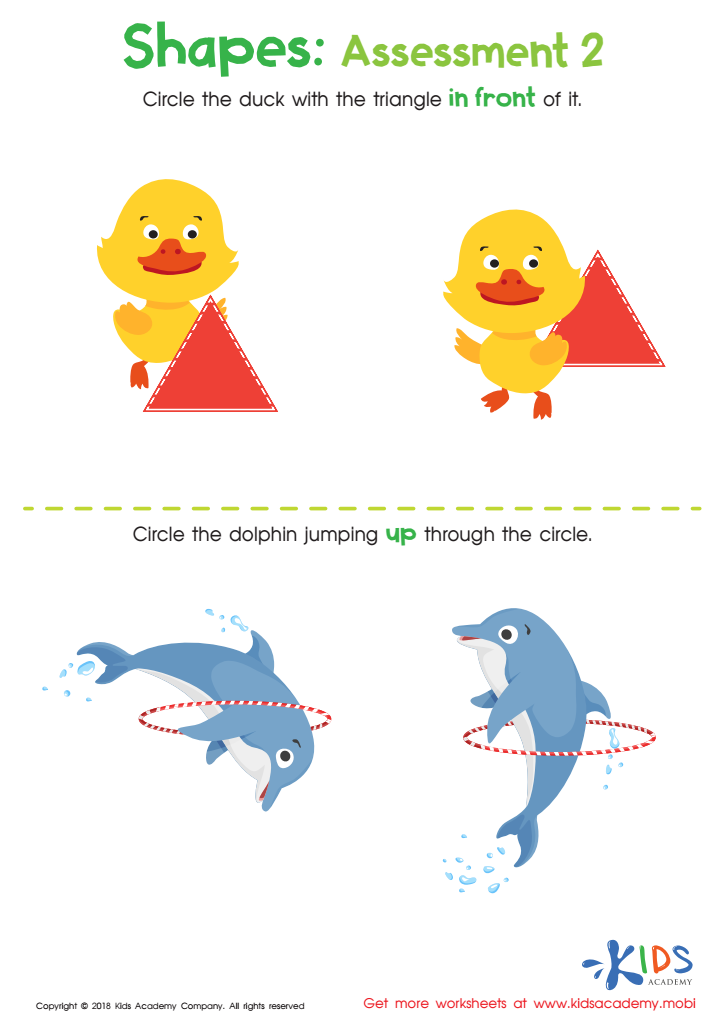
Geometry – Assessment 2 Worksheet
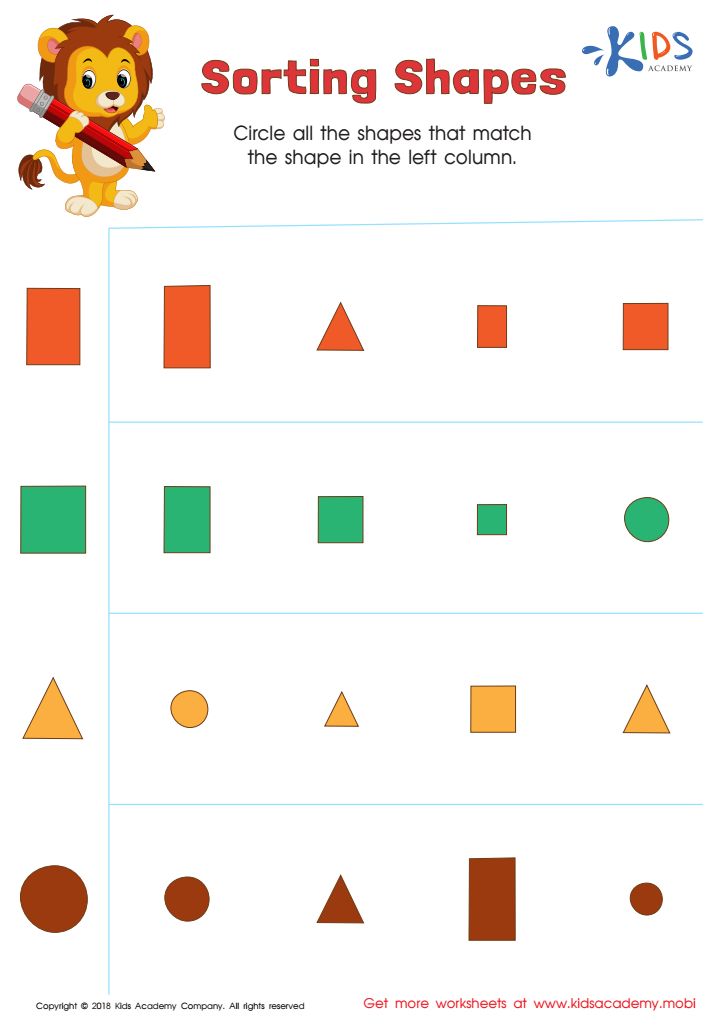
Sorting Shapes - Part 2 Worksheet








Shape recognition and early geometry are fundamental to a three-year-old's cognitive development, making it imperative for parents and teachers to prioritize these skills. Understanding shapes is not just about learning names and appearances; it lays the foundation for several crucial developmental areas.
Firstly, shape recognition bolster children's spatial awareness and cognitive abilities. By distinguishing between various shapes, children develop the ability to categorize and compare different objects in their environment, enhancing their problem-solving skills and critical thinking.
Secondly, early geometry introduces basic mathematical concepts, such as size, patterns, and sequencing, which are essential for future learning in mathematics. Recognizing shapes strengthens the child's ability to understand logical reasoning and abstract thinking, skills that are vital for academic success.
Moreover, identifying shapes is intertwined with language development. As children learn to name and describe shapes, they expand their vocabulary and communication skills. Parents and teachers can use shape-related activities to encourage descriptive language and conversations, fostering social and emotional growth.
Lastly, hands-on activities with shapes—such as puzzles, drawing, and building blocks—enhance fine motor skills and hand-eye coordination. These activities are fun and engaging, creating a positive and stimulating learning environment.
Incorporating shape recognition and geometry into early childhood education not only supports foundational mathematical skills but also promotes overall cognitive and physical development, making it a critical component of early education.








