Critical Thinking Worksheets for Ages 4-5 - Page 2
64 filtered results
-
From - To
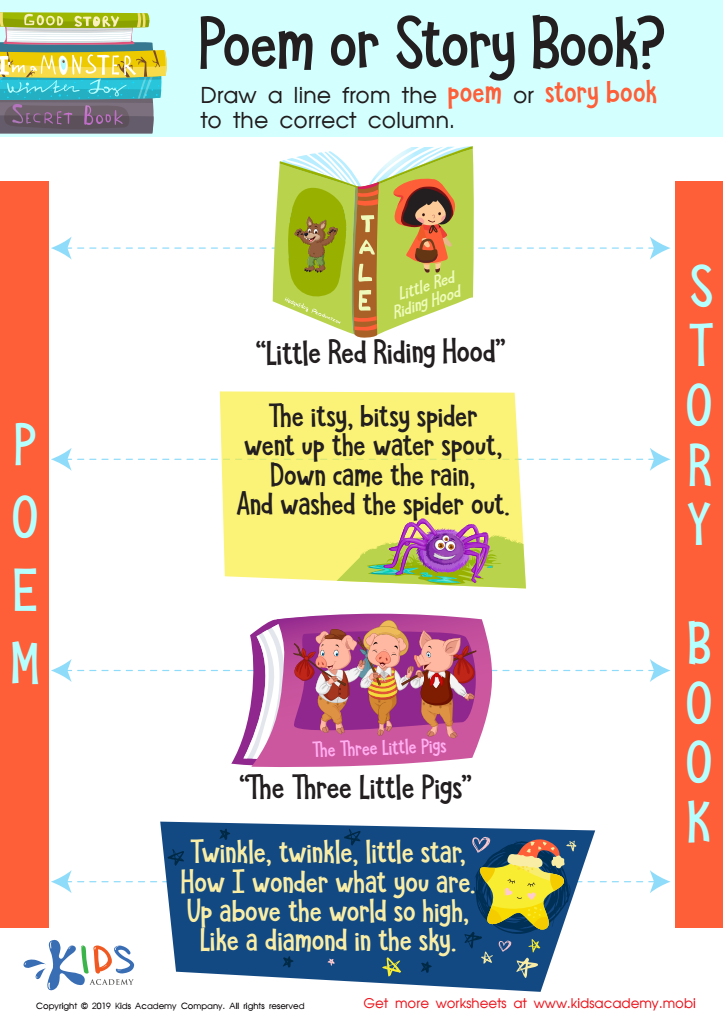
Poem or Story Book? Worksheet
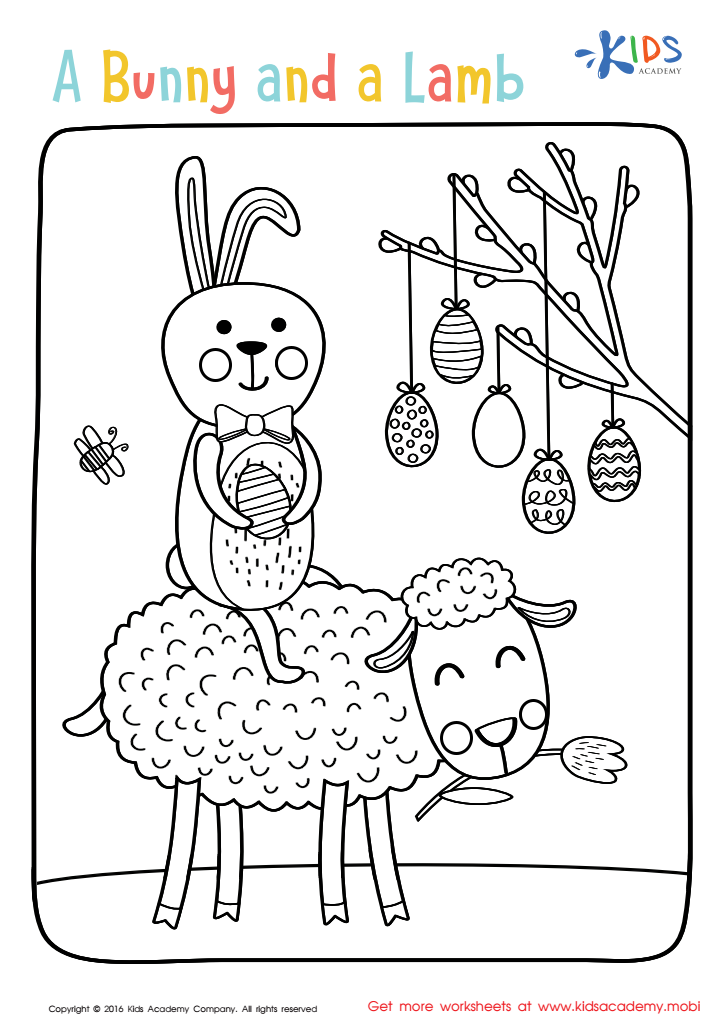
Easter: a Bunny and a Lamb Worksheet
 Assign to My Students
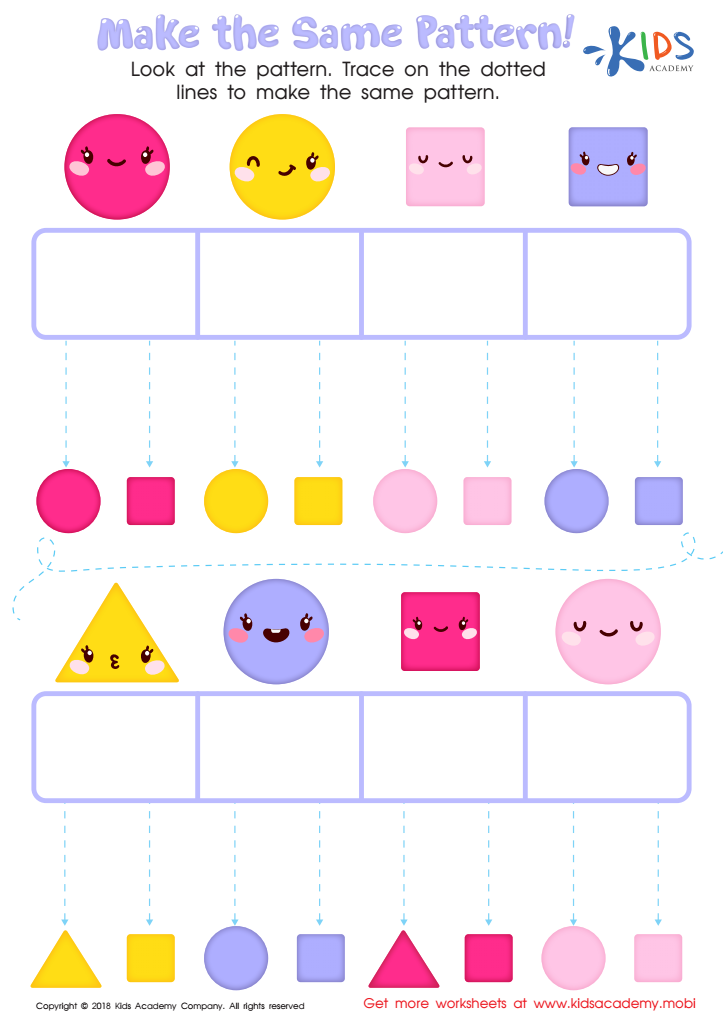
Make the Same Pattern Worksheet
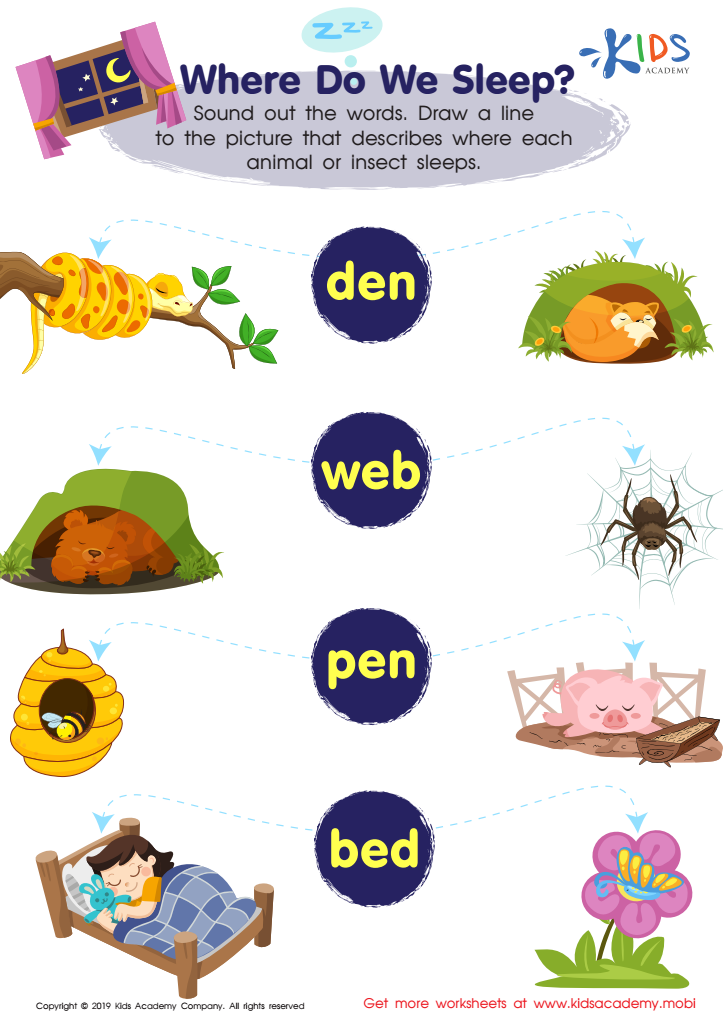
Where Do We Sleep Worksheet
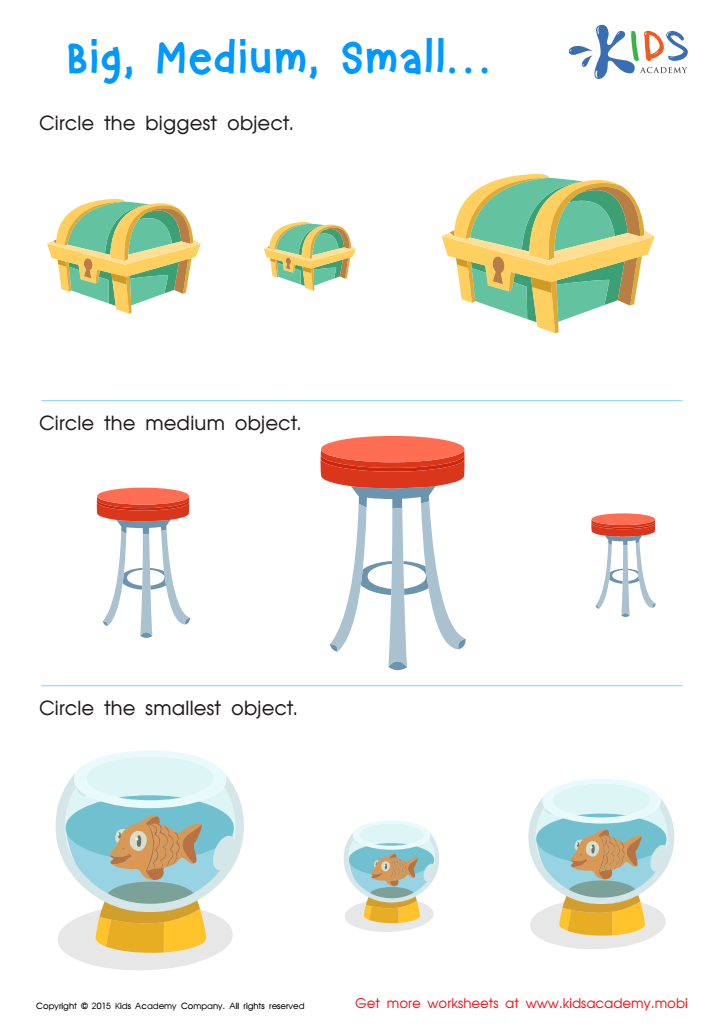
Big Medium Small Worksheet
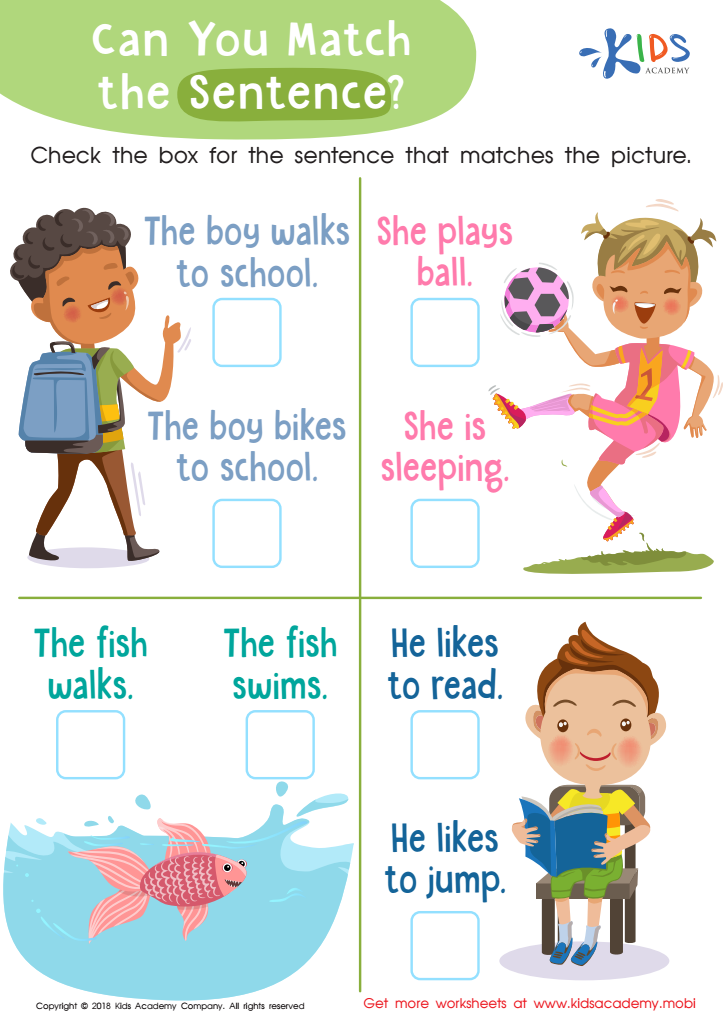
Can You Match the Sentence? Worksheet
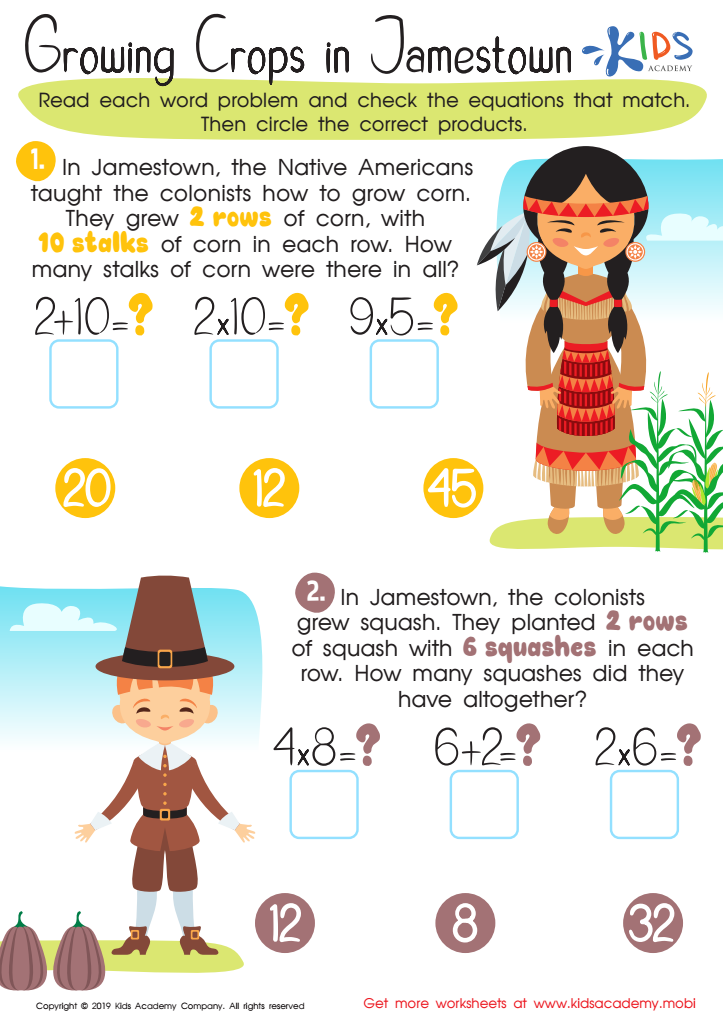
Growing Jamestown Worksheet
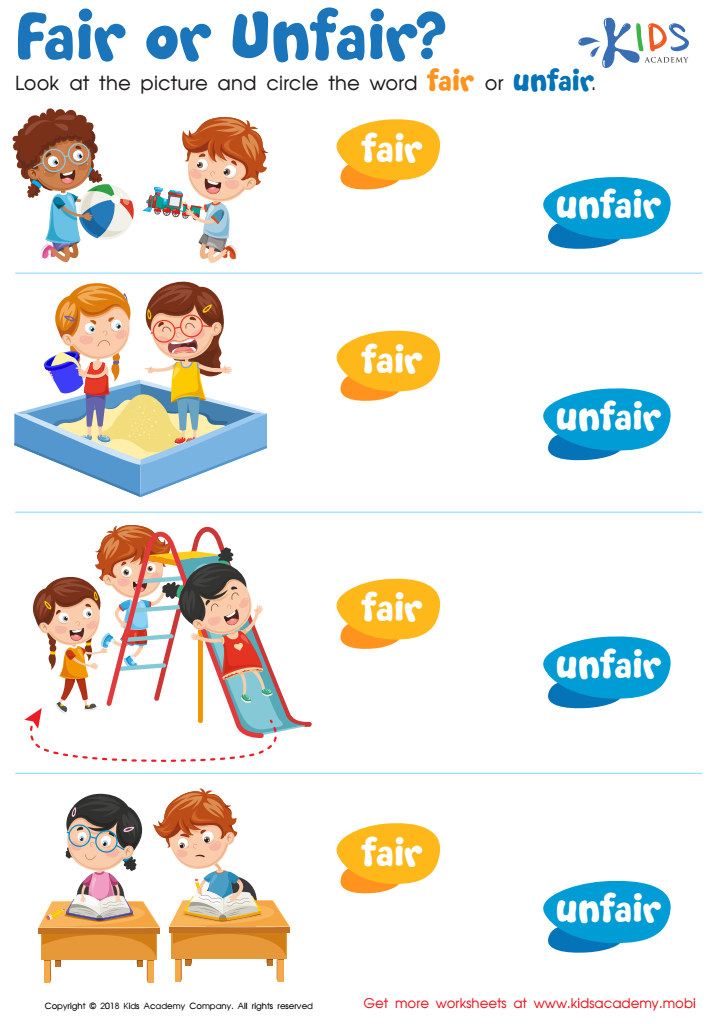
Fair or Unfair Worksheet
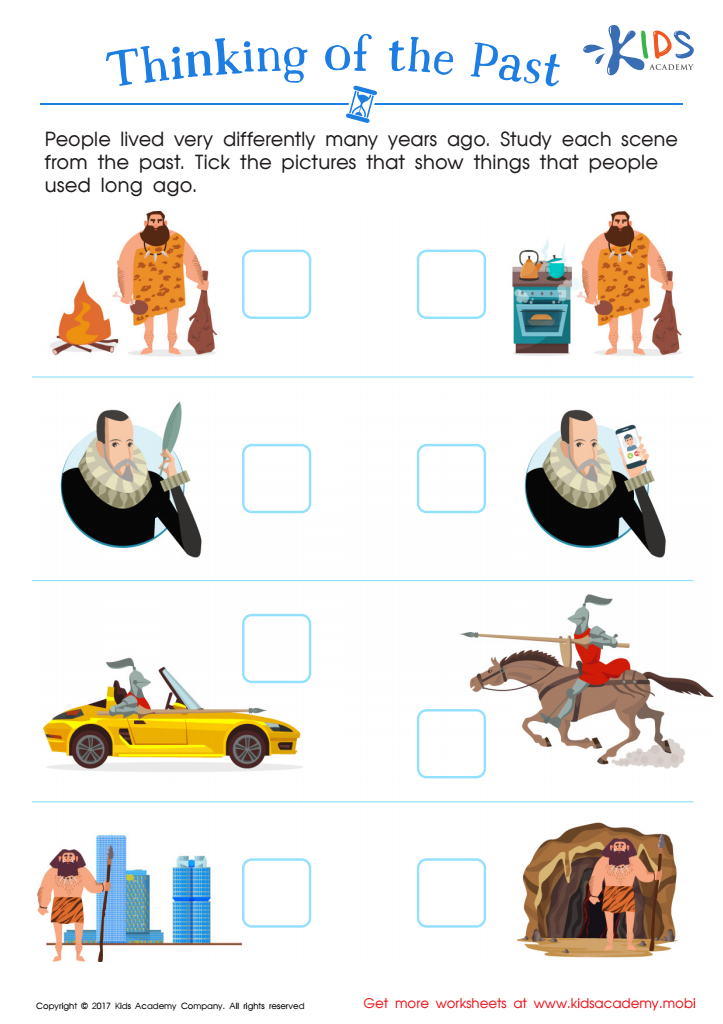
Thinking Past Printable

Thanksgiving Holiday Printable
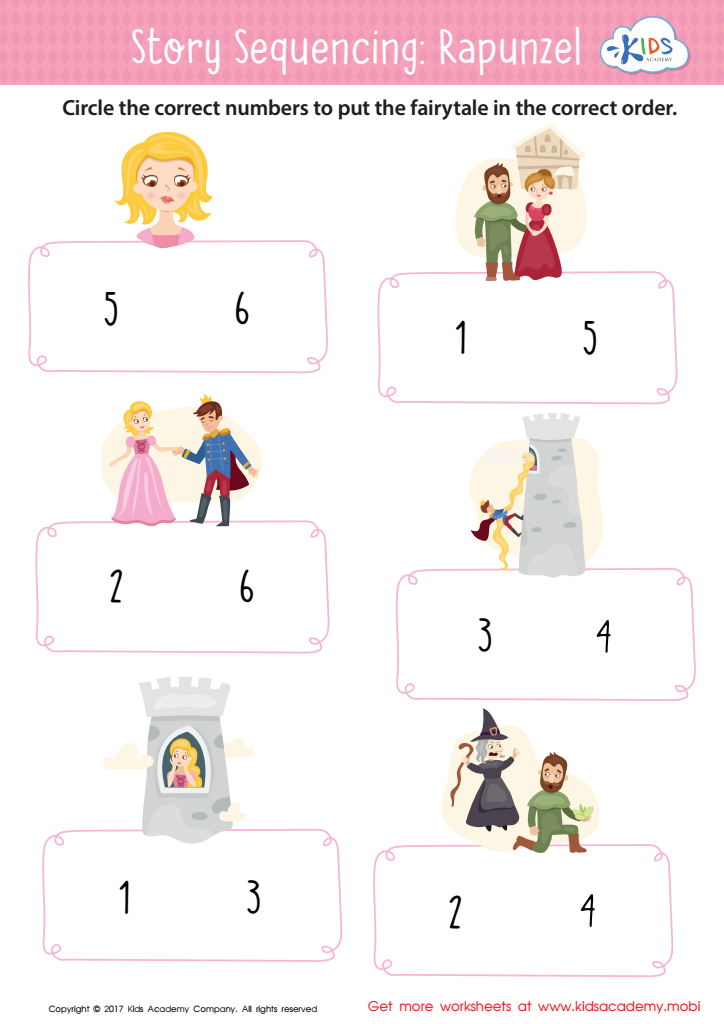
Rapunzel Story Sequencing Worksheet
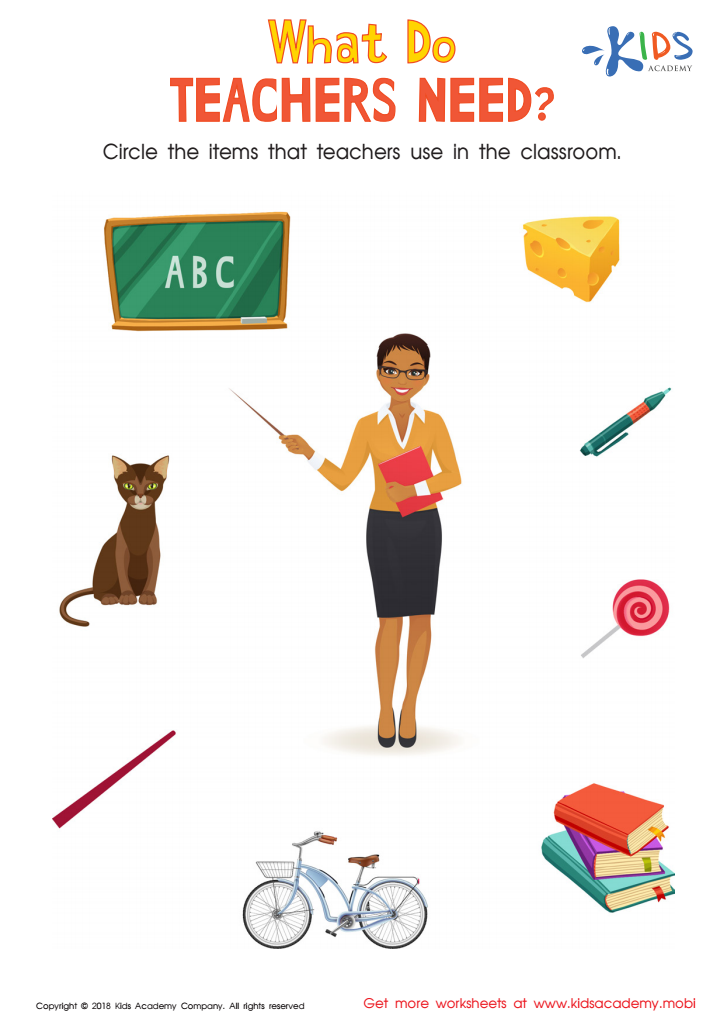
What Do Teachers Need Worksheet
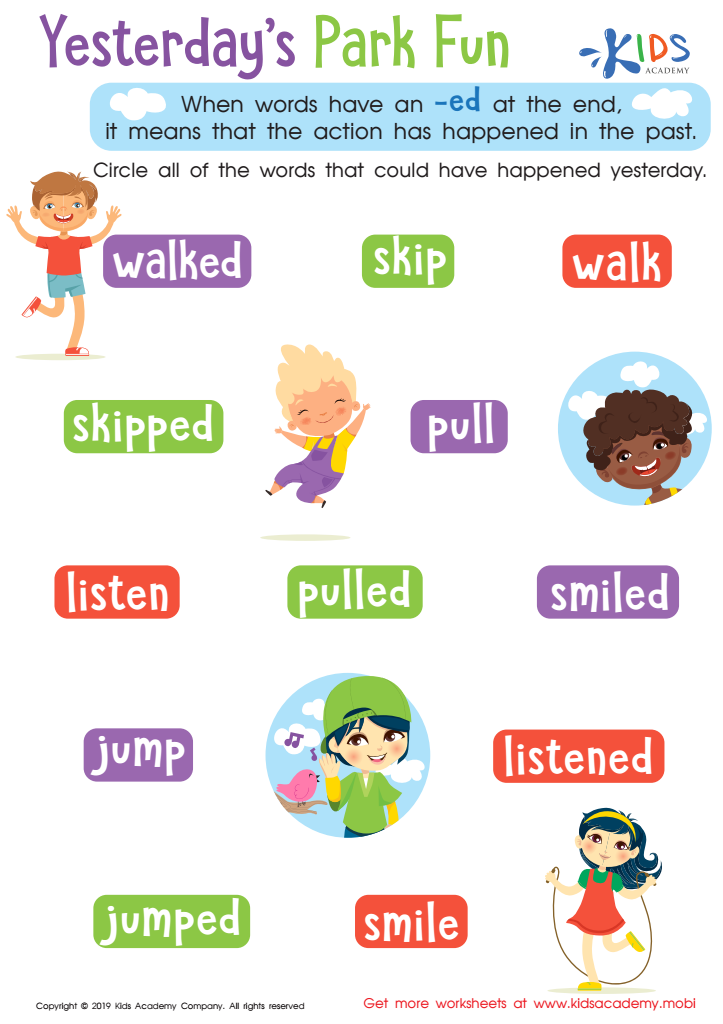
Yesterday's Park Fun Worksheet
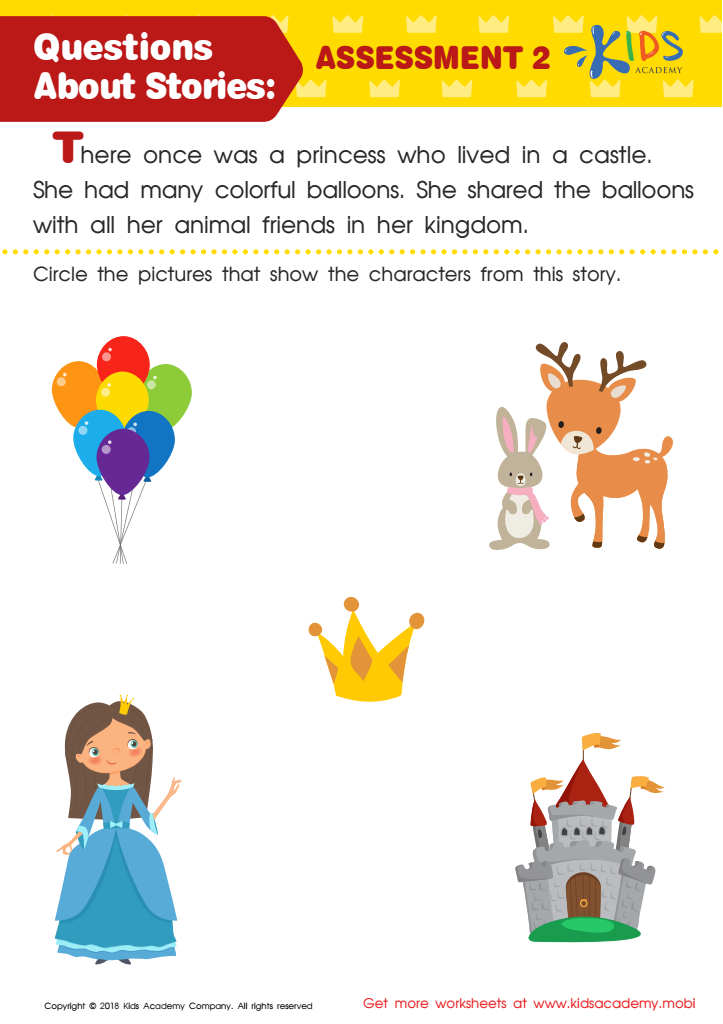
Questions About Stories: Assessment 2 Worksheet
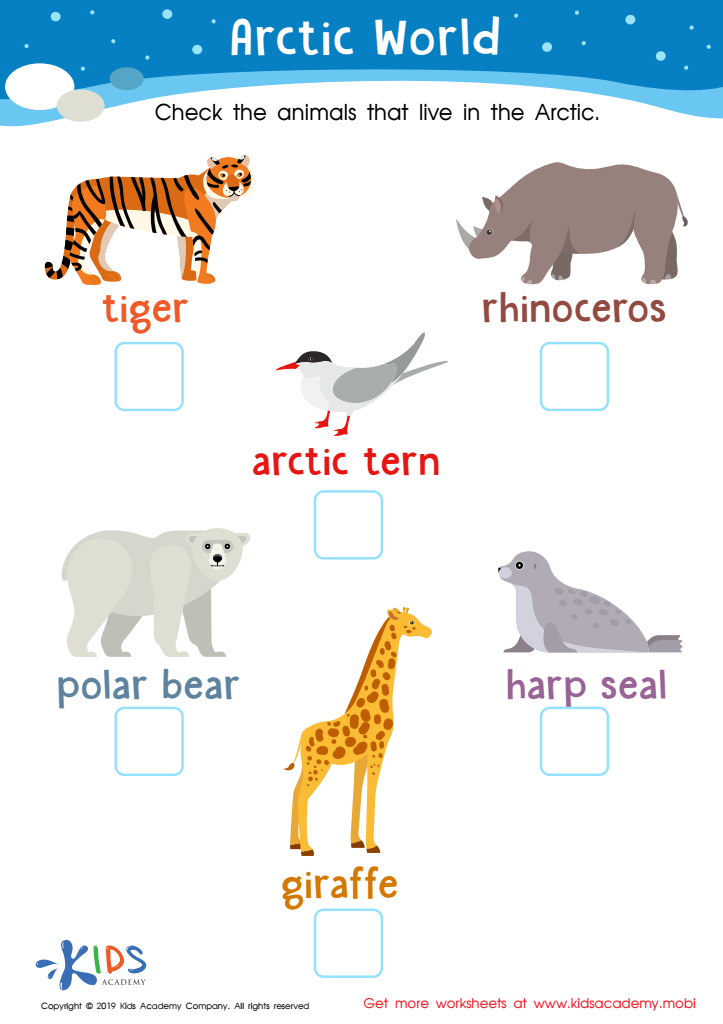
Arctic World Worksheet
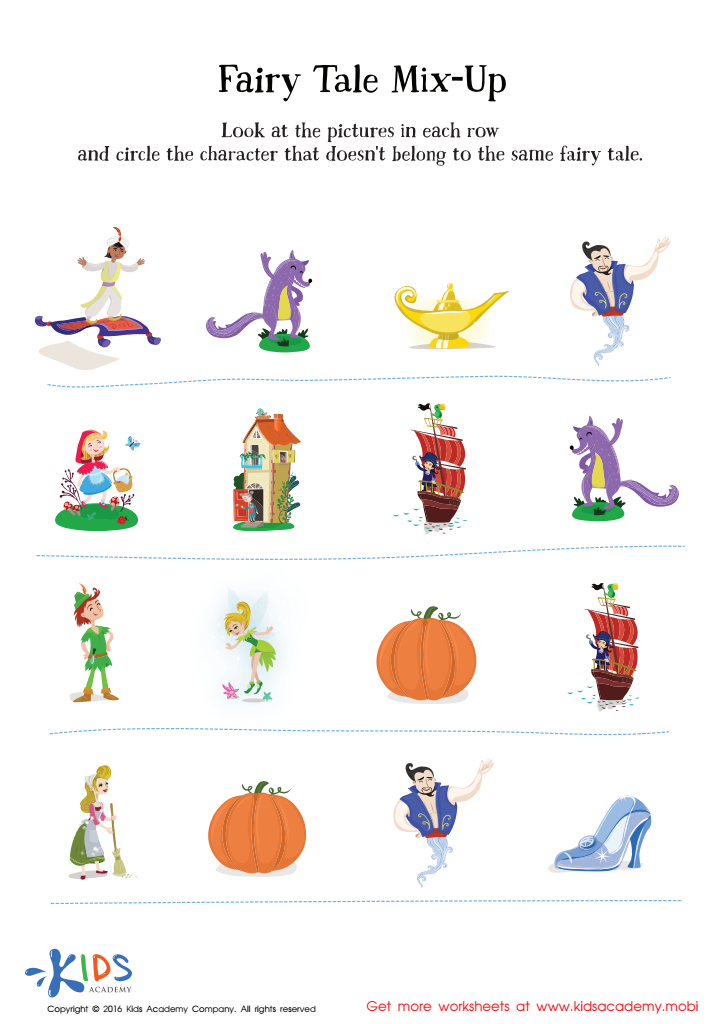
Fairy Tale Worksheet: Story Mix Up
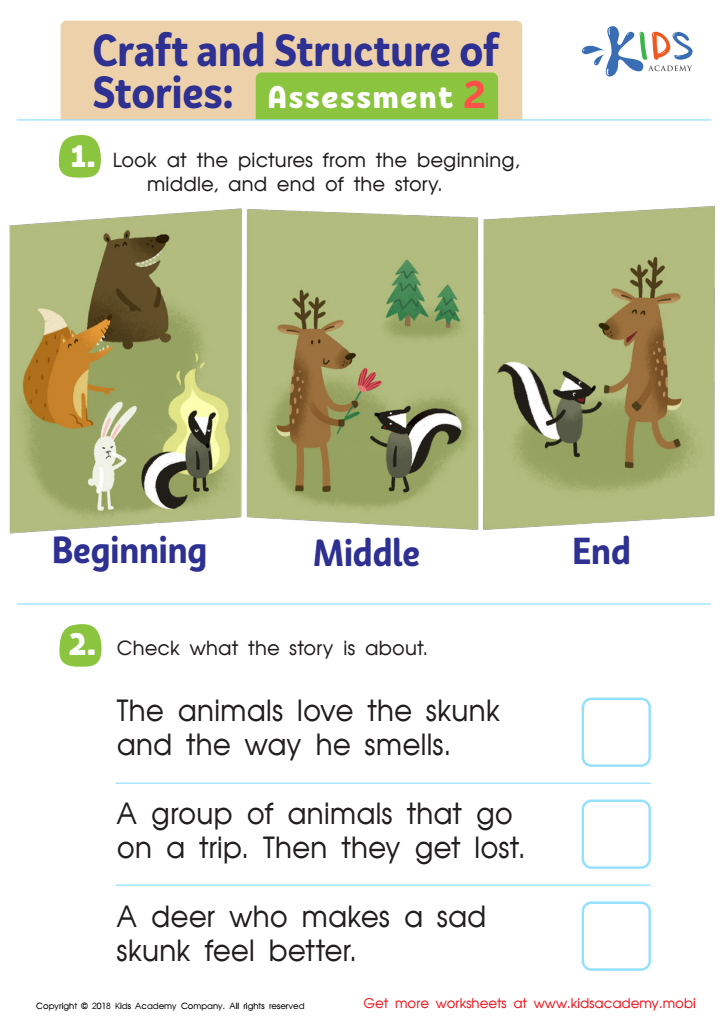
Craft and Structure of Stories: Assessment 2 Worksheet
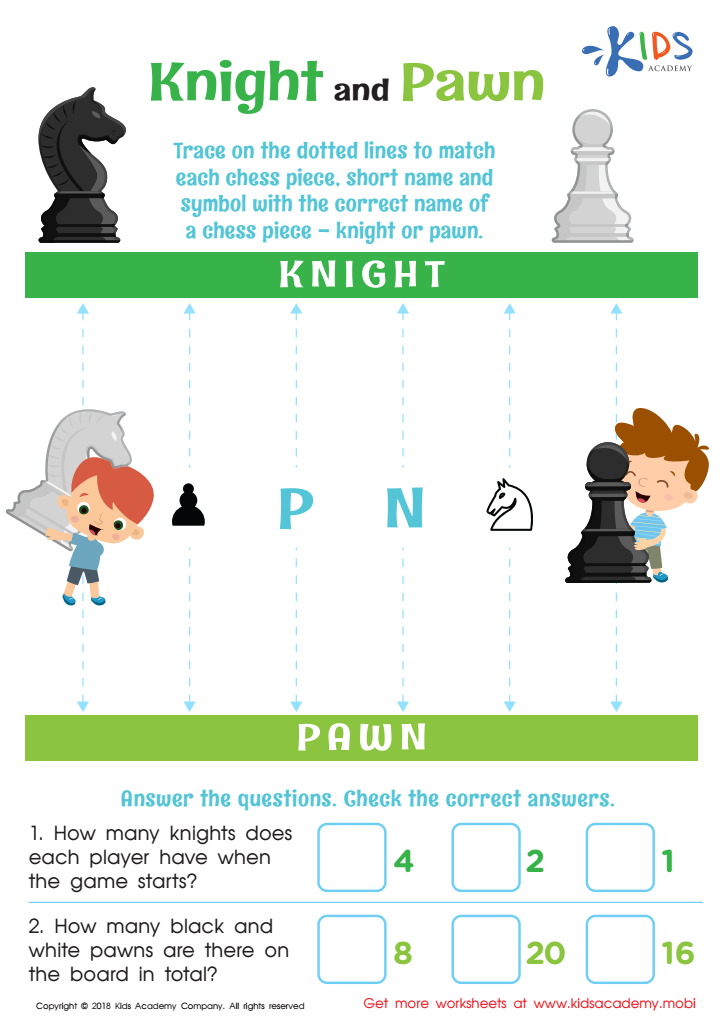
Knight and Pawn Worksheet
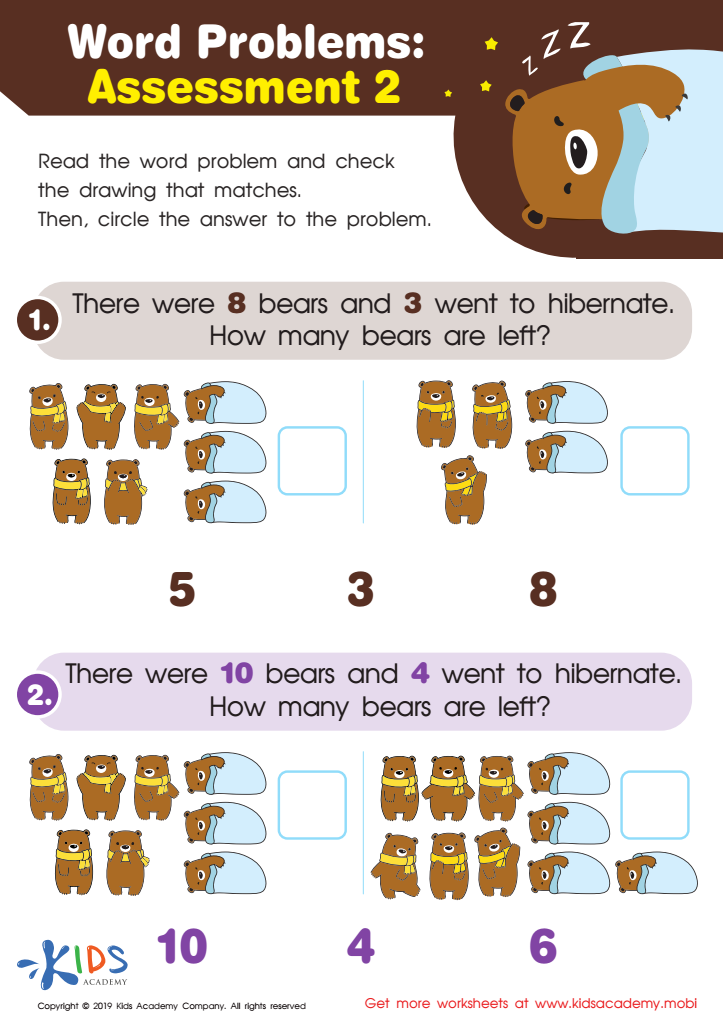
Word Problems: Assessment 2 Worksheet
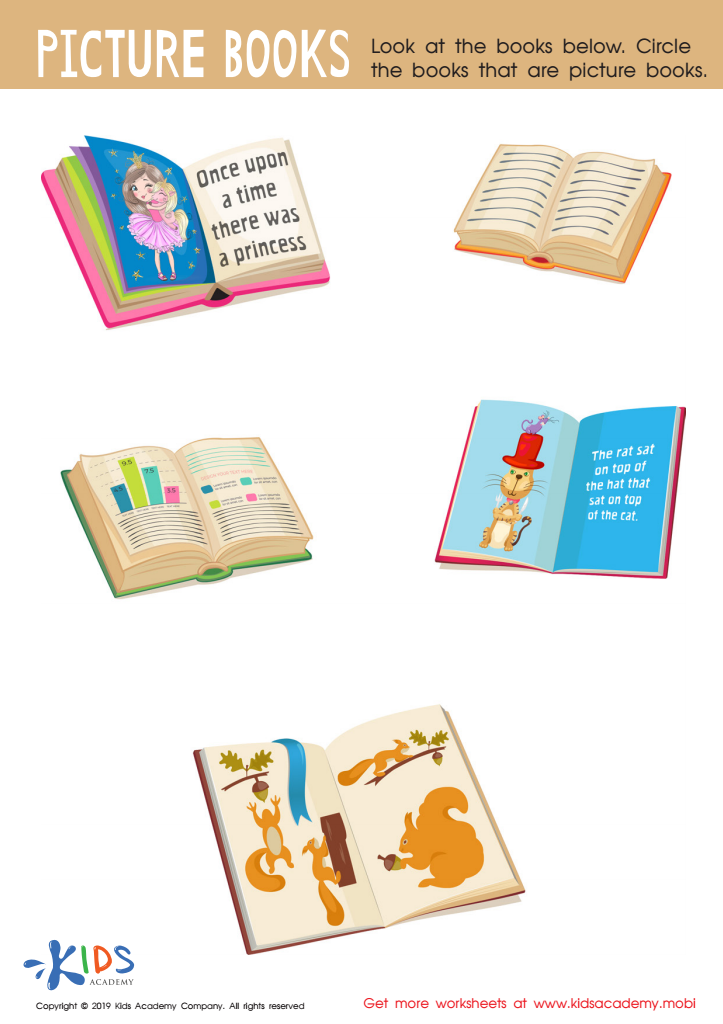
Picture Books Worksheet
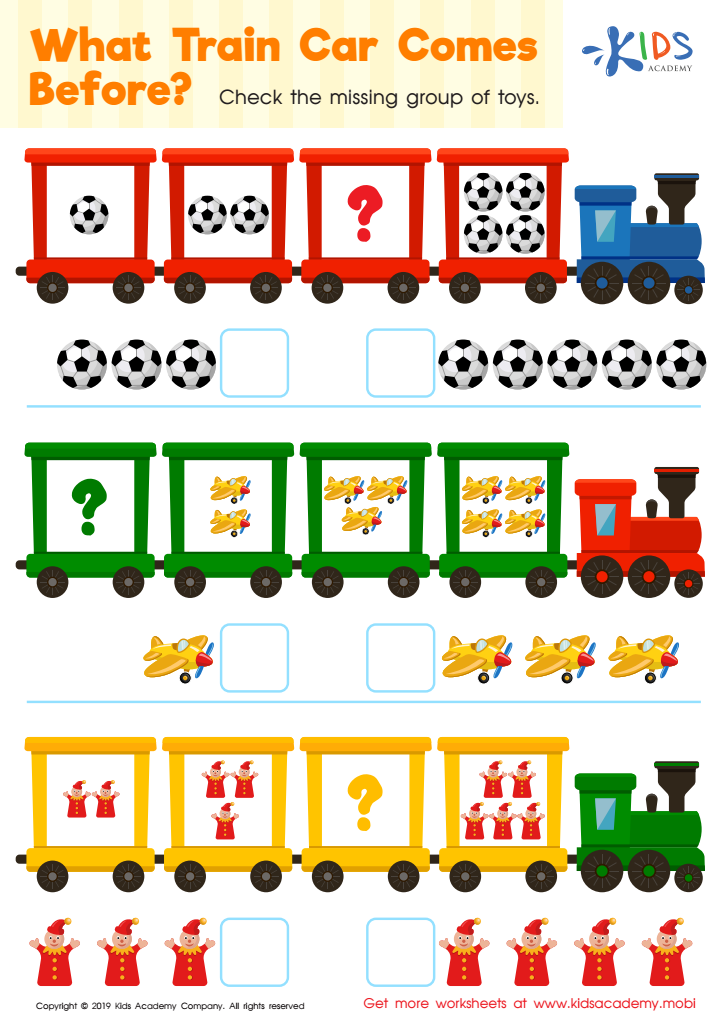
What Train Car Comes Before? Worksheet
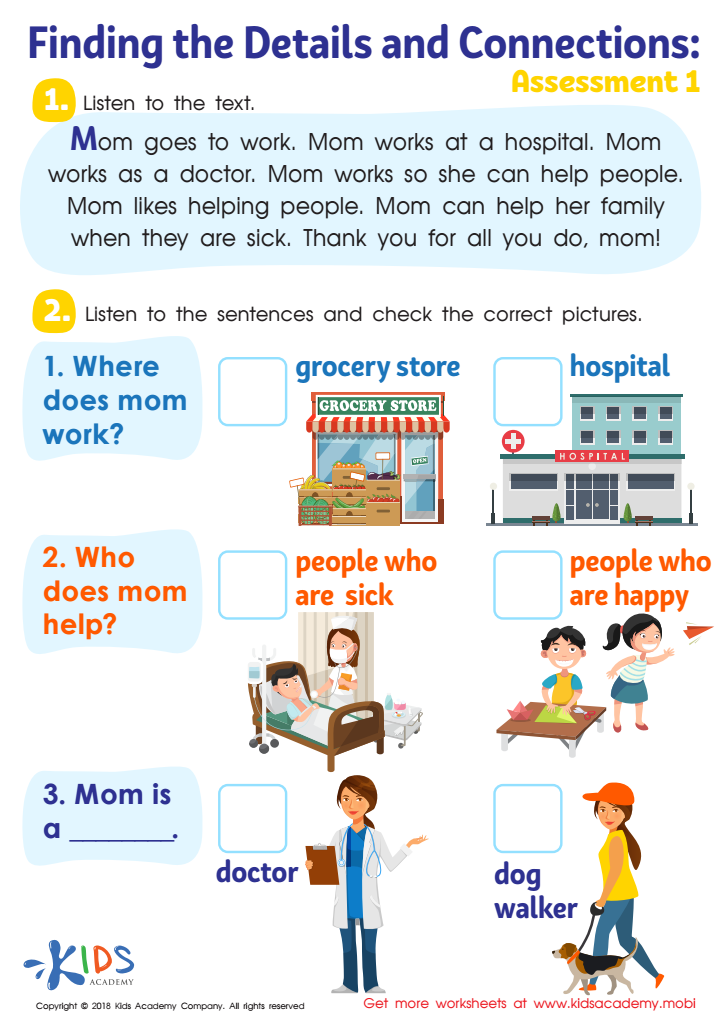
Finding the Details and Connections: Assessment 1 Worksheet








Critical thinking is essential for young learners, particularly for ages 4-5, as it lays the foundation for future academic and social success. At this age, children are naturally curious, constantly asking questions, and exploring their environment. Fostering critical thinking helps them learn how to analyze information, evaluate options, and solve problems effectively.
Parents and teachers play a crucial role in nurturing these skills. Introducing activities that promote questioning, such as storytelling with open-ended questions, helps children to think beyond the obvious. Engaging them in discussions about different ideas encourages perspective-taking and reasoning. This kind of thinking nurtures creativity and innovation, qualities that are critical in today’s rapidly changing world.
Moreover, critical thinking supports emotional and social development. As children learn to express their thoughts constructively, they enhance their communication skills and become more empathetic individuals. By promoting critical thinking early on, we can equip children with the cognitive tools needed for better decision-making and independent thought in their future, ultimately preparing them for the challenges of school and life beyond. Investing in these skills at an early age creates a strong foundation for lifelong learning and engaged citizenship.








