Shape Recognition Worksheets for Ages 4-5 - Page 2
65 filtered results
-
From - To
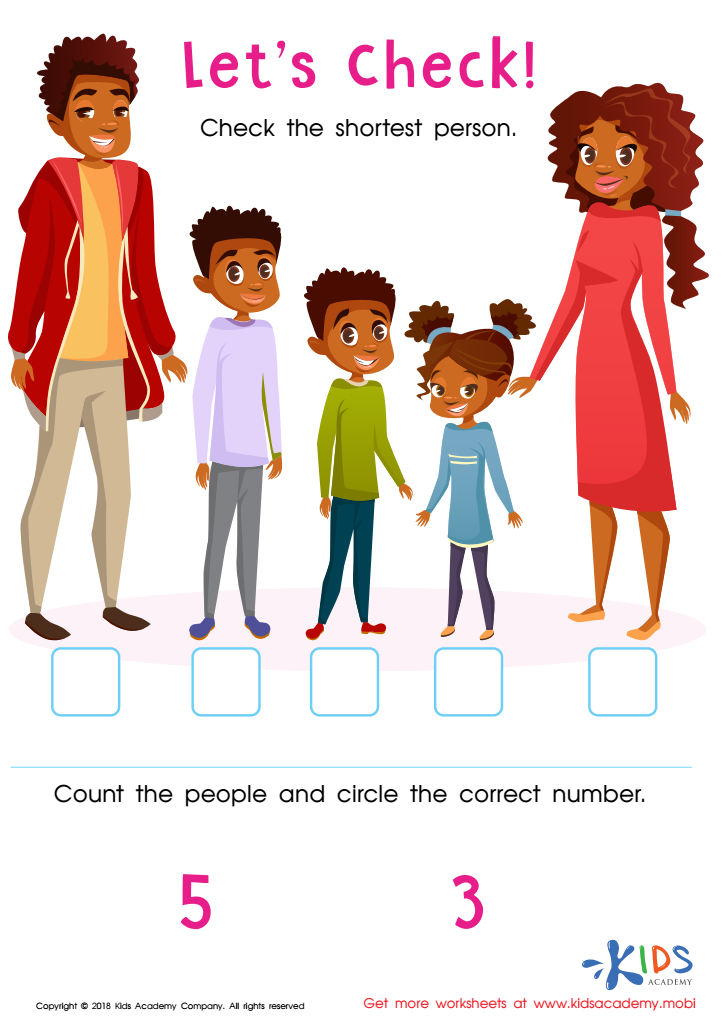
Let's Check! Assessment Worksheet
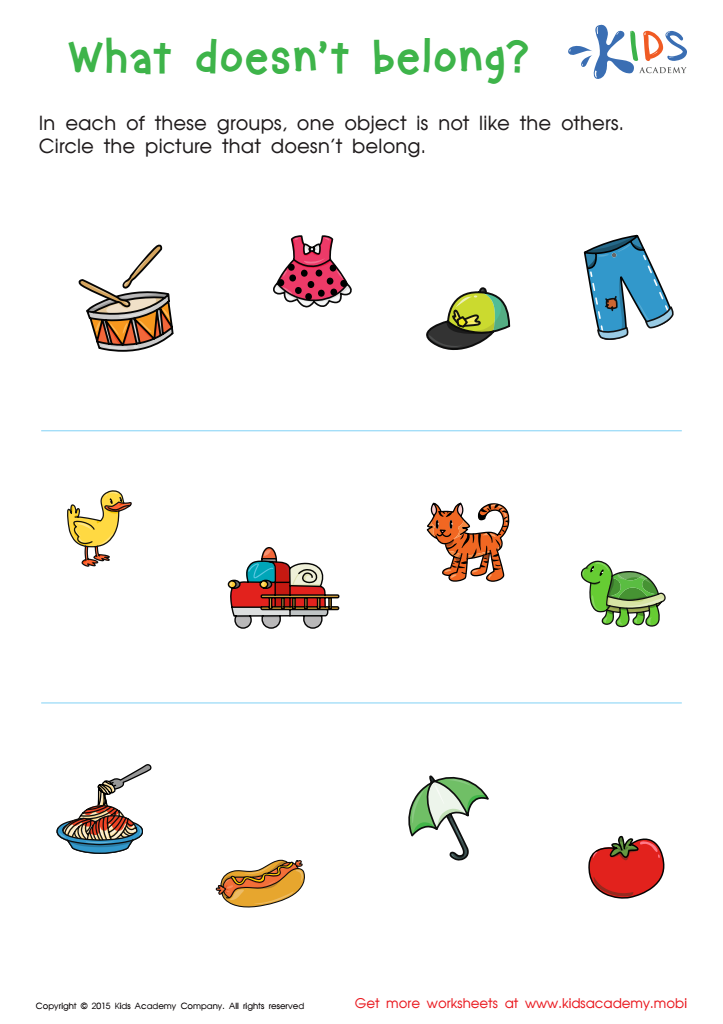
First Words: What Doesn't Belong Worksheet
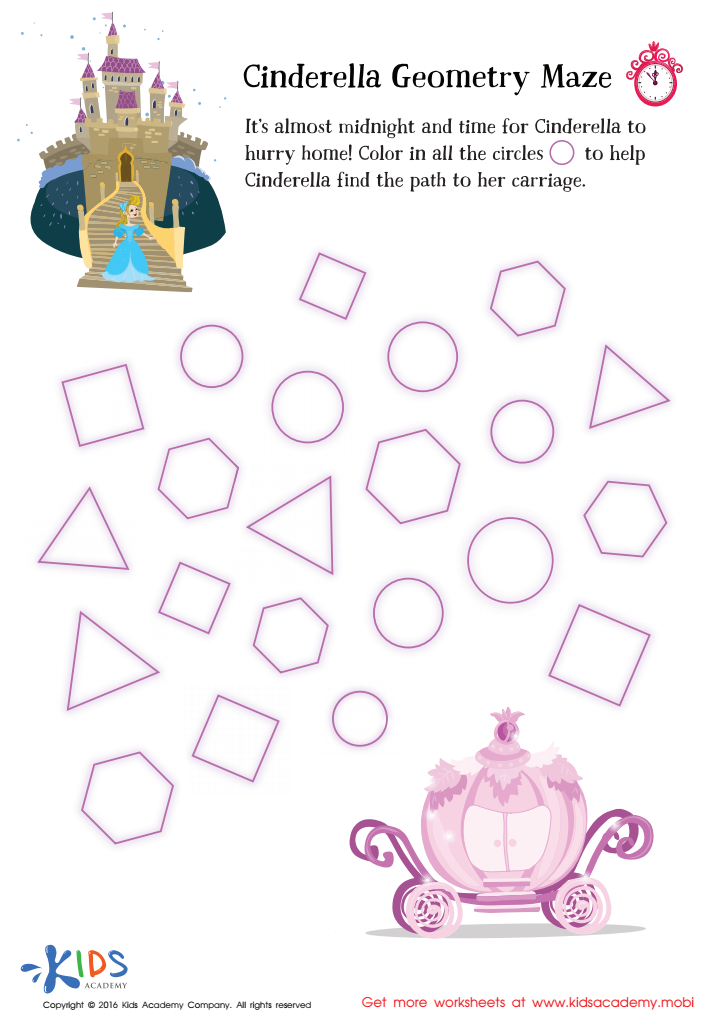
Cinderella Geometry Maze Worksheet
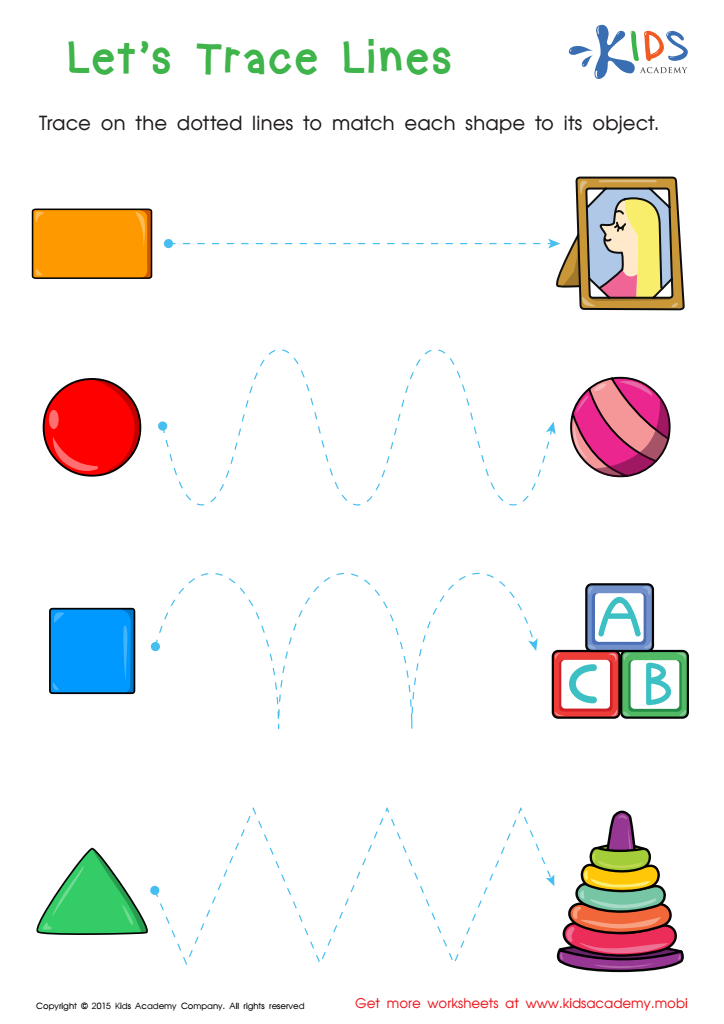
First Words: Let's Trace Lines Worksheet
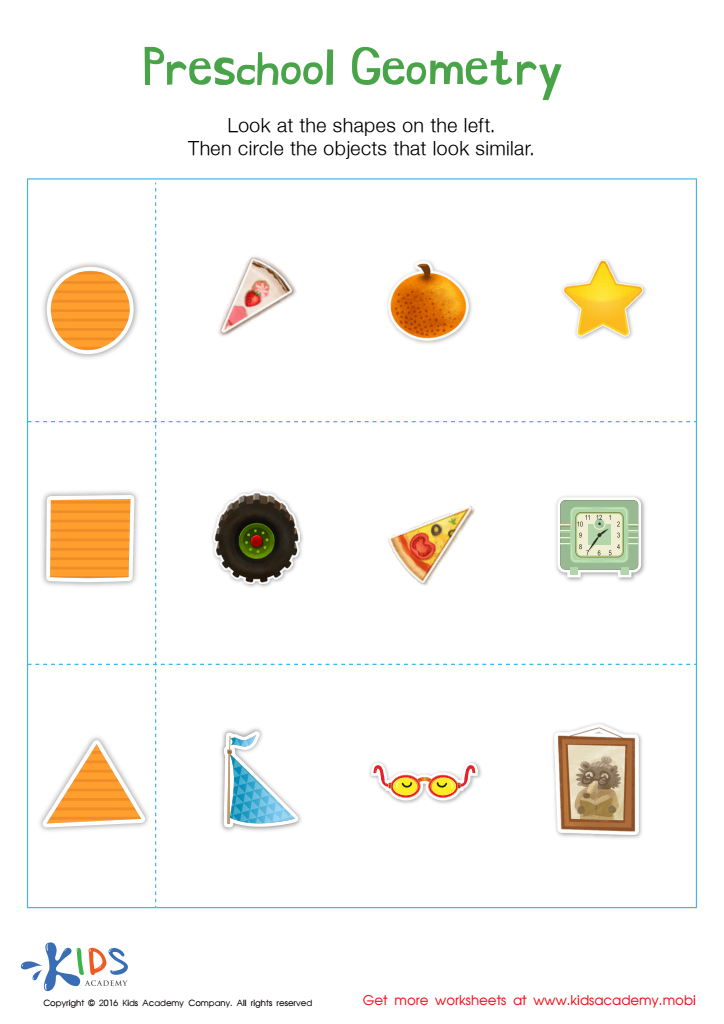
Preschool Geometry Match Up Worksheet
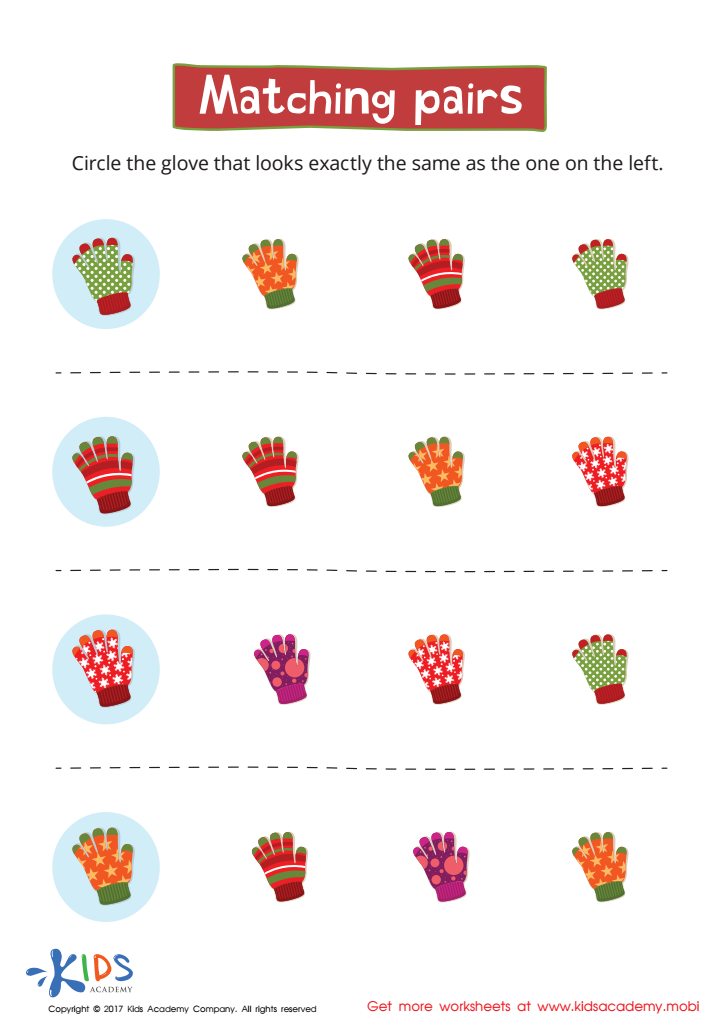
Matching: Matching Pairs Worksheet
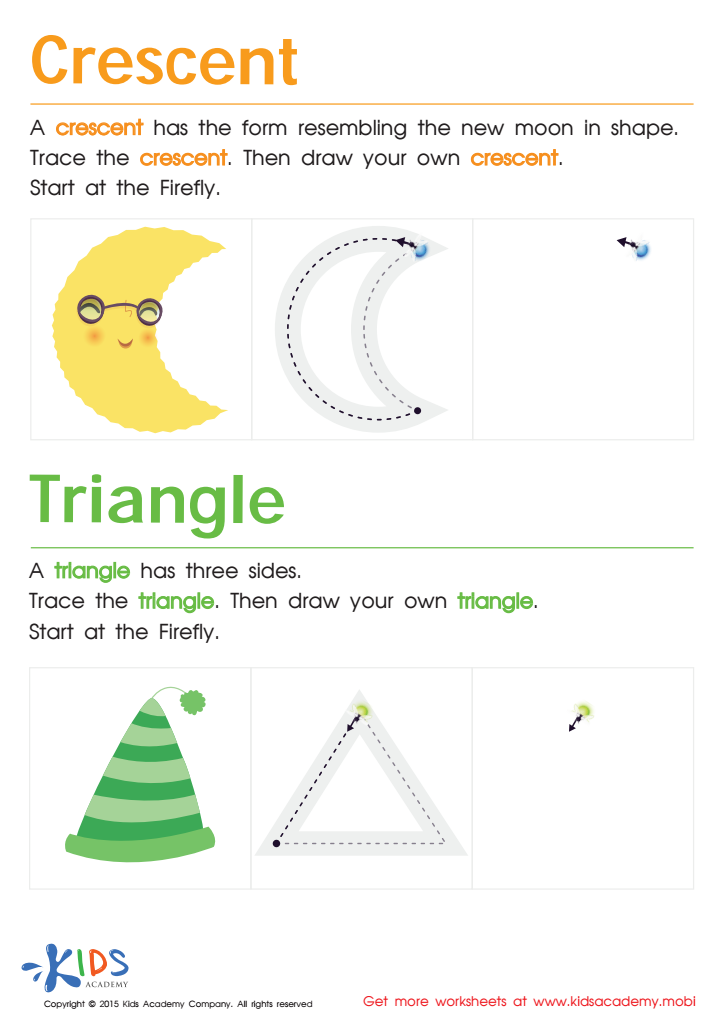
Learning to Draw Crescents And Triangles Worksheet
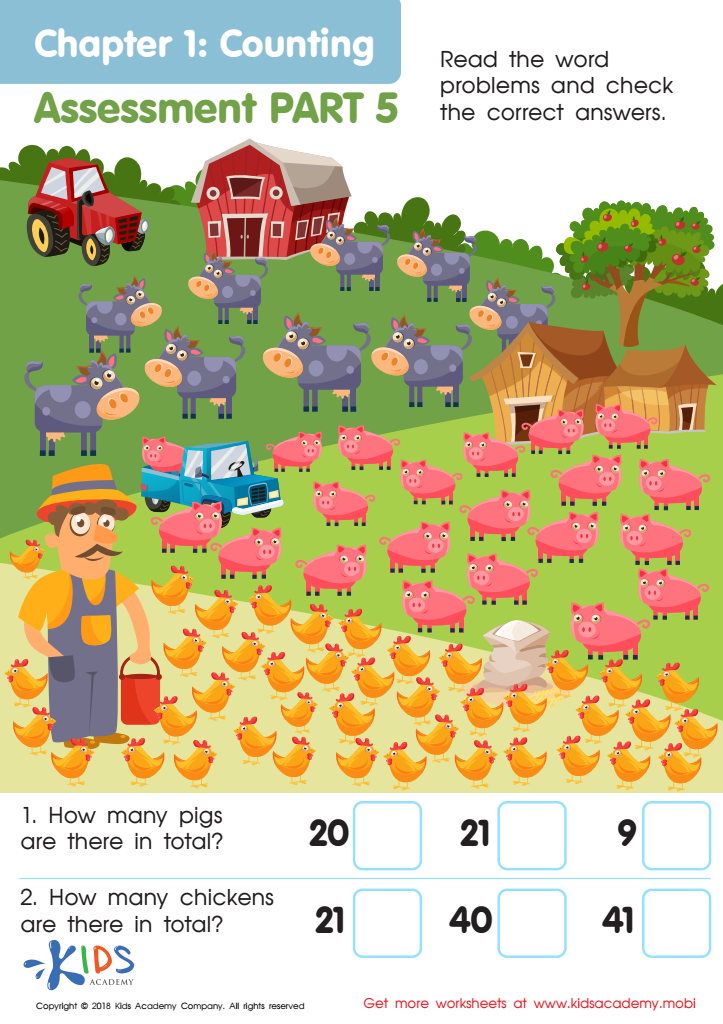
Counting: Assessment 5 Worksheet
Boat Rhyming Words Worksheet
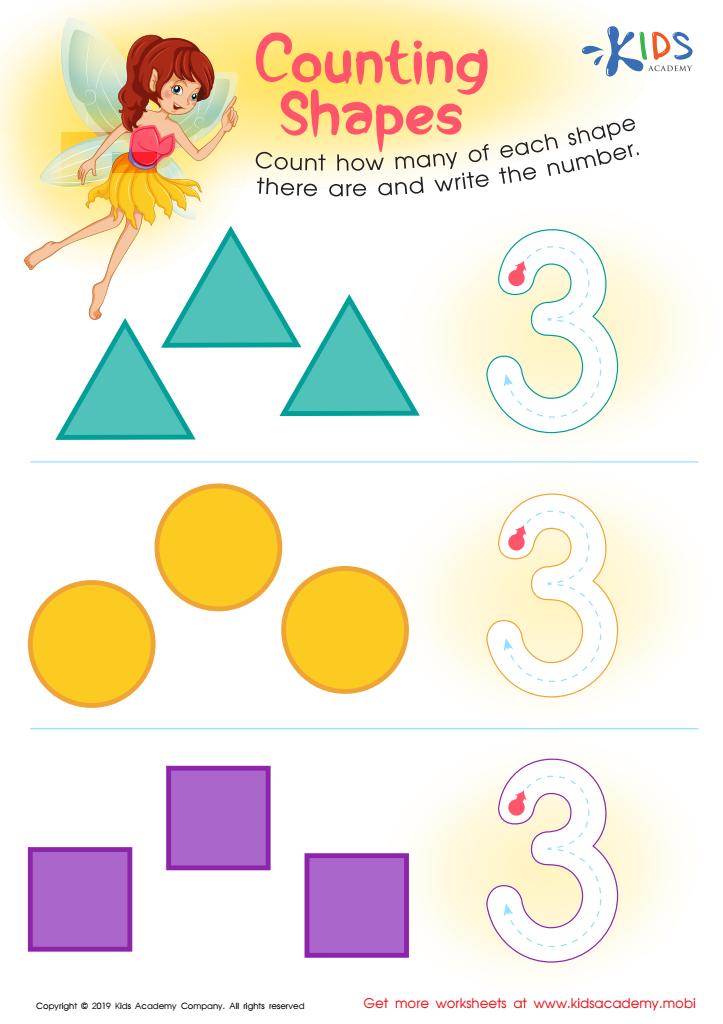
Counting Shapes Worksheet
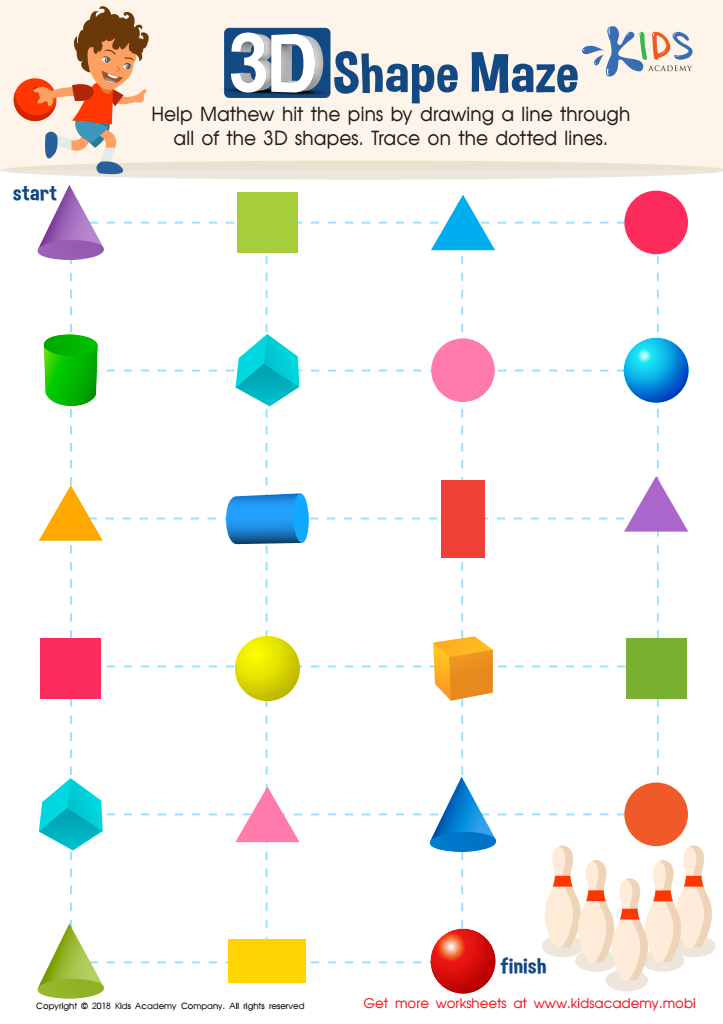
Shapes Maze Geometry Worksheet
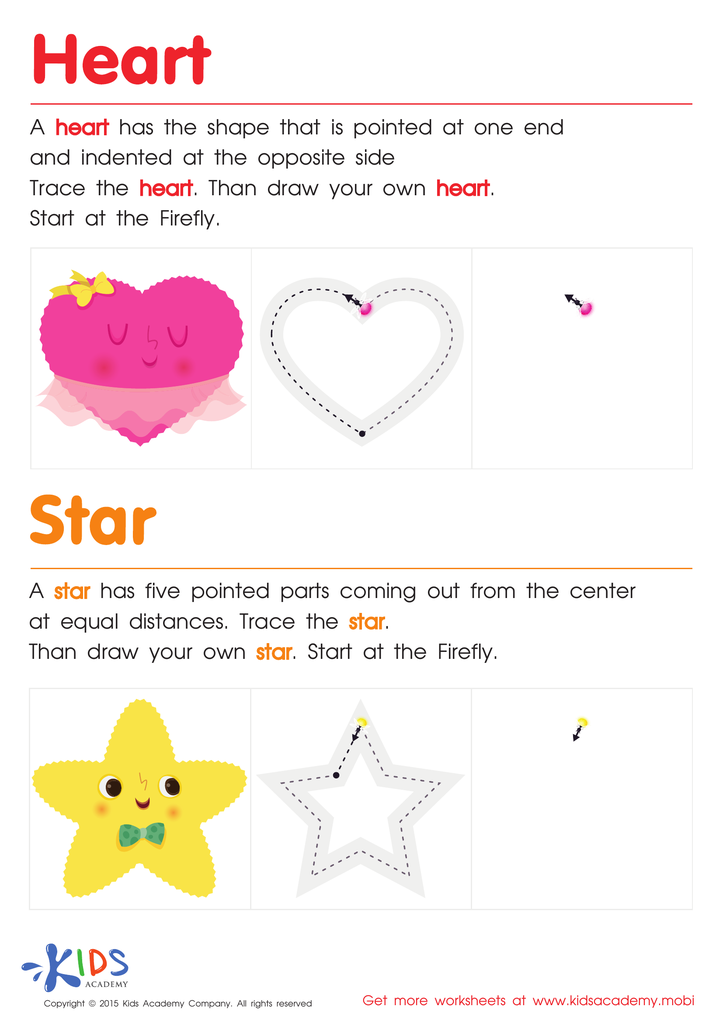
Let's Learn to Draw Hearts And Stars Printable
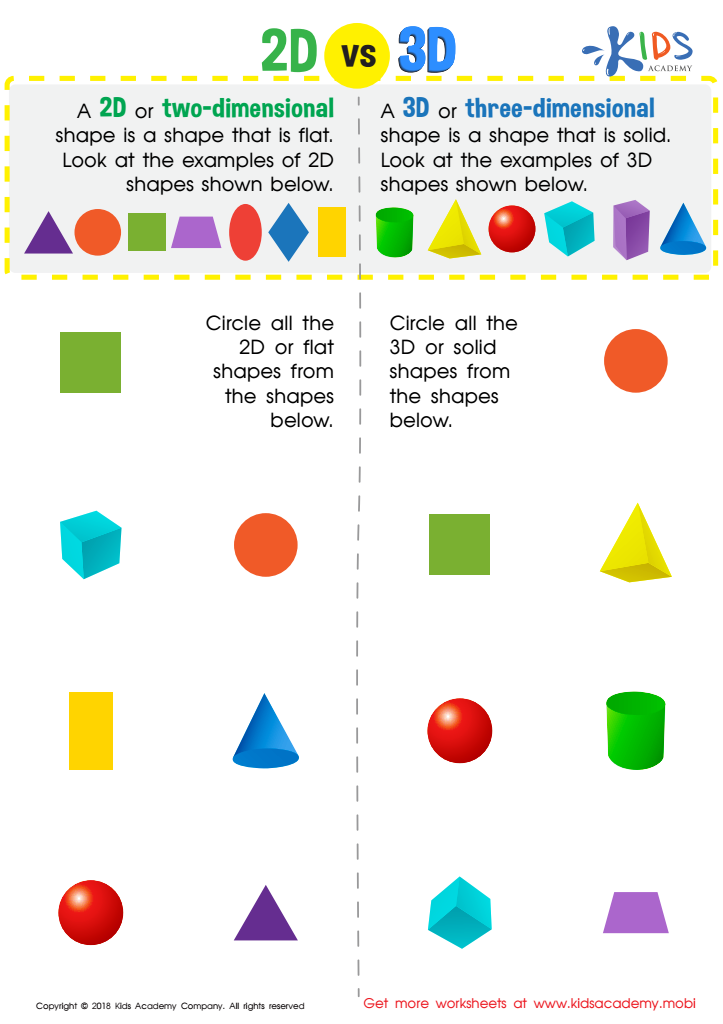
2D vs 3D Shapes Worksheet
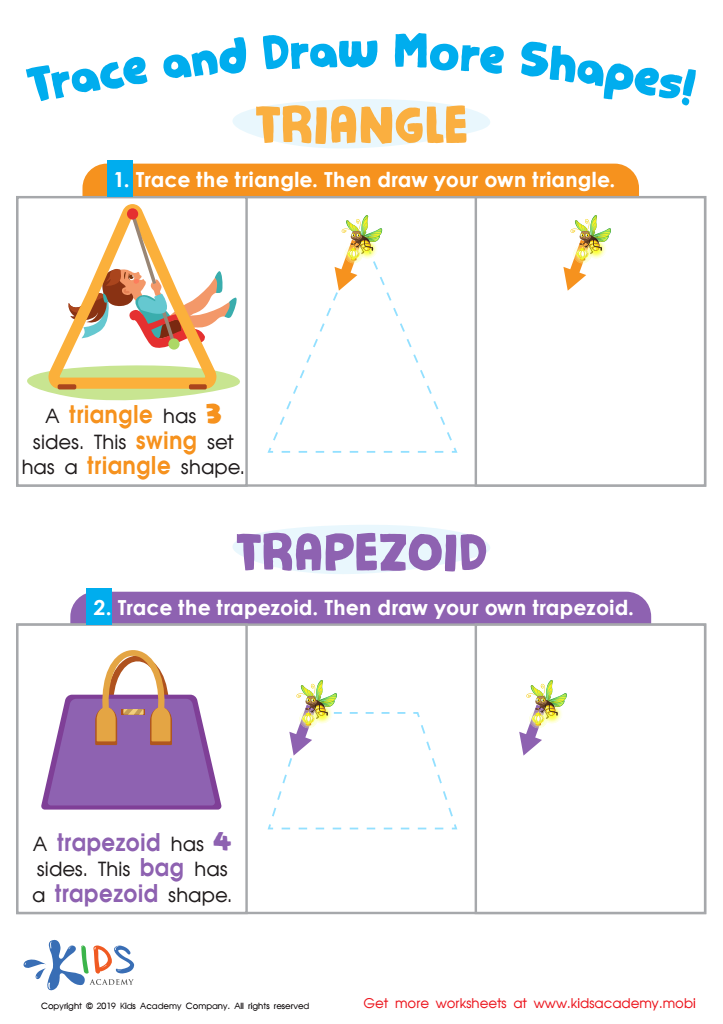
Trace and Draw More Shapes Worksheet
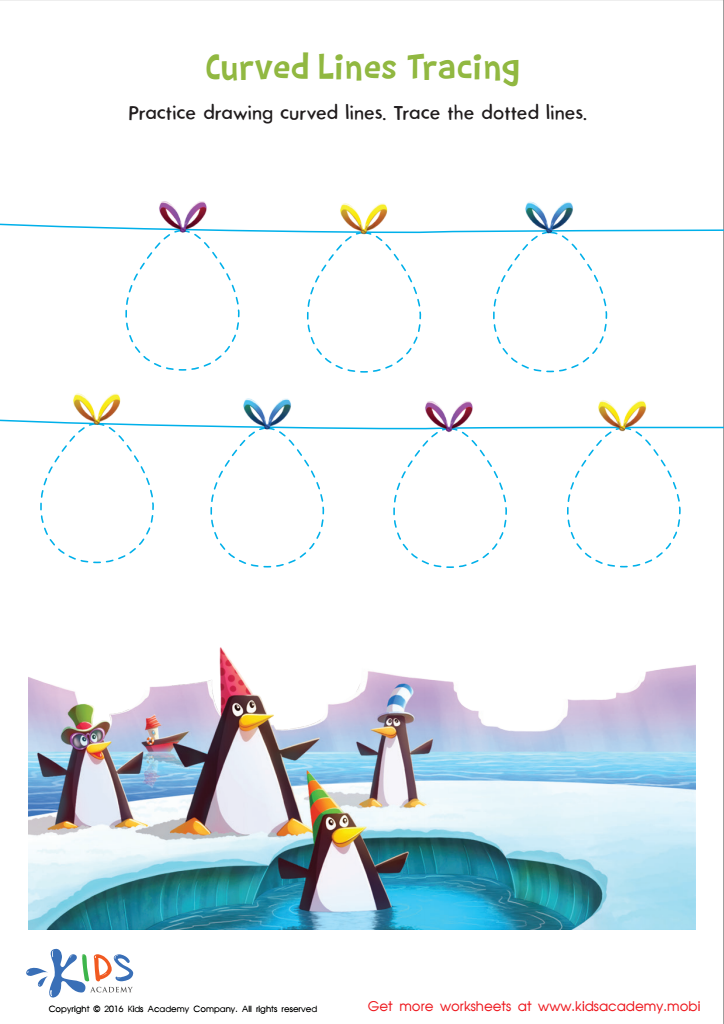
Curved Lines Tracing Worksheet
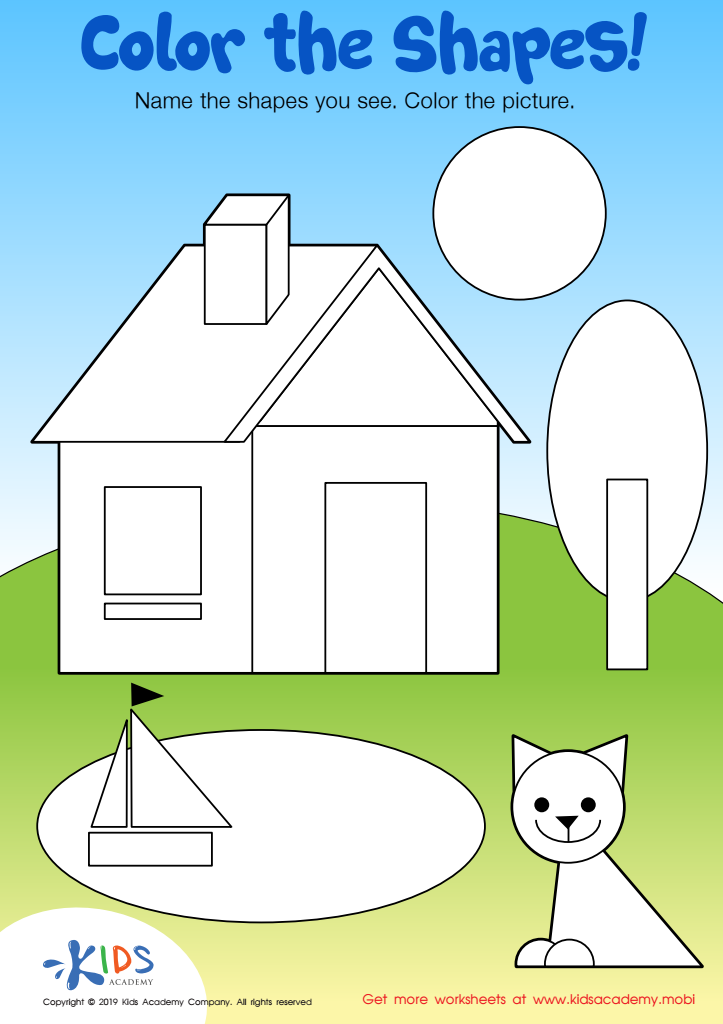
Color the Shapes Worksheet
 Assign to My Students
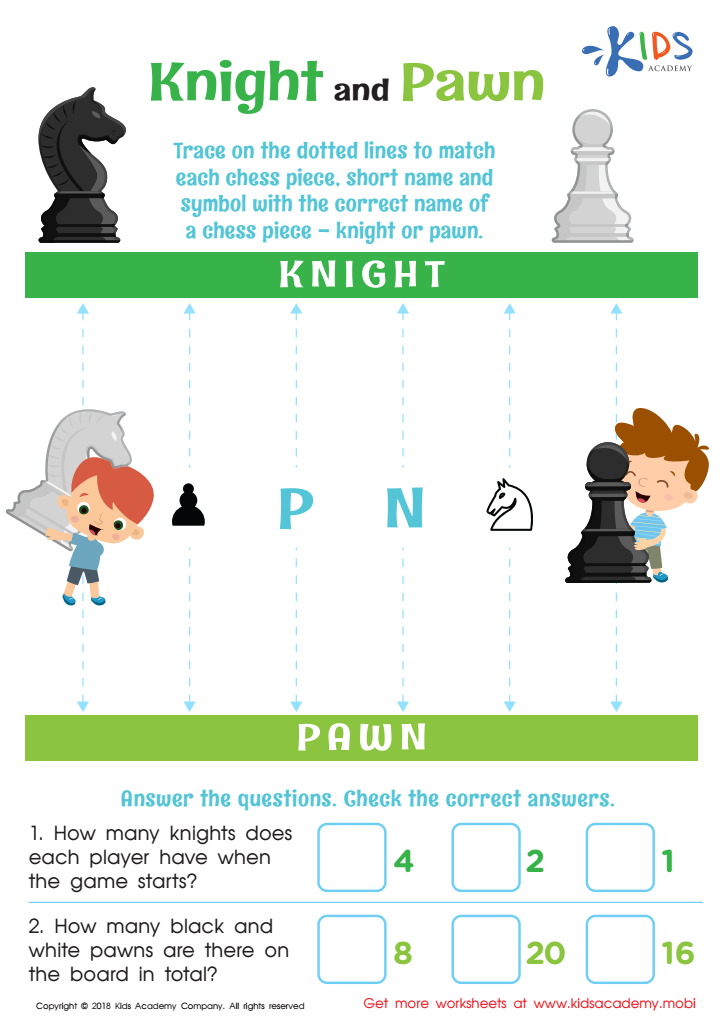
Knight and Pawn Worksheet
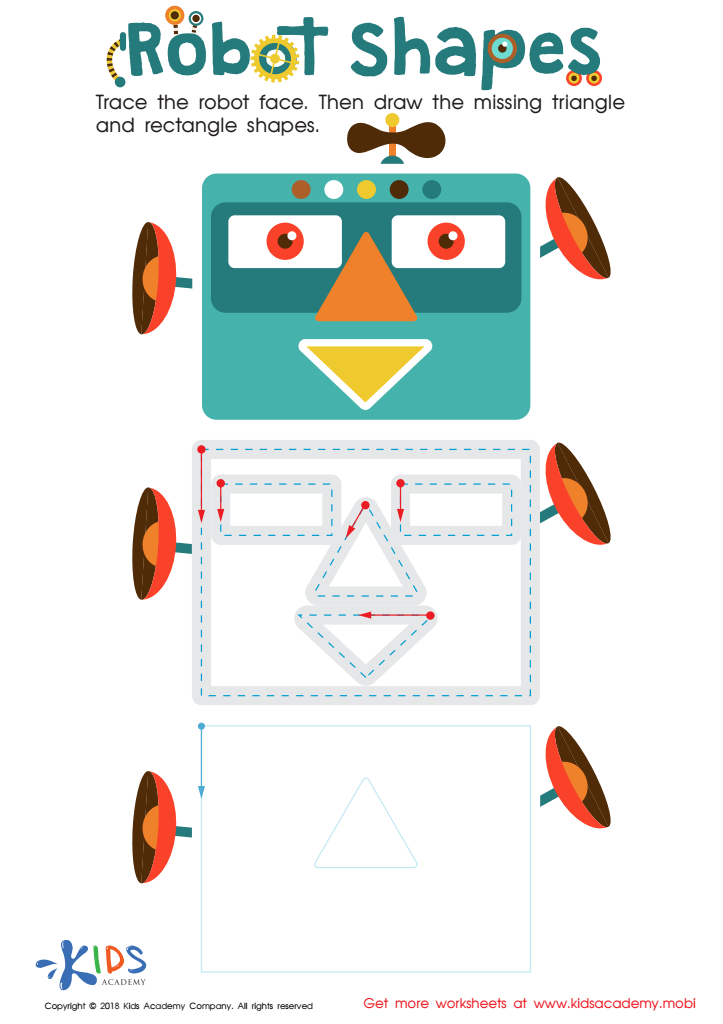
Robot Shapes Worksheet
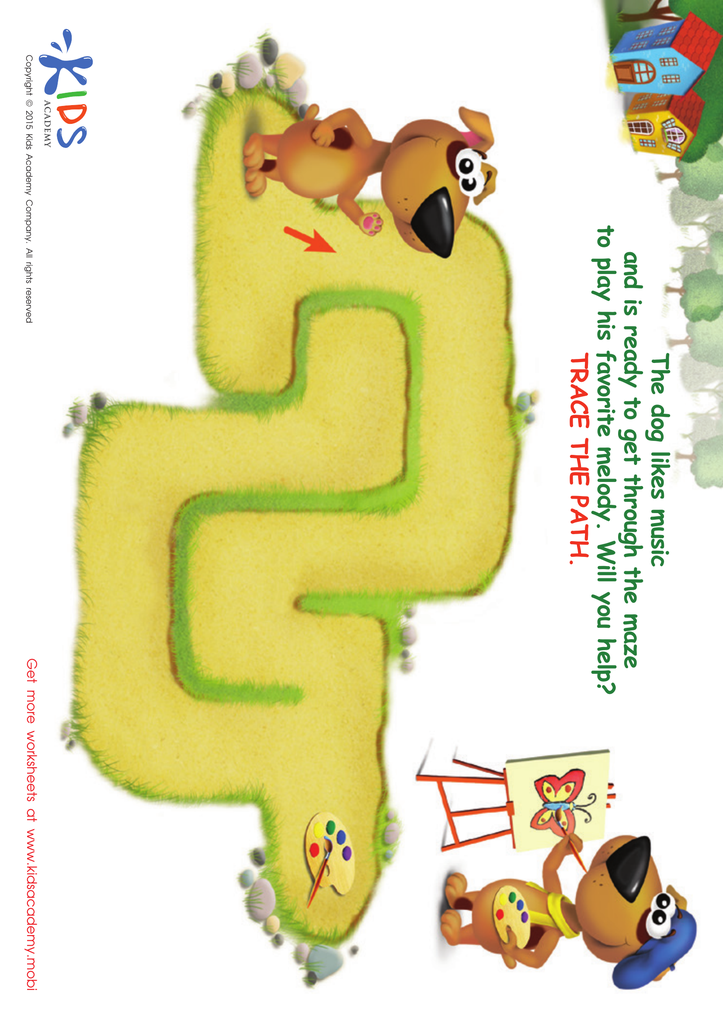
Artist Maze Worksheet
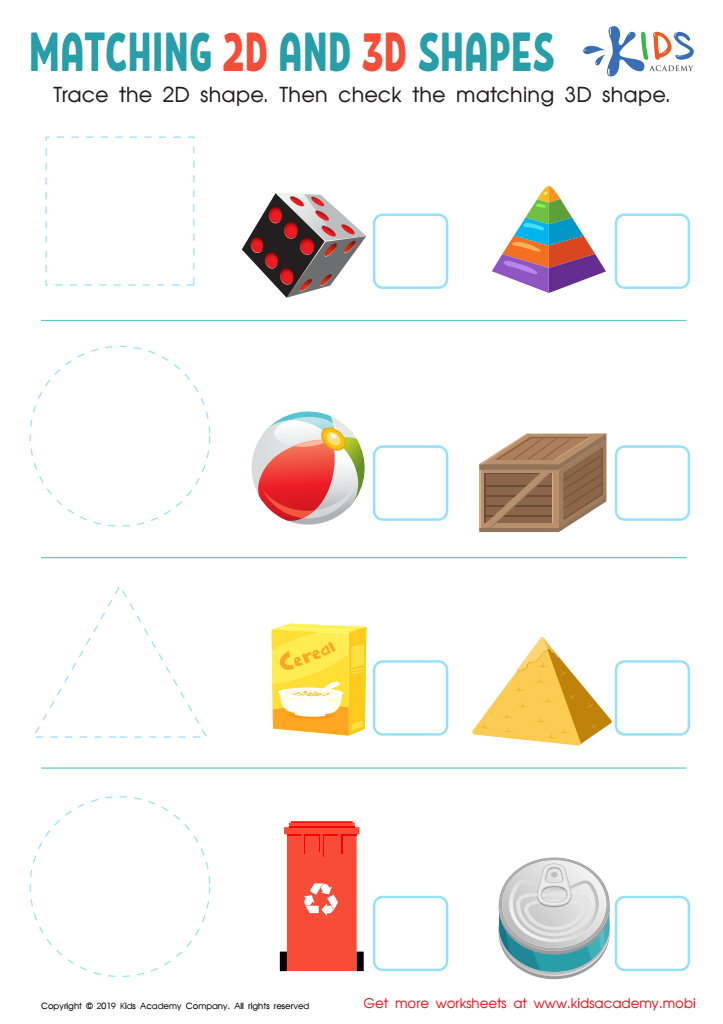
Matching 2D and 3D Shapes Worksheet
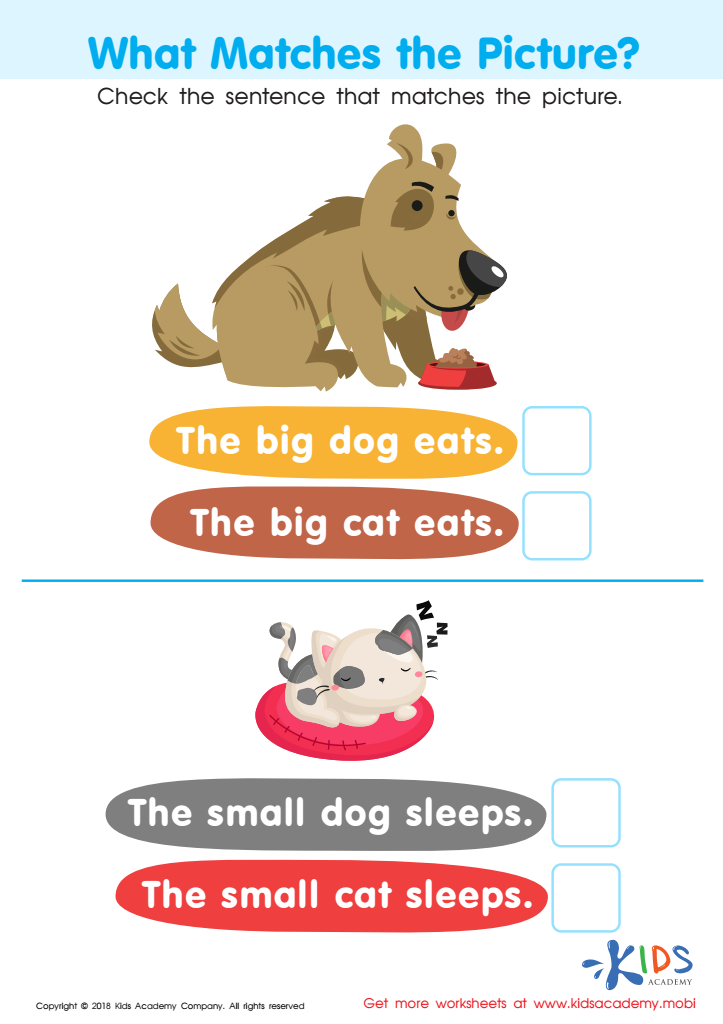
What Matches the Picture? Worksheet
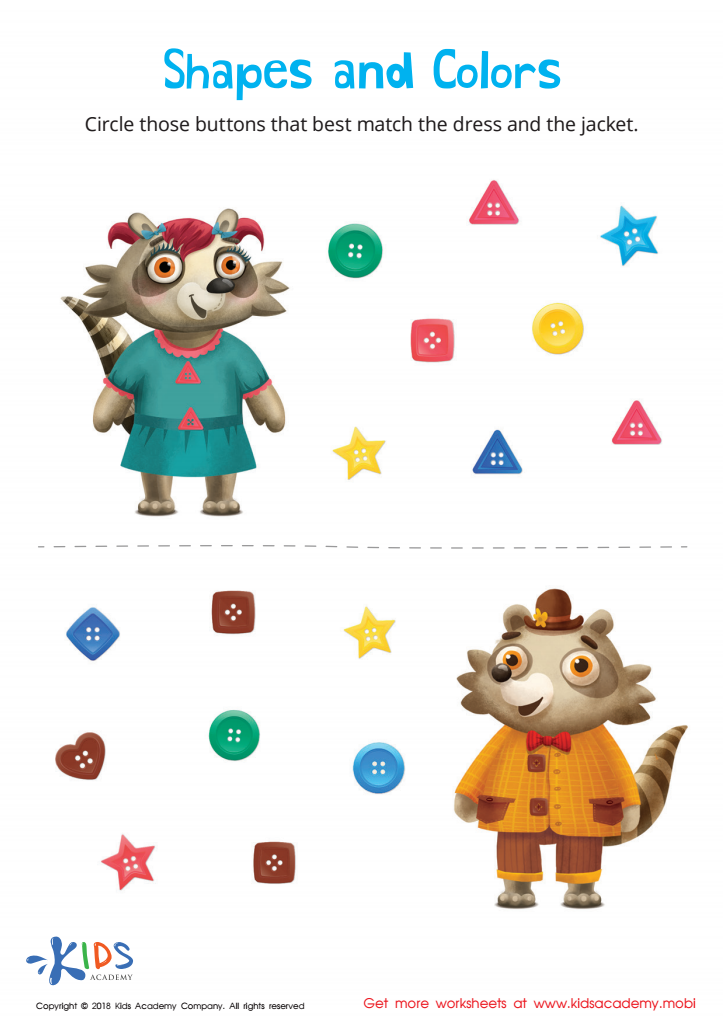
Shapes and Colors Worksheet
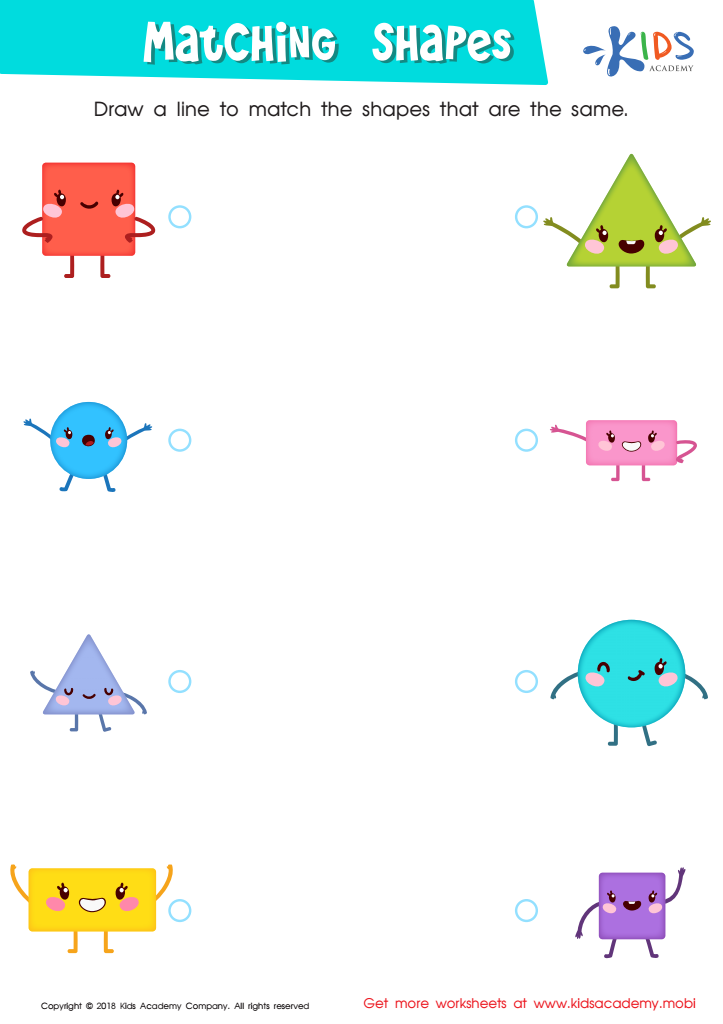
Matching Shapes Worksheet







Shape recognition serves as a foundational skill for children aged 4-5, playing a crucial role in their cognitive development and everyday learning. It boosts spatial awareness, enhances problem-solving skills, and lays the groundwork for more complex mathematical concepts such as geometry. By recognizing different shapes, children learn to categorize and compare objects, which fosters critical thinking.
Beyond academics, understanding shapes helps in developing fine motor skills, as children often engage in activities like drawing, cutting, or assembling objects. These hands-on tasks require precision and coordination, elements essential for later writing skills. Additionally, shape recognition supports language development; as children label shapes, they expand their vocabulary and improve communication skills.
Beyond the classroom, building shape recognition can enhance a child’s ability to navigate their environment and understand patterns in the world around them, from identifying shapes in architecture to recognizing signs and symbols.
Therefore, teachers and parents should prioritize shape recognition activities such as games, arts and crafts, and everyday discussions about shapes. By doing so, they provide children with essential tools for their future academic and life success while engaging them in enjoyable and interactive learning experiences.








