2D Shapes Worksheets for Ages 4-7 - Page 3
67 filtered results
-
From - To
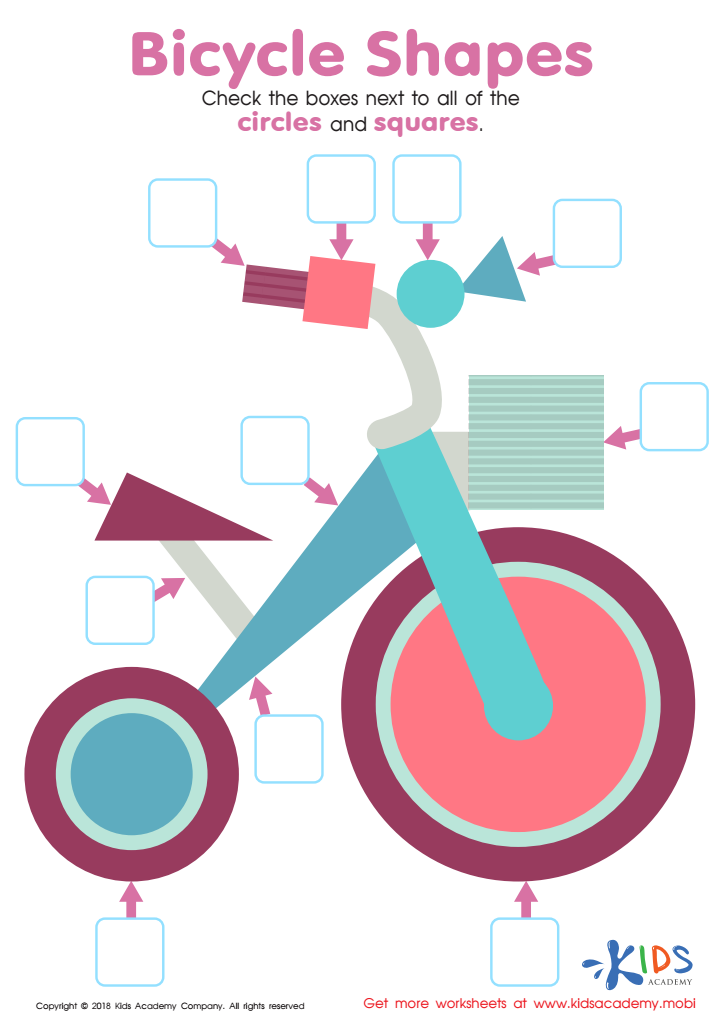
Bicycle Shapes Worksheet
 Assign to My Students

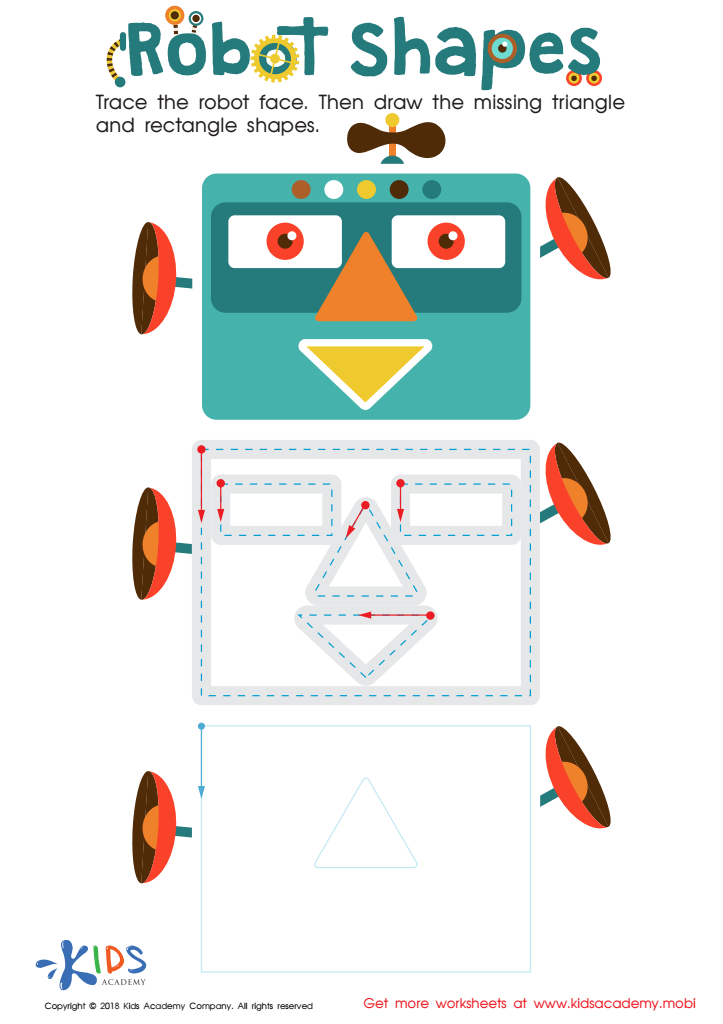
Robot Shapes Worksheet
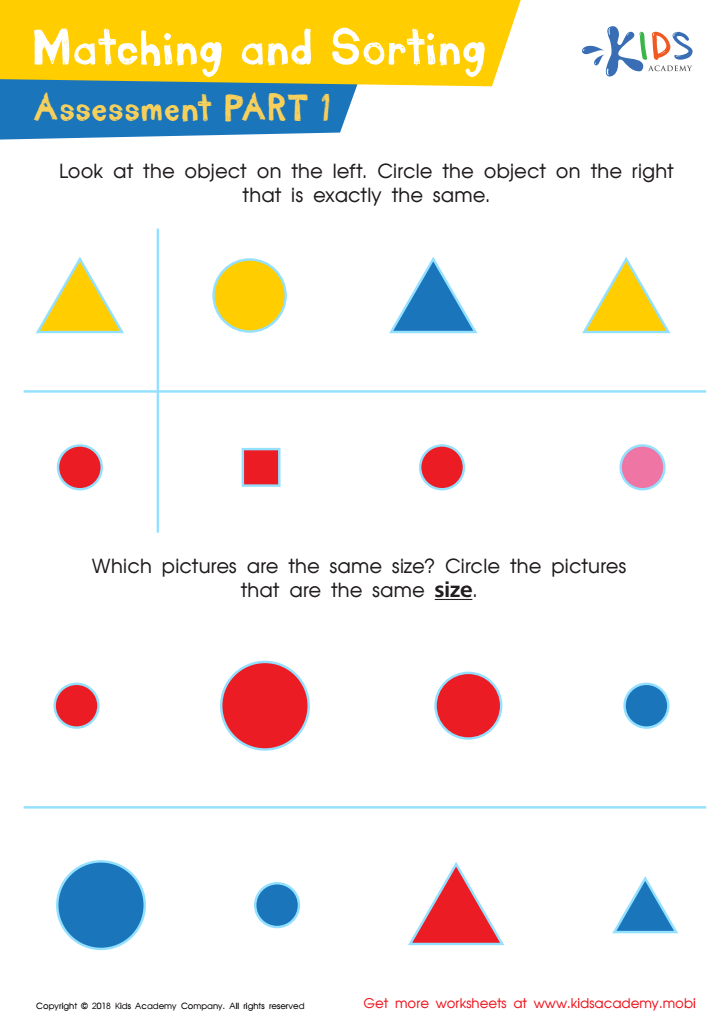
Matching and Sorting for Kindergarten: Assessment 1 Worksheet
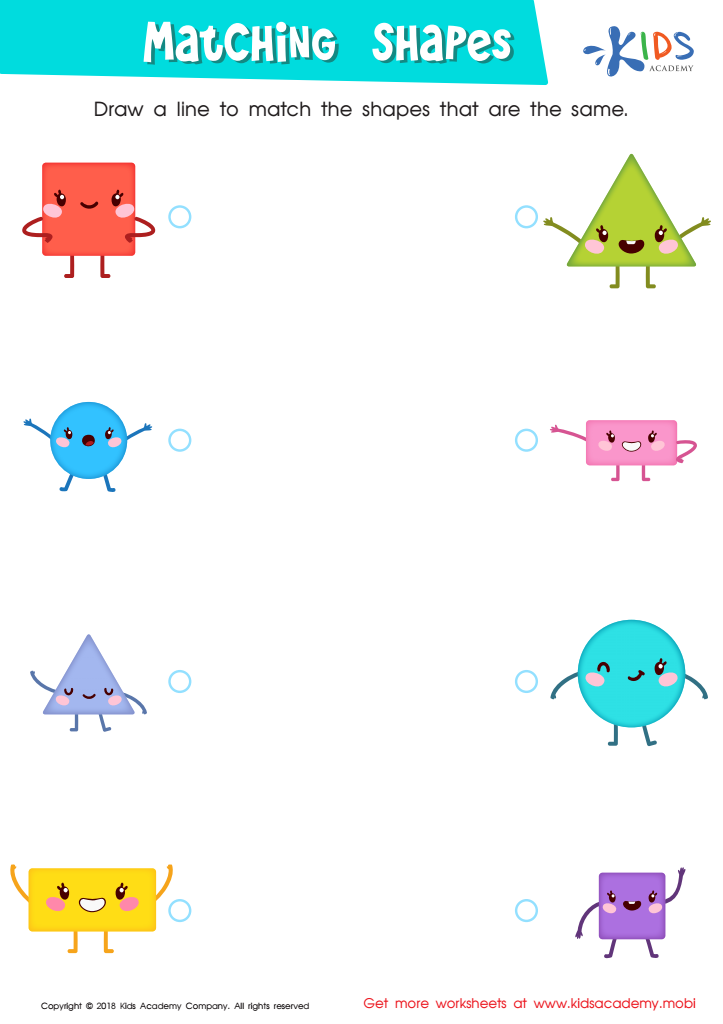
Matching Shapes Worksheet
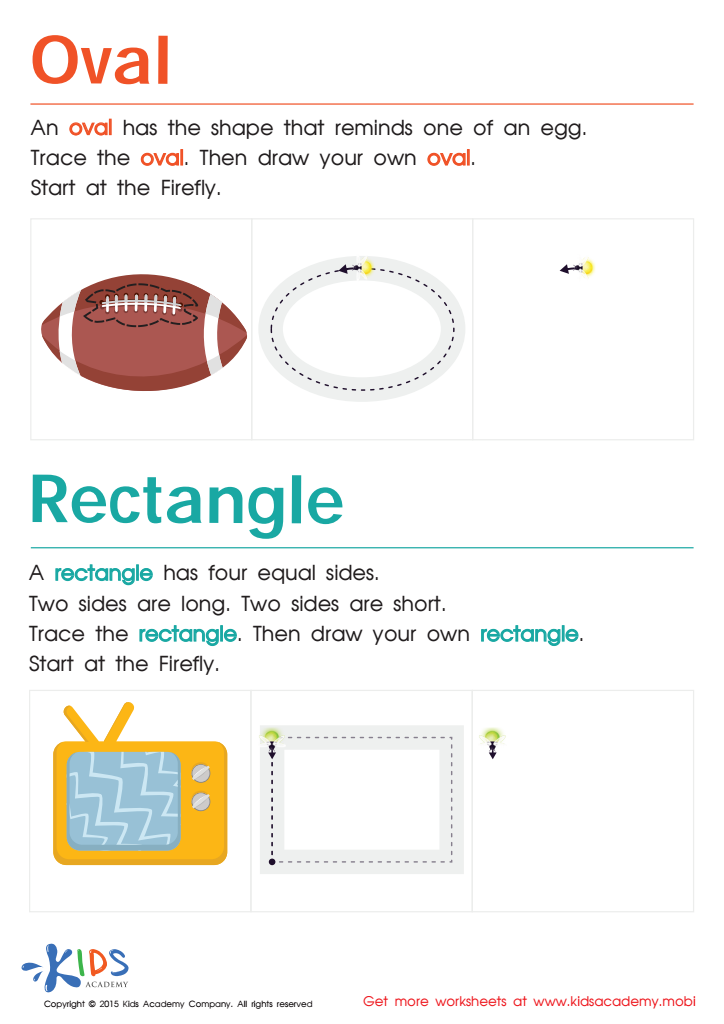
Easy Drawing of Ovals And Rectangles Worksheet
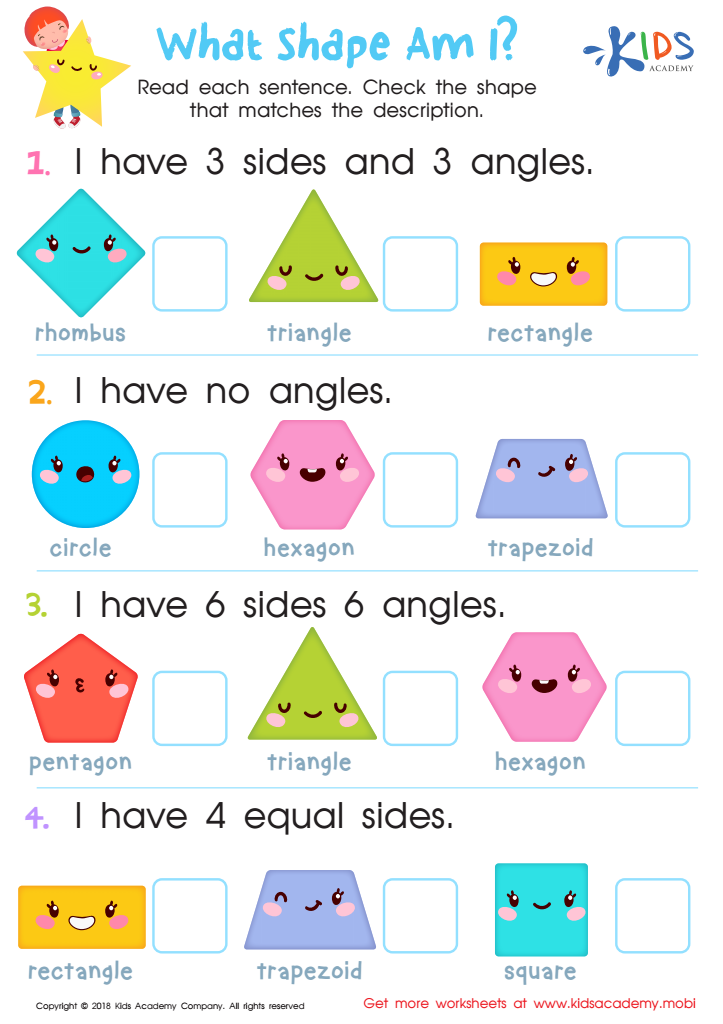
What Shape Am I? Worksheet
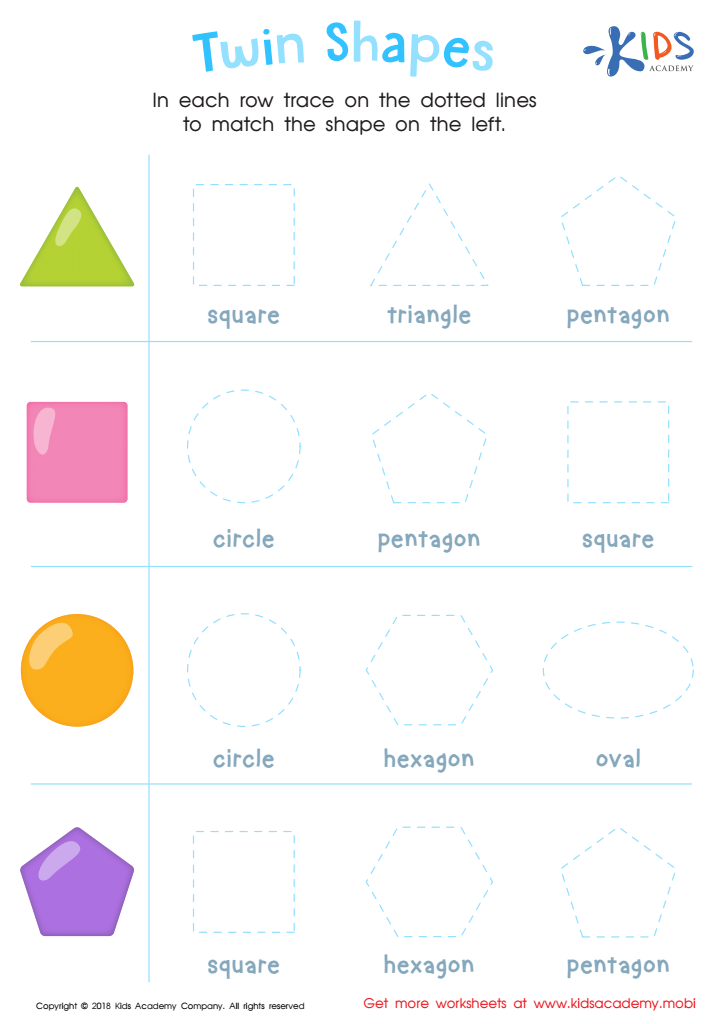
Twin Shapes Dot-to-Dot Worksheet
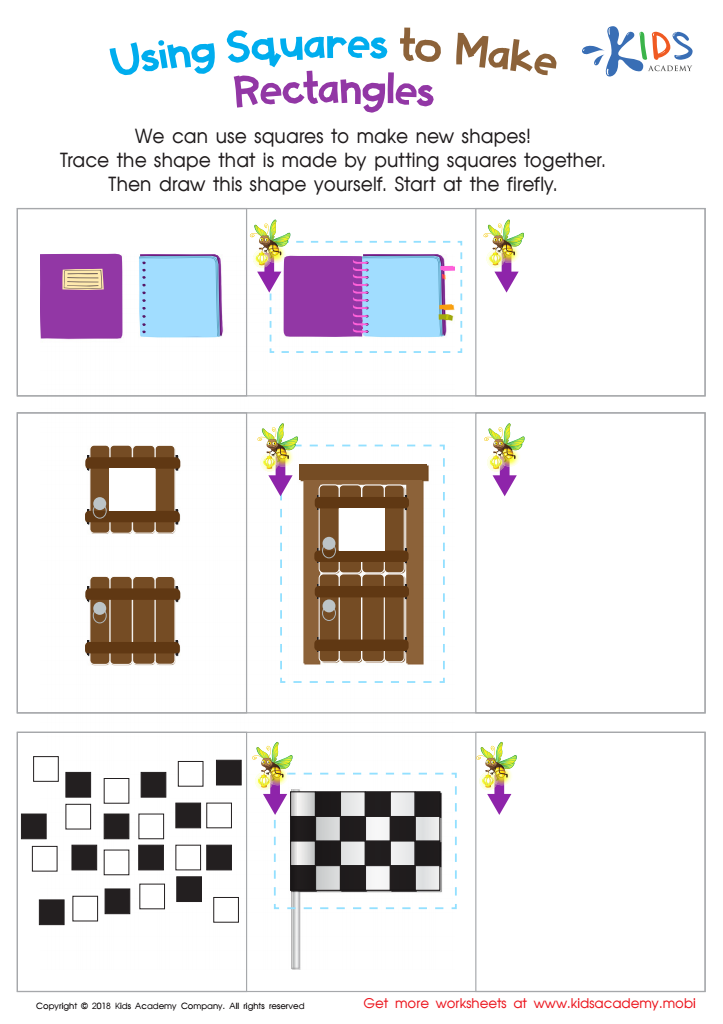
Using Squares to Make Rectangles Worksheet
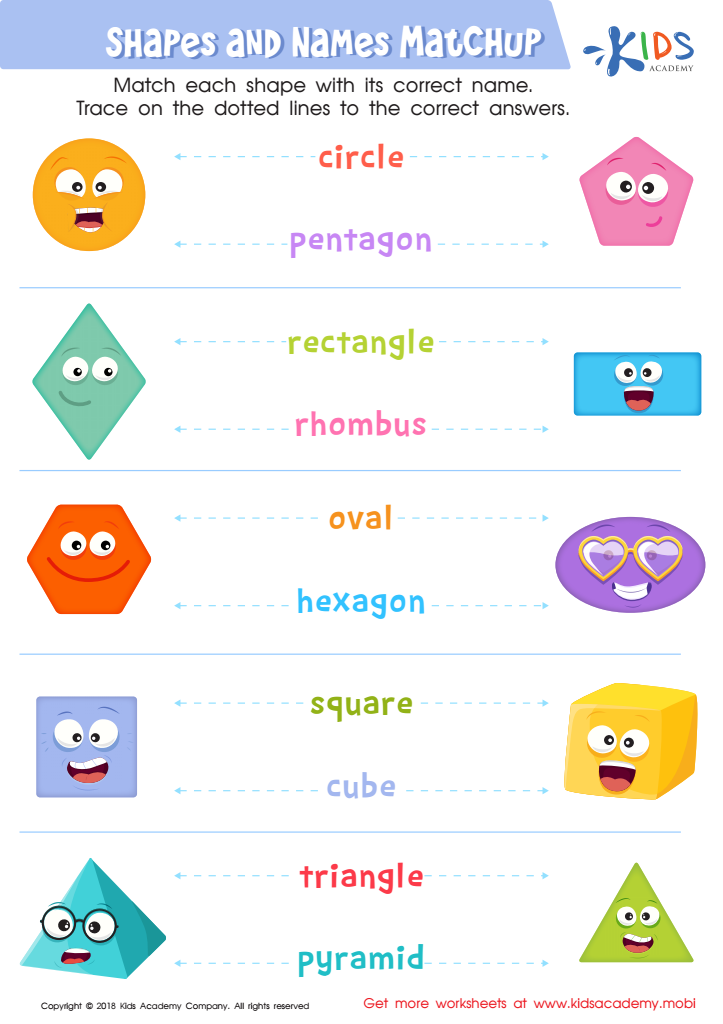
Shapes and Names Matchup Worksheet
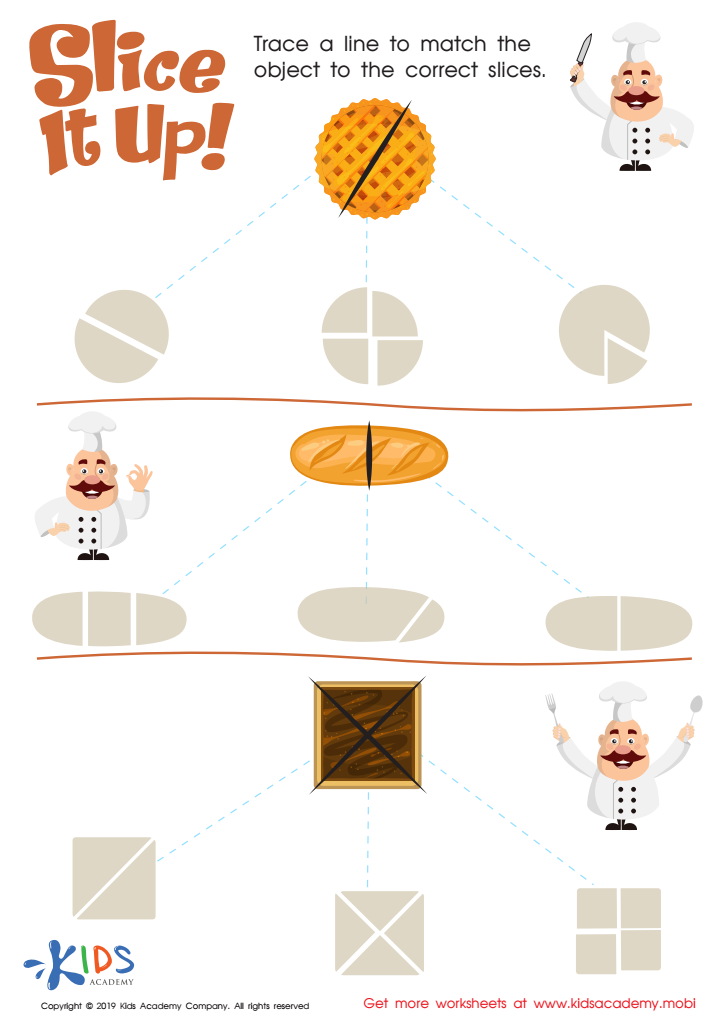
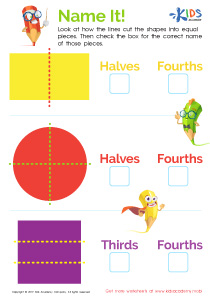
Slice It Up Worksheet
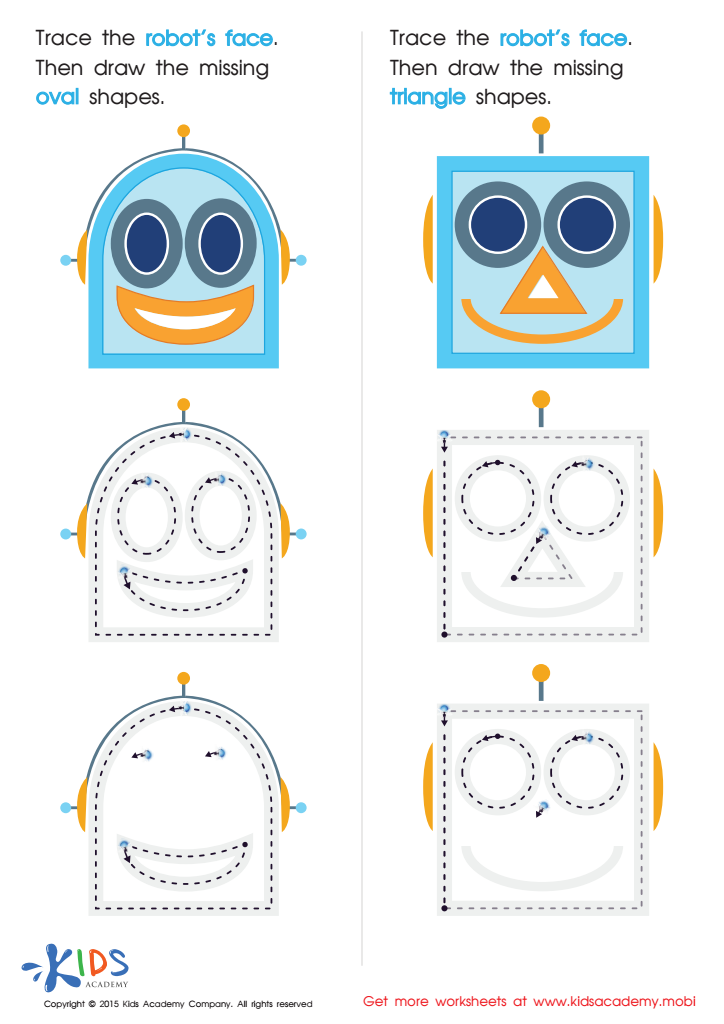
Drawing Ovals And Triangles with Fun Printable
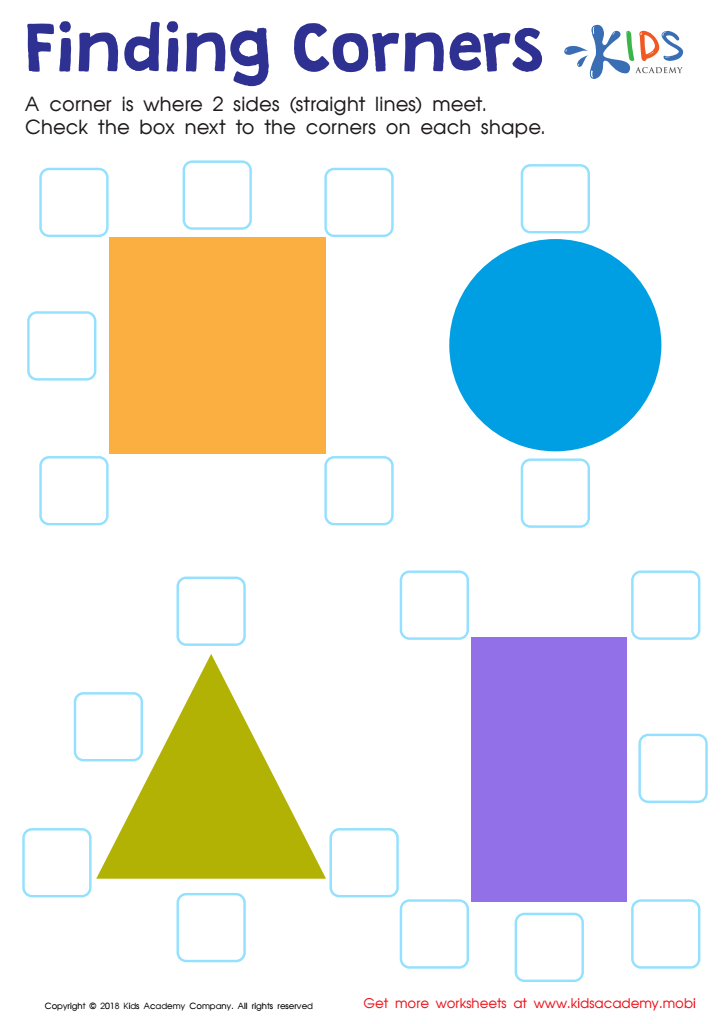
Finding Corners Worksheet
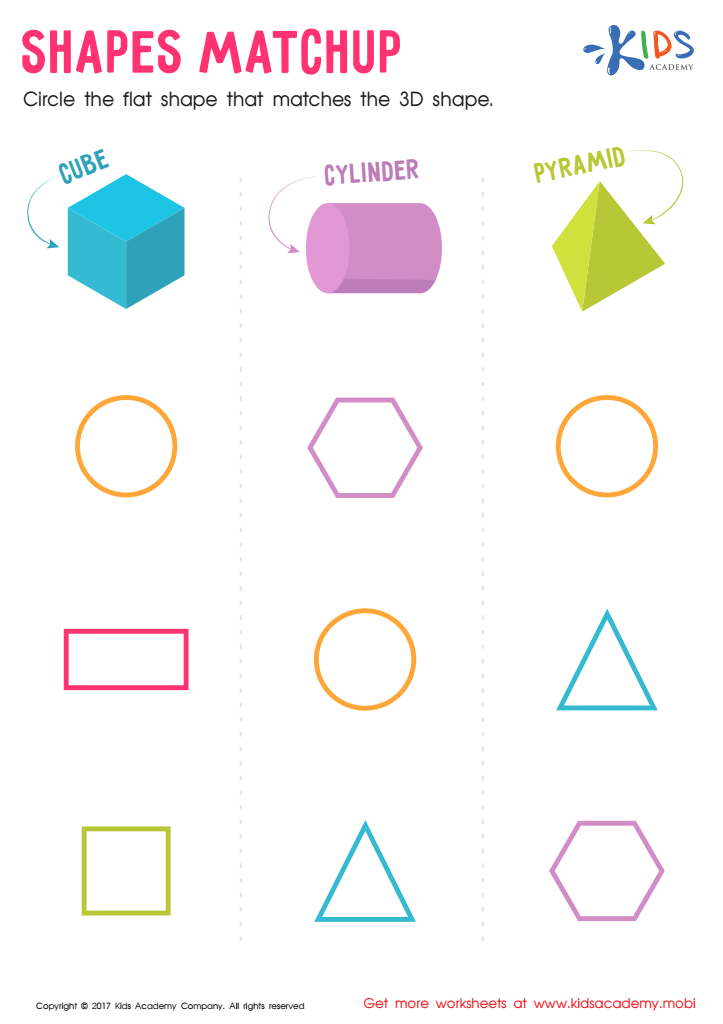
Shapes Matchup Worksheet
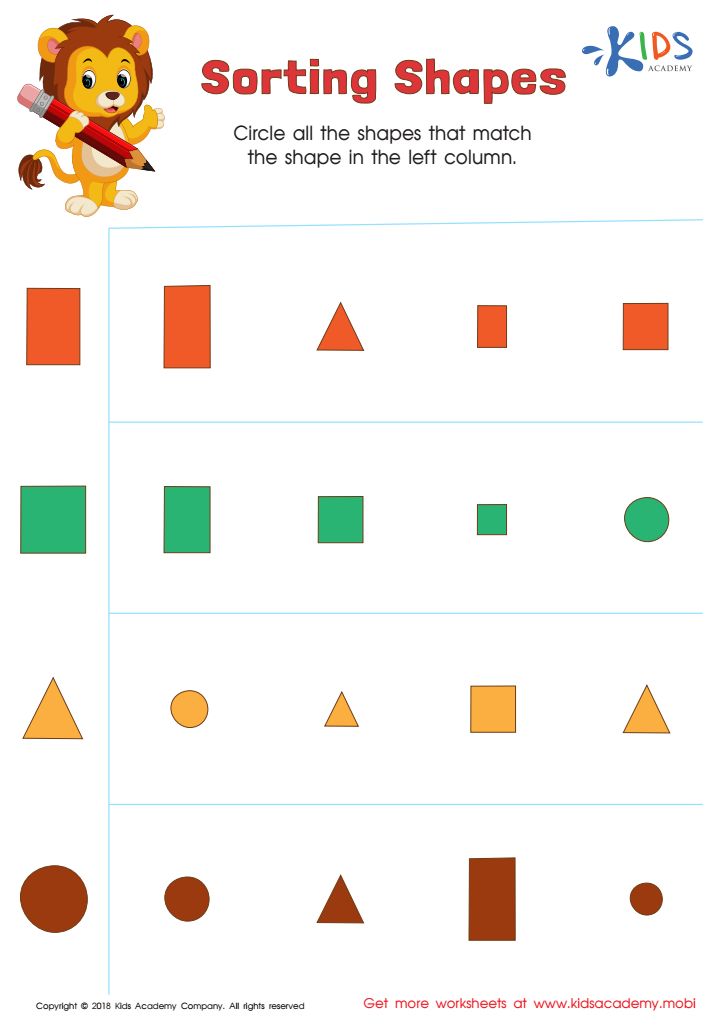
Sorting Shapes - Part 2 Worksheet
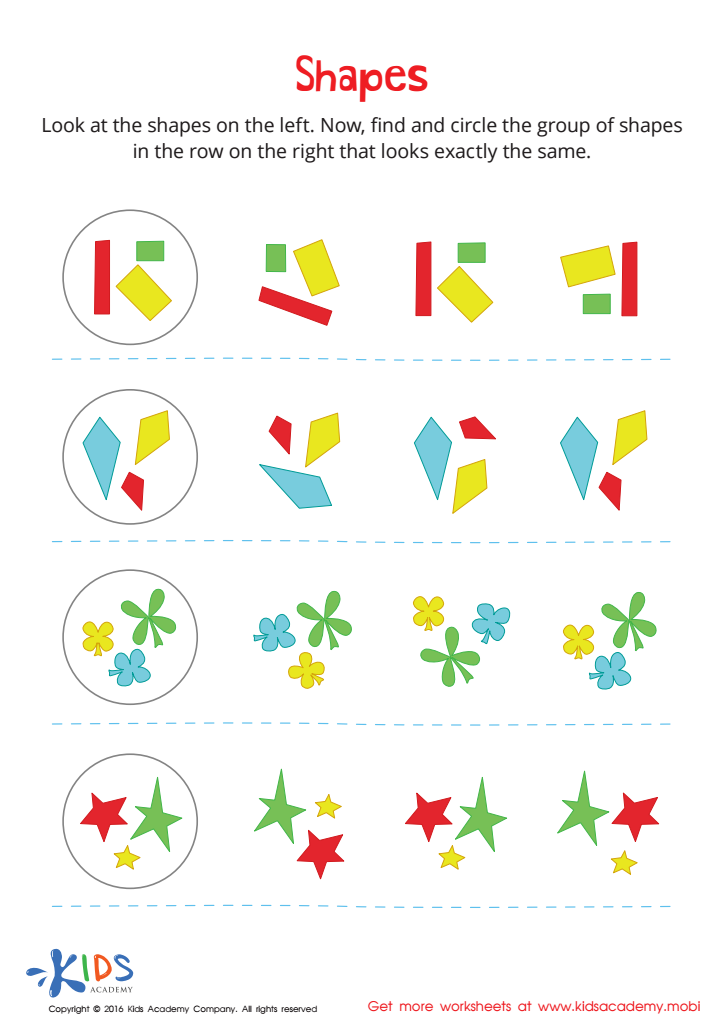
Shapes Worksheet
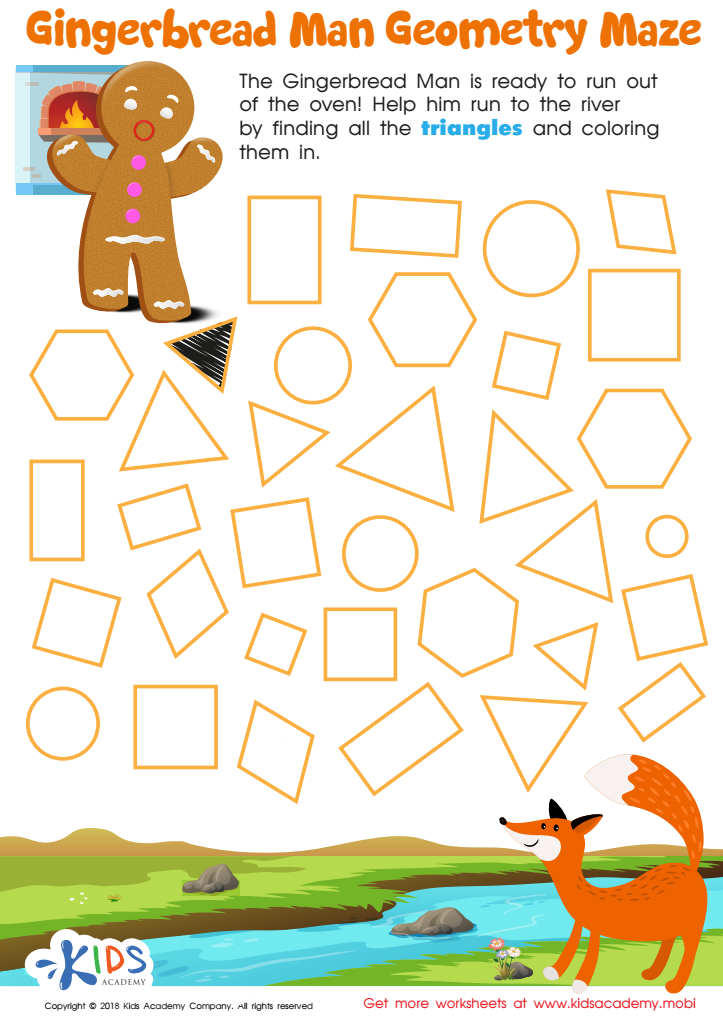
Gingerbread Man Geometry Maze Worksheet
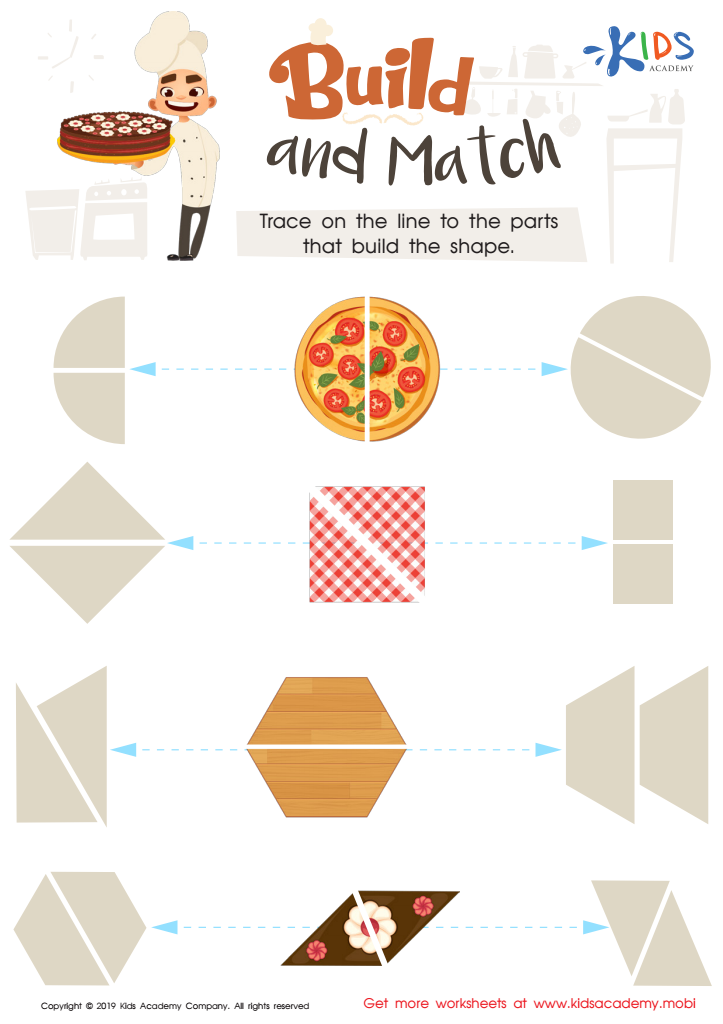
Build and Match Worksheet
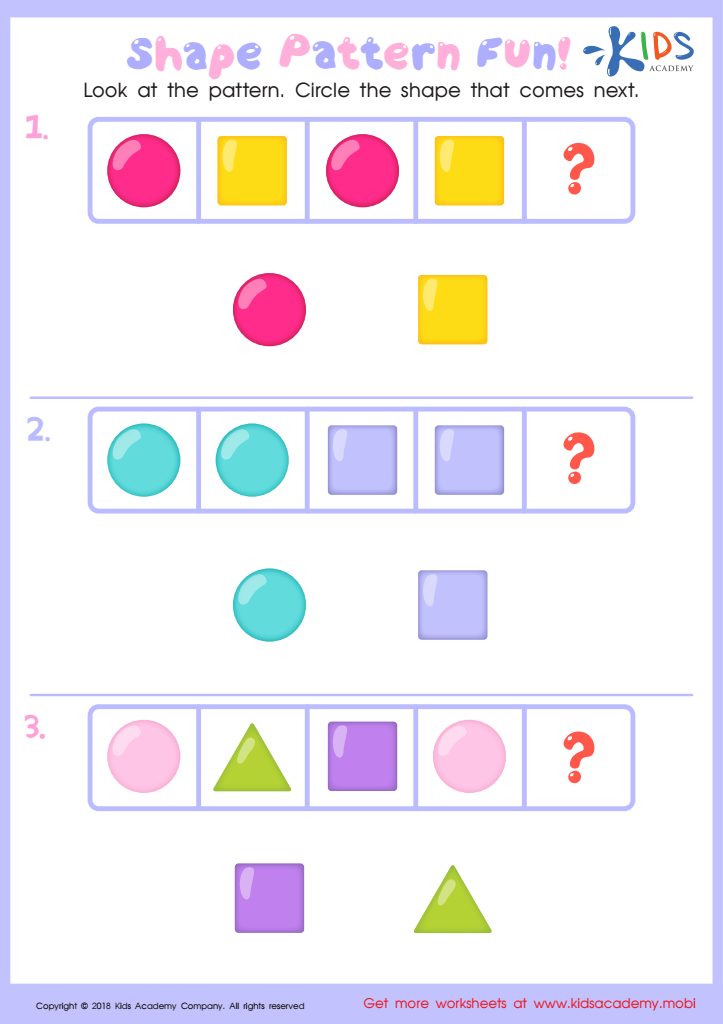
Shape Pattern Fun Worksheet
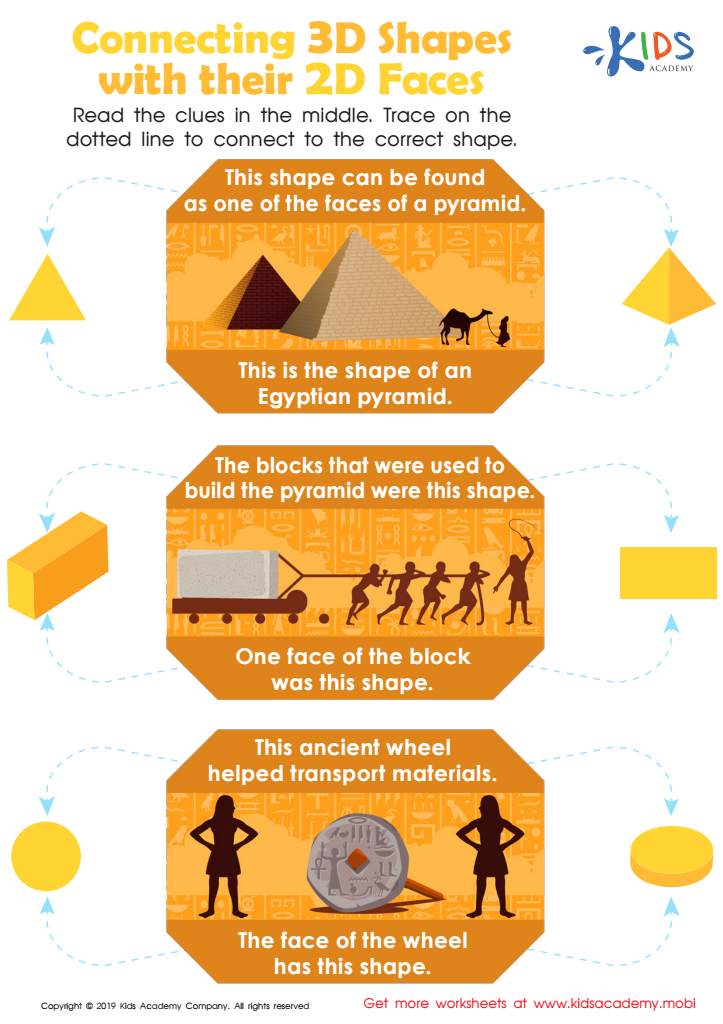
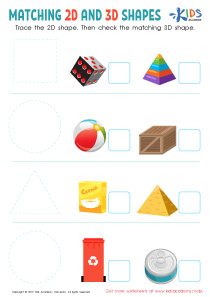
Connecting 3D Shapes with Their 2d Faces Worksheet








Understanding 2D shapes is crucial for children aged 4-7, as it lays the foundation for their mathematical development and critical thinking skills. At this age, kids naturally explore their environment, and recognizing shapes helps them develop spatial awareness and comprehension of their surroundings. Familiarity with 2D shapes—such as circles, squares, triangles, and rectangles—enables children to categorize and describe the world around them, from everyday objects to more complex structures.
Additionally, learning about shapes enhances cognitive abilities, including problem-solving skills, as it introduces concepts such as symmetry, patterns, and relationships. Engaging with shapes through fun activities, like drawing, building with blocks, or engaging in shape-based games, fosters creativity, fine motor skills, and cooperative play. Furthermore, recognizing shapes is foundational for future mathematical concepts, such as geometry, measurement, and area calculation.
Parents and teachers play an essential role in supporting this learning. By integrating shape recognition into daily routines and learning experiences, they encourage curiosity and instill confidence in their children as learners. Ultimately, understanding 2D shapes not only enriches early education but also prepares children for school readiness and lifelong learning.