Geometry Worksheets for Ages 4-7 - Page 7
166 filtered results
-
From - To
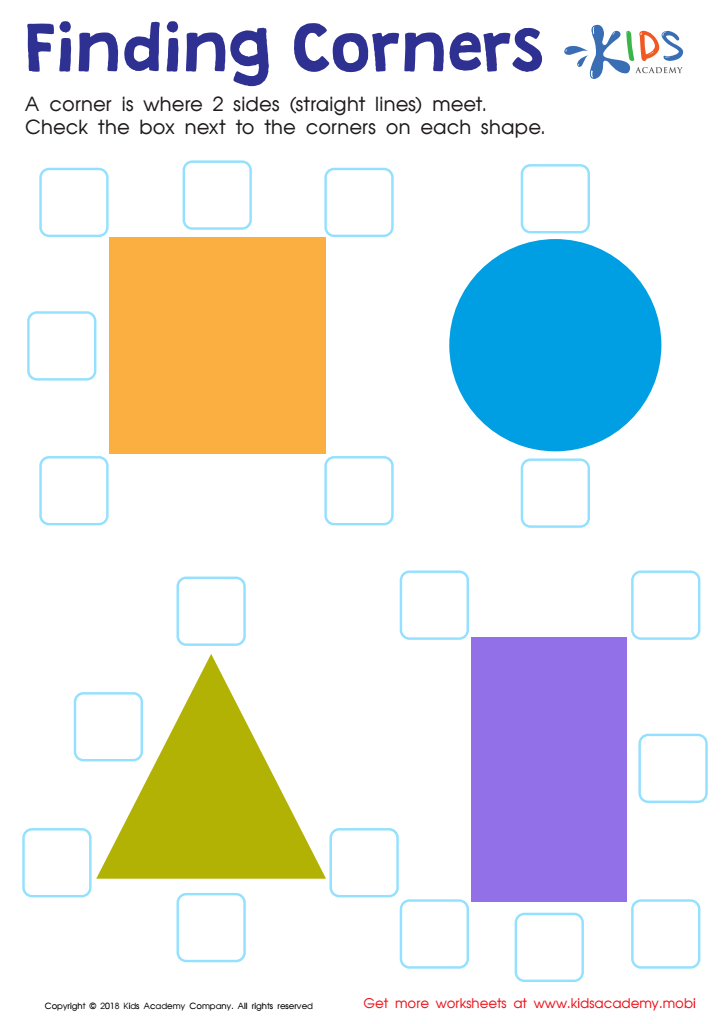
Finding Corners Worksheet
 Assign to My Students











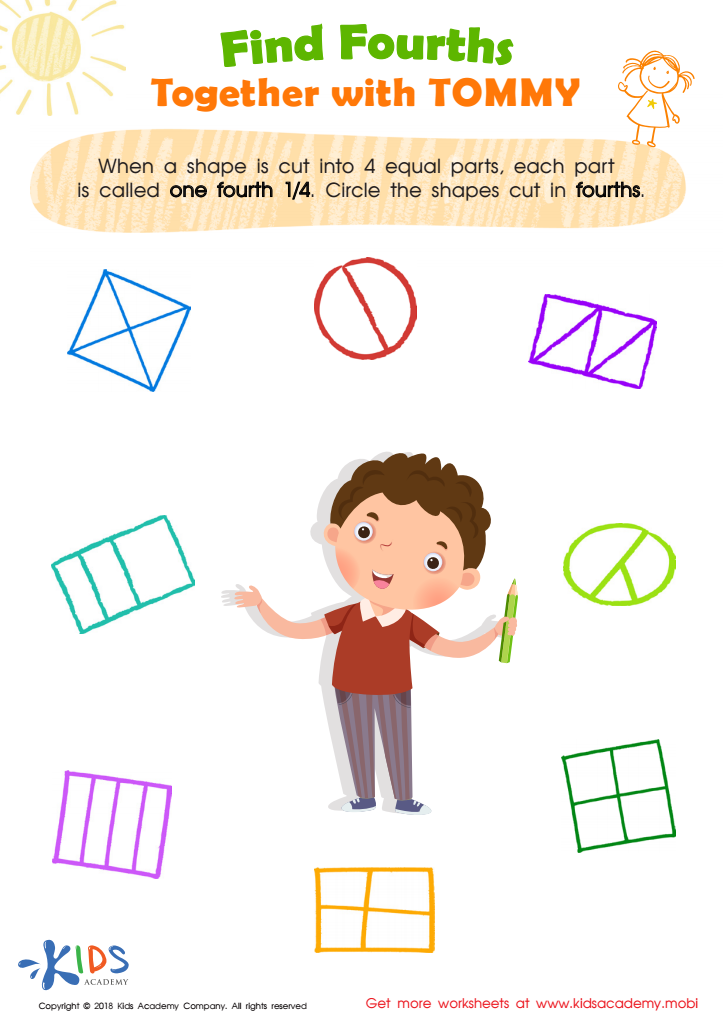
Find Fourths Together with Tommy Worksheet
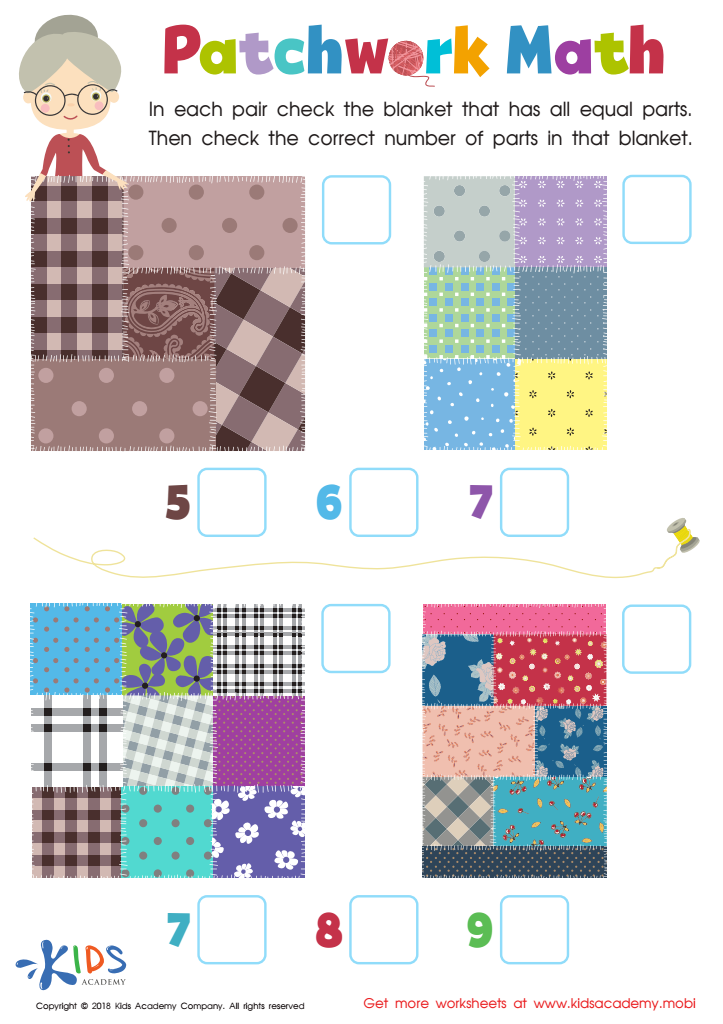
Patchwork Math Worksheet
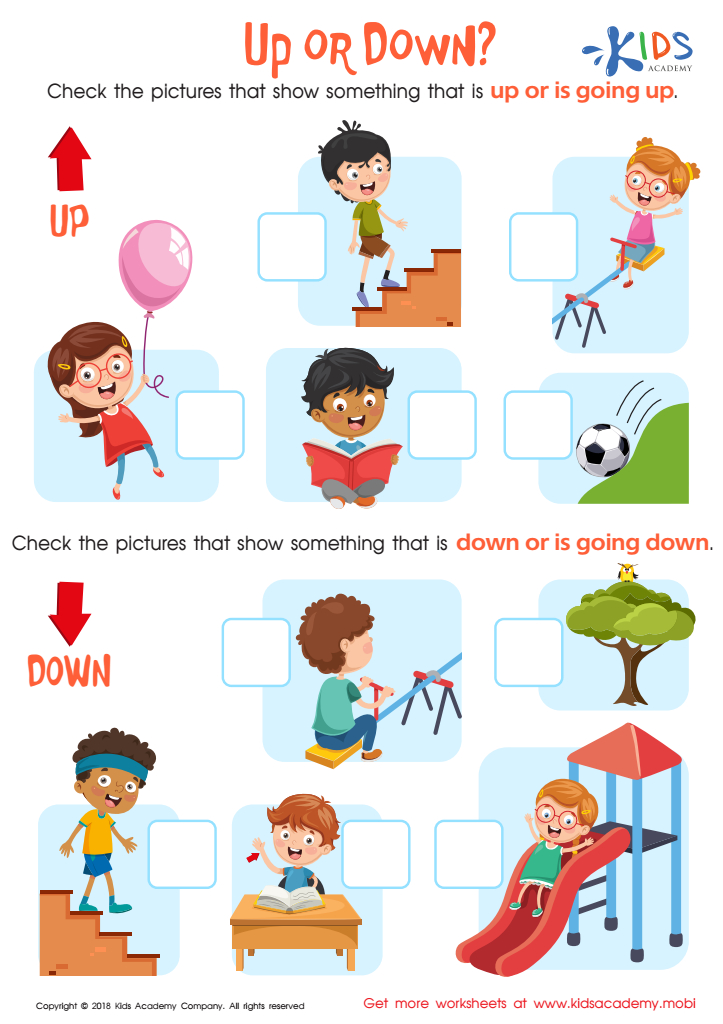
Up or Down Worksheet
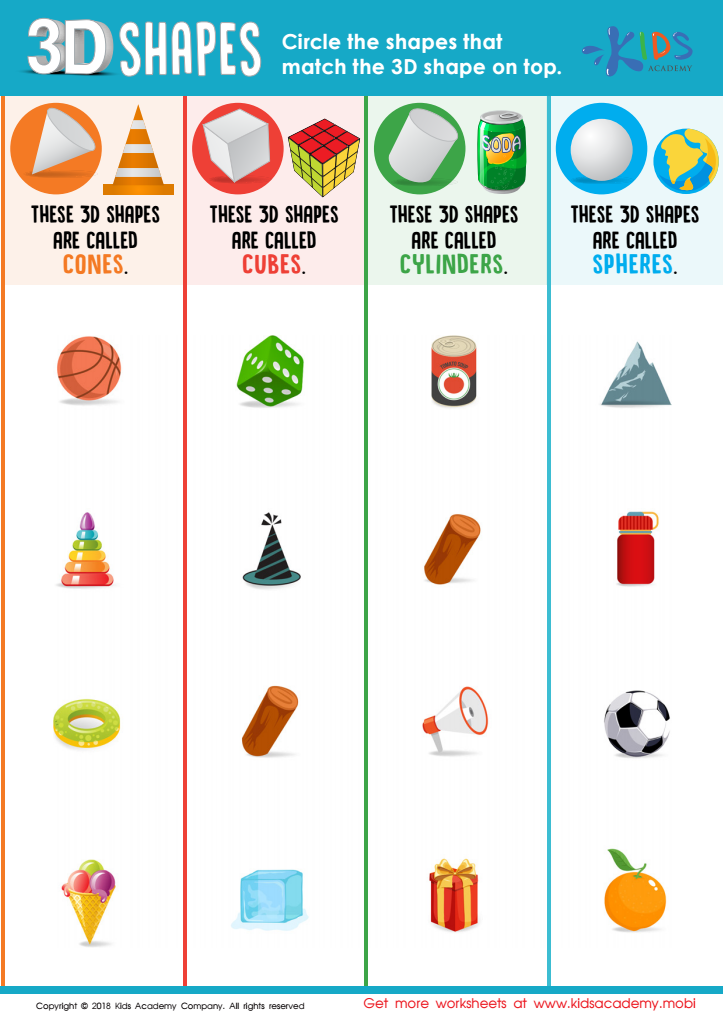
3D Shapes Worksheet
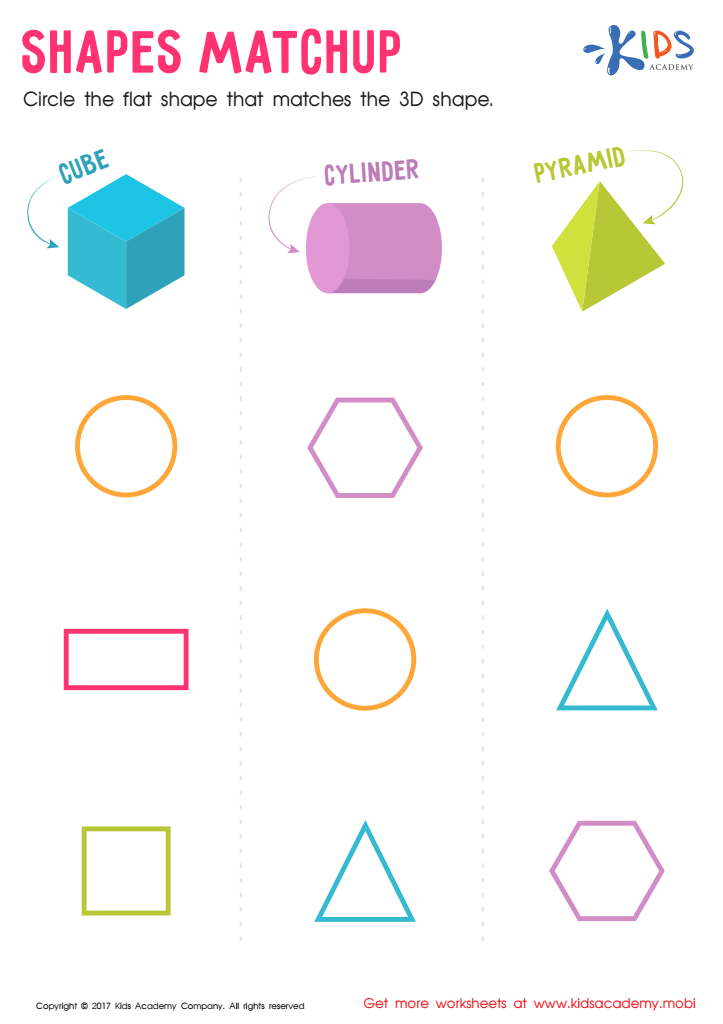
Shapes Matchup Worksheet
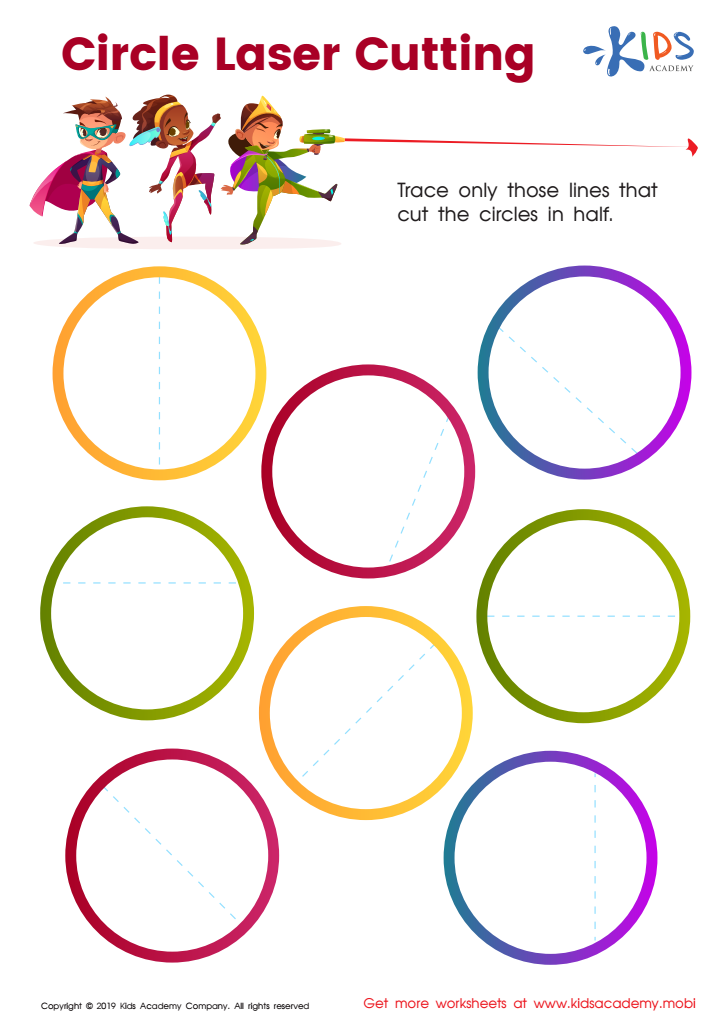
Circle Laser Cutting Worksheet
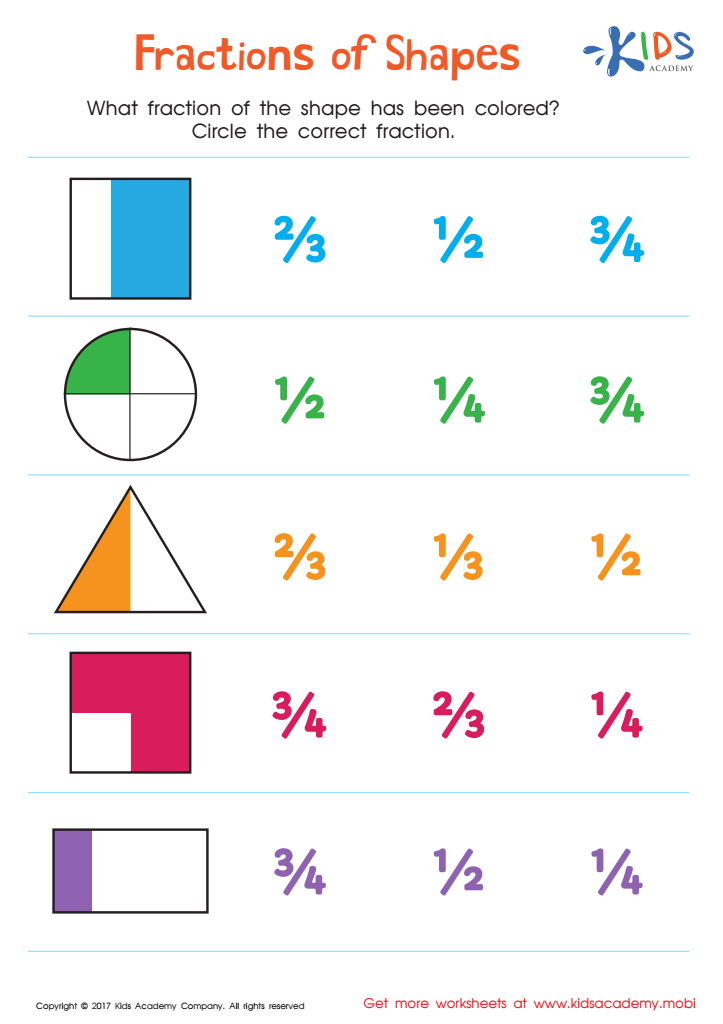
Fractions of Shapes: Math Concept Worksheet
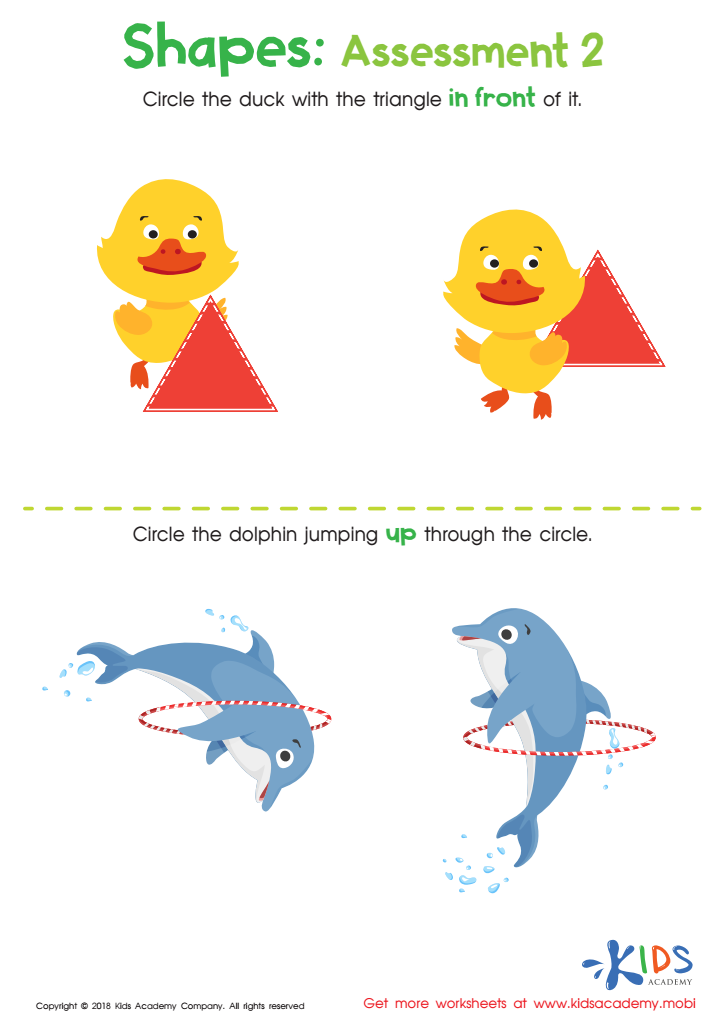
Geometry – Assessment 2 Worksheet
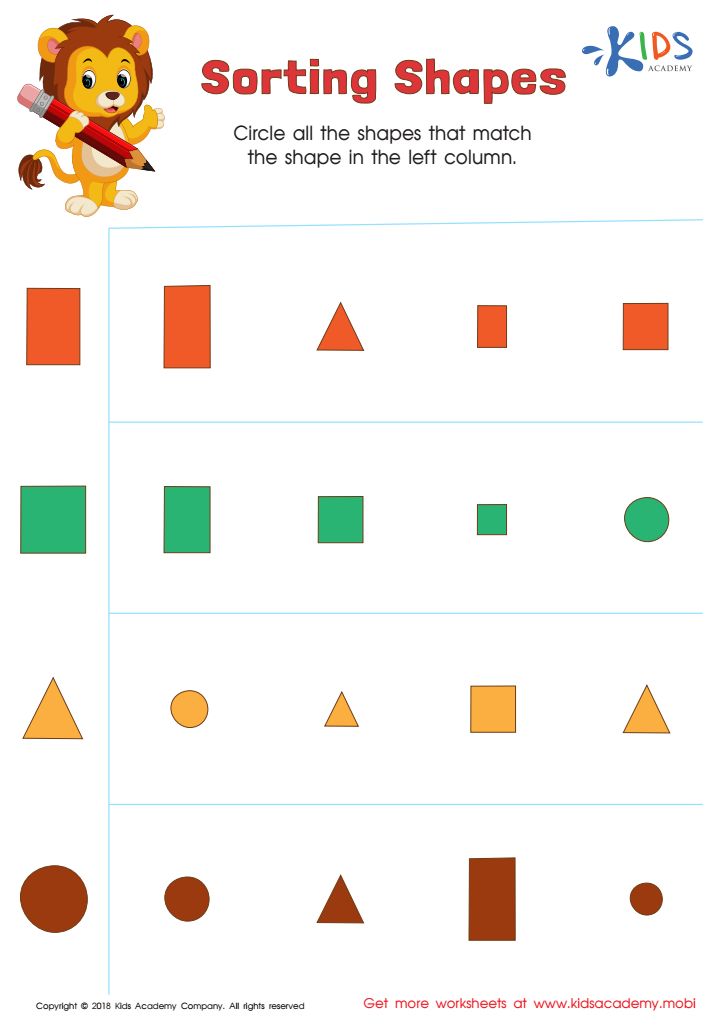
Sorting Shapes - Part 2 Worksheet
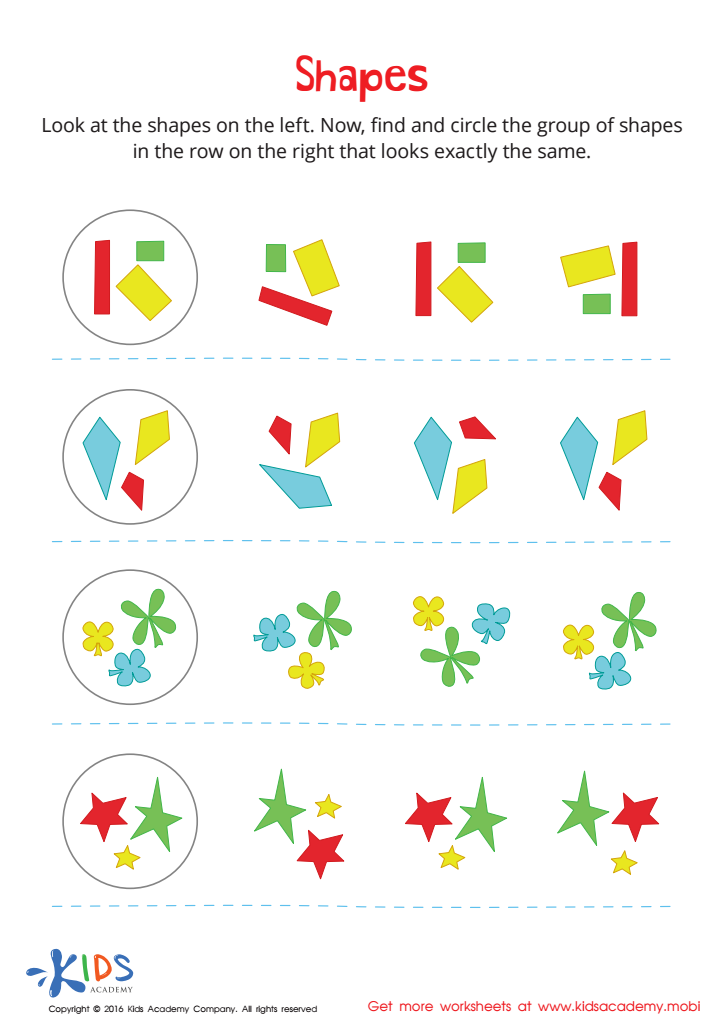
Shapes Worksheet
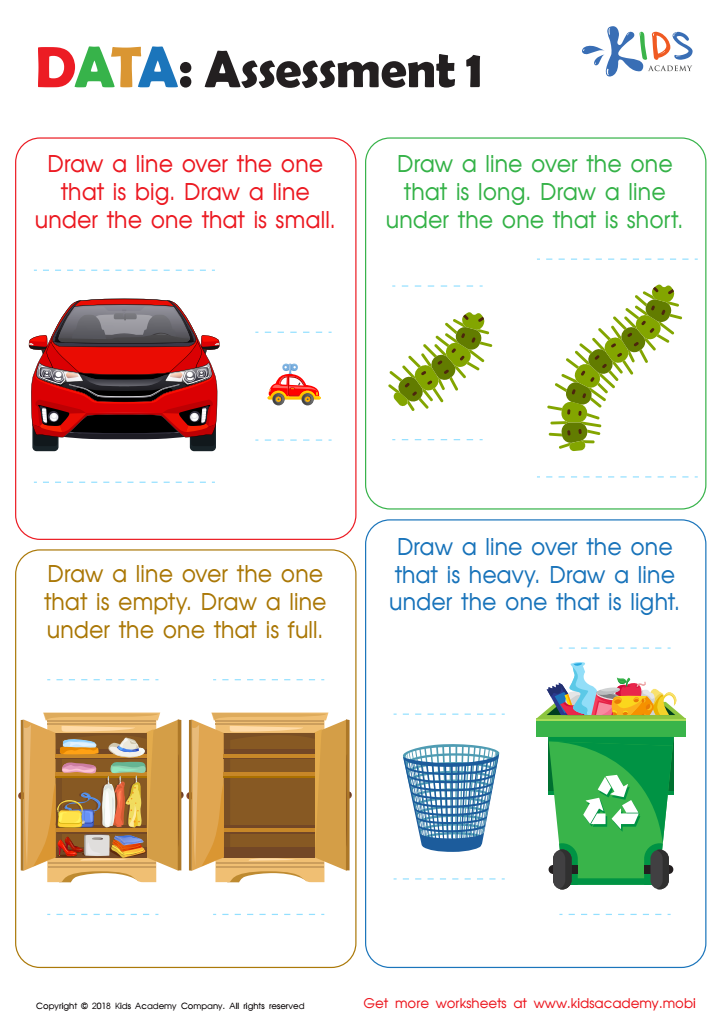
Data: Assessment 1 Worksheet
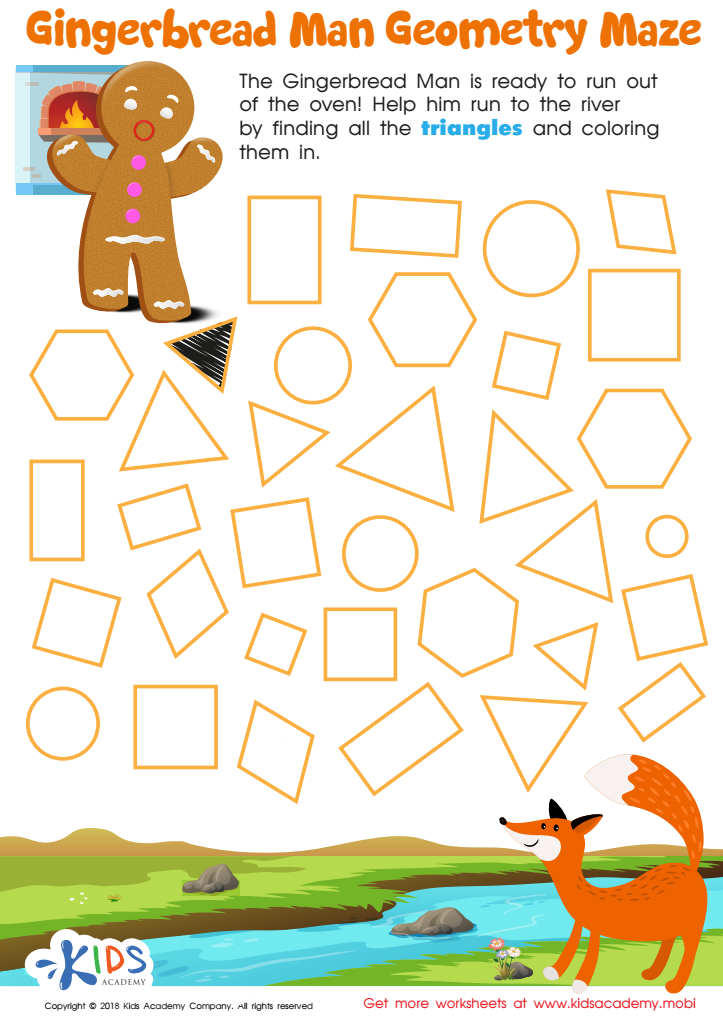
Gingerbread Man Geometry Maze Worksheet
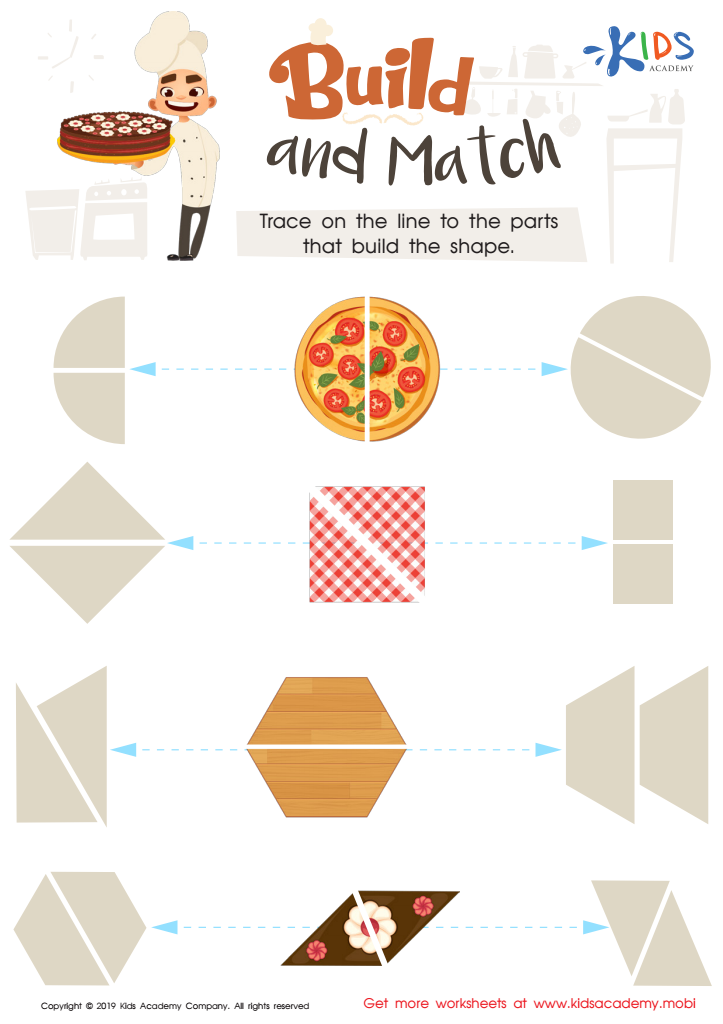
Build and Match Worksheet
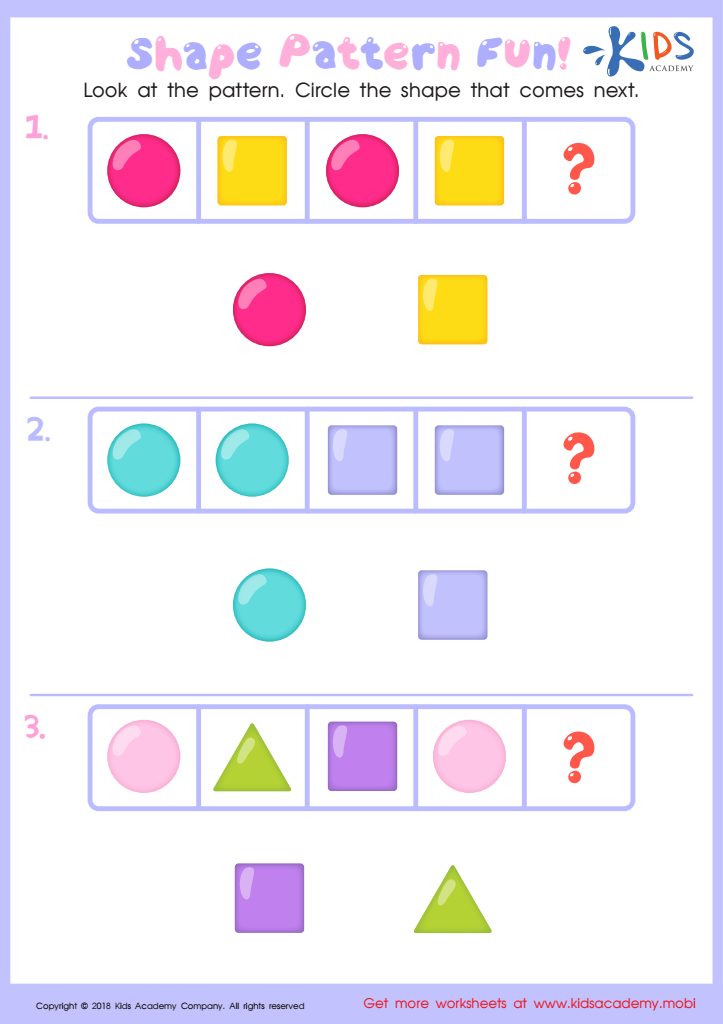
Shape Pattern Fun Worksheet
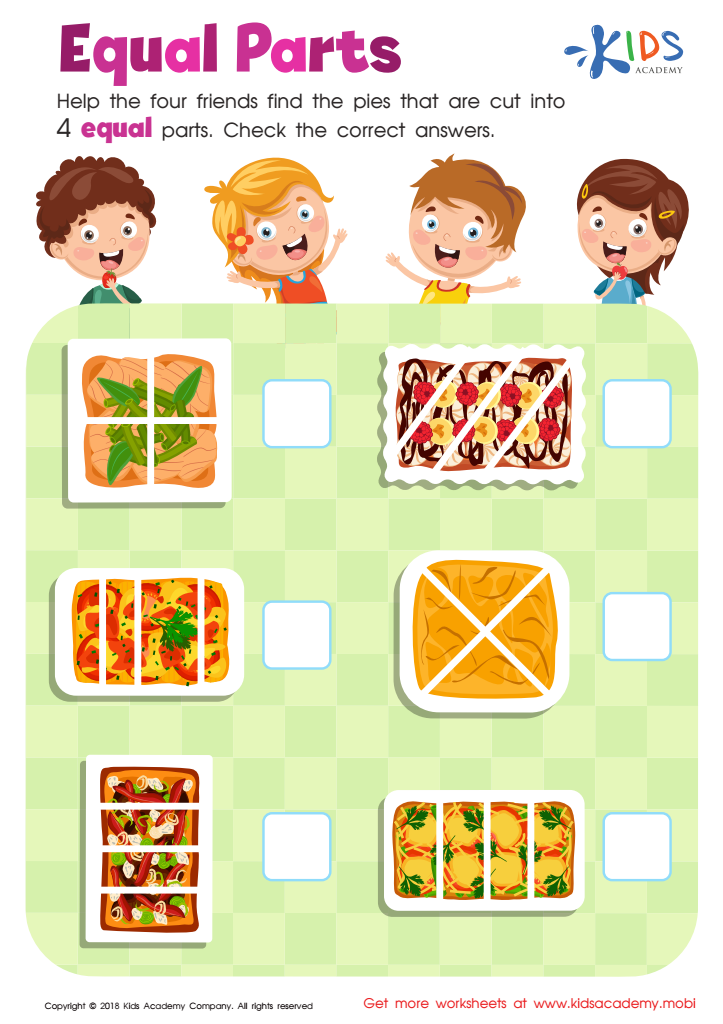
Equal Parts: Food Worksheet
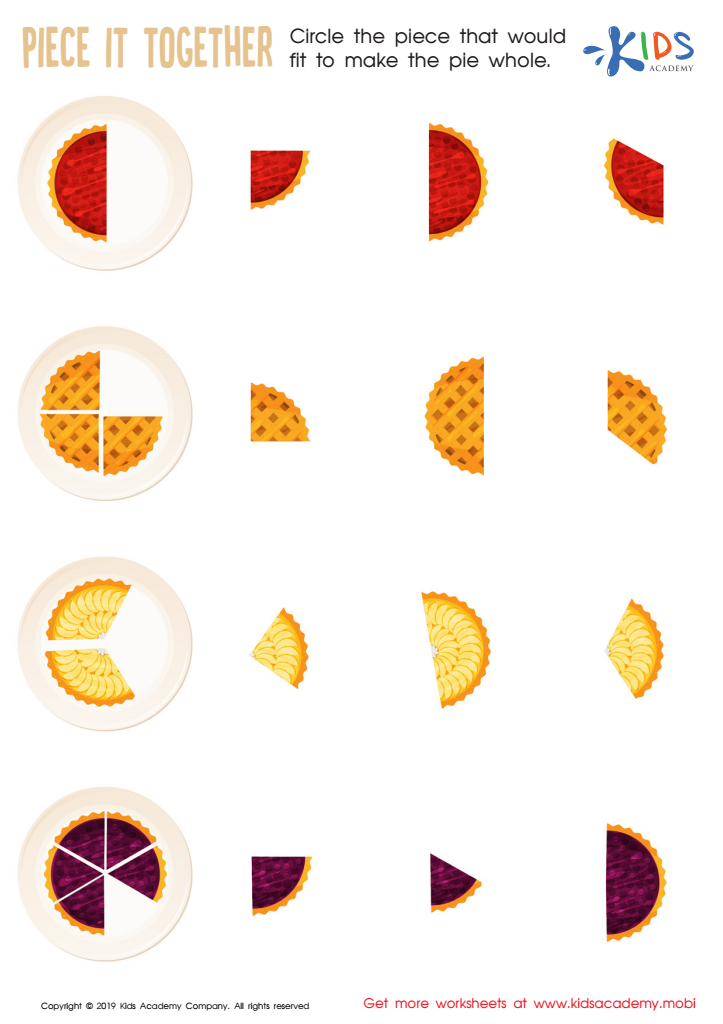
Piece it together Worksheet
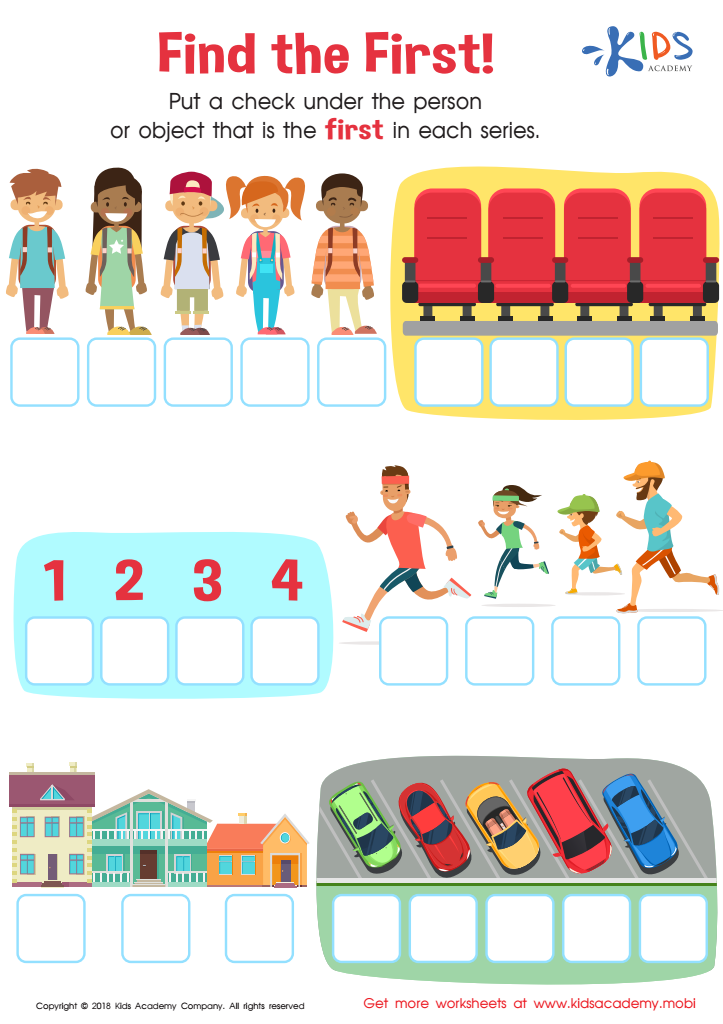
Find the First! Worksheet
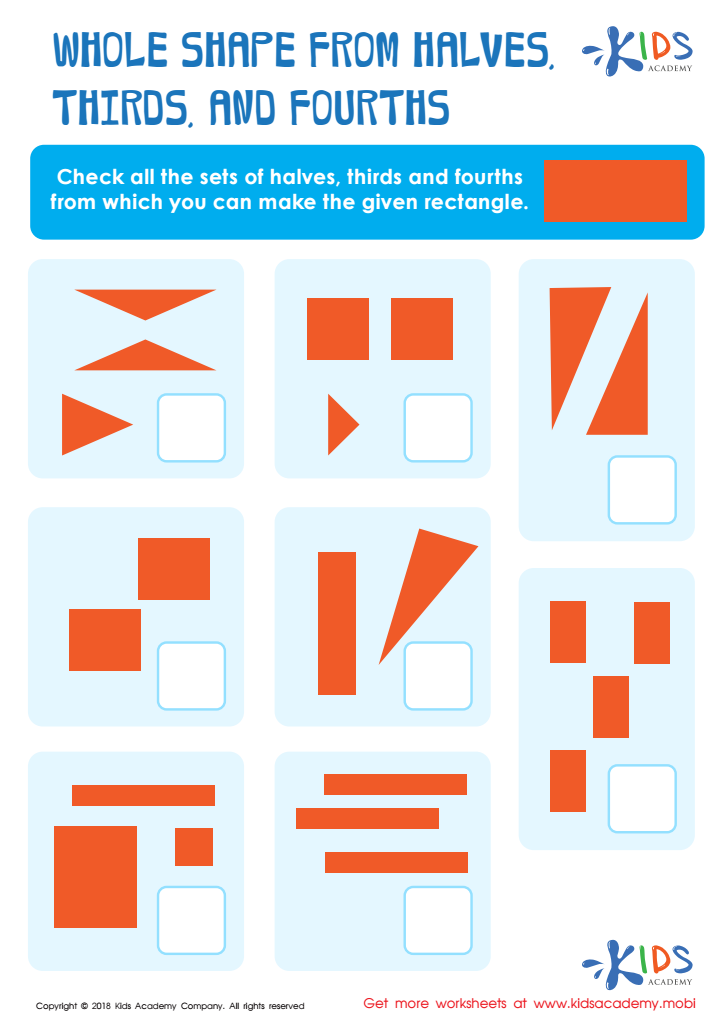
Whole Shape from Halves, Thirds and Fourths Worksheet
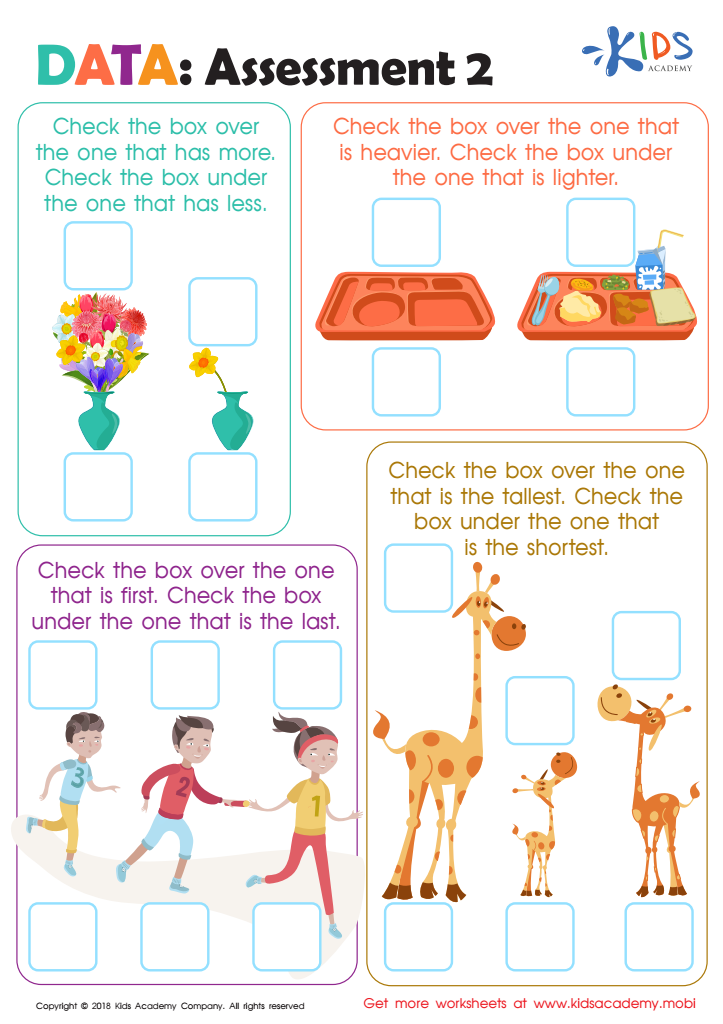
Data: Assessment 2 Worksheet
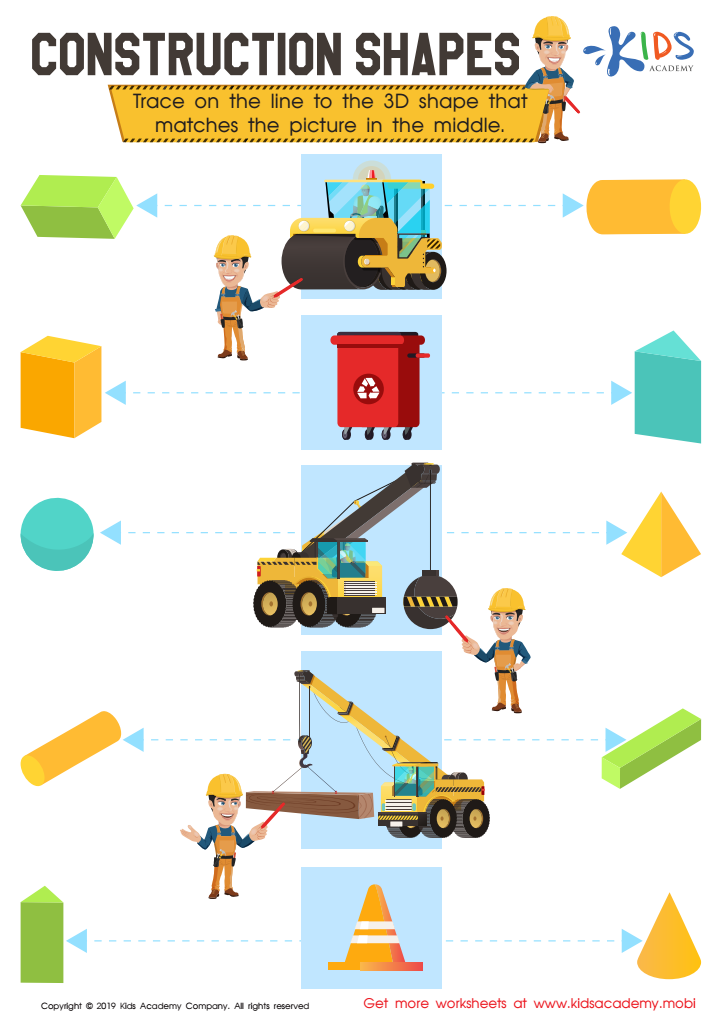
Construction Shapes Worksheet
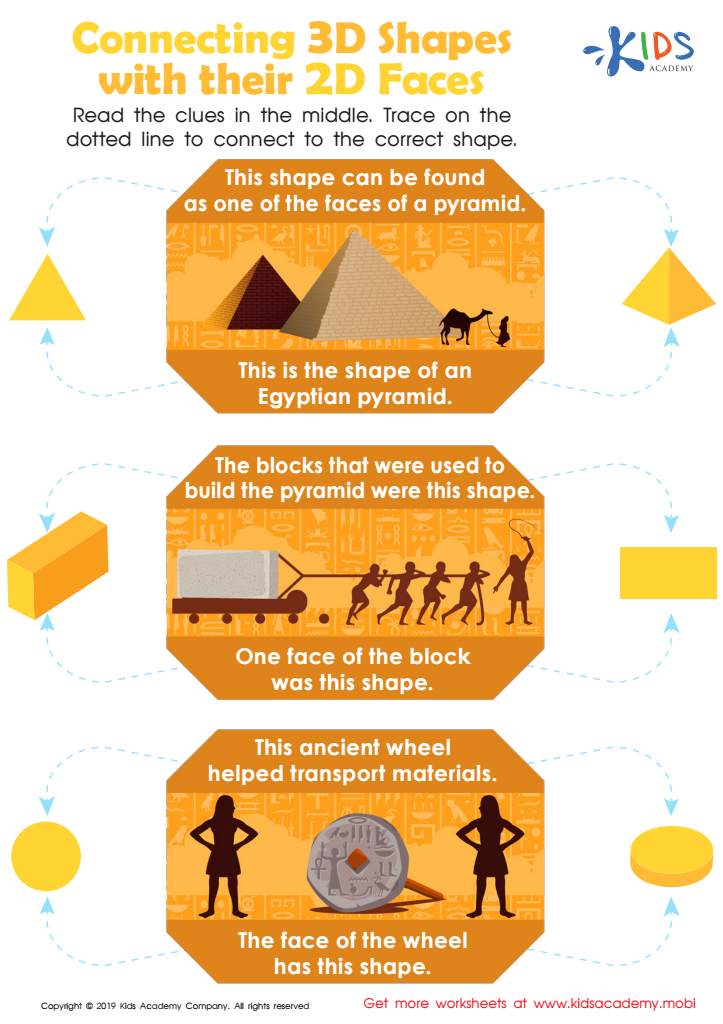
Connecting 3D Shapes with Their 2d Faces Worksheet








Geometry for children aged 4-7 serves as an essential foundation for broader mathematical understanding and cognitive development. At this formative stage, young learners' minds are exceptionally receptive to grasping basic geometric principles like shapes, sizes, and spatial relationships. Understanding geometry fosters critical thinking and problem-solving skills vital for future academic achievement, including reading and science.
Introducing geometry through playful activities such as building blocks, drawing, and interactive games makes learning enjoyable and captivating. Children learn to identify, classify, and compare shapes, which strengthens their observational skills and attention to detail. These fundamental skills are not only crucial for math education but also enhance early literacy skills by helping kids recognize and differentiate letters and patterns.
Moreover, early exposure to geometry promotes fine motor skills through activities like tracing shapes and organizing objects. It encourages logical reasoning when children sort or categorize shapes based on attributes, laying groundwork for more advanced mathematical concepts. By engaging with geometry, children also start to develop spatial awareness, understanding concepts of direction, distance, and location, essential for navigating their environments safely.
Parents and teachers who emphasize geometry cultivate a strong mathematical foundation, encouraging confidence and academic curiosity. Therefore, integrating geometry into early education nurtures well-rounded, capable learners ready for future challenges.








