Problem-Solving Skills Geometry Worksheets for Ages 4-9
30 filtered results
-
From - To
Enhance your child's problem-solving skills with our engaging Geometry Worksheets designed for ages 4-9! These worksheets focus on essential geometric concepts, encouraging early learners to think critically and explore shapes, patterns, and spatial relationships. Each activity is tailored to promote hands-on learning, making math fun and interactive. As children tackle various challenges, they develop reasoning abilities and boost their confidence in mathematically orientated tasks. With colorful illustrations and user-friendly formats, our worksheets are perfect for home or classroom use. Help your child build a solid foundation in geometry that will support their future learning. Start solving with creativity today!
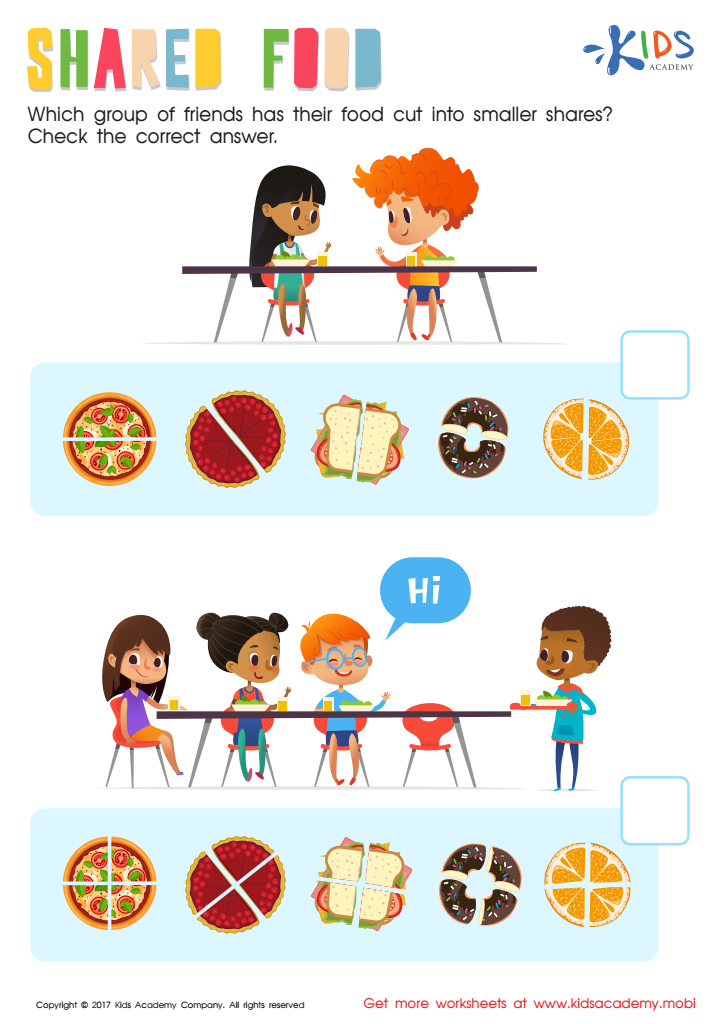
Shared Food Worksheet
 Assign to My Students











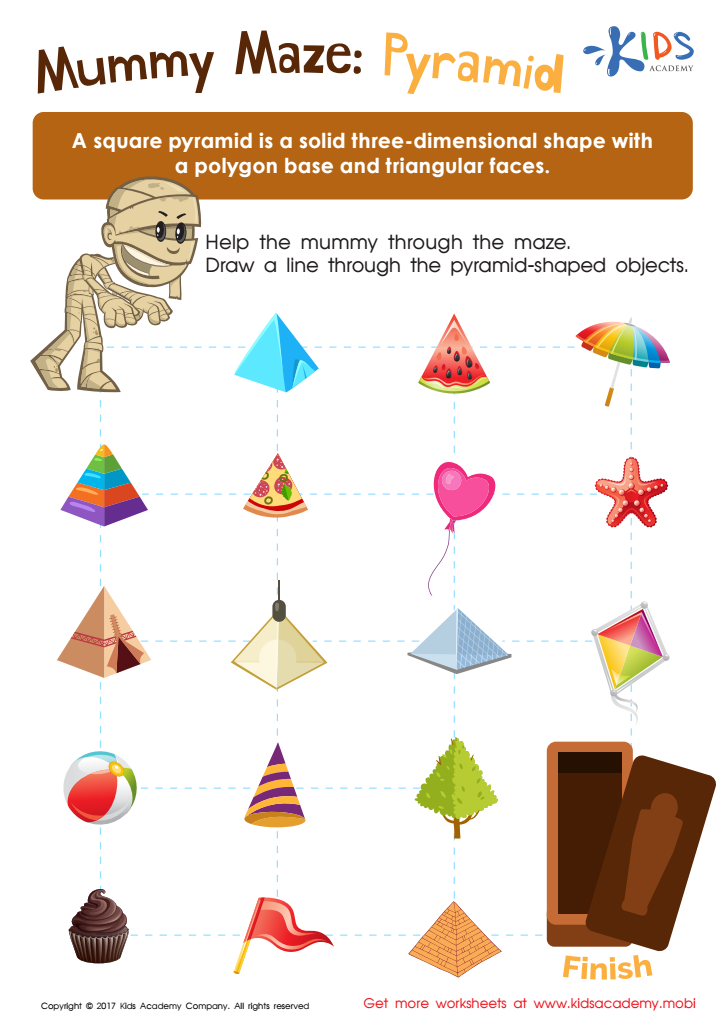
Mummy Maze: Pyramid Printable
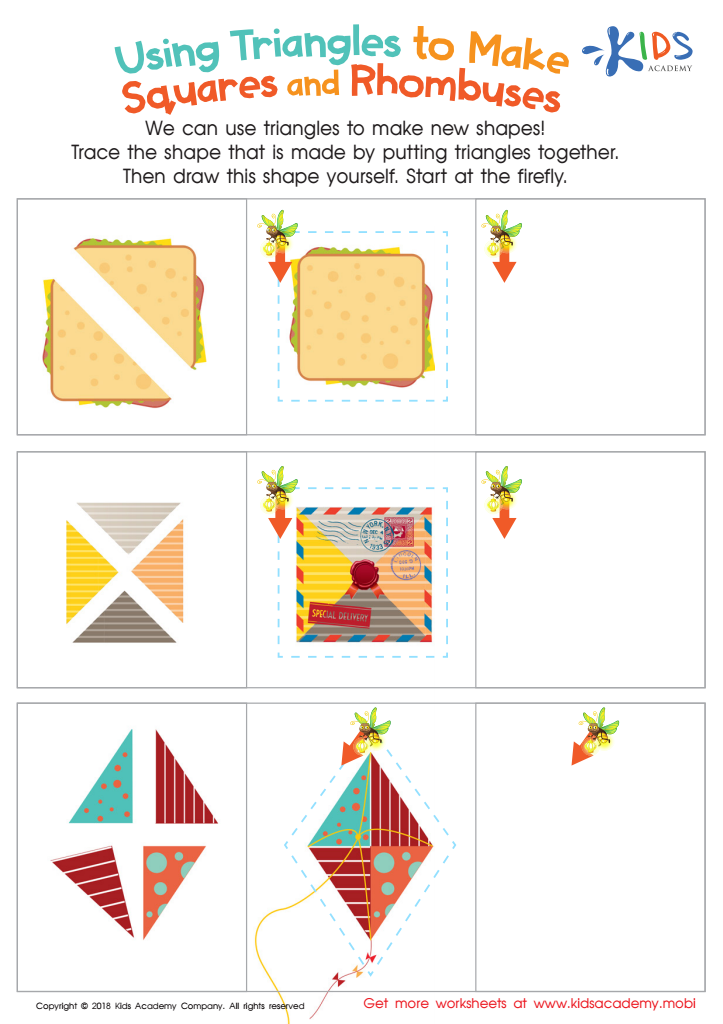
Using Triangles to Make Squares and Rhombuses Worksheet
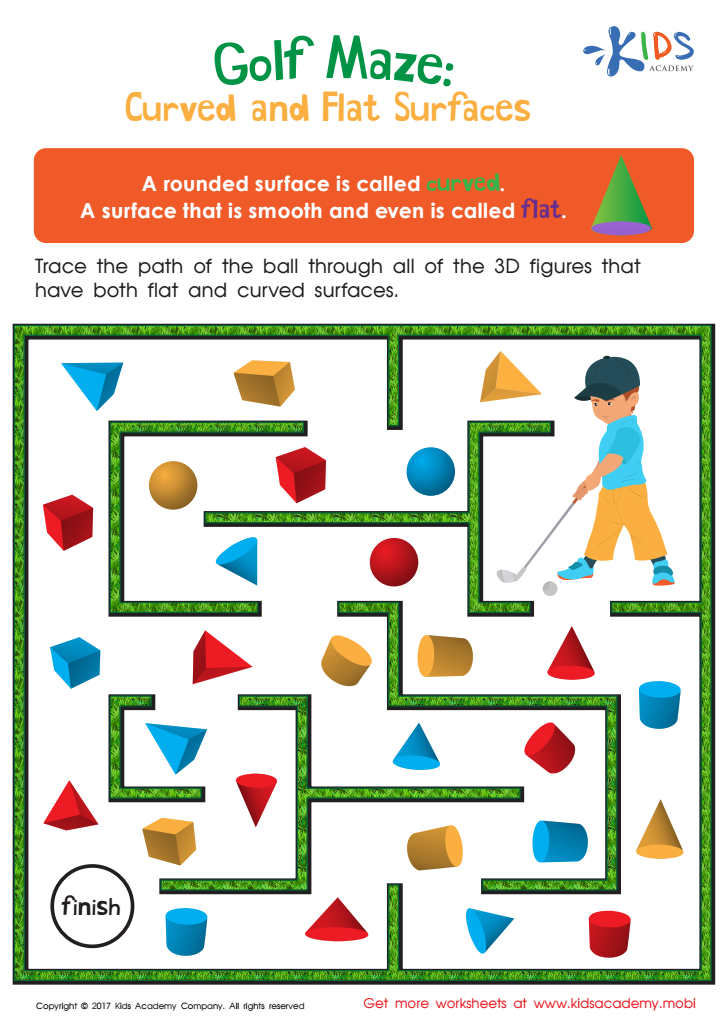
Golf Maze: Curved and Flat Surfaces Worksheet
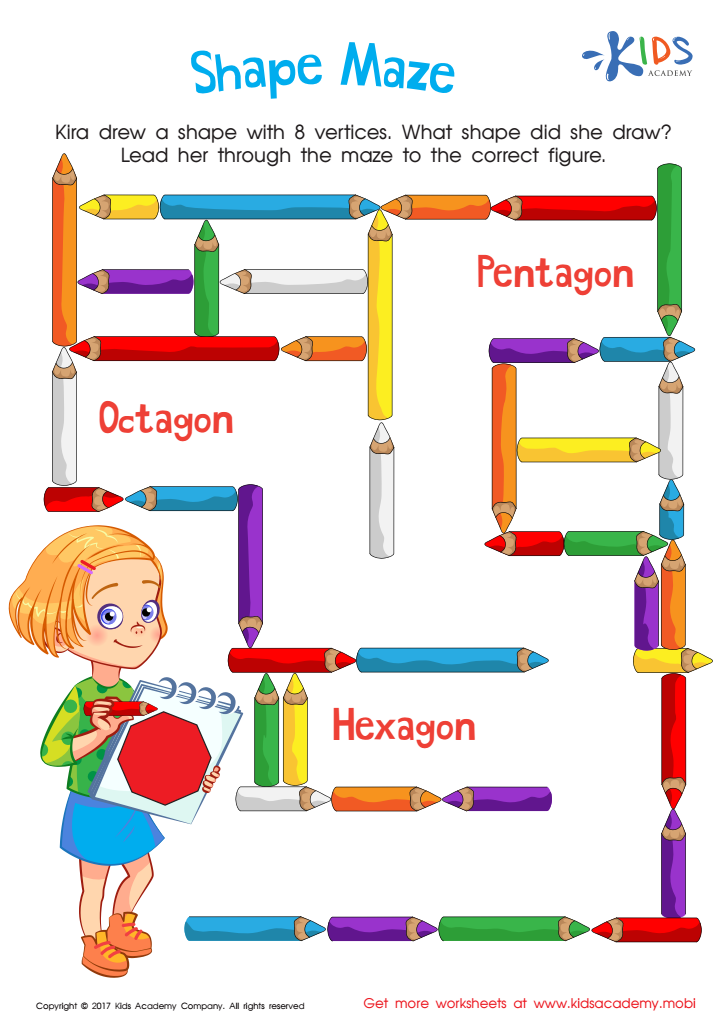
Shape Maze Worksheet
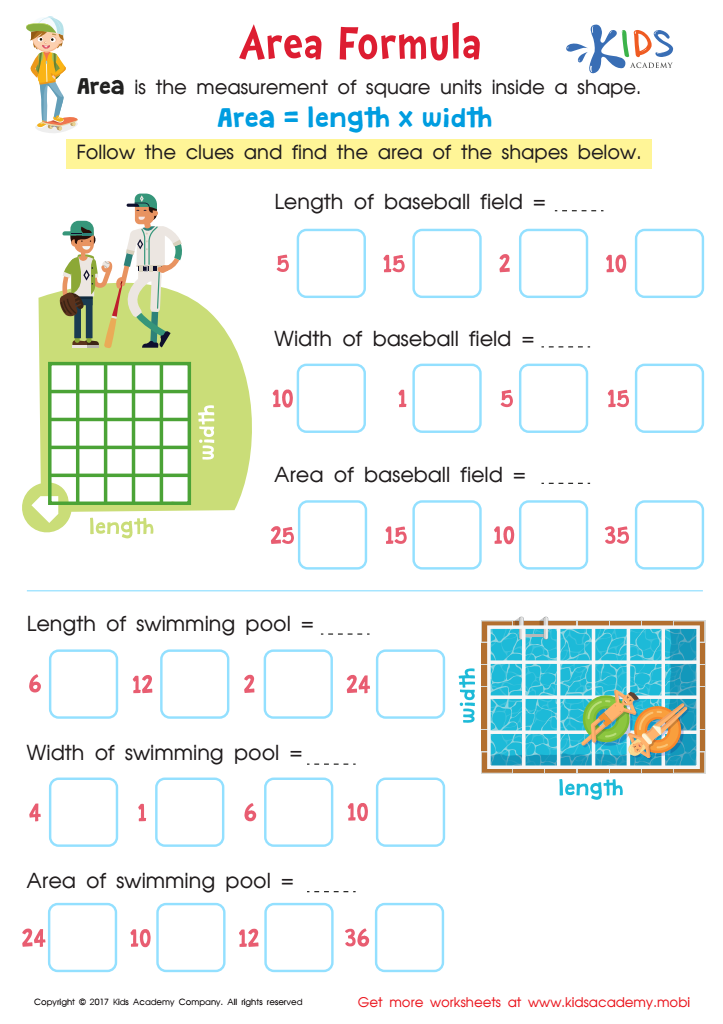
Area Formula Worksheet
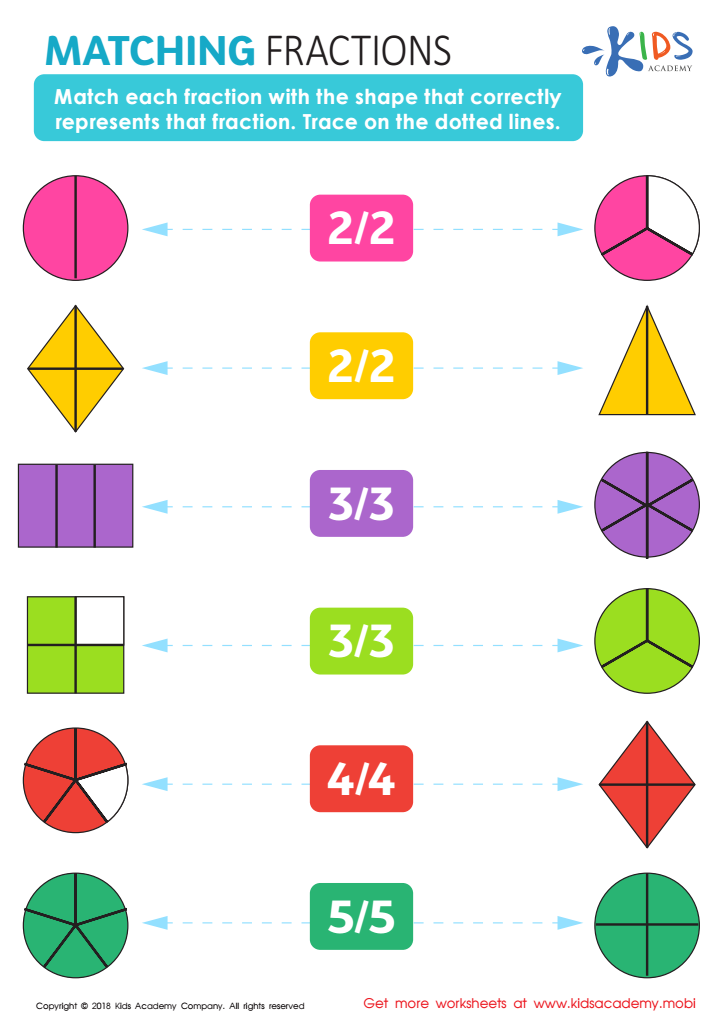
Matching Fractions Worksheet
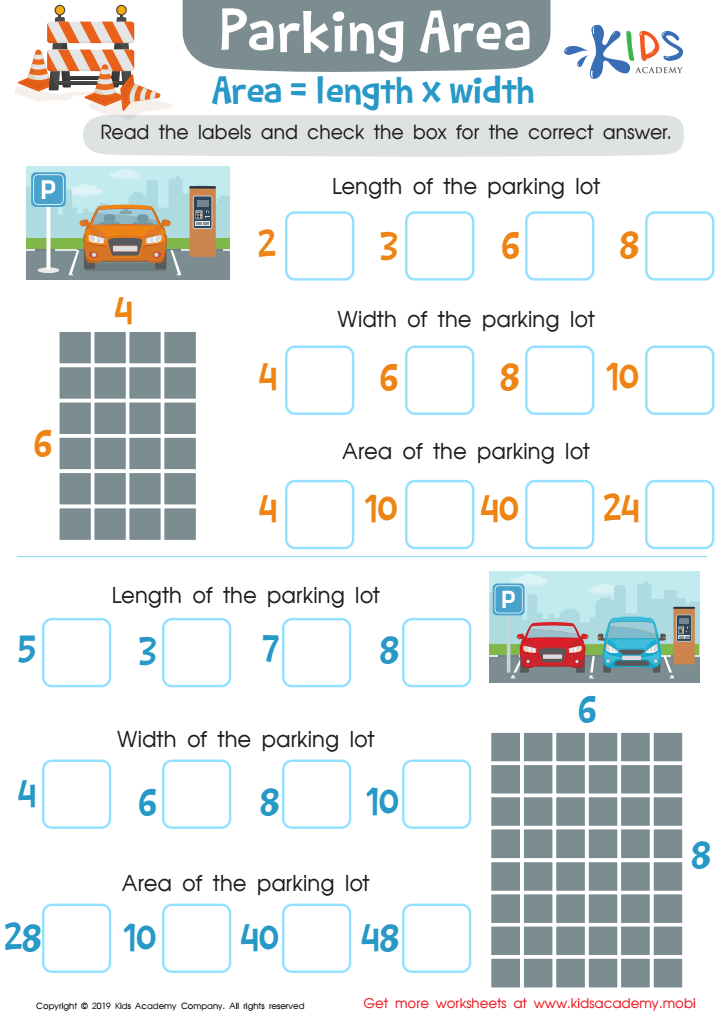
Parking Area Worksheet
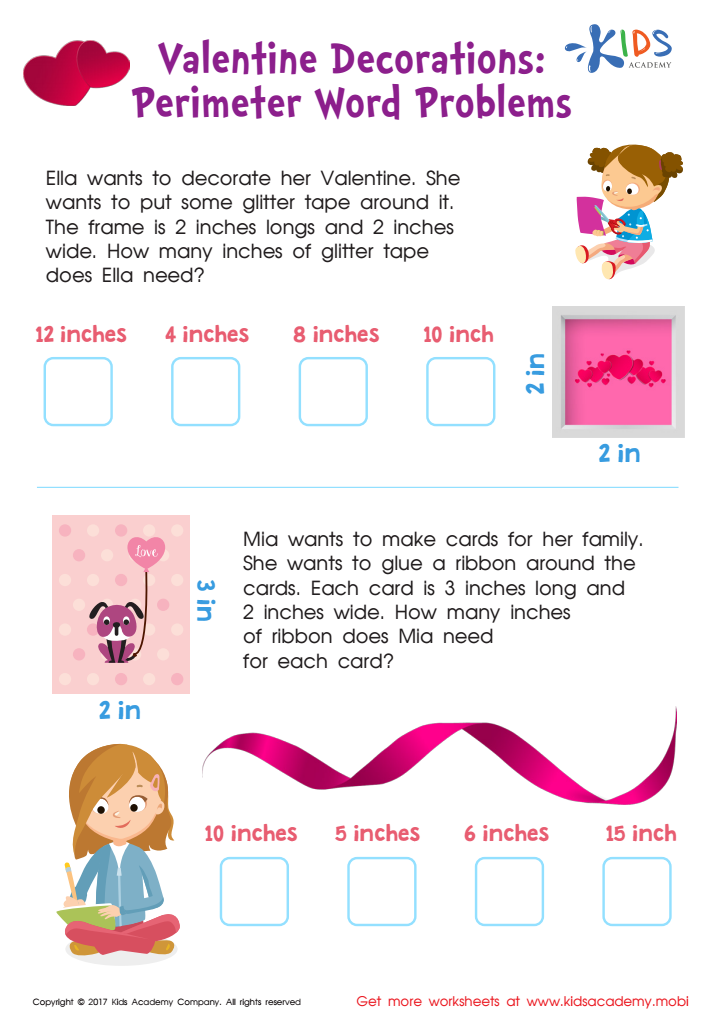
Perimeter Word Problems Worksheet
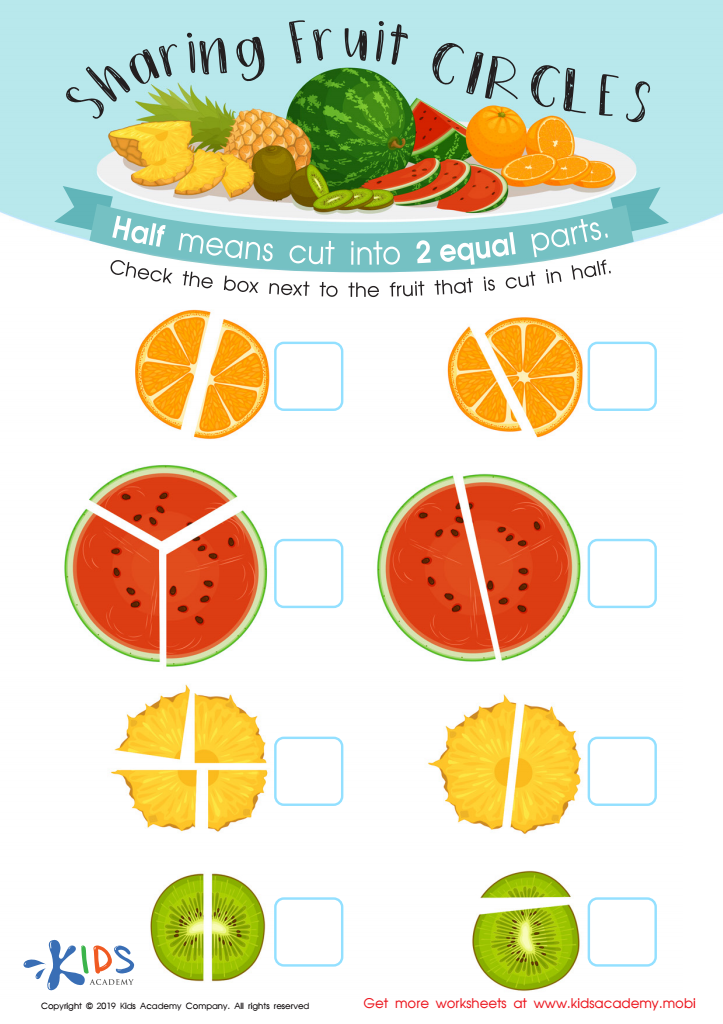
Sharing Fruit Circles Worksheet
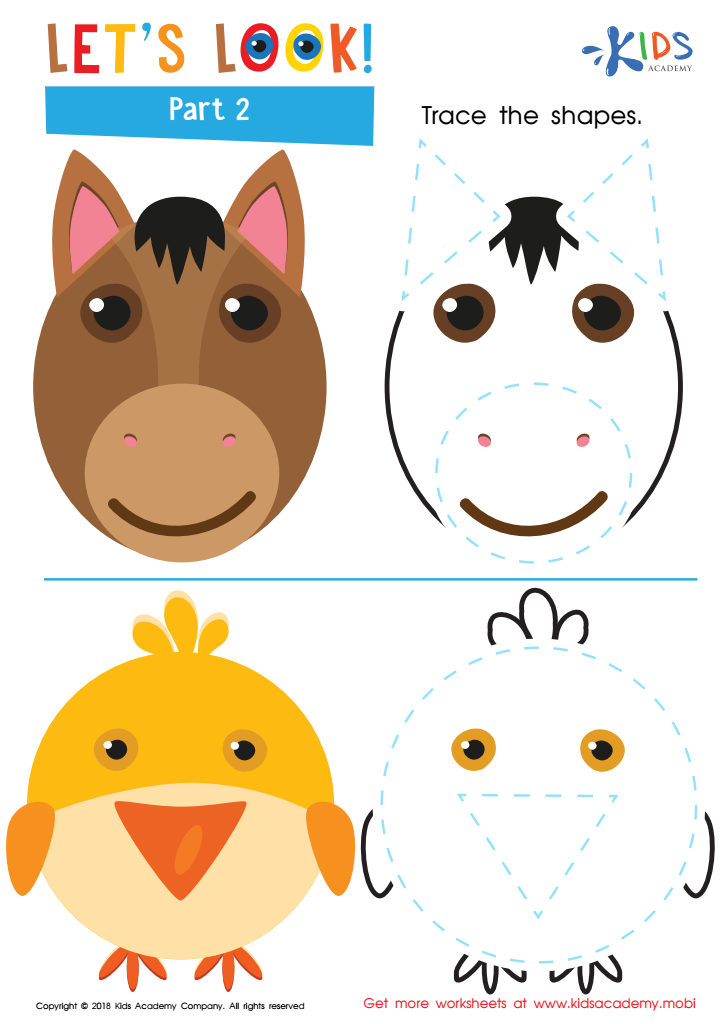
Let's Look! Part 2 Worksheet
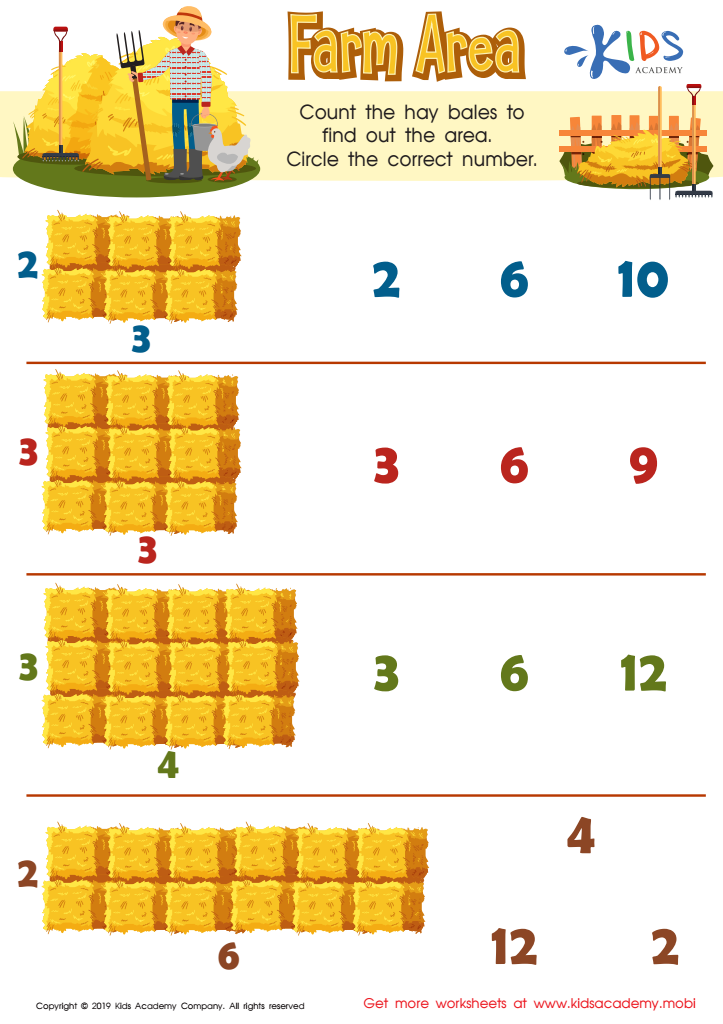
Farm Area Worksheet
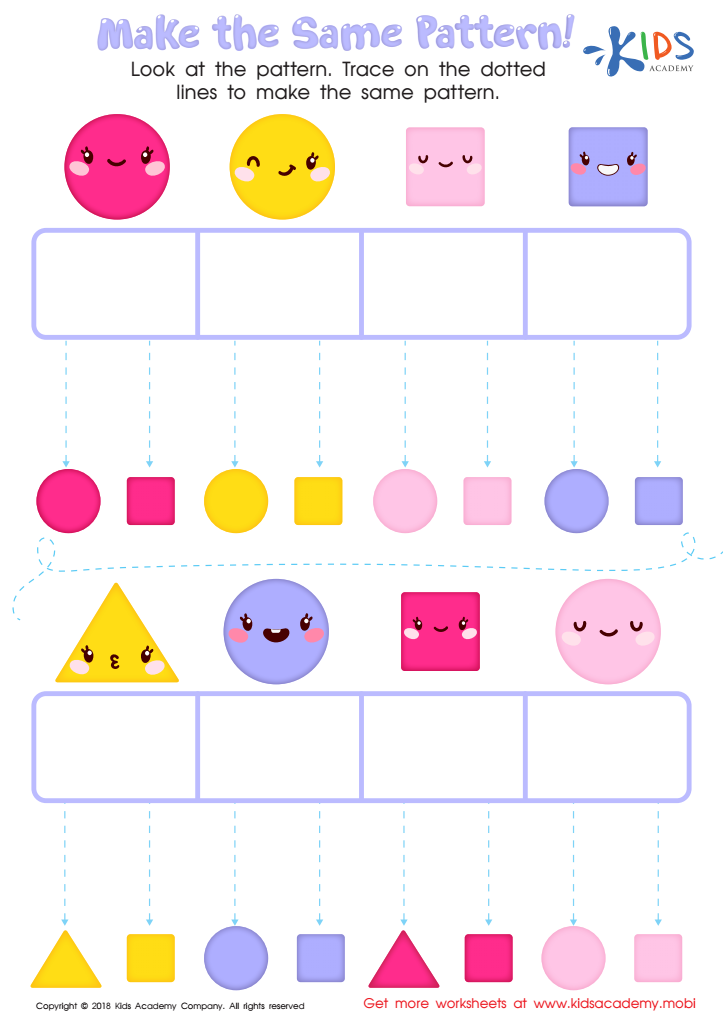
Make the Same Pattern Worksheet
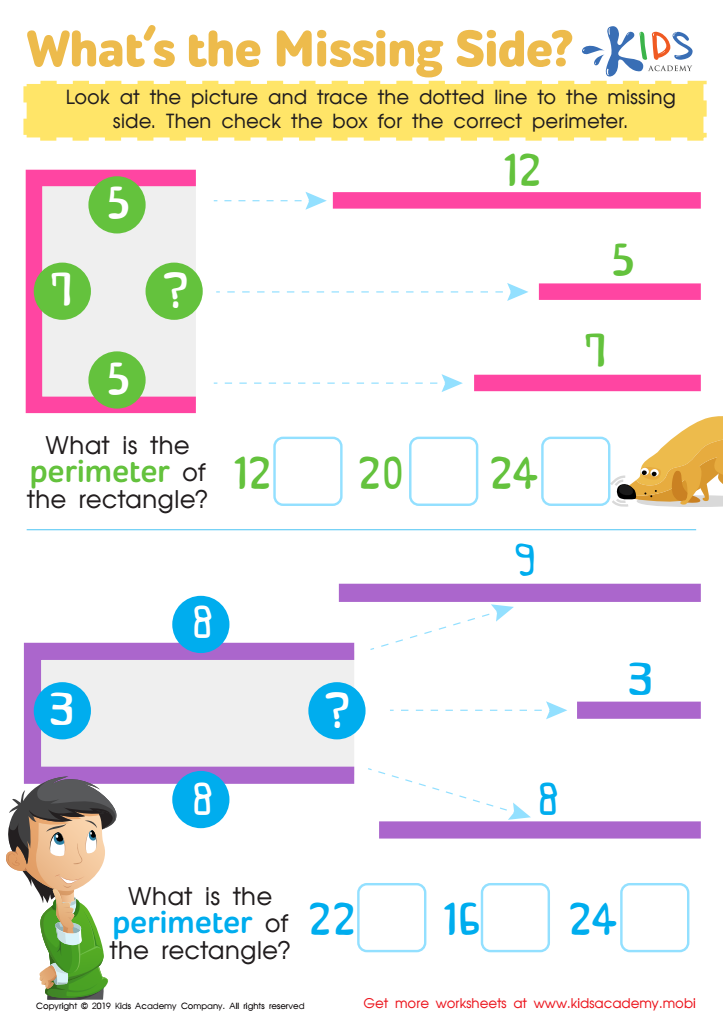
What's the Missing Side Worksheet
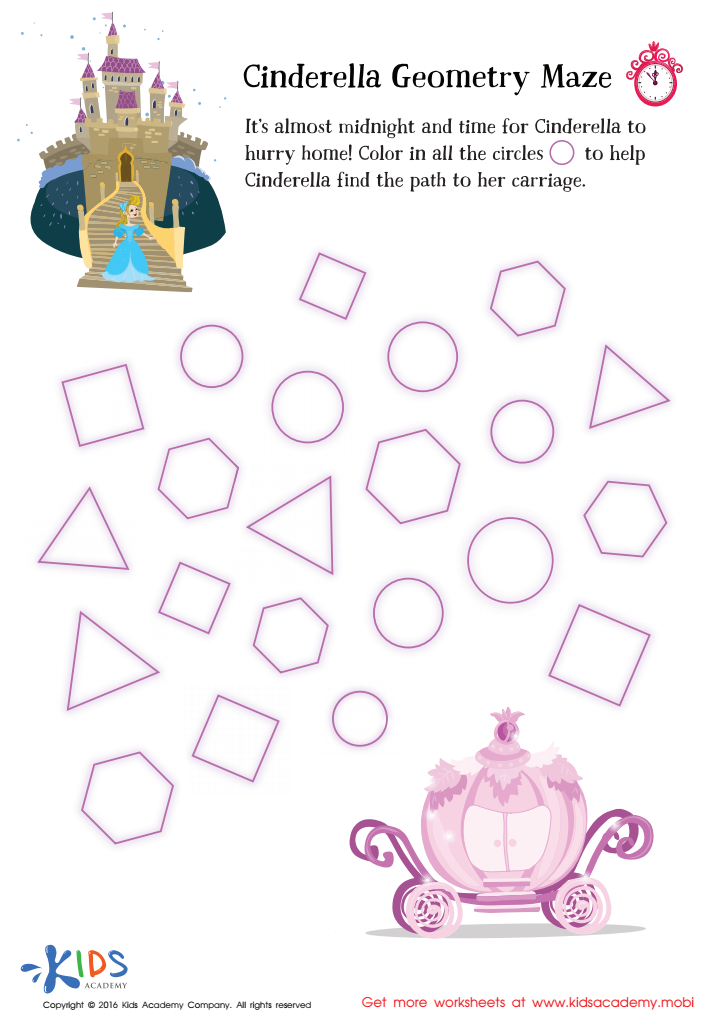
Cinderella Geometry Maze Worksheet
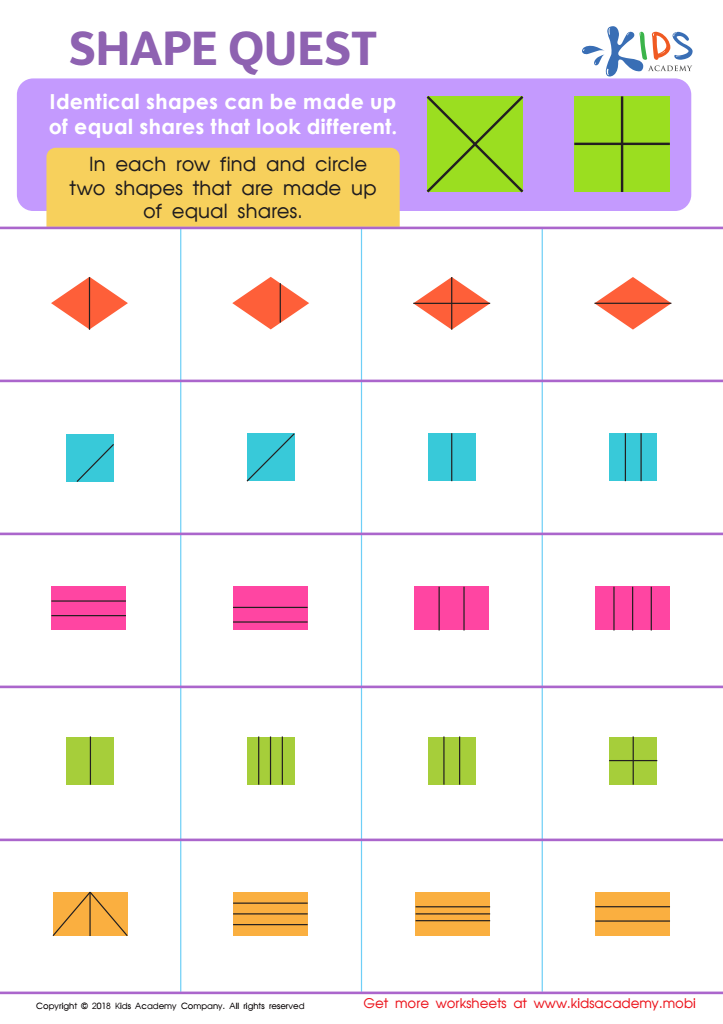
Shape Quest Worksheet
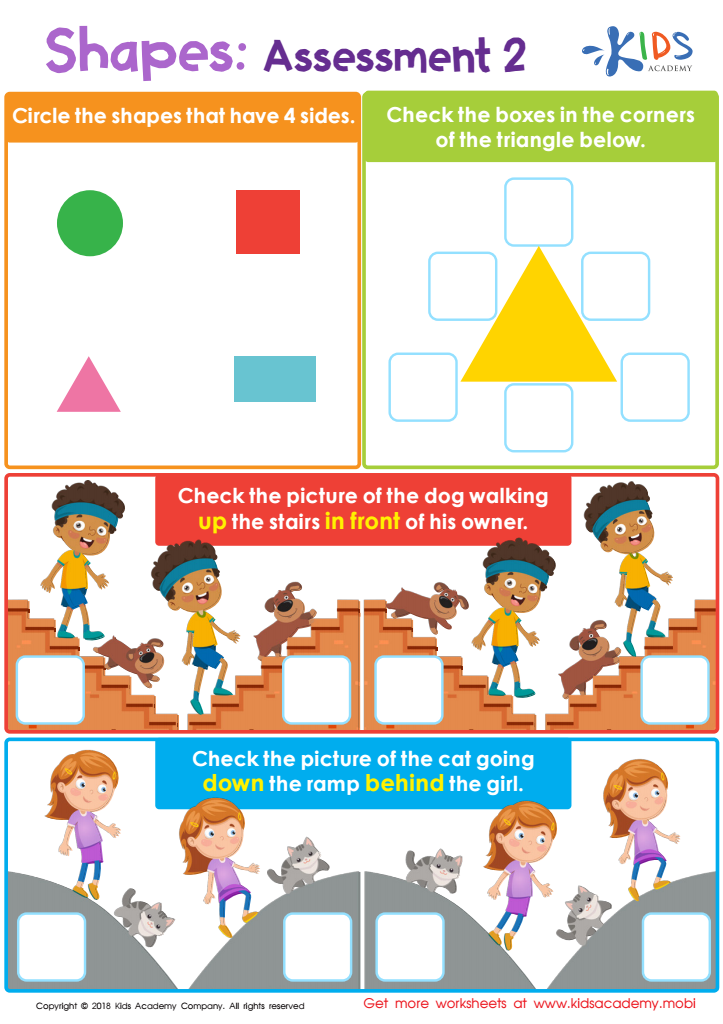
Shapes: Assessment 2 Worksheet
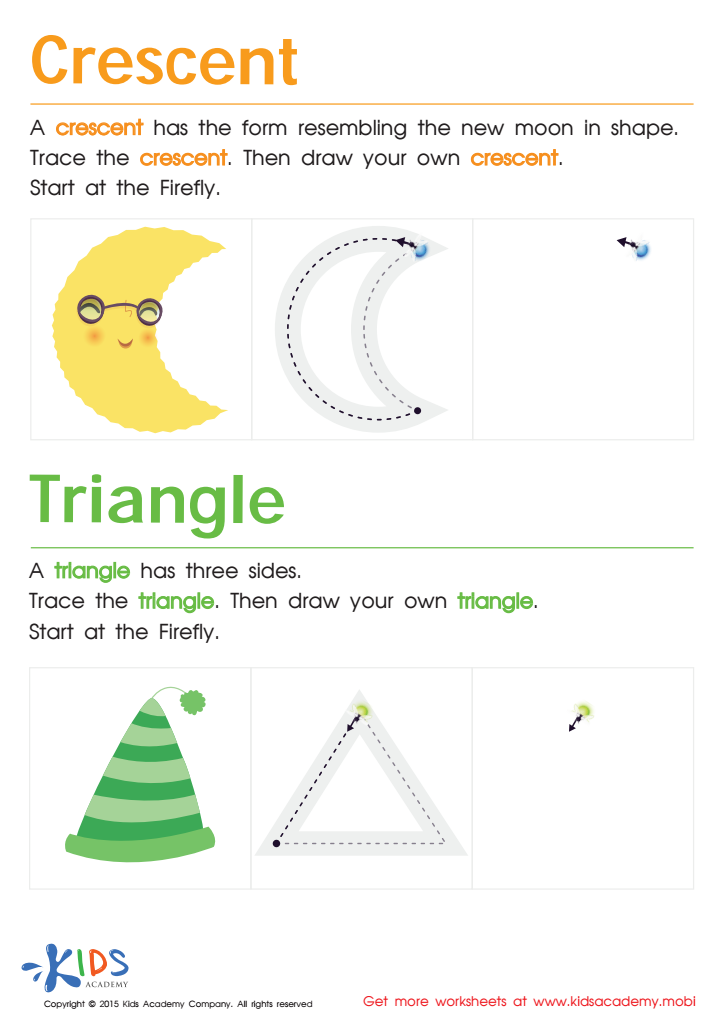
Learning to Draw Crescents And Triangles Worksheet
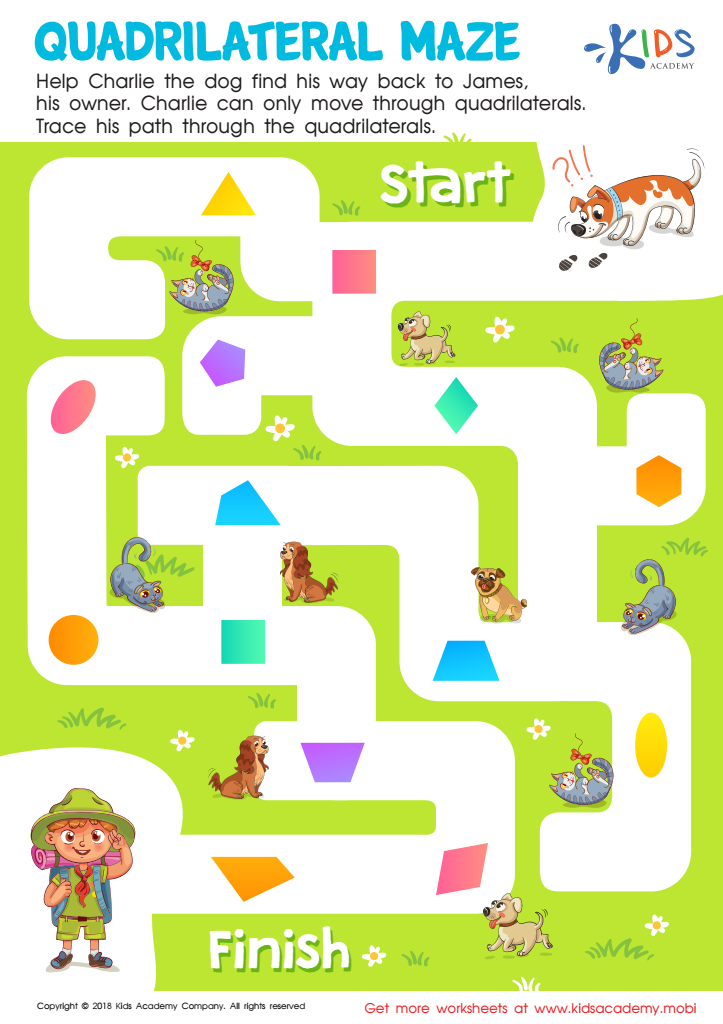
Quadrilateral Maze Worksheet
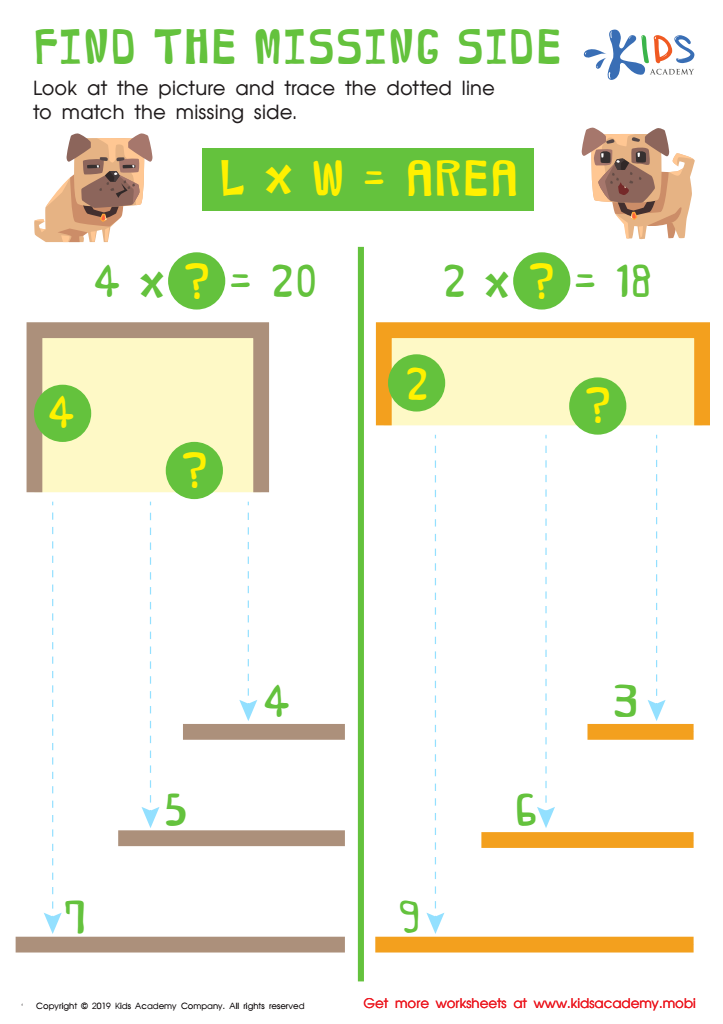
Find the Missing Side Worksheet
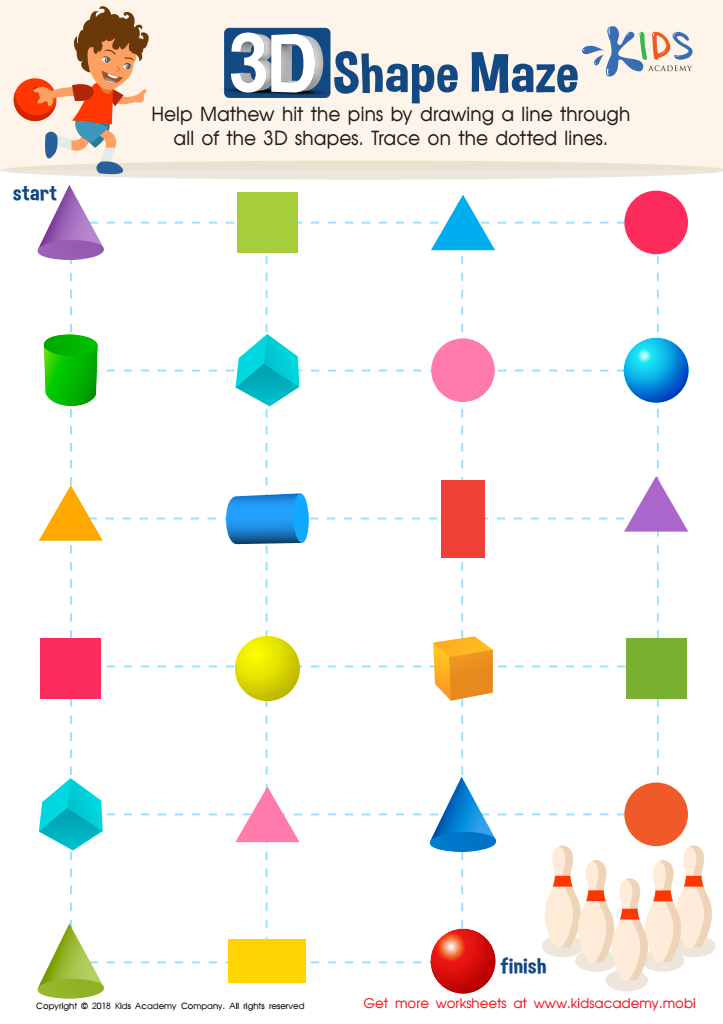
Shapes Maze Geometry Worksheet
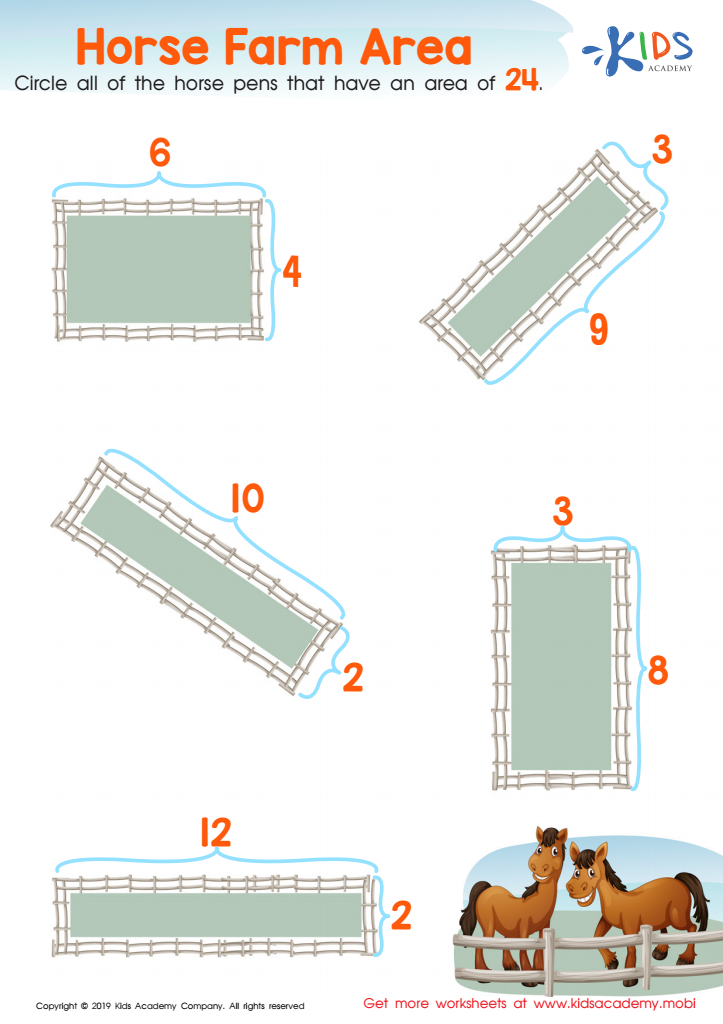
Horse Farm Area Worksheet
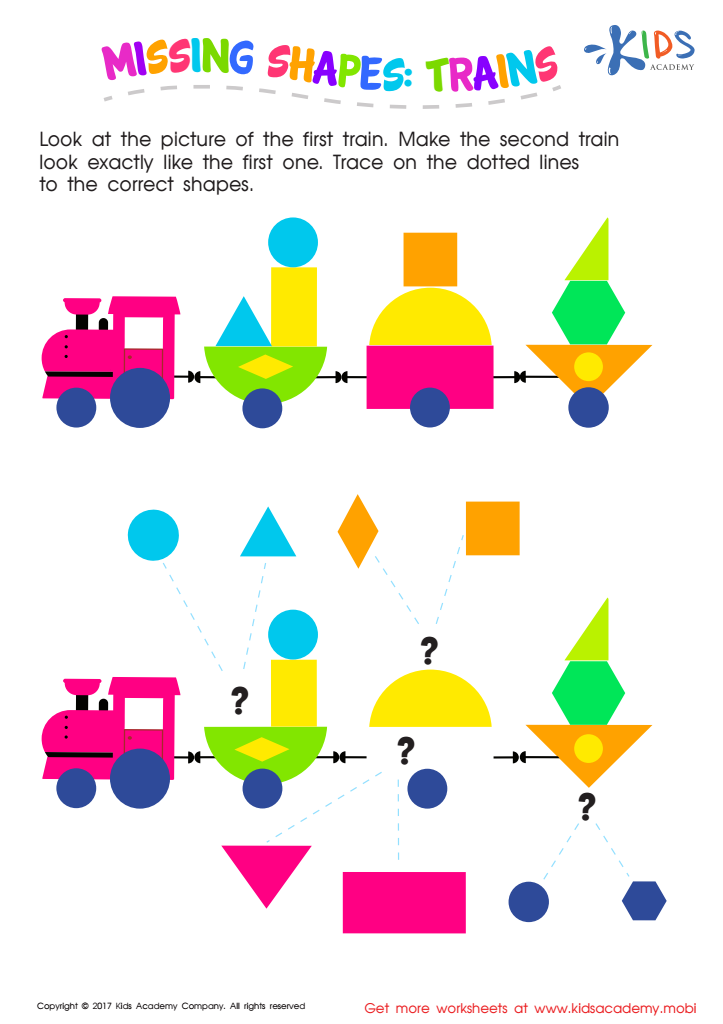
Missing Shapes: Trains Worksheet
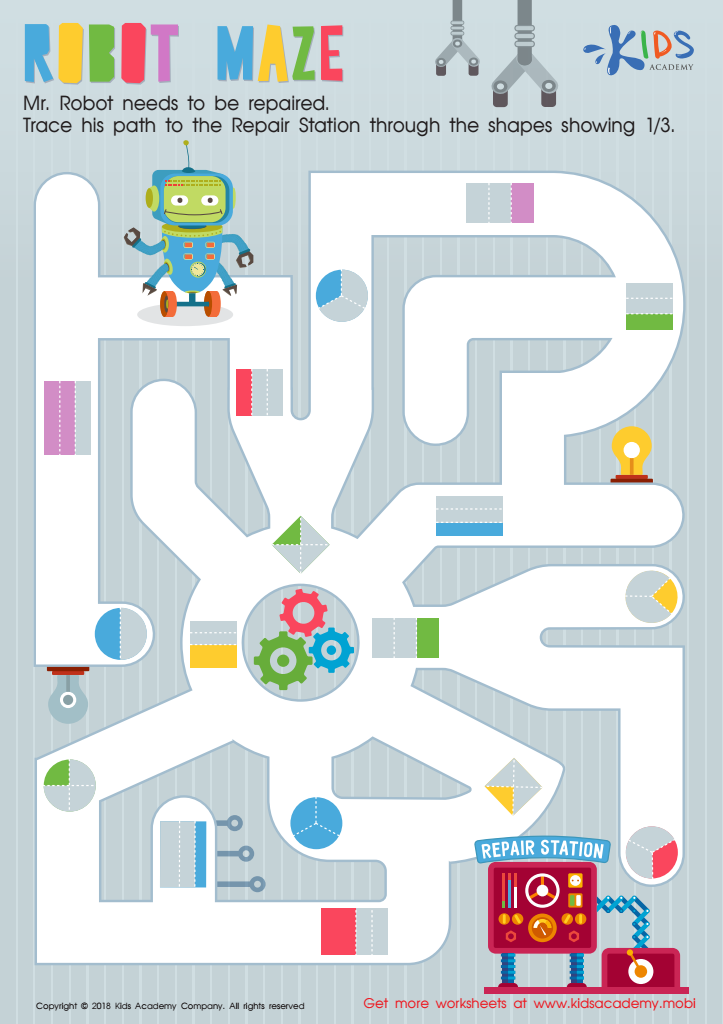
Robot Maze Worksheet








Parents and teachers should prioritize problem-solving skills in geometry for children aged 4-9 because these skills serve as foundational elements for logical thinking and critical reasoning. Engaging with geometric concepts helps young learners develop spatial awareness, which is essential for understanding the world around them. When children solve geometric problems, they are not just memorizing shapes and formulas but also applying logical reasoning, enhancing their ability to think critically about various challenges.
Moreover, problem-solving in geometry encourages persistence and resilience. Children learn to approach obstacles with a growth mindset, understanding that making mistakes is a natural part of the learning process. This can foster a positive attitude toward learning and a willingness to tackle difficult subjects as they progress through their education.
Additionally, geometry integrates seamlessly with other subjects such as art, science, and understanding real-world structures. Developing these skills early prepares children for more advanced concepts in mathematics and other disciplines. Fostering problem-solving skills in geometry not only equips children with essential academic tools but also cultivates the creativity and critical thinking needed for future success, ultimately supporting their overall cognitive development and confidence in tackling academic challenges.








