Shape Recognition Geometry Worksheets for Ages 4-9 - Page 2
71 filtered results
-
From - To
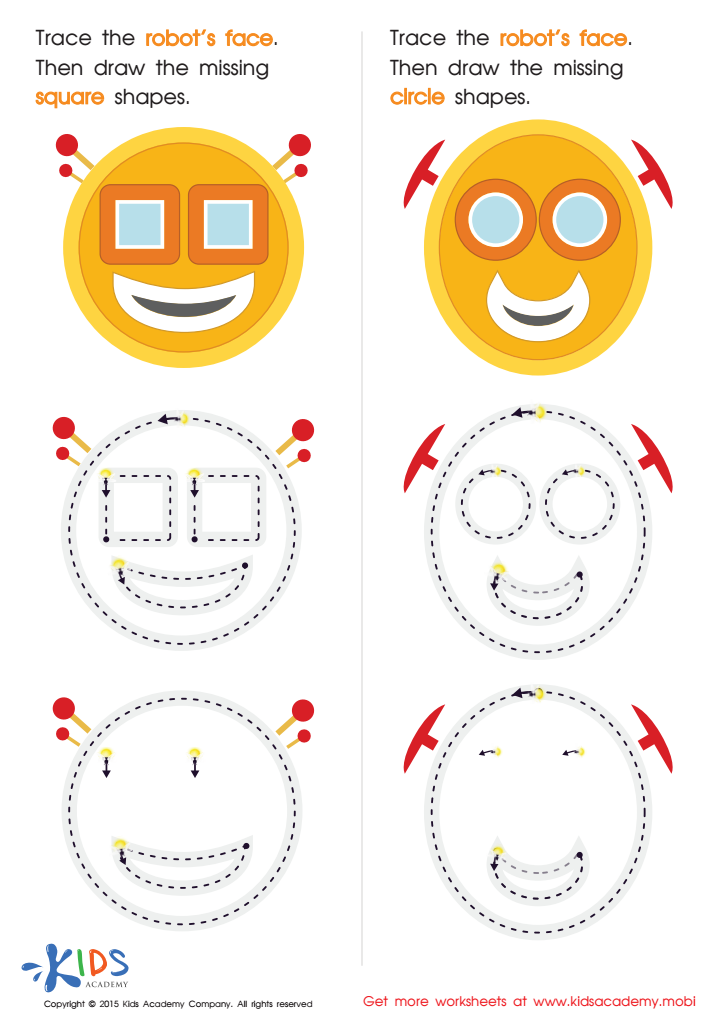
Practicing to Draw Circles And Squares Printable











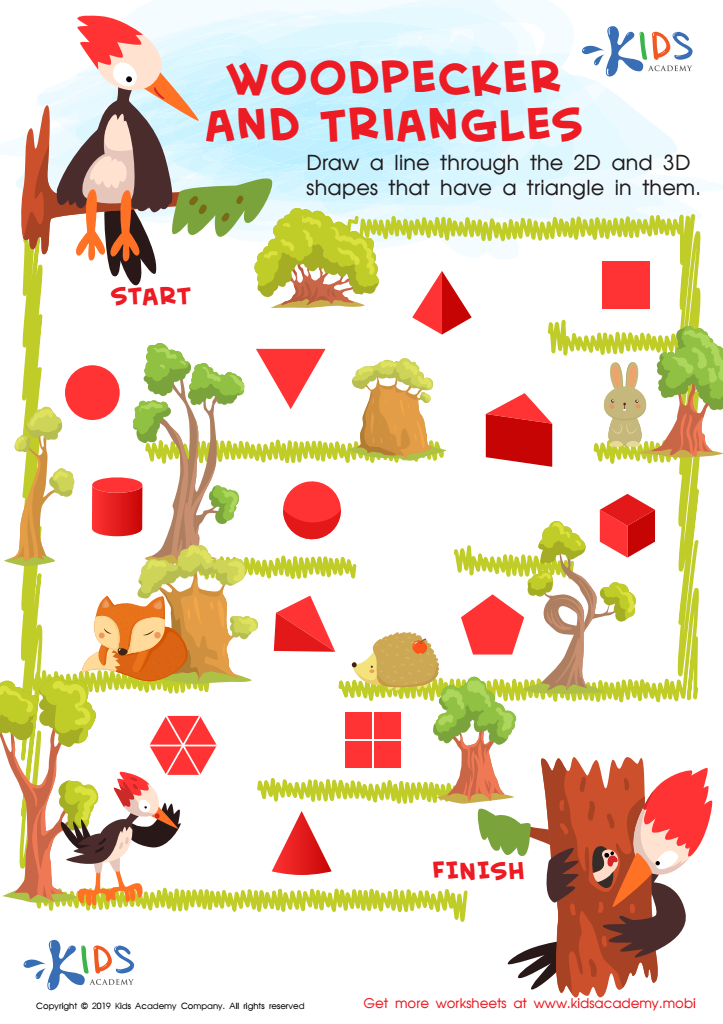
Woodpecker and Triangles Worksheet
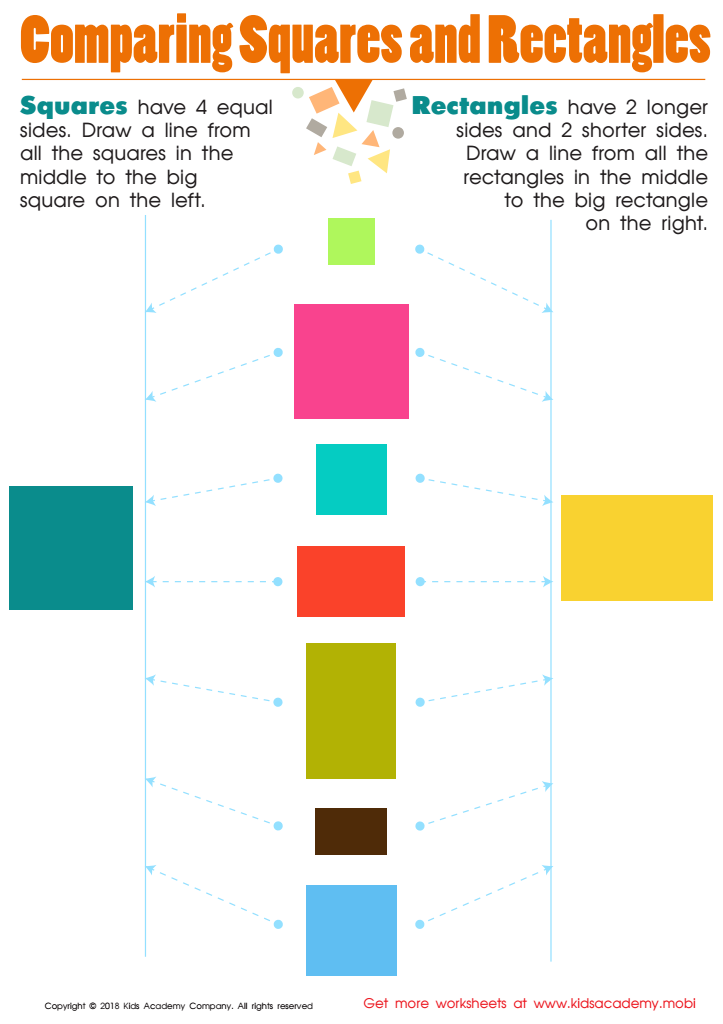
Comparing Squares Rectangles Worksheet
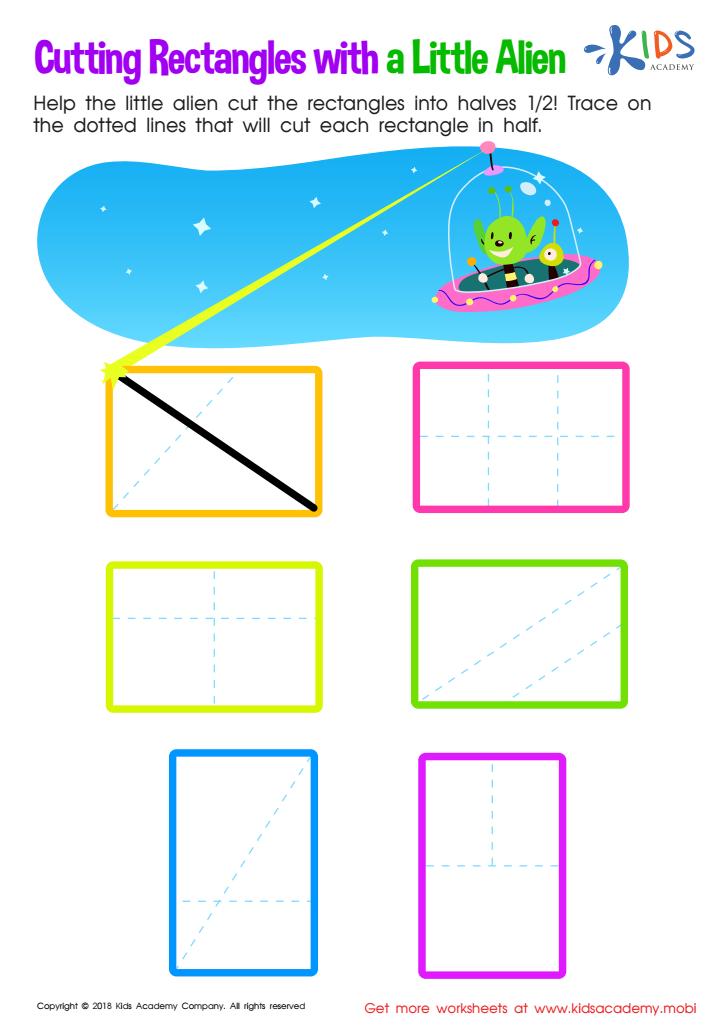
Cutting Rectangles with Alien Worksheet
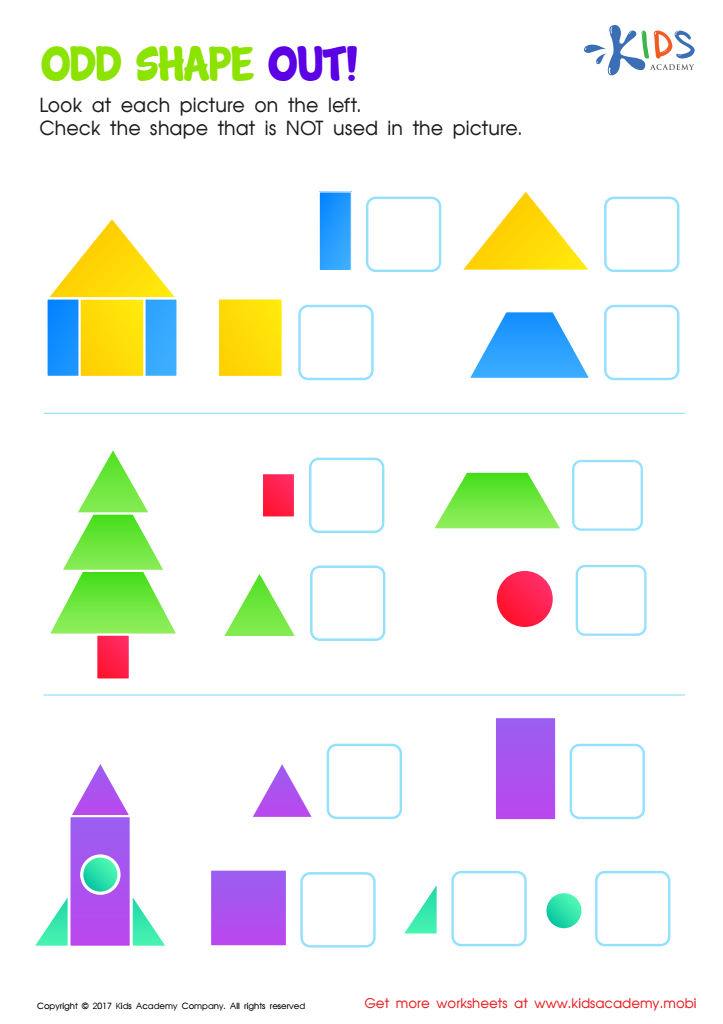
Odd Shape Out Worksheet for Grade 1
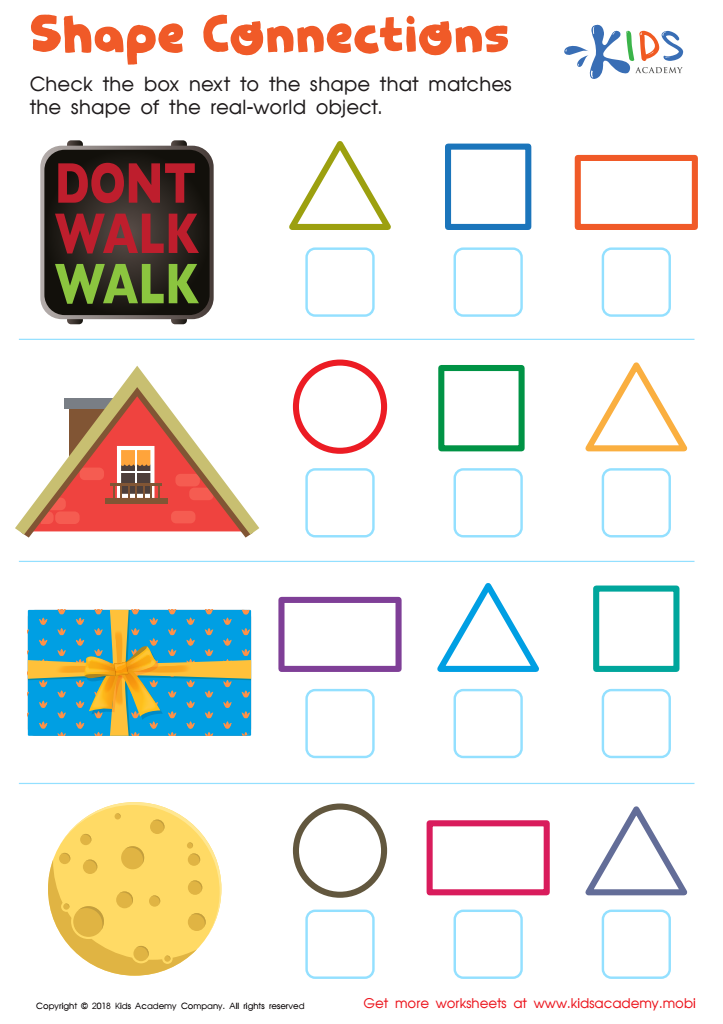
Shape Connections Worksheet
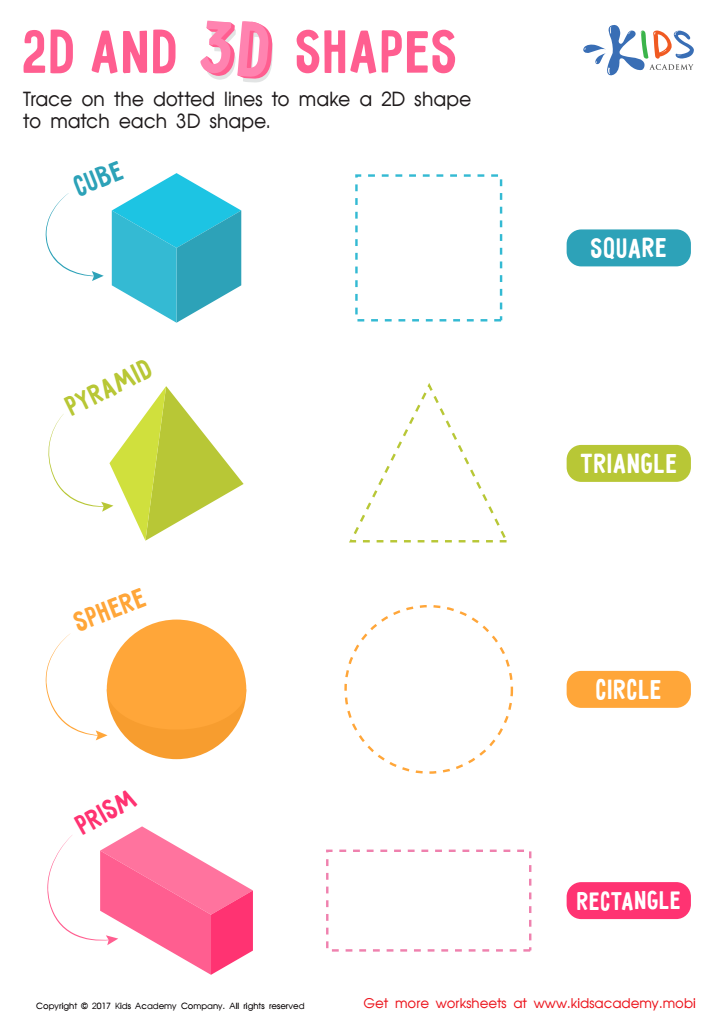
2D and 3D Shapes Worksheet
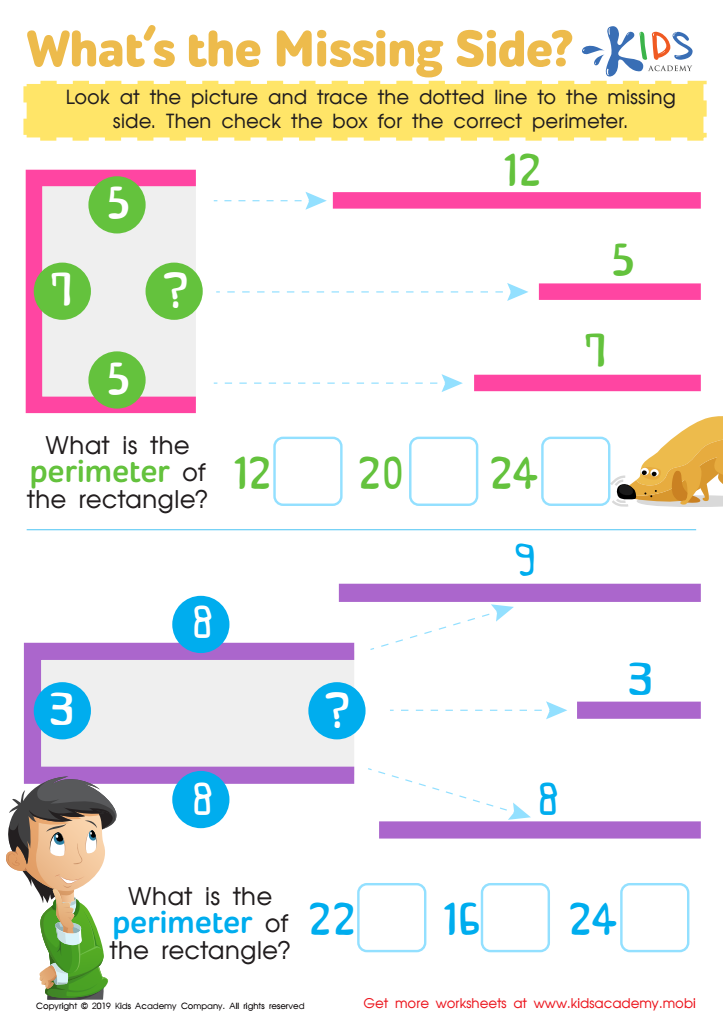
What's the Missing Side Worksheet
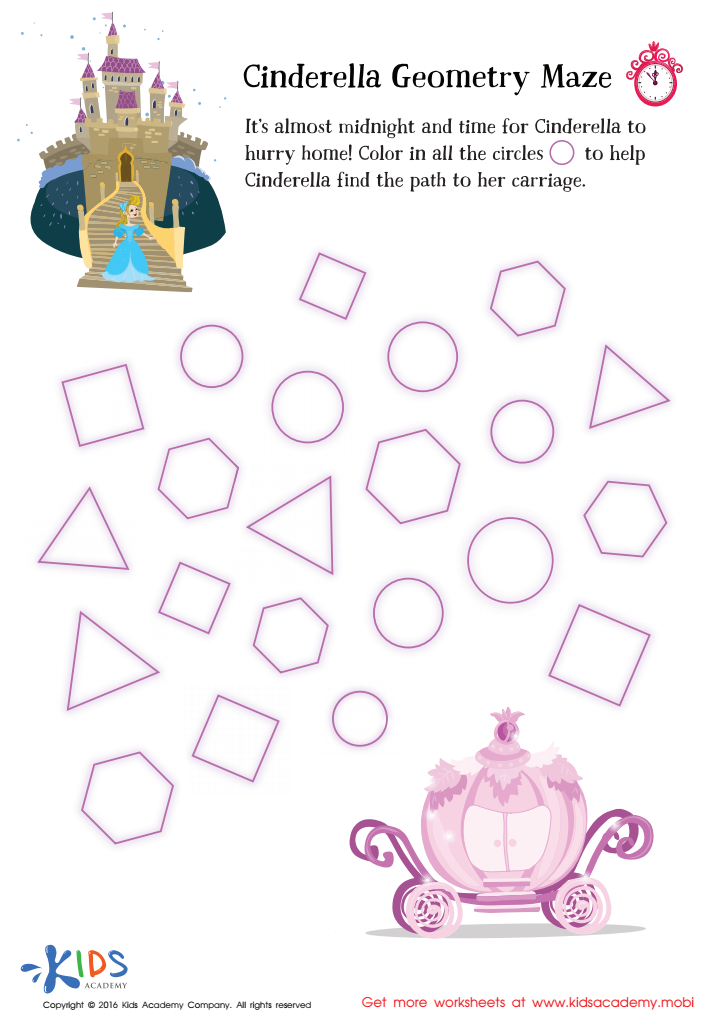
Cinderella Geometry Maze Worksheet
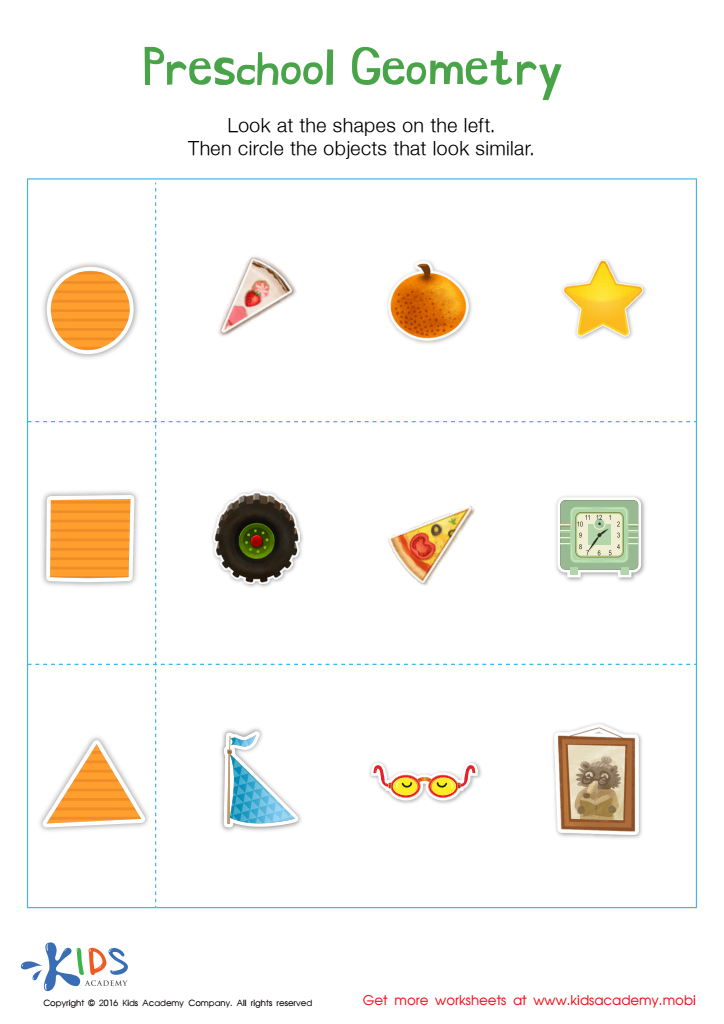
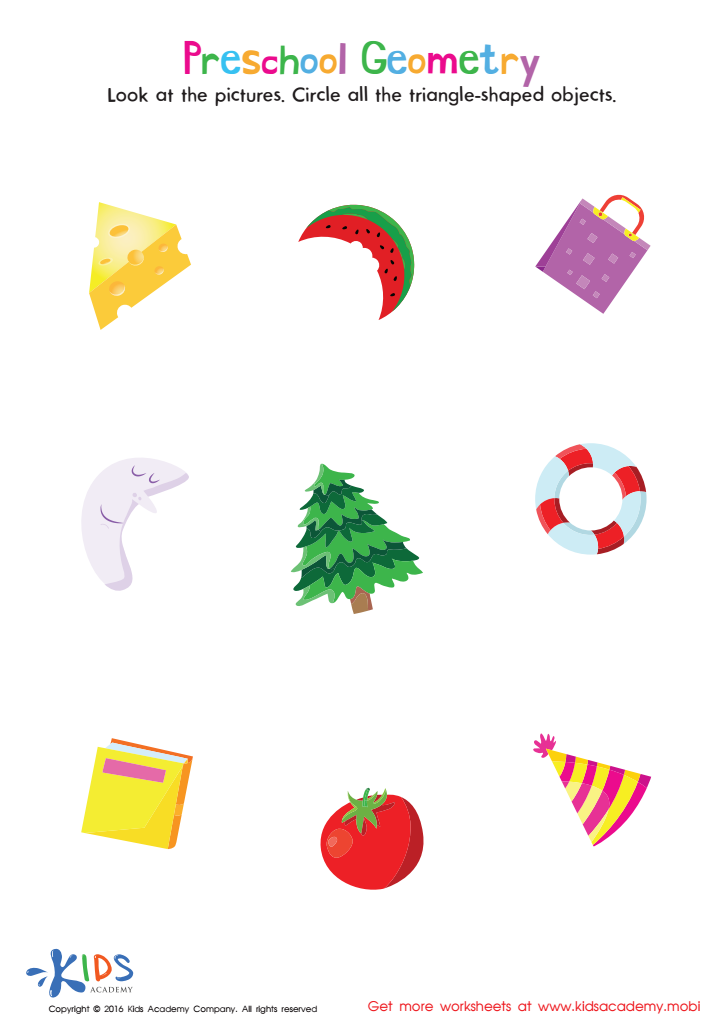
Preschool Geometry Match Up Worksheet
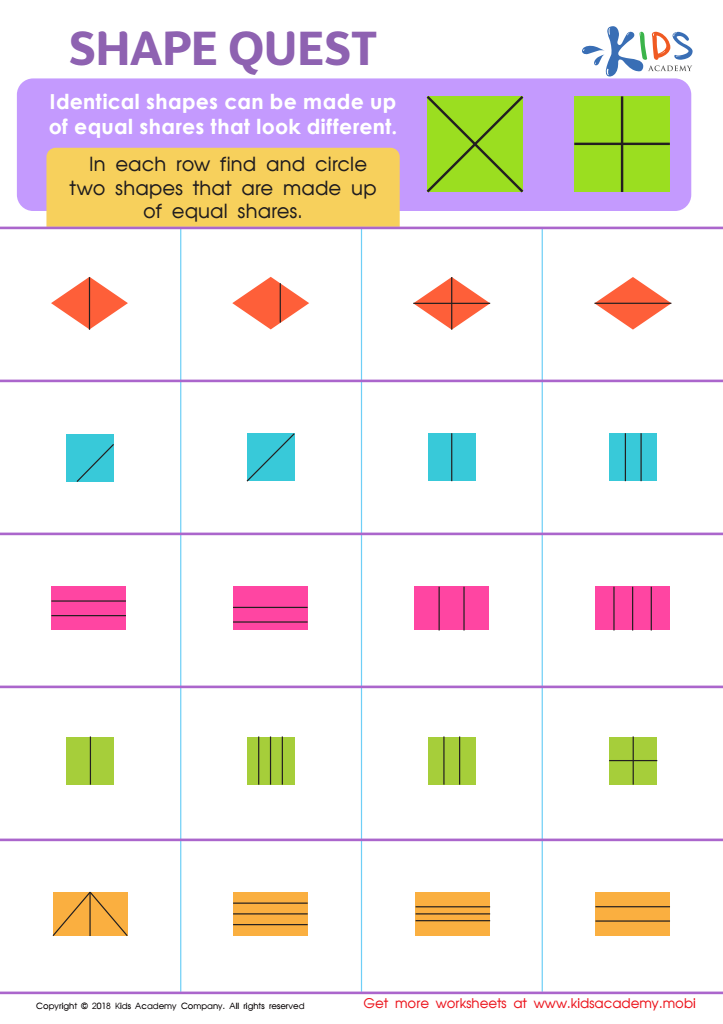
Shape Quest Worksheet
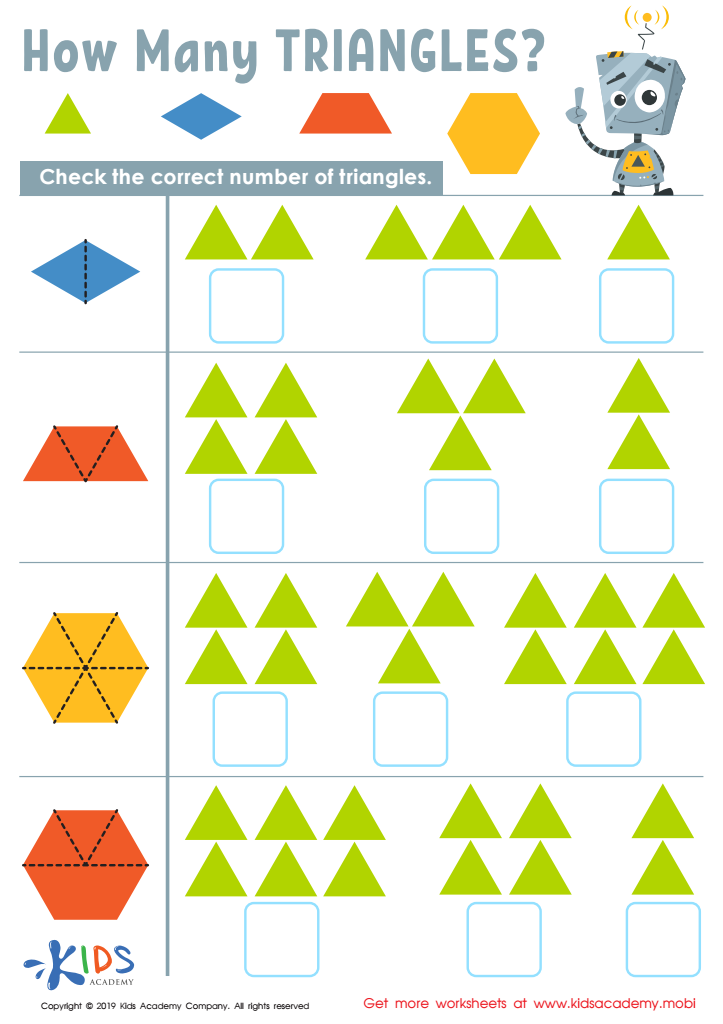
How Many Triangles Worksheet
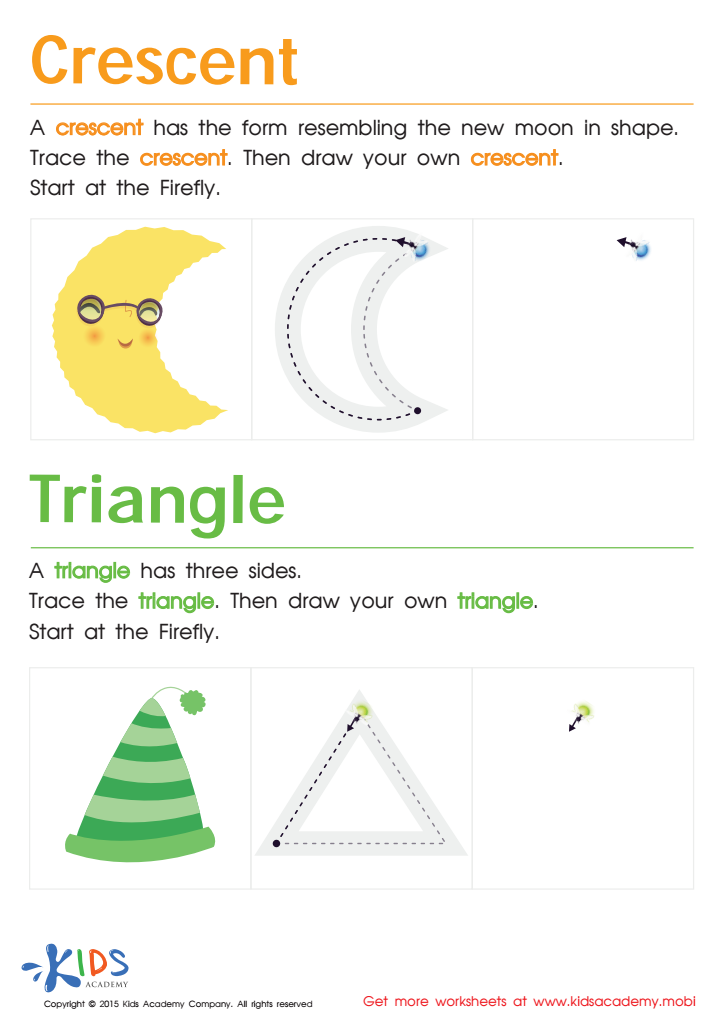
Learning to Draw Crescents And Triangles Worksheet
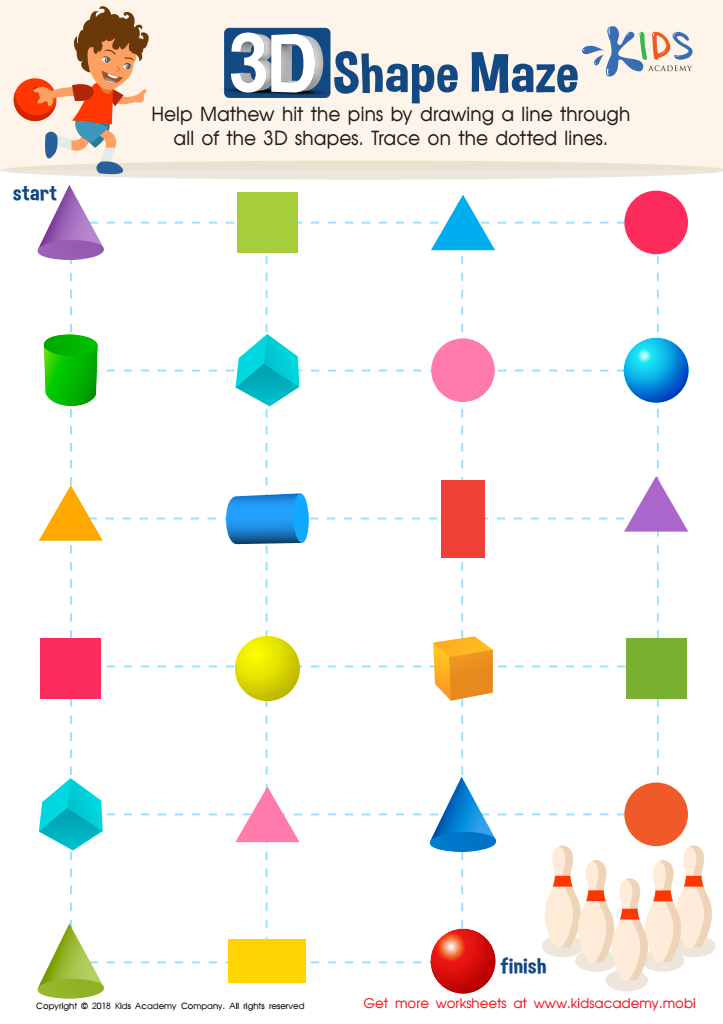
Shapes Maze Geometry Worksheet
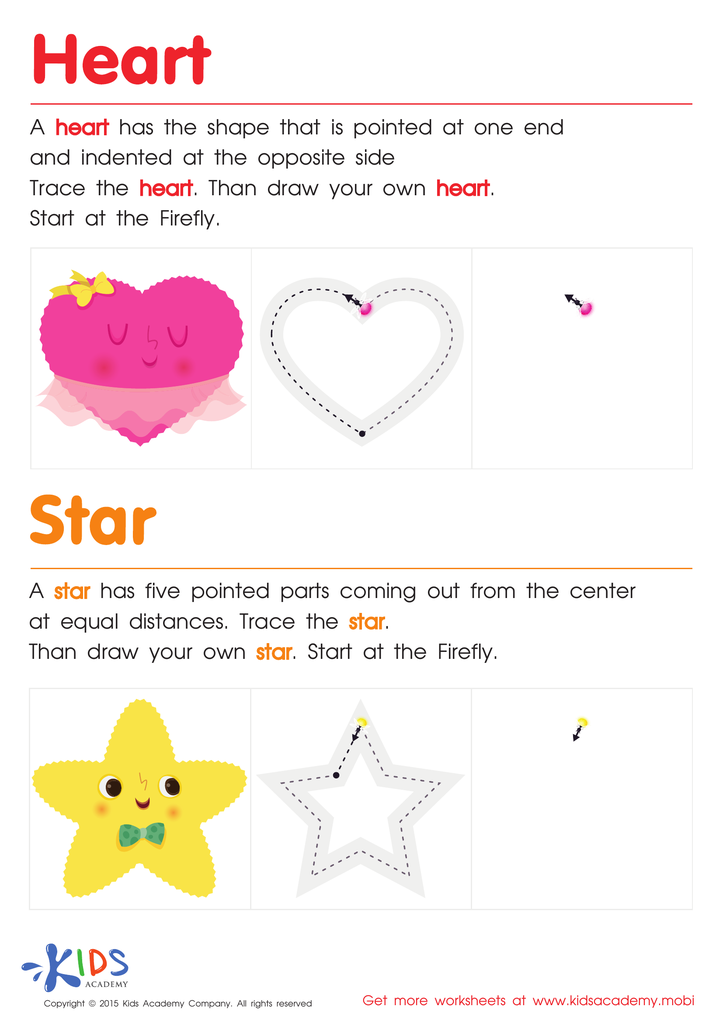
Let's Learn to Draw Hearts And Stars Printable
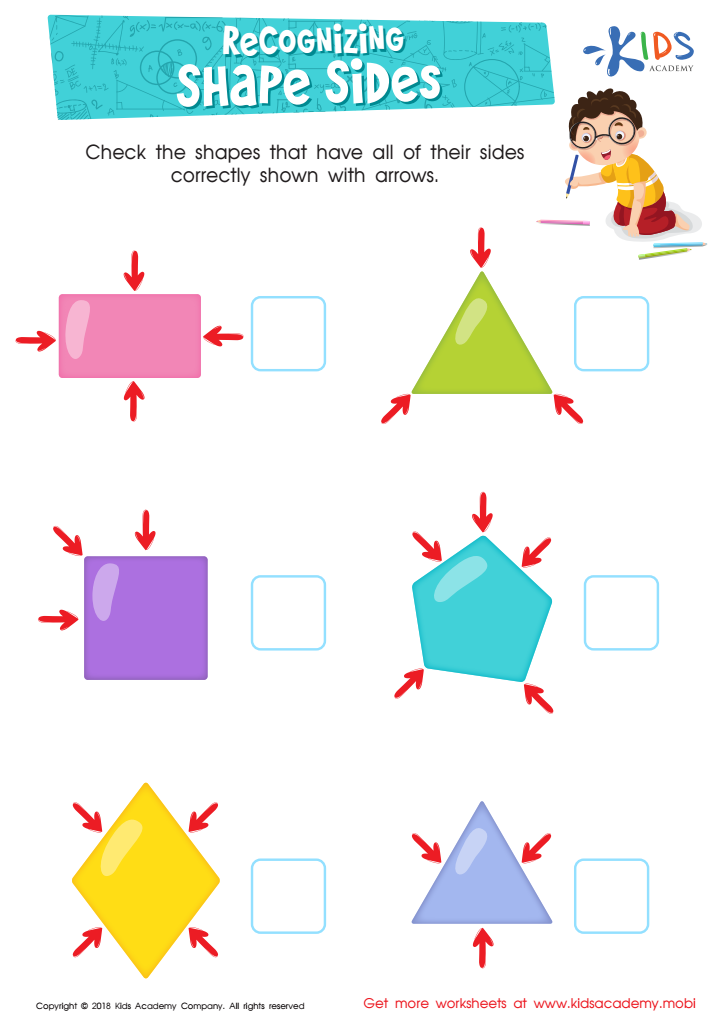
Recognizing Shape Sides Worksheet
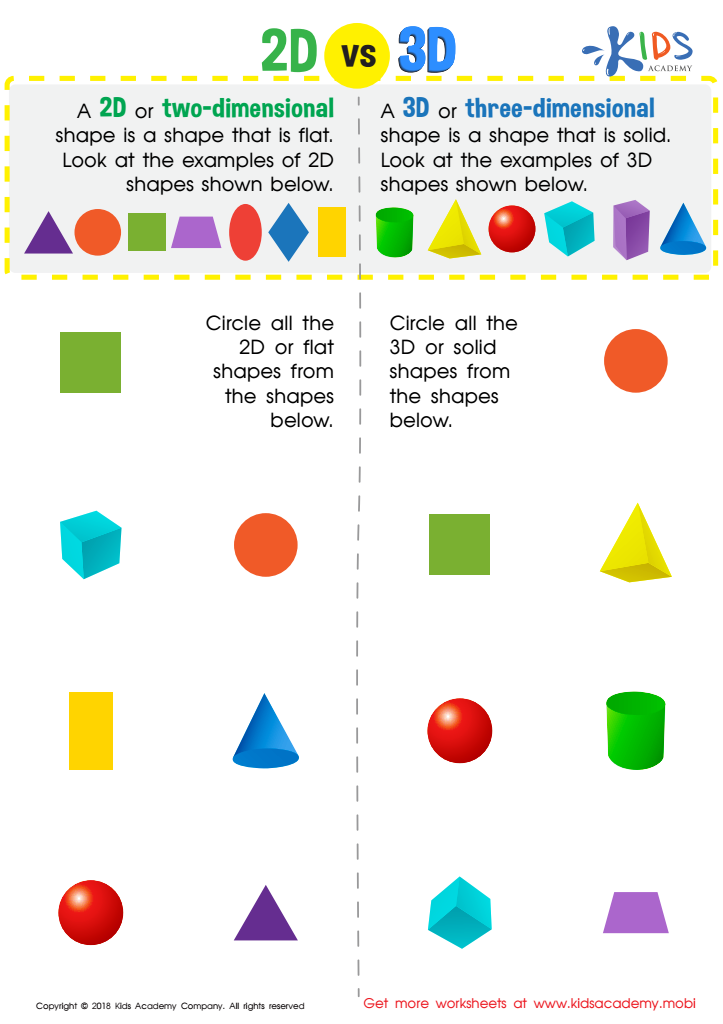
2D vs 3D Shapes Worksheet
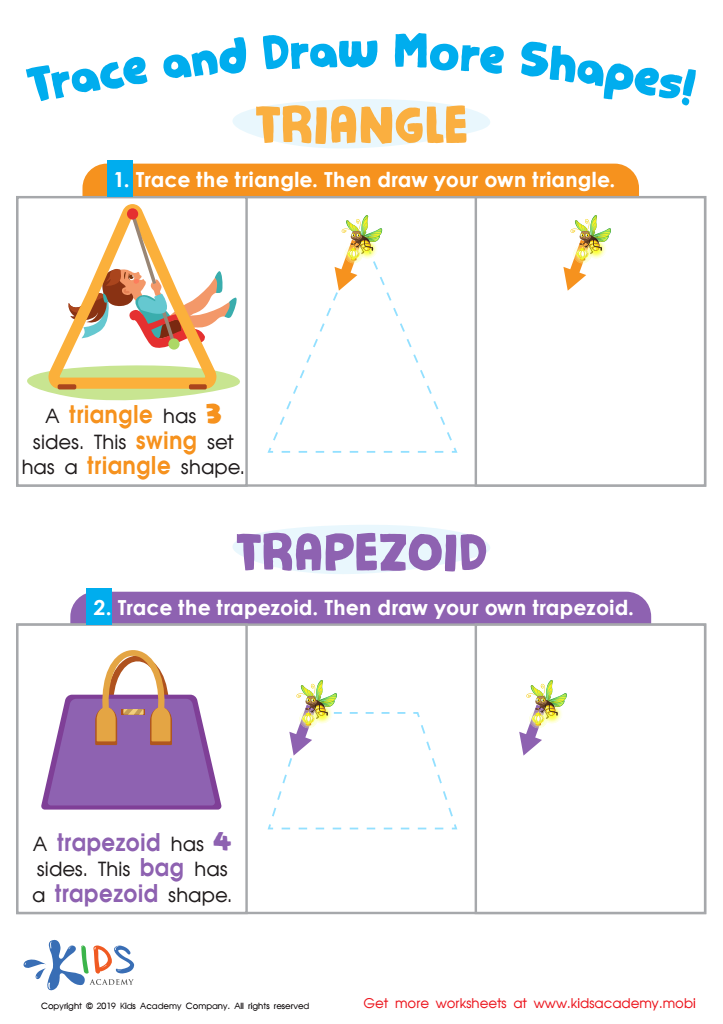
Trace and Draw More Shapes Worksheet
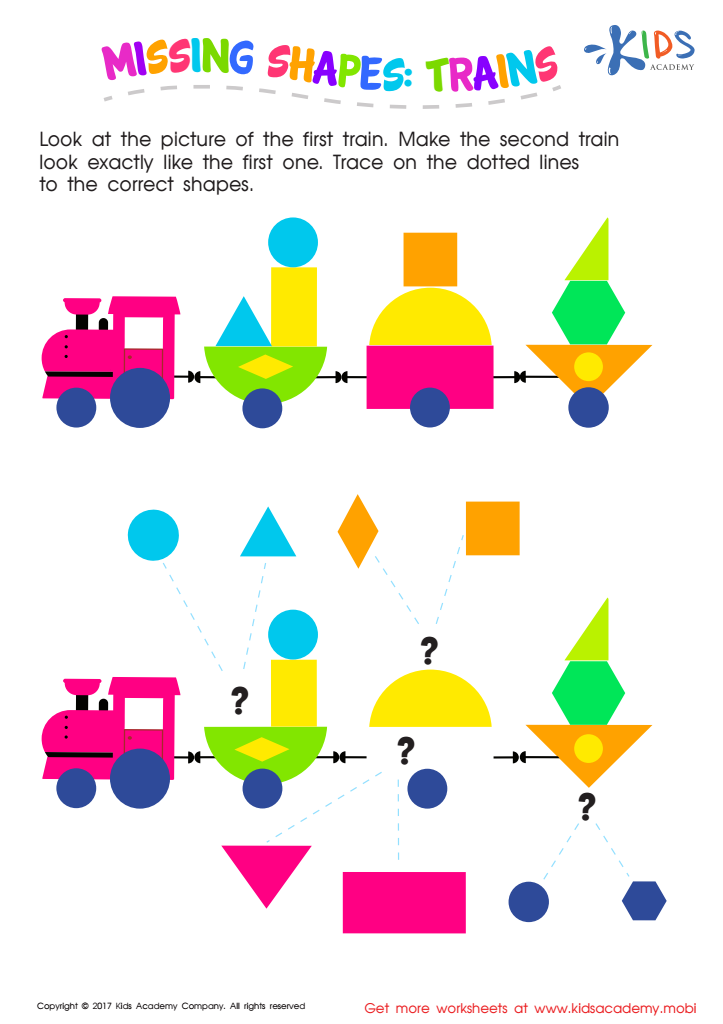
Missing Shapes: Trains Worksheet
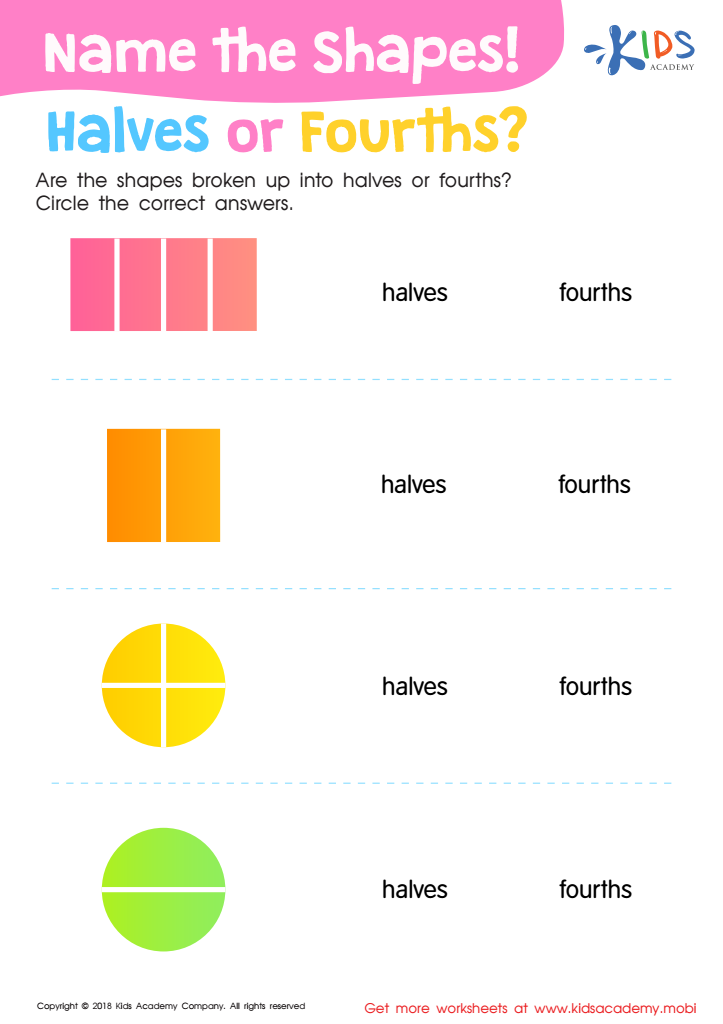
Name the Shapes Halves or Fourths? Worksheet
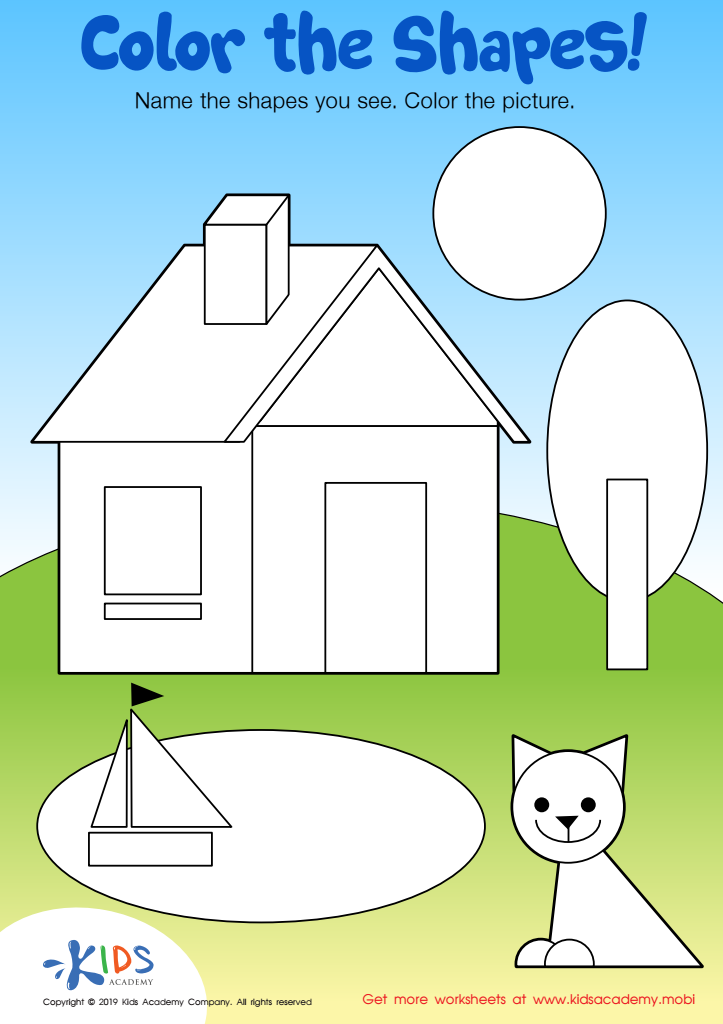
Color the Shapes Worksheet
 Assign to My Students
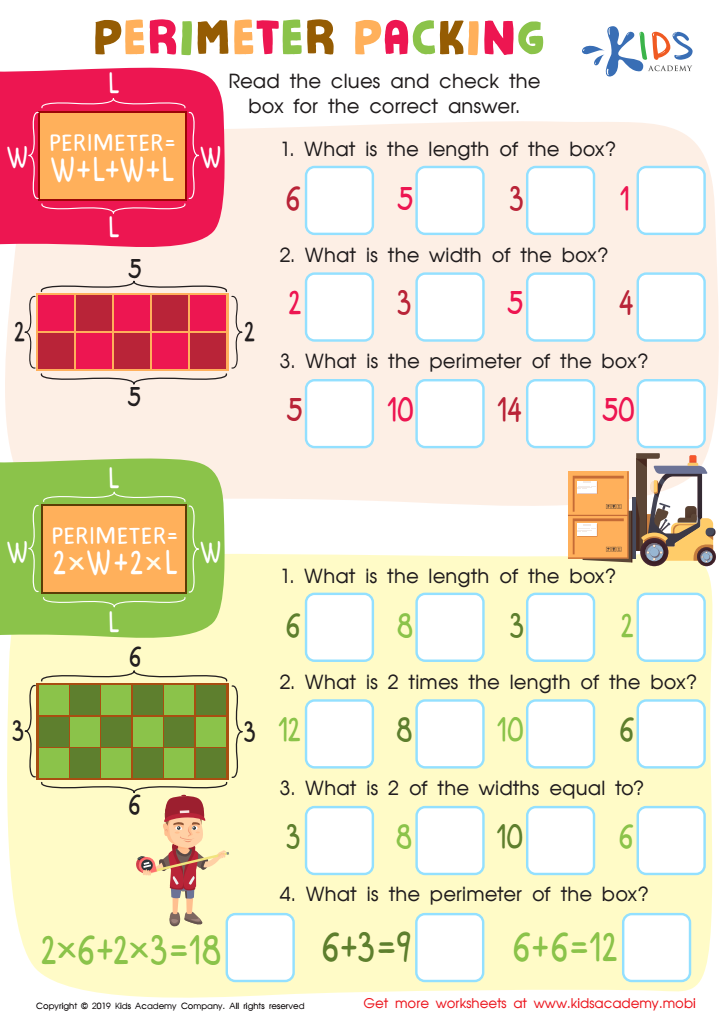
Perimeter Parking Worksheet
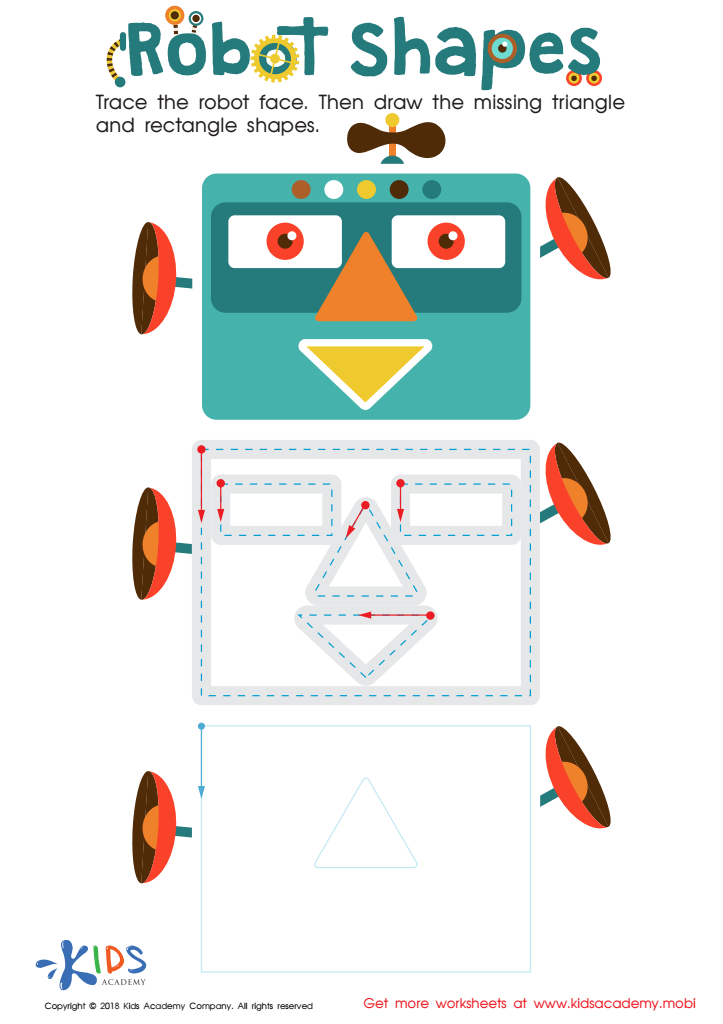
Robot Shapes Worksheet








Shape recognition is a fundamental aspect of early childhood education, particularly in the geometry curriculum for ages 4-9. Parents and teachers should care about this skill because it lays the groundwork for broader mathematical understanding, problem-solving abilities, and critical thinking. Recognizing shapes, such as circles, squares, and triangles, helps children make sense of the world around them. It promotes spatial awareness, which is crucial for later subjects like geometry, physics, and even art.
Moreover, shape recognition fosters cognitive development; as children identify and categorize shapes, they practice important skills like observation, classification, and pattern recognition. This cognitive engagement supports language development as they learn to describe, compare, and communicate about shapes, aiding their vocabulary growth.
In addition, many real-life situations require shape recognition. As children learn to navigate their environments—whether playing with toys, engaging in crafts, or helping in the kitchen—these skills become practical and relevant.
Encouraging shape recognition at an early age not only enriches a child's mathematical foundation but also builds confidence and curiosity as they explore their surroundings, making it an essential focus for both parents and educators in supporting holistic development.








