Filters

770 filtered results

Clear all filters
Favorites
With answer key
Interactive

770 filtered results

Difficulty Level

Grade


Subject

    Check out this FREE Trial Lesson on Reading for age 4-9!

    Illustration and Text Relationship

    Favorites
    With answer key
    Interactive
    • 4-9
    • Reading
    Who, What, Where? Worksheet
    Who, What, Where? Worksheet

    Who, What, Where? Worksheet

    The availability of technology has changed the way students learn and interact with their environment in a very meaningful way. Technology has revolutionized learning and interaction for students. It offers an array of opportunities to engage with their surroundings, leading to a more meaningful educational experience.
    Who, What, Where? Worksheet
    Worksheet
    Grade 3 Sight Words: Myself
    Grade 3 Sight Words: Myself

    Grade 3 Sight Words: Myself

    Grade 3 Sight Words: Myself
    Worksheet
    Craft and Structure of Informational Texts: Assessment 3 Worksheet
    Craft and Structure of Informational Texts: Assessment 3 Worksheet
    Craft and Structure of Informational Texts: Assessment 3 Worksheet

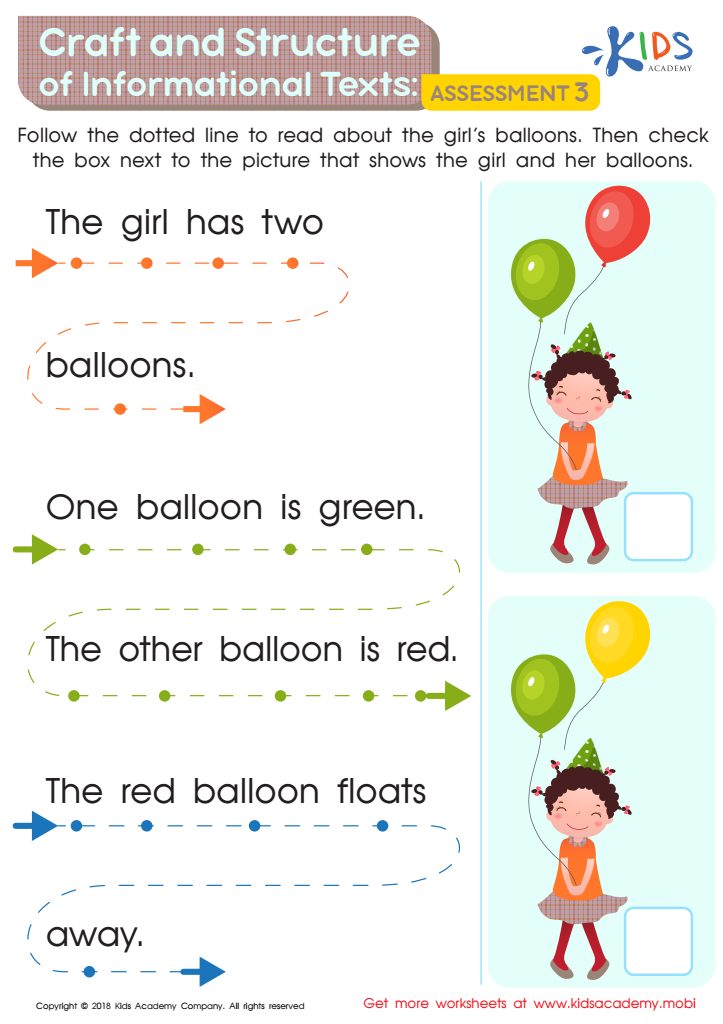
    Test your beginning reader's understanding of left-to-right directionality and use of details from informational texts with this fun worksheet. Follow the traceable paths to find the right picture for each sentence. This will help your child gain confidence and be successful as a reader.
    Craft and Structure of Informational Texts: Assessment 3 Worksheet
    Worksheet
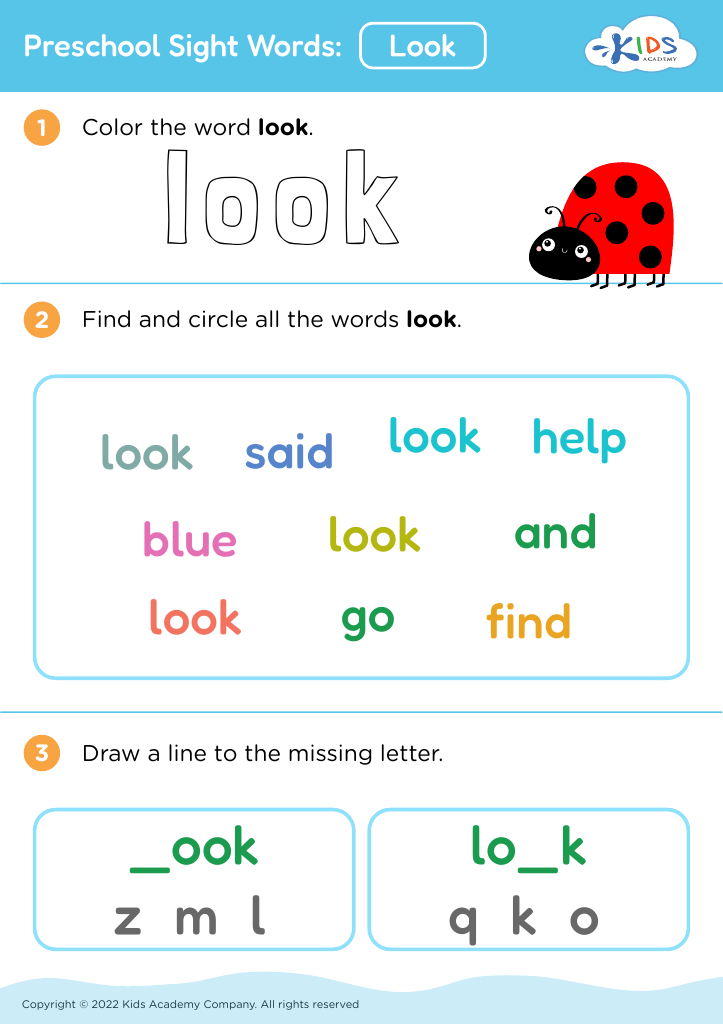
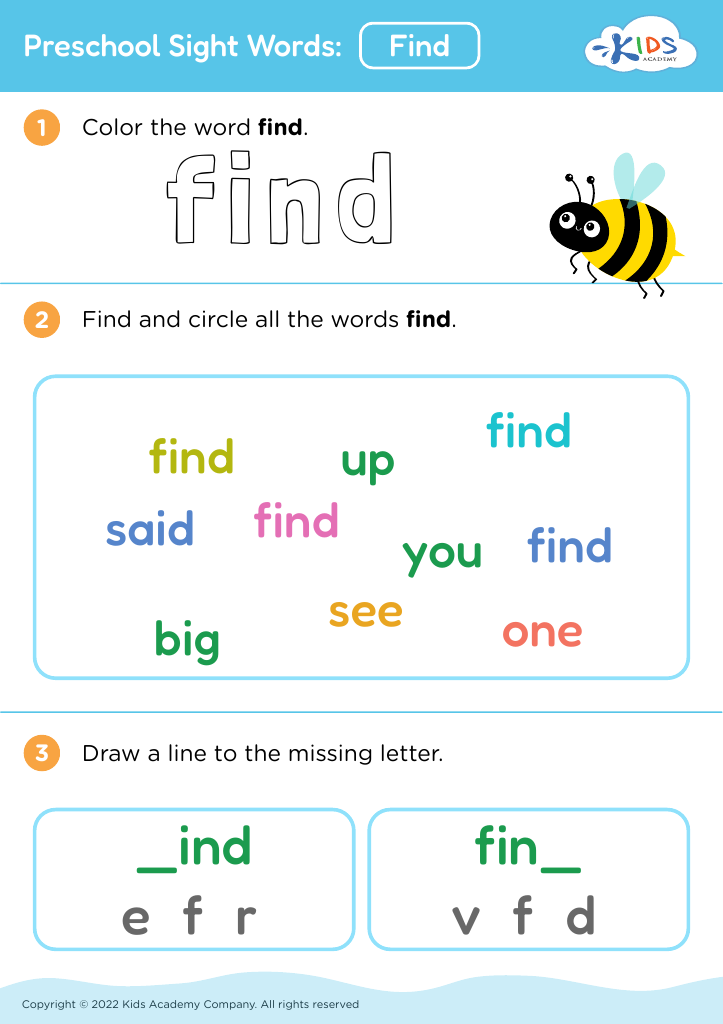
    Preschool Sight Words: Find
    Preschool Sight Words: Find

    Preschool Sight Words: Find

    Preschool Sight Words: Find
    Worksheet
    Kindergarten Sight Words: Are
    Kindergarten Sight Words: Are

    Kindergarten Sight Words: Are

    Kindergarten Sight Words: Are
    Worksheet
    Check Memory Worksheet
    Check Memory Worksheet
    Check Memory Worksheet

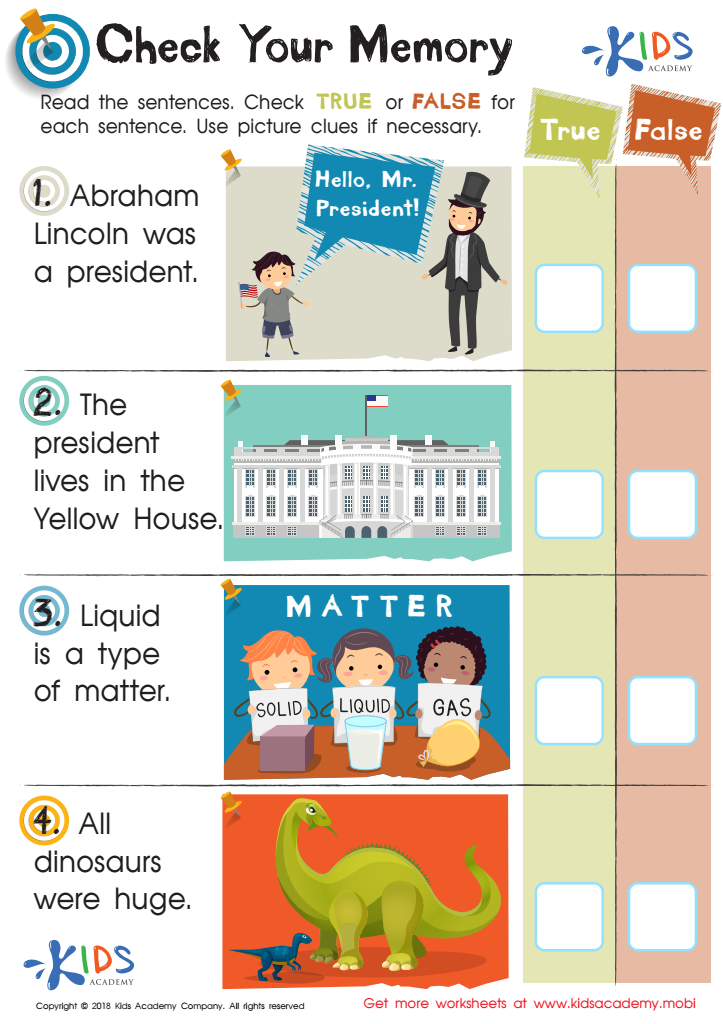
    Assisting your kids with their homework and using worksheets is a great way for them to learn. The vibrant visuals in this printout can help stimulate the mind and motivate your child. Have them read the sentences and then point to the associated images. Afterwards, ask them to state True or False for each sentence. If they are still uncertain, offer them the picture clues to assist further.
    Check Memory Worksheet
    Worksheet
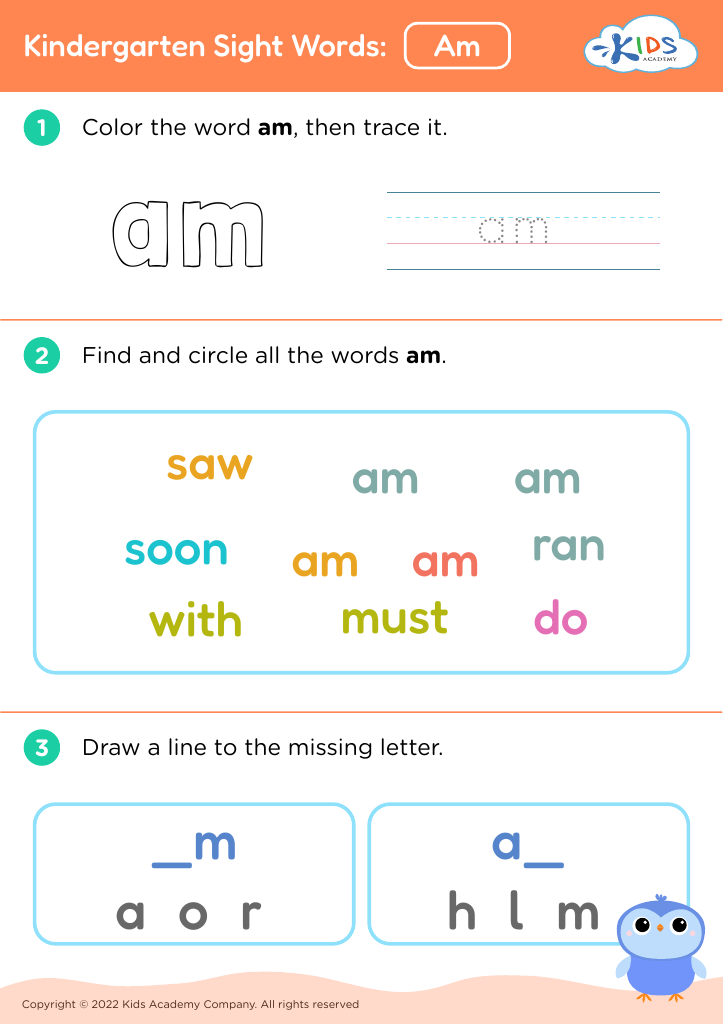
    Kindergarten Sight Words: Am
    Kindergarten Sight Words: Am

    Kindergarten Sight Words: Am

    Kindergarten Sight Words: Am
    Worksheet
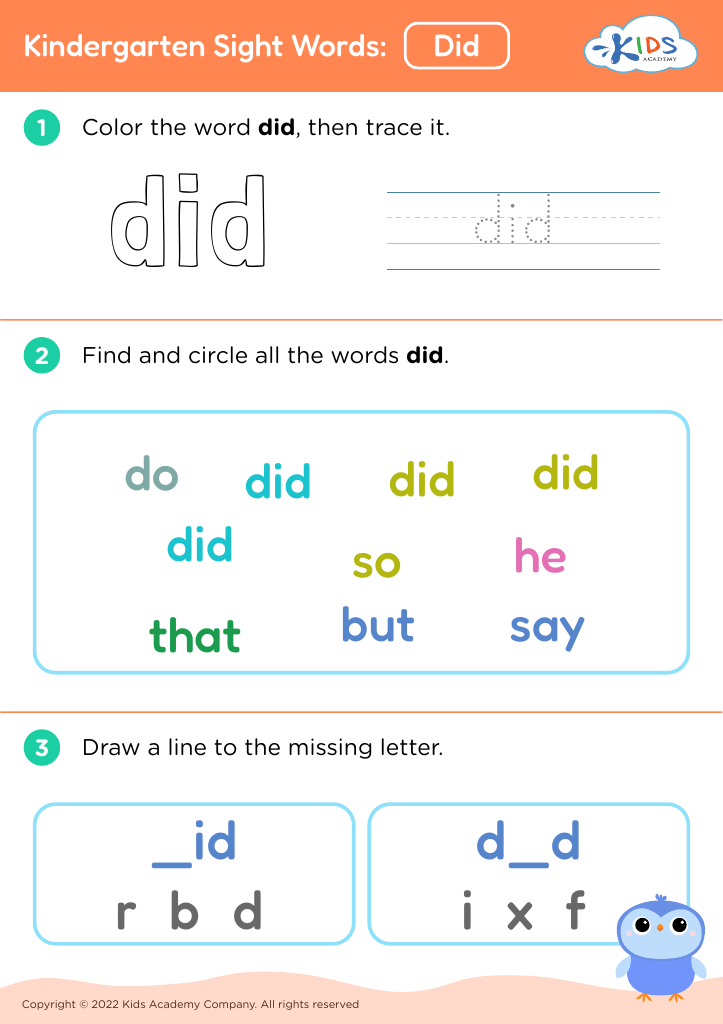
    Kindergarten Sight Words: Did
    Kindergarten Sight Words: Did

    Kindergarten Sight Words: Did

    Kindergarten Sight Words: Did
    Worksheet
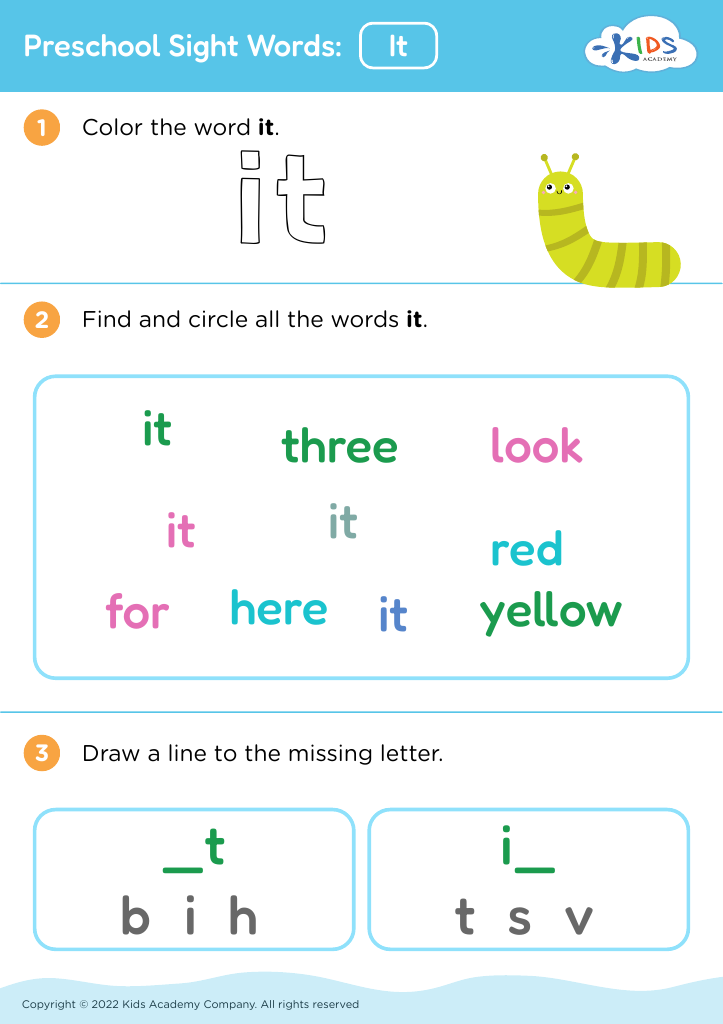
    Preschool Sight Words: It
    Preschool Sight Words: It

    Preschool Sight Words: It

    Preschool Sight Words: It
    Worksheet
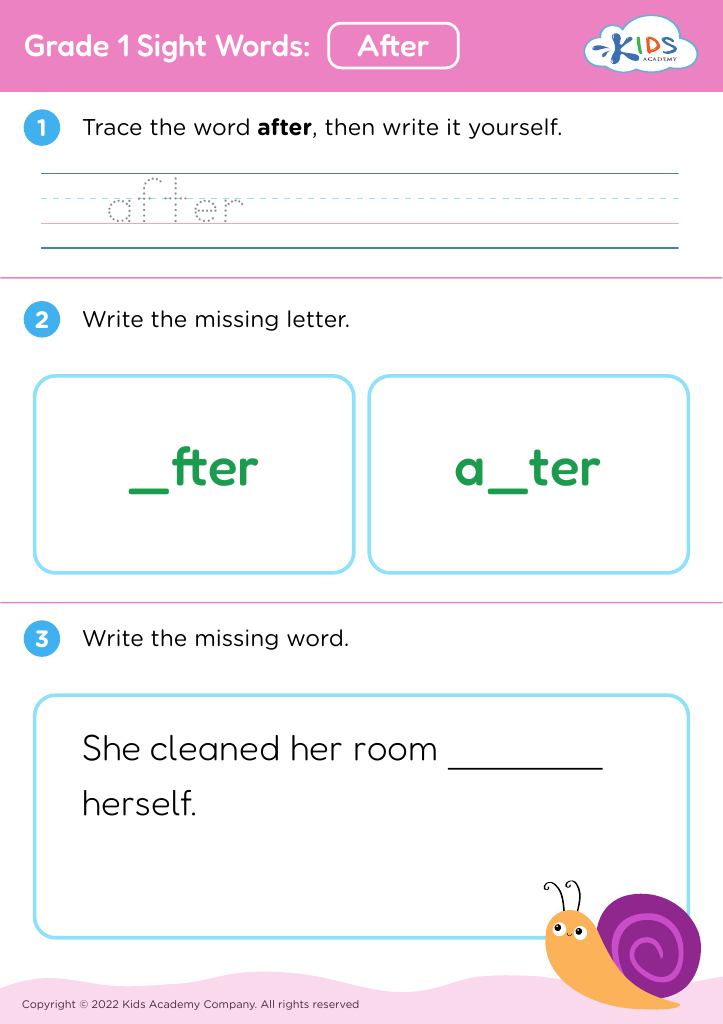
    Grade 1 Sight Words: After
    Grade 1 Sight Words: After

    Grade 1 Sight Words: After

    Grade 1 Sight Words: After
    Worksheet
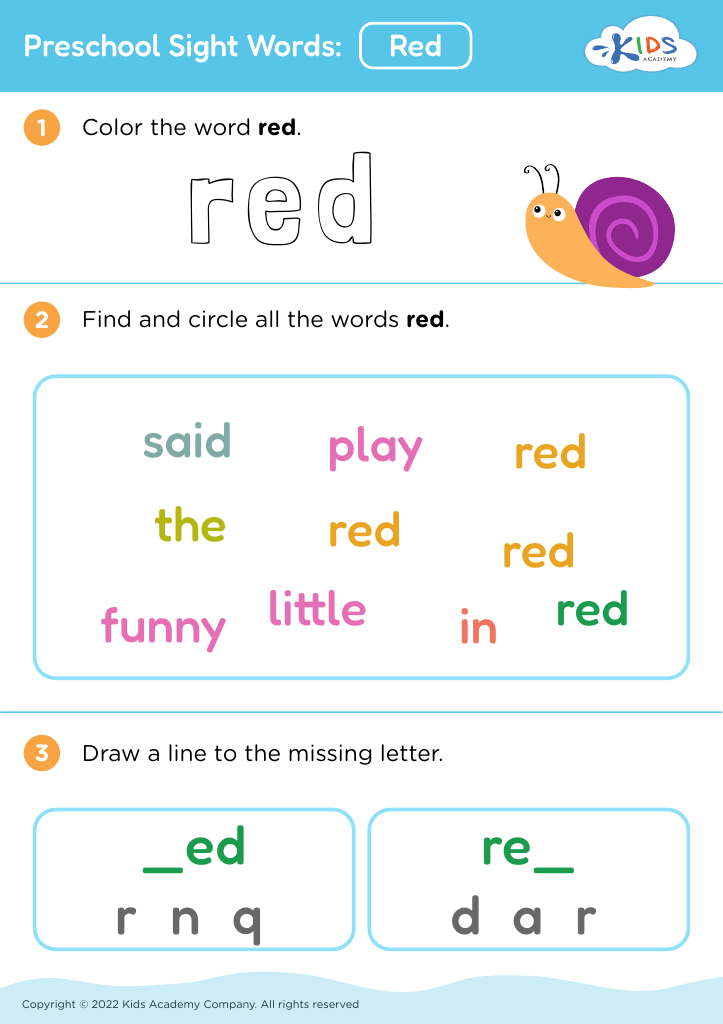
    Preschool Sight Words: Red
    Preschool Sight Words: Red

    Preschool Sight Words: Red

    Preschool Sight Words: Red
    Worksheet
    What Does Not Match? Worksheet
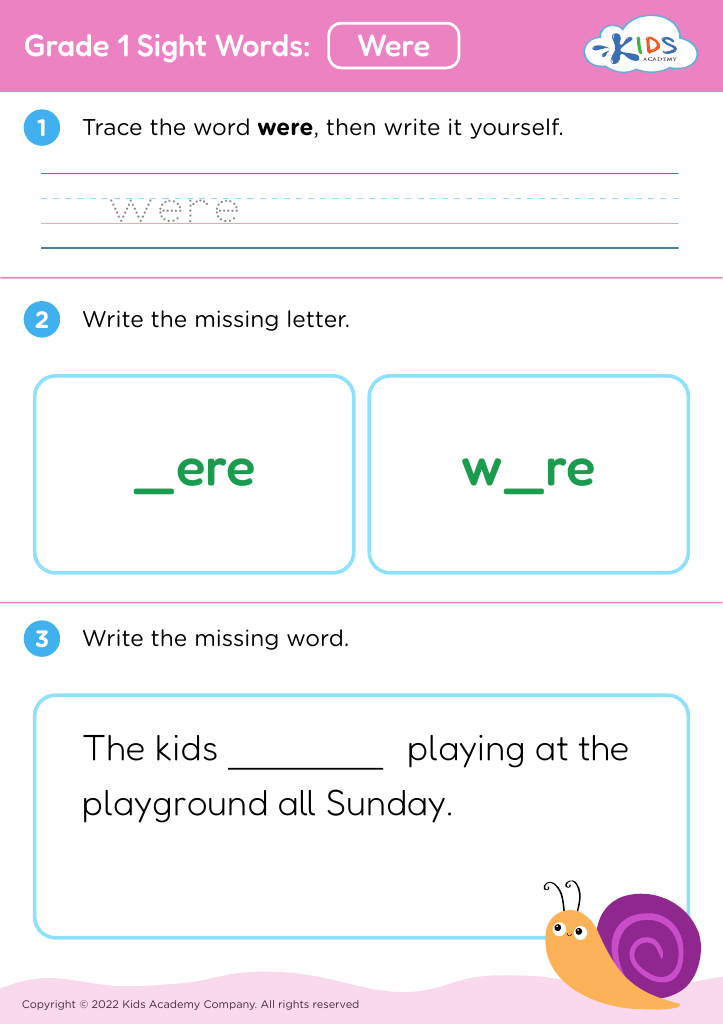
    What Does Not Match? Worksheet
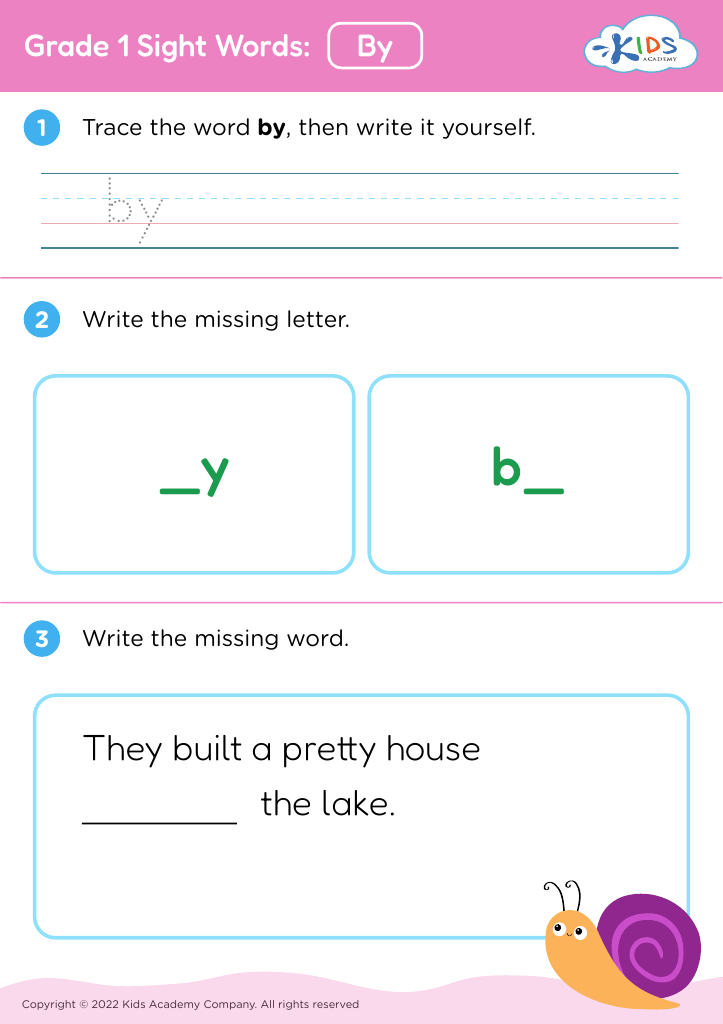
    What Does Not Match? Worksheet
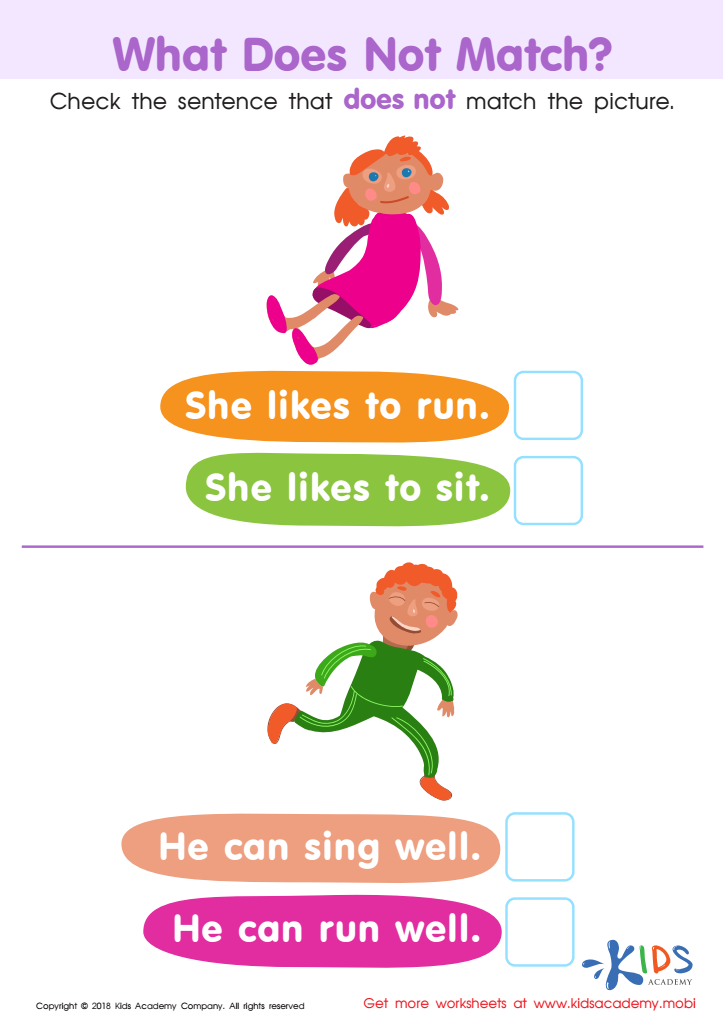
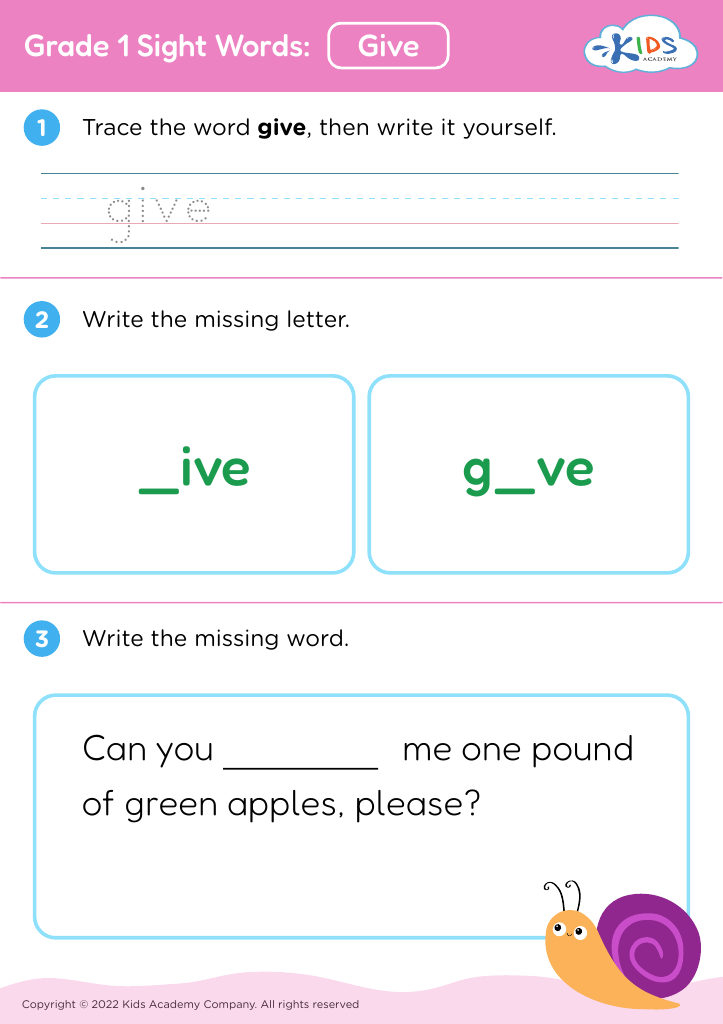
    Emerging readers need to practice using visual cues and repetitive text. This colorful PDF provides them with an opportunity to look at pictures, use discrimination and discern which phrase does not match. It also enables them to gain familiarity with high-frequency words to aid decoding longer sentences.
    What Does Not Match? Worksheet
    Worksheet
    Preschool Sight Words: In
    Preschool Sight Words: In

    Preschool Sight Words: In

    Preschool Sight Words: In
    Worksheet
    Grade 2 Sight Words: Does
    Grade 2 Sight Words: Does

    Grade 2 Sight Words: Does

    Grade 2 Sight Words: Does
    Worksheet
    Kindergarten Sight Words: Yes
    Kindergarten Sight Words: Yes

    Kindergarten Sight Words: Yes

    Kindergarten Sight Words: Yes
    Worksheet
    Grade 2 Sight Words: First
    Grade 2 Sight Words: First

    Grade 2 Sight Words: First

    Grade 2 Sight Words: First
    Worksheet
    Grade 3 Sight Words: Full
    Grade 3 Sight Words: Full

    Grade 3 Sight Words: Full

    Grade 3 Sight Words: Full
    Worksheet
    Grade 1 Sight Words: Over
    Grade 1 Sight Words: Over

    Grade 1 Sight Words: Over

    Grade 1 Sight Words: Over
    Worksheet
    Grade 2 Sight Words: Sit
    Grade 2 Sight Words: Sit

    Grade 2 Sight Words: Sit

    Grade 2 Sight Words: Sit
    Worksheet
    Kindergarten Sight Words: Ride
    Kindergarten Sight Words: Ride

    Kindergarten Sight Words: Ride

    Kindergarten Sight Words: Ride
    Worksheet
    Grade 3 Sight Words: Small
    Grade 3 Sight Words: Small

    Grade 3 Sight Words: Small

    Grade 3 Sight Words: Small
    Worksheet
    Preschool Sight Words: Make
    Preschool Sight Words: Make

    Preschool Sight Words: Make

    Preschool Sight Words: Make
    Worksheet
    Grade 2 Sight Words: Its
    Grade 2 Sight Words: Its

    Grade 2 Sight Words: Its

    Grade 2 Sight Words: Its
    Worksheet
    Grade 2 Sight Words: Goes
    Grade 2 Sight Words: Goes

    Grade 2 Sight Words: Goes

    Grade 2 Sight Words: Goes
    Worksheet


    Reading for children aged 4-9 is absolutely crucial for both academic and personal development. During these formative years, kids experience rapid cognitive growth, and reading plays a key role in nurturing their brains. When parents and teachers prioritize reading, they set the stage for favorable lifelong learning.

    Firstly, reading enhances vocabulary. Exposing children to a wide range of words helps them understand and use language more effectively, aiding communication skills that are essential both in school and social settings. Early exposure to reading also strongly correlates with advanced literacy skills, laying a foundation for future academic success across all subjects including math, science, and social studies.

    Moreover, reading ignites imagination. Stories transport children to different worlds, fostering creativity and empathy. As they identify with characters and worlds, their ability to perceive various perspectives deepens, enriching their social skills.

    Additionally, reading together can strengthen the bond between parents and children. Reading sessions create intimate moments that encourage familial relationships and conversation.

    Teachers and parents should recognize that by instilling a love for reading at an early age, they are not only preparing children for academic demands but also enriching their lives emotionally and socially for the future. Prioritizing reading sets a lifetime pattern of inquisitiveness, empathy, and continuous learning.