Animals Worksheets for Ages 4-9 - Page 2
66 filtered results
-
From - To
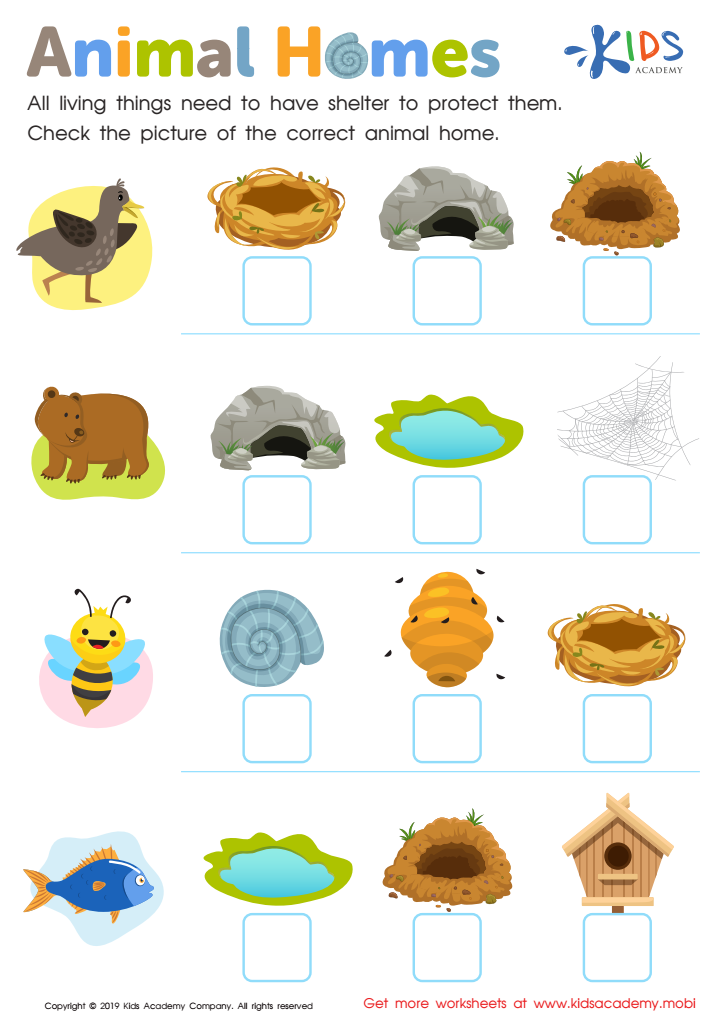
Animal Homes Worksheet
 Assign to My Students
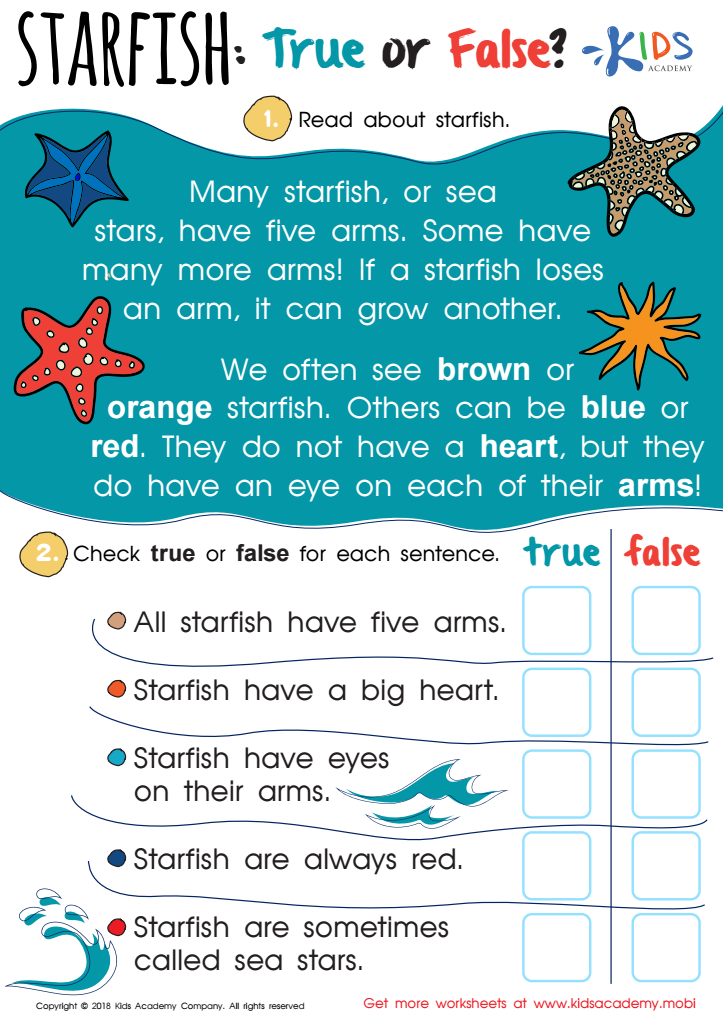
Starfish: True or False Worksheet
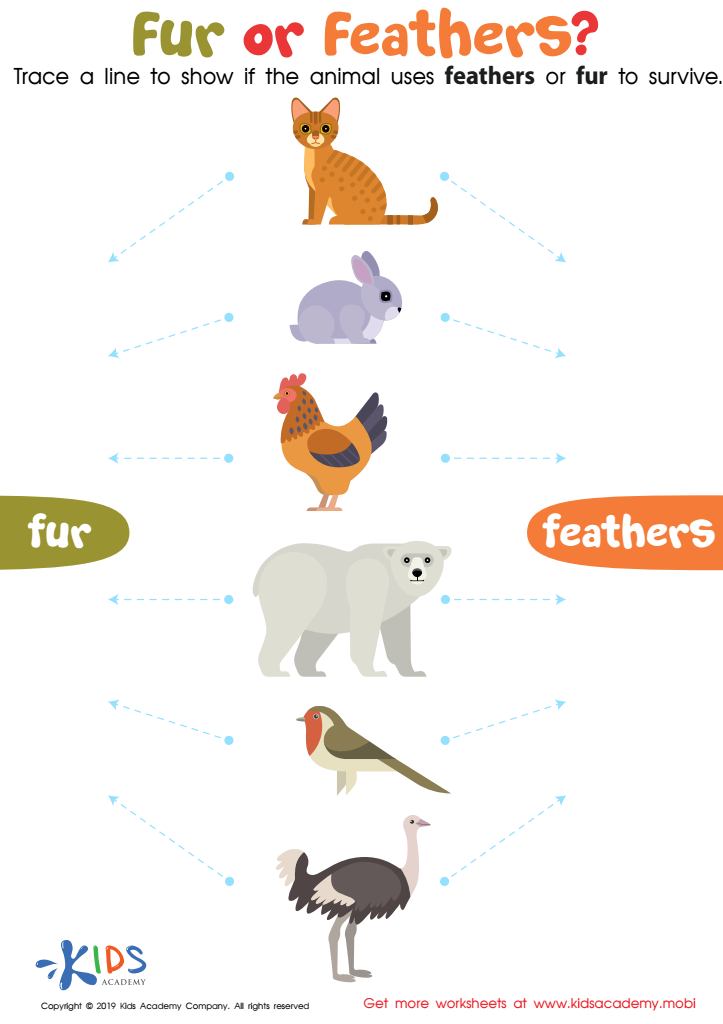
Fur or Feathers? Worksheet
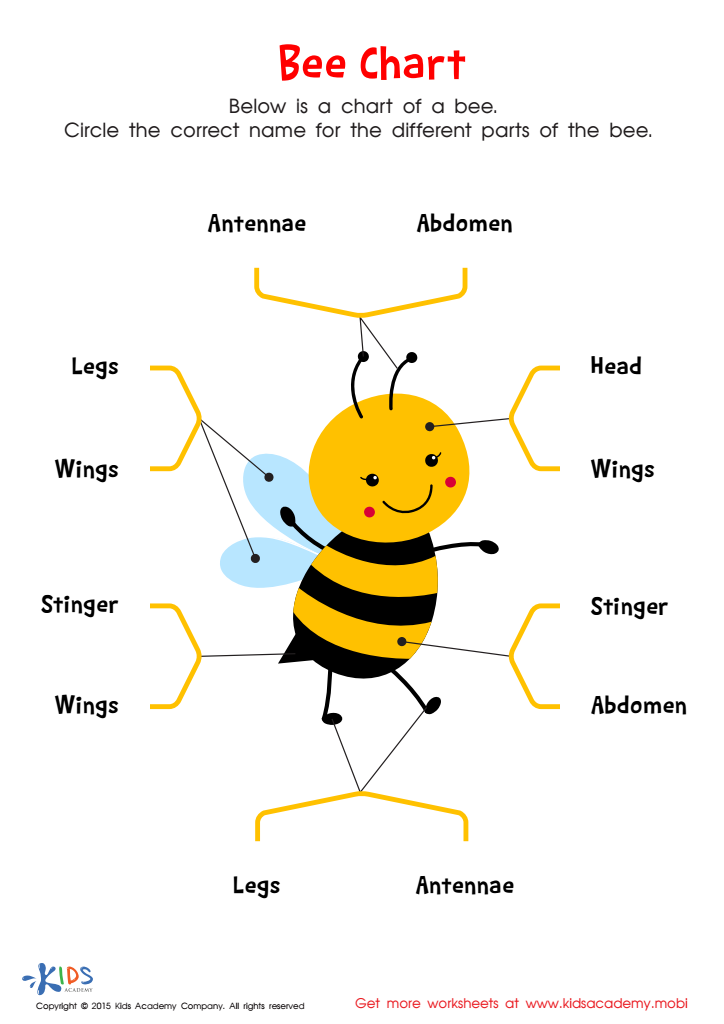
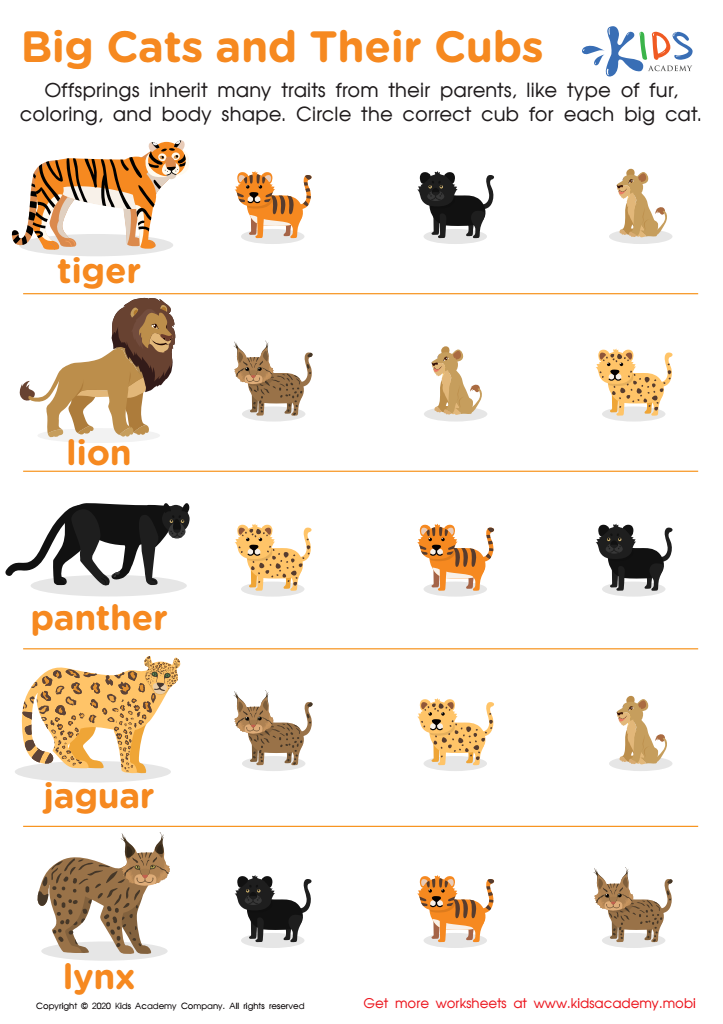
Big Cats and Their Cubs Worksheet
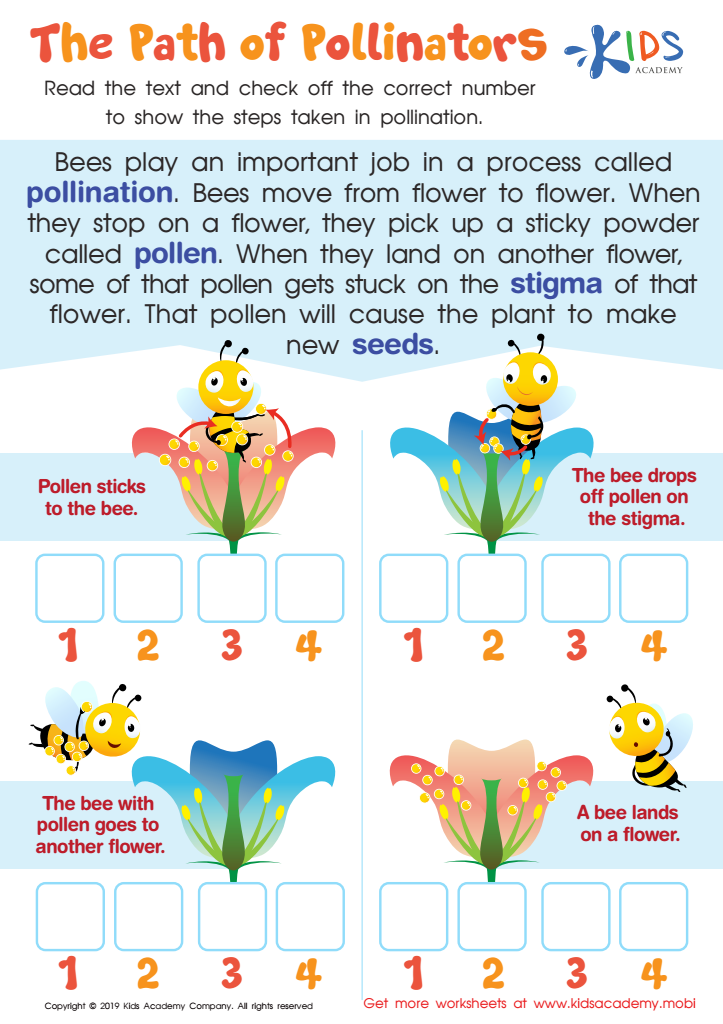
The Path of Pollinators Worksheet
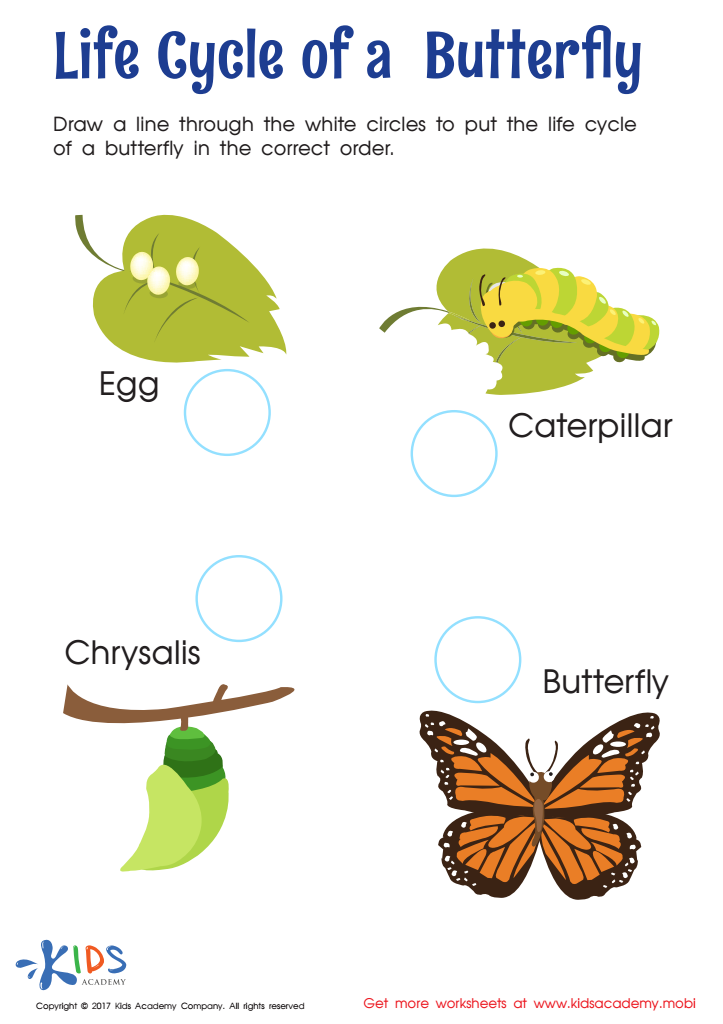
Life Cycle of Butterfly Worksheet
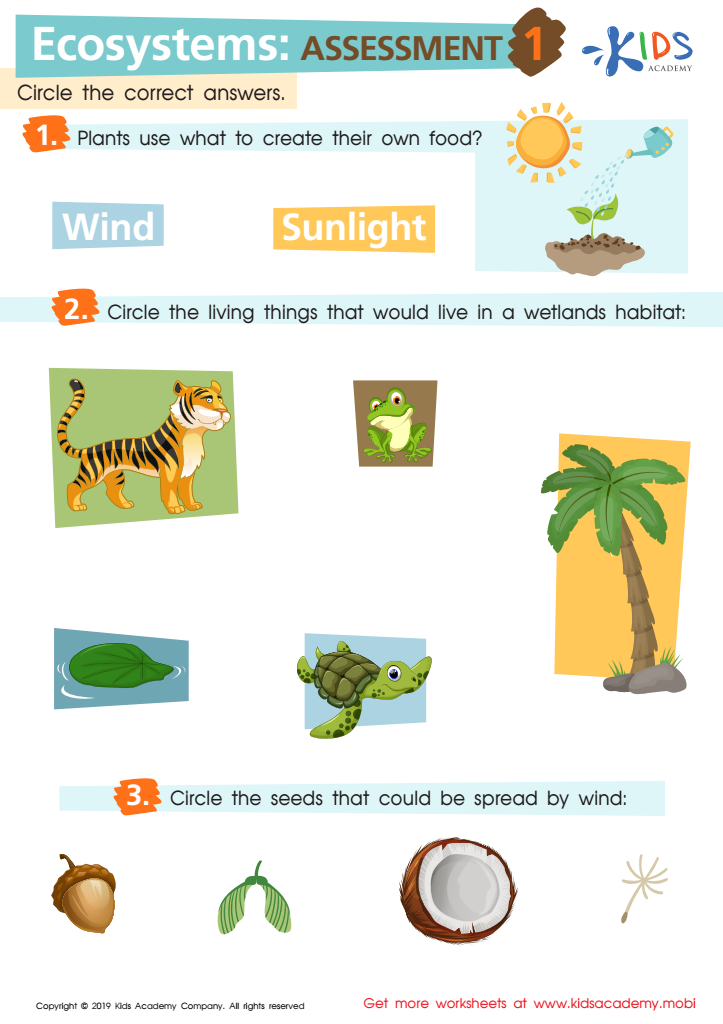
Ecosystems: Assessment 1 Worksheet
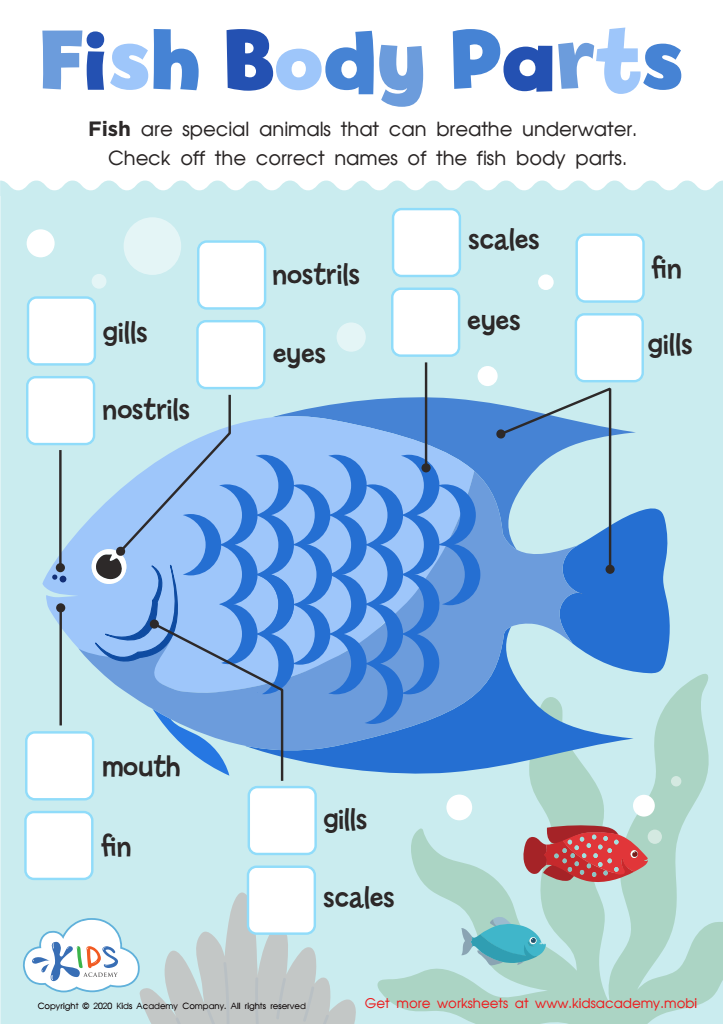
Fish Body Parts Worksheet
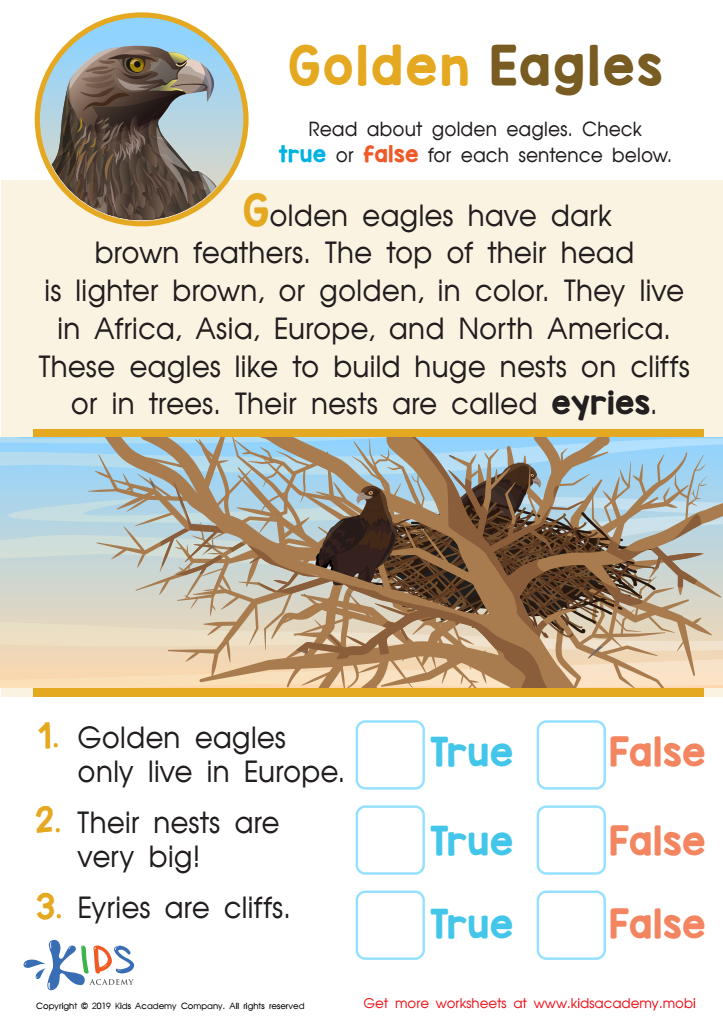
Golden Eagles Worksheet
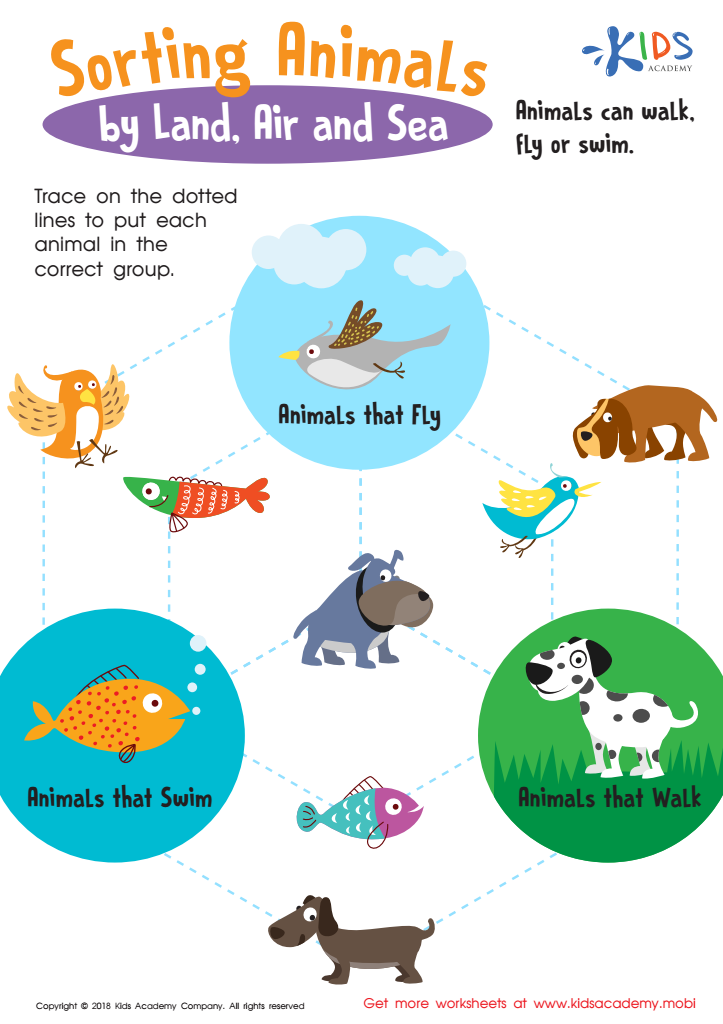
Sorting Animals by Land, Air and Sea Worksheet
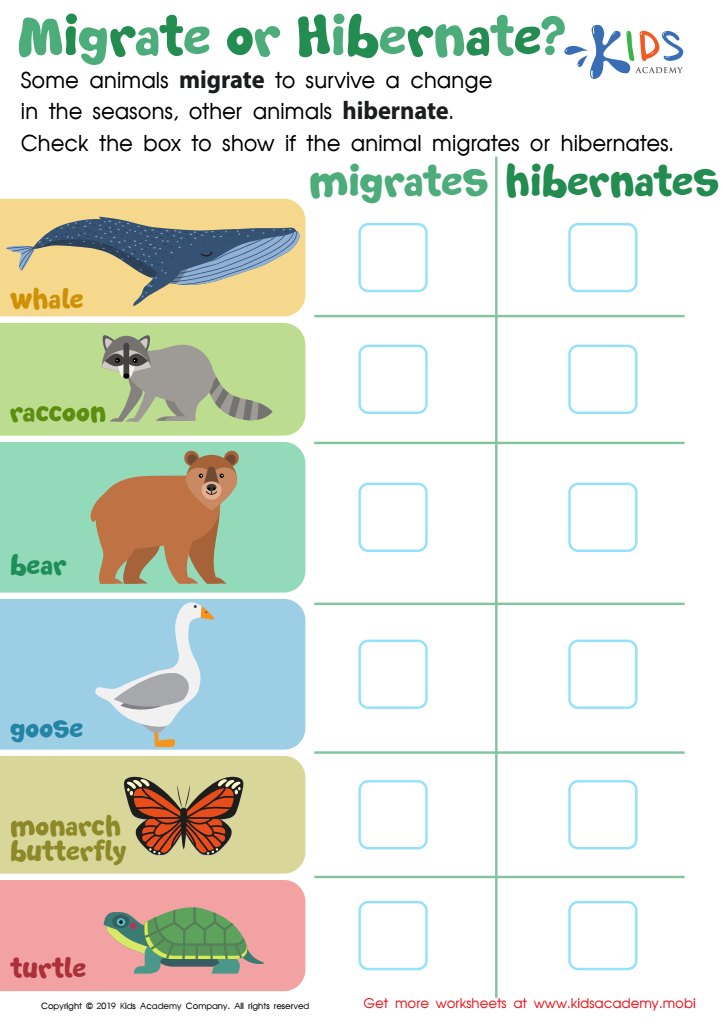
Migrate or Hibernate? Worksheet
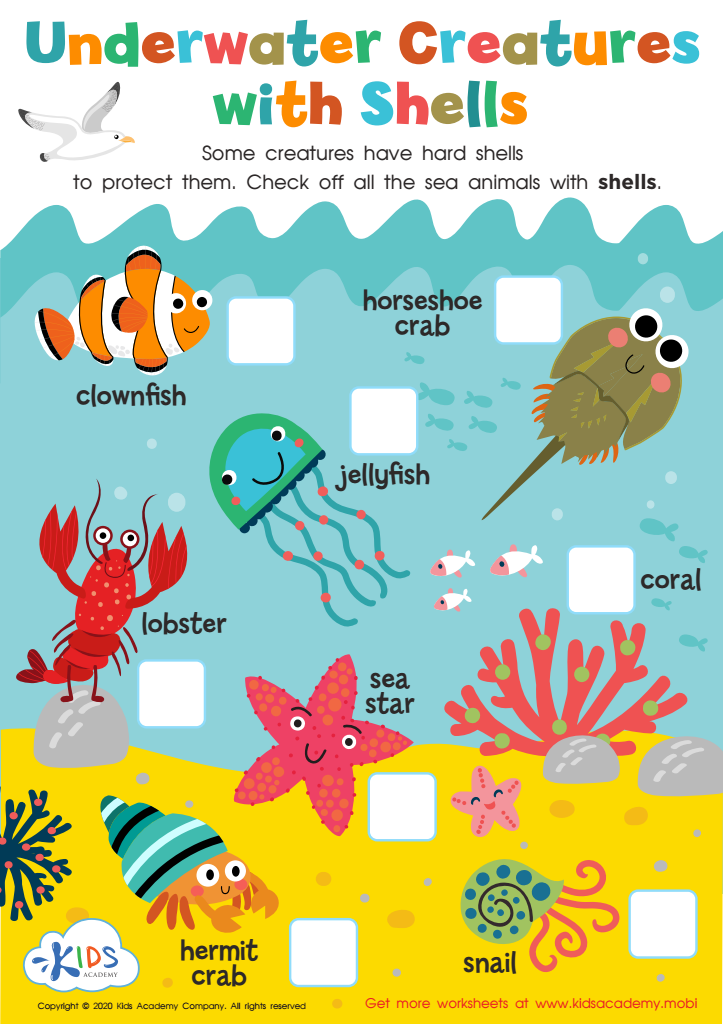
Underwater Creatures with Shells Worksheet
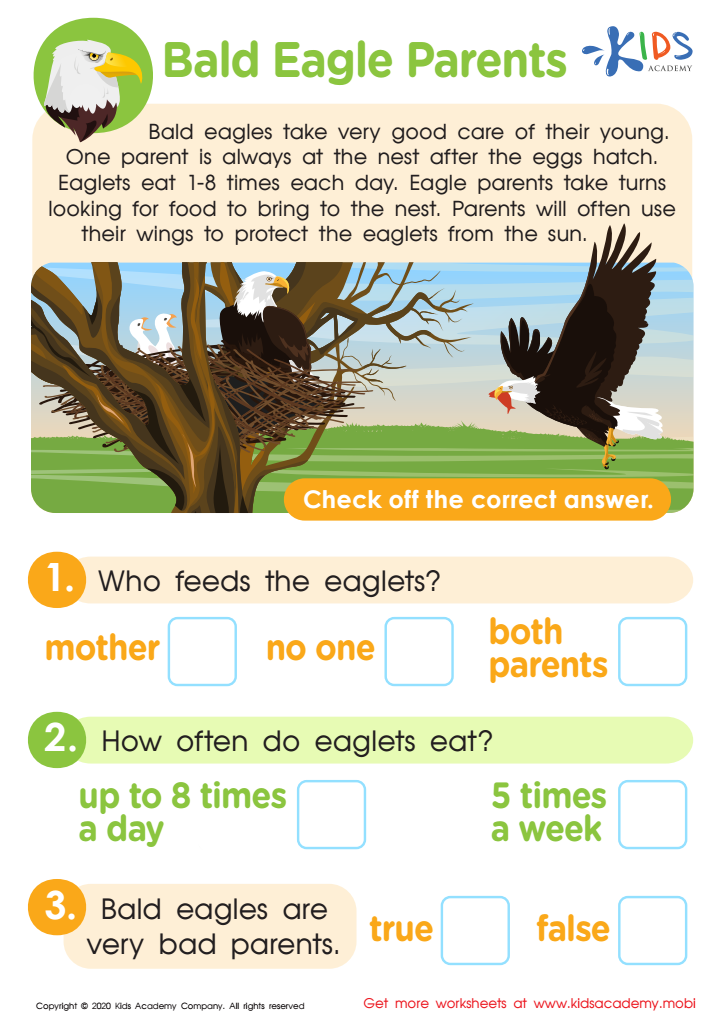
Bald Eagle Parents Worksheet
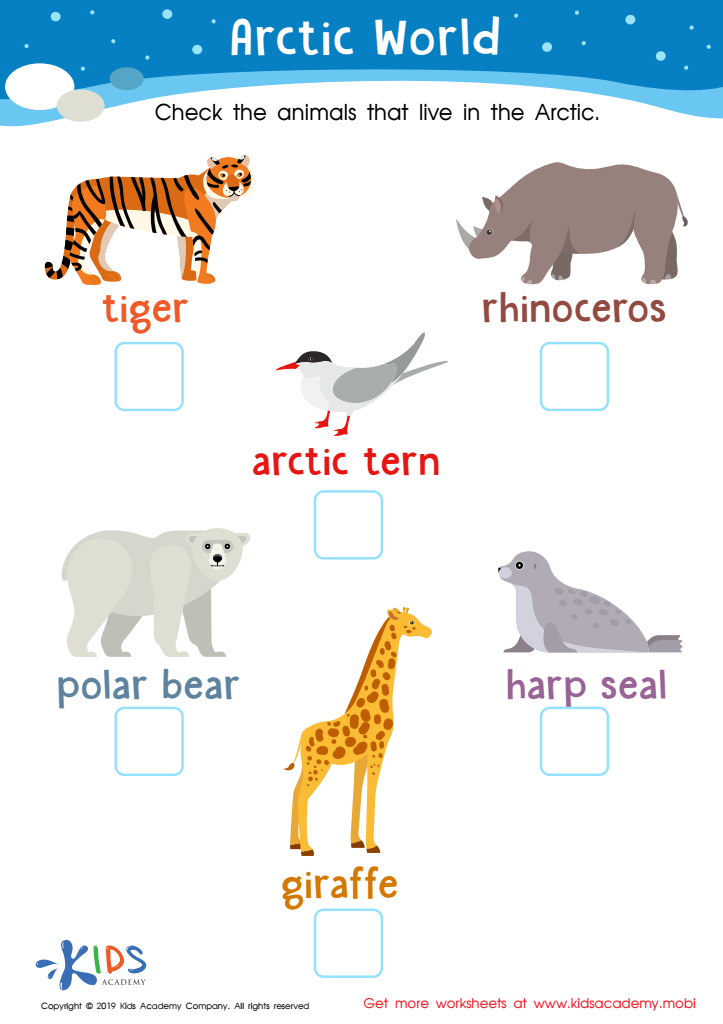
Arctic World Worksheet
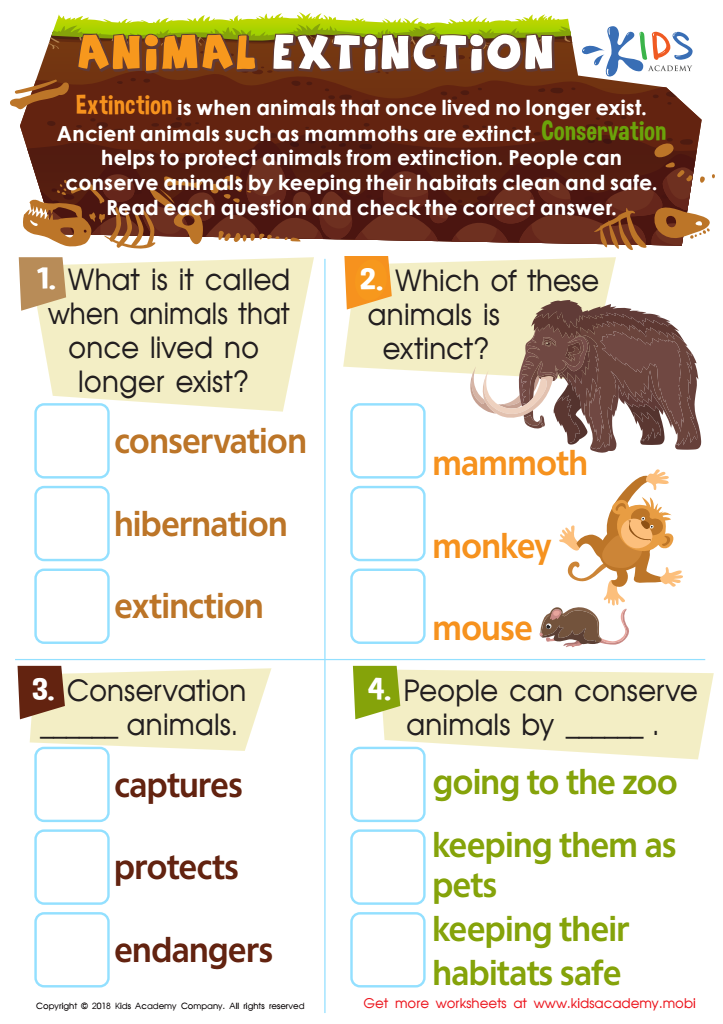
Animal Extinction Worksheet
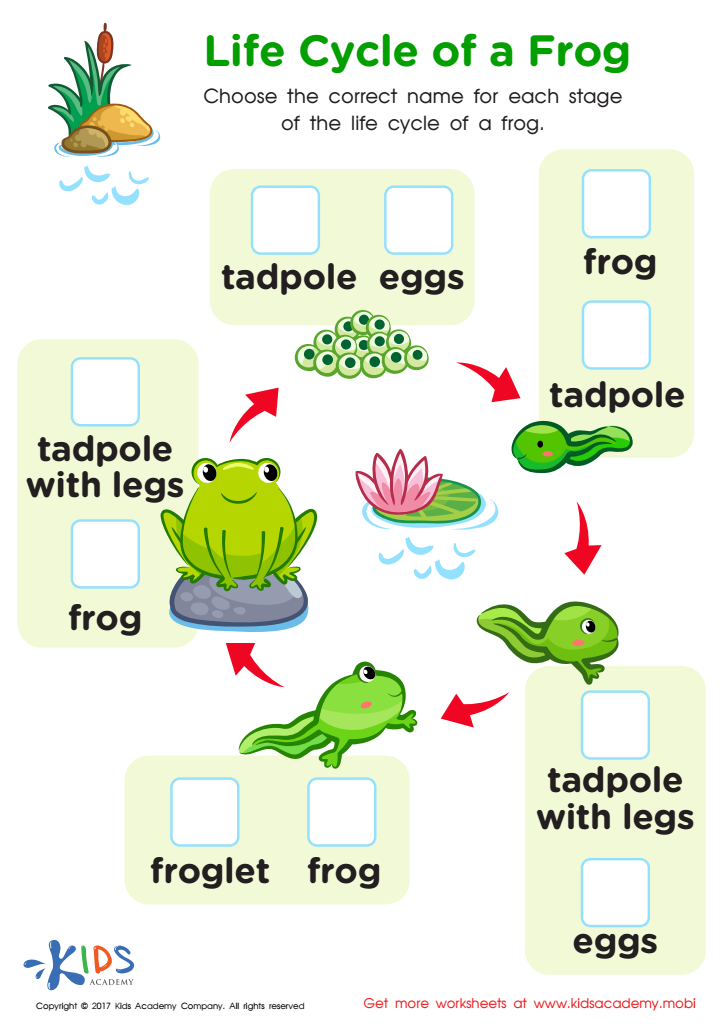
Life Cycle Frog Printable
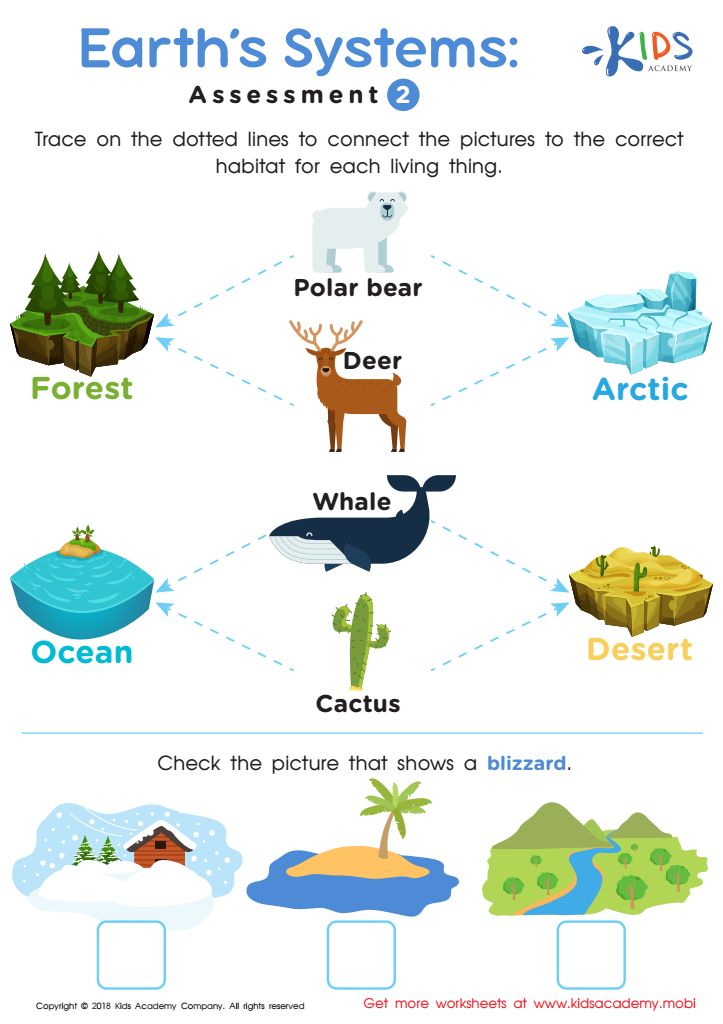
Earth's Systems: Assessment 2
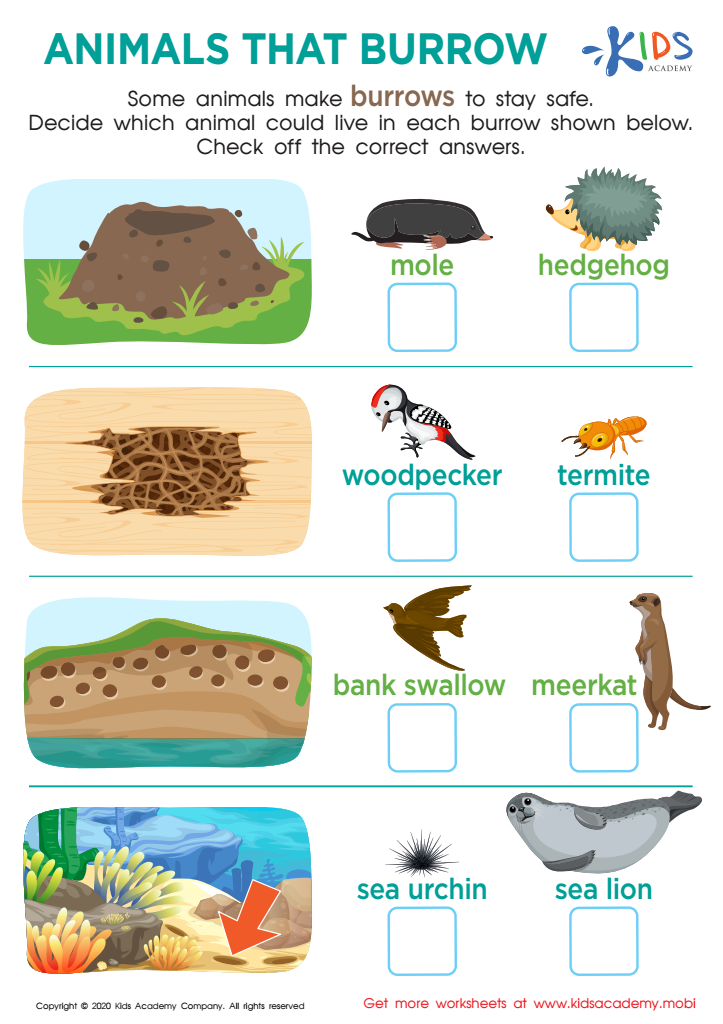
Animals That Burrow Worksheet
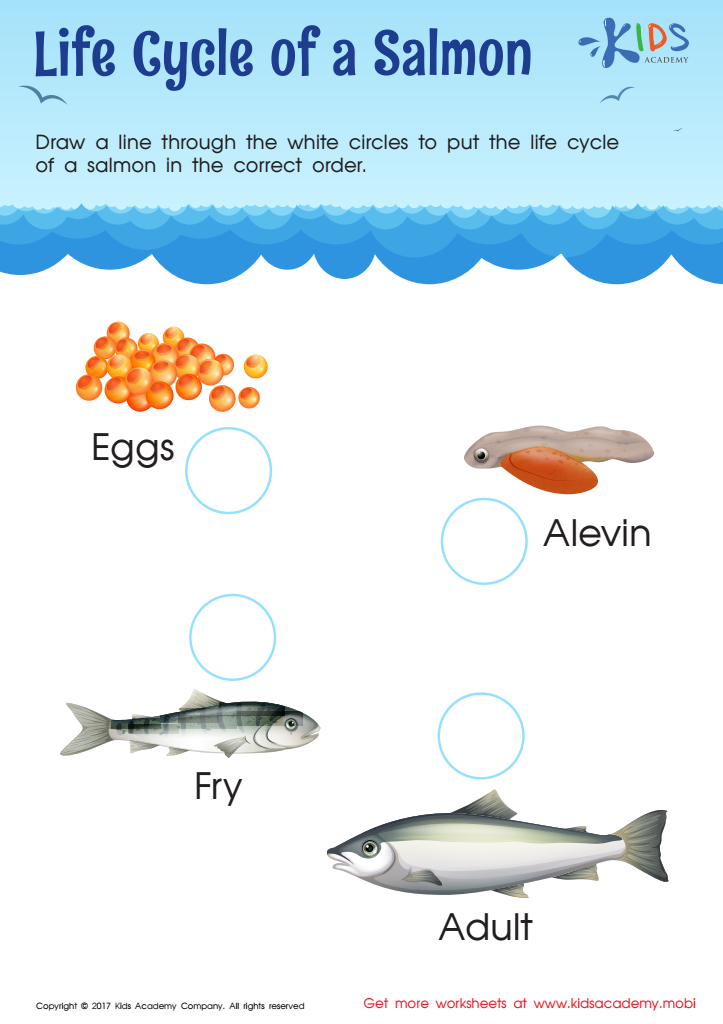
Cycle Of Salmon Worksheet
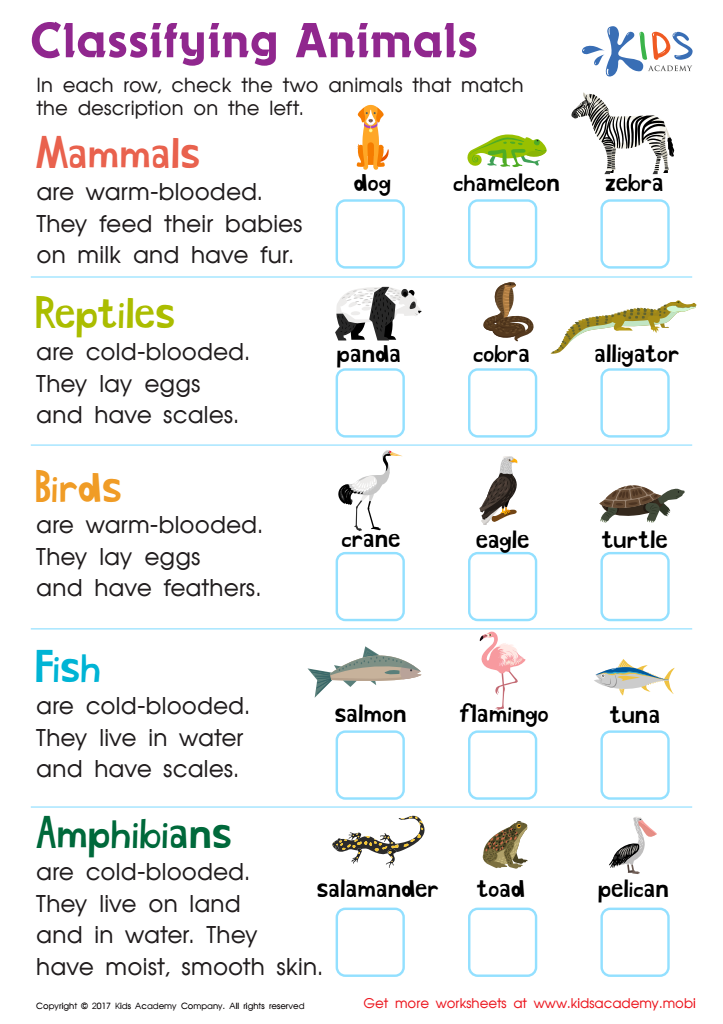
Classifying Animals Worksheet
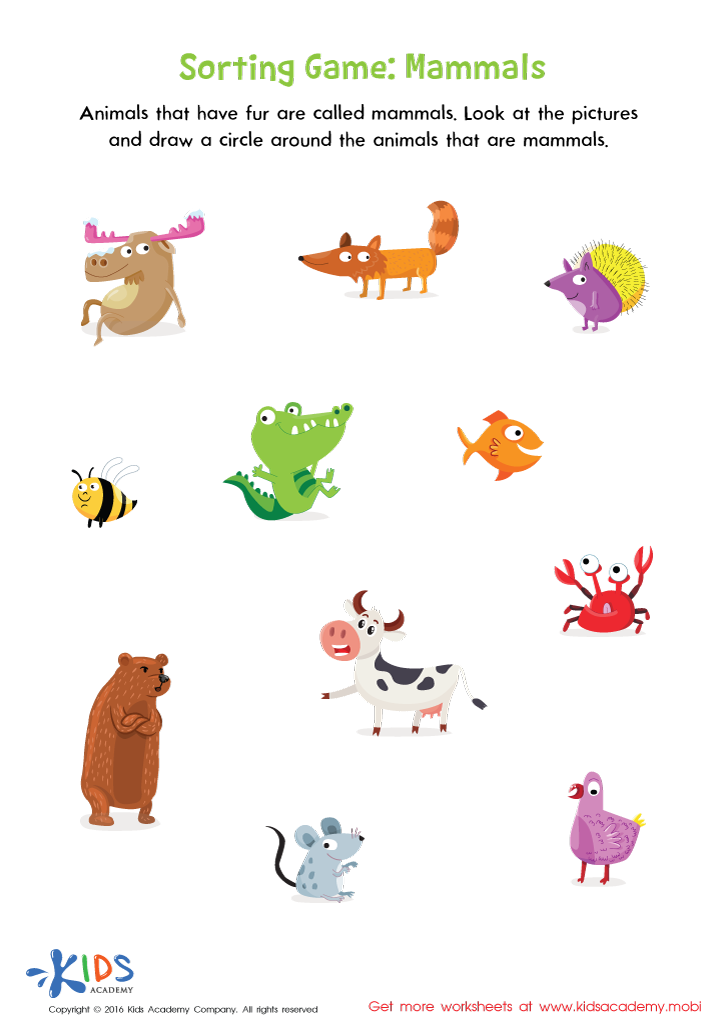
Mammals Sorting Worksheet
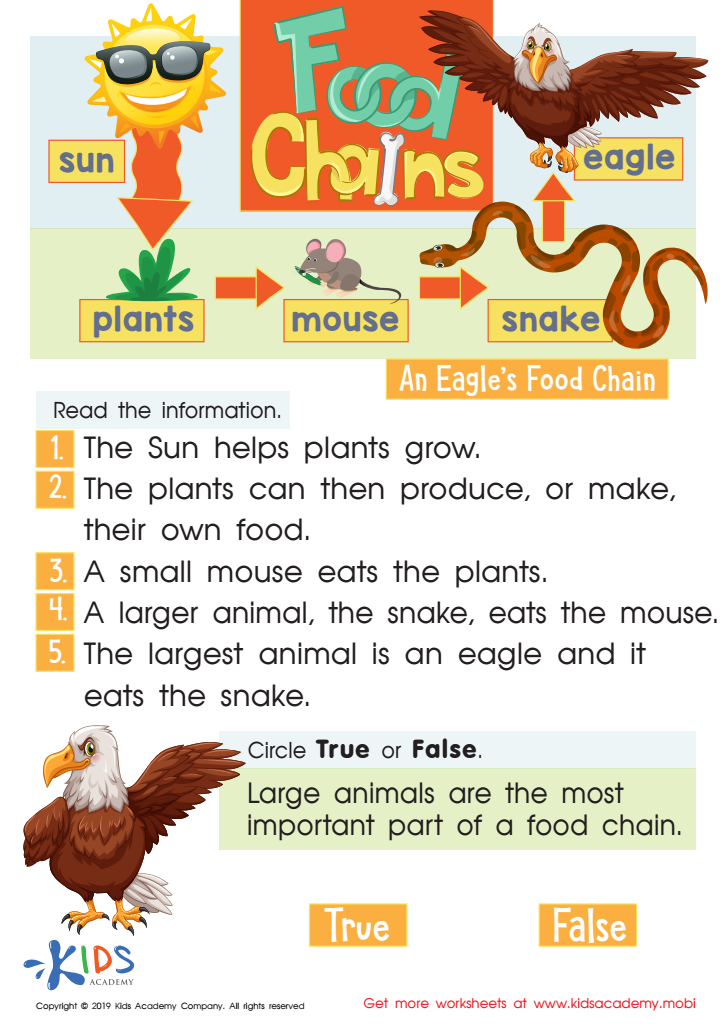
Food Chains Worksheet
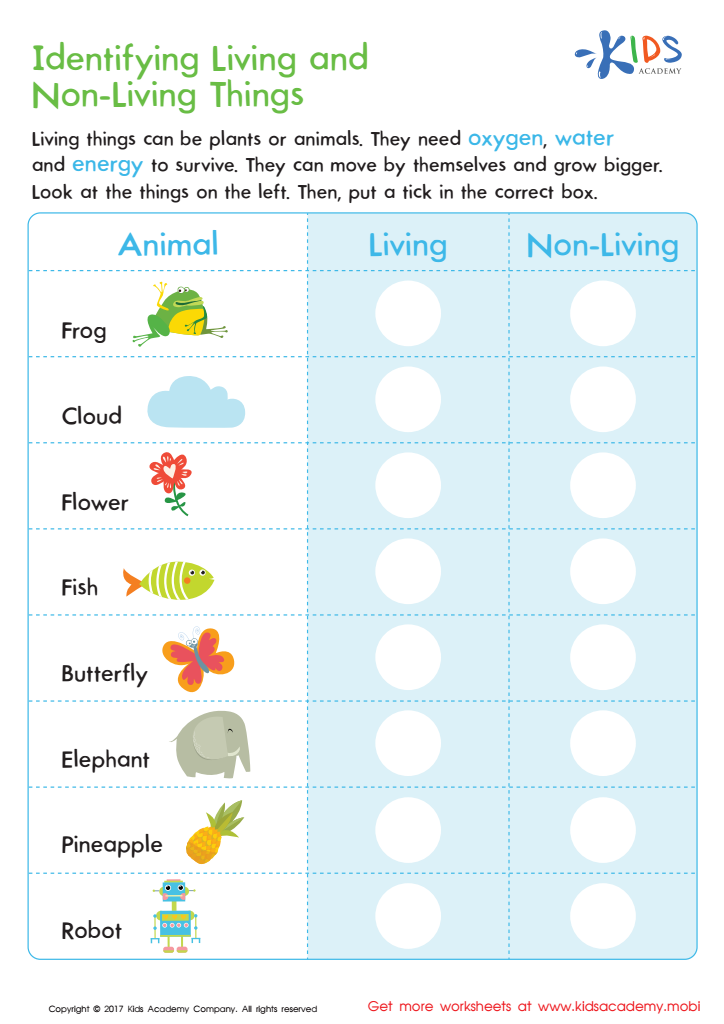
Identifying Living or Non–living Worksheet







%20(1).jpg)
Parents and teachers should care about animals for children ages 4-9 because early exposure to animals fosters empathy, responsibility, and a connection to nature. Understanding animals helps children develop compassion as they learn to recognize that living beings have feelings and needs. This empathy nurtures their ability to relate to others, both human and non-human.
In addition, caring for animals teaches children responsibility. Whether it's caring for a pet or learning about wildlife, they gain vital skills in nurturing and commitment. These lessons can translate into a deeper understanding of their own actions and the effects on the world around them.
Animals also spark curiosity and support learning across various subjects. Investigating animal habitats encourages scientific thinking, while stories about animals inspire creativity and enhance literacy. Understanding ecosystems helps children grasp essential concepts related to biology and the environment.
Moreover, connecting with animals can reduce stress and anxiety, providing a calming and joyful experience for young learners. Integrating animals into education promotes engagement and active participation, making learning more fun. Overall, cultivating a sense of care for animals at a young age supports healthy emotional, cognitive, and social development.