Space Worksheets for Ages 4-9 - Page 2
43 filtered results
-
From - To
 Assign to My Students
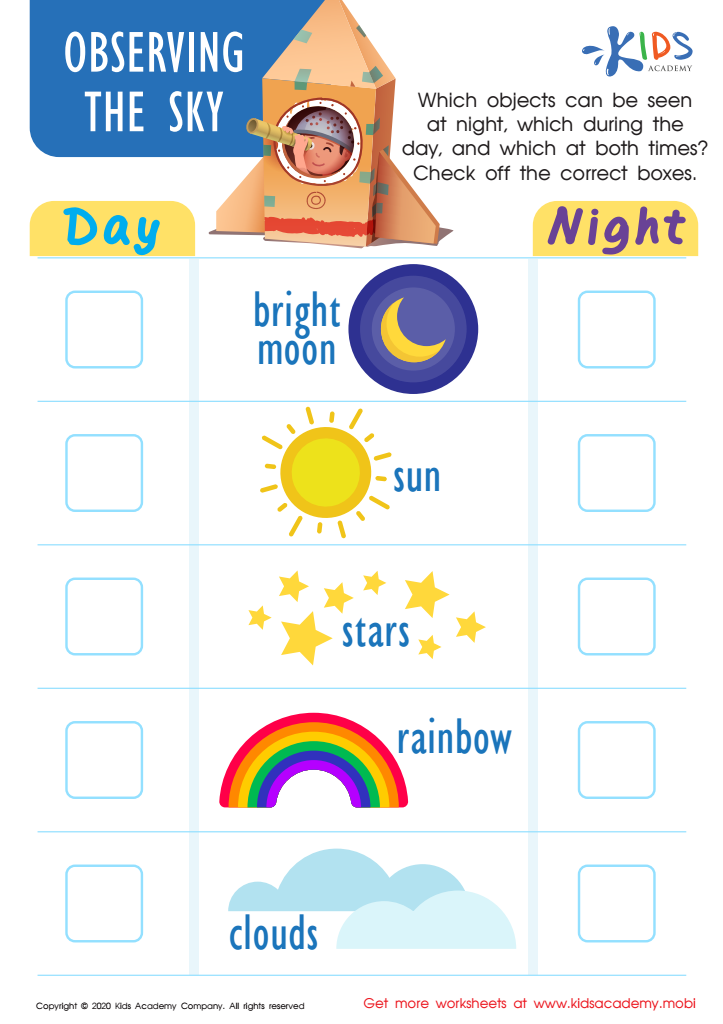
Observing the Sky Worksheet
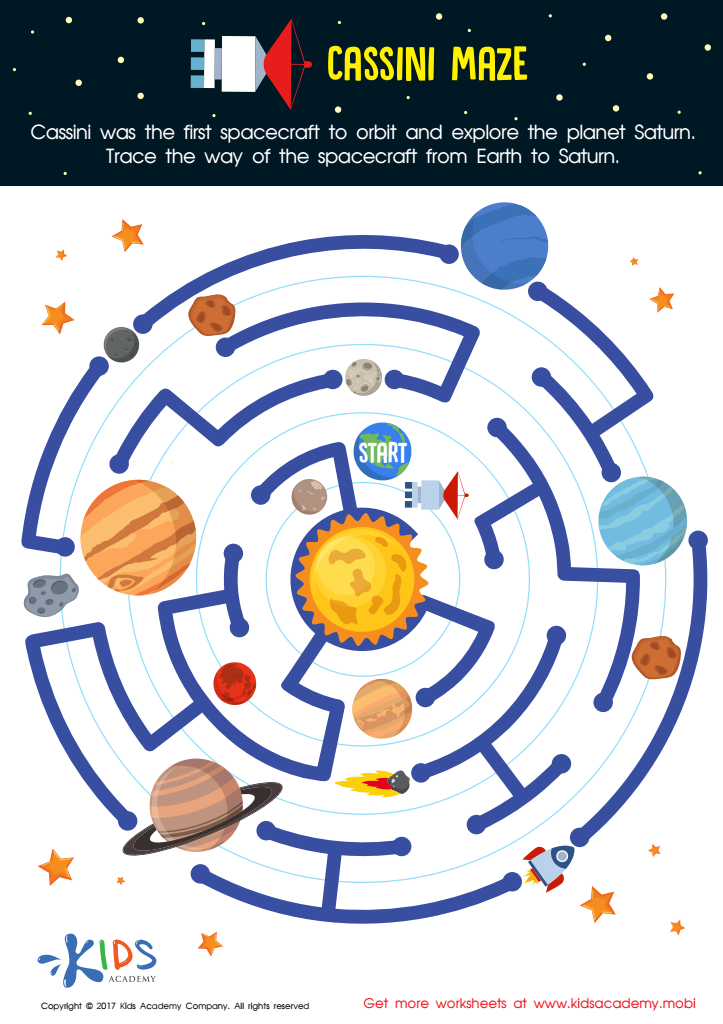
Cassini Printable Worksheet
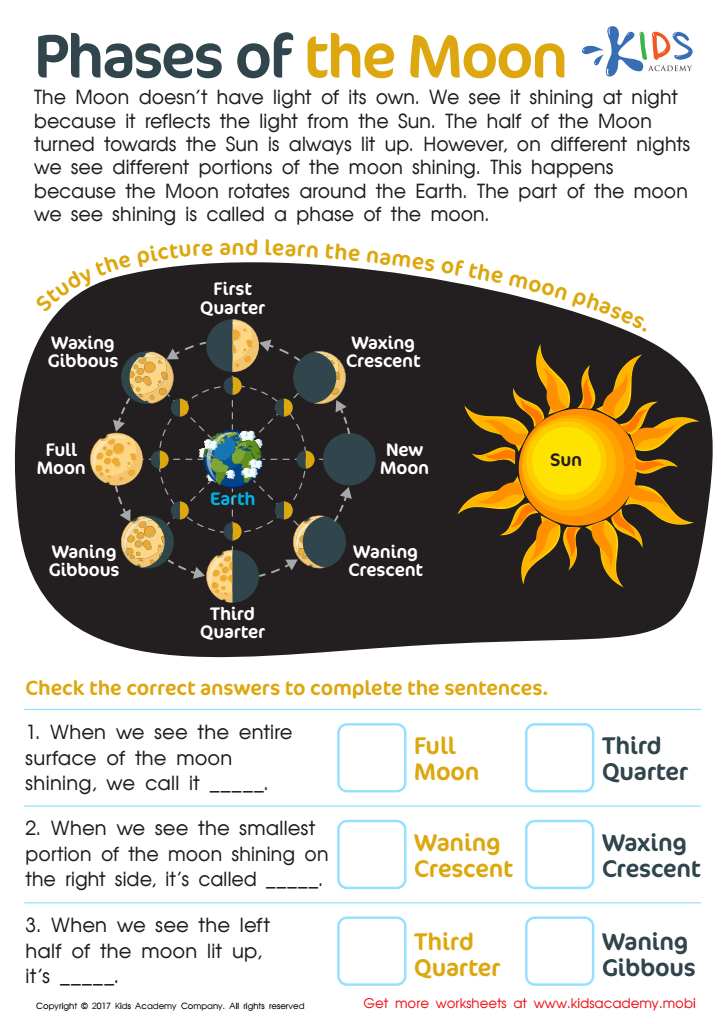
Phases of The Moon Worksheet
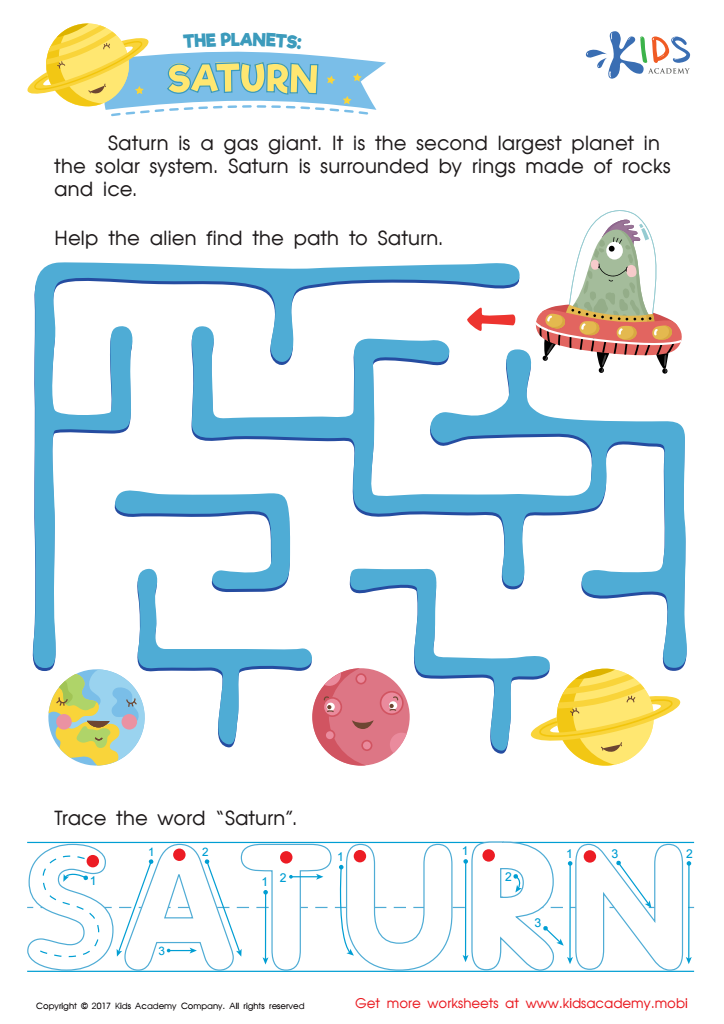
The Planets: Saturn Printable
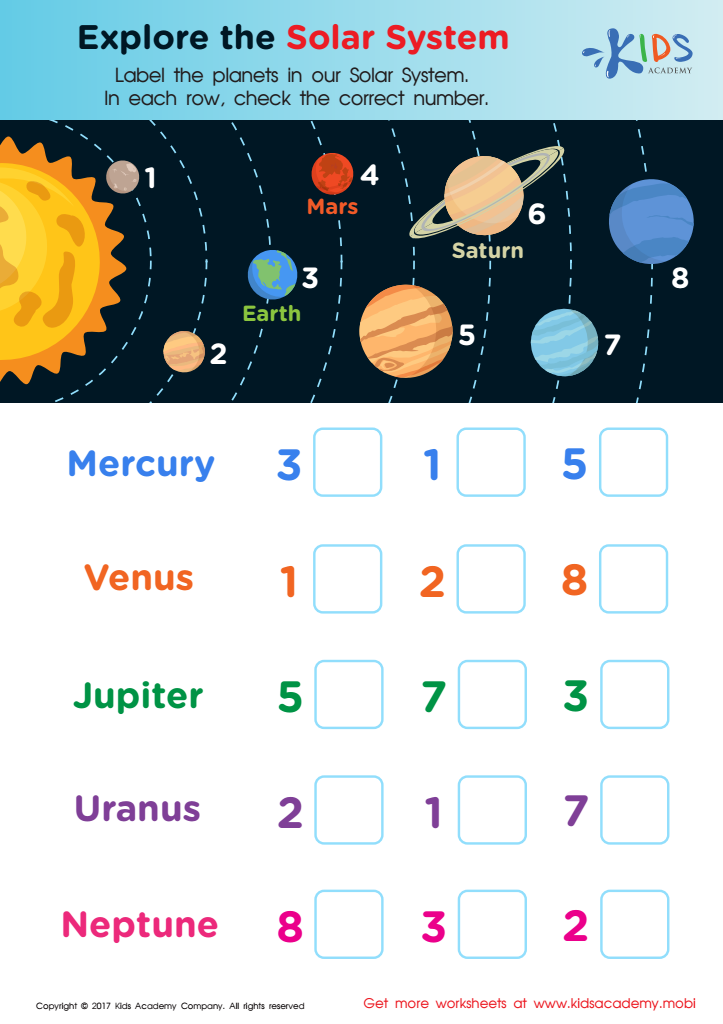
Solar System Planets Worksheet
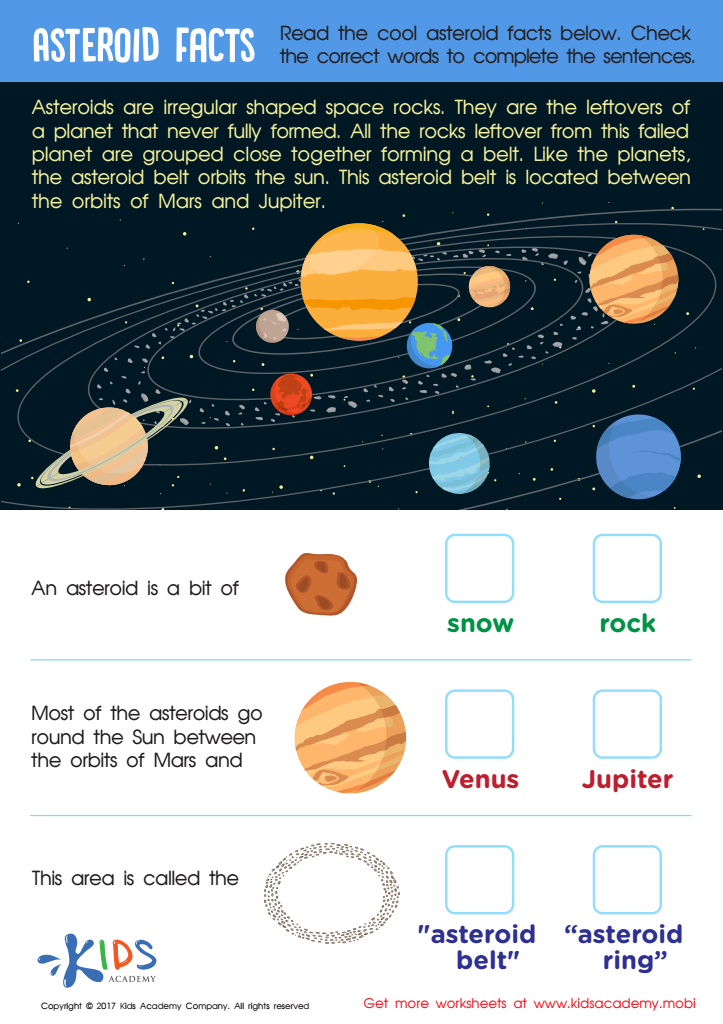
Asteroid Facts Worksheet
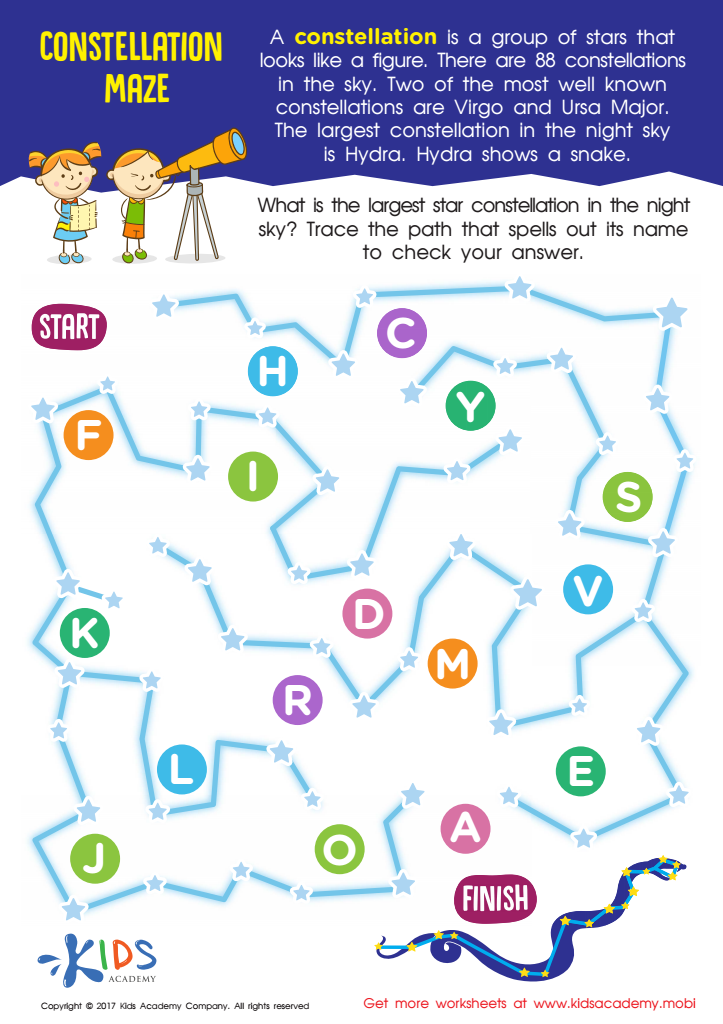
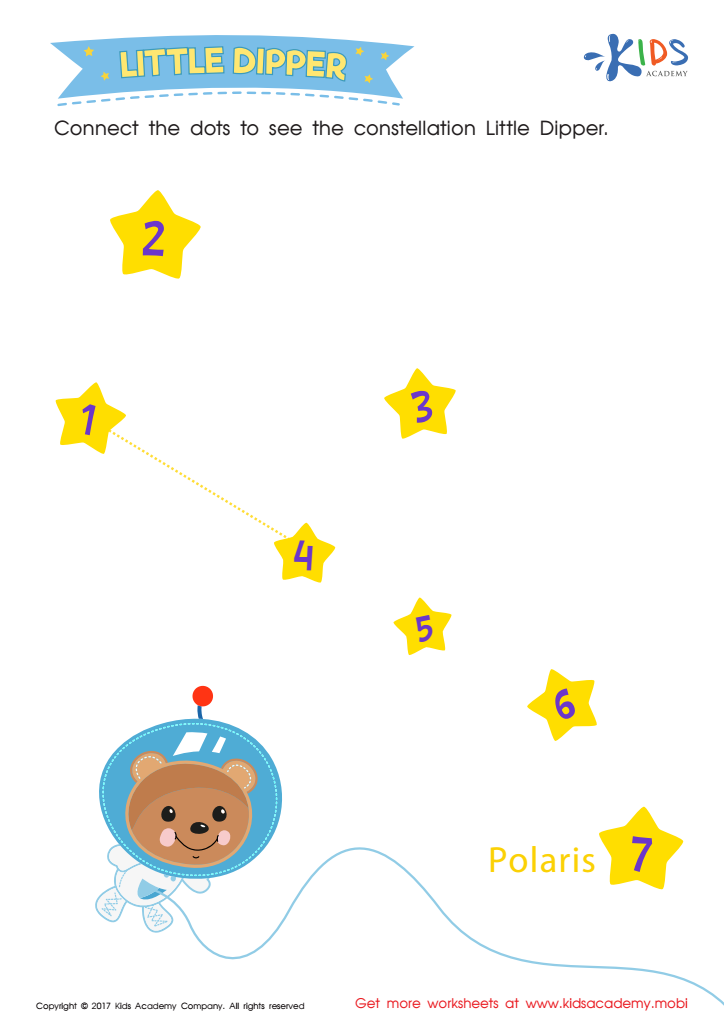
Constellations Worksheet
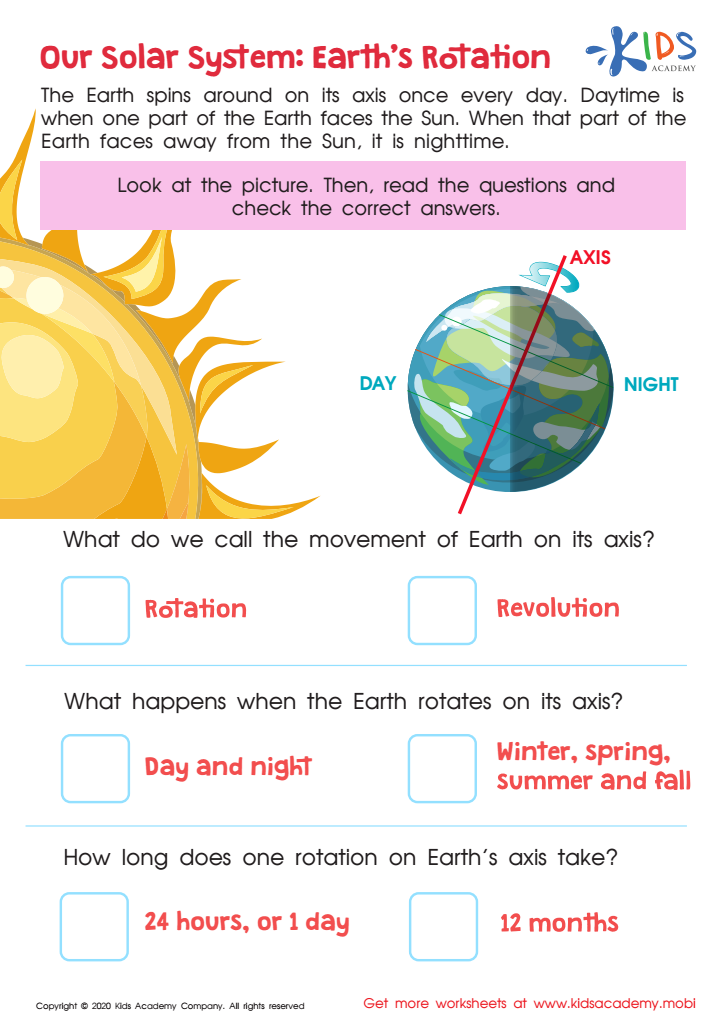
Our Solar System: Earth's Rotation Printable
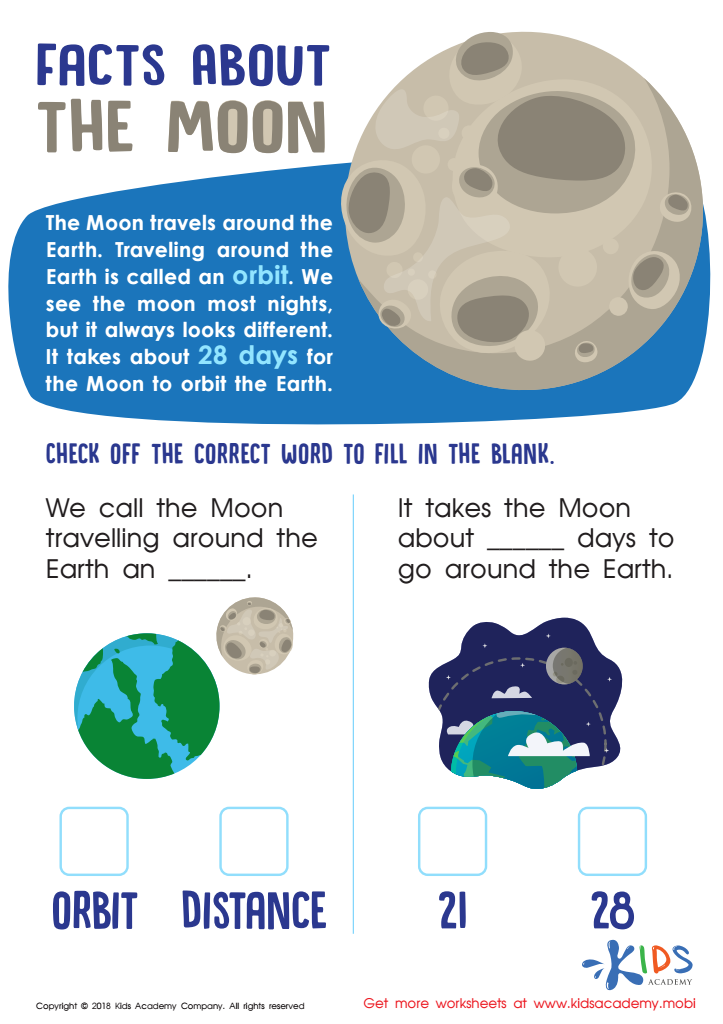
Facts About the Moon Worksheet
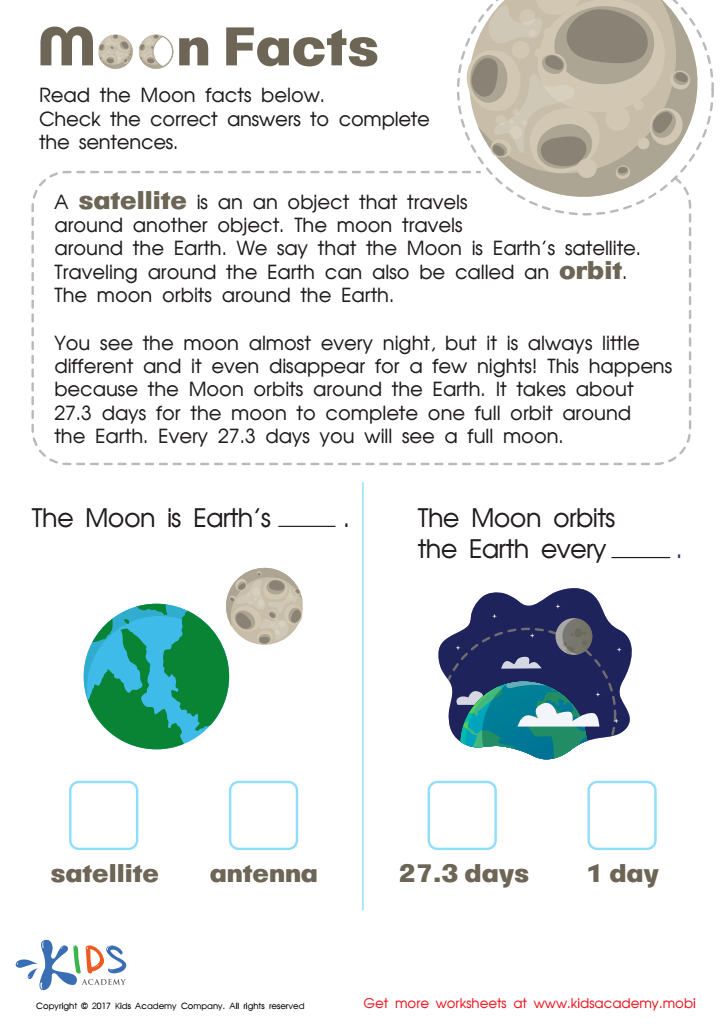
Moon Facts Worksheet
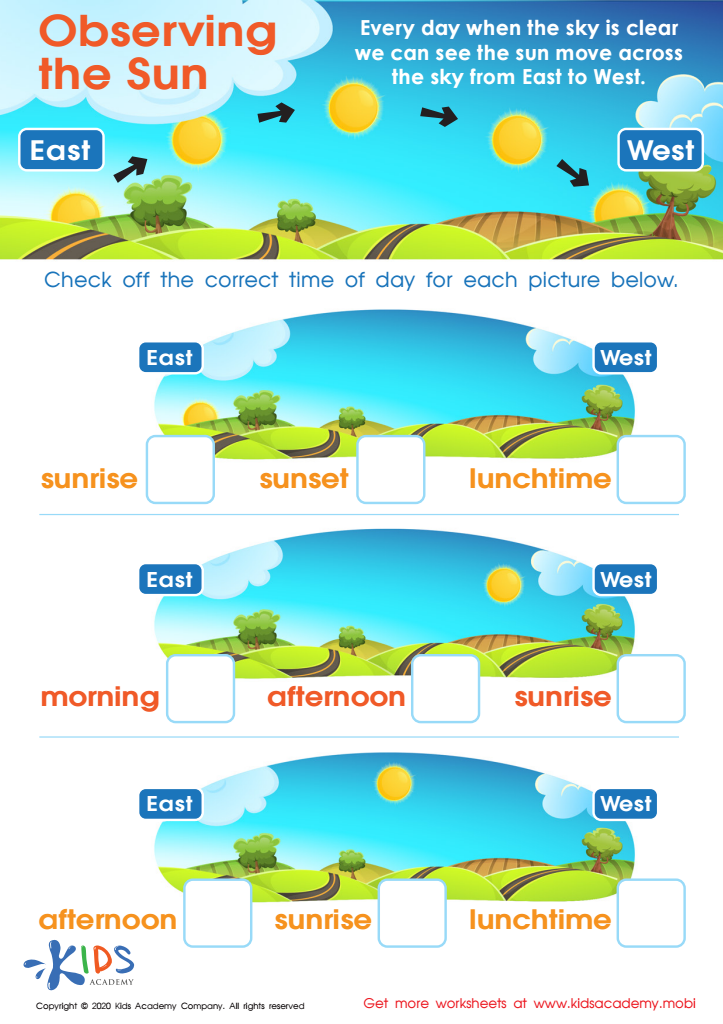
Observing the Sun Worksheet
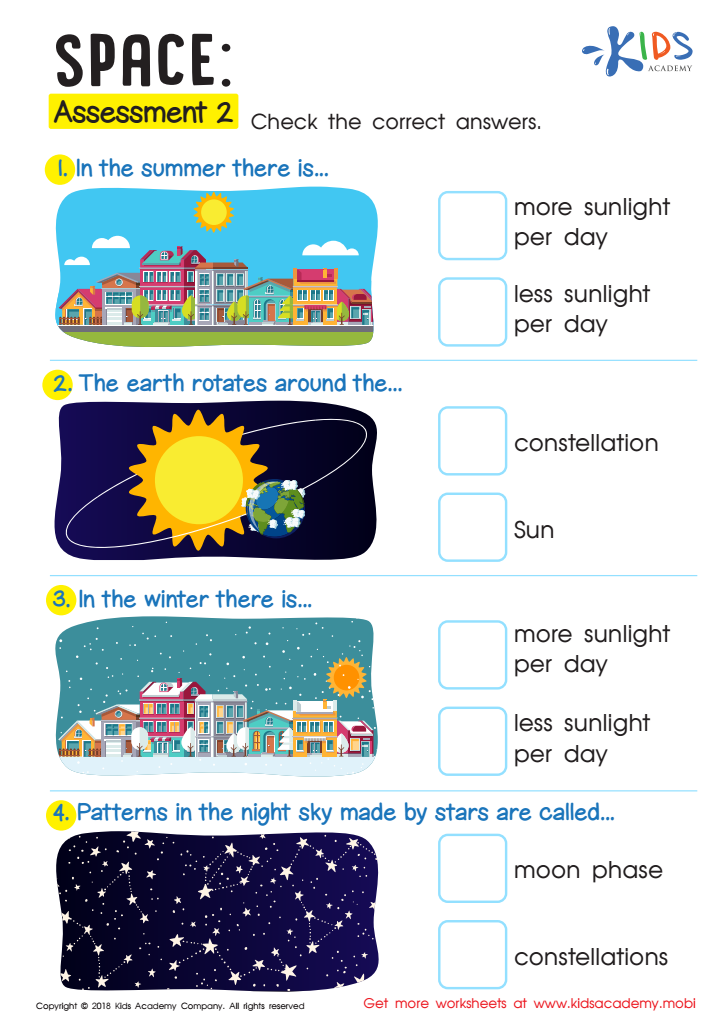
Space: Assessment 2 Worksheet
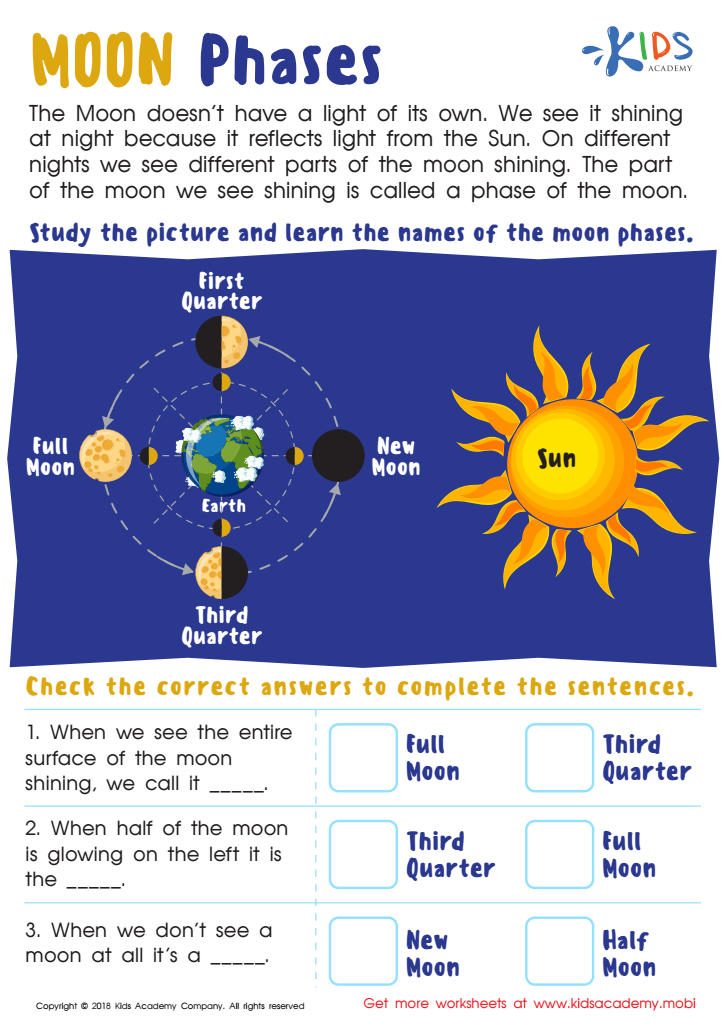
Moon Phases Worksheet
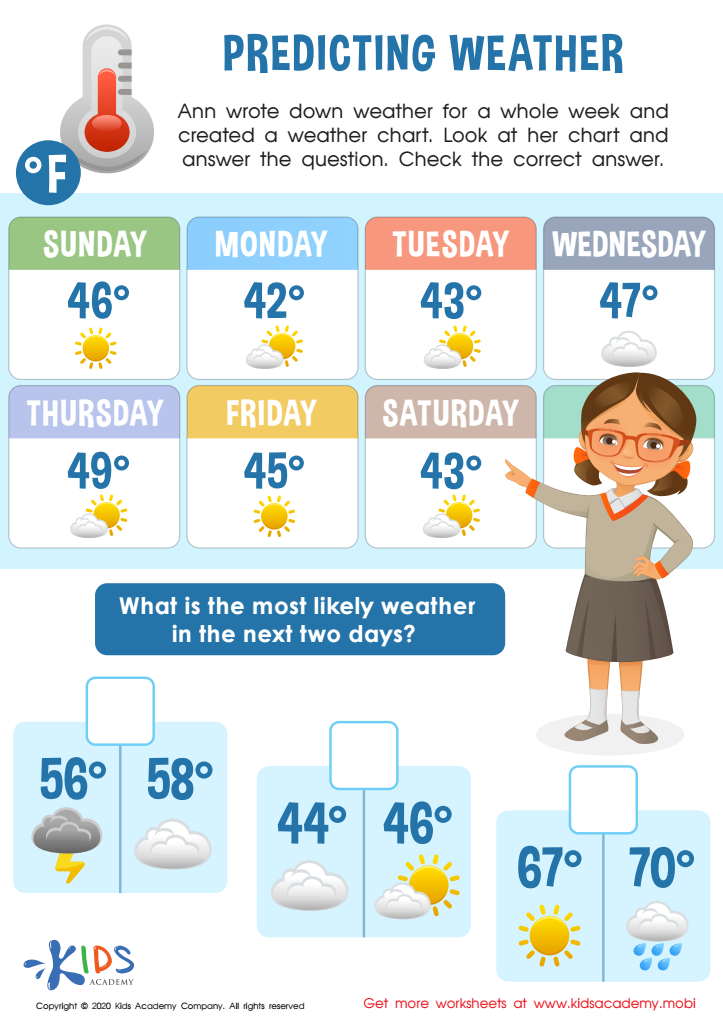
Predicting Weather Worksheet
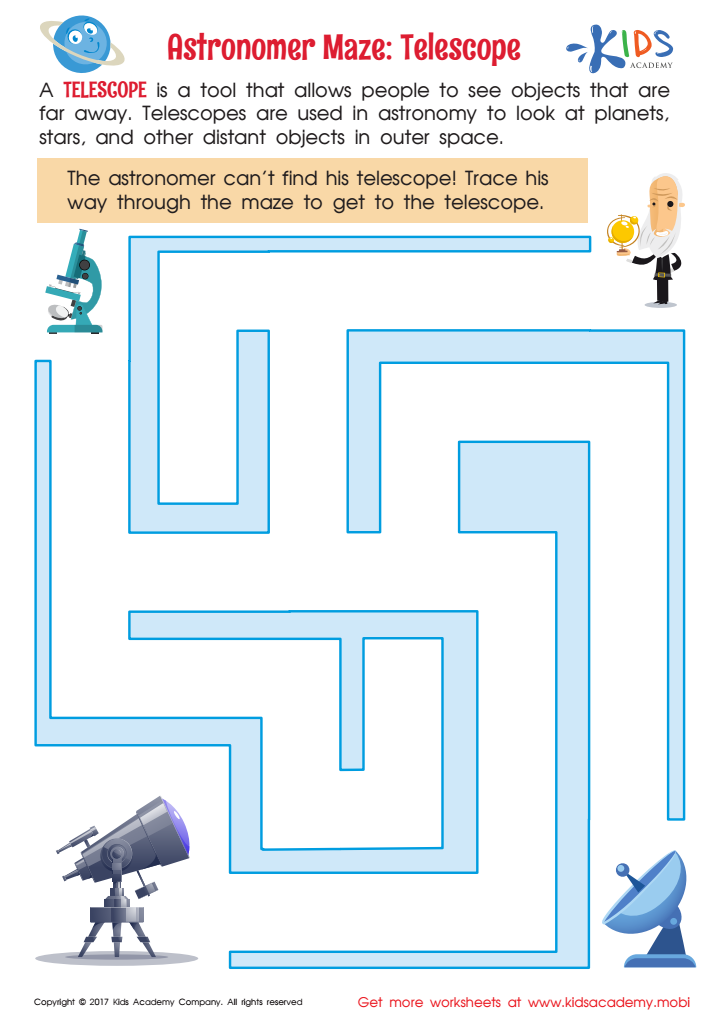
Astronomer Maze: Telescope Worksheet
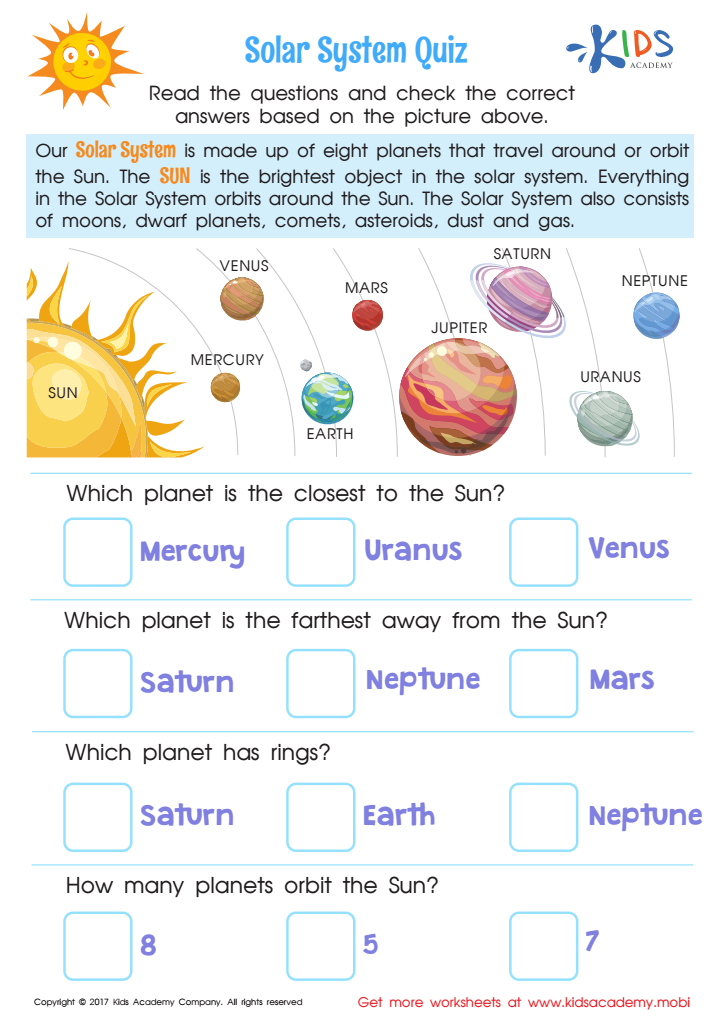
Solar System Quiz Printable
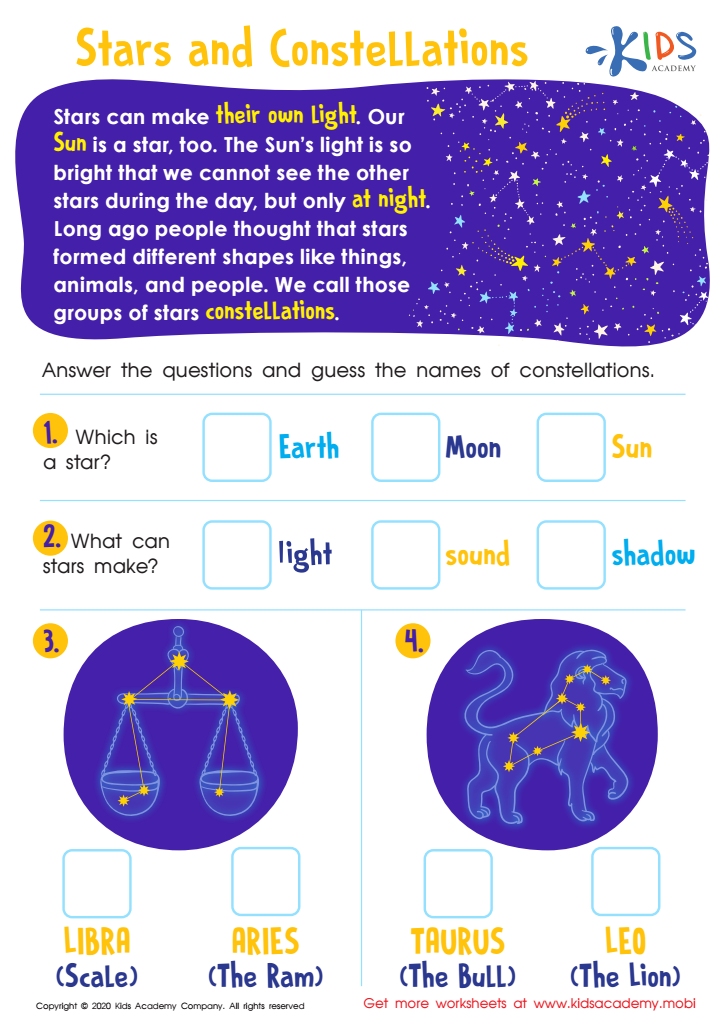
Stars and Constellations Worksheet
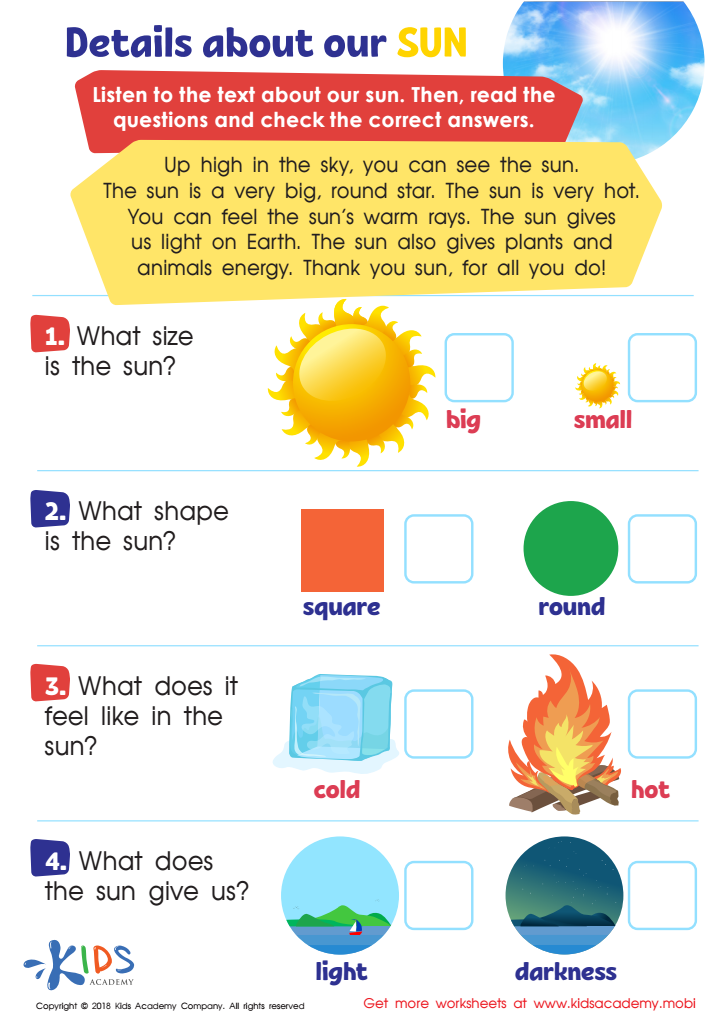
Details About Our Sun Worksheet






Understanding space is essential for children aged 4-9 as it sparks their natural curiosity and fosters a love for exploration and discovery. At this age, children are like sponges; they absorb information about the world around them, and introducing concepts related to space expands their horizons. Learning about the planets, stars, and the universe not only enhances their scientific literacy but also encourages critical thinking and problem-solving skills.
For parents and teachers, engaging children in space topics can also create memorable bonding experiences. Discussing the wonders of space travel, astronaut adventures, or distant galaxies can ignite imaginative play and storytelling, crucial for cognitive development.
Moreover, space education encourages teamwork and collaboration through group activities, like building model rockets or exploring the night sky. Children learn to communicate ideas, share discoveries, and support each other's interests.
Incorporating space into everyday learning also helps integrate subjects like math and art, providing a well-rounded educational experience. When parents and teachers actively engage with space exploration, they nurture creativity and foster an interest in STEM (Science, Technology, Engineering, and Math) fields, which are vital for future opportunities and innovations. Overall, space is more than just a topic; it’s a gateway to lifelong learning.







