Community Worksheets for Ages 4-9 - Page 6
126 filtered results
-
From - To
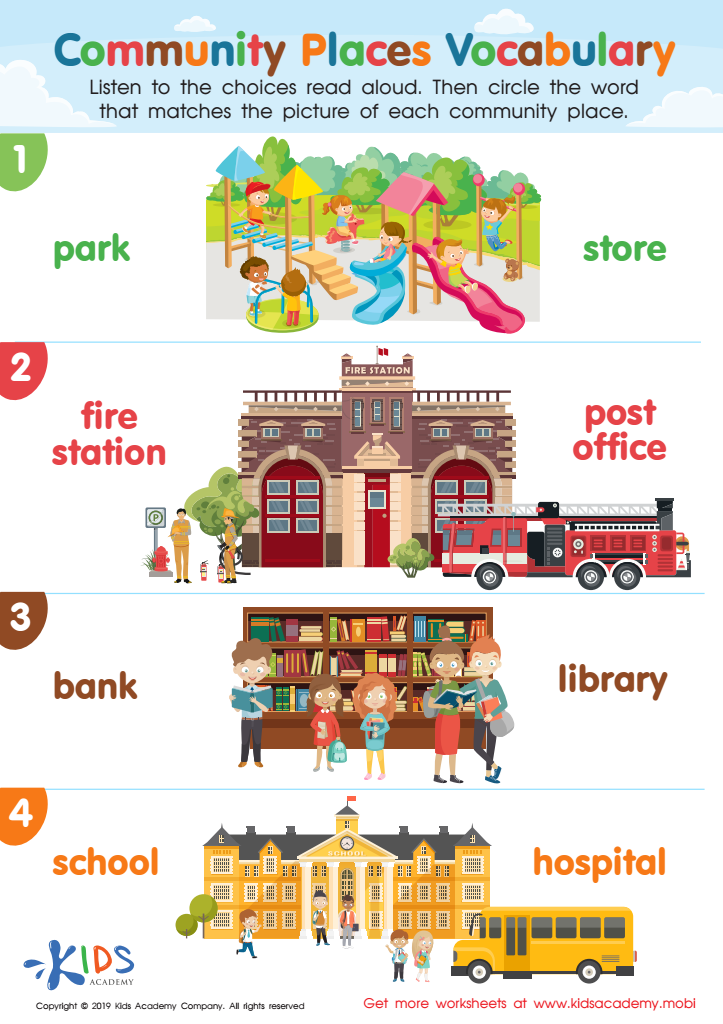
Community Places Vocabulary Worksheet
 Assign to My Students
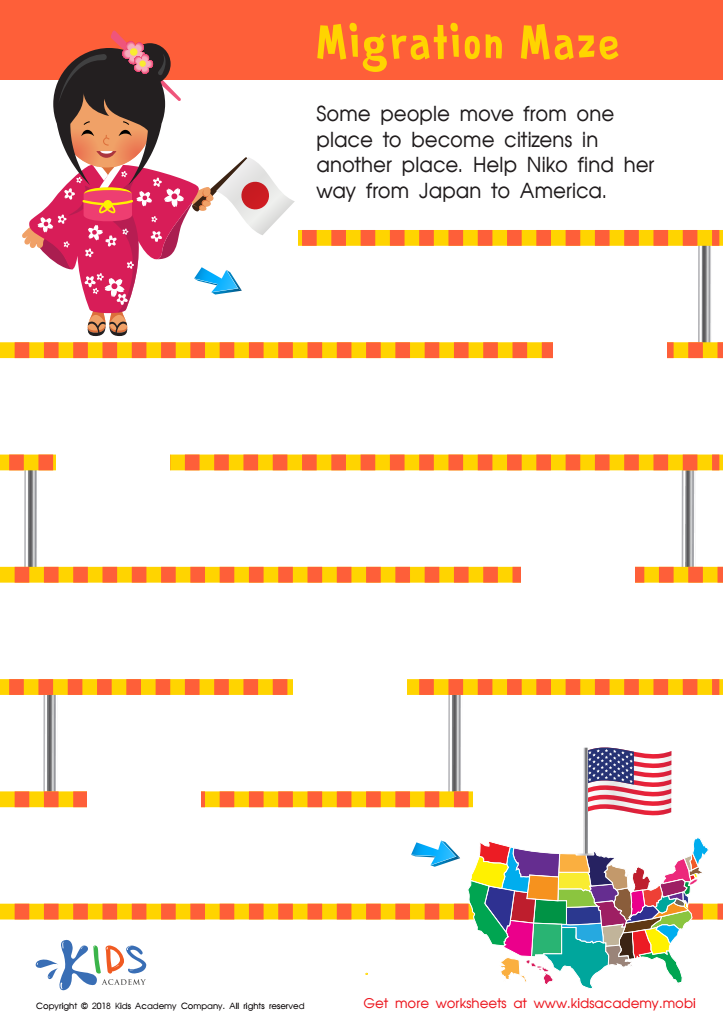
Migration Maze Worksheet
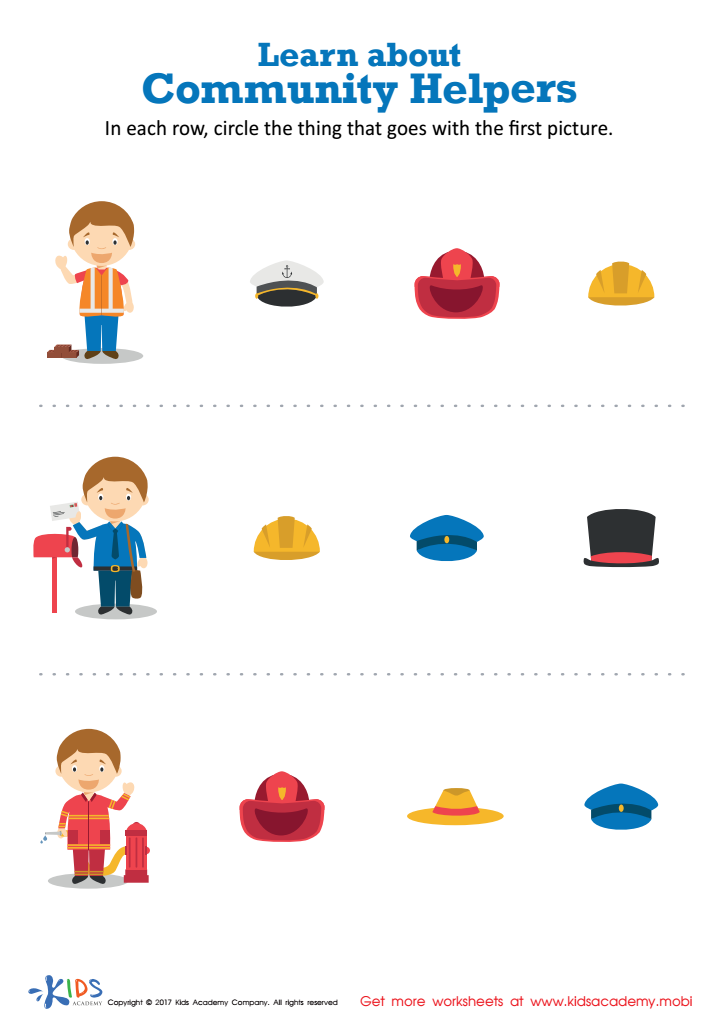
Learn about Community Helpers Printable
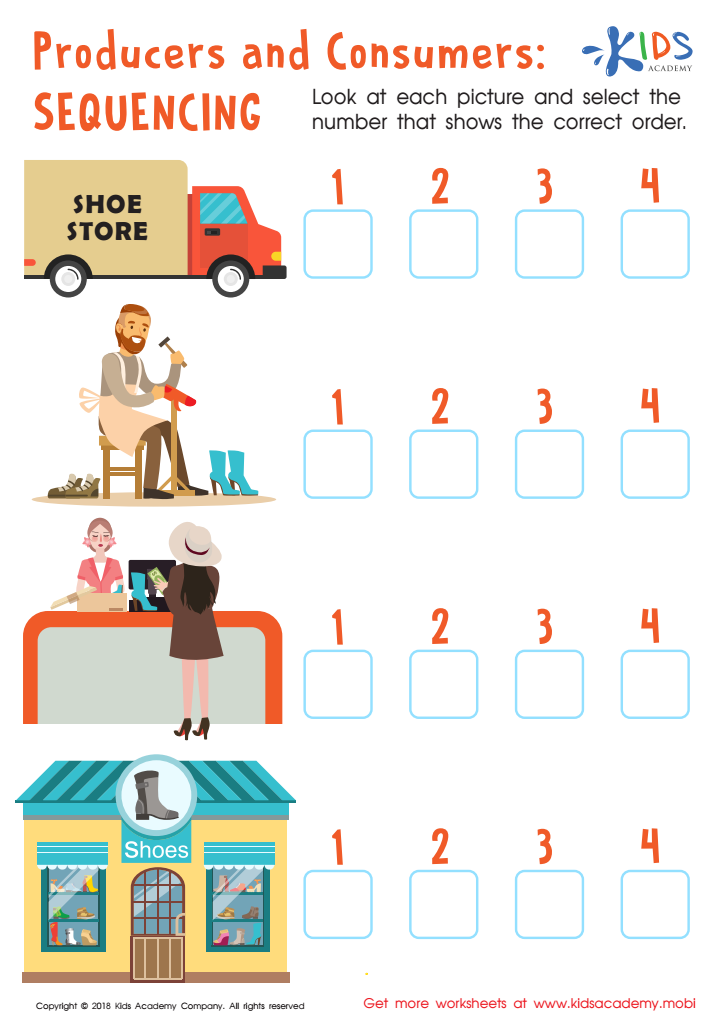
Producers and Consumers: Sequencing Worksheet
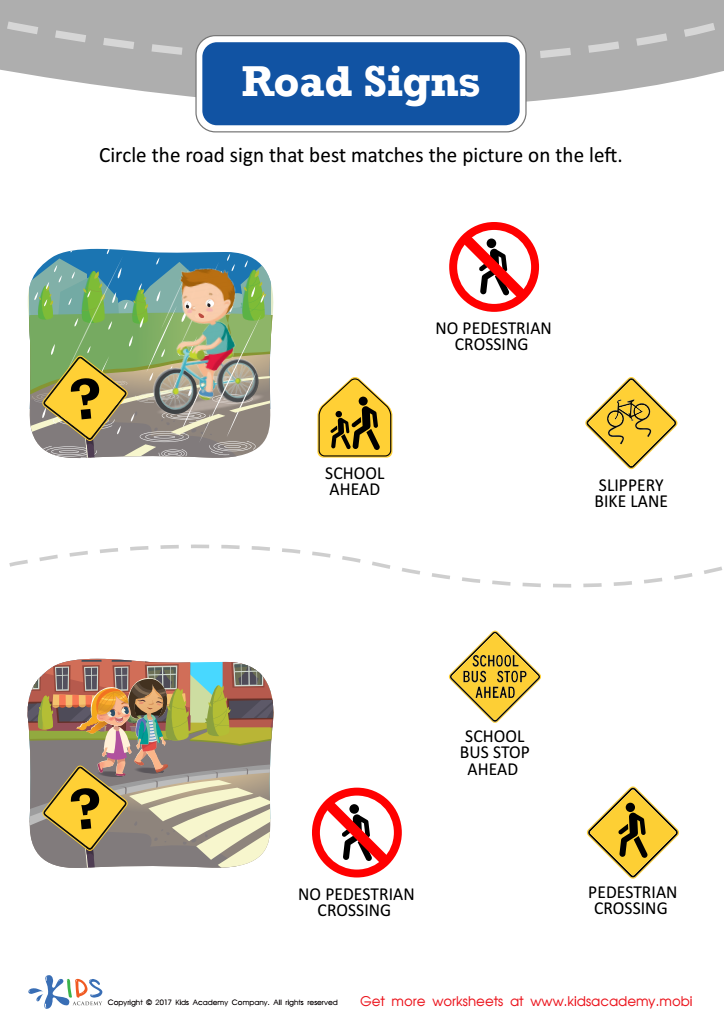
Road Signs (Part 2) Printable
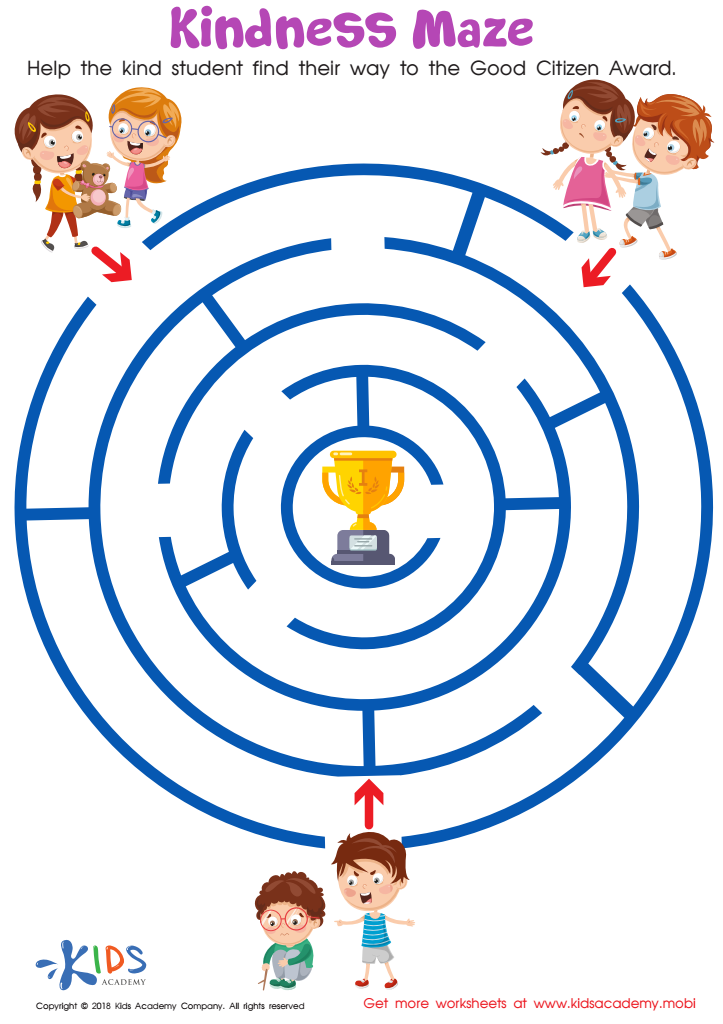
Kindness Maze Worksheet








Parents and teachers should care about community for children ages 4-9 because it plays a crucial role in their developmental, social, and emotional growth. At this young age, children are beginning to form their identities and understanding of the world around them. A supportive community provides a safe environment where kids can explore, make friends, and feel a sense of belonging.
Engaging in community activities teaches children values such as cooperation, empathy, and respect for others. When children participate in group activities, they learn vital social skills, such as sharing, communication, and problem-solving. These experiences set the foundation for positive interactions throughout their lives.
Moreover, community involvement helps children build a network of support. When parents and educators work together within a community, they create a robust support system that reinforces positive behaviors and shared values. This collaboration fosters stronger relationships between families, schools, and local organizations.
In essence, a positive community instills a sense of responsibility and citizenship in young children, encouraging them to contribute positively to society. Therefore, both parents and teachers play a pivotal role in cultivating that community spirit, ensuring children thrive socially and emotionally.








