
Number Sequencing Worksheets for 4-Year-Olds
19 filtered results
Difficulty Level
Grade
Age
-
From - To
Subject
Activity
Standards
Welcome to our engaging Number Sequencing Worksheets for 4-Year-Olds! Designed to spark your child’s curiosity and enhance their math skills, these worksheets provide fun, interactive ways for little learners to grasp essential number concepts. Through colorful illustrations and various activities, kids will practice ordering numbers, identifying patterns, and developing critical thinking. These resources not only promote cognitive growth but also encourage fine motor skills as children trace and craft their responses. Perfect for parents and educators alike, our worksheets make learning number sequences enjoyable, fostering a strong mathematical foundation for future success. Discover the joy of learning with our Number Sequencing Worksheets today!
Favorites
With answer key
Interactive
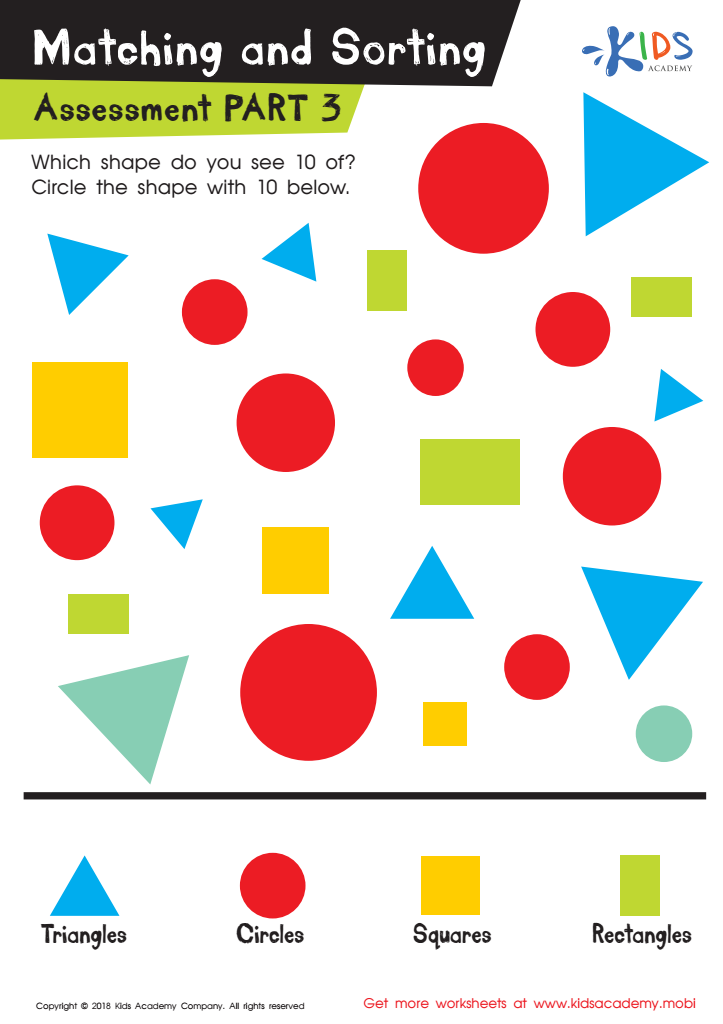
Matching and Sorting for Kindergarten: Assessment 3 Worksheet
Assess your child's basic geometry skills and properties with a colorful worksheet! Utilize visual discrimination and number sense to identify groups of ten and sort objects by bold colors. Challenge them to differentiate shapes and sizes.
 Assign to My Students
Matching and Sorting for Kindergarten: Assessment 3 Worksheet
Worksheet
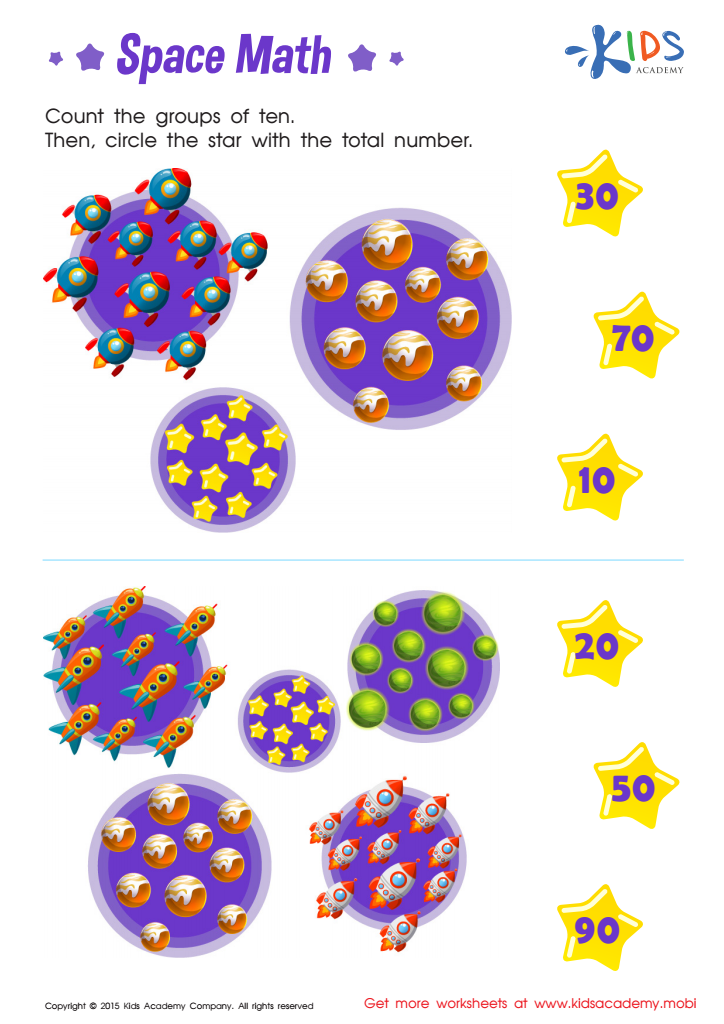
Learn dozens: Space math Worksheet
This worksheet uses Singapore Math's approach to help your child visually understand basic counting and math problems.
Learn dozens: Space math Worksheet
Worksheet
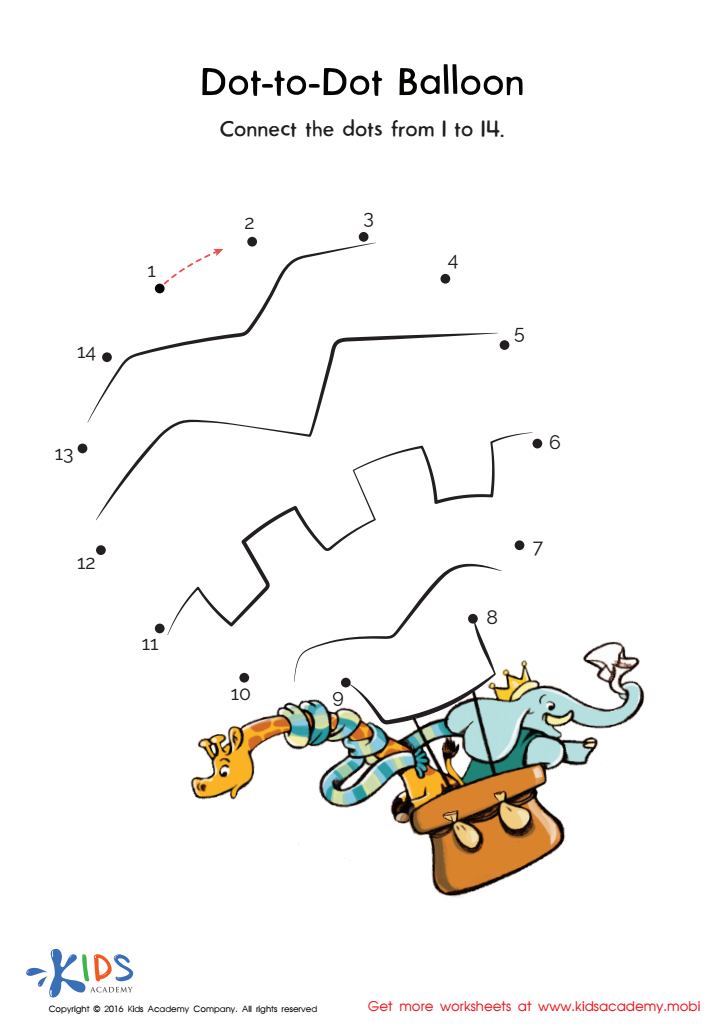
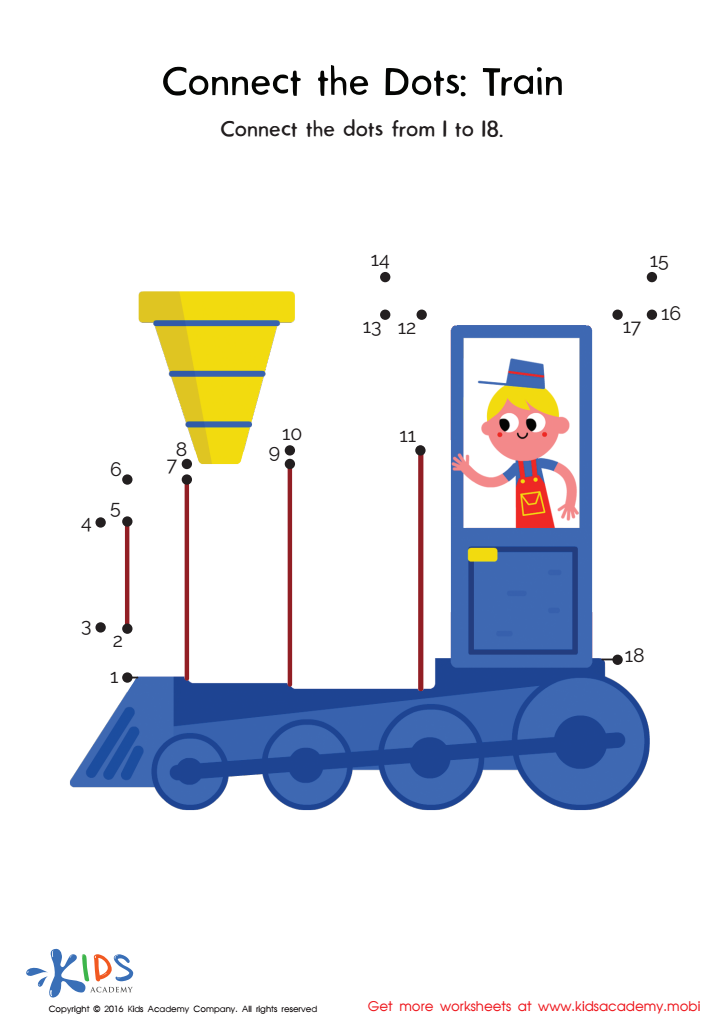
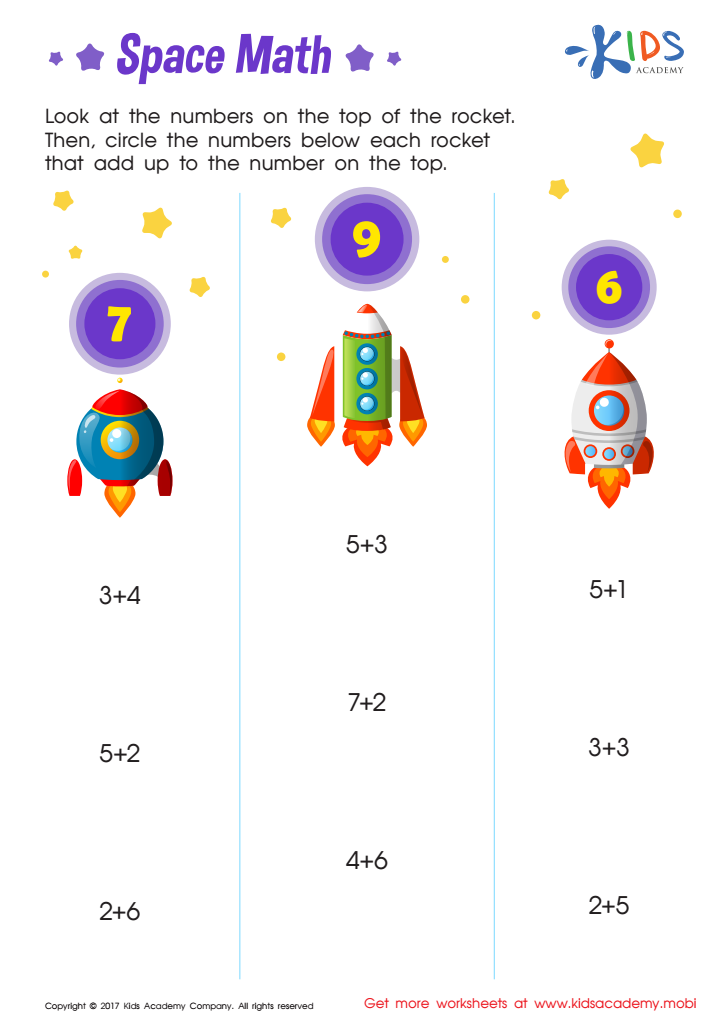
Addition: Space Math Worksheet
Fun and engaging space-themed practice with vivid pictures and matching numbers will make learning more meaningful. Take their math skills out of this galaxy today with Kids Academy!
Addition: Space Math Worksheet
Worksheet
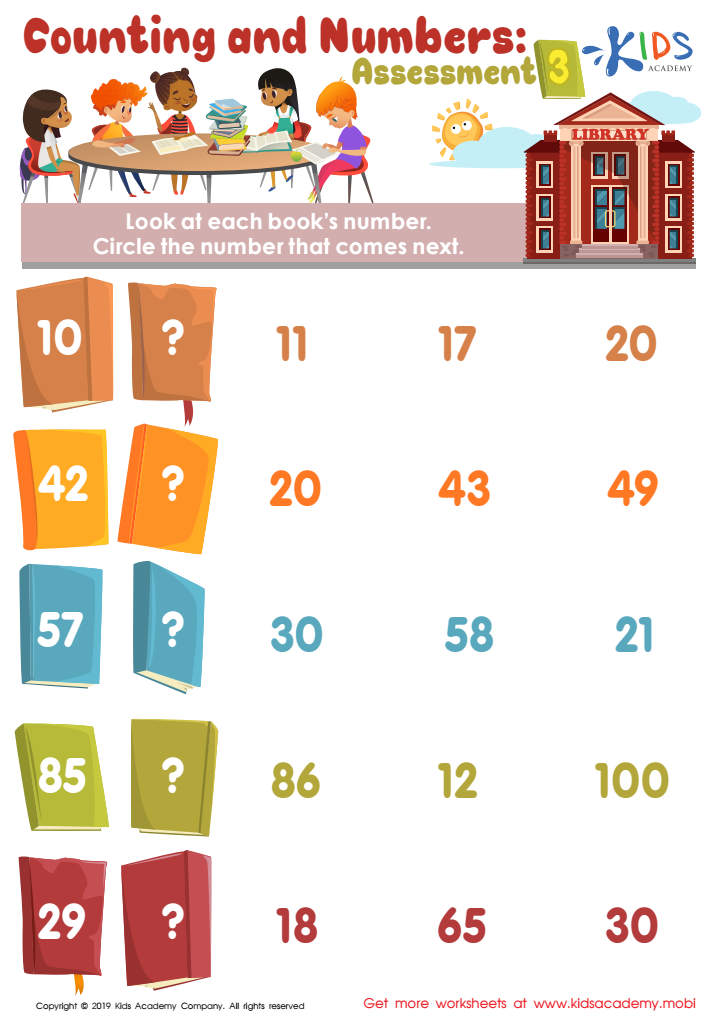
Counting and Numbers: Assessment Worksheet
Number line thinking is an essential math skill. Kids using this skill can compute math problems accurately and quickly. Our free assessment tests number line recognition; have your child pick the right number from the given options to follow the current number on the line. This assessment will give you an idea of their counting skills.
Counting and Numbers: Assessment Worksheet
Worksheet
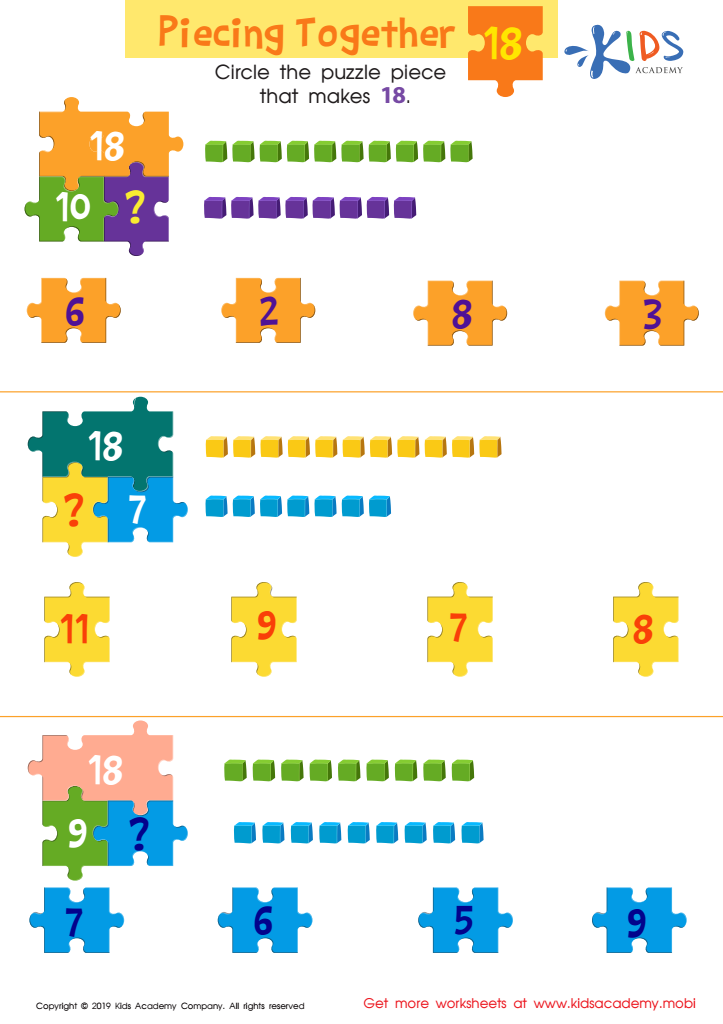
Piecing Together 18 Worksheet
Let your preschoolers learn and have fun with this colorful worksheet. Look at the picture with them and ask what they see. Help them solve the equations missing on each puzzle piece and then circle the one that will make the bottom puzzle piece numbers equal 16. Puzzles and bright colors make learning easy and enjoyable!
Piecing Together 18 Worksheet
Worksheet
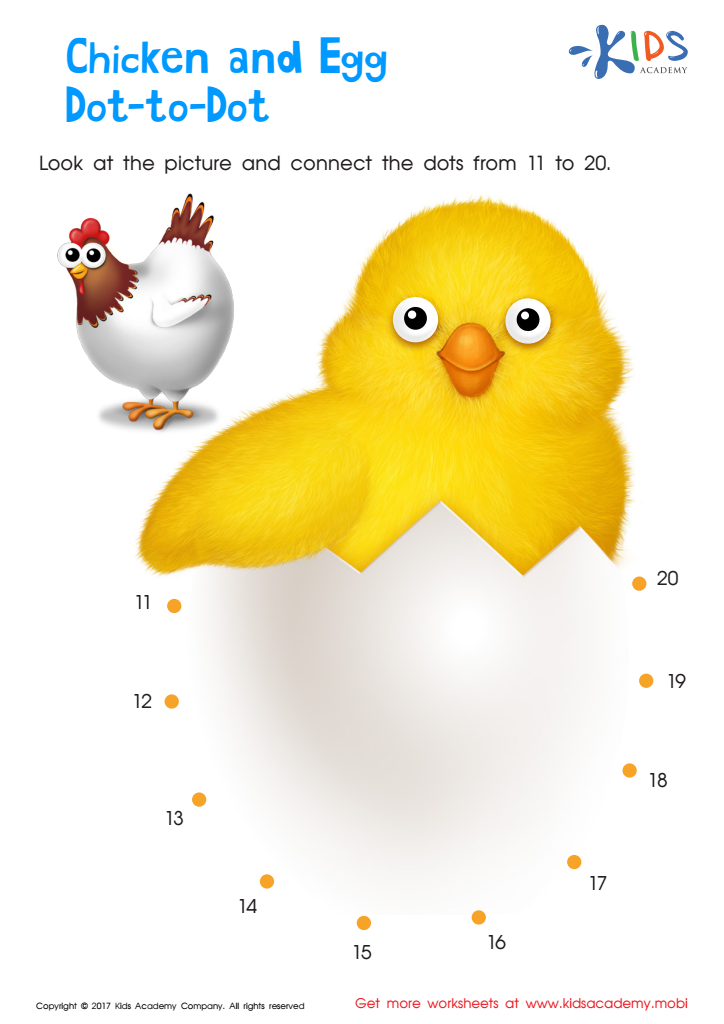
Ordering 11–20: Chicken & Egg Dot–to–dot Worksheet
Help your child hatch the chick and practice their counting skills with this dot to dot worksheet – the chicken came first! Connect the dots 11-20 to have fun and learn at the same time. Experience meaningful practice and gain confidence while drawing great pictures.
Ordering 11–20: Chicken & Egg Dot–to–dot Worksheet
Worksheet
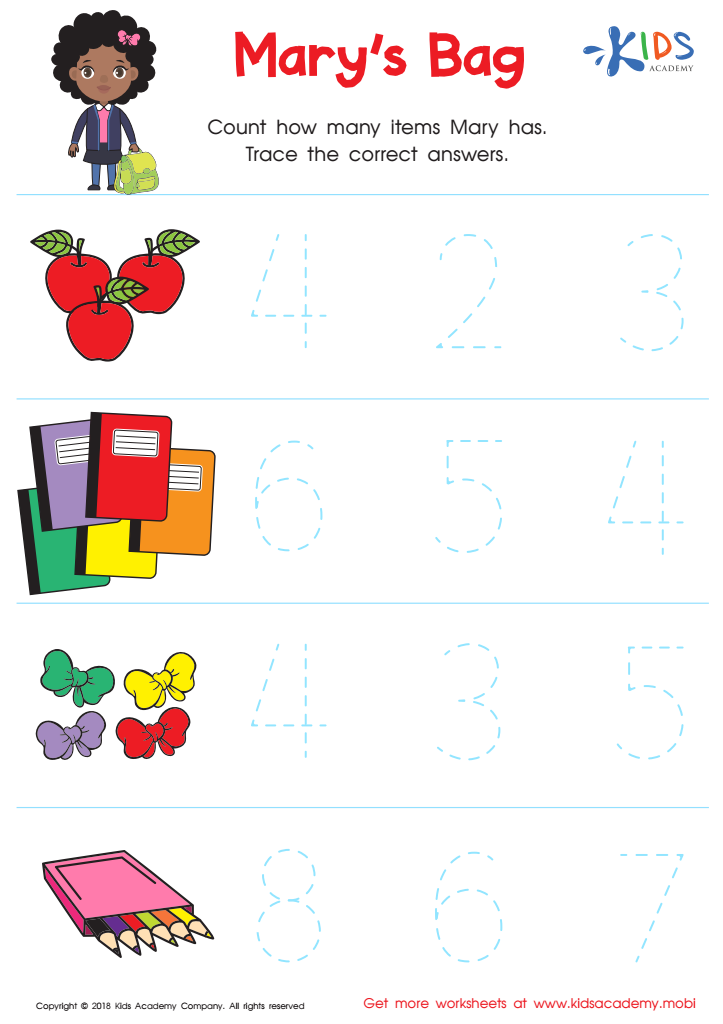
Kindergarten Number Tracing: Mary's Bag Worksheet
Counting and writing skills are honed with this kindergarten tracing worksheet. Guide Mary in counting the items in her bag then trace the correct number for each. Your child will get a great head start on essential kindergarten skills!
Kindergarten Number Tracing: Mary's Bag Worksheet
Worksheet
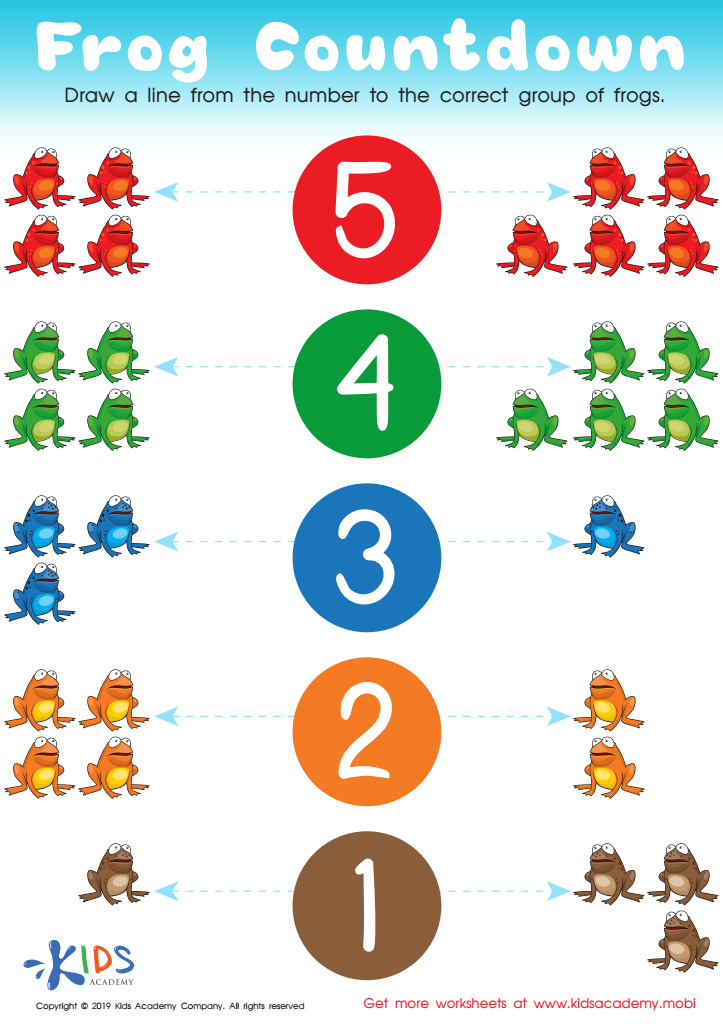
Frog Countdown Worksheet
Make learning fun for kids with traceable printouts! This exercise has kids counting frogs and drawing a line to match the number. Expand their knowledge with activities like this, beyond the basics they learn in school. Help them explore new ways of learning and make it enjoyable.
Frog Countdown Worksheet
Worksheet
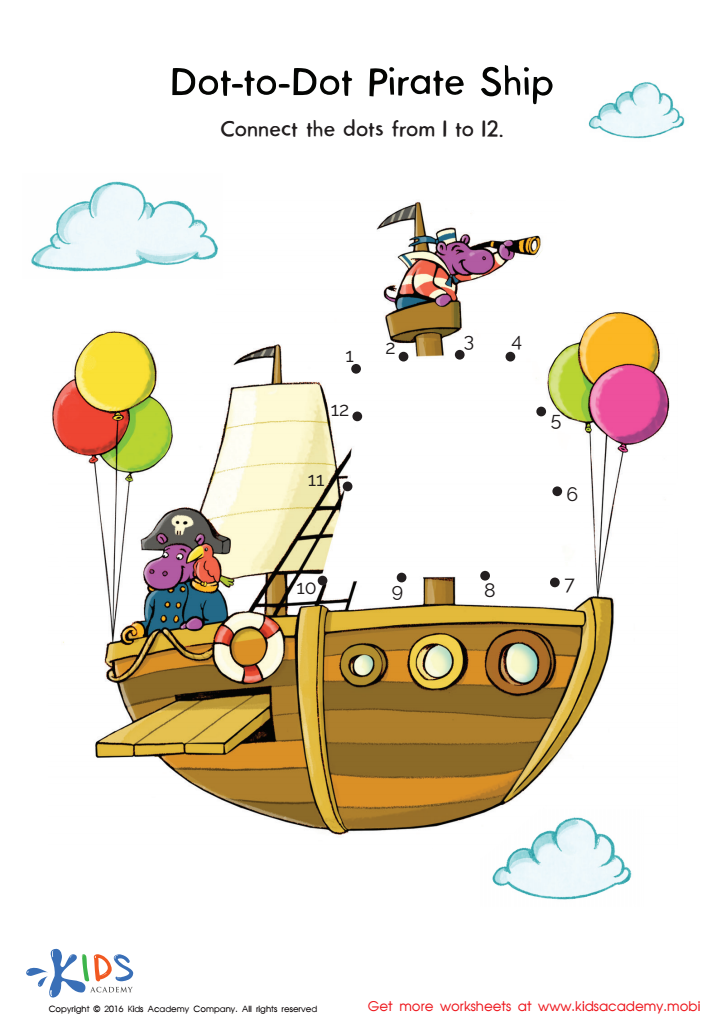
Pirate Ship Connect Dots Worksheet
Encourage your child's creativity with this pirate dot to dot! They'll connect the dots to craft a ship and then decorate the sail. This worksheet will help them practice numeracy, counting, and other reasoning skills. Once they understand how the dots come together to make a picture, they'll be motivated to move on to tougher challenges.
Pirate Ship Connect Dots Worksheet
Worksheet
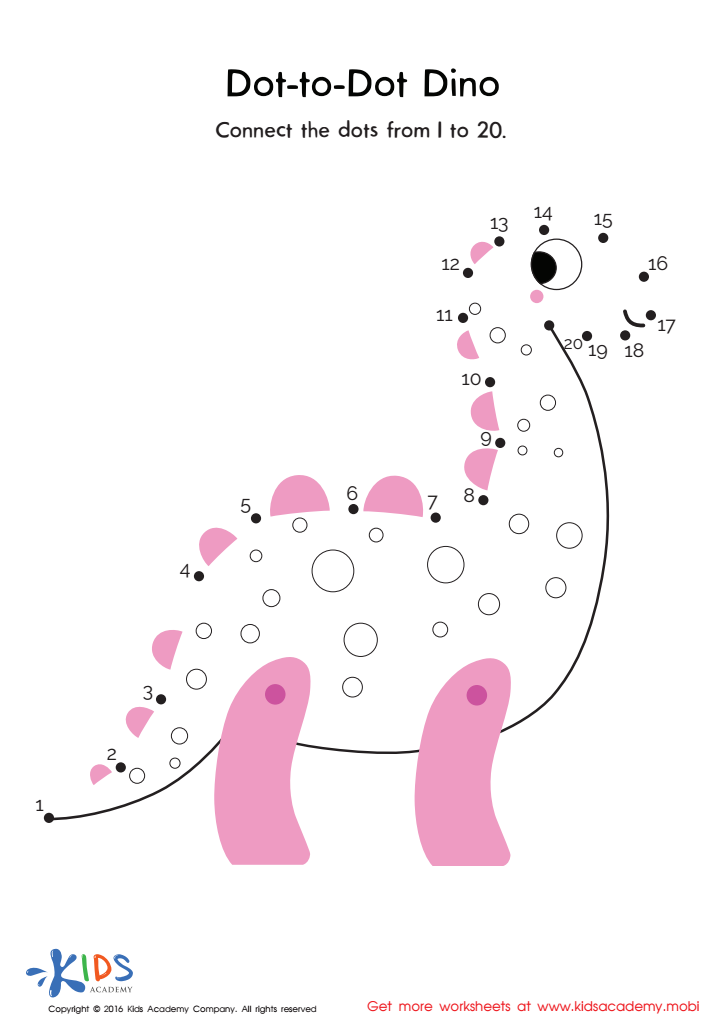
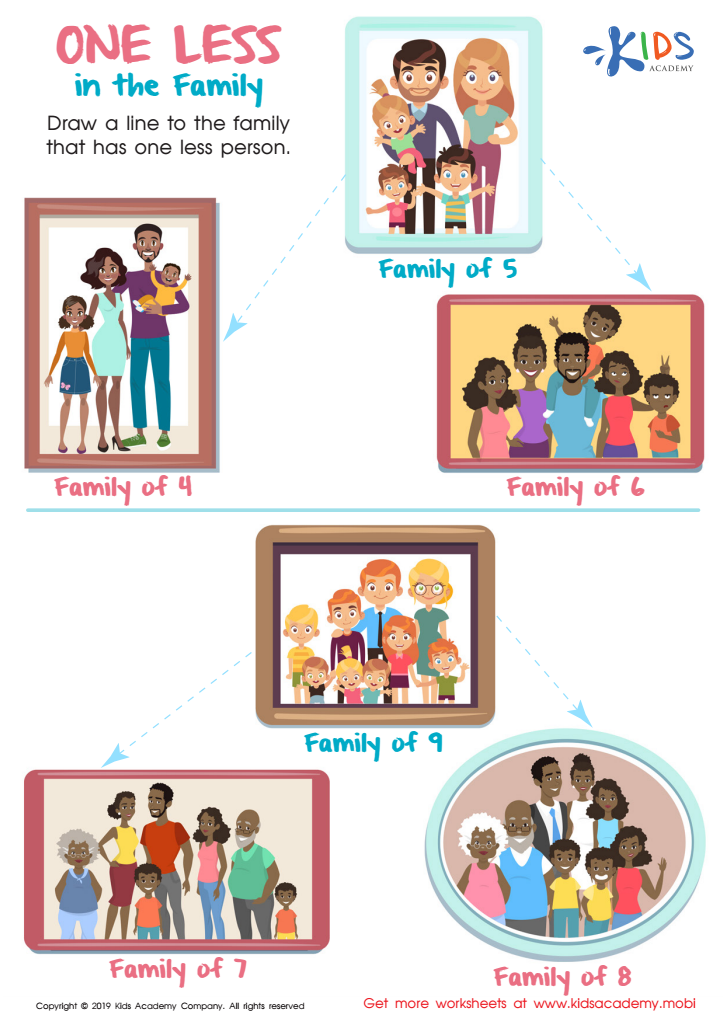
One Less in the Family Worksheet
How many people are in your family? Can your little ones count and tell you? A family usually consists of a mum, dad and kids, but may also include grandparents, uncles, aunties and cousins. This worksheet has pictures of different families; help your kids count the members and draw a line to the one with one less person.
One Less in the Family Worksheet
Worksheet
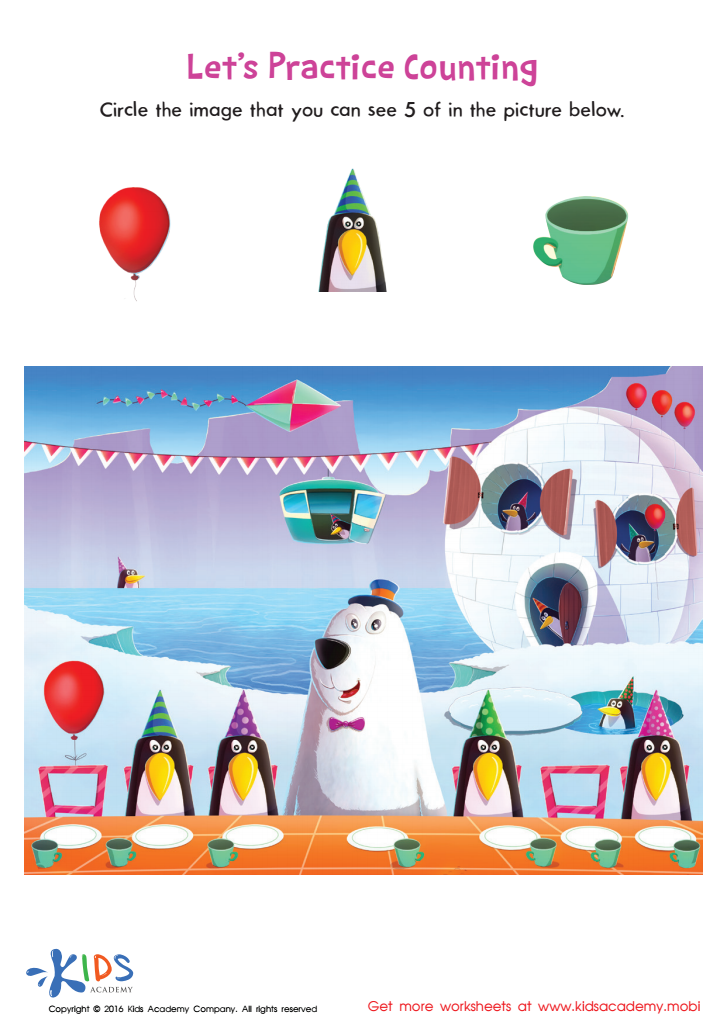
Counting Worksheet: Let's Practice Counting
Celebrate with the Arctic animals! This fun counting worksheet will help your child hone counting, problem-solving and attention skills. Let them explore important concepts through a process of elimination as they help the animals count guests and supplies. A great way to learn and have fun!
Counting Worksheet: Let's Practice Counting
Worksheet
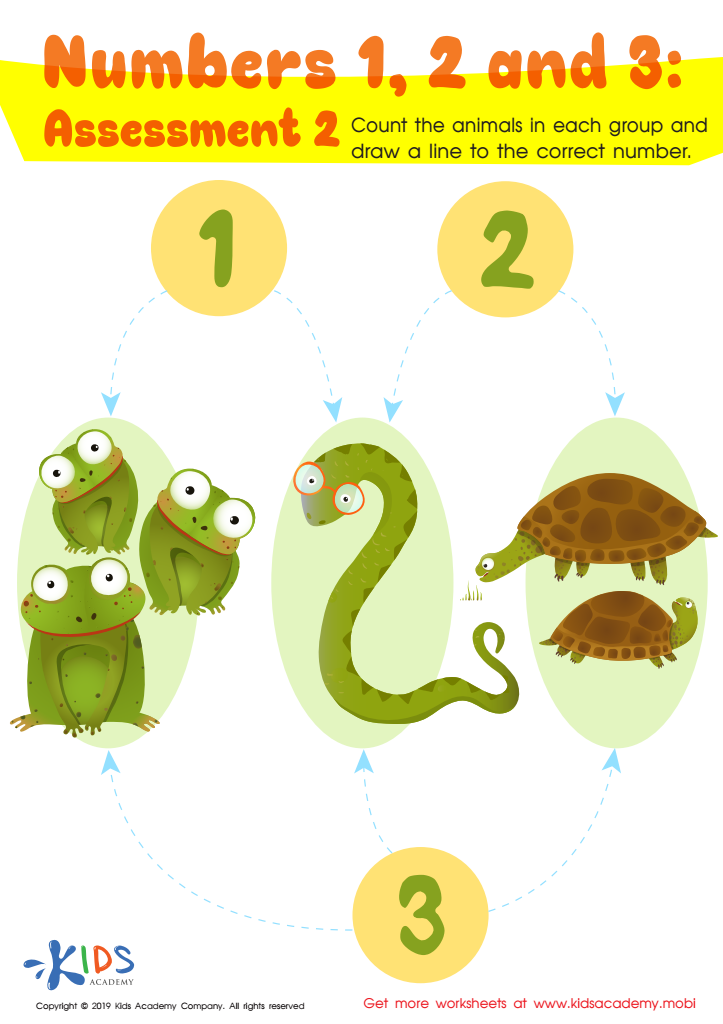
Numbers 1, 2 and 3: Assessment 2 Worksheet
Introduce your young student to some new friends! With traceable lines and adorable pictures, they'll practice matching numbers and pictures while strengthening number and counting skills. They'll also work on their fine-motor ability, but they'll just think they're having fun with loopy lines.
Numbers 1, 2 and 3: Assessment 2 Worksheet
Worksheet
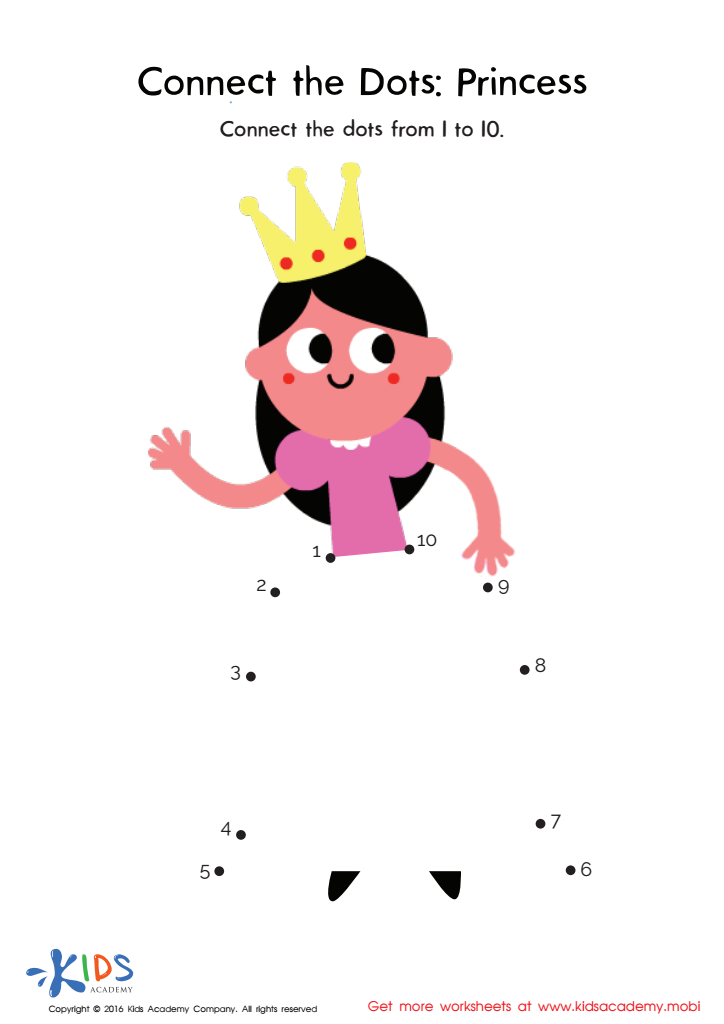
Princess Connect Dots Worksheet
Kids love fairy tales and their enchanting characters. With this princess connect the dots worksheet, your child will practice recognizing numbers, boost creativity, and find out that following the numbers leads to a beautiful picture. After connecting the dots, let your child decorate the princess’ dress for even more fun. It's a great way for kids to practice skills with plenty of fun and joy!
Princess Connect Dots Worksheet
Worksheet
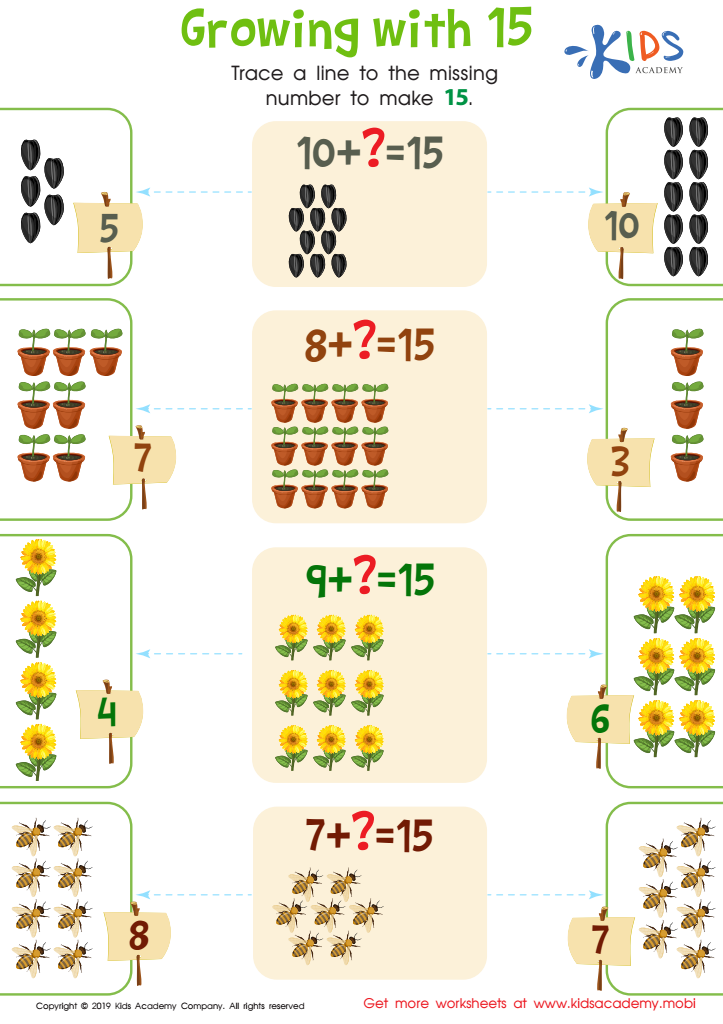
Growing with 15 Worksheet
Remind your kids that adding different sets of numbers can give the same total (e.g. 2+3=5, 4+1=5). Test their understanding by asking them for more examples. Move onto the worksheet: count objects, then trace the line to the number making a total of 15.
Growing with 15 Worksheet
Worksheet
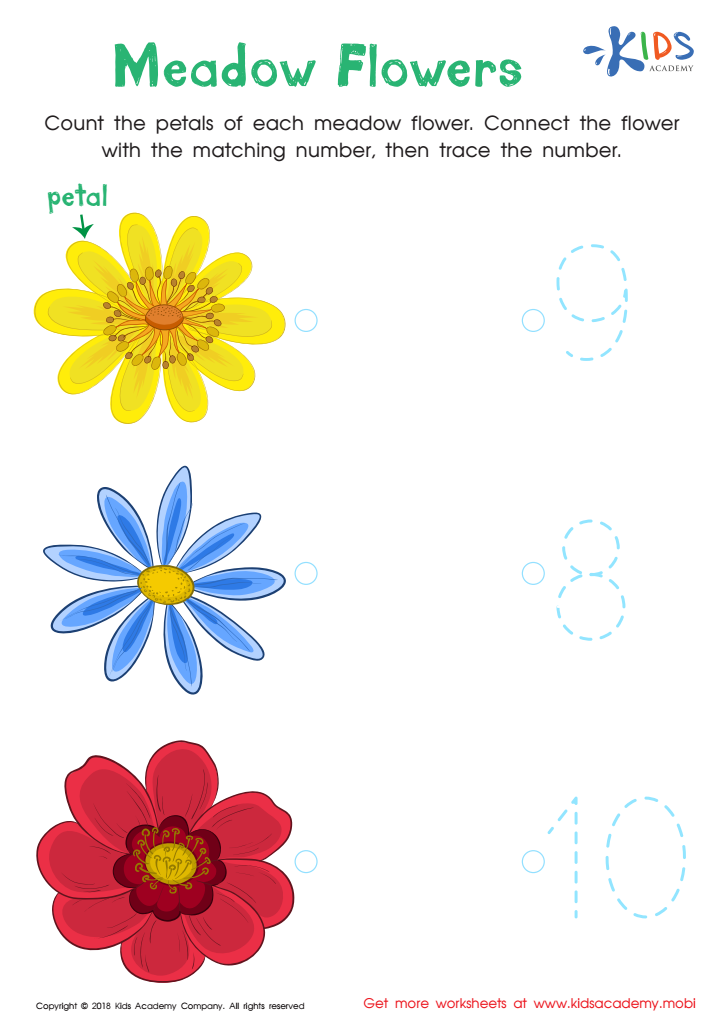
Kindergarten Number Tracing: Medow Flowers Worksheet
Take your child to the garden to count flower petals and trace numbers with this fun kindergarten PDF worksheet. They'll learn to count and write, all while enjoying the sweet scent of the flowers.
Kindergarten Number Tracing: Medow Flowers Worksheet
Worksheet
Join Kids Academy for Free
Who is primarily going to use this learning content?







Number sequencing is a critical developmental skill for 4-year-olds, and both parents and teachers should prioritize it in early education. Understanding number sequences lays the foundation for mathematical concepts such as addition, subtraction, and problem-solving, which become increasingly important in later years. When children can recognize patterns and the order of numbers, they are better equipped to make sense of relationships within numbers and develop a strong number sense.
Overlooking number sequencing can lead to difficulties in grasping more complex mathematical ideas, potentially causing frustration and disengagement in future learning. Additionally, preschoolers are naturally drawn to rhythms and patterns in language, making number sequencing a fun and engaging activity that blends play with learning.
Incorporating number sequencing into daily routines can enhance cognitive and language development. Activities such as counting objects, singing nursery rhymes, or putting numbers in order foster not just mathematical skills but also critical thinking and memory. Engaging parents and teachers in this essential aspect of early math education creates a collaborative approach to learning that supports a child's education holistically, ensuring they build a strong foundation for future academic success. Thus, both parents and teachers play key roles in nurturing these necessary skills.








