Letter E Worksheets for Ages 5-7
5 filtered results
-
From - To
Welcome to our engaging "Letter E Worksheets for Ages 5-7"! Designed to promote early literacy, these printable resources provide a fun and interactive way for children to explore the letter E. Featuring a variety of activities, your child will enhance their recognition, writing, and phonics skills through tracing, matching, and coloring exercises. Our worksheets not only make learning enjoyable but also help develop fine motor skills essential for writing. Perfect for both classroom use and home learning, these resources ensure your little learner builds a strong foundation in reading and writing. Explore our collection and inspire a love for learning today!
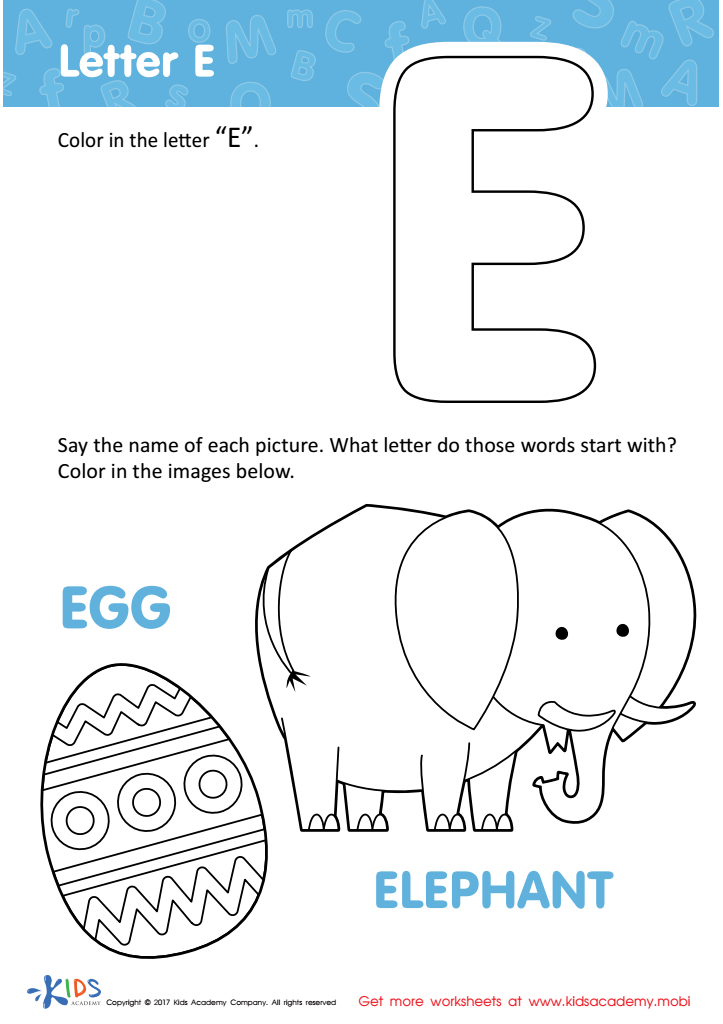
Letter E Coloring Sheet
 Assign to My Students
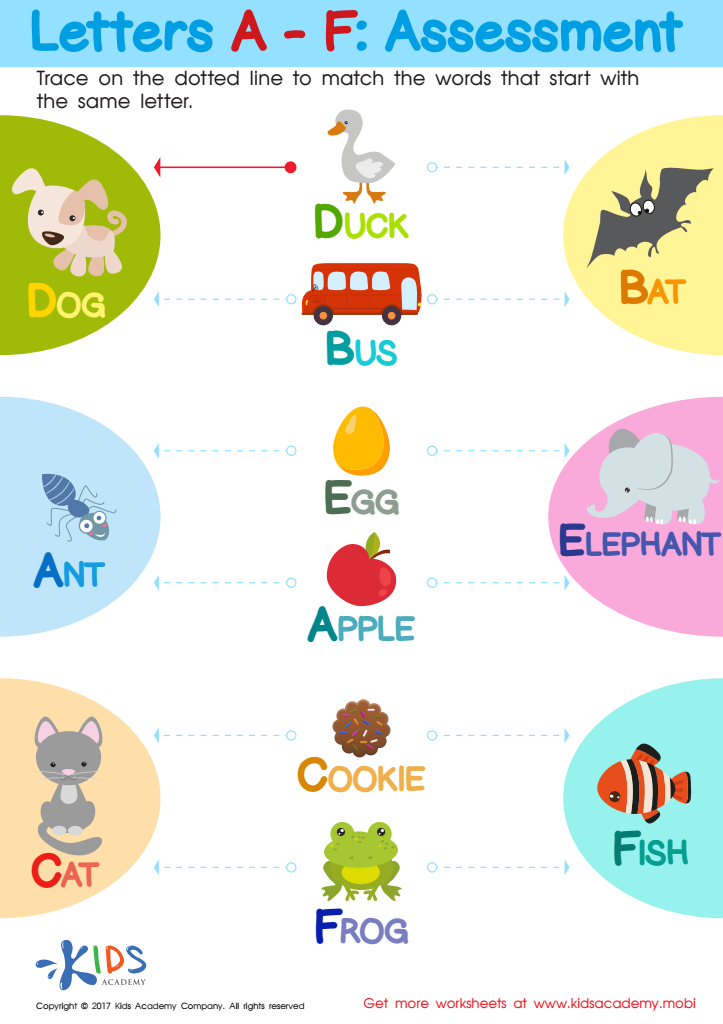
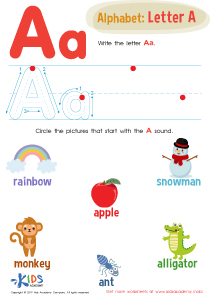
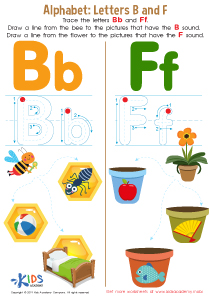
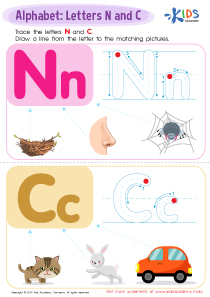
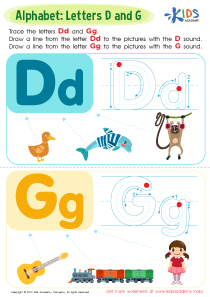
Letters A - F Worksheet
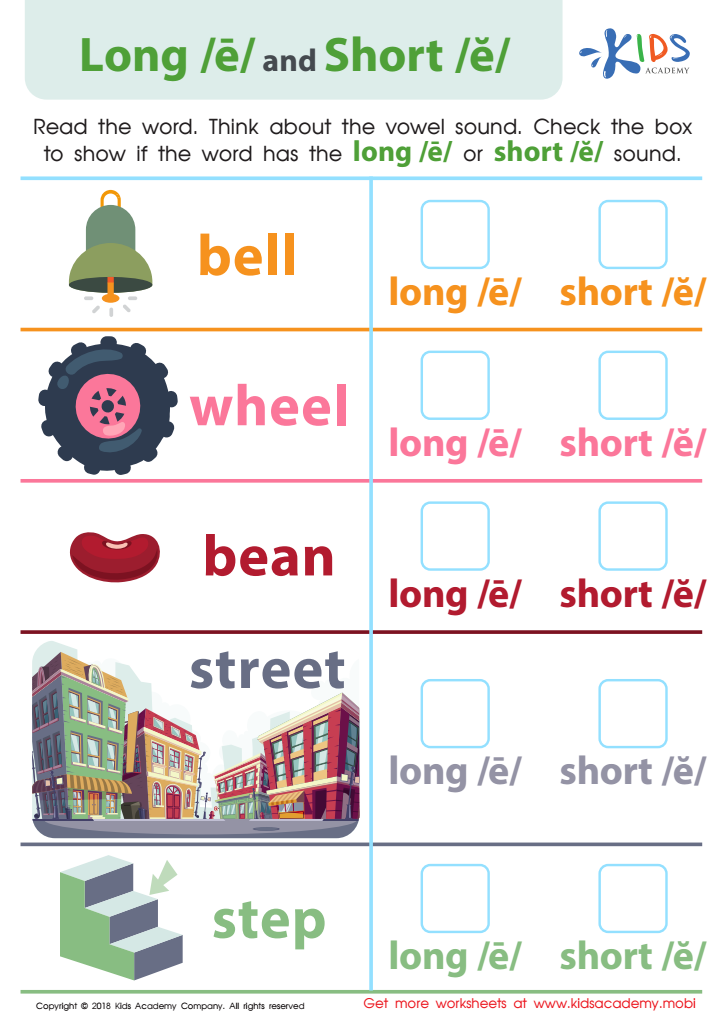
Reading: Long E and Short E Worksheet
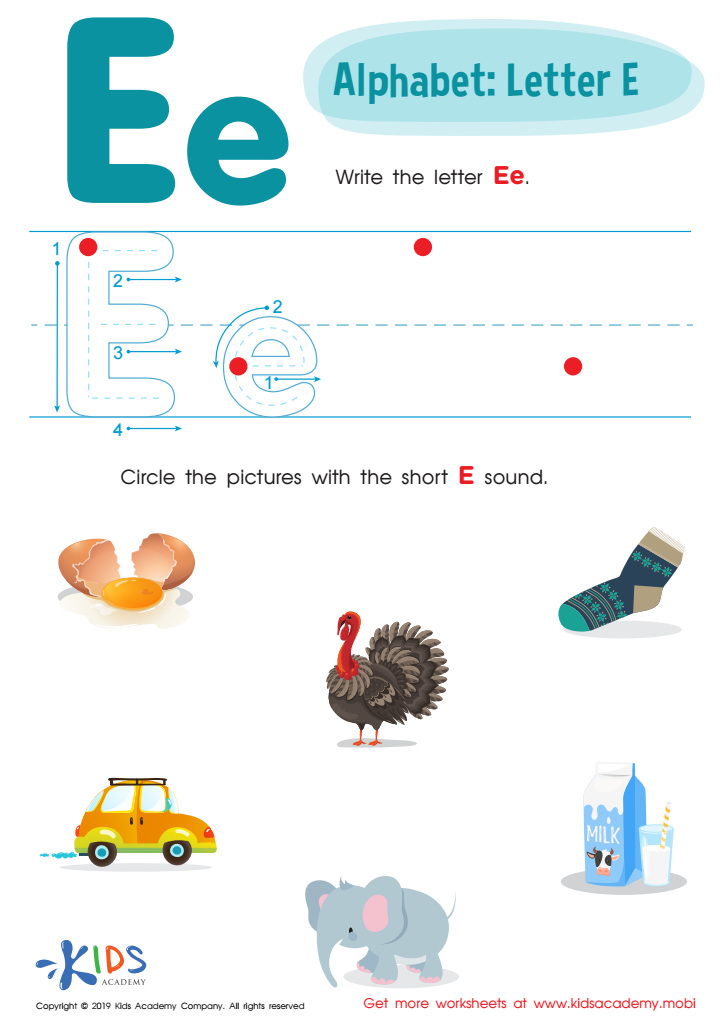
Letter E Tracing Worksheet
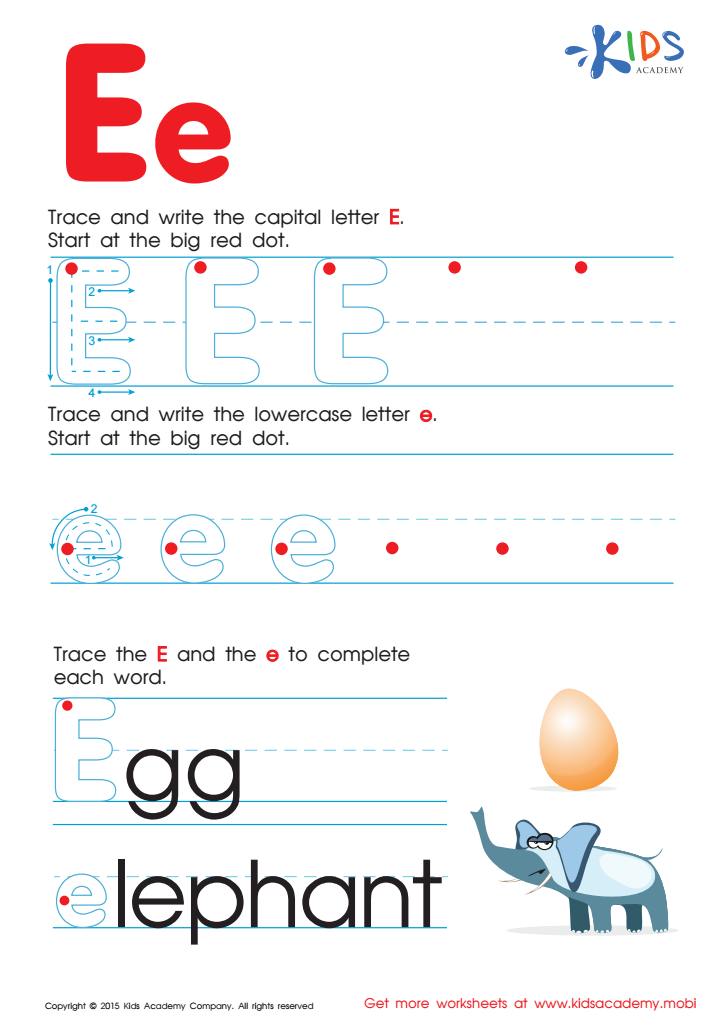
Letter E Tracing Page







Understanding the letter E is essential for children aged 5 to 7 as it serves as a building block for their literacy development. First and foremost, E is one of the most frequently used letters in the English language, appearing in numerous common words like "the," "he," and "she." Knowing how to recognize, sound out, and write the letter E helps children develop their phonemic awareness, a critical skill for reading.
Moreover, letters provide the foundation for children to form words, make connections, and express their thoughts. Engaging with the letter E can introduce children to enjoyable activities like spelling games, storytelling, and art, fostering a love for reading and writing. Teaching the letter E can also promote vocabulary expansion, as parents and teachers can introduce new words, such as "elephant," "egg," and "energy," while exploring its sounds and meanings.
Lastly, recognizing the letter E encourages fine motor skills through writing exercises, crafts, and manipulation of physical letter forms. Parents and teachers play a crucial role in nurturing this knowledge, ensuring that children have a solid foundation for future literacy success.