Hand-eye Coordination Worksheets for Ages 5-8 - Page 3
116 filtered results
-
From - To
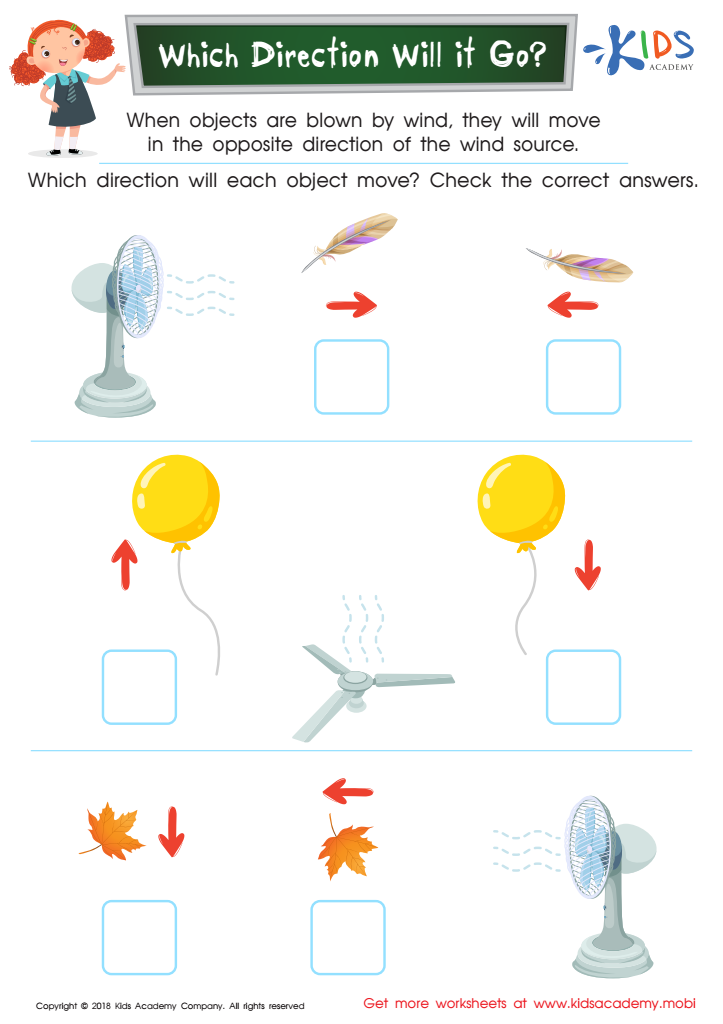
Which Direction Will it Go? Worksheet
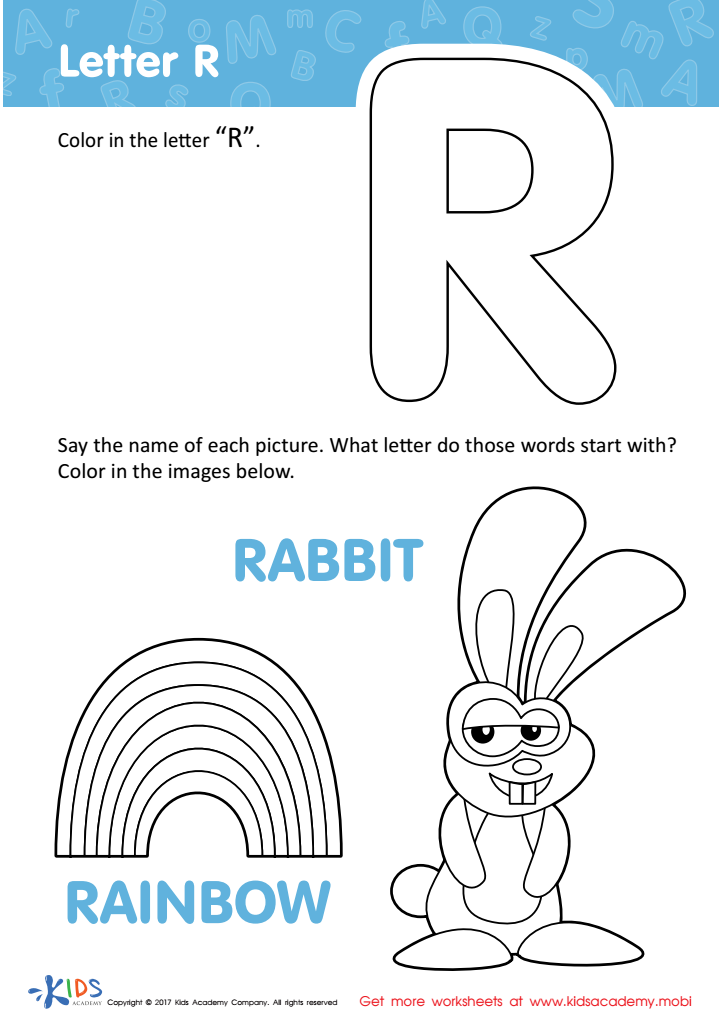
Letter R Coloring Sheet
 Assign to My Students
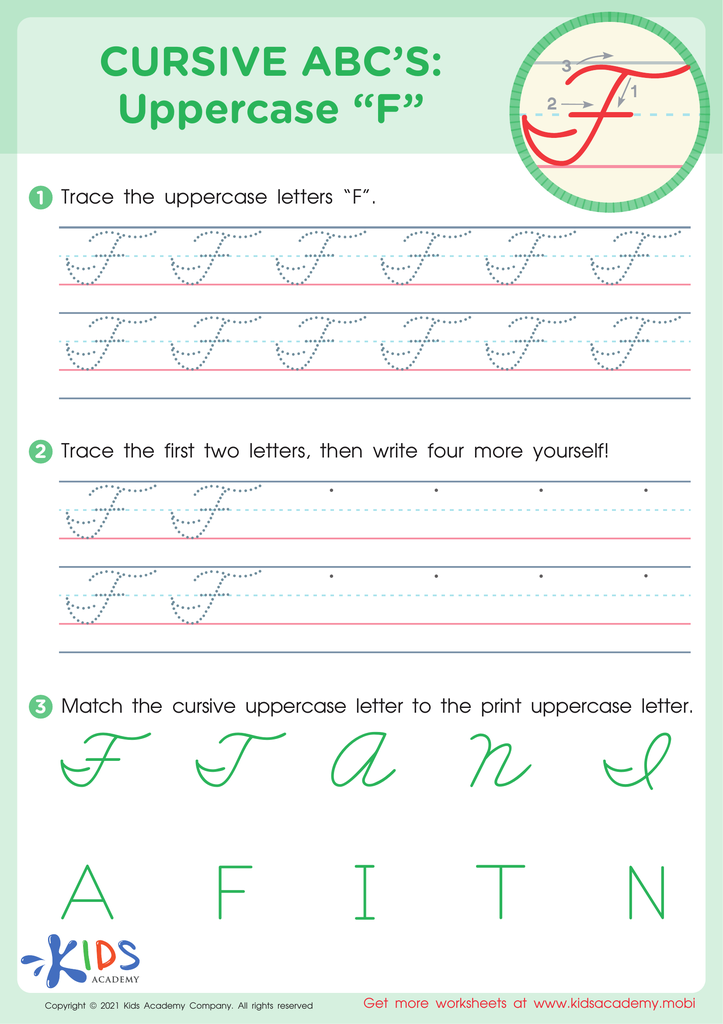
Cursive ABCs: Uppercase F
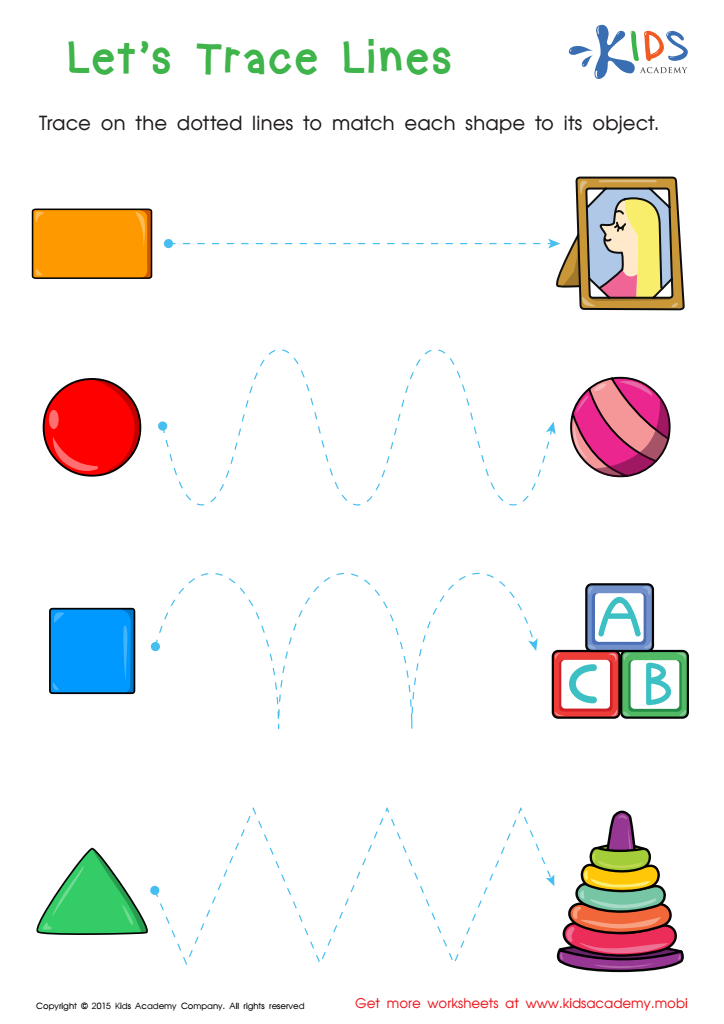
First Words: Let's Trace Lines Worksheet
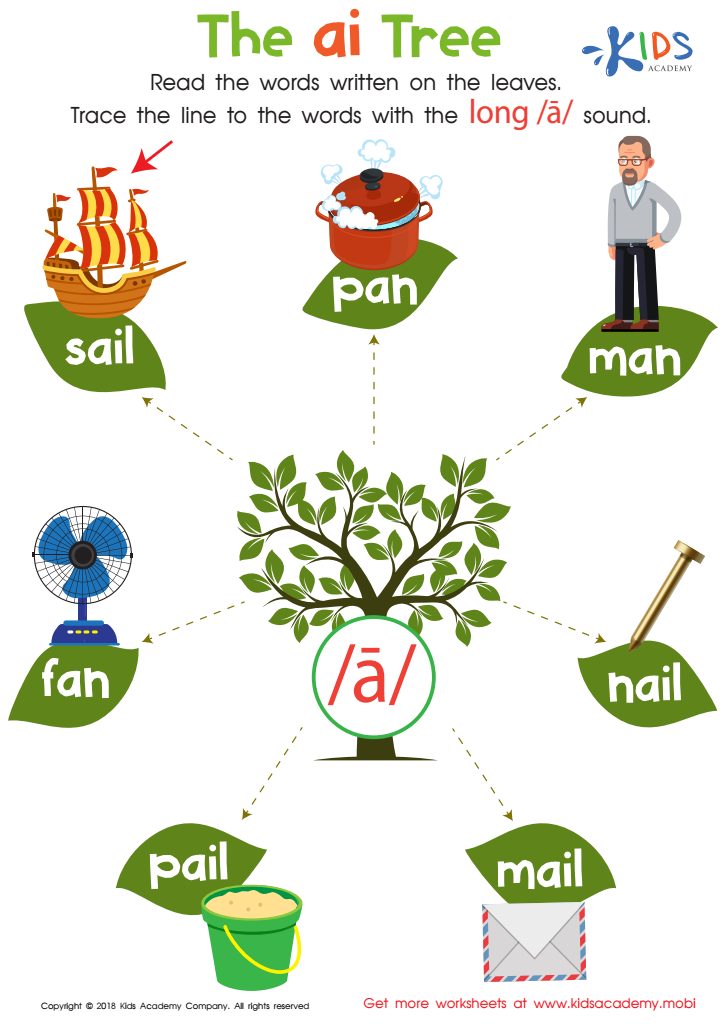
The AI Tree Worksheet
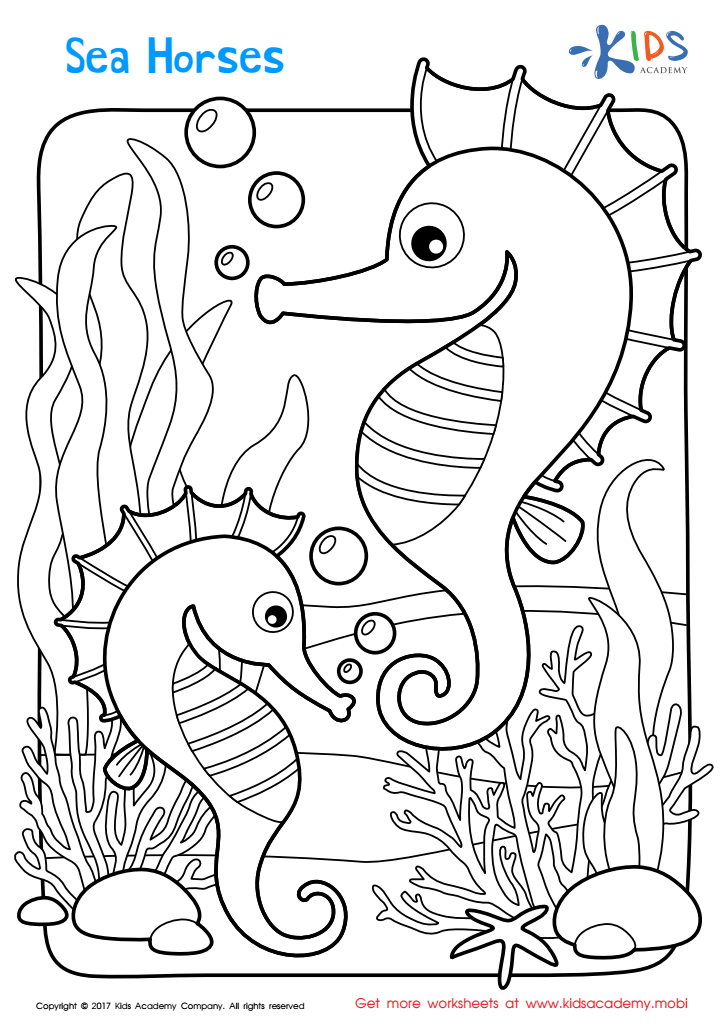
Sea Horses Printable
Assign to My Students
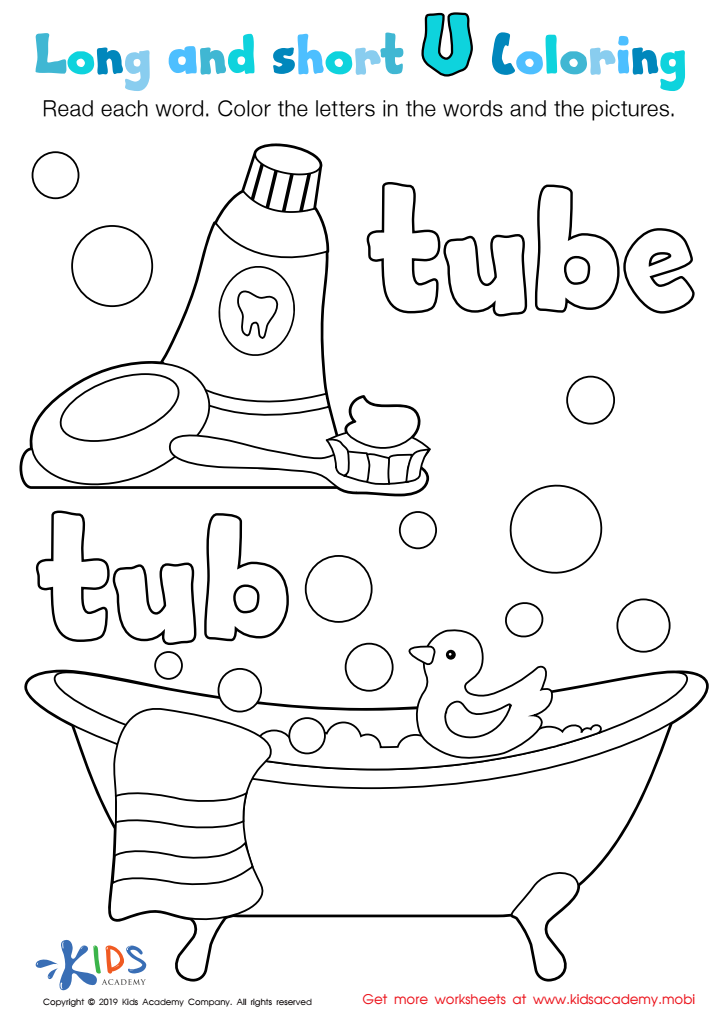
Long and Short U Worksheet
Assign to My Students
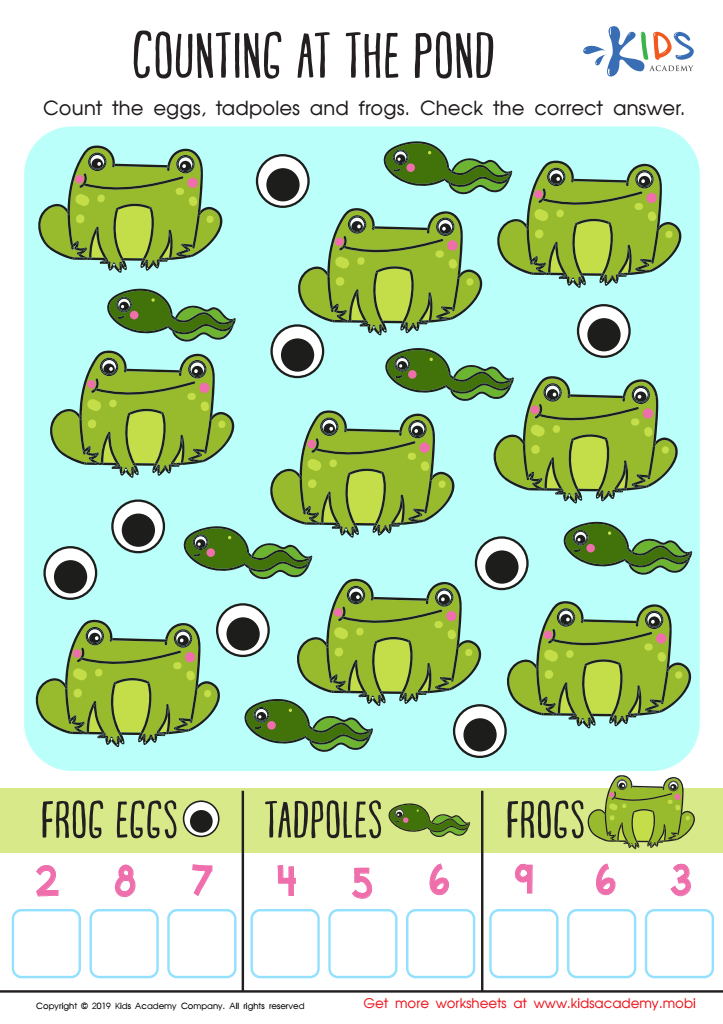
Counting at the Pond Worksheet
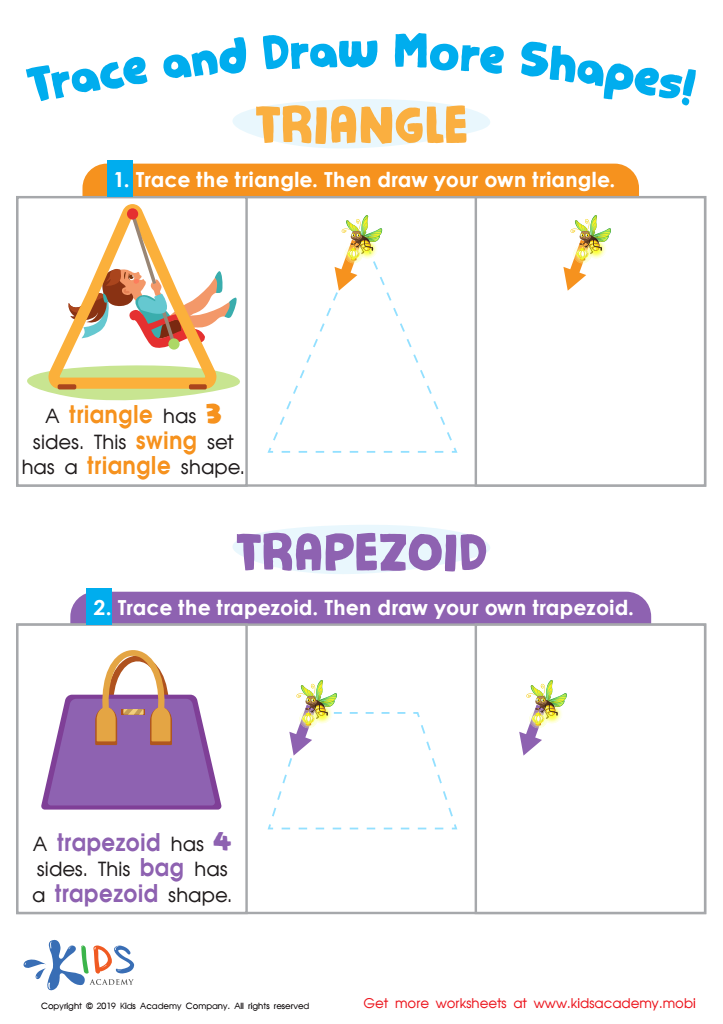
Trace and Draw More Shapes Worksheet
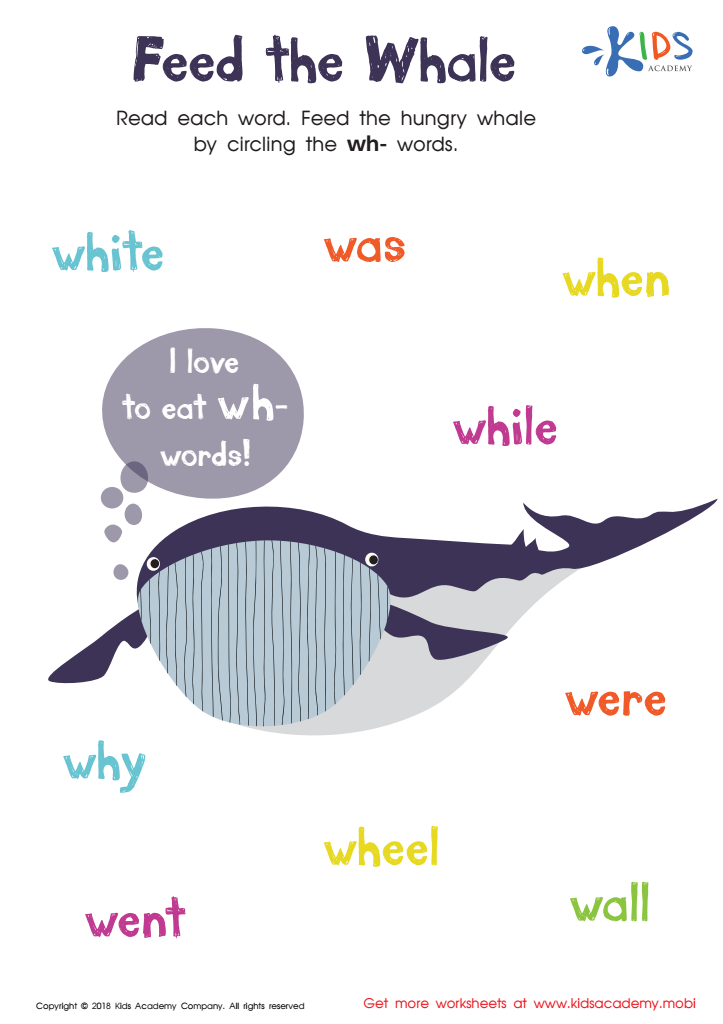
Feed the Whale Worksheet
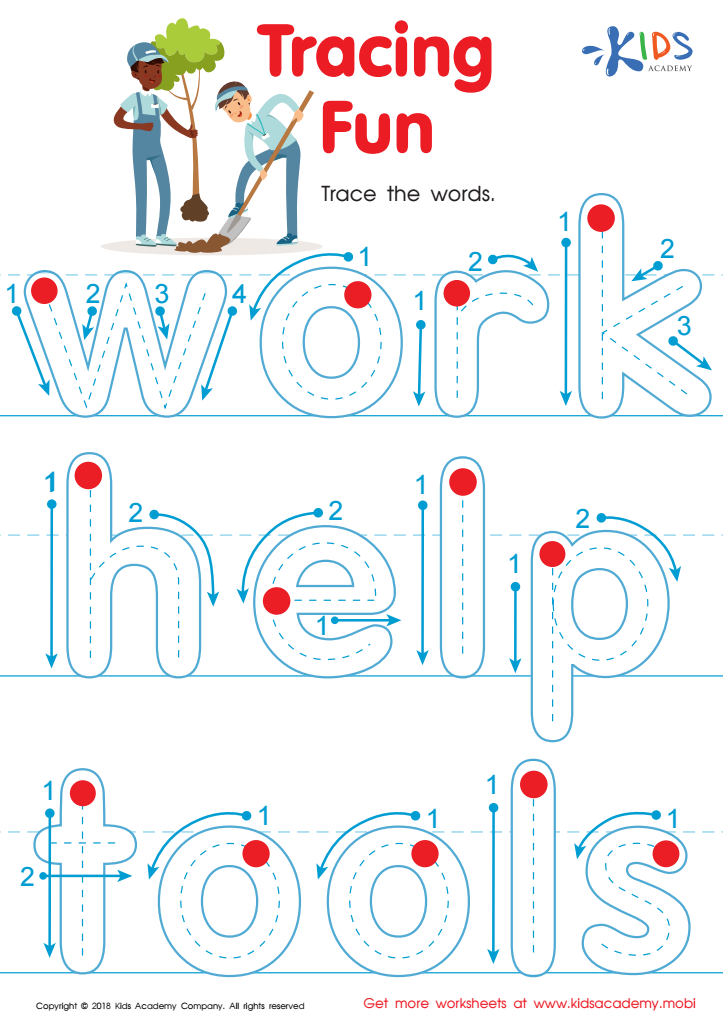
Tracing Fun Worksheet
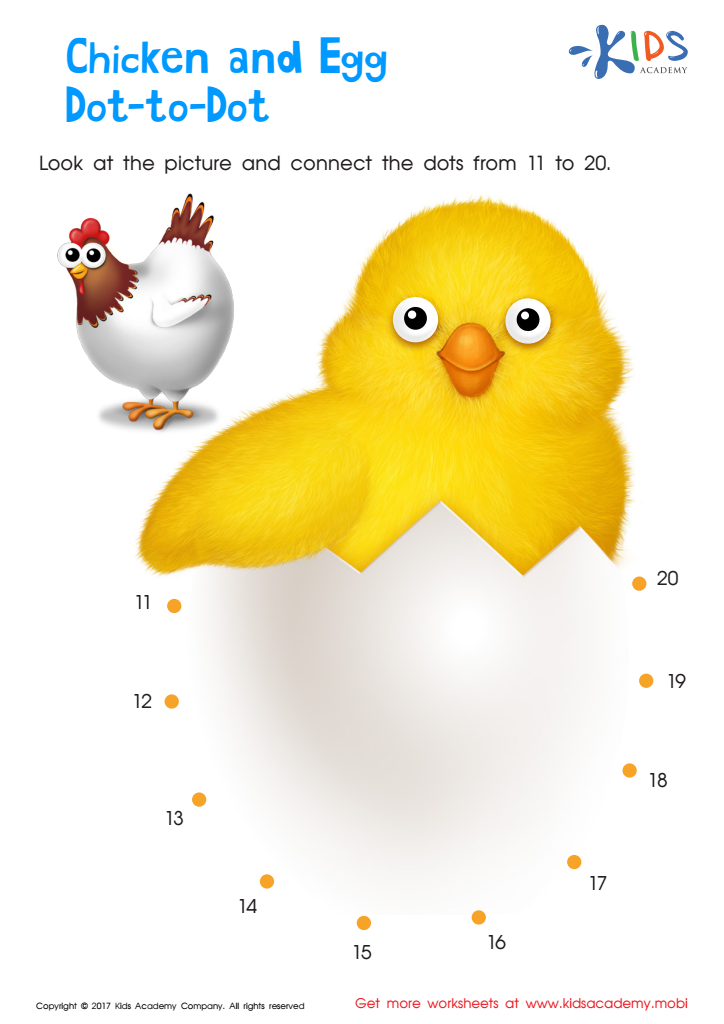
Ordering 11–20: Chicken & Egg Dot–to–dot Worksheet
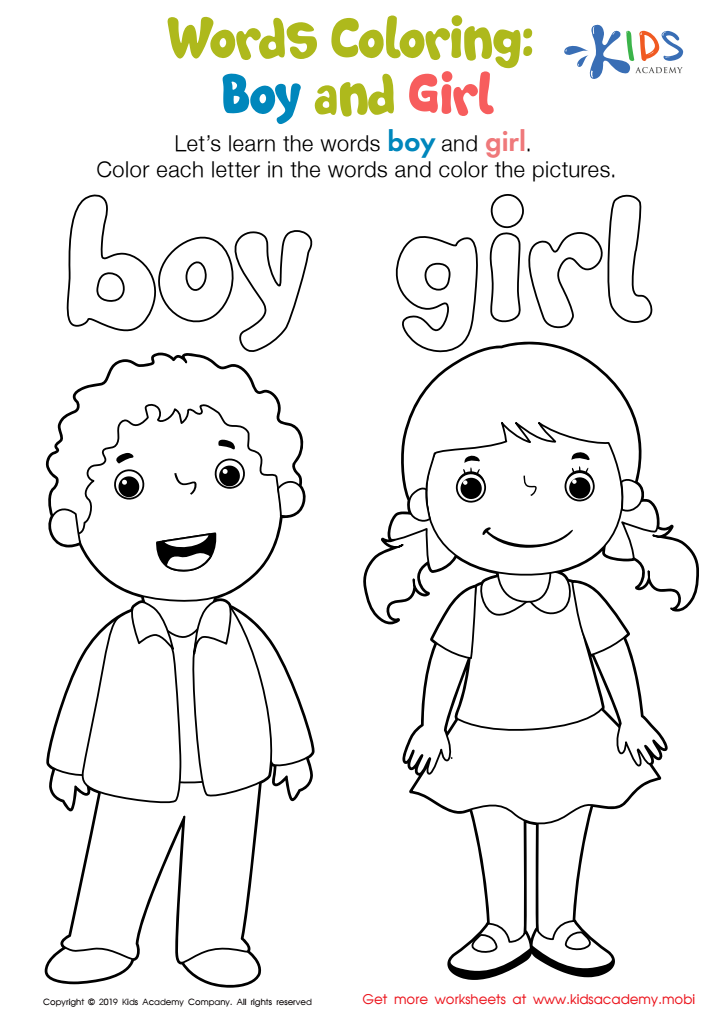
Boy and Girl Words Coloring Worksheet
Assign to My Students
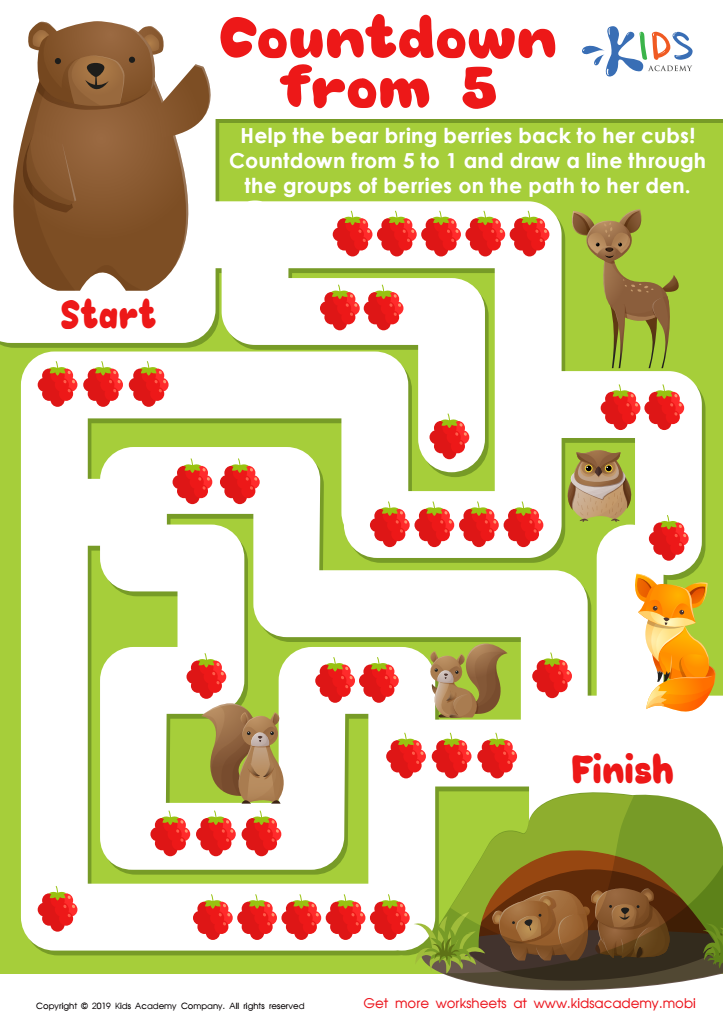
Countdown from 5 Worksheet
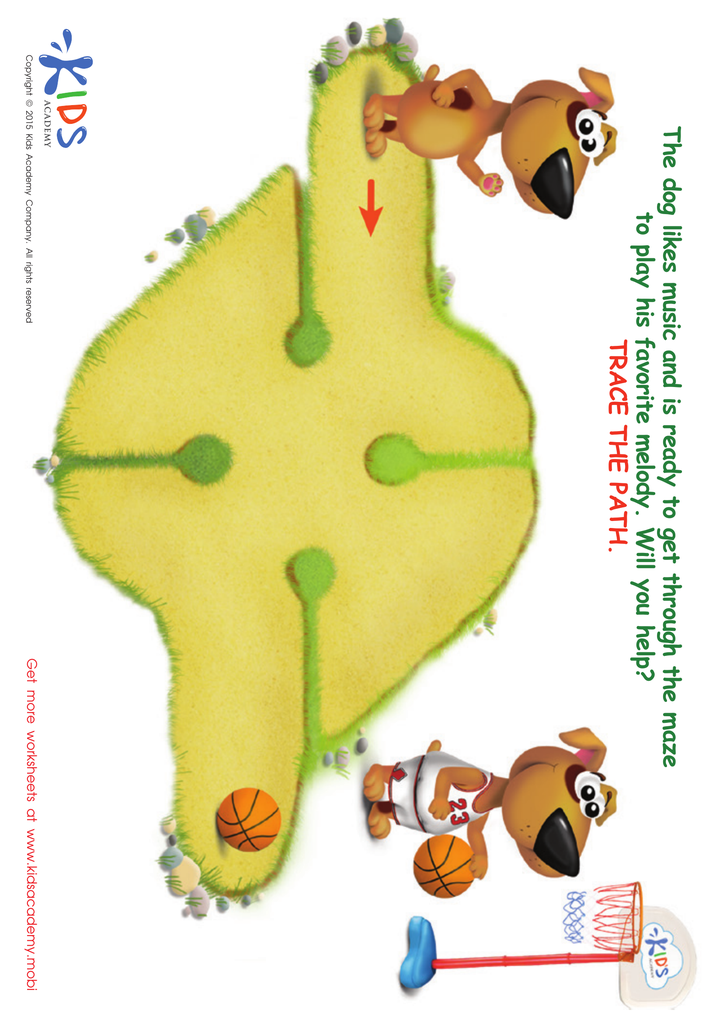
Basketball Player Maze Worksheet
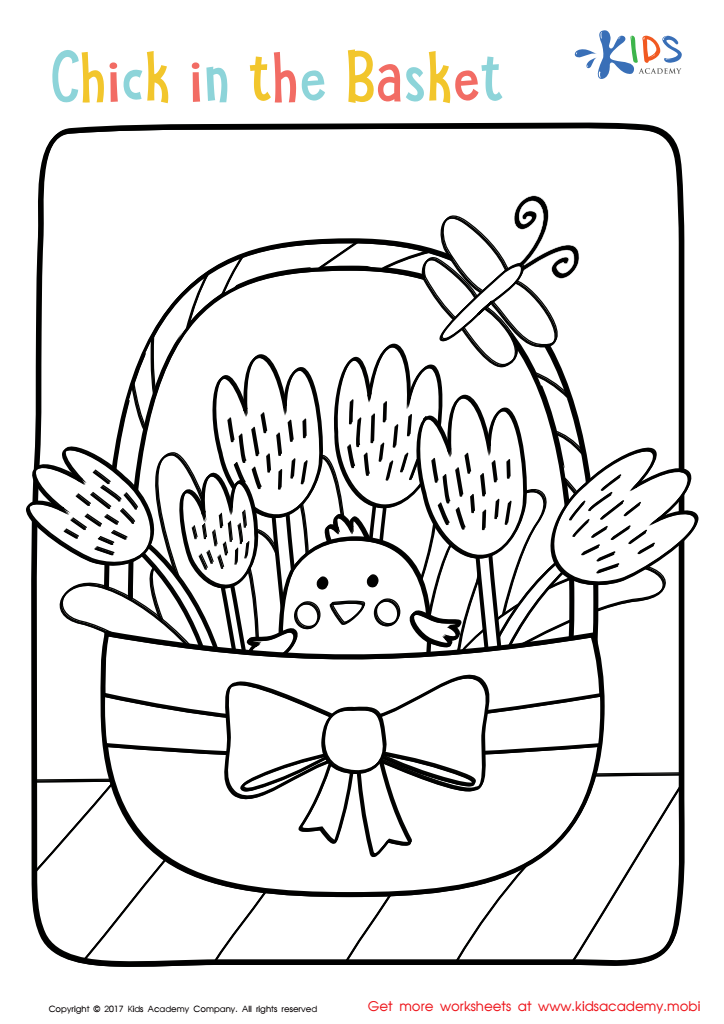
Easter: Chick in the Basket Worksheet
Assign to My Students
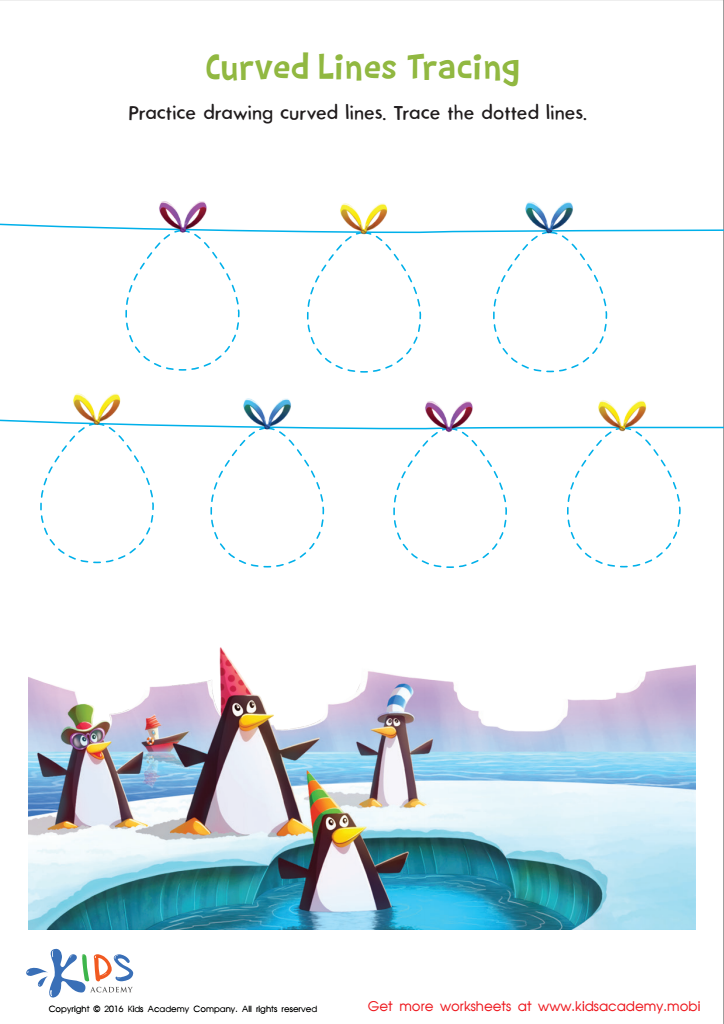
Curved Lines Tracing Worksheet
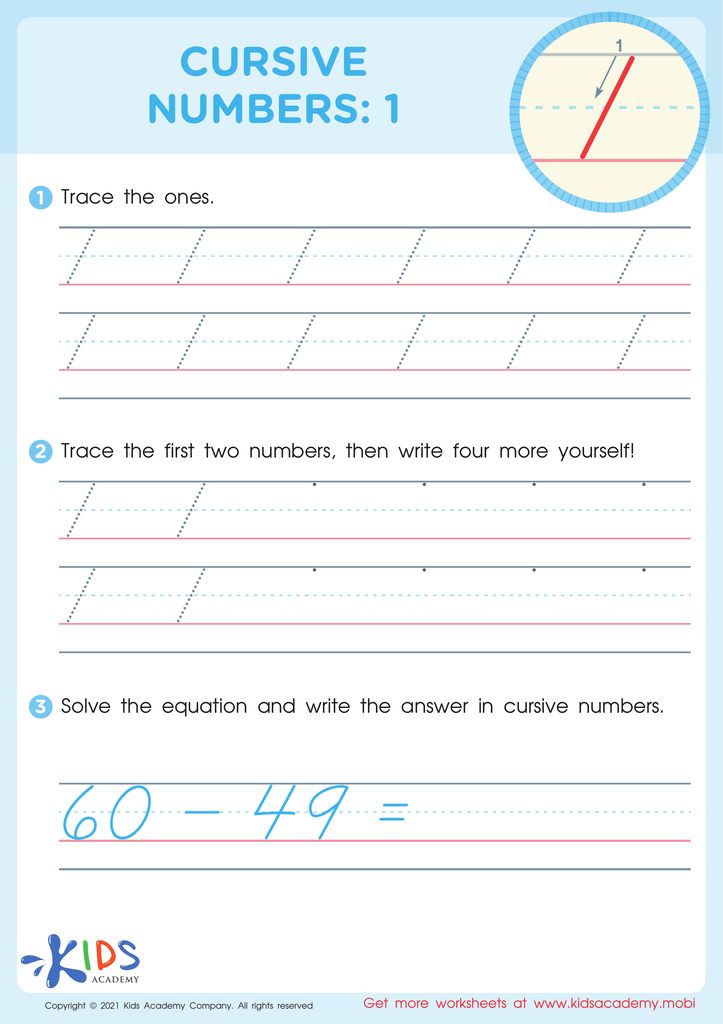
Cursive Numbers: 1 Worksheet
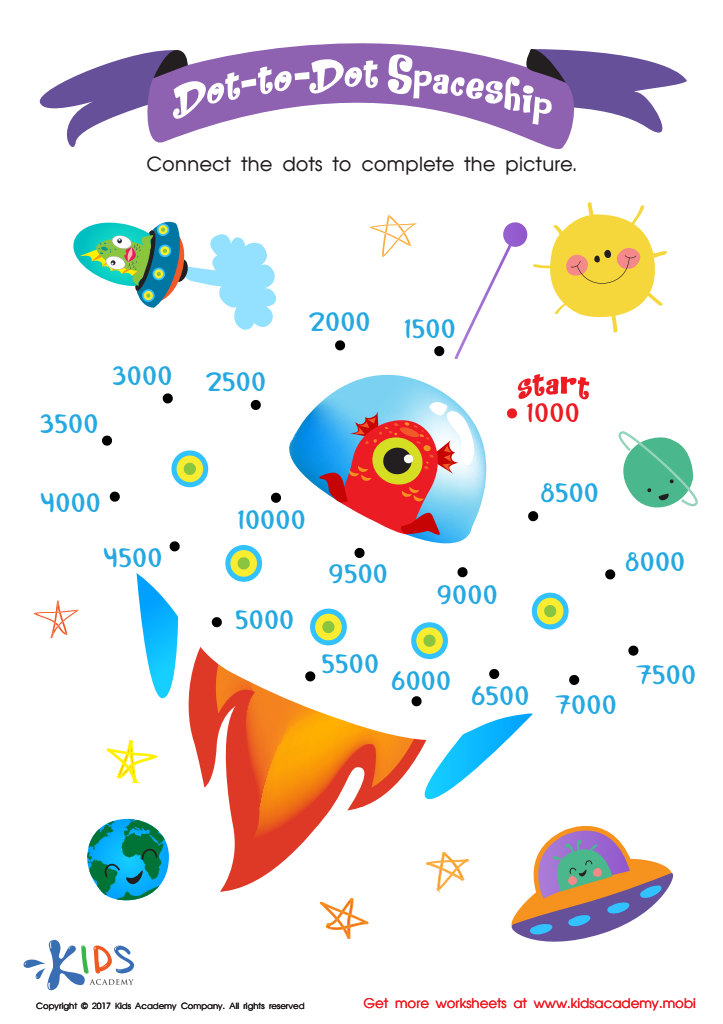
Dot to Dot Worksheet for 3rd Grade
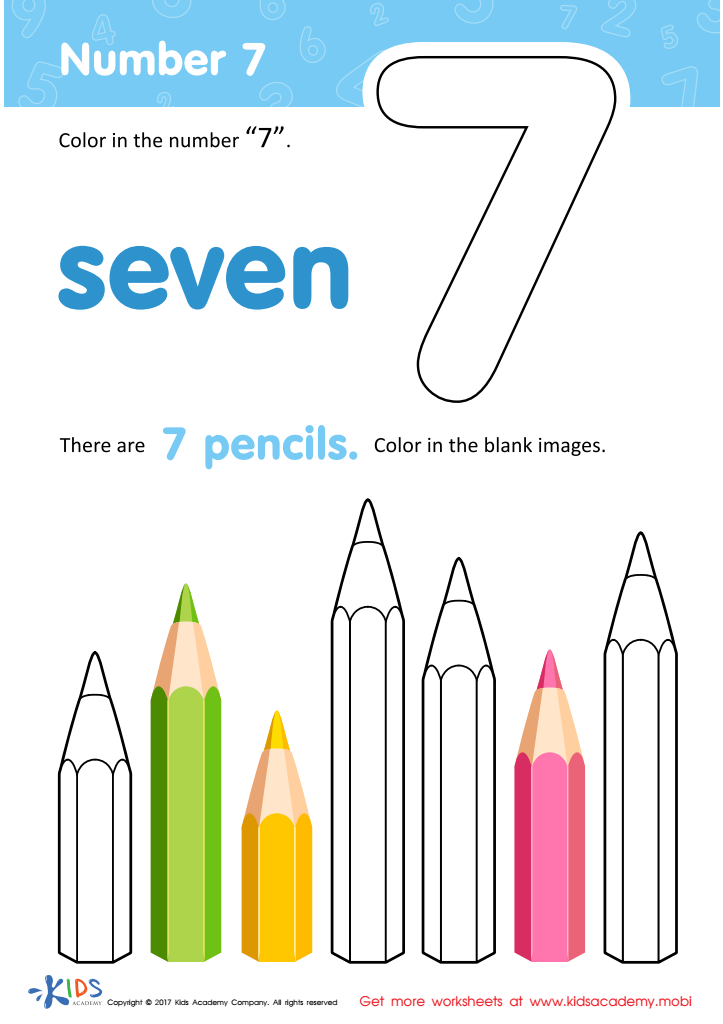
Number 7 Worksheet
Assign to My Students






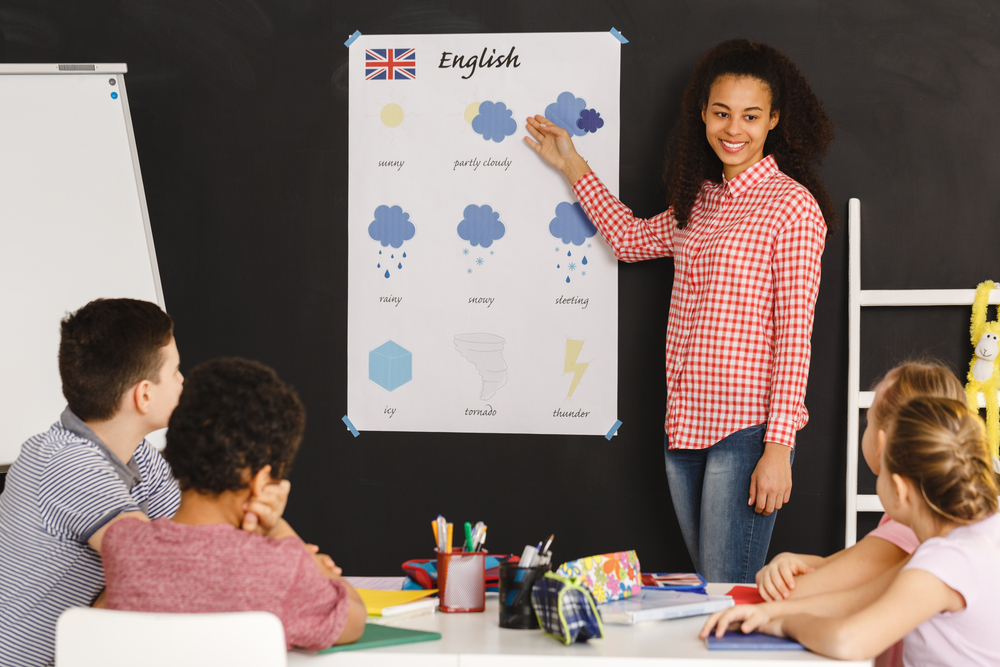

Hand-eye coordination is crucial for children aged 5-8 as it significantly impacts their overall development and learning experiences. This skill enables children to synchronize their visual input with physical actions, facilitating tasks such as writing, drawing, cutting with scissors, and participating in sports. By refining hand-eye coordination, children enhance their fine motor skills, which are essential for classroom activities and daily living tasks.
Furthermore, strong hand-eye coordination boosts confidence in children; when they can successfully execute tasks, they feel more capable and engaged. In a school setting, this skill fosters better participation in activities like sports, dance, and art, strengthening their social interactions and teamwork abilities.
Additionally, hand-eye coordination is linked to cognitive development. Engaging in activities that require this skill can sharpen memory, concentration, and problem-solving abilities. As children navigate diverse learning environments, tailored activities can promote healthy development and prevent frustration that might arise from difficulty in simple tasks.
Parents and teachers should prioritize fostering hand-eye coordination through structured play, crafting, and sports, ensuring children attain foundational skills for future academic success and physical abilities. Supporting their growth not only enhances their current skills but also lays the groundwork for lifelong learning and active living.








