Shape Recognition 2D Shapes Worksheets for Ages 5-8
37 filtered results
-
From - To
Discover our engaging "Shape Recognition 2D Shapes Worksheets for Ages 5-8" at Kids Academy, designed to make learning shapes fun and interactive! Perfect for young learners, these worksheets focus on recognizing and naming basic 2D shapes like circles, squares, triangles, and rectangles. Each worksheet offers vibrant visuals and exciting activities that will enhance your child's understanding and retention of shapes. Boost their math fundamentals, fine motor skills, and cognitive development as they trace, match, and identify shapes. Ideal for both classroom and home use, our worksheets are the perfect tool for early shape education. Start learning today!
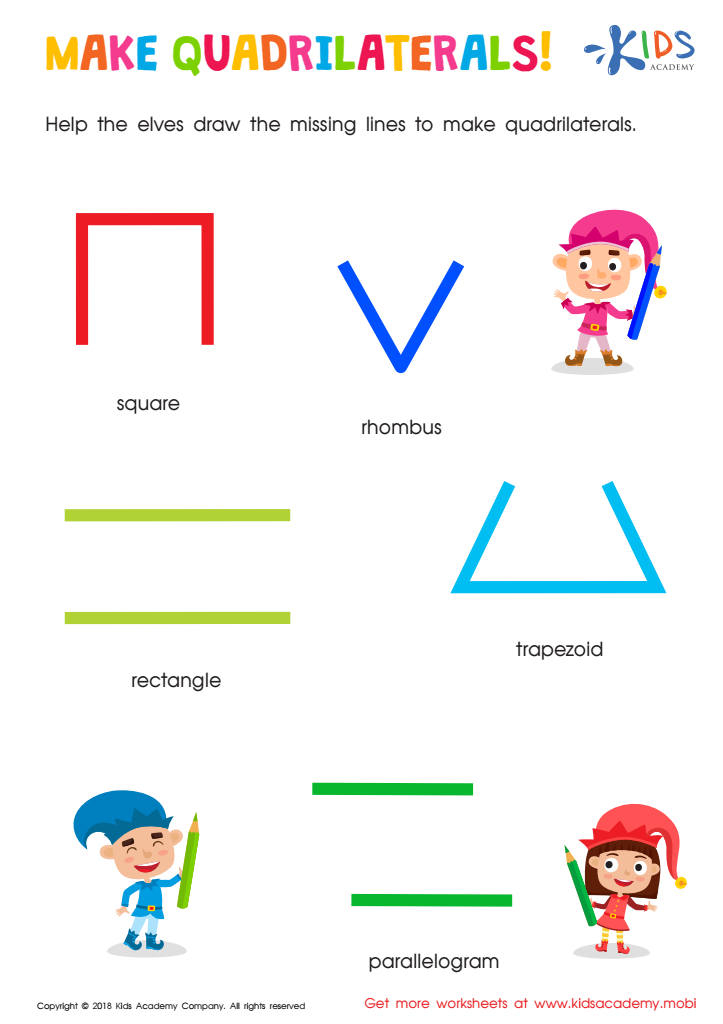
Make Quadrilaterals Worksheet
 Assign to My Students


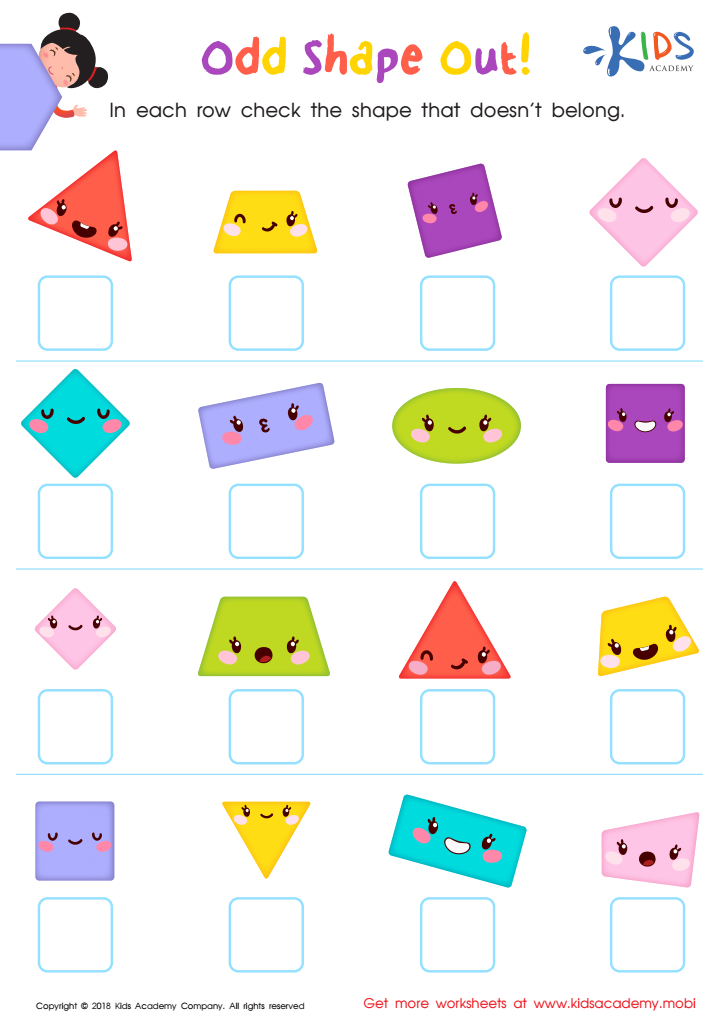
Odd Shape Out Worksheet for Grade 3
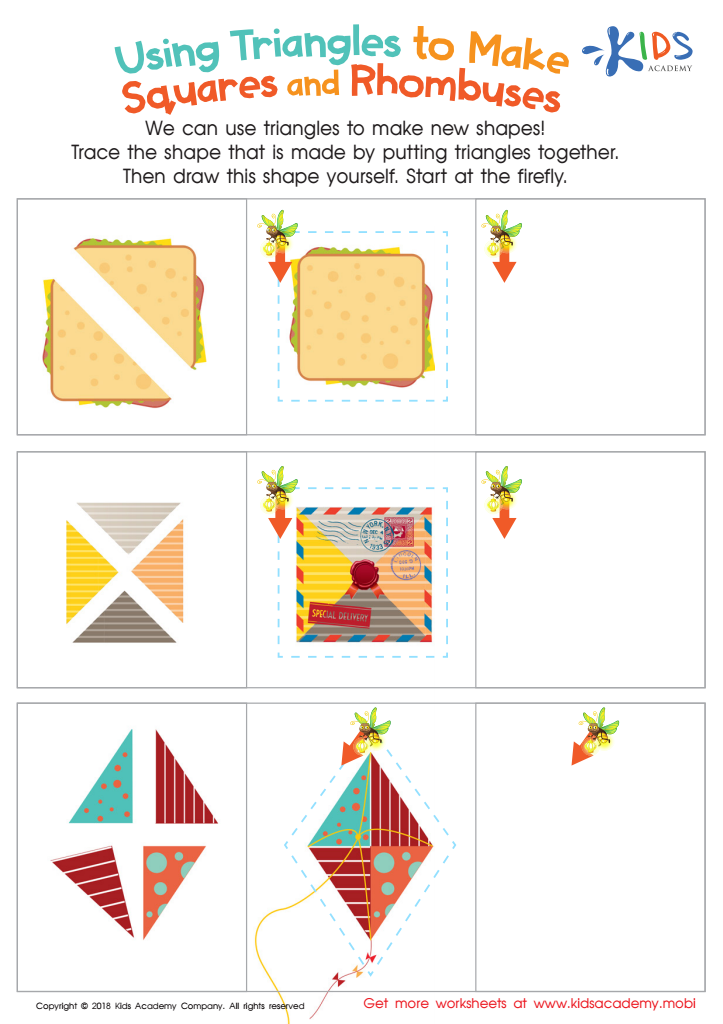
Using Triangles to Make Squares and Rhombuses Worksheet
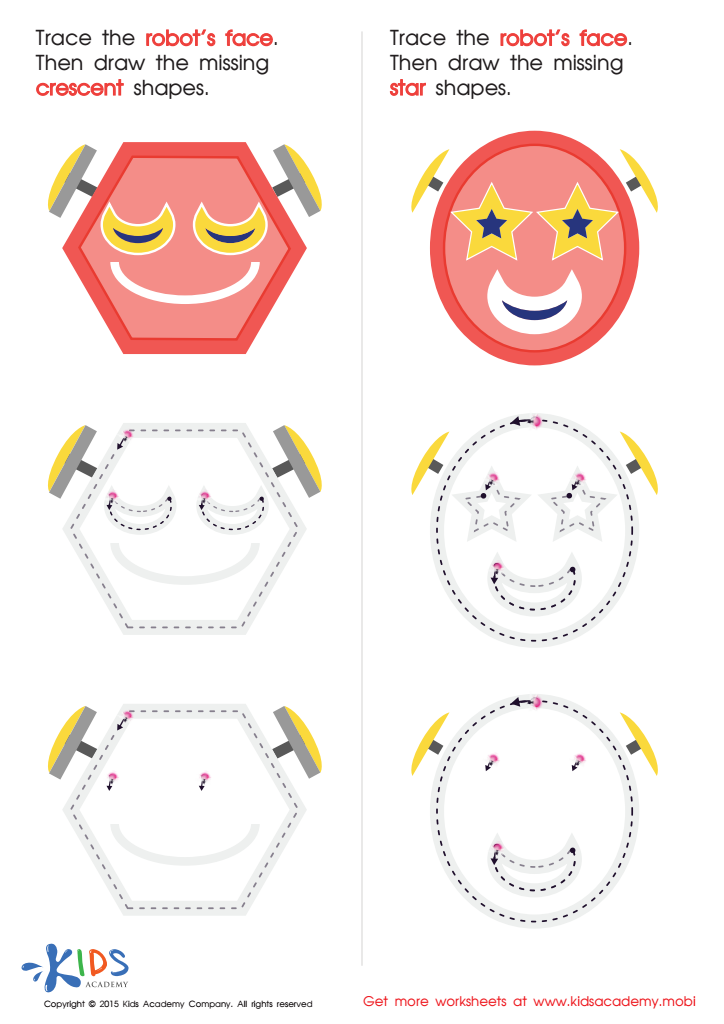
Composing a Robot's Face of Crescents And Stars Worksheet
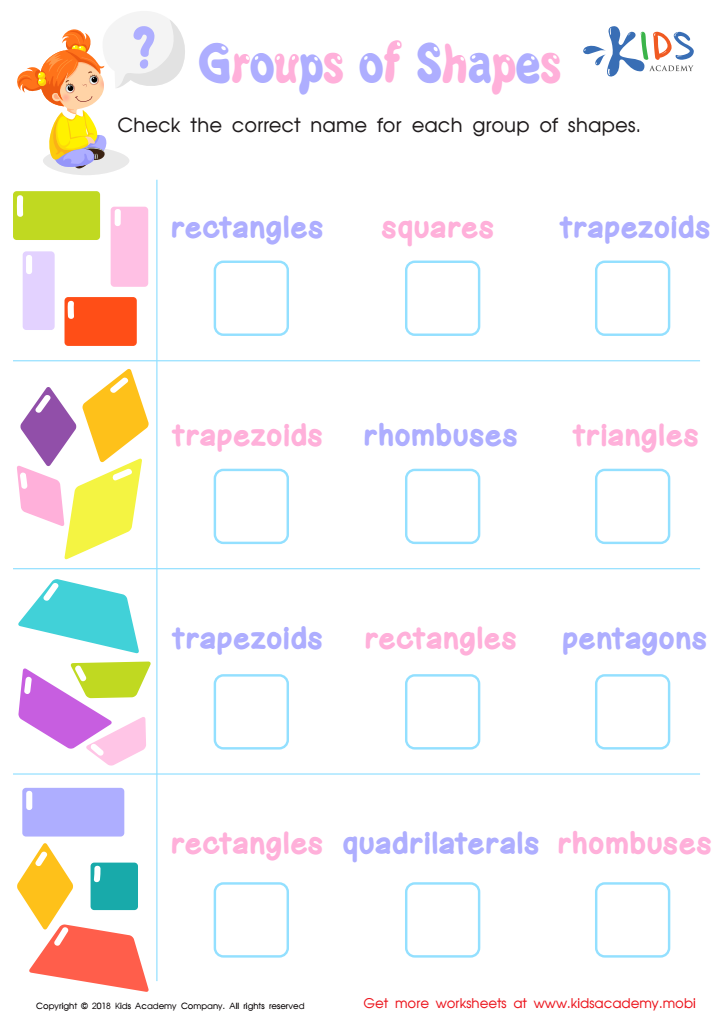
Groups of Shapes Worksheet
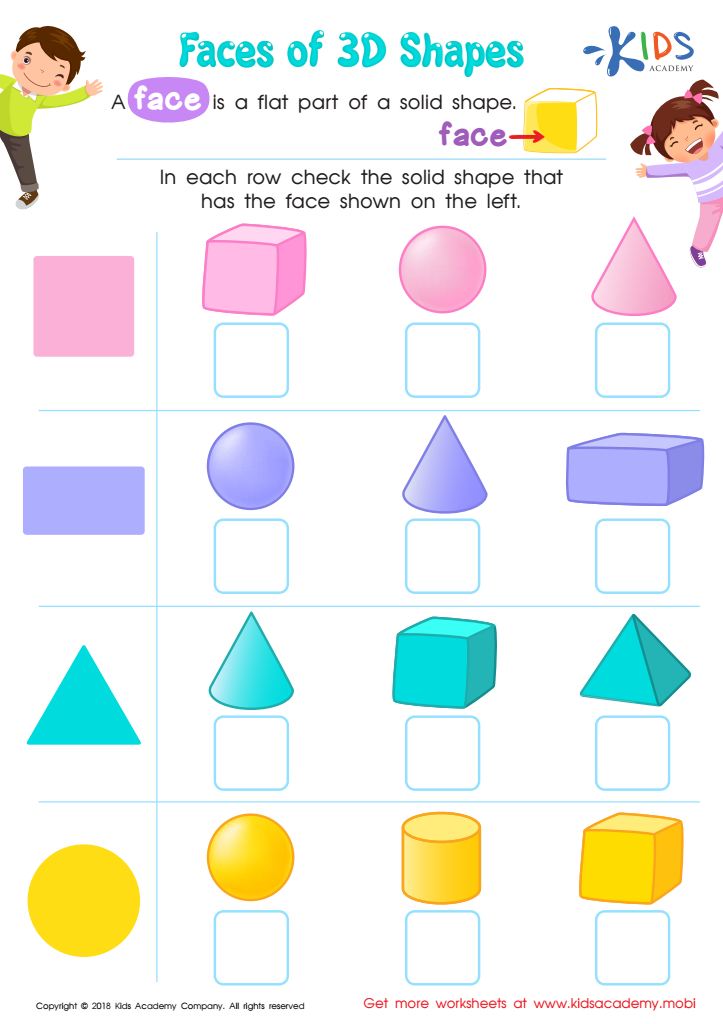
Faces of 3D Shapes Worksheet
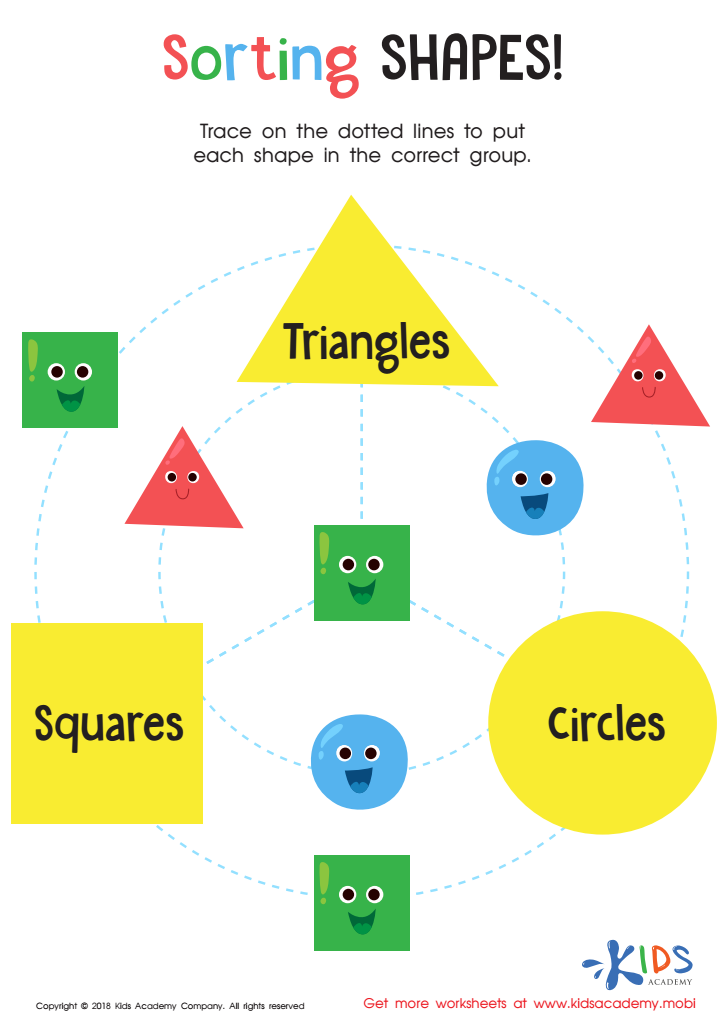
Sorting Shapes - Part 3 Worksheet
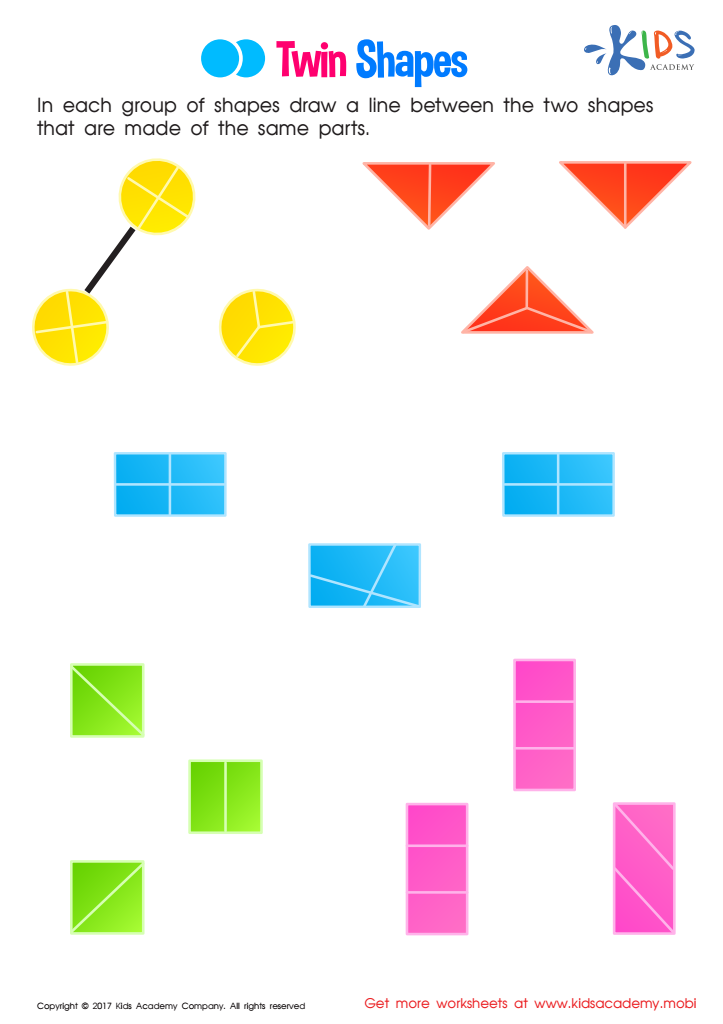
Twin Shapes Worksheet
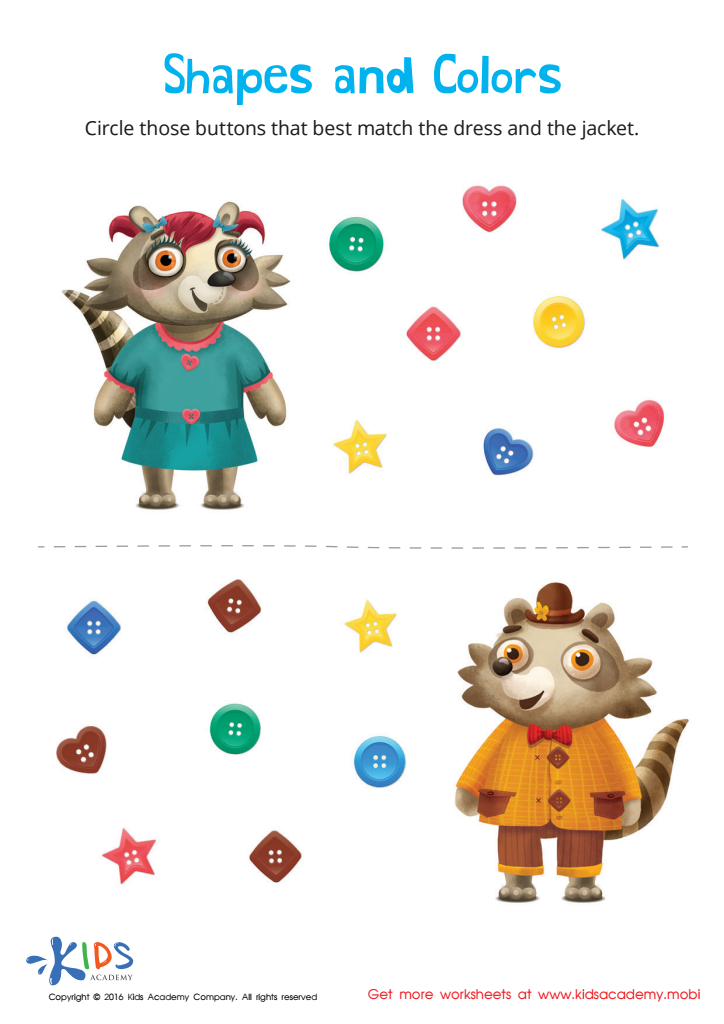
Matching: Shapes and Colors Worksheet
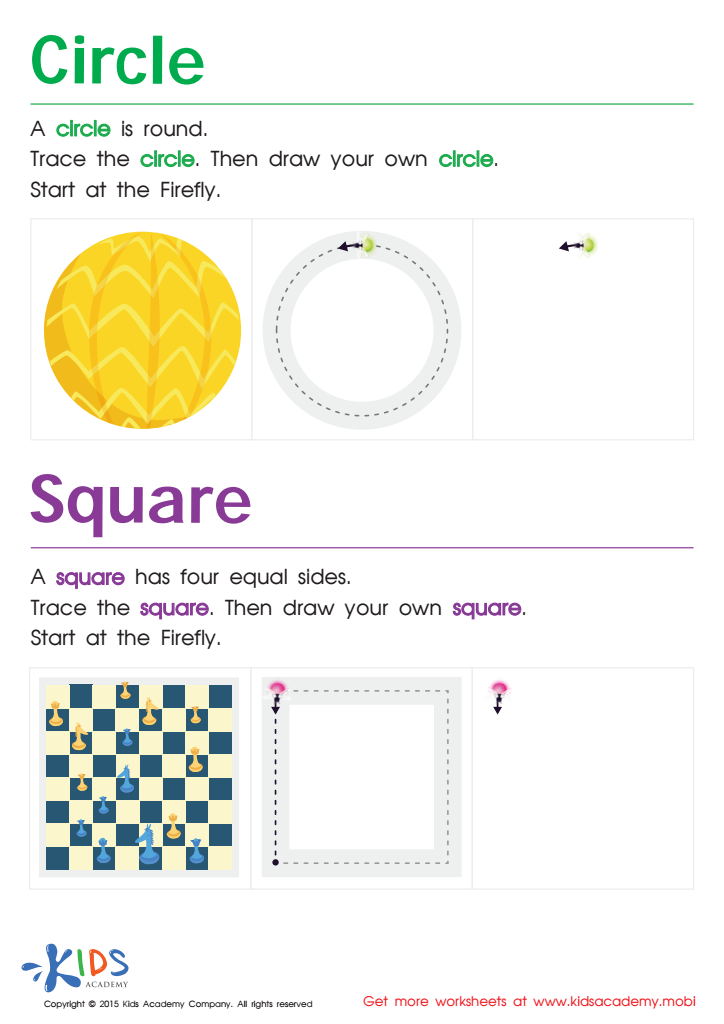
Trace And Draw a Circle And a Square Worksheet
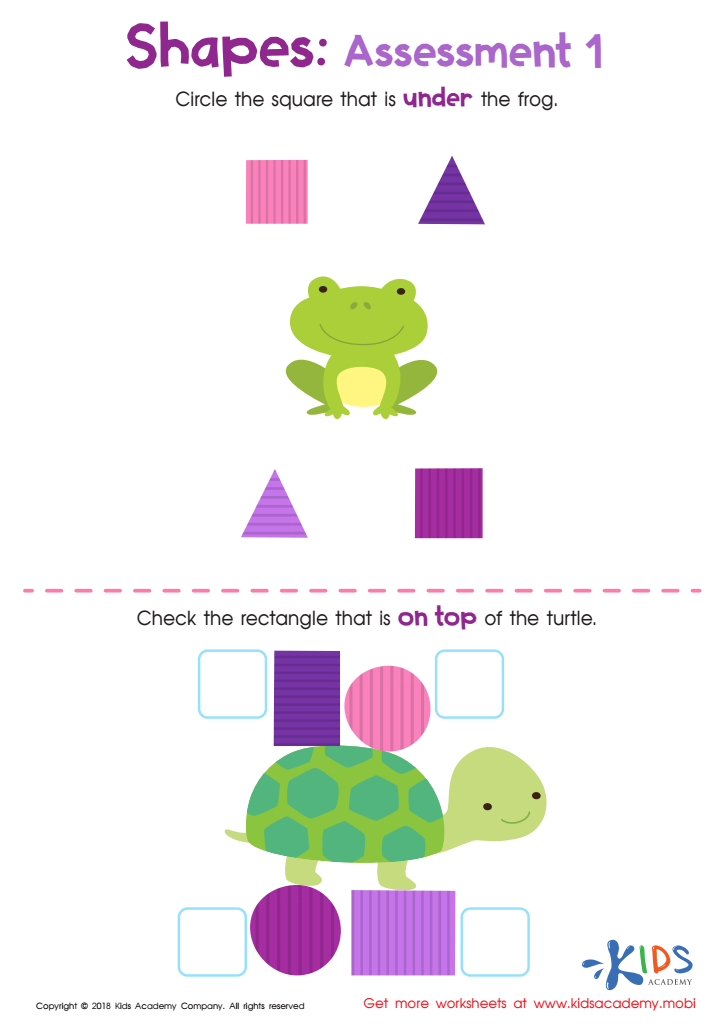
Geometry – Assessment 1 Worksheet
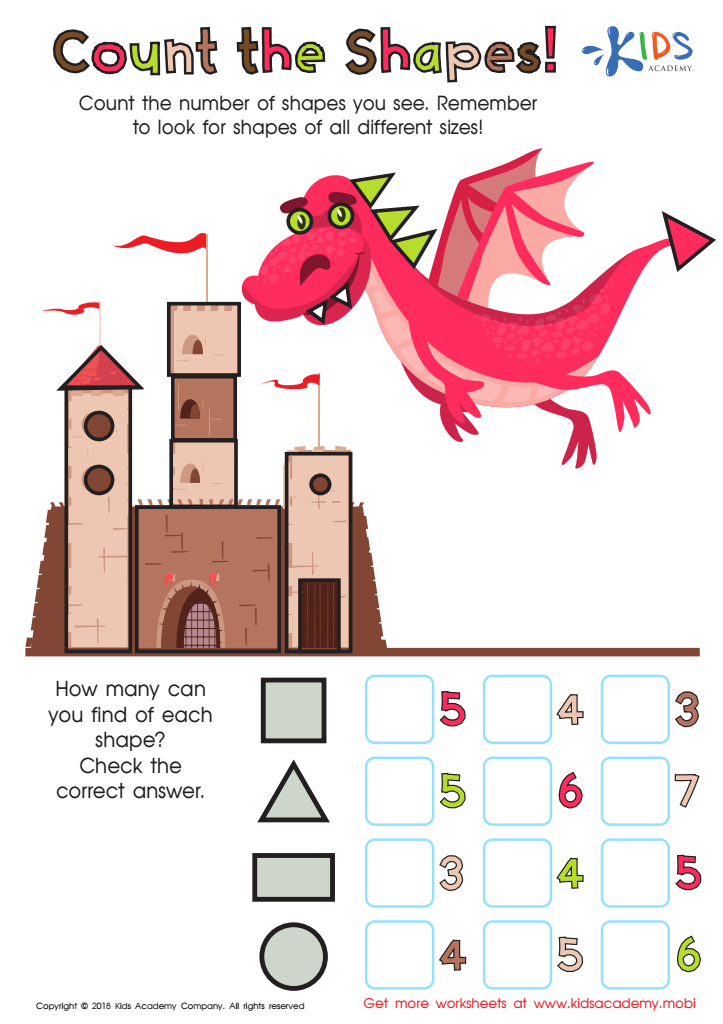
Count the Shapes Worksheet
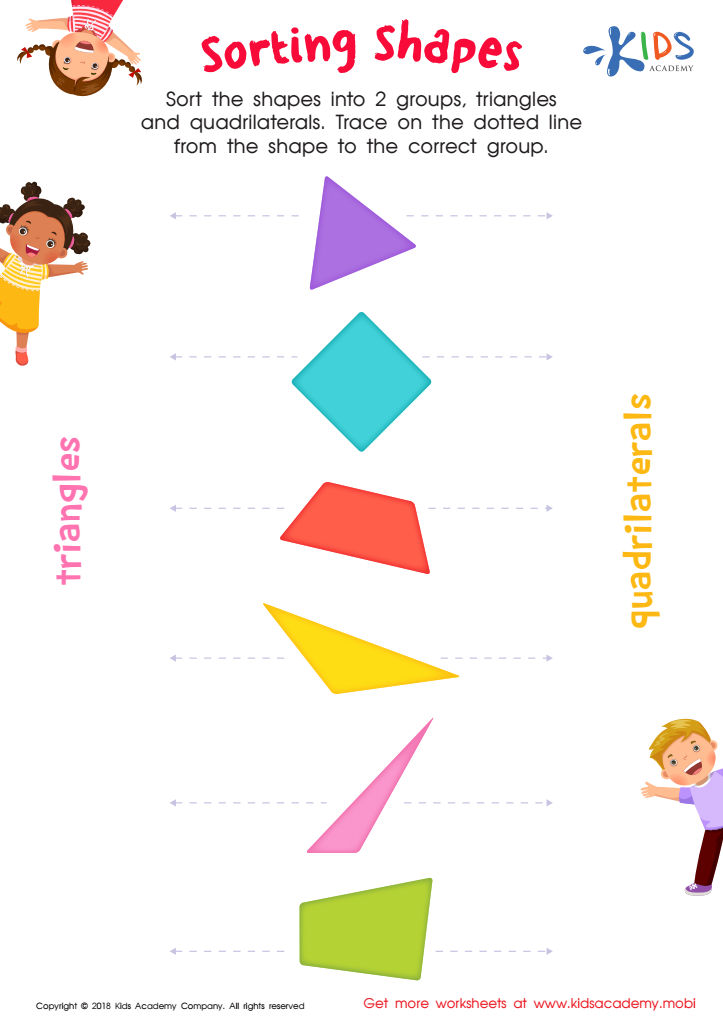
Sorting Shapes Worksheet
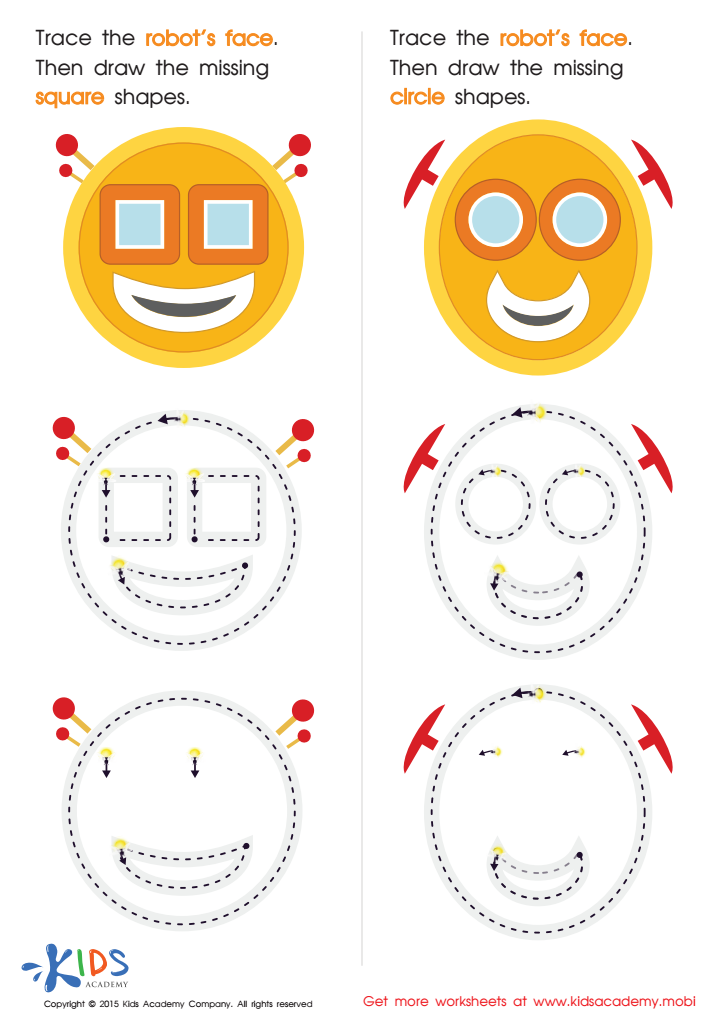
Practicing to Draw Circles And Squares Printable
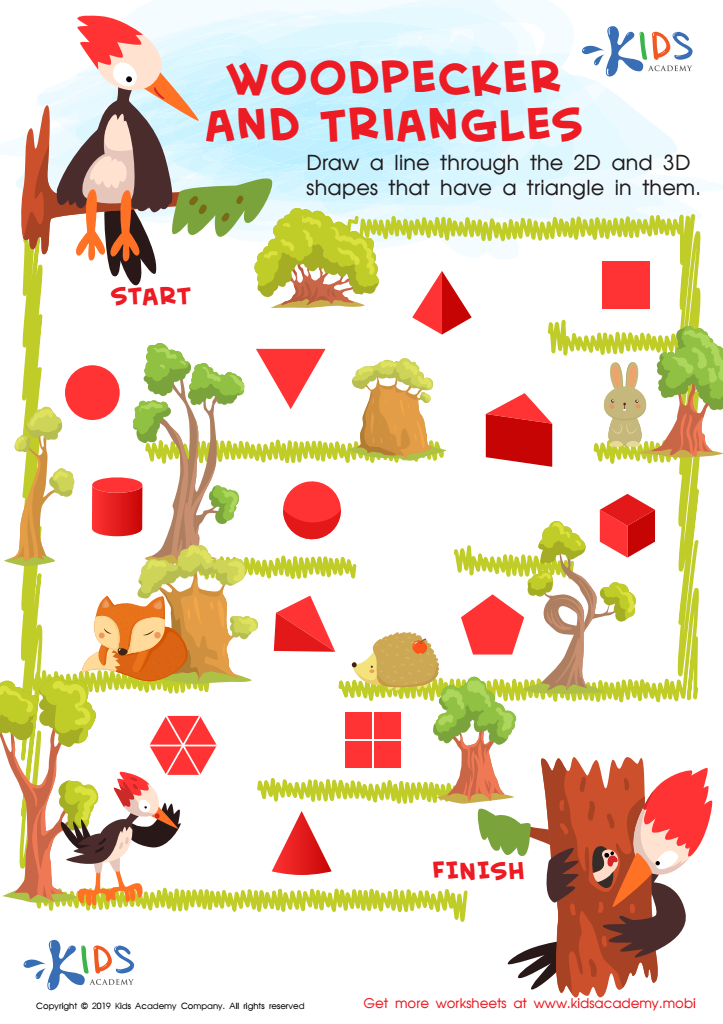
Woodpecker and Triangles Worksheet
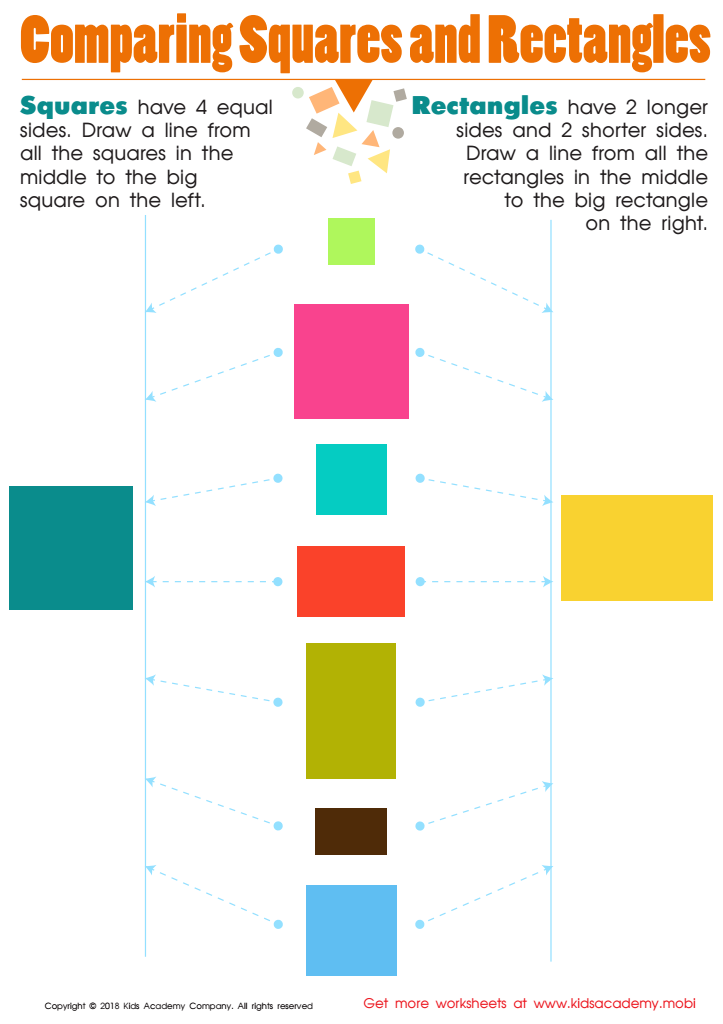
Comparing Squares Rectangles Worksheet
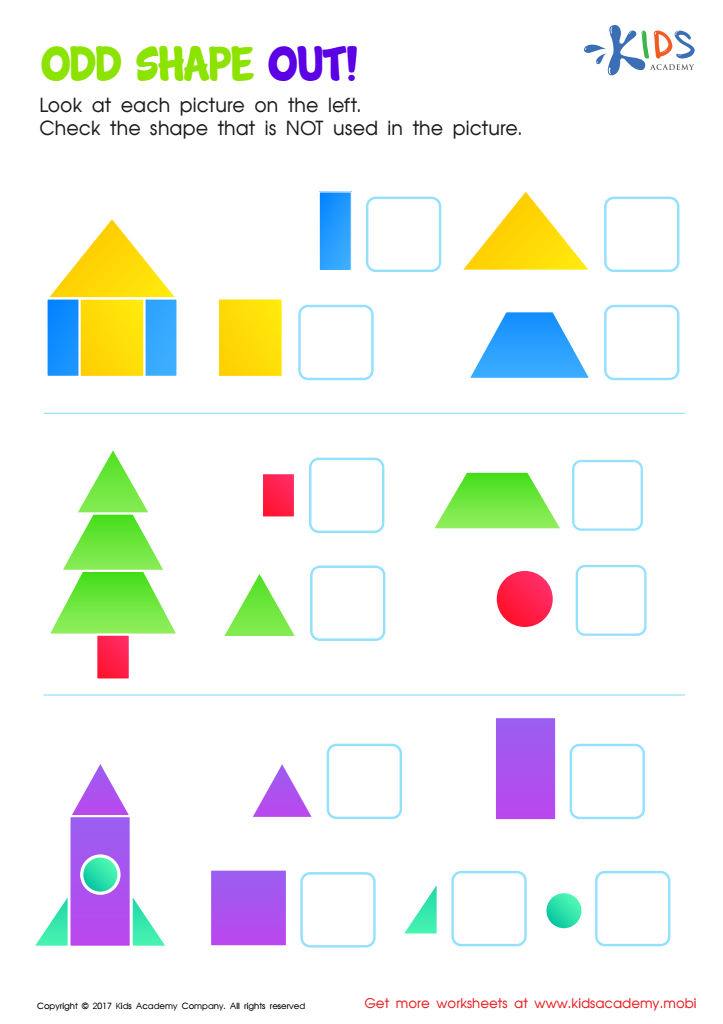
Odd Shape Out Worksheet for Grade 1
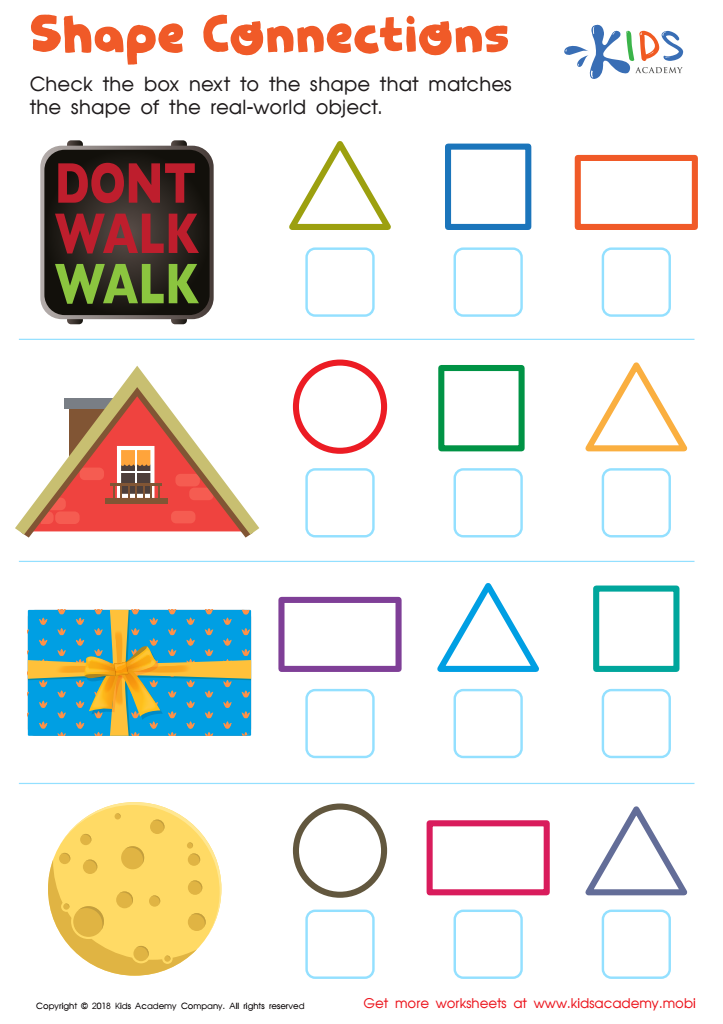
Shape Connections Worksheet
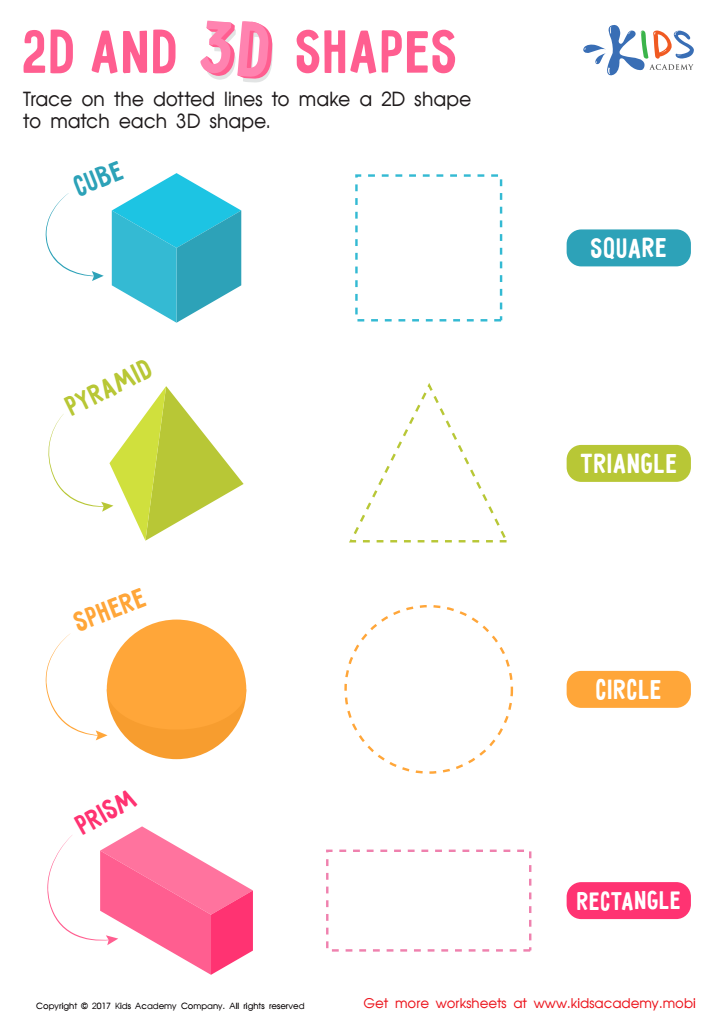
2D and 3D Shapes Worksheet
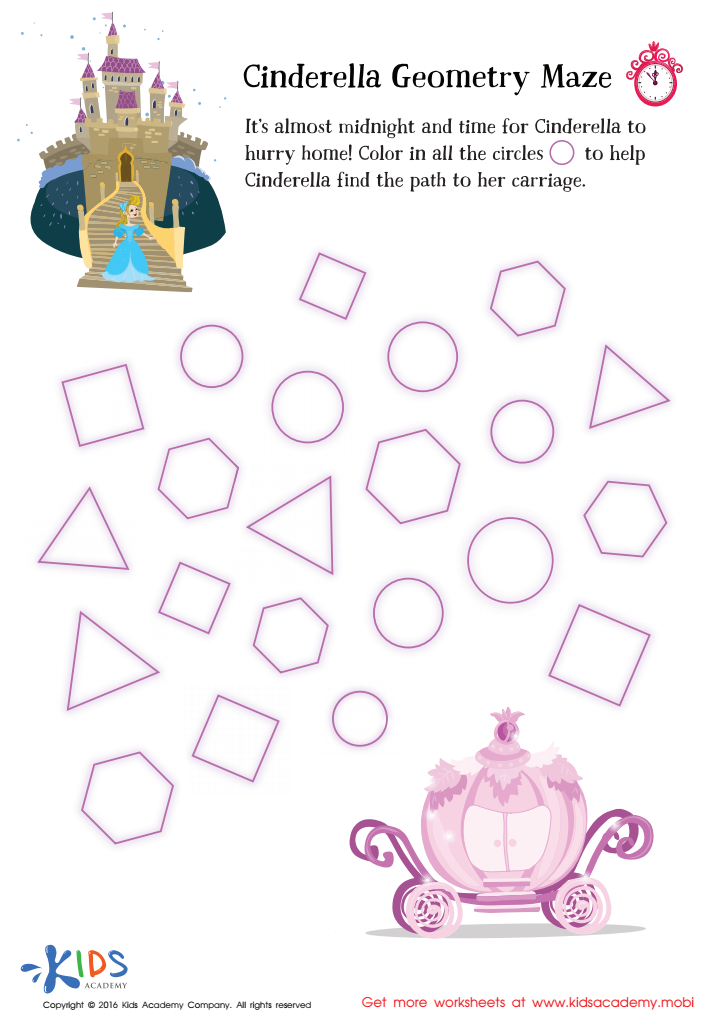
Cinderella Geometry Maze Worksheet
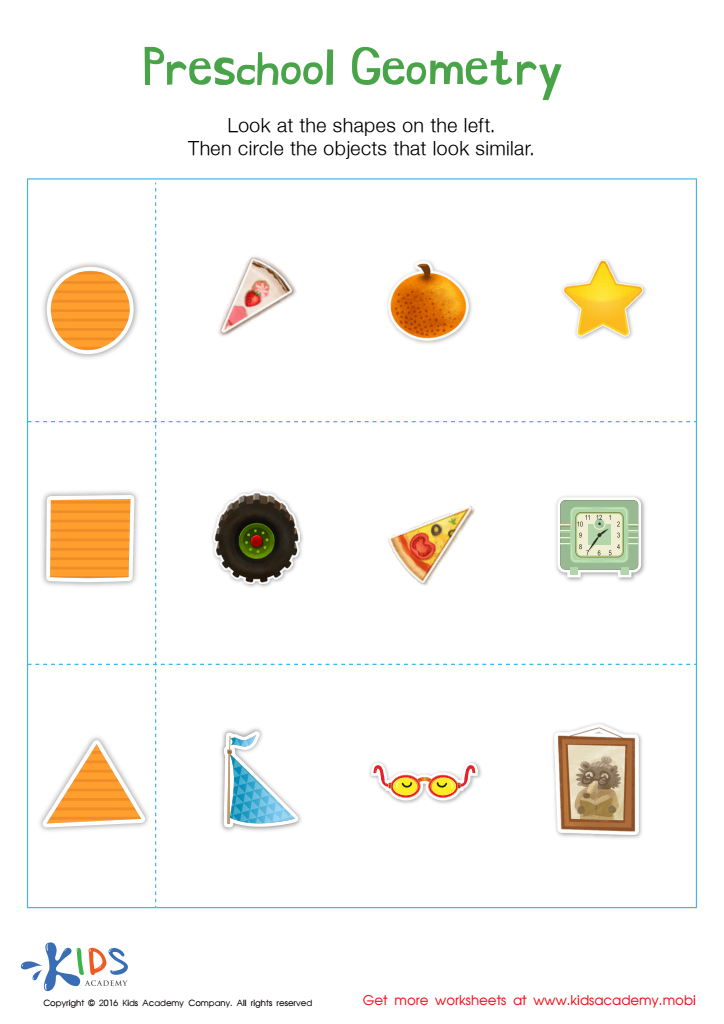
Preschool Geometry Match Up Worksheet
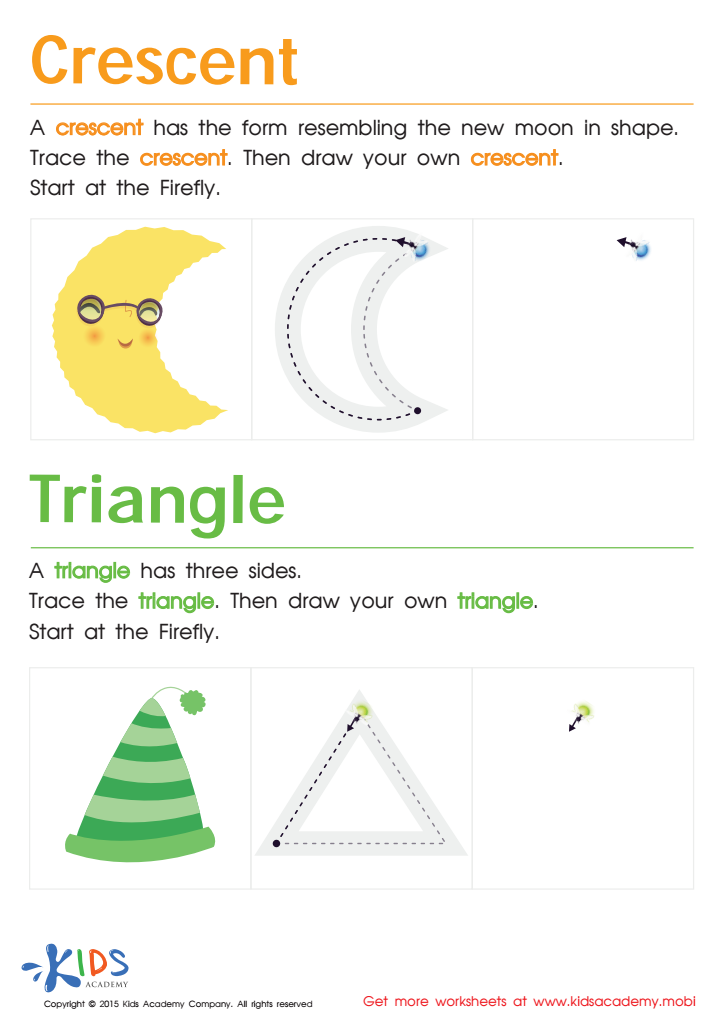
Learning to Draw Crescents And Triangles Worksheet
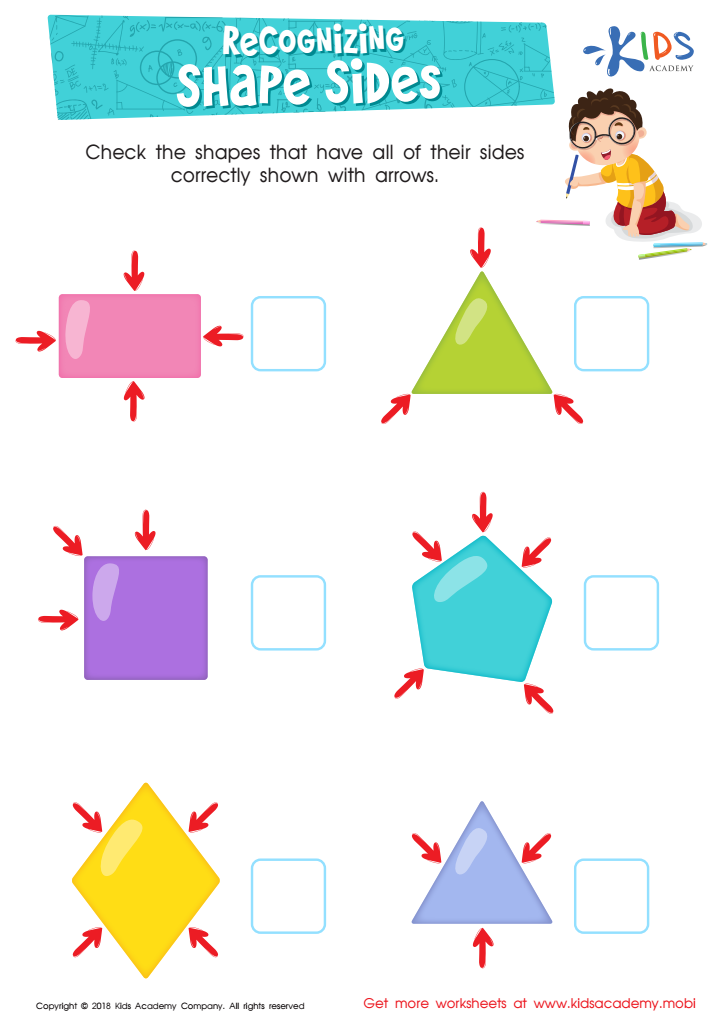
Recognizing Shape Sides Worksheet
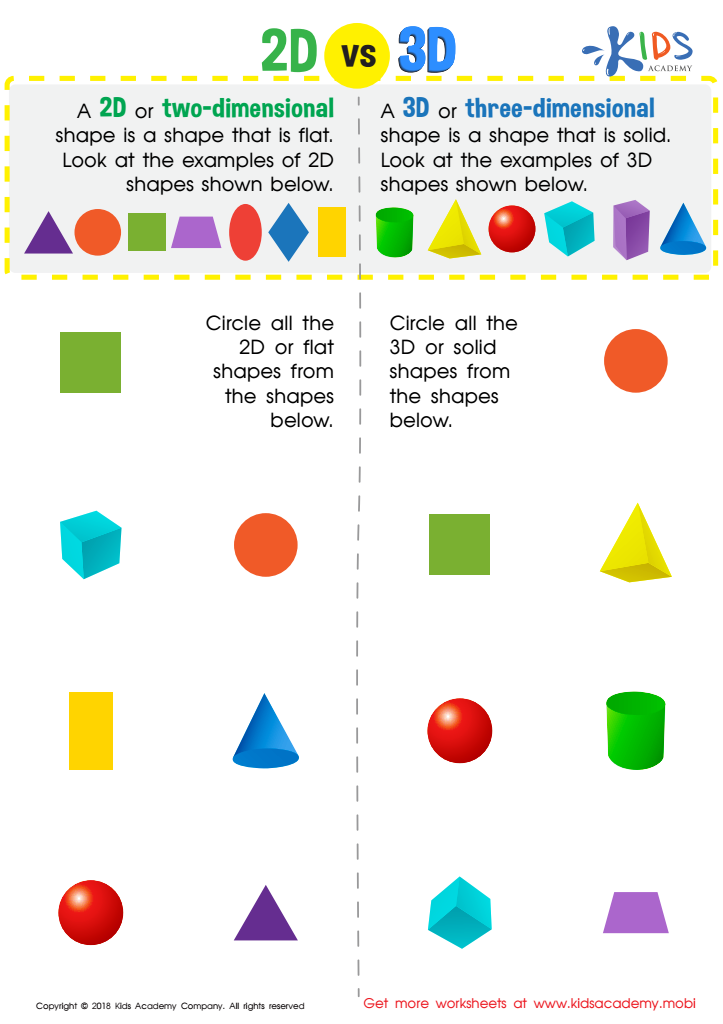
2D vs 3D Shapes Worksheet








Shape recognition, specifically the understanding of 2D shapes, is a fundamental skill for children aged 5-8 as it lays the foundation for various cognitive and development processes. Parents and teachers should prioritize shape recognition because it enhances spatial awareness and problem-solving abilities. By recognizing and differentiating shapes, children improve their visual perception and memory, essential skills in reading and writing where distinguishing letters and numbers is crucial.
Additionally, understanding shapes fosters early math skills. Shapes are one of the first ways children learn to categorize and logically sort information. This early concept of classification is a building block for more complex mathematical operations, such as geometry, measurement, and even algebra.
Shape recognition also supports language development. When children learn the names and properties of shapes, they not only expand their vocabulary, but also their ability to describe dimensions, patterns, and the world around them. It encourages the use of descriptive and comparative language, essential for effective communication.
Furthermore, engaging with shapes through drawing and constructing helps refine motor skills and hand-eye coordination. Activities that involve tracing, cutting, or assembling shapes require precision and control, which are important for everyday tasks and artistic expression.
In sum, investing in shape recognition for young children equips them with crucial cognitive, language, and motor skills, framing a strong base for their educational journey.