Vocabulary enhancement Science Worksheets for Ages 5-8 - Page 3
50 filtered results
-
From - To
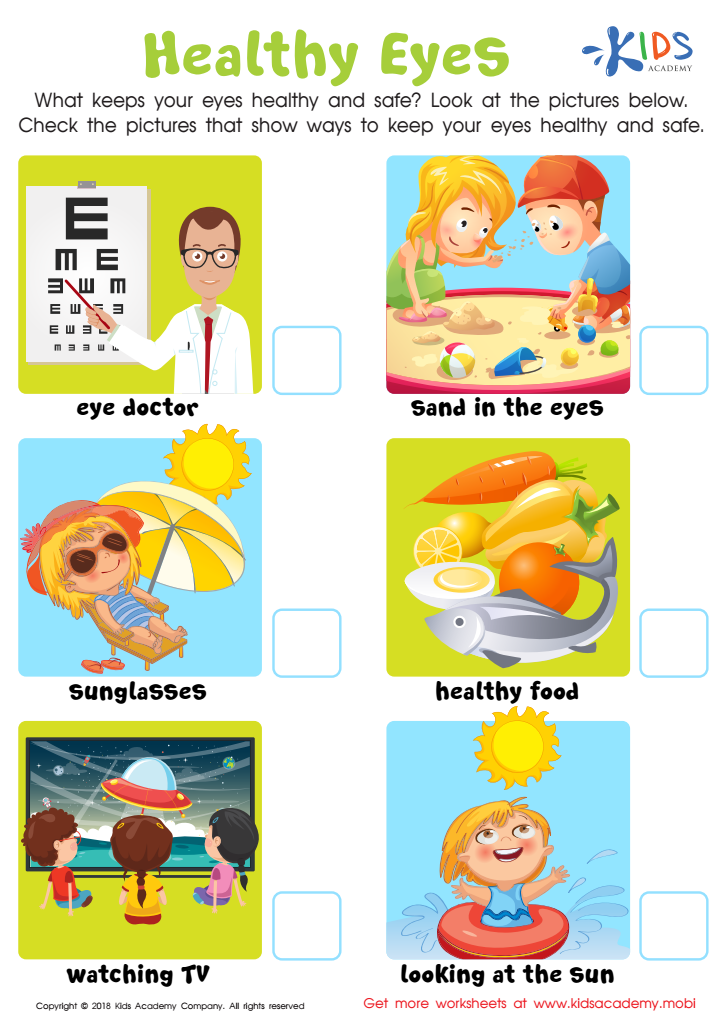
Healthy Eyes Worksheet
 Assign to My Students
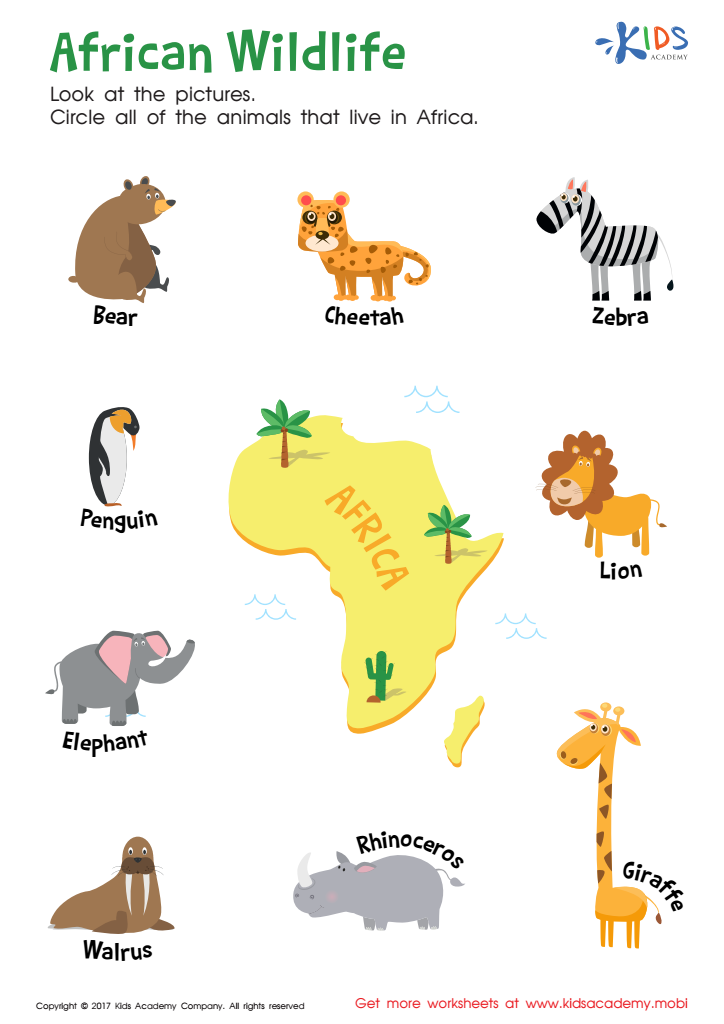








Vocabulary enhancement in young learners, particularly for ages 5-8, is crucial for their overall development and academic success. During these formative years, children's brains are highly receptive to language acquisition. A strong vocabulary not only facilitates better communication but also enriches comprehension skills, enabling children to grasp concepts across various subjects, including science.
Fostering vocabulary development in the context of scientific terms helps children make sense of the world around them. As they learn new words related to science, such as "habitat," "gravity," or "ecosystem," they expand their ability to ask questions, hypothesize, and express ideas clearly. This lays a strong foundation for critical thinking and problem-solving skills.
Moreover, enhancing vocabulary boosts children’s confidence in reading and writing, as they encounter texts with increasingly complex language. Parents and teachers should be mindful of incorporating enriching vocabulary activities into daily routines—like storytelling, interactive games, or hands-on science explorations—making learning stimulating and fun.
Ultimately, investing in vocabulary enhancement during these early years not only prepares children for future academic challenges but also nurtures their curiosity and passion for learning, especially in subjects like science, which are vital for innovation in our rapidly evolving world.







