Math Worksheets for Ages 5-9 - Page 4
2519 filtered results
-
From - To
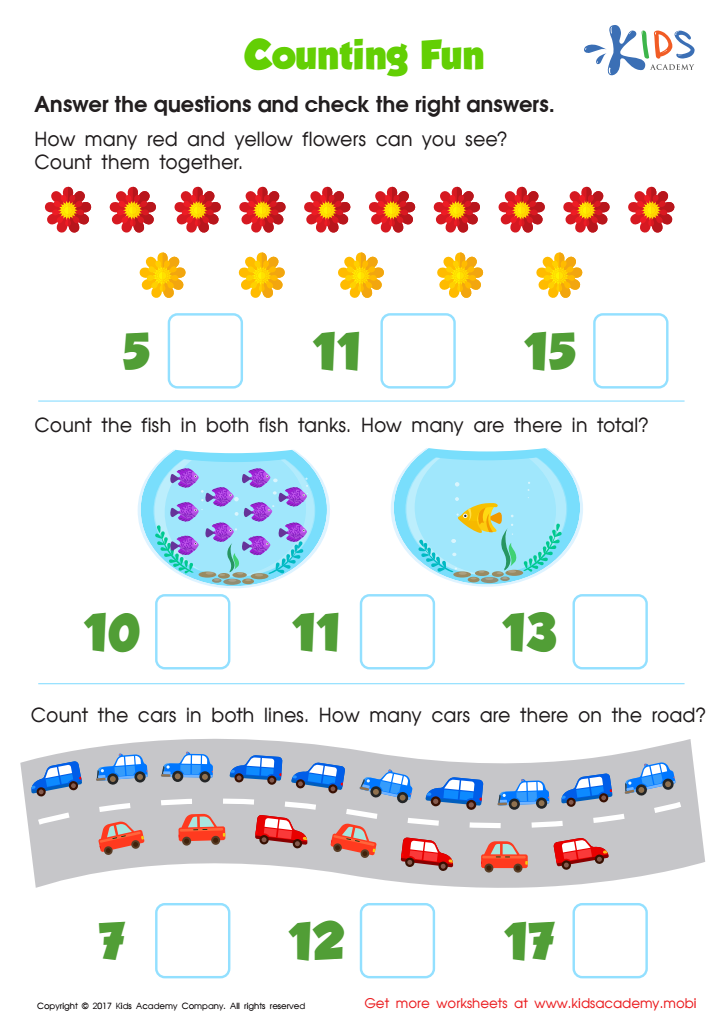
Counting Fun Worksheet
 Assign to My Students
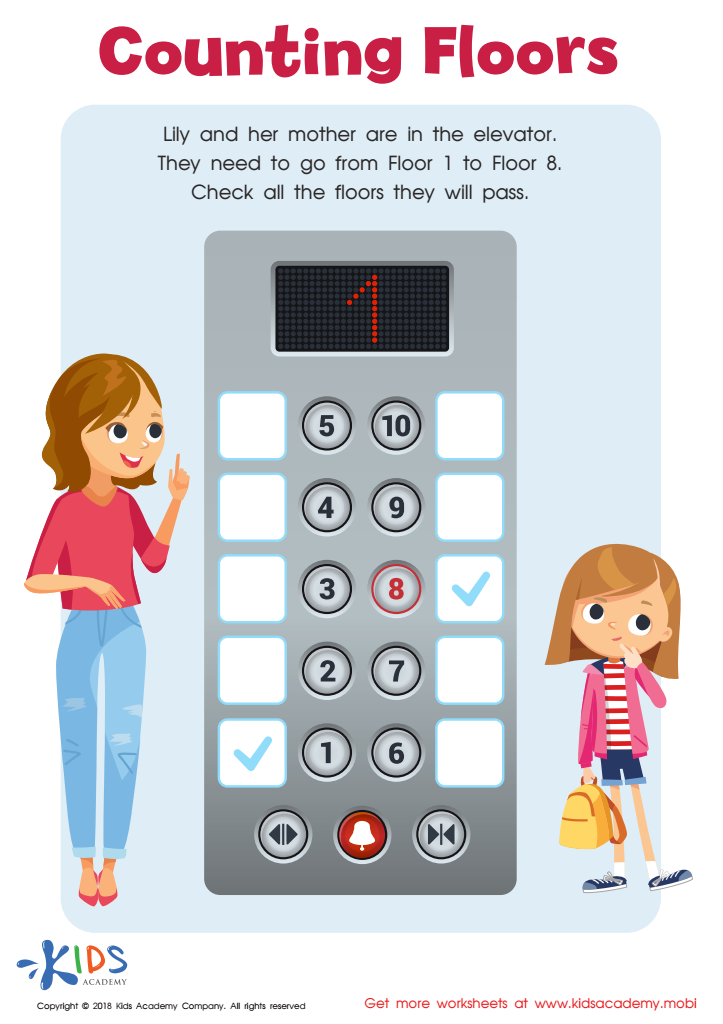
Counting Floors Worksheet
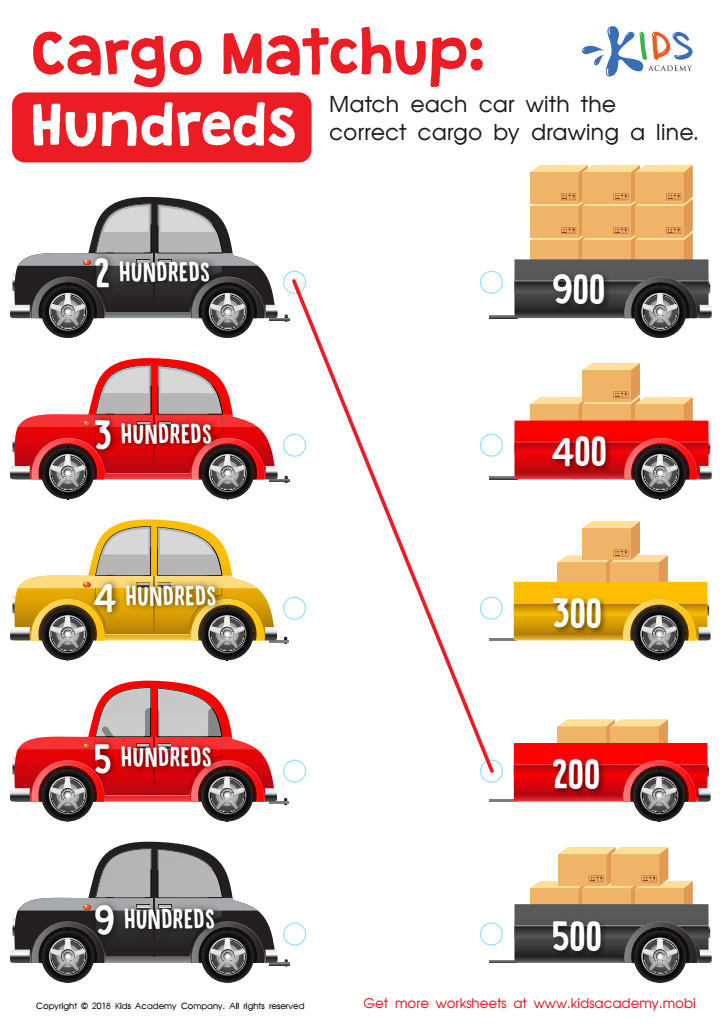
Cargo Matchup: Hundreds Worksheet
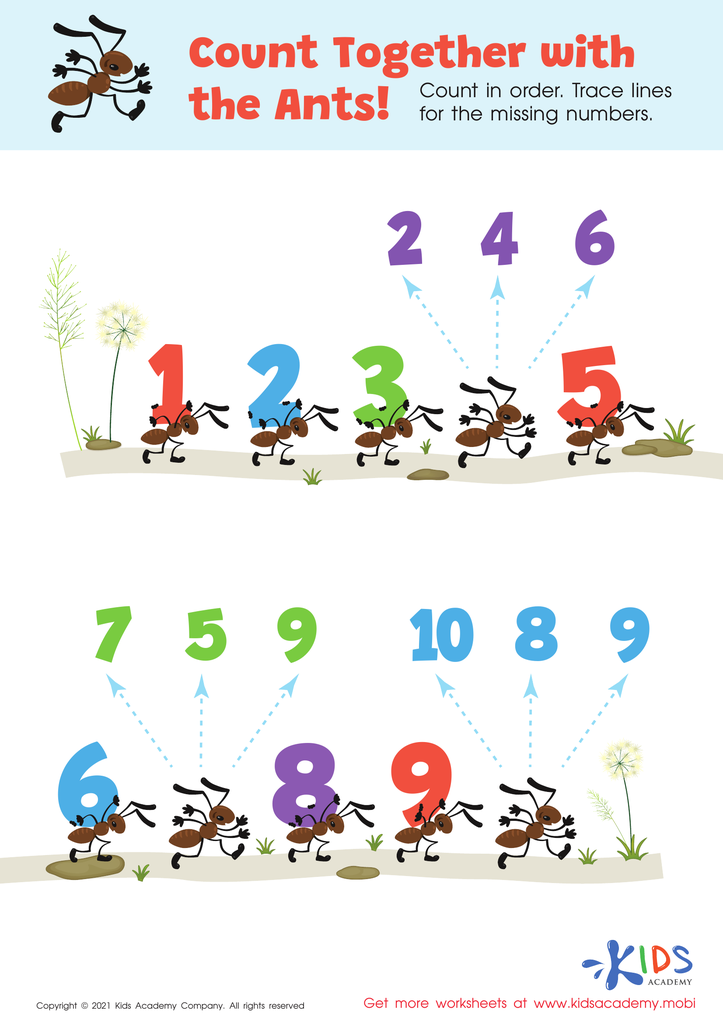
Count Together with the Ants Worksheet
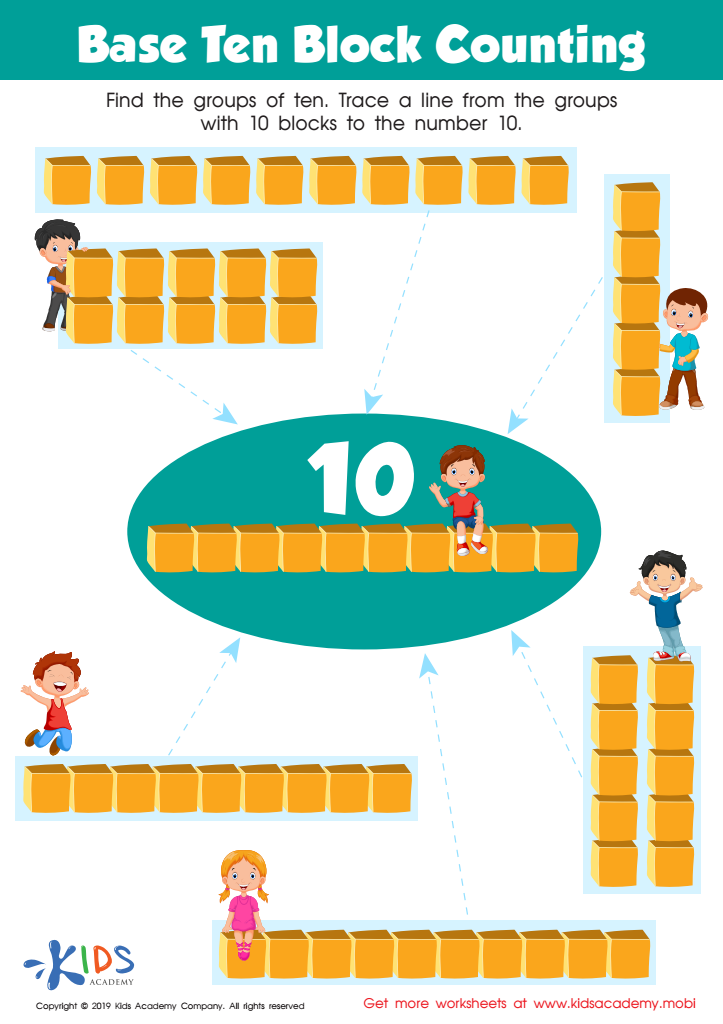
Base Ten Block Counting Worksheet
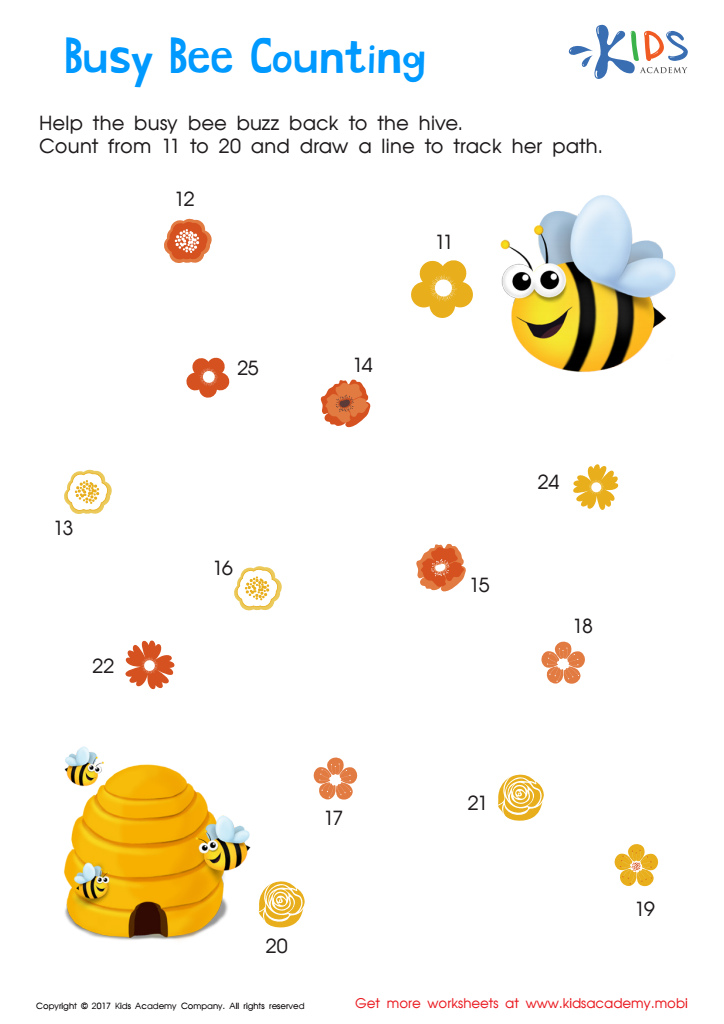
Ordering 11–20: Busy Bee Counting Worksheet
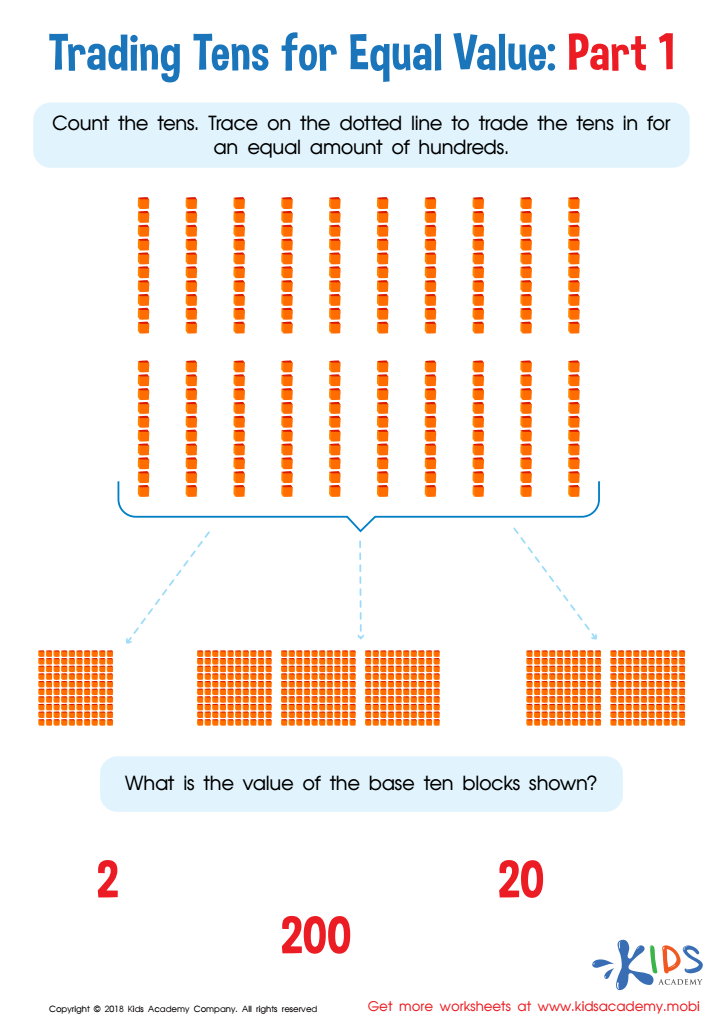
Trading Tens for Equal Value Worksheet: Part 1
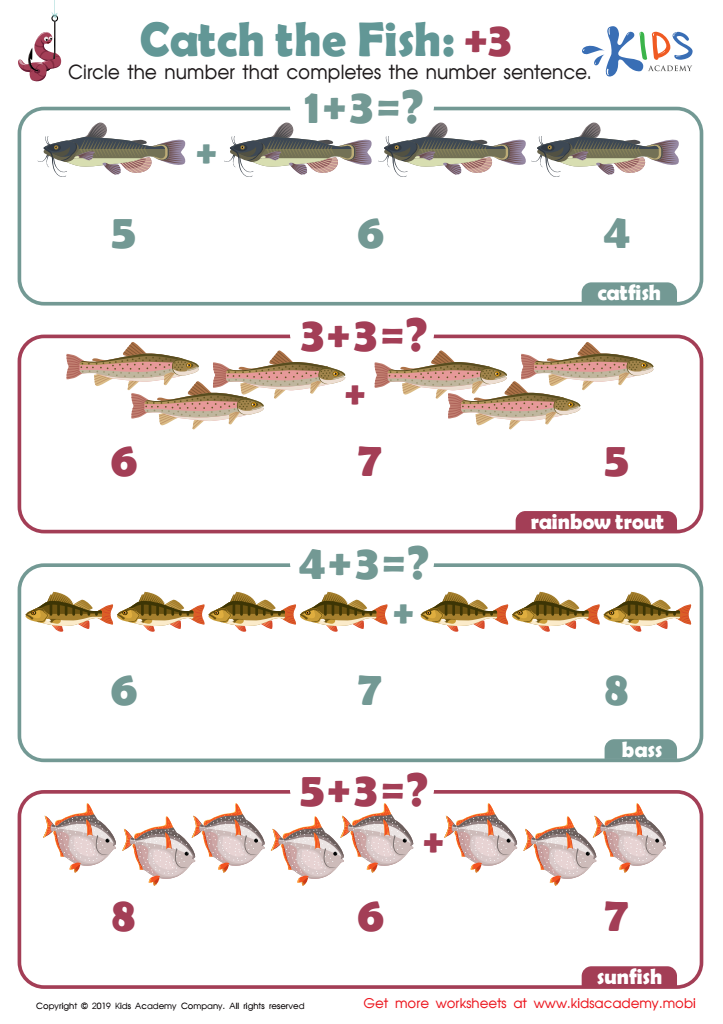
Catch the Fish: +3 Worksheet
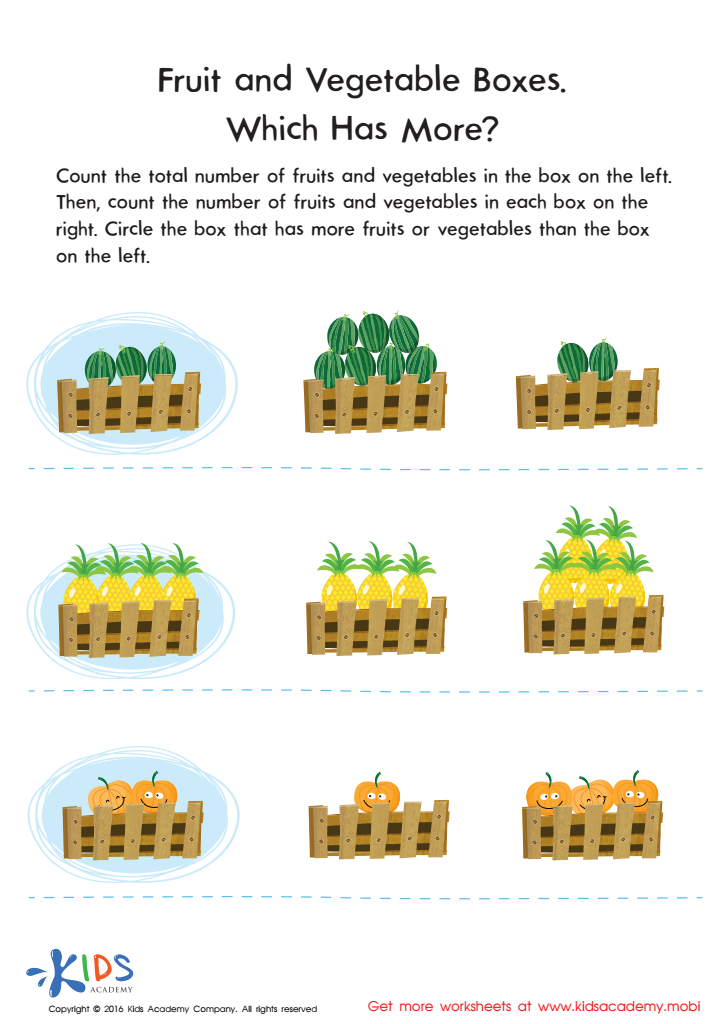
Which Has More? Size Worksheet
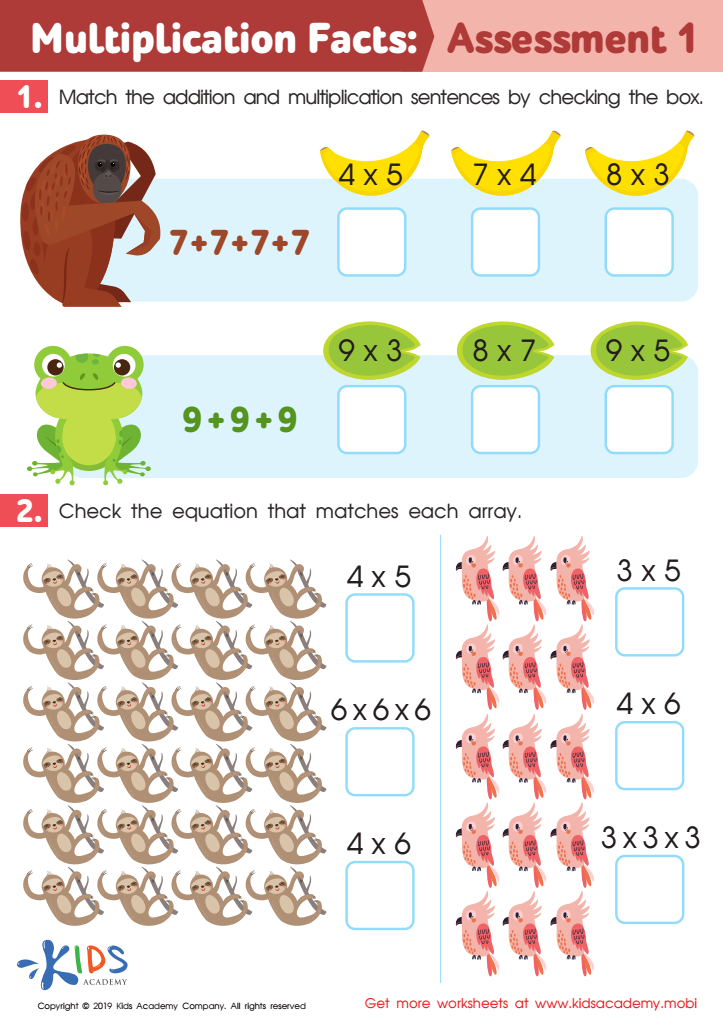
Multiplication Facts: Assessment 1 Worksheet
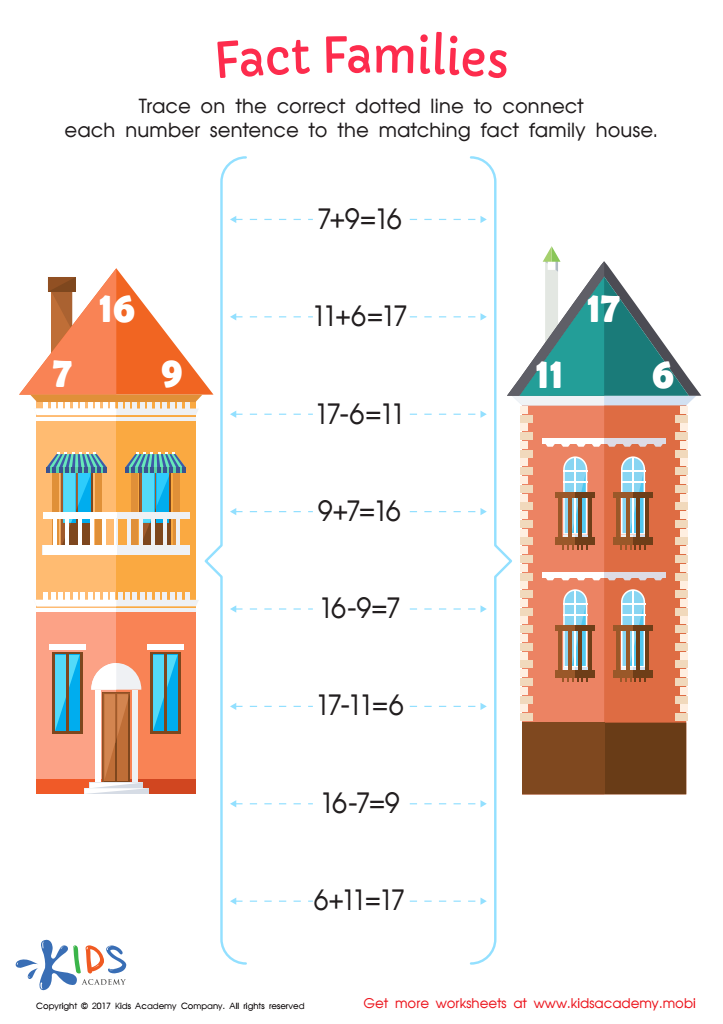
Fact Families — Add and Subtract Worksheet
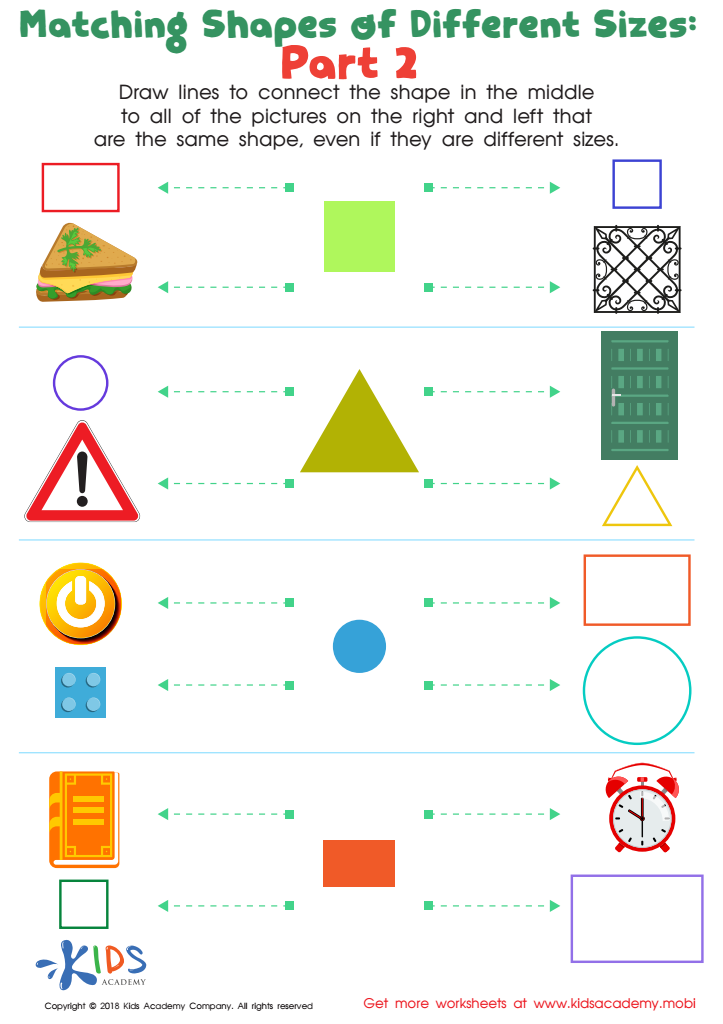
Geometry: Part 2 Worksheet
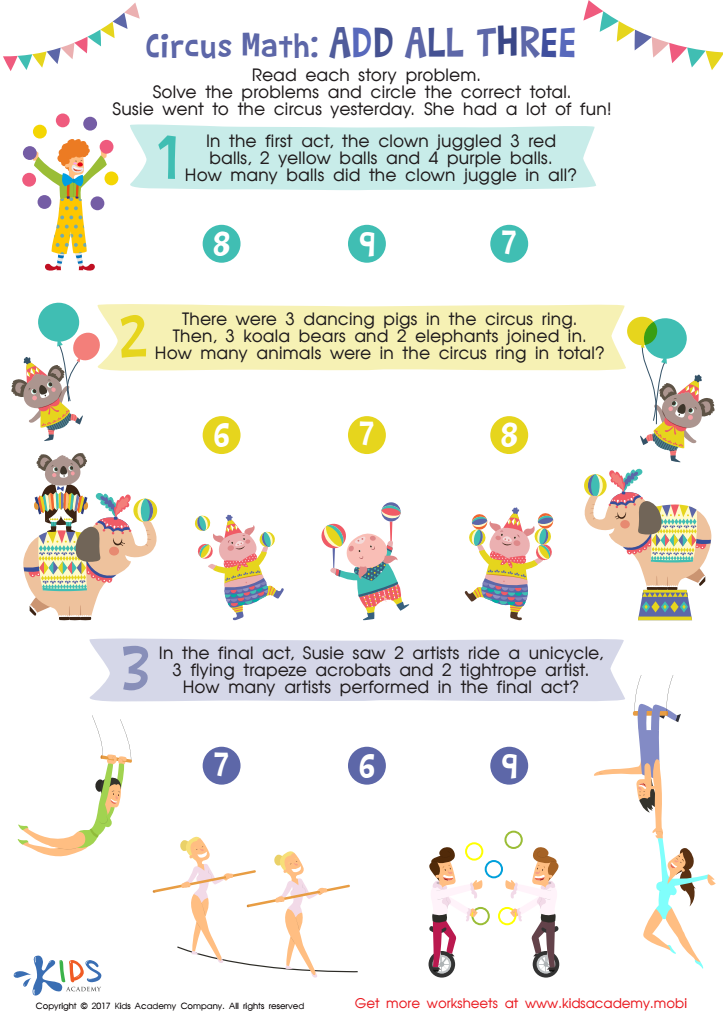
Circus Math Printable
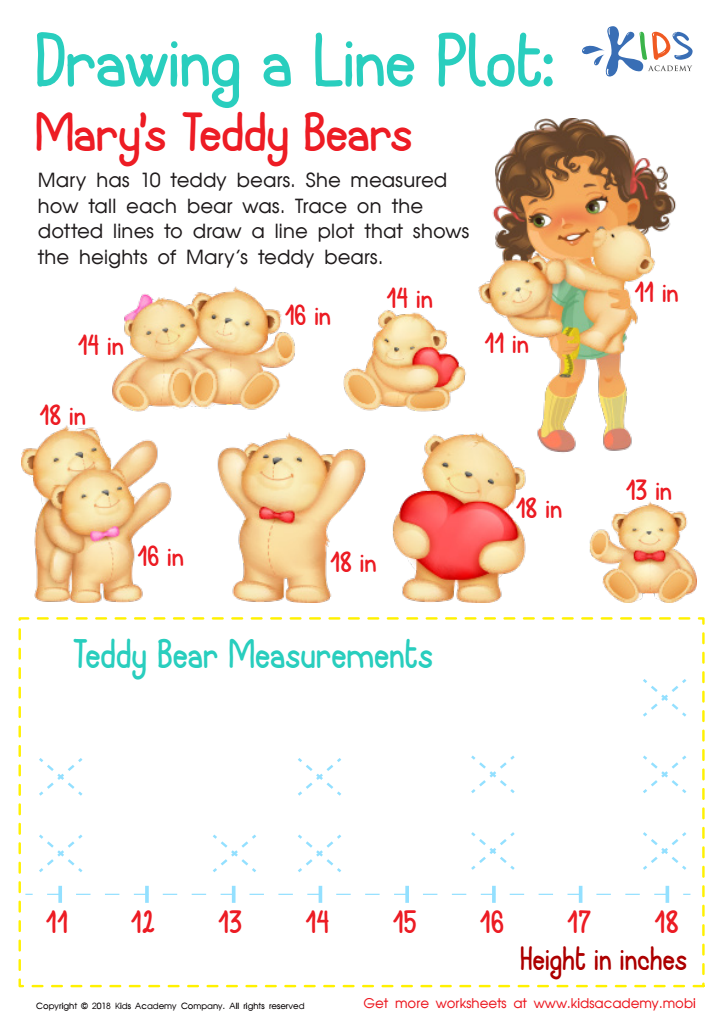
Drawing and Line Plot: Mary's Teddy Bears Worksheet
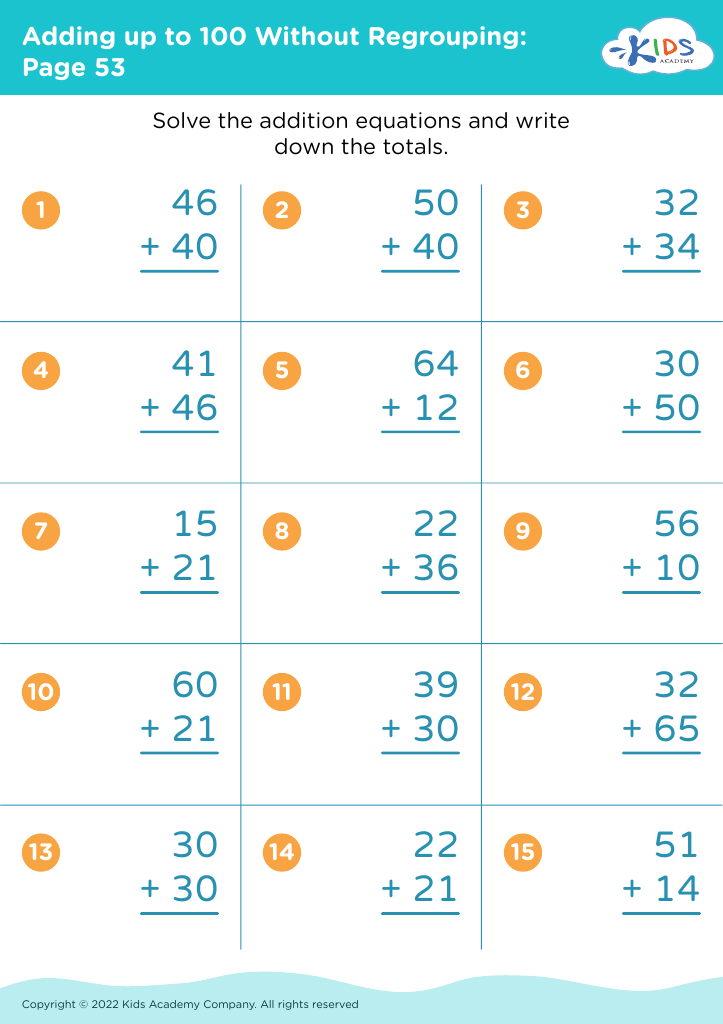
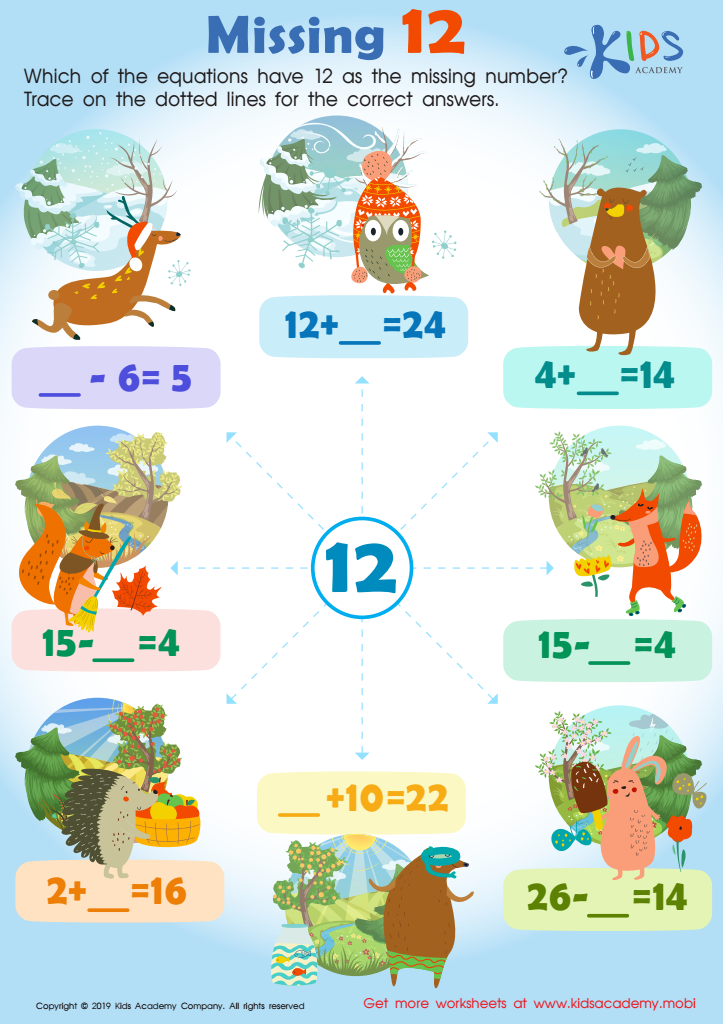
Missing 12 Worksheet
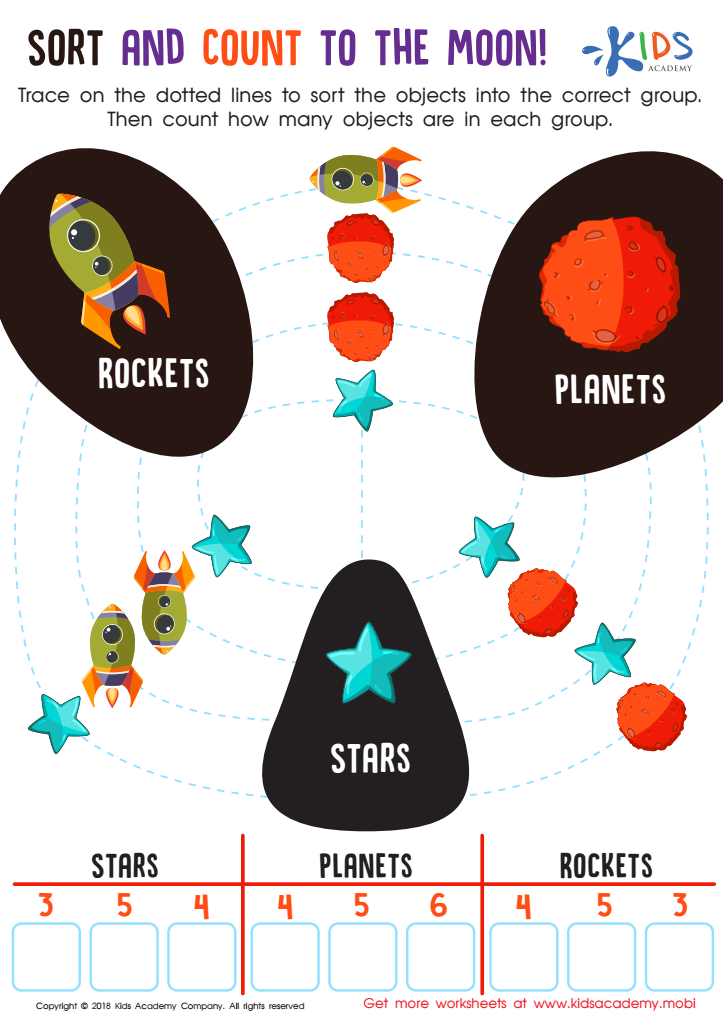
Sort and Count to the Moon Worksheet
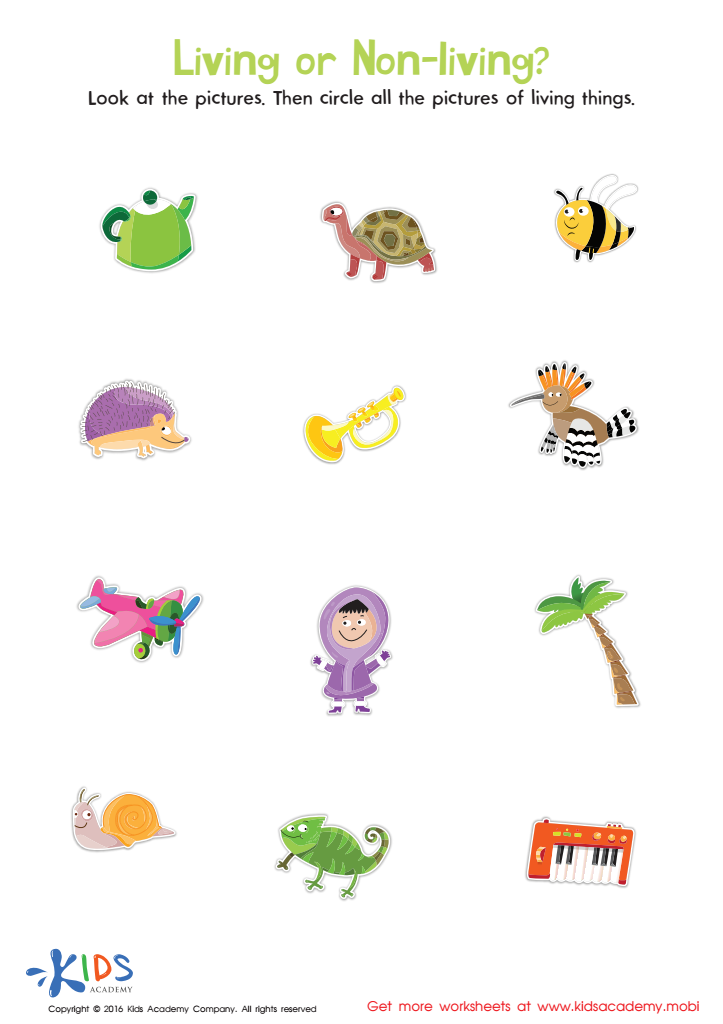
Identifying Living and Non–living Things Sorting Worksheet







Parents and teachers should prioritize math education for children ages 5-9 because it forms the foundational skills necessary for future learning and everyday problem-solving. During these critical years, kids develop basic numeracy skills and understand fundamental concepts such as addition, subtraction, and patterns. Engaging in math activities fosters critical thinking, enhances cognitive development, and boosts confidence as children learn to tackle challenges.
Furthermore, math is not just about numbers; it helps develop essential skills including logic, reasoning, and analytical thinking. These skills are transferable and beneficial across various subjects, preparing students for more complex concepts in later grades. Early exposure to math also nurtures a positive attitude toward the subject, potentially combating the common fear of math that many students face.
Moreover, math proficiency is linked to better academic performance overall, which can impact a child's future educational and career opportunities. By supporting math learning at this age, parents and teachers are investing in their child's success, cultivating curiosity, perseverance, and a lifelong love for learning. In a world that increasingly relies on technology and analytical problem solving, fostering strong math skills is crucial for equipping children with the tools they need to thrive.








