Matching Worksheets for Ages 5-9 - Page 4
82 filtered results
-
From - To
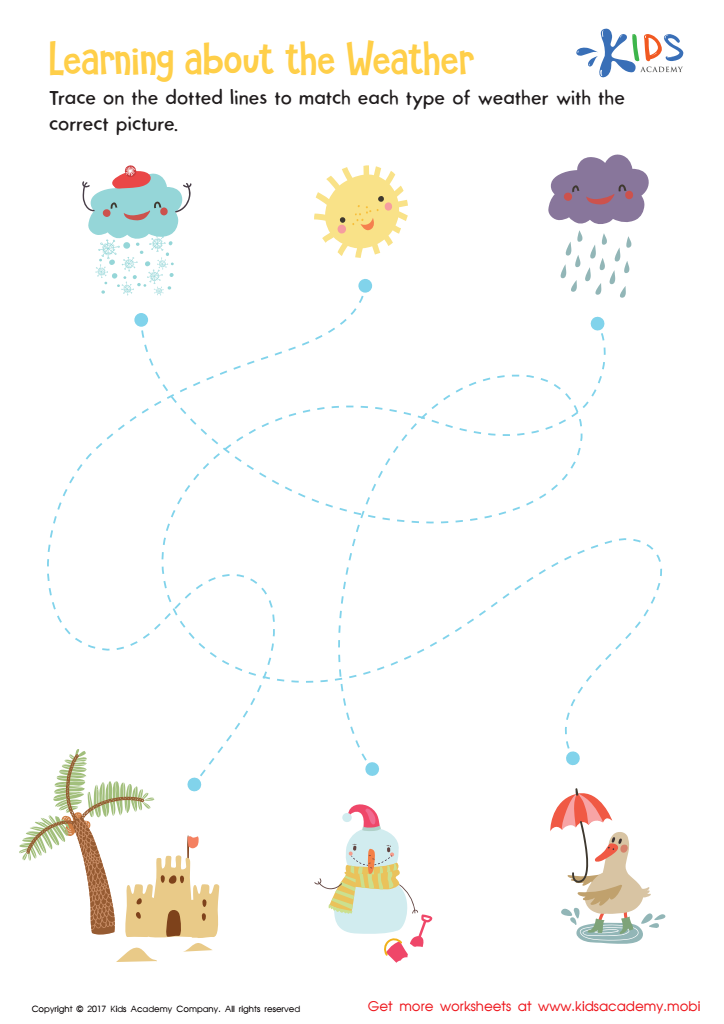
 Assign to My Students
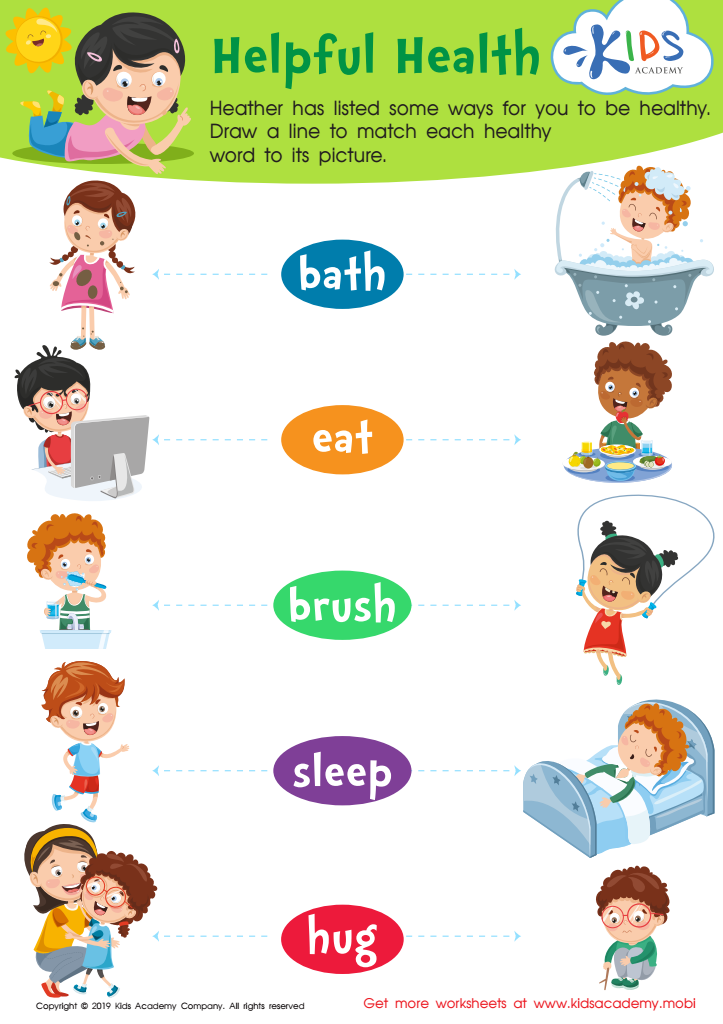
Helpful Health Worksheet
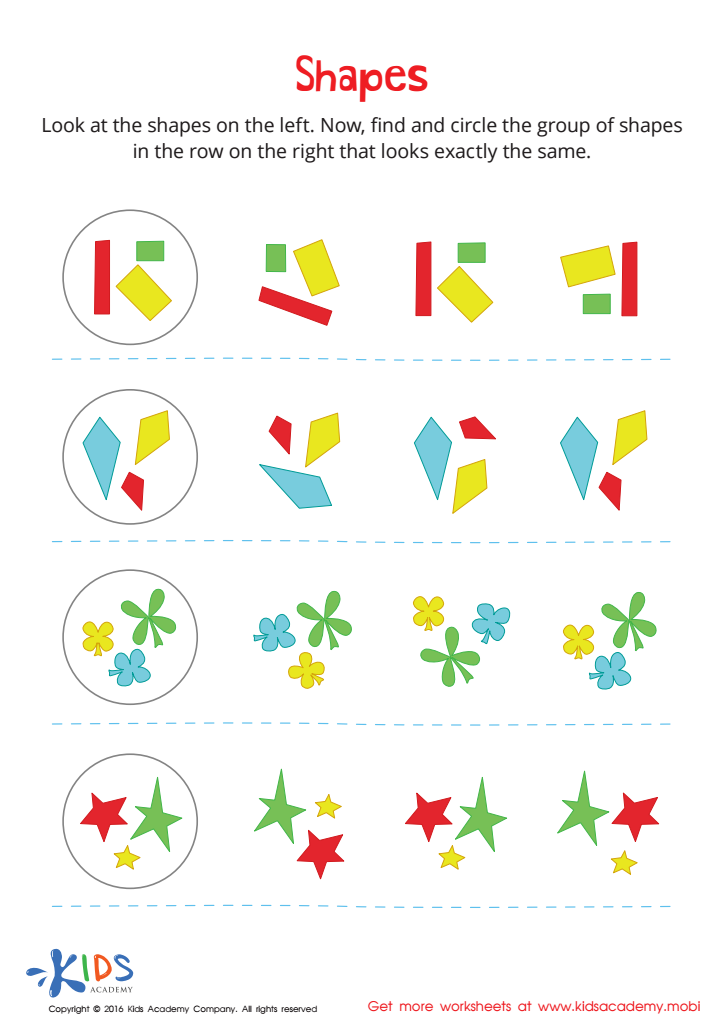
Shapes Worksheet
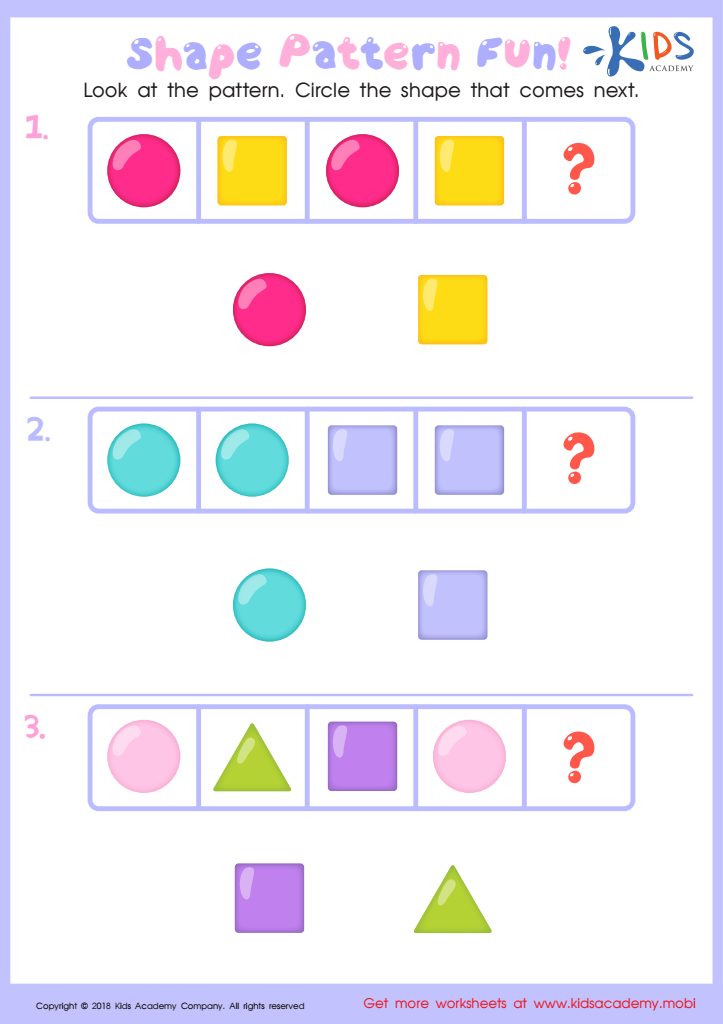
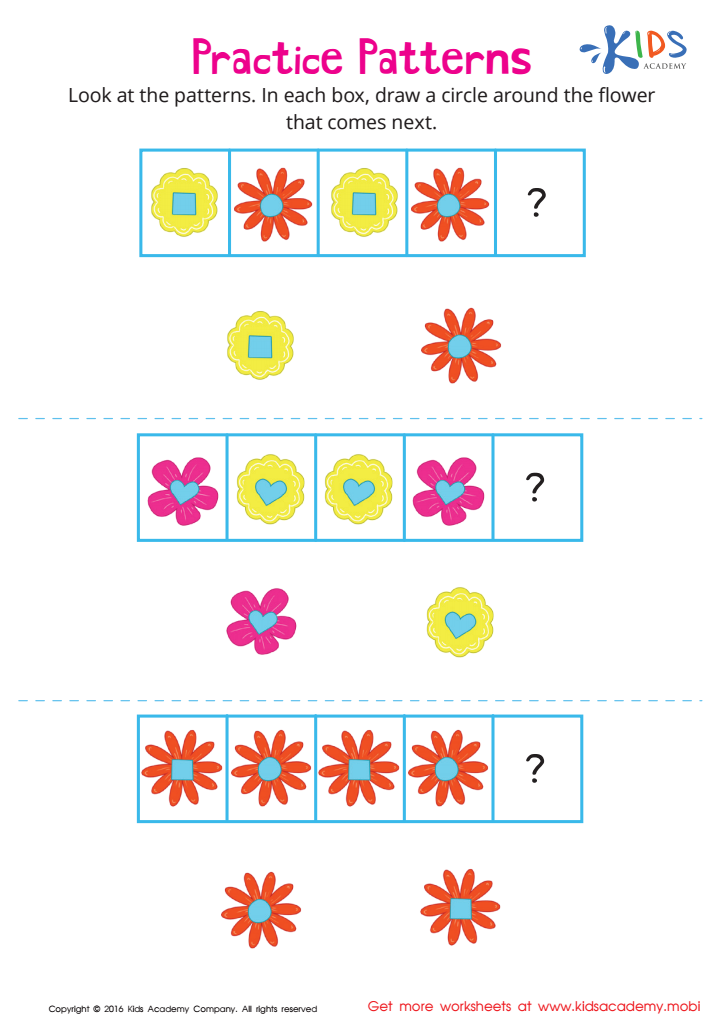
Shape Pattern Fun Worksheet
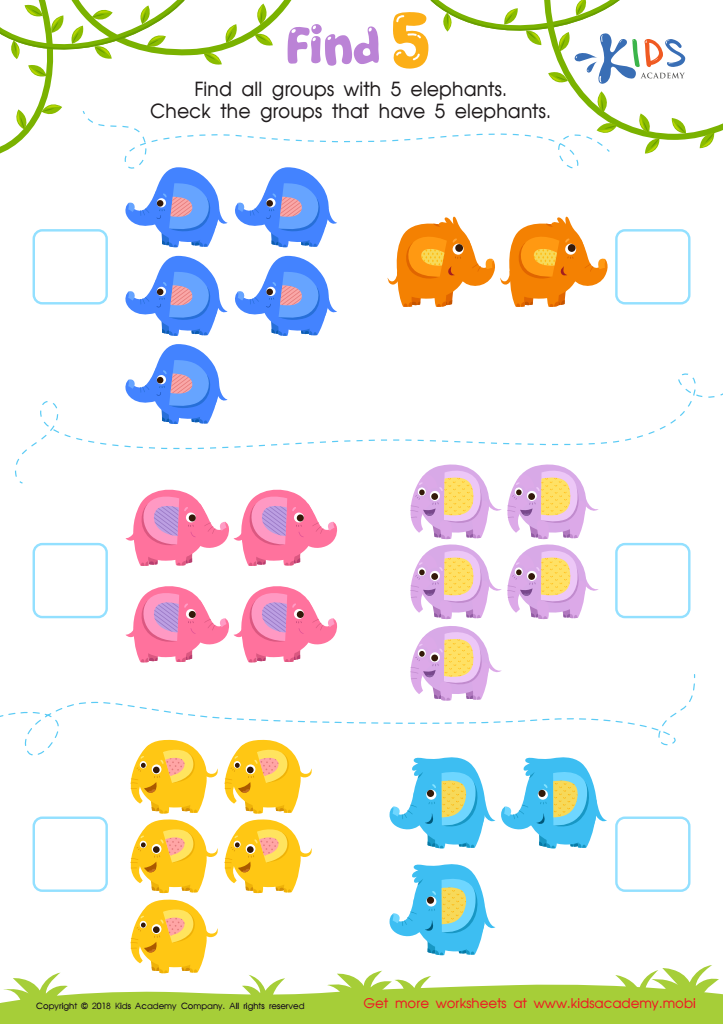
Find 5 Worksheet
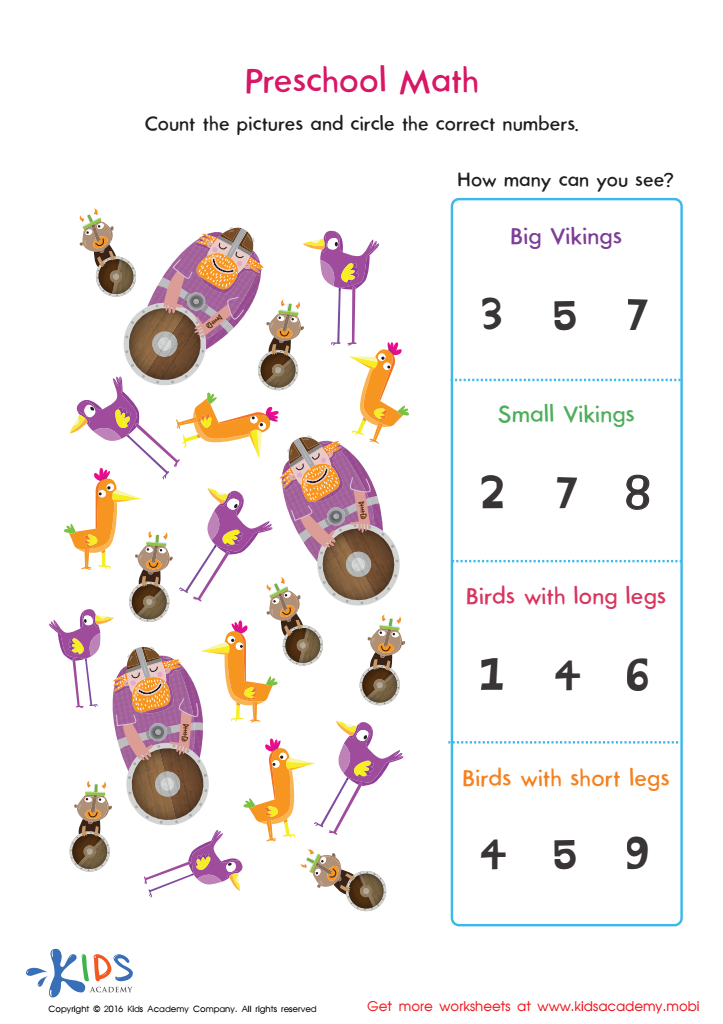
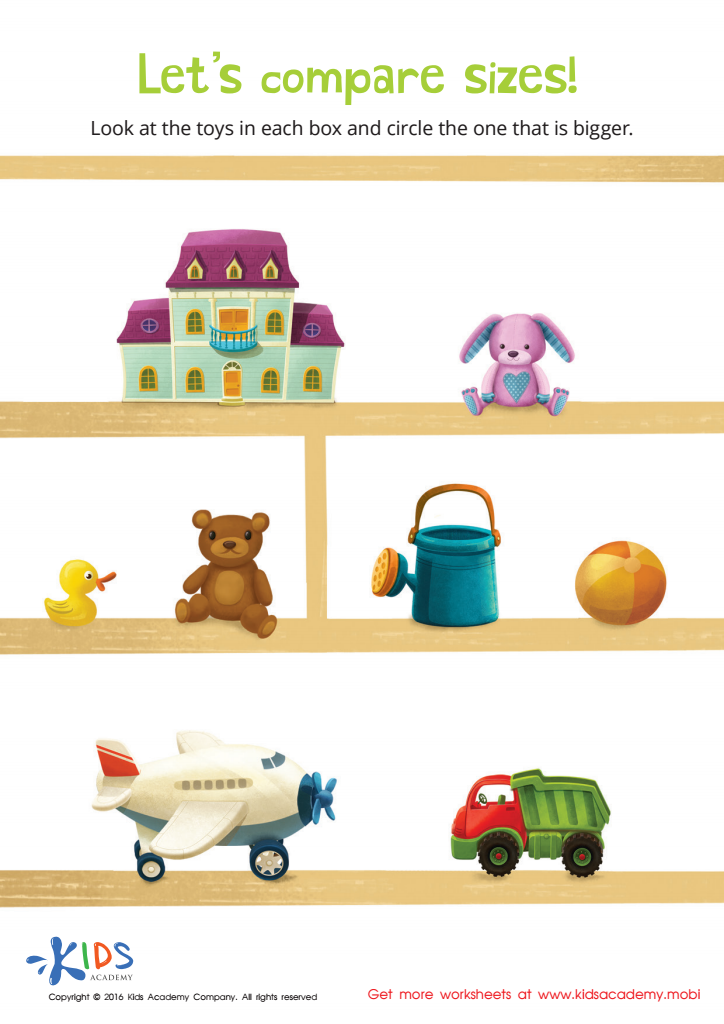
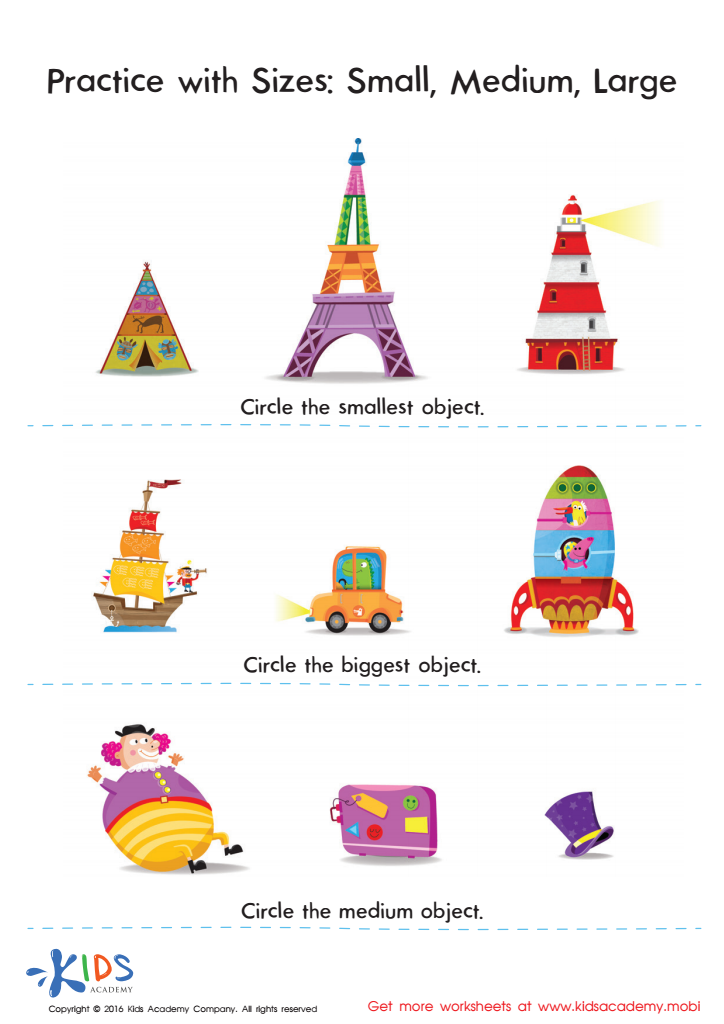
Classifying by Size Sorting Worksheet
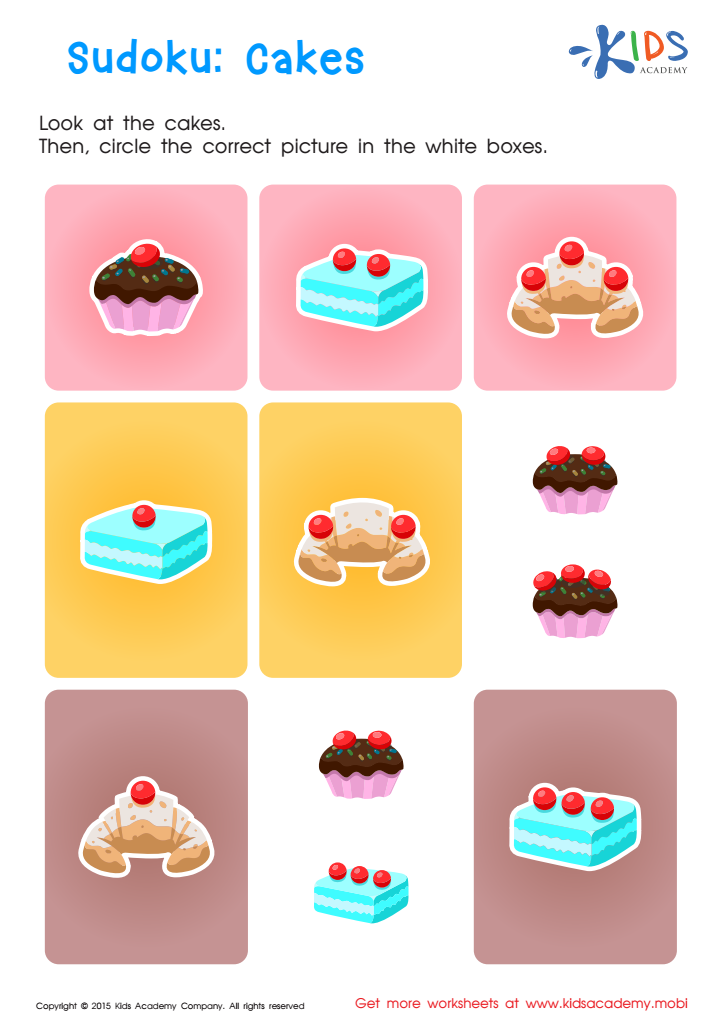
Sudoku Worksheet




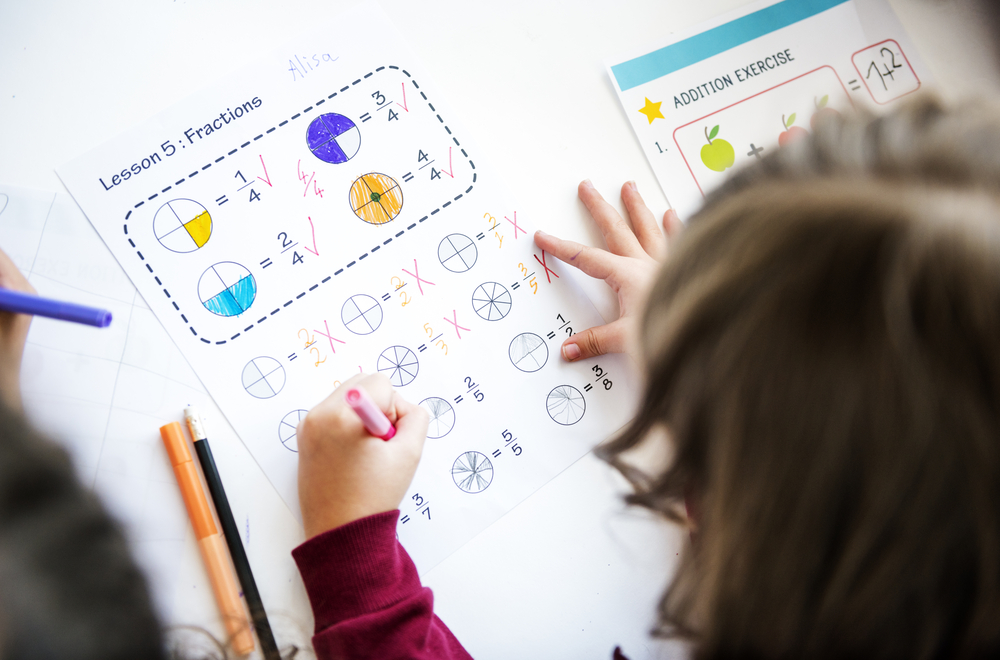
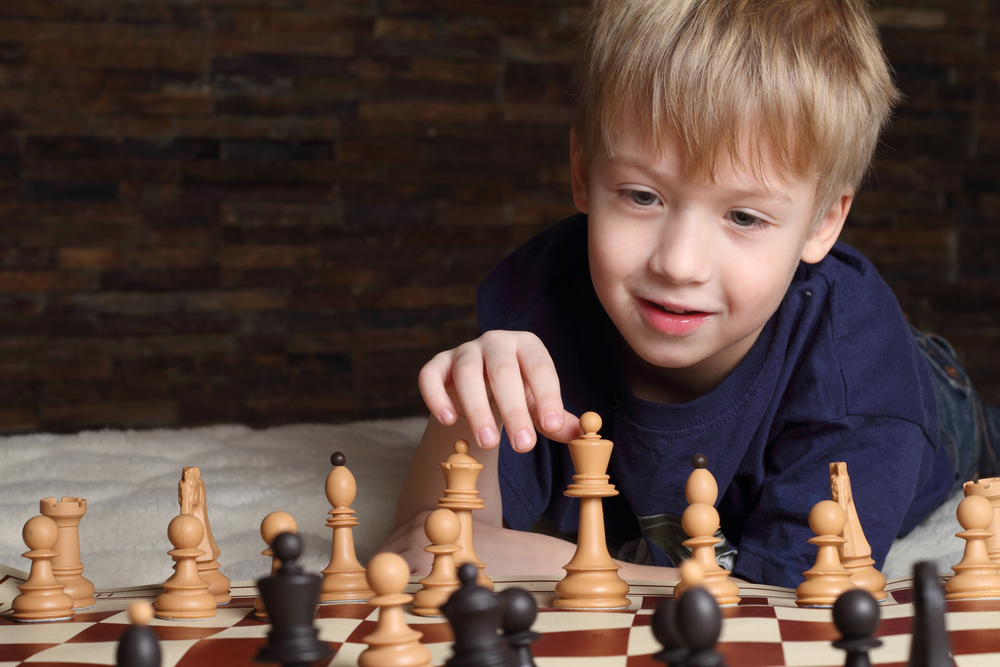


Matching activities are fundamentally important for children ages 5-9 because they serve as foundational exercises that support cognitive development and learning readiness. Matching helps to build memory skills, as children must recall characteristics of items in order to identify pairs. These activities also foster problem-solving and critical thinking as children assess similarities and differences among items.
Moreover, matching activities enhance attention to detail and concentration. They require children to focus carefully, which can improve their ability to concentrate in other academic areas. Additionally, through matching games, children learn categorization and classification, assessing how items relate to one another. This skill lays groundwork for more sophisticated math and science concepts they will encounter later in their education.
For parents and teachers, encouraging matching for children holds social benefits too. Many matching games can be played in groups, teaching children cooperation, turn-taking, and communication. These games often utilize bright colors, fun images, and familiar themes, making learning enjoyable and sustaining a child's interest and motivation.
Overall, engaging children ages 5-9 in matching activities is not only about enjoyment but also about equipping them with vital cognitive and social skills. These skills will aid in their immediate learning environment and contribute to their long-term educational success.








