Number Recognition Numbers Worksheets for Ages 6-8 - Page 2
228 filtered results
-
From - To
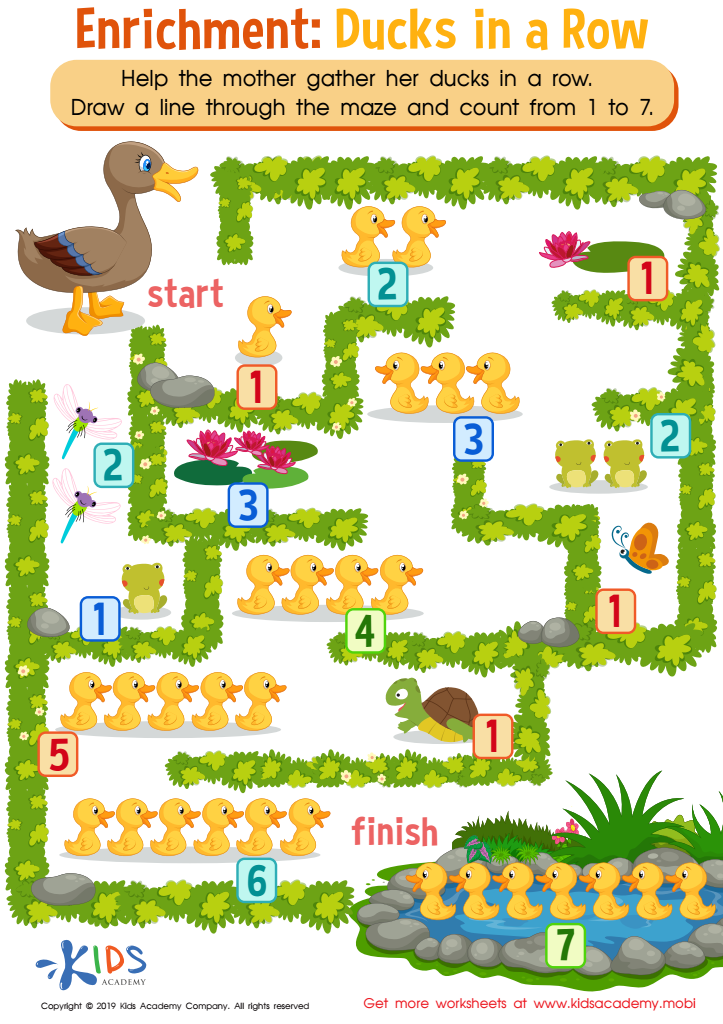
Ducks in a Row Worksheet
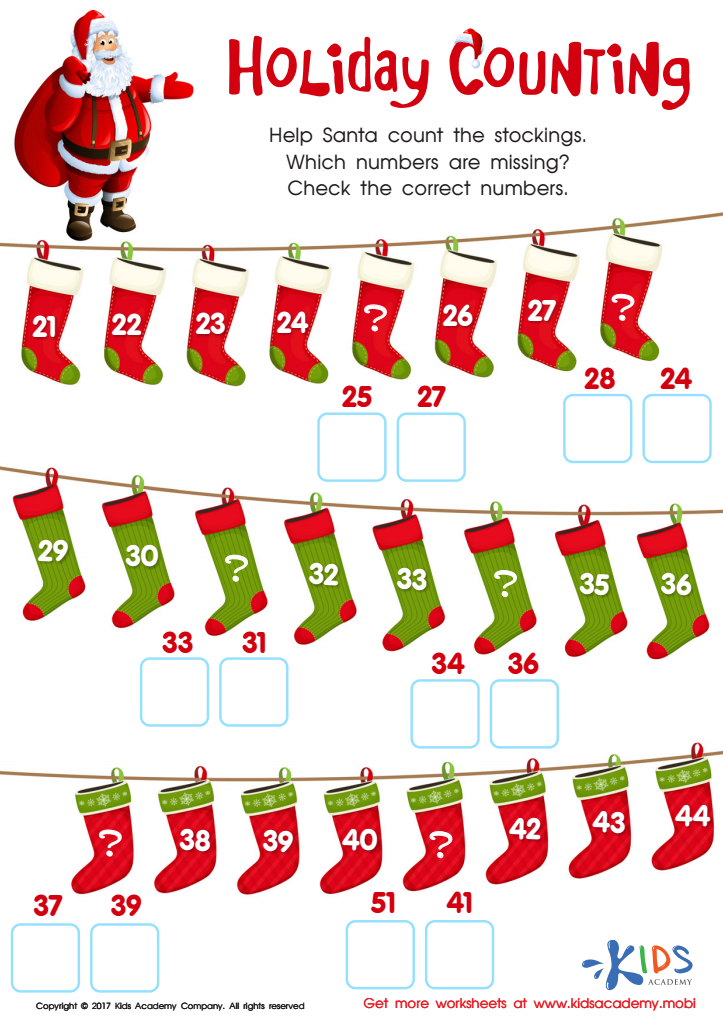
Holiday Counting Worksheet
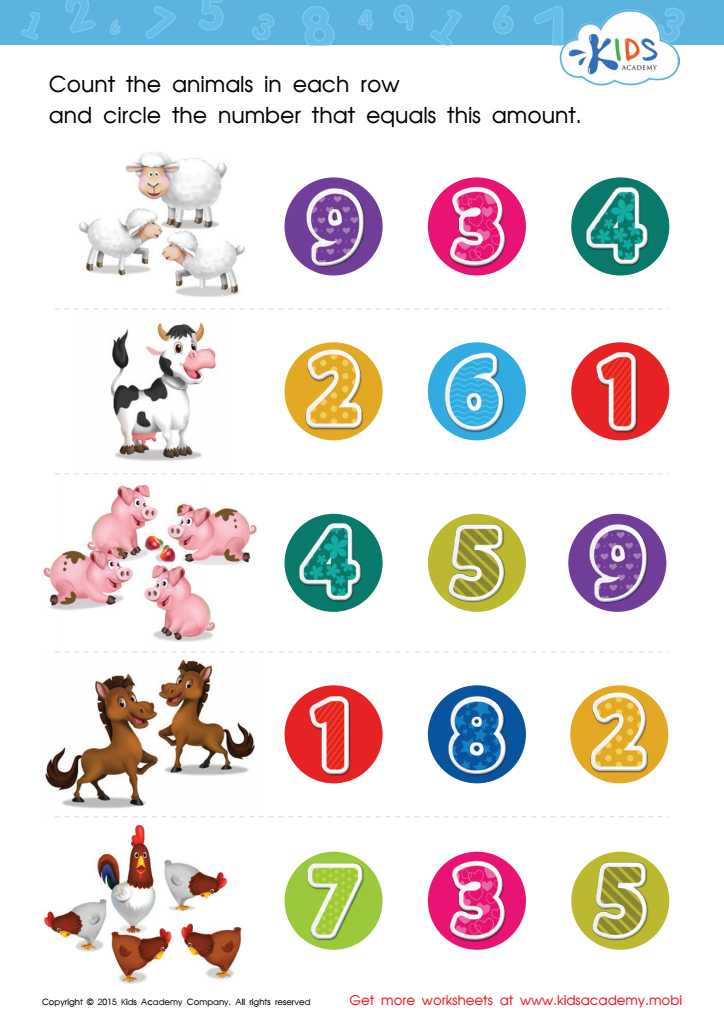
Count and Match 1 – 5 Math Worksheet
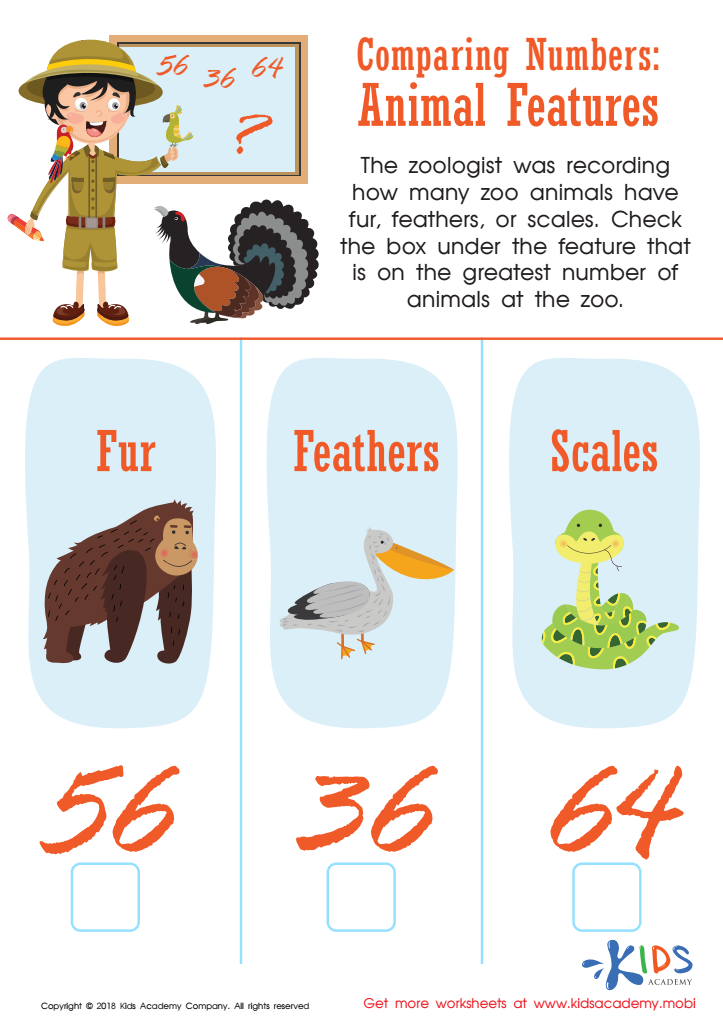
Animal Features Worksheet

Counting Eggs Worksheet
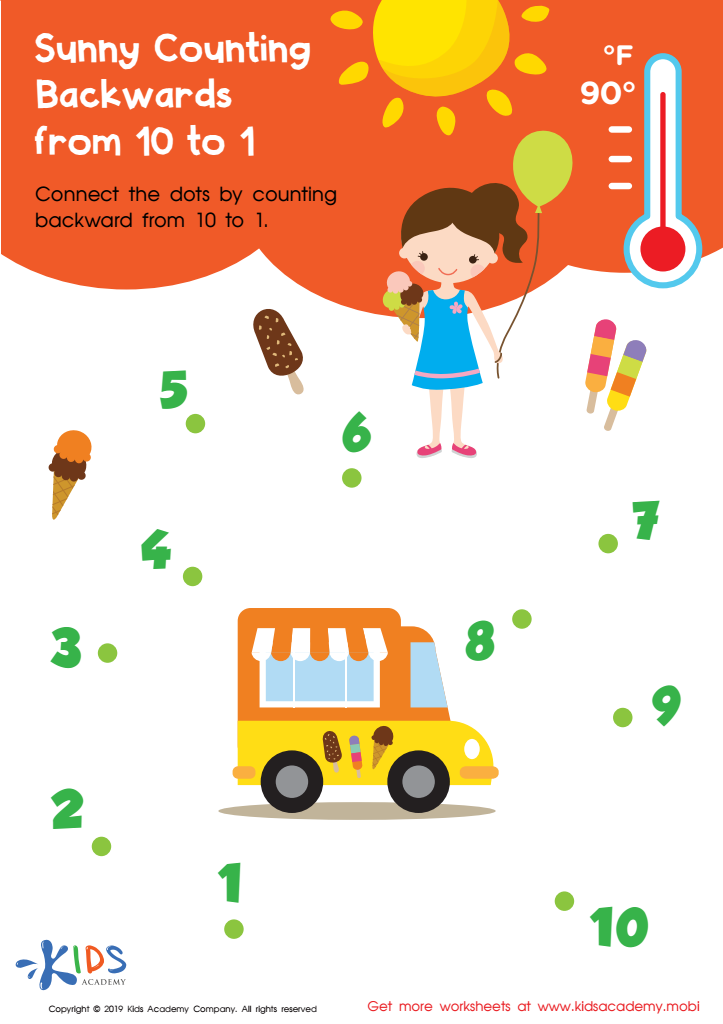
Sunny Counting Backwards from 10 to 1 Worksheet
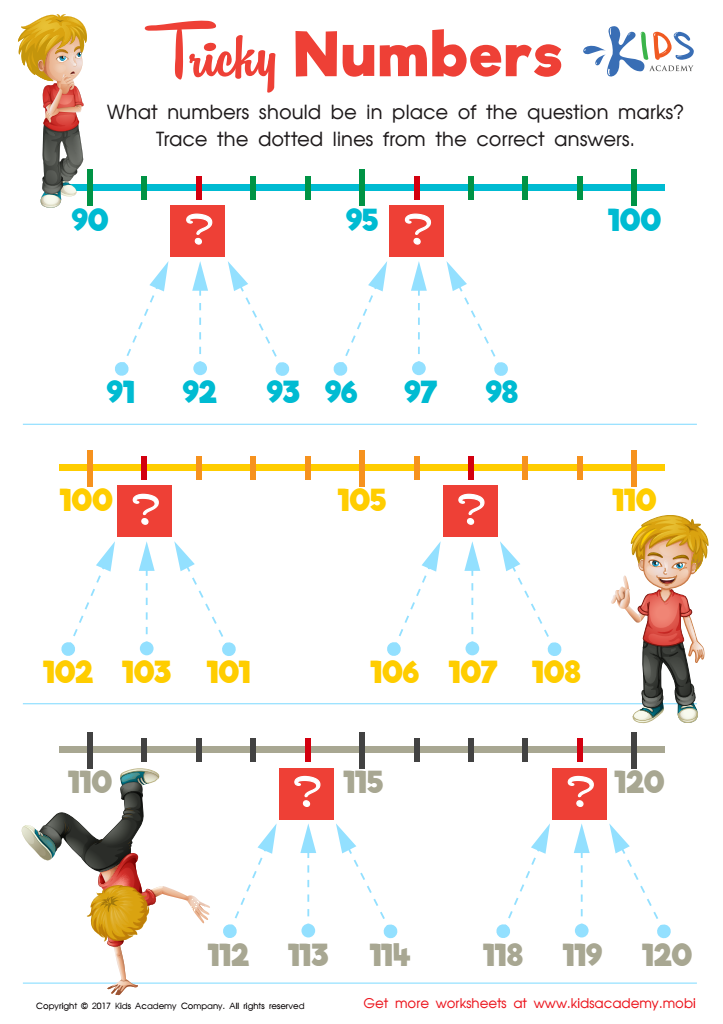
Tricky Numbers Worksheet
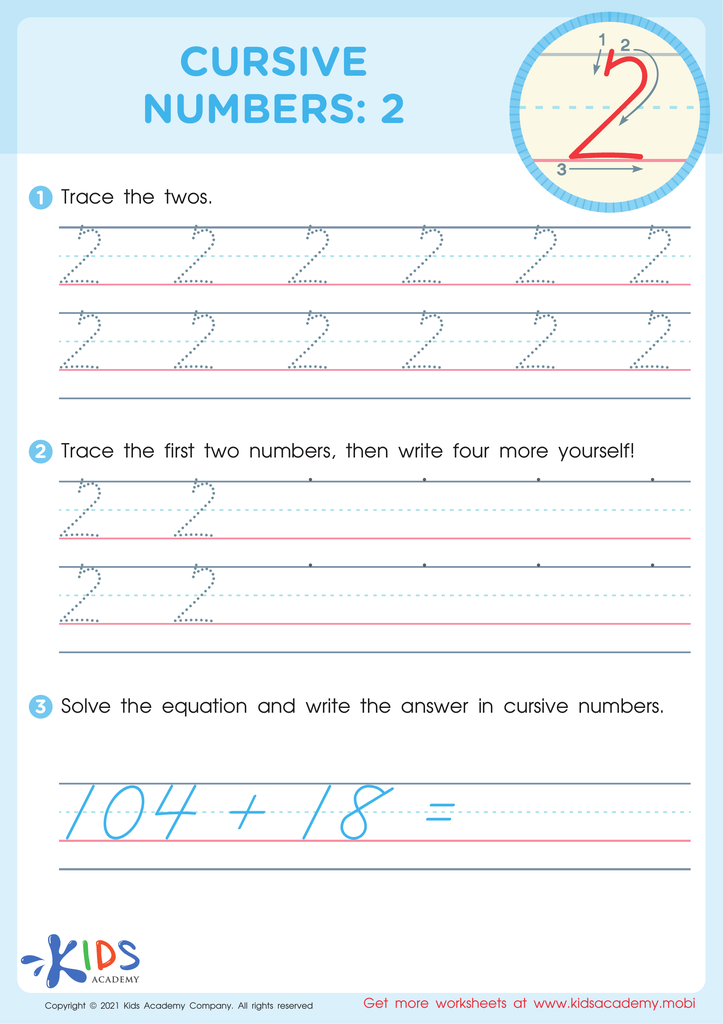
Cursive Numbers: 2 Worksheet

Find 9 Worksheet
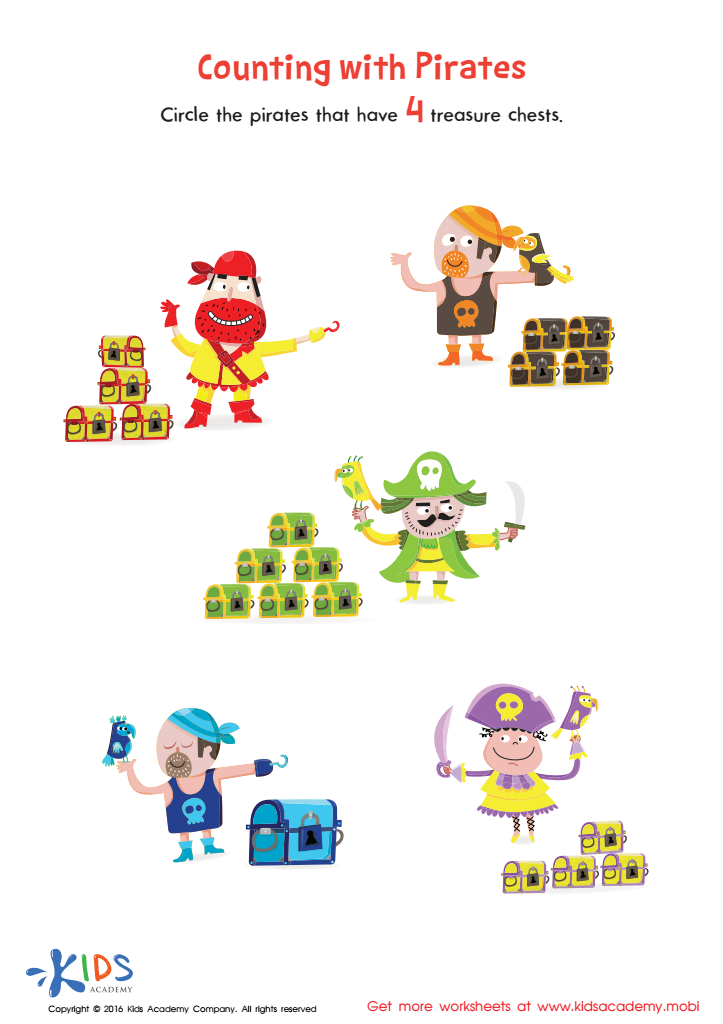
Counting With Pirates Worksheet
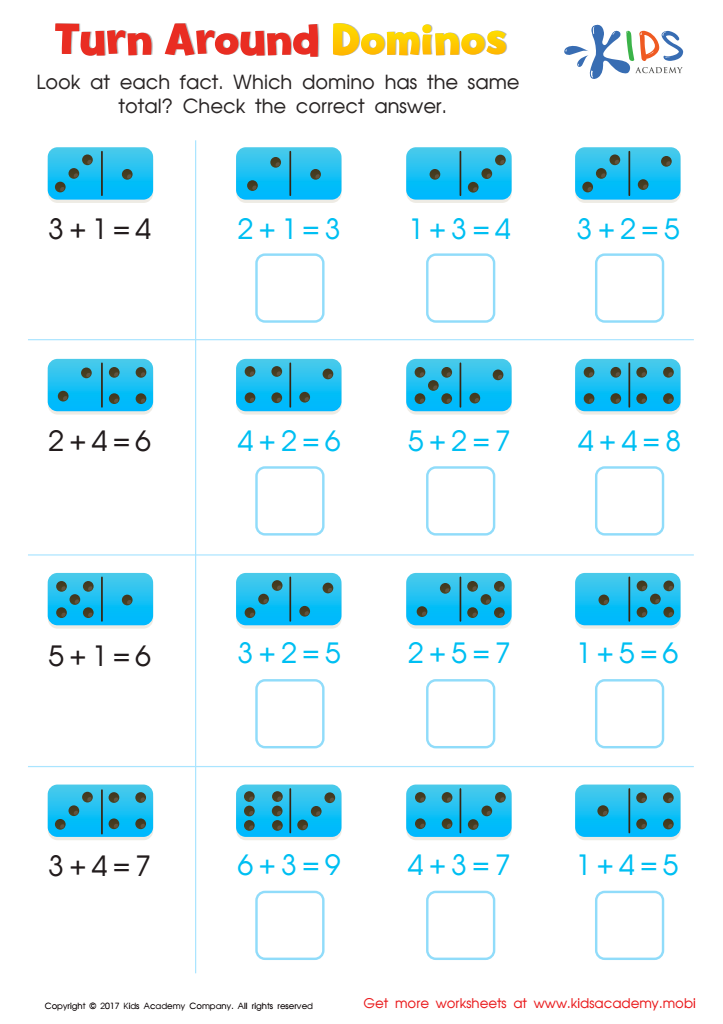
Turn Around Dominos Worksheet
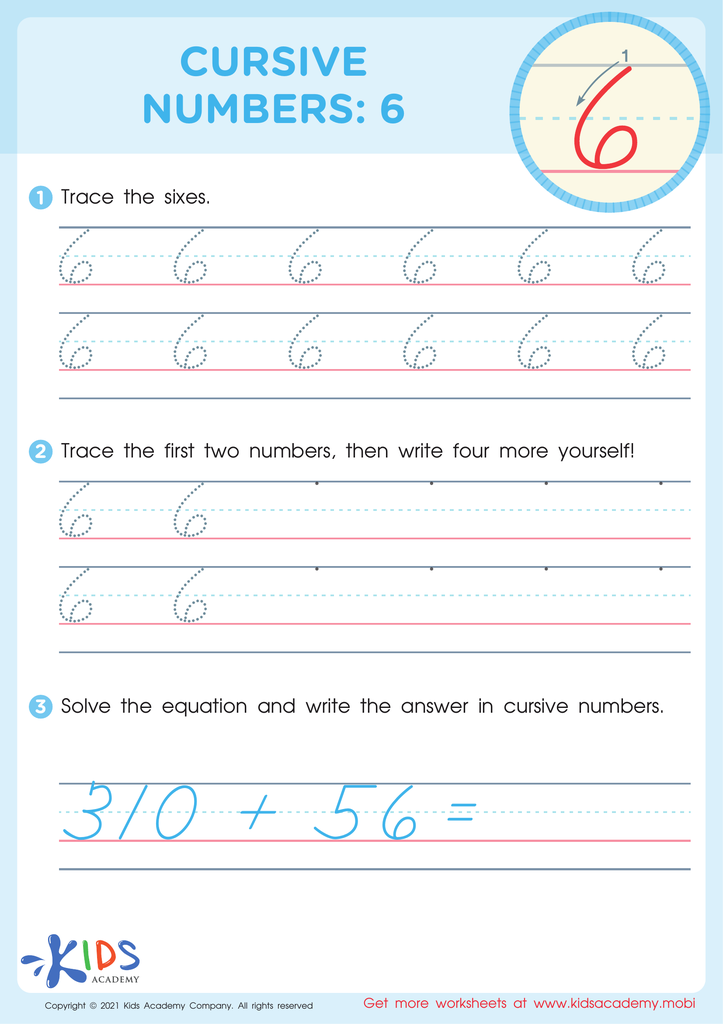
Cursive Numbers: 6 Worksheet
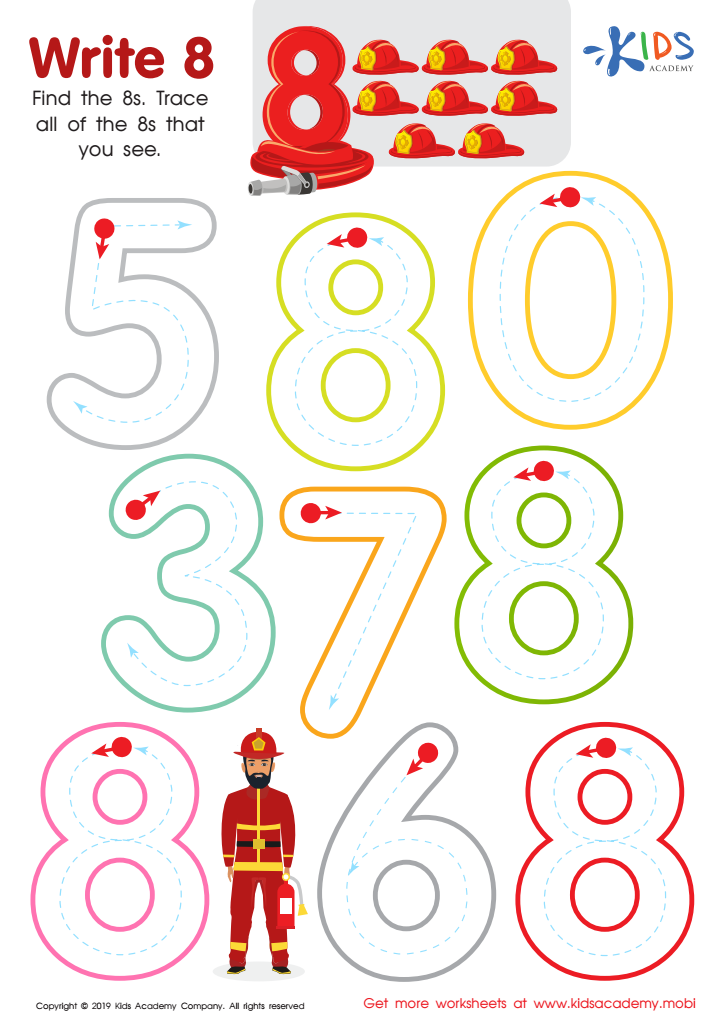
Write 8 Worksheet
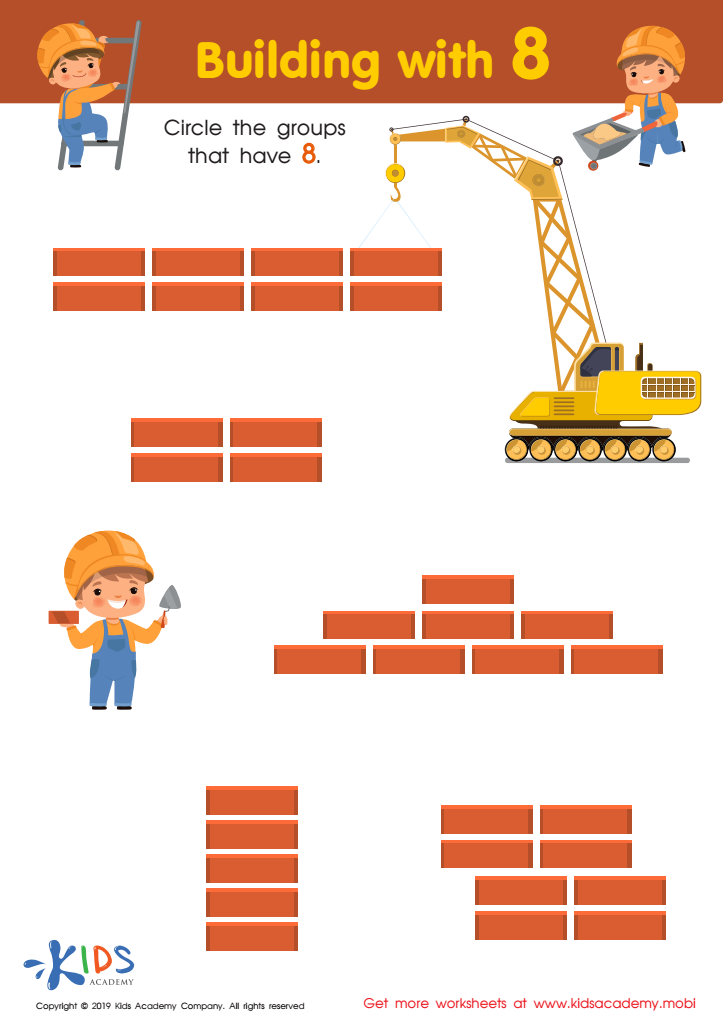
Building with 8 Worksheet
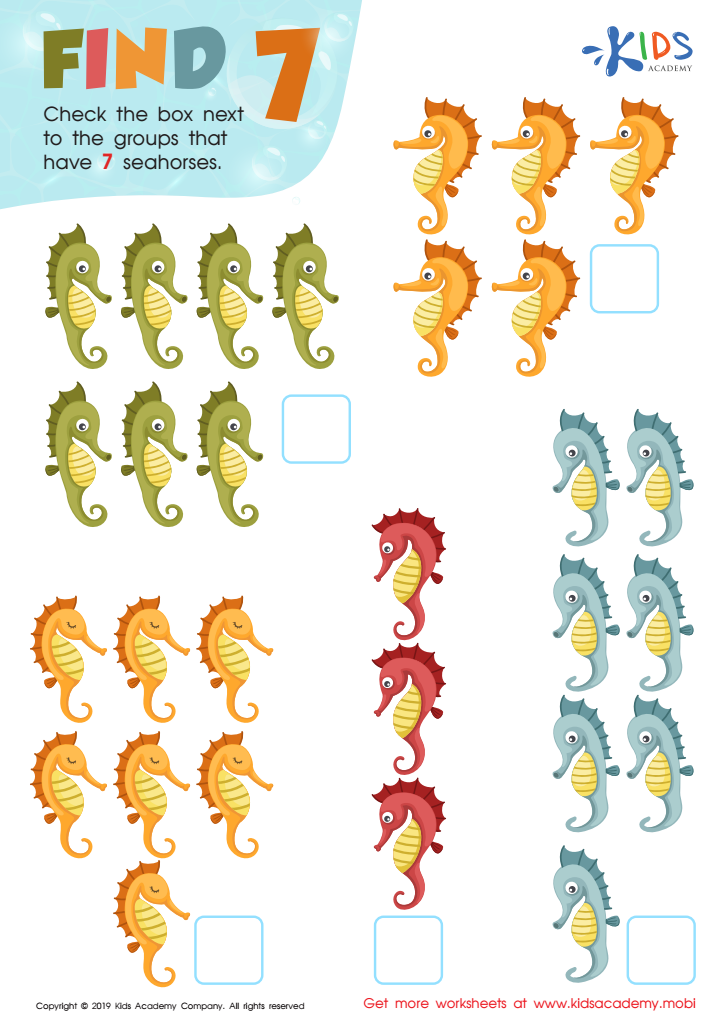
Find 7 Worksheet
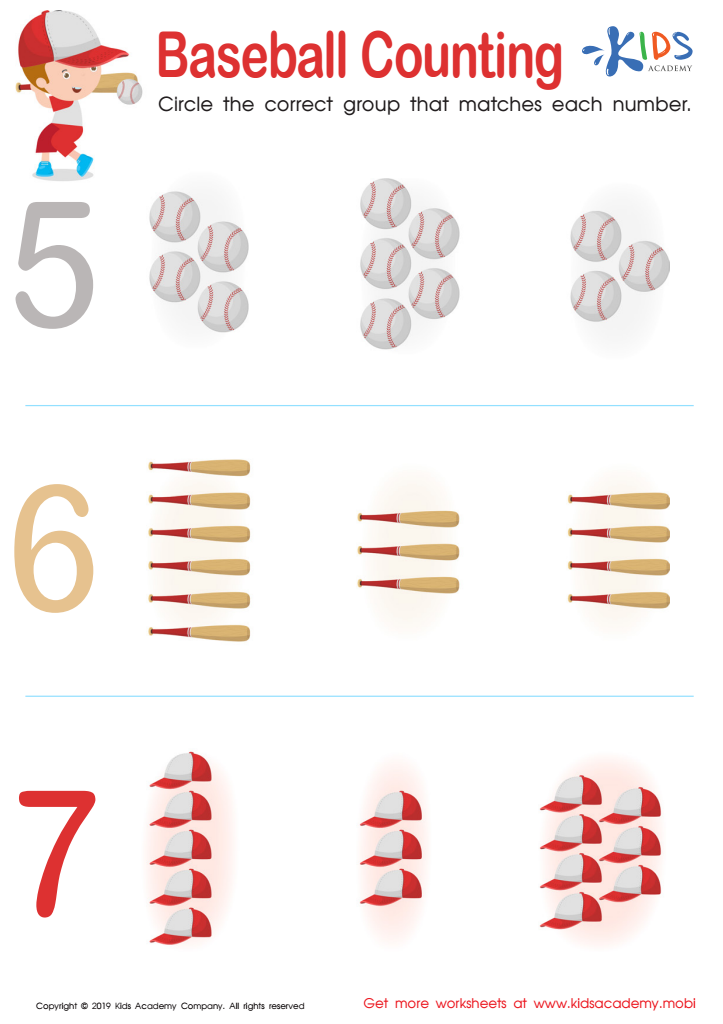
Baseball Counting Worksheet
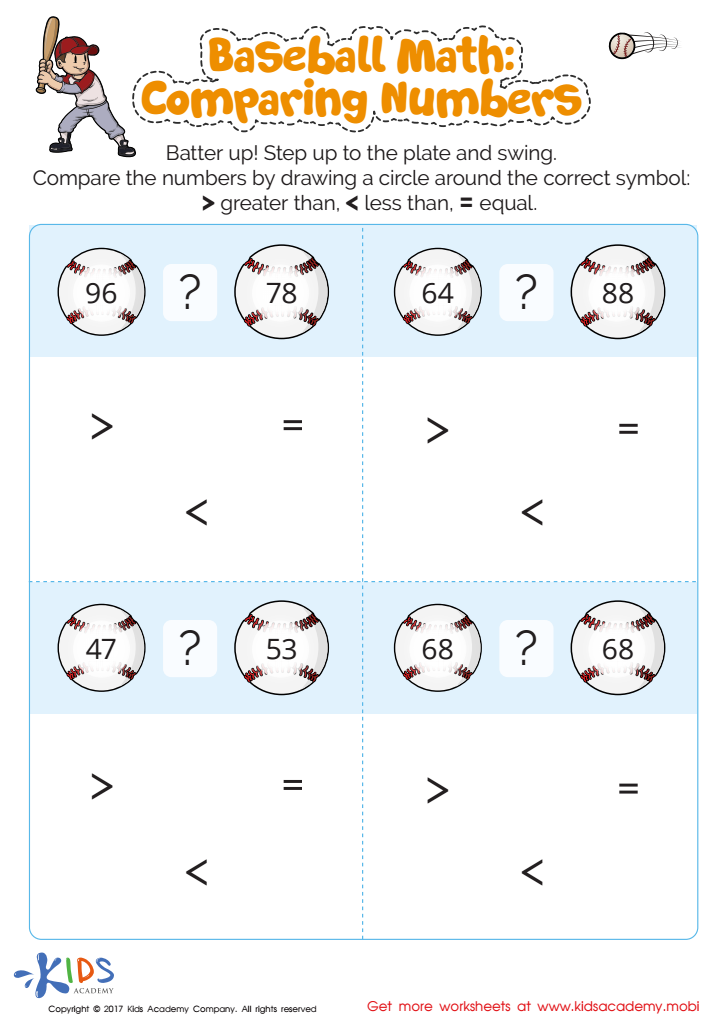
Compare Numbers Printable
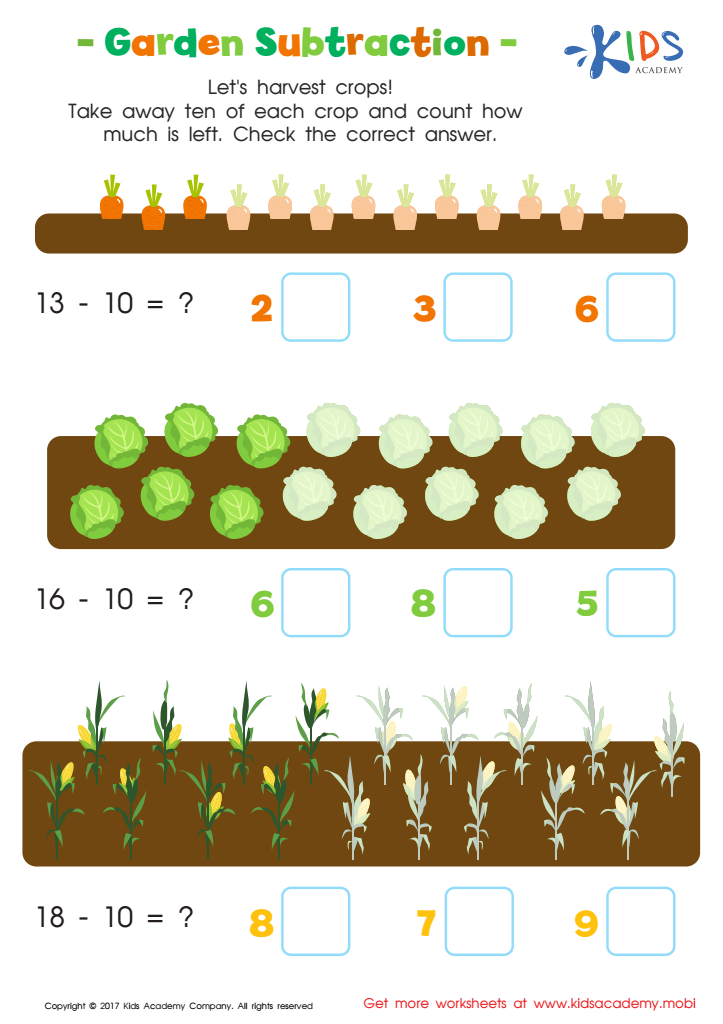
Garden Subtraction Worksheet
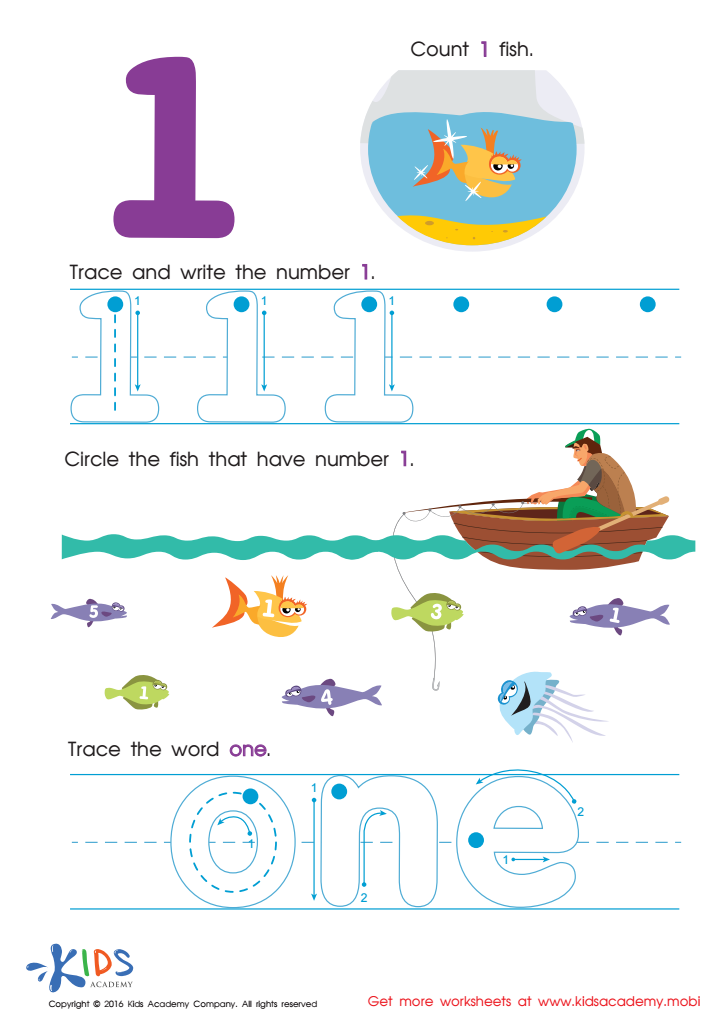
Learning to Write 1 Worksheet
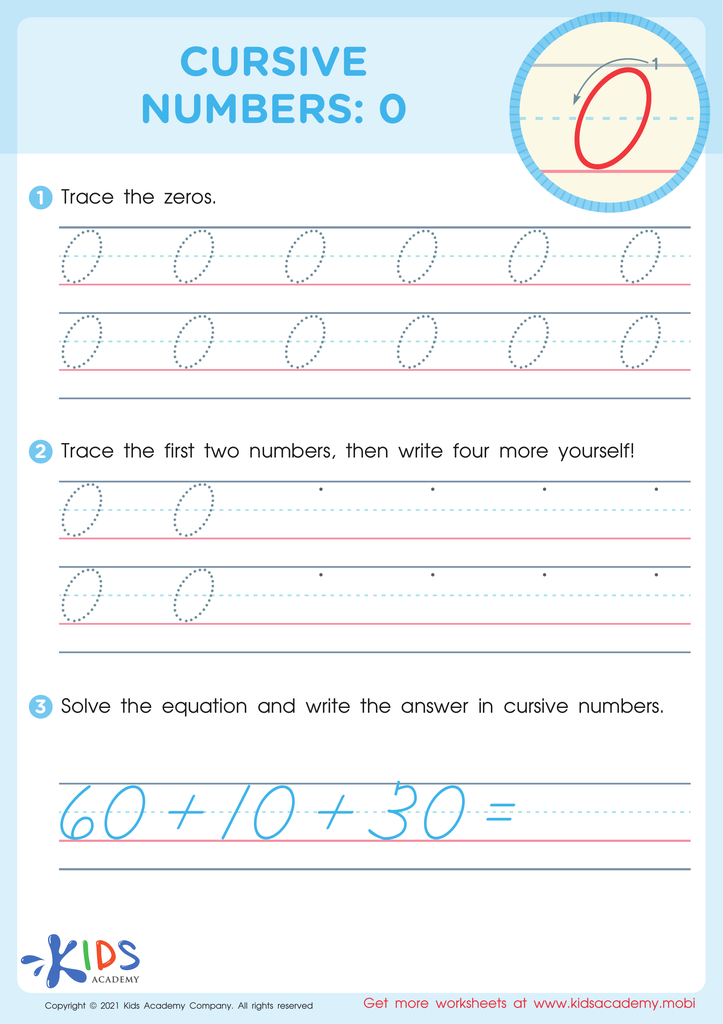
Cursive Numbers: 0 Worksheet

Count the Berries and Trace the Number 2 Printable
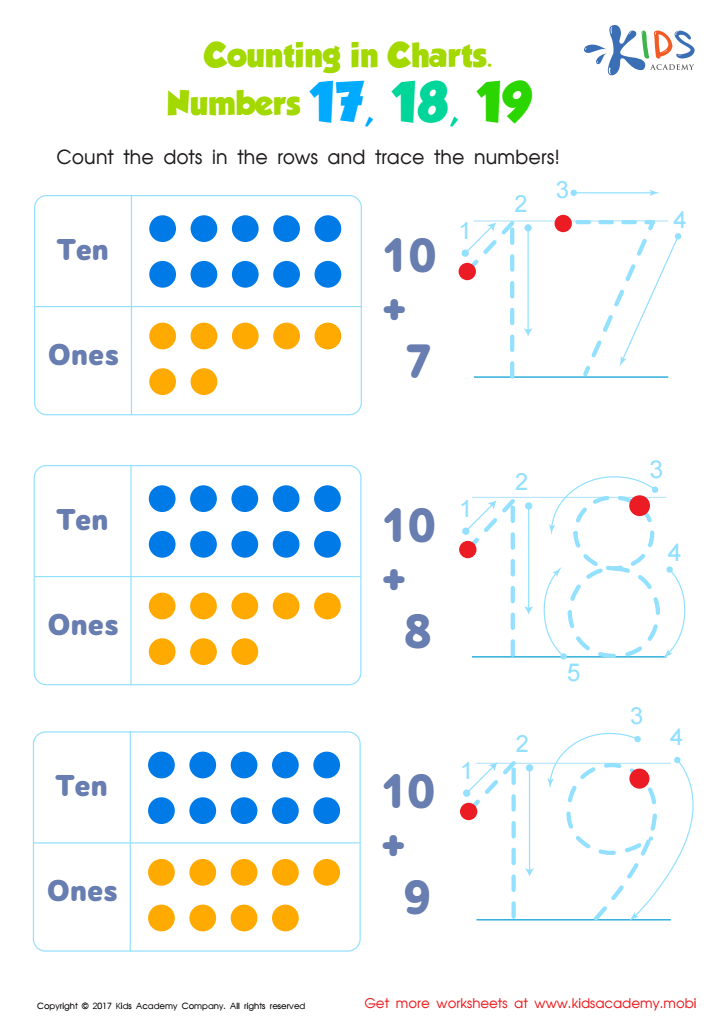
Kindergarten Number Tracing: Counting in Charts Worksheet
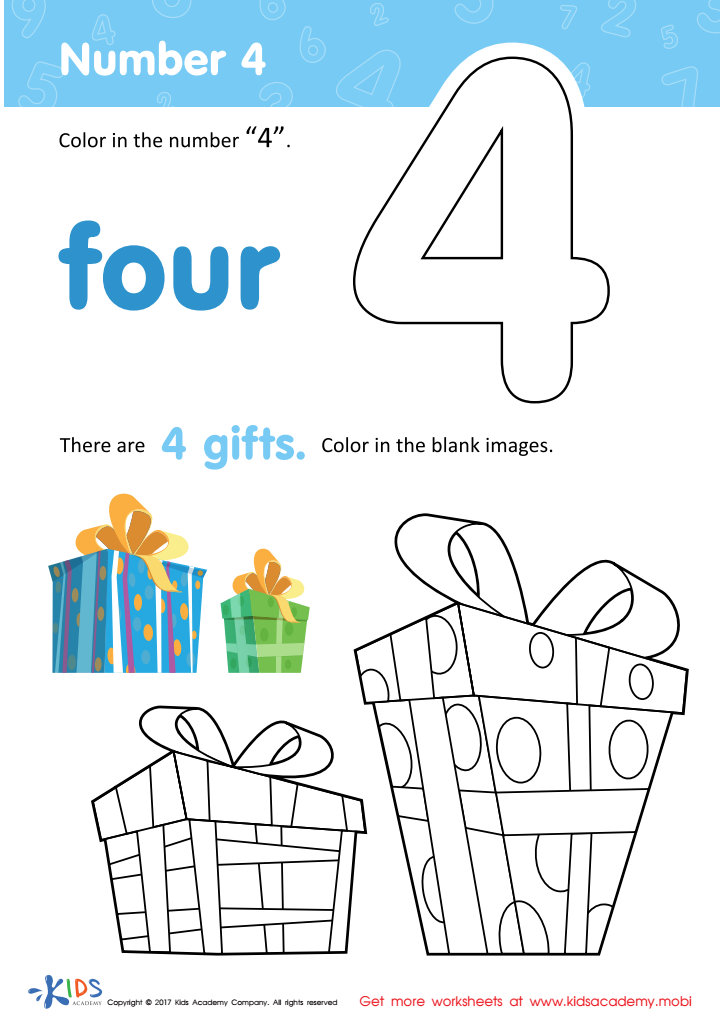
Number 4 Printable
 Assign to My Students
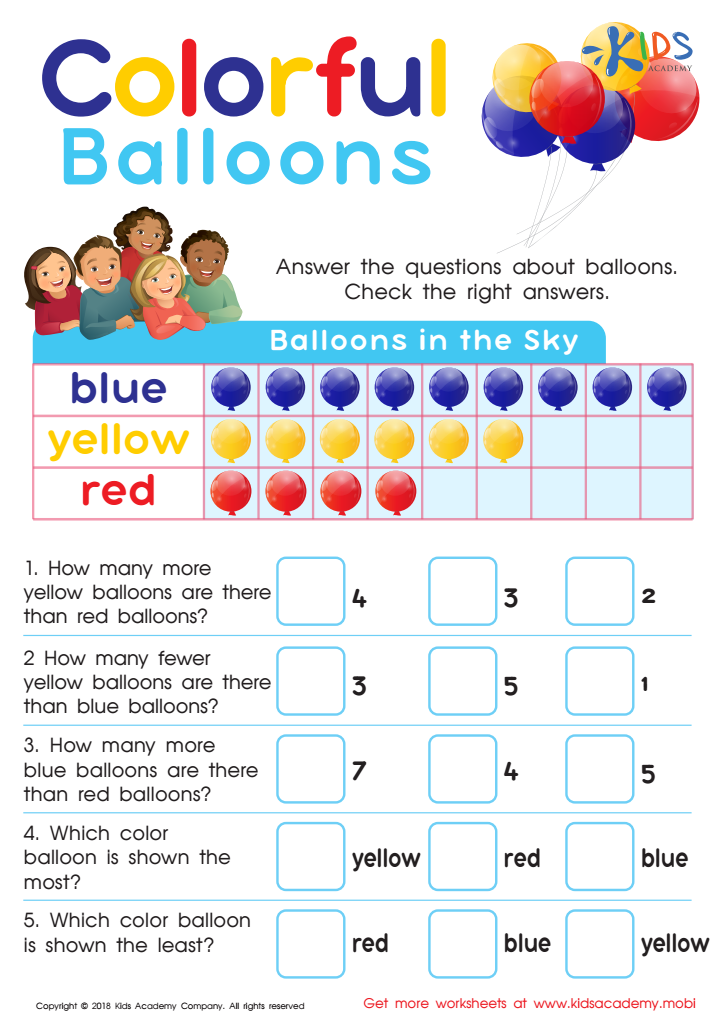
Picture Graphs: Colorful Balloons Worksheet




%20(1).jpg)



Number recognition is a foundational skill in early childhood education, particularly for children aged 6-8. At this developmental stage, children transition from basic understanding to applying numbers in everyday contexts. Recognizing numbers enables students to read, write, and comprehend numerical concepts that are vital for mathematics and problem-solving as they progress in their education.
Parents and teachers should prioritize number recognition because it lays the groundwork for future mathematical skills, including addition, subtraction, and more complex operations. When children can readily identify numbers, they build confidence and competence, fostering a positive attitude towards math. This competence is crucial, as early struggles in numeracy can lead to long-lasting academic challenges that may affect self-esteem and learning motivation.
Moreover, number recognition plays a critical role in daily life activities, such as telling time, managing money, and understanding quantities, equipping children with essential life skills. Engaging children in games, activities, and discussions that enhance number recognition also promotes cognitive development and critical thinking.
By emphasizing its importance, parents and teachers can support children's overall educational journey and help them develop the necessary skills to navigate their academic paths successfully.








