Problem-Solving Skills Matching Worksheets for Ages 6-9
5 filtered results
-
From - To
Nurture your child's critical thinking and analytical abilities with our Problem-Solving Skills Matching Worksheets, perfect for ages 6-9. Our engaging and thoughtfully designed activities help young learners grasp essential math concepts through fun and interactive matching exercises. These worksheets focus on developing students’ abilities to connect ideas, recognize patterns, and solve problems. Ideal for both classroom and home use, they provide a foundation that encourages confident and independent problem-solving. Invest in your child's future success with worksheets that make learning an enjoyable and rewarding experience. Download now at Kids Academy and watch your child excel!
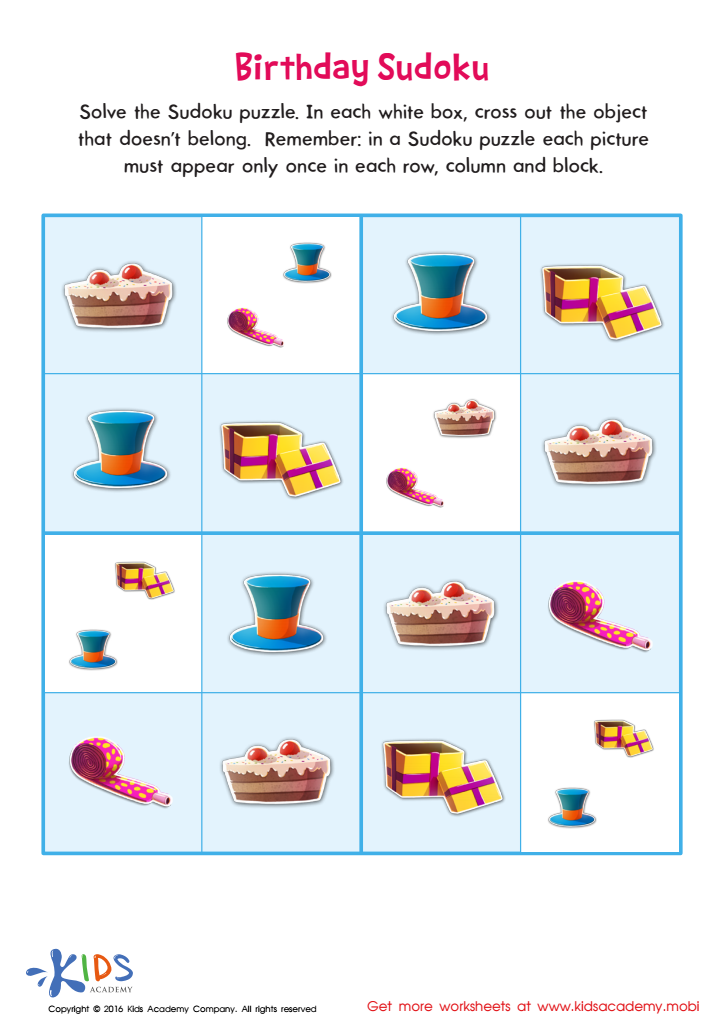
Birthday Sudoku Sorting Worksheet
 Assign to My Students

Tricky Patterns Size Worksheet

Cinderella Geometry Maze Worksheet
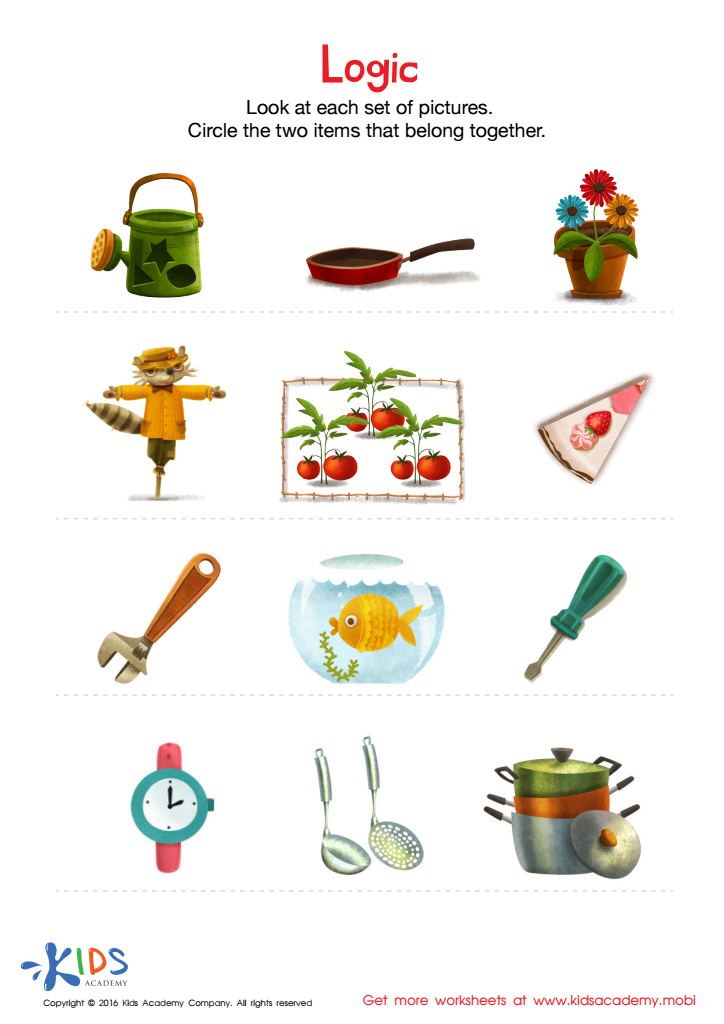
Logic Game Sorting Worksheet
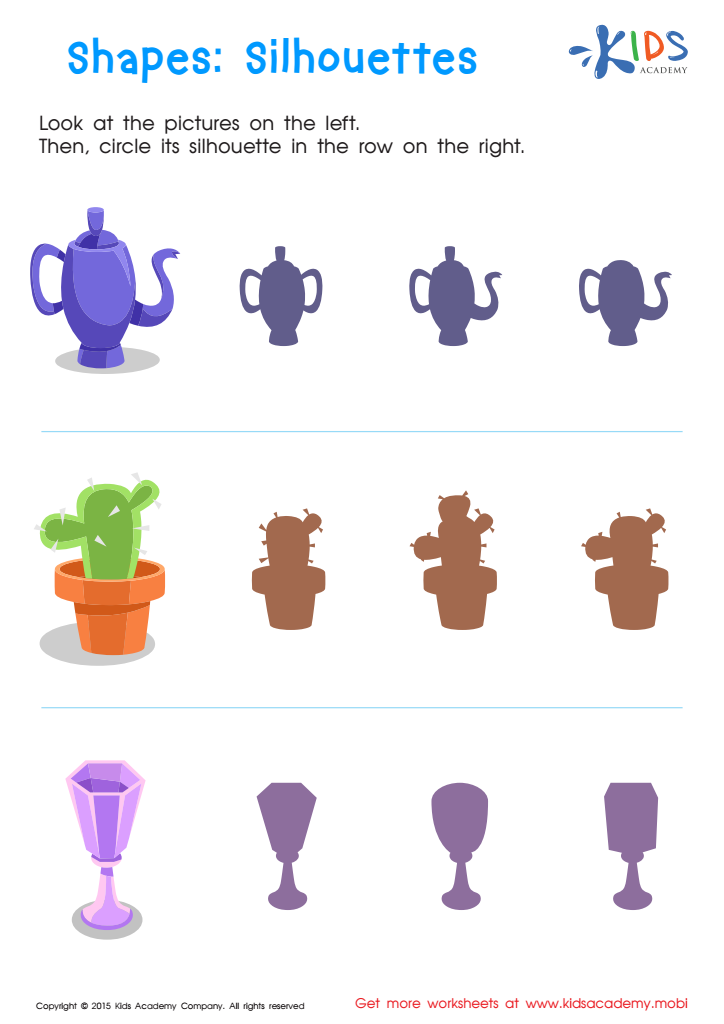
Silhouettes – Shapes Worksheet


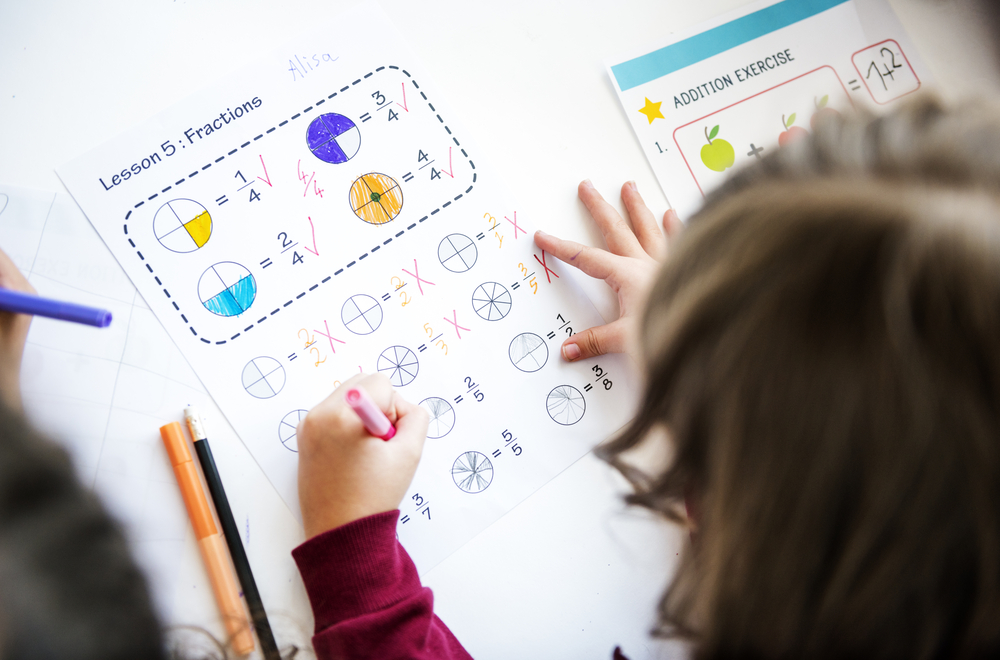





Problem-solving skills during the ages of 6-9 are crucial because they lay the foundation for cognitive, social, and emotional development in children. At this formative stage, kids are beginning to move beyond simple cause-and-effect reasoning and start understanding more complex relationships between different elements of a situation.
Developing problem-solving skills allows children to approach challenges systematically and think critically about their decisions. For parents and teachers, fostering these skills can mean the difference between a child who gets easily frustrated and one who can navigate obstacles with confidence and resilience. Moreover, problem-solving promotes creativity as kids explore multiple ways to approach a problem.
In terms of academic benefits, strong problem-solving abilities are directly linked to higher performance in subjects like math, science, and reading. It enhances their logical reasoning and analytical thinking, which are crucial for success across all academic disciplines. Socially, problem-solving skills help children navigate interpersonal relationships, understand and resolve conflicts, and develop empathy by considering different perspectives.
Behaviorally, children who are equipped with problem-solving skills are more likely to exhibit self-control and independence, making classroom and home environments more harmonious. Thus, investing in the development of these skills from a young age empowers kids with lifelong tools for effective learning and interpersonal interactions.








