Multiplication and Division Word Problems Worksheets for Ages 6-9
18 filtered results
-
From - To
Explore our engaging "Multiplication and Division Word Problems Worksheets" designed specifically for children aged 6 to 9. These worksheets offer a fun and interactive way to develop crucial math skills through relatable word problems that encourage critical thinking. Each exercise challenges young learners to apply their multiplication and division knowledge in real-life scenarios, enhancing their comprehension and problem-solving abilities. Our resource is perfect for classrooms or at-home learning, allowing parents and teachers to track progress while making math enjoyable. Unleash a passion for math with our thoughtfully crafted worksheets that combine learning with playful storytelling!
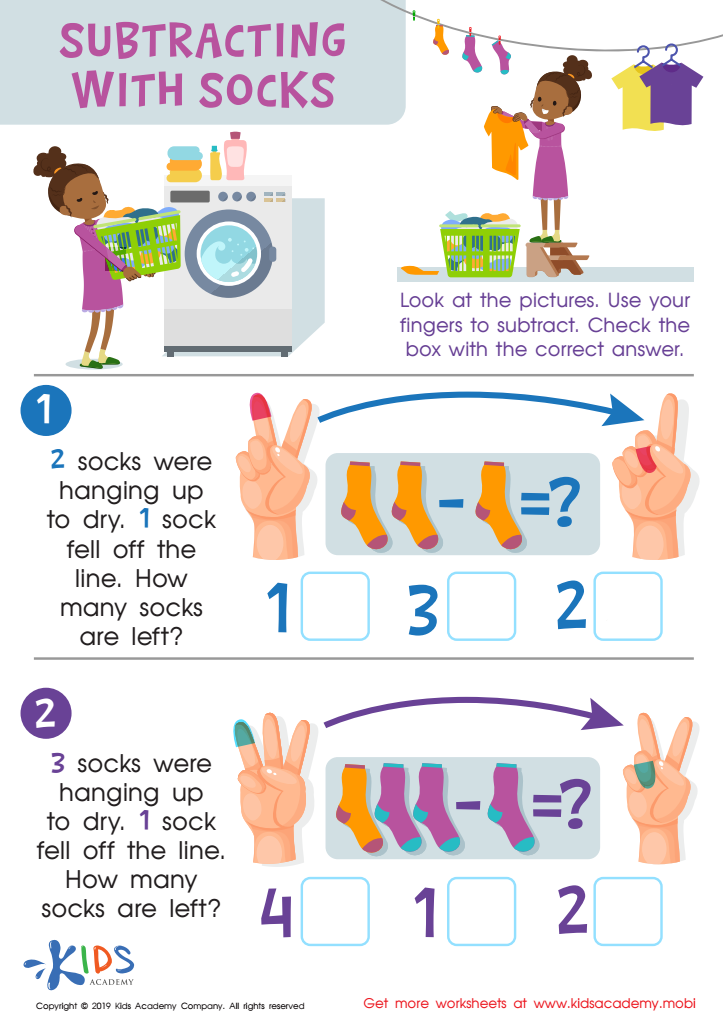
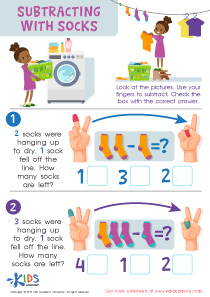
Subtracting Socks Worksheet
 Assign to My Students
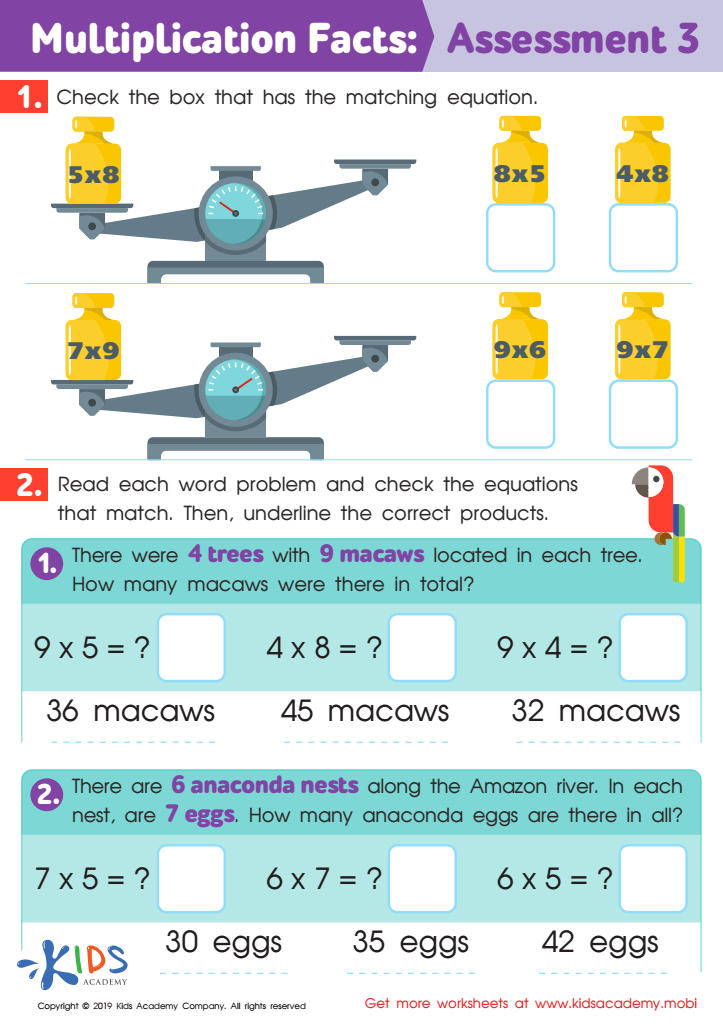
Multiplication Facts: Assessment 3 Worksheet
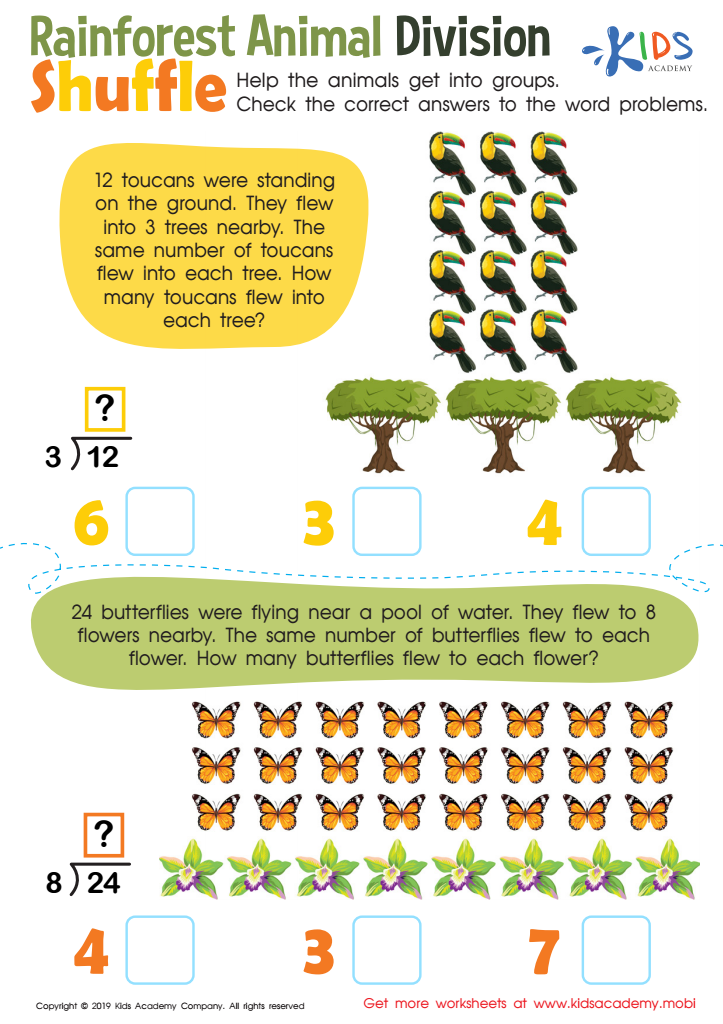
Rainforest Animal Division Worksheet
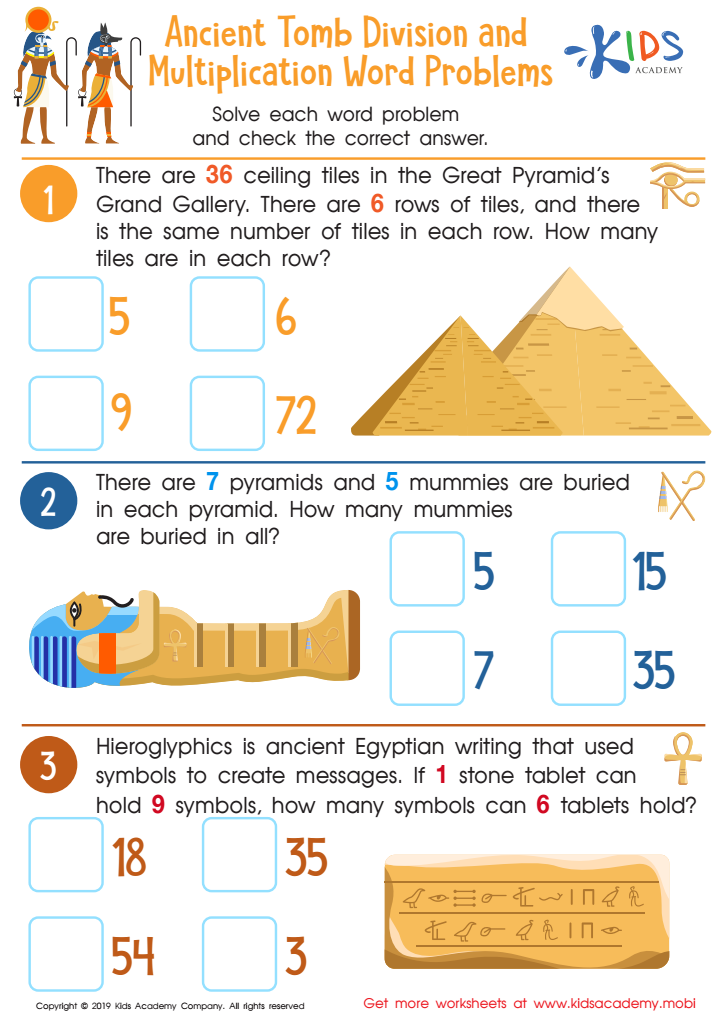
Ancient Tomb Division and Multiplication Word Problems Worksheet
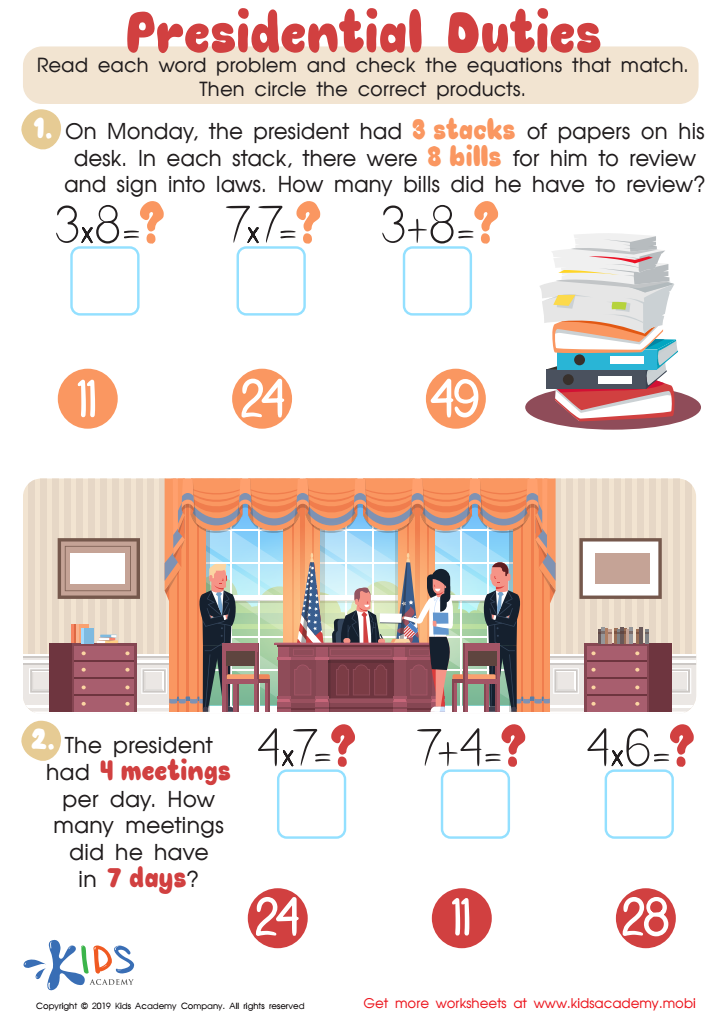
Presidential Duties Worksheet
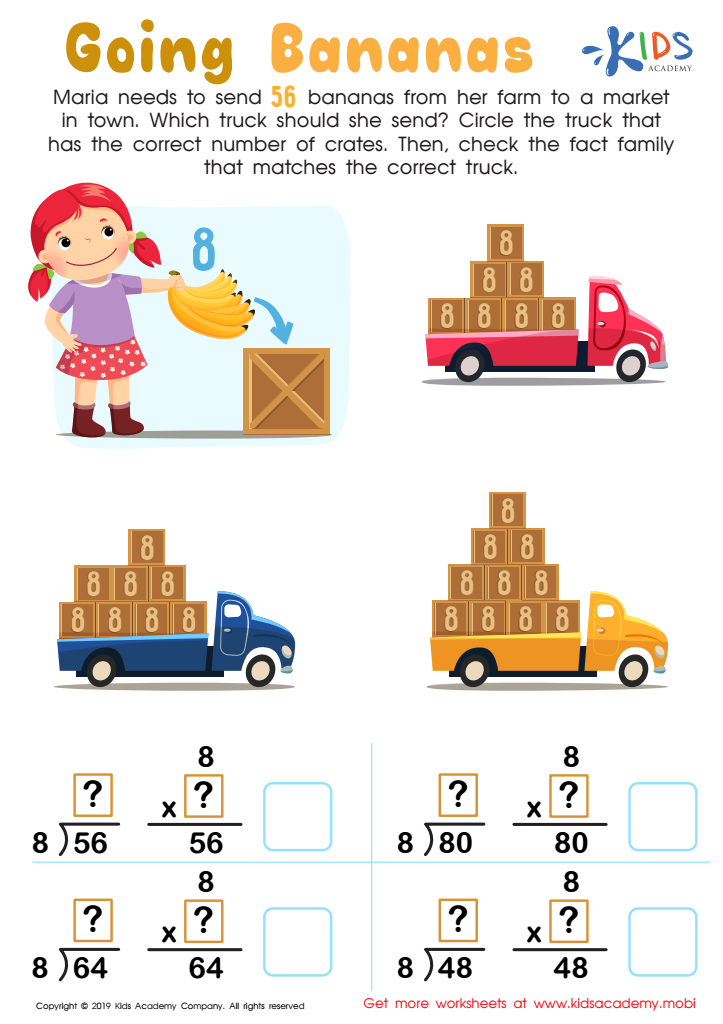
Going Bananas Worksheet
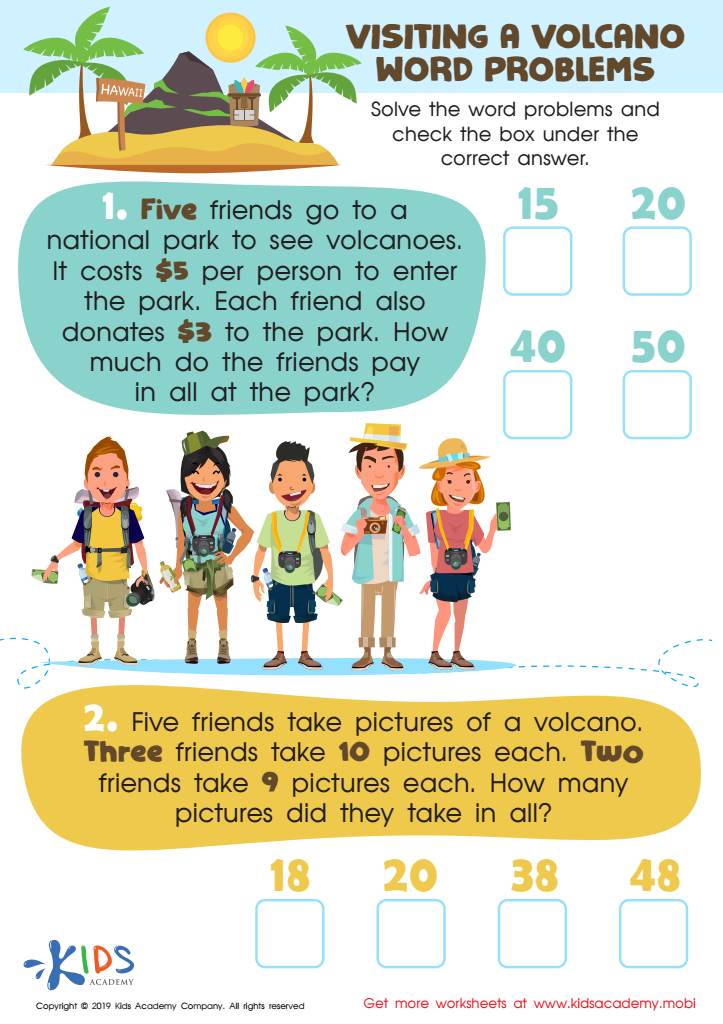
Visiting a Volcano Word Problems Worksheet
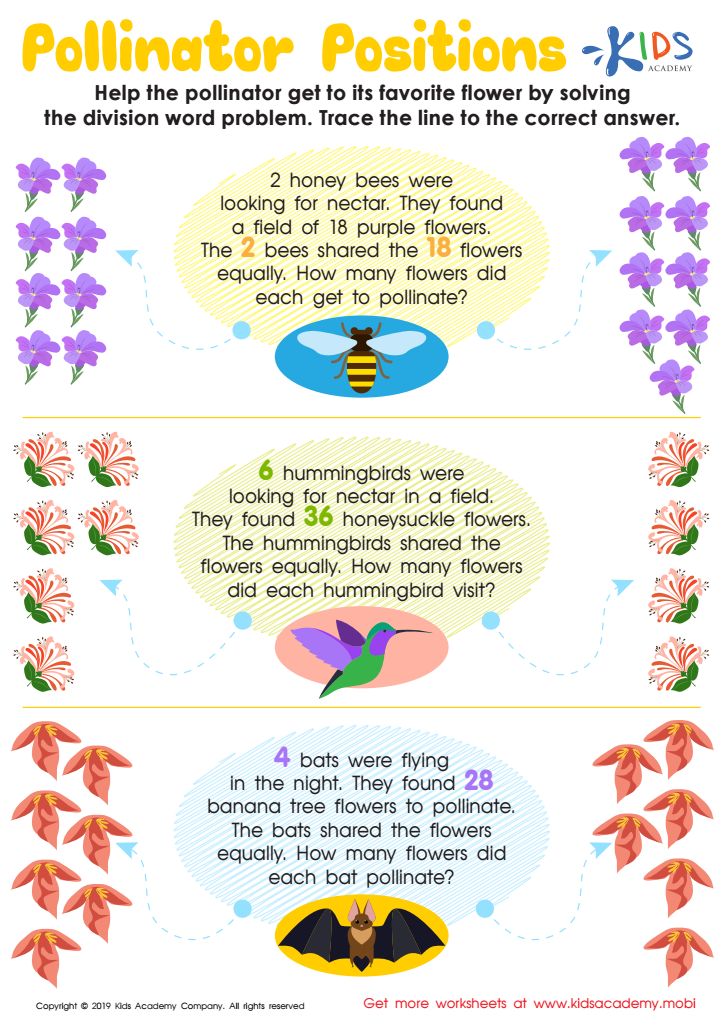
Pollinator Positions Worksheet
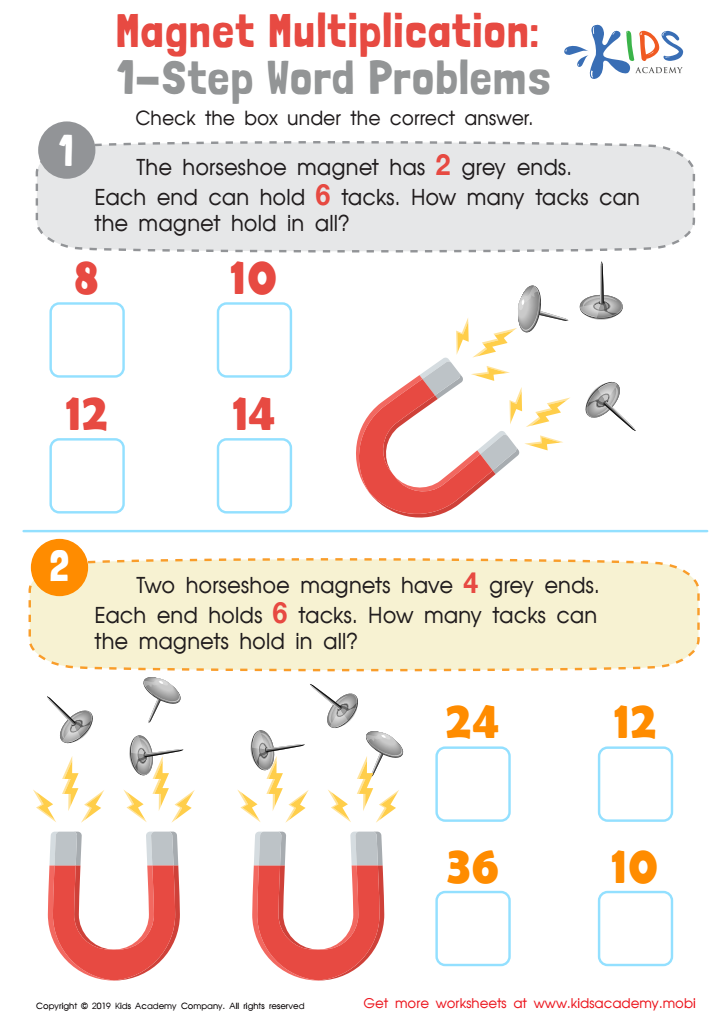
Magnet Multiplication: 1-Step Word Problems Worksheet
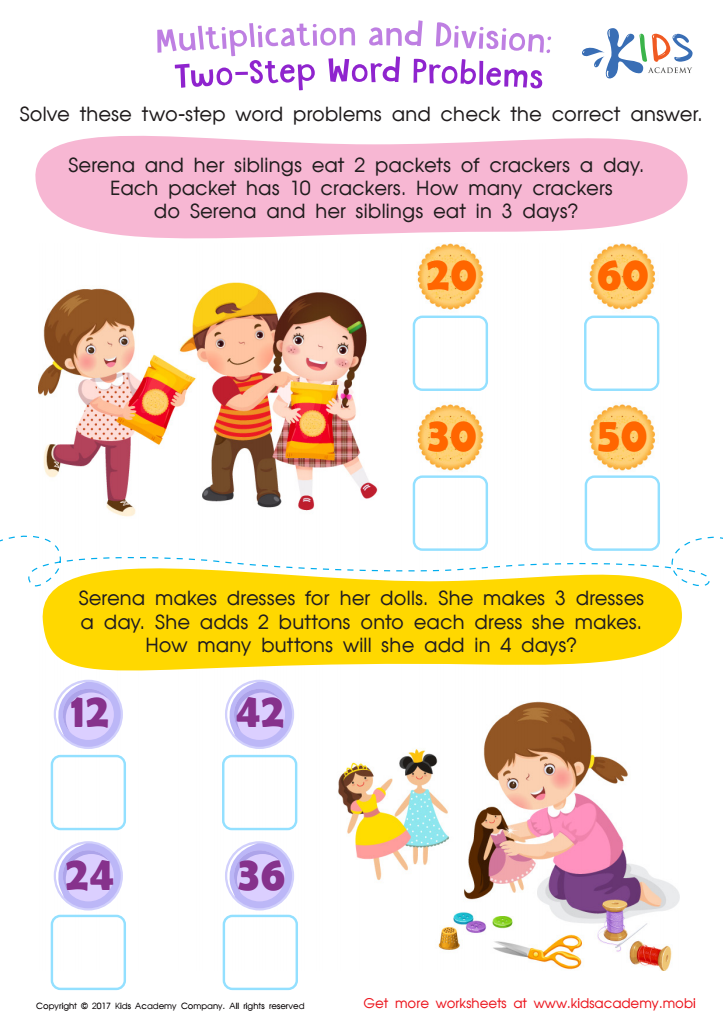
Two Step Word Problems Worksheet
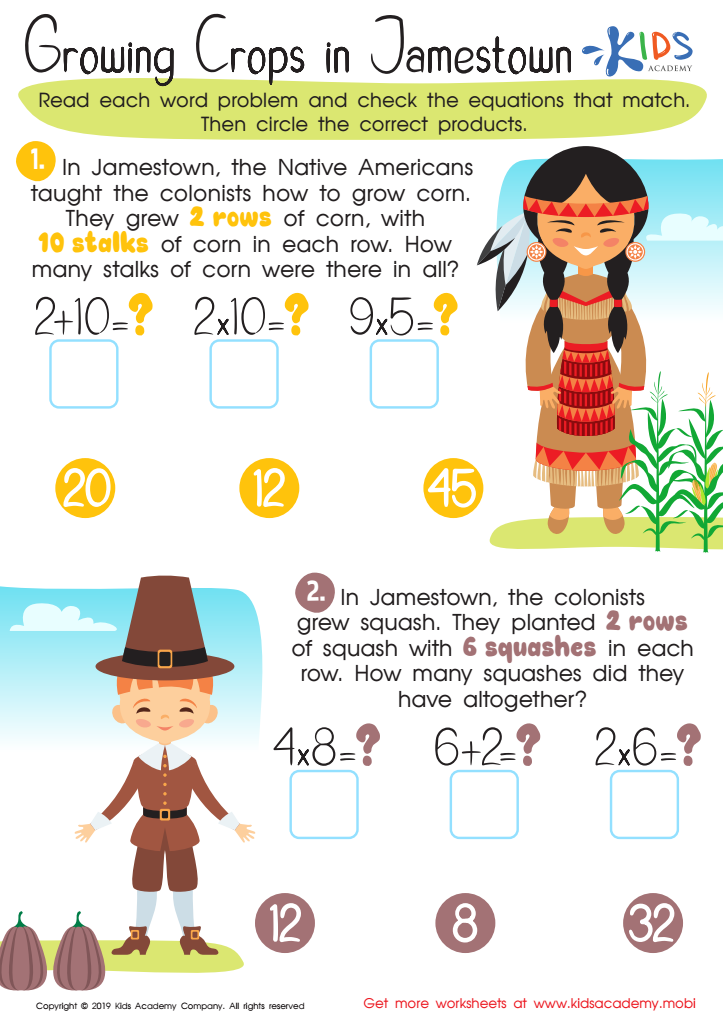
Growing Jamestown Worksheet
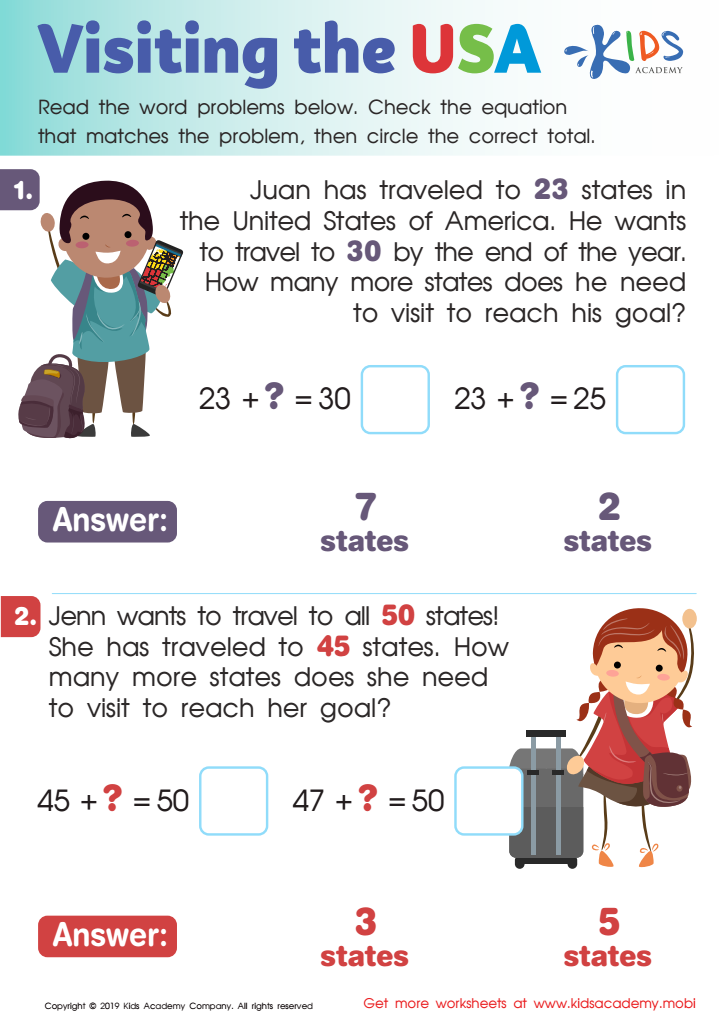
Visiting the USA Worksheet
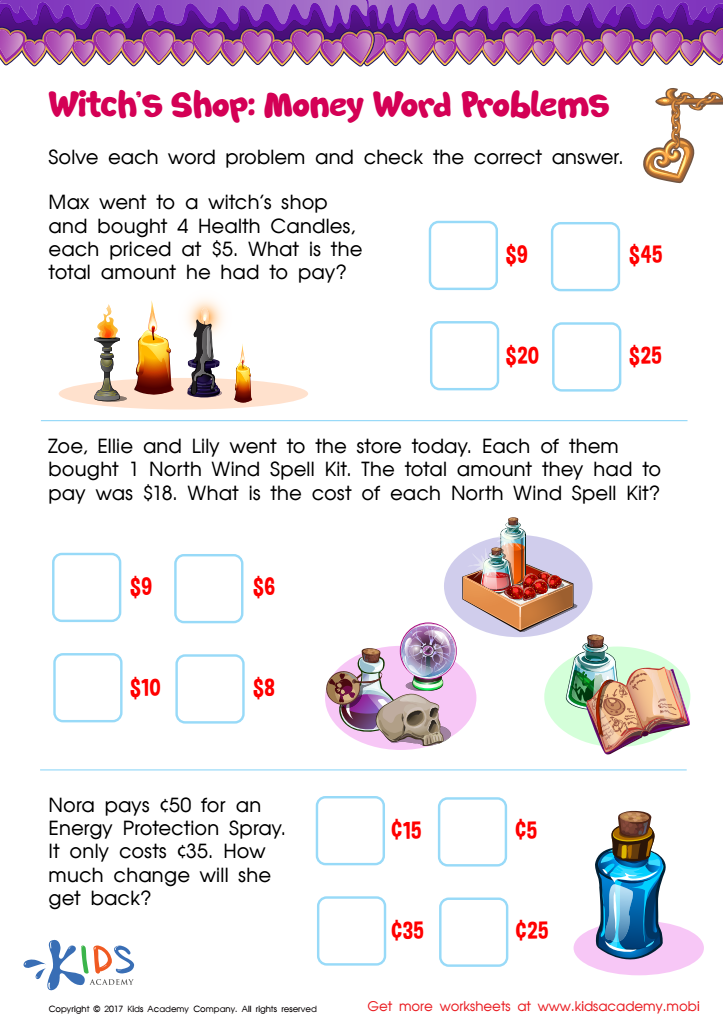
Money Word Problems Printable
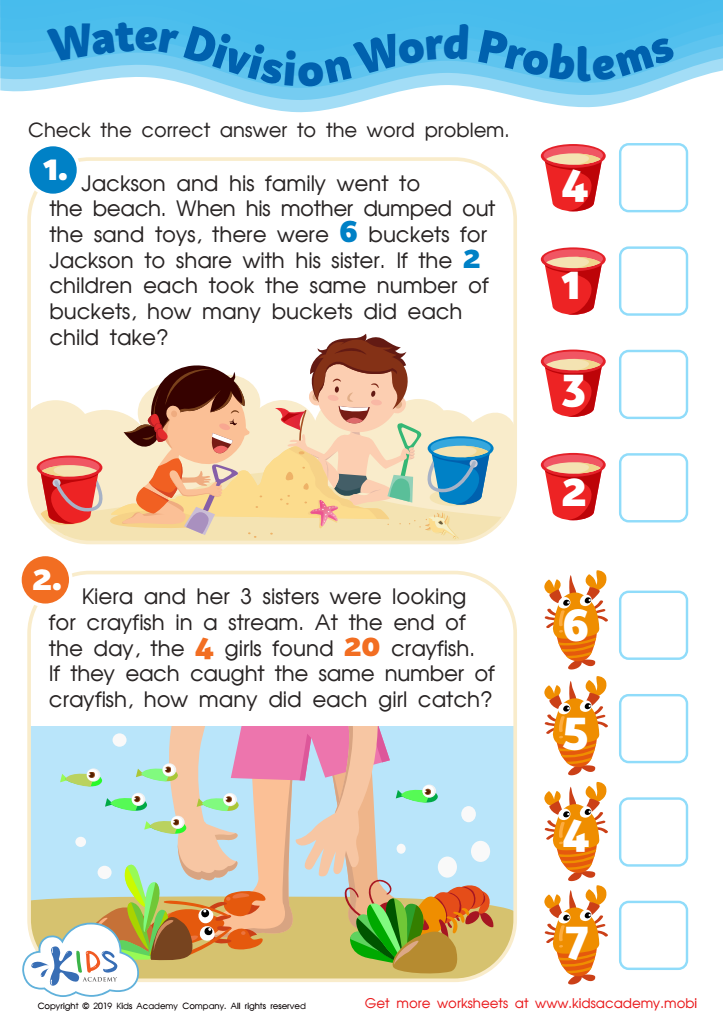
Water Division Word Problems Worksheet
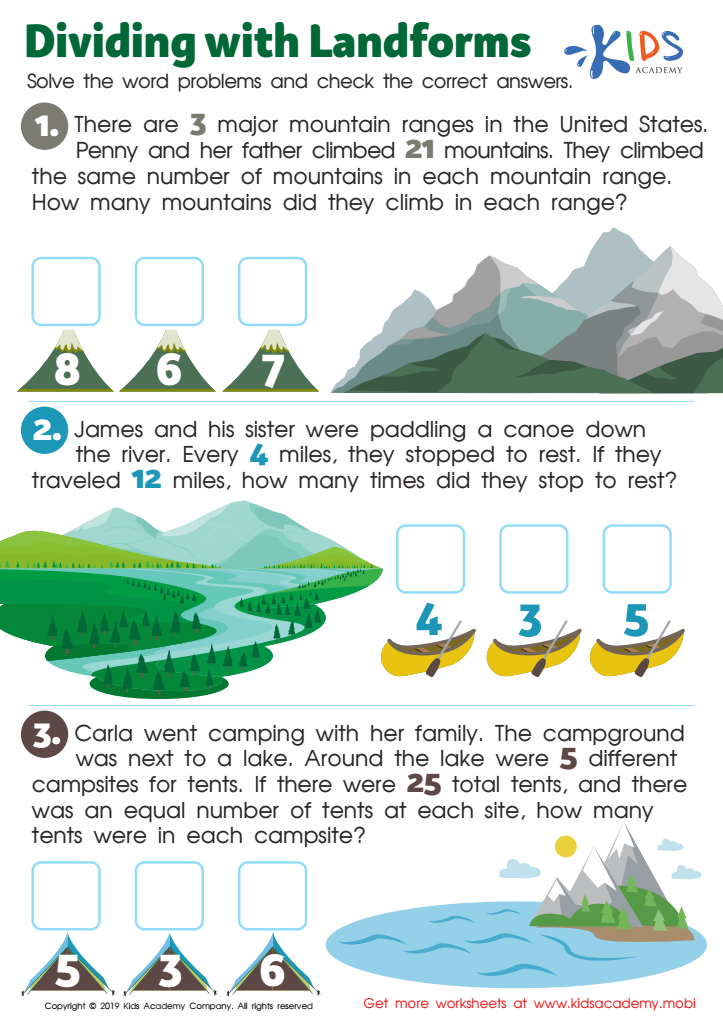
Dividing with Landforms
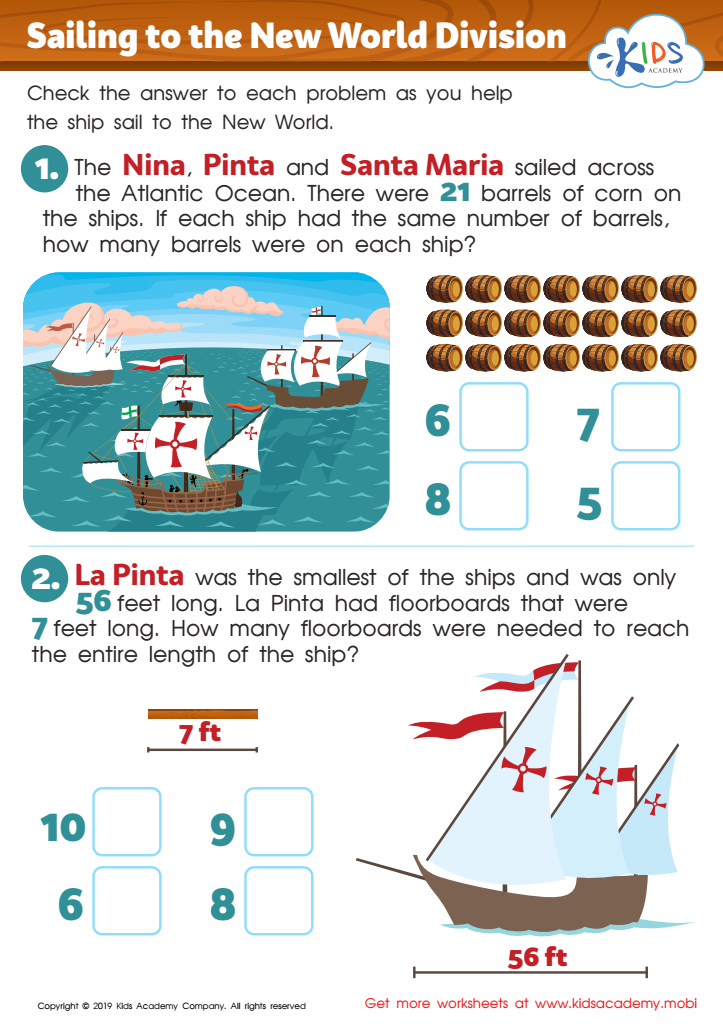
Sailing to the New World Division Worksheet
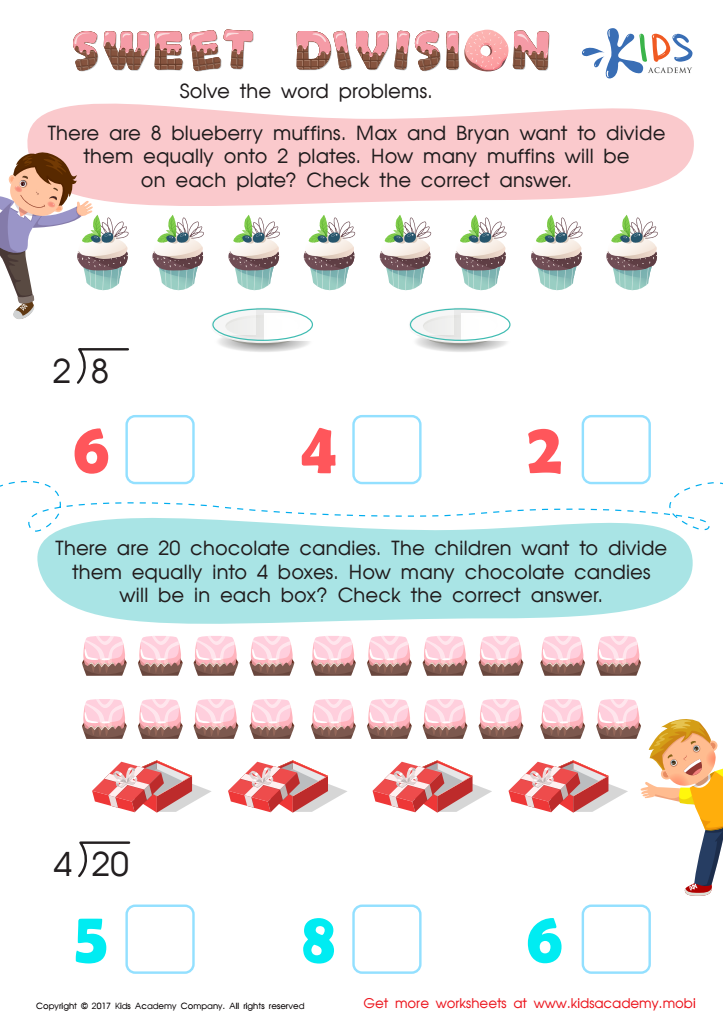
Division Word Problems Worksheet
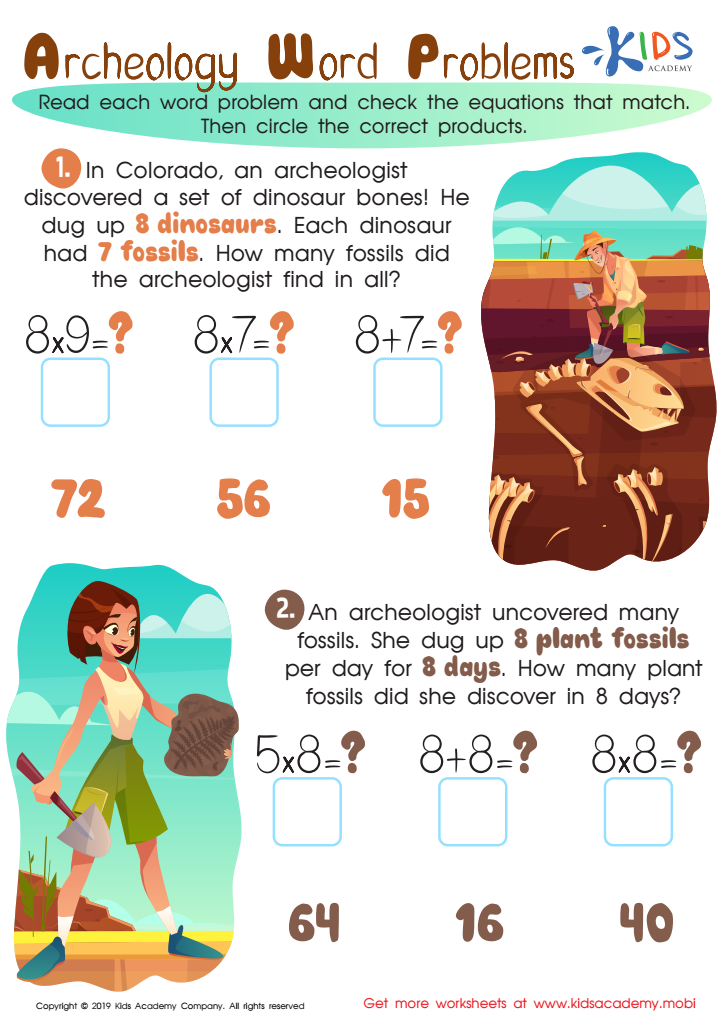
Archeology Word Problems Worksheet








Parents and teachers should prioritize multiplication and division word problems for children aged 6-9 because these skills form the foundation of mathematical understanding and problem-solving abilities. At this age, learners transition from concrete operational thinking to more abstract reasoning. Word problems promote critical thinking and encourage children to interpret and analyze scenarios, enhancing their comprehension of math in real-life situations.
Moreover, mastering multiplication and division word problems helps children develop a deep understanding of essential mathematical concepts such as factors, multiples, and the relationship between operations. These foundational skills are vital as they pave the way for future topics in mathematics like fractions, ratios, and advanced arithmetic.
Additionally, solving word problems fosters a positive attitude towards math by showing children that it can be engaging and applicable to everyday life. It enhances their reading comprehension, as they must understand the context of the problems, and boosts their confidence as they learn to approach complex situations logically.
Involving parents in this learning process can also strengthen the home-school connection, encouraging supportive environments where children feel comfortable exploring and asking questions. Ultimately, nurturing these skills in young learners equips them with the tools necessary for academic success and critical life skills.