Two-step Word Problems Worksheets for Ages 6-9
21 filtered results
-
From - To
Unlock your child's problem-solving potential with our engaging Two-step Word Problems Worksheets tailored for ages 6-9. Your students will develop critical thinking skills by solving math problems that require two steps, bridging foundational concepts with real-world scenarios. These worksheets integrate reading comprehension, logic, and basic arithmetic to enhance their multi-step problem-solving abilities. Perfect for classrooms or at-home practice, each worksheet is thoughtfully designed to be both challenging and enjoyable. Encourage confidence and mastery in young learners with exercises that promote persistence and analytical thinking. Discover a valuable resource in Two-step Word Problems Worksheets to advance your child’s math proficiency!
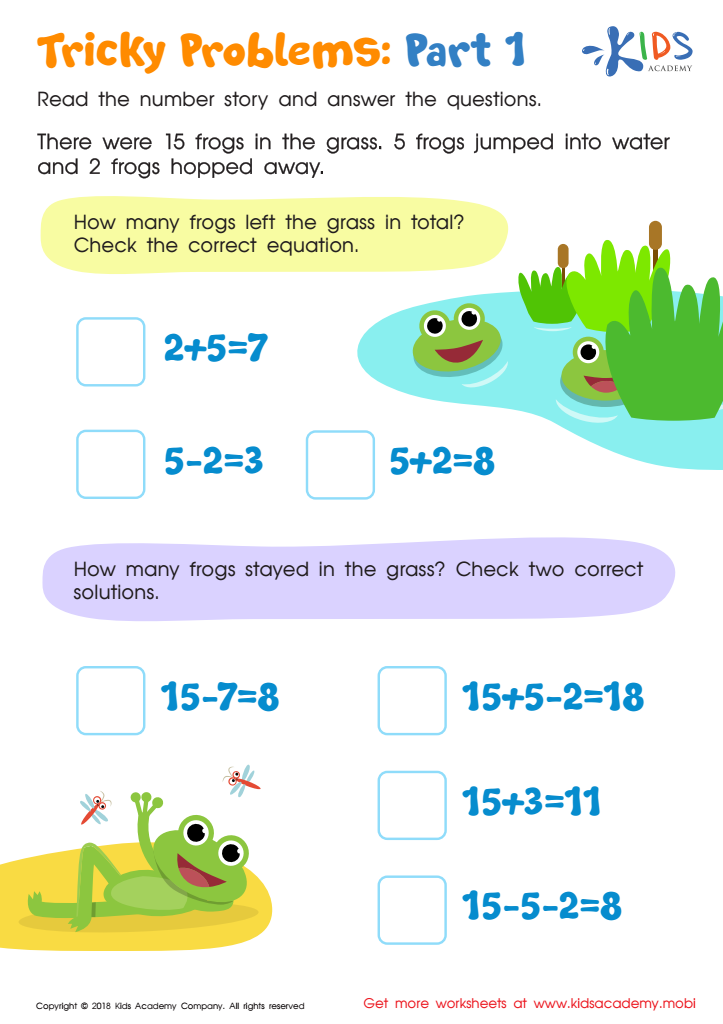
Tricky Problems Worksheet: Part 1
 Assign to My Students
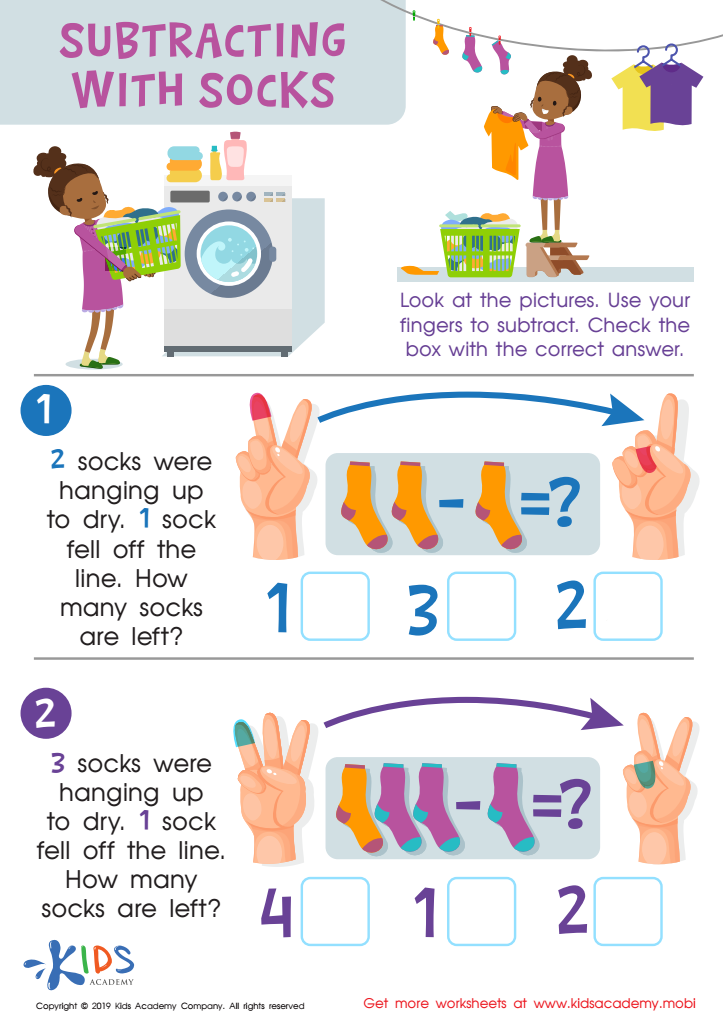
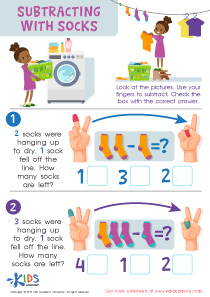
Subtracting Socks Worksheet
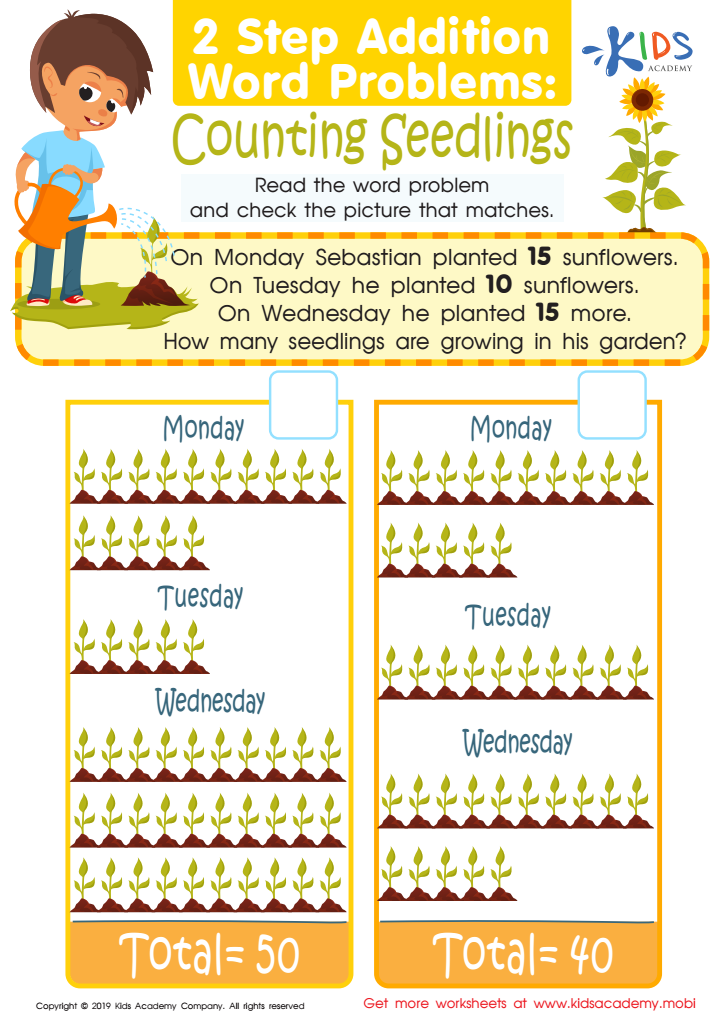
Counting Seedlings Worksheet
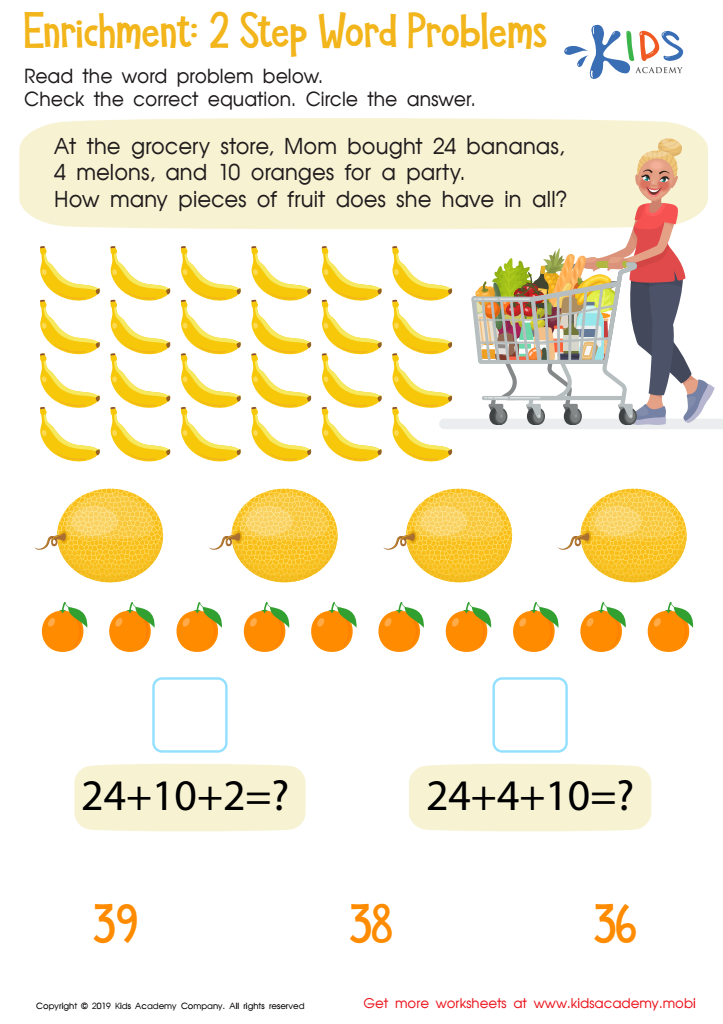
Enrichment -2 Step Word Problems Worksheet
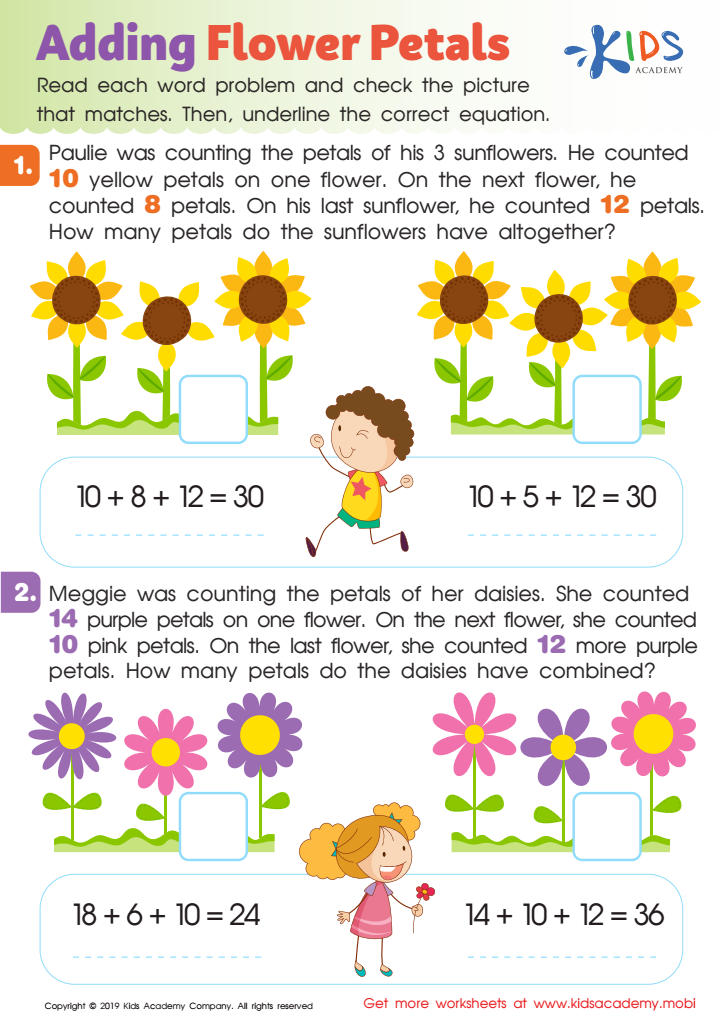
Adding Flower Petals Worksheet
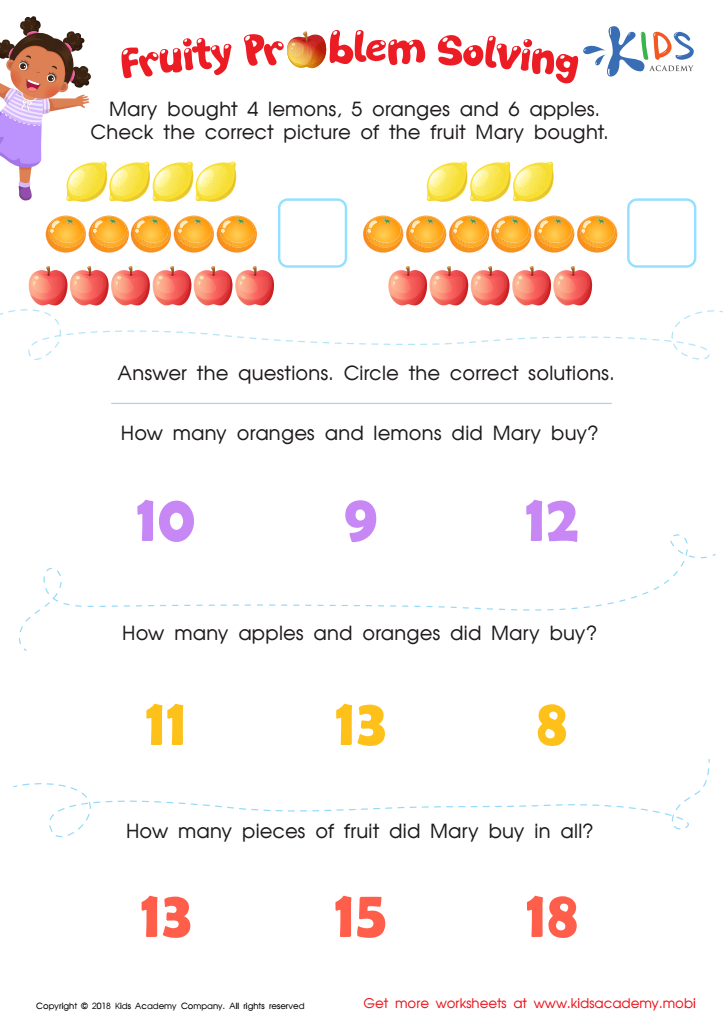
Fruity Problem Solving Worksheet
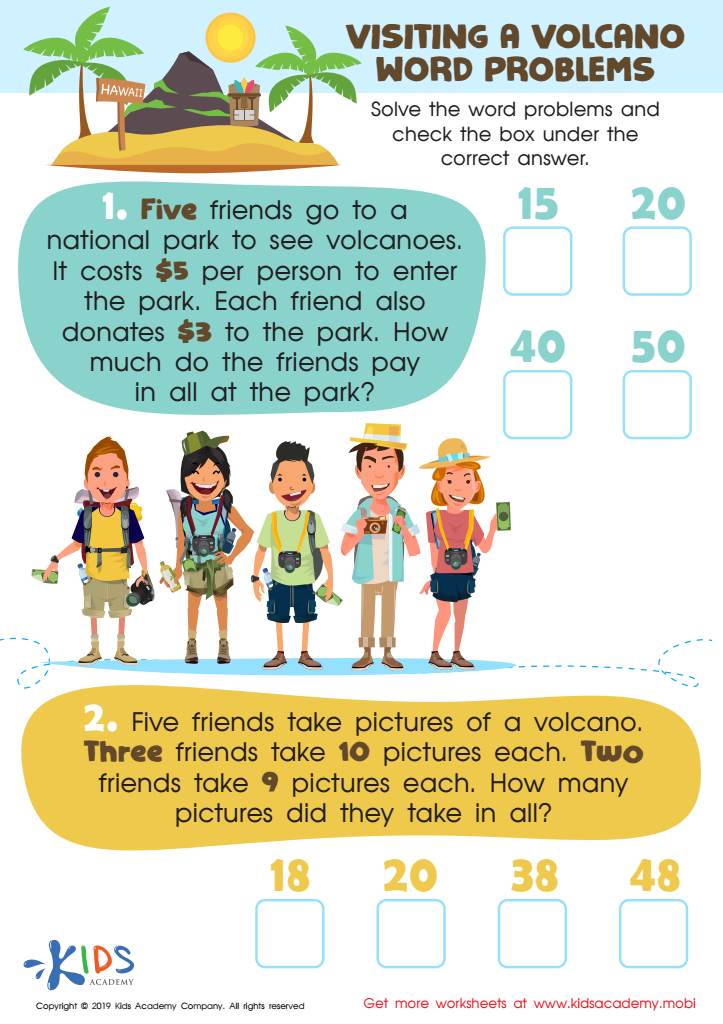
Visiting a Volcano Word Problems Worksheet
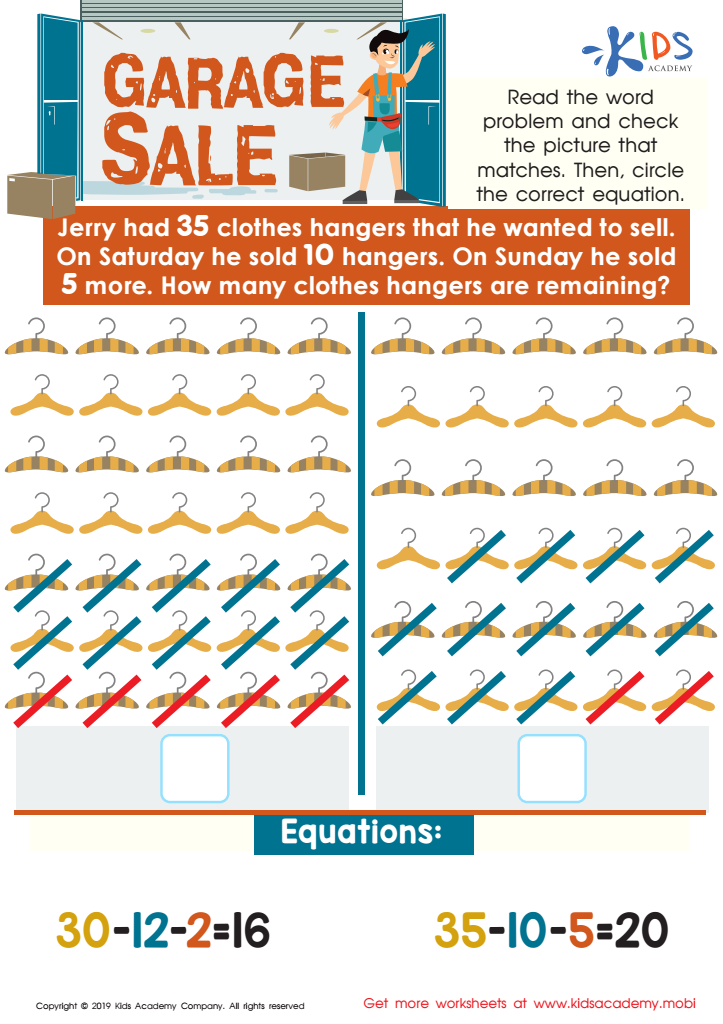
Garage Sale Worksheet
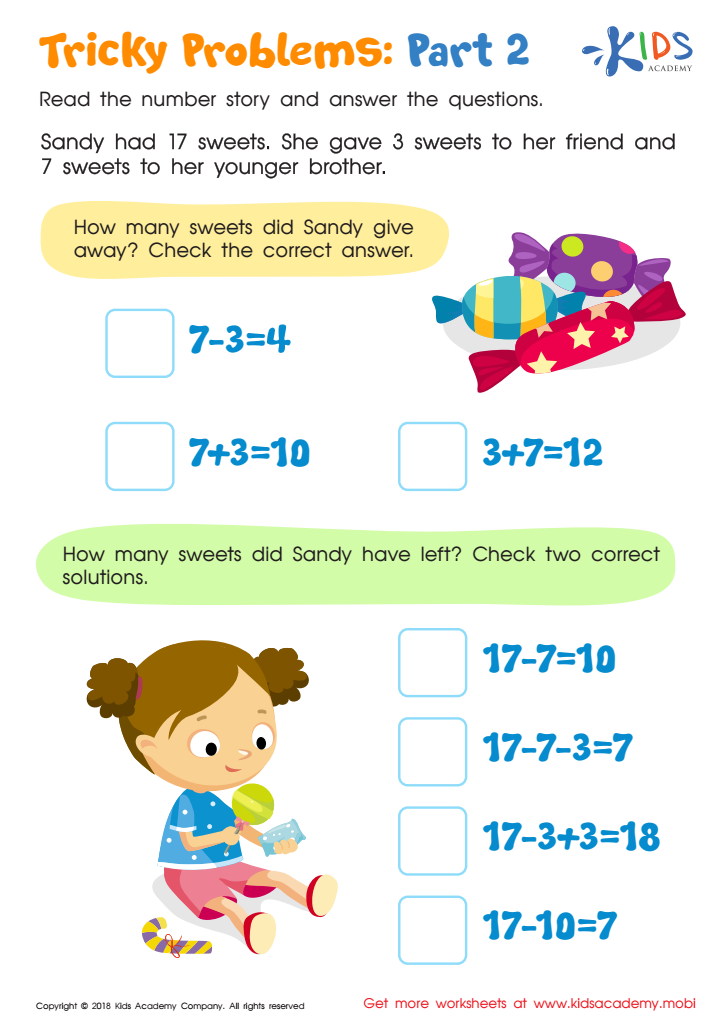
Tricky Problems Worksheet: Part 2
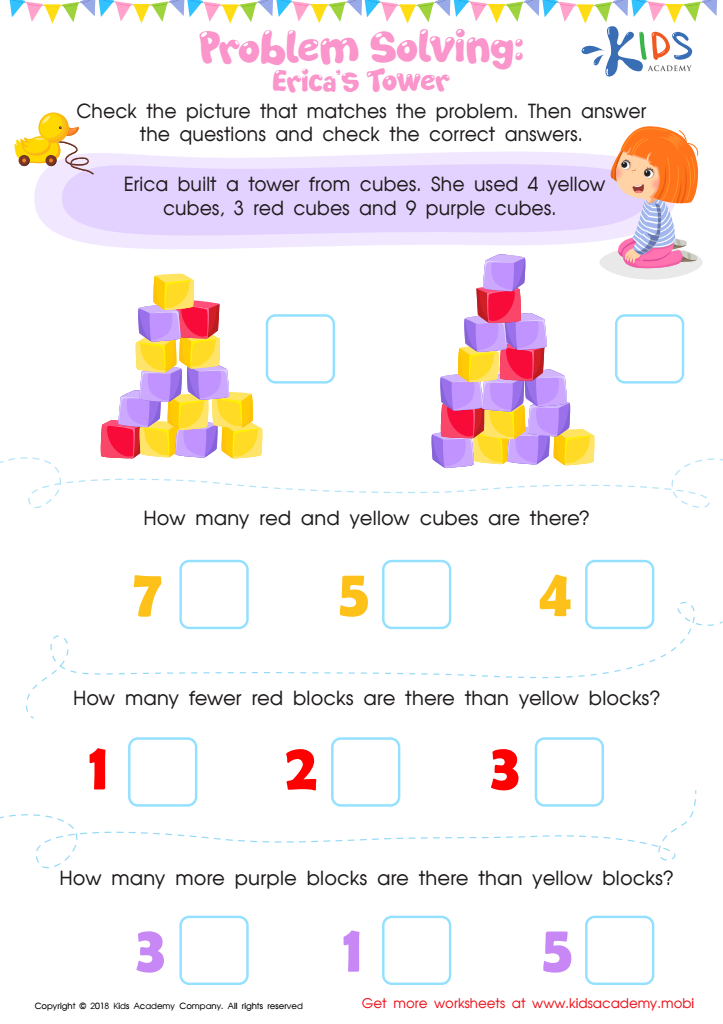
Problem Solving: Erica's Tower Worksheet
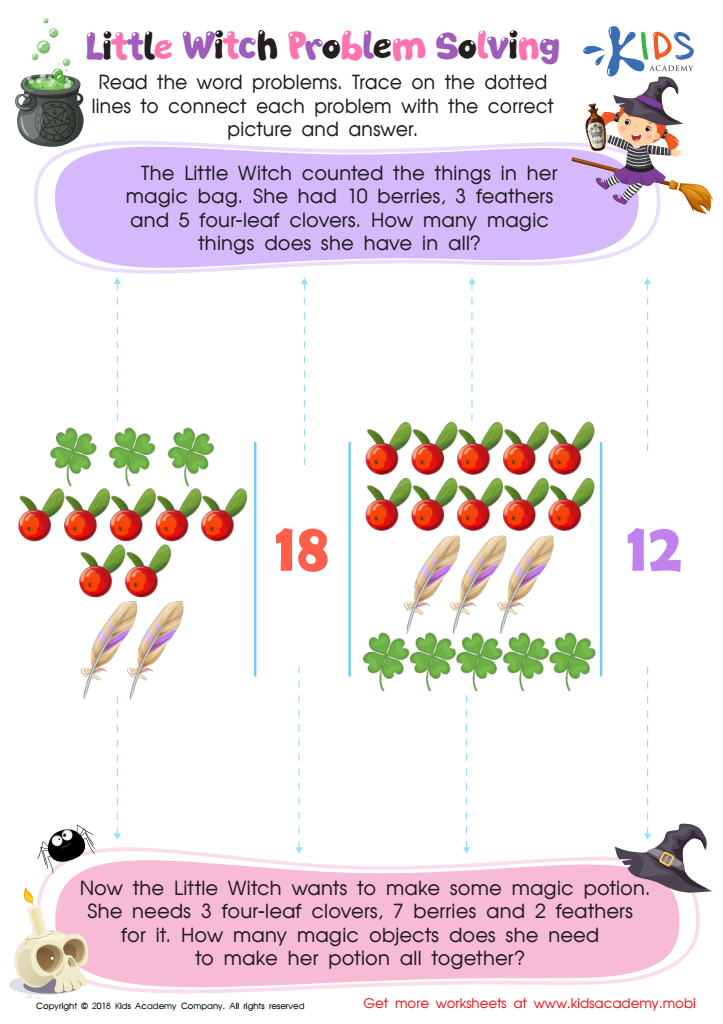
Little Witch Problem Solving Worksheet
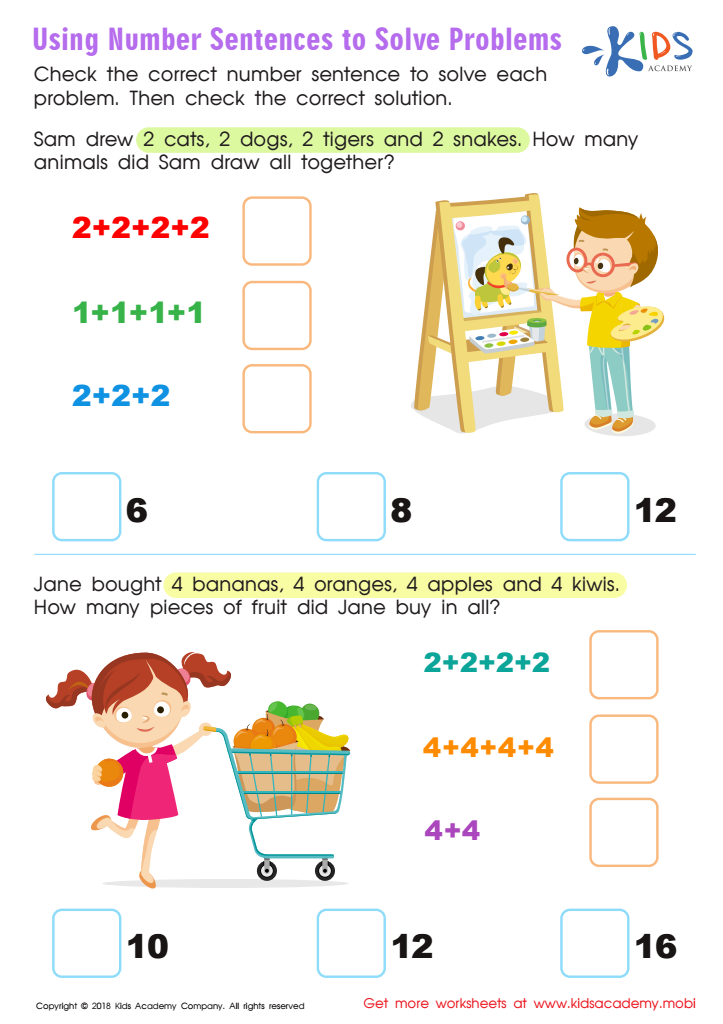
Using Number Sentences to Solve Problems Worksheet
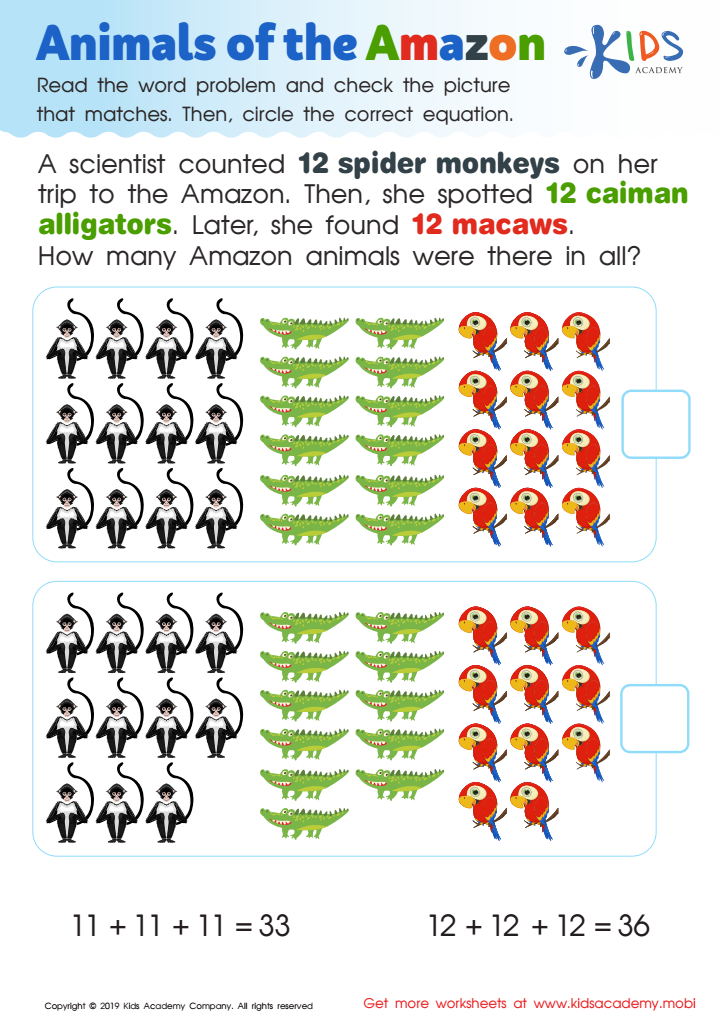
Animals of Amazon Worksheet
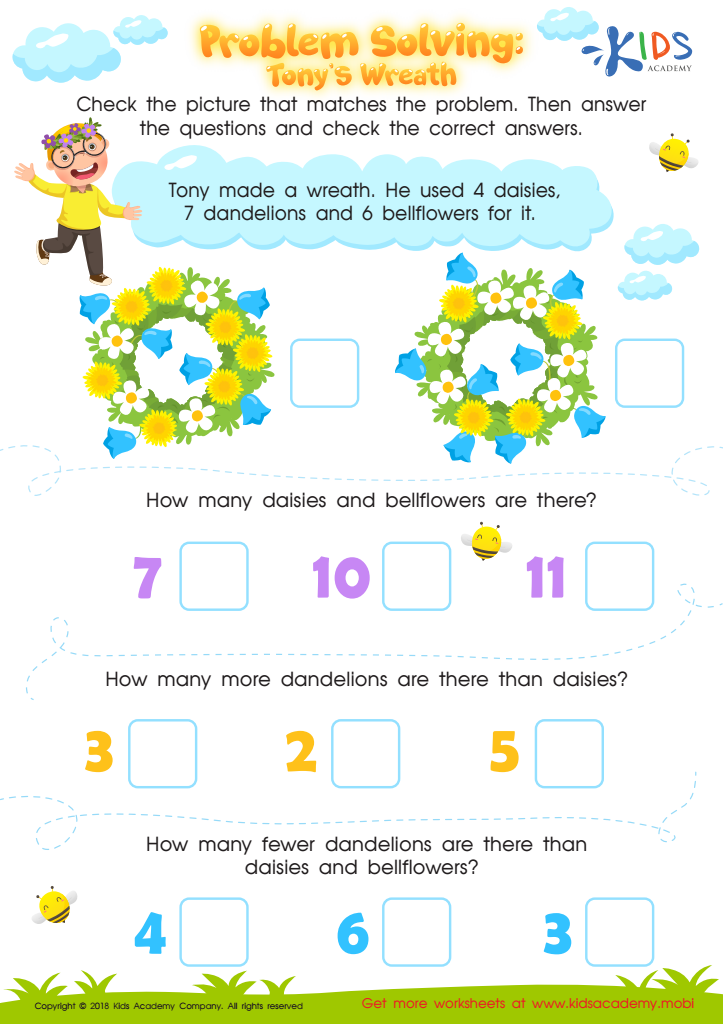
Problem Solving: Tony's Wreath Worksheet
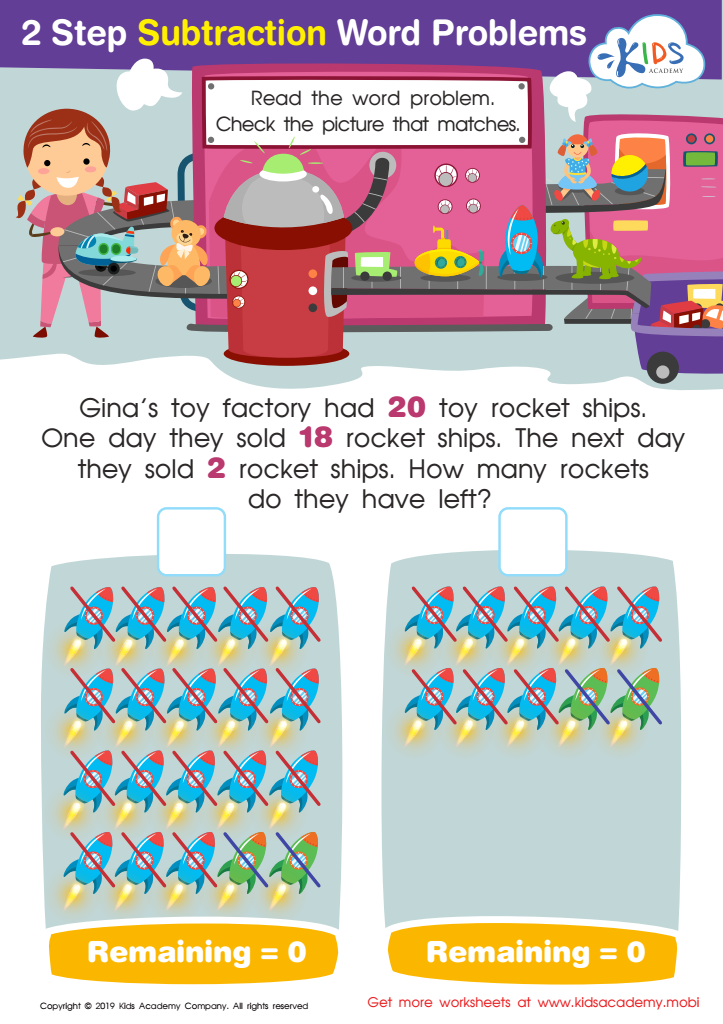
Step Subtraction Word Problems Worksheet
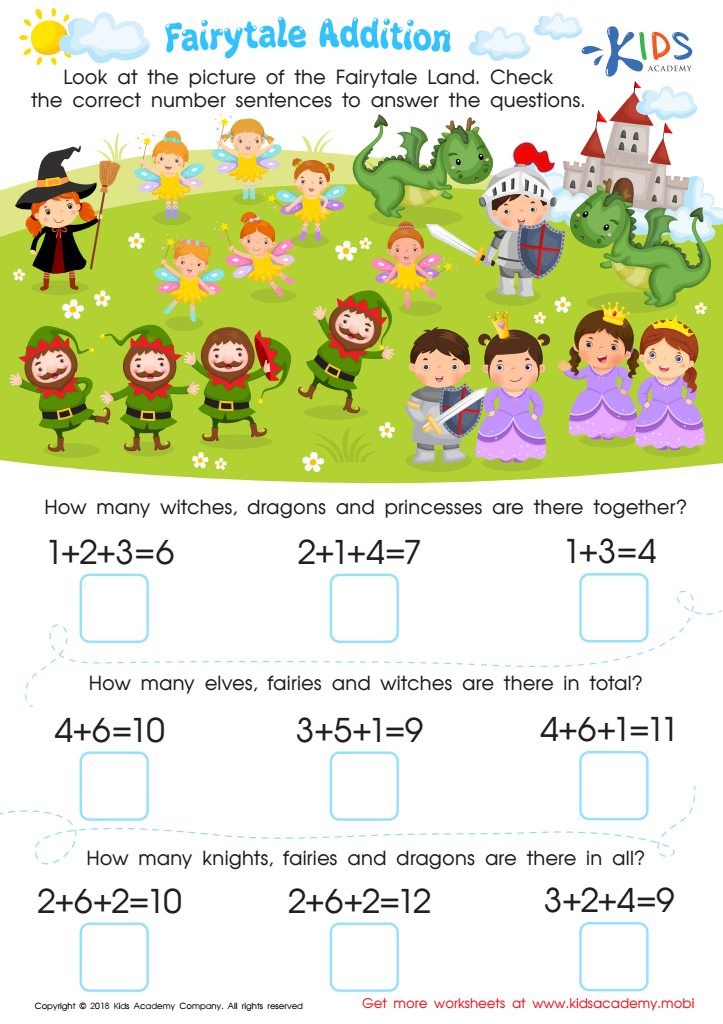
Fairytale Addition Worksheet
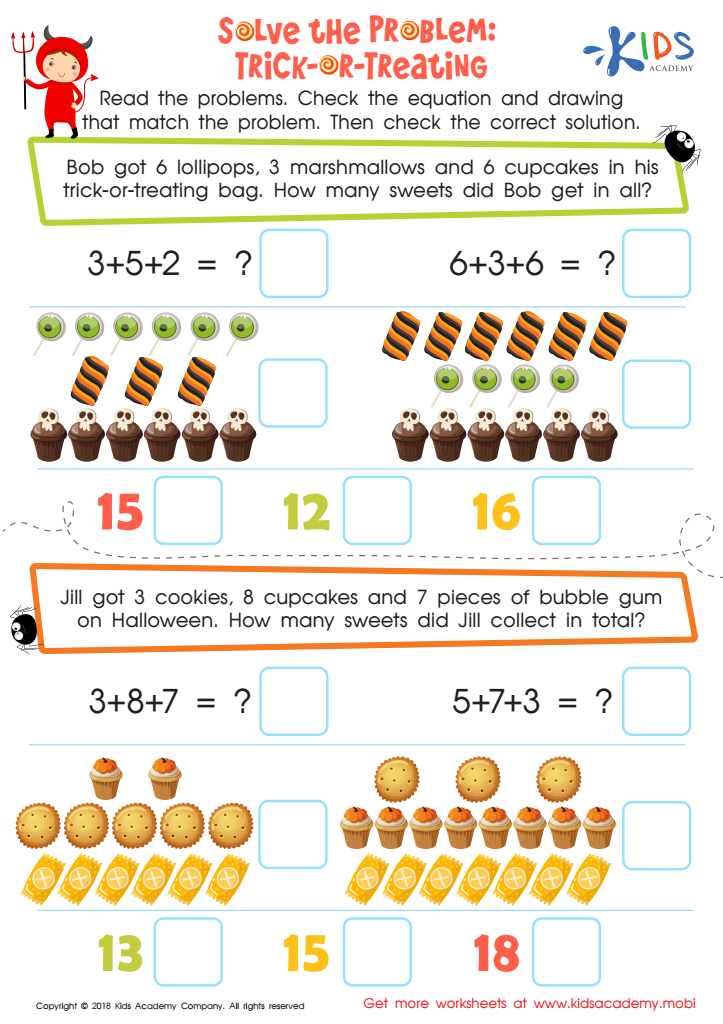
Solve the Problem: Trick–or–treating Worksheet
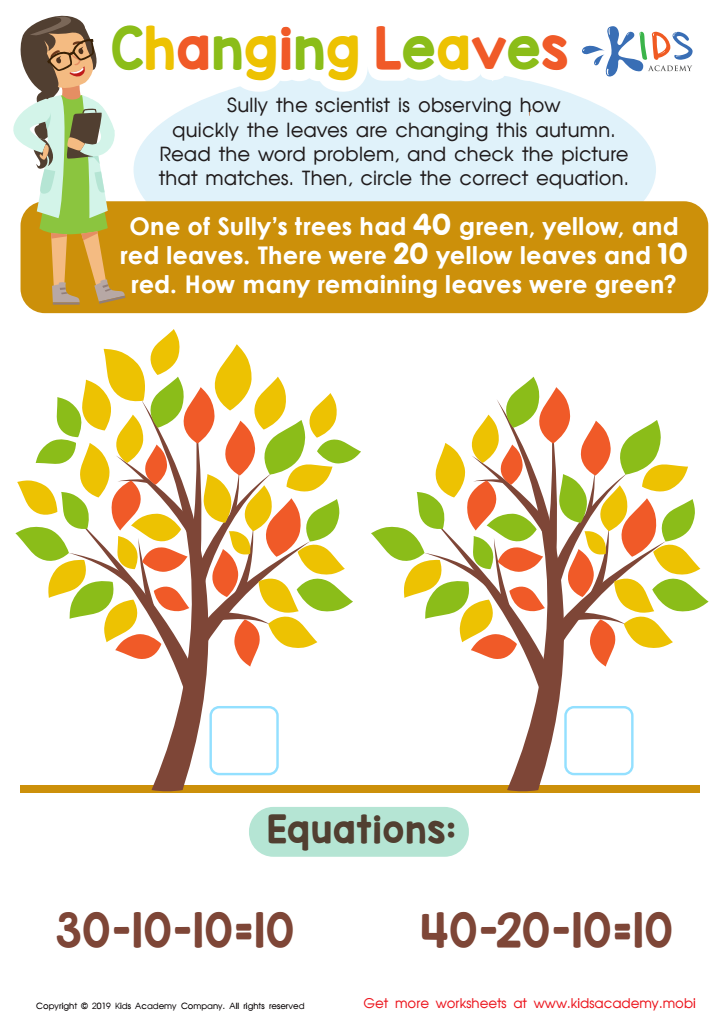
Changing Leaves Worksheet
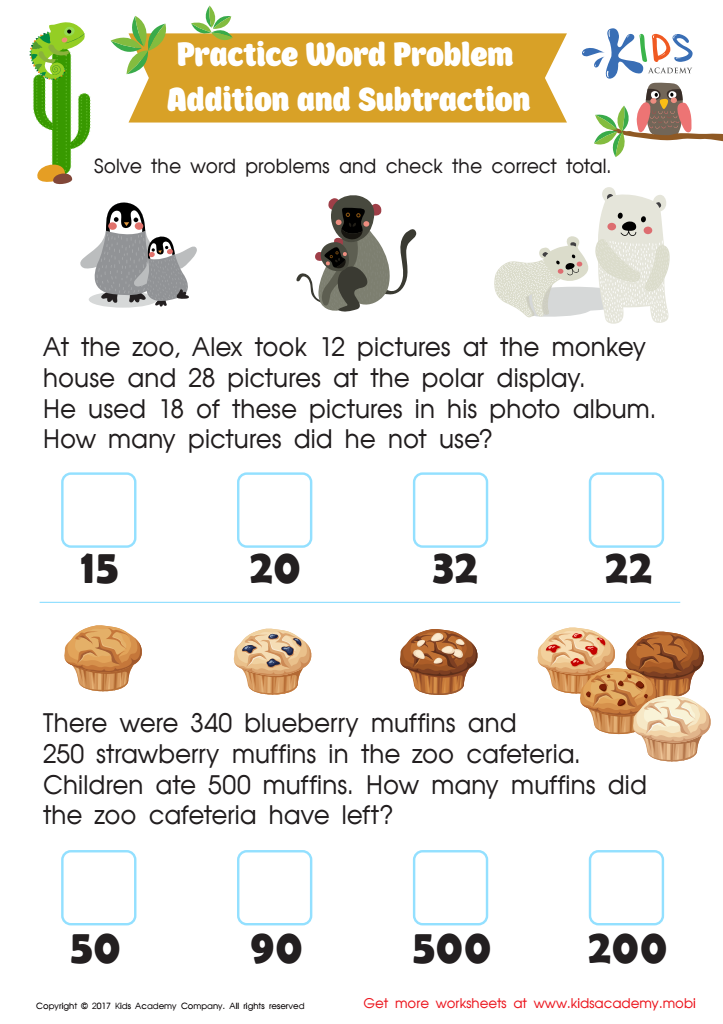
Addition and Subtraction: Word Problems Worksheet
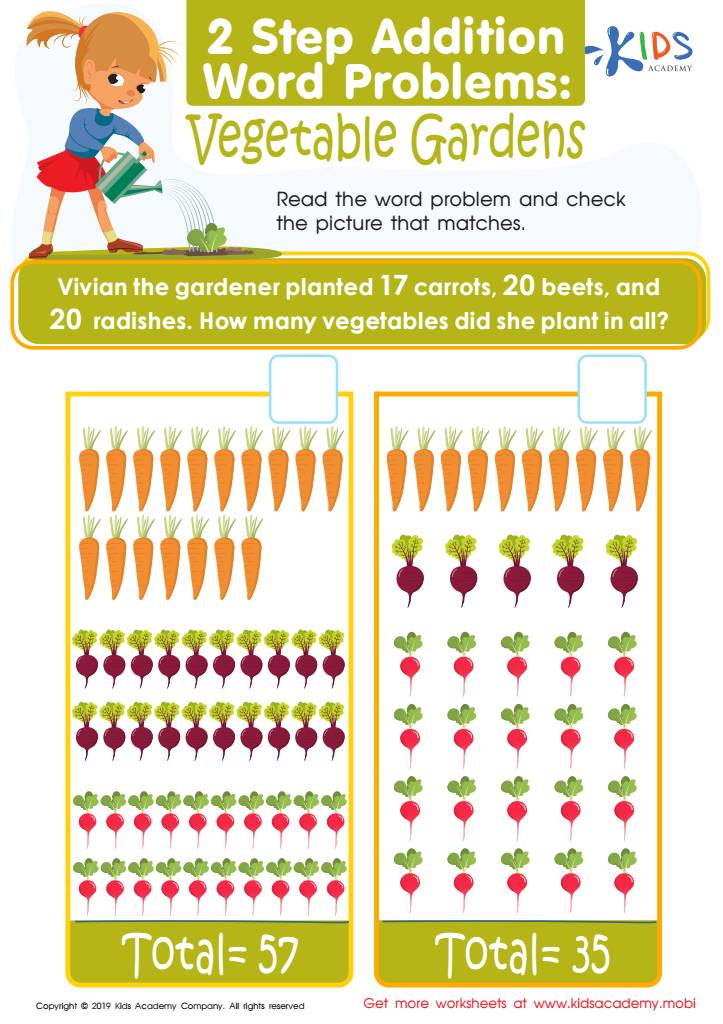
Vegetable Gardens Worksheet
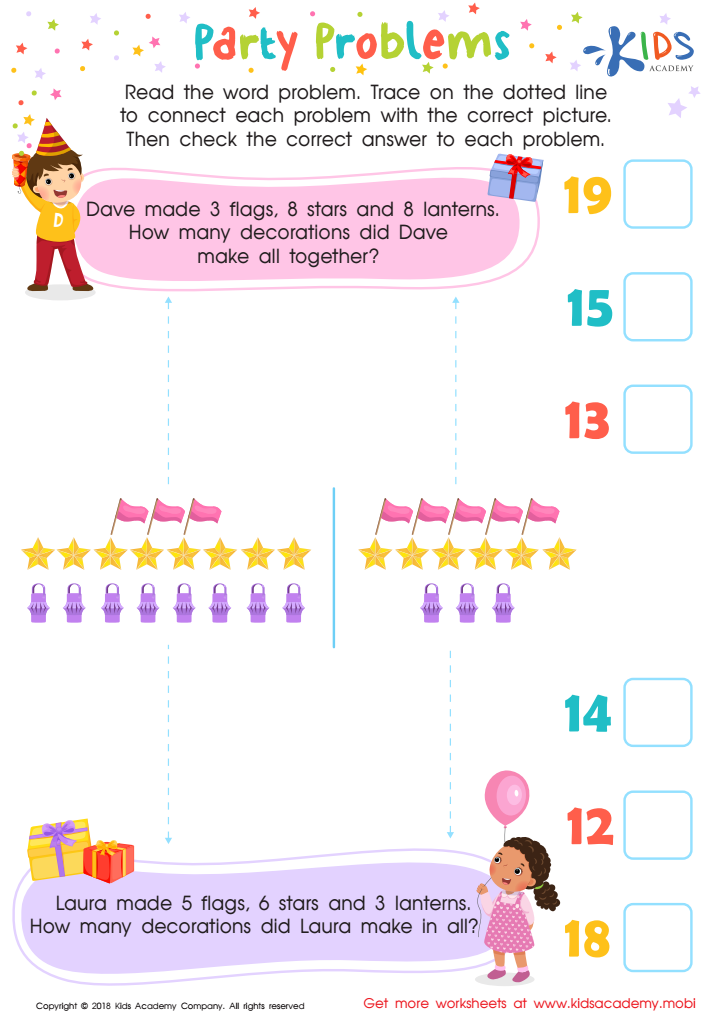
Party Problems Worksheet



Parents and teachers should prioritize two-step word problems for children ages 6-9 because these problems build essential cognitive and mathematical skills. First, they enhance critical thinking by requiring children to understand and dissect multiple steps to find a solution, promoting logical reasoning. This process involves reading comprehension, as kids must interpret the problem accurately, strengthening their literacy skills in the process.
Moreover, two-step problems foster patience and persistence, qualities that are crucial for tackling more complex tasks in the future. These problems also introduce basic arithmetic concepts such as addition, subtraction, multiplication, and division in real-world contexts, making math more relatable and less intimidating. Integrating these principles early on helps establish a strong mathematical foundation, which can boost confidence and reduce math anxiety.
By regularly solving two-step problems, children develop a systematic approach to problem-solving, which is valuable both in and out of the classroom. It encourages them to break down problems into manageable parts and think through each step methodically, a skill that translates well beyond math. In summary, two-step word problems are essential for developmental growth, preparing children for advanced learning and equipping them with skills central to everyday life.