Filters

390 filtered results

Clear all filters
Favorites
With answer key
Interactive

390 filtered results

Difficulty Level

Grade


Subject

    Check out this FREE Trial Lesson on Science for age 6-9!

    Multiplication and Division Fact Families Multiplication Facts Part 1

    Favorites
    With answer key
    Interactive
    • 6-9
    • Science
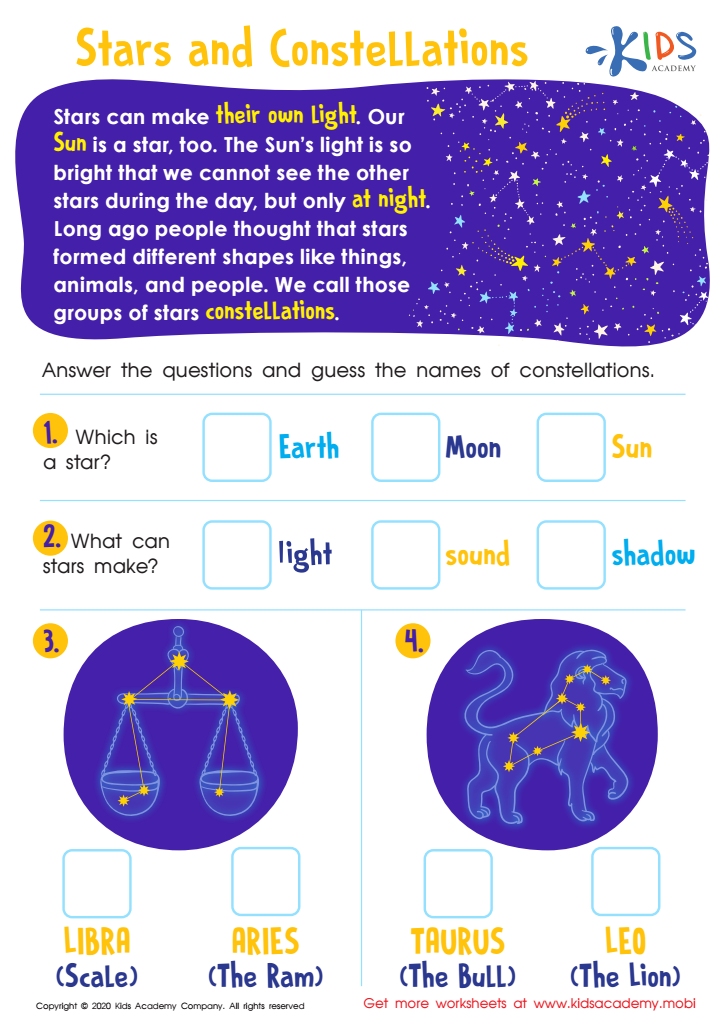
    Stars and Constellations Worksheet
    Stars and Constellations Worksheet

    Stars and Constellations Worksheet

    Learn about stars and constellations with this entertaining worksheet! Read the passage at the top of the page to gain an understanding of stars, then test your child's knowledge with the questions below. Check the right answers and finish this science worksheet with your child - they'll be amazed that stars can make their own light, just like the sun!
    Stars and Constellations Worksheet
    Worksheet
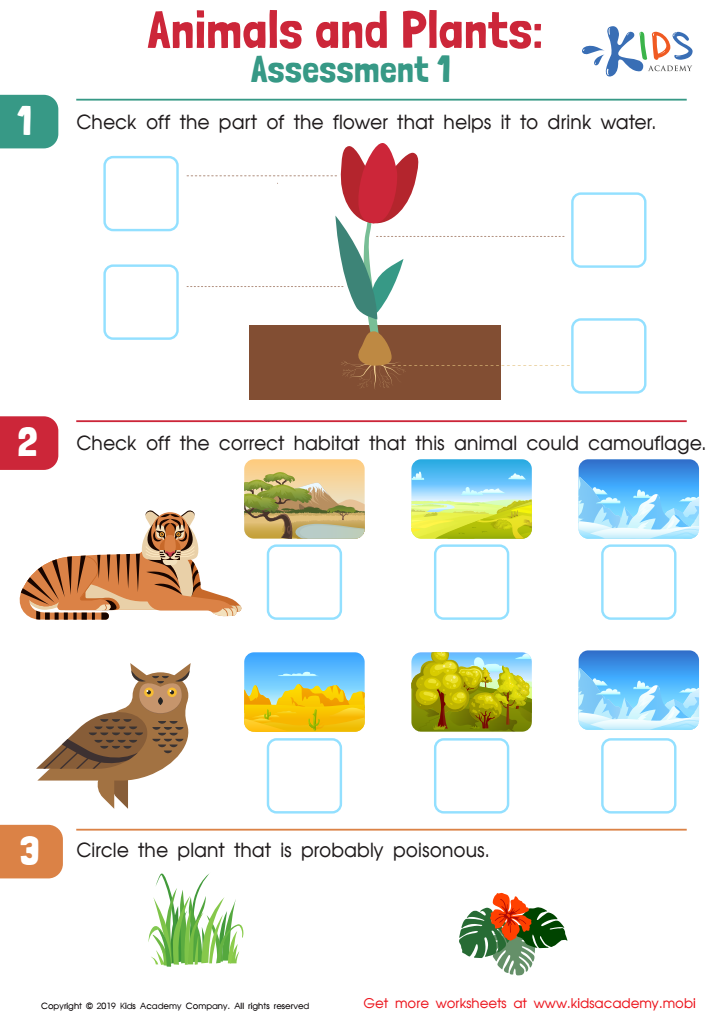
    Animals and Plants: Assesment 1 Worksheet
    Animals and Plants: Assesment 1 Worksheet

    Animals and Plants: Assessment 1 Worksheet
    Do you want to easily assess your child's understanding of basic science concepts? This colorful PDF offers a free opportunity for them to test their knowledge about parts of a flower, poisonous plants, animal habitats and more! Bright pictures make it fun and easy for you to see what they know.
    Animals and Plants: Assessment 1 Worksheet
    Worksheet
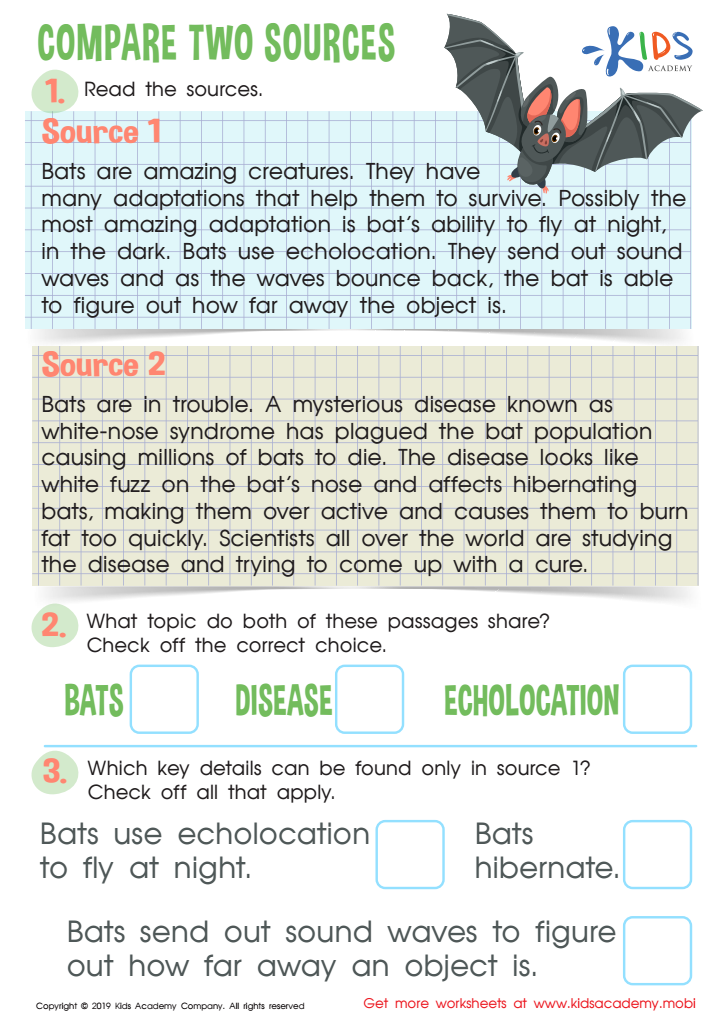
    Compare Two Sources Worksheet
    Compare Two Sources Worksheet

    Compare Two Sources Worksheet

    Reading exposes us to new words, spelling, and info about different topics. Kids can practice their reading skills, and learn about bats, with this worksheet. Read the two sources in the picture, then help your kids answer the questions at the bottom.
    Compare Two Sources Worksheet
    Worksheet
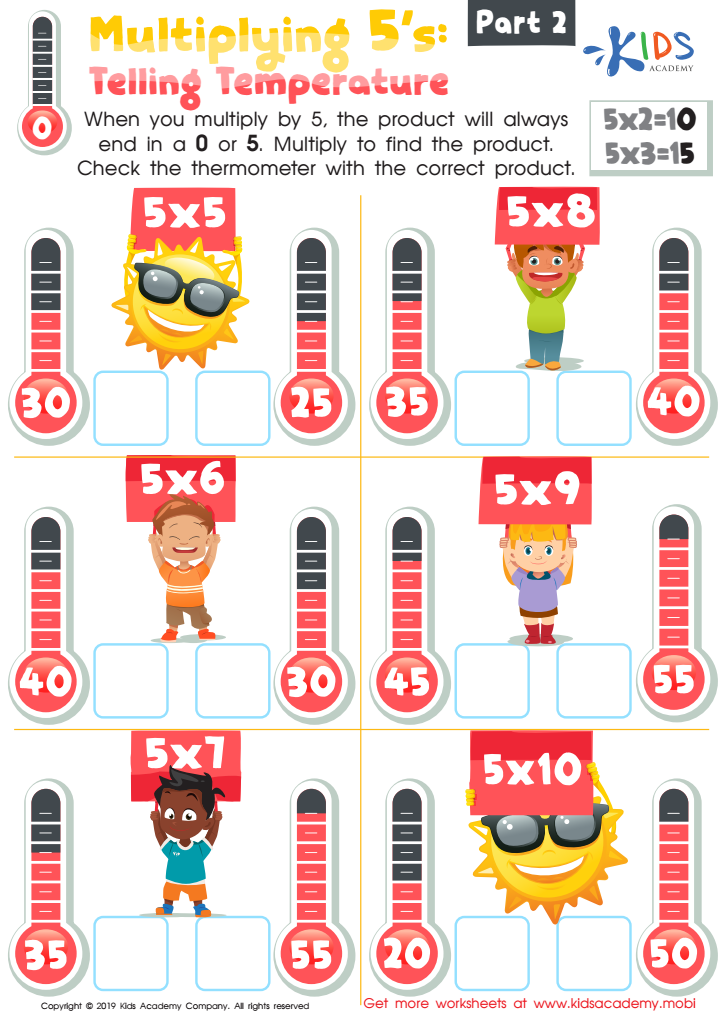
    Multiplying 5’s: Telling Temperature Part 2 Worksheet
    Multiplying 5’s: Telling Temperature Part 2 Worksheet

    Multiplying 5’s: Telling Temperature Part 2 Worksheet

    To help your child with multiplication, teach them some simple tricks. For example, when multiplying 10's the product always ends in a 0, and when multiplying by 5, the product will end in 0 or 5. Look at the problems in this worksheet and help your child find the product. Then, check the thermometer with the correct answer.
    Multiplying 5’s: Telling Temperature Part 2 Worksheet
    Worksheet
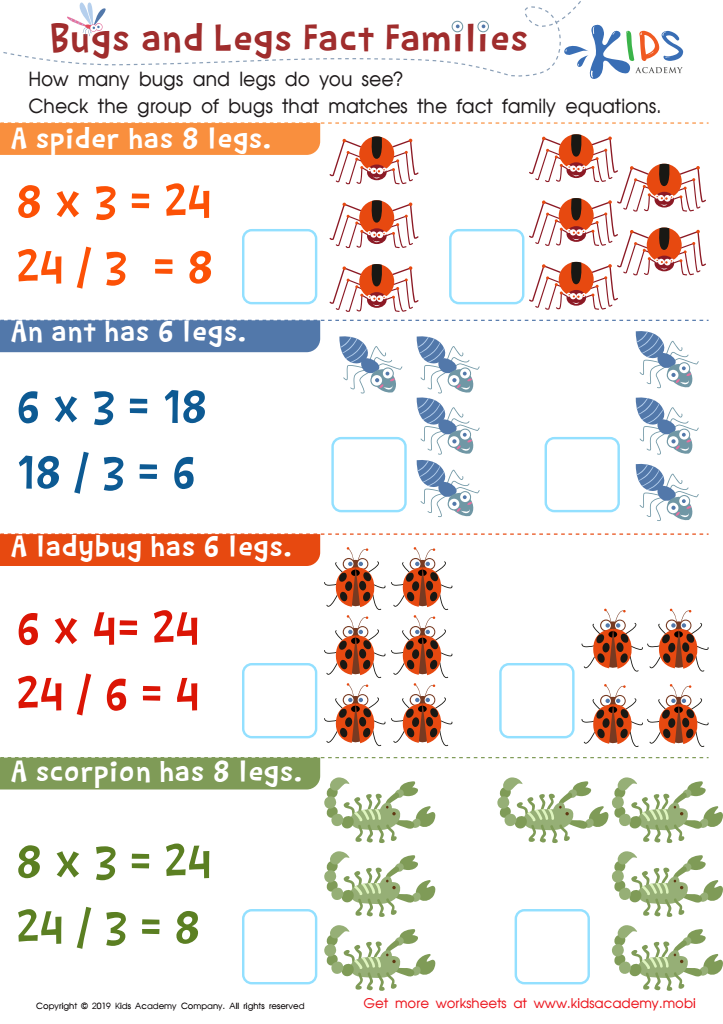
    Bugs and Legs Fact Families Worksheet
    Bugs and Legs Fact Families Worksheet

    Bugs and Legs Fact Families Worksheet

    This free worksheet uses bugs and insects to help young math students learn about fact families and recognize patterns in multiplication and division. It's a fun and colorful way to gain automaticity and efficiency in computation skills, without even realizing it's math!
    Bugs and Legs Fact Families Worksheet
    Worksheet
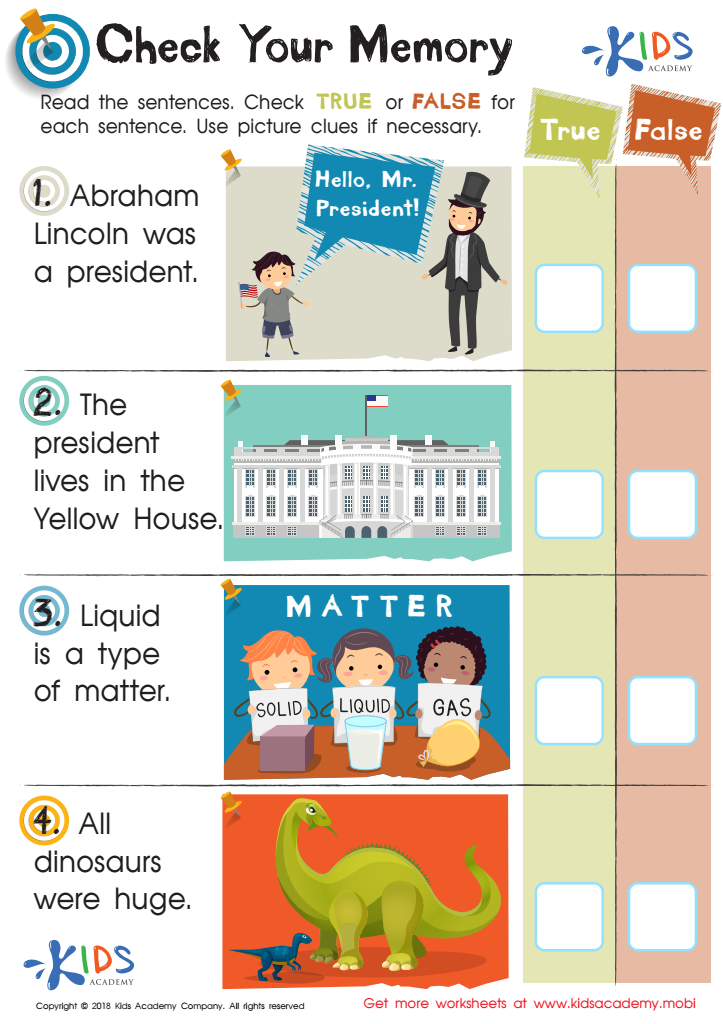
    Check Memory Worksheet
    Check Memory Worksheet

    Check Memory Worksheet

    Assisting your kids with their homework and using worksheets is a great way for them to learn. The vibrant visuals in this printout can help stimulate the mind and motivate your child. Have them read the sentences and then point to the associated images. Afterwards, ask them to state True or False for each sentence. If they are still uncertain, offer them the picture clues to assist further.
    Check Memory Worksheet
    Worksheet


    ... 16 17

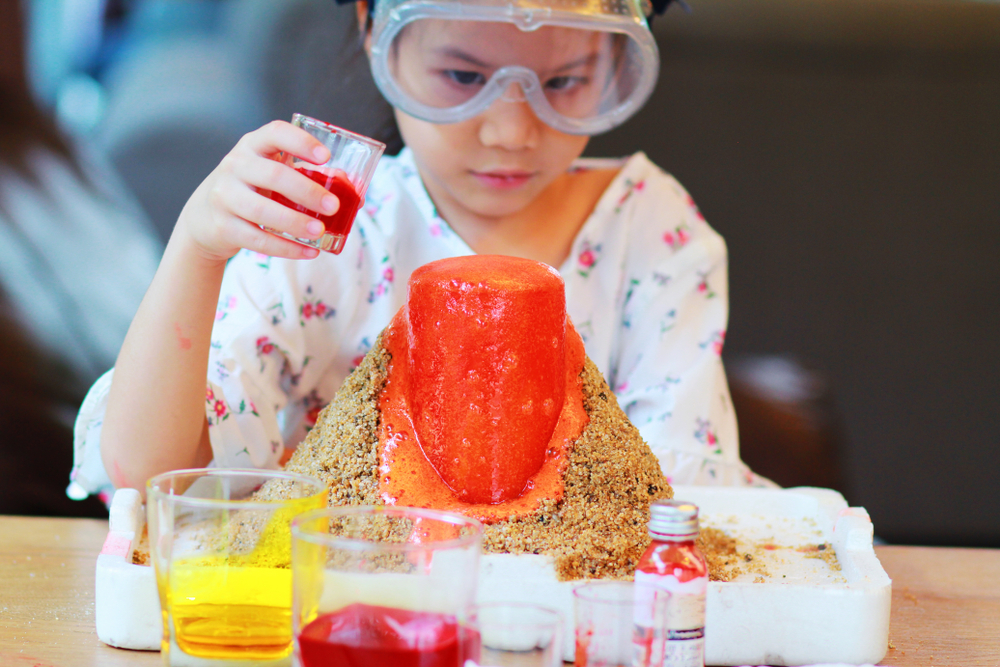
    Parents and teachers should care deeply about science education for children aged 6-9 because this formative period lays the groundwork for critical thinking and curiosity. At this age, children are naturally inquisitive, often asking "why" and "how" as they explore the world around them. Introducing scientific concepts helps nurture this curiosity, encouraging them to seek answers and fostering a love for learning.

    Engaging young learners in science enhances their problem-solving skills and ability to think analytically, essential skills in today's fast-paced, technology-driven world. It promotes an understanding of the natural environment, encouraging kids to appreciate nature, sustainability, and the impact of human activity on the planet.

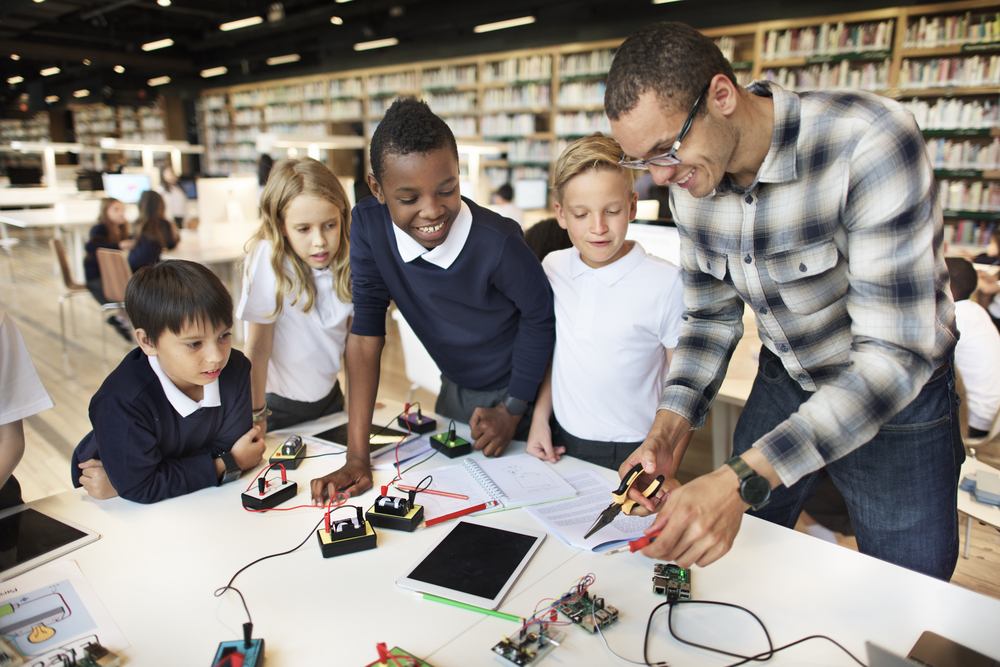
    Additionally, science education incorporates various disciplines, integrating math, technology, and even artistry, thus encouraging a well-rounded skill set. Collaborative experiments and projects enhance social and communication skills as children learn to work in teams and share ideas.

    Furthermore, early exposure to science can inspire future interests in STEM (Science, Technology, Engineering, and Mathematics) careers, addressing future workforce demands. By caring about science education in these crucial years, parents and teachers can empower children with knowledge and skills that will benefit them throughout their lives.