Governance and Civics Worksheets for Ages 6-9 - Page 2
51 filtered results
-
From - To
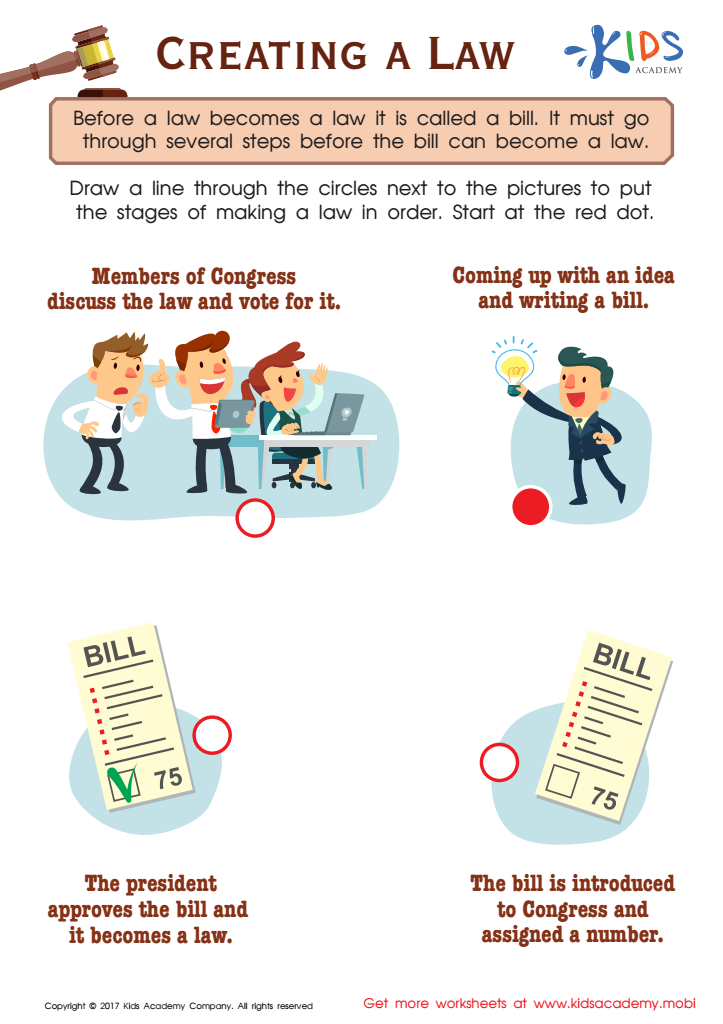
Creating a Law Worksheet
 Assign to My Students
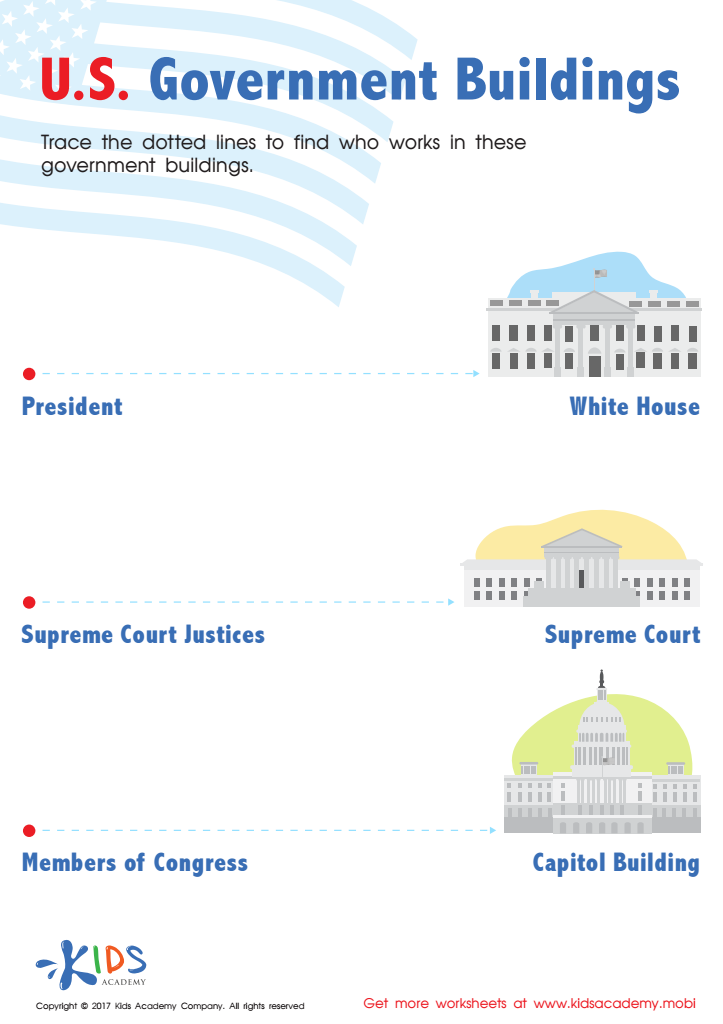
US Government Buildings Printable
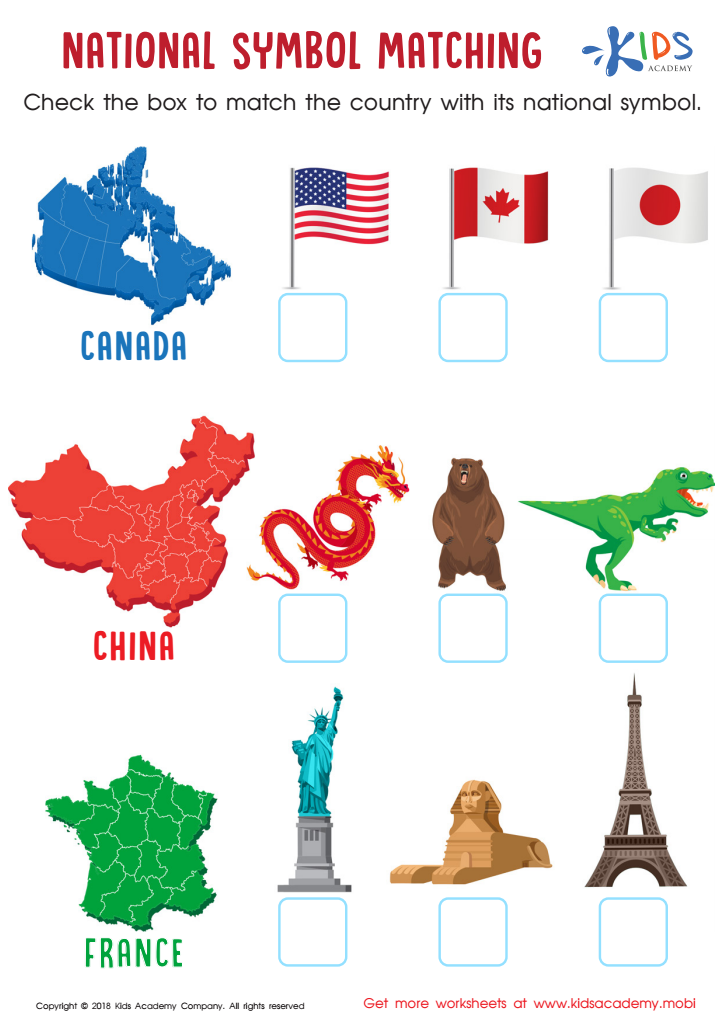
National Symbol Matching Worksheet
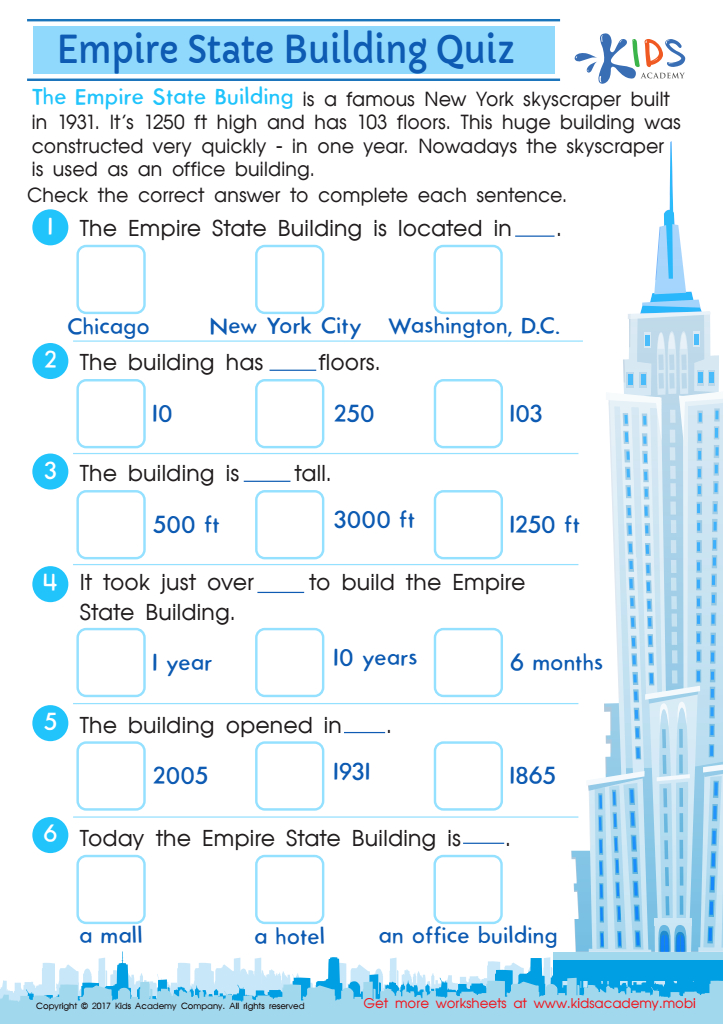
Empire State Building Printable Worksheet
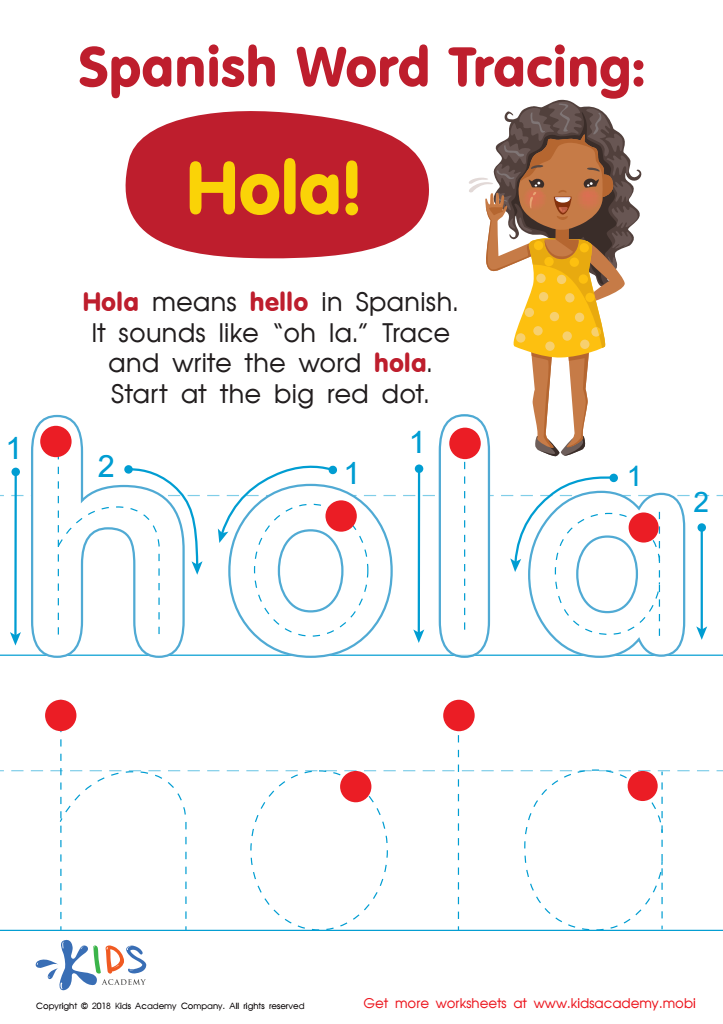
Spanish Word Tracing: Hola Worksheet
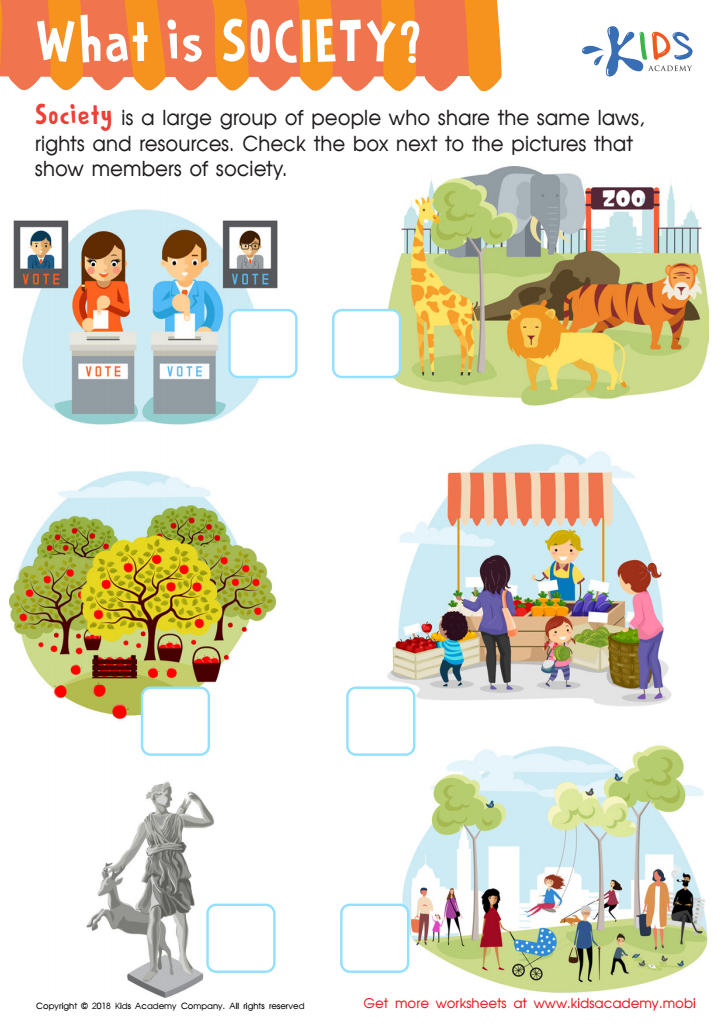
What Is Society? Worksheet
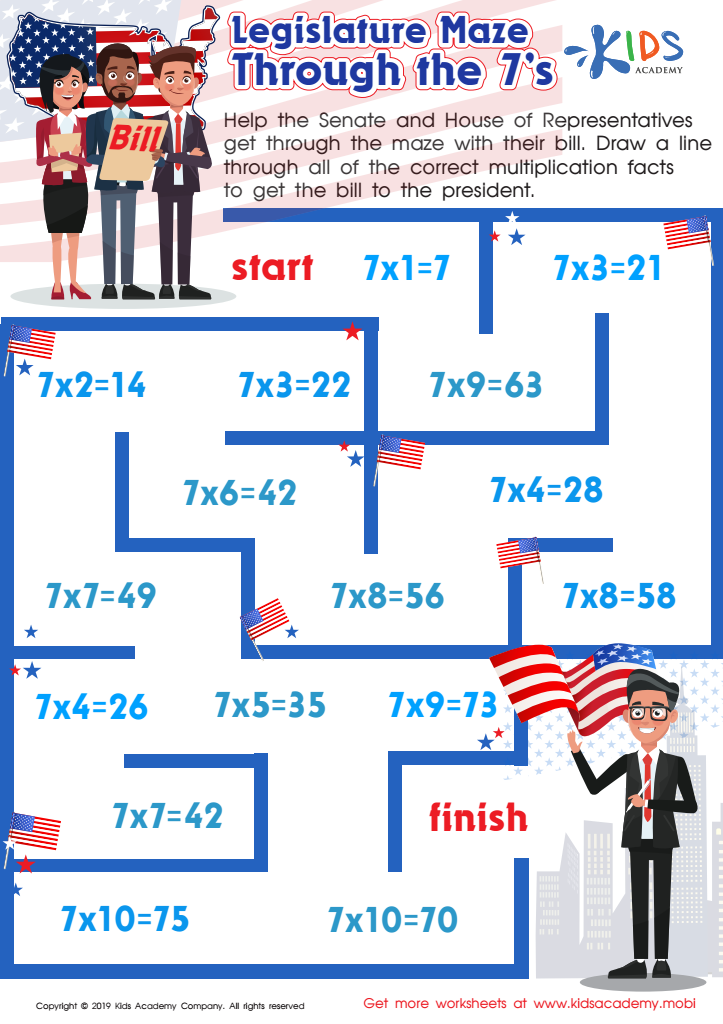
Legislature Maze Through the 7’s Worksheet
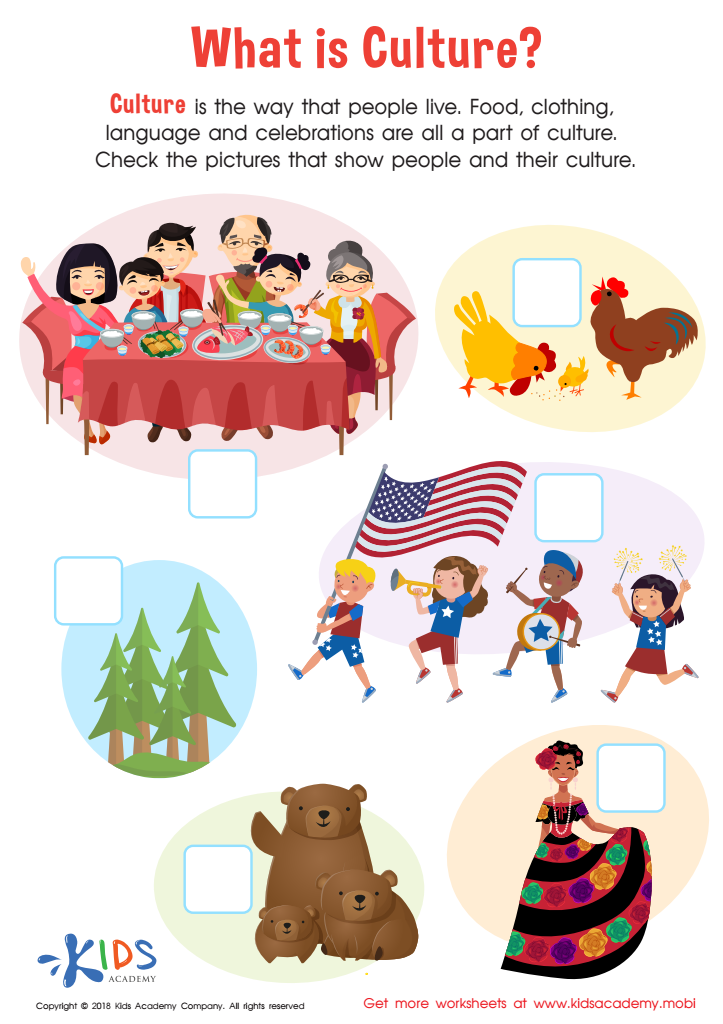
What Is Culture? Worksheet
Voting by 1s Worksheet
Spanish Word Search Worksheet
Breaking the Law Worksheet
National Symbol Maze Worksheet
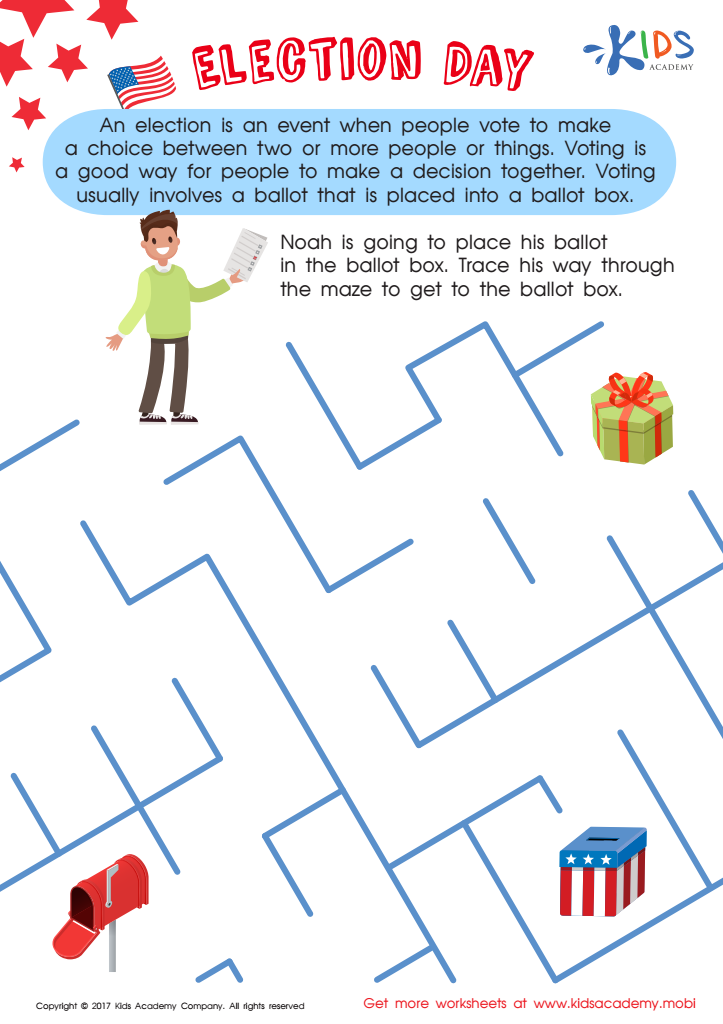
Election Day Worksheet
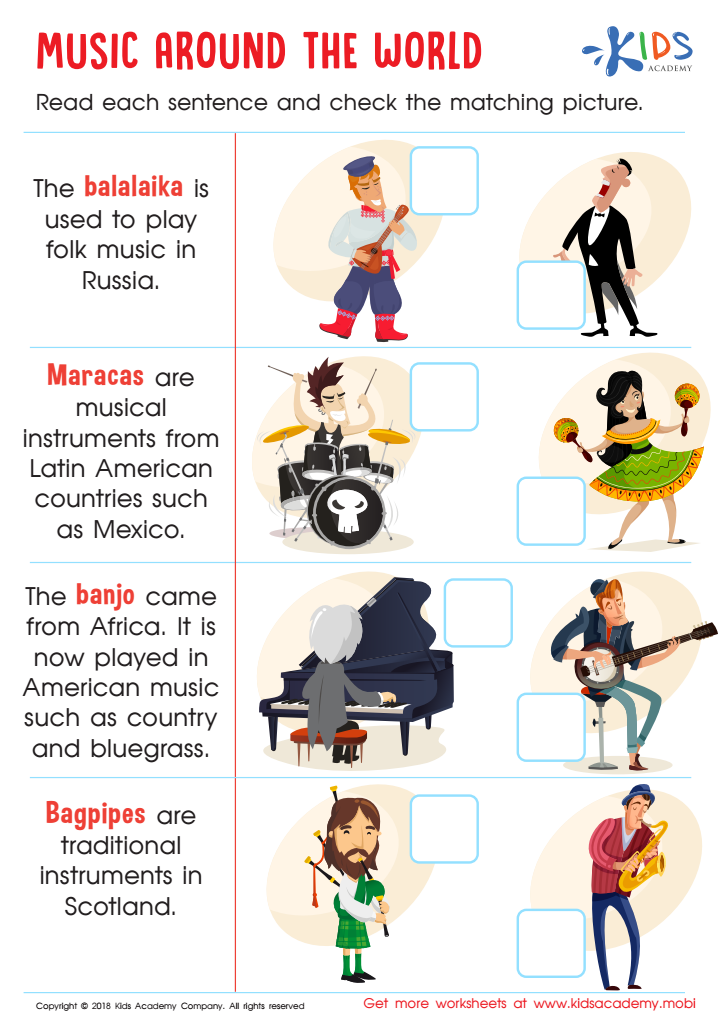
Music Around the World Worksheet
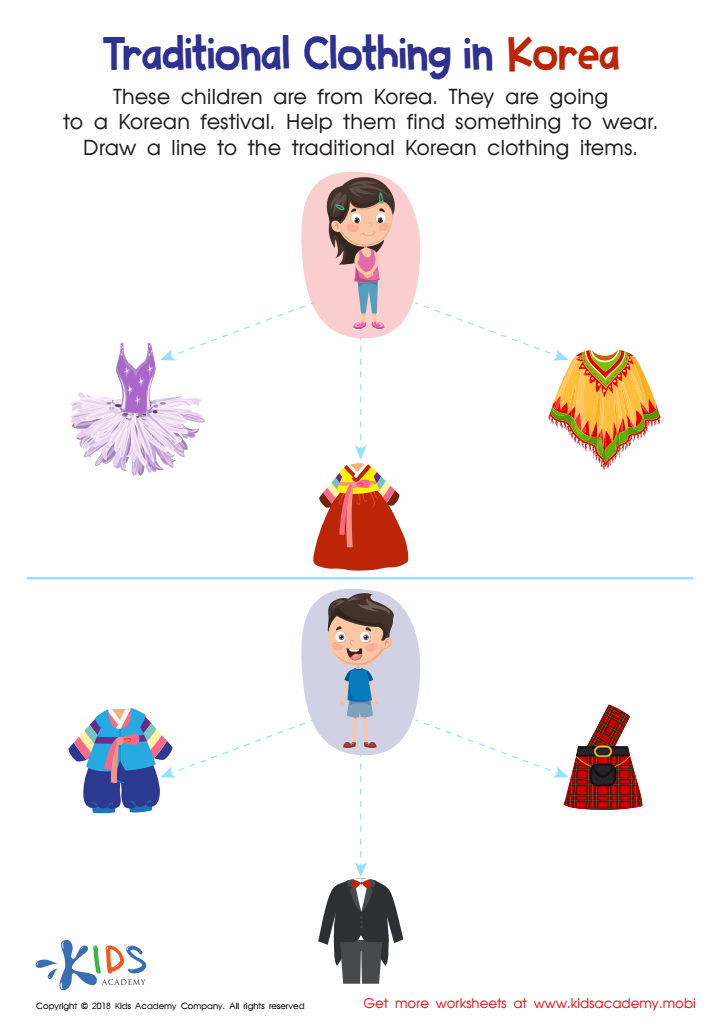
Traditional Clothing in Korea Worksheet
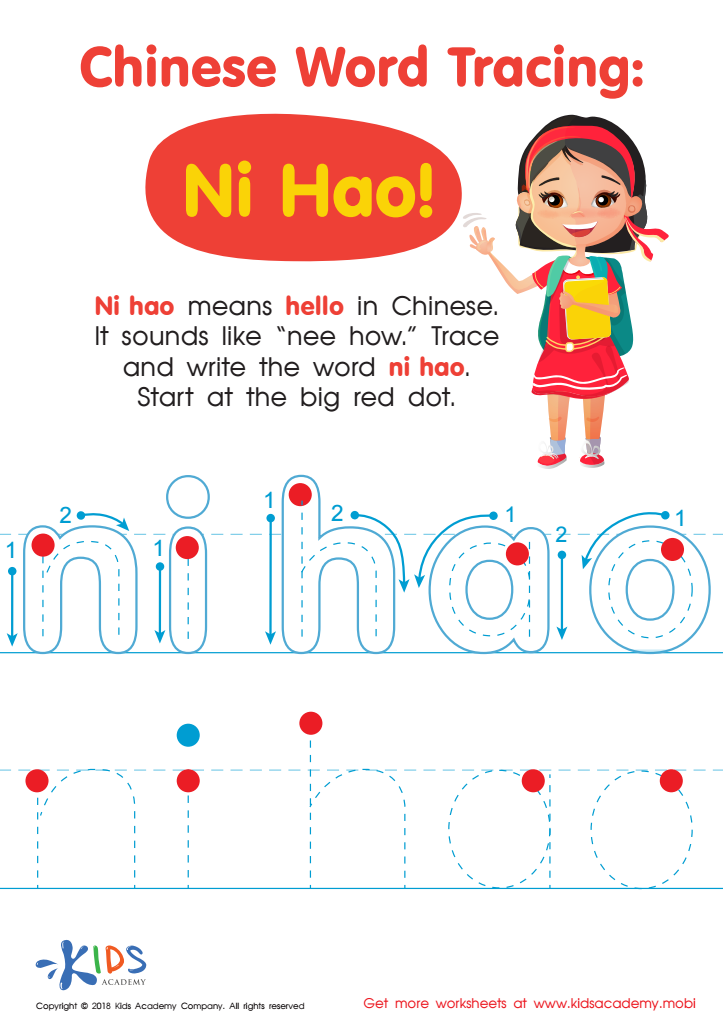
Chinese Word Tracing: Ni Hao Worksheet
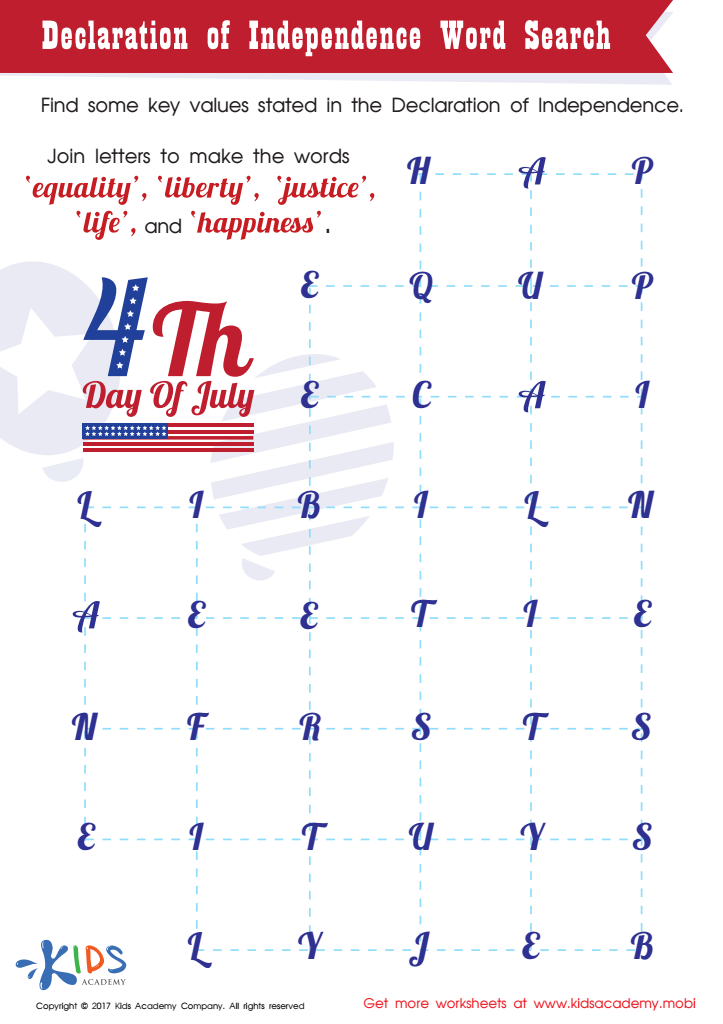
Declaration of Independence Word Search Printable
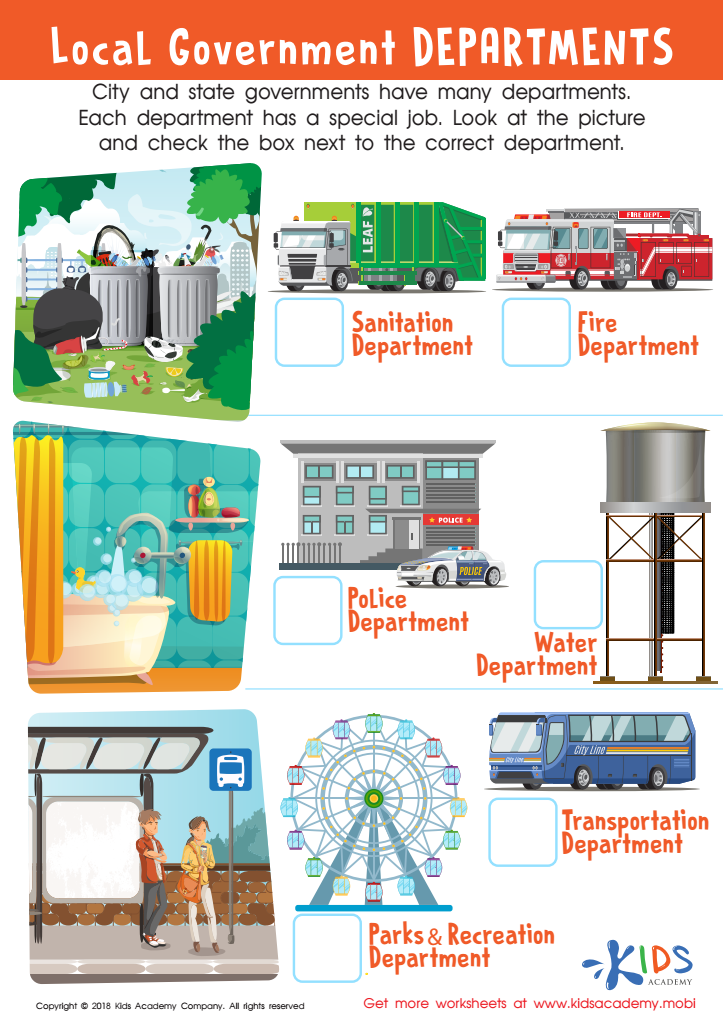
Local Government Departments Worksheet
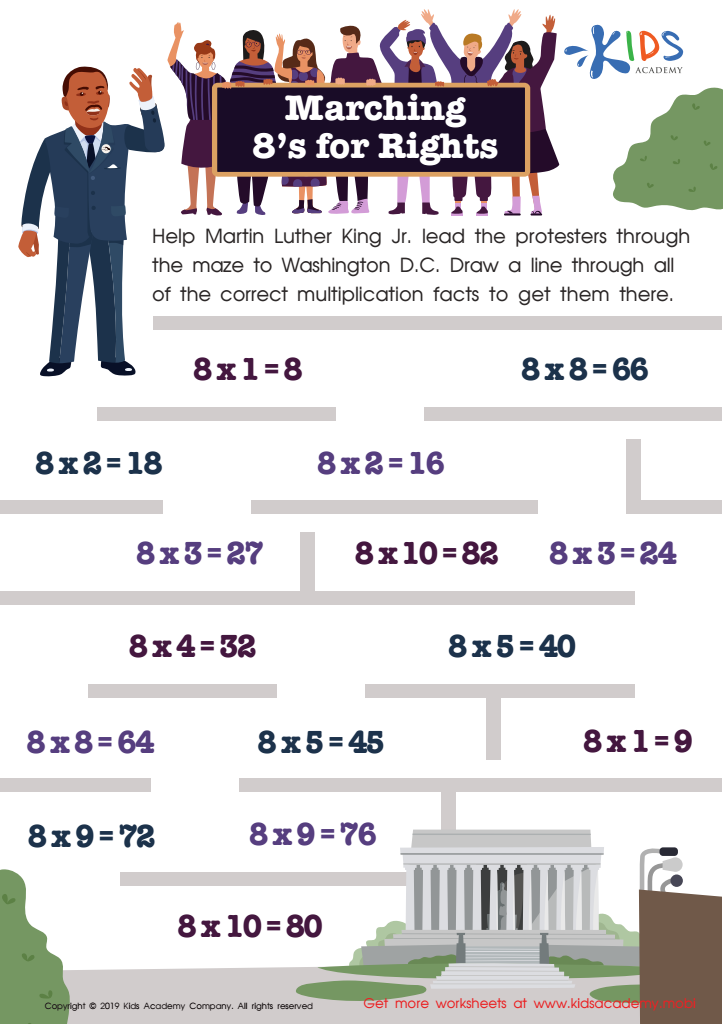
Marching 8’s for Rights Worksheet
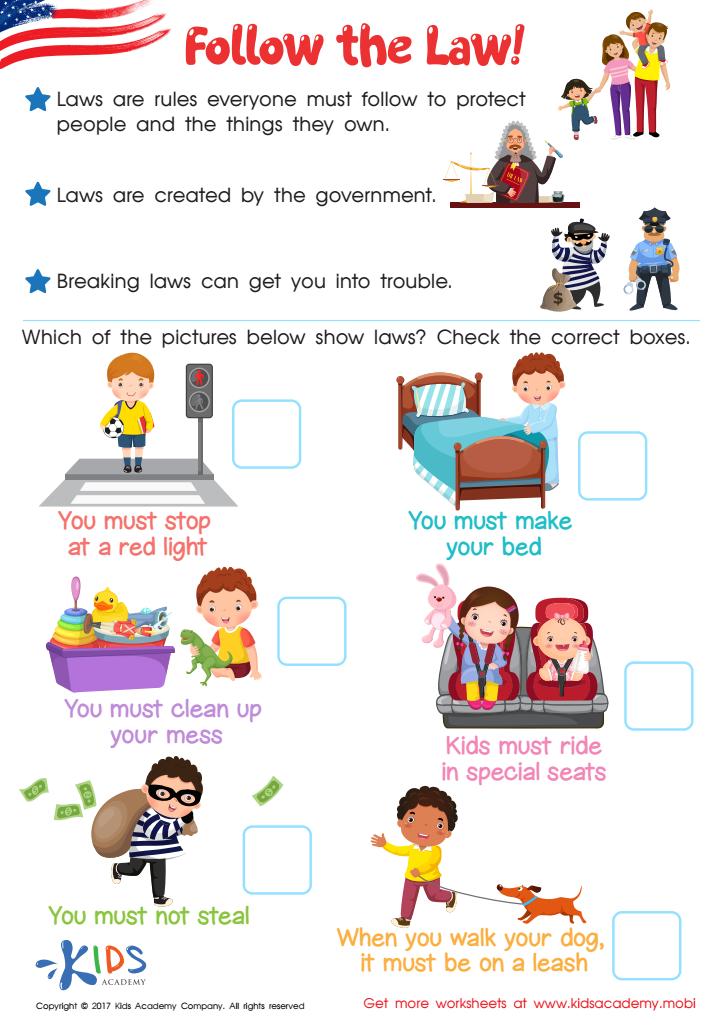
Follow the Law Worksheet
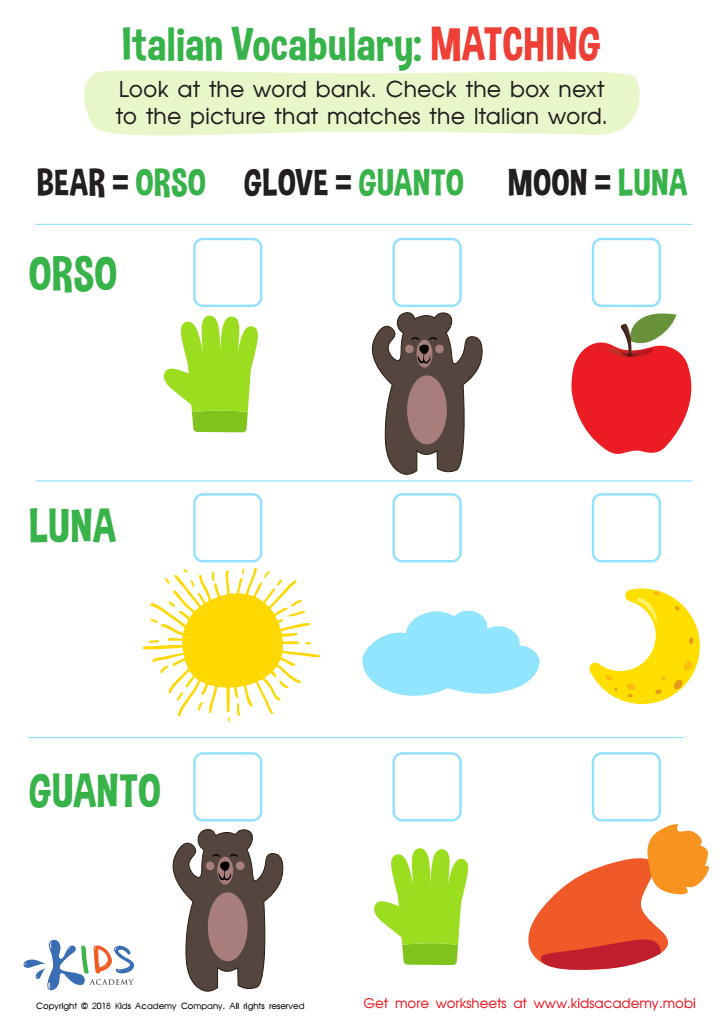
Italian Vocabulary Matching Worksheet
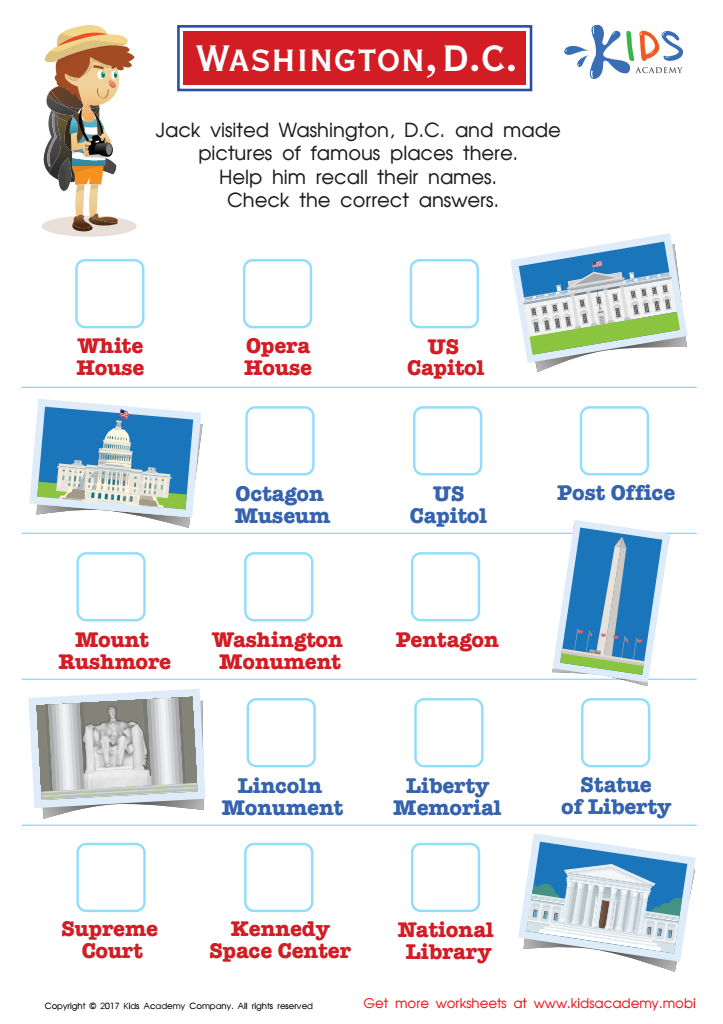
Washington D.C. Printable Worksheet
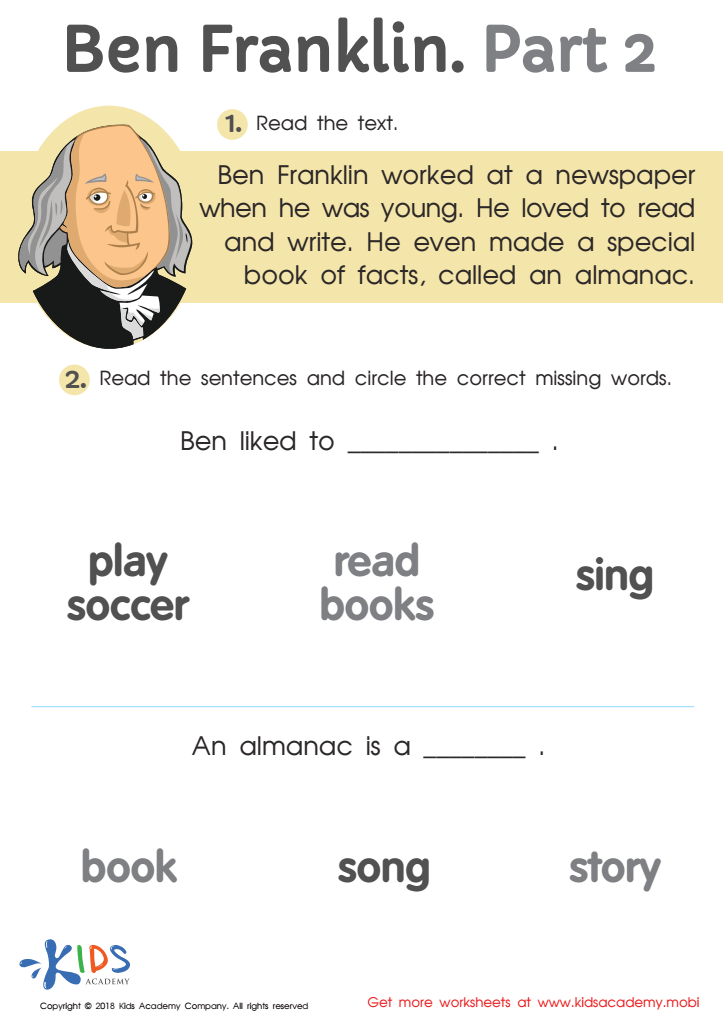
Ben Franklin Part 2 Worksheet
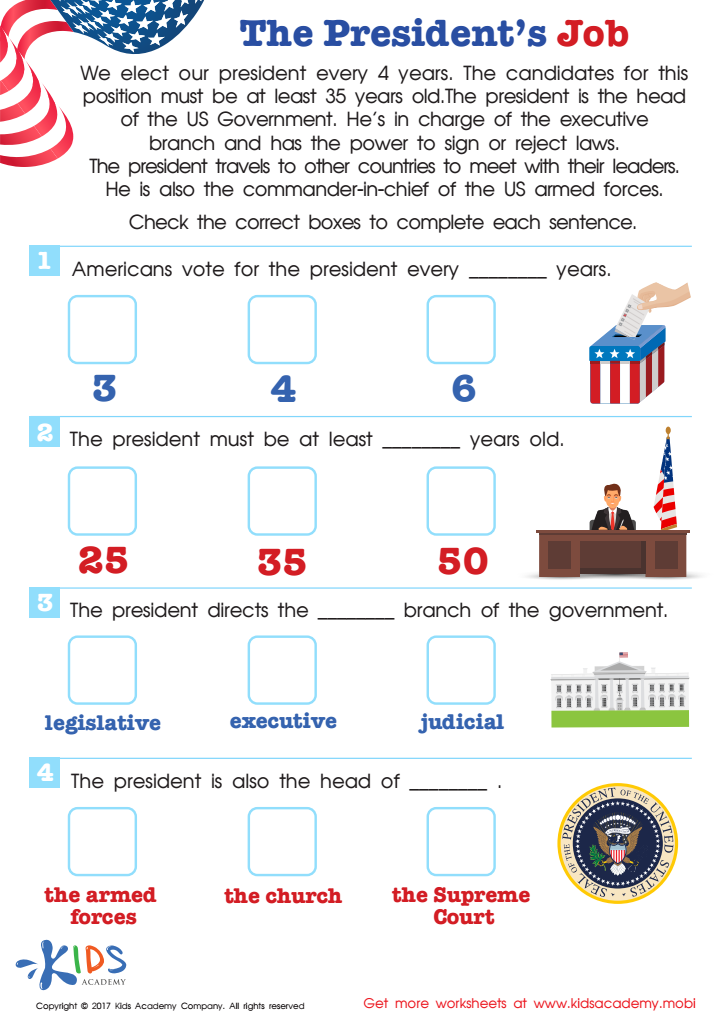
President of the USA Job Description Worksheet


Governance and civics are crucial subjects even for young children aged 6-9. Teaching these concepts early helps them understand their roles and responsibilities within their communities and fosters responsible future citizens. When parents and teachers introduce governance and civics at a young age, children learn the fundamental principles of fairness, justice, and the importance of rules and laws in society. This early education enables children to grasp why communities need leaders and how collective decisions impact everyone.
Moreover, discussions about governance nurture critical thinking and problem-solving skills. Children start to appreciate the value of different perspectives and collaborative efforts in resolving issues. This helps in their social development, teaching them to respect others' views and work together harmoniously.
Learning about civics also encourages a sense of civic duty and environmental stewardship. Kids are more likely to grow into adults who vote, participate in community service, and take care of public spaces. Parents and teachers who invest in early civic education lay the foundation for a more informed, compassionate, and engaged society.
In summary, teaching governance and civics to young children is not just about imparting knowledge; it's about shaping responsible individuals who will contribute positively to their communities.








