History Worksheets for Ages 6-9 - Page 4
90 filtered results
-
From - To
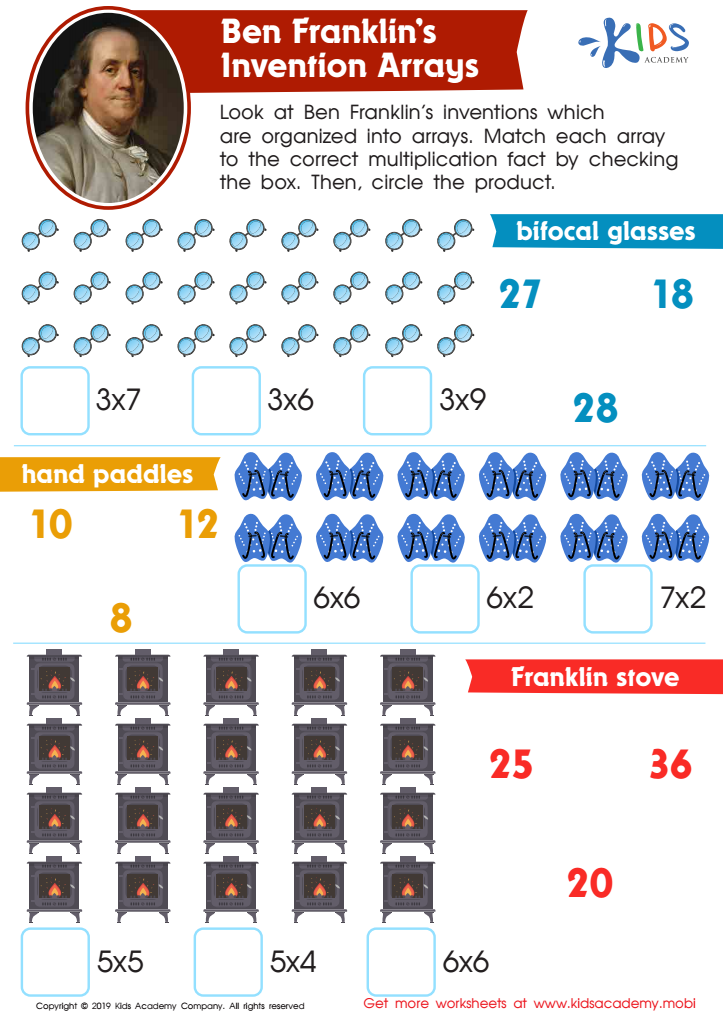
Ben Franklin’s Invention Arrays Worksheet
 Assign to My Students
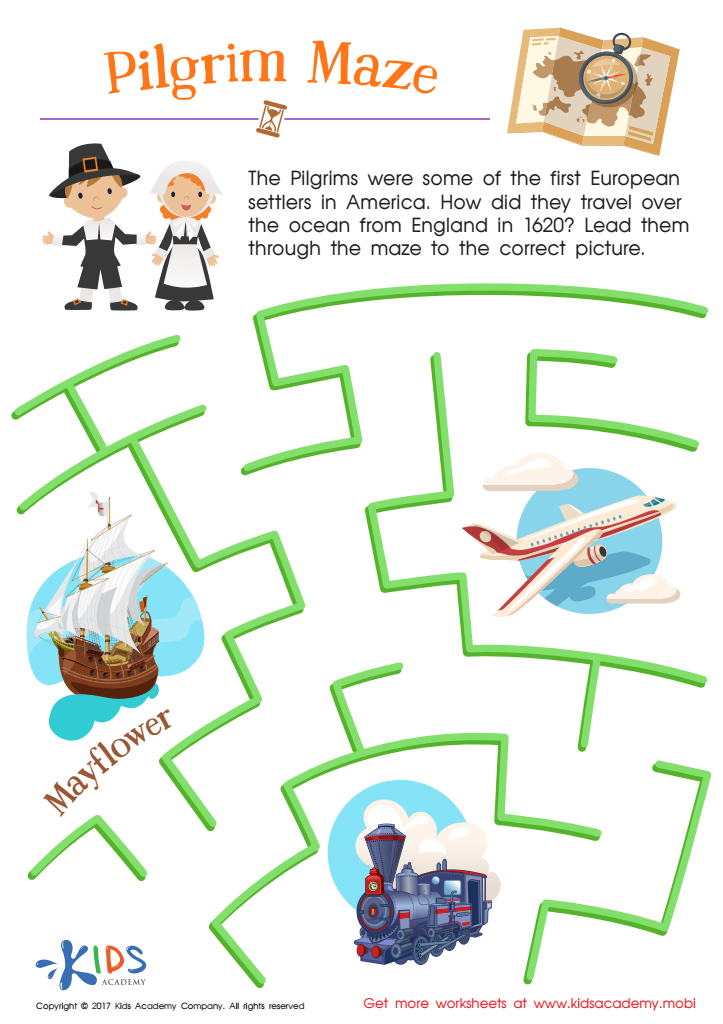
Pilgrim Maze Worksheet
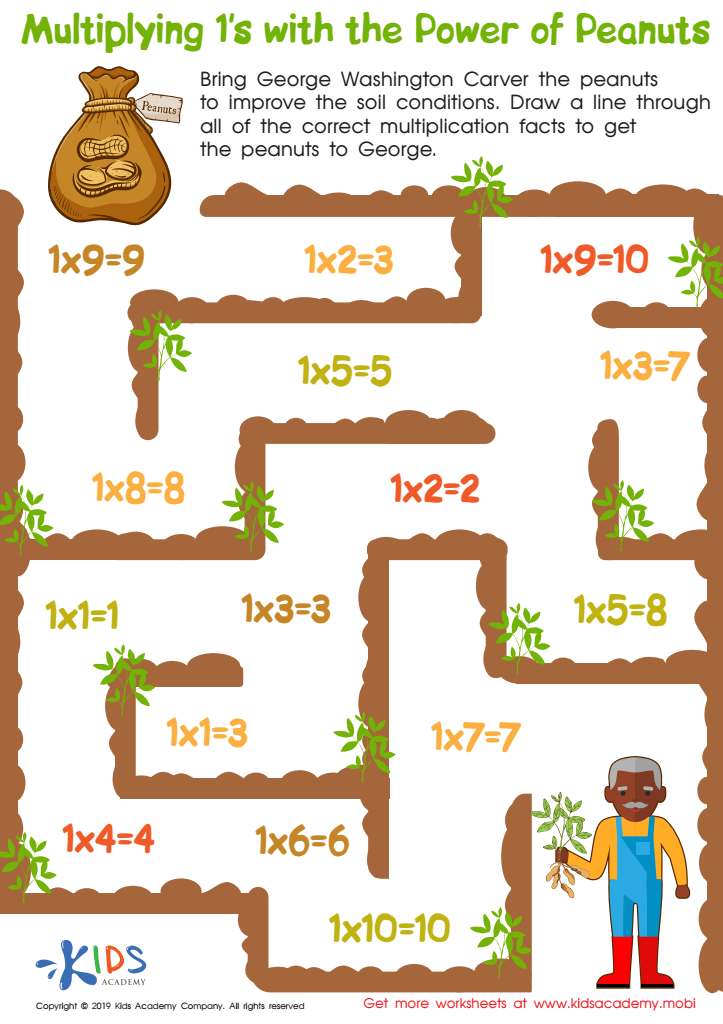
Multiplying 1’s With the Power of Peanuts Worksheet
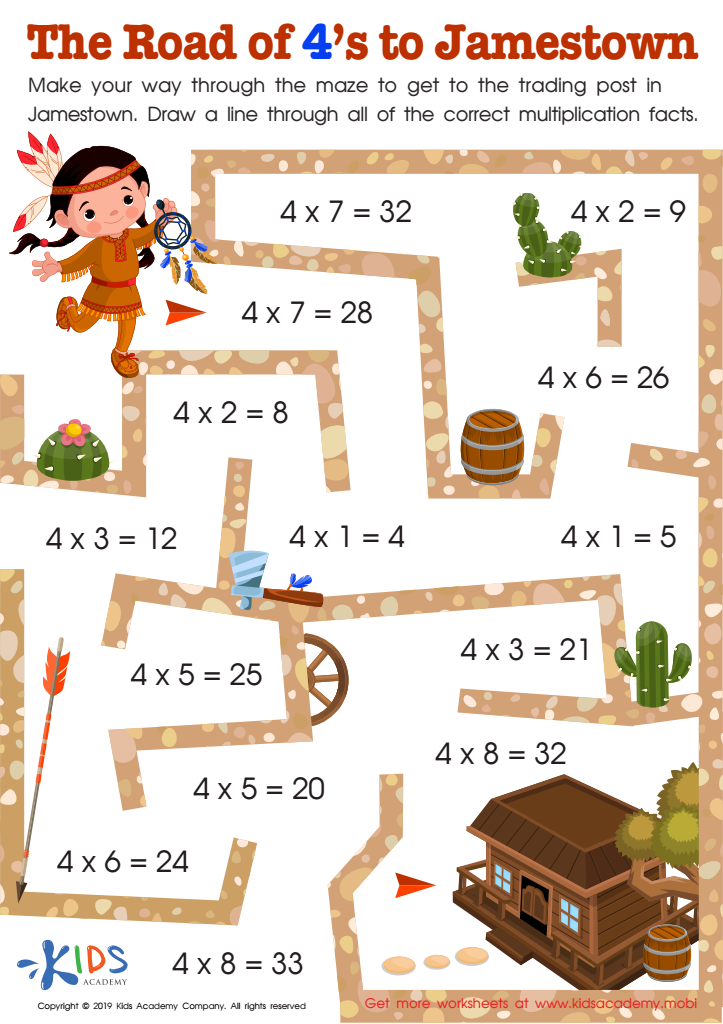
The Road of 4’s to Jamestown Worksheet
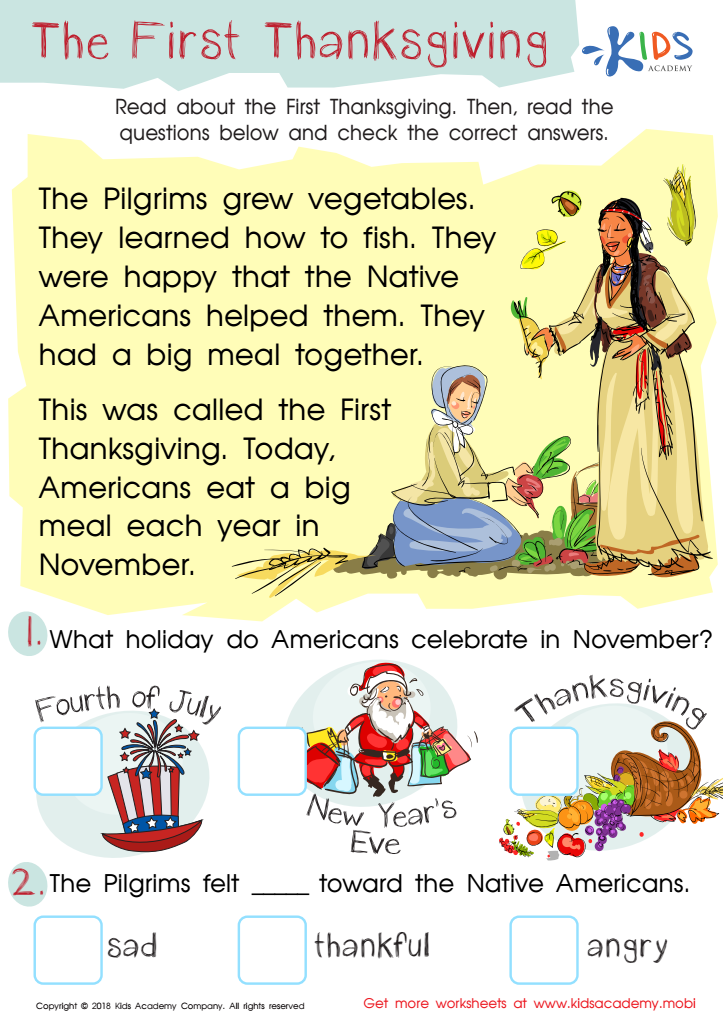
Assessment: First Thanksgiving Worksheet
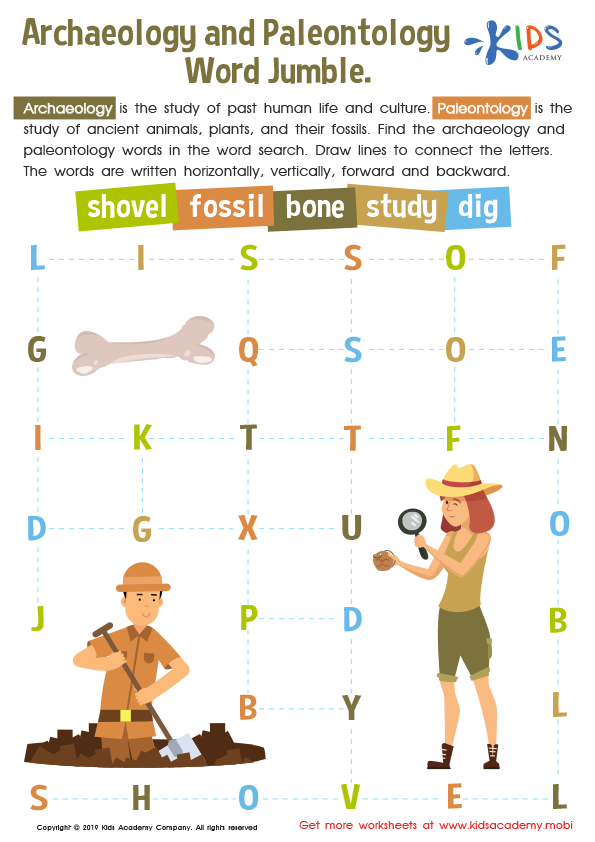
Archaeology and Paleontology Word Jumble Worksheet
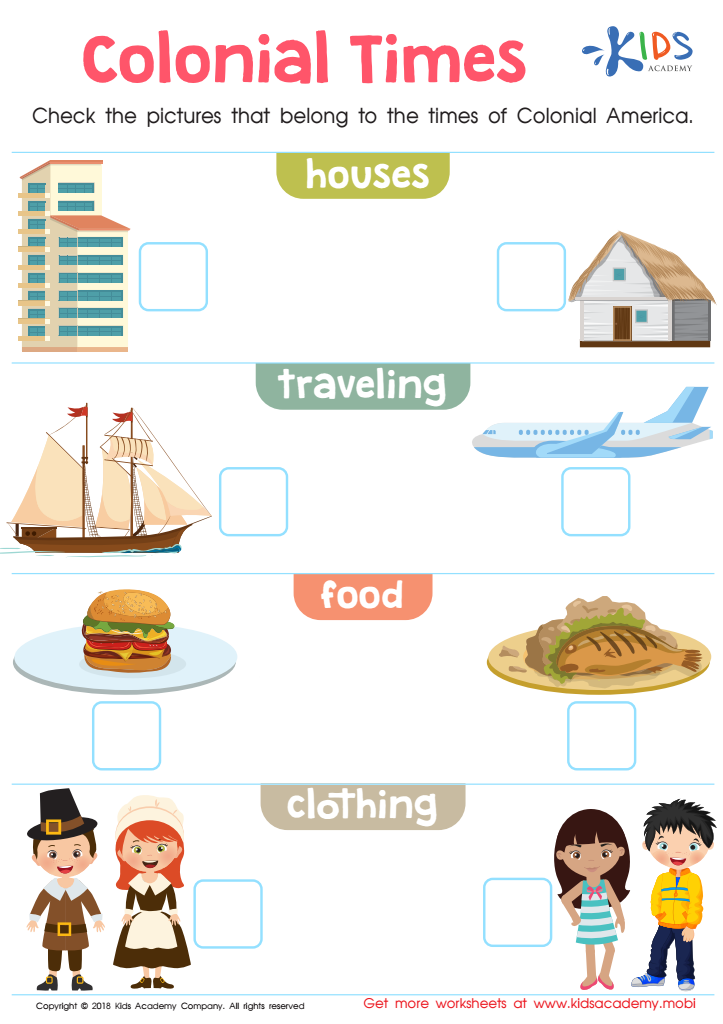
Colonial Times Worksheet
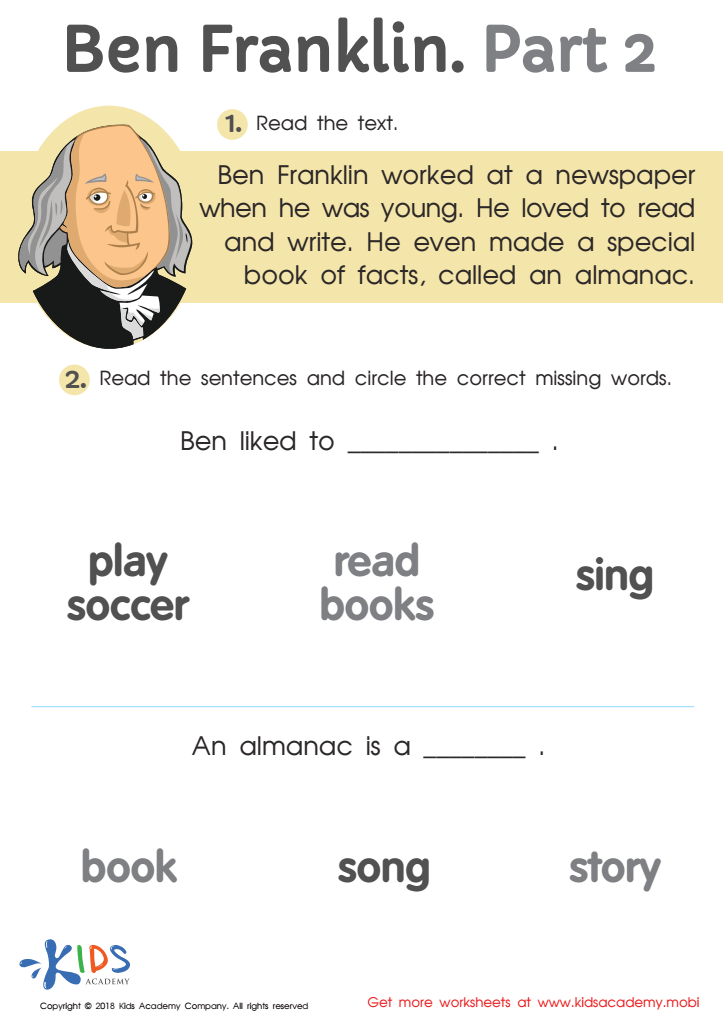
Ben Franklin Part 2 Worksheet
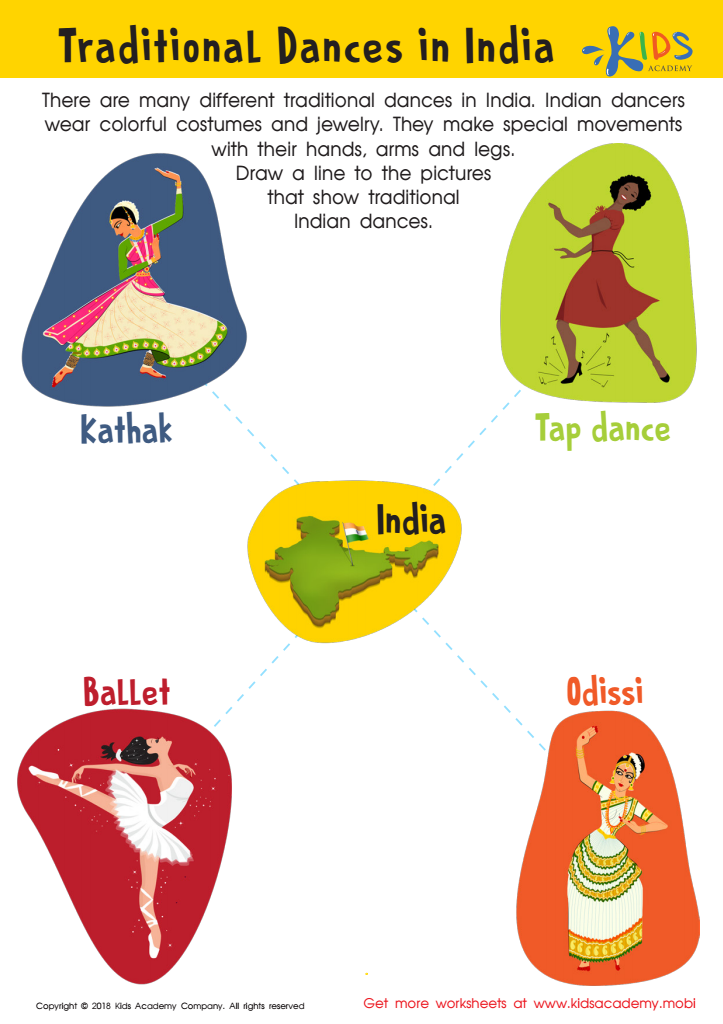
Traditional Dances in India Worksheet
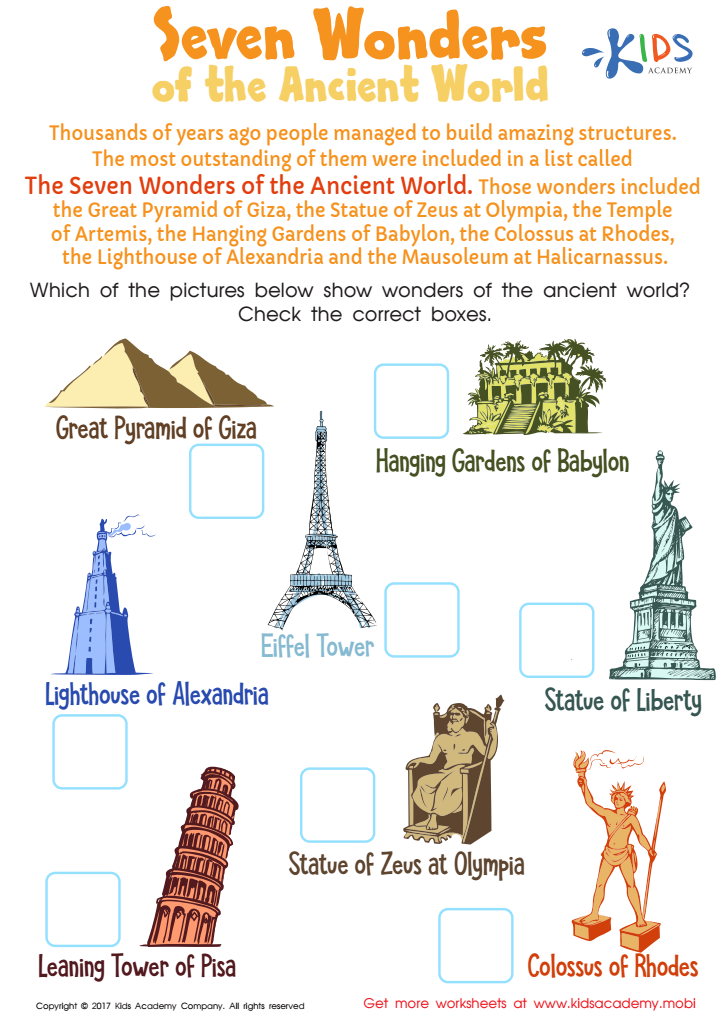
Seven Wonders of the Ancient World Worksheet
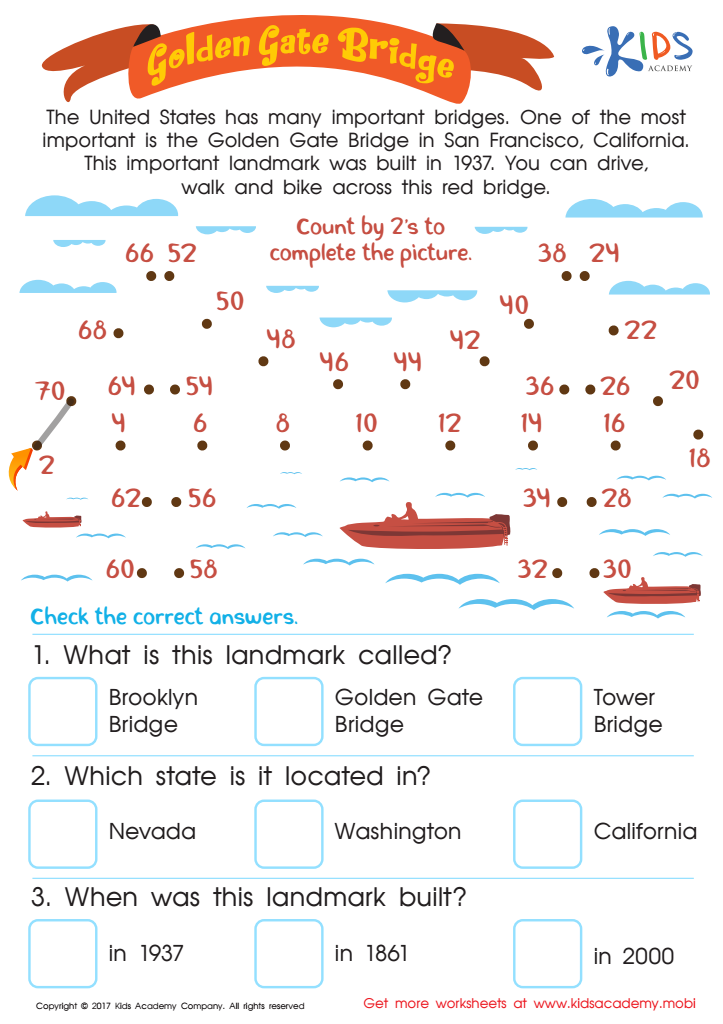
Golden Gate Bridge Worksheet
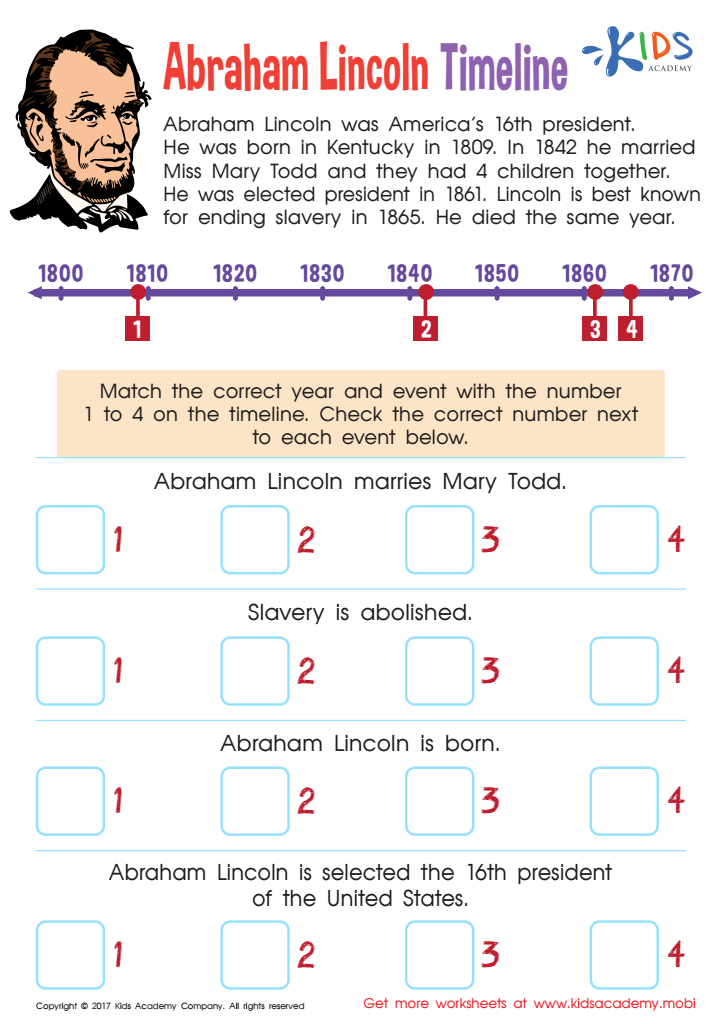
Abraham Lincoln Timeline Worksheet
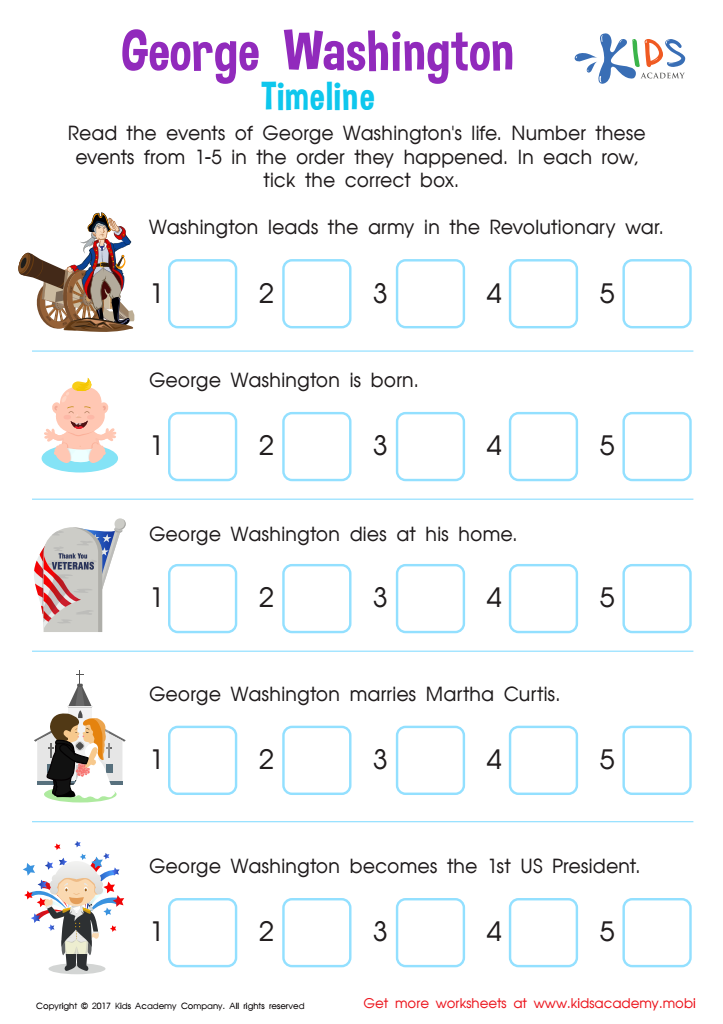
George Washington Timeline Worksheet
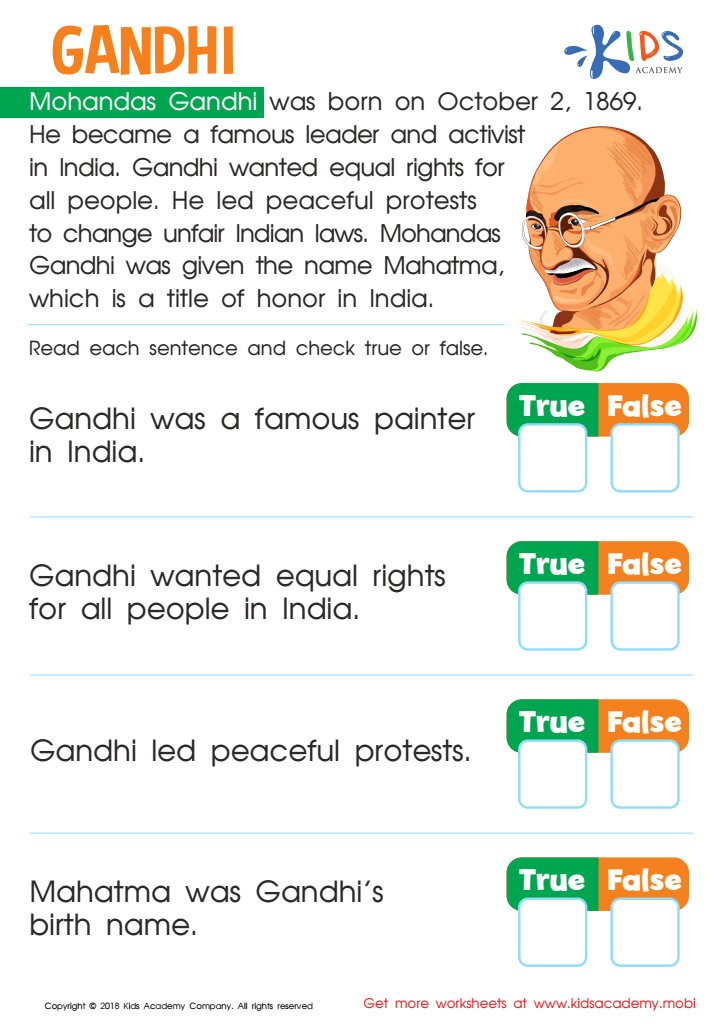
Gandhi Worksheet
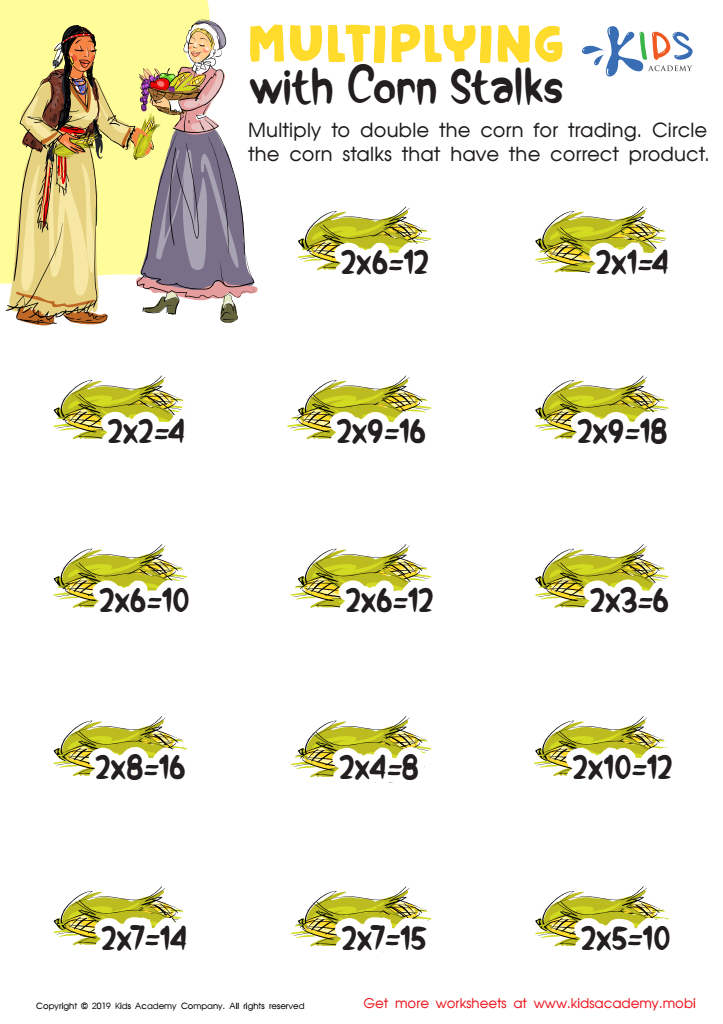
Multiplying With Corn Stalks Worksheet
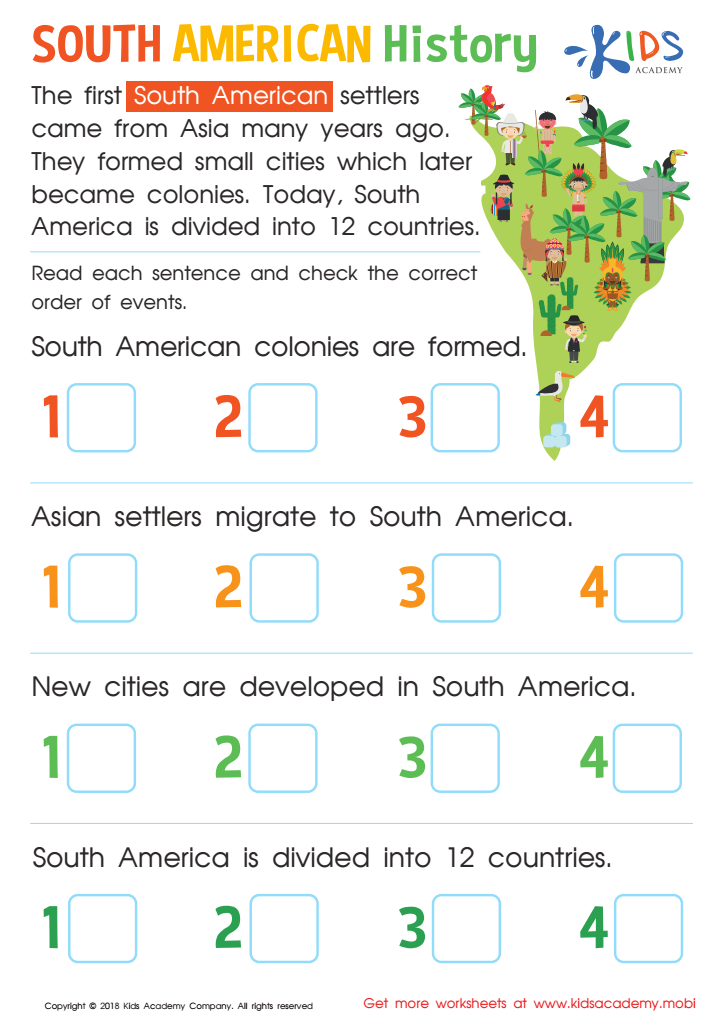
South American History Worksheet
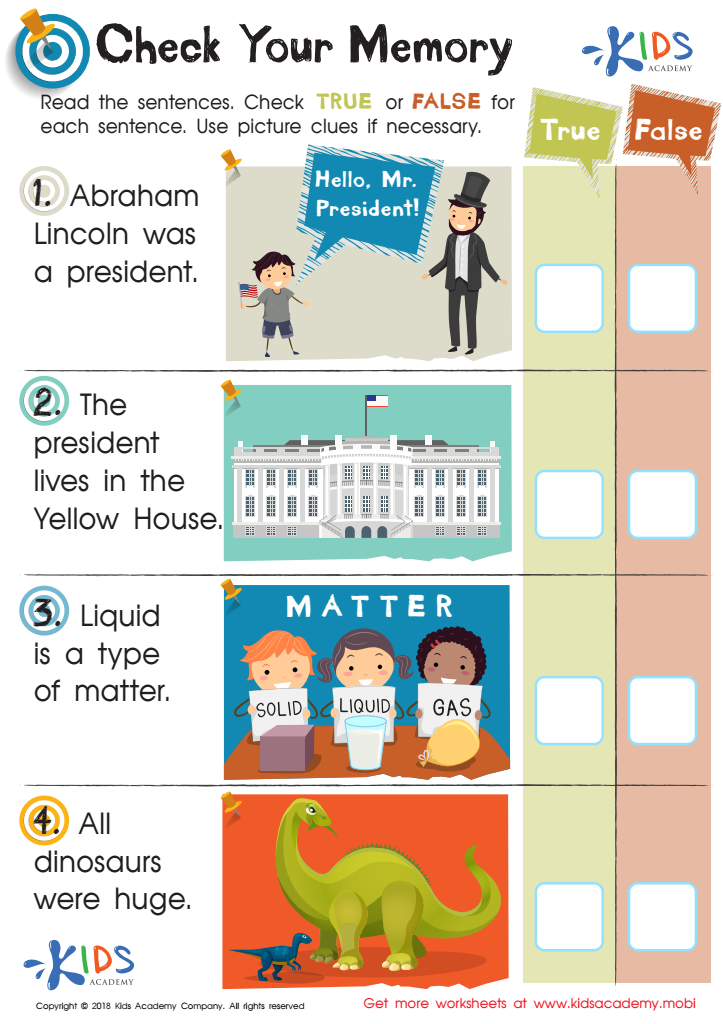
Check Memory Worksheet
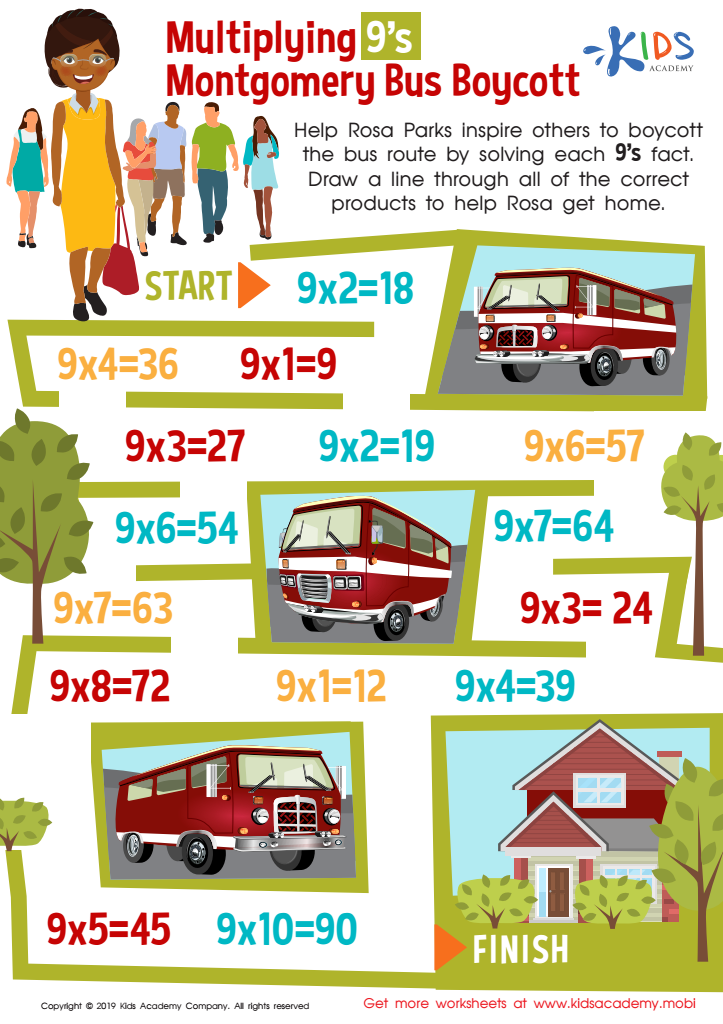
Multiplying 9’s Montgomery Bus Boycott Worksheet







Teaching history to children aged 6-9 is crucial as it lays the foundation for understanding the world around them. At this formative age, students are naturally curious and capable of absorbing new information, which makes it the perfect time to introduce them to important historical concepts and events.
Firstly, learning history helps children develop a sense of identity. Knowing about their own family history and broader cultural heritage encourages pride and a stronger personal identity. This understanding fosters a sense of belonging and interconnectedness with their community and the world.
Secondly, history lessons at an early age help build critical thinking skills. Kids learn to ask questions, compare different narratives, and consider various perspectives. This early development of critical thinking can enhance their decision-making and problem-solving skills as they grow.
Moreover, understanding history promotes empathy. Learning about different cultures, struggles, and triumphs enables children to appreciate others' viewpoints and experiences, fostering mutual respect and social harmony.
Lastly, early exposure to history can spark a lifelong love for learning. Engaging stories from the past can captivate young minds and inspire them to delve deeper into more complex subjects as they progress in their education.
Overall, history education for young children equips them with essential skills and a solid knowledge base, enriching their academic and personal life.








