Number Recognition Numbers Worksheets for 6-Year-Olds
202 filtered results
-
From - To
Welcome to our Number Recognition Worksheets for 6-Year-Olds! Designed to enhance early math skills, these engaging worksheets provide fun, hands-on activities to help your child recognize and identify numbers confidently. Each worksheet features vibrant illustrations and interactive exercises that make learning enjoyable. Your child will explore number matching, counting, and tracing through a variety of stimulating formats, catering to different learning styles. Building a strong foundation in number recognition not only prepares young learners for math challenges ahead but also boosts their confidence. Discover a treasure trove of resources that will inspire your child’s love for numbers and pave the way for academic success!
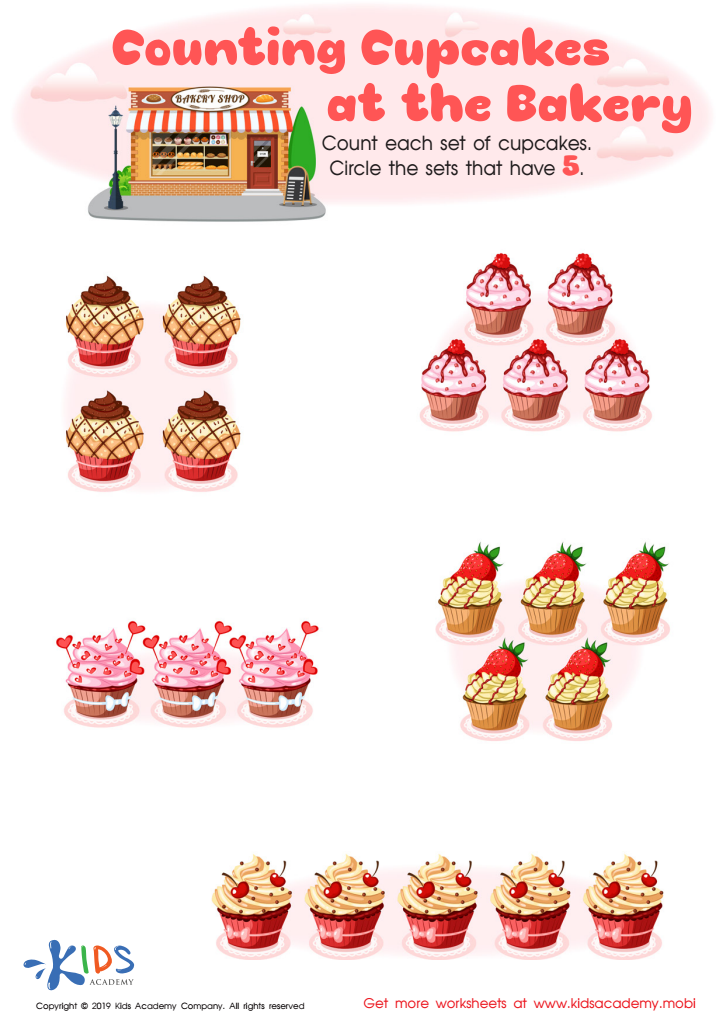
Counting Cupcakes Worksheet
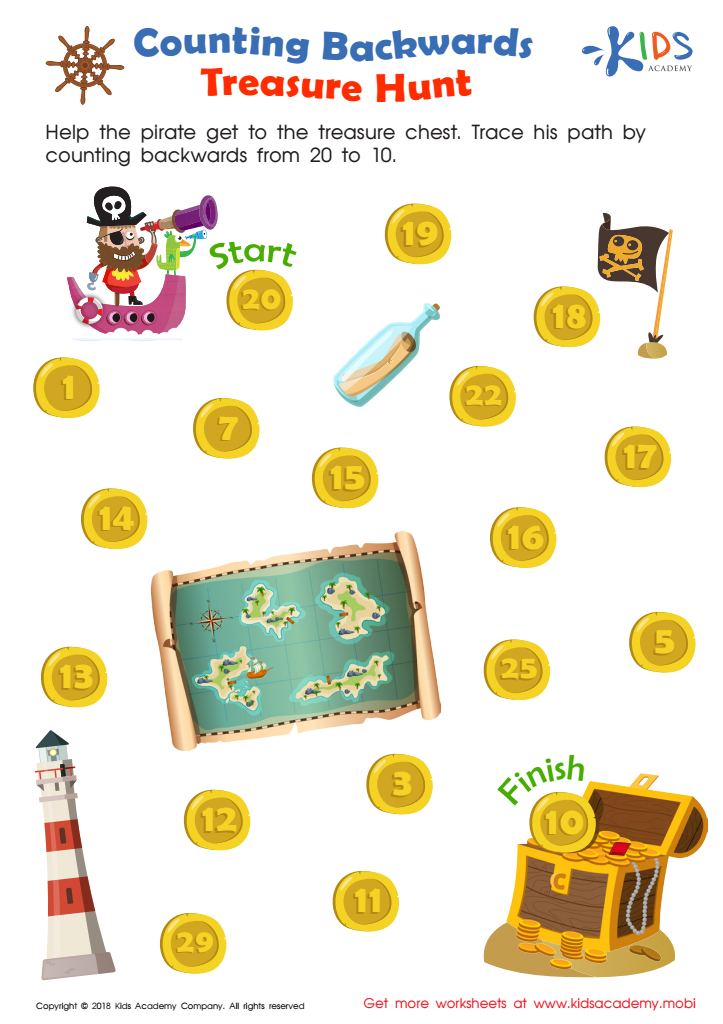
Counting Backwards: Treasure Hunt Worksheet
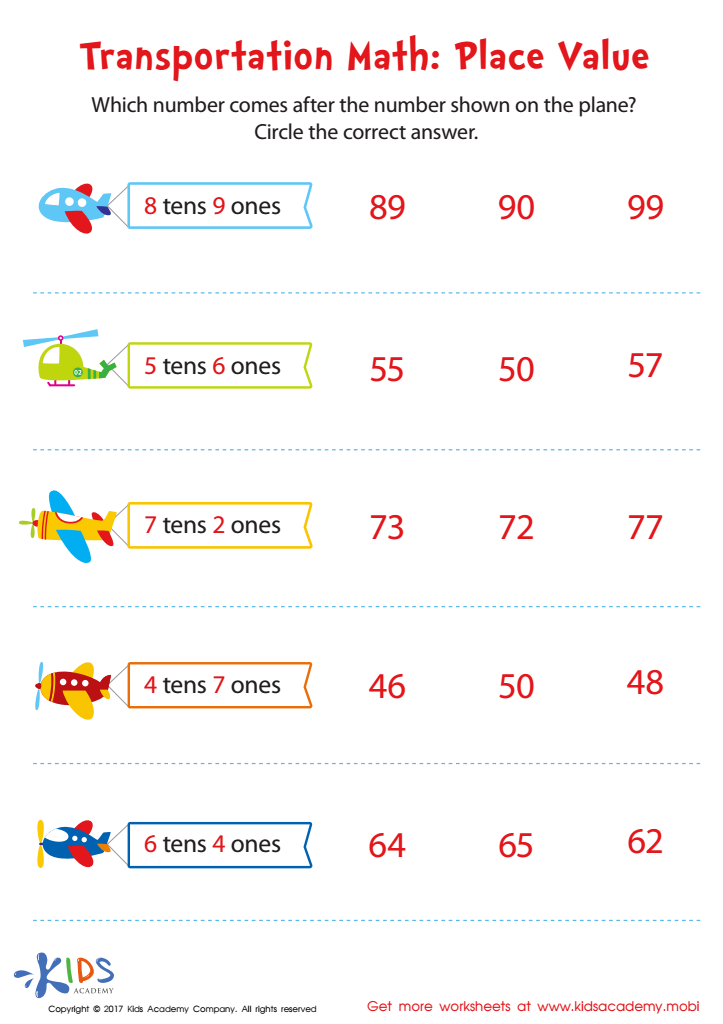
Transportation Math Printable
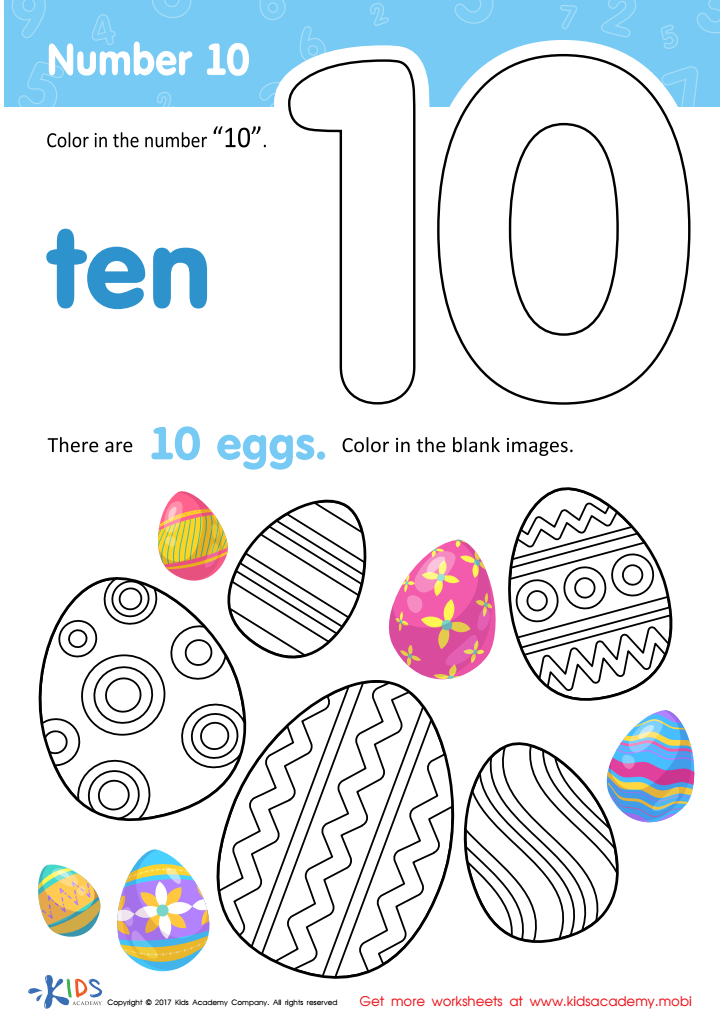
Number 10 Printable
 Assign to My Students
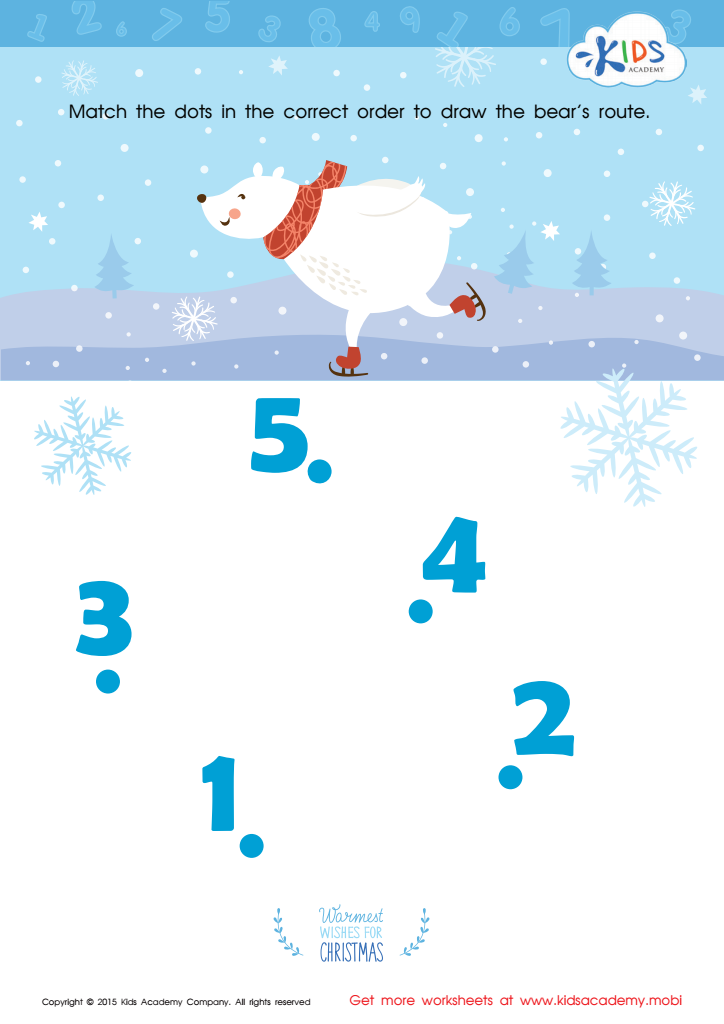
Drawing the Bear's Route by Number Worksheet
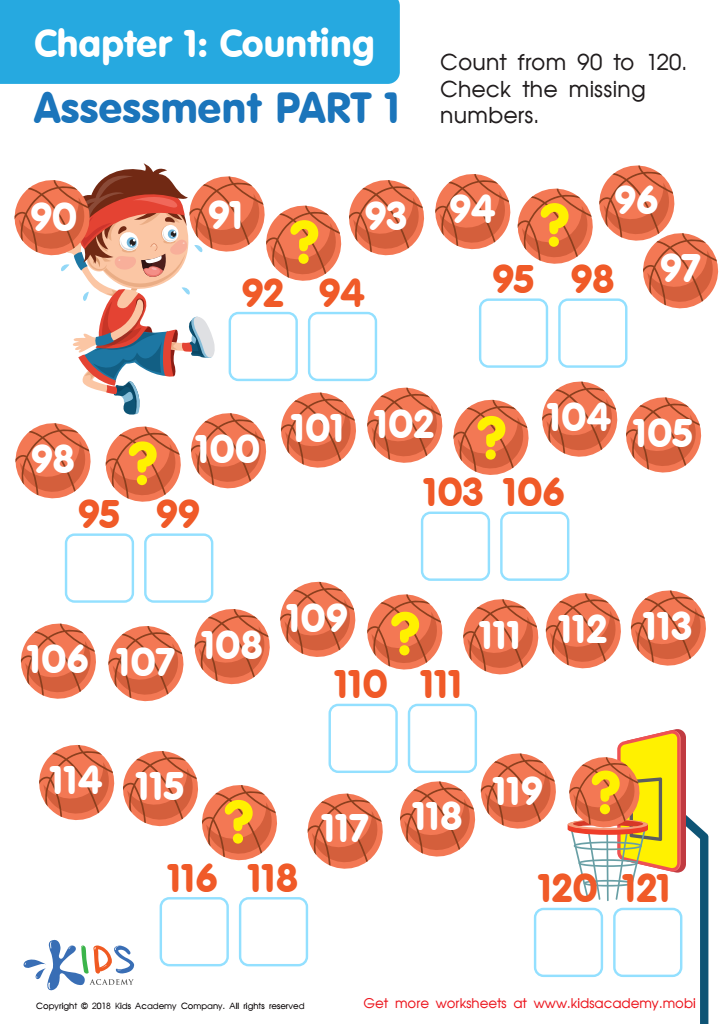
Counting Past 1: Assessment 1 Worksheet
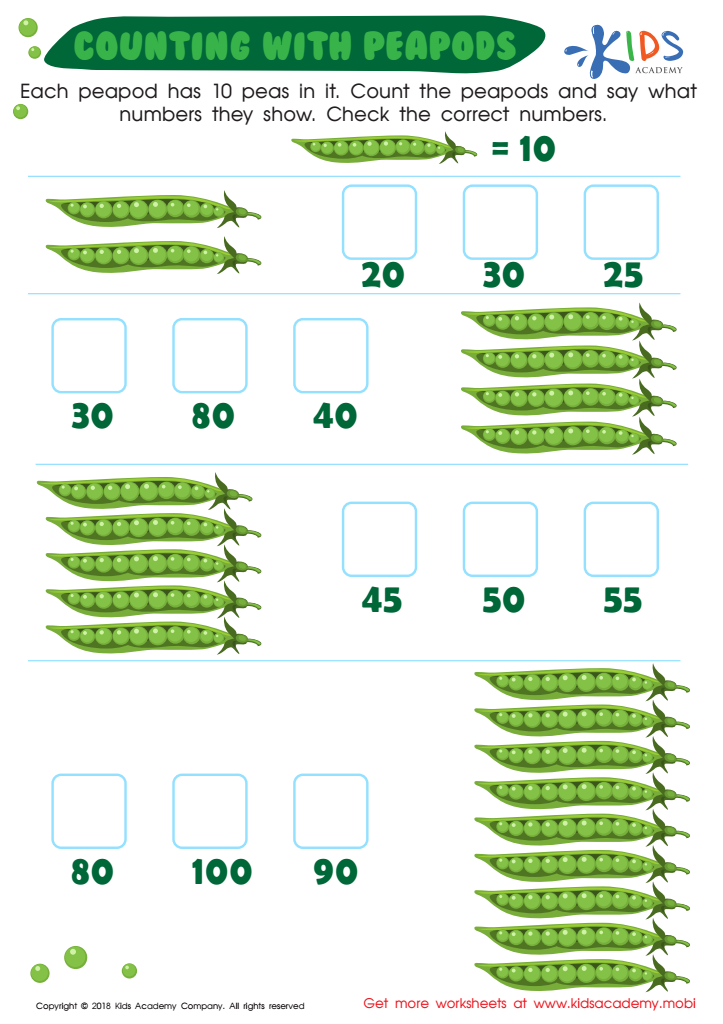
Number Worksheet: Counting With Peapods
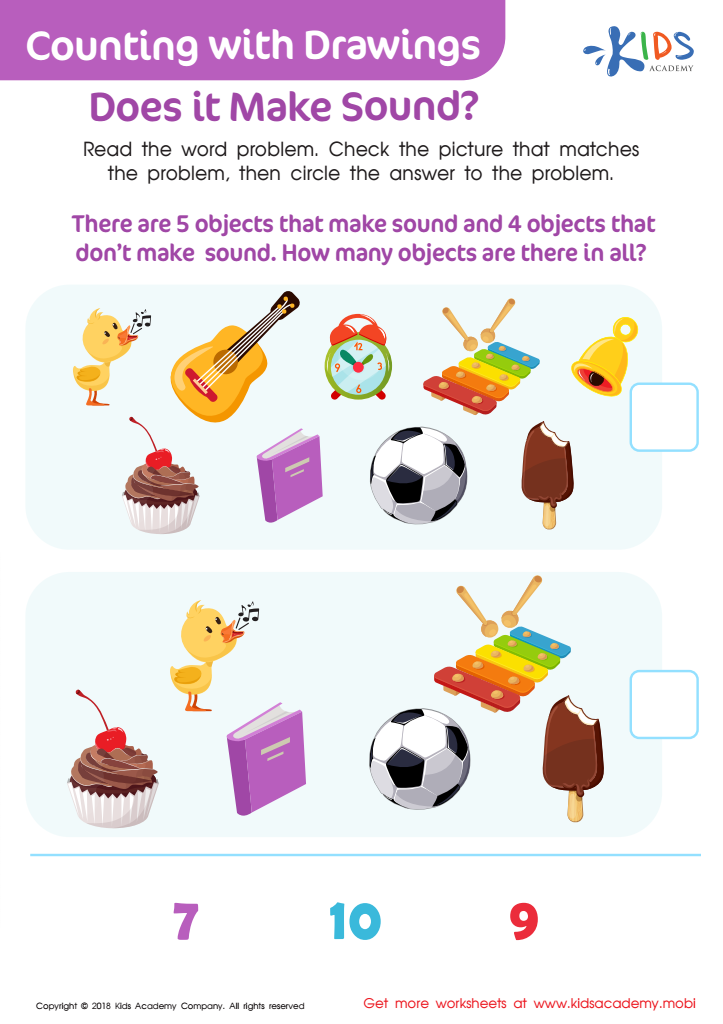
Counting With Drawings. Does It Make Sound? Worksheet
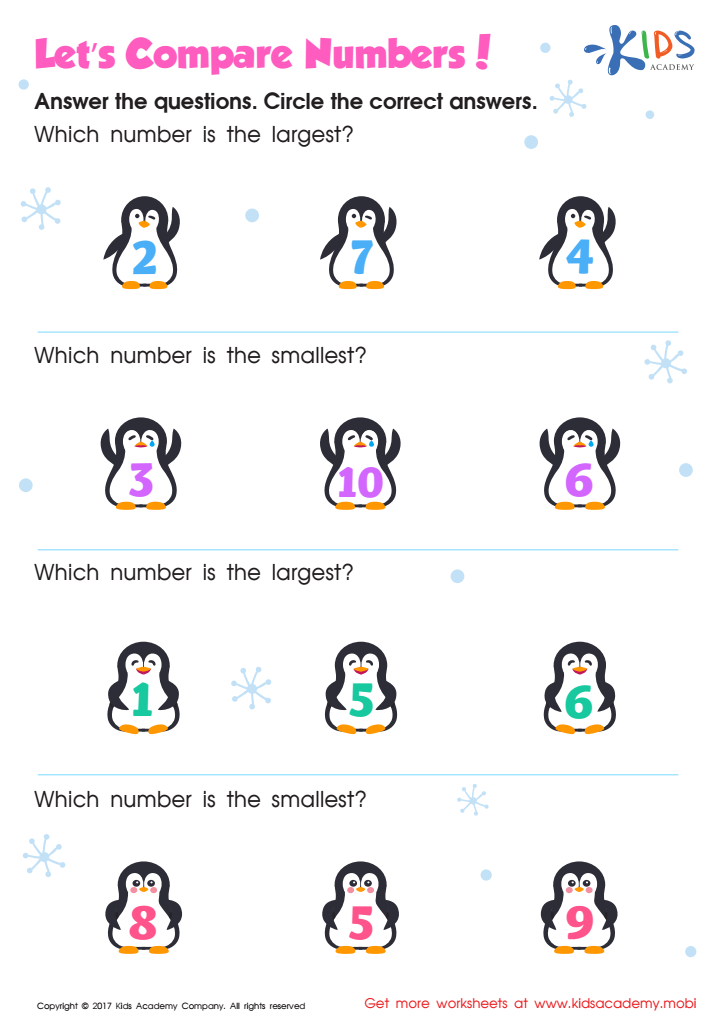
Comparing Numbers 1–10 Worksheet Kindergarten
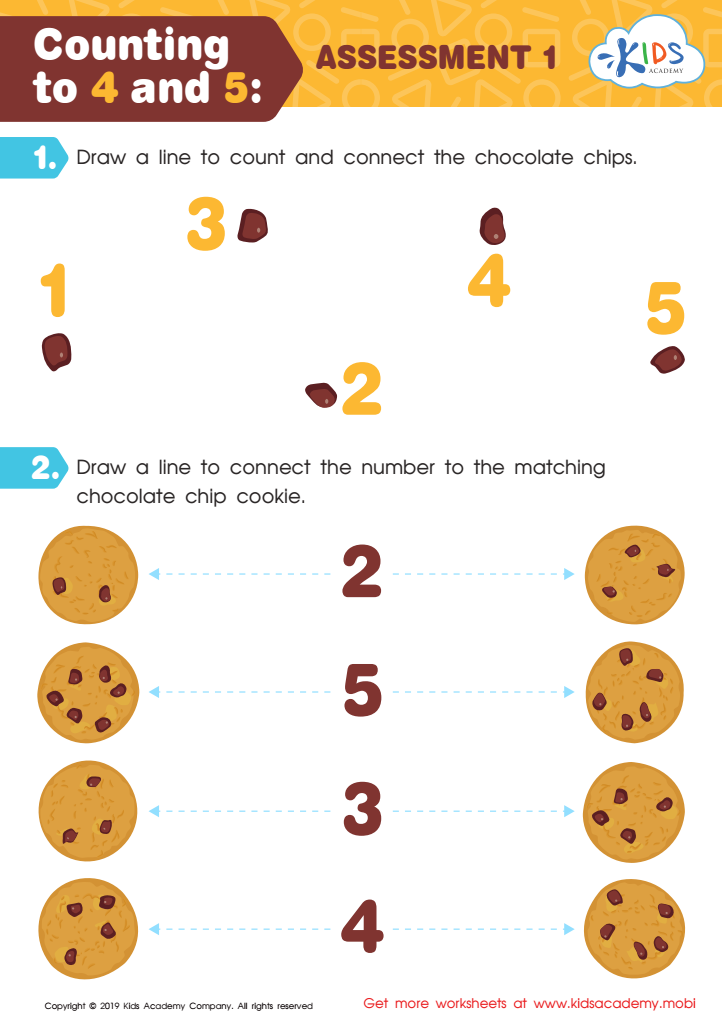
Counting to 4 and 5: Assessment 1 Worksheet
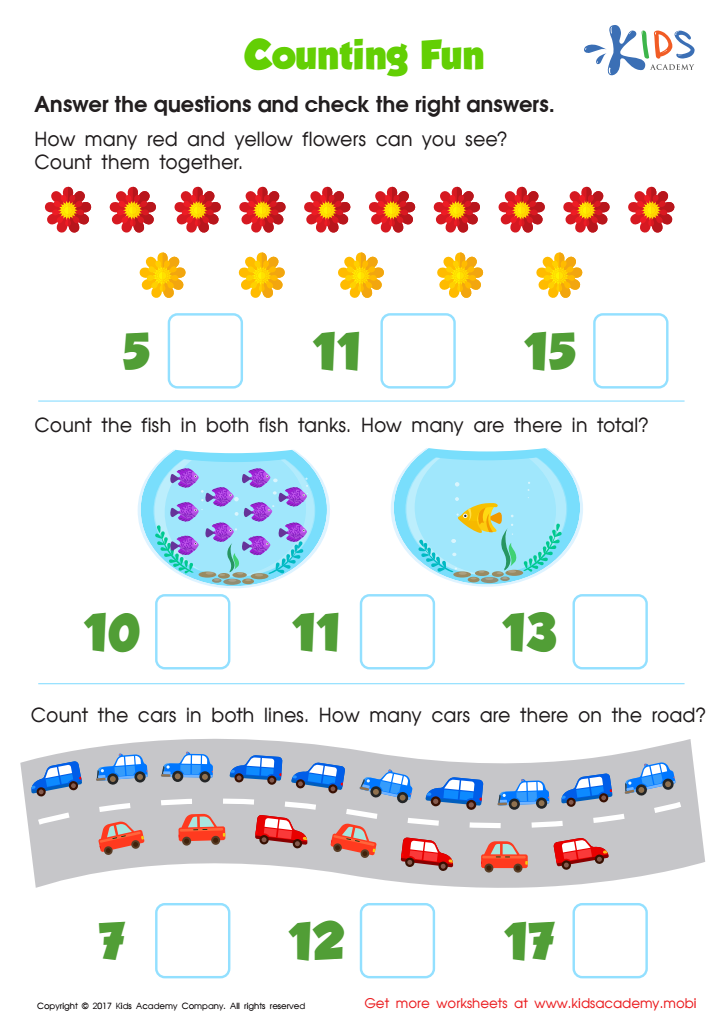
Counting Fun Worksheet
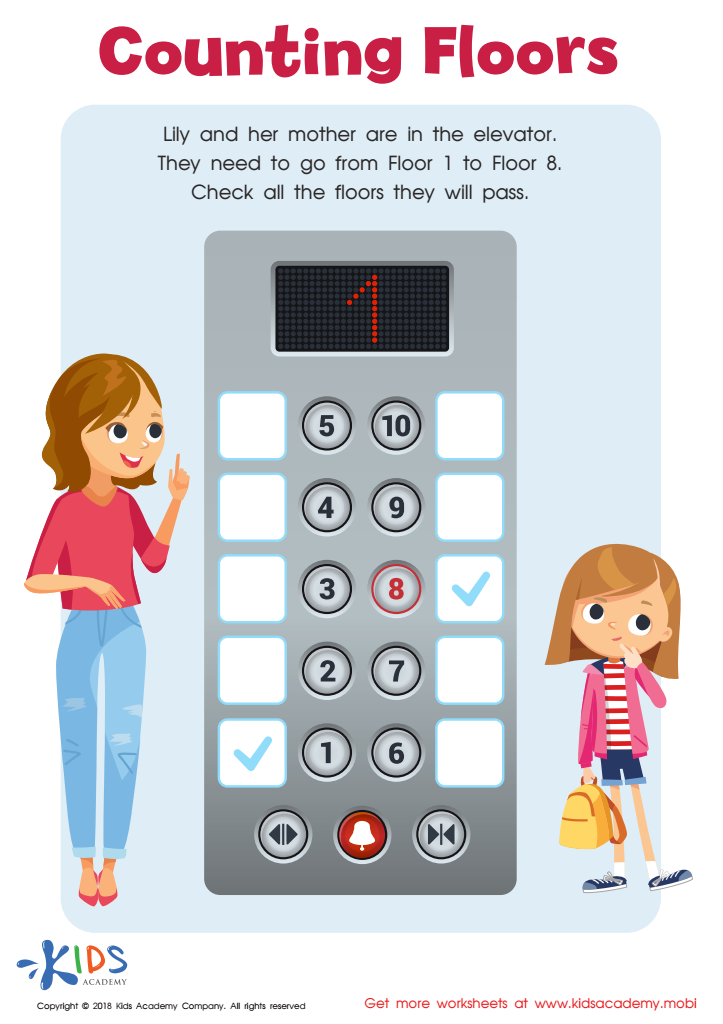
Counting Floors Worksheet
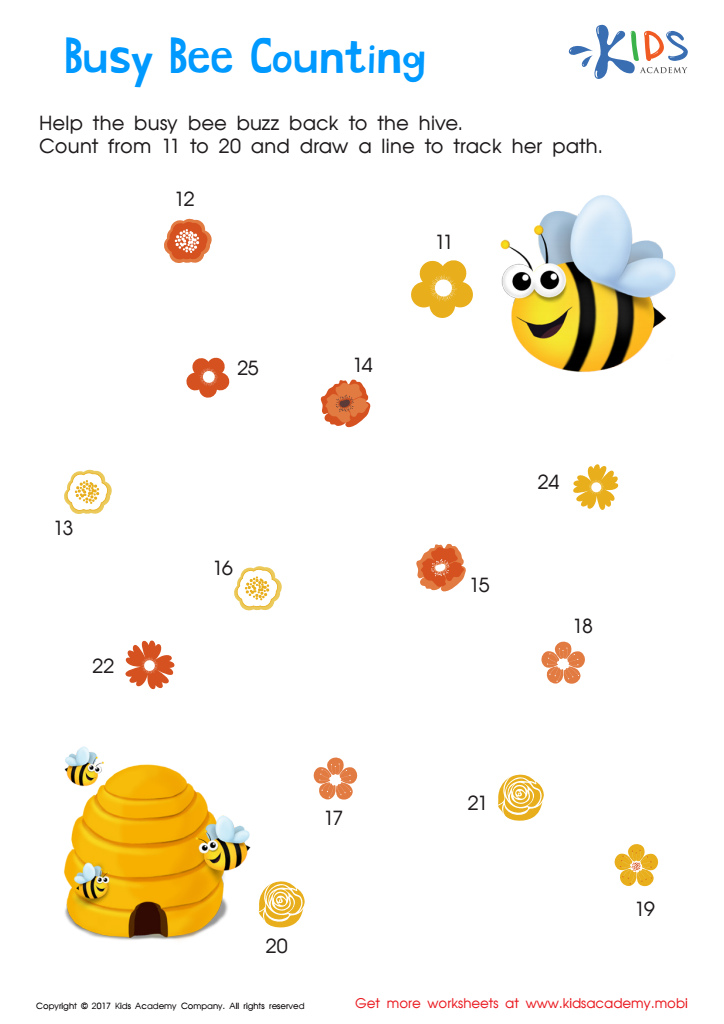
Ordering 11–20: Busy Bee Counting Worksheet
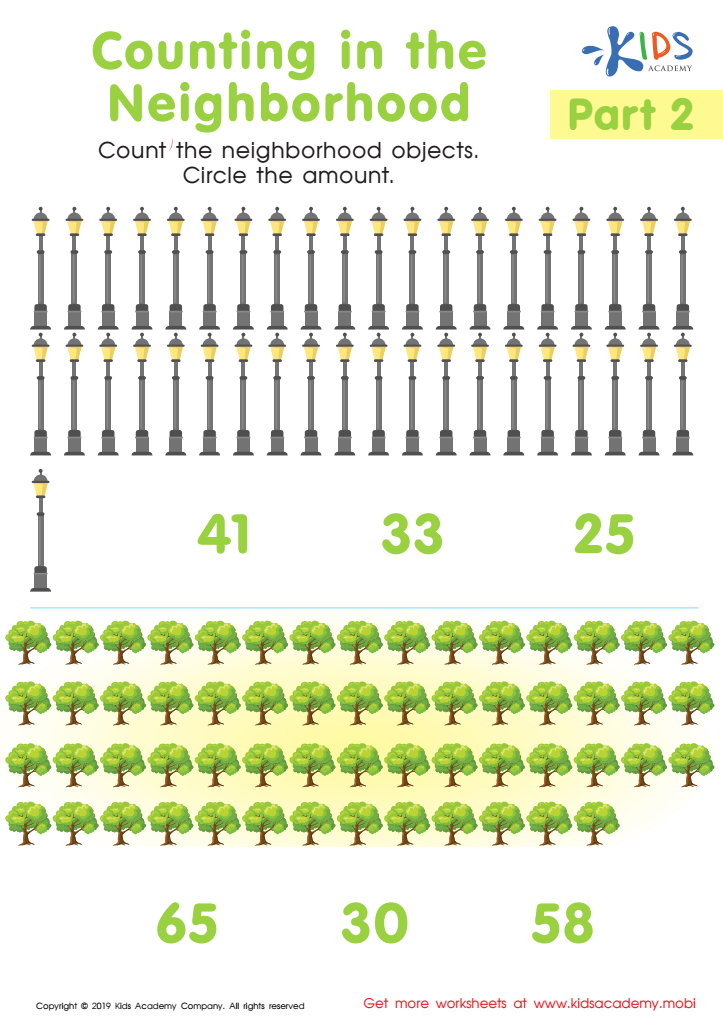
Counting In The Neighborhood Part 2 Worksheet
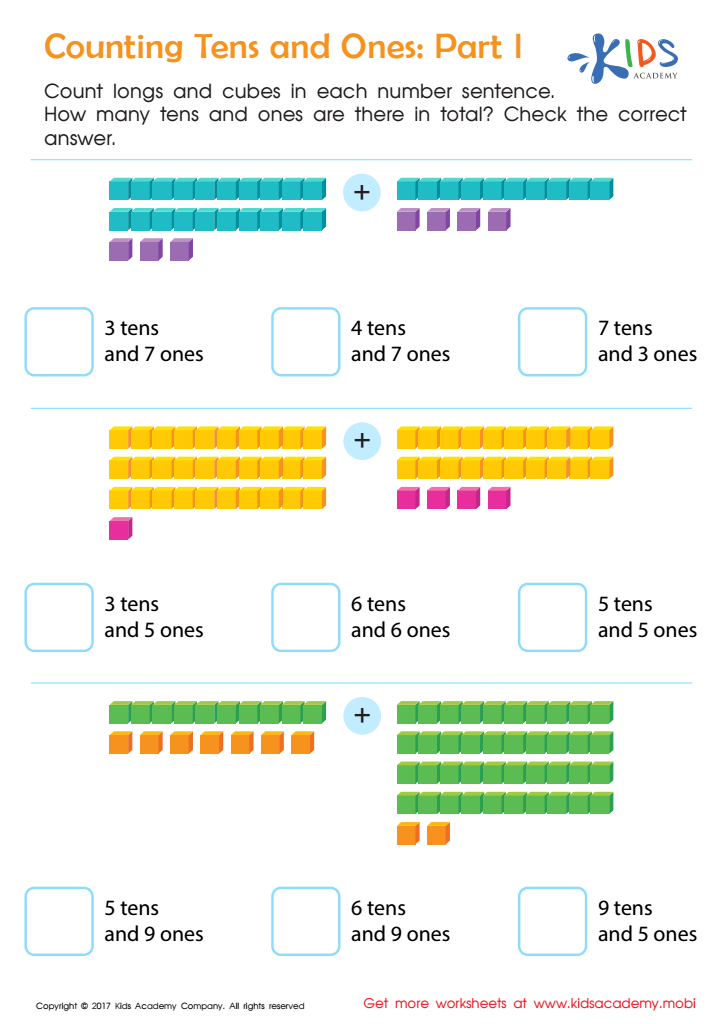
Counting Tens and Ones: Part 1 Worksheet
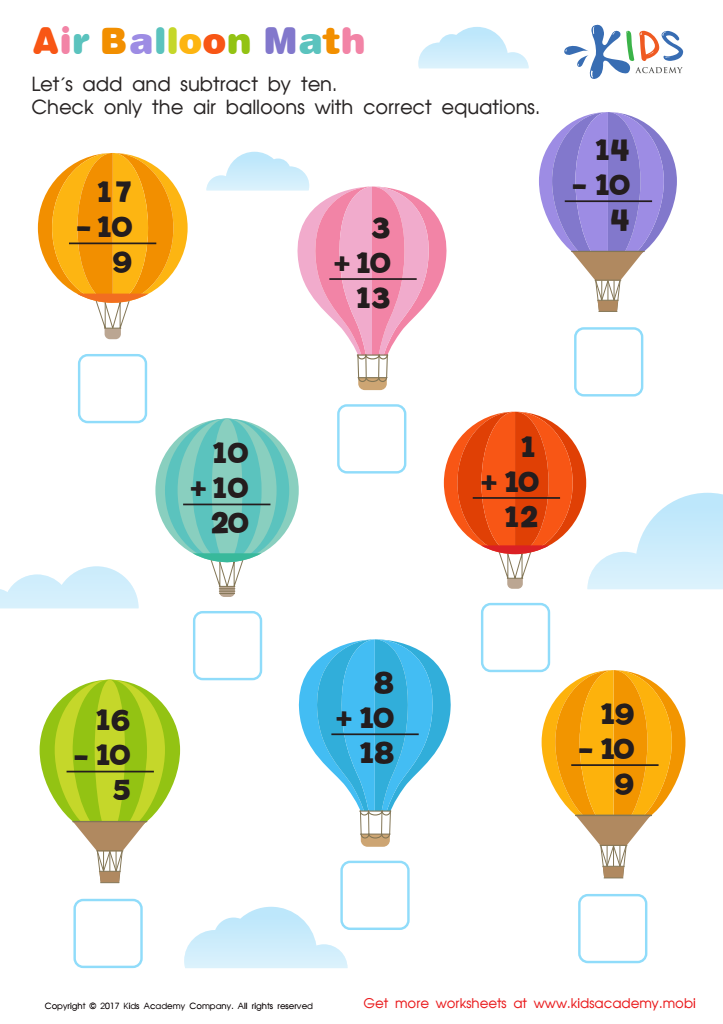
Air Balloon Math Worksheet
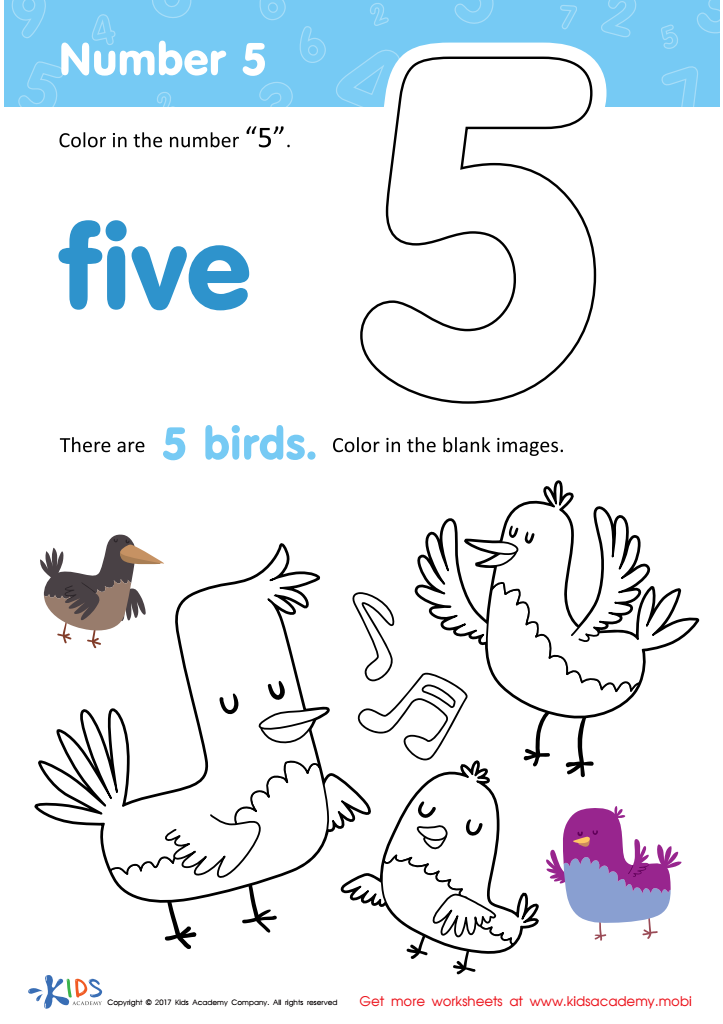
Number 5 Printable
Assign to My Students

Count and Match Vegetables 1 – 7 Math Worksheet
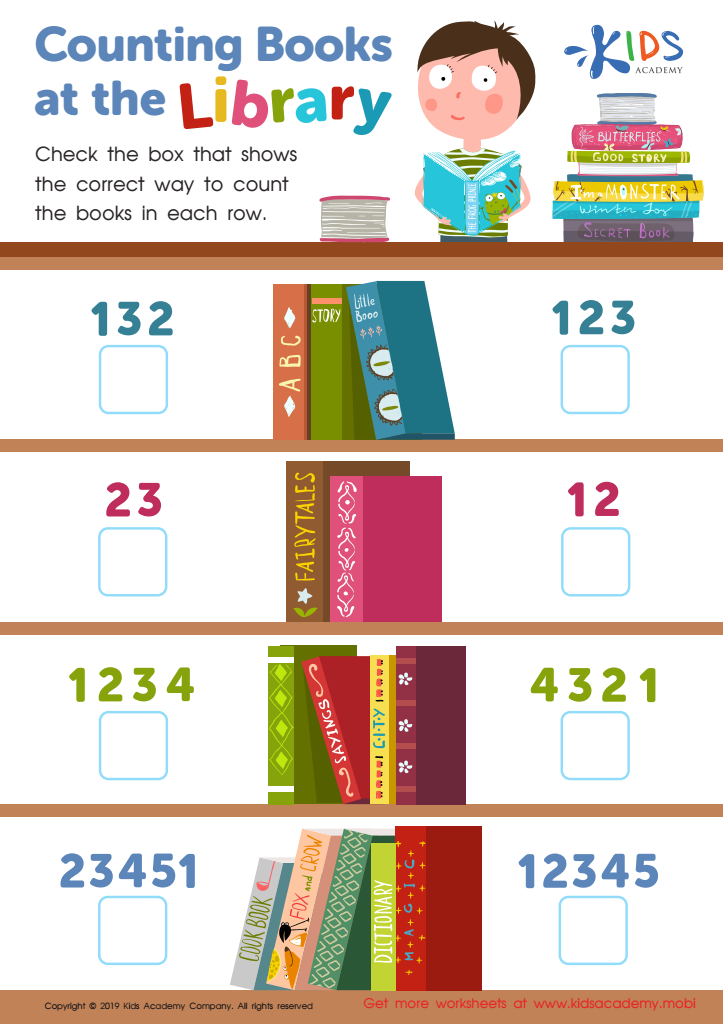
Counting Books at the Library Worksheet

Count and Match Boxes with Vegetables
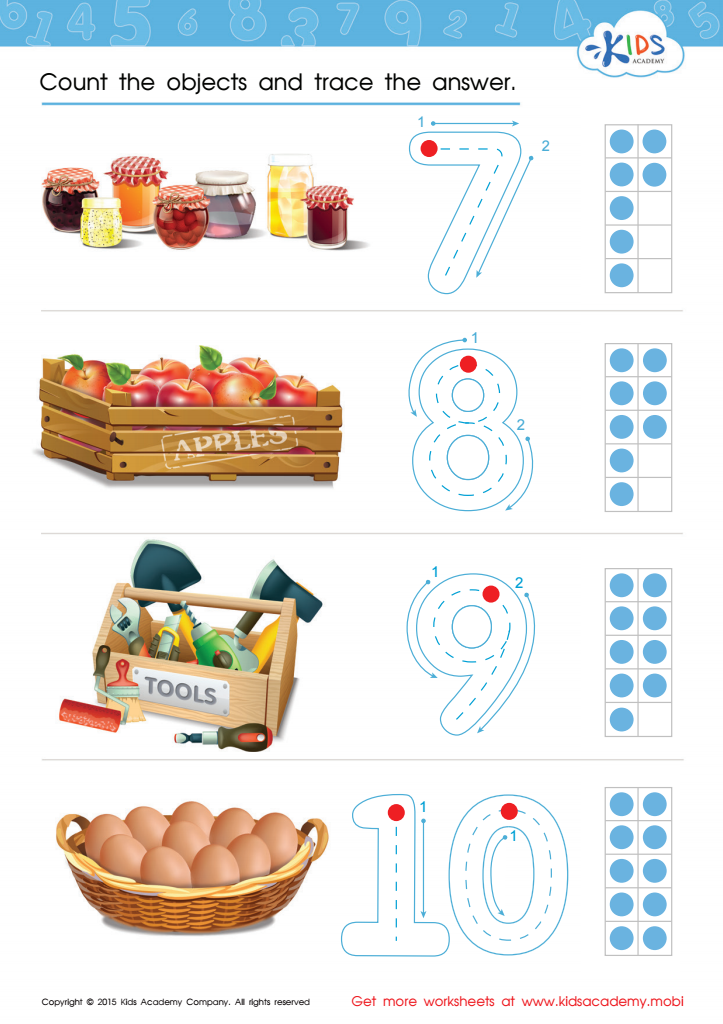
Count and Trace 7 – 10 Worksheet
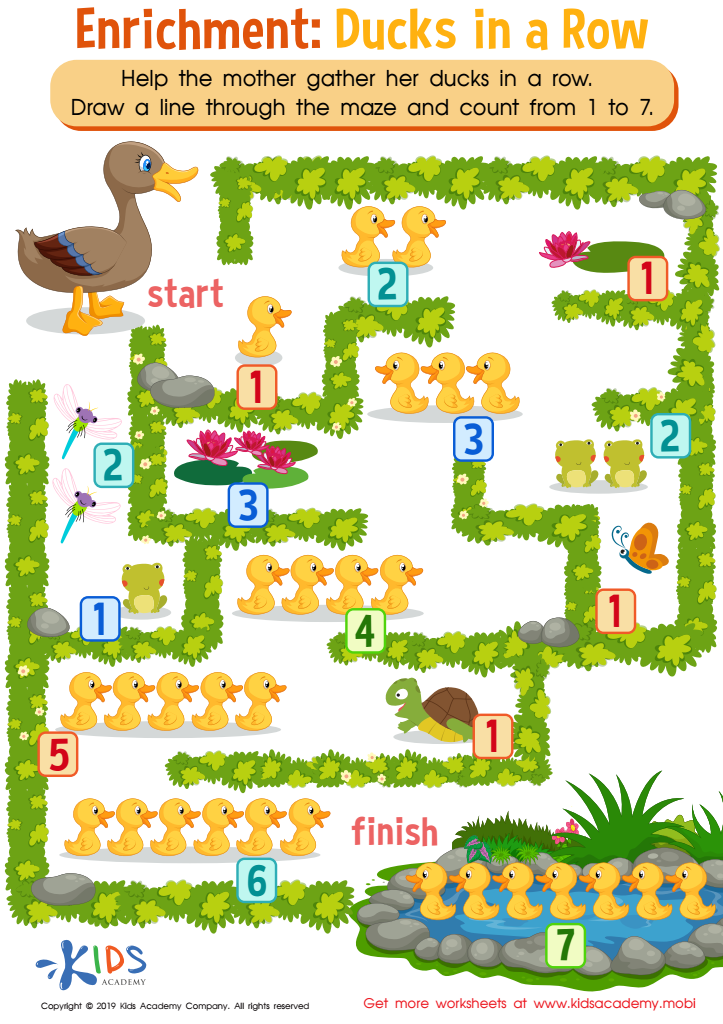
Ducks in a Row Worksheet
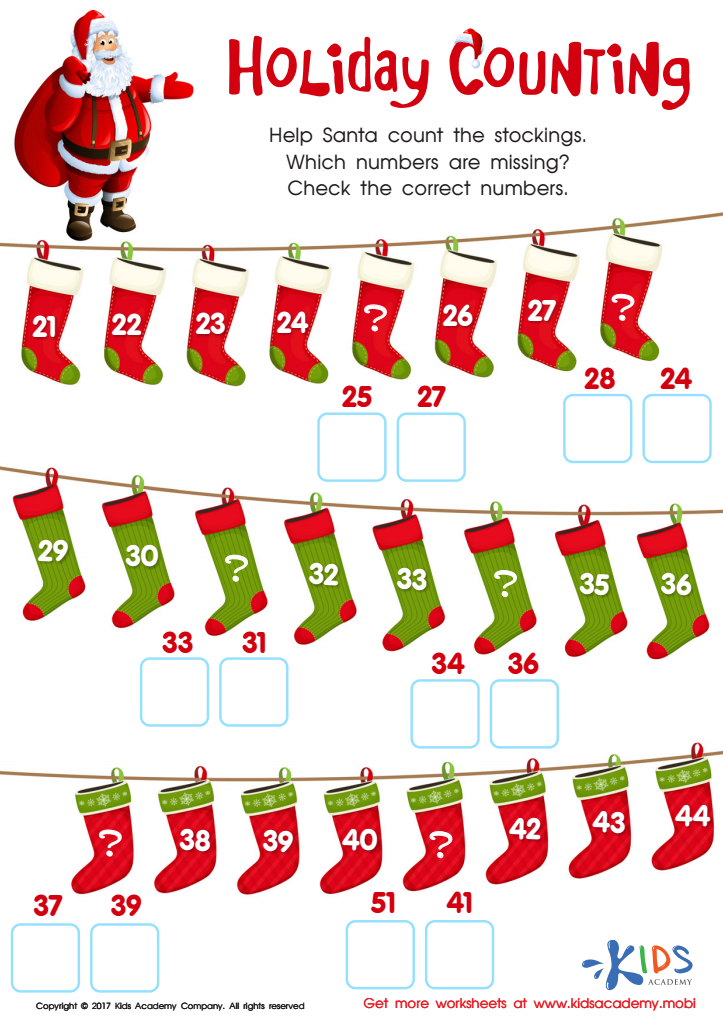
Holiday Counting Worksheet
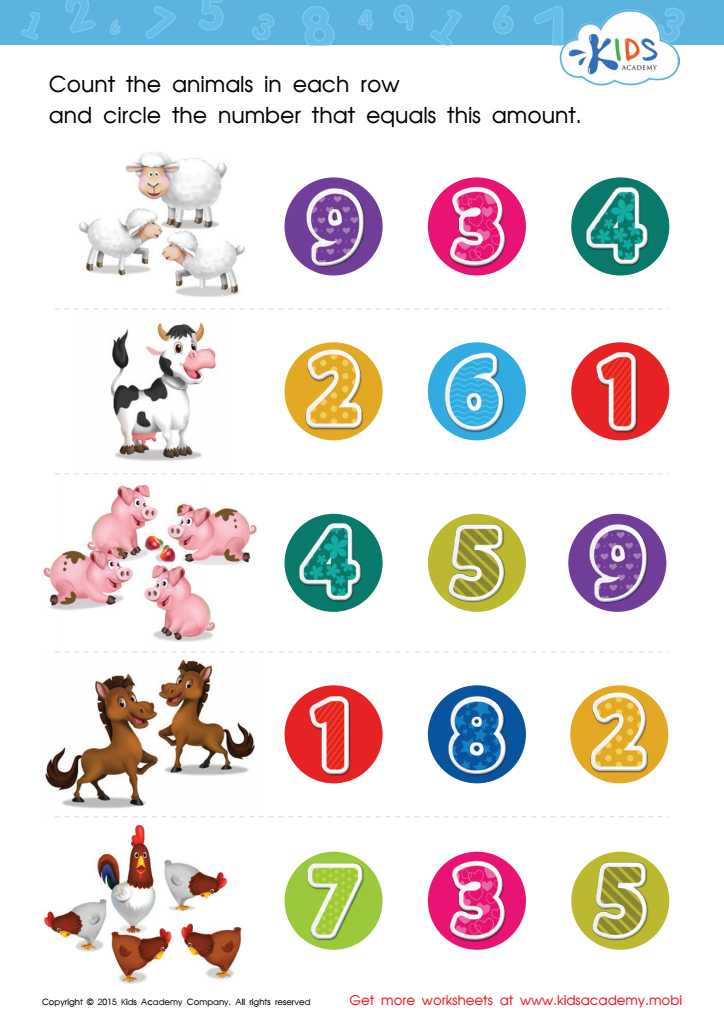
Count and Match 1 – 5 Math Worksheet







Number recognition is a critical foundational skill for 6-year-olds, influencing their overall mathematical development and future academic success. It encompasses identifying, naming, and understanding the value of numbers and is essential for navigating everyday tasks and future learning.
Firstly, number recognition aids children in developing strong mathematical abilities. Mastery of recognizing numbers allows them to tackle basic operations—addition and subtraction—which lays the groundwork for more complex mathematical concepts later on. Moreover, it fosters logical thinking and problem-solving skills.
Secondly, familiarity with numbers supports children in participating confidently in activities both inside and outside the classroom. Whether counting objects during playtime, telling time, or understanding simple financial concepts, proficient number recognition is indispensable.
Additionally, encouraging number recognition can enhance a child's self-esteem. A confident child is more likely to engage with challenges and explore problem-solving opportunities, fostering a lifelong love for learning.
Finally, parents and teachers play a vital role in facilitating number recognition through enjoyable activities, games, and practical experiences. By prioritizing this skill, they help set their children on a path of academic success, equip them to handle everyday situations, and build a strong foundation for lifelong learning in mathematics and beyond.








