Problem-Solving Skills Math Worksheets for 6-Year-Olds - Page 5
120 filtered results
-
From - To
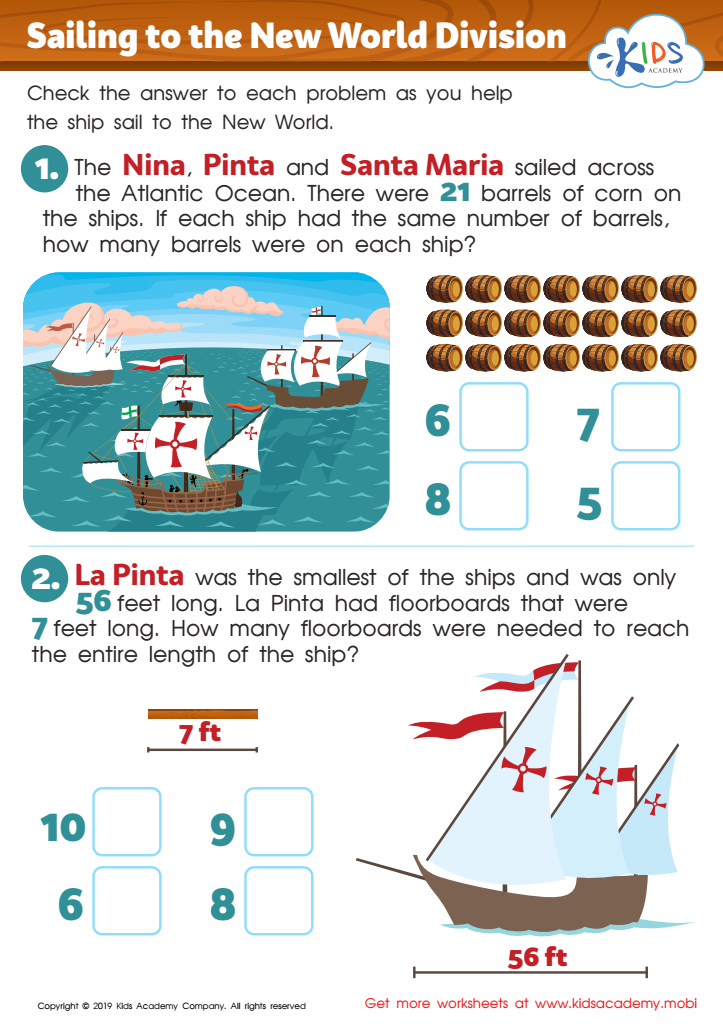
Sailing to the New World Division Worksheet
 Assign to My Students
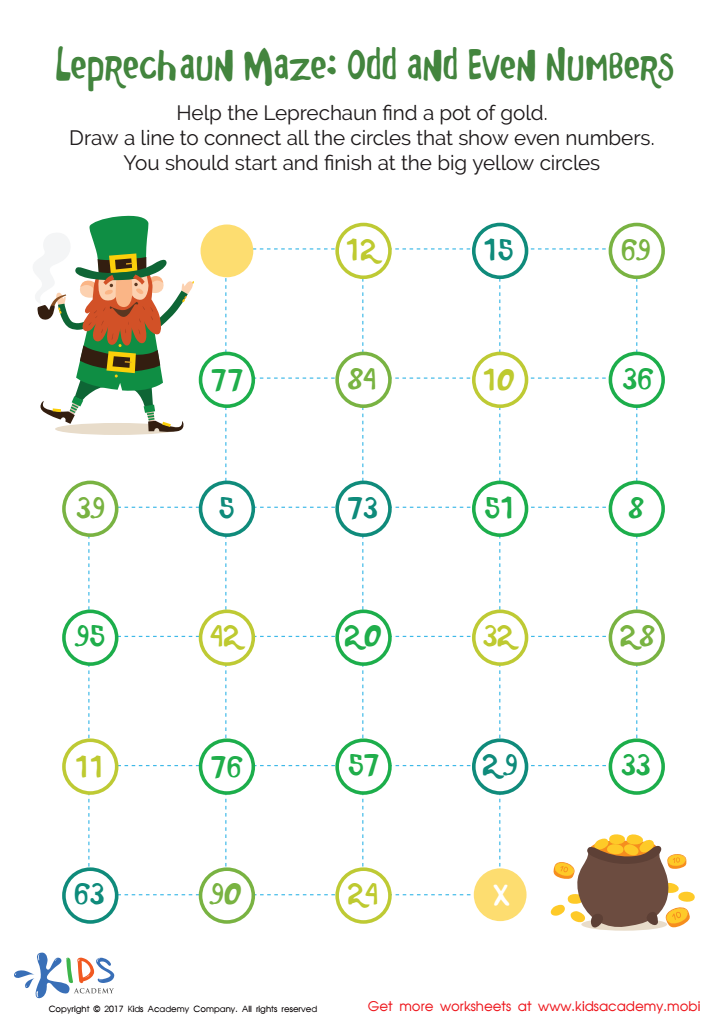
Leprechaun Maze Printable
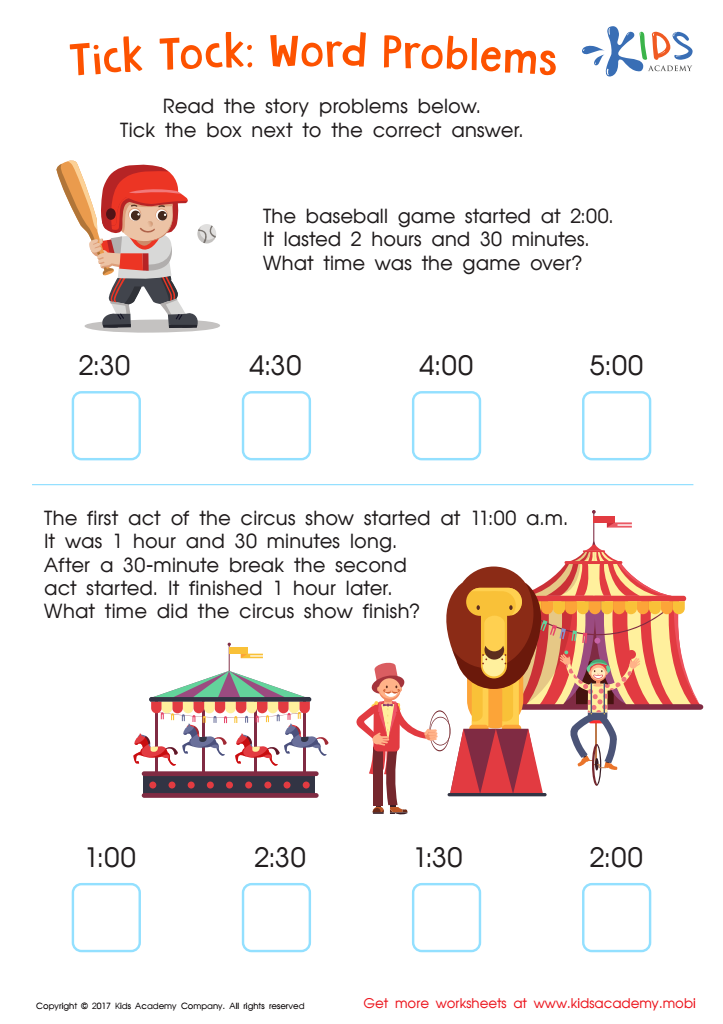
Tick Tock Word Problems Time Worksheet
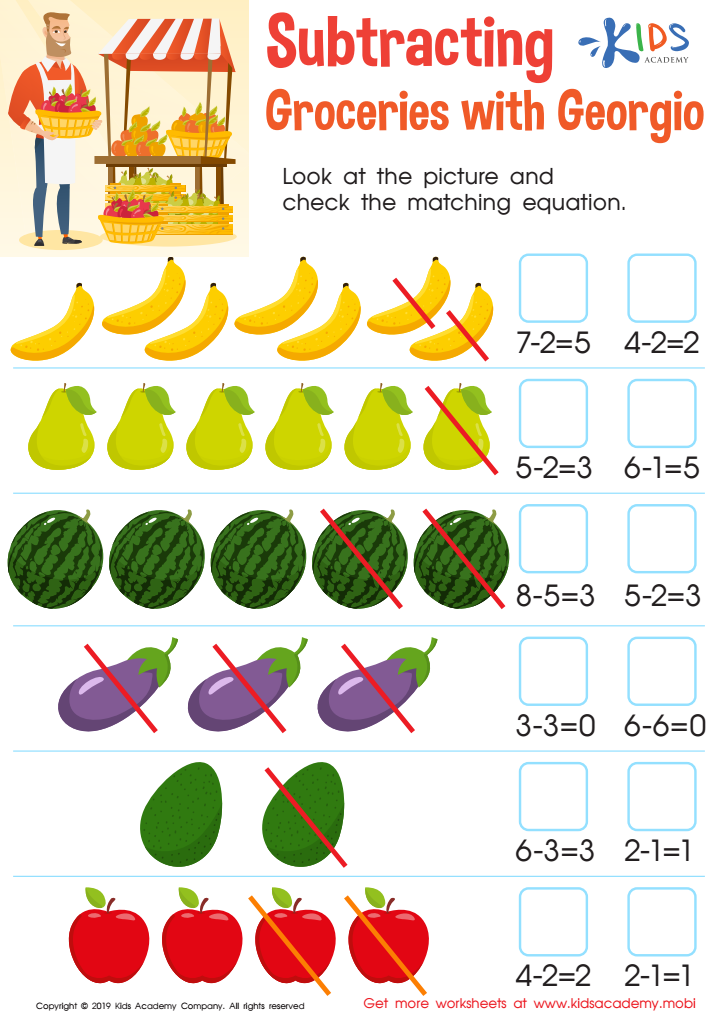
Subtracting: Groceries with Georgio Worksheet
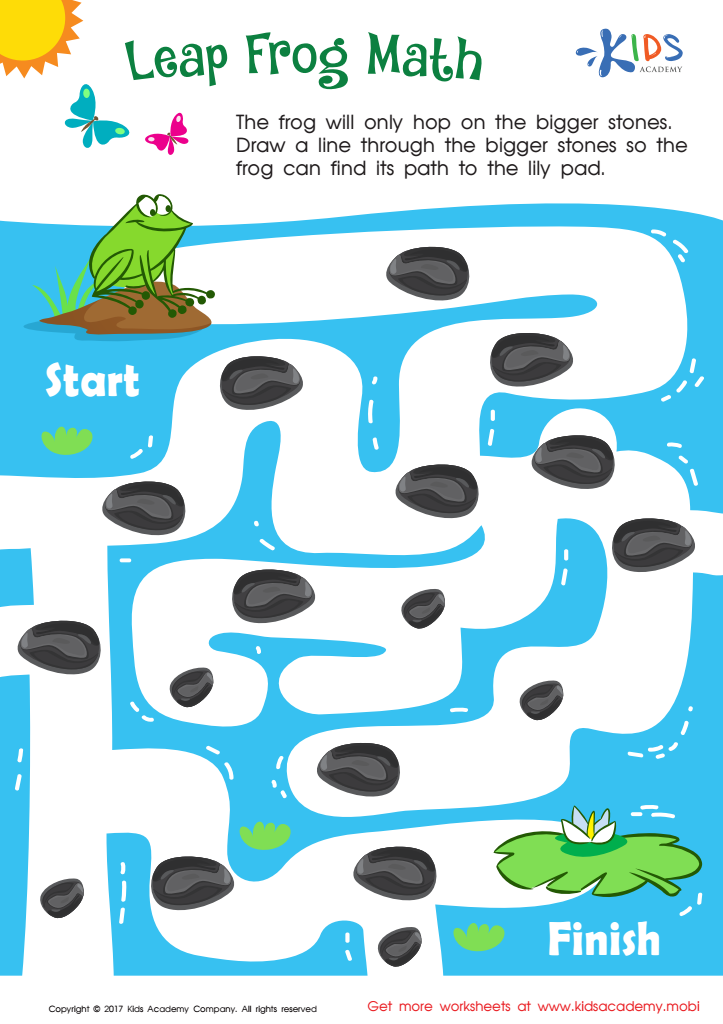
Math Puzzle Worksheet
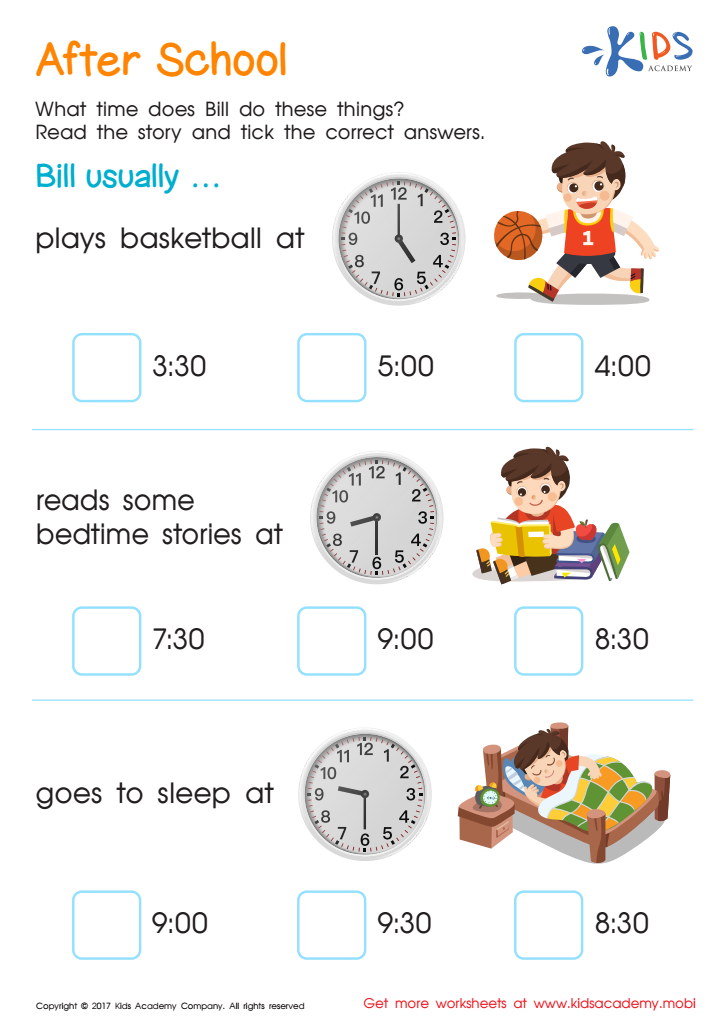
After School Time Printable
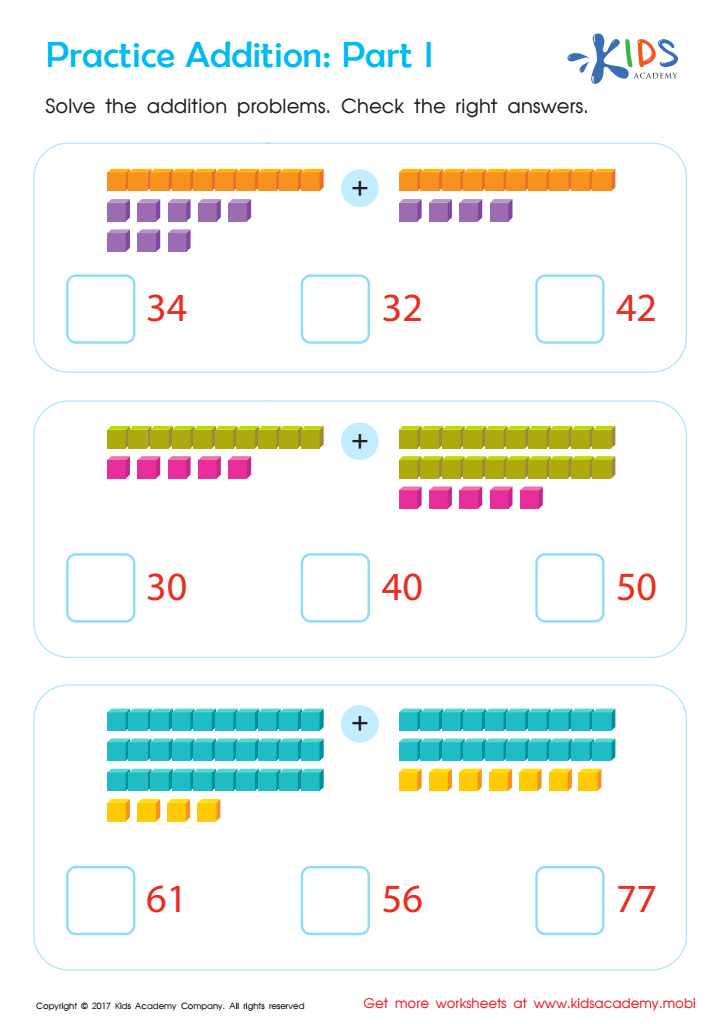
Practice Addition: Part 1 Worksheet
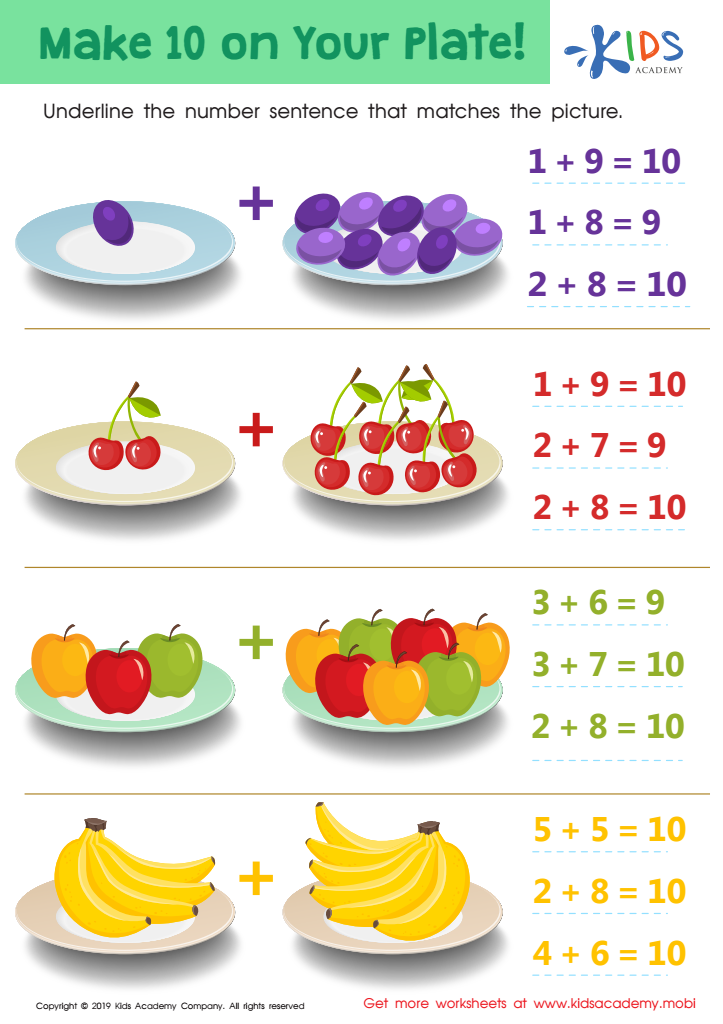
Make 10 on Your Plate! Worksheet
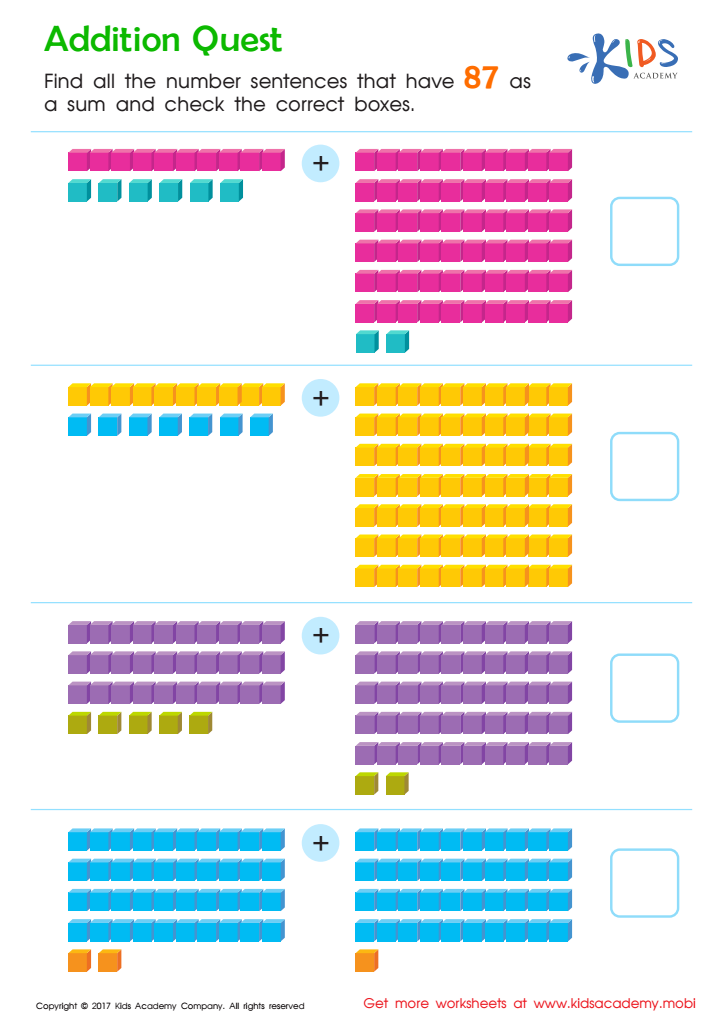
Addition Quest Worksheet: Part 1
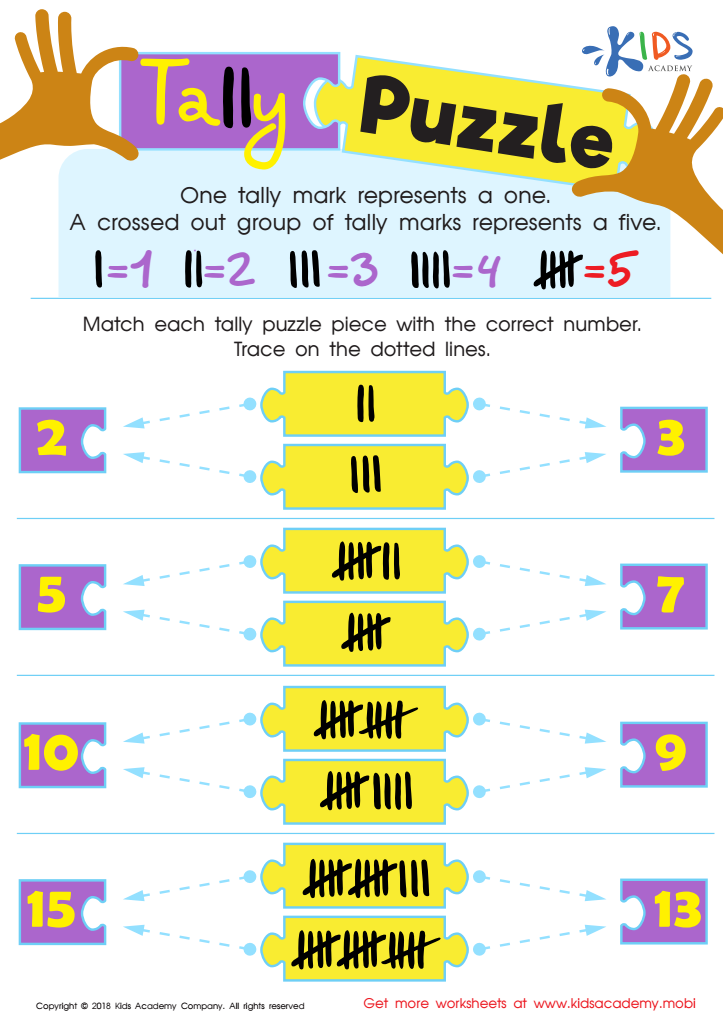
Tally Puzzle Worksheet
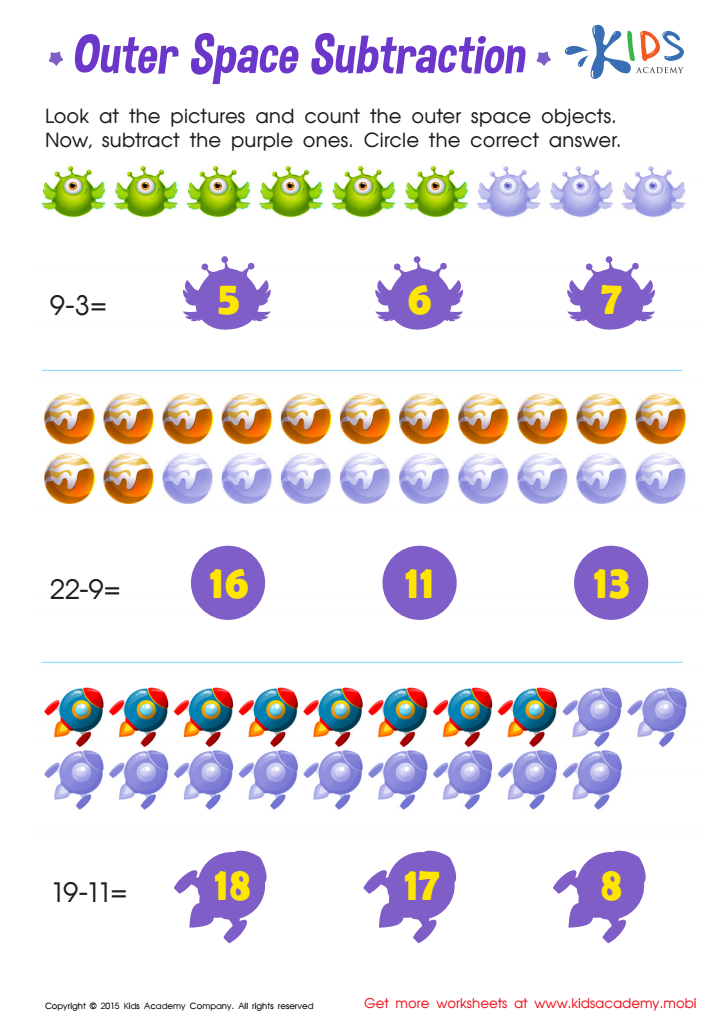
Outer Space Substraction Worksheet

Haystack Steps Worksheet
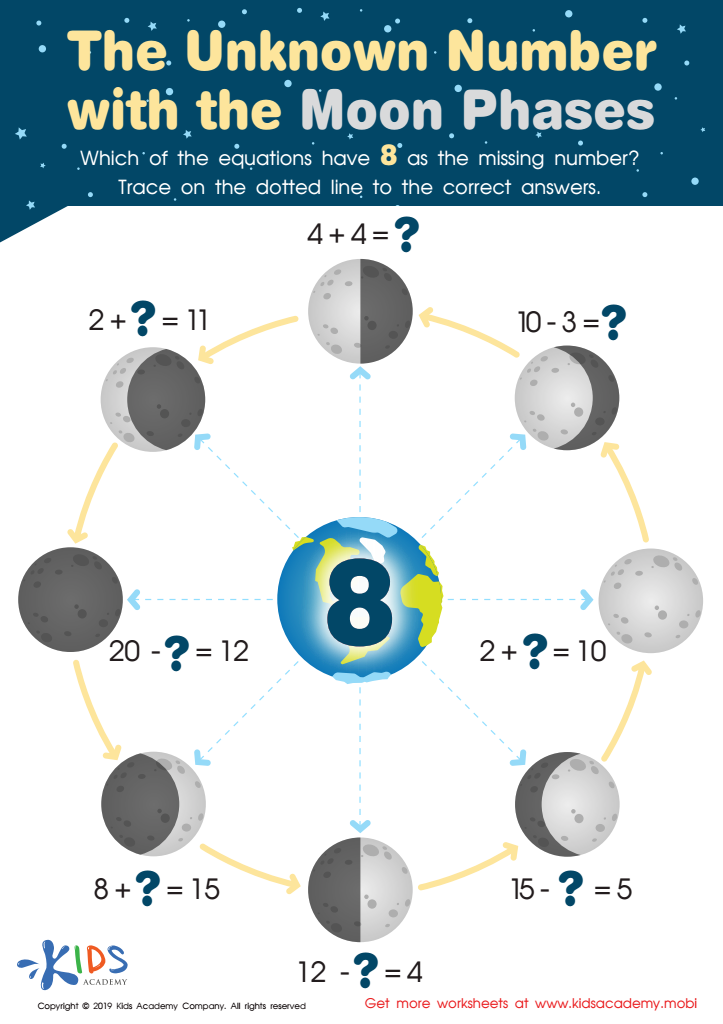
The Unknown Number with the Moon Phases Worksheet
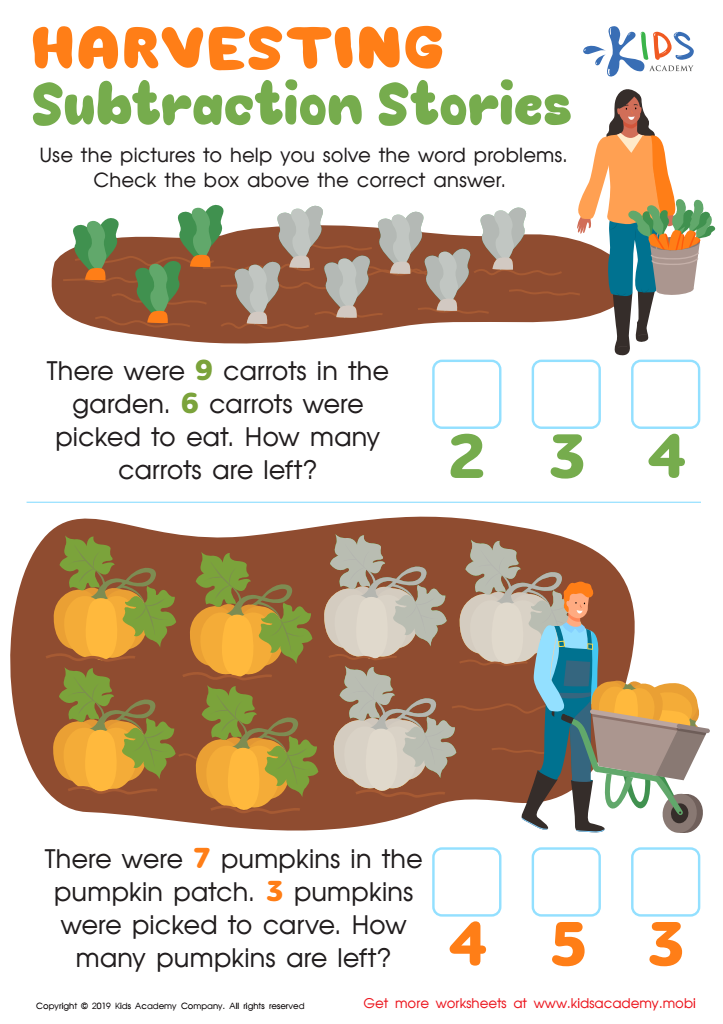
Harvesting Subtraction Stories Worksheet
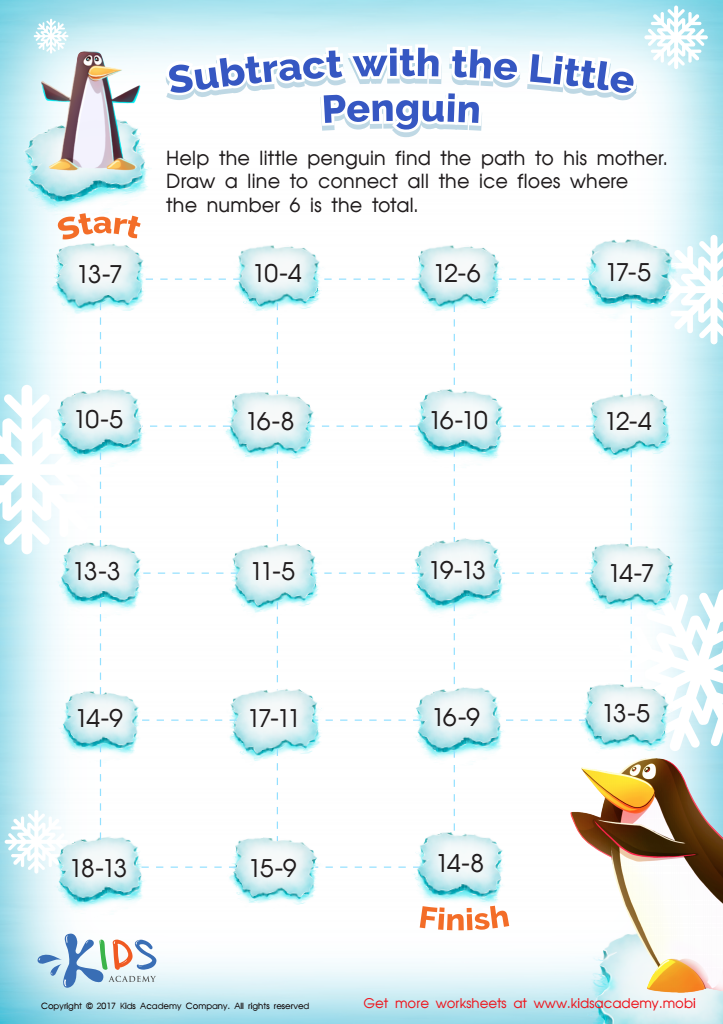
Subtract With The Little Penguin Substraction Worksheet
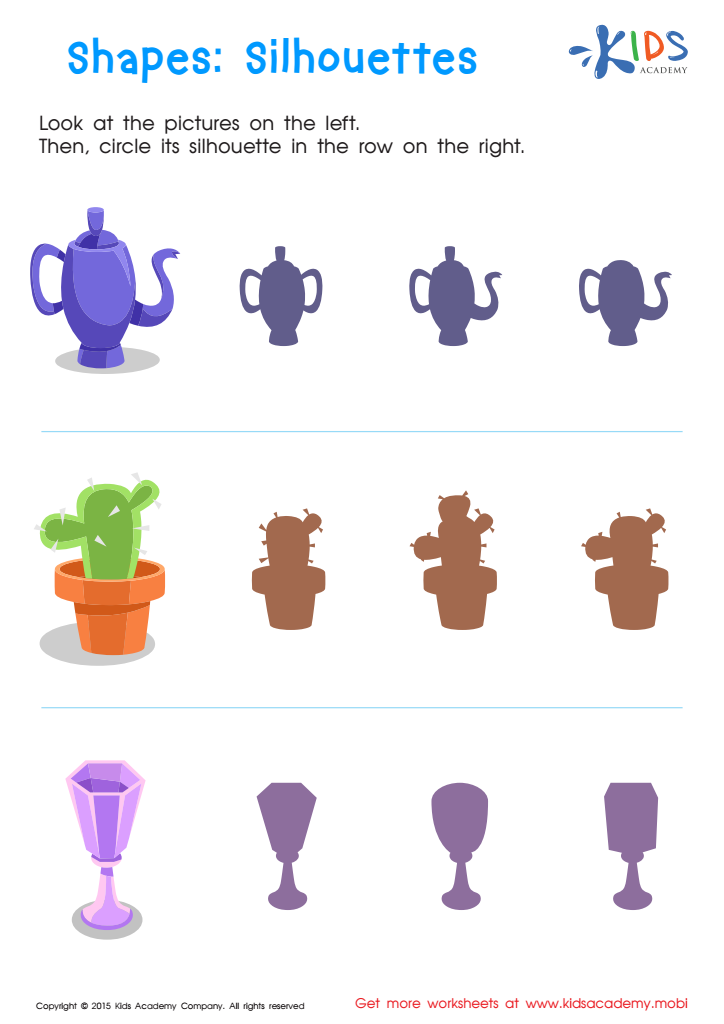
Silhouettes – Shapes Worksheet
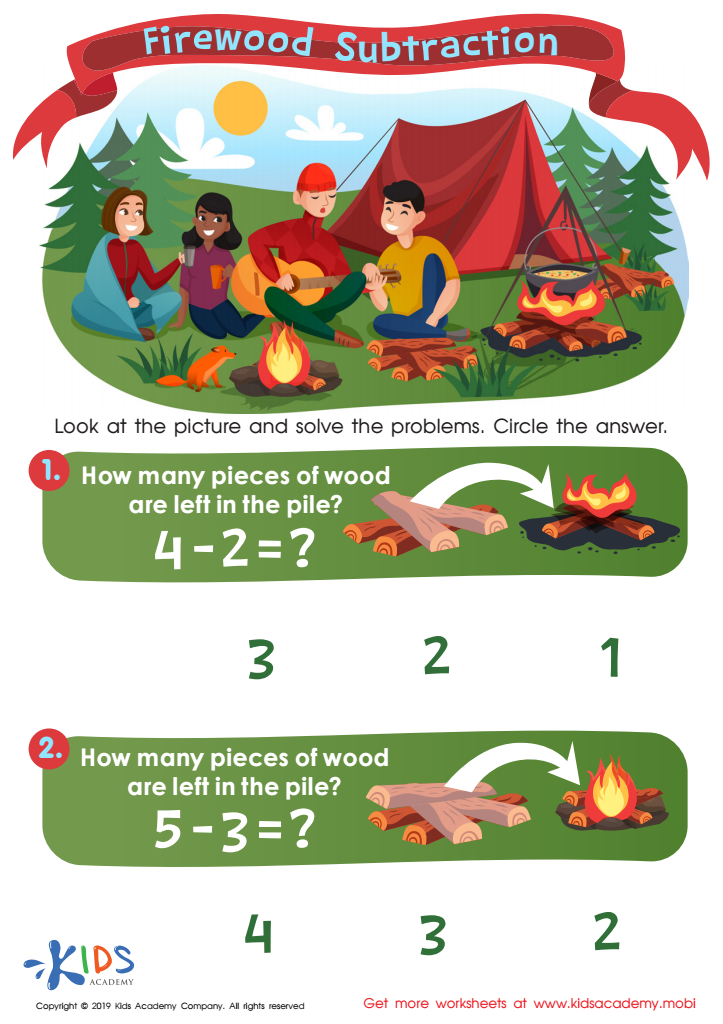
Firewood Subtraction Worksheet
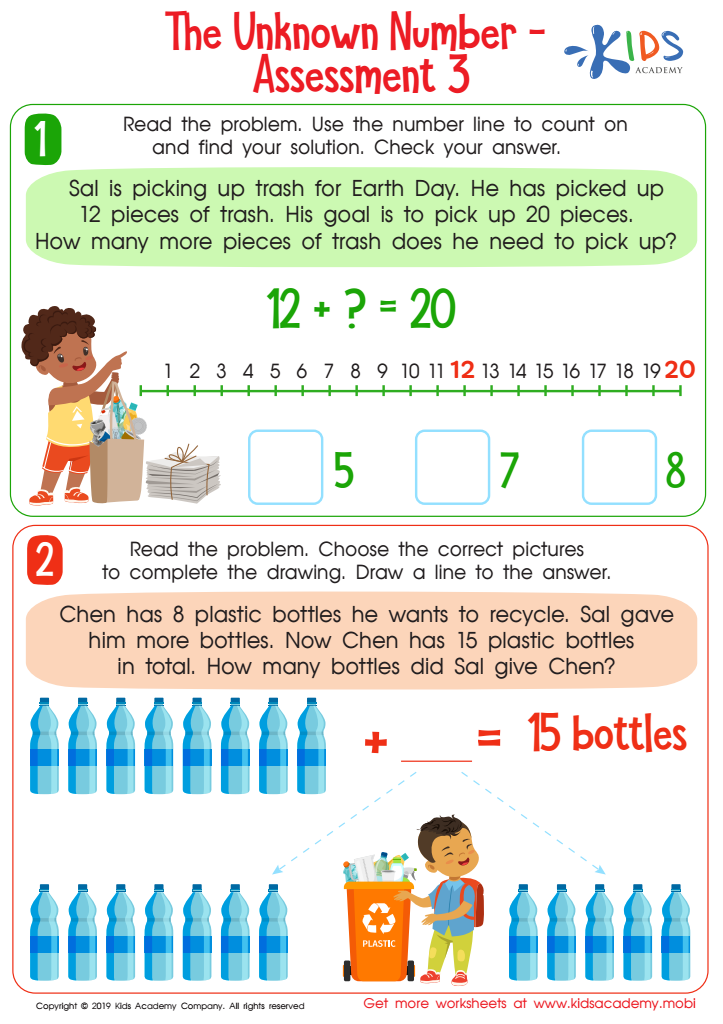
The Unknown Number - Assessment 3 Worksheet
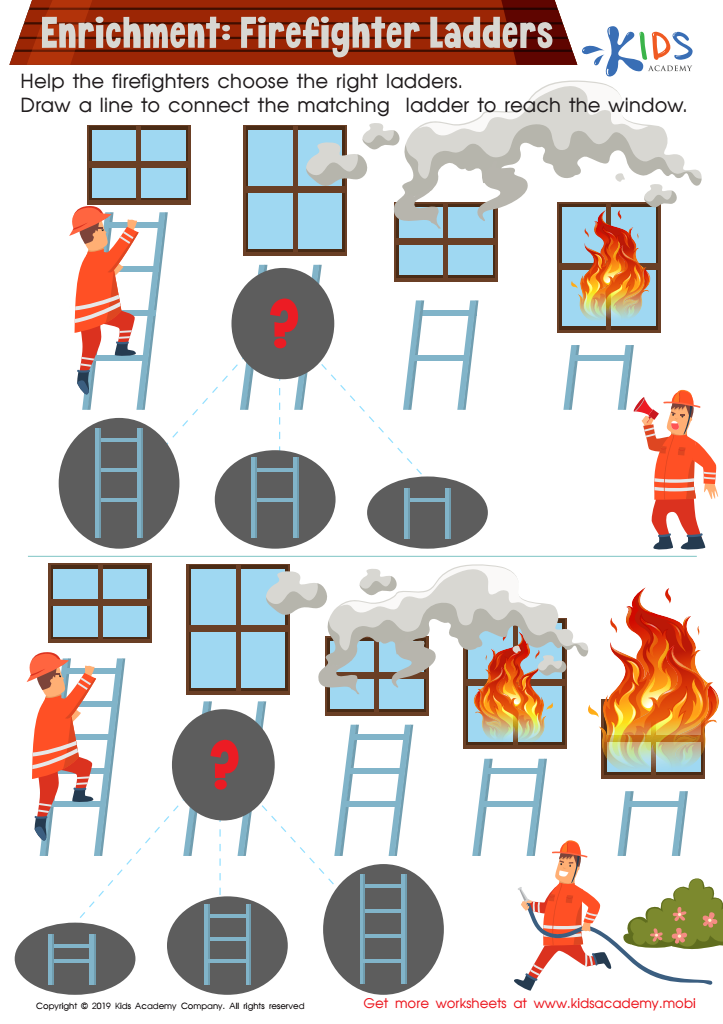
Enrichment: Firefighter Ladders Worksheet
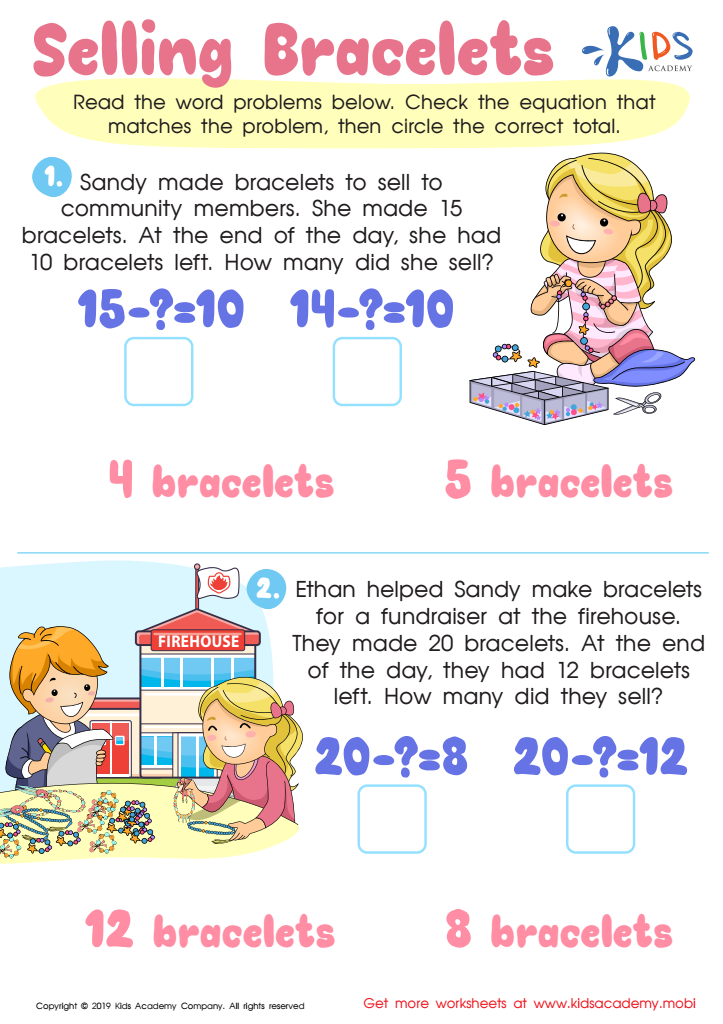
Selling the Bracelets Worksheet
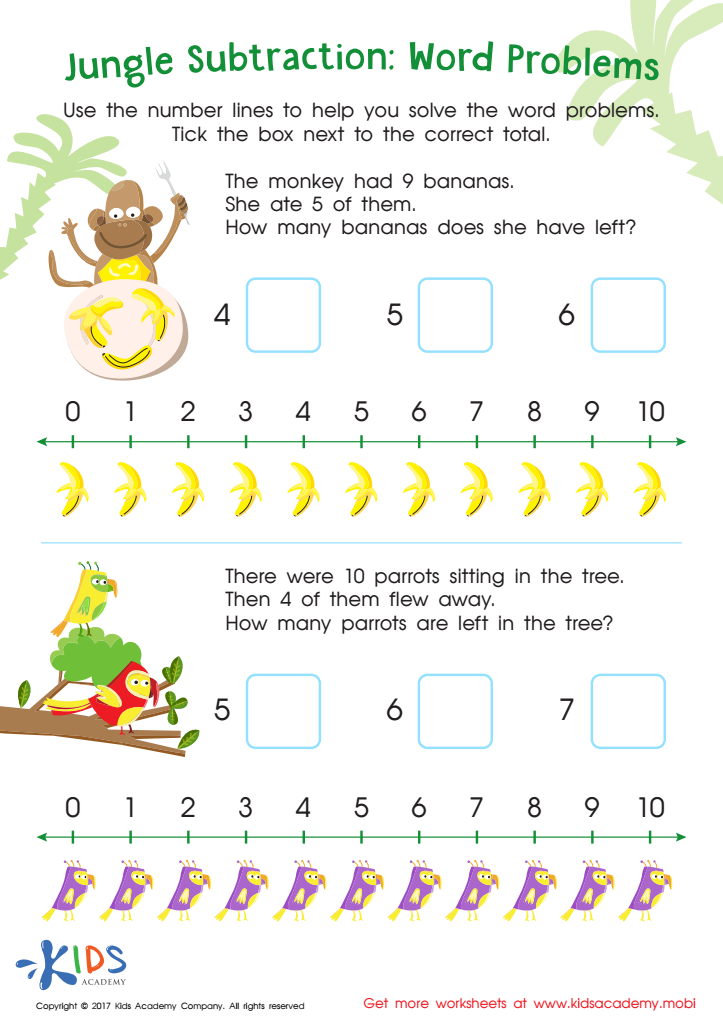
Jungle Subtraction Word Problems Substraction Worksheet
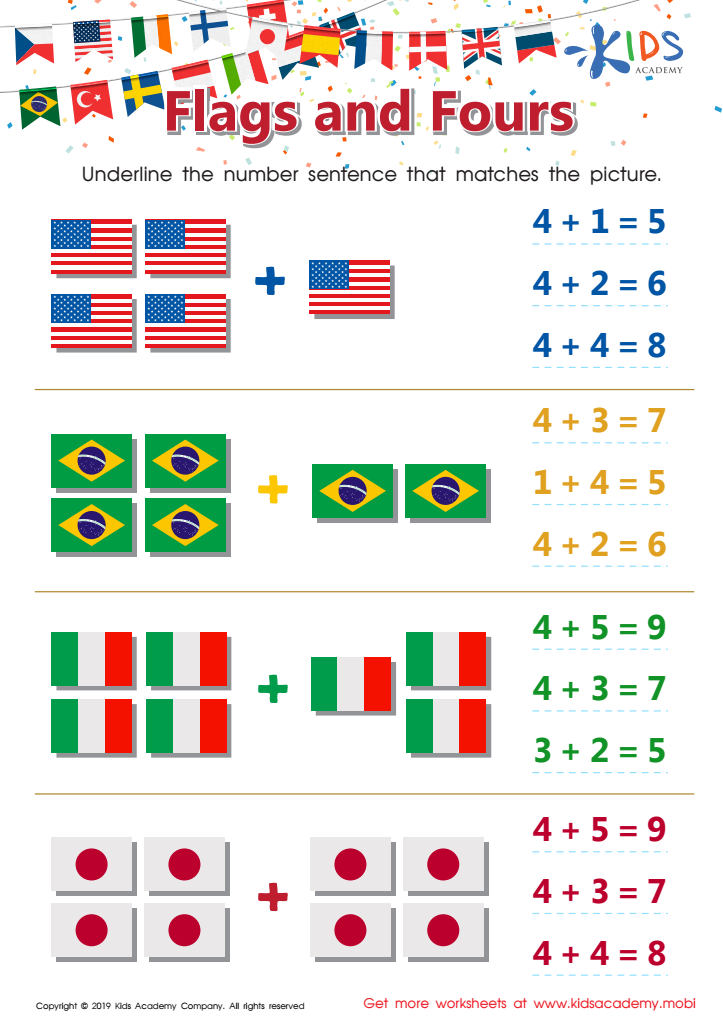
Flags and Fours Worksheet
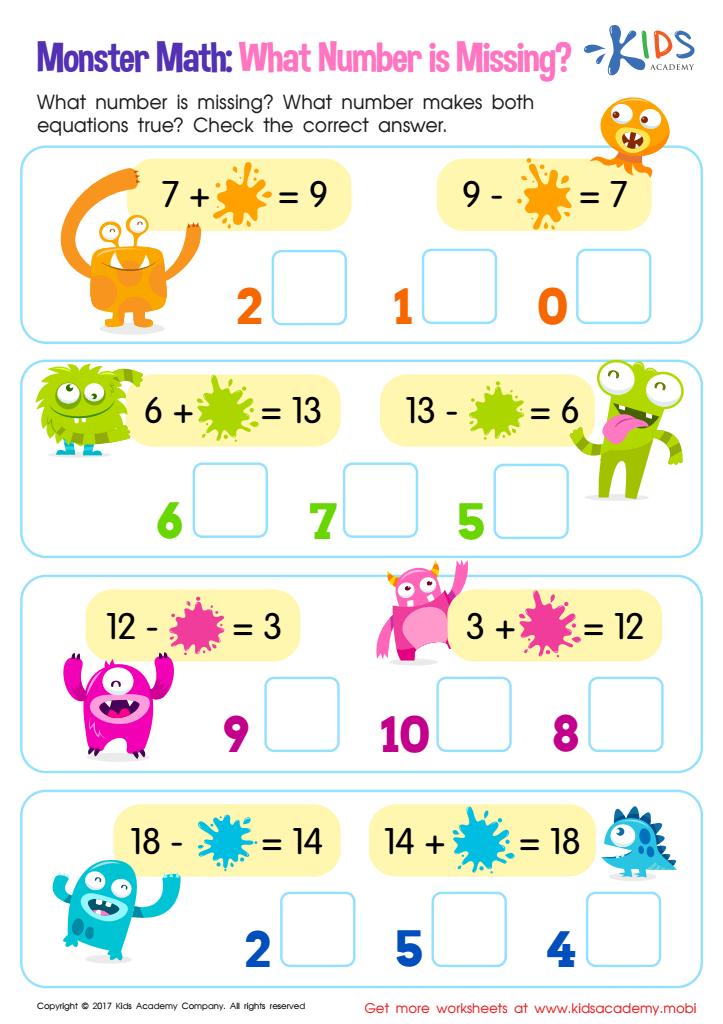
Missing Number: Monster Math Worksheet
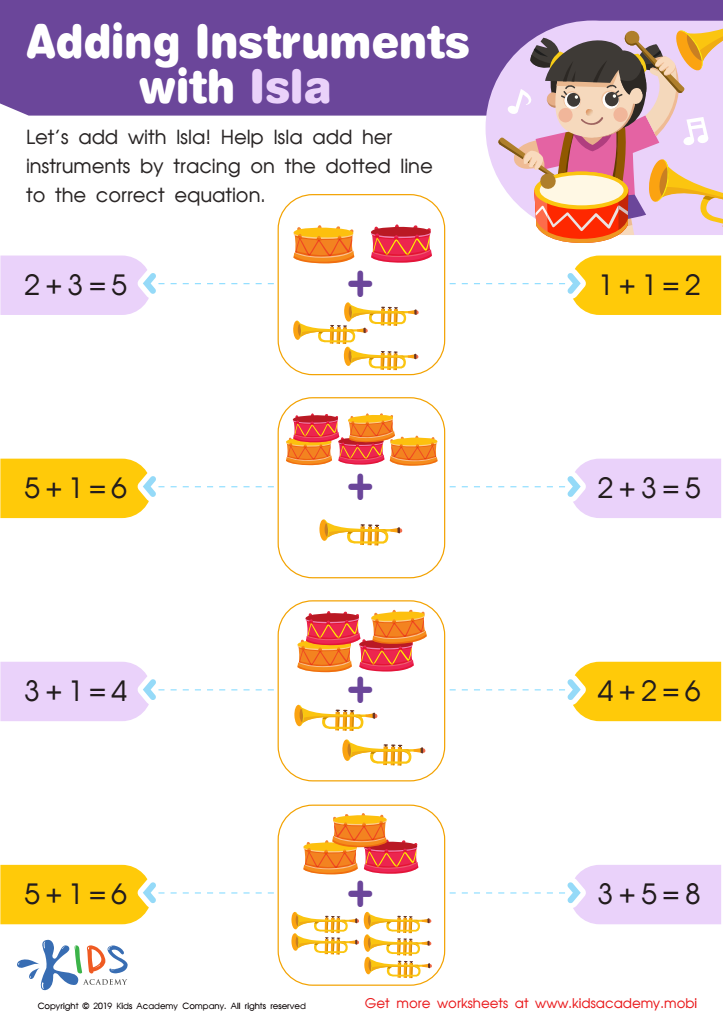
Adding Instruments with Isla Worksheet







Parents and teachers should pay special attention to developing problem-solving skills in math for 6-year-olds because these formative years lay the foundation for future academic success and critical thinking. At this age, children are incredibly receptive to new concepts and ways of thinking. Encouraging problem-solving in math helps them approach challenges methodically, fostering a growth mindset.
By engaging in problem-solving activities, children learn to analyze situations, identify patterns, and predict outcomes, all crucial skills not only for mathematics but for everyday life. These activities develop their cognitive abilities, improve concentration, and build persistence. Additionally, early exposure to problem-solving enhances their confidence in tackling mathematical concepts, which can reduce anxiety around the subject as they progress in school.
Moreover, problem-solving in math reinforces other academic skills, including reading and comprehension, as children often need to understand the language of the problem before they can find a solution. Collaborative problem-solving builds communication and social skills, teaching children to articulate their thoughts and listen to others.
In essence, nurturing problem-solving skills in math at a young age equips children with a toolkit for academic achievement and life-long learning, setting them up for future prosperity in multiple domains. Investing time and effort in this area benefits children far beyond the classroom.








