Math Worksheets for Ages 3-6 - Page 2
919 filtered results
-
From - To
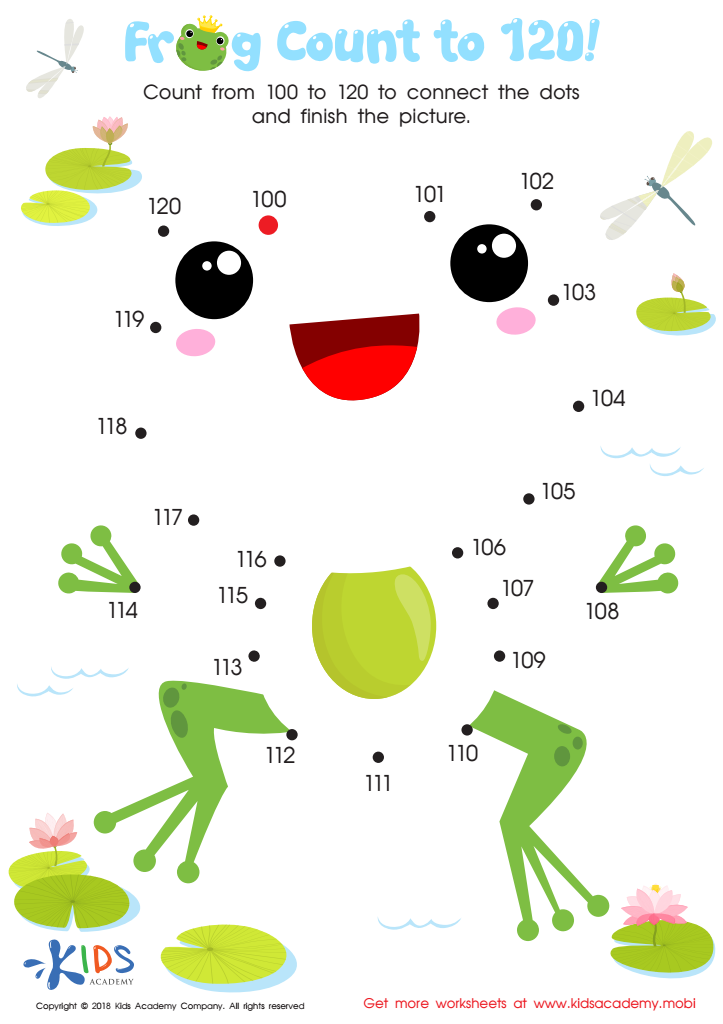
Frog Count to 120 Worksheet
 Assign to My Students
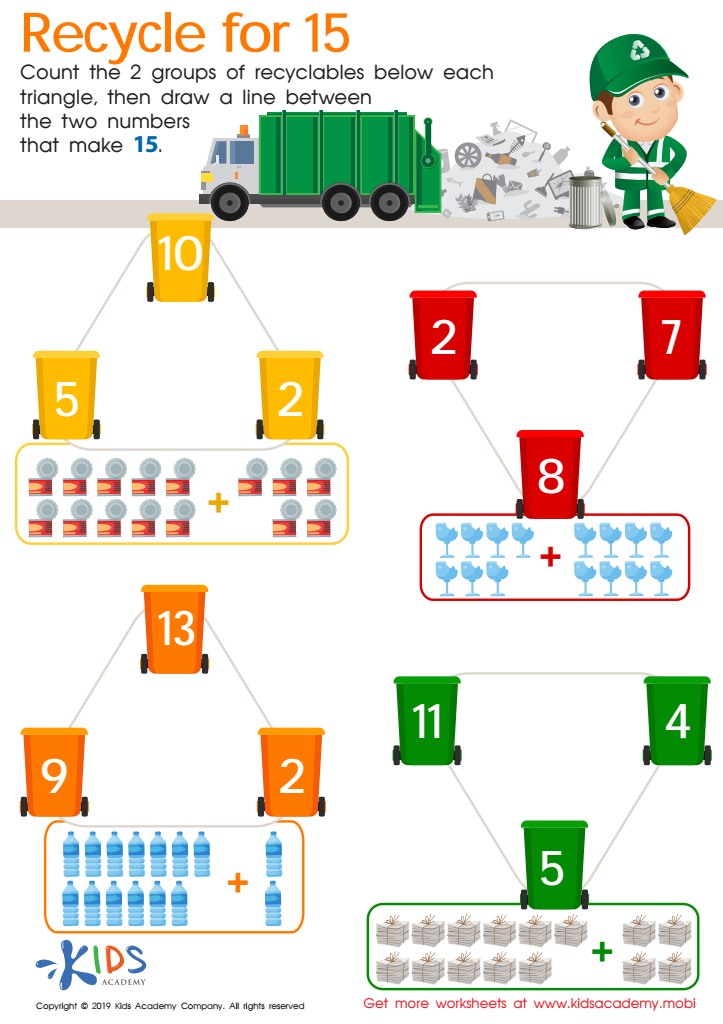
Recycle for 15 Worksheet
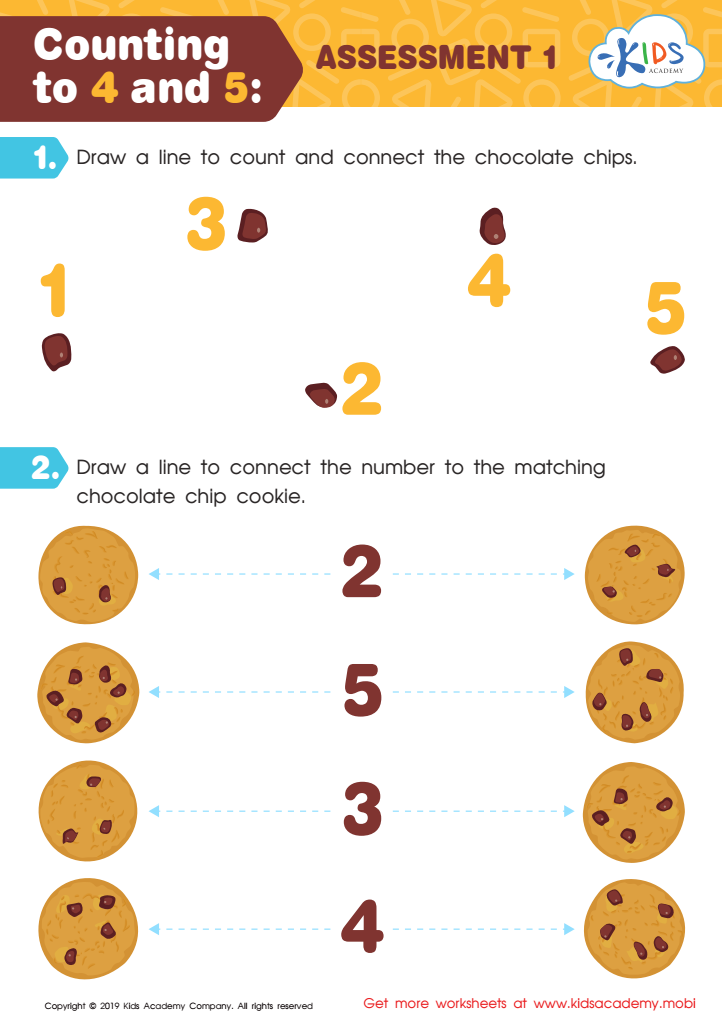
Counting to 4 and 5: Assessment 1 Worksheet
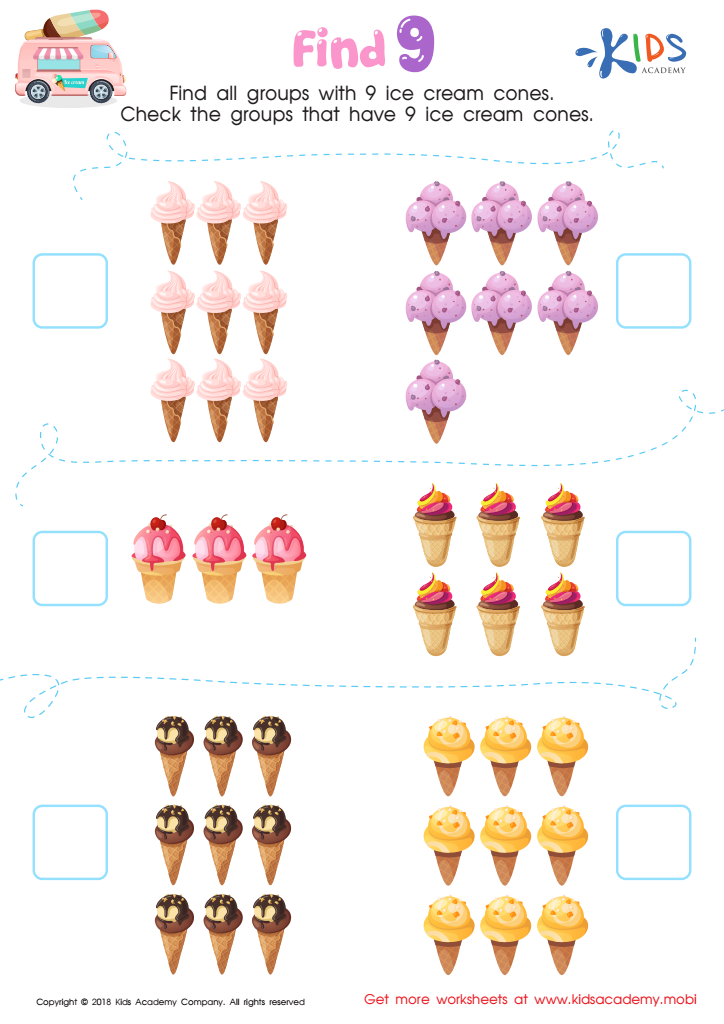
Find 9 Worksheet
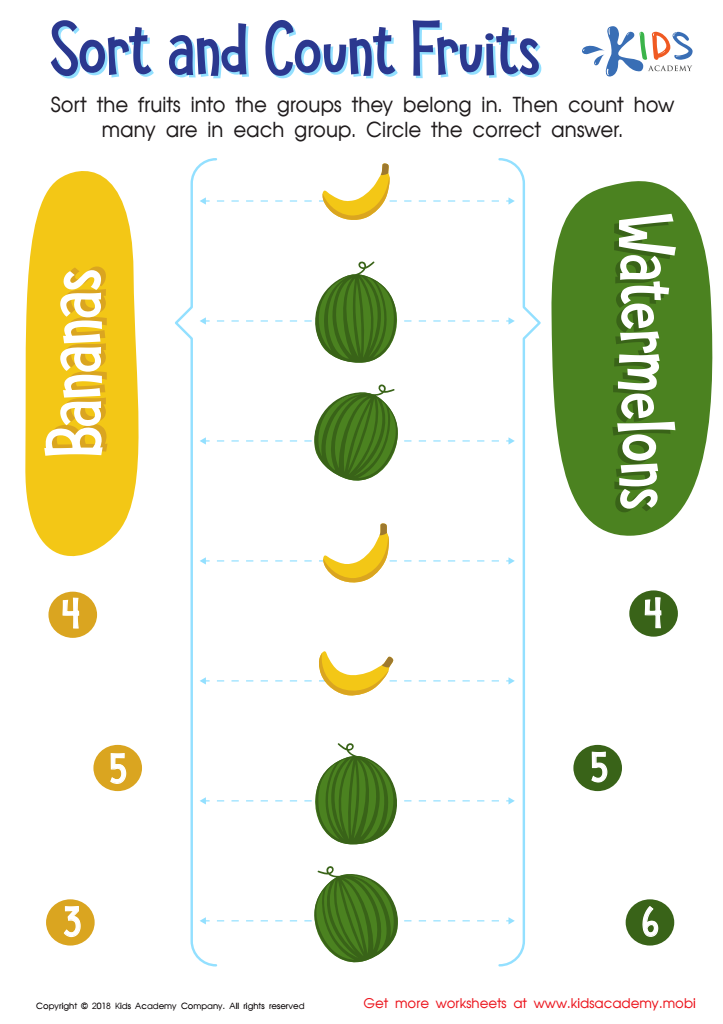
Sort and Count Fruits Worksheet
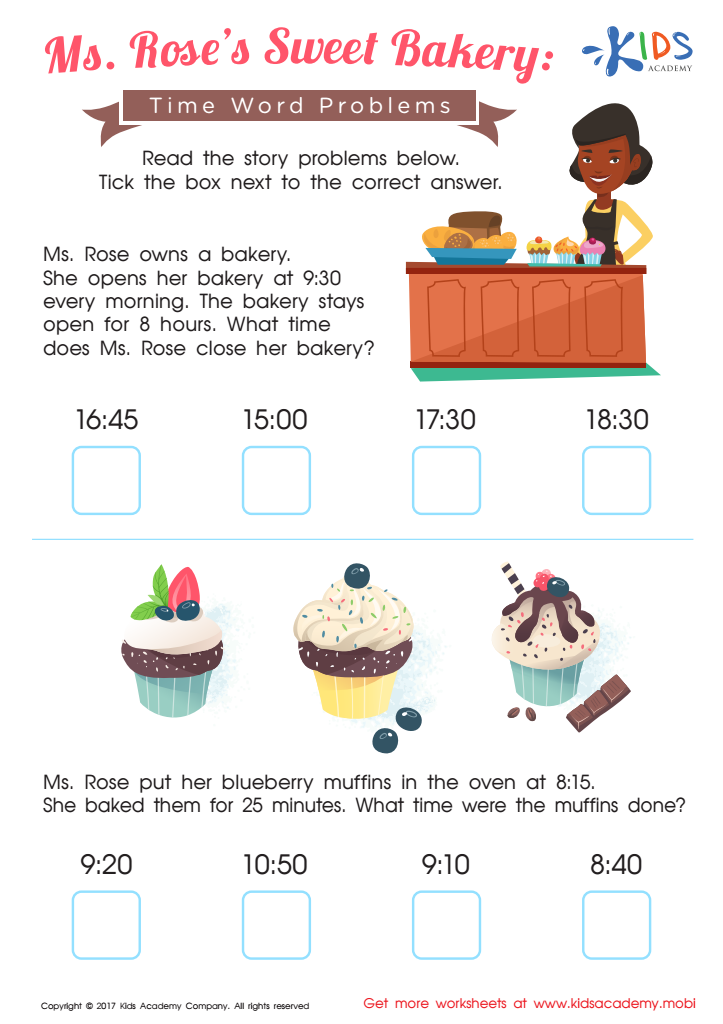
Ms. Roseв's Sweet Bakery Time Worksheet
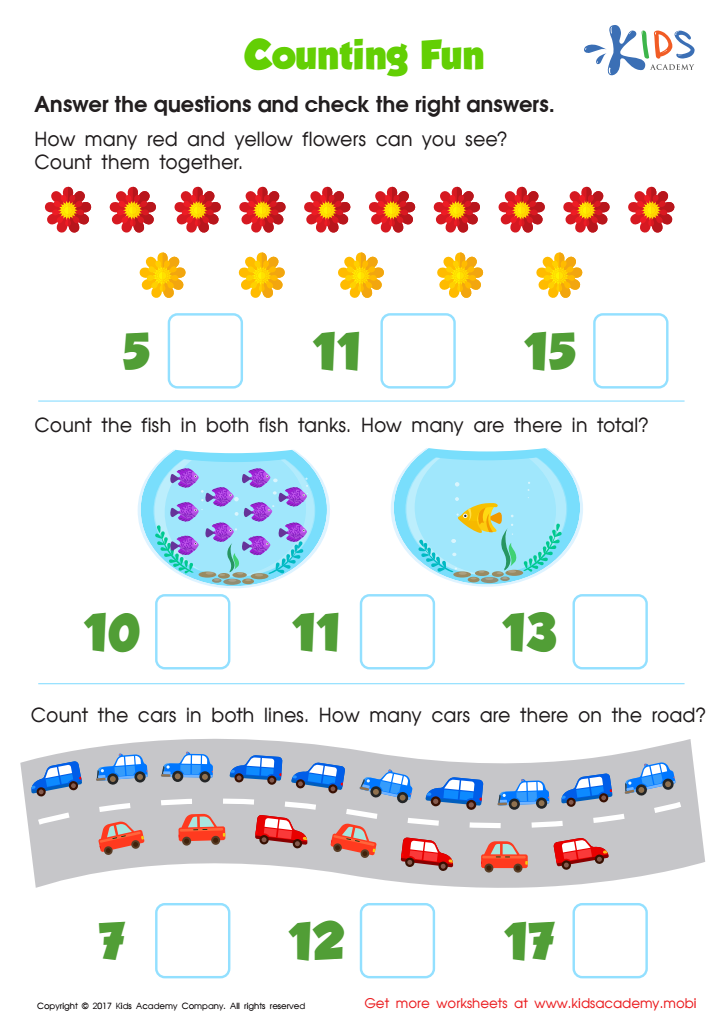
Counting Fun Worksheet
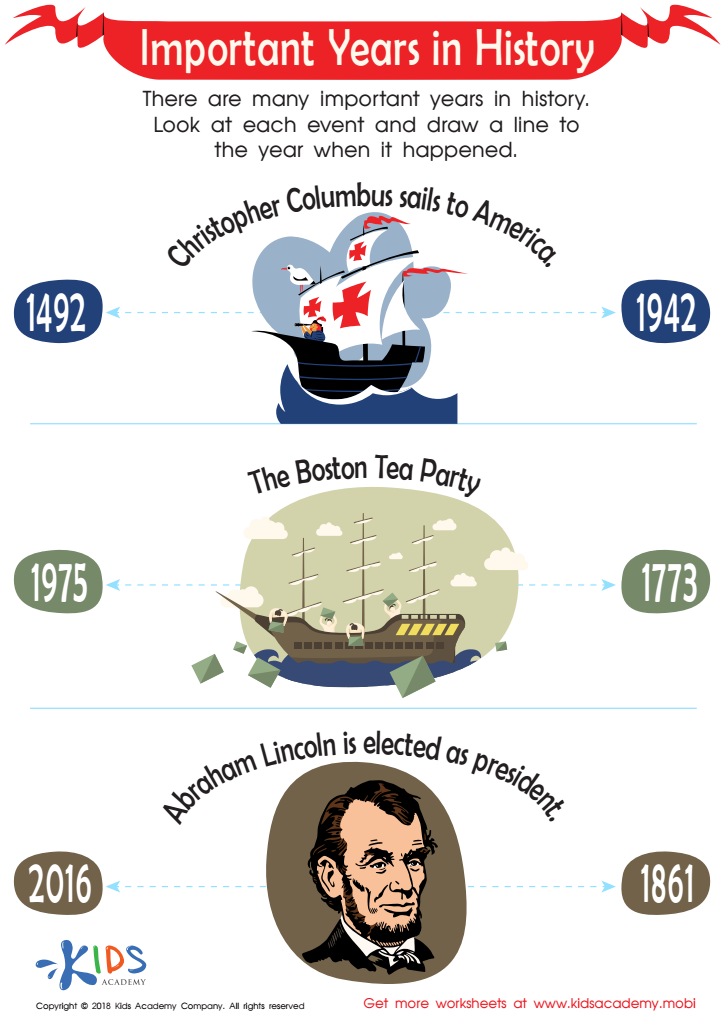
Important Years in History Worksheet
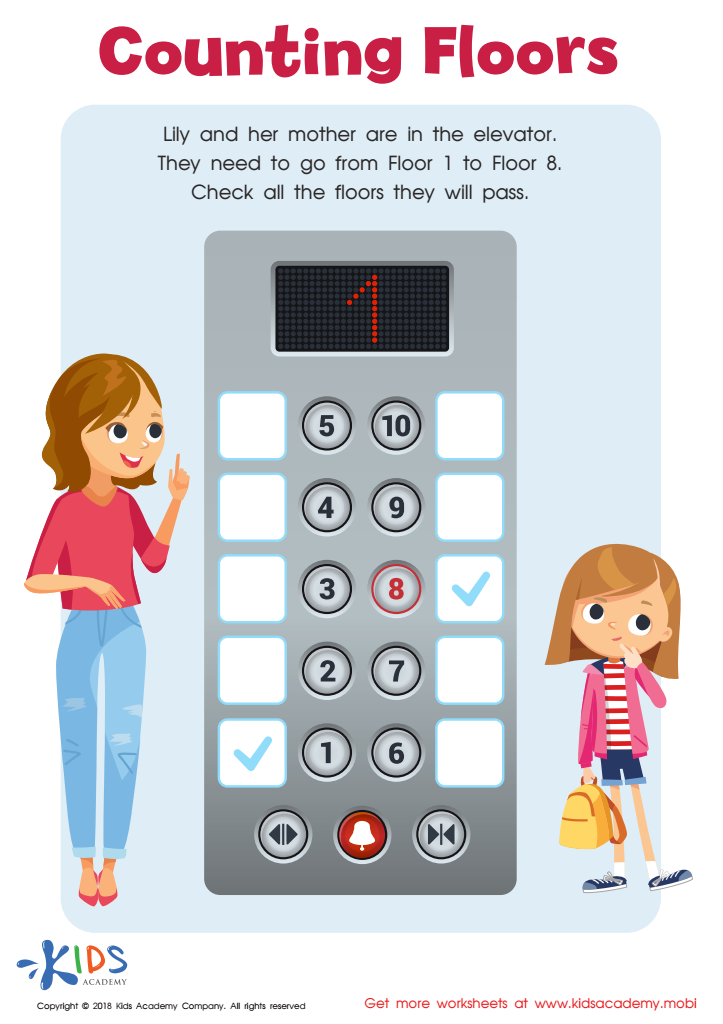
Counting Floors Worksheet
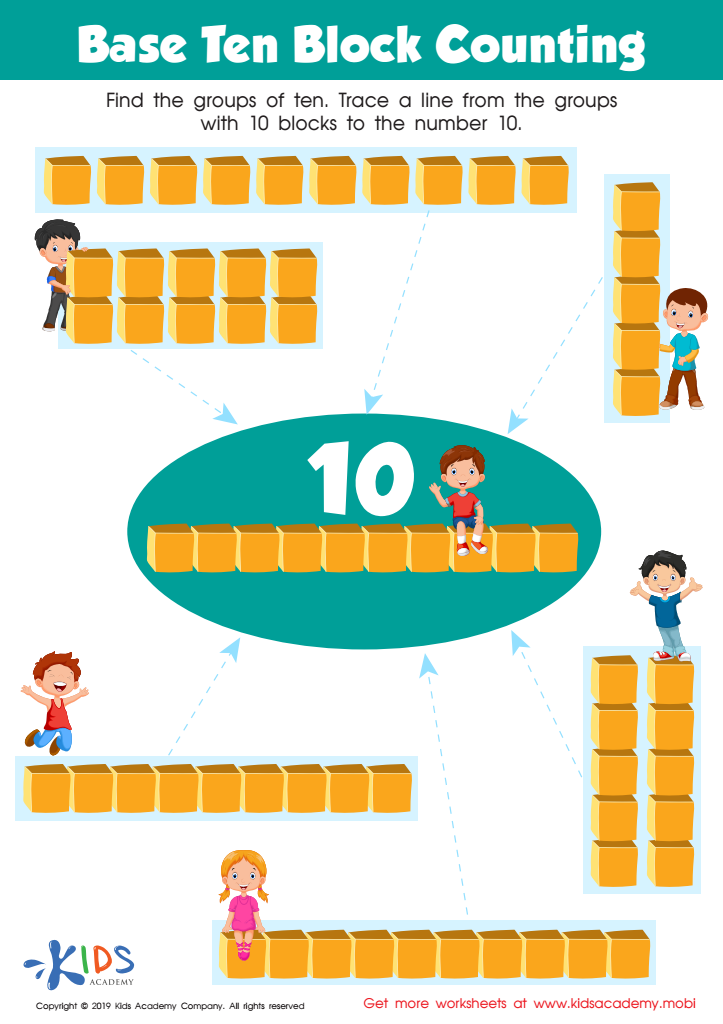
Base Ten Block Counting Worksheet
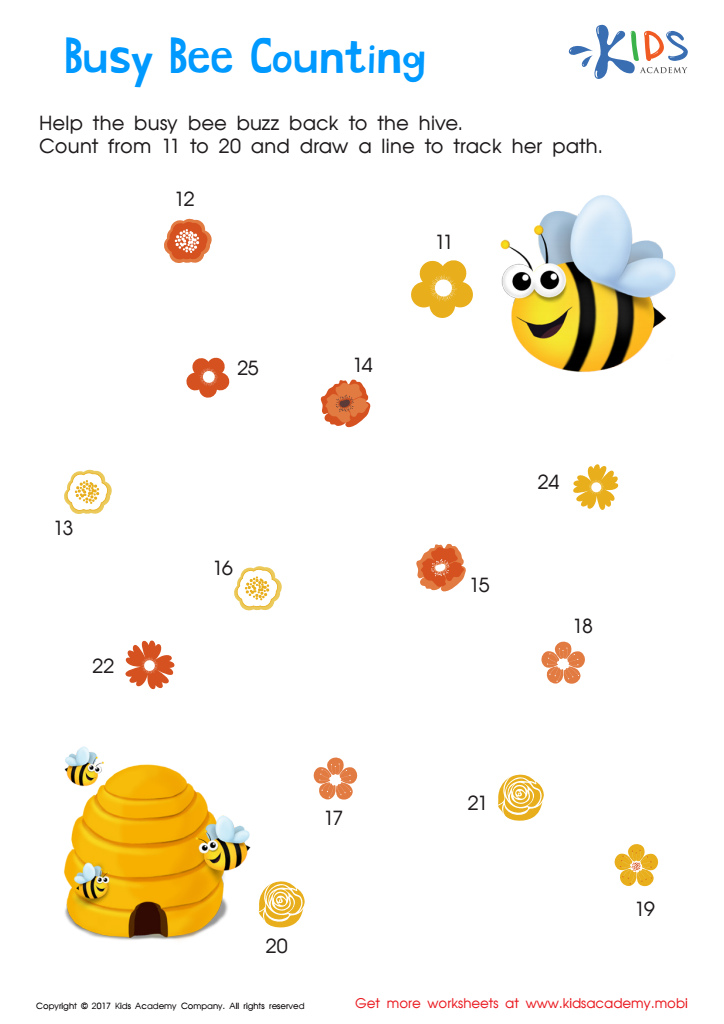
Ordering 11–20: Busy Bee Counting Worksheet
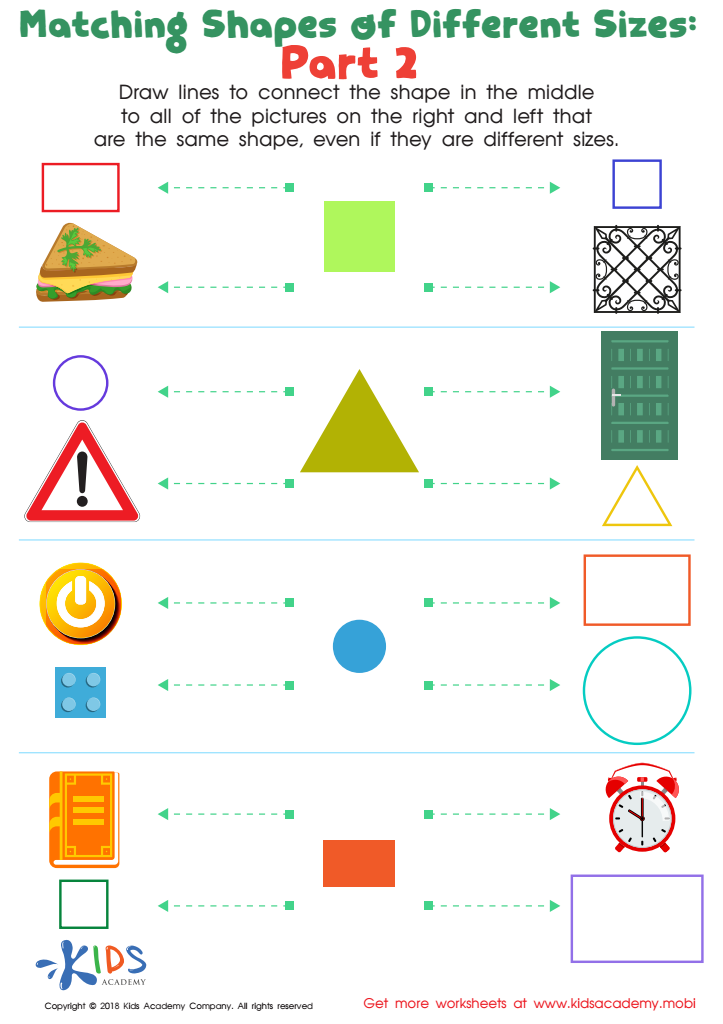
Geometry: Part 2 Worksheet
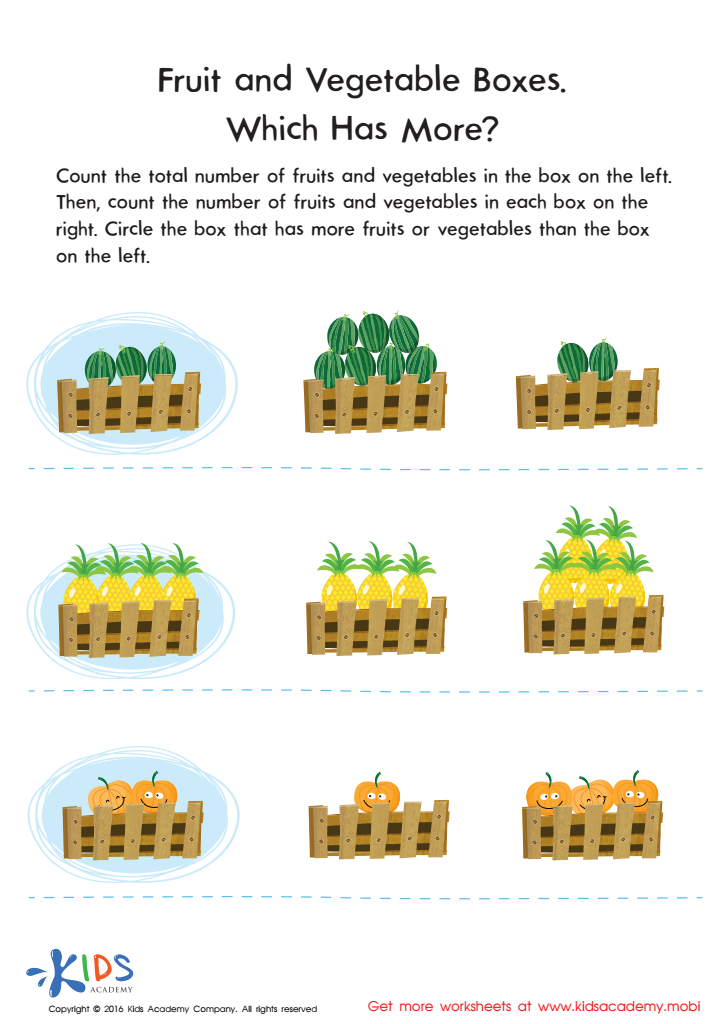
Which Has More? Size Worksheet
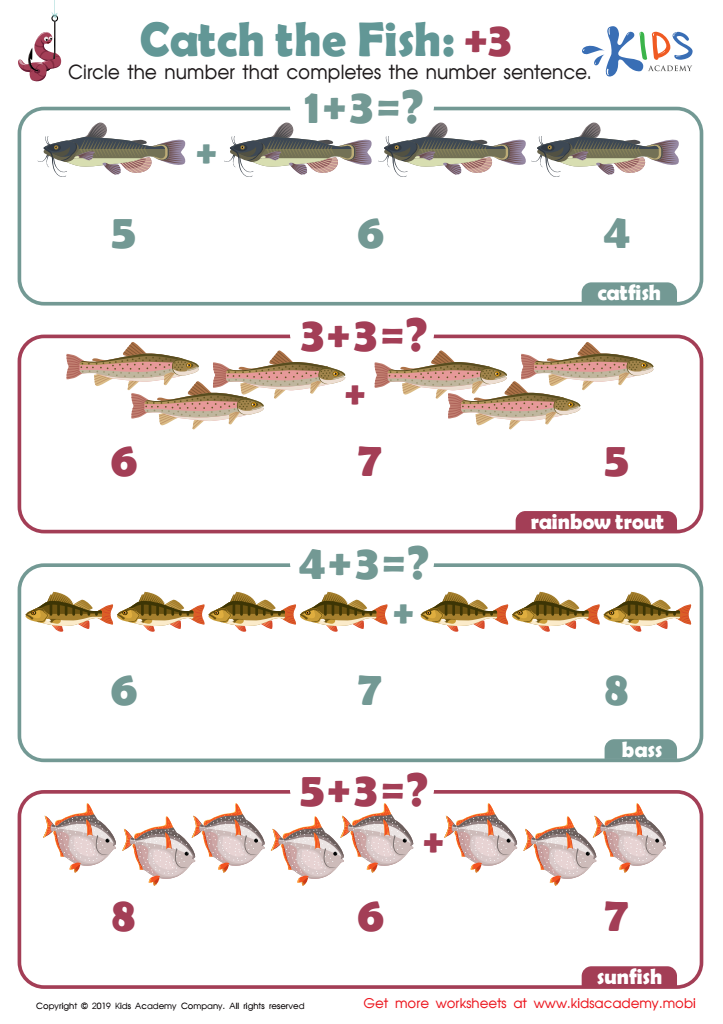
Catch the Fish: +3 Worksheet
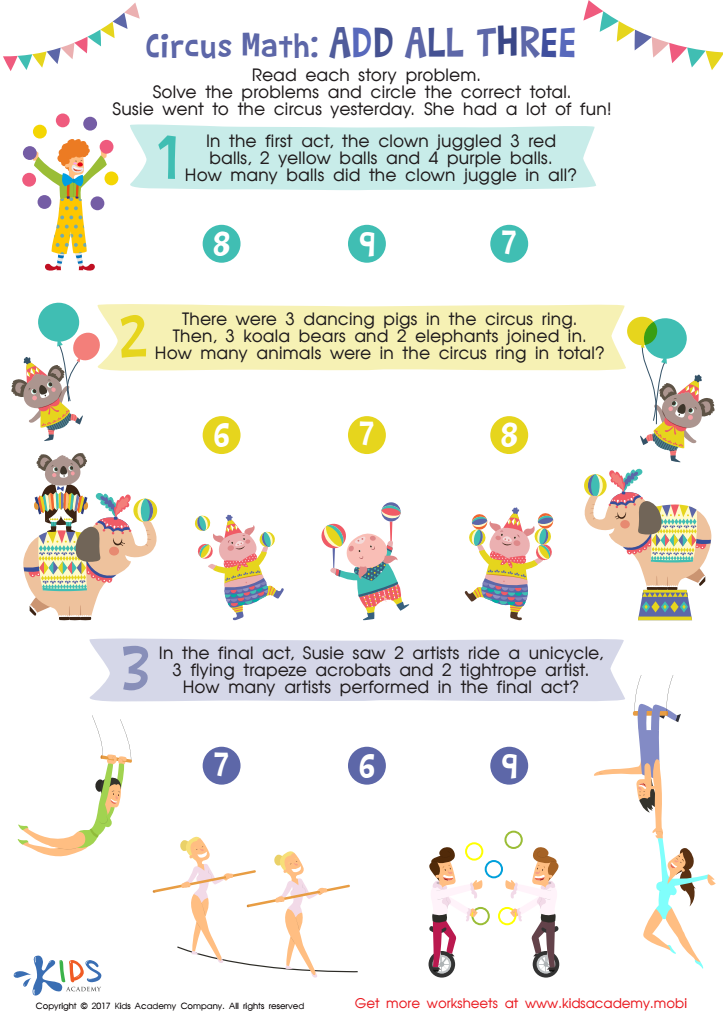
Circus Math Printable
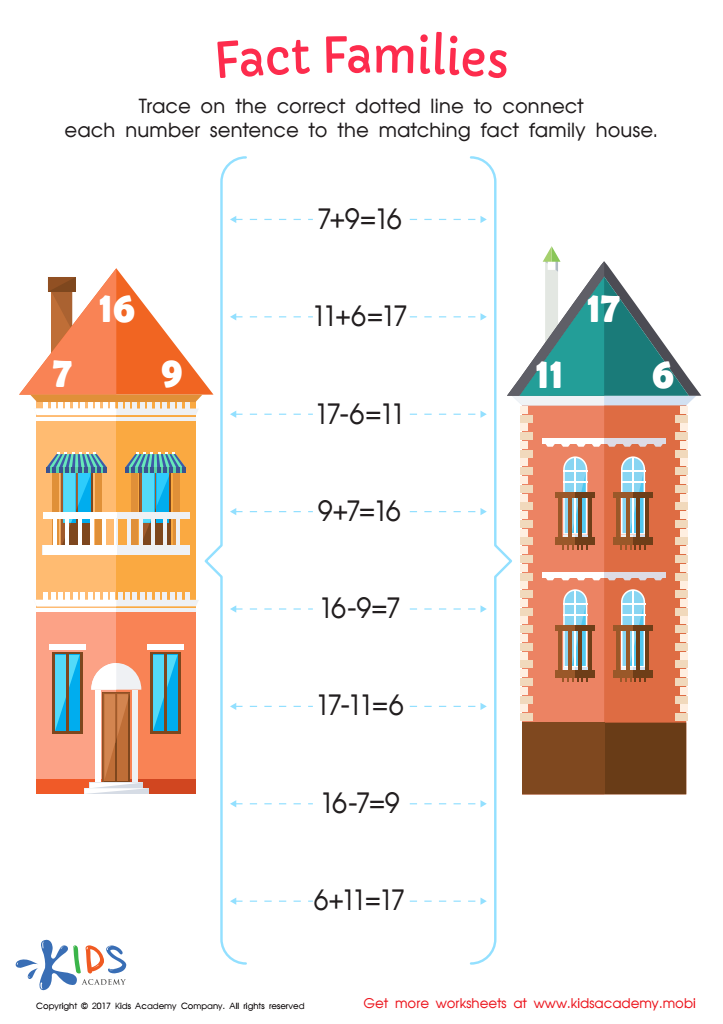
Fact Families — Add and Subtract Worksheet
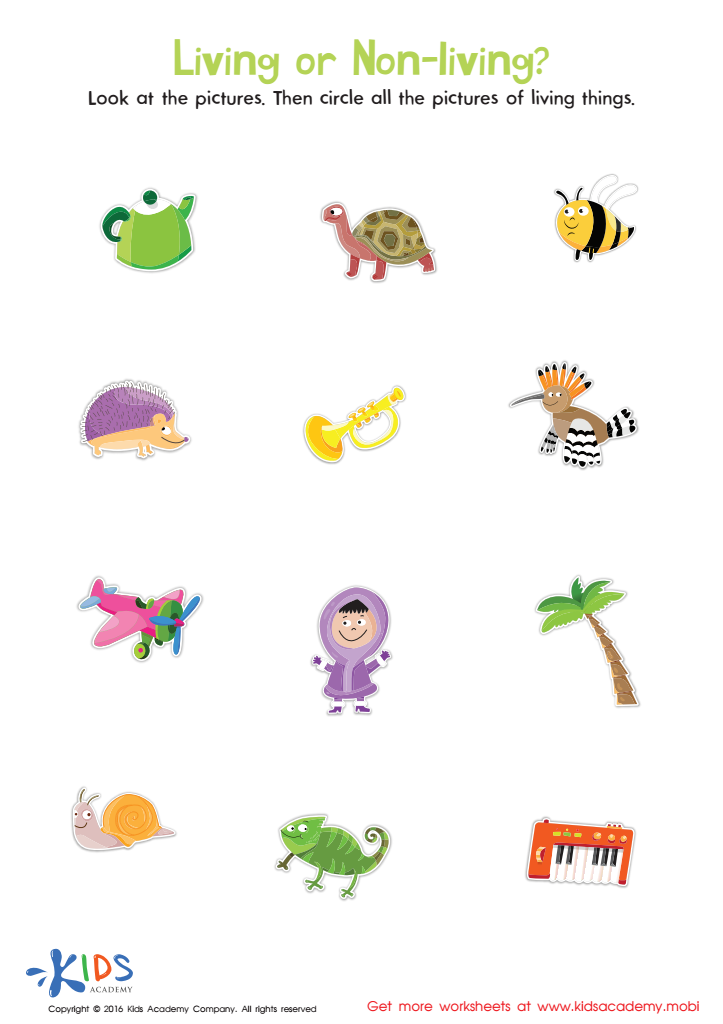
Identifying Living and Non–living Things Sorting Worksheet
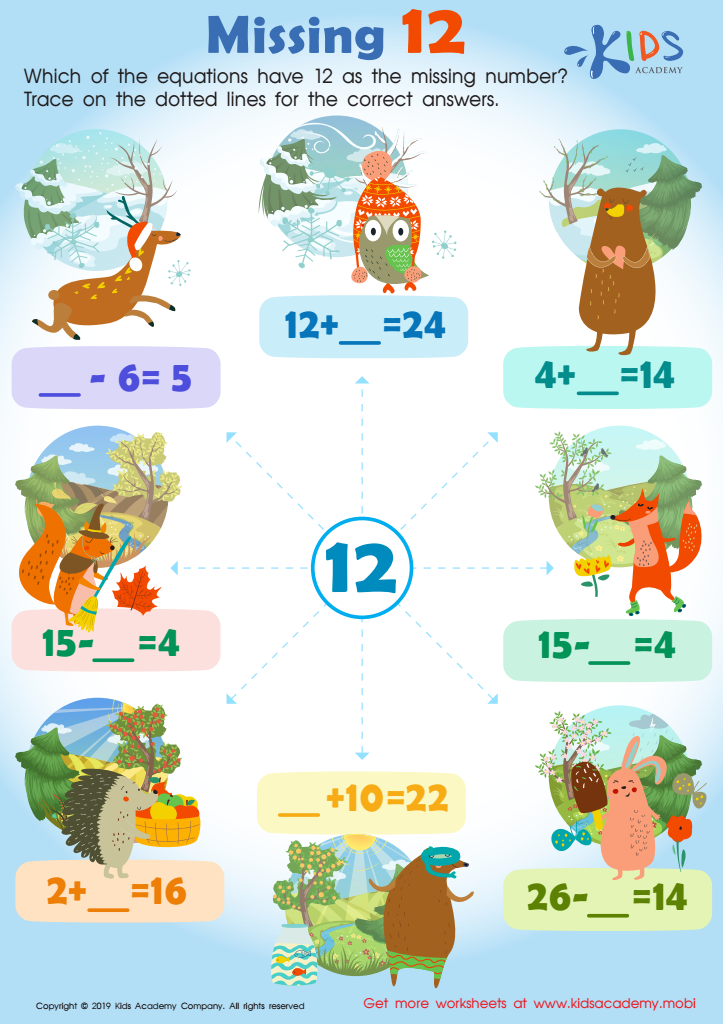
Missing 12 Worksheet
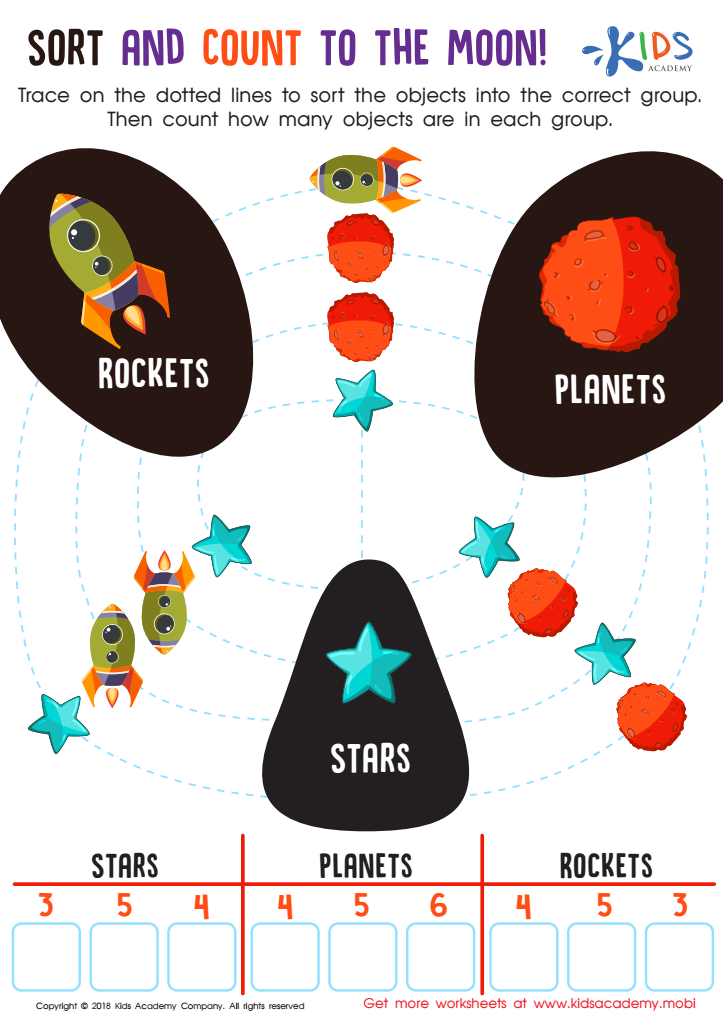
Sort and Count to the Moon Worksheet
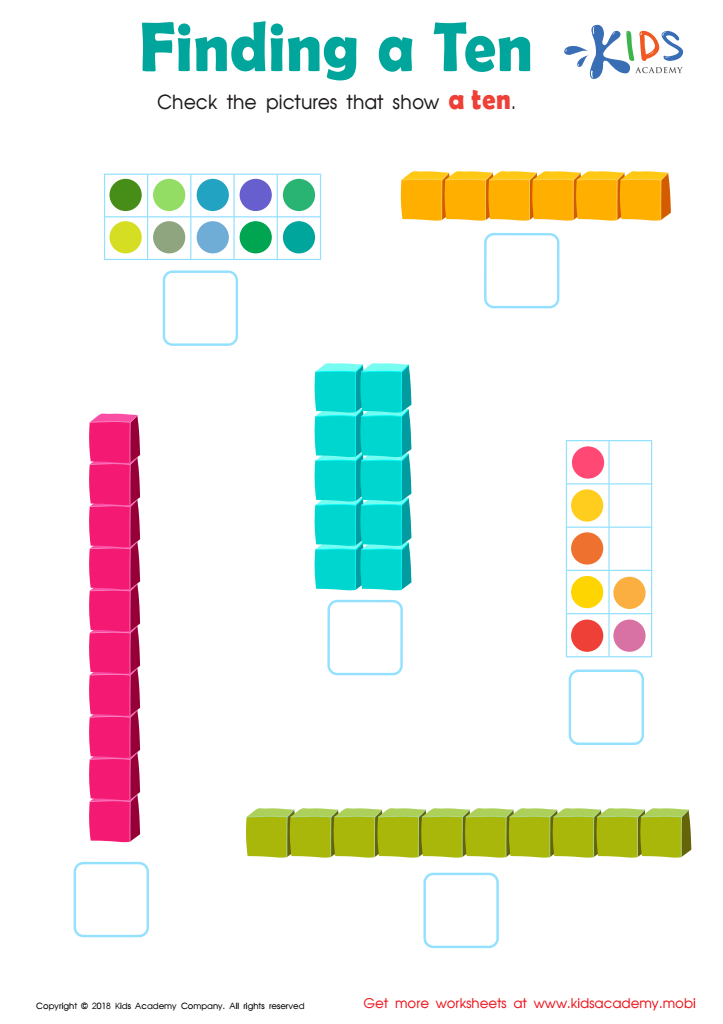
Finding a Ten Worksheet
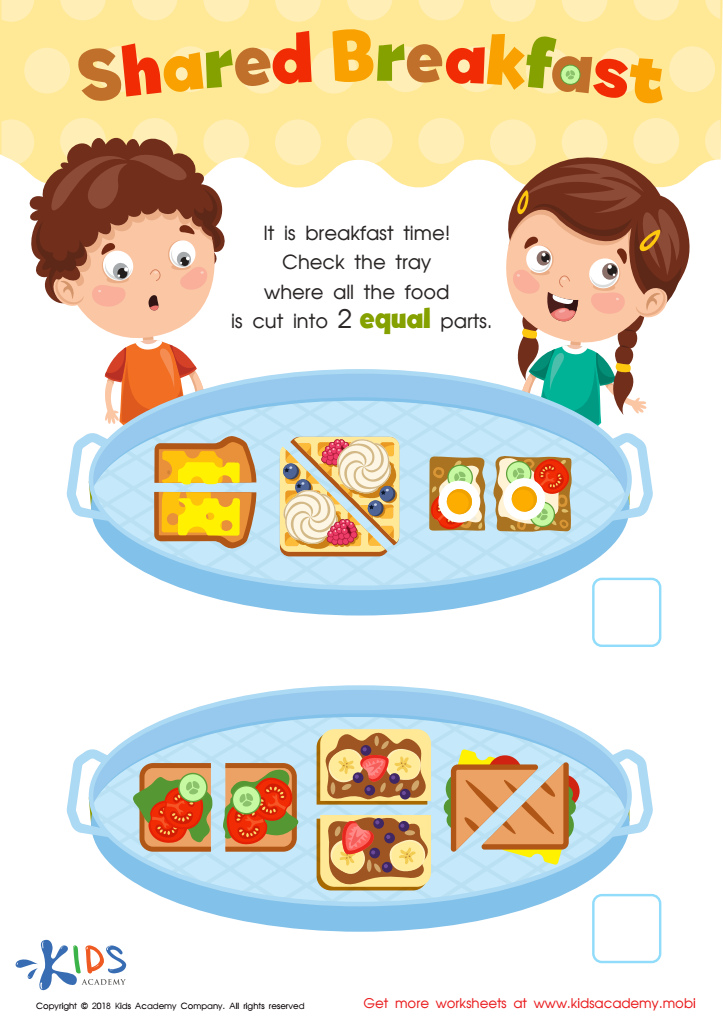
Shared Breakfast Worksheet
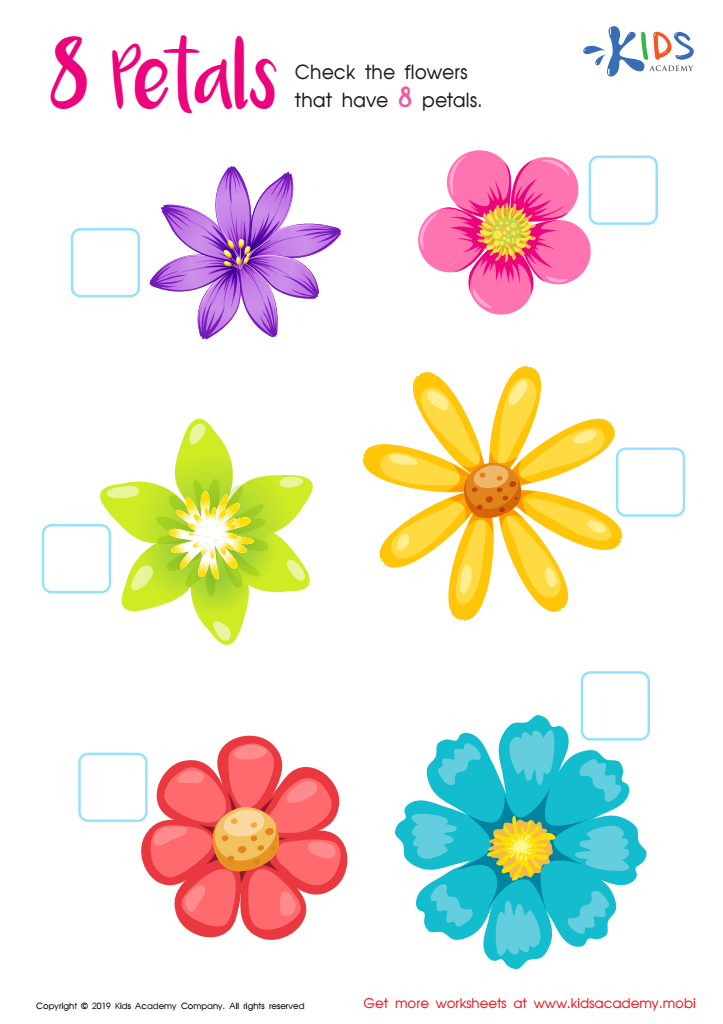
8 Petals Worksheet
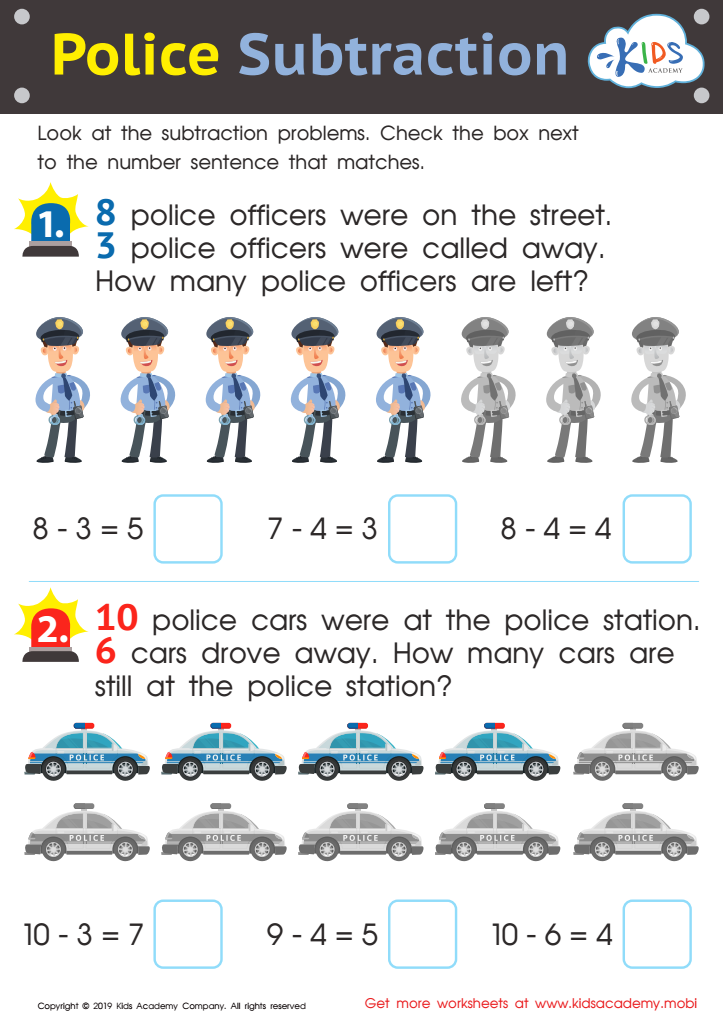
Police Subtraction Worksheet
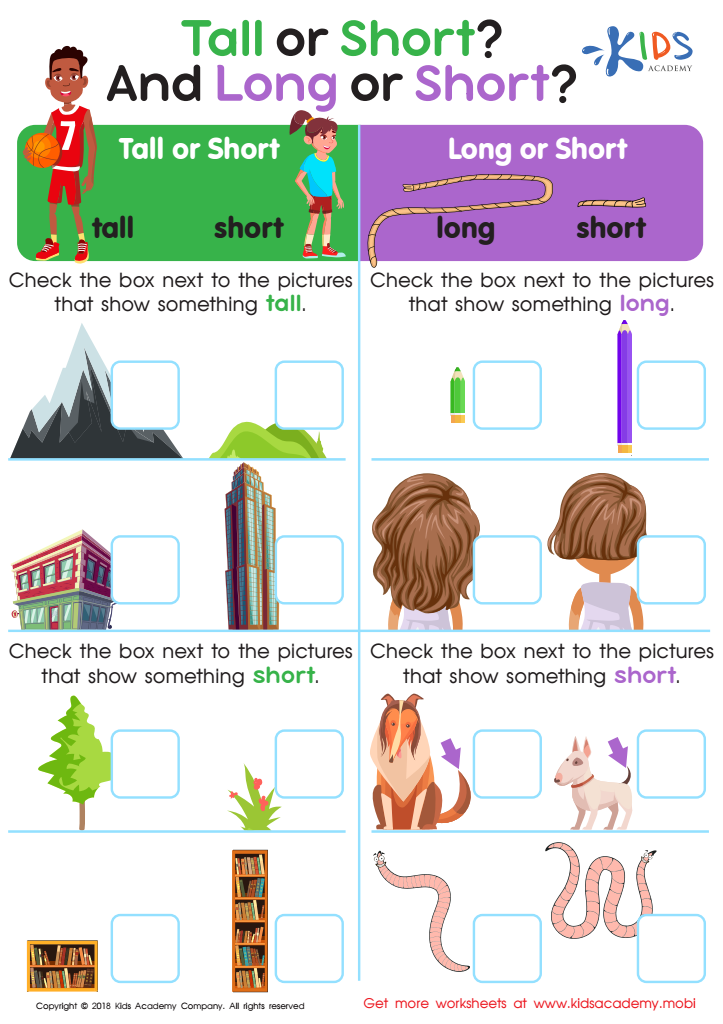
Tall or Short and Long or Short? Worksheet








Understanding mathematics is essential for young children aged 3-6 as it lays the foundational skills crucial for their intellectual development. Introducing math at this early stage nurtures analytical and reasoning abilities, promoting problem-solving skills that are applicable throughout life. At this age, children’s brains are incredibly receptive to learning, making it an ideal time to introduce basic mathematical concepts such as counting, shapes, and simple arithmetic.
For parents and teachers, fostering an environment where math is seamlessly integrated into daily activities helps children perceive it as fun rather than intimidating. Everyday moments, like sorting toys, counting steps, or baking together, can be teaching opportunities. This early exposure helps children develop a positive attitude towards math, reducing anxiety around the subject later in school.
Moreover, aquiring robust math skills early on enhances self-confidence and promotes a sense of achievement, encouraging greater engagement in other areas of learning. It also supports the development of logical thinking, pattern recognition, and the ability to make connections, which are not only vital for math but for overall cognitive development and successful school readiness.
Ultimately, prioritizing math in early childhood education builds a strong framework for future academic success, equipping children with the tools they need to navigate an increasingly complex world.








