Reading Worksheets for Ages 3-6 - Page 3
300 filtered results
-
From - To
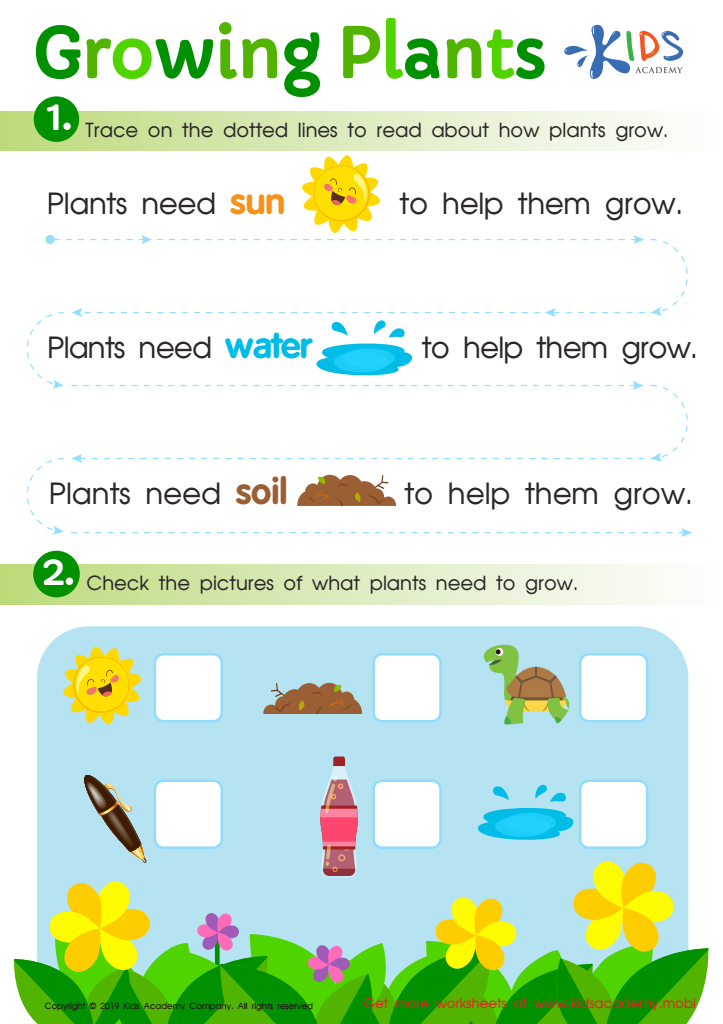
Growing Plants Worksheet
 Assign to My Students
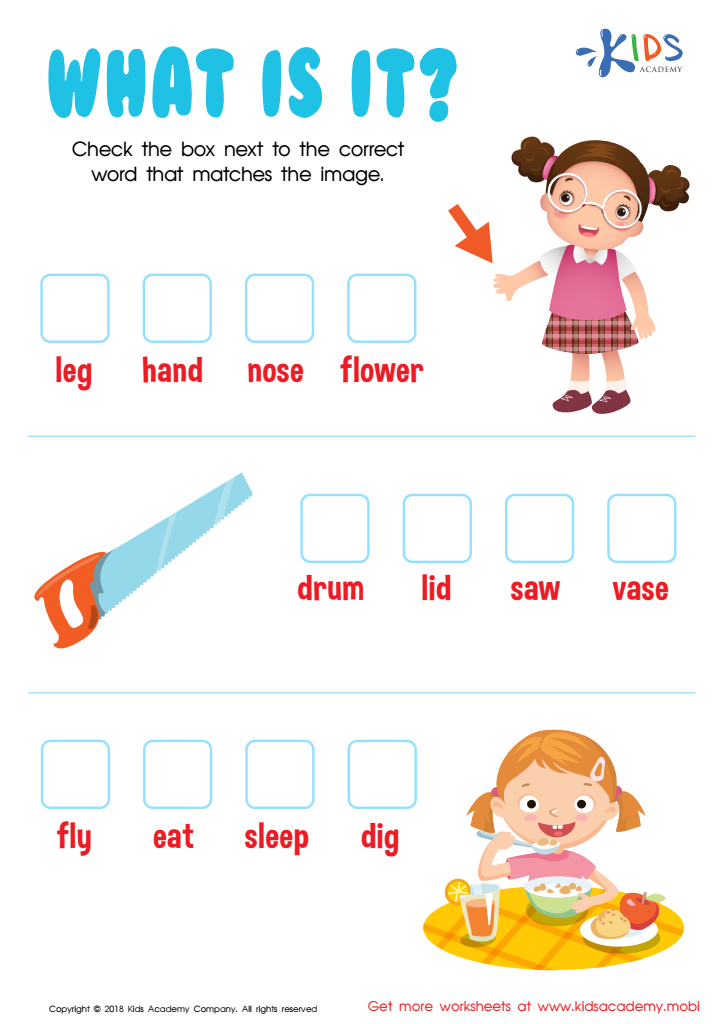
What Is It? Worksheet
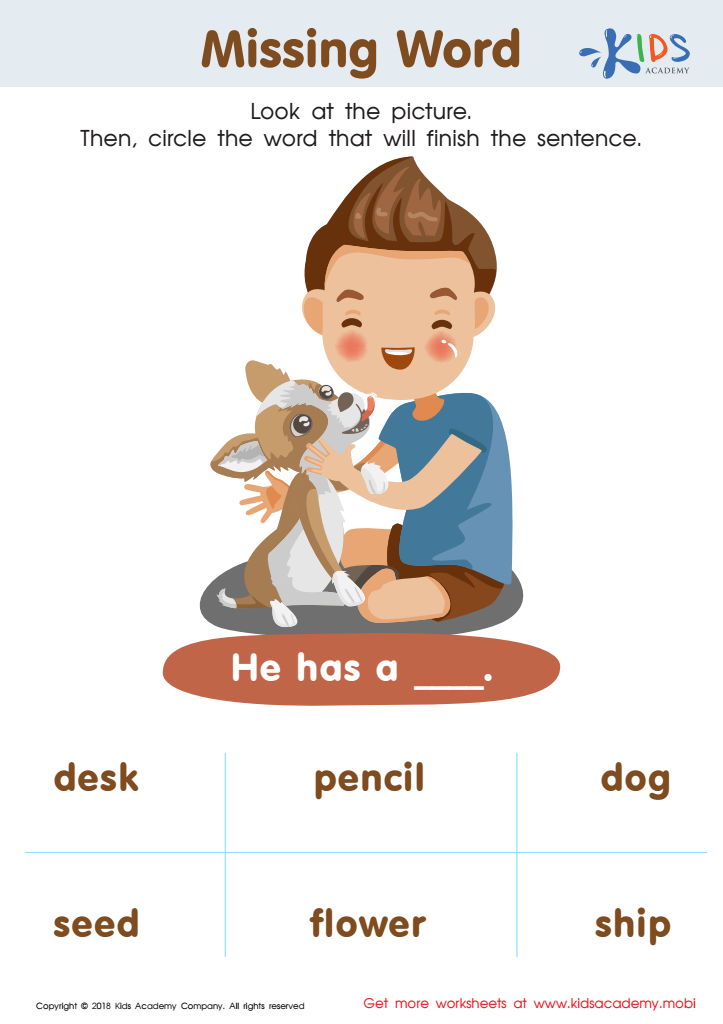
Missing Word Worksheet
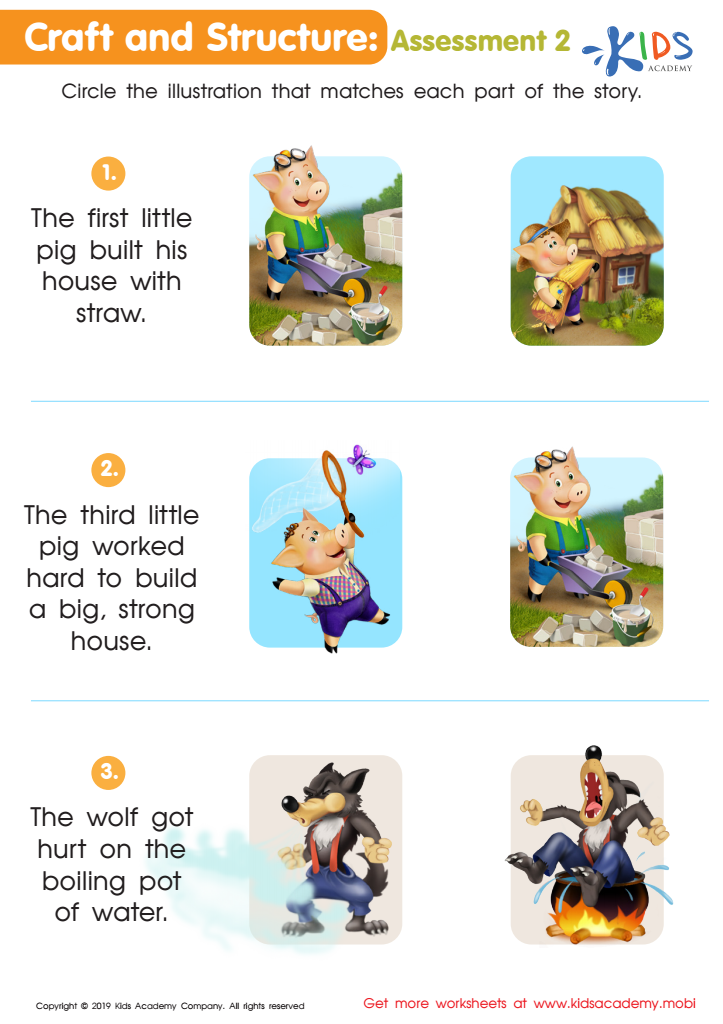
Craft and Structure: Assessment 2 Worksheet 2
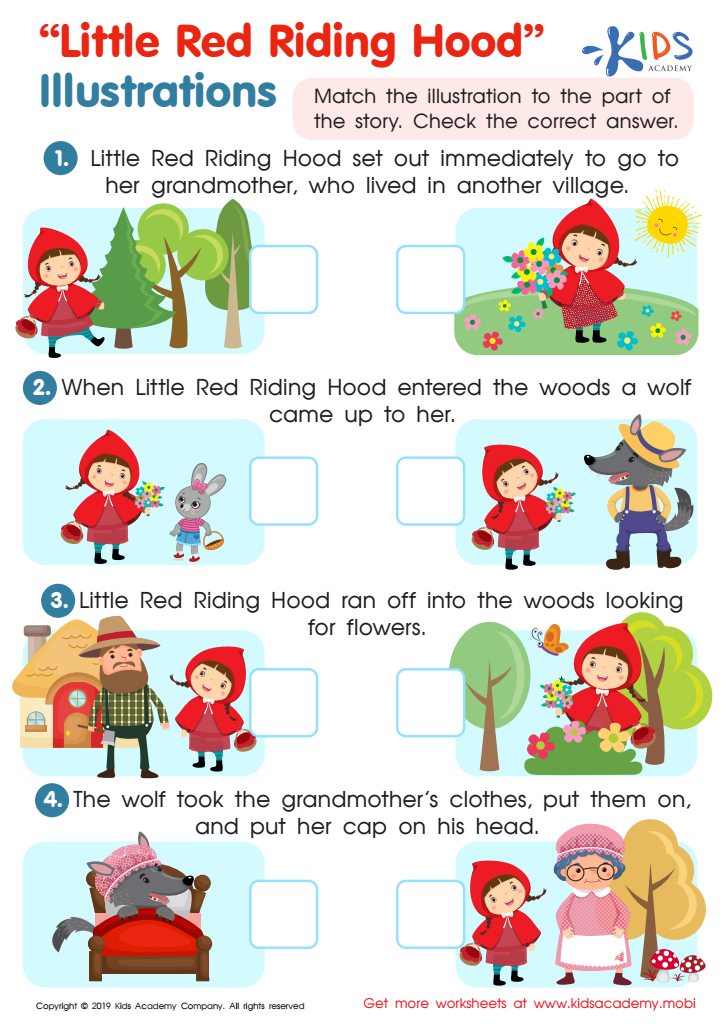
Little Red Riding Hood: Illustrations Worksheet
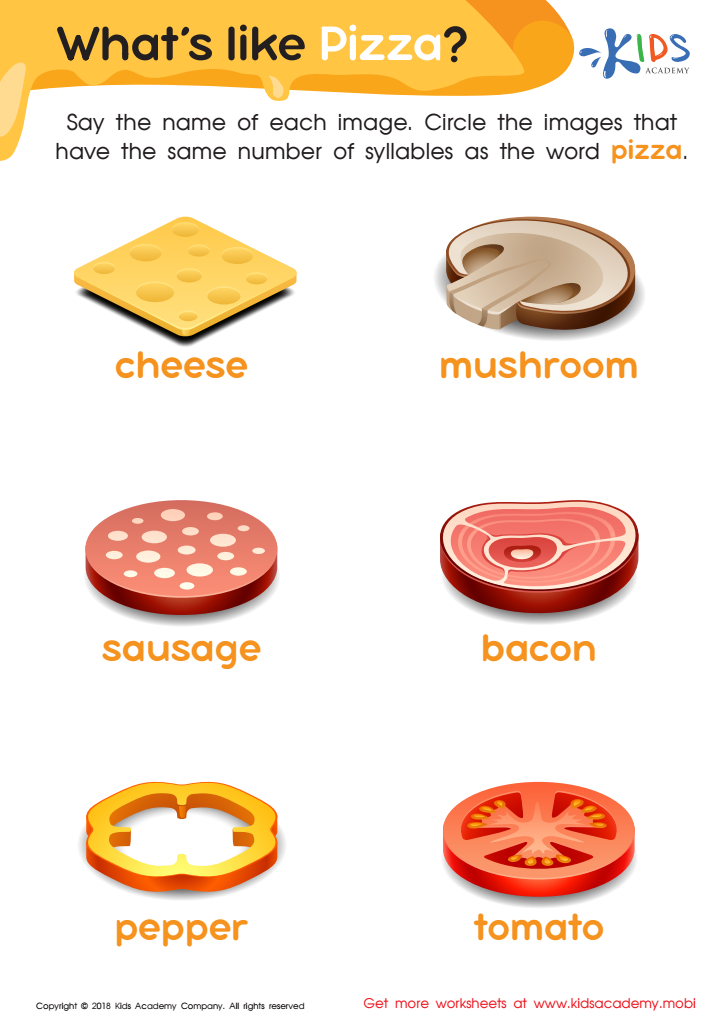
What's Like Pizza? Worksheet
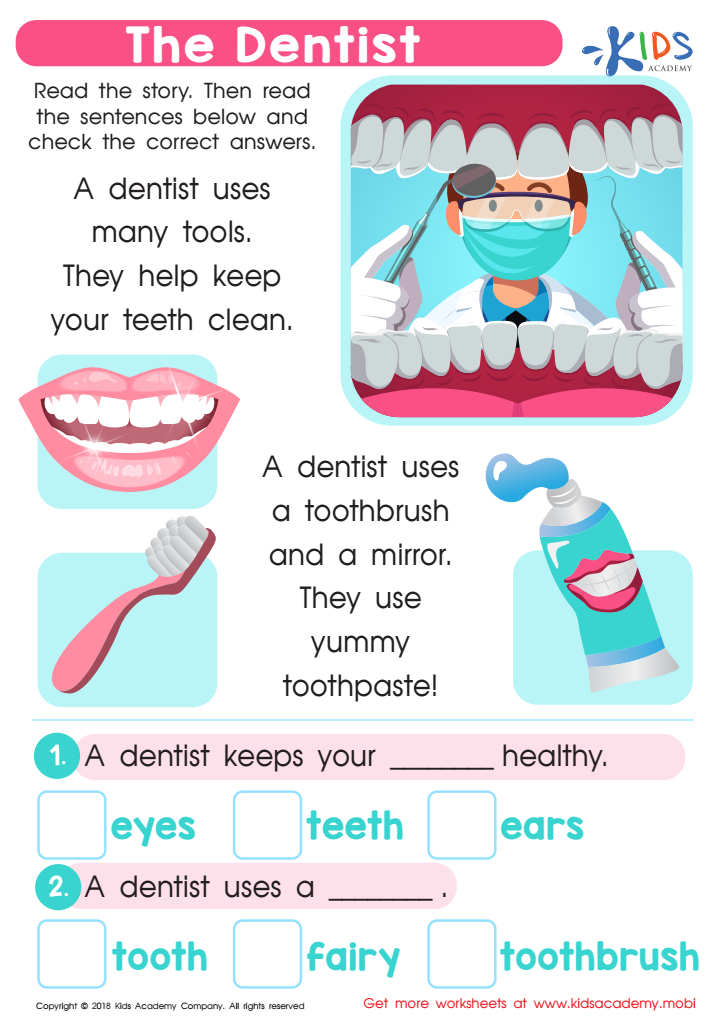
The Dentist Worksheet
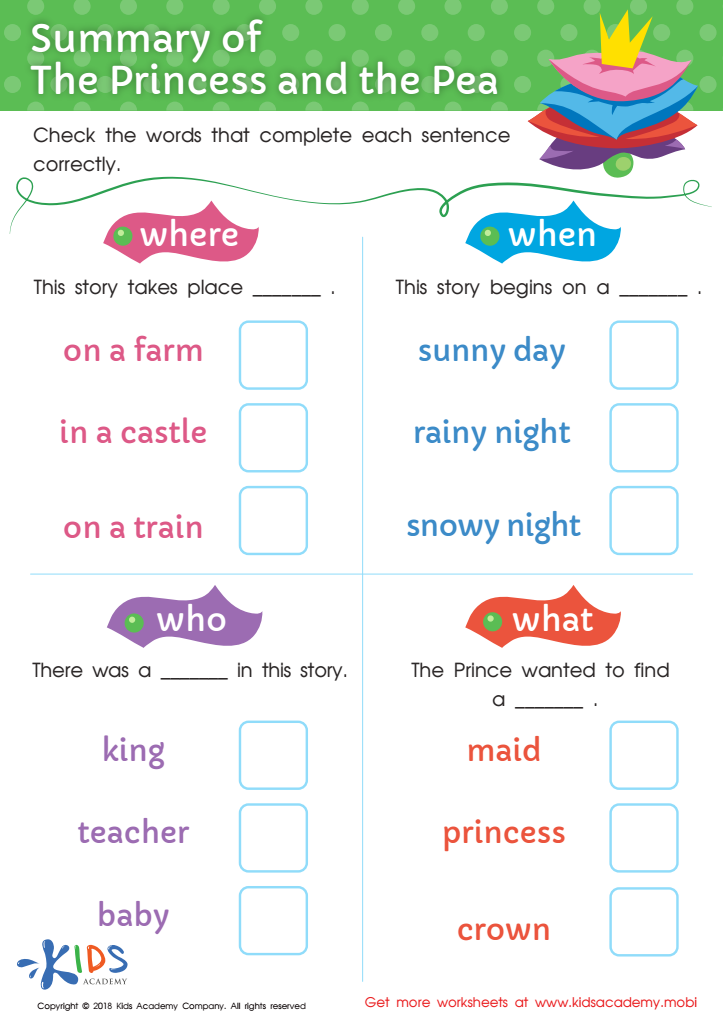
The Summary of the Princess and the Pea Worksheet
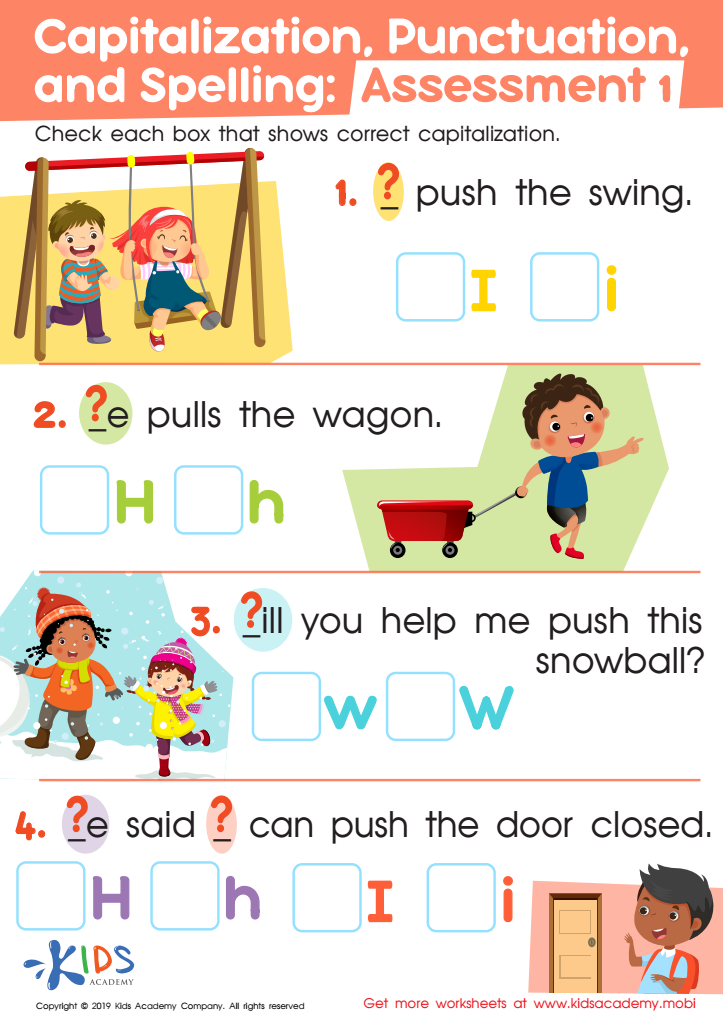
Capitalization. Punctuation. Spelling: Assessment 1 Worksheet
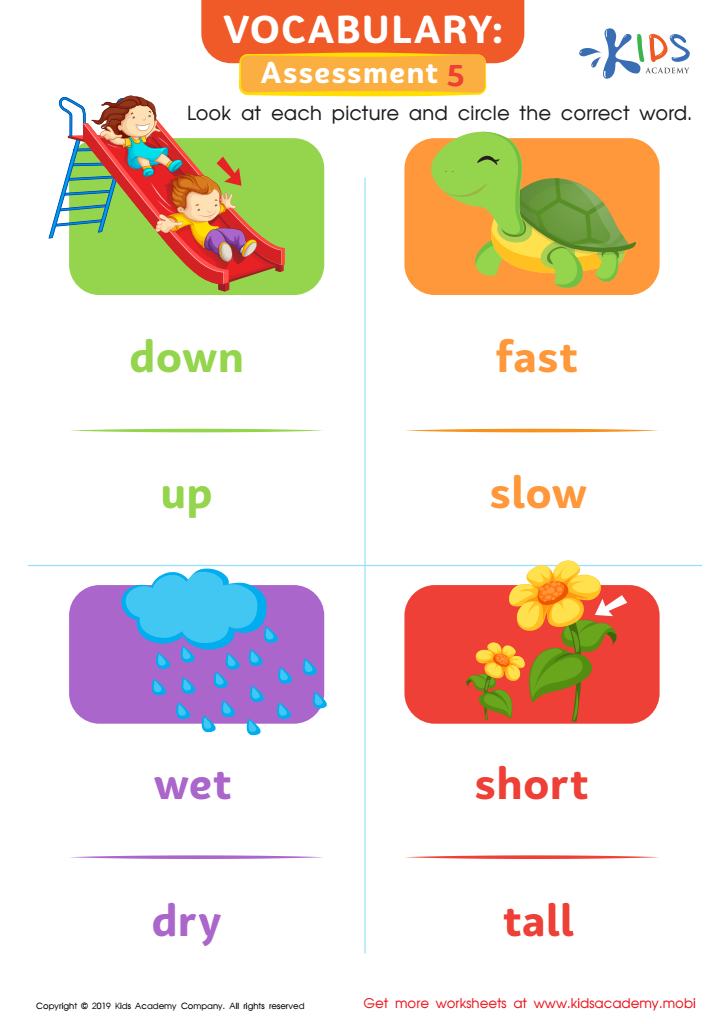
Vocabulary: Assessment 5 Worksheet
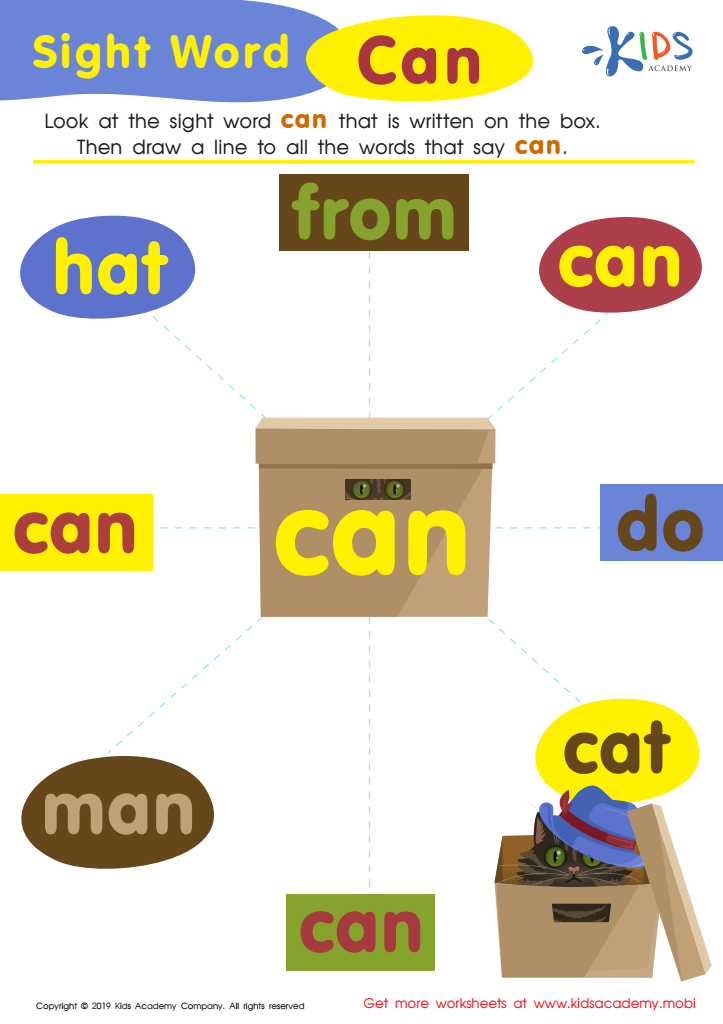
Sight Word Can Worksheet
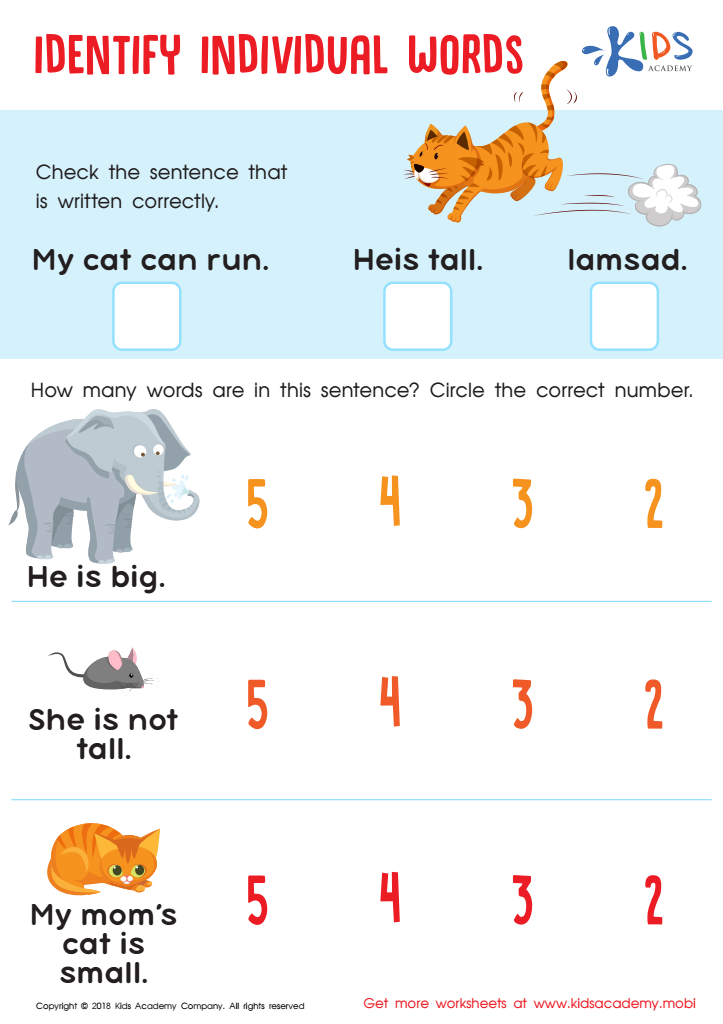
Identify Individual Words Worksheet
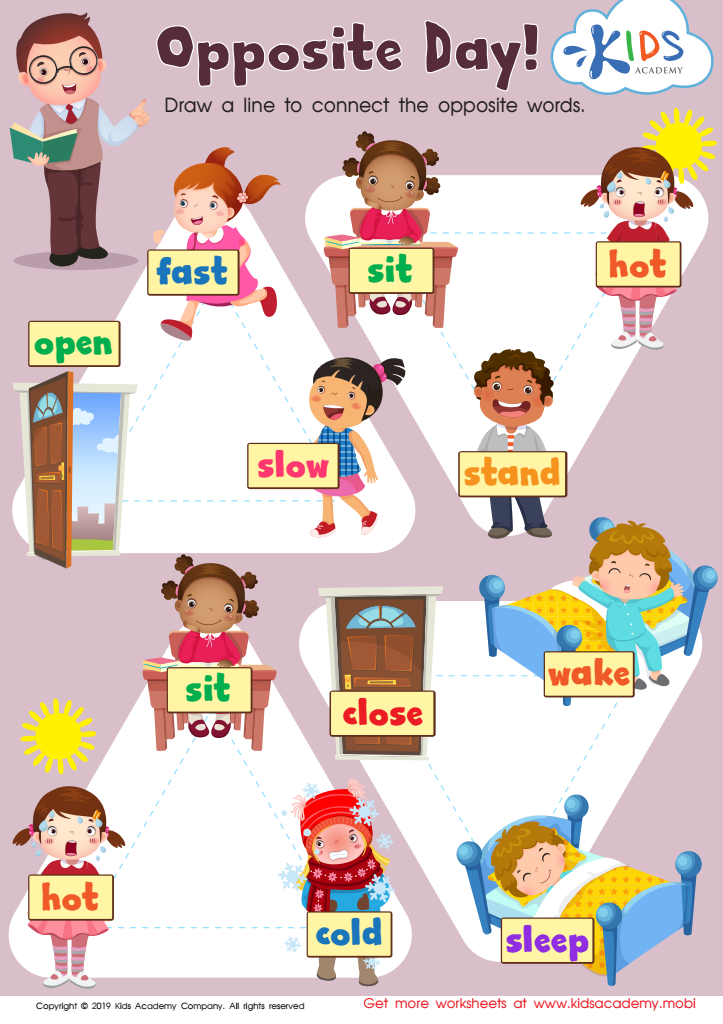
Opposite Day Worksheet
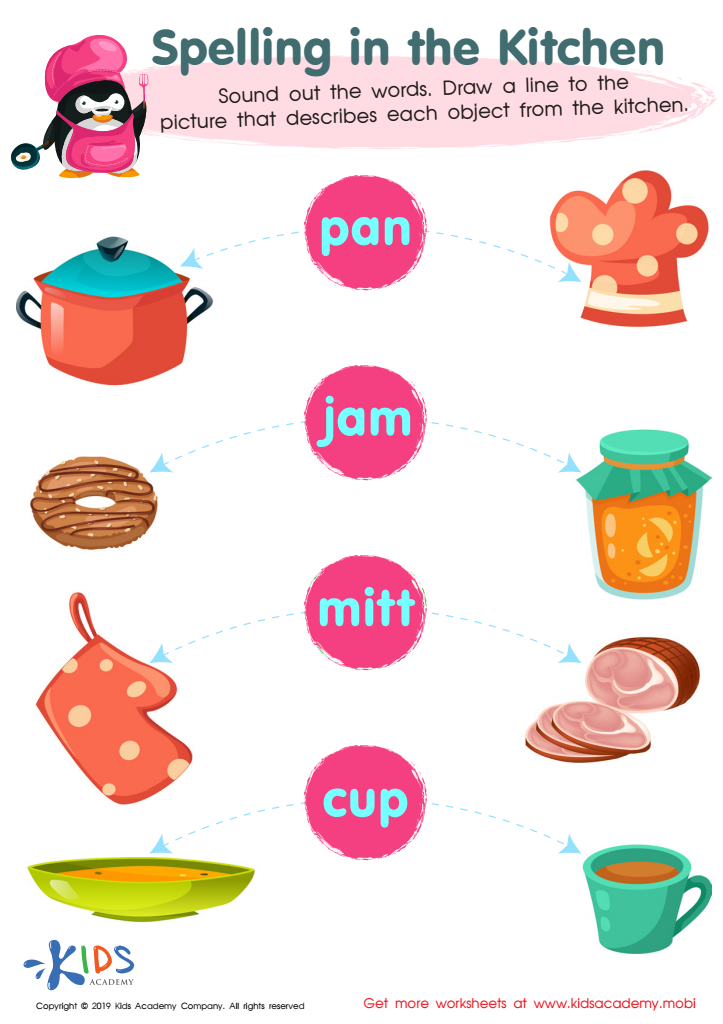
Spelling in the Kitchen Worksheet
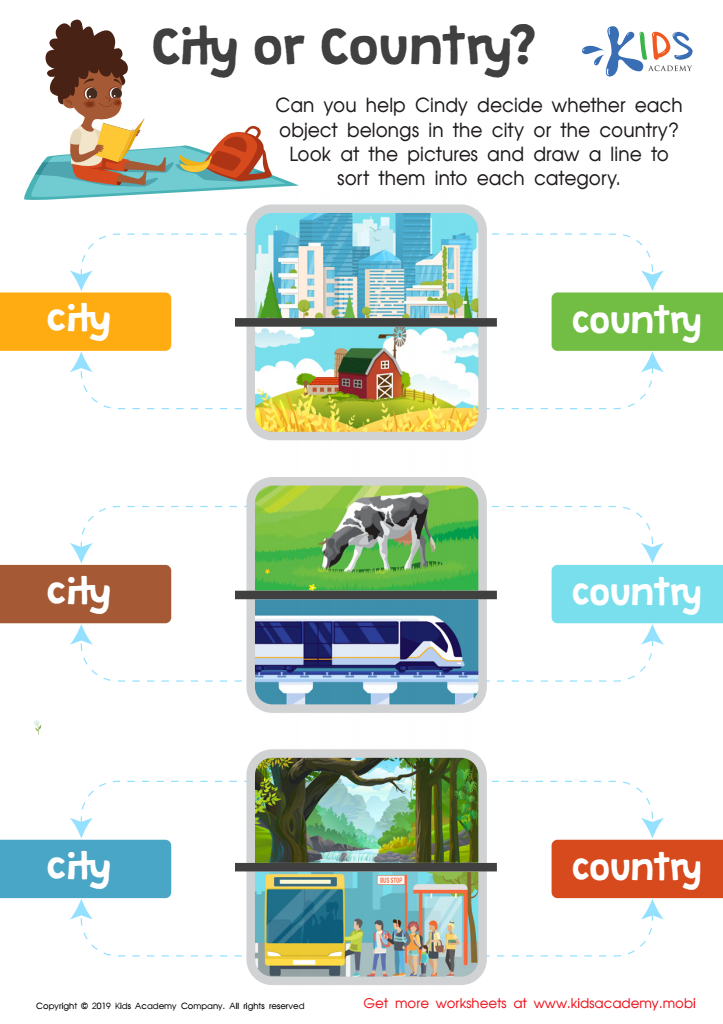
City or Country? Worksheet
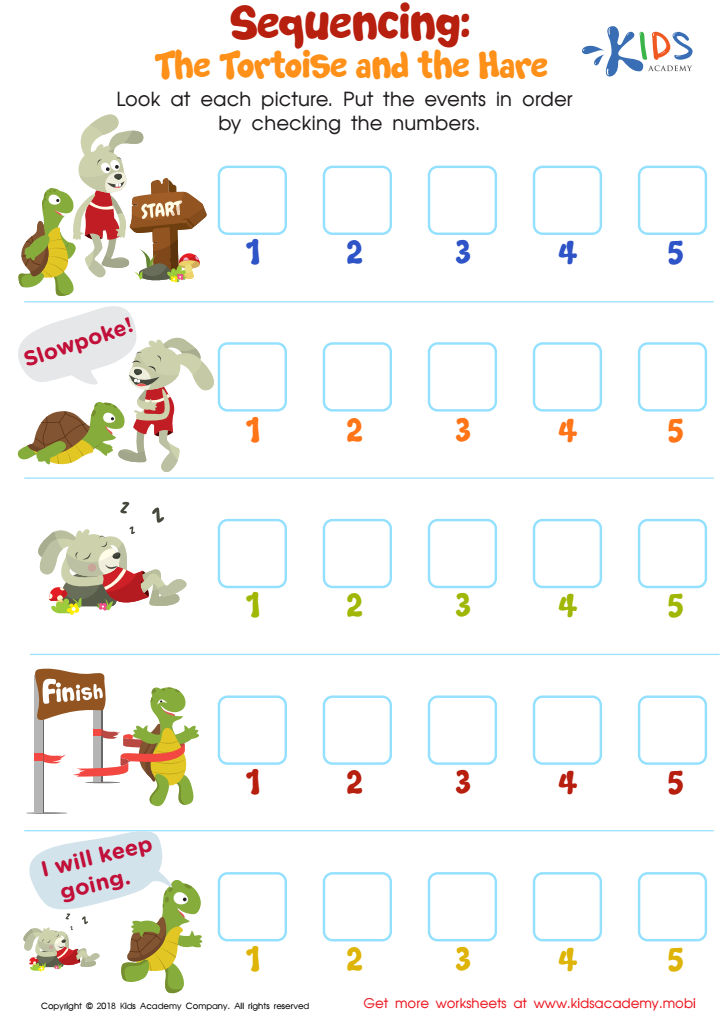
Sequencing: The Tortoise and the Hare Worksheet
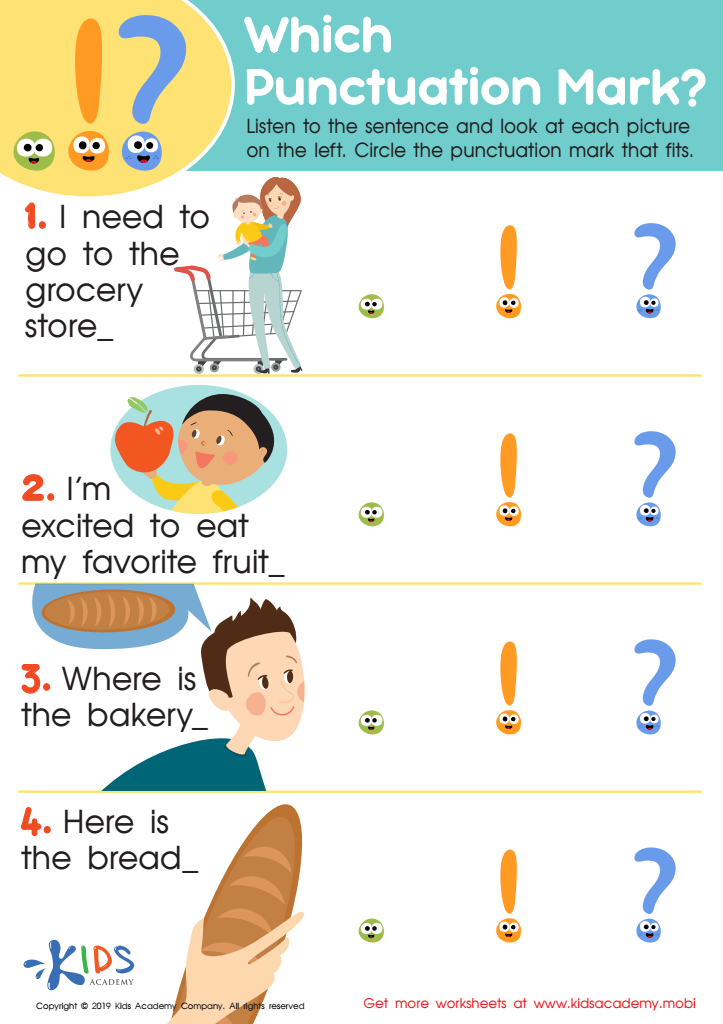
Which Punctuation Mark Worksheet
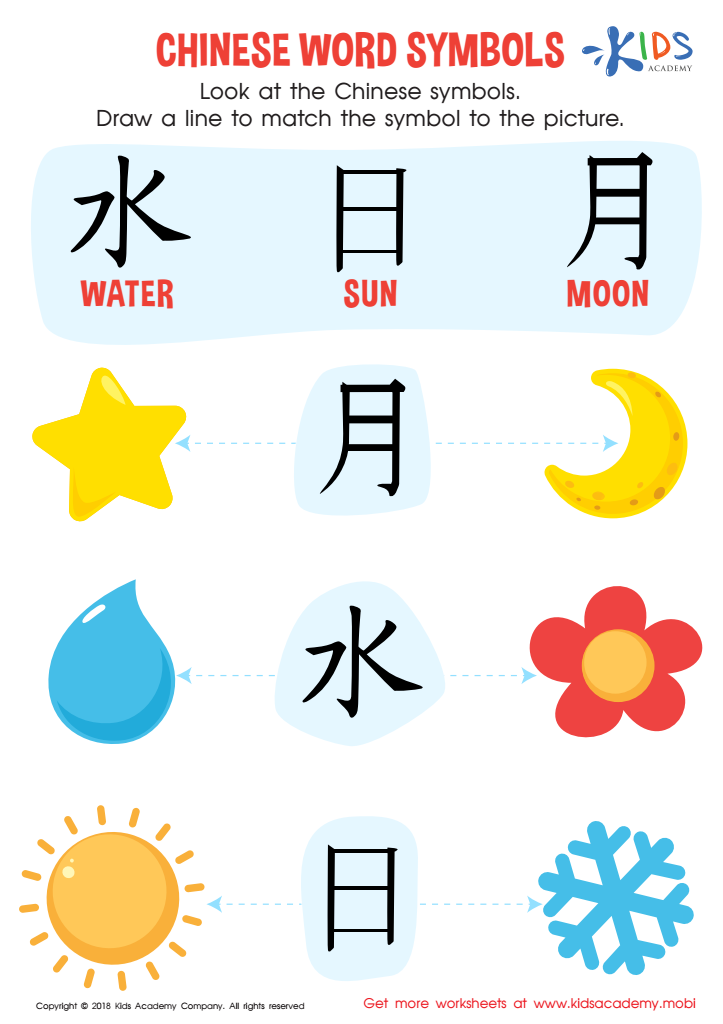
Chinese Word Symbols Worksheet
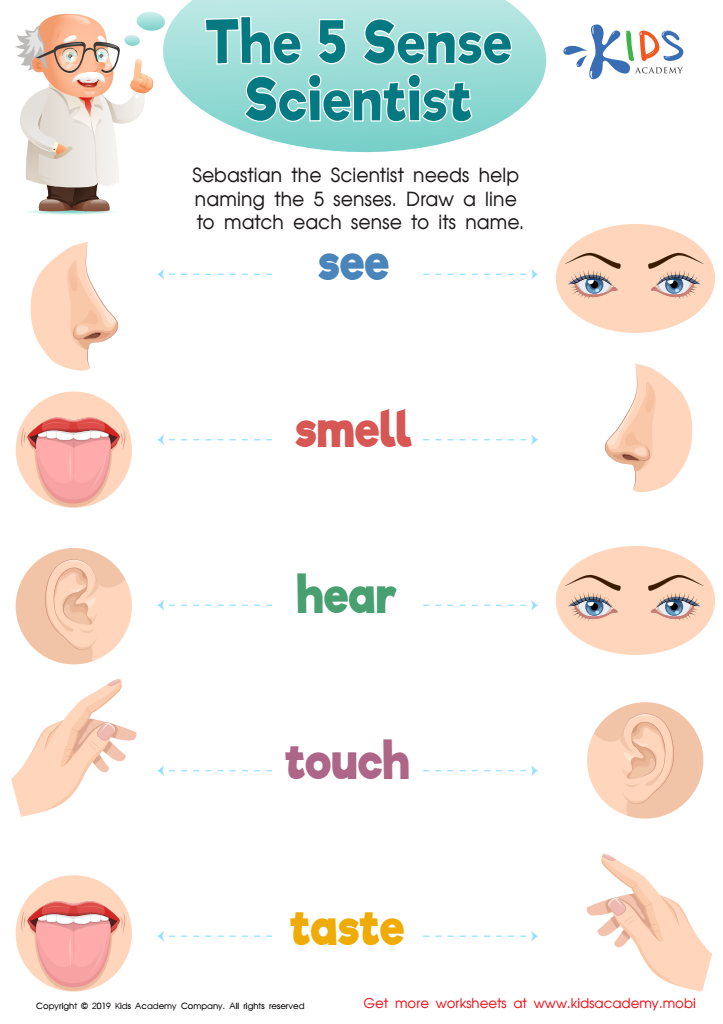
The 5 Sense Scientist Worksheet
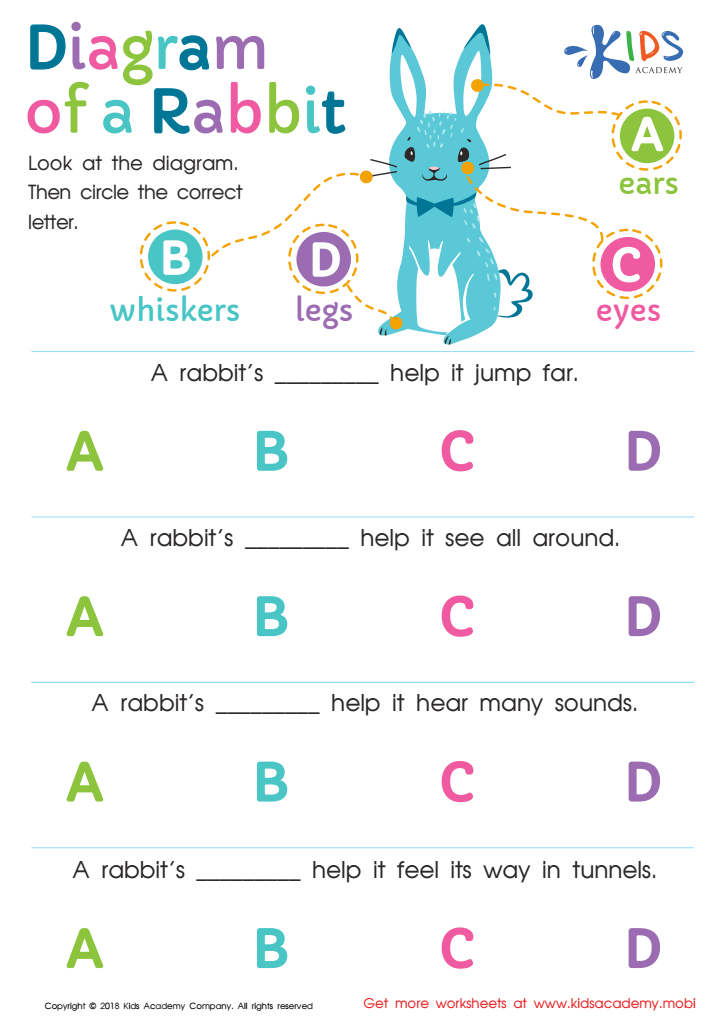
Diagram of a Rabbit Worksheet
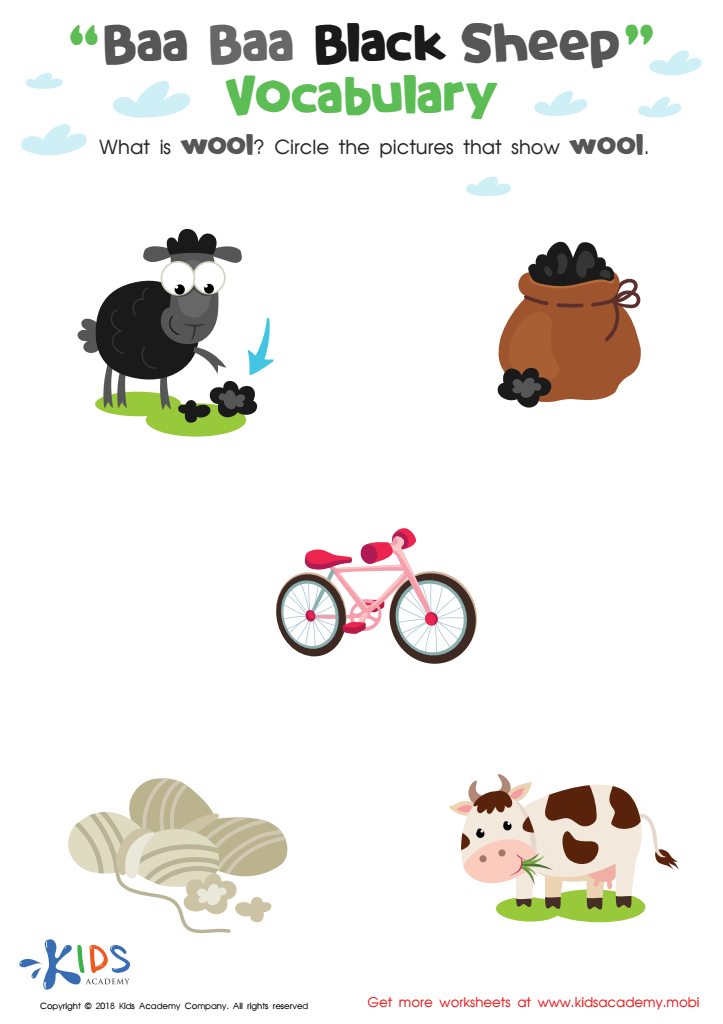
Baa Baa Black Sheep: Vocabulary Worksheet
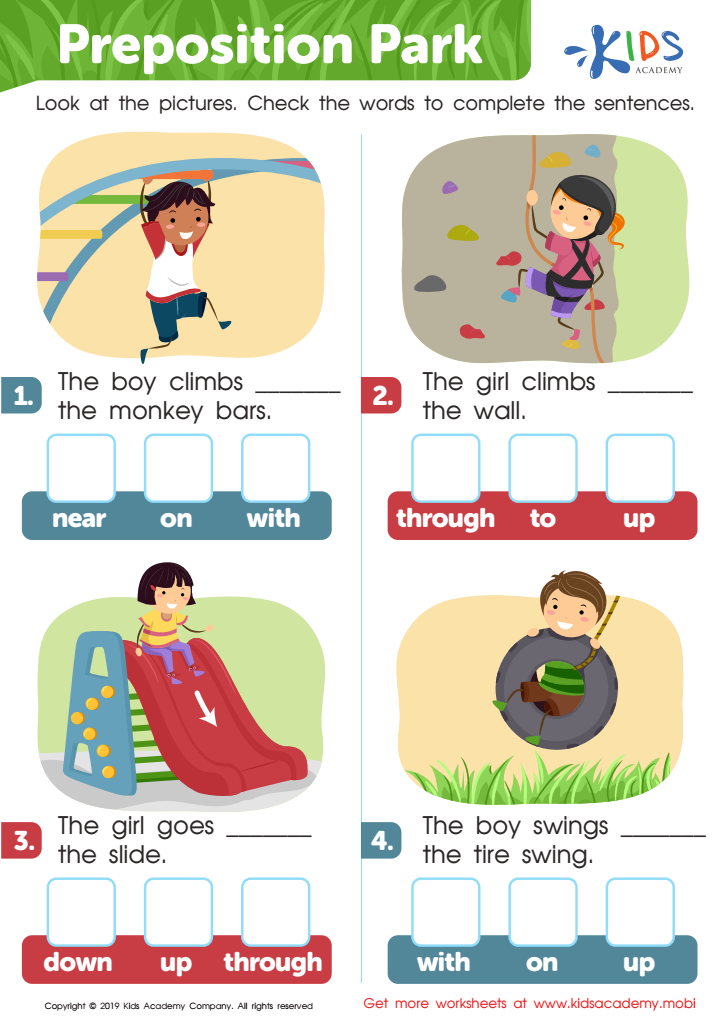
Preposition Park Worksheet
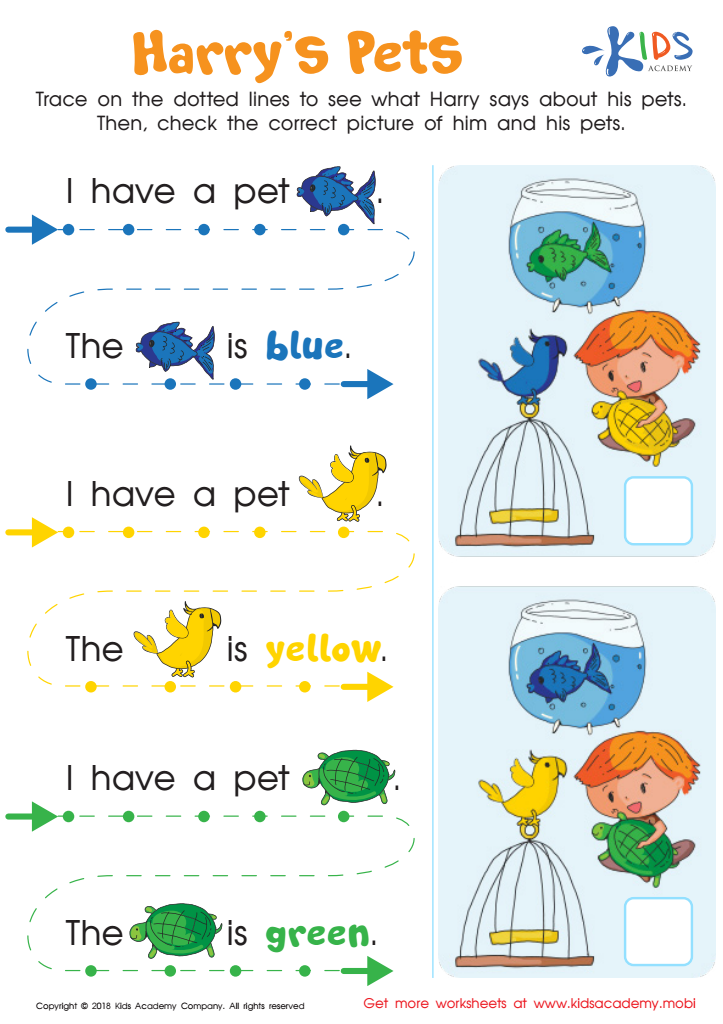
Read from Left to Right: Harry's Pets Worksheet
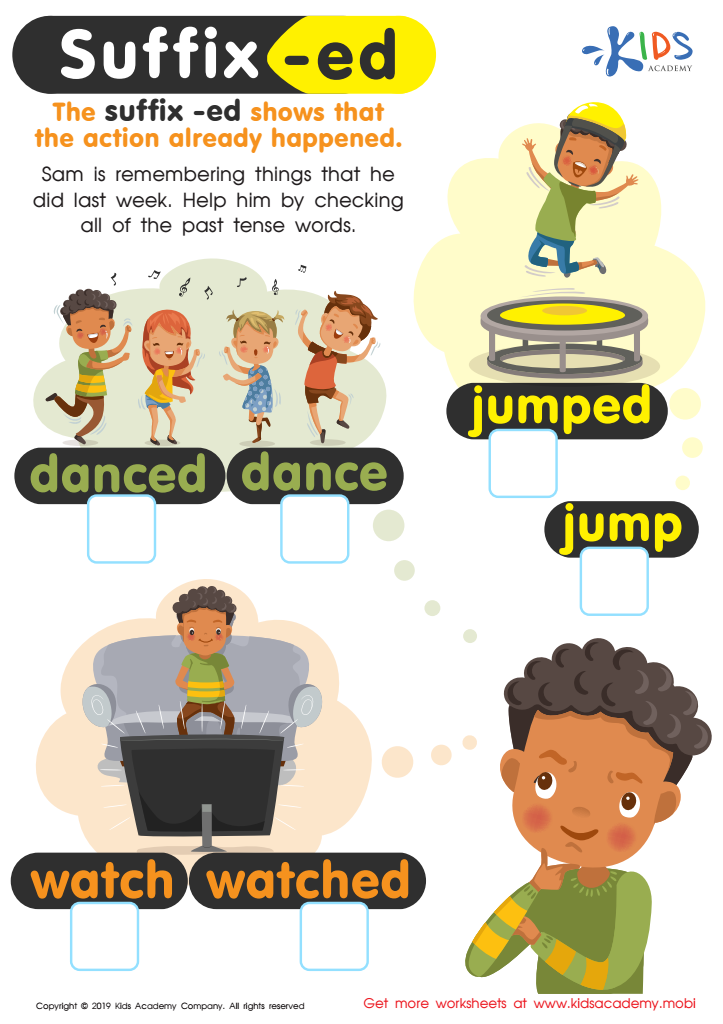
Suffix-ed Worksheet





.jpg)

Parents and teachers should deeply care about reading for ages 3-6 because this developmental stage is critical for laying a strong foundation for literacy skills. During these formative years, children experience rapid brain development and language acquisition. Engaging them in reading promotes vocabulary growth, phonemic awareness, and comprehension skills.
Reading aloud to young children fosters a love for stories, nurtures imaginative thinking, and enhances listening skills. It also provides a wonderful opportunity for bonding and discussing diverse themes, cultures, and emotions, which can aid in their social-emotional development.
Moreover, research shows that early exposure to books and reading significantly impacts future academic performance. Children who develop good reading habits early on tend to perform better in school, which contributes to higher self-esteem and confidence in their abilities.
Conversely, if children do not develop early literacy skills, they may struggle academically later on, leading to gaps in their education. By prioritizing reading activities—such as sharing picture books, singing songs, and participating in discussions—parents and teachers can effectively prepare young learners for a successful journey in education and life. Consequently, investing in reading during these early years is essential for children's holistic growth and development.








