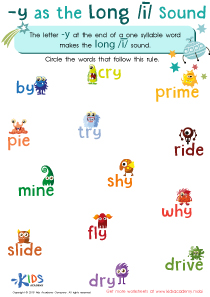
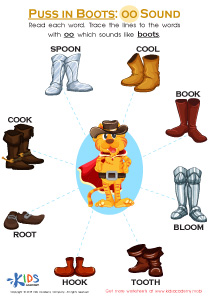
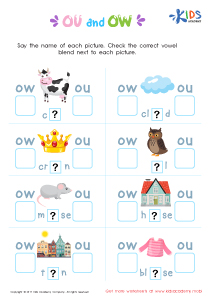
Vowel Blends Worksheets for Ages 3-7
12 filtered results
-
From - To
Explore our engaging Vowel Blends Worksheets designed specifically for children ages 3 to 7! Ideal for early learners, these worksheets help young readers develop essential phonetic skills by blending vowels with consonants. Each worksheet features colorful illustrations and fun activities that hold children's attention while building their literacy foundation. From identifying vowel blends to completing words, our resources promote independent practice and reinforce learning. Encourage your child's passion for reading and writing with our easy-to-use printable worksheets. Dive into a world of phonics fun and watch your little ones thrive as they conquer vowel blends in no time! Perfect for home and classroom use!
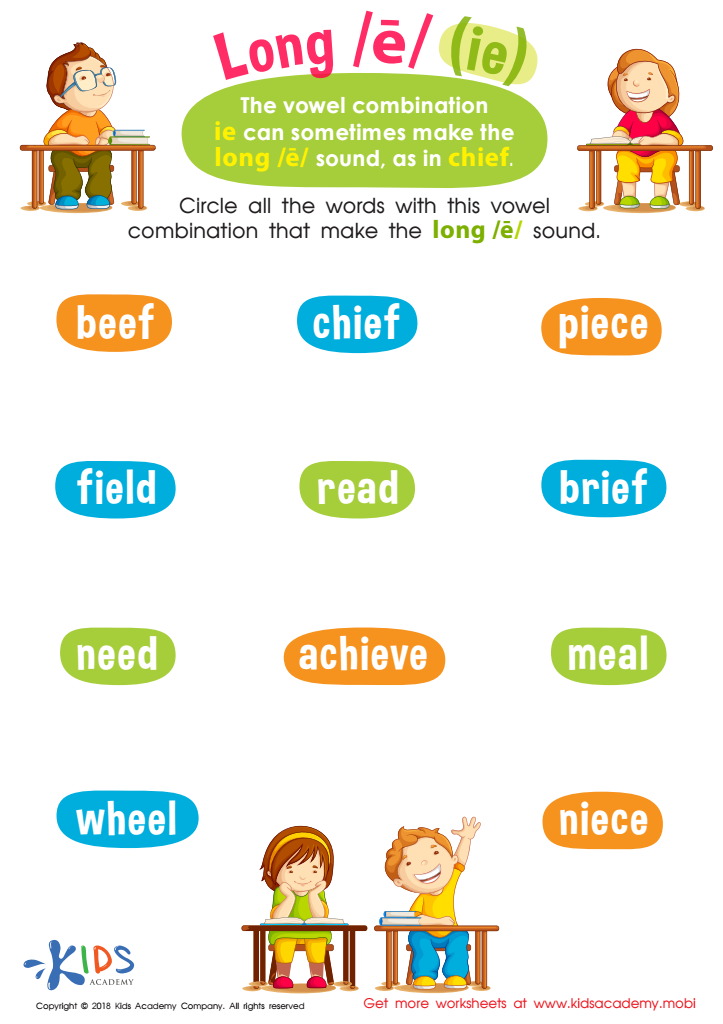
Reading: Long E and IE Worksheet
 Assign to My Students
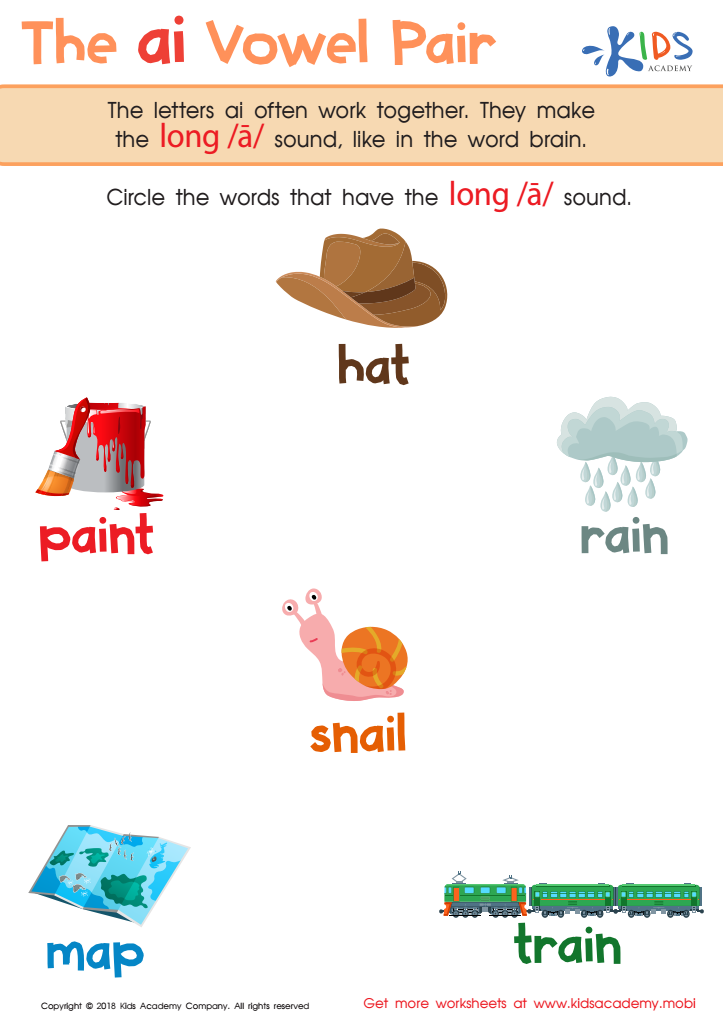
The AI Vowel Pair Worksheet
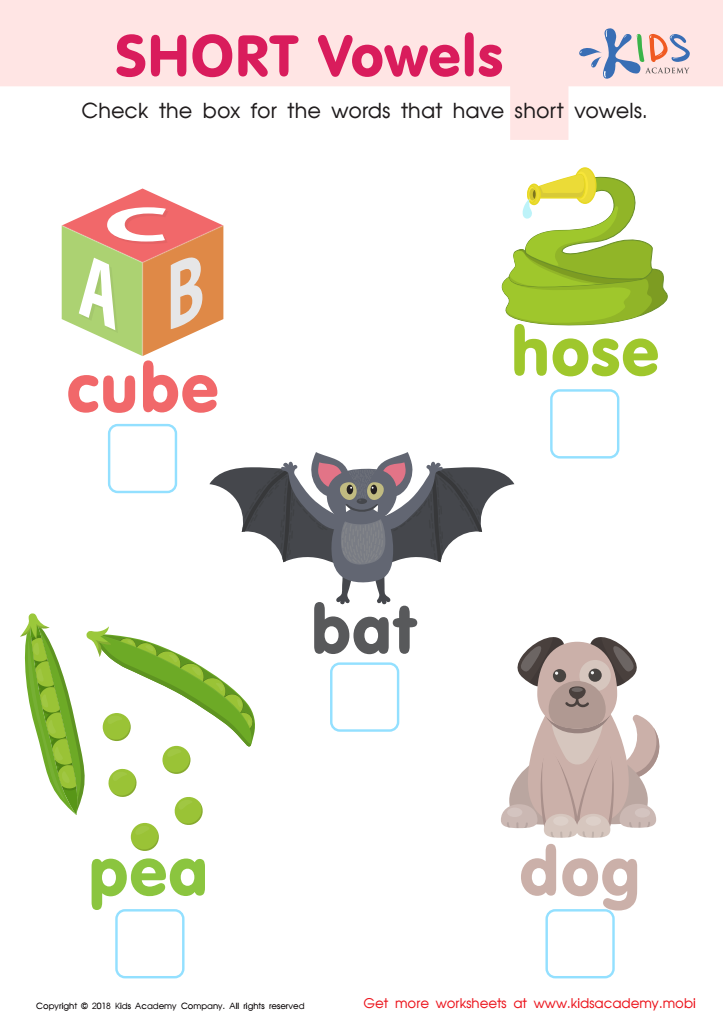
short vowels Worksheet
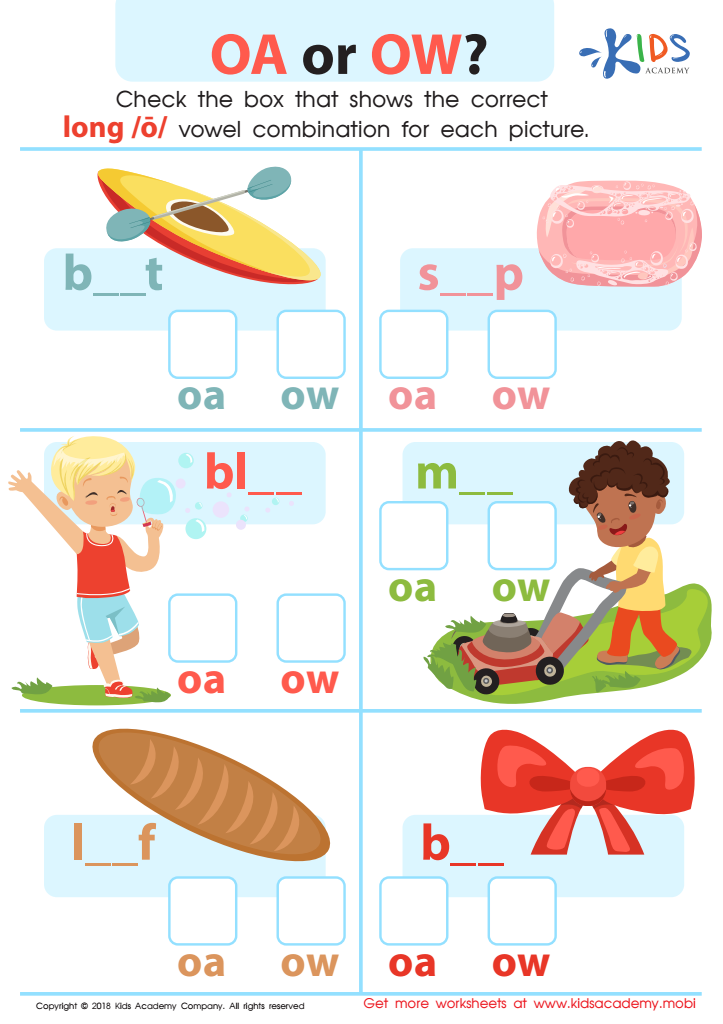
Reading: OA or OW Worksheet
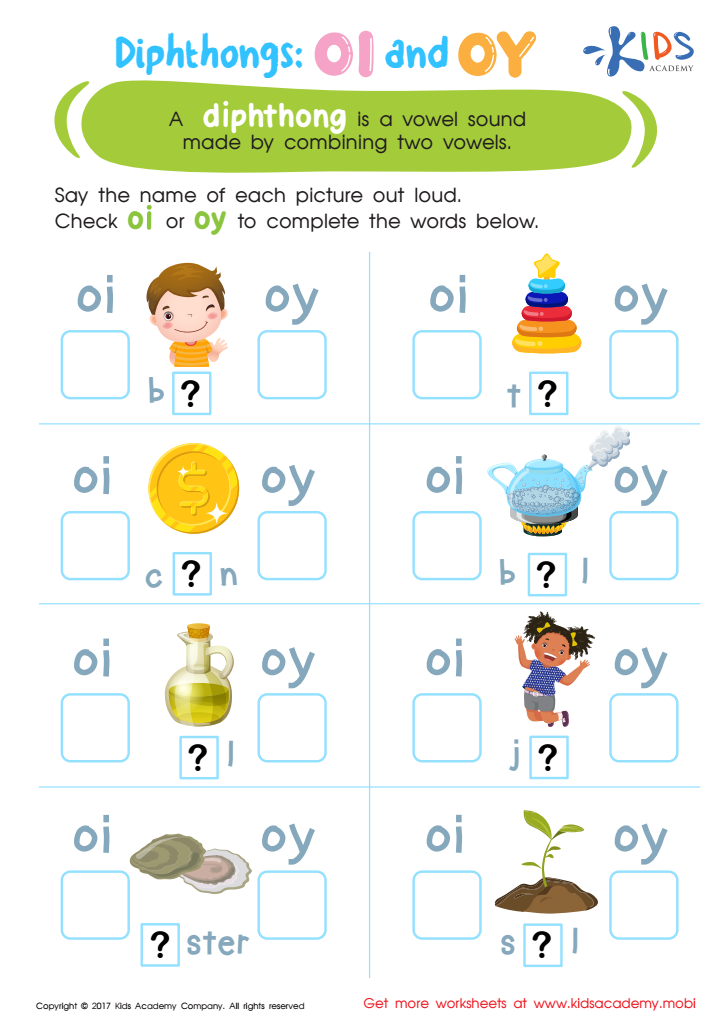
Vowel Diphthongs OI OY Worksheet
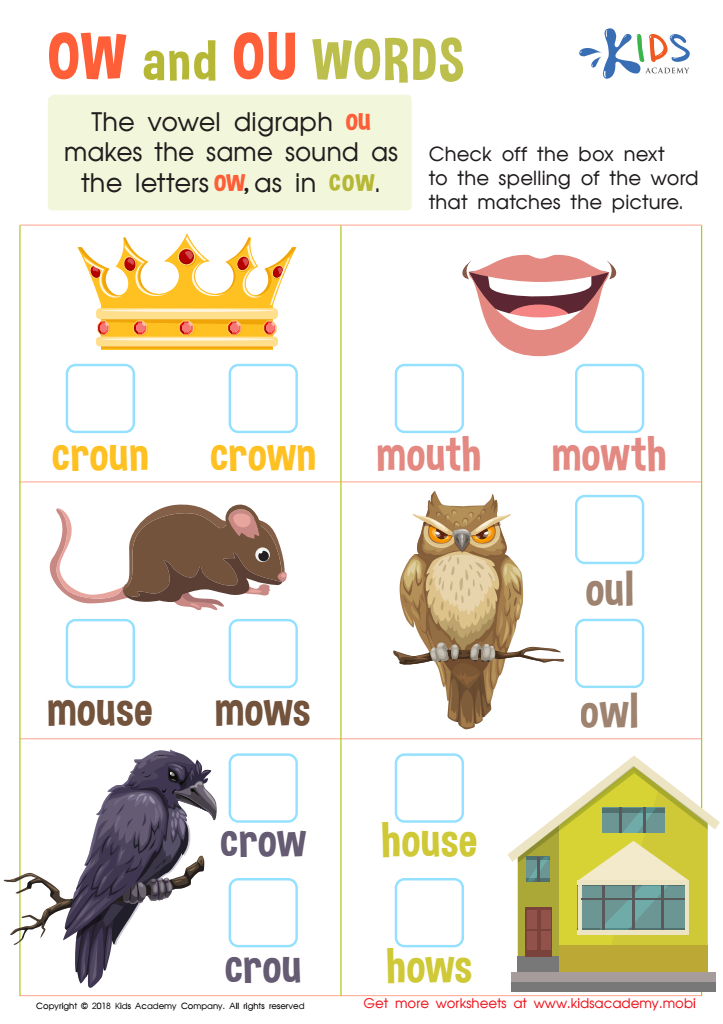
Reading: OW and OU Words Worksheet
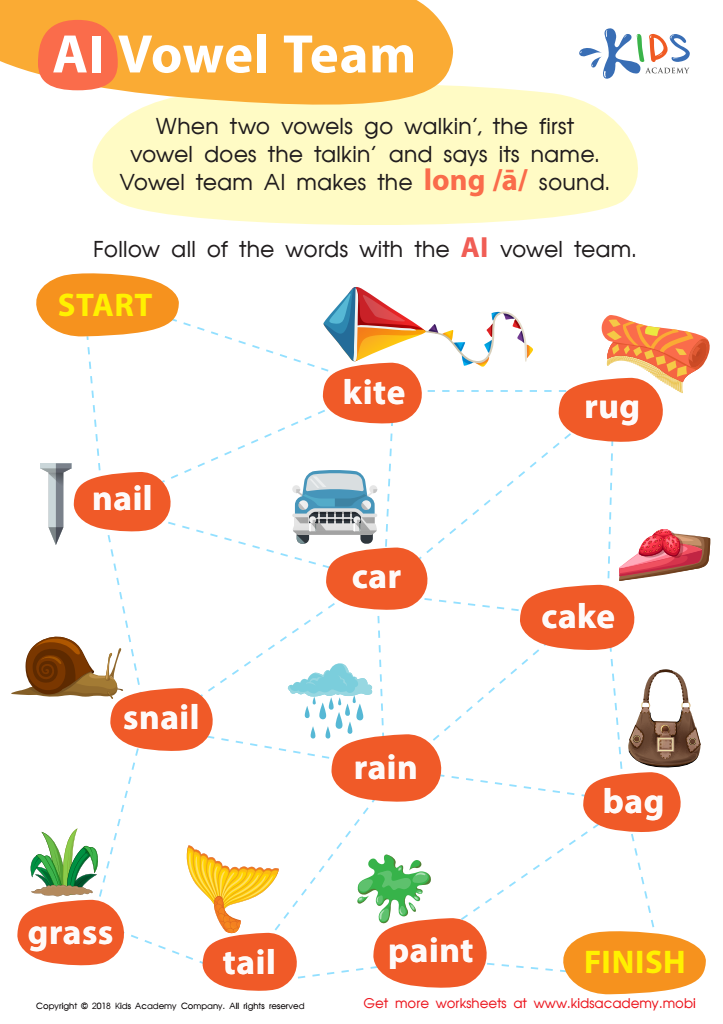
Reading: AI Vowel Team Worksheet
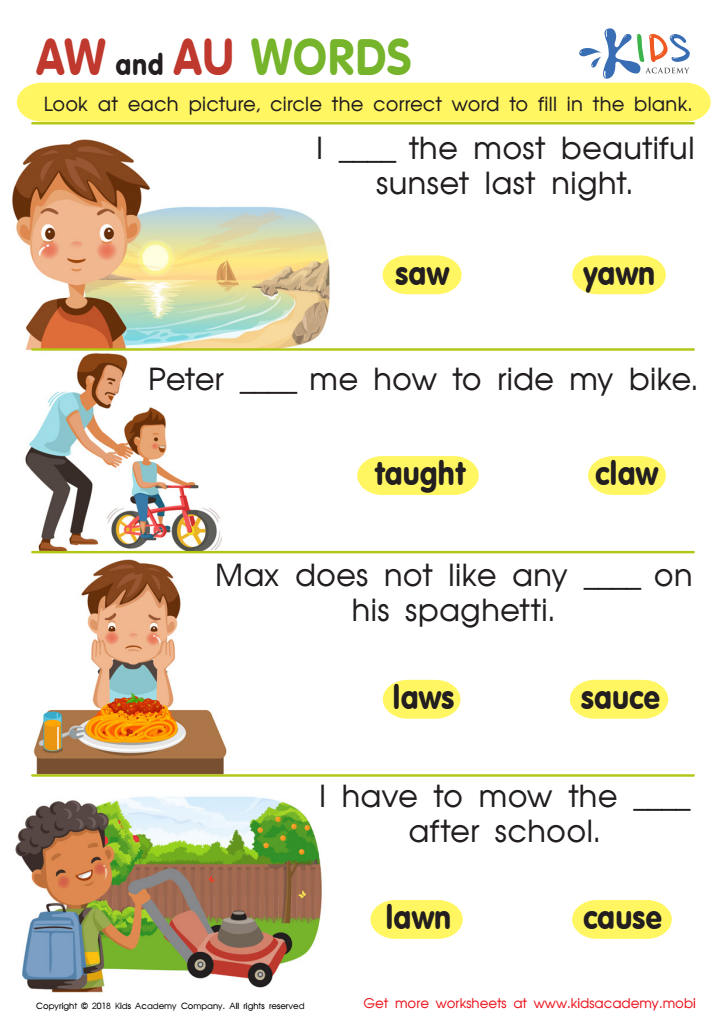
Reading: AW and AU Words Worksheet
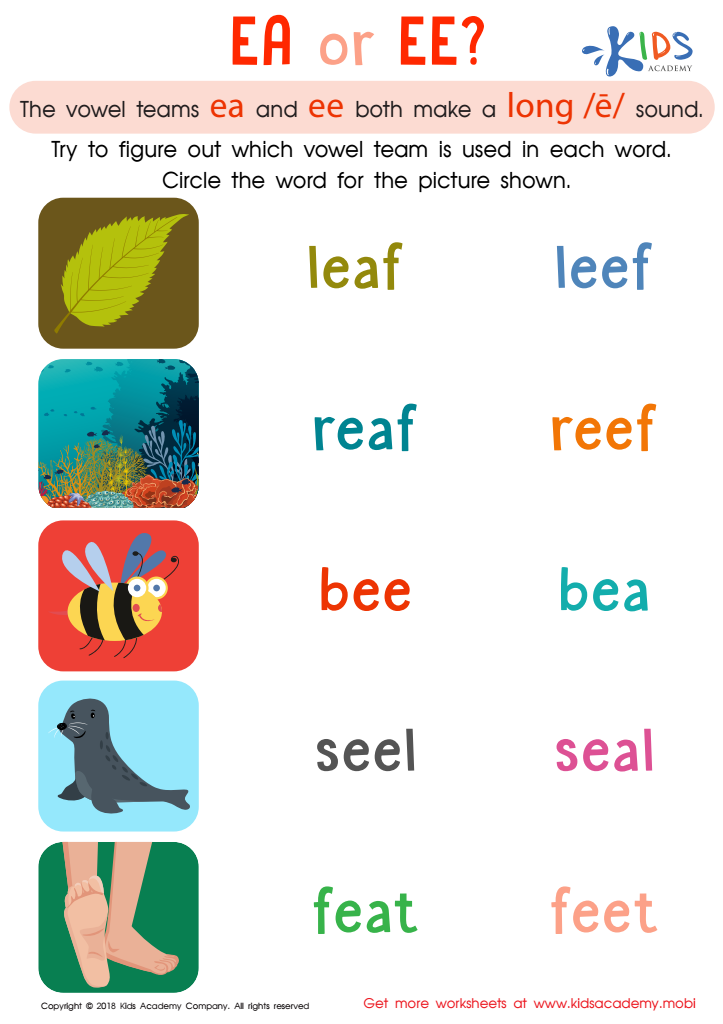
Reading: EA and EE Worksheet
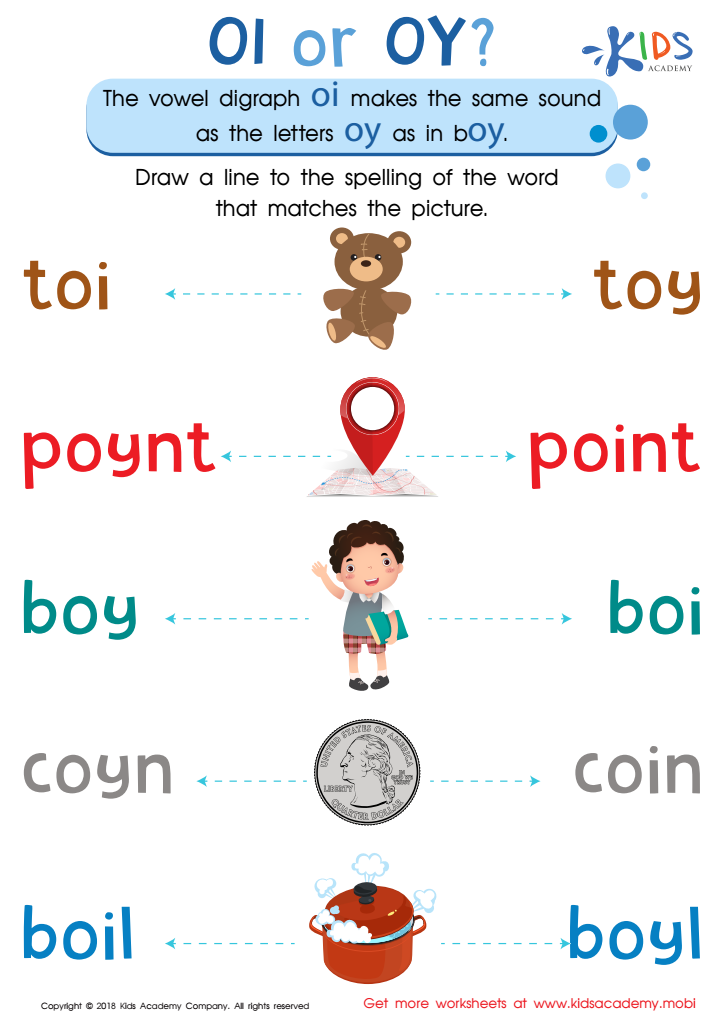
Reading: OI and OY Worksheet
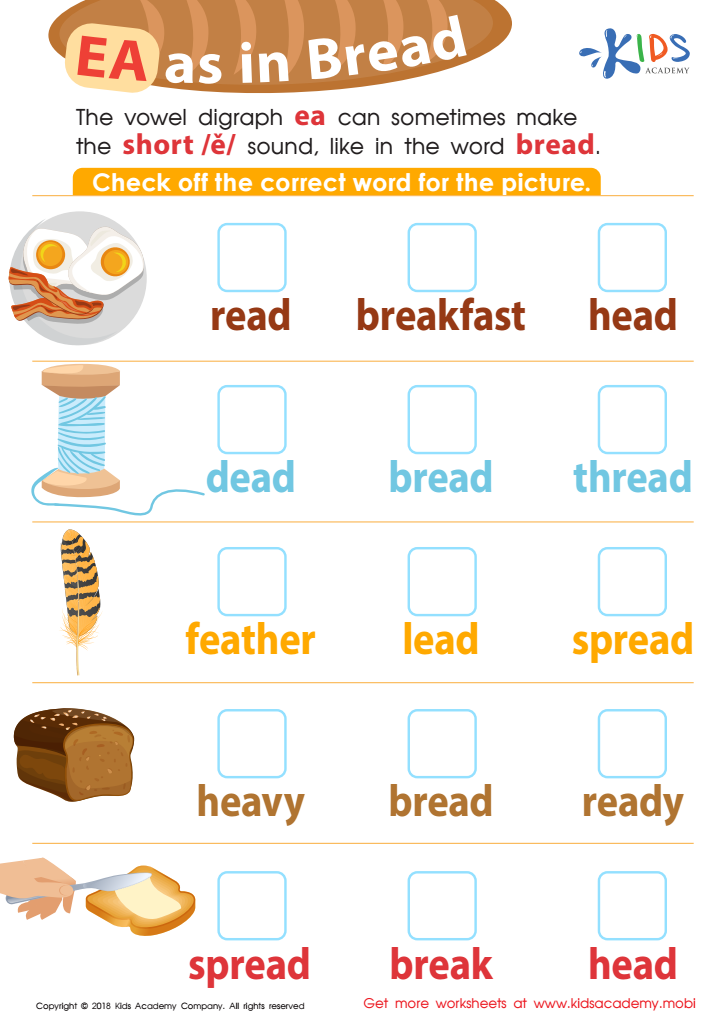
Reading: EA as in Bread Worksheet
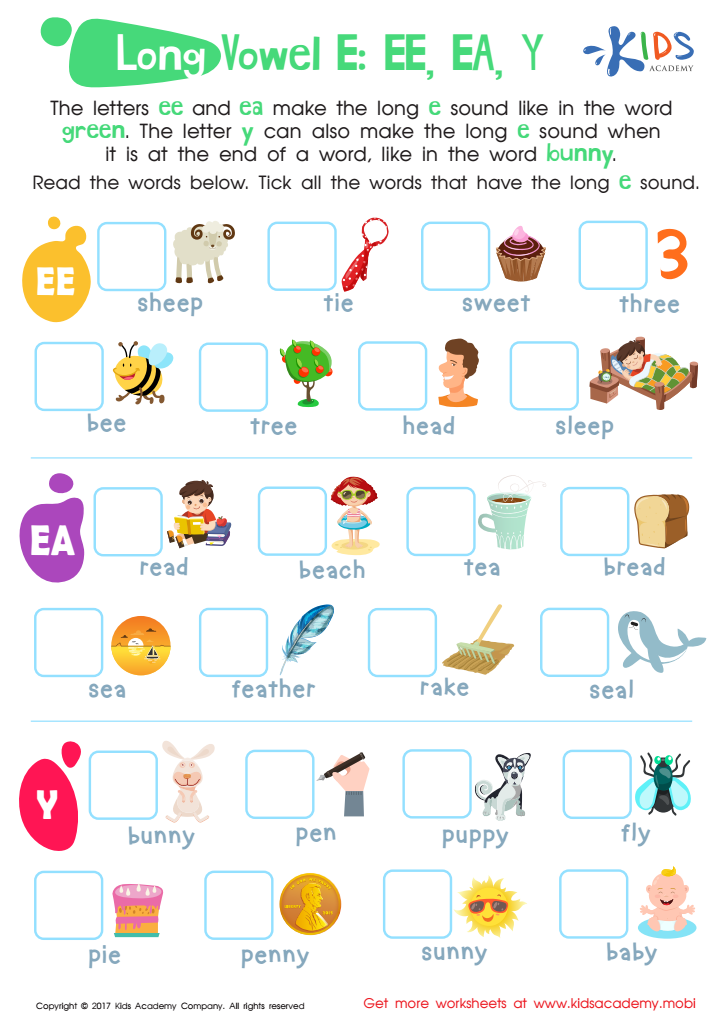
Long Vowel E Printable





Vowel blends, which combine vowel sounds with adjacent consonants, are crucial for early literacy development in children aged 3-7. Understanding vowel blends helps young learners decode and pronounce words more accurately, forming the foundation for their reading skills. When children grasp these sounds, they build confidence in their reading abilities, encouraging a love for books and storytelling.
Moreover, mastering vowel blends promotes phonemic awareness, a key component in learning to read. This awareness enhances a child’s ability to recognize similar patterns in language, which makes spelling and writing easier. As children progress in their literacy journey, the skills gained from vowel blends aid them in approaching more complex texts with ease.
Parents and teachers should encourage engagement with vocabulary that includes vowel blends through fun activities, songs, and games. This collaborative approach not only reinforces learning but also strengthens the bond between adults and children, making education enjoyable. By valuing vowel blends, parents and teachers equip children with essential tools for communication and learning, ultimately fostering their academic success and promoting lifelong learning habits. Thus, focusing on vowel blends during these formative years sets the stage for a deeper understanding and appreciation of language as children grow.