2D Shapes Worksheets for Ages 3-7 - Page 3
67 filtered results
-
From - To
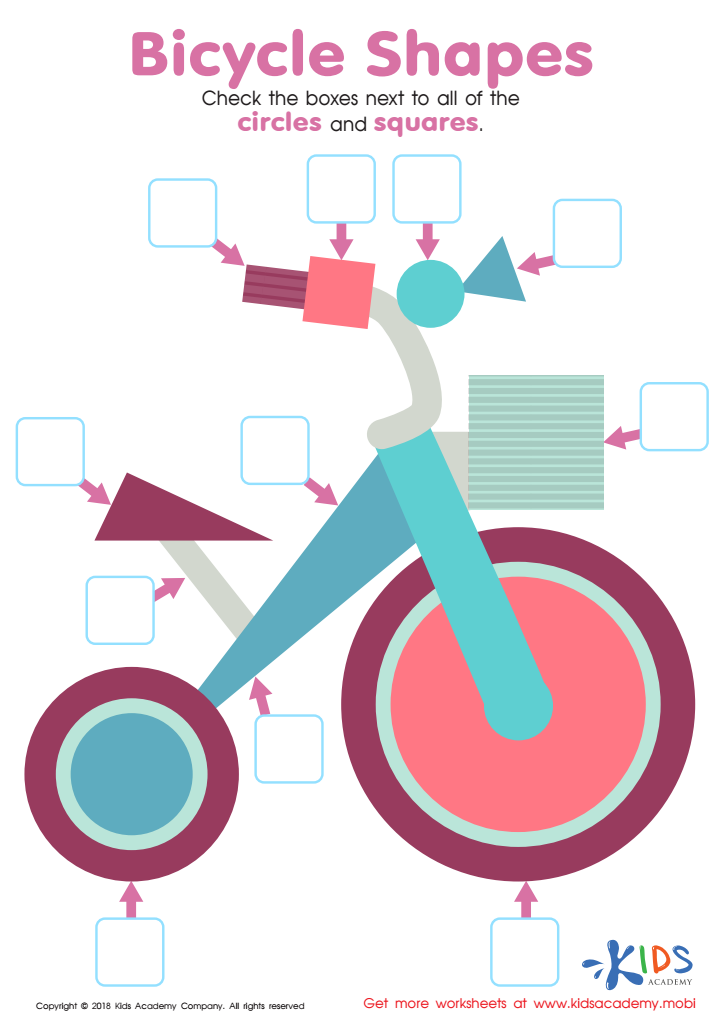
Bicycle Shapes Worksheet
 Assign to My Students


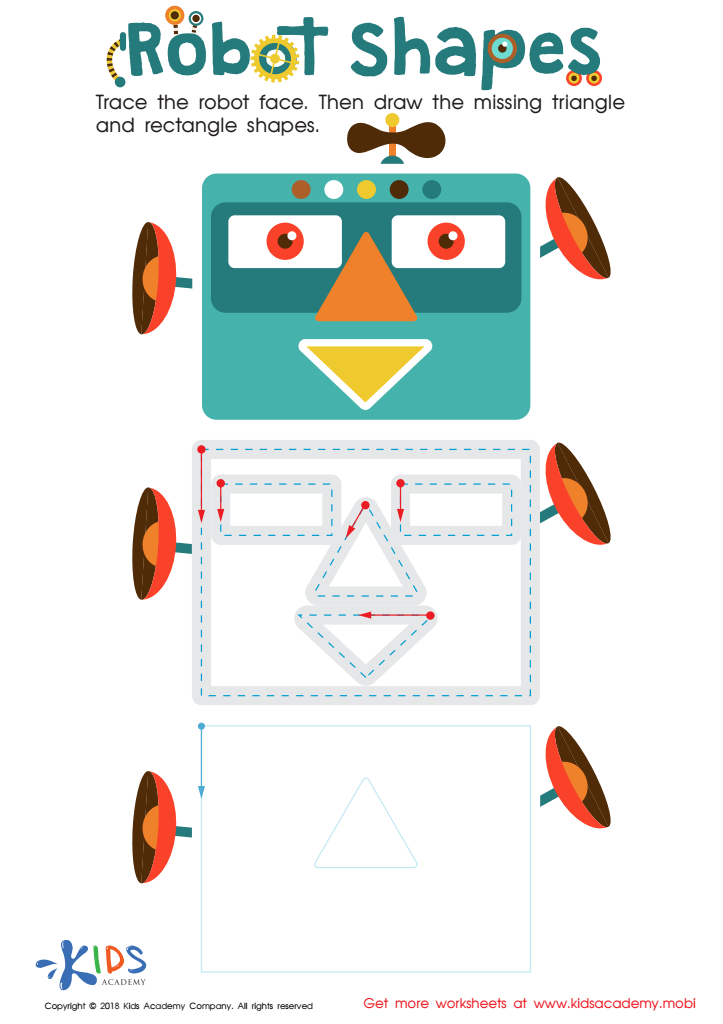
Robot Shapes Worksheet
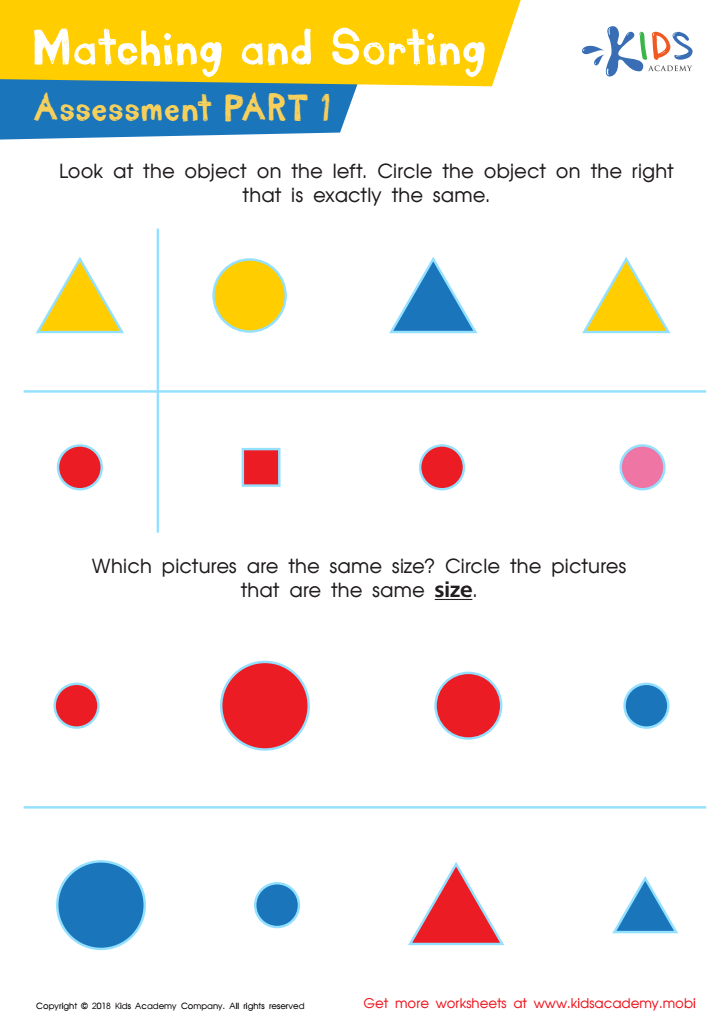
Matching and Sorting for Kindergarten: Assessment 1 Worksheet
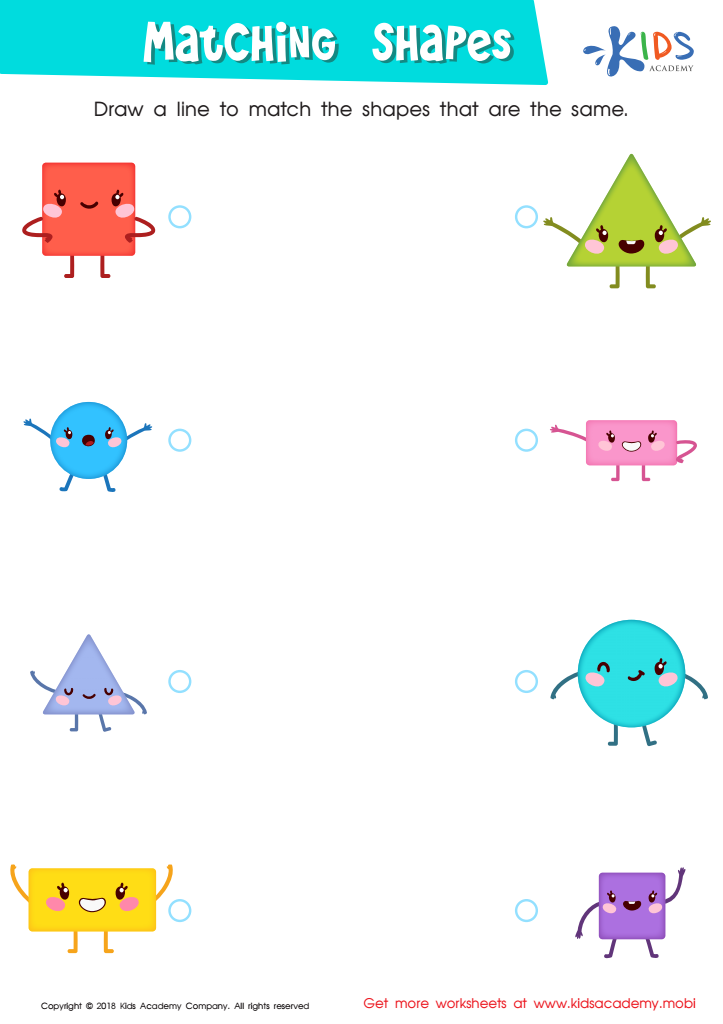
Matching Shapes Worksheet
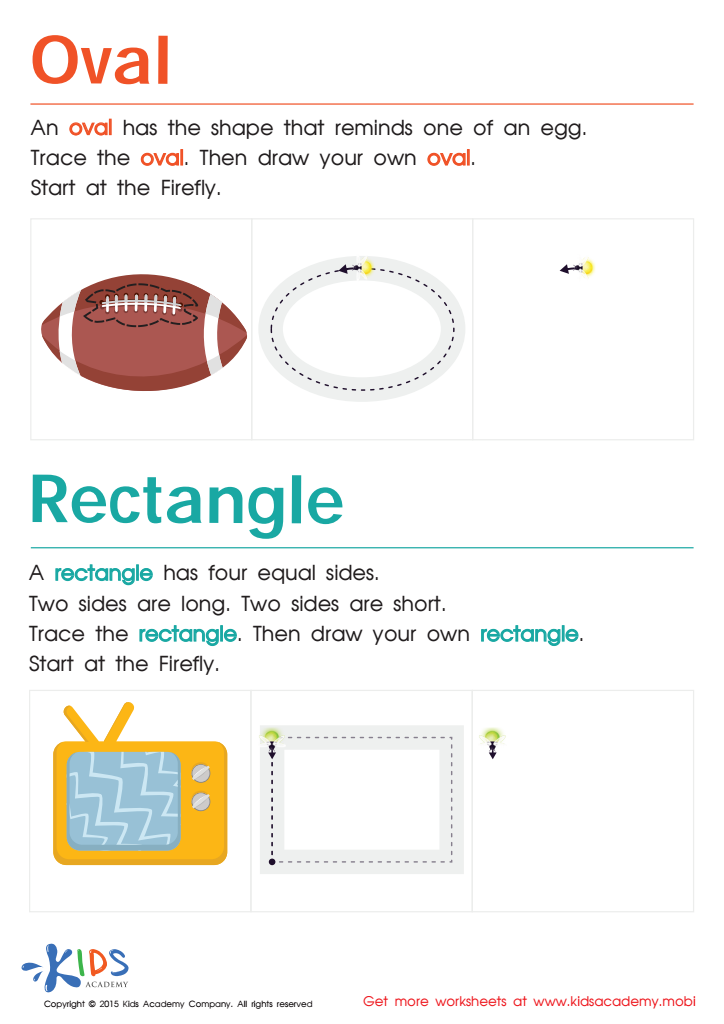
Easy Drawing of Ovals And Rectangles Worksheet
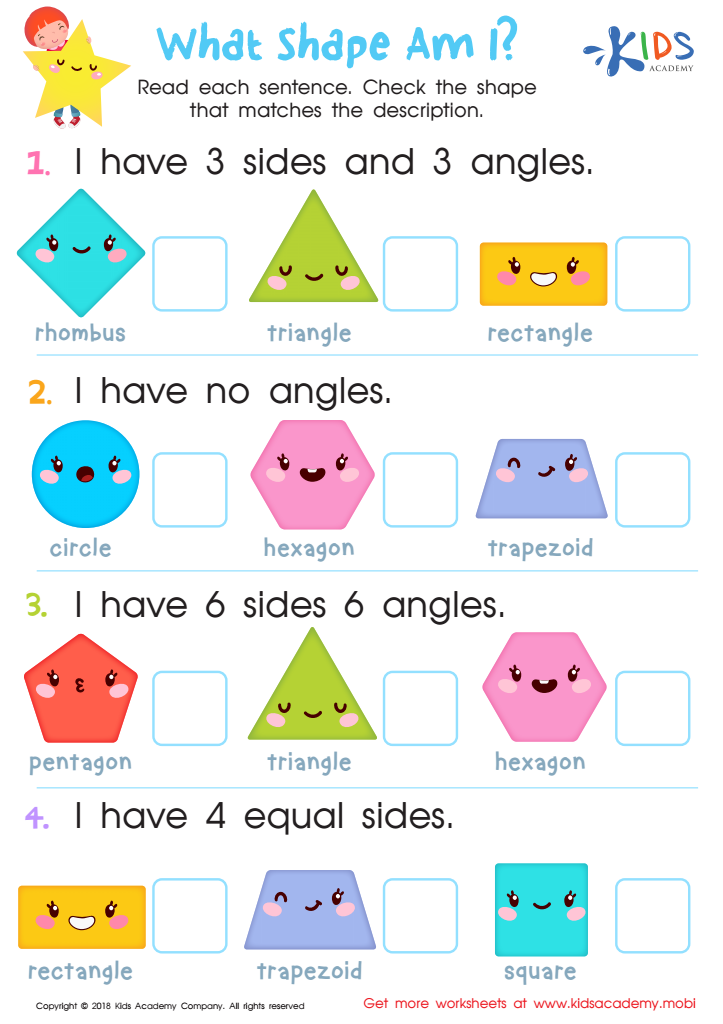
What Shape Am I? Worksheet
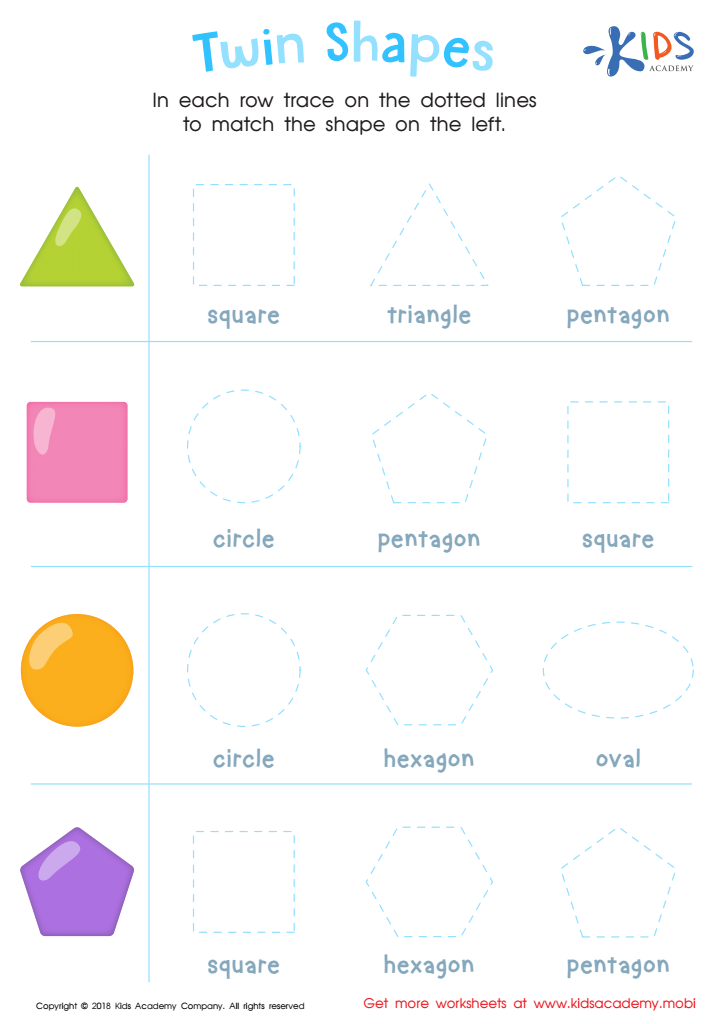
Twin Shapes Dot-to-Dot Worksheet
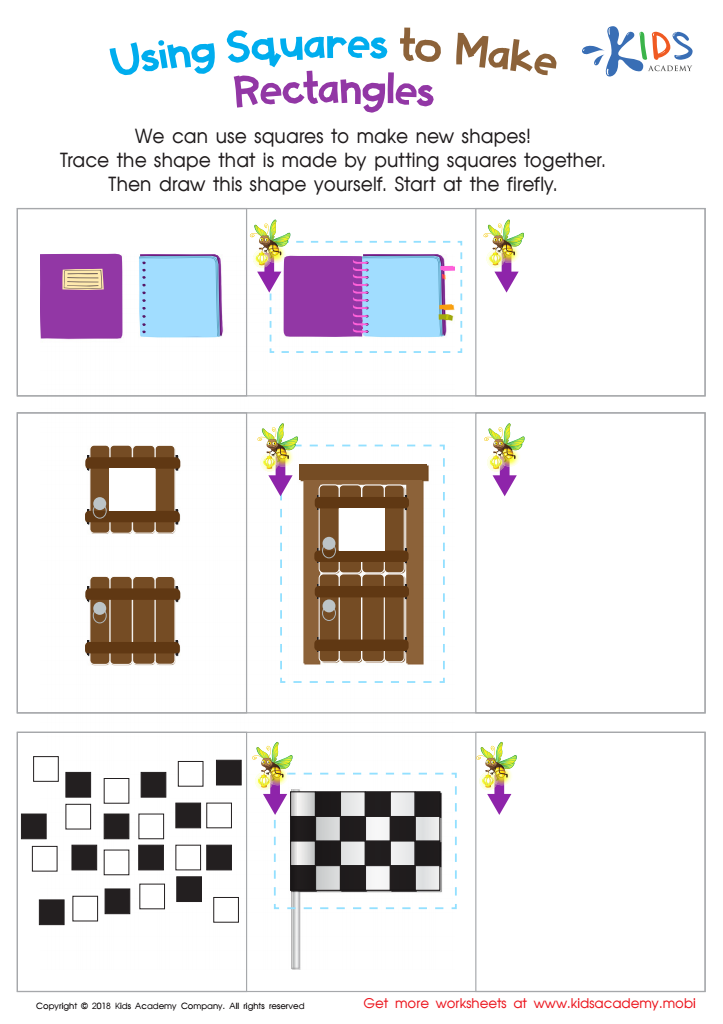
Using Squares to Make Rectangles Worksheet
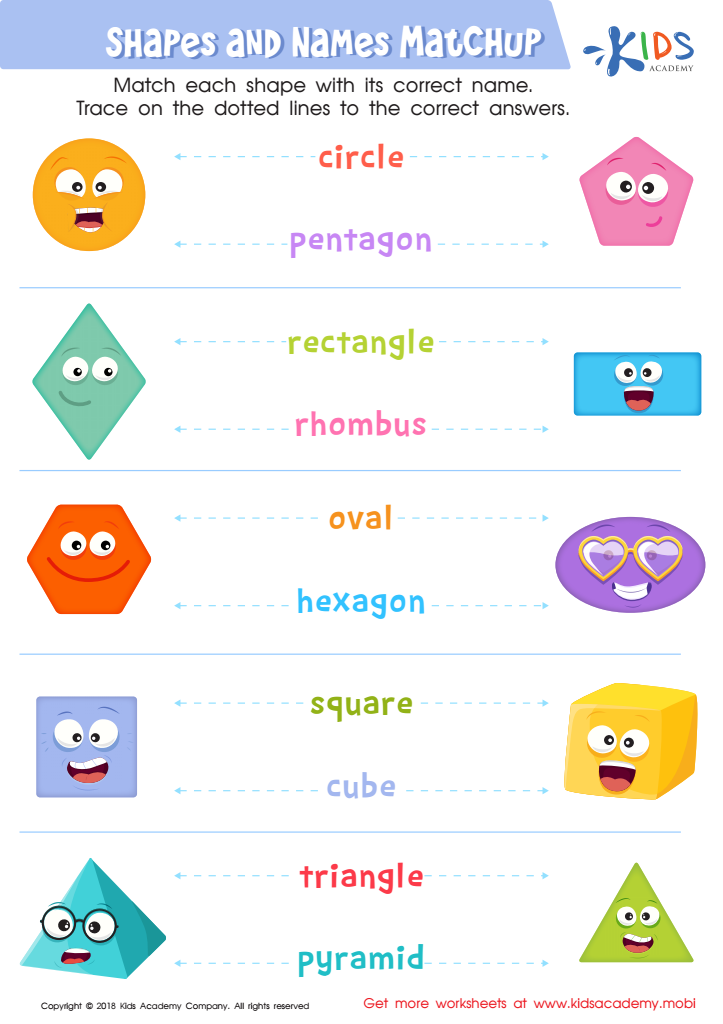
Shapes and Names Matchup Worksheet
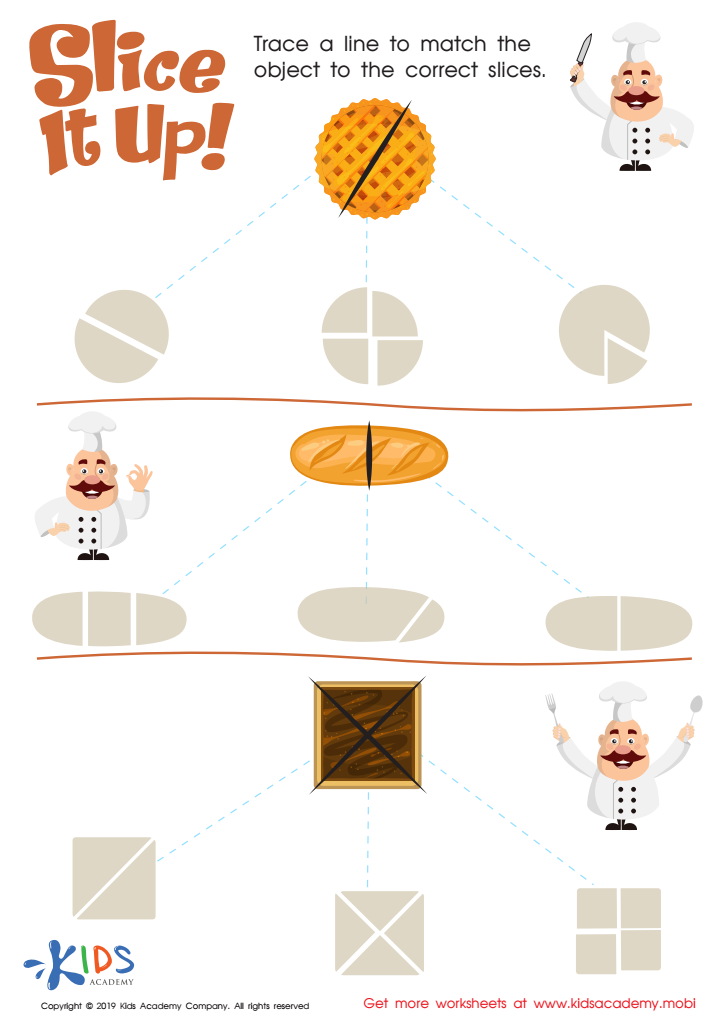
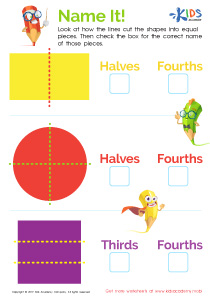
Slice It Up Worksheet
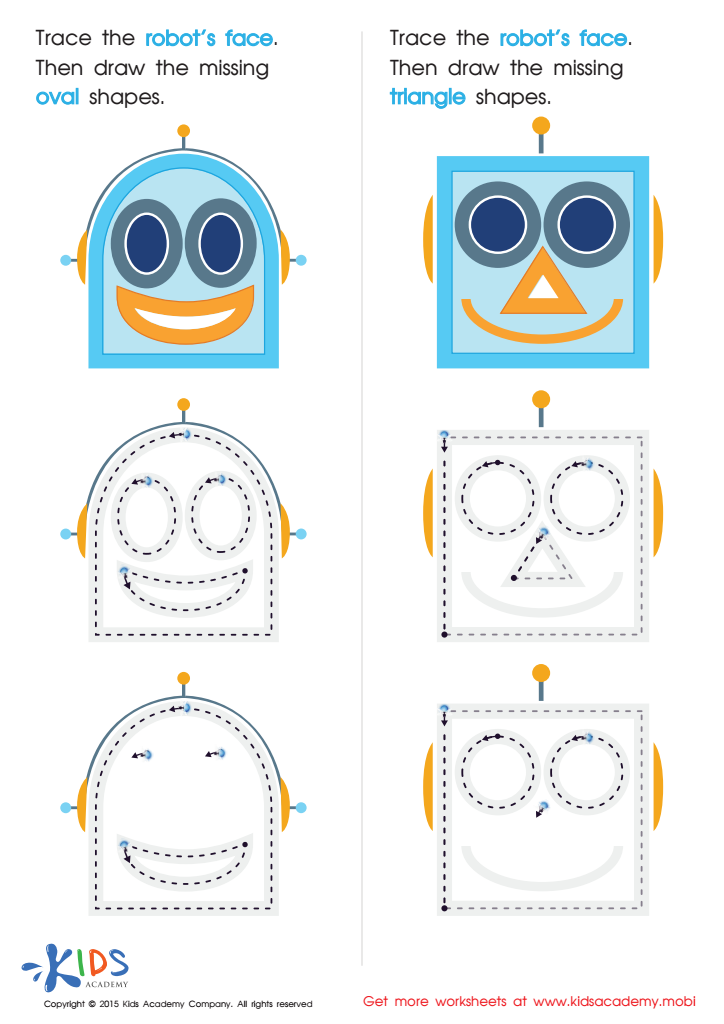
Drawing Ovals And Triangles with Fun Printable
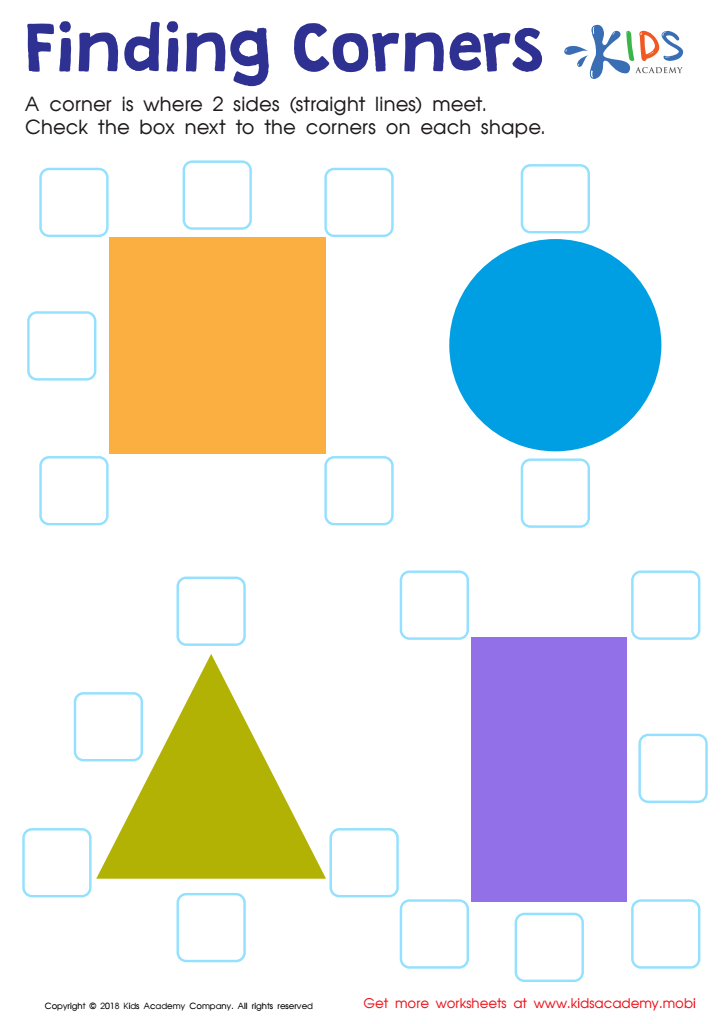
Finding Corners Worksheet
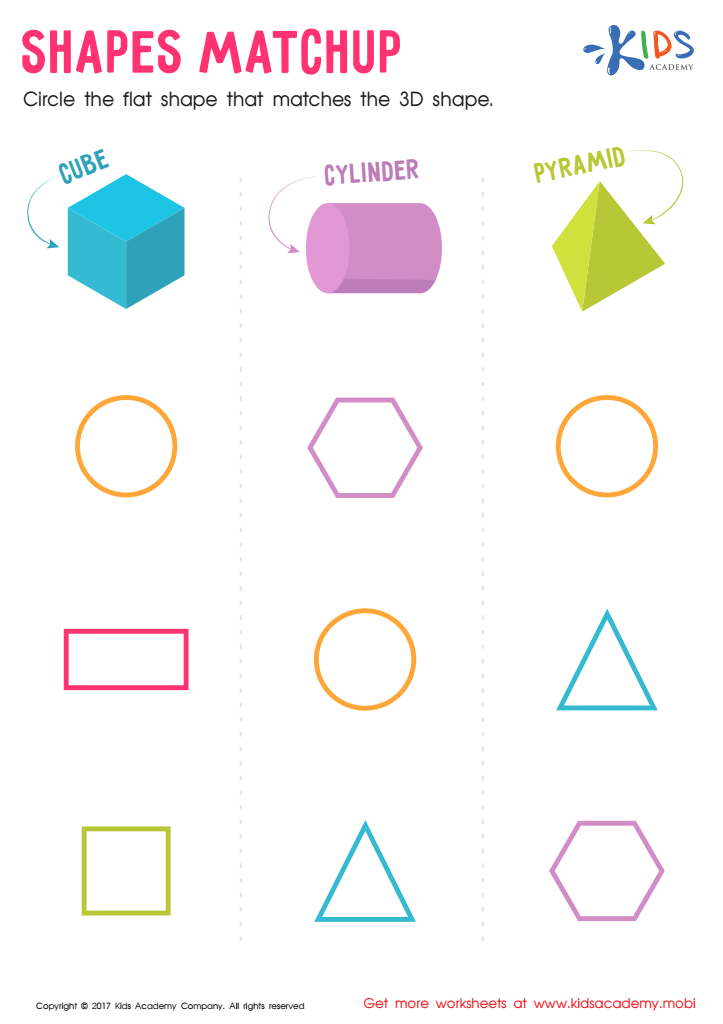
Shapes Matchup Worksheet
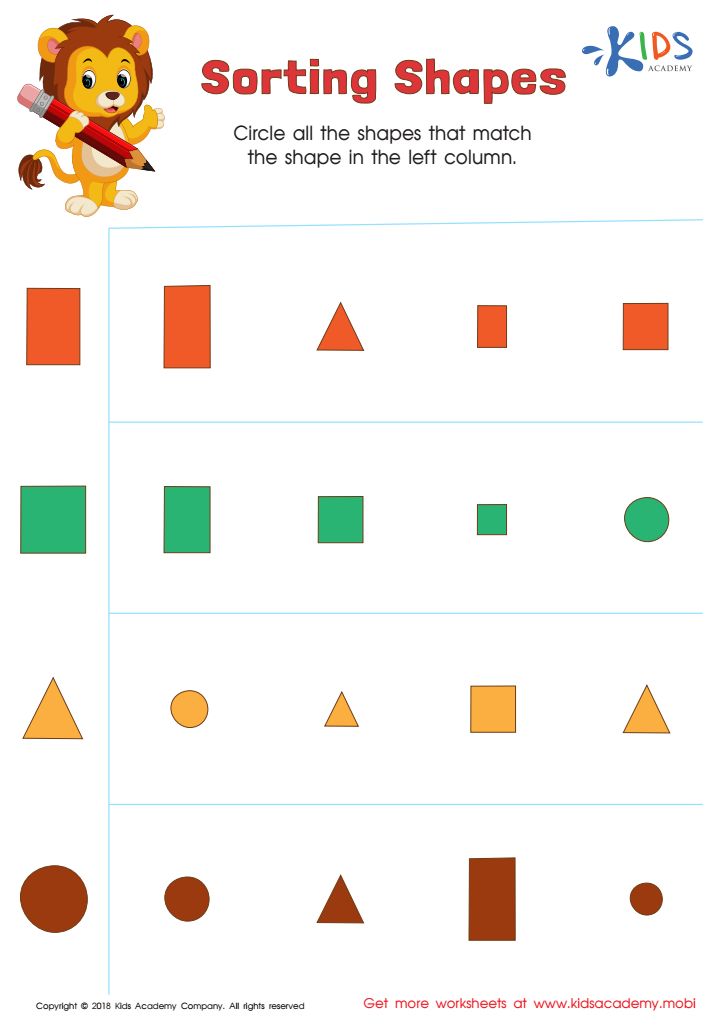
Sorting Shapes - Part 2 Worksheet
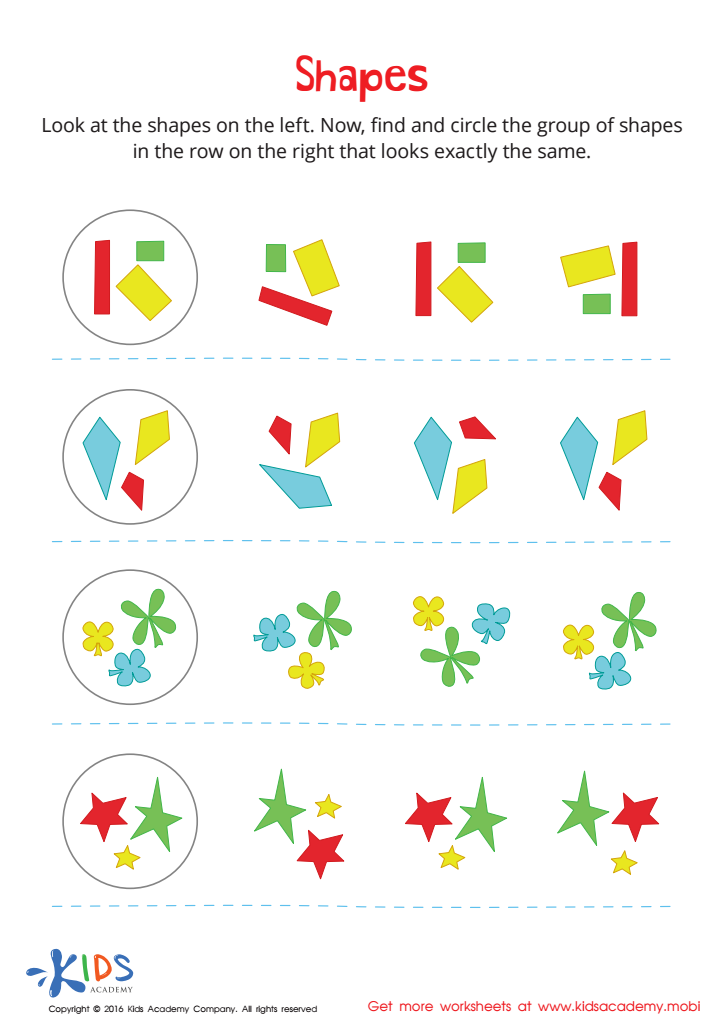
Shapes Worksheet
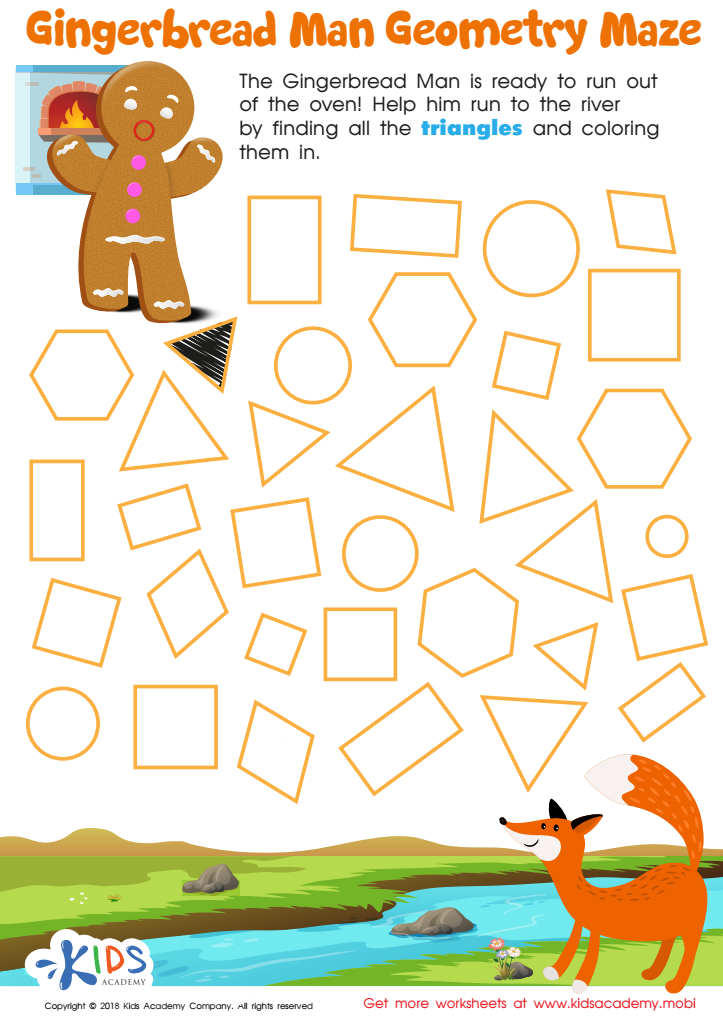
Gingerbread Man Geometry Maze Worksheet
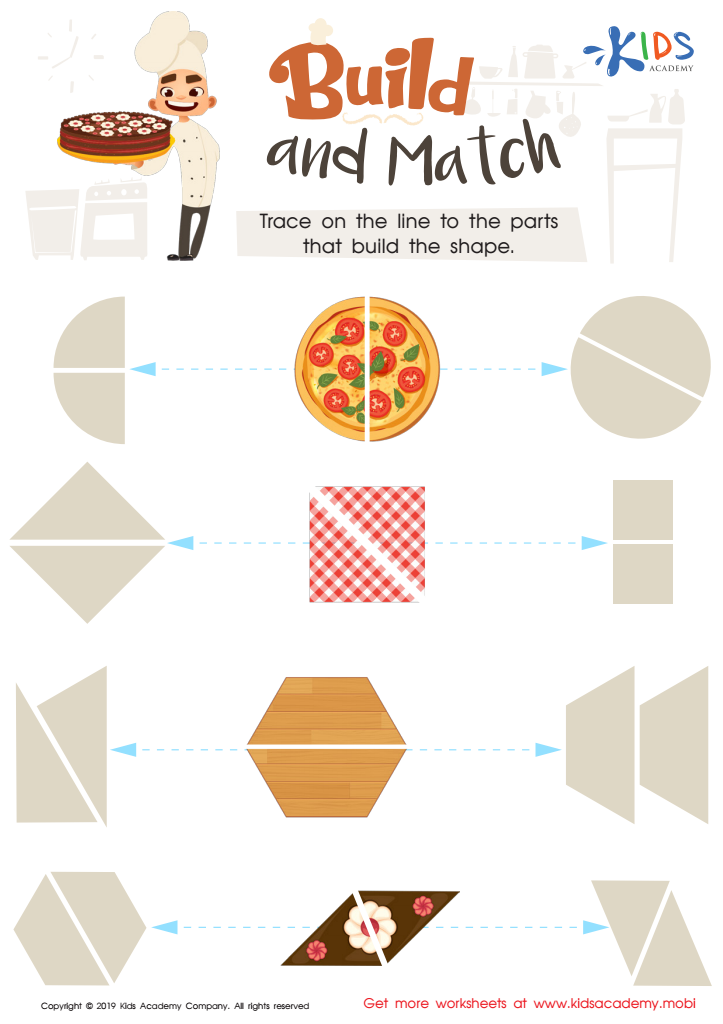
Build and Match Worksheet
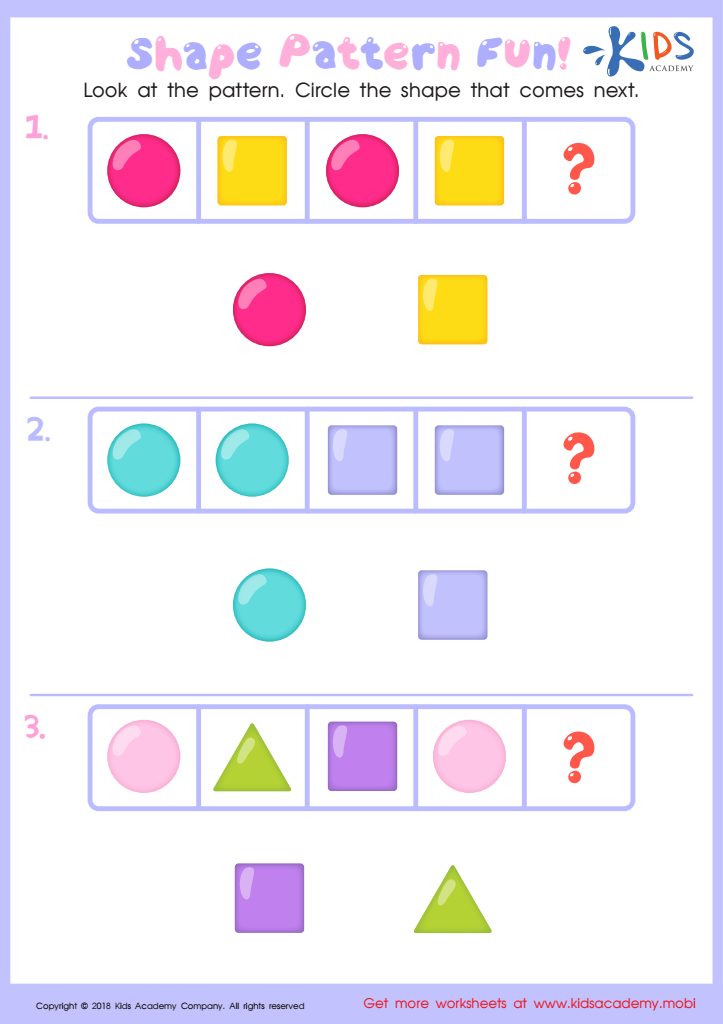
Shape Pattern Fun Worksheet
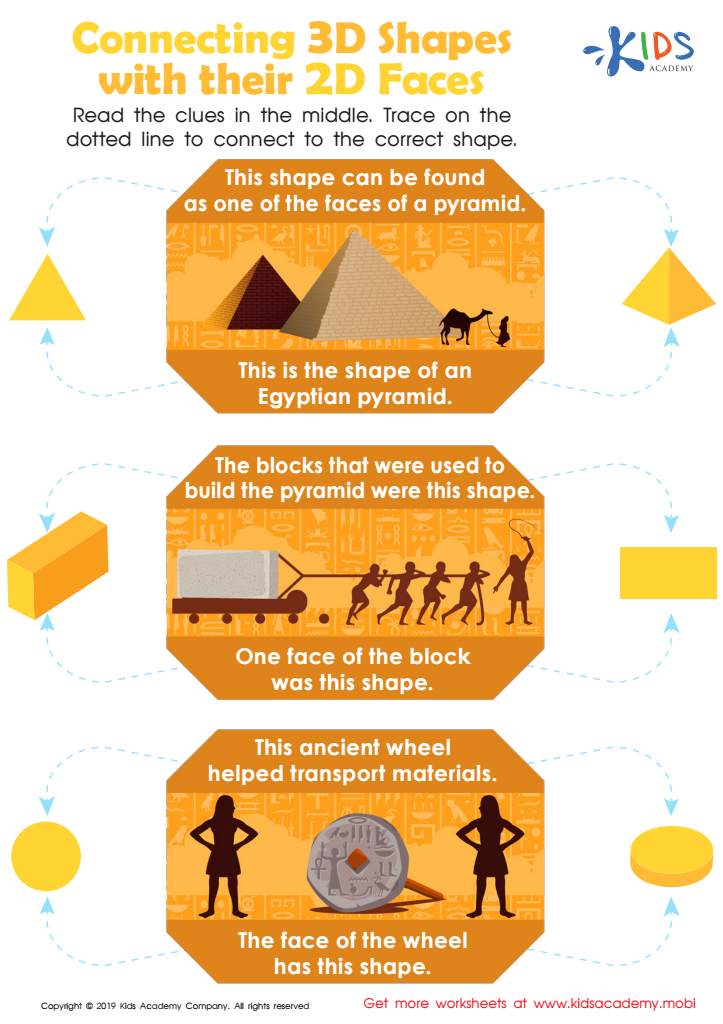
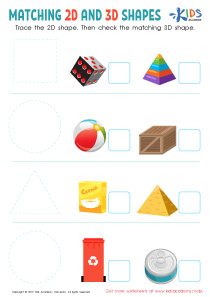
Connecting 3D Shapes with Their 2d Faces Worksheet








Understanding 2D shapes is fundamental for children aged 3-7 as it lays the foundation for essential math and spatial reasoning skills. At this age, children are naturally curious and engaged with the world around them, making it an ideal time to explore shapes like circles, squares, triangles, and rectangles. Familiarity with 2D shapes helps enhance their observational skills and encourages them to recognize patterns, which is crucial for later math concepts such as geometry, measurement, and even algebra.
Moreover, learning about shapes supports cognitive development through hands-on activities such as drawing, building, and sorting. These experiences not only promote fine motor skills but also foster creativity as children explore how different shapes can combine to form new structures.
Additionally, understanding shapes improves language and vocabulary development. Children learn to describe their world more effectively by using shape-related terms, enriching their communication skills.
For teachers and parents, embedding shape recognition within everyday experiences—whether through art, nature, or play—enriches children's learning environment and promotes critical thinking. Ultimately, nurturing an early appreciation for shapes can significantly boost children's confidence and enthusiasm for math, setting them on a positive trajectory for future learning.