Building Vocabulary Worksheets for Ages 3-7 - Page 9
205 filtered results
-
From - To
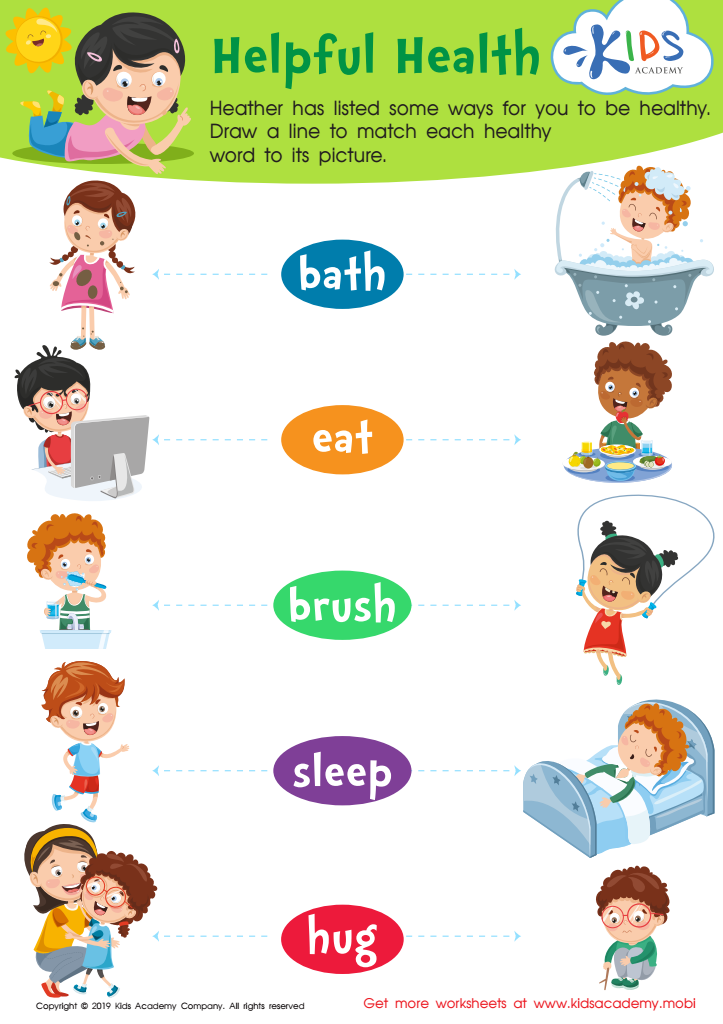
Helpful Health Worksheet
 Assign to My Students











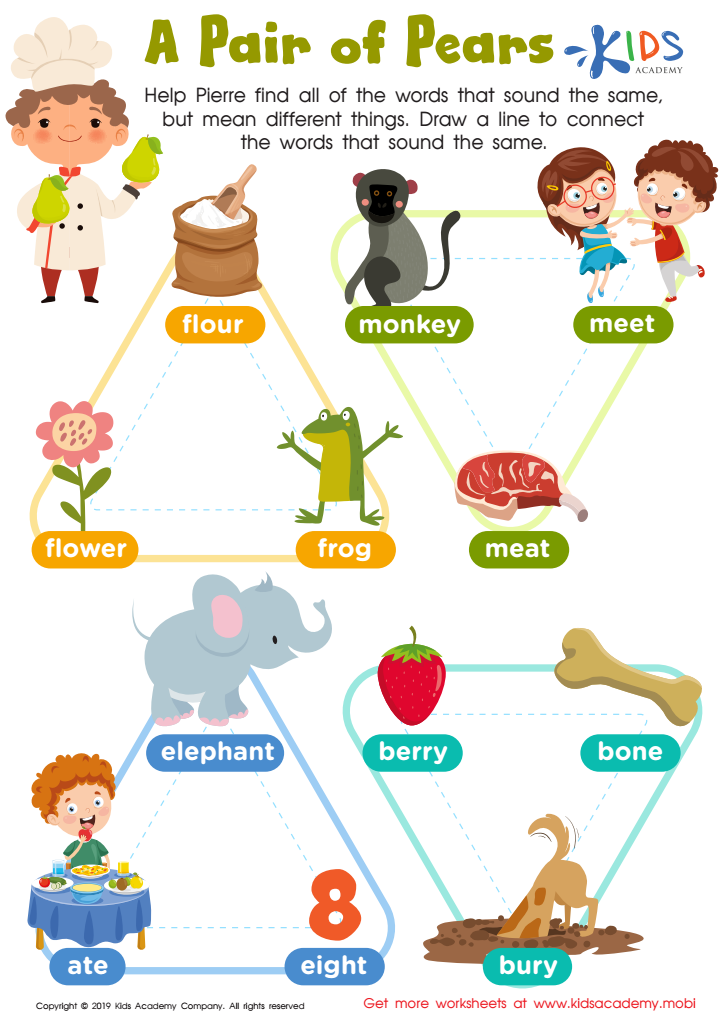
Pair Pears Worksheet
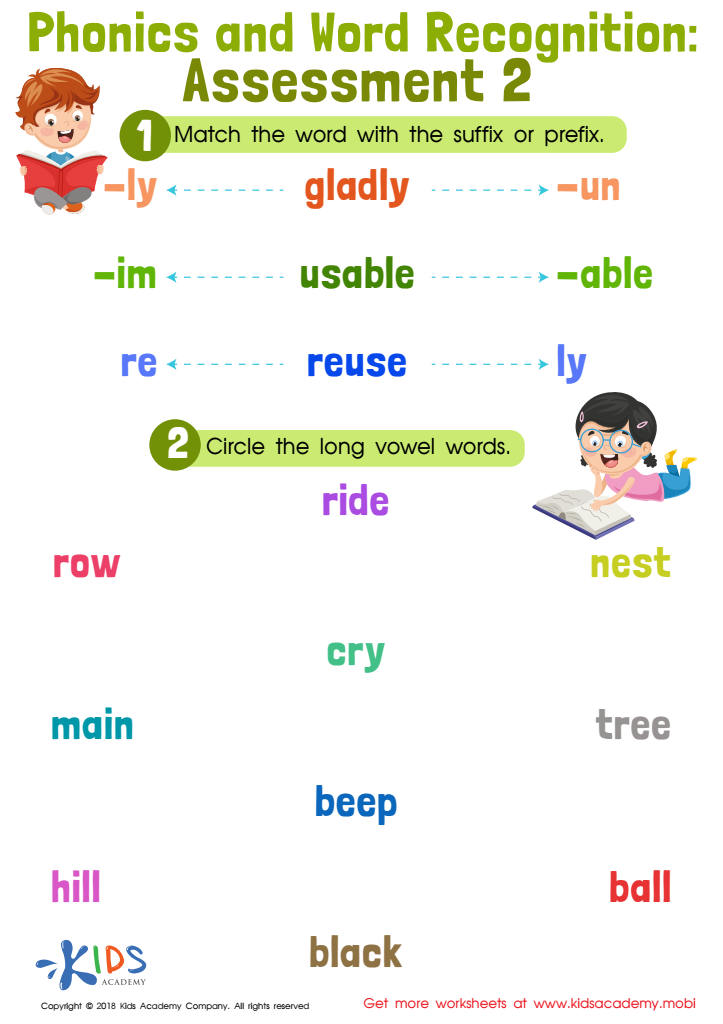
Phonics and Word Recognition: Assessment 2
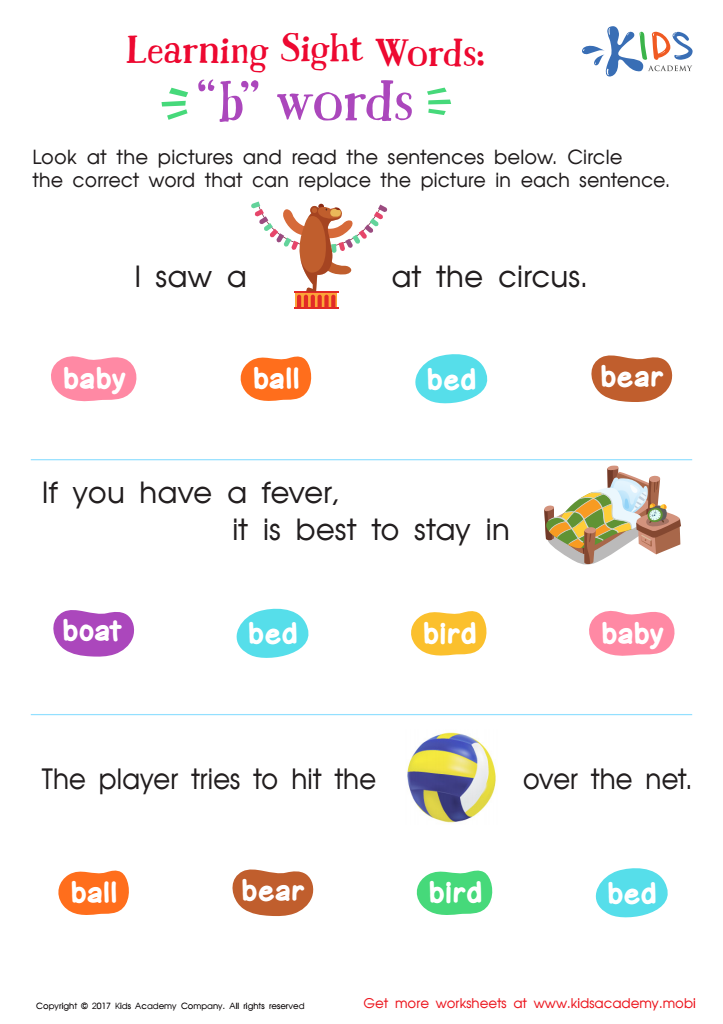
"B" Words Printable Sight Words Worksheet
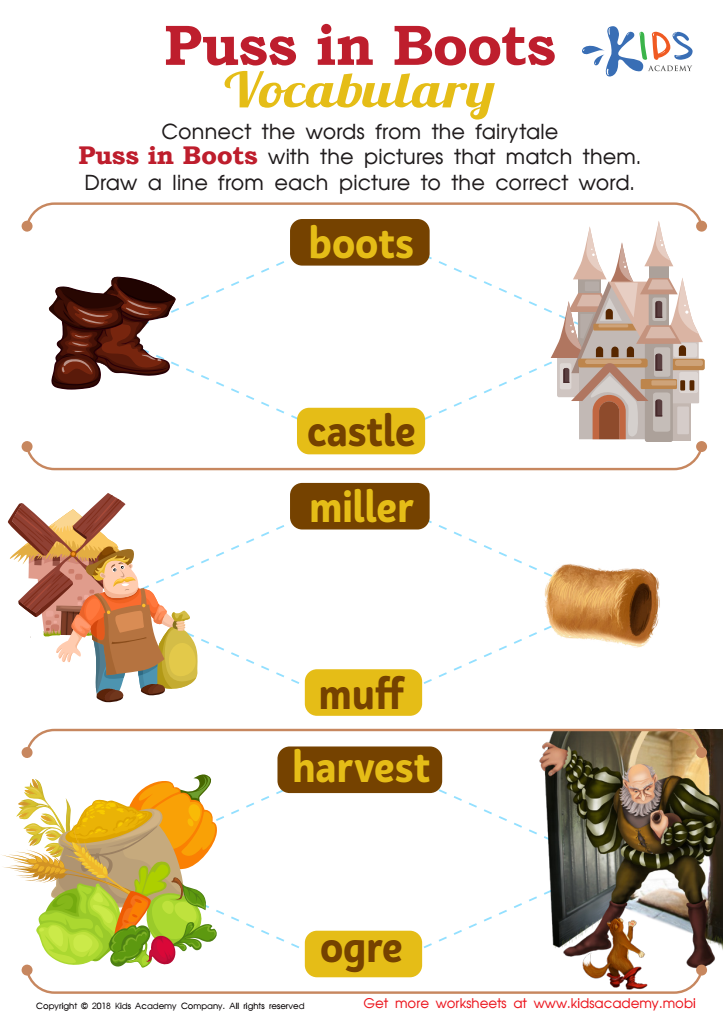
Puss in Boots Vocabulary Worksheet
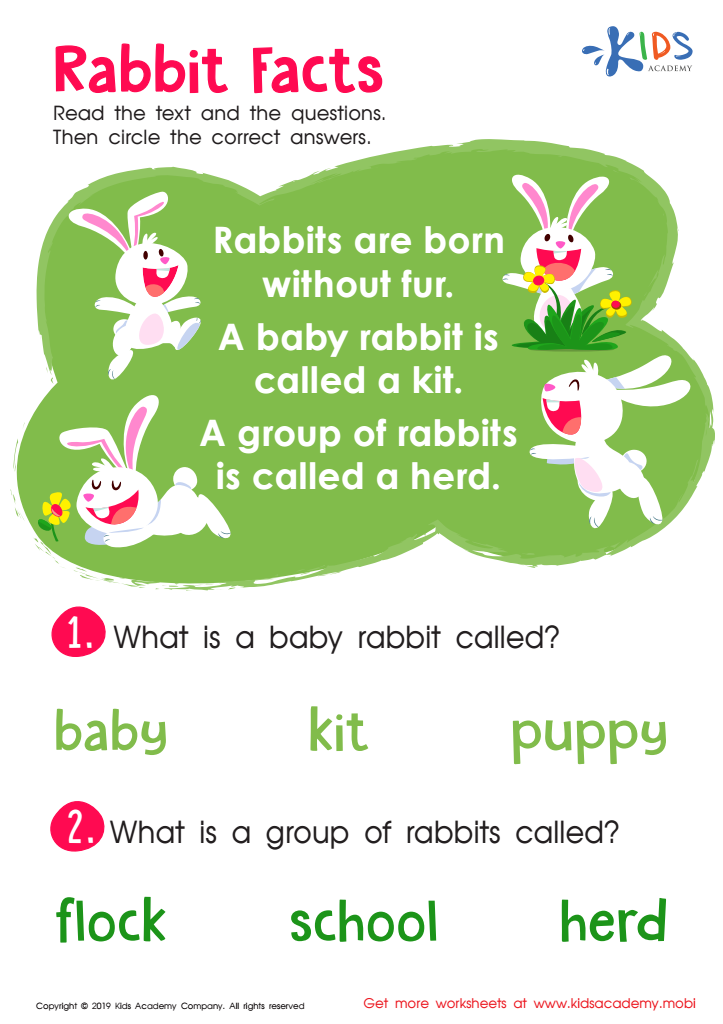
Rabbit Facts Worksheet
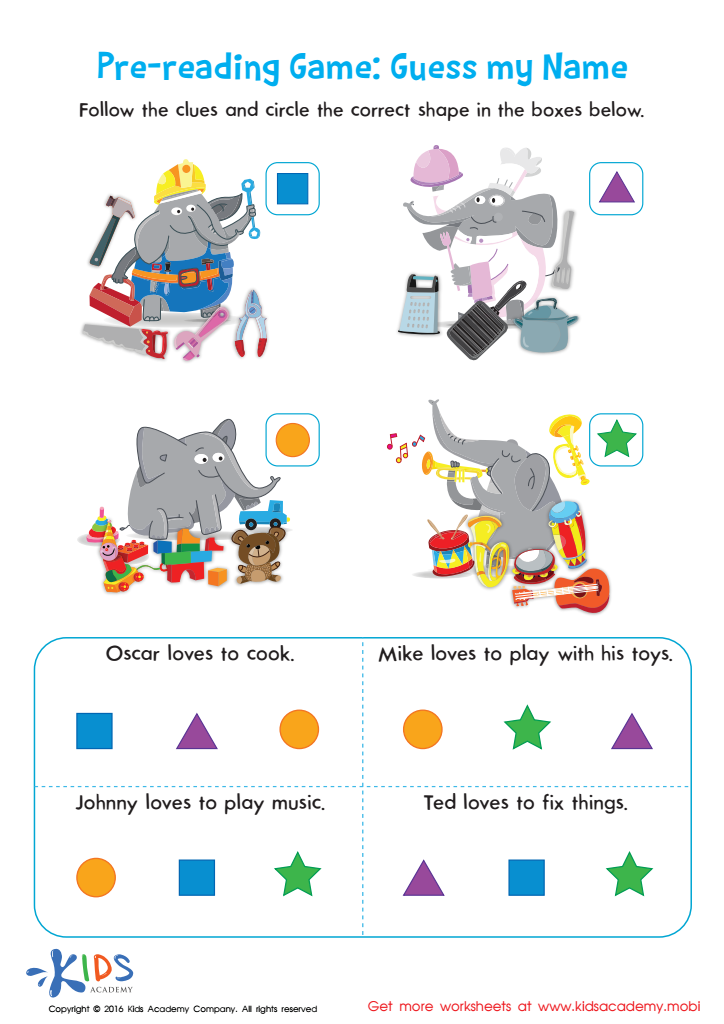
Pre Reading Worksheet Guess My Name
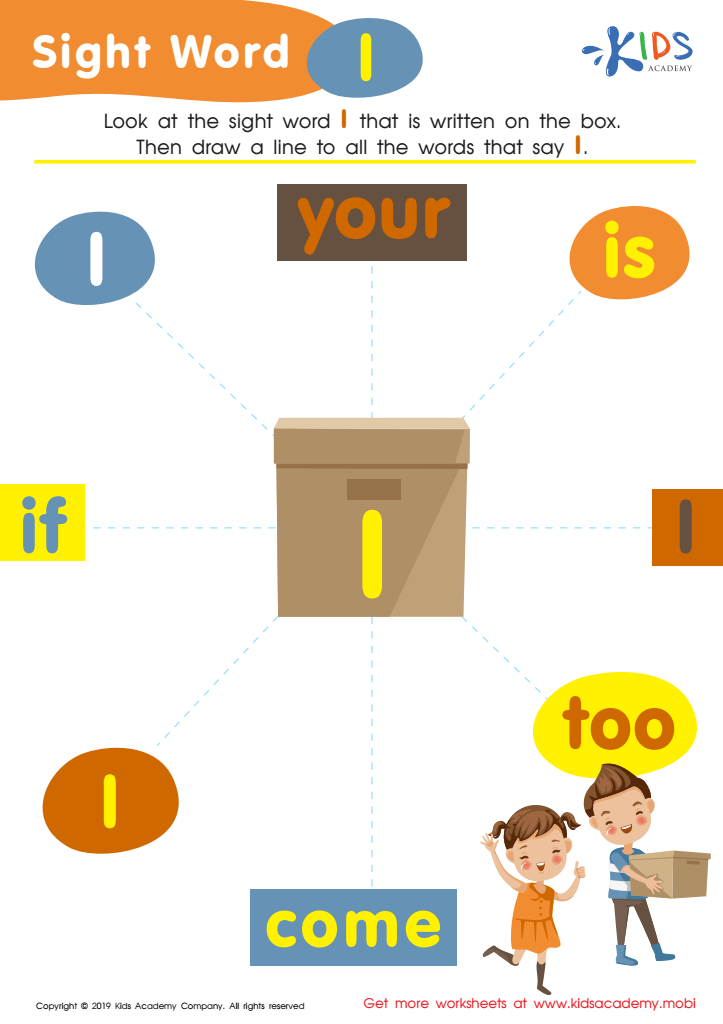
Sight Word I Worksheet
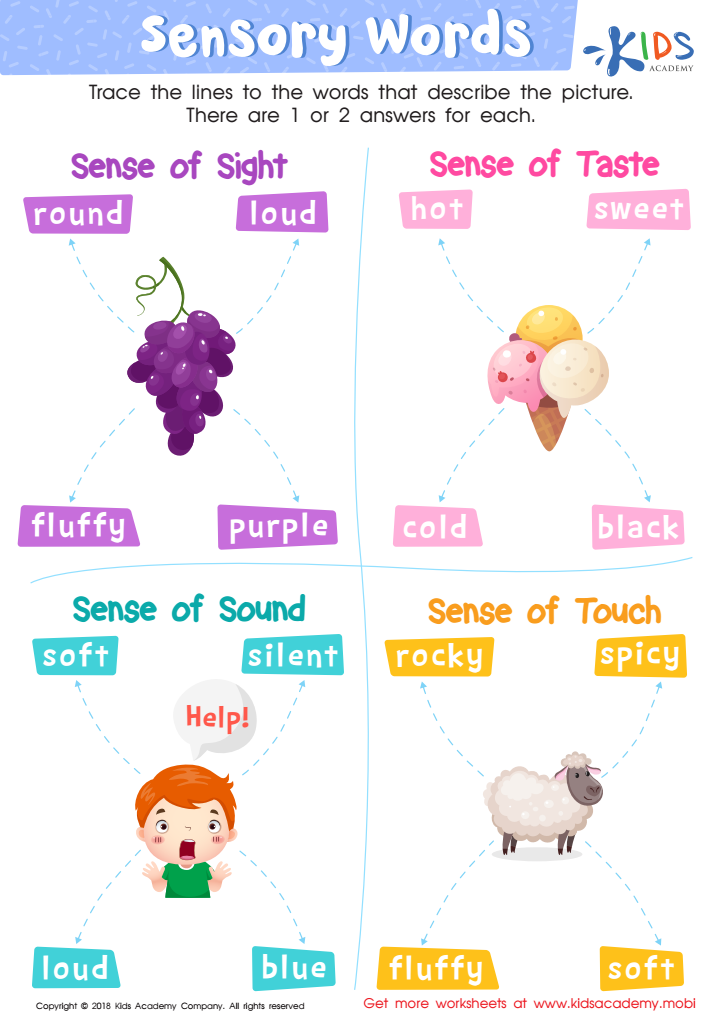
Sensory Words Worksheet
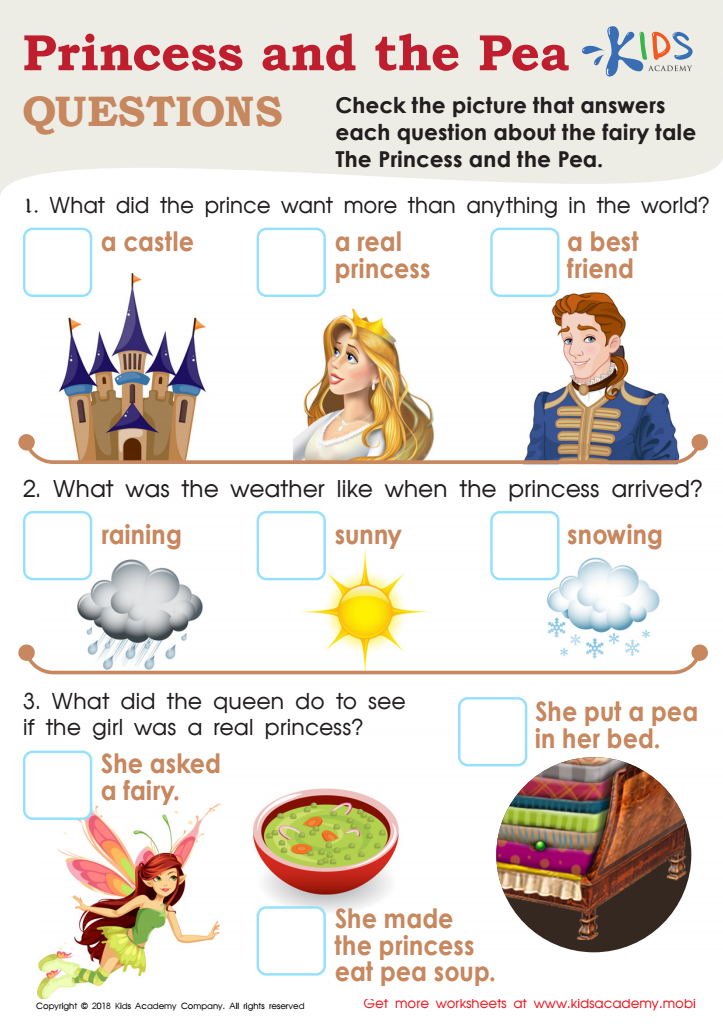
Princess and the Pea Questions Worksheet
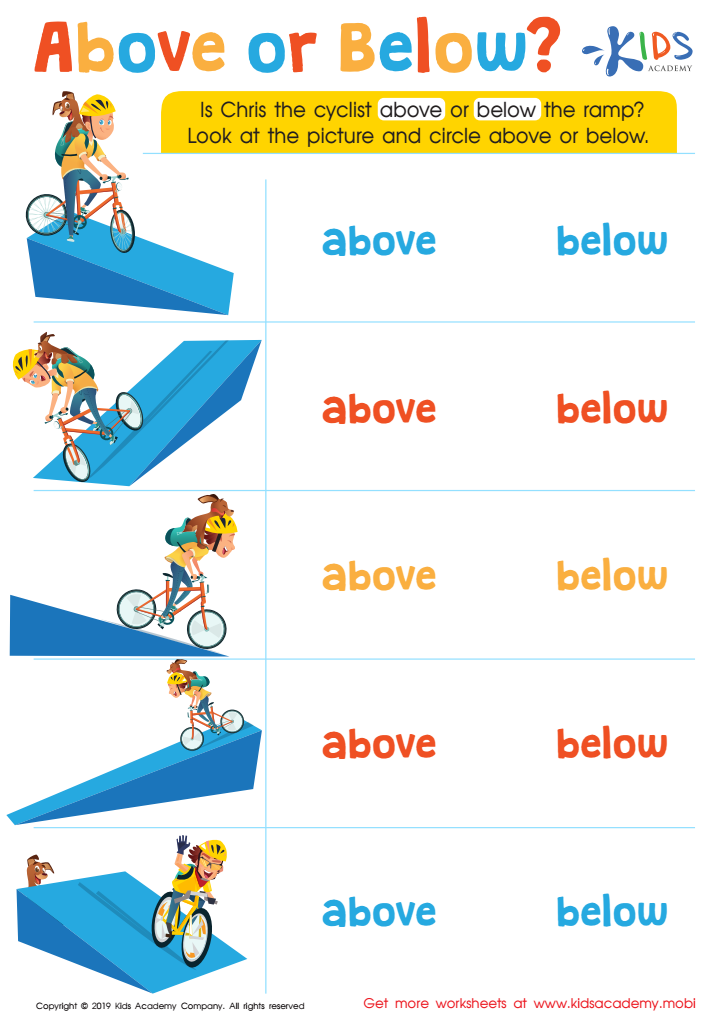
Above or Below? Worksheet
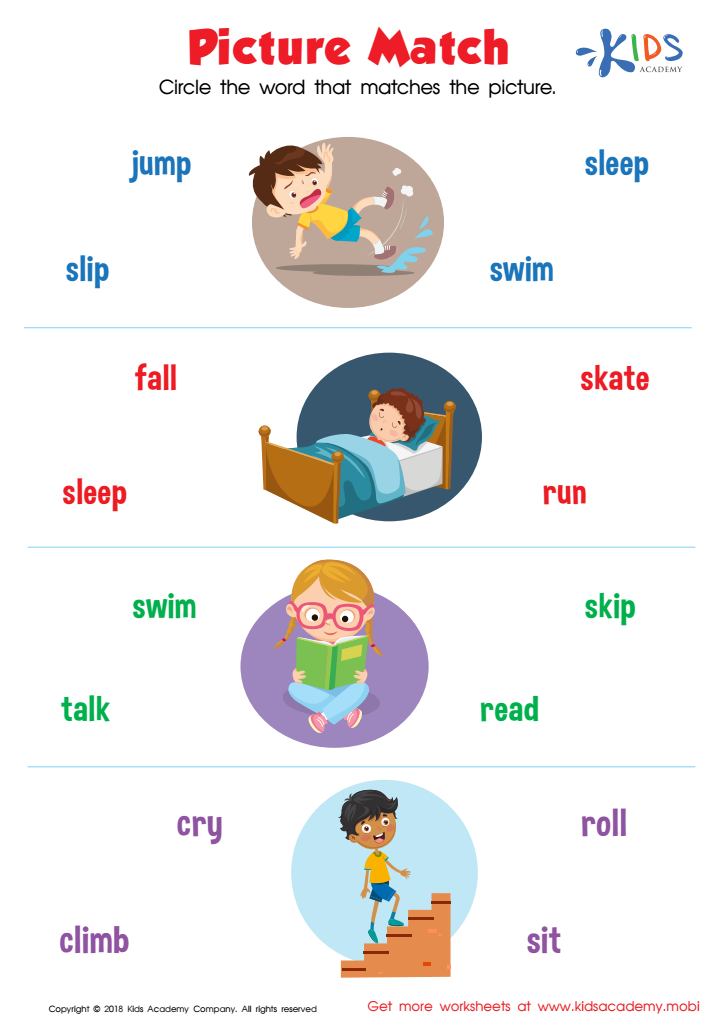
Picture Match Worksheet
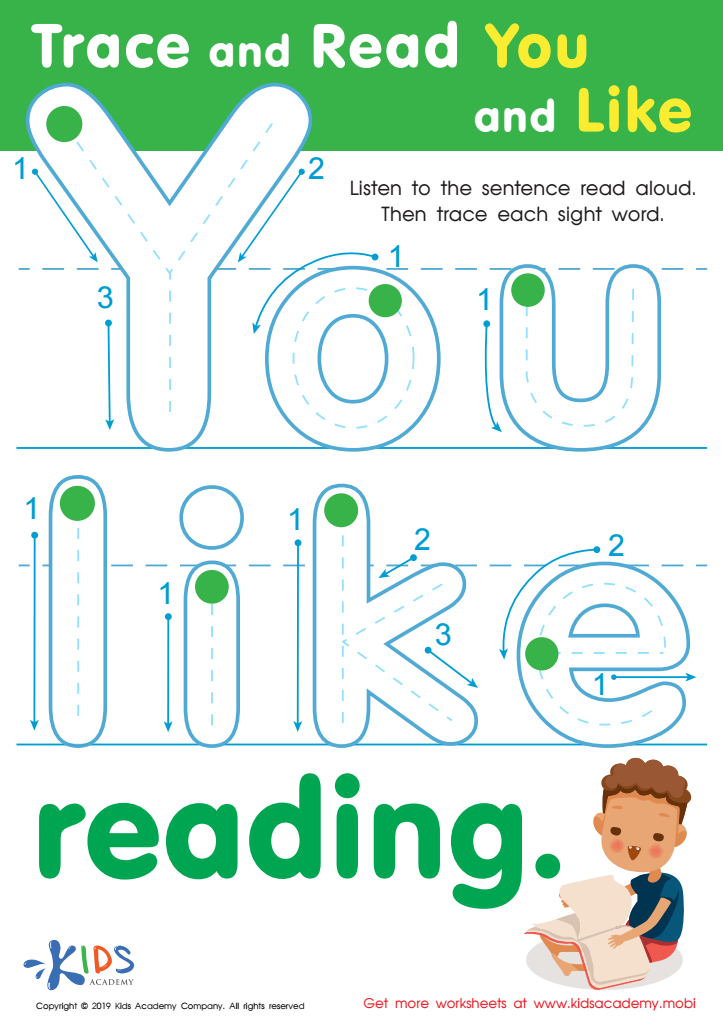
Trace Read You Like Worksheet


.jpg)





Building vocabulary for children aged 3-7 is crucial for their overall development and future academic success. During these formative years, children's brains are highly receptive to language, making it an ideal time to enhance their vocabulary. A rich vocabulary aids in effective communication, allowing children to express themselves clearly and confidently.
Vocabulary development is closely linked to reading comprehension and later literacy skills. Children who possess a broader range of words find it easier to grasp complex concepts, not just in language arts but across subjects, fostering a love for learning. Furthermore, strong vocabulary skills boost cognitive abilities, encouraging critical thinking and problem-solving skills.
Parents and teachers play a pivotal role in this development. They can create a rich linguistic environment by reading together, engaging in conversations, and introducing new words regularly. Modeling vocabulary usage in everyday contexts makes learning relevant and enjoyable.
Moreover, diverse vocabulary aids in social interactions, helping children connect with their peers and adults alike. In today's diverse world, appreciating language variability prepares children for multicultural interactions and enhances empathy.
In summary, investing time in vocabulary building sets children up for lifelong learning, better academic achievement, and improved interpersonal abilities, making it essential for parents and educators alike.








