Our Planet and Environment Worksheets for Ages 3-8 - Page 2
82 filtered results
-
From - To
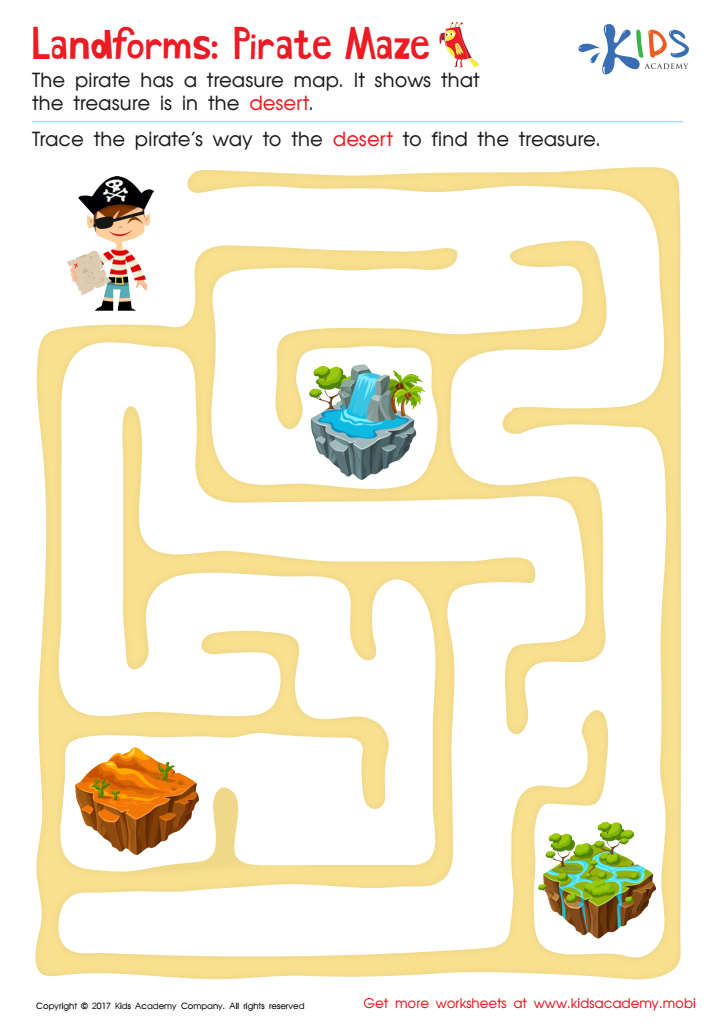
Landforms: Pirate Maze Printable
 Assign to My Students
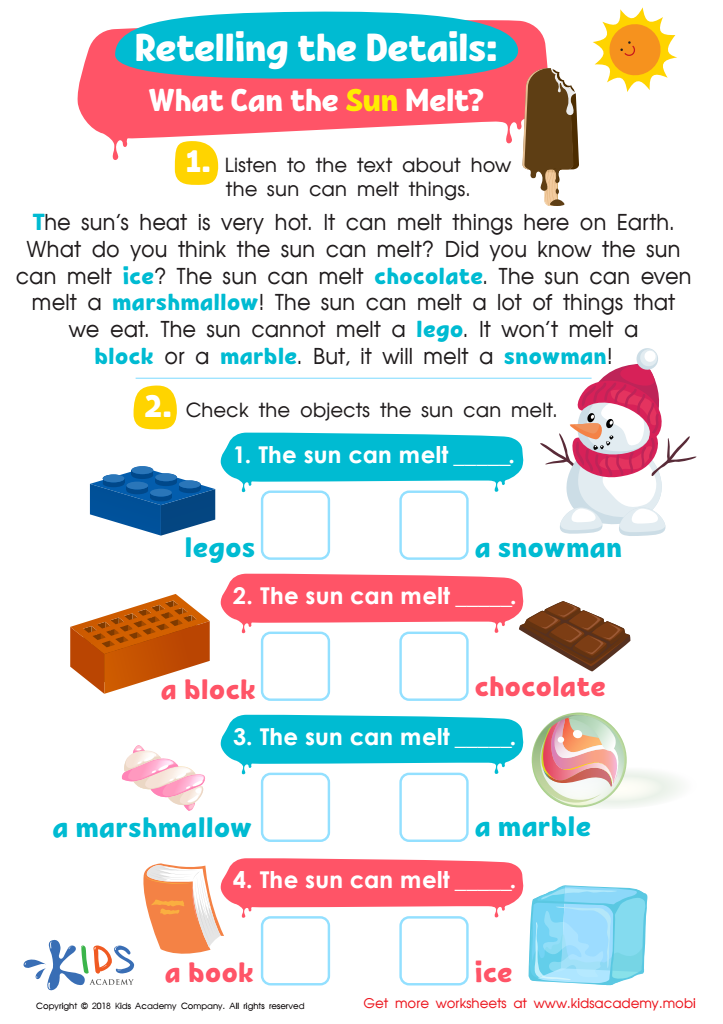
Retelling the Details: What Can the Sun Melt? Worksheet
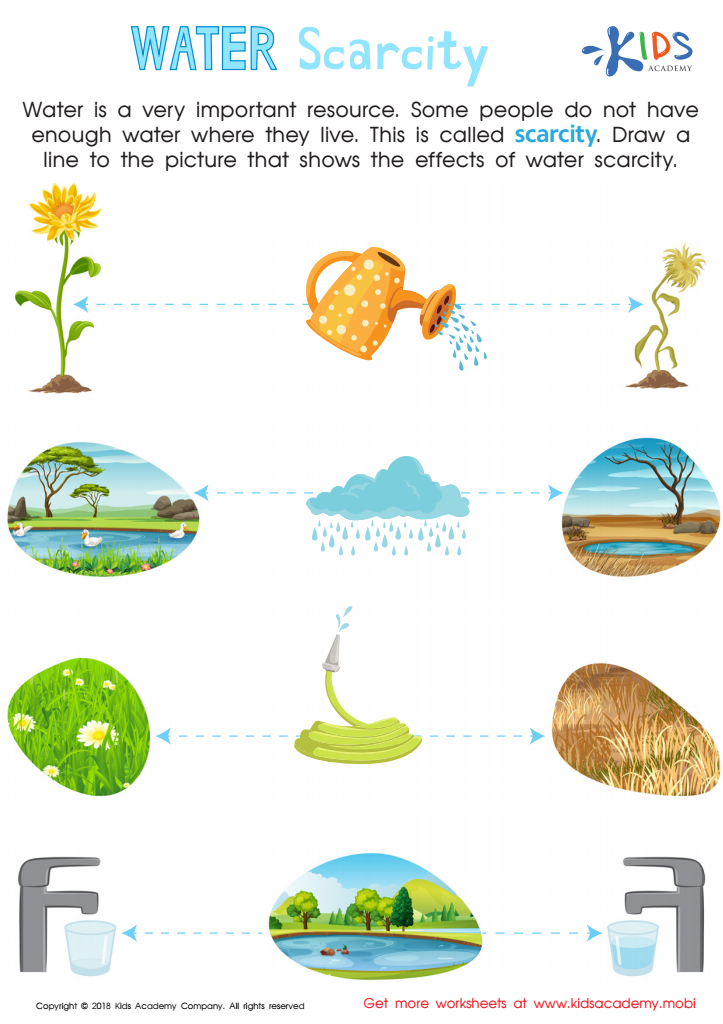
Water Scarcity Worksheet
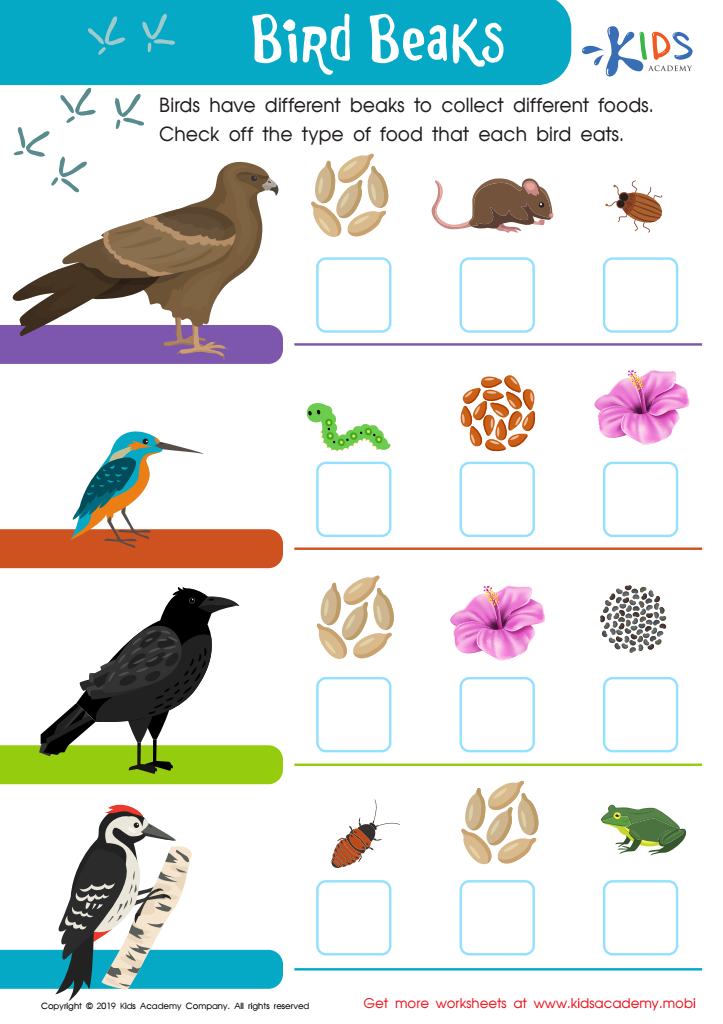
Bird Beaks Worksheet
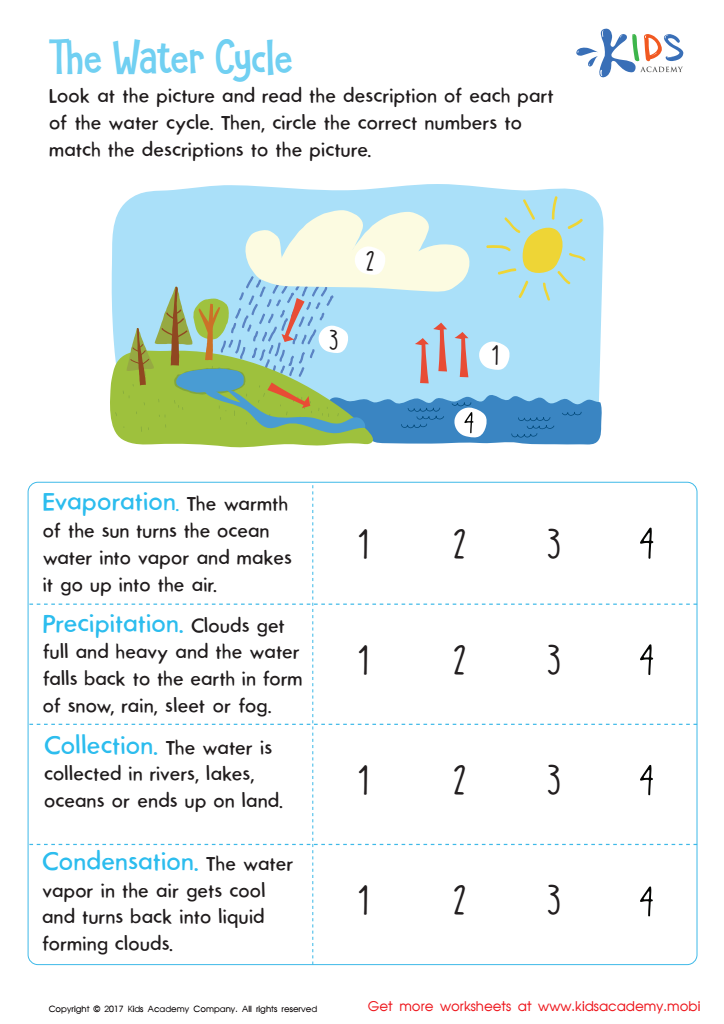
The Water Cycle Worksheet
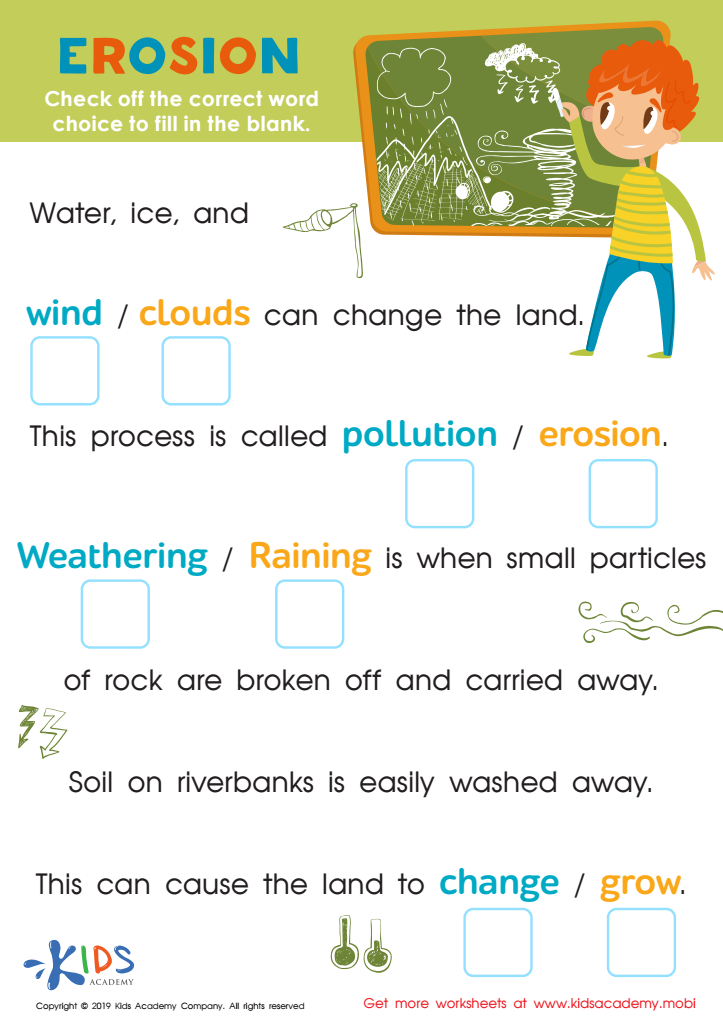
Erosion Worksheet
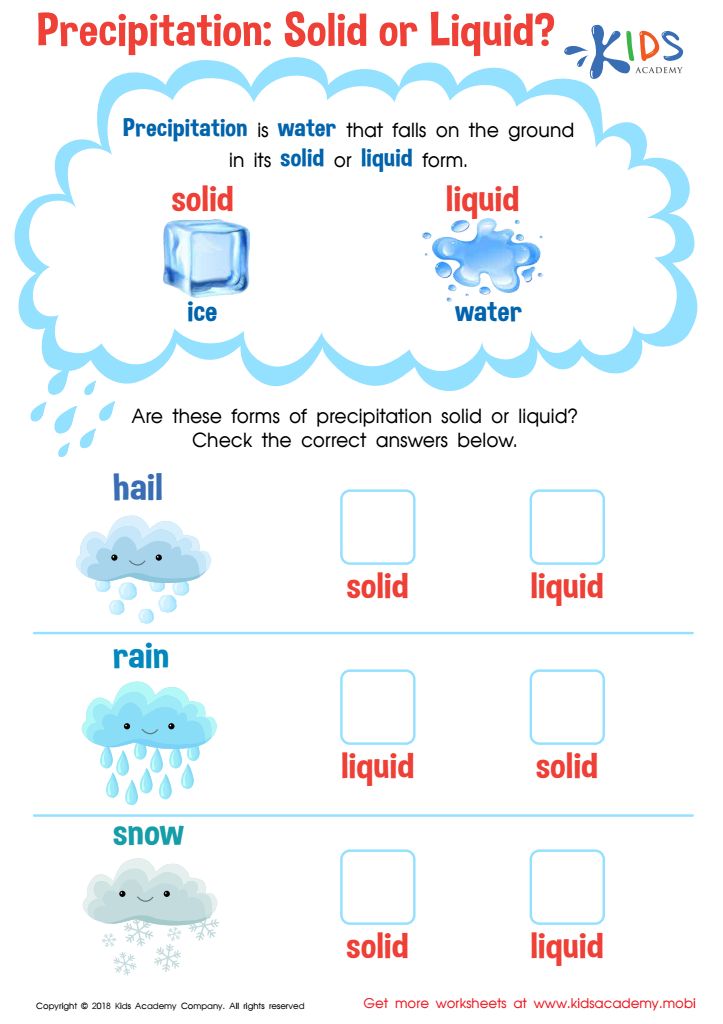
Precipitation: Solid or Liquid? Worksheet
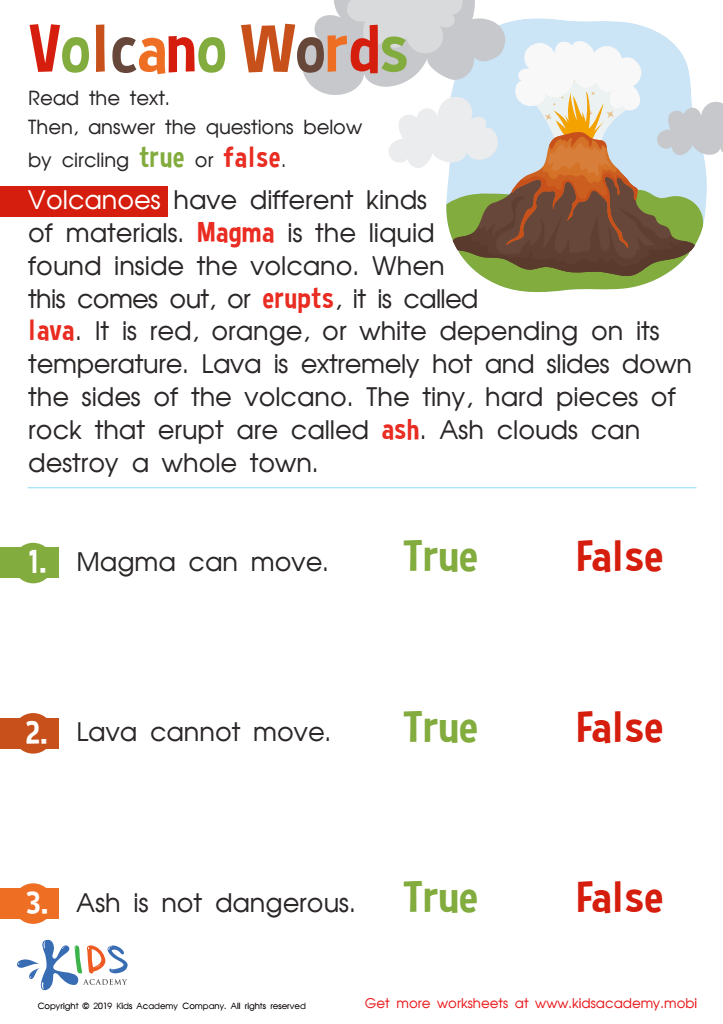
Volcano Words Worksheet
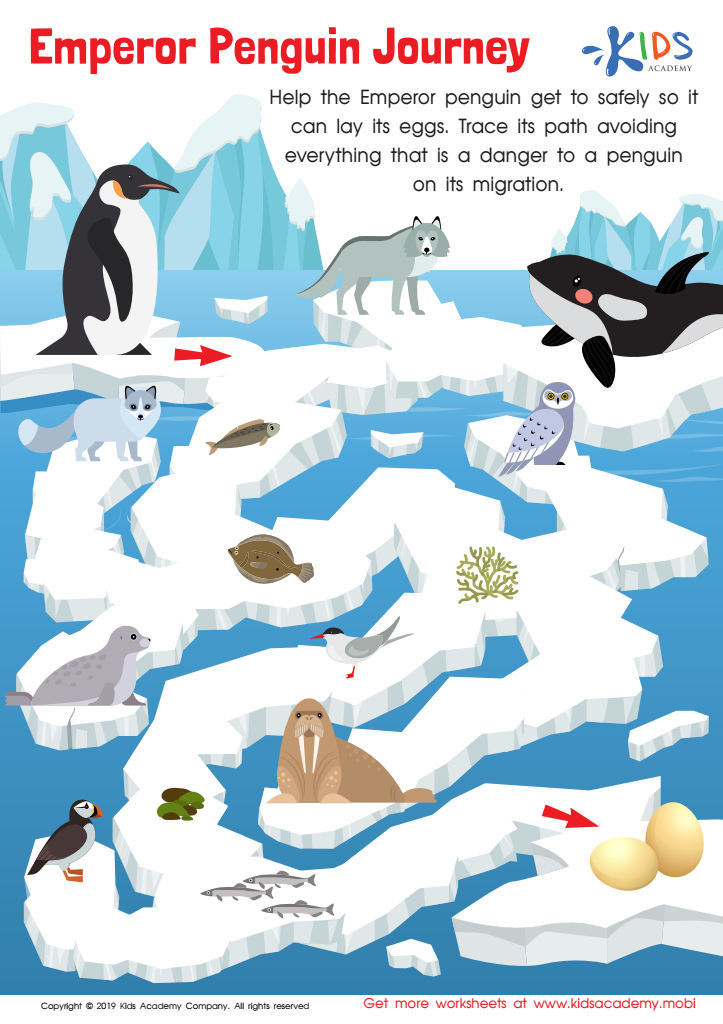
Emperor Penguin Journey Worksheet
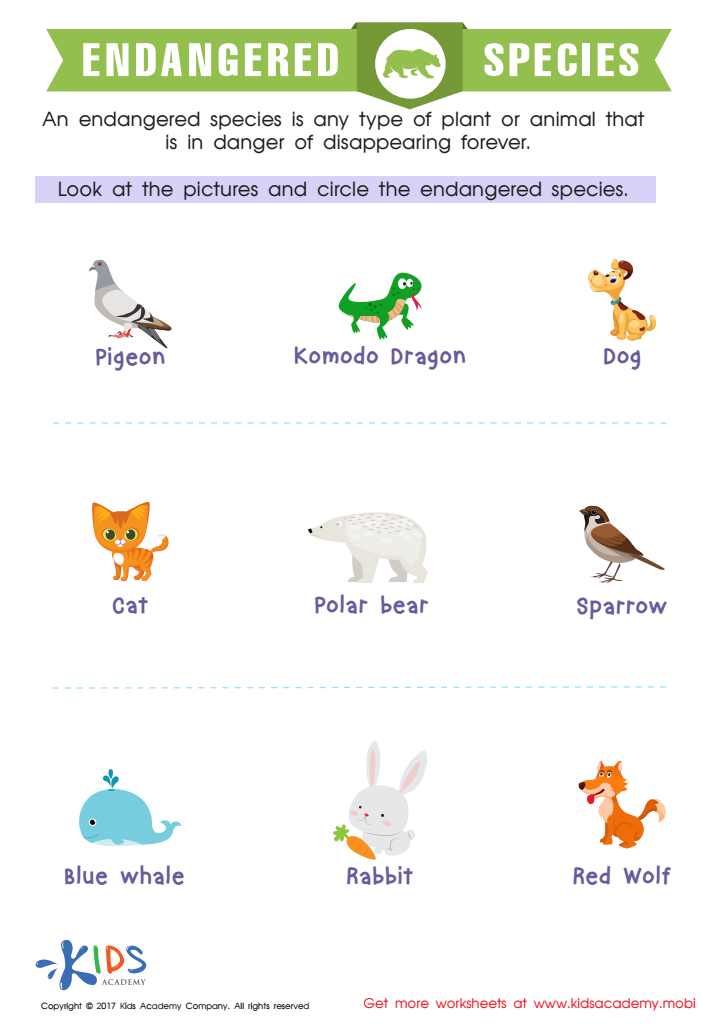
Endangerd Species Printable
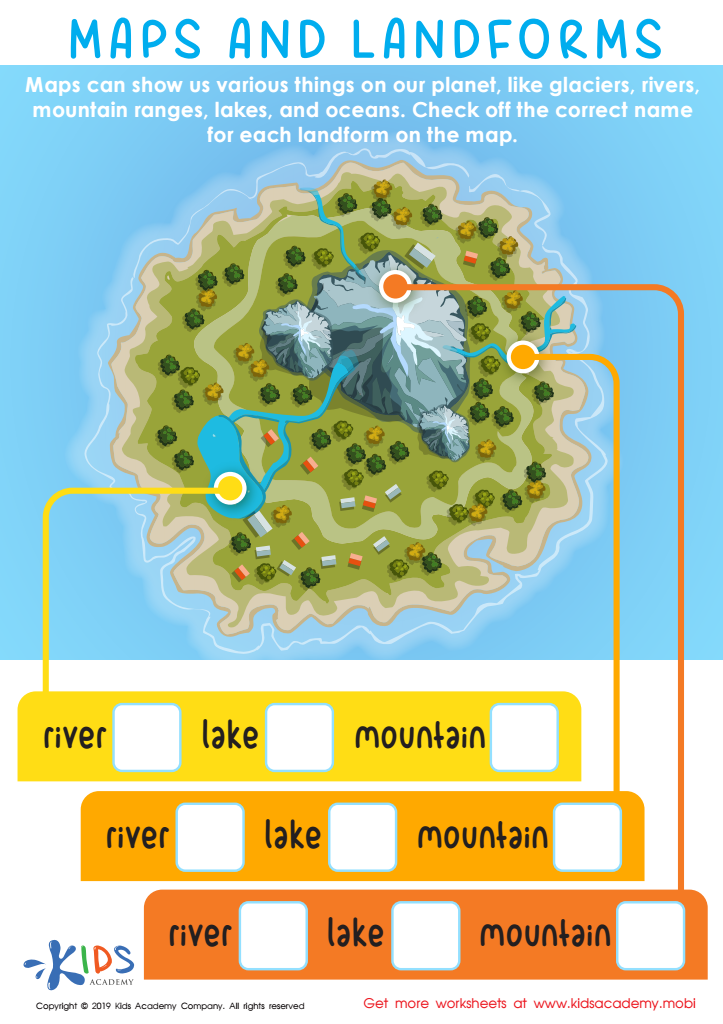
Maps and Landforms Worksheet
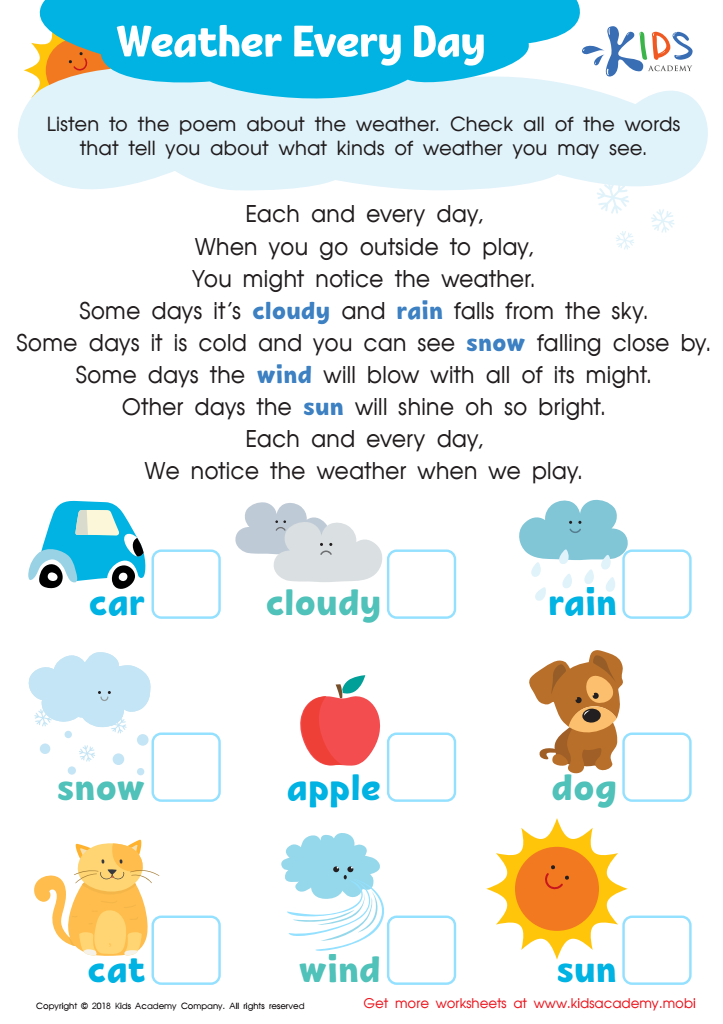
Weather Every Day Worksheet
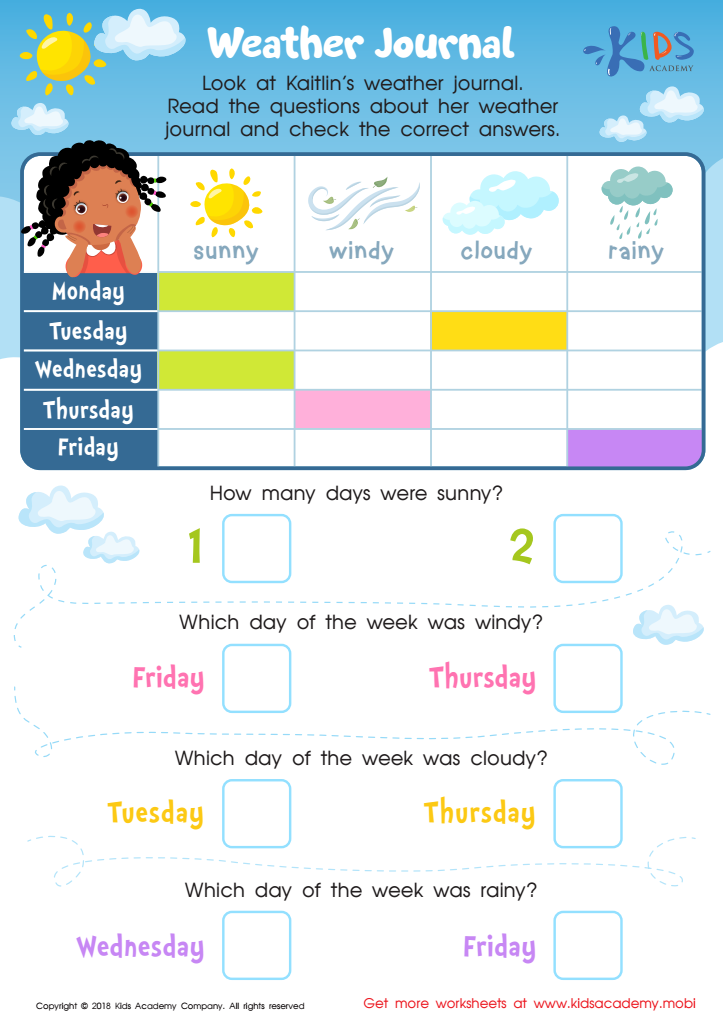
Weather Journal Worksheet
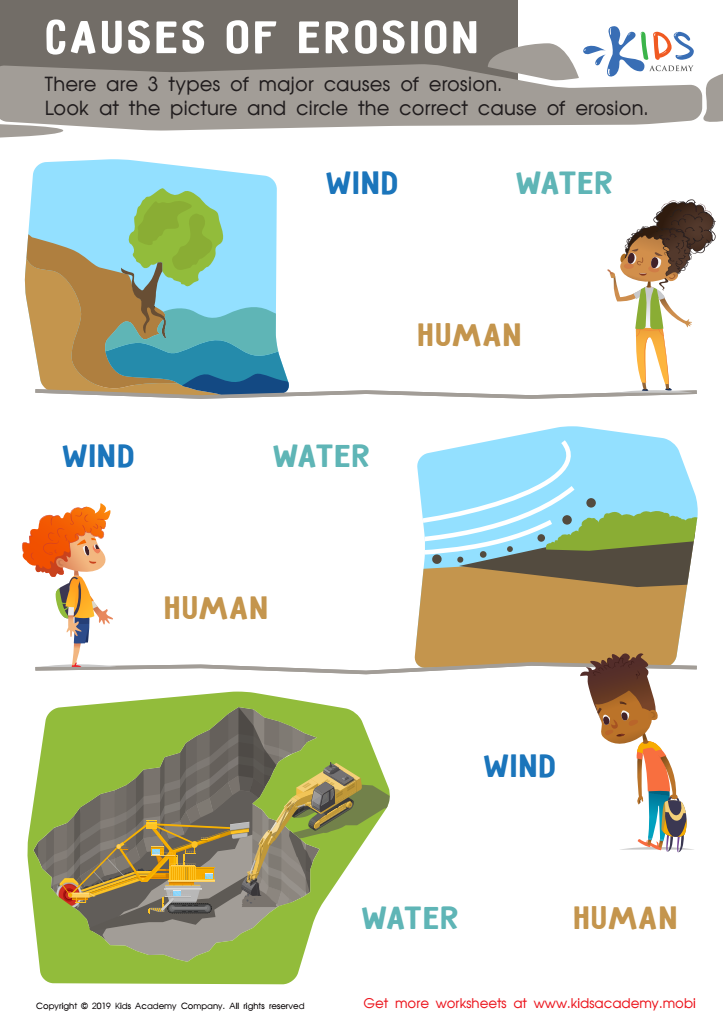
Causes of Erosion Worksheet
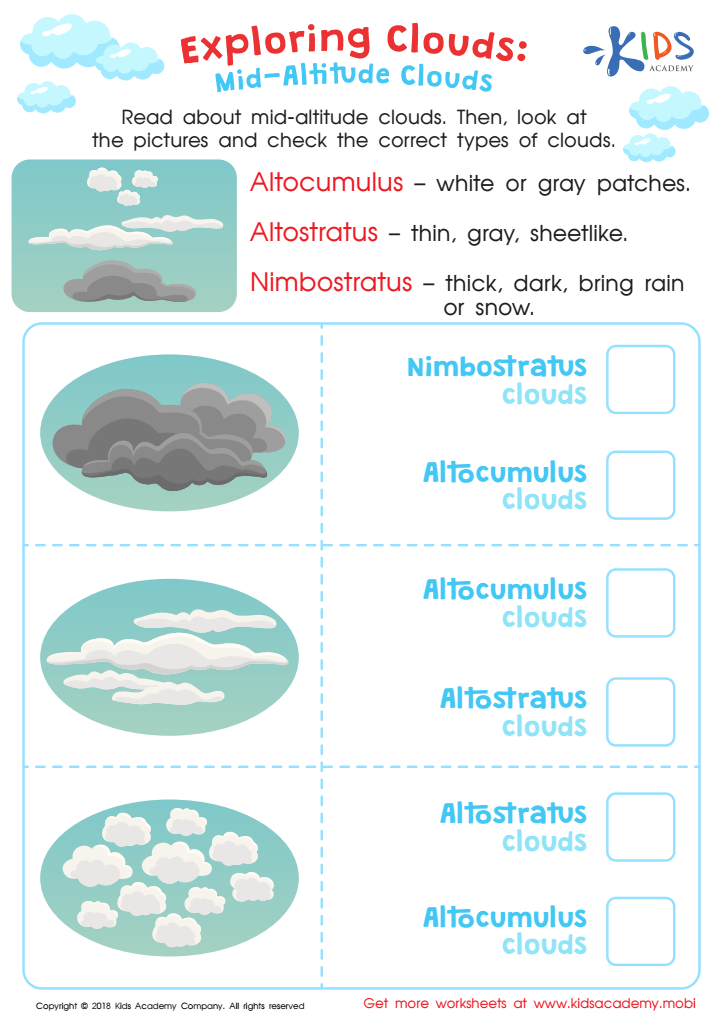
Exploring Clouds: Mid-altitude Clouds Worksheet
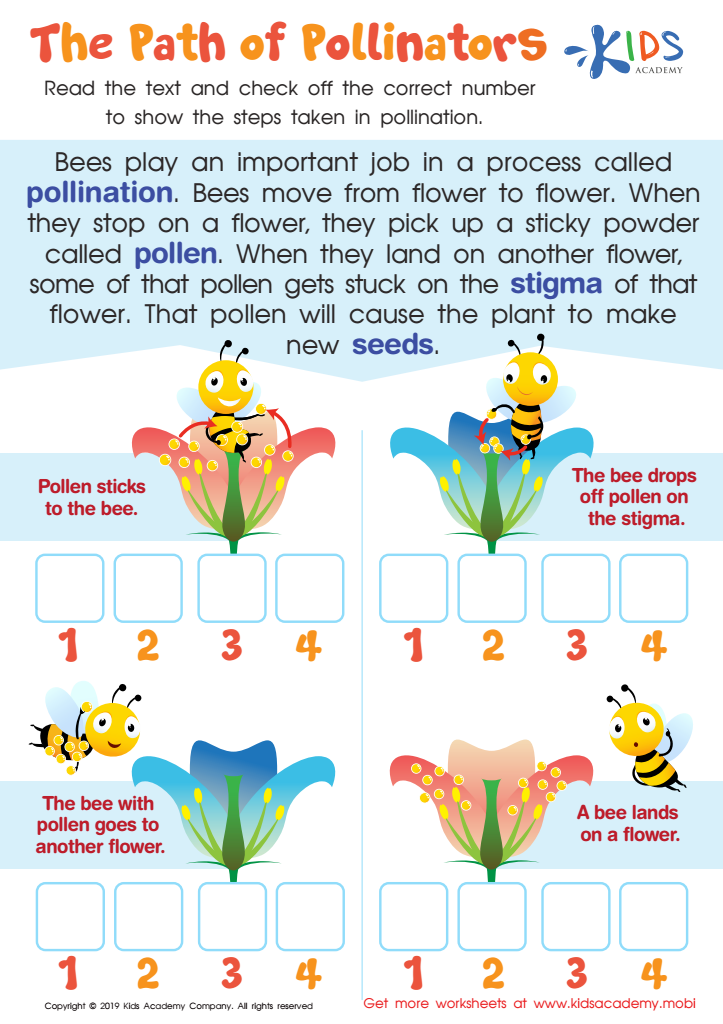
The Path of Pollinators Worksheet
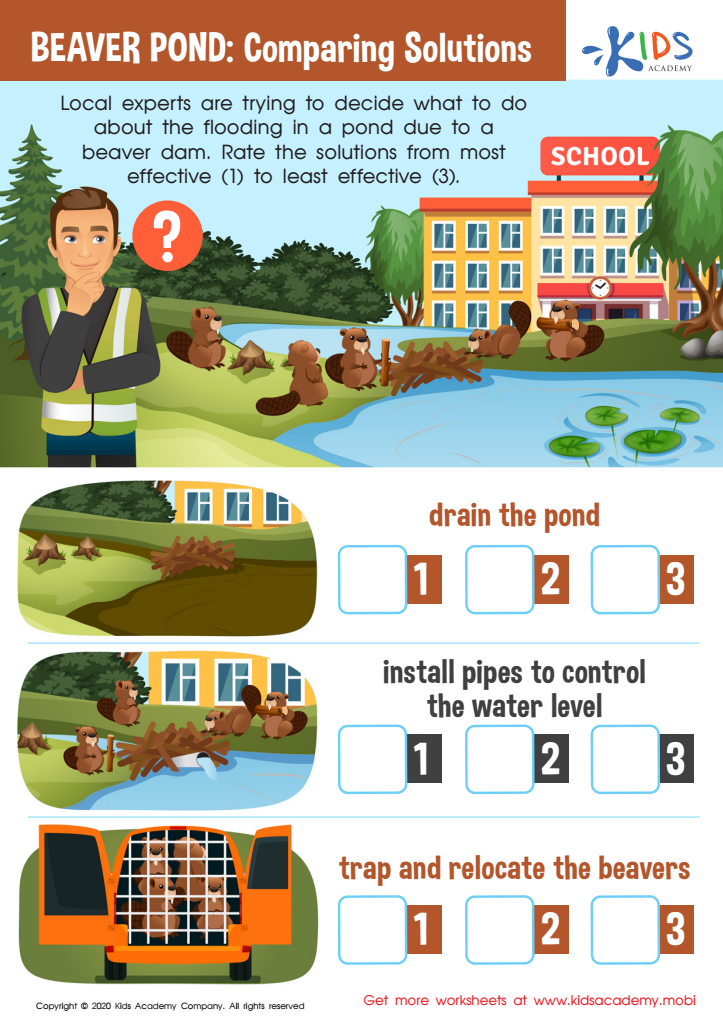
Beaver Pond: Comparing Solutions Worksheet
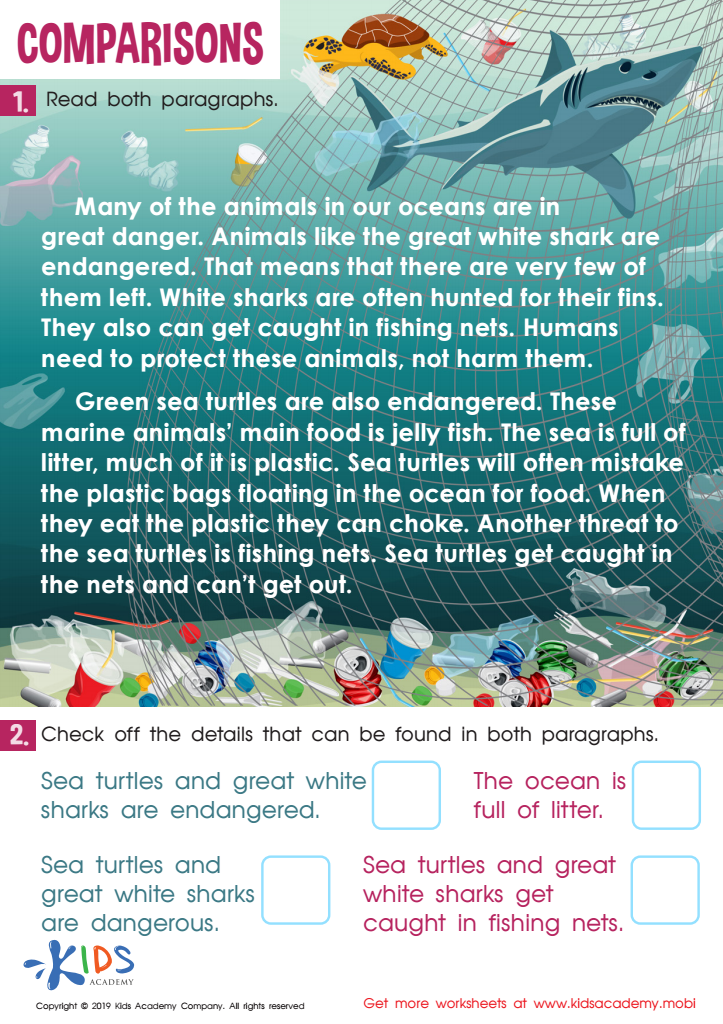
Comparisons Worksheet
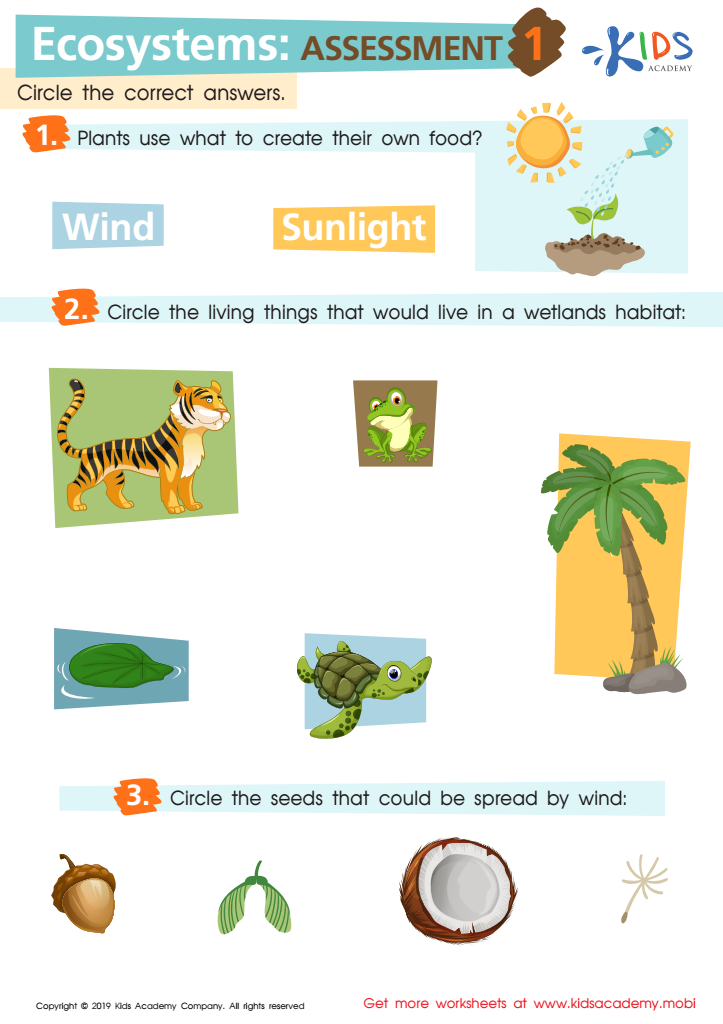
Ecosystems: Assessment 1 Worksheet
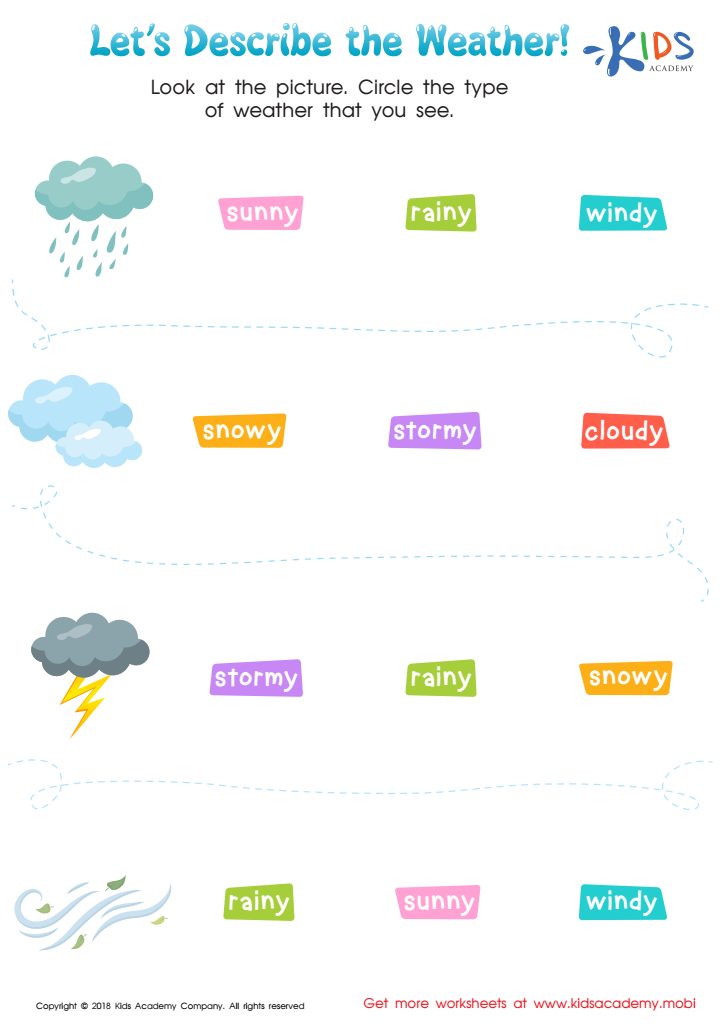
Let's Describe the Weather! Worksheet
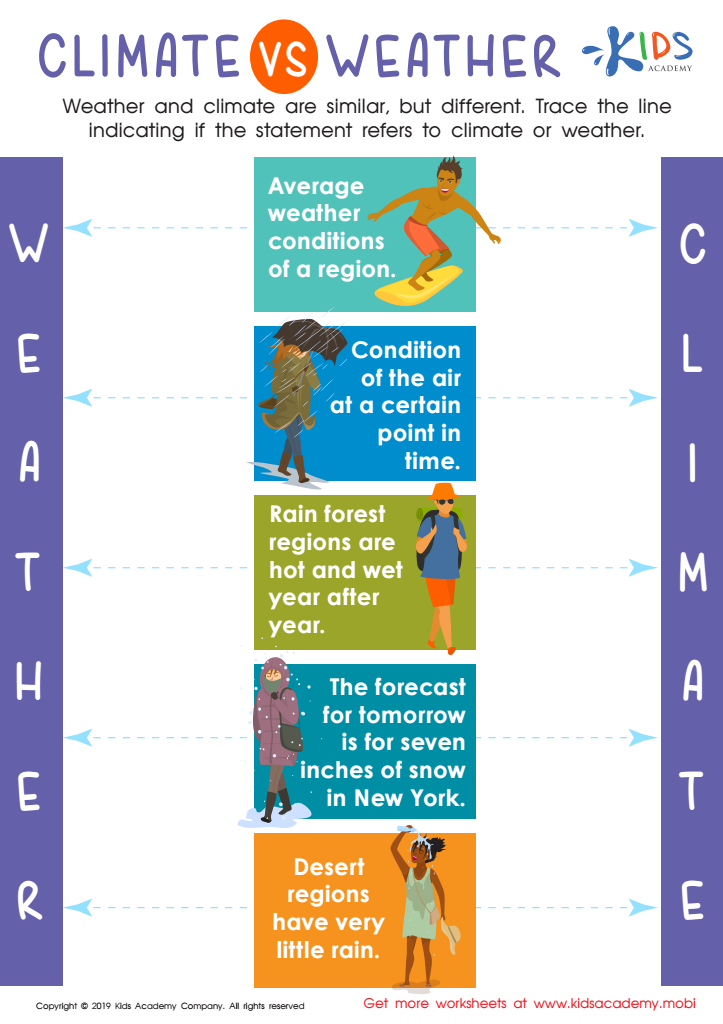
Climate vs Weather Worksheet
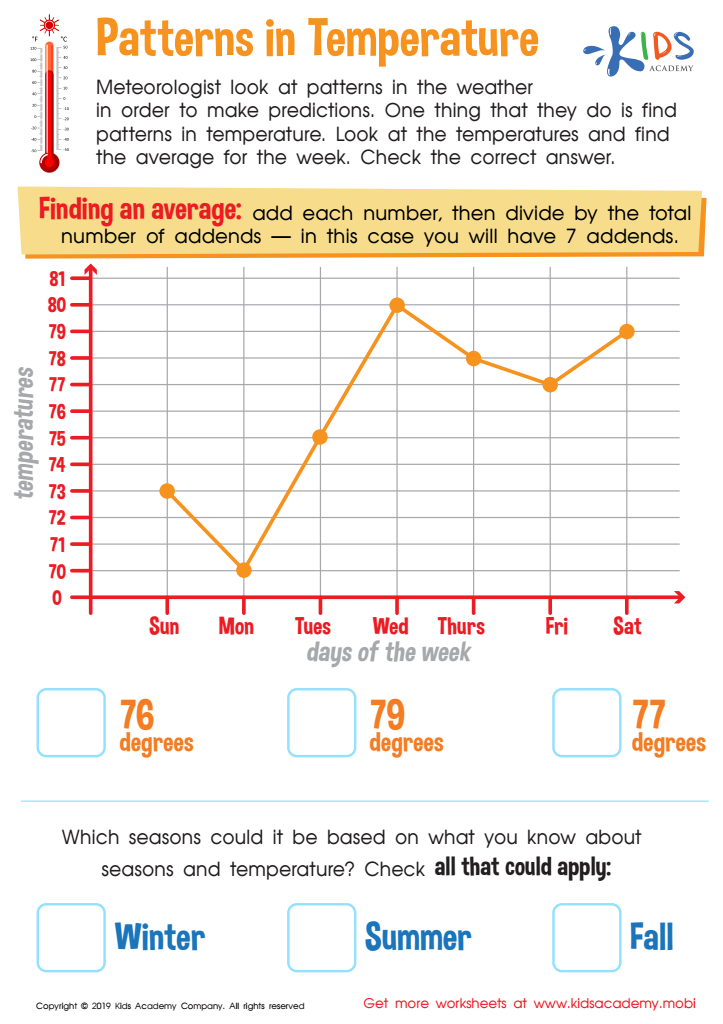
Patterns in Temperature Worksheet
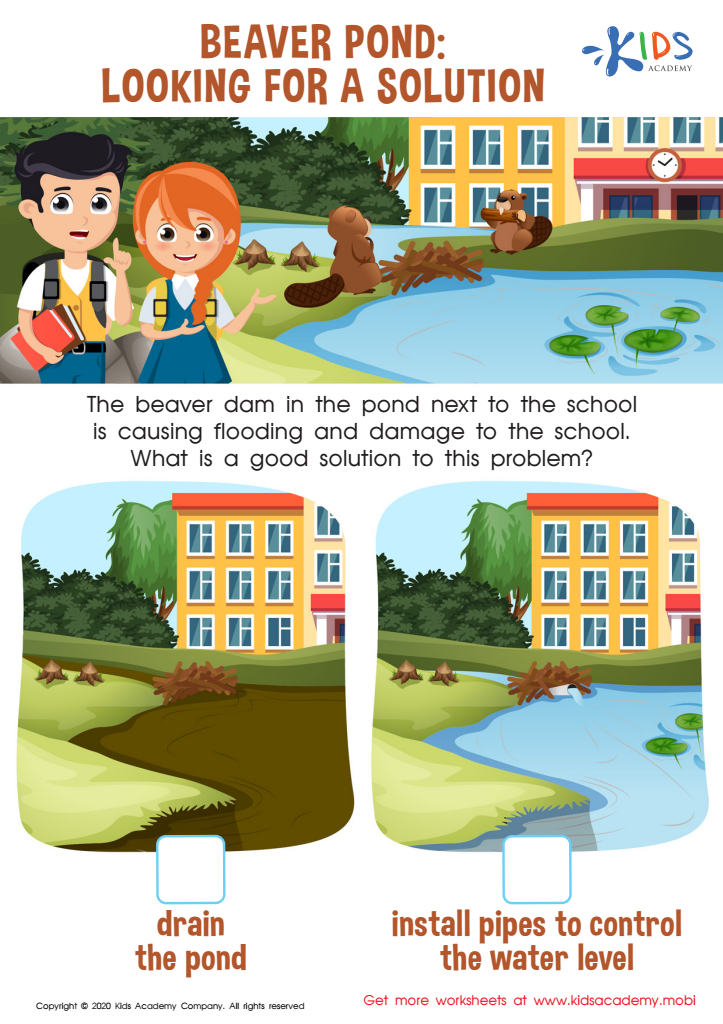
Beaver Pond: Looking for a Solution Worksheet
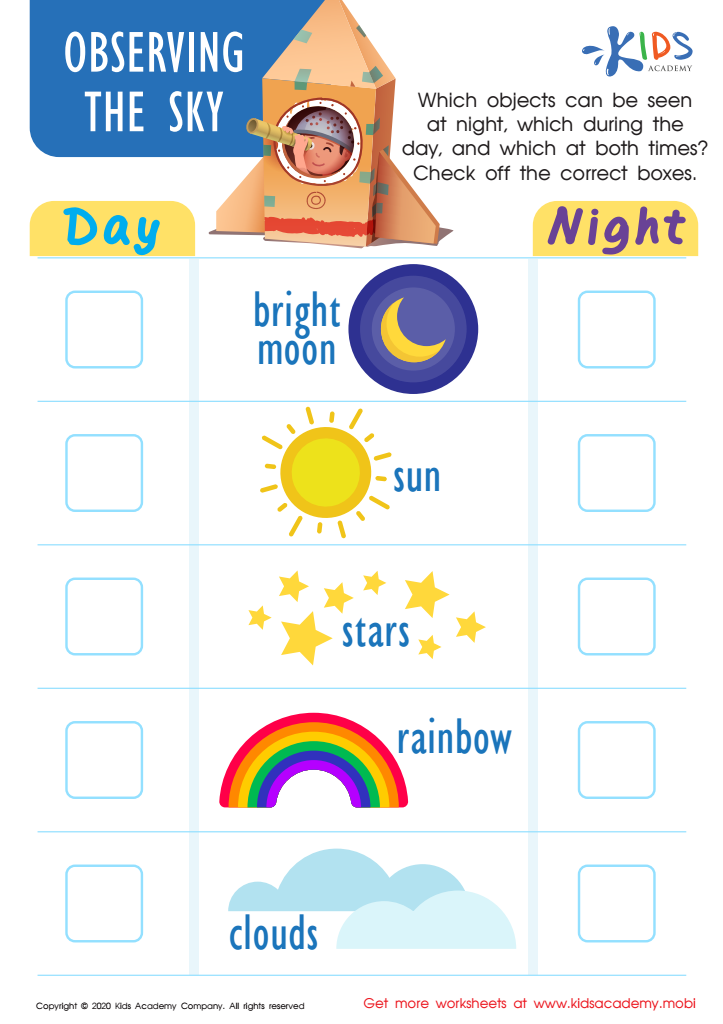
Observing the Sky Worksheet




Parents and teachers should care deeply about our planet and environment, especially when educating children aged 3-8, because these formative years lay the foundation for lifelong habits and attitudes. Instilling respect and care for the environment early helps children develop into mindful, responsible adults who understand the importance of conservation and sustainable living.
Engagement with nature boosts children's physical health, imagination, and cognitive skills. When young kids learn about plants, animals, and ecosystems, they are more likely to develop enhanced observational skills and scientific thinking. Practical exposure, such as gardening or nature walks, fosters curiosity and responsibility.
Moreover, children who grow up valuing the environment are likely to become conscientious citizens. They can influence their families and communities, promoting eco-friendly practices like recycling and reducing waste. Education on environmental stewardship can pave the way for innovative solutions to future ecological challenges.
Finally, nurturing a love for the planet can enhance emotional well-being. Activities such as outdoor play reduce stress and heighten happiness. The planet's health is directly linked to human well-being, and by appreciating this connection early on, young children learn the significance of their impact and the collective responsibility we all share.







