Counting Worksheets for Ages 3-9 - Page 2
43 filtered results
-
From - To
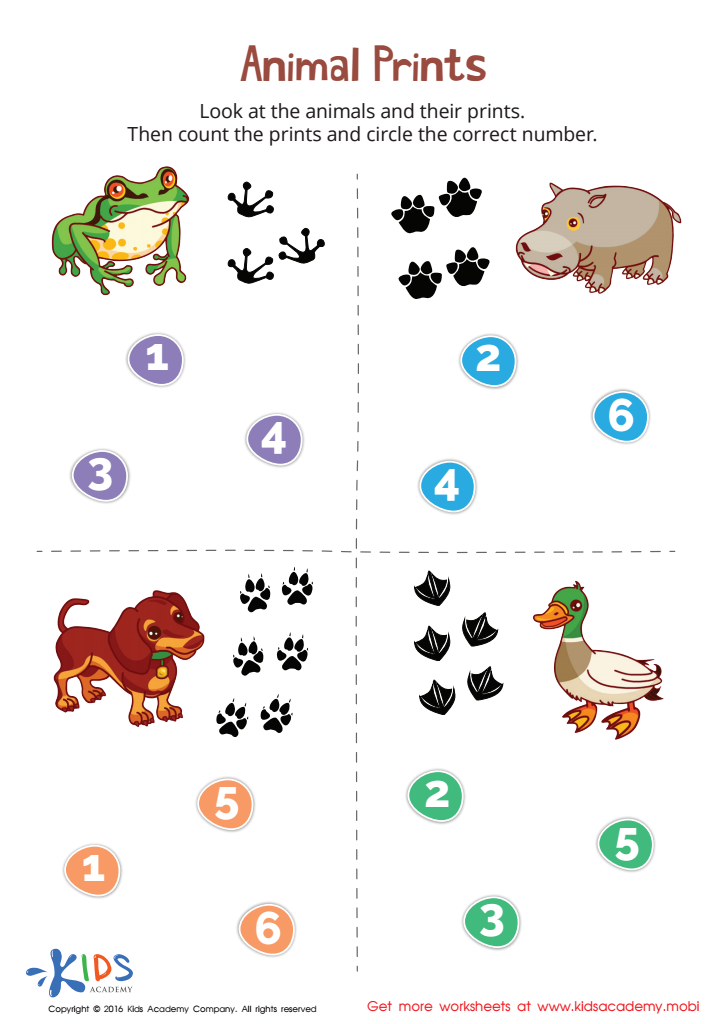
Animal Prints Match-Up Worksheet
 Assign to My Students

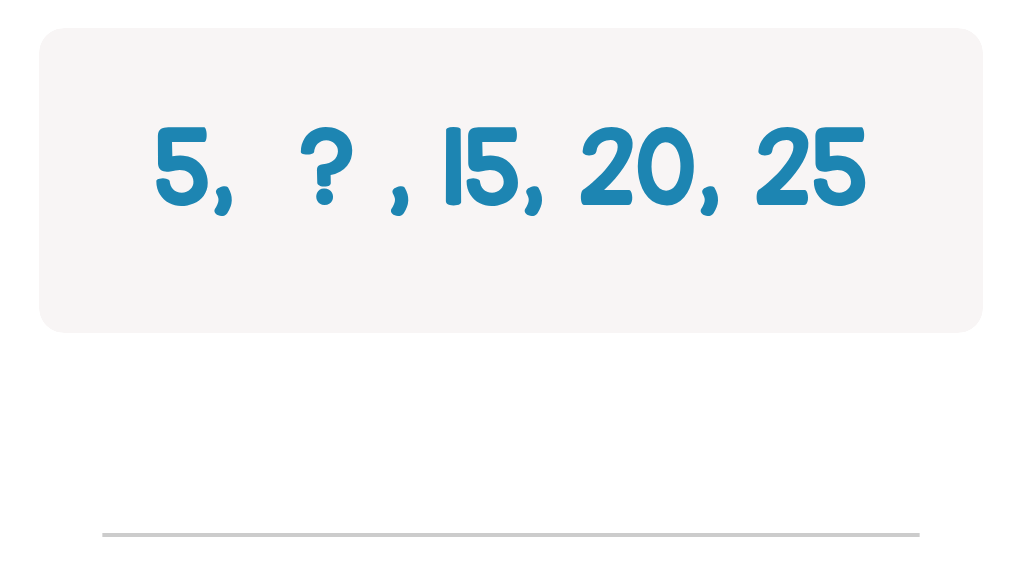
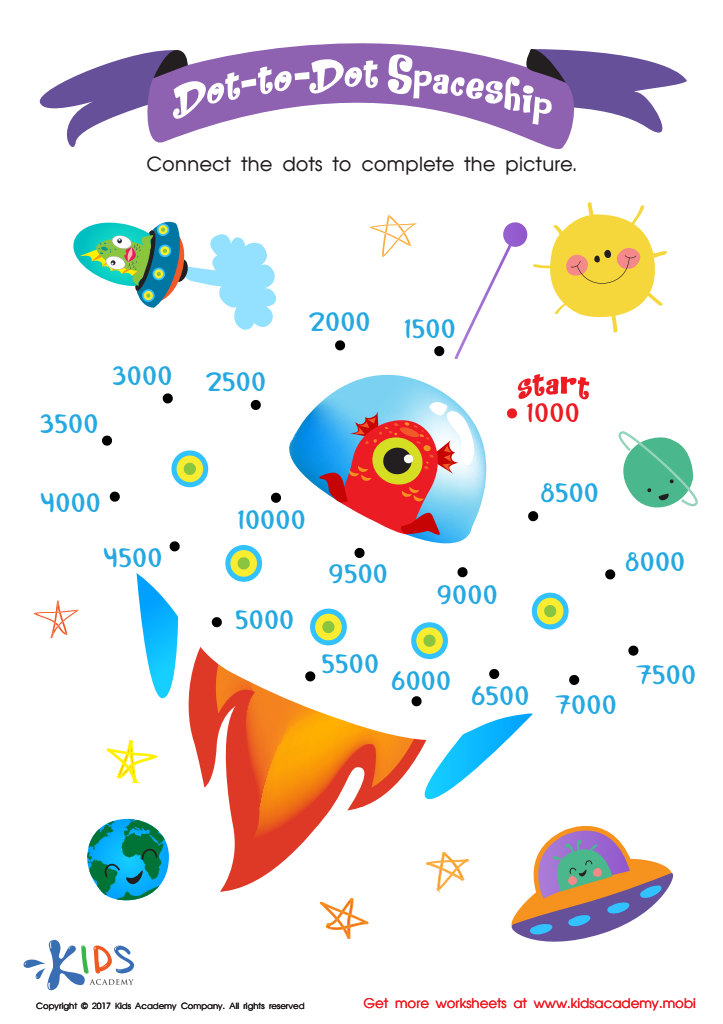
Dot to Dot Worksheet for 3rd Grade
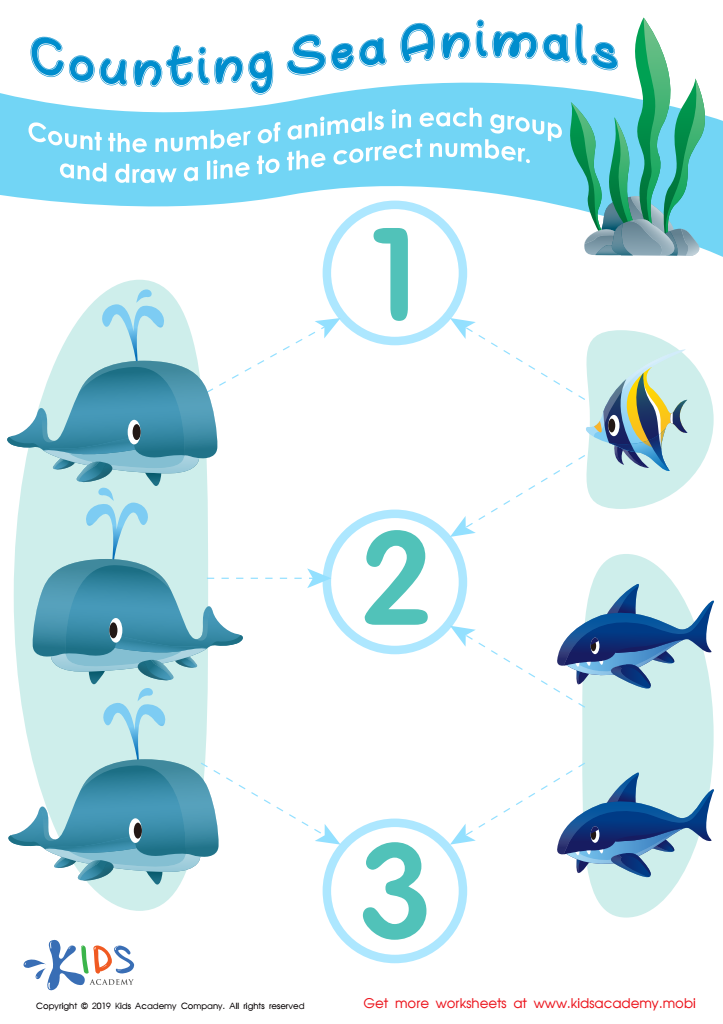
Counting Sea Animals Worksheet
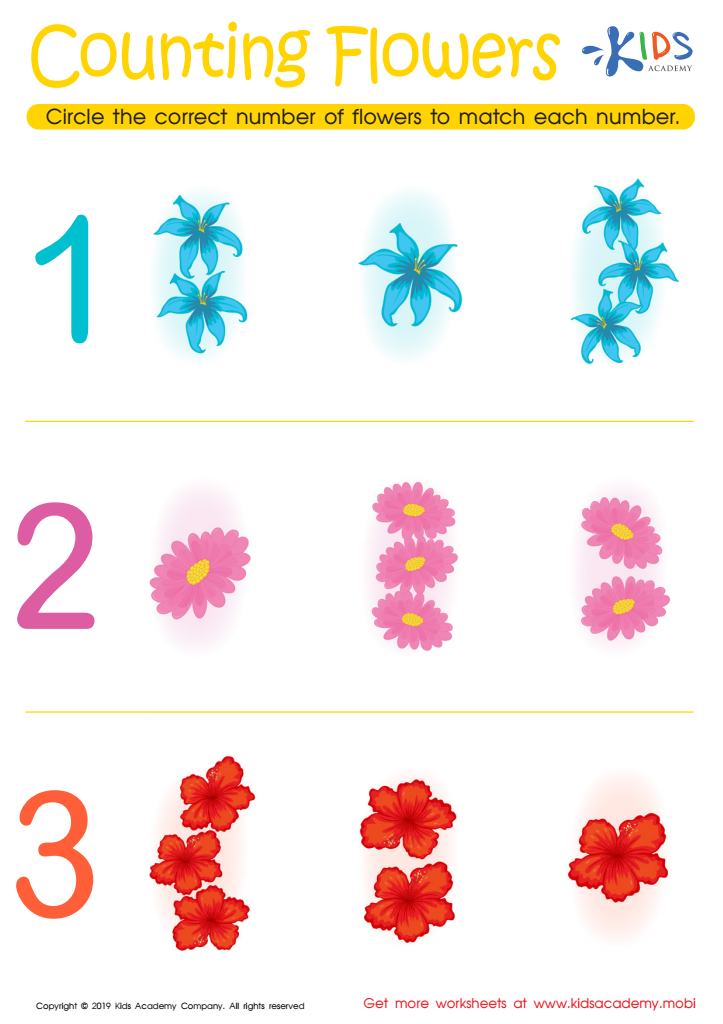
Counting Flowers Worksheet
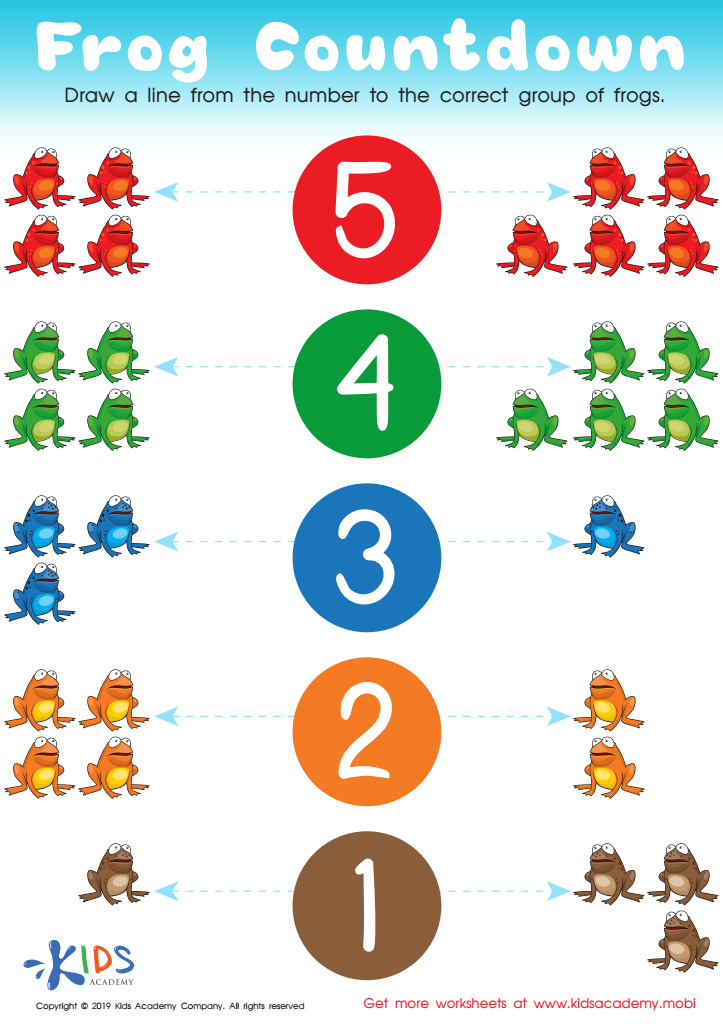
Frog Countdown Worksheet
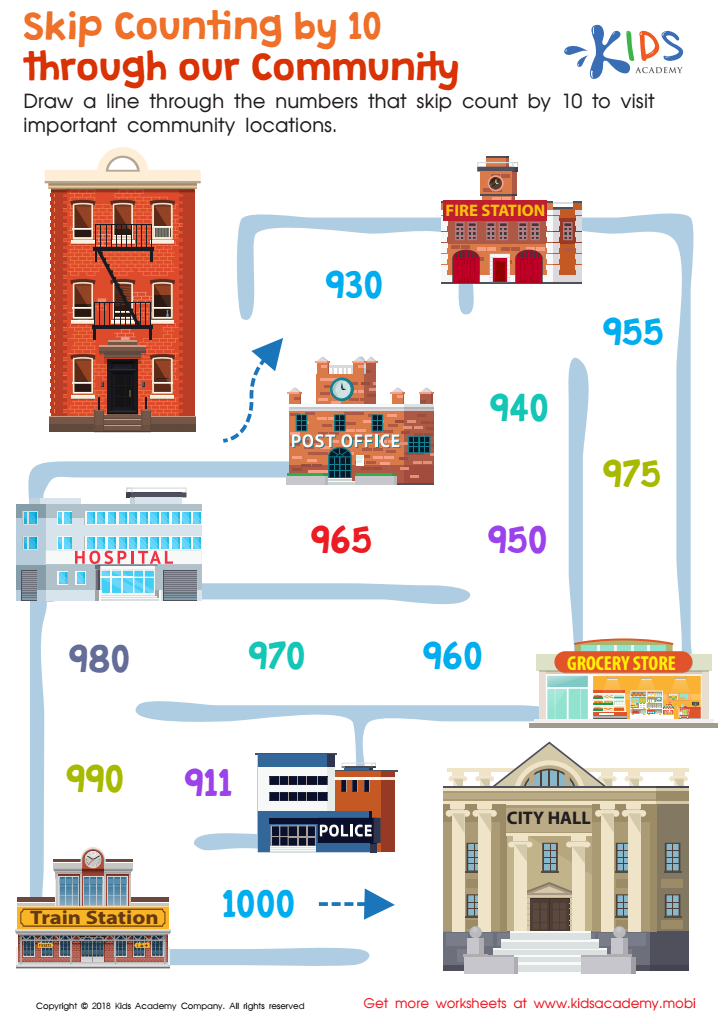
Skip Counting by 10 Through Our Community Worksheet
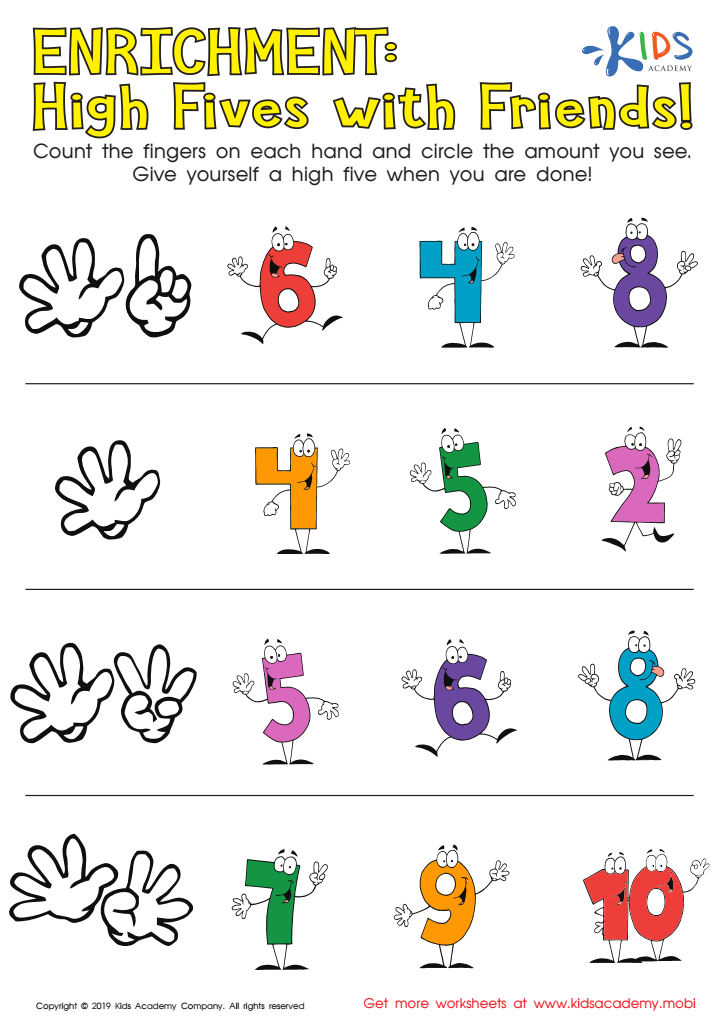
Enrichment: High Fives with Friends! Worksheet
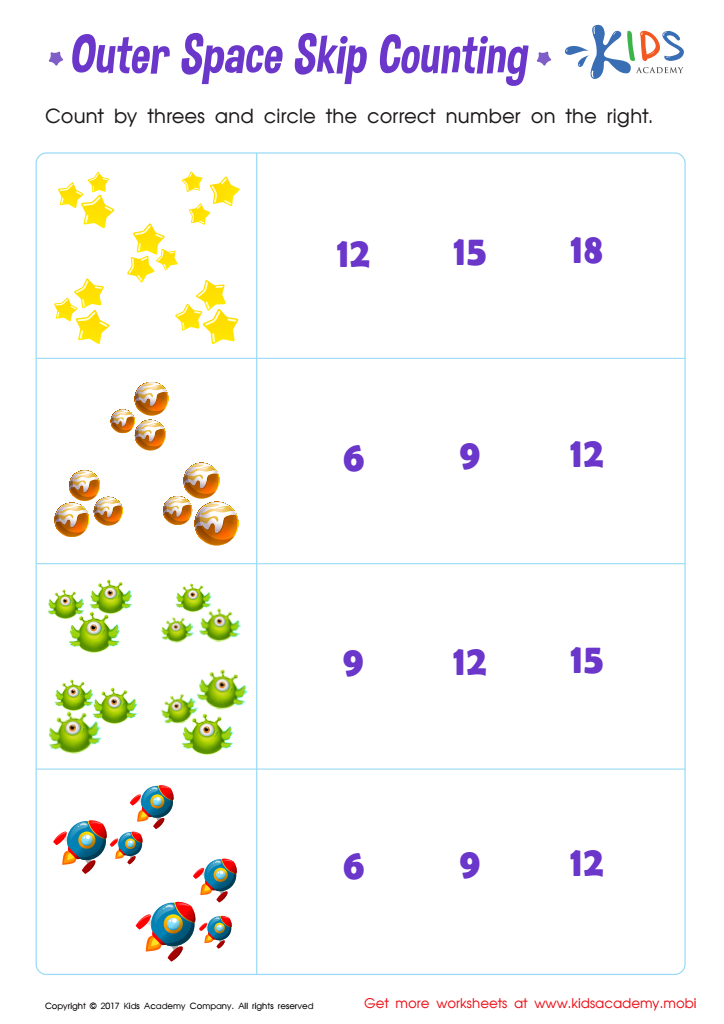
Skip Counting by 3s: Outer Space Skip Counting Printable
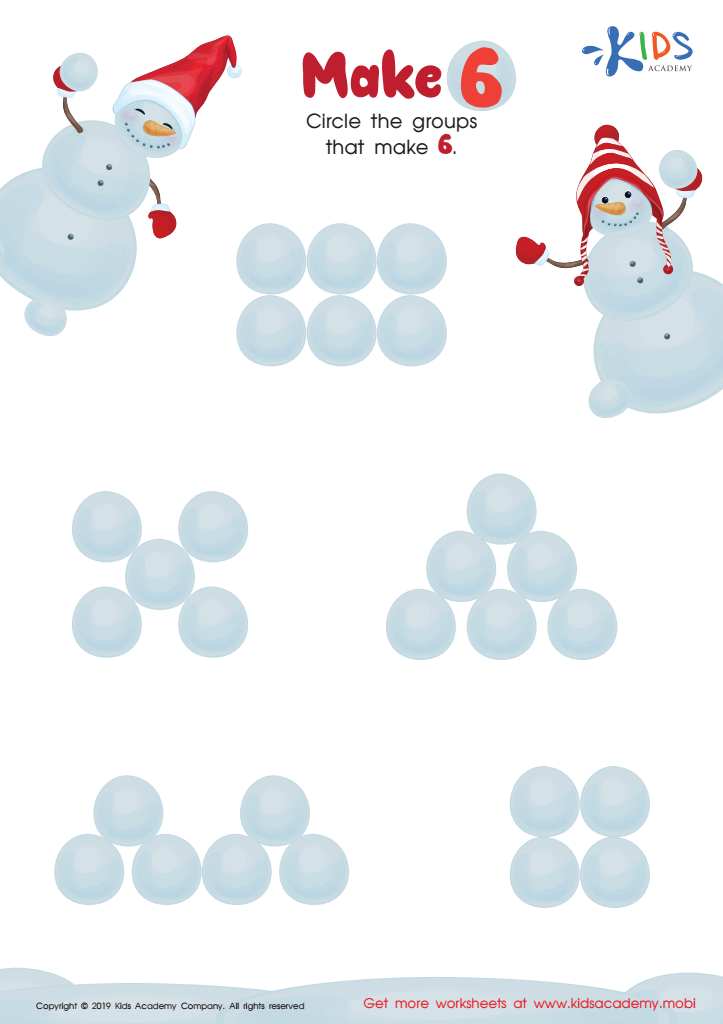
Make 6 Worksheet
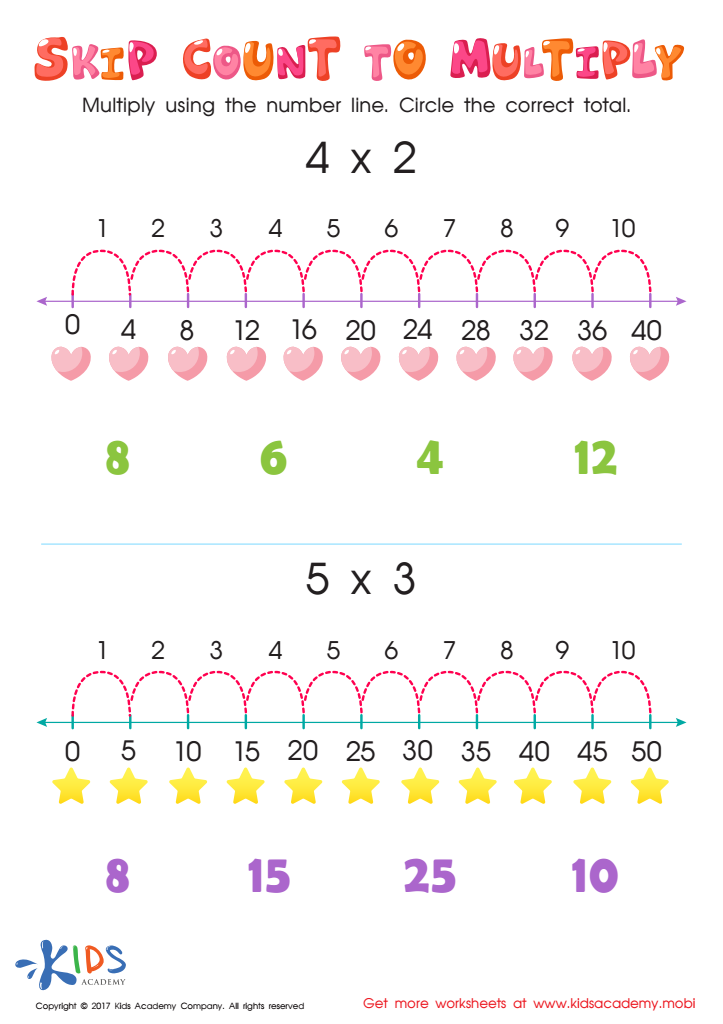
Skip Count Multiplication Worksheet
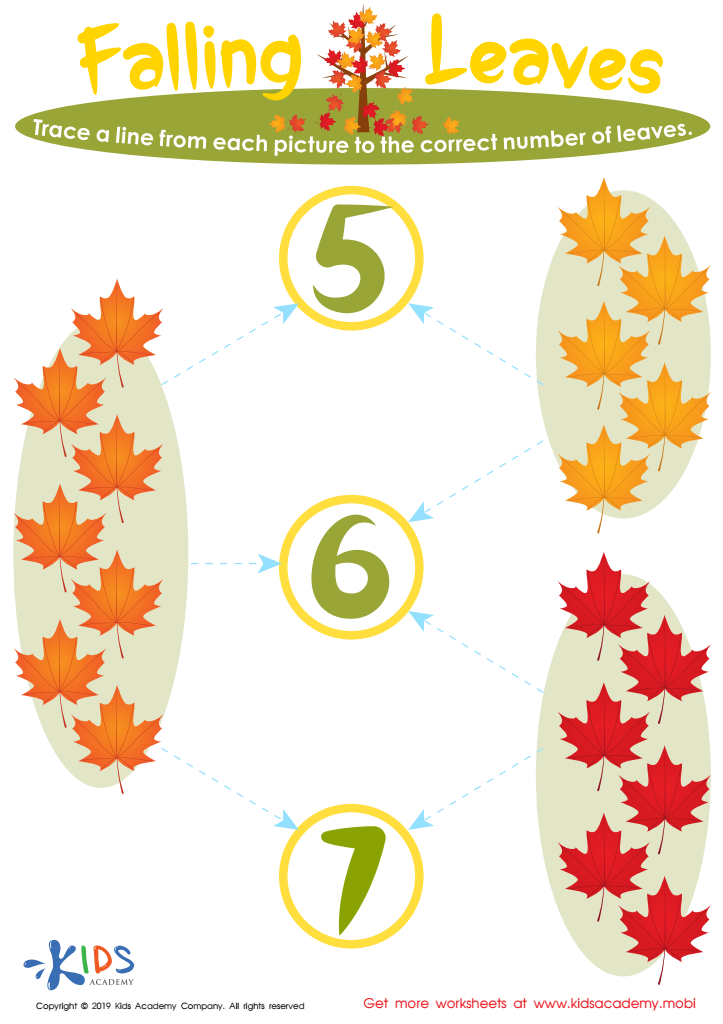
Falling Leaves Worksheet
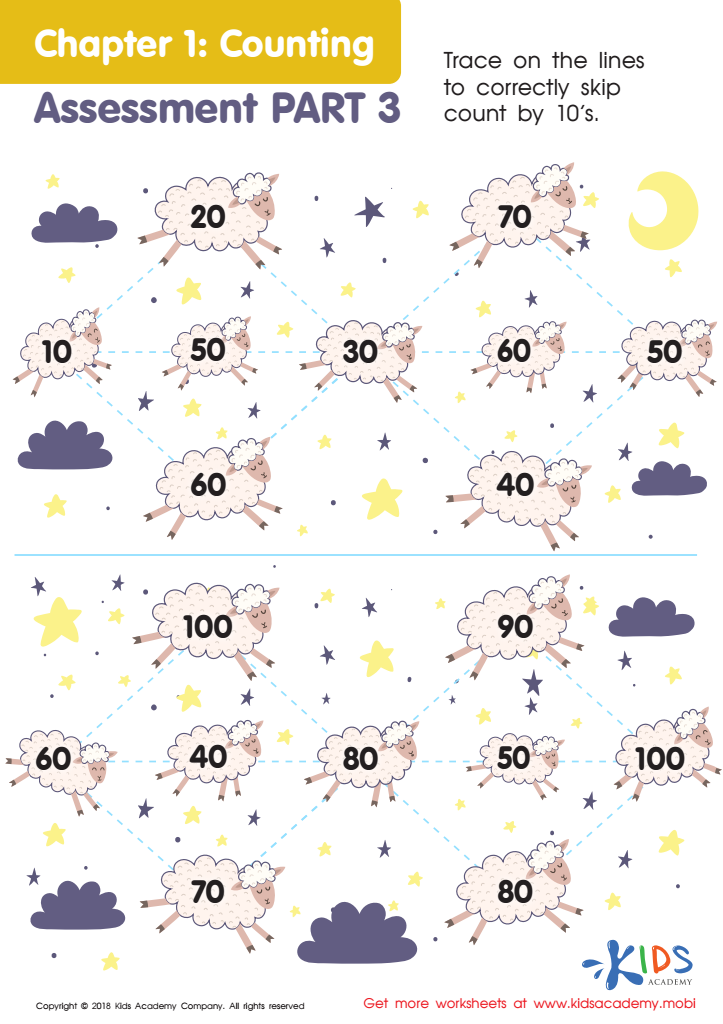
Counting: Assessment 3 Worksheet
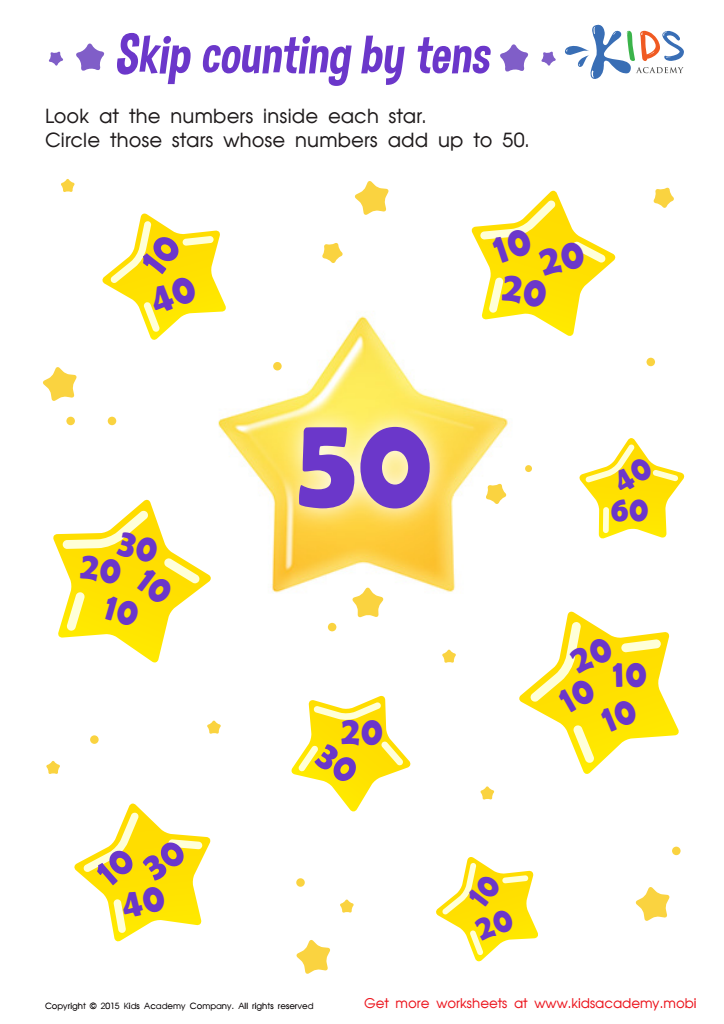
Learn Dozens: Skip Counting by Tens Printable
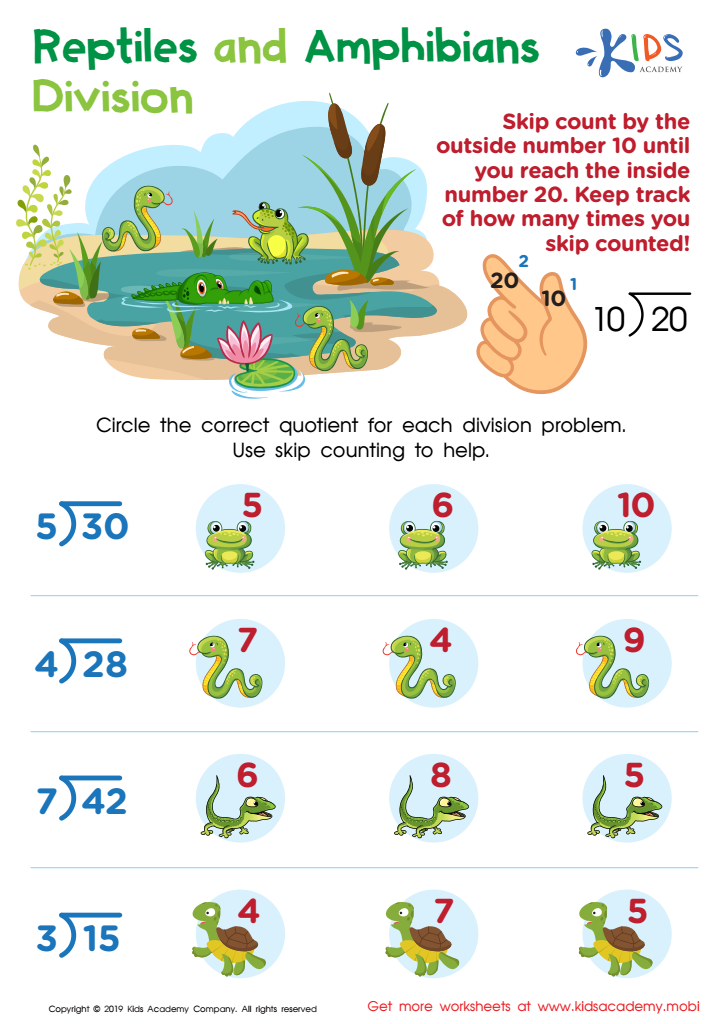
Reptile and Amphibians Division Worksheet
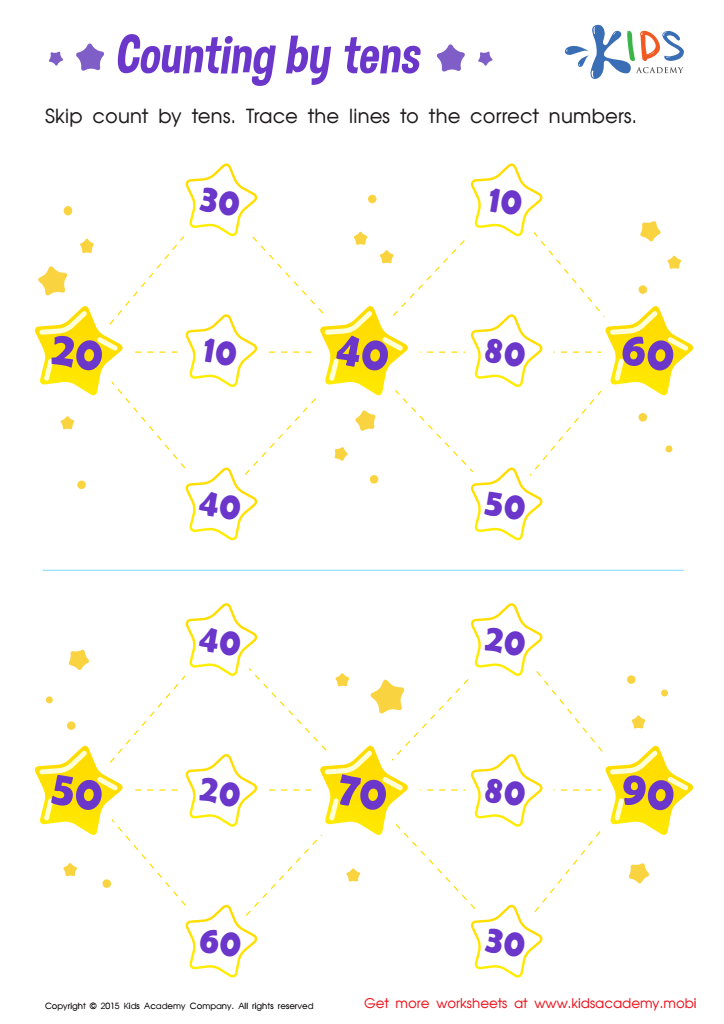
Learn Dozens: Counting by Tens Printable
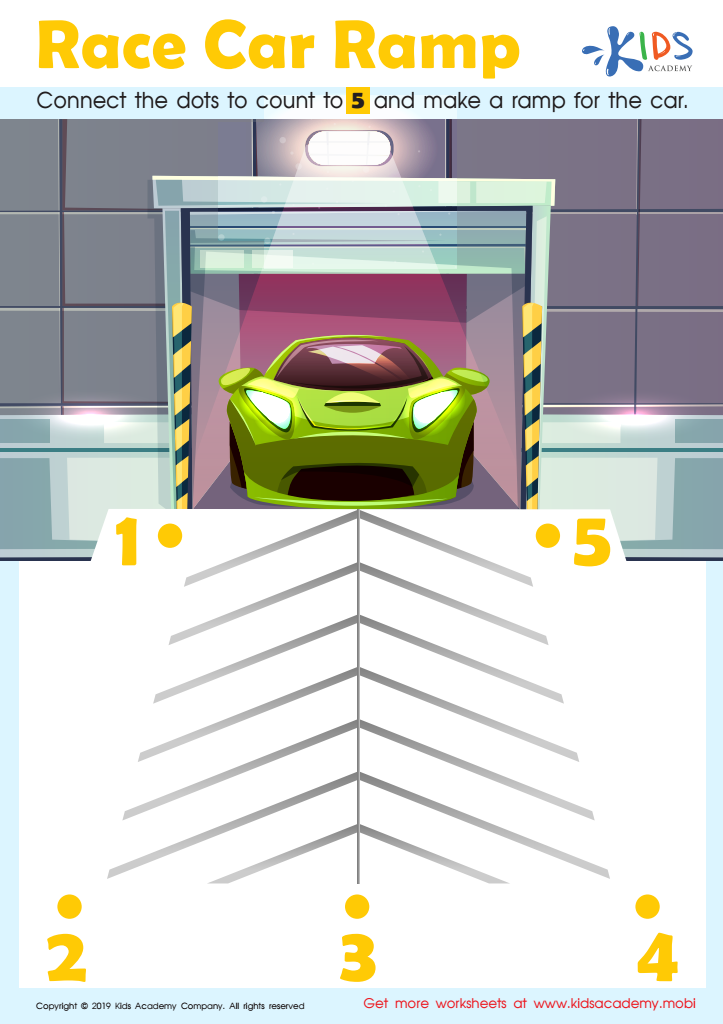
Race Car Ramp Worksheet
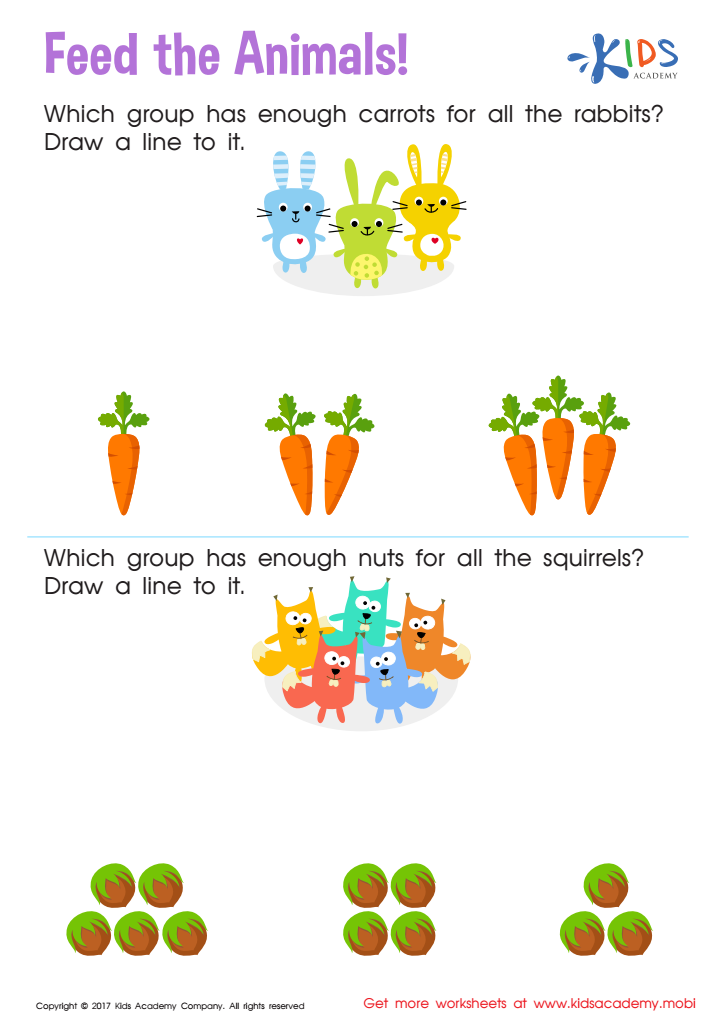
Count and Match: Feed the Animals Worksheet
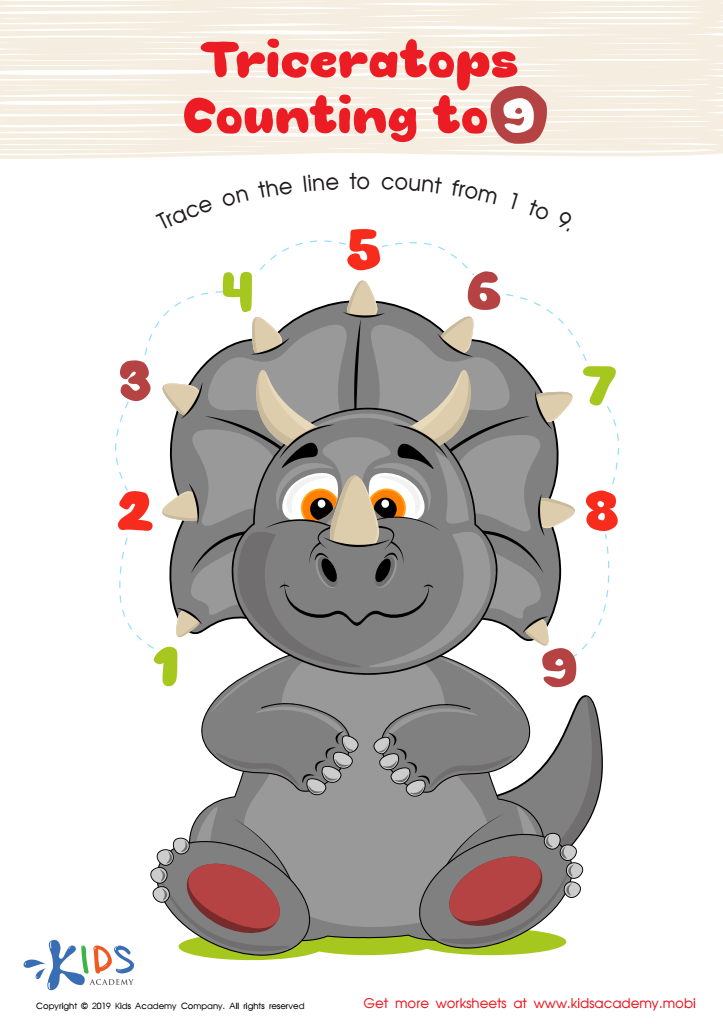
Triceratops Counting to 9 Worksheet
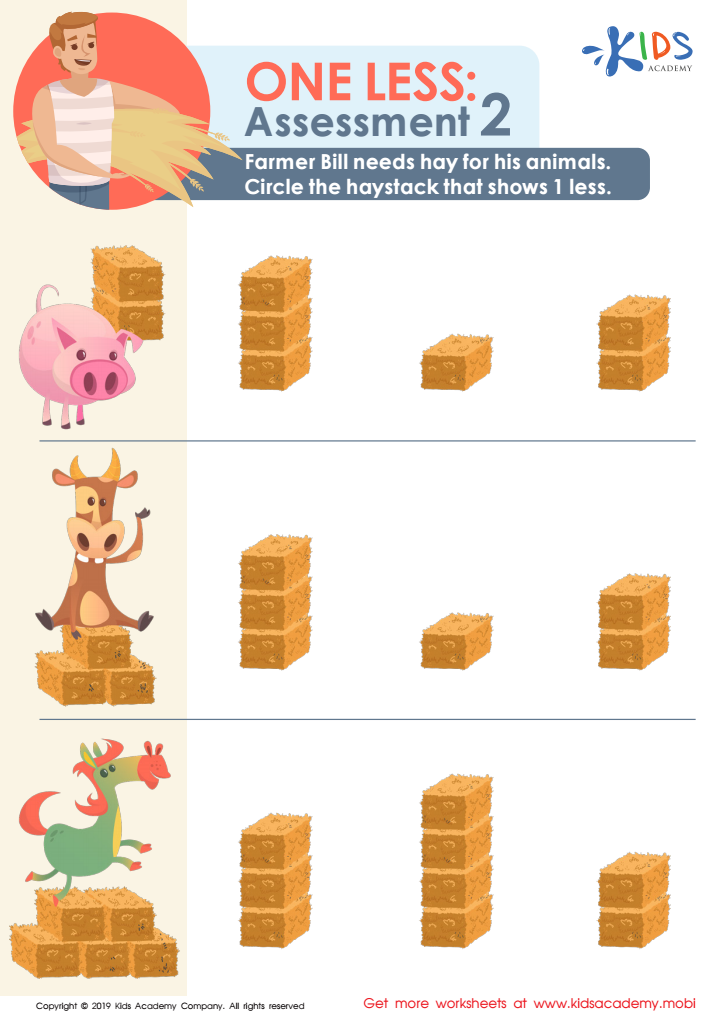
One Less: Assessment 2 Worksheet







Counting is a fundamental skill that lays the groundwork for a child's mathematical understanding and competency. For children aged 3-9, mastering counting provides crucial cognitive and practical benefits. Firstly, it helps develop number sense, allowing children to understand and relate to numbers in everyday life. This forms the basis for more complex mathematical concepts such as addition, subtraction, multiplication, and division.
Early proficiency in counting also supports logical thinking and problem-solving abilities. When children count objects, they learn one-to-one correspondence, which is the ability to pair each number name with one object. This practice aids in understanding quantity and assists in accurate calculations and measurements later in academic settings.
Beyond mathematics, counting enhances fine motor skills as children physically interact with objects. Counting also fosters attention to detail and improves concentration. Moreover, these skills are universally applicable, extending their importance to various life scenarios such as telling time, cooking, or managing money, thereby preparing children for practical aspects of life.
Given its broad cognitive, developmental, and practical implications, parents and teachers should prioritize teaching counting for young children. By building a strong numerical foundation, they can support a child's academic journey and daily functioning, fostering their overall intellectual and personal growth.








