Matching Worksheets for Ages 4-7 - Page 2
80 filtered results
-
From - To
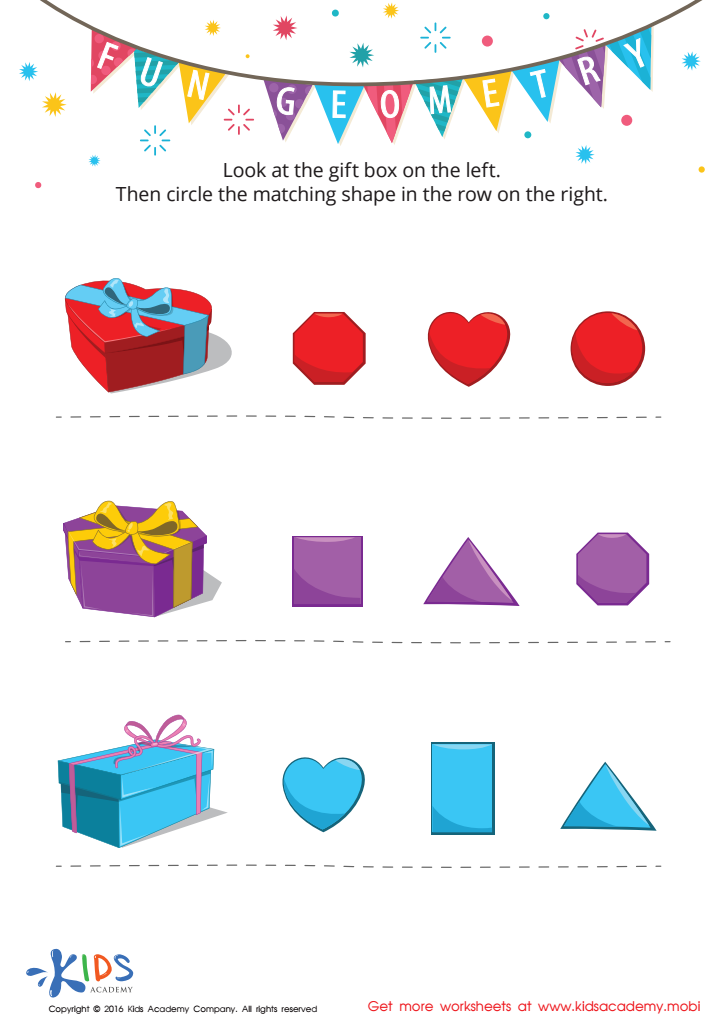
Fun Geometry Worksheet
 Assign to My Students
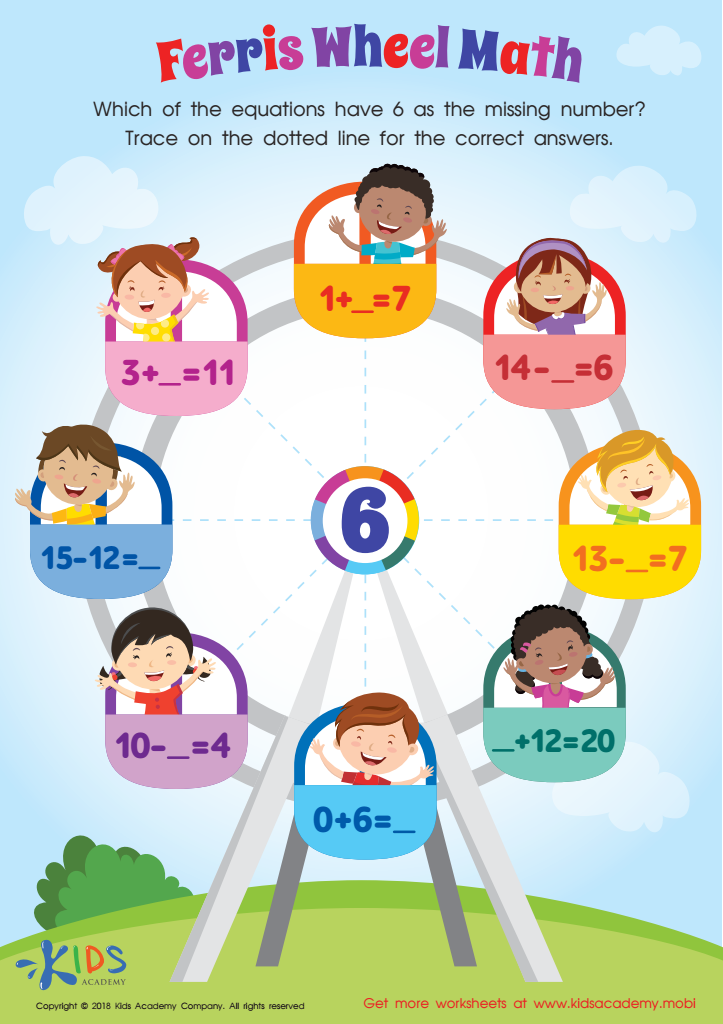
Missing Number: Ferris Wheel Math Worksheet
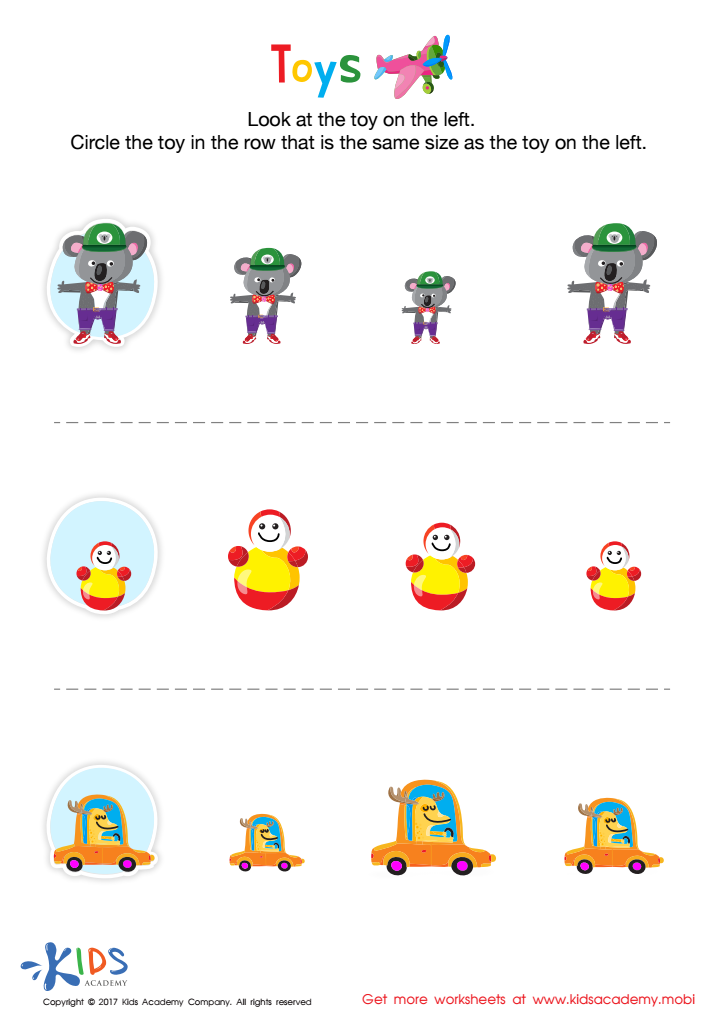
Matching: Classifying Toys by Size Worksheet
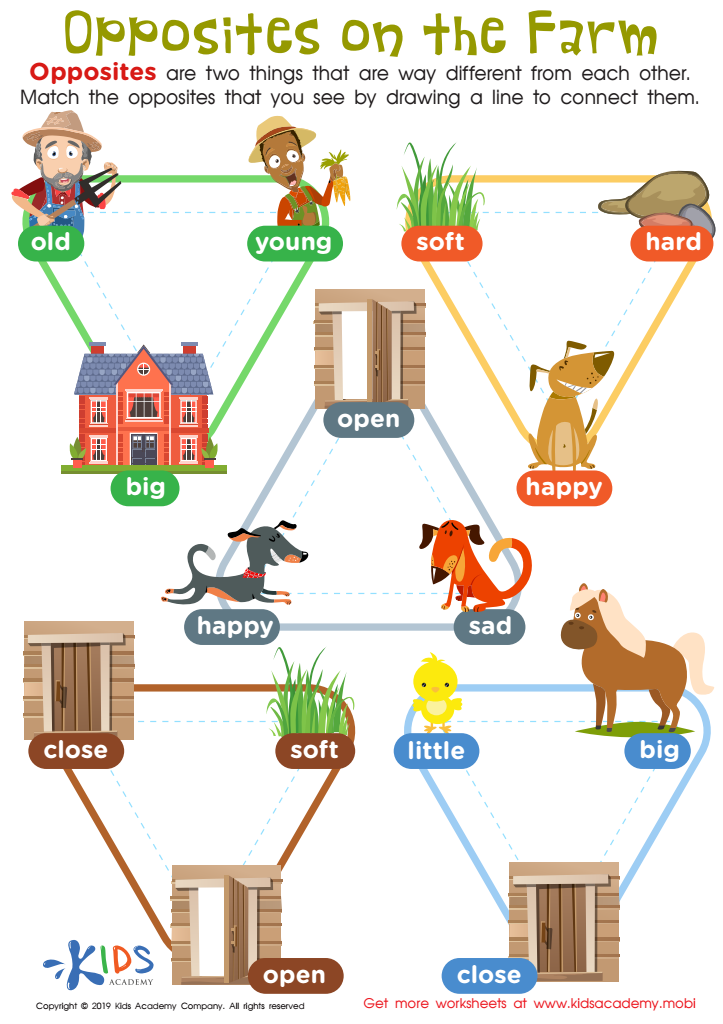
Opposites on the Farm Worksheet
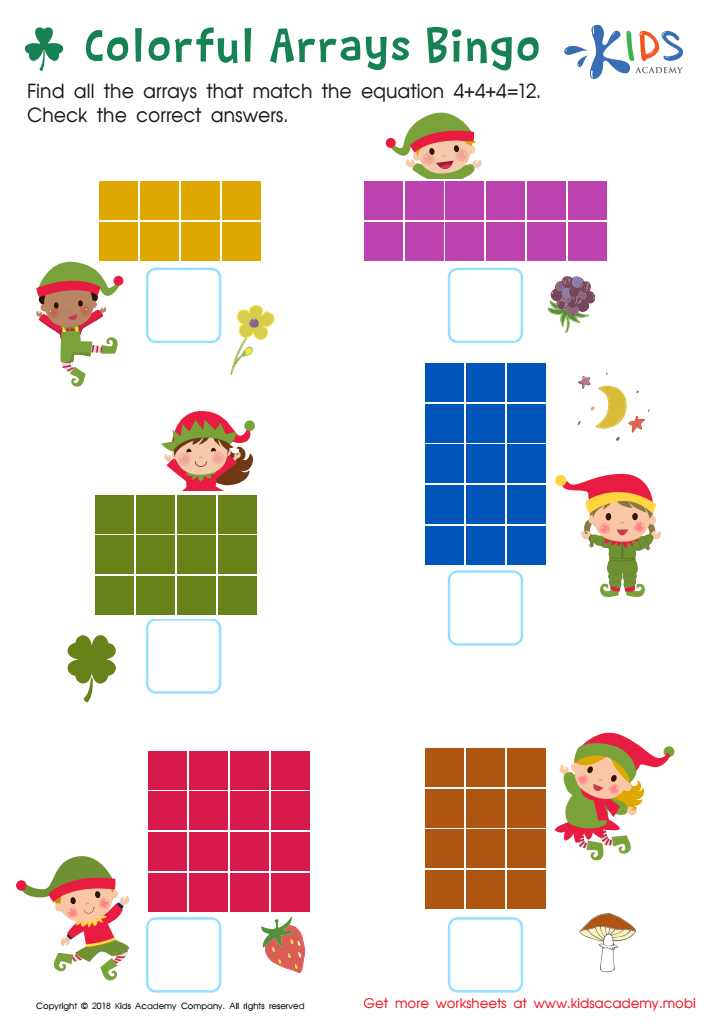
Colorful Arrays Bingo Worksheet
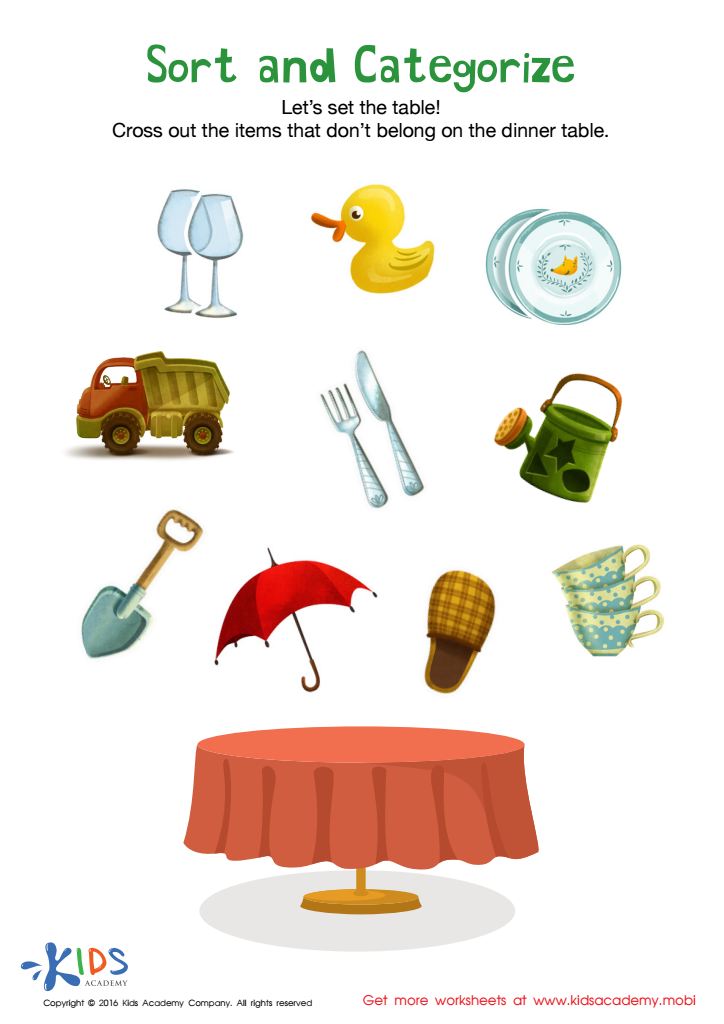
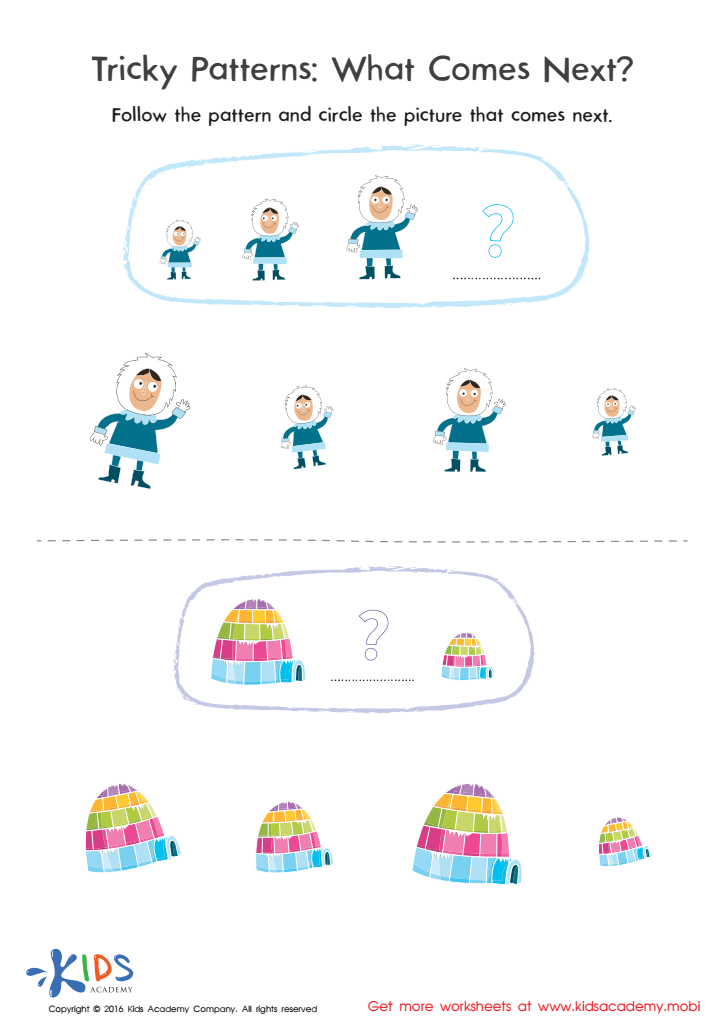
Tricky Patterns Size Worksheet
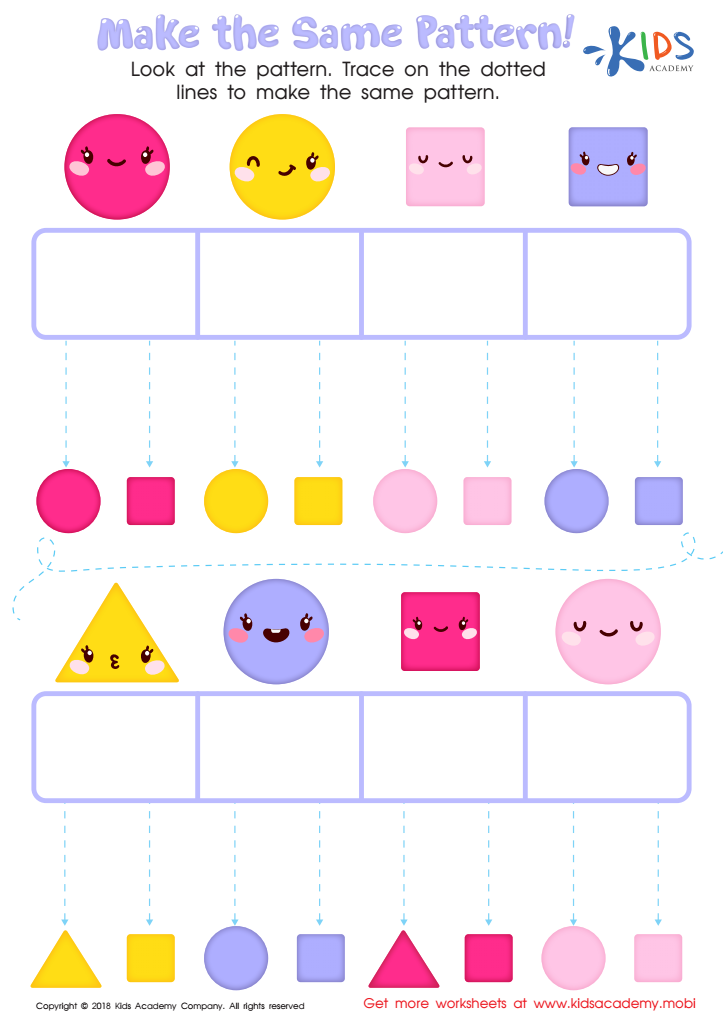
Make the Same Pattern Worksheet
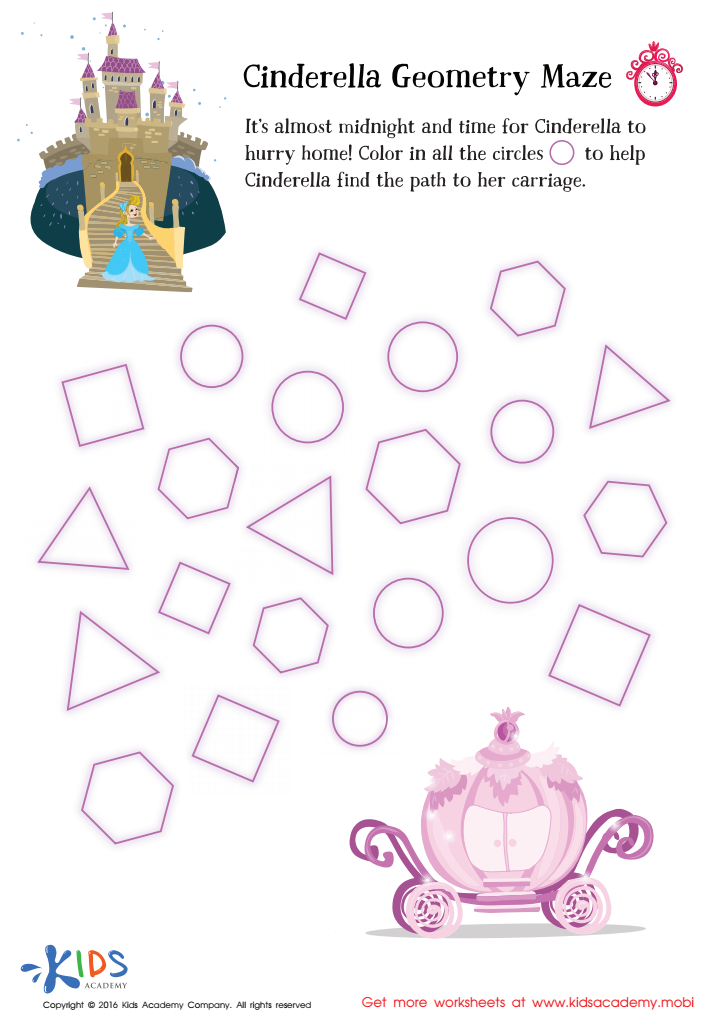
Cinderella Geometry Maze Worksheet
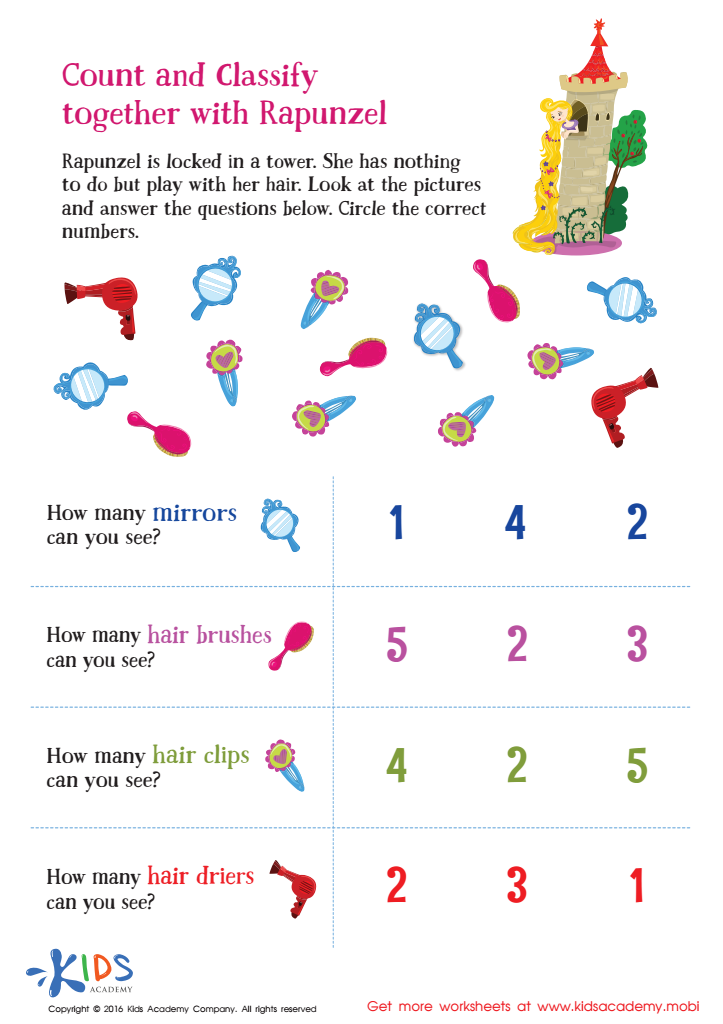
Fairy Tale Worksheet: Count and Classify with Rapunzel
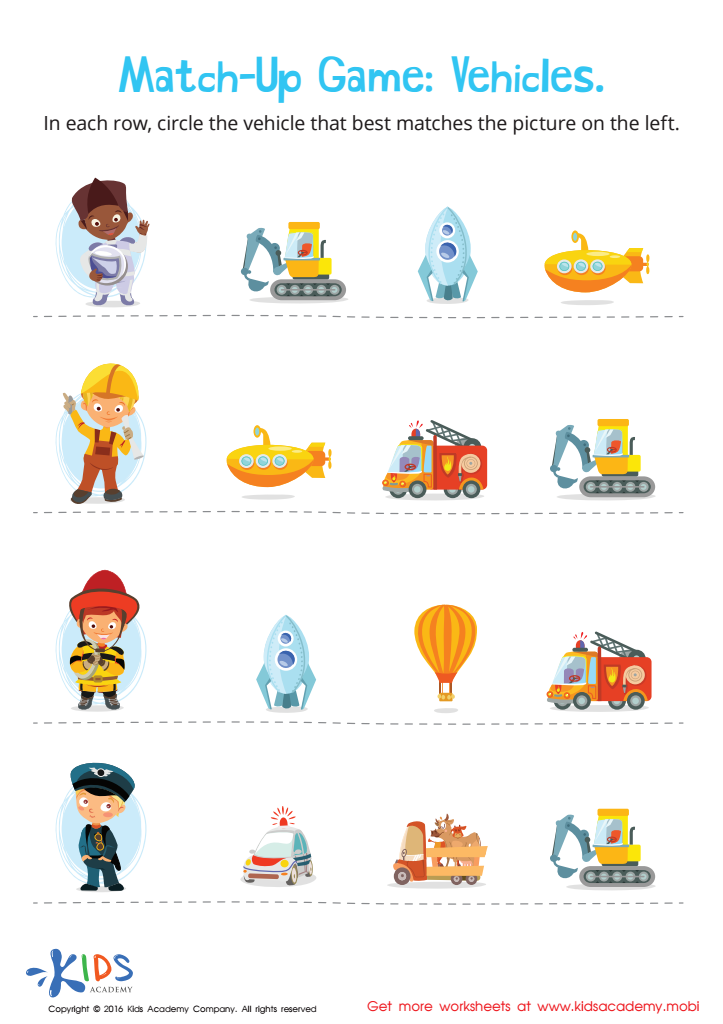
Vehicles Worksheet
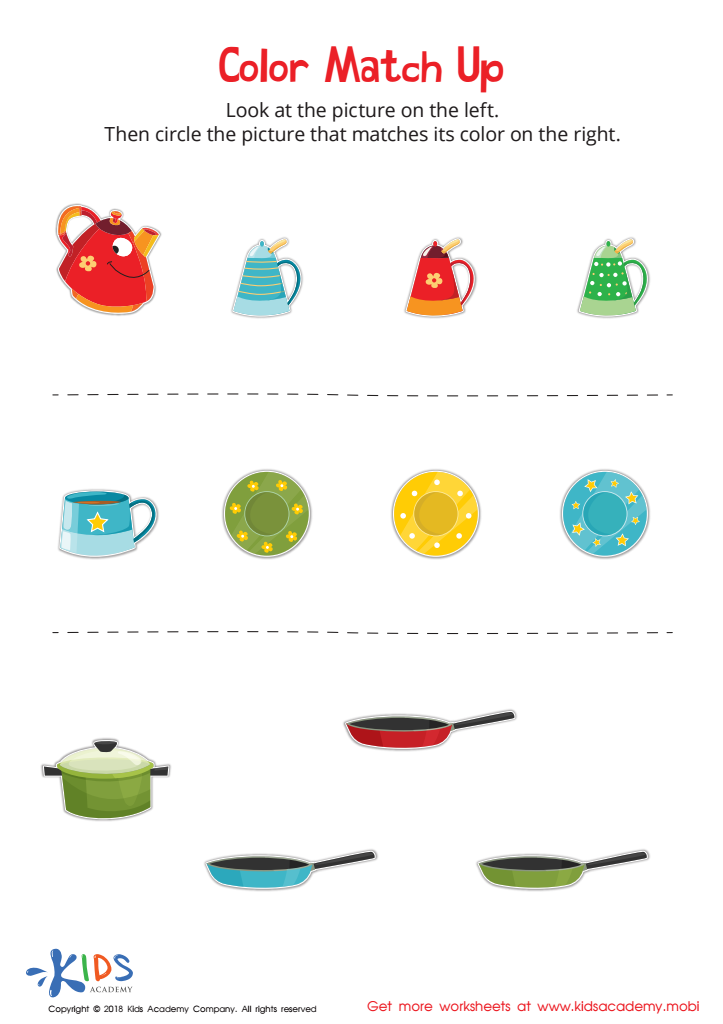
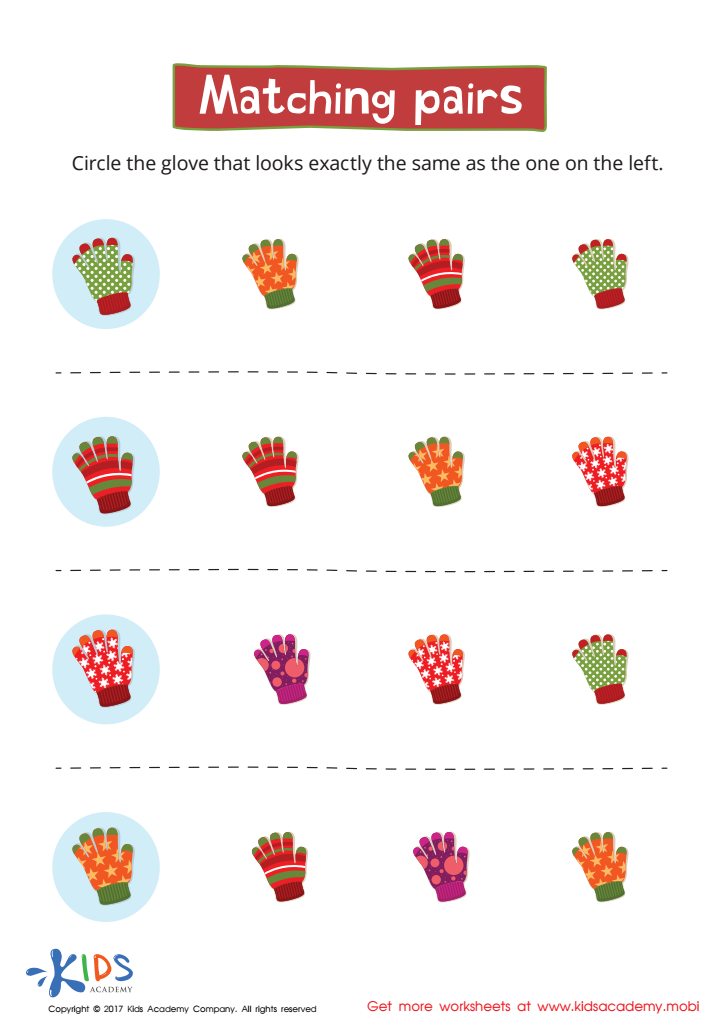
Matching: Matching Pairs Worksheet
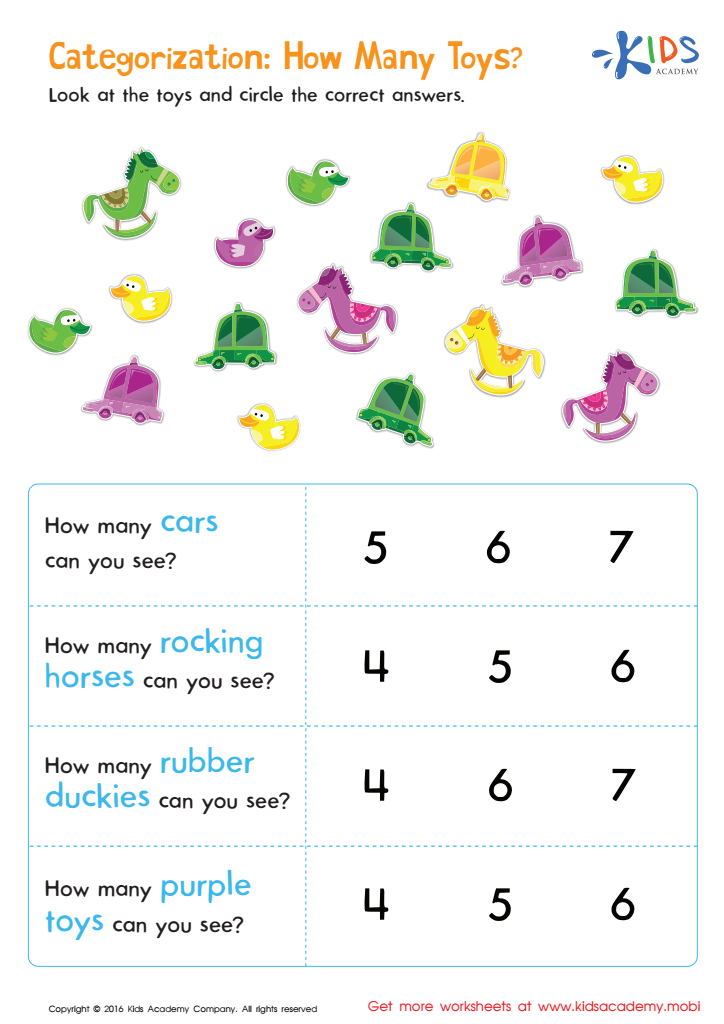
Classifying Toys by Type and Color Sorting Worksheet
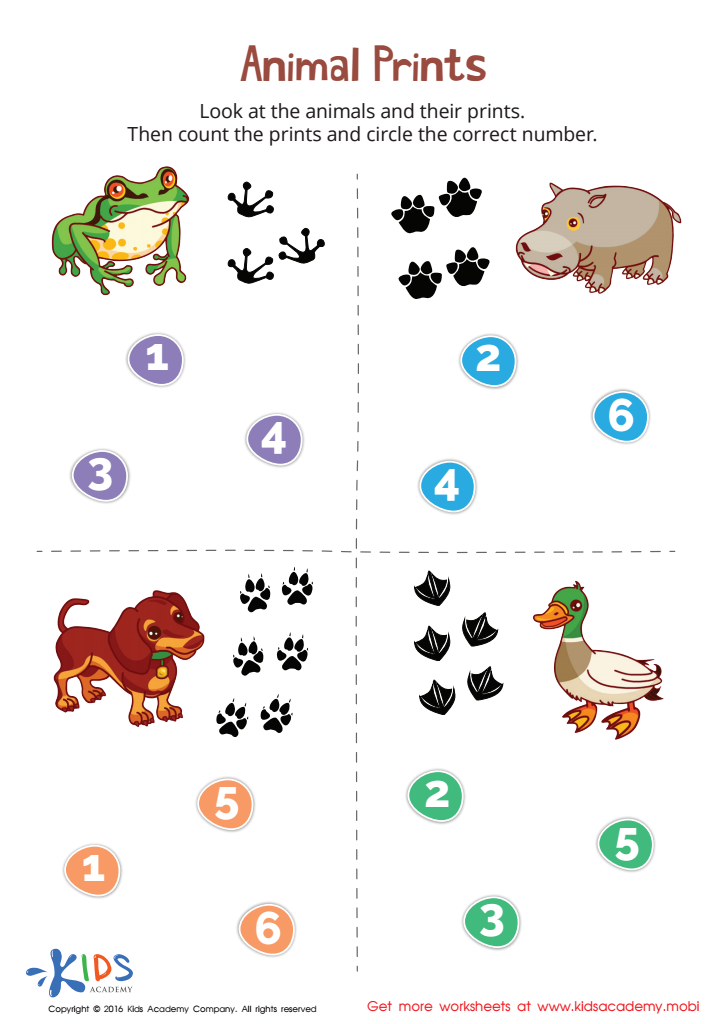
Animal Prints Match-Up Worksheet

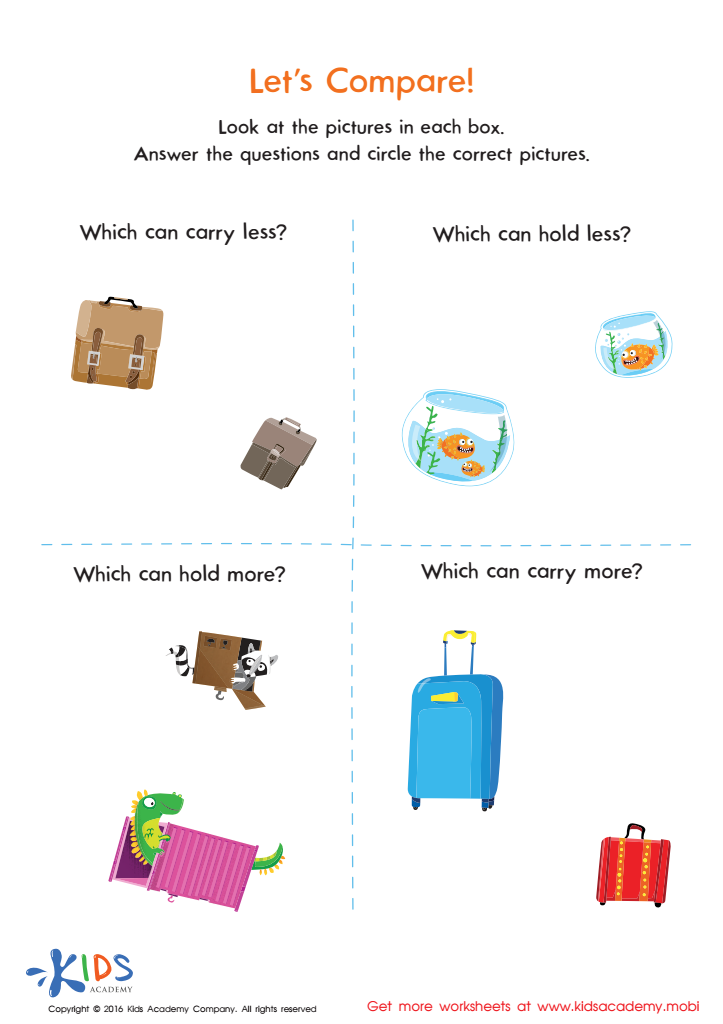
Let's Compare Worksheet: Big or Small
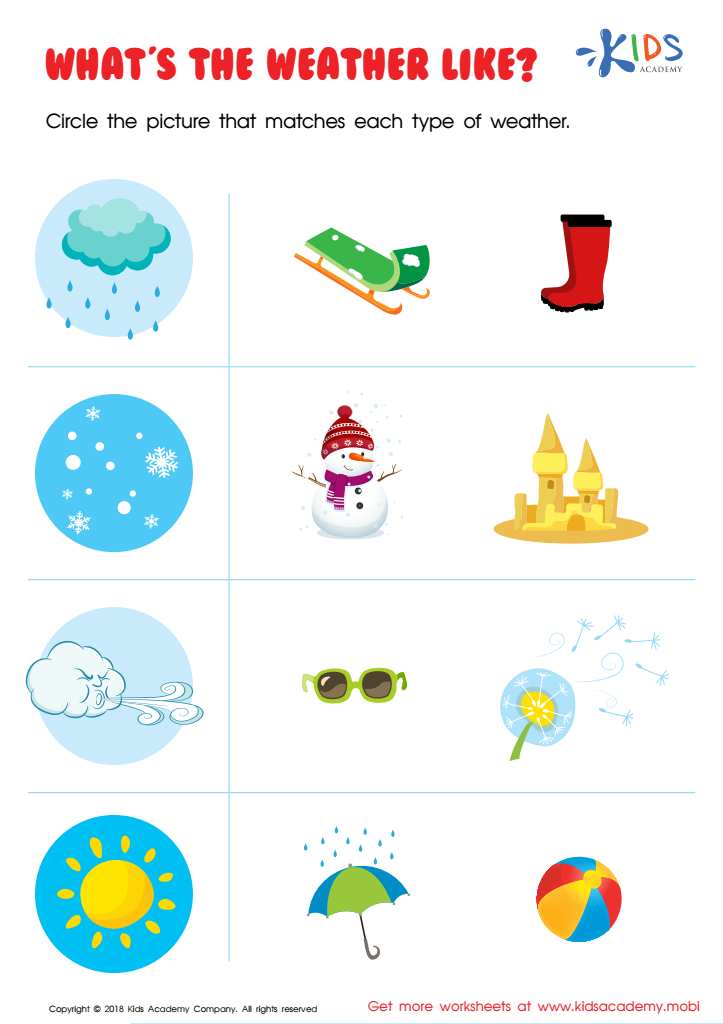
What's the Weather Like? Worksheet
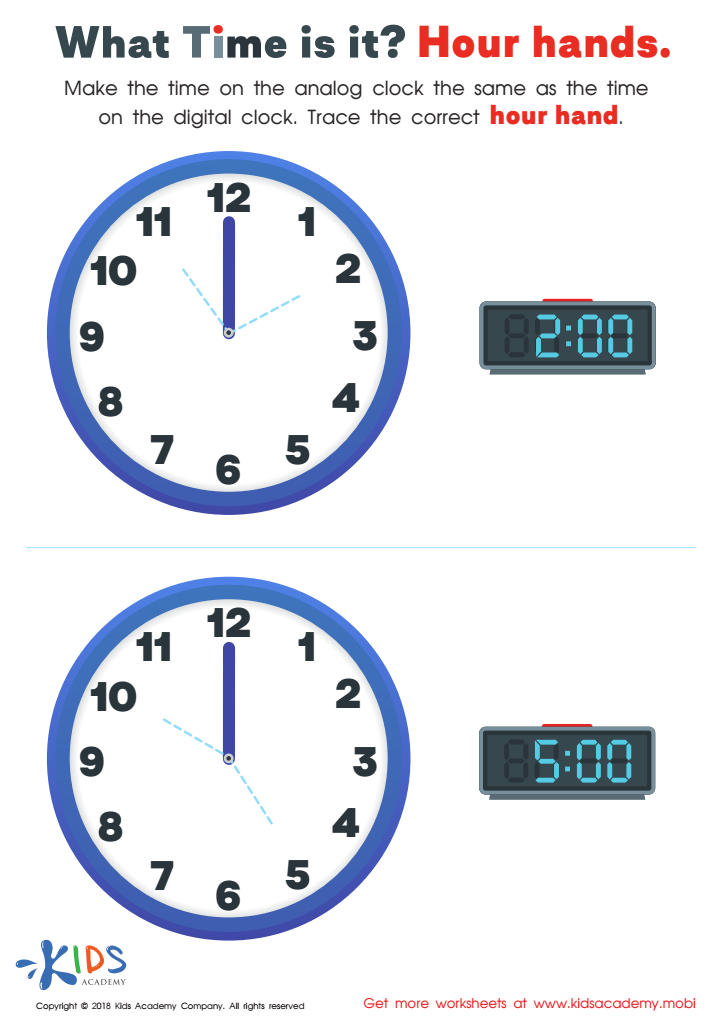
What Time Is it? Hour Hands Worksheet
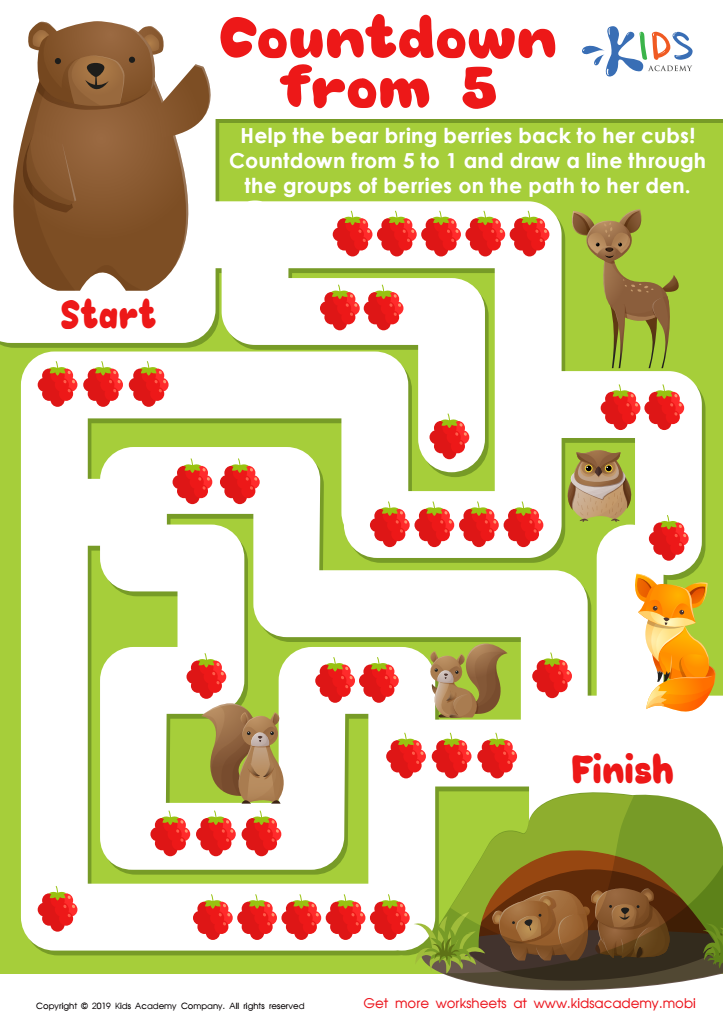
Countdown from 5 Worksheet
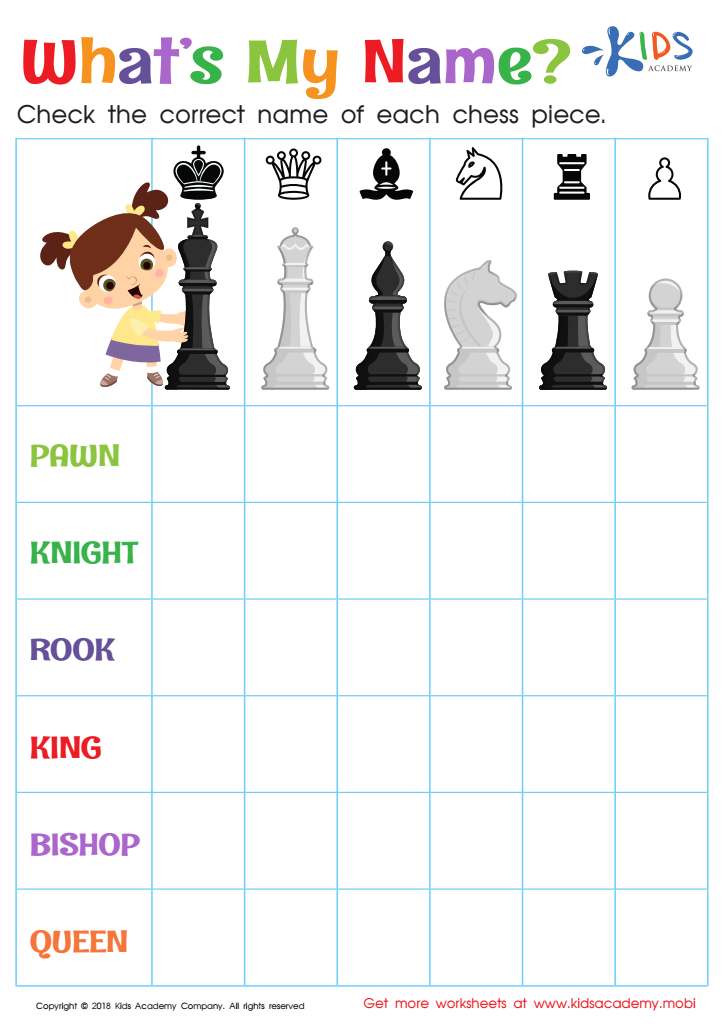
What's My Name? Worksheet
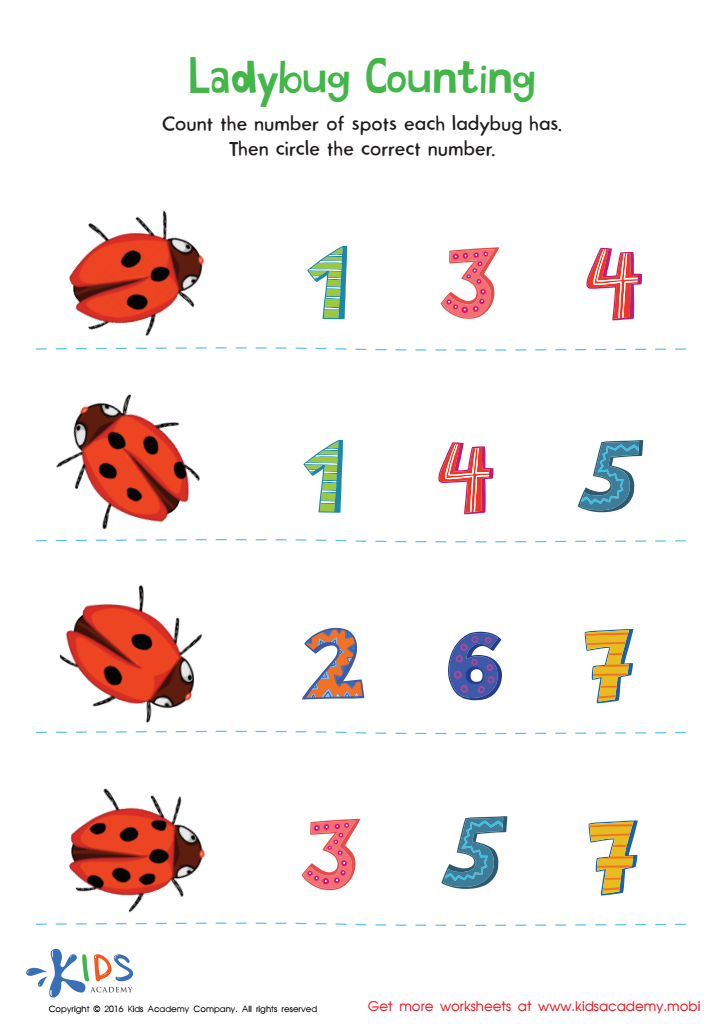
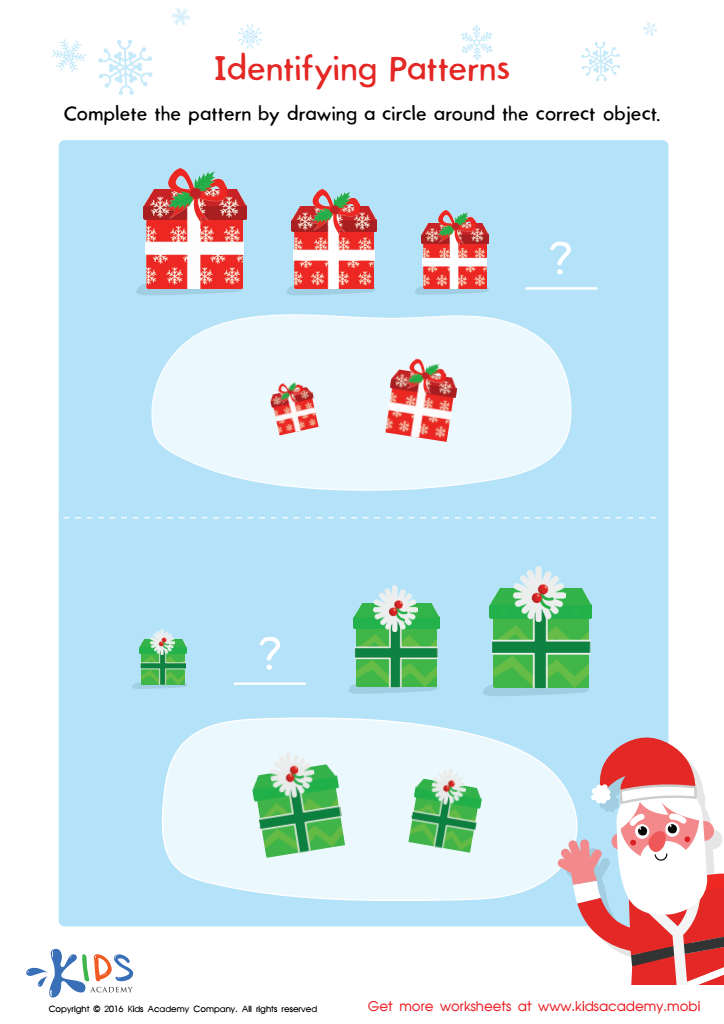
Identifying Patterns Worksheet
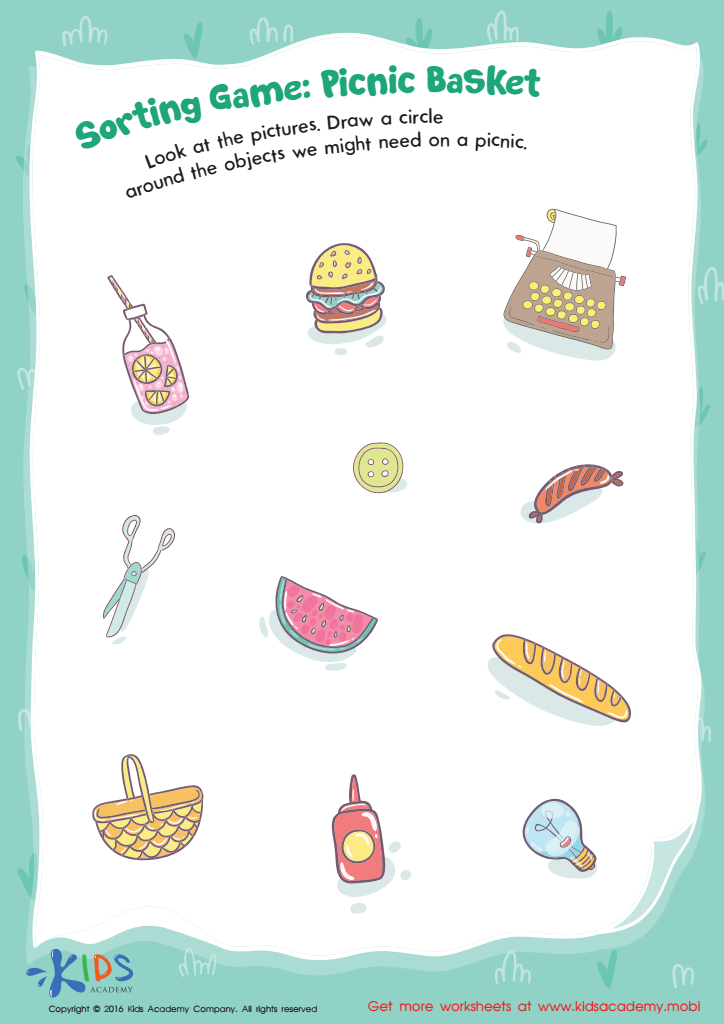
Picnic Basket Sorting Worksheet








Matching activities for ages 4-7 are crucial for early childhood development as they promote essential cognitive, social, and emotional skills. At this stage, children's brains are ultra-receptive, making it an ideal time to cultivate foundational skills through fun, engaging tasks. Matching games enhance memory and attention, encouraging children to focus and recognize patterns, which can improve their future academic performance.
Furthermore, these activities encourage language development. As children describe their matching choices and discuss colors, shapes, or categories, they build vocabulary and communication skills. Social interactions can also emerge when children play these games with peers or adults, fostering teamwork, patience, and mutual respect.
Matching activities can also contribute to emotional growth by instilling a sense of achievement when children successfully match items, boosting their confidence and self-esteem. Parents and teachers who prioritize such activities help children develop critical thinking and problem-solving abilities, laying the groundwork for more complex concepts they will encounter in later years.
In conclusion, focusing on matching activities in early education not only engages young learners but also equips them with important life skills that will support their academic journey and day-to-day interactions. Investing time in these experiences is beneficial for children’s holistic development.








