Measurement Worksheets for Ages 4-7 - Page 2
103 filtered results
-
From - To
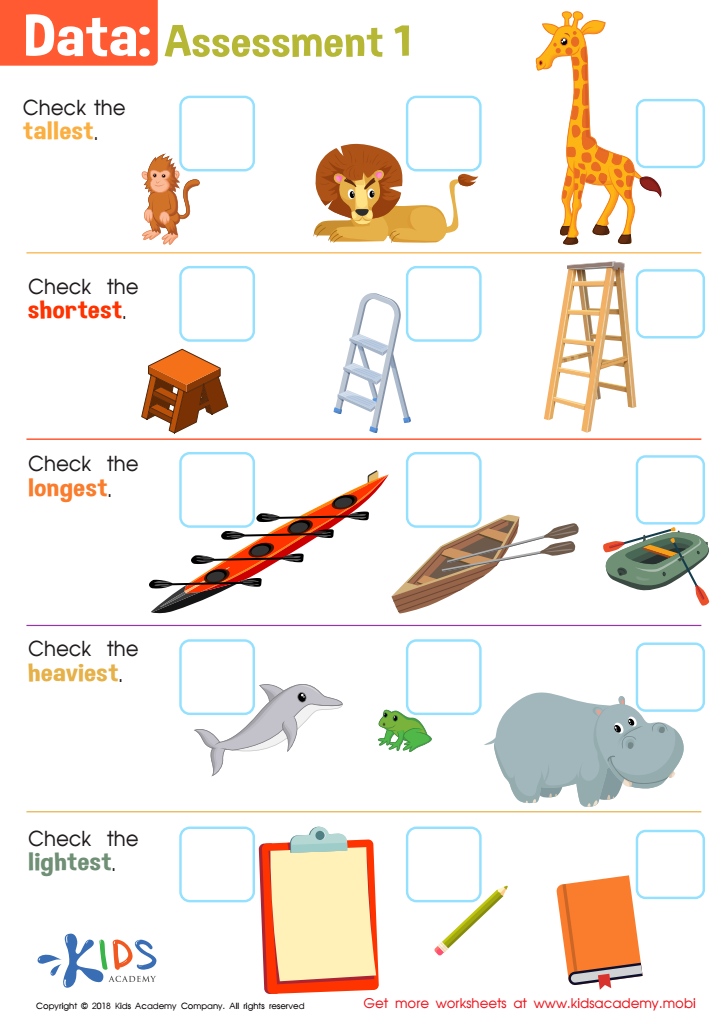
Data: Assessment 1 Worksheet
 Assign to My Students
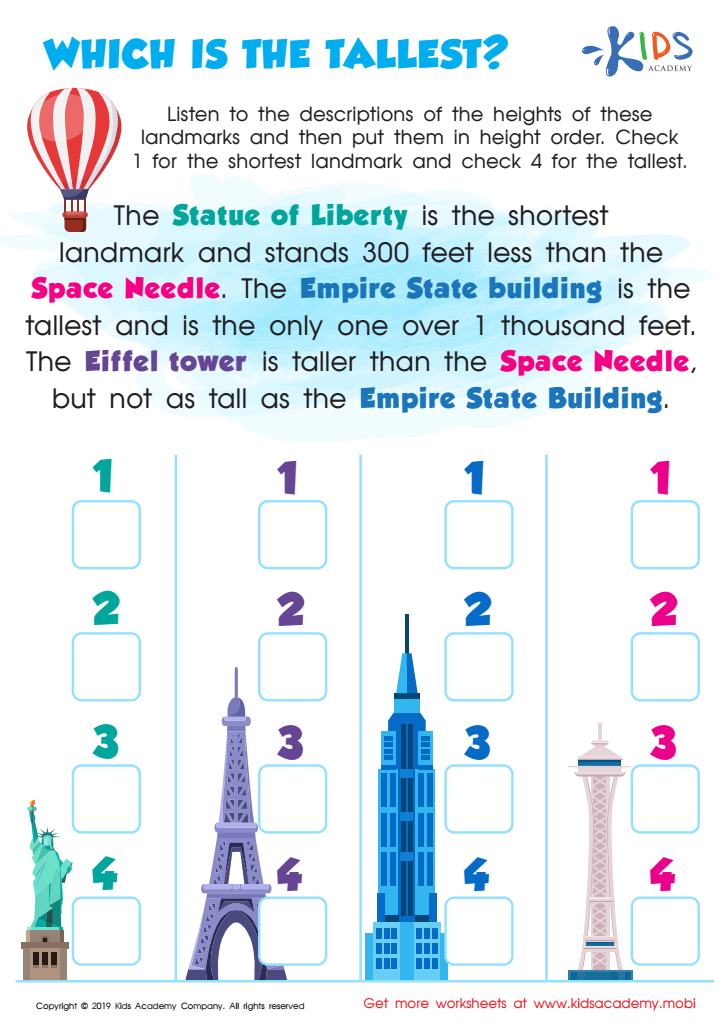
Which is the Tallest? Worksheet
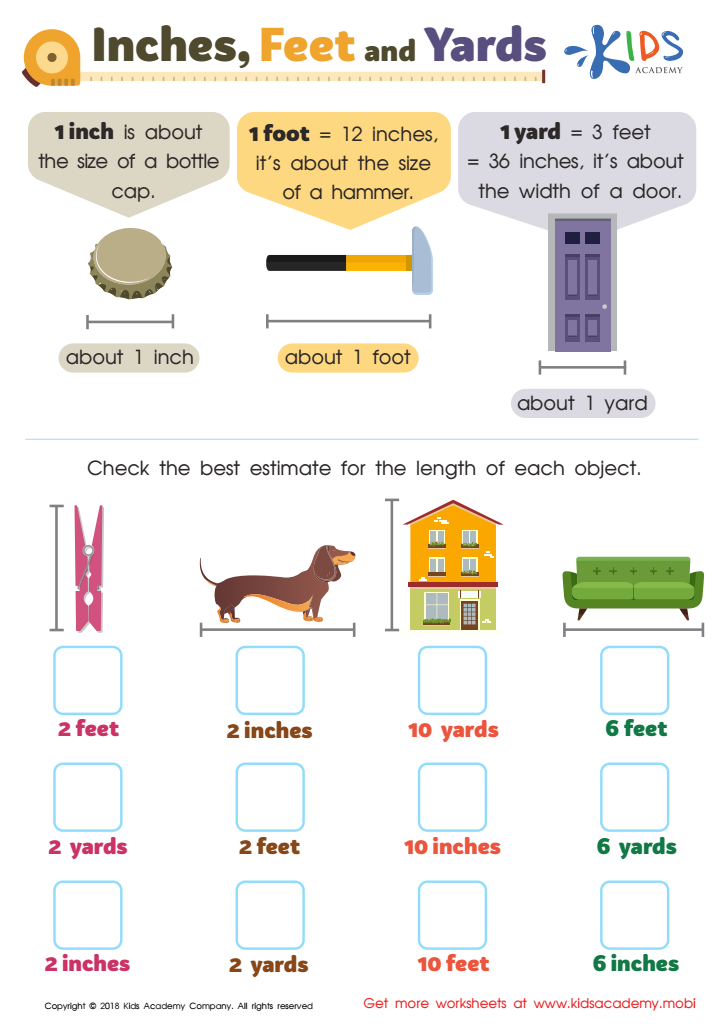
Inches, Feet and Yards Worksheet
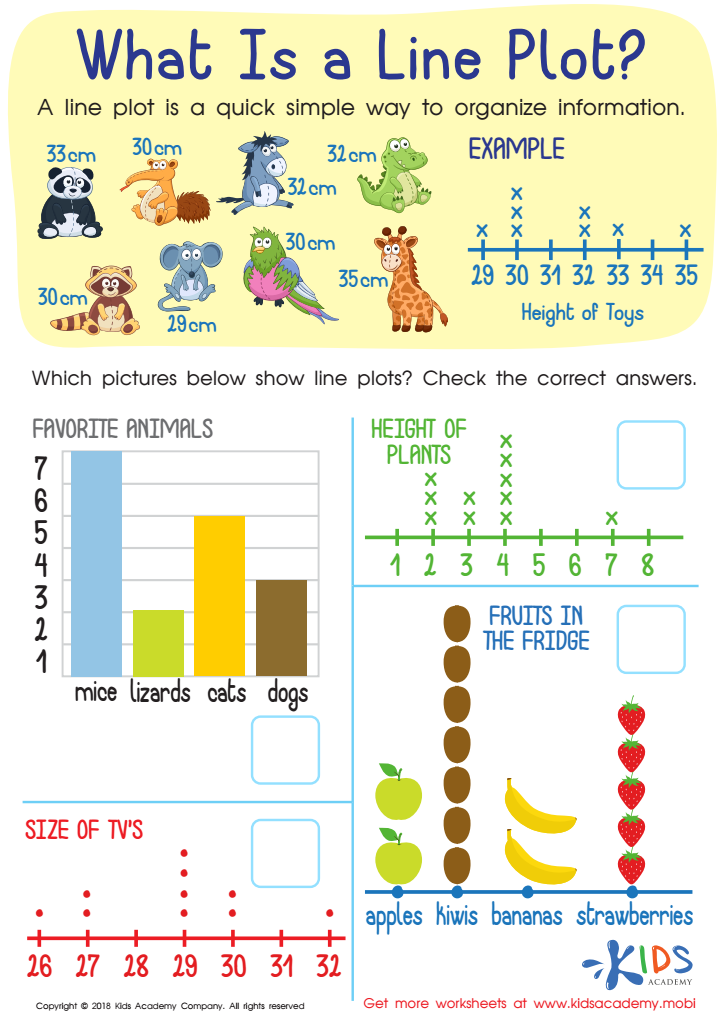
What Is a Line Plot? Worksheet
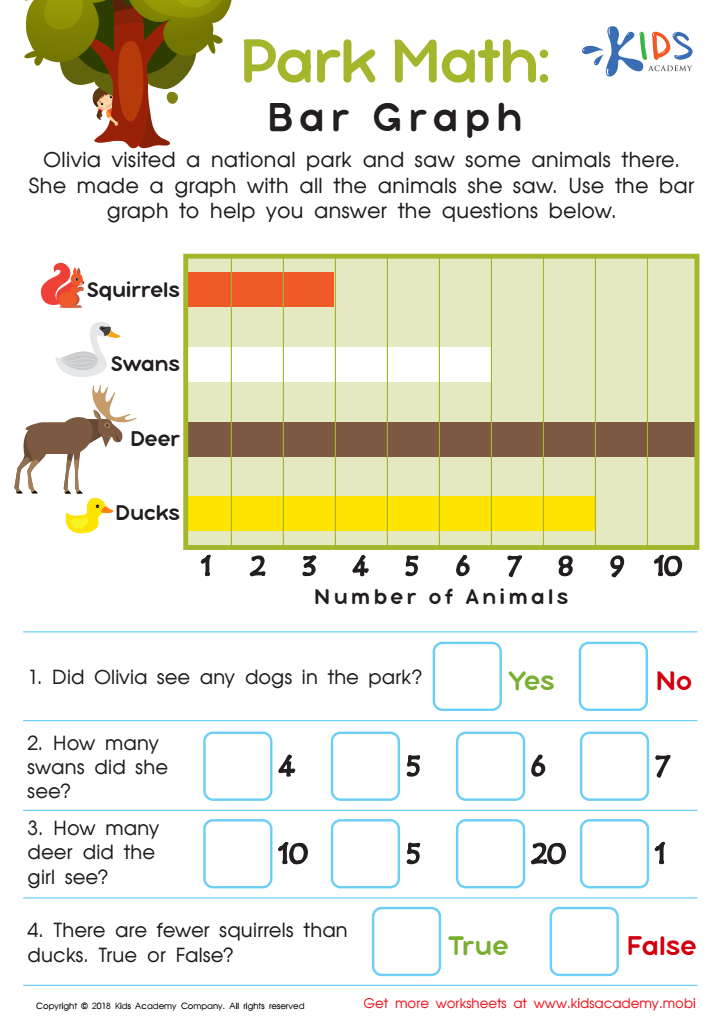
Park Math: Bar Graph Worksheet
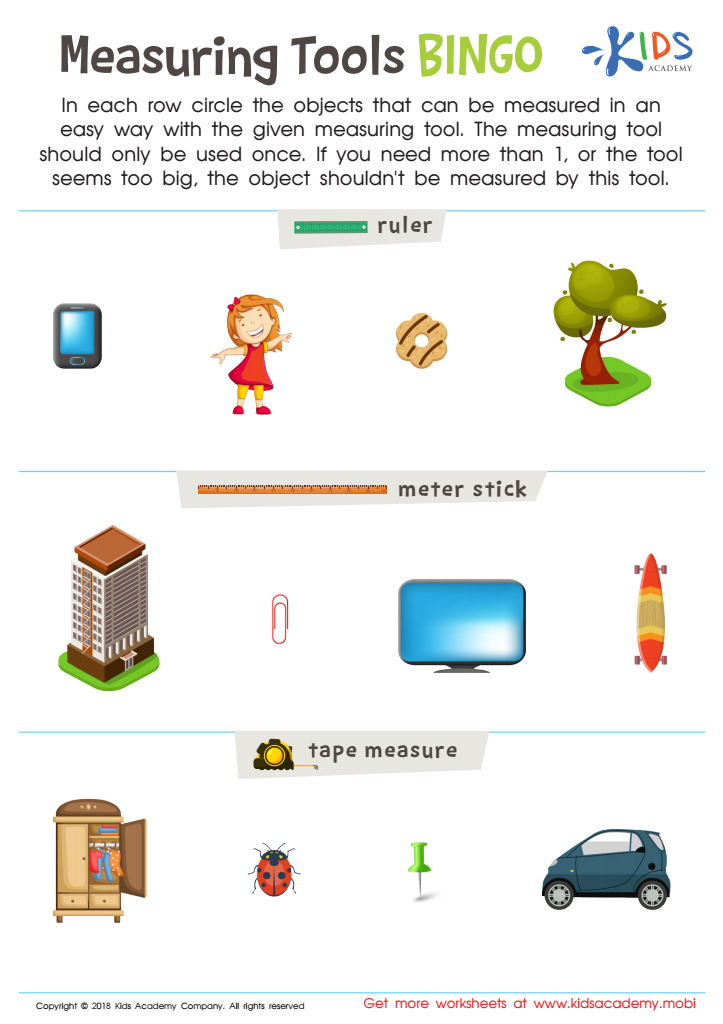
Measuring Tools Bingo Worksheet
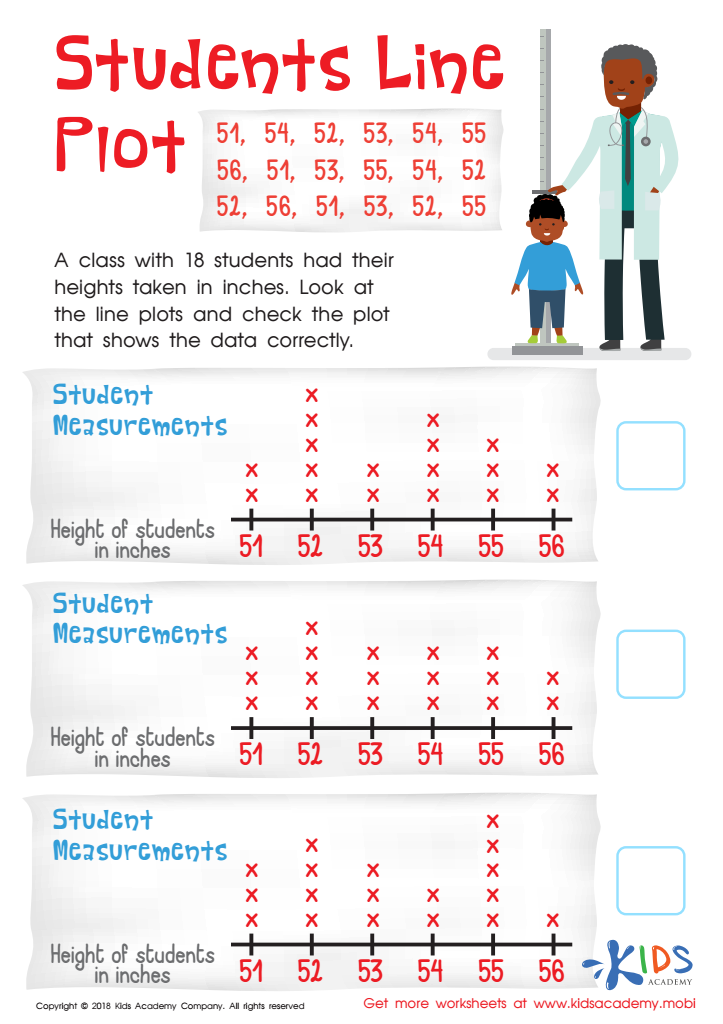
Students Line Plot Worksheet
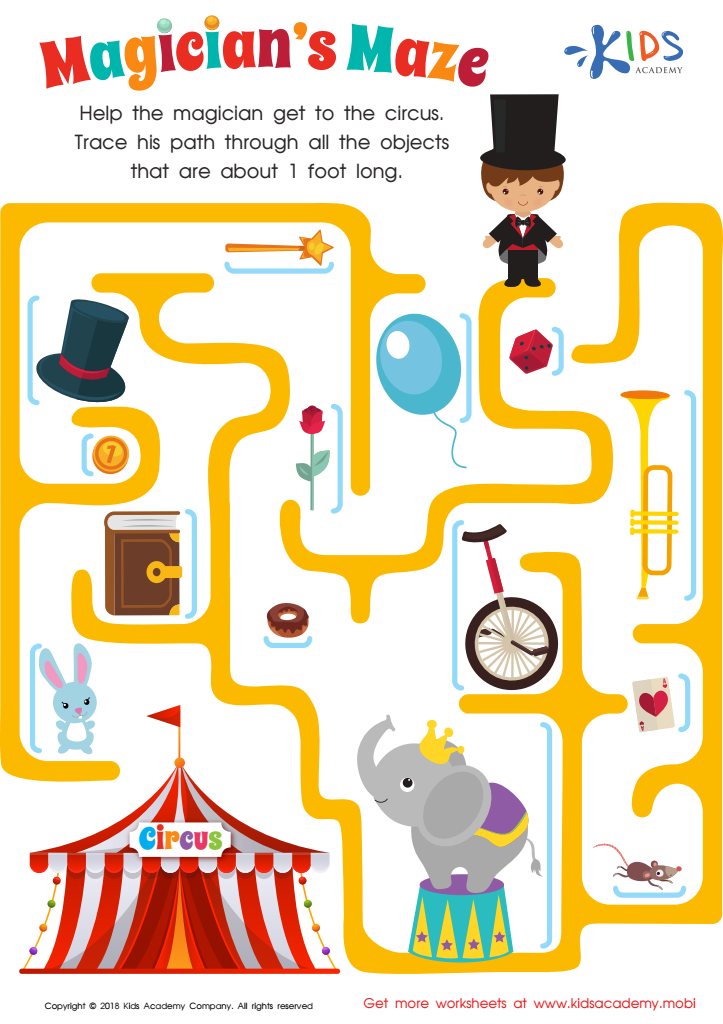
Estimating Length: Magician's Maze Worksheet
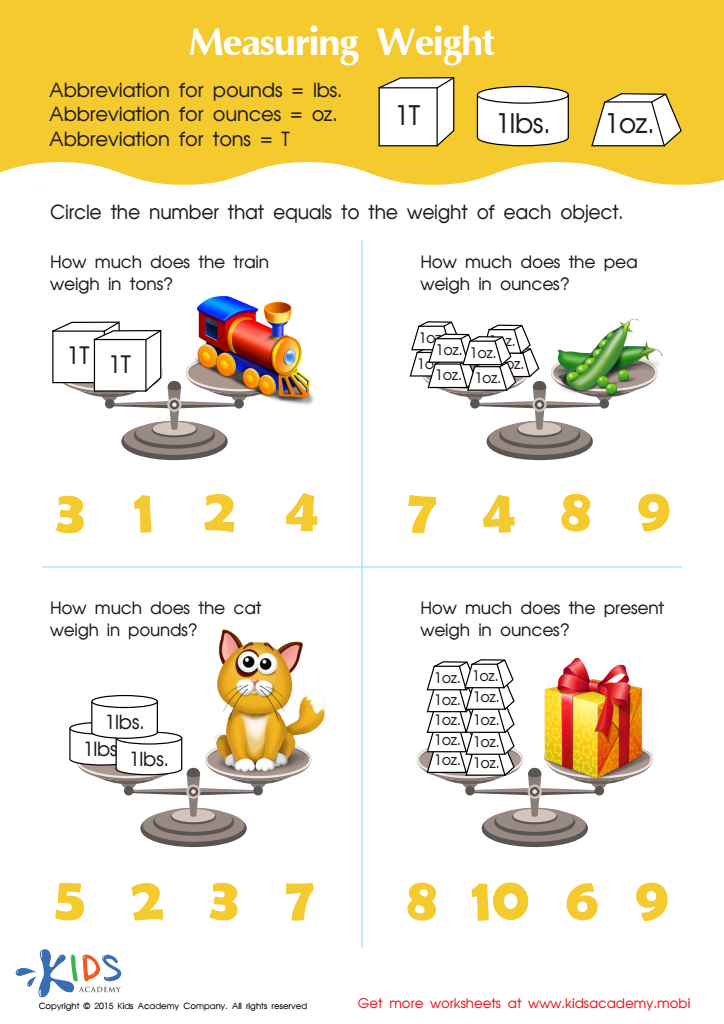
Measuring Weight in Ounces, Pounds and Tons Worksheet
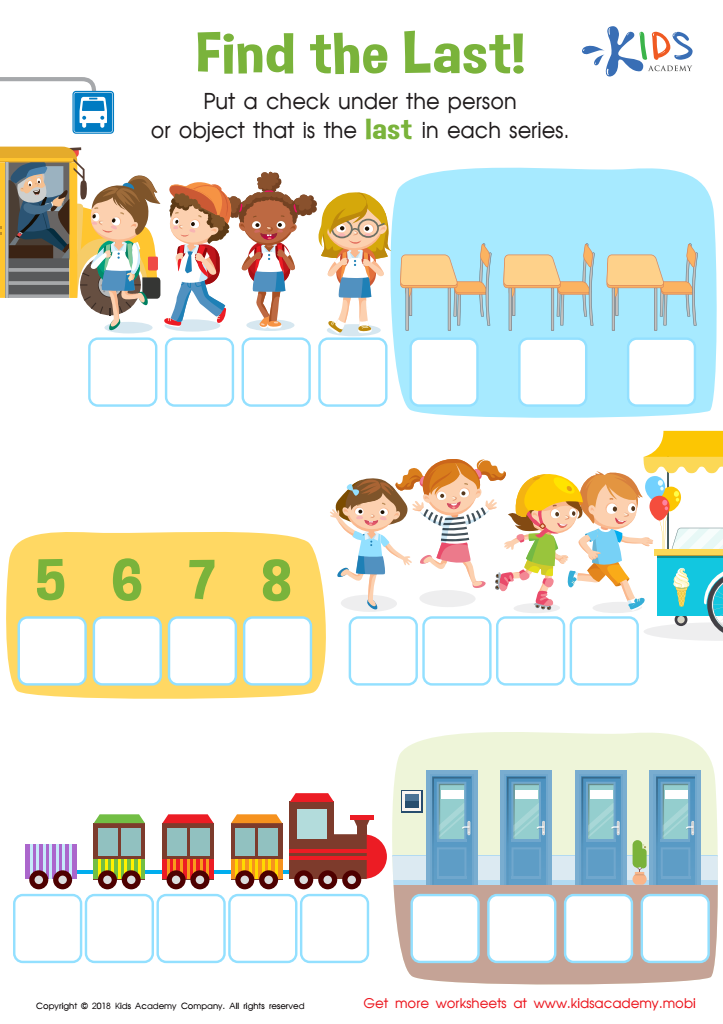
Find the Last! Worksheet
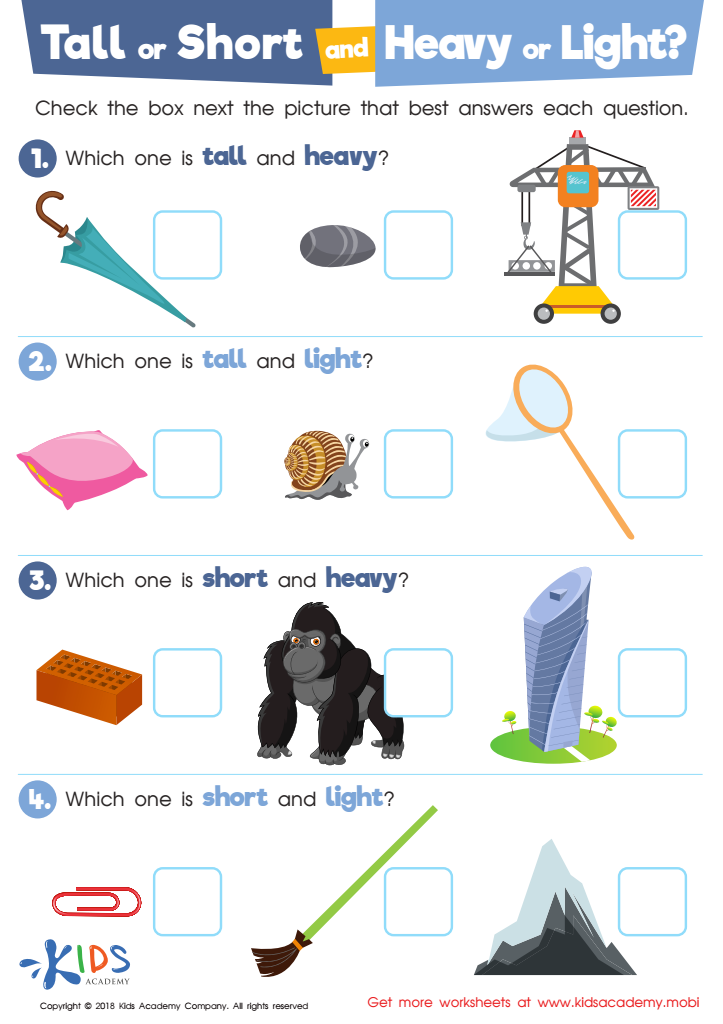
Tall or Short and Heavy or Light? Worksheet
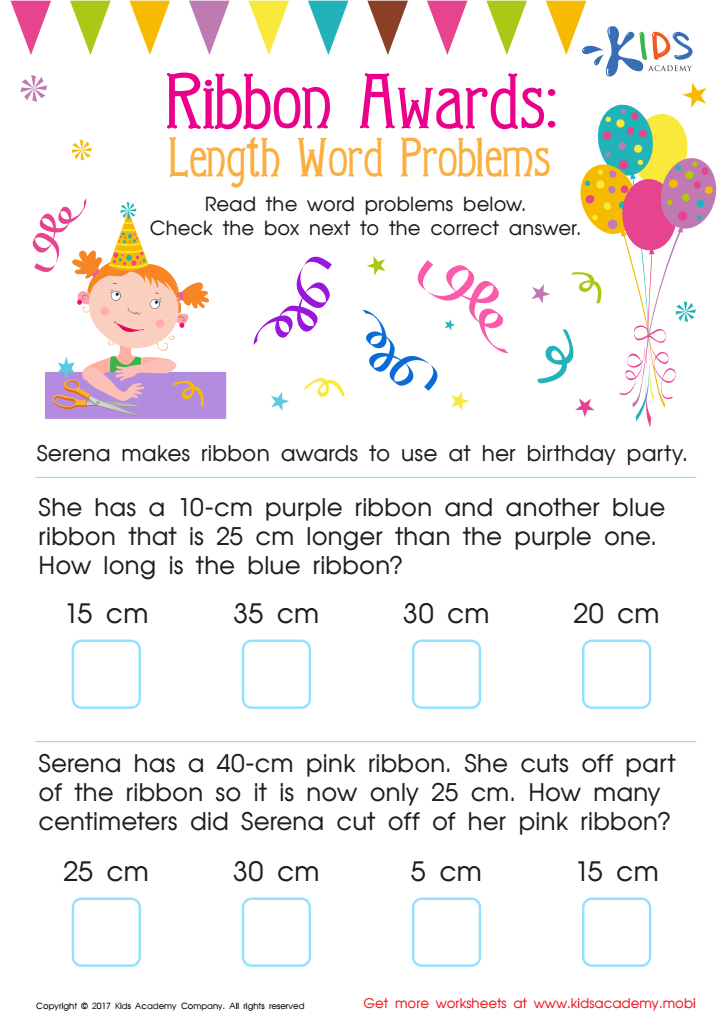
Length Word Problems Worksheet
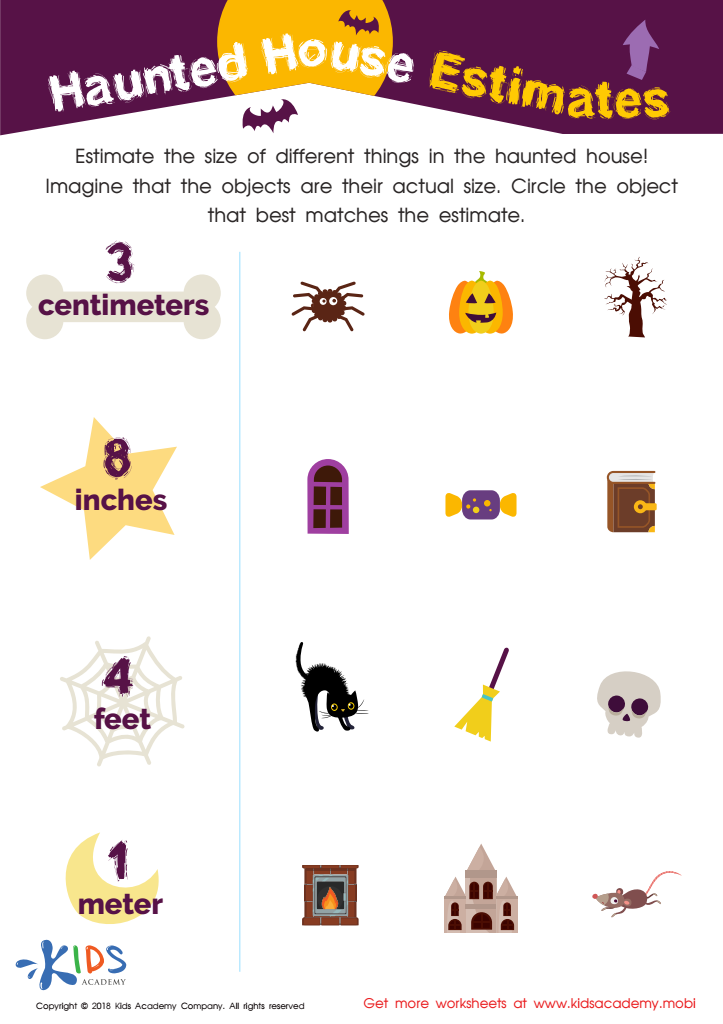
Haunted House Estimates Worksheet
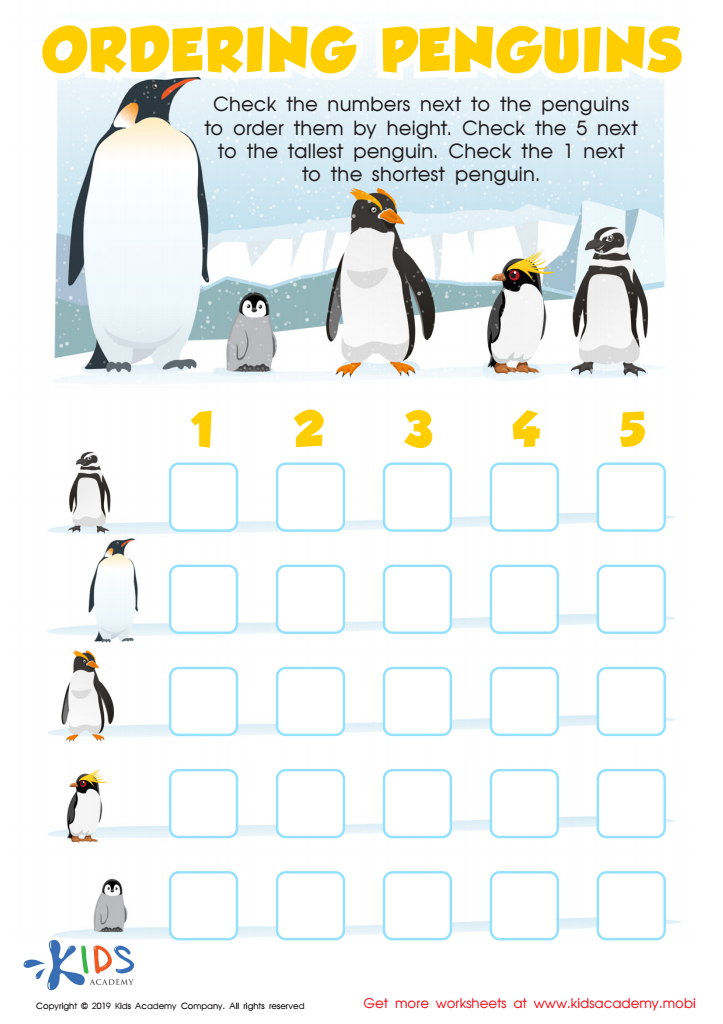
Ordering Penguins Worksheet
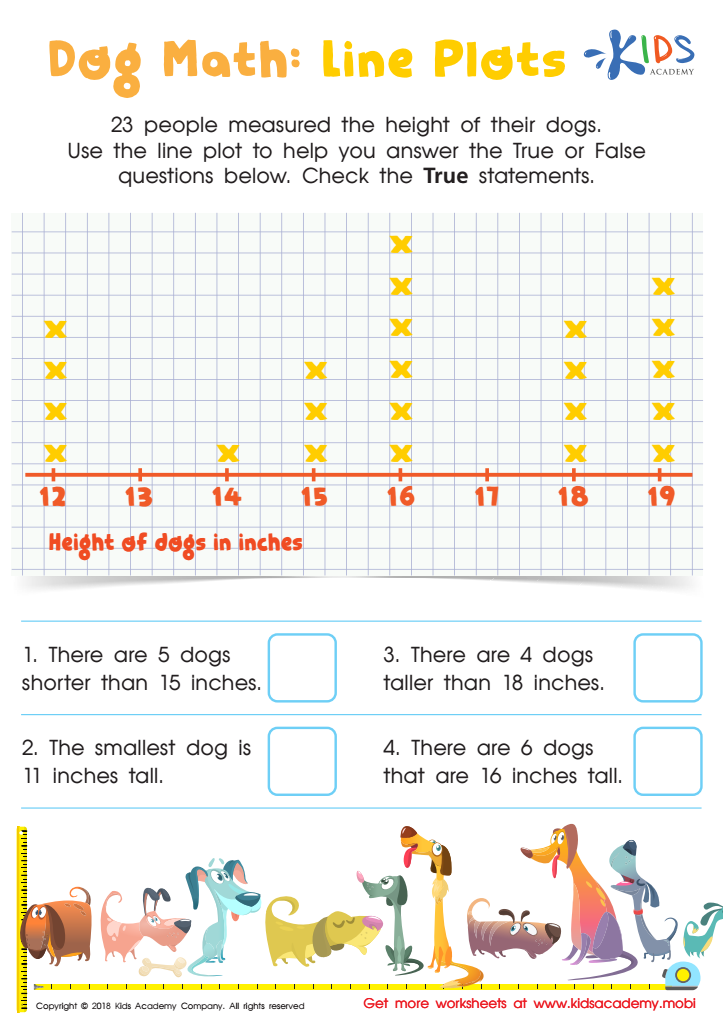
Dog Math: Line Plots Worksheet
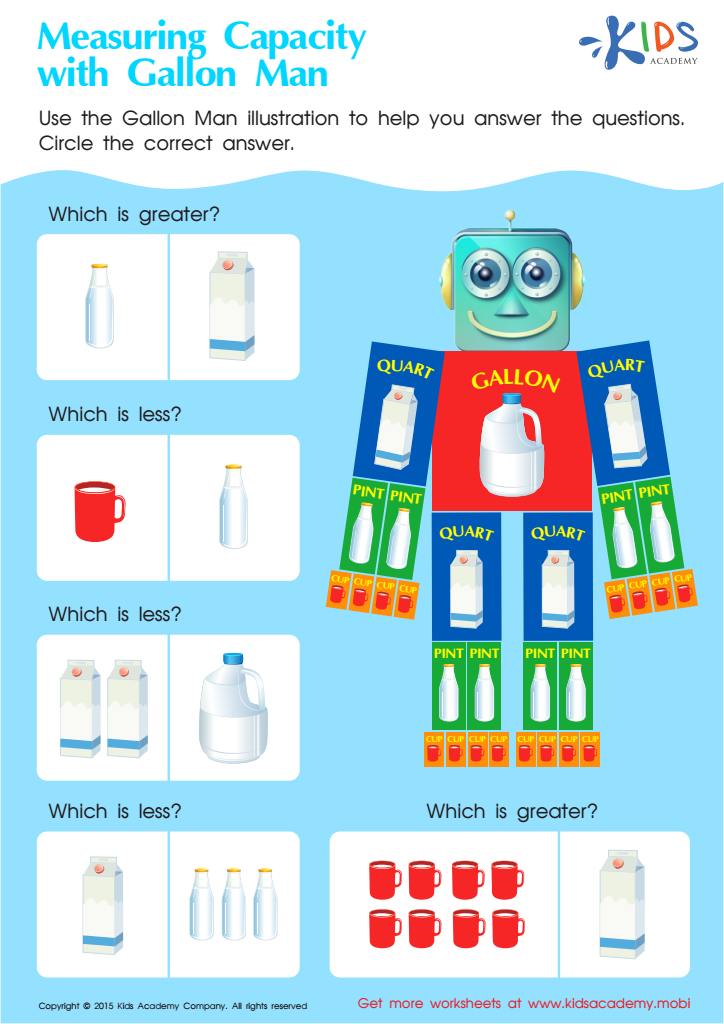
Measurement: Measuring Capacity with Gallon Man Worksheet
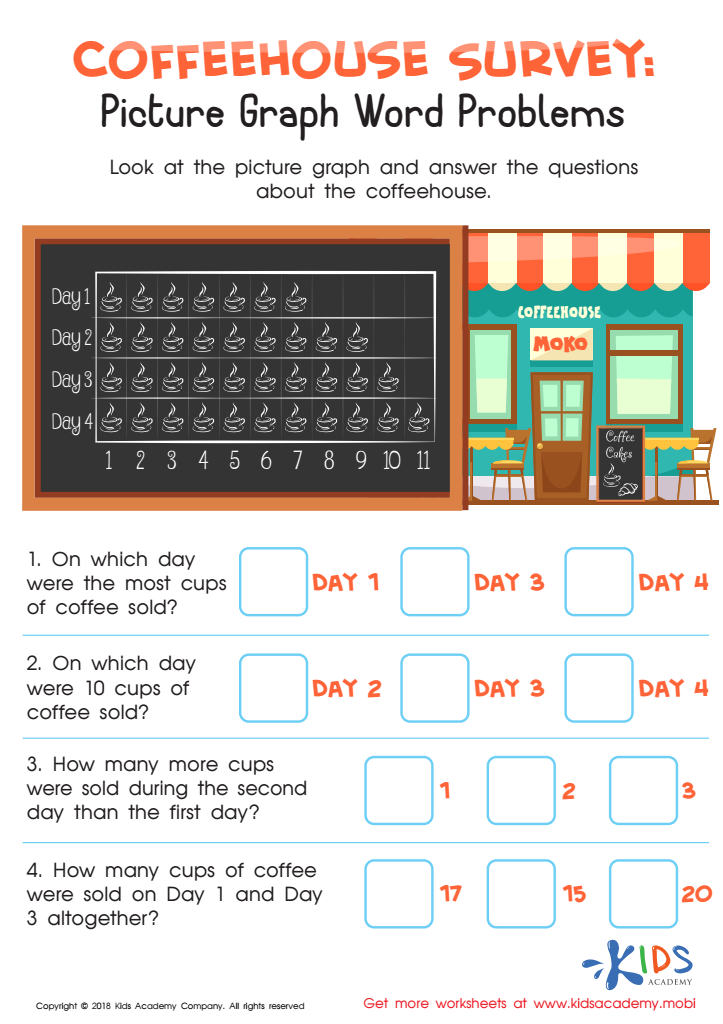
Coffeehouse Survey: Picture Graph Word Problems Worksheet
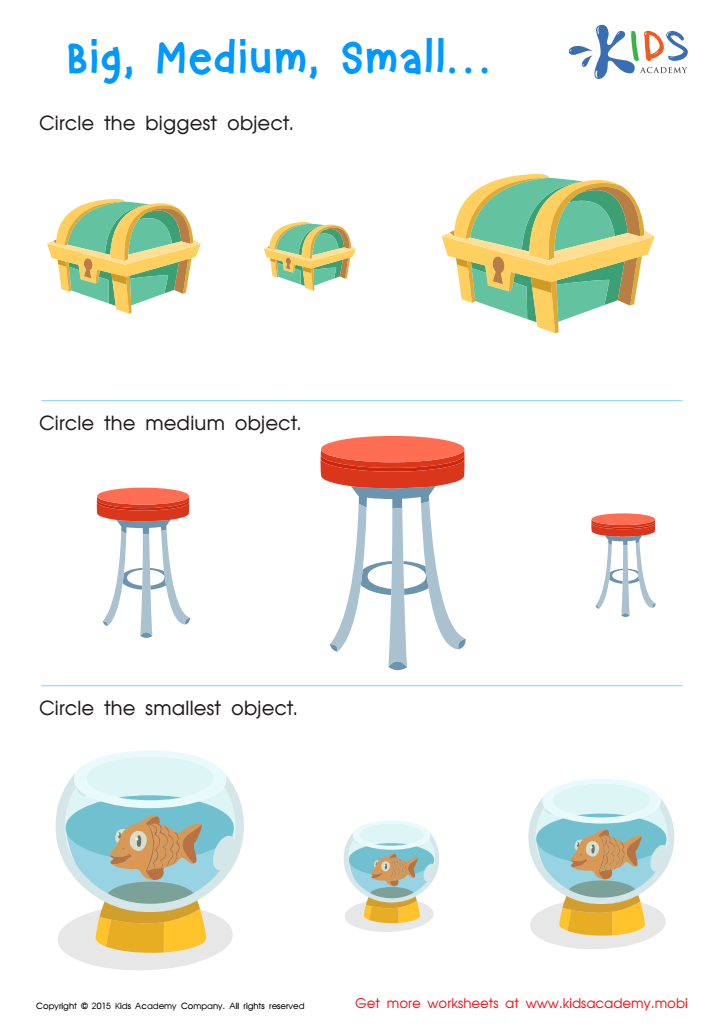
Big Medium Small Worksheet
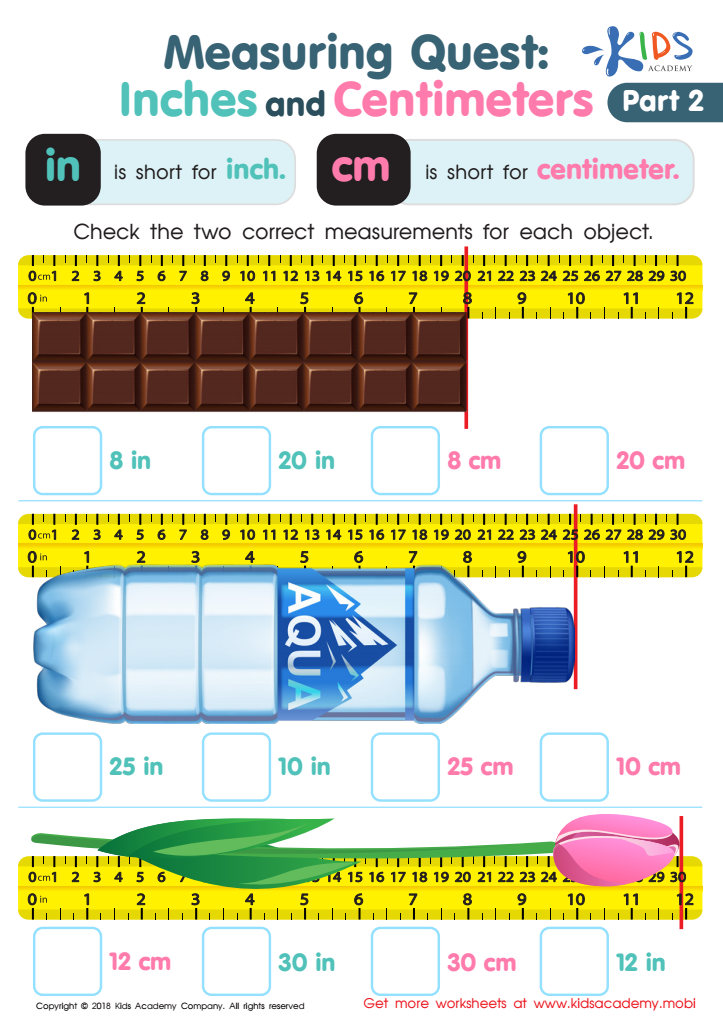
Measuring Quest: Inches and Centimeters - Part 2 Worksheet
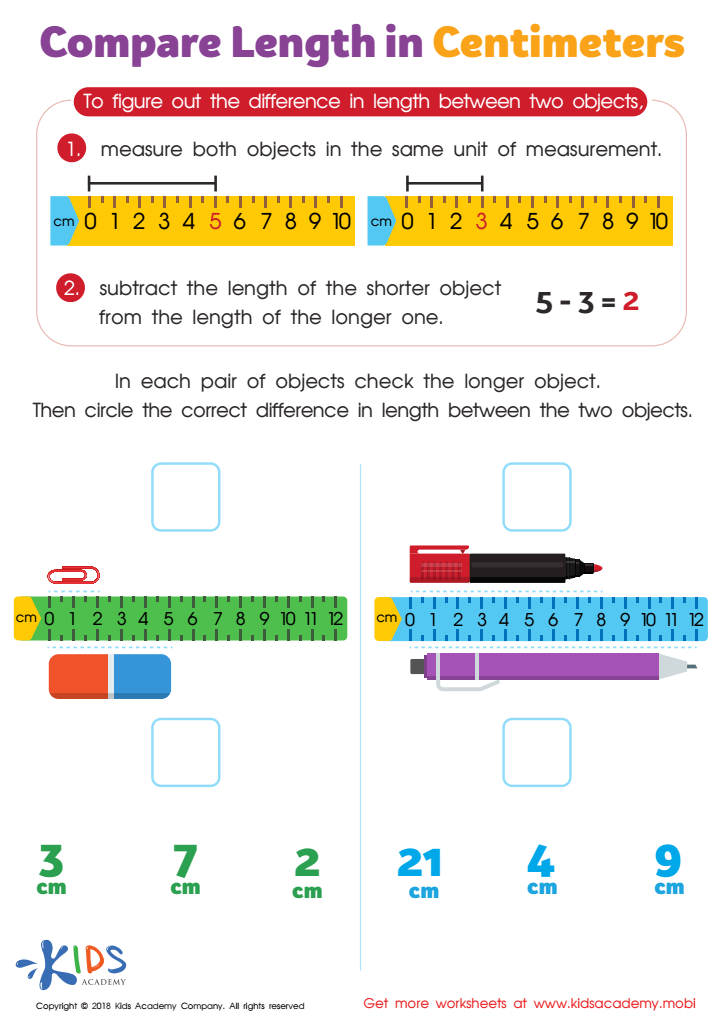
Compare Length in Centimeters Worksheet
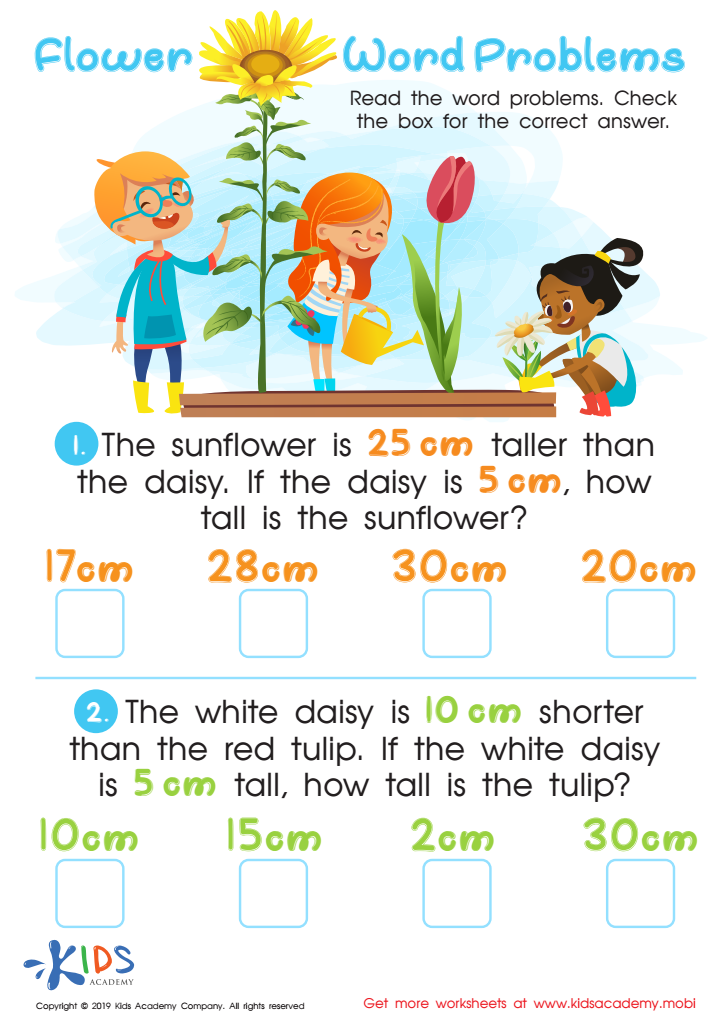
Flower Word Problems Worksheet
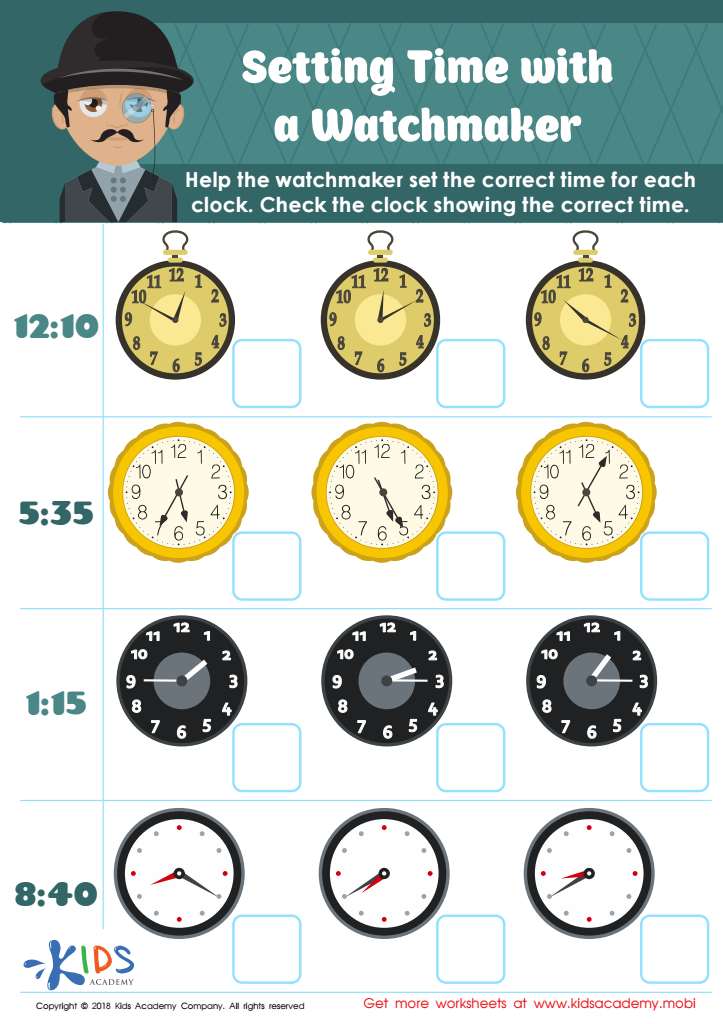
Setting Time with Watchmaker Worksheet
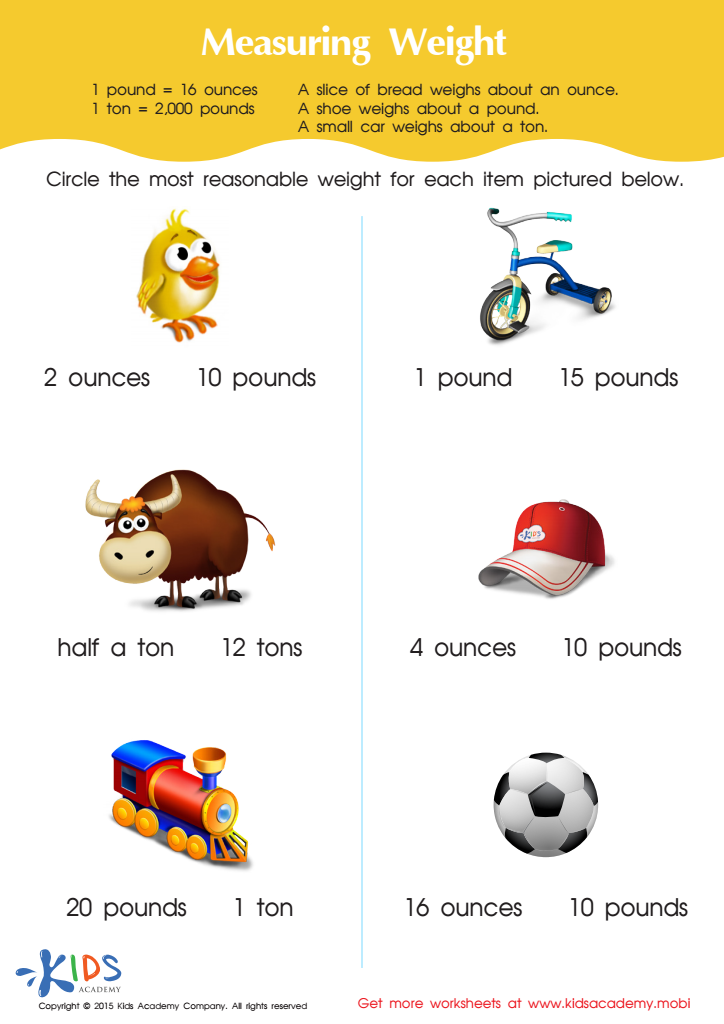
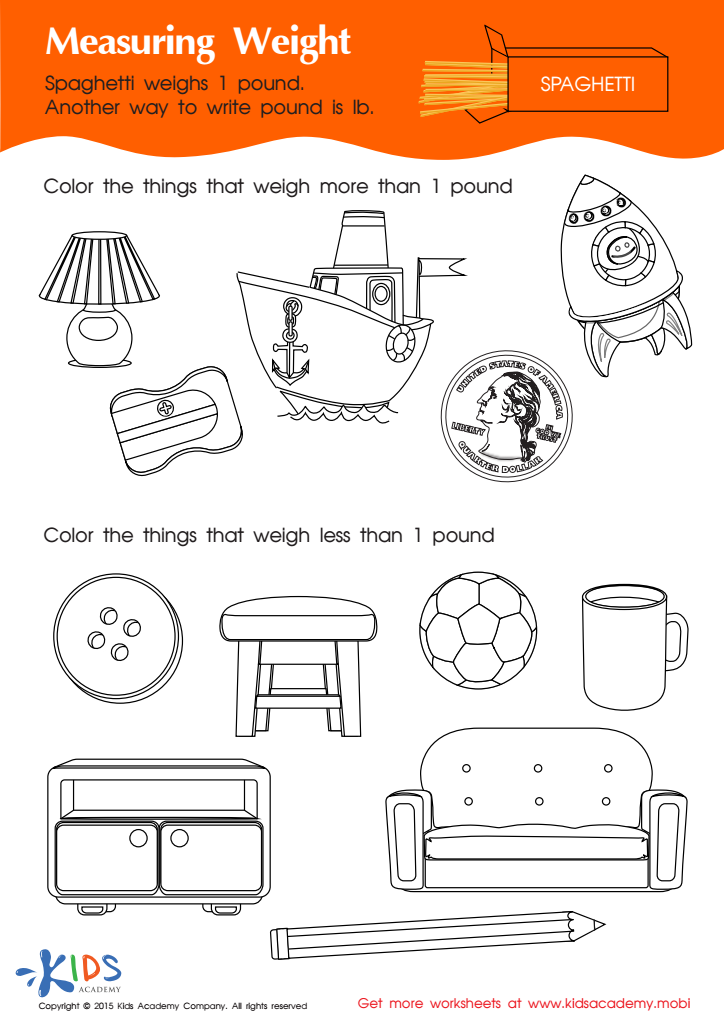
Measuring Weight in Ounces, Pounds and Tons (Part 2) Worksheet








Measurement is a fundamental mathematical concept that forms the basis for many everyday skills and academic pursuits. For children aged 4-7, understanding measurement goes beyond just numbers; it fosters critical thinking, problem-solving, and reasoning abilities. At this stage, kids explore various dimensions such as length, weight, volume, and time through hands-on activities and play, making measurement both tangible and engaging.
Parents and teachers should care about measurement for several reasons. First, it nurtures curiosity and encourages exploration, as children observe and compare sizes, distances, and quantities in their environment. This active engagement helps them develop a deeper understanding of the world around them. Second, measurement skills are foundational for later math learning. Early grasp of concepts like measuring can lead to more complex mathematical reasoning in areas such as geometry and basic arithmetic.
Additionally, measurement fosters essential life skills. From cooking to planning activities, children learn practicality in everyday situations. Moreover, this knowledge builds confidence and prepares them for challenges ahead in academic and personal contexts. By integrating measurement activities into playtime or structured learning, educators and parents lay a strong foundation for lifelong learning and essential skills that will benefit children in school and beyond.








