Measurement Worksheets for Ages 4-9 - Page 3
109 filtered results
-
From - To
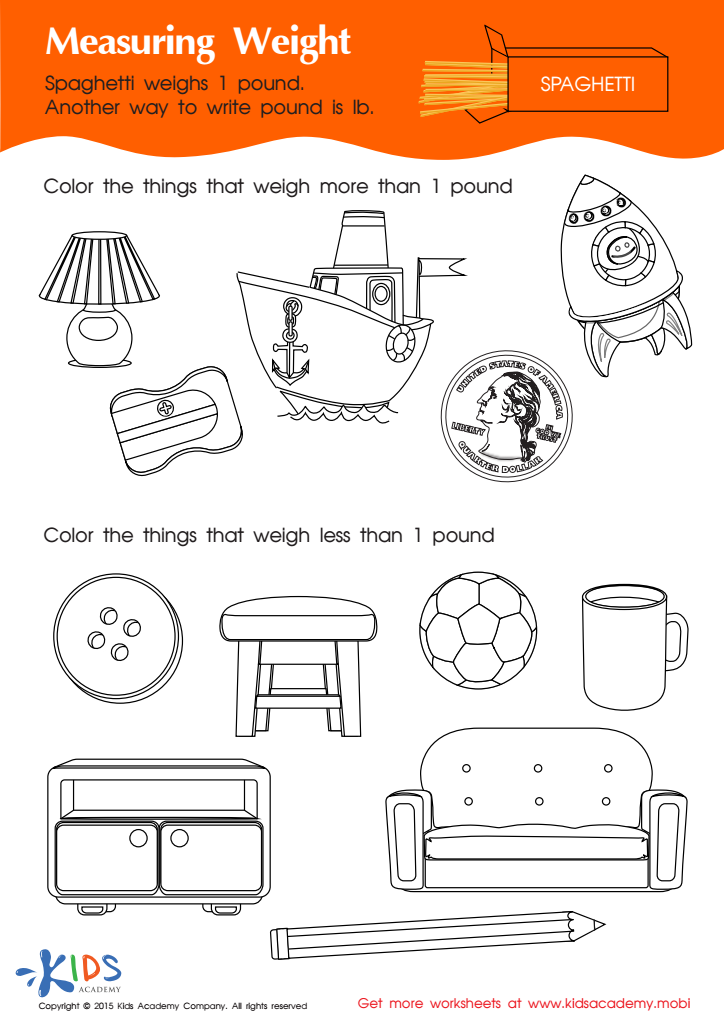
 Assign to My Students
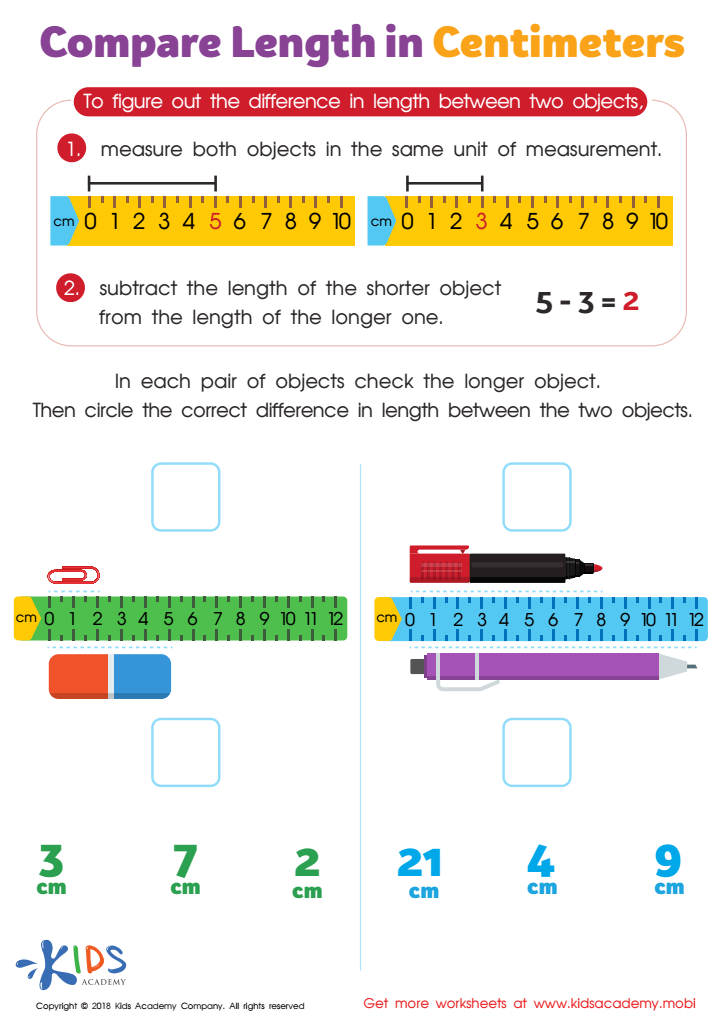
Compare Length in Centimeters Worksheet
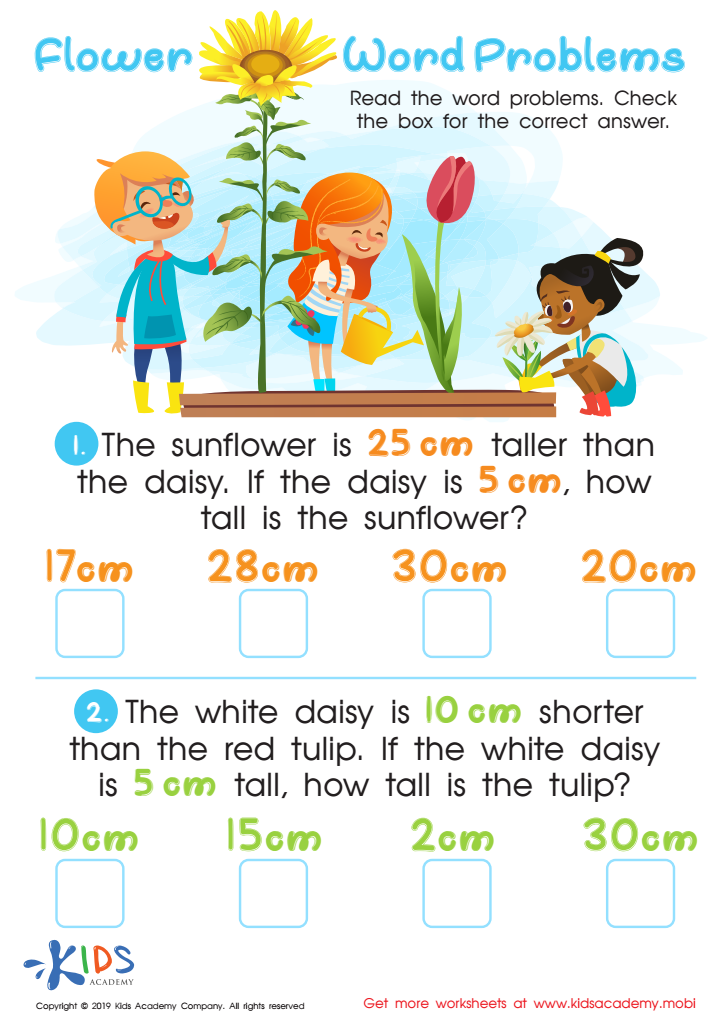
Flower Word Problems Worksheet
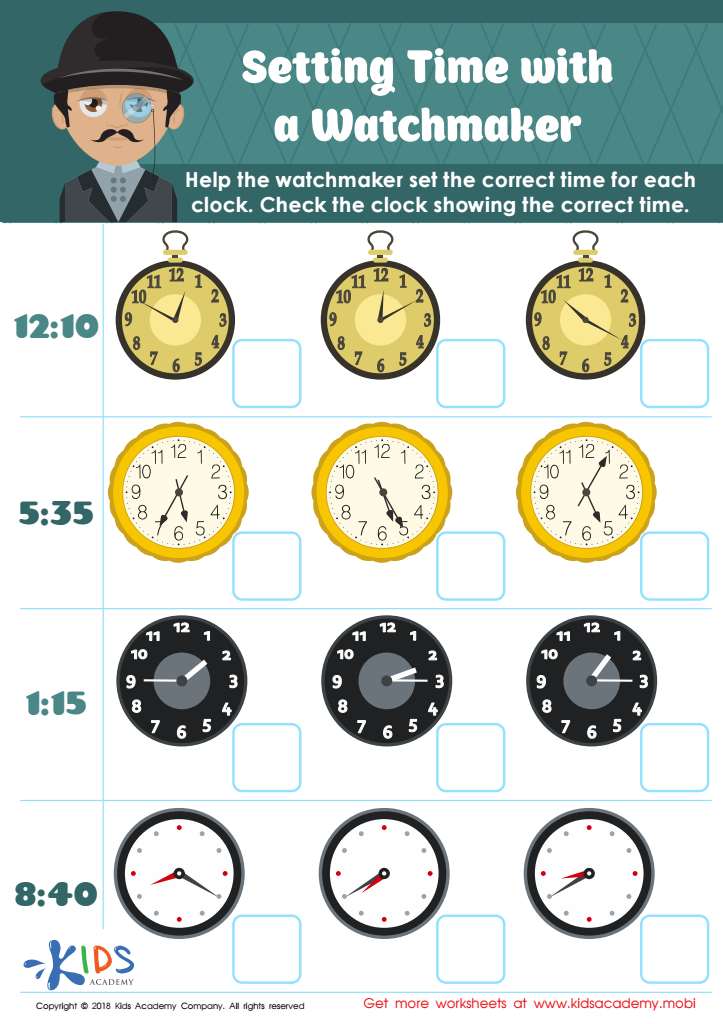
Setting Time with Watchmaker Worksheet
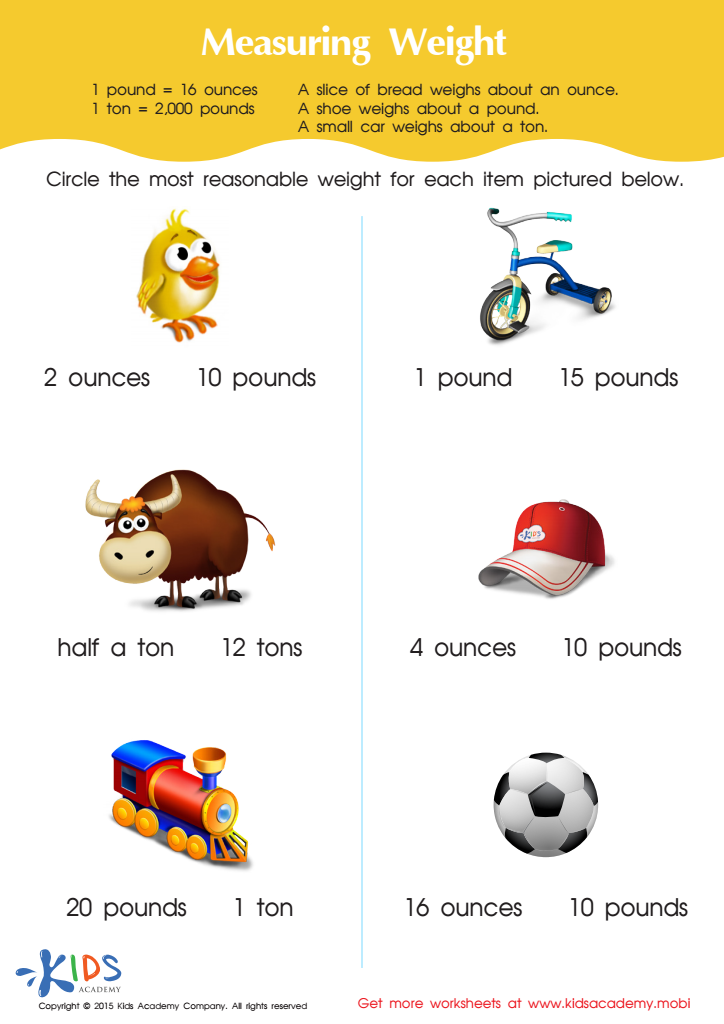
Measuring Weight in Ounces, Pounds and Tons (Part 2) Worksheet
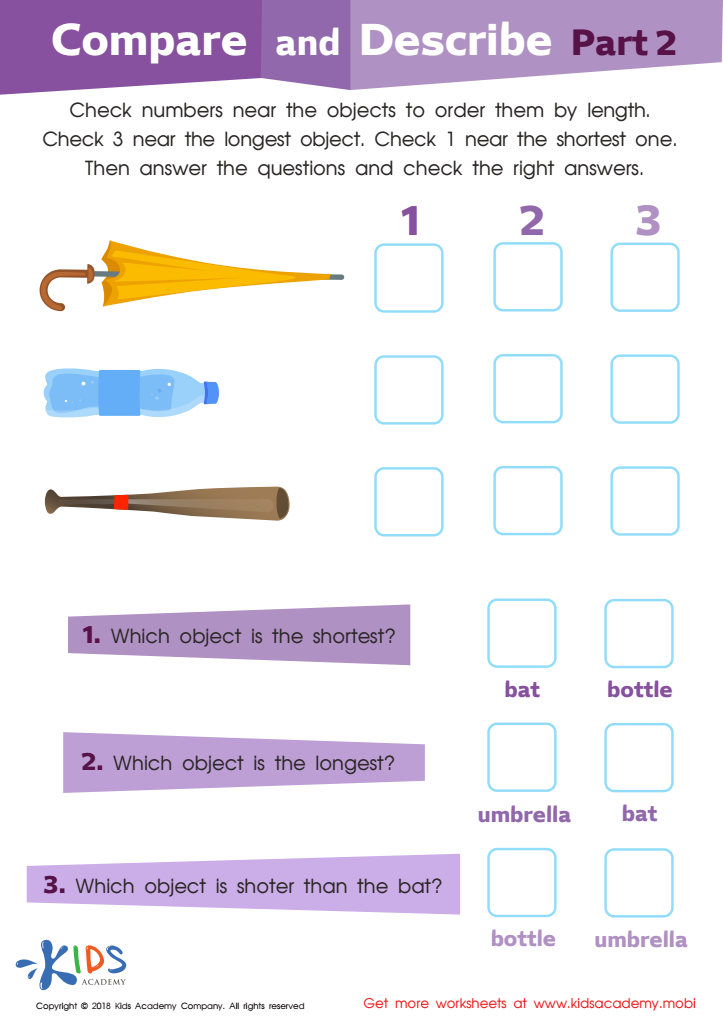
Compare and Describe: Part 2 Worksheet
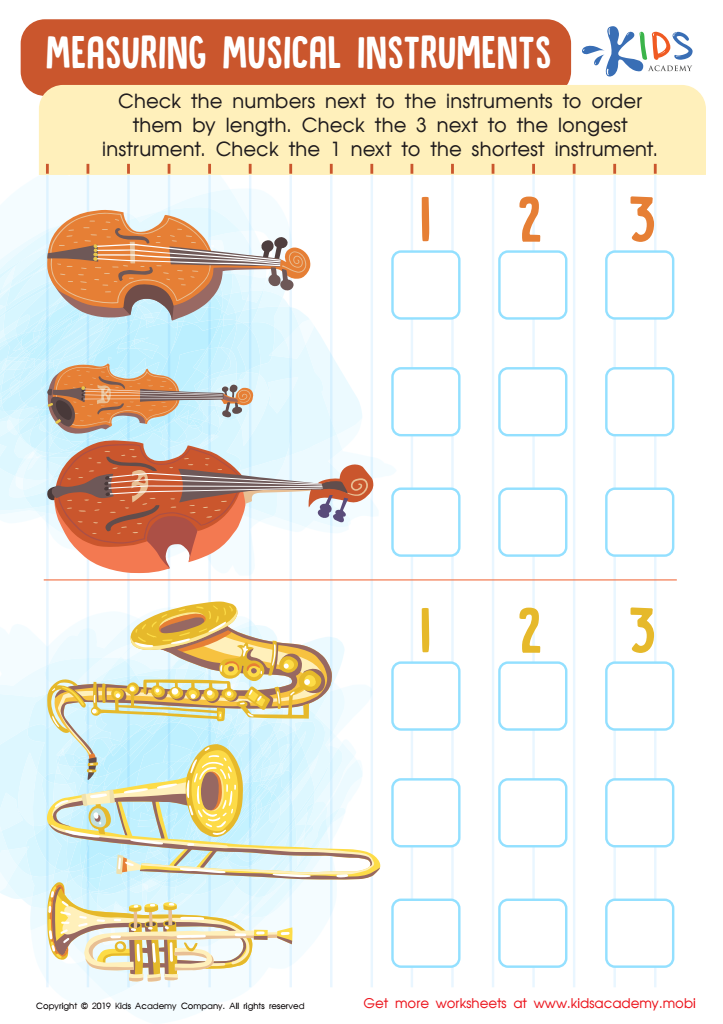
Measuring Musical Instruments Worksheet
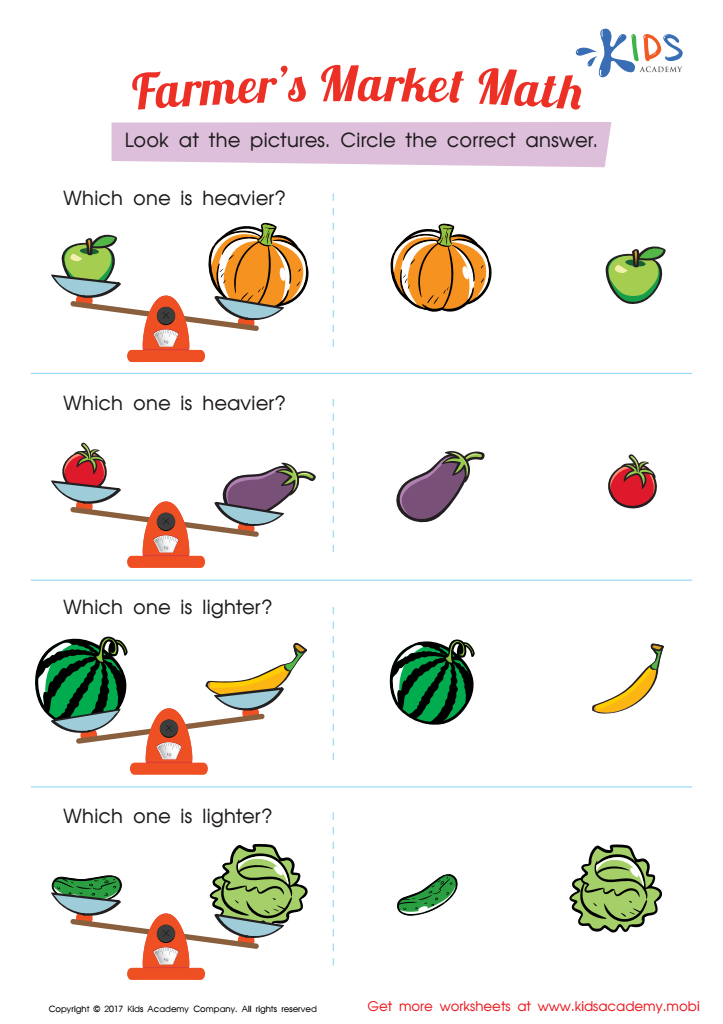
Which One Is Heavier Worksheet
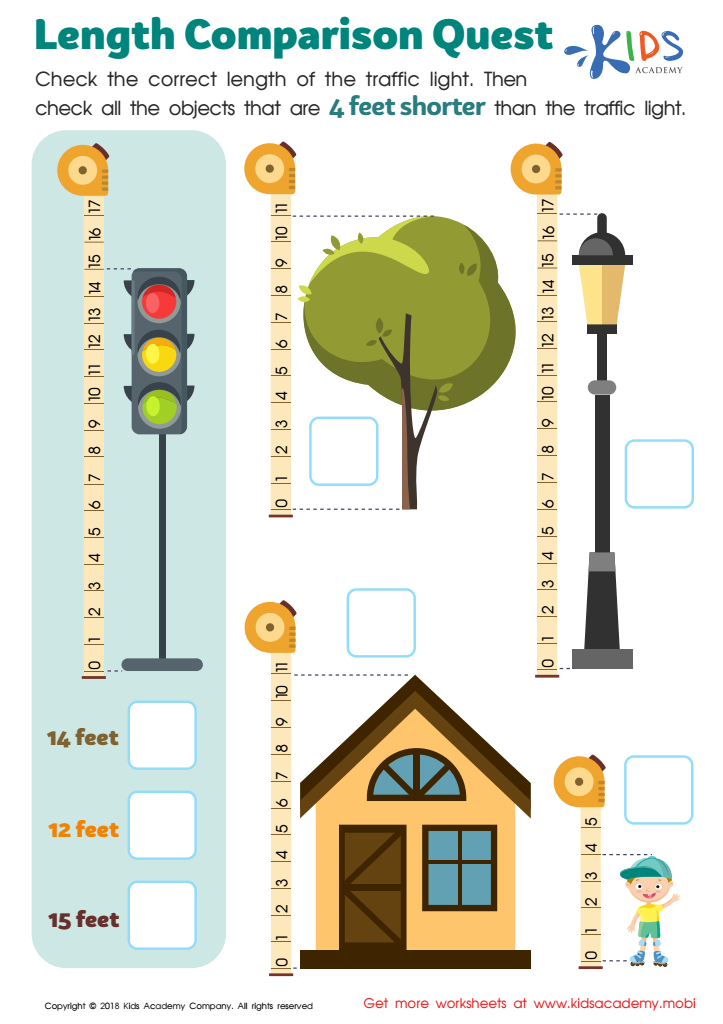
Length Comparison Quest Worksheet
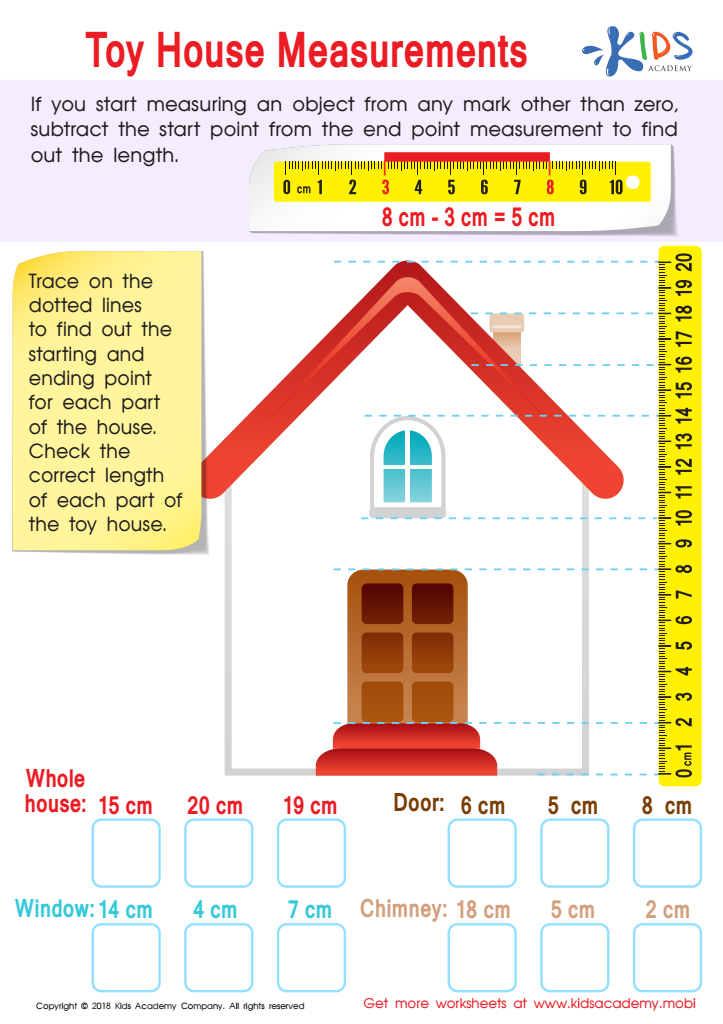
Toy House Measurements Worksheet
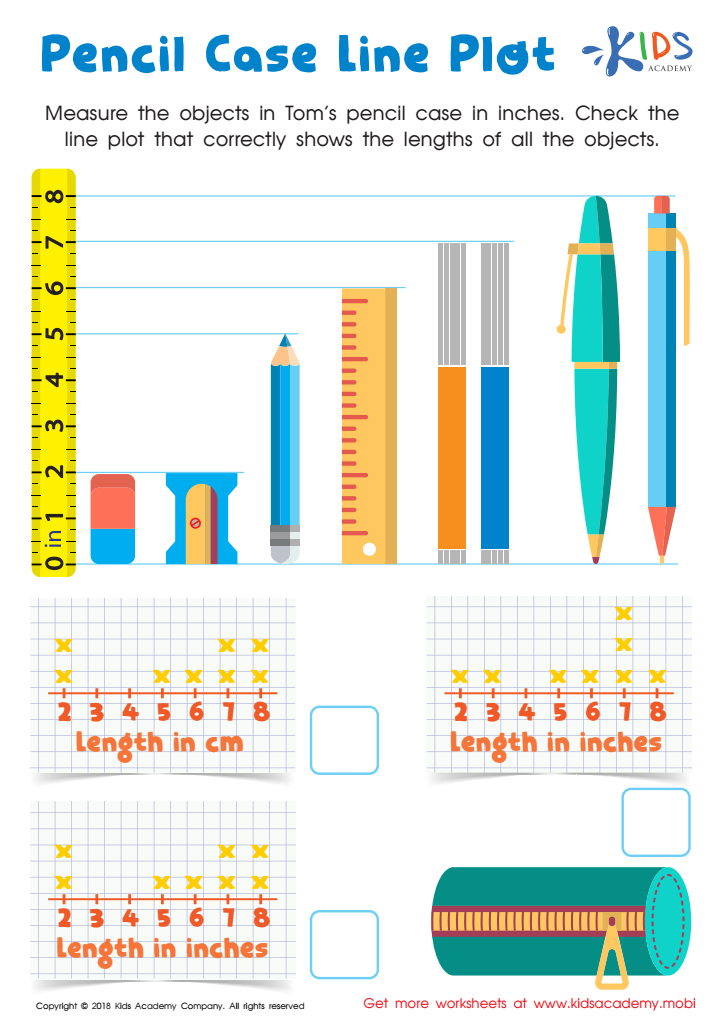
Pencil Case Line Plot Worksheet
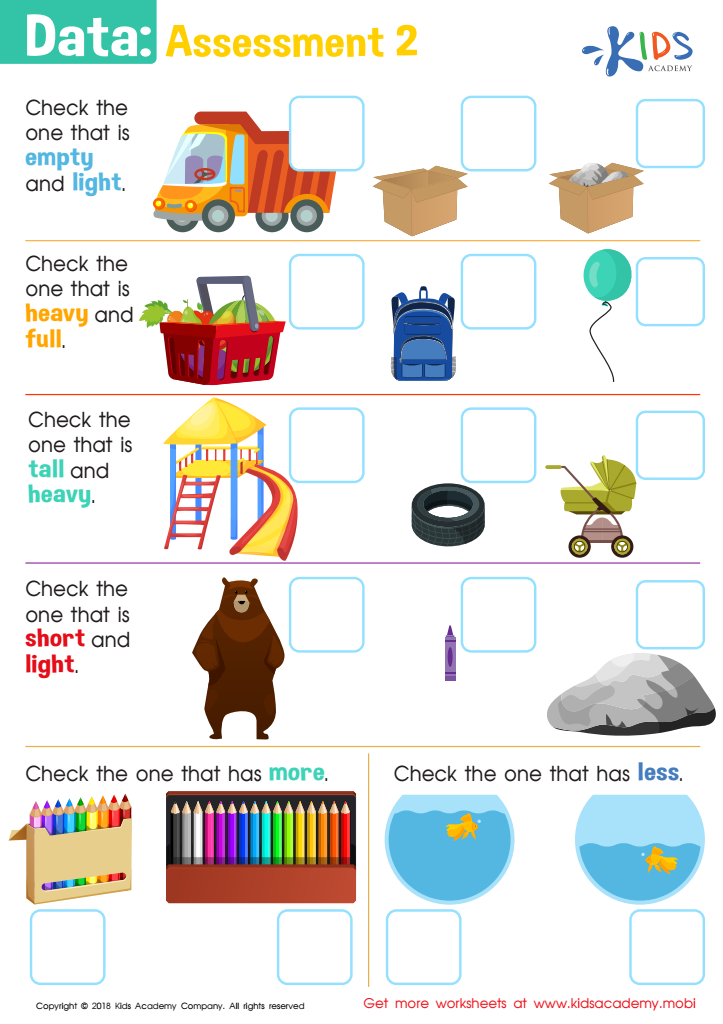
Data: Assessment 2 Worksheet
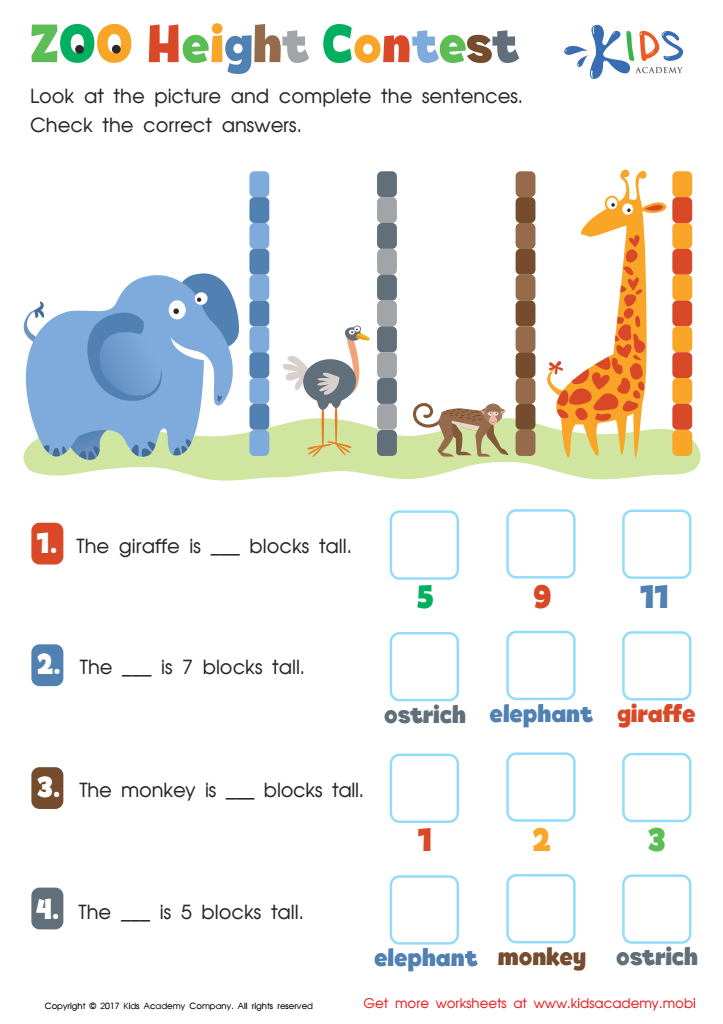
Zoo Height Contest Worksheet
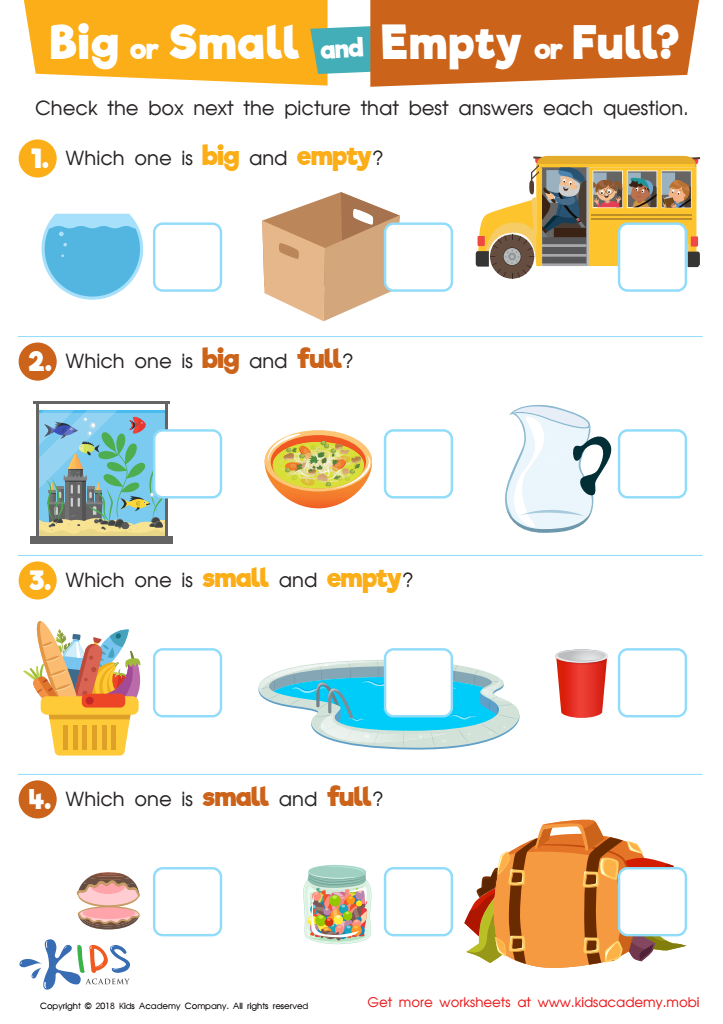
Big or Small and Empty or Full? Worksheet
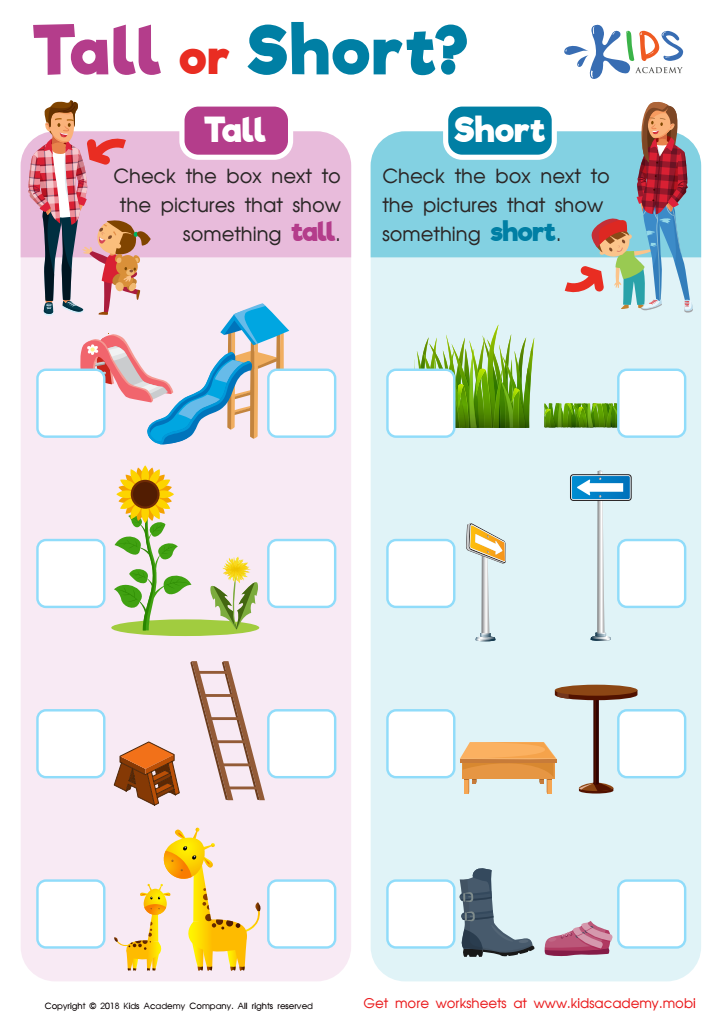
Tall or Short? Worksheet
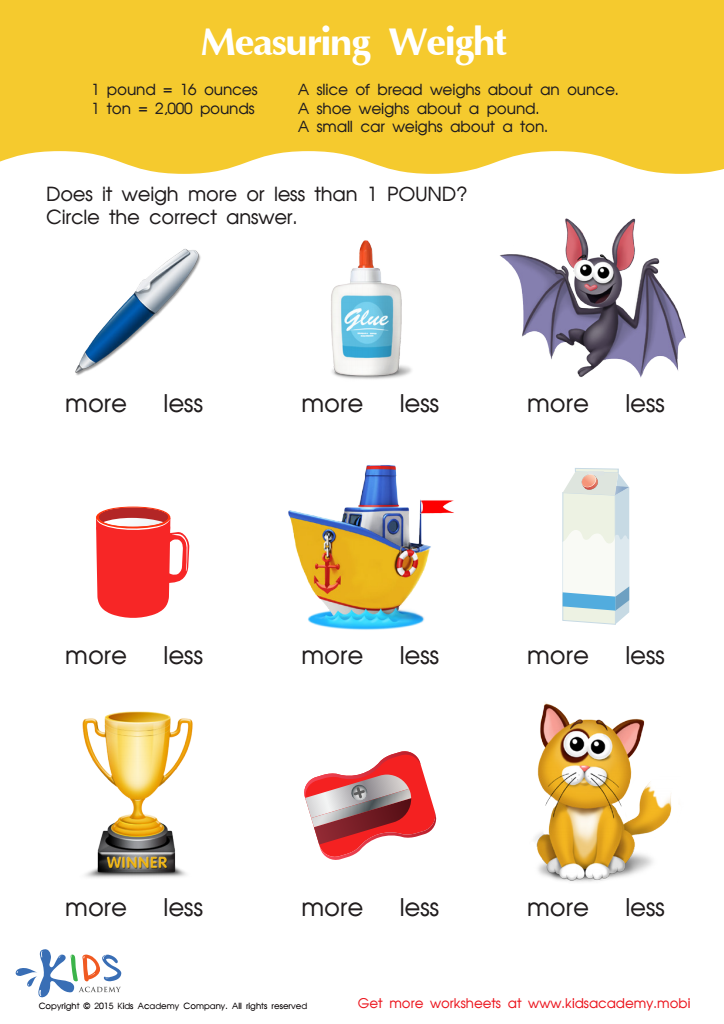
Measuring weight in pounds Worksheet
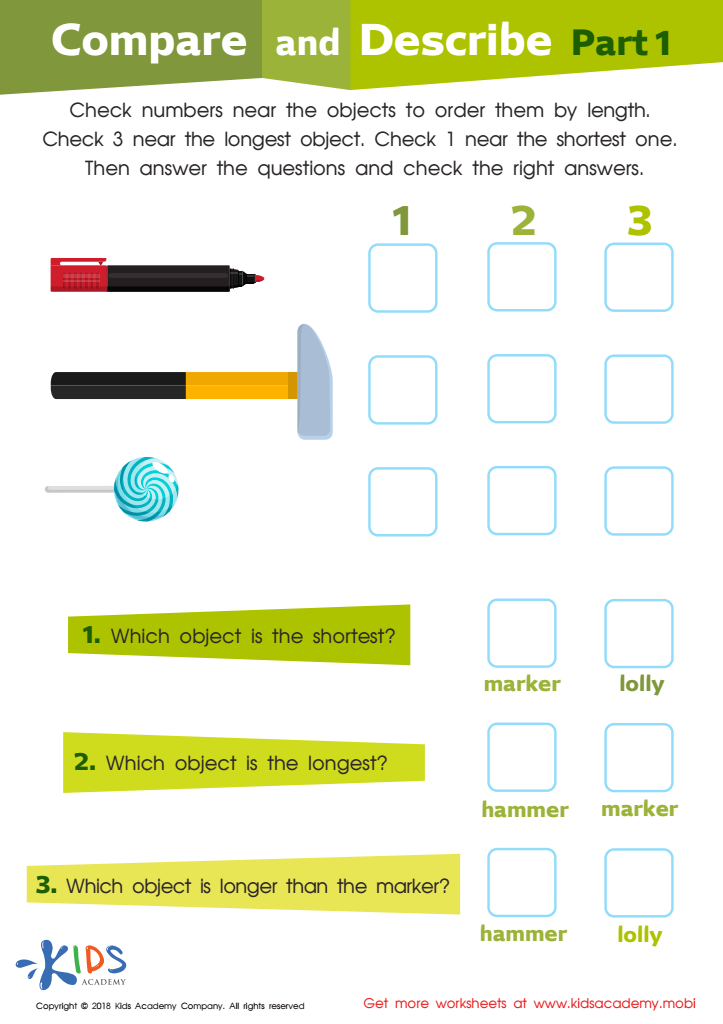
Compare and Describe: Part 1 Worksheet
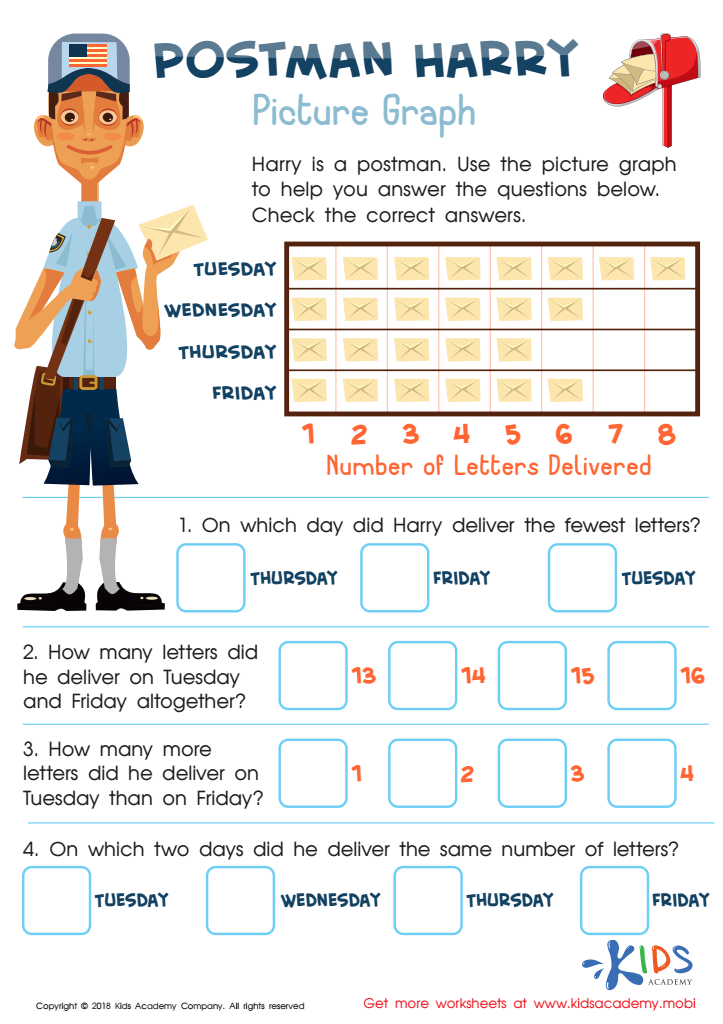
Postman Harry: Picture Graph Worksheet
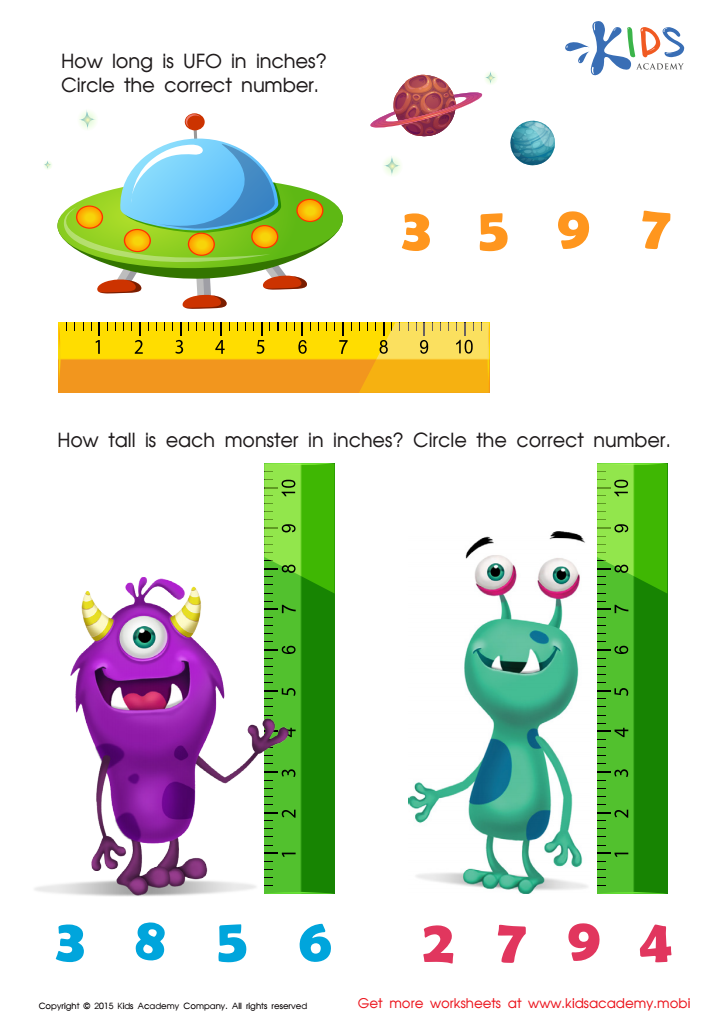
Measuring in Inches Worksheet
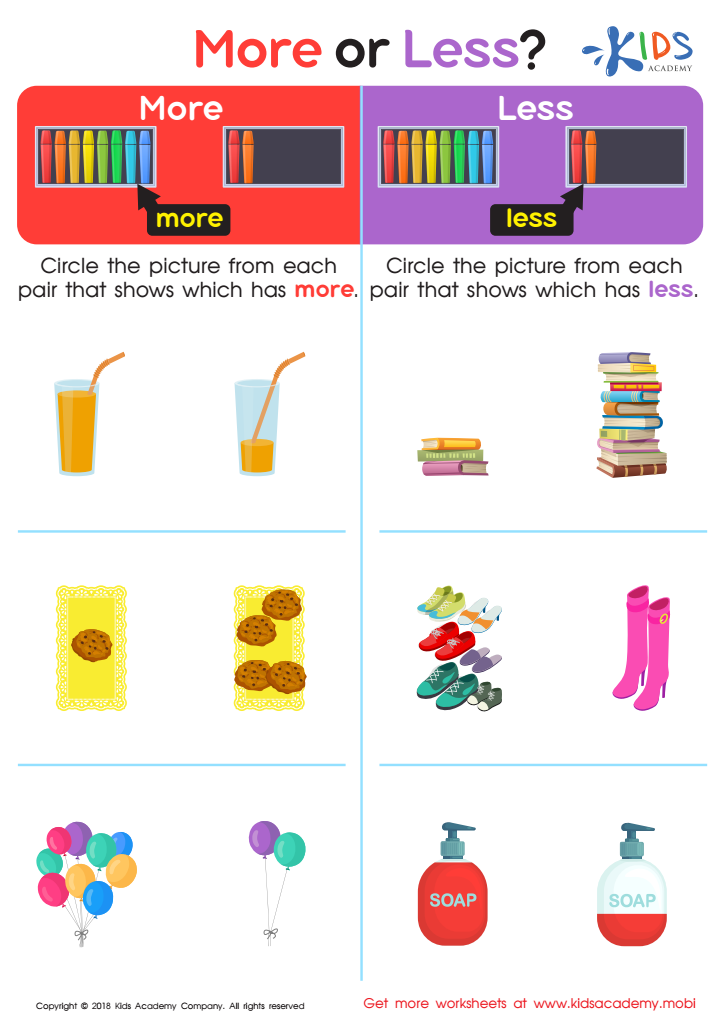
More or Less? Worksheet
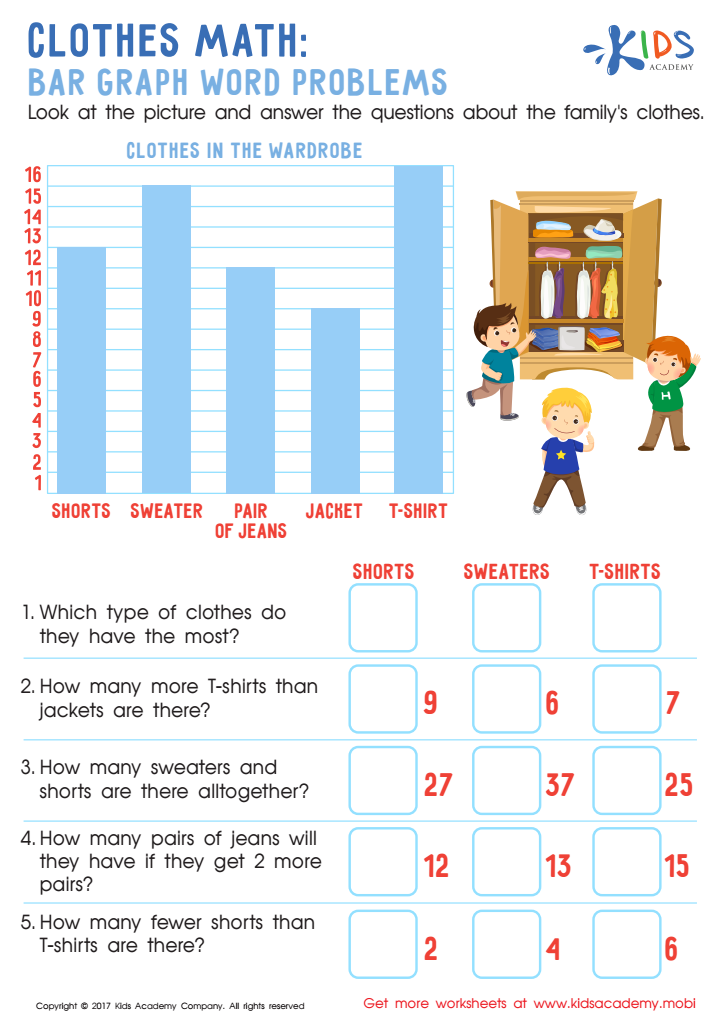
Clothes Math: Bar Graph Word Problems Worksheet
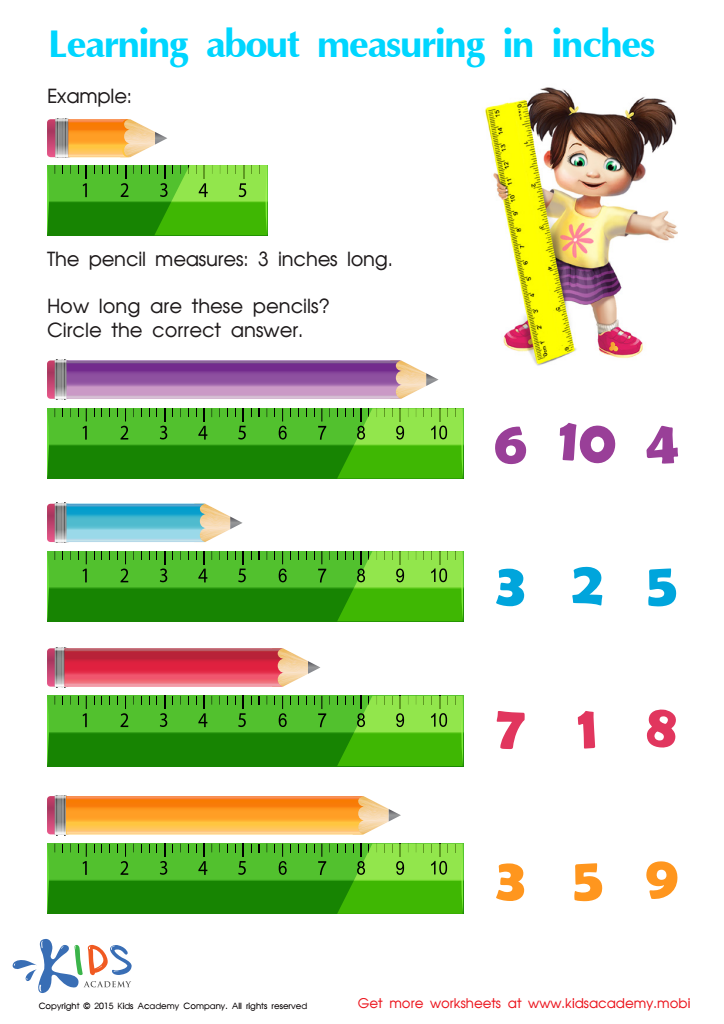
Learning About Measuring In Inches Printable
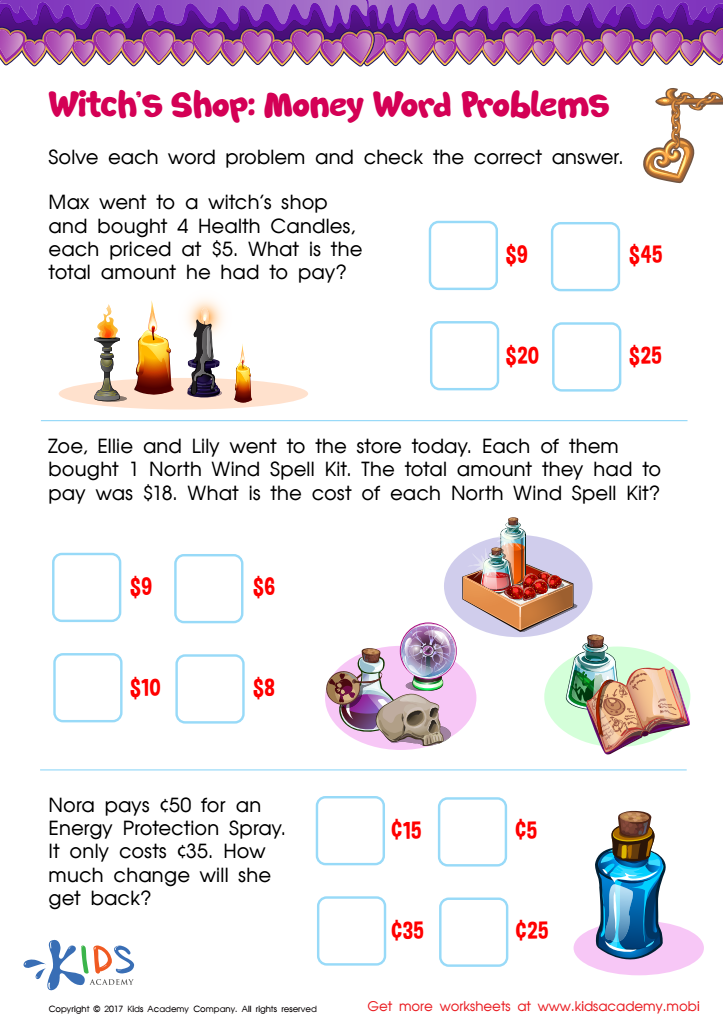
Money Word Problems Printable
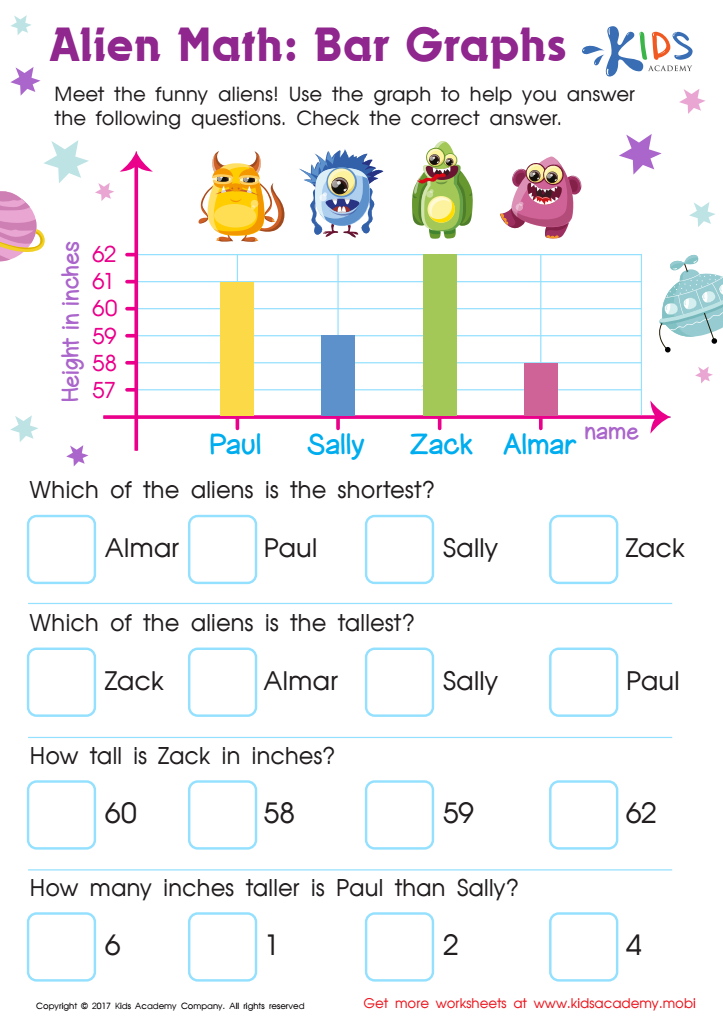
Bar Graphs Worksheet








Measurement is a fundamental concept in early education that holds significant value for children aged 4-9. Parents and teachers should prioritize teaching measurement because it lays the groundwork for critical thinking, problem-solving, and real-world application of mathematical concepts. Mastering measurement helps young children grasp essential skills such as comparing lengths, weights, and volumes, fostering their curiosity about the physical world.
Understanding measurement encourages exploration and hands-on learning, which can enhance children's engagement and motivation. Activities like baking, building, or gardening can creatively introduce measurement, making learning both effective and enjoyable. Furthermore, measurement helps develop spatial awareness and logical reasoning, skills that are vital throughout academic and practical life.
In addition, measurement activities offer opportunities for collaboration and communication among peers, enhancing social development. As children discuss and compare their findings, they cultivate their language skills and confidence in expressing their ideas.
Ultimately, embracing measurement fosters a strong mathematical foundation. It prepares young learners for future academic challenges, instills a lifelong appreciation for mathematics, and equips them with tools to analyze and interpret the world around them. Therefore, investing in measurement education is crucial for the growth and development of children.








