2D Shapes Worksheets for Ages 5-7 - Page 2
67 filtered results
-
From - To
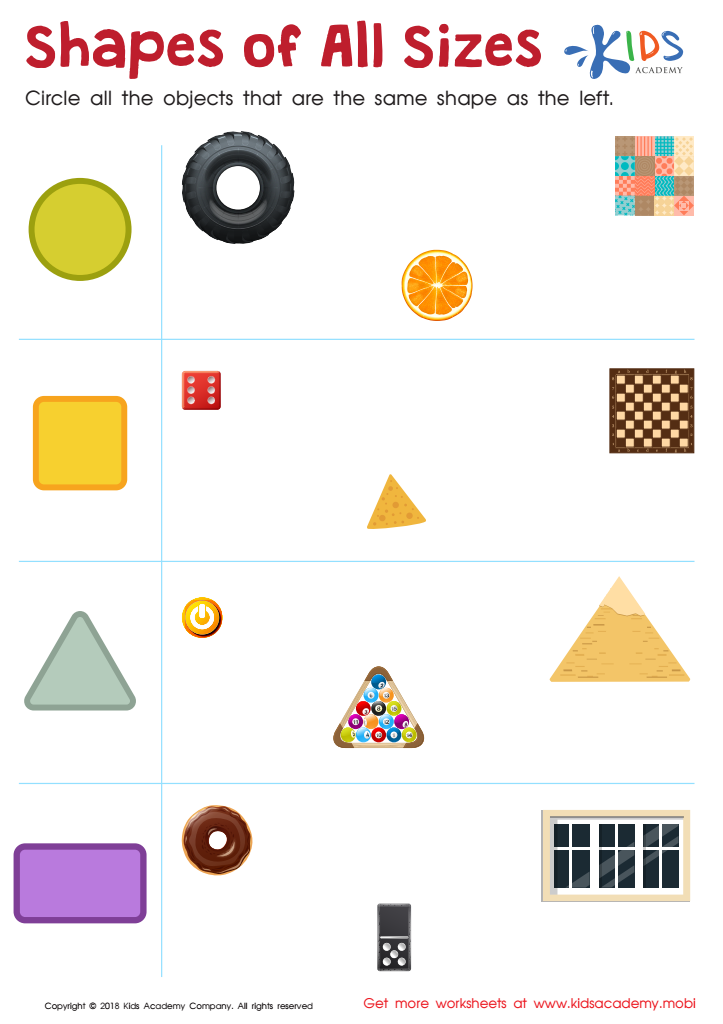
Shapes of All Sizes Worksheet
 Assign to My Students


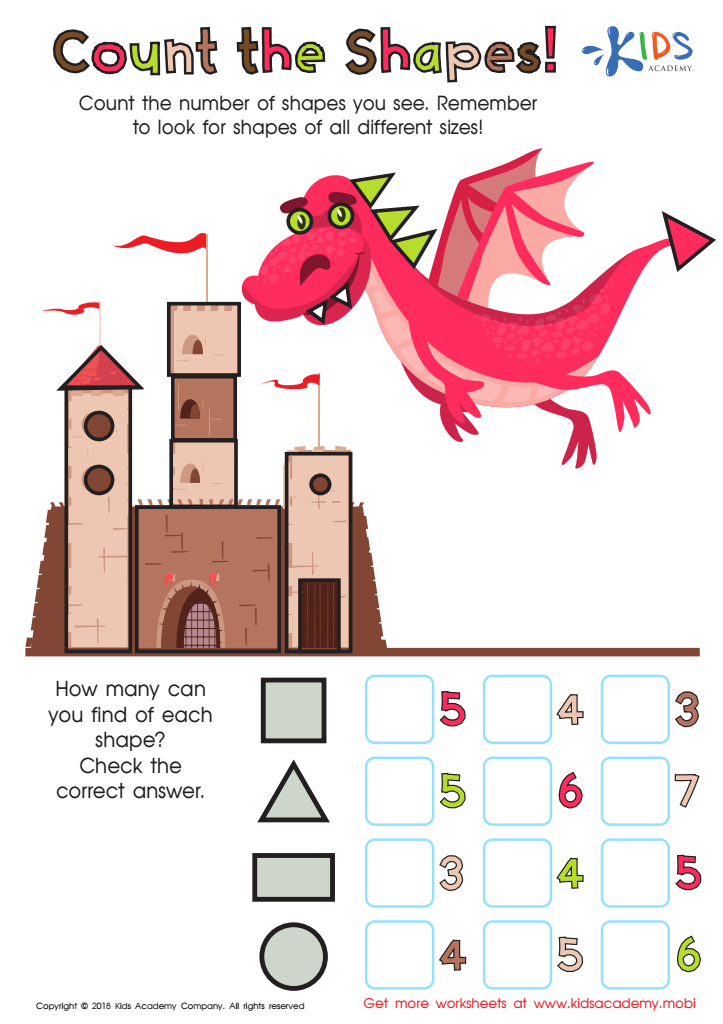
Count the Shapes Worksheet
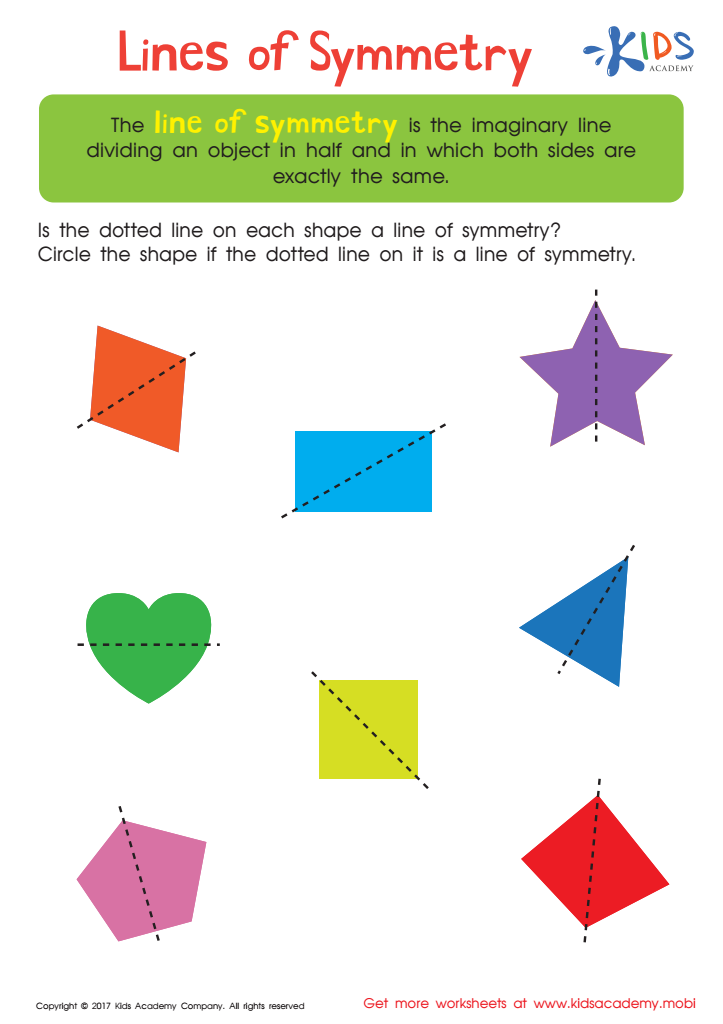
Lines of Symmetry Printable
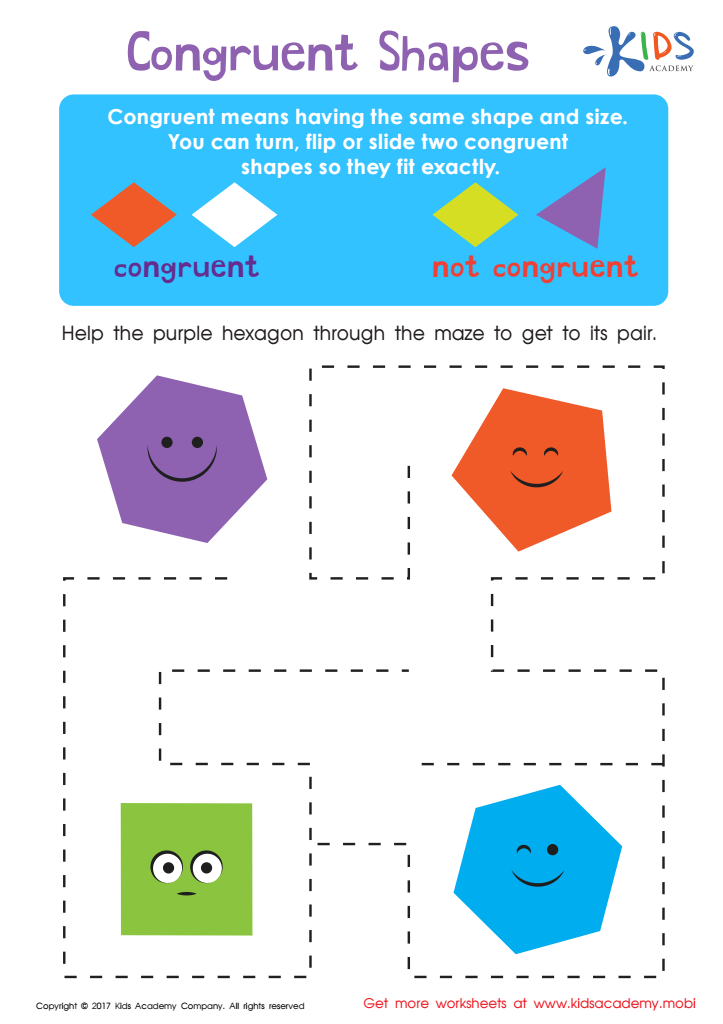
Congruent Shapes Worksheet
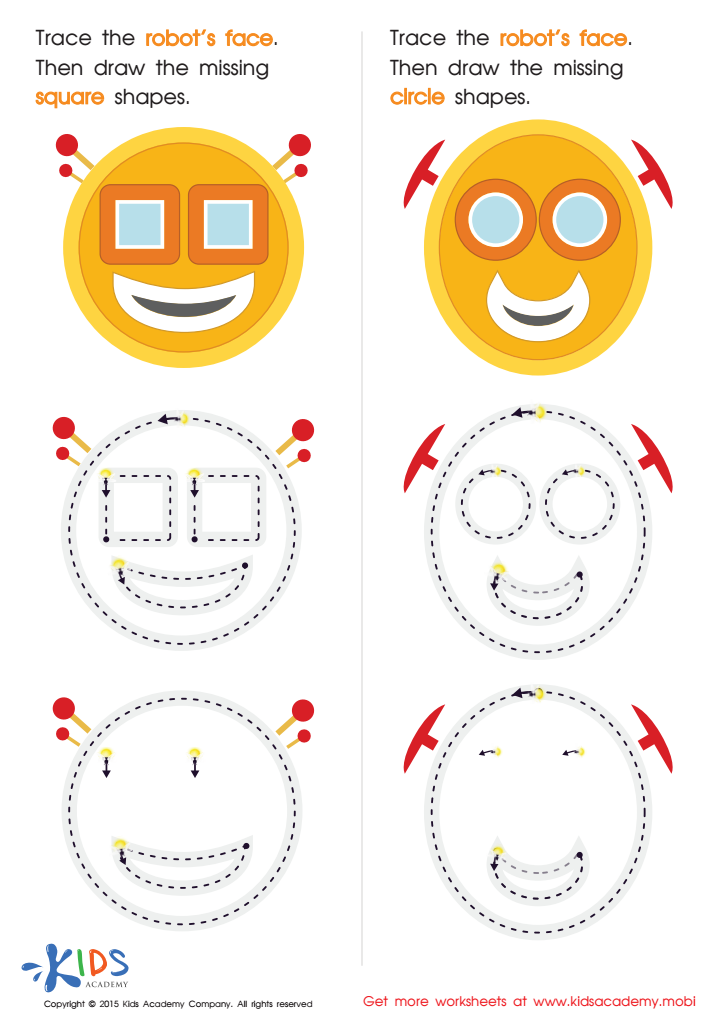
Practicing to Draw Circles And Squares Printable
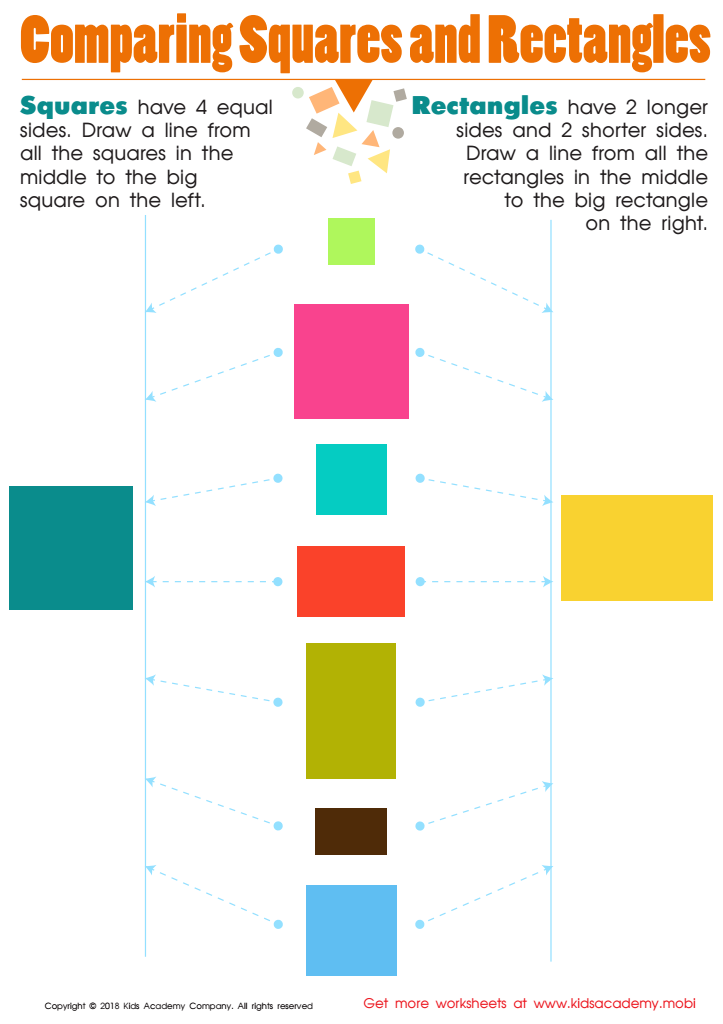
Comparing Squares Rectangles Worksheet
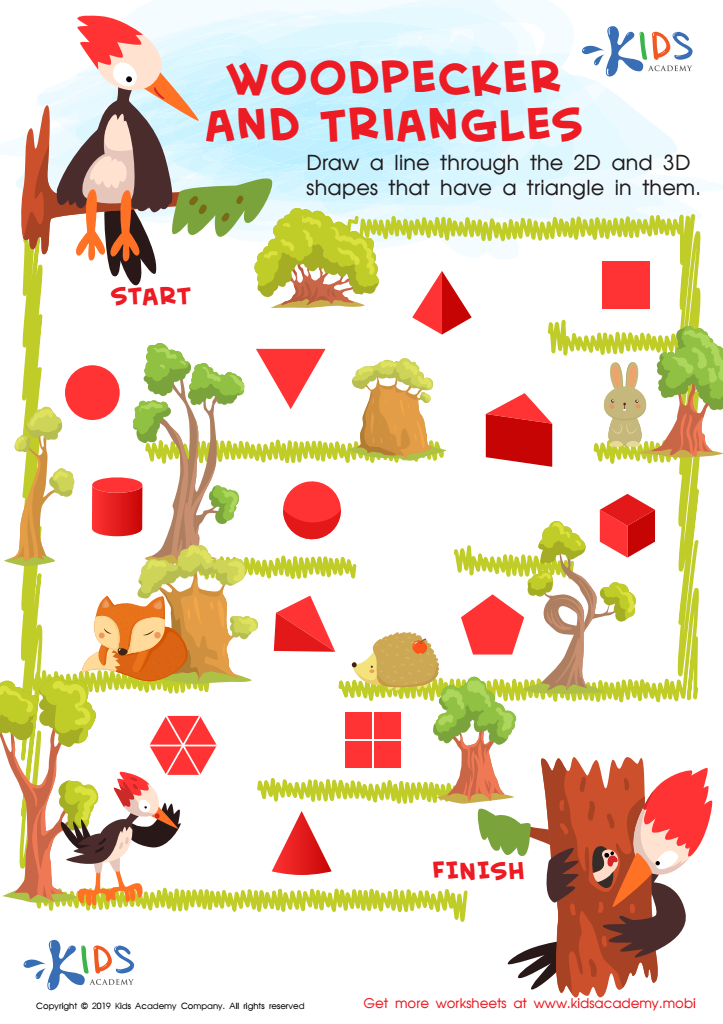
Woodpecker and Triangles Worksheet
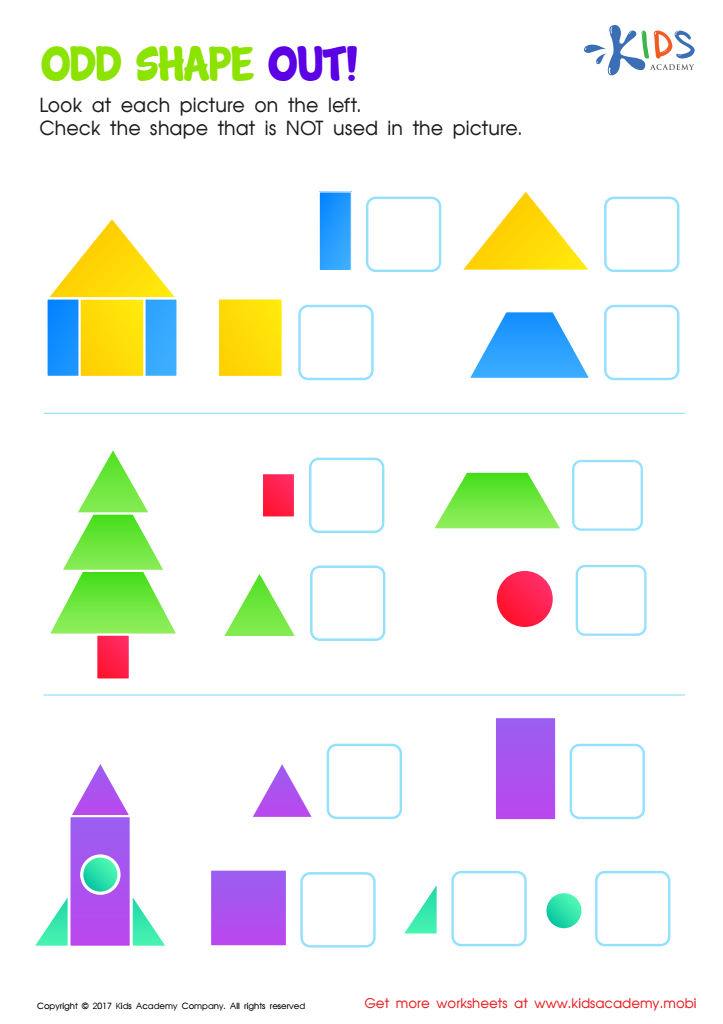
Odd Shape Out Worksheet for Grade 1
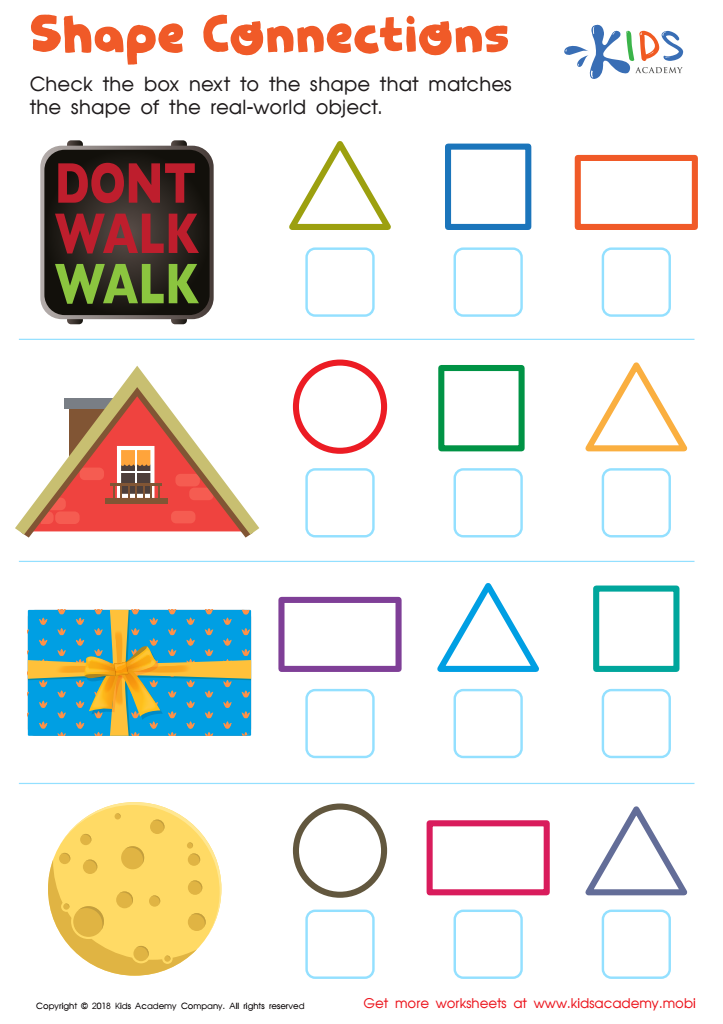
Shape Connections Worksheet
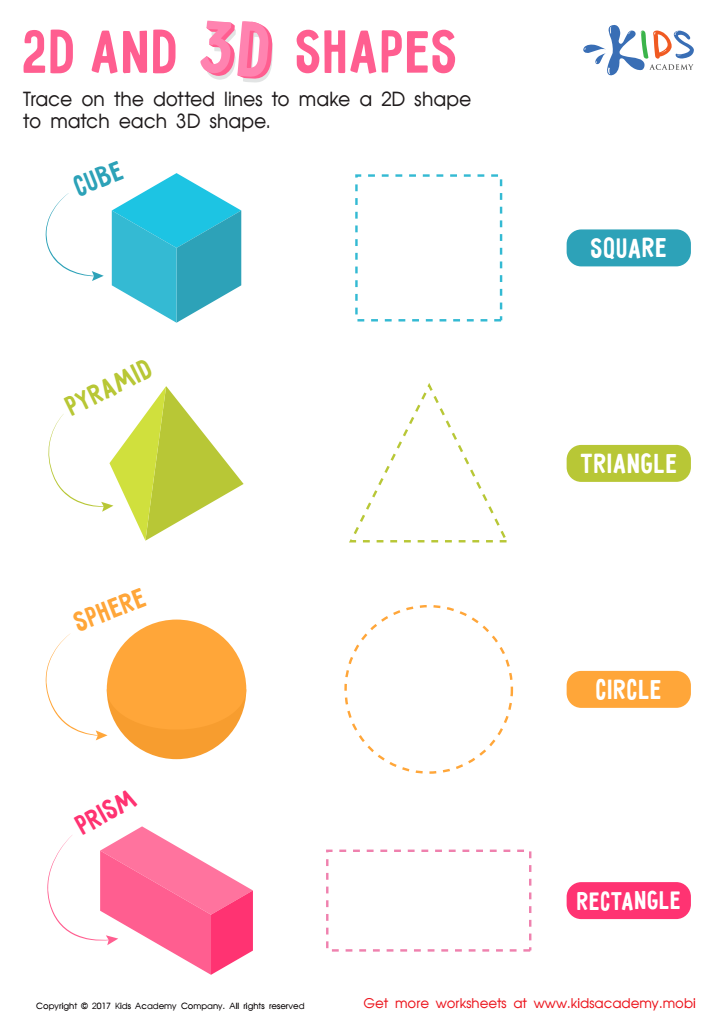
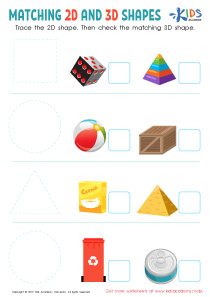
2D and 3D Shapes Worksheet
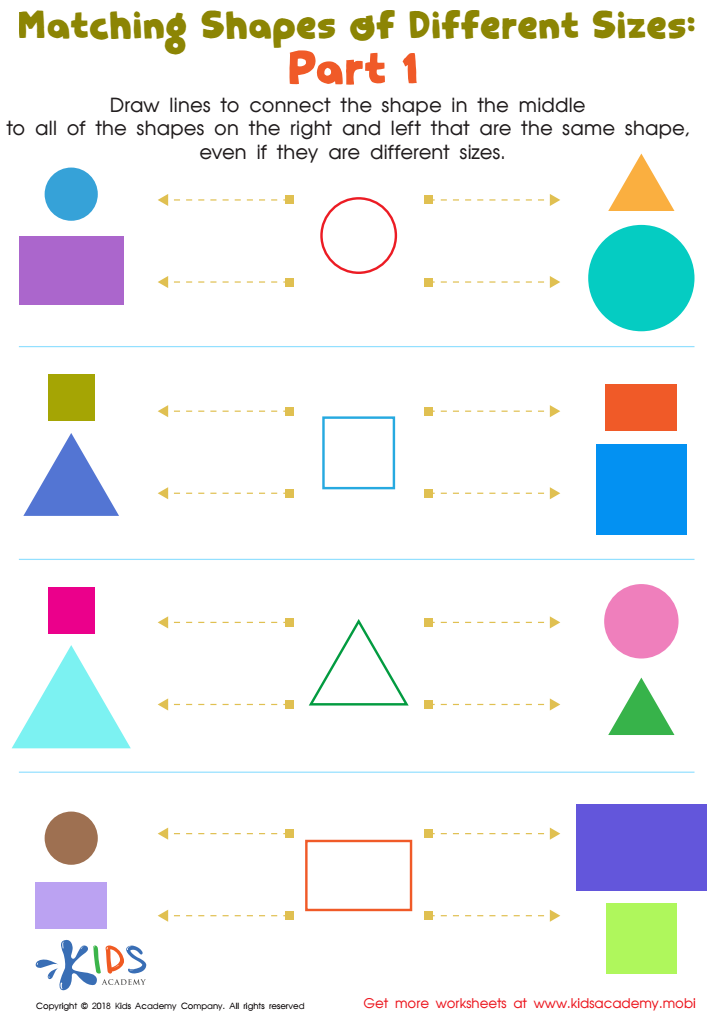
Geometry: part 1 Worksheet
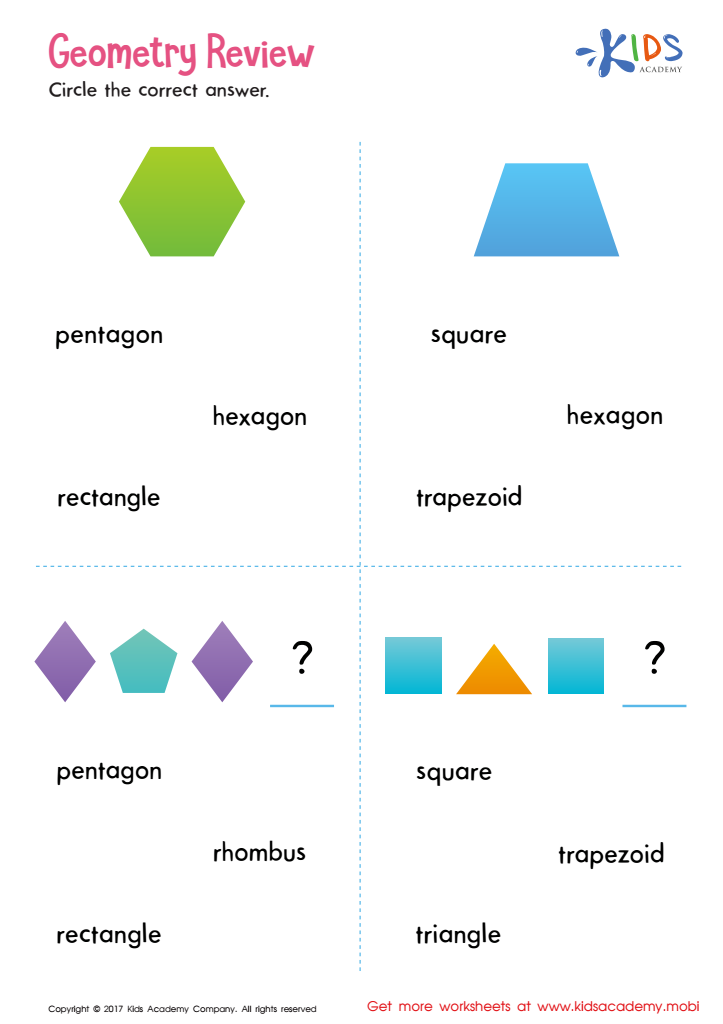
Geometry Review Printable
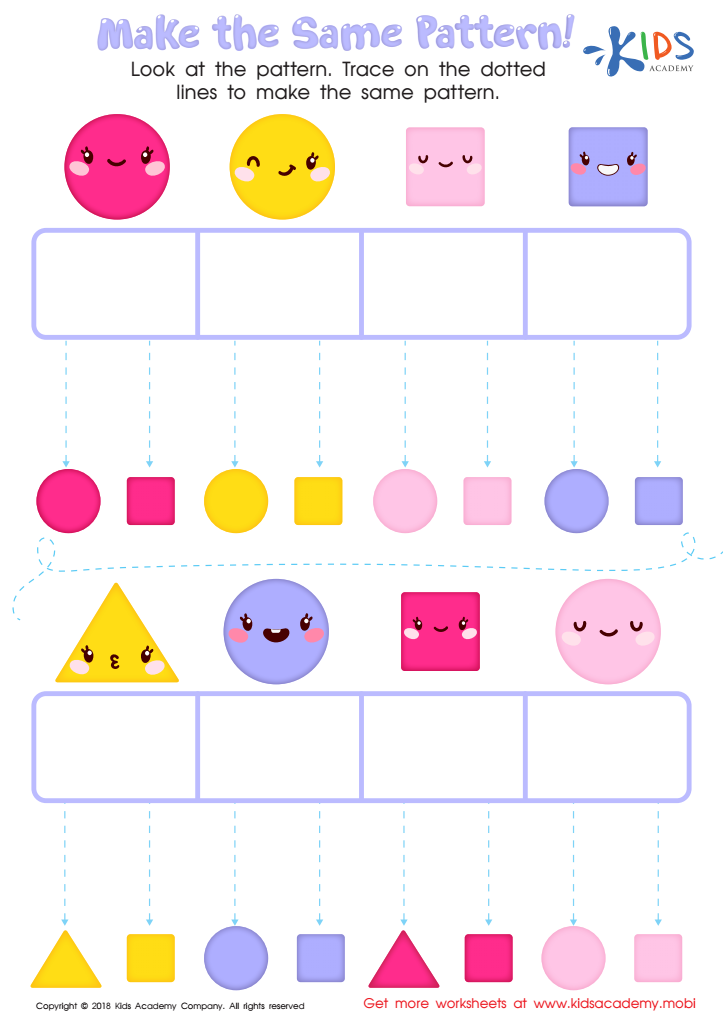
Make the Same Pattern Worksheet
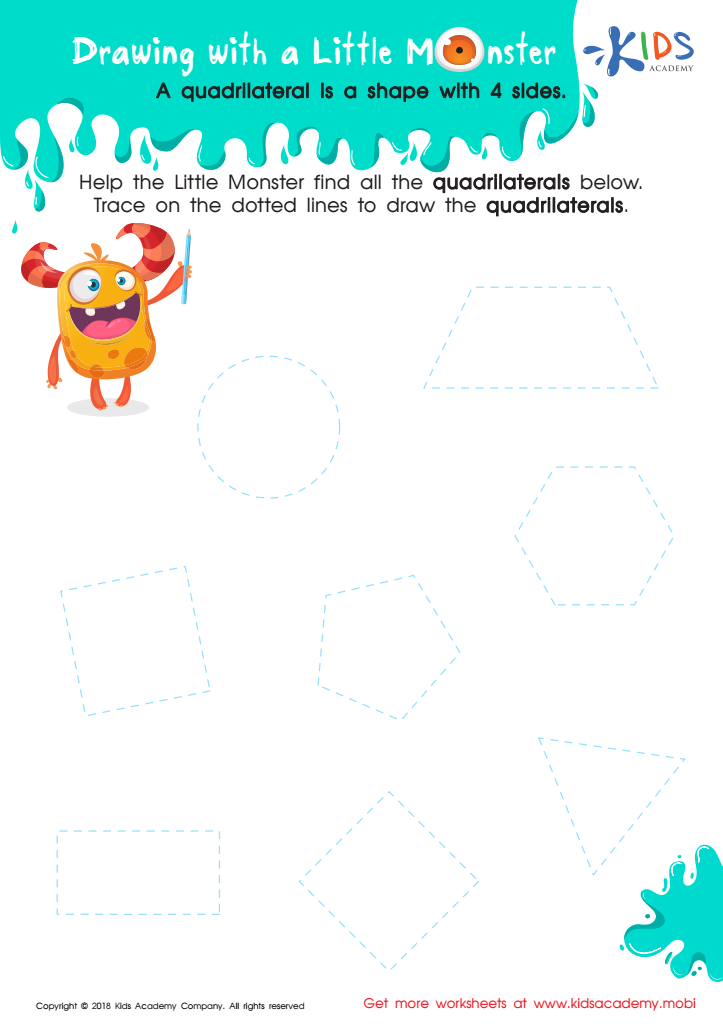
Drawing with a Little Monster Worksheet
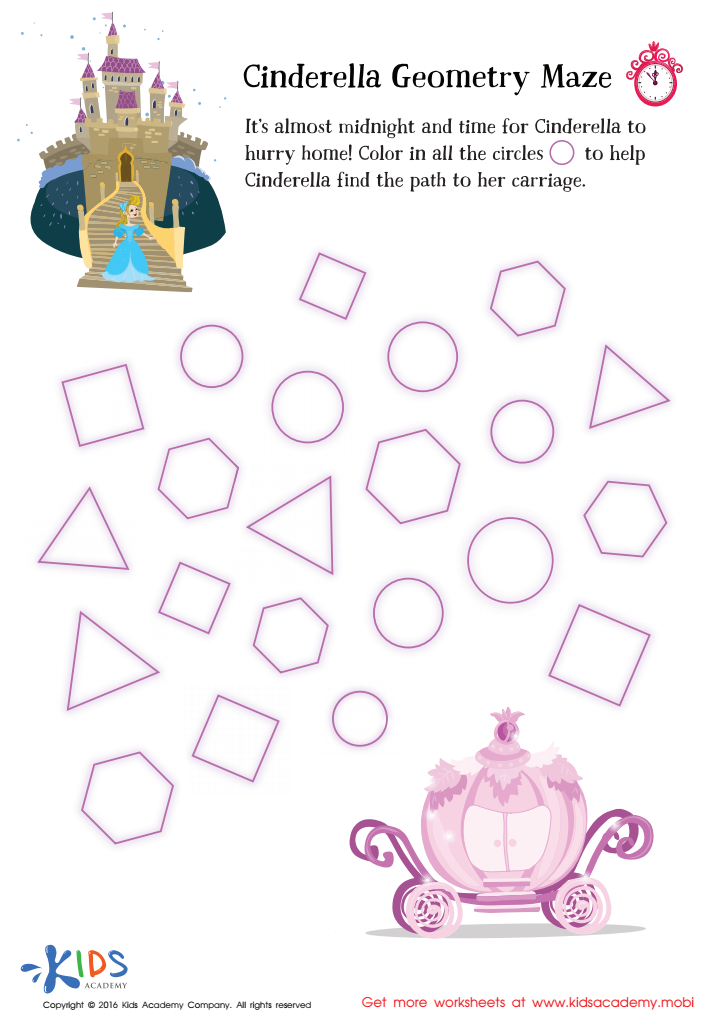
Cinderella Geometry Maze Worksheet
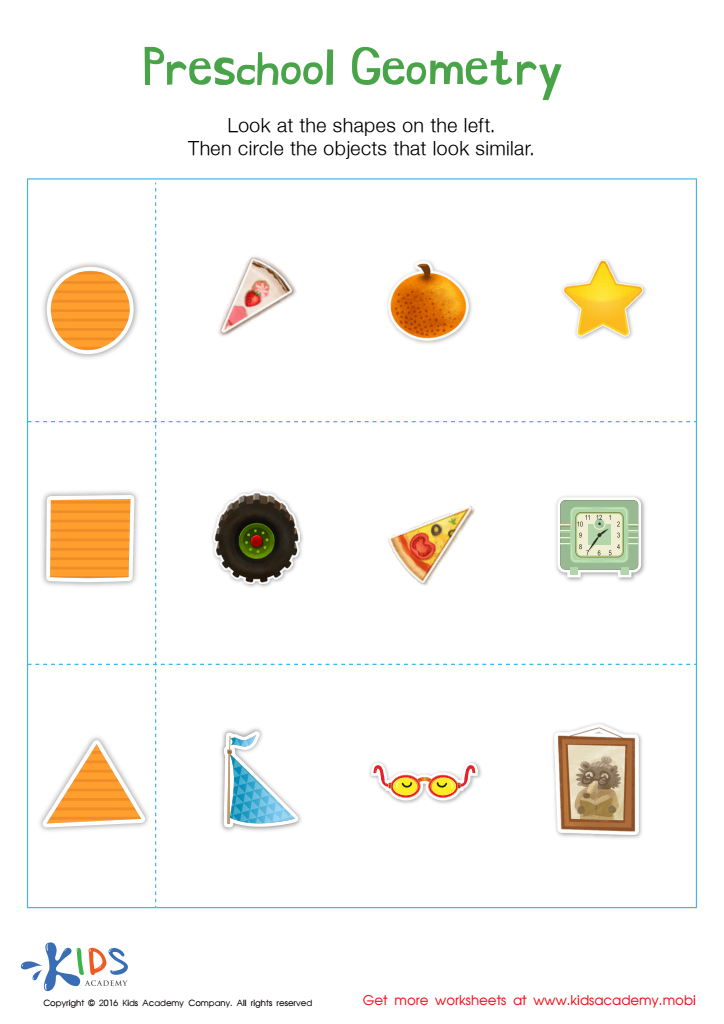
Preschool Geometry Match Up Worksheet
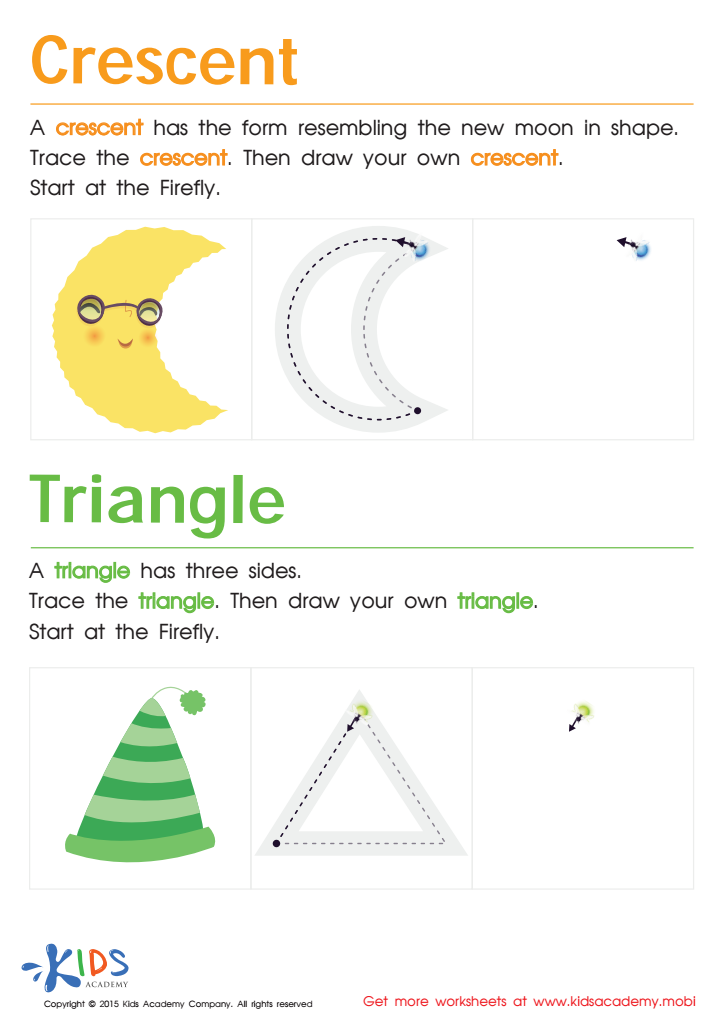
Learning to Draw Crescents And Triangles Worksheet
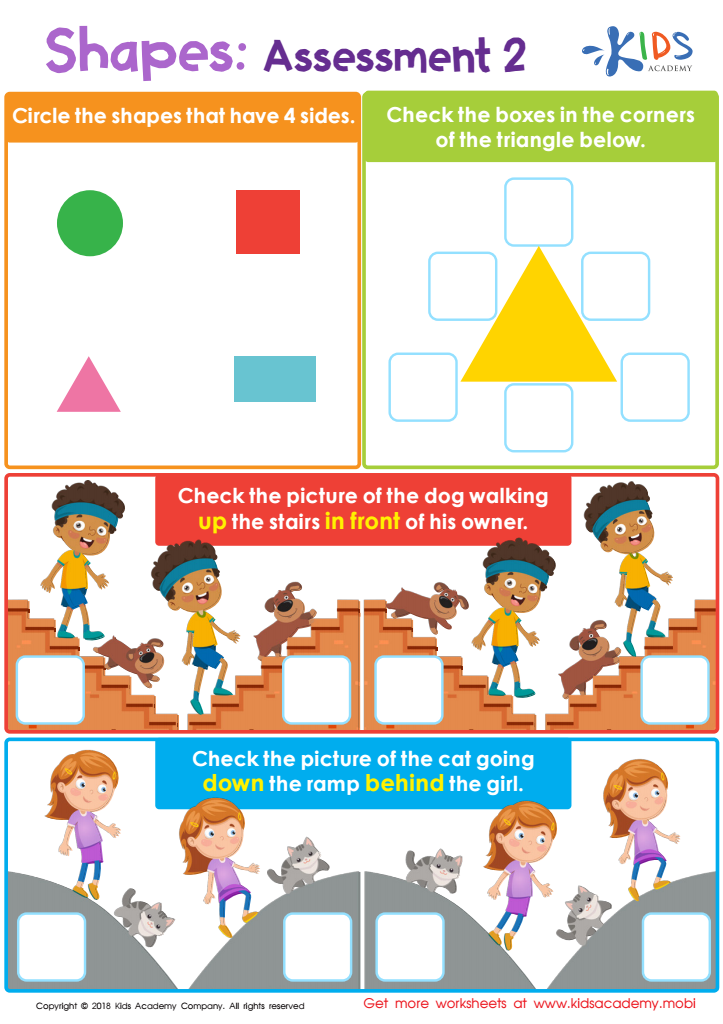
Shapes: Assessment 2 Worksheet
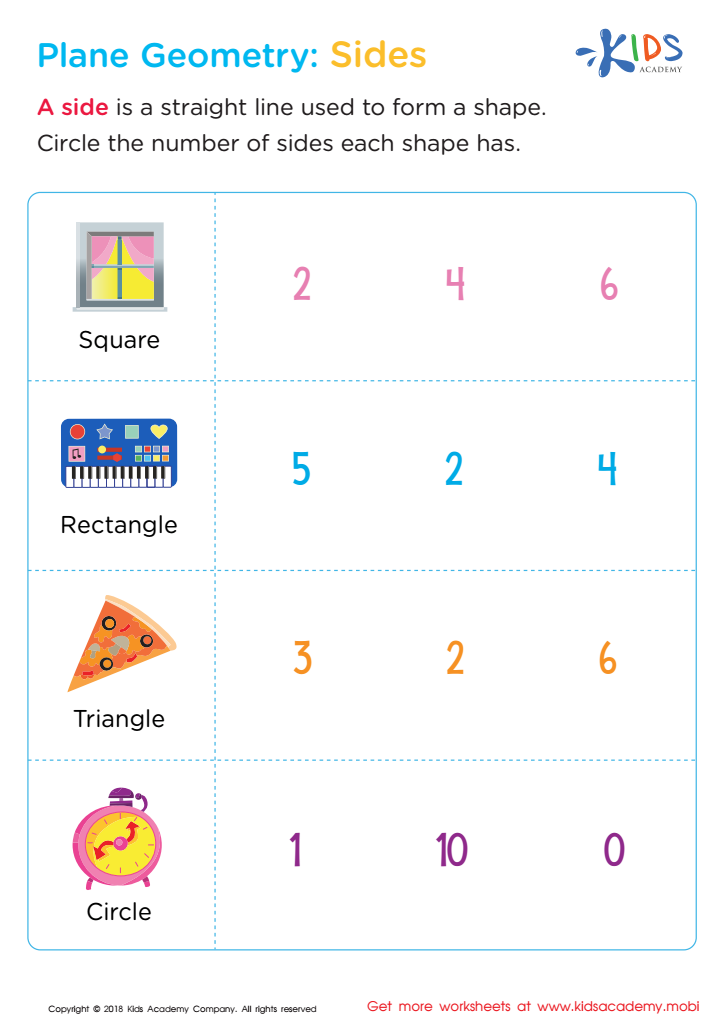
Plane Geometry: Sides Worksheet
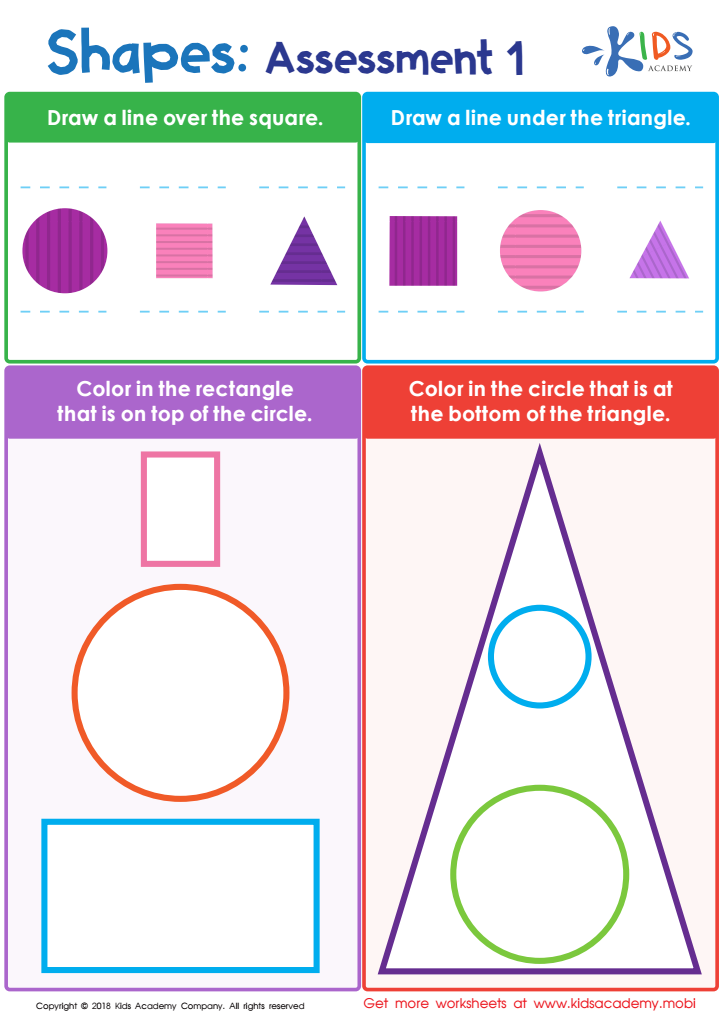
Shapes: Assessment 1 Worksheet
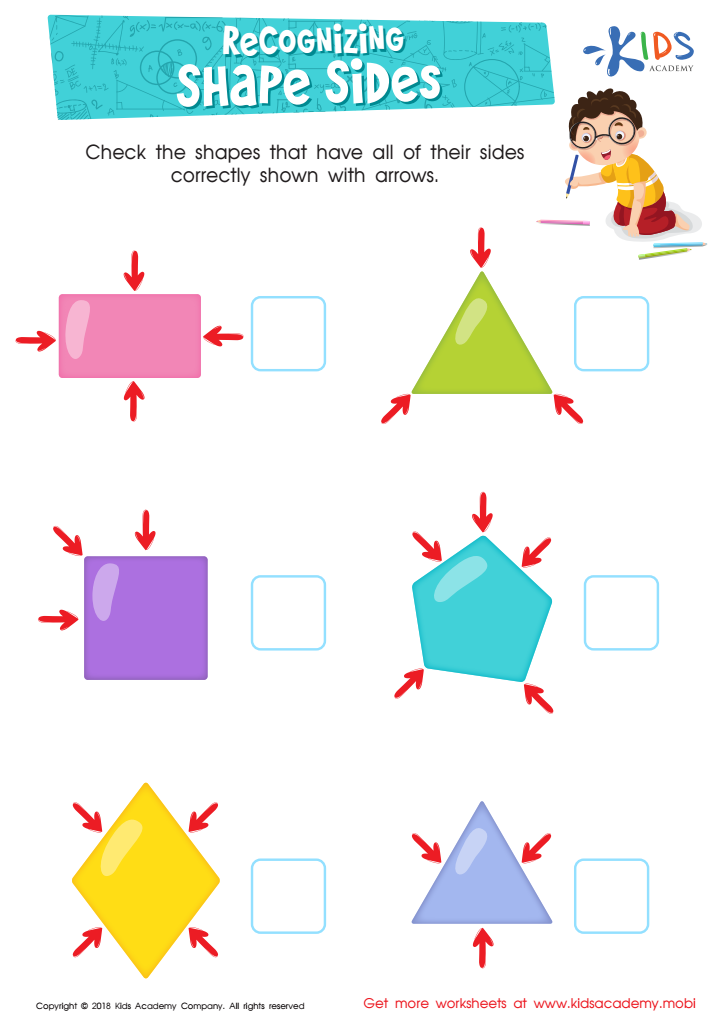
Recognizing Shape Sides Worksheet
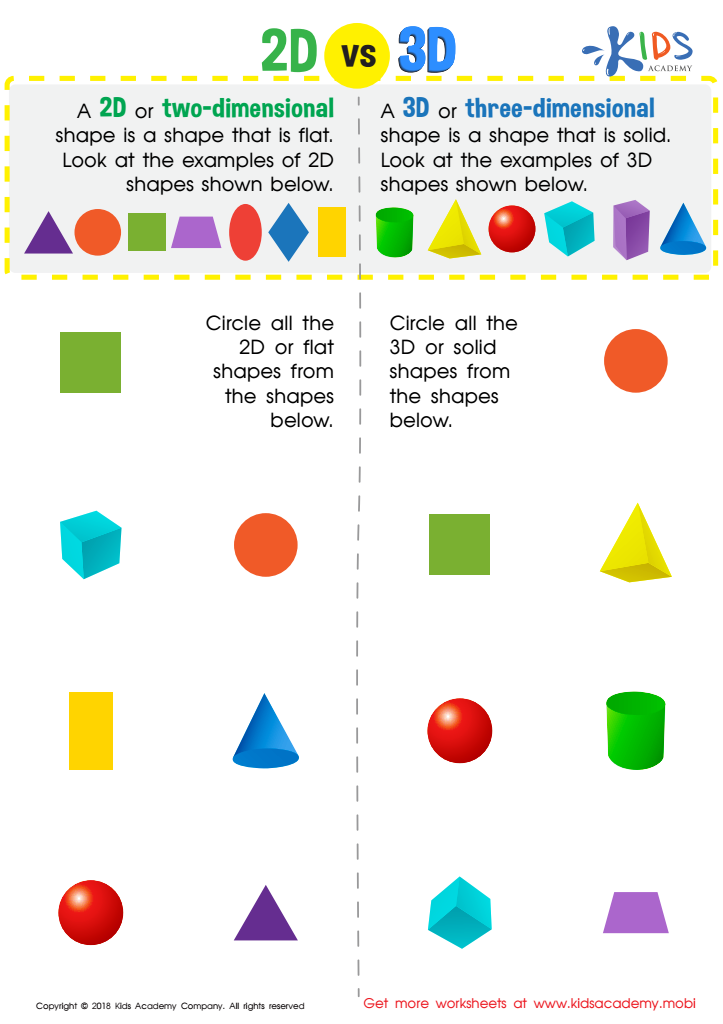
2D vs 3D Shapes Worksheet
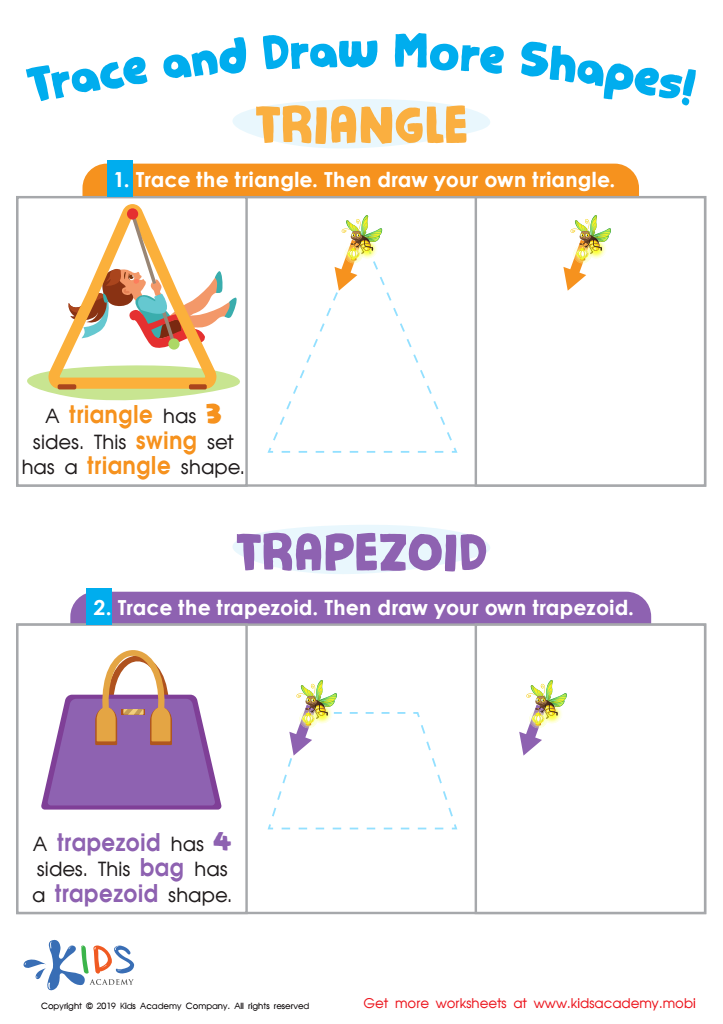
Trace and Draw More Shapes Worksheet
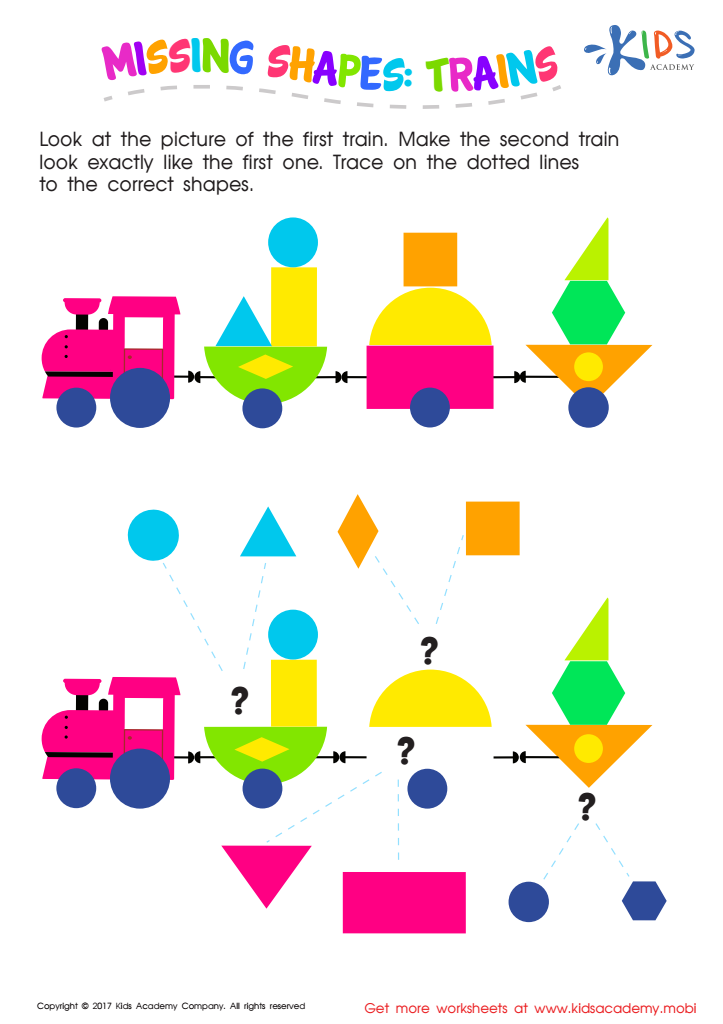
Missing Shapes: Trains Worksheet








Understanding 2D shapes is fundamental for children aged 5-7, as it lays the groundwork for critical thinking and problem-solving skills. At this age, children are naturally curious and eager to explore their surroundings. Introducing 2D shapes—like circles, squares, triangles, and rectangles—fosters their spatial awareness and enhances their ability to classify and compare objects.
By learning about 2D shapes, kids develop mathematical reasoning and vocabulary, which are vital for later concepts in geometry and measurement. Parents and teachers can engage students through fun activities like shape hunts, crafts, and interactive games, making learning enjoyable and effective.
Additionally, recognizing shapes helps children make sense of the world; for example, learning how buildings, books, and toys are built from basic geometric shapes enhances their observational skills. It also supports their creativity, as they can use shapes in art projects and imaginative play.
Moreover, understanding shapes is connected to literacy development—many early reading skills, such as recognizing letters and words, involve shape recognition. Therefore, advocating shape education is a crucial part of a child's cognitive development and preparation for future academic success.