Vowel Blends Worksheets for Ages 5-9
12 filtered results
-
From - To
Discover our engaging Vowel Blends Worksheets designed specifically for children aged 5-9! These interactive resources help young learners master vowel blends, enhancing their reading and writing skills. Our worksheets offer fun exercises that introduce common blends, foster phonetic understanding, and reinforce fundamental concepts in a playful way. Each worksheet is meticulously crafted to capture your child's attention while promoting critical thinking and language development. Suitable for teachers and parents alike, these printable activities provide a perfect balance of challenge and enjoyment, ensuring your child's learning journey is both effective and enjoyable. Explore our collection today to support your child’s literacy growth!
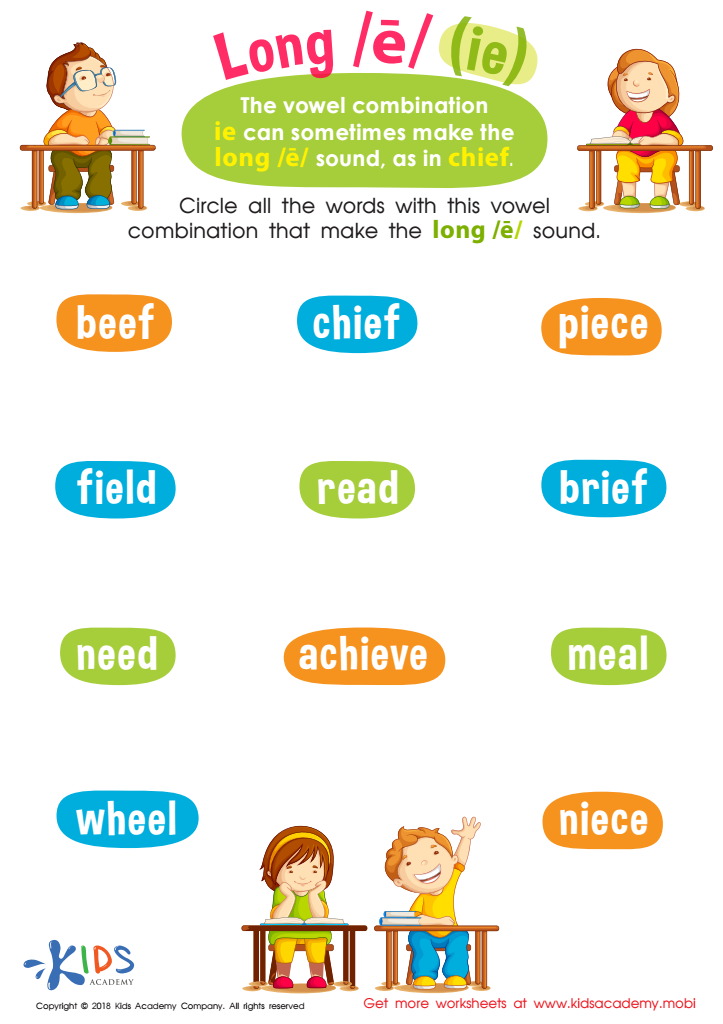
Reading: Long E and IE Worksheet
 Assign to My Students
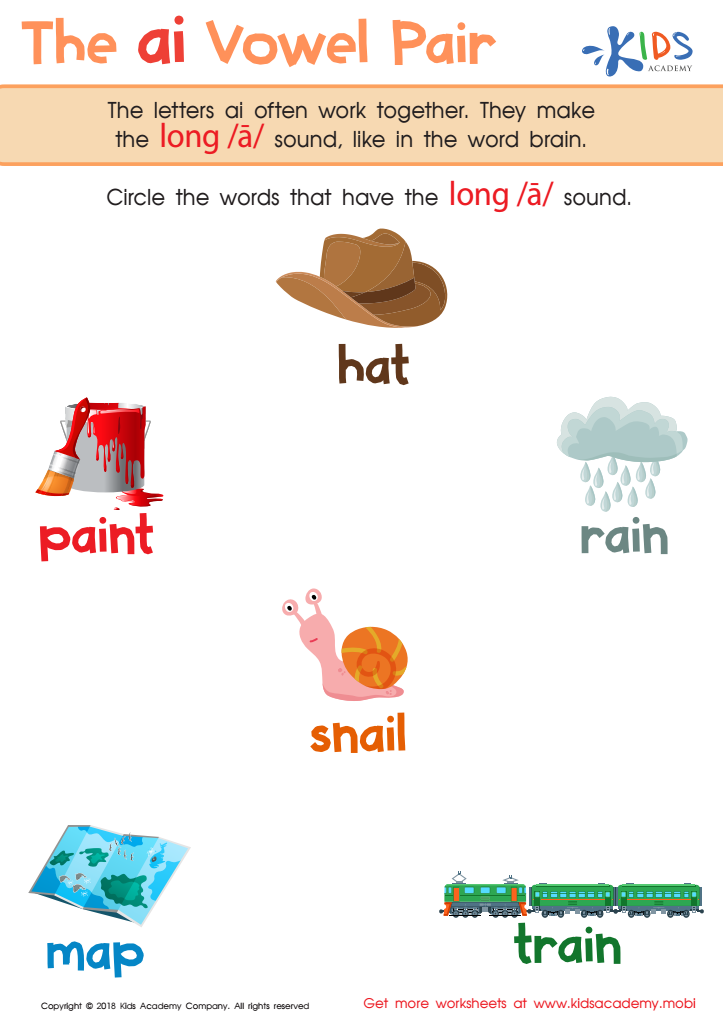
The AI Vowel Pair Worksheet
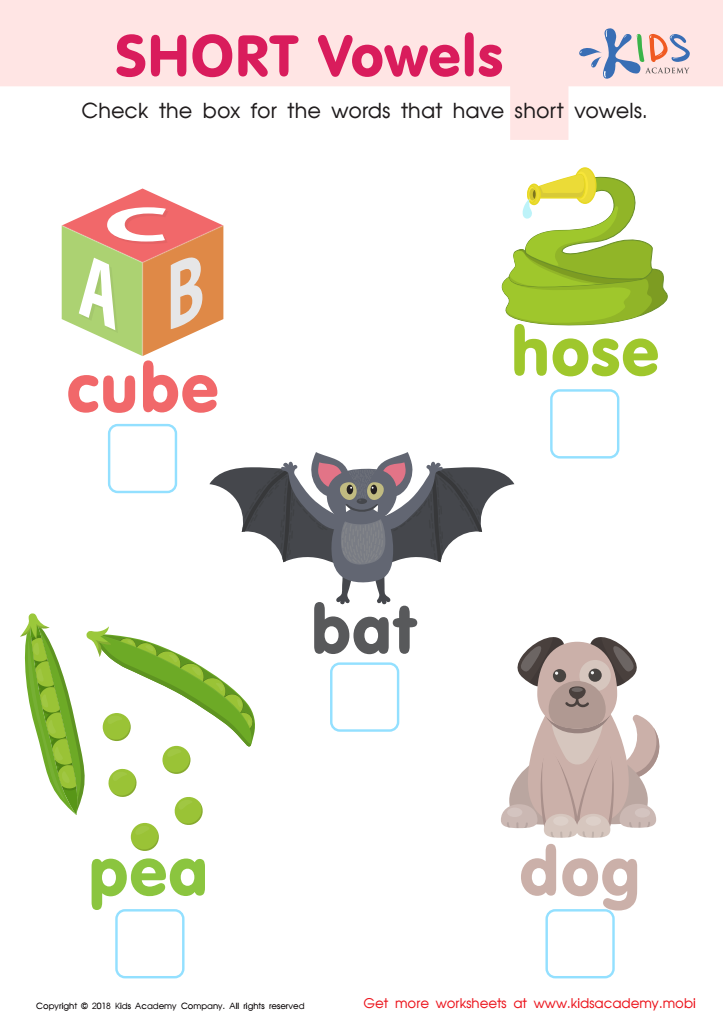
short vowels Worksheet
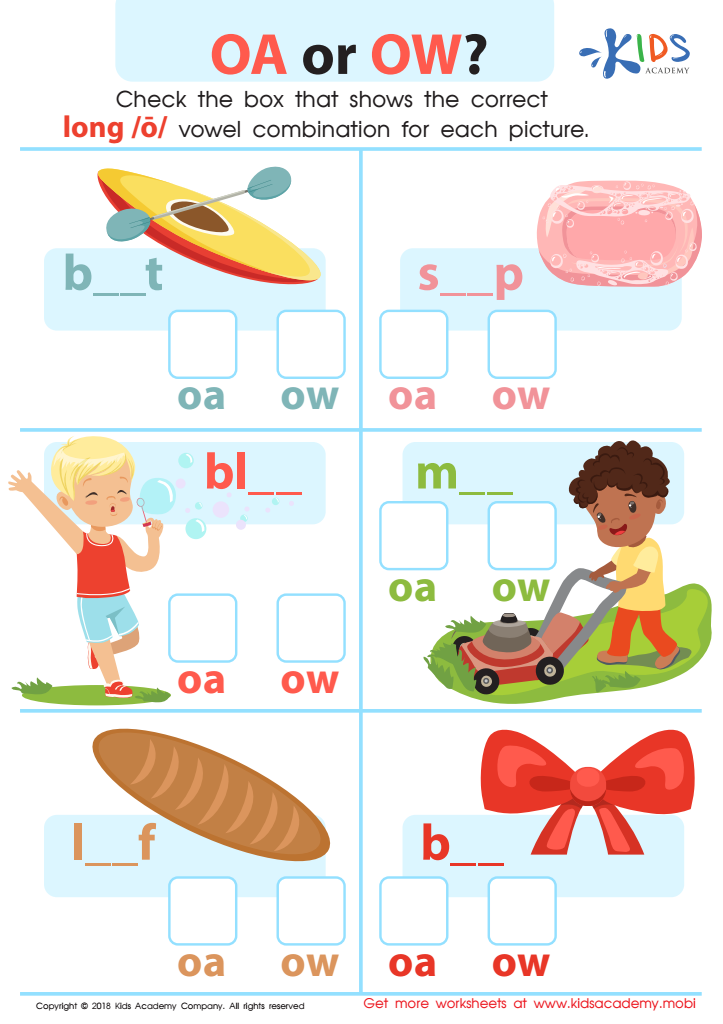
Reading: OA or OW Worksheet
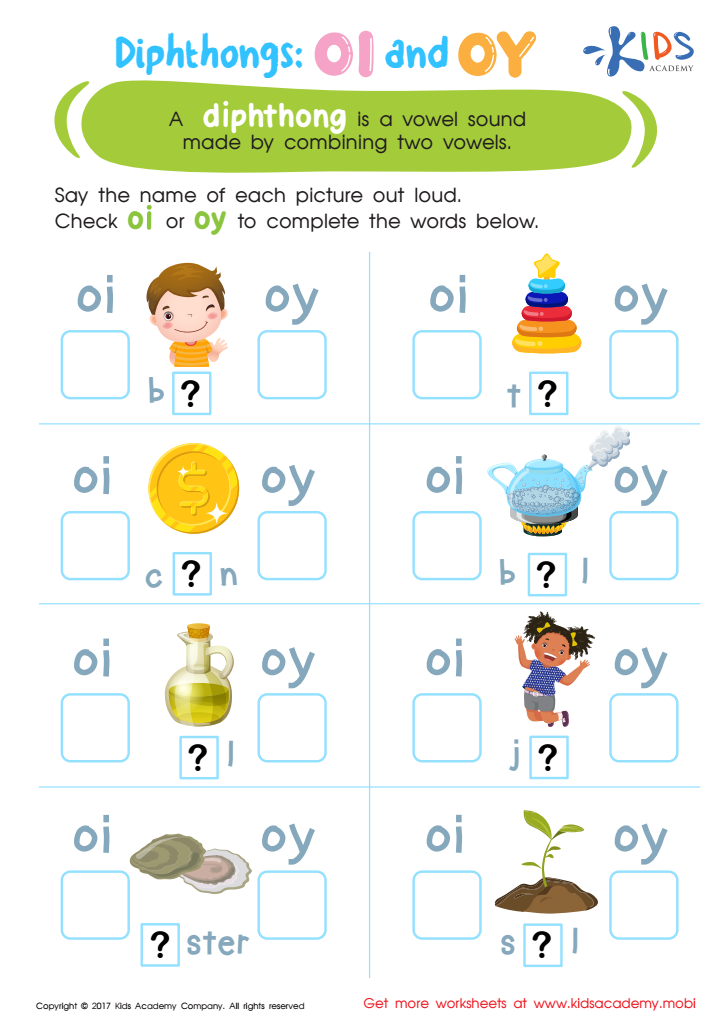
Vowel Diphthongs OI OY Worksheet
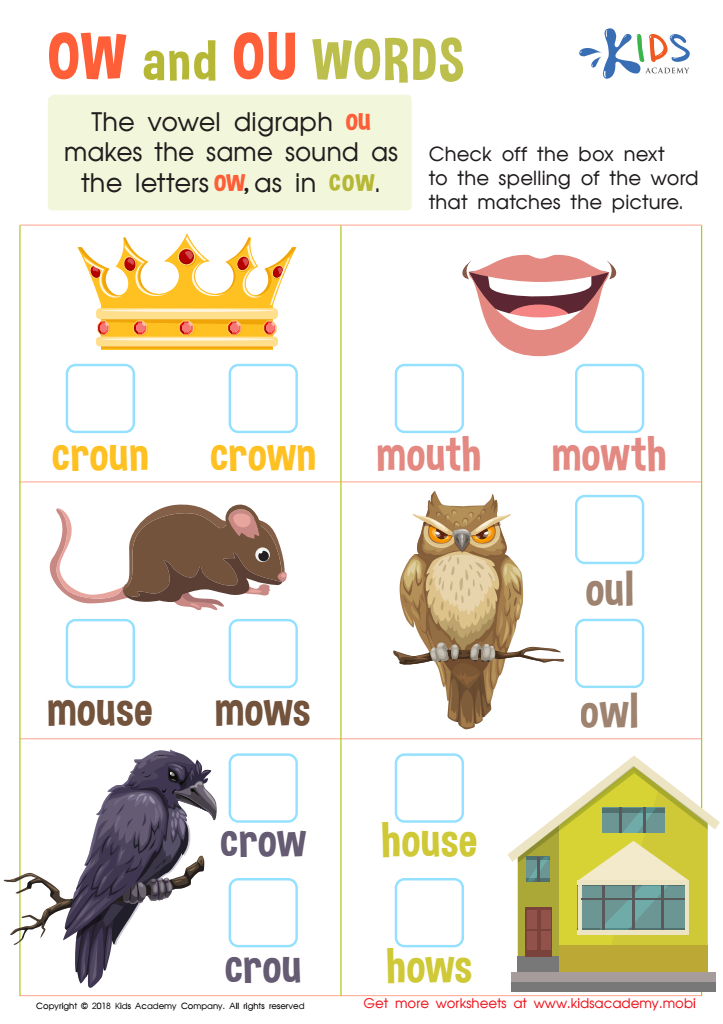
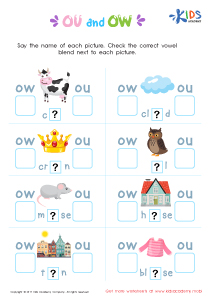
Reading: OW and OU Words Worksheet
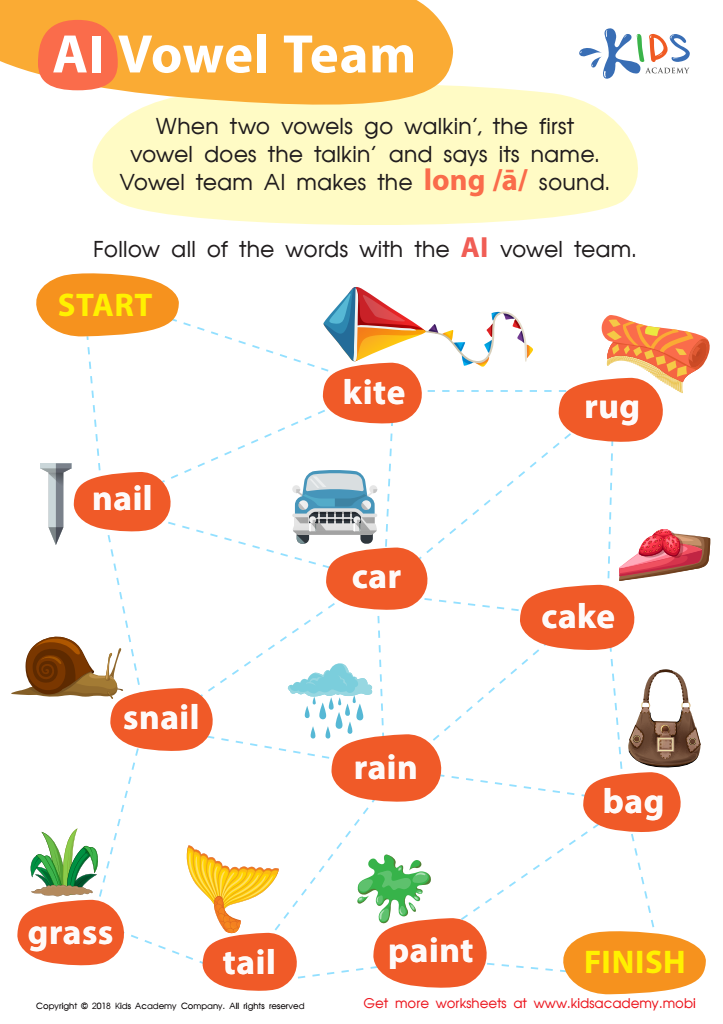
Reading: AI Vowel Team Worksheet
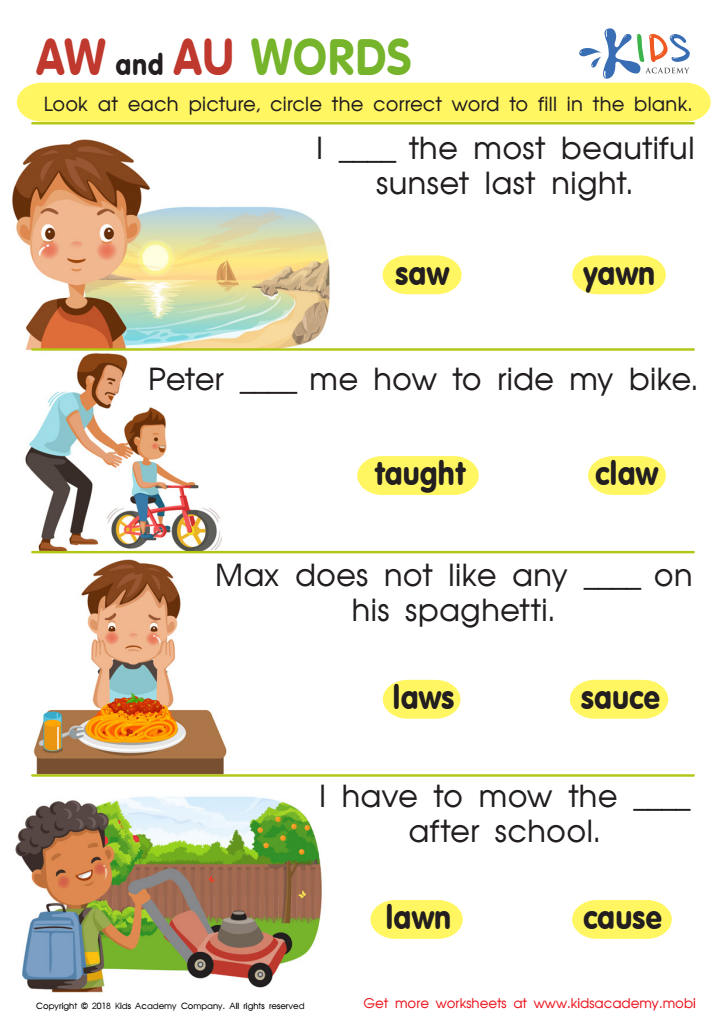
Reading: AW and AU Words Worksheet
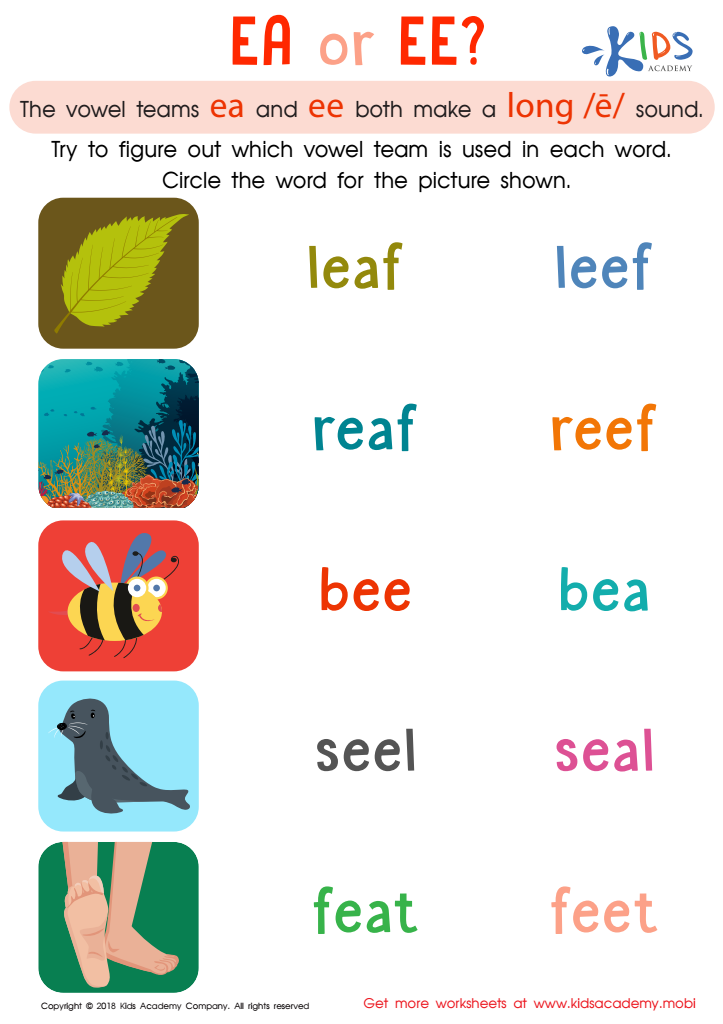
Reading: EA and EE Worksheet
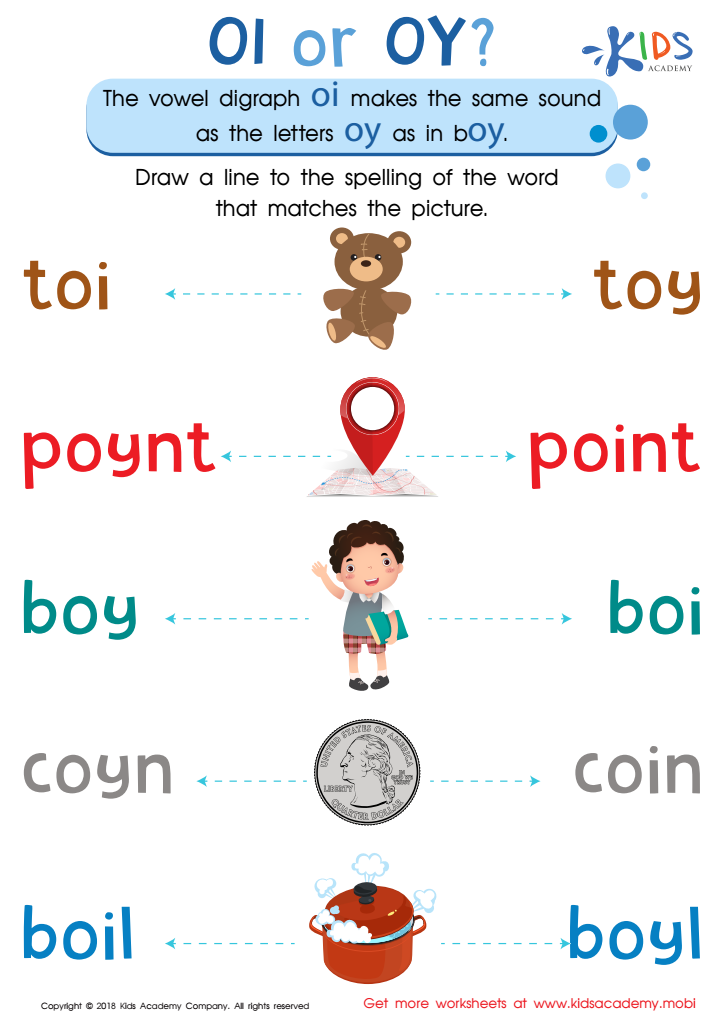
Reading: OI and OY Worksheet
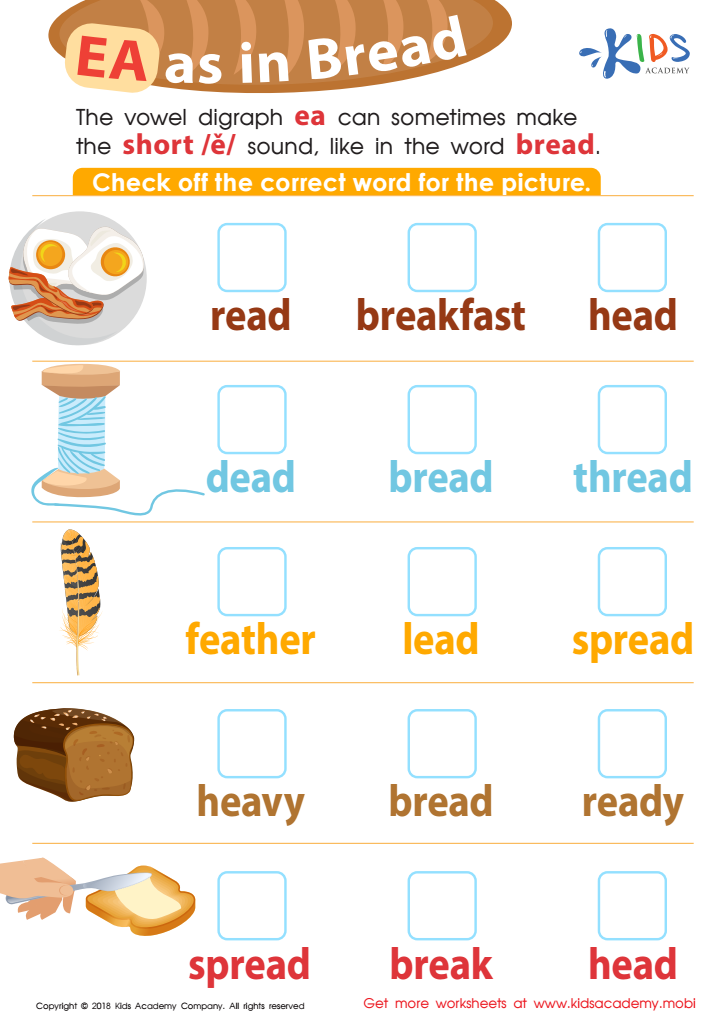
Reading: EA as in Bread Worksheet
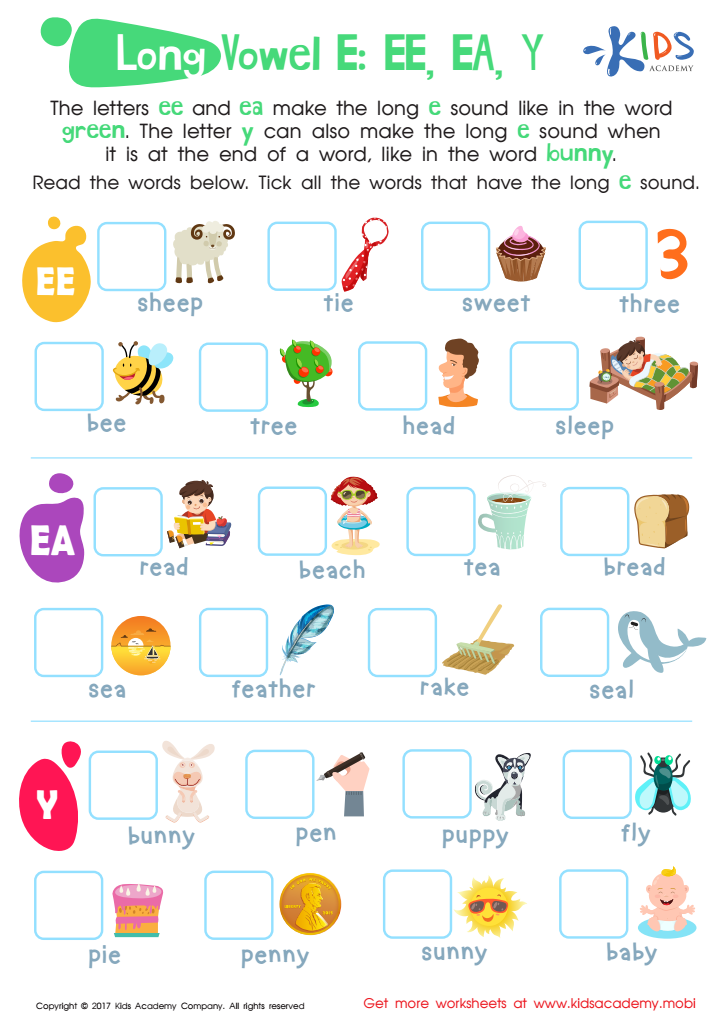
Long Vowel E Printable





Vowel blends, often referred to as vowel teams, play a crucial role in early literacy development for children aged 5-9. Understanding vowel blends enhances reading fluency and comprehension, providing a strong foundation for future learning. Children encounter numerous words containing vowel blends, such as "team," "boat," "said," and "read," daily. Mastery of these blends enables young learners to decode new words quickly and confidently.
When parents and teachers nurture children’s knowledge of vowel blends, they do not just teach them to read. They also foster a love for reading by making it more enjoyable and less frustrating. Recognizing patterns in vowel sounds allows children to tackle unfamiliar words, bolstering their vocabulary and phonemic awareness. This skill is especially beneficial in third-grade literacy and above, where complex texts become the norm, and strong reading skills are vital for academic success.
Additionally, understanding vowel blends enhances spelling abilities since many words with these combinations may not follow predictable phonetic rules. By making vowel blends a focus, parents and teachers contribute to a child’s overall literacy skills, critical thinking, and self-esteem as confident readers and learners. Investing in this area ultimately lays the groundwork for ongoing educational achievement and lifelong learning.