Life Science Worksheets for Ages 5-9 - Page 2
36 filtered results
-
From - To
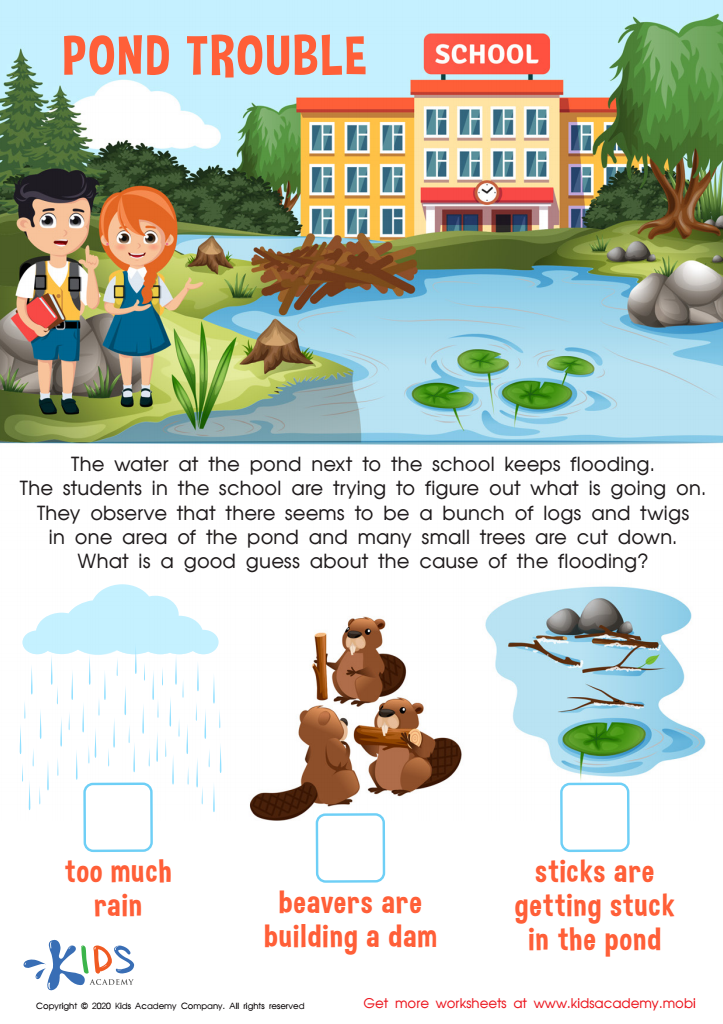
Pond Trouble Worksheet
 Assign to My Students
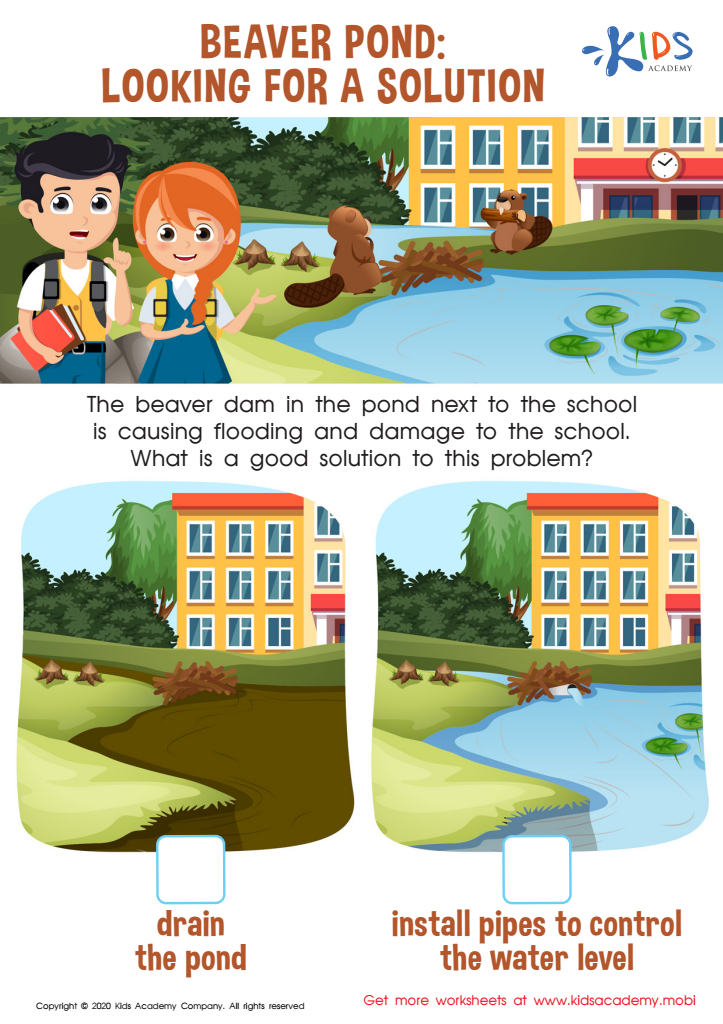
Beaver Pond: Looking for a Solution Worksheet
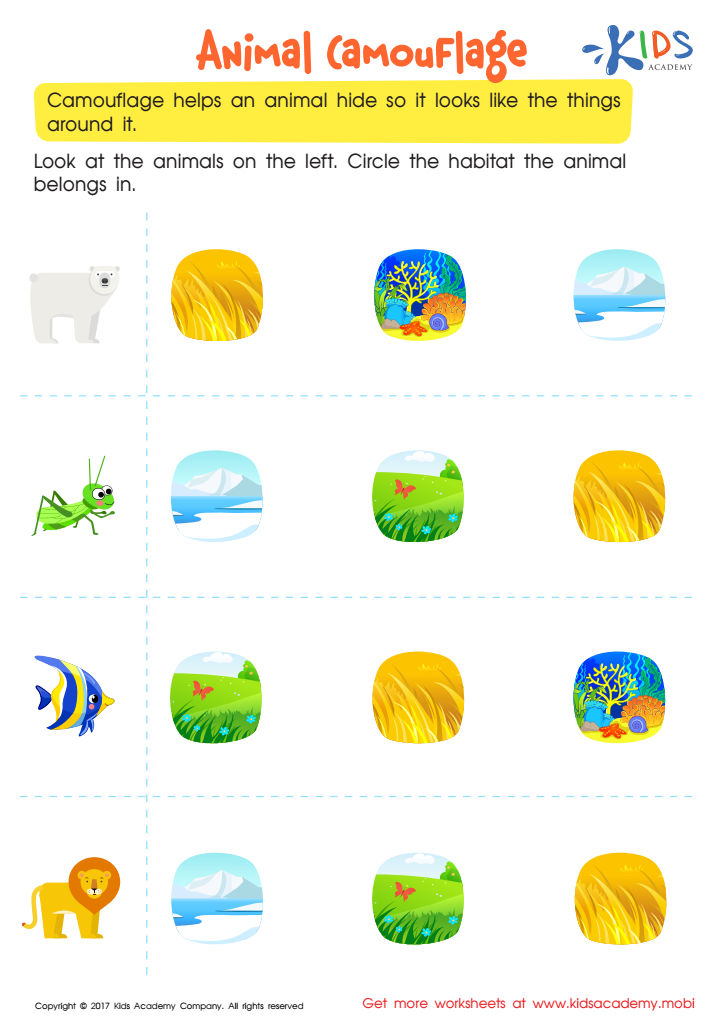
Animal Camouflage Worksheet
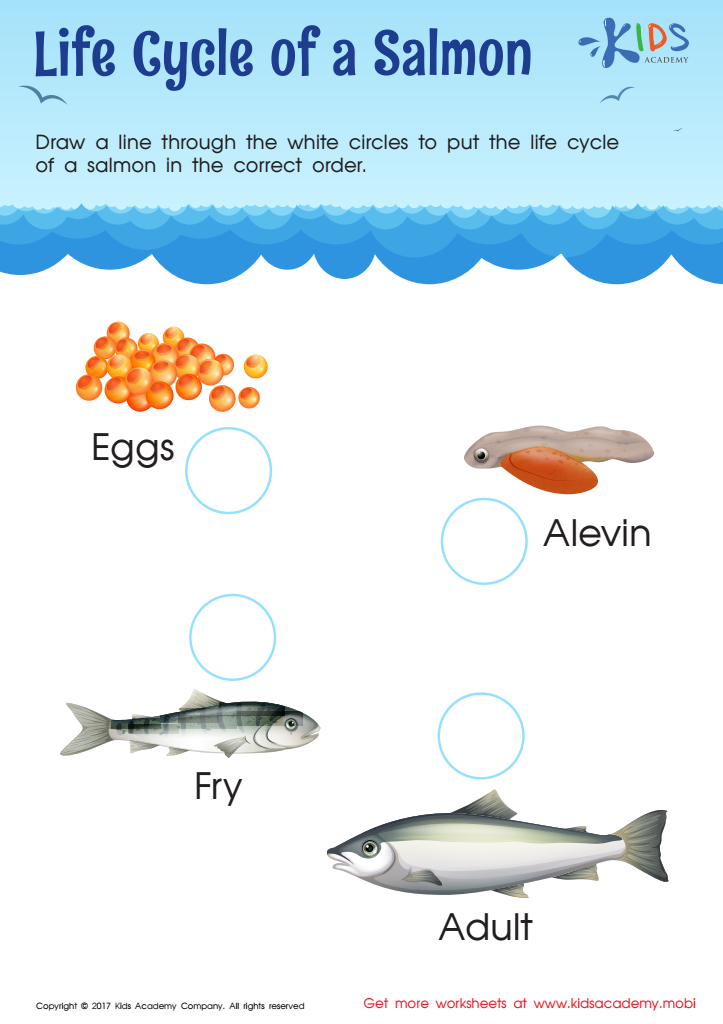
Cycle Of Salmon Worksheet
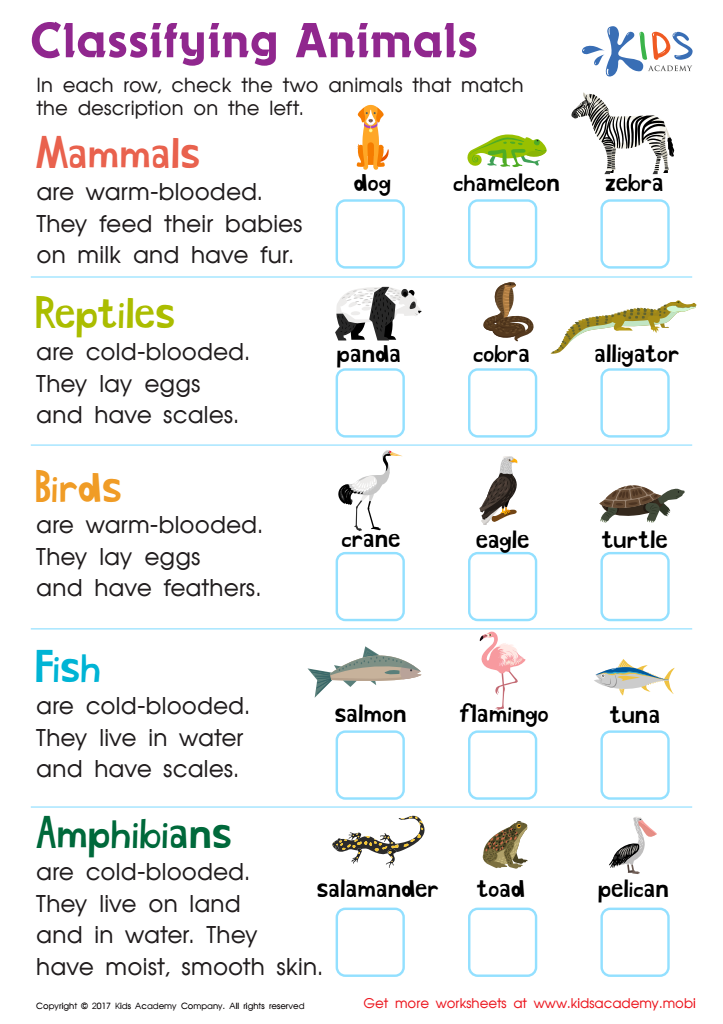
Classifying Animals Worksheet
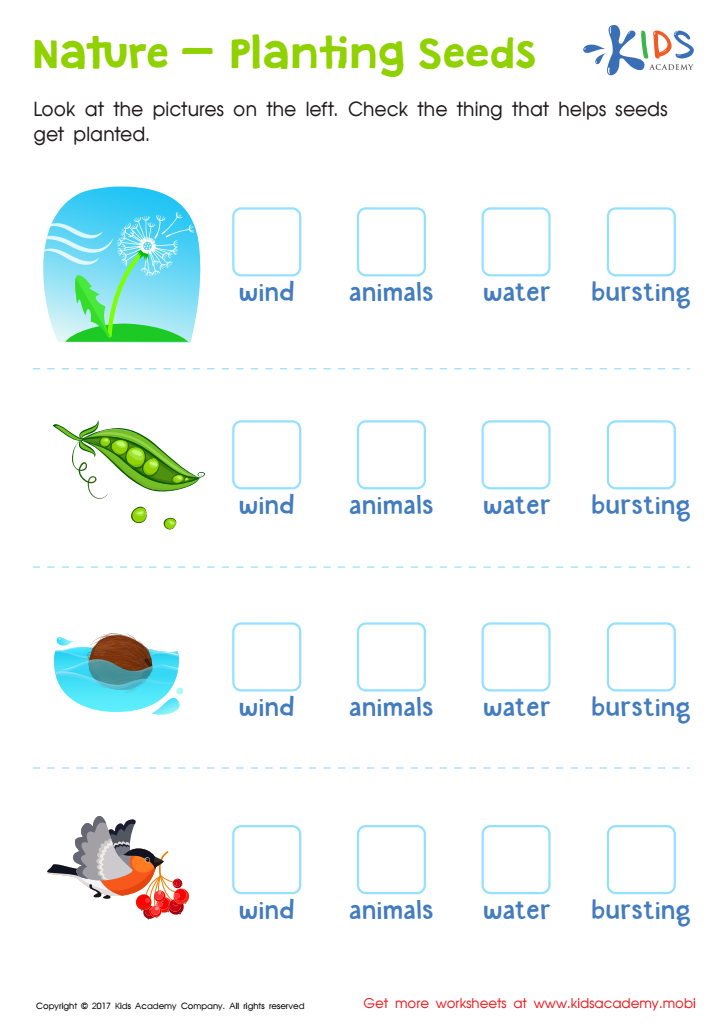
Nature Planting Seeds Worksheet
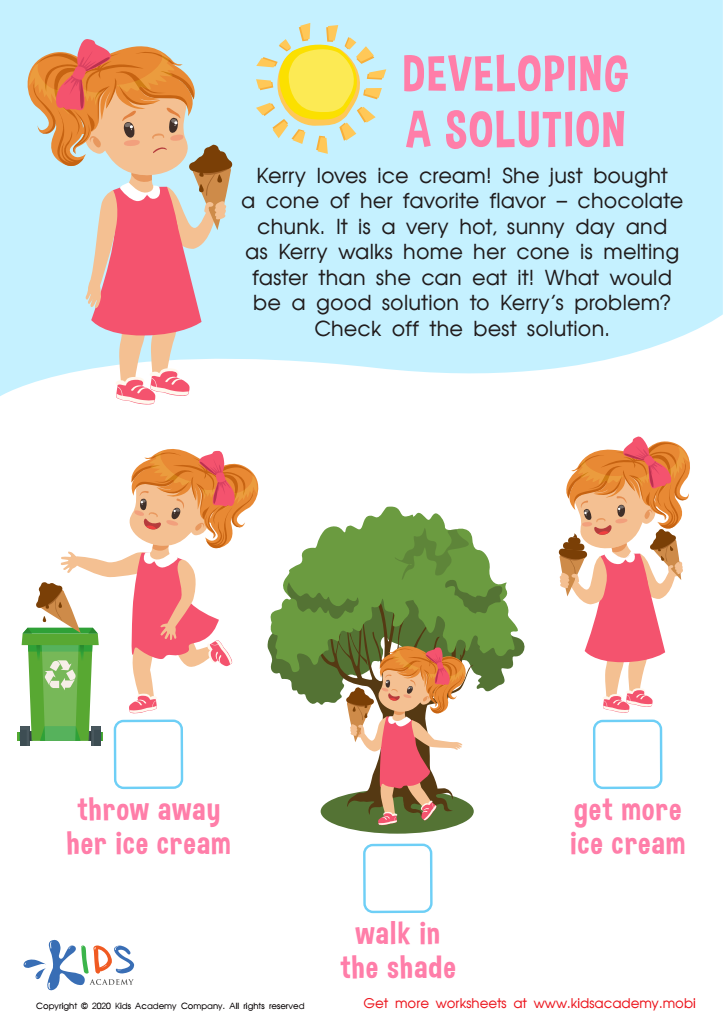
Developing Solution Worksheet
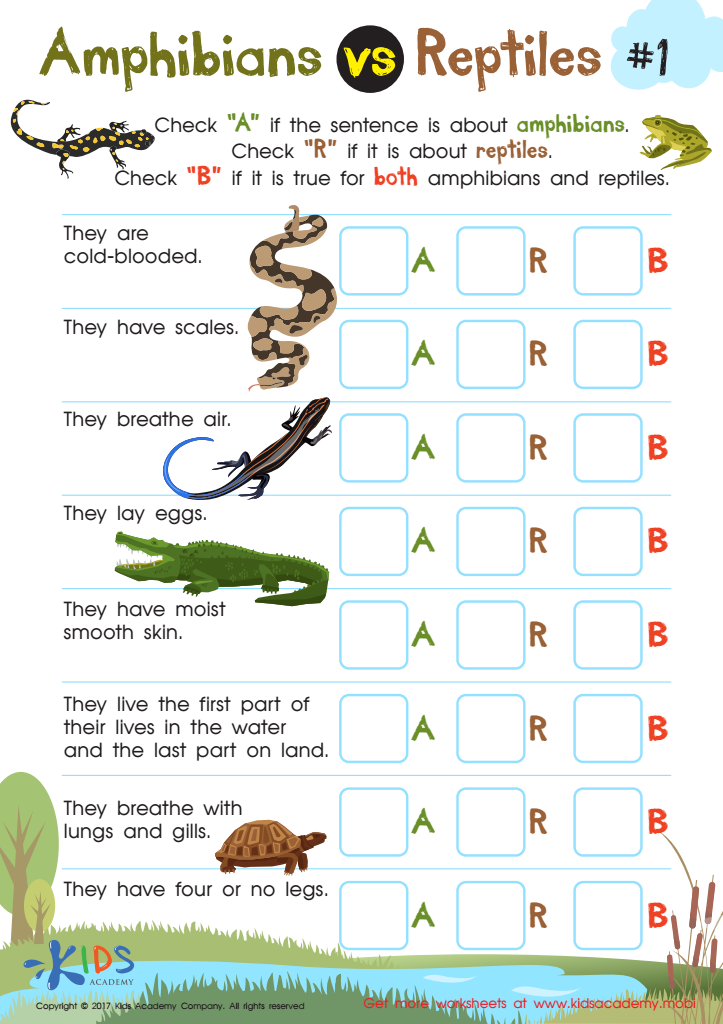
Amphibians vs Reptiles Worksheet
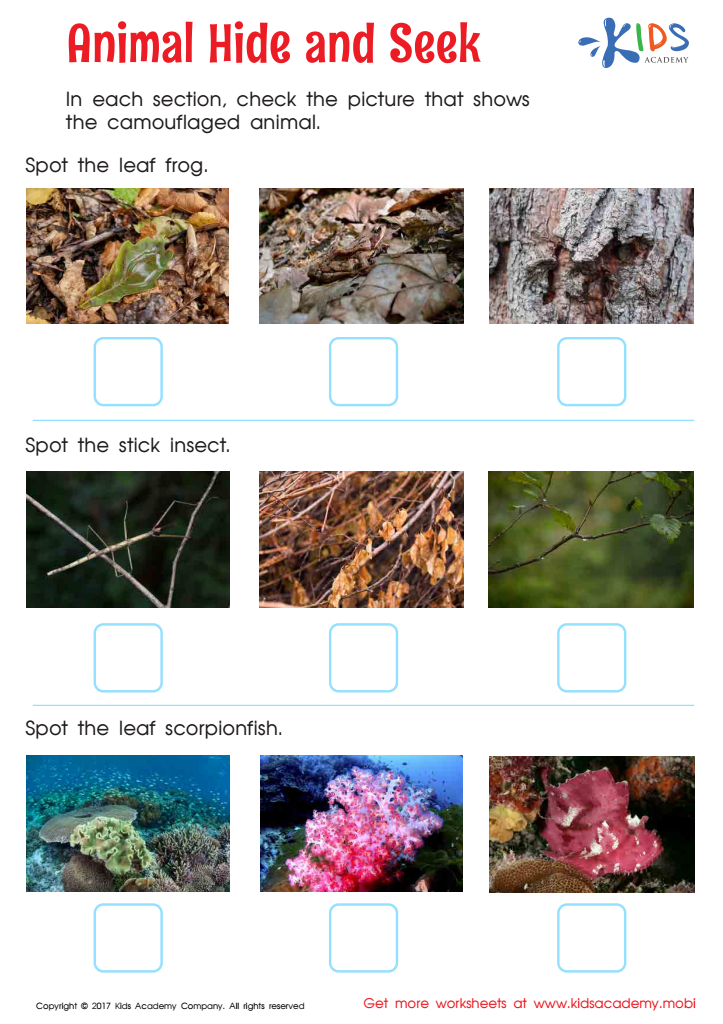
Animal Hide and Seek Worksheet
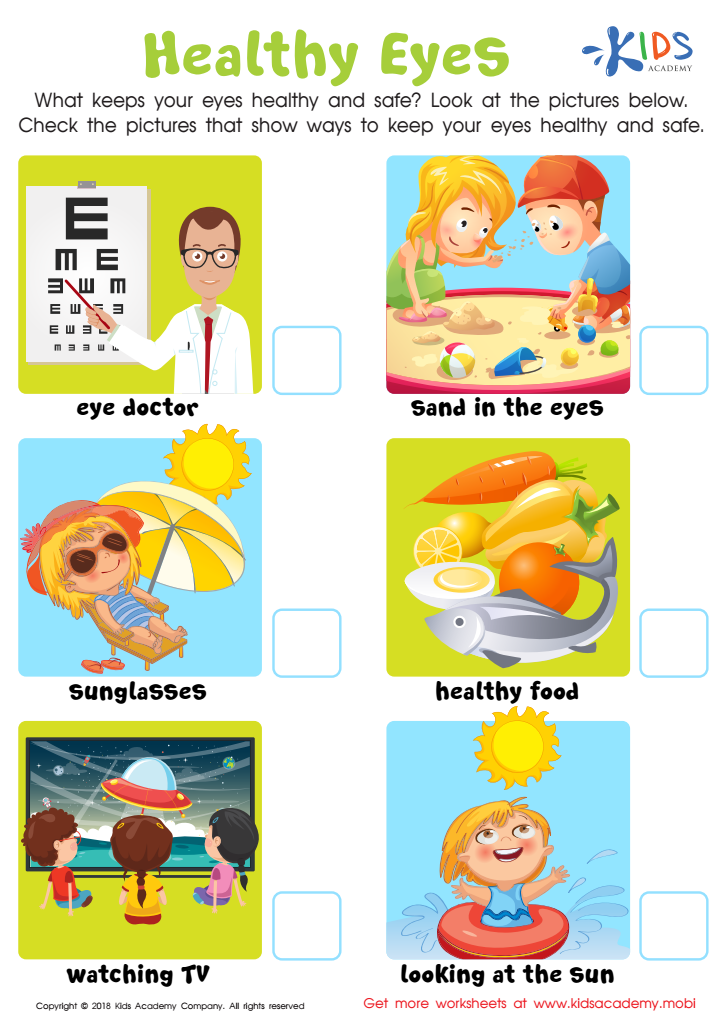
Healthy Eyes Worksheet
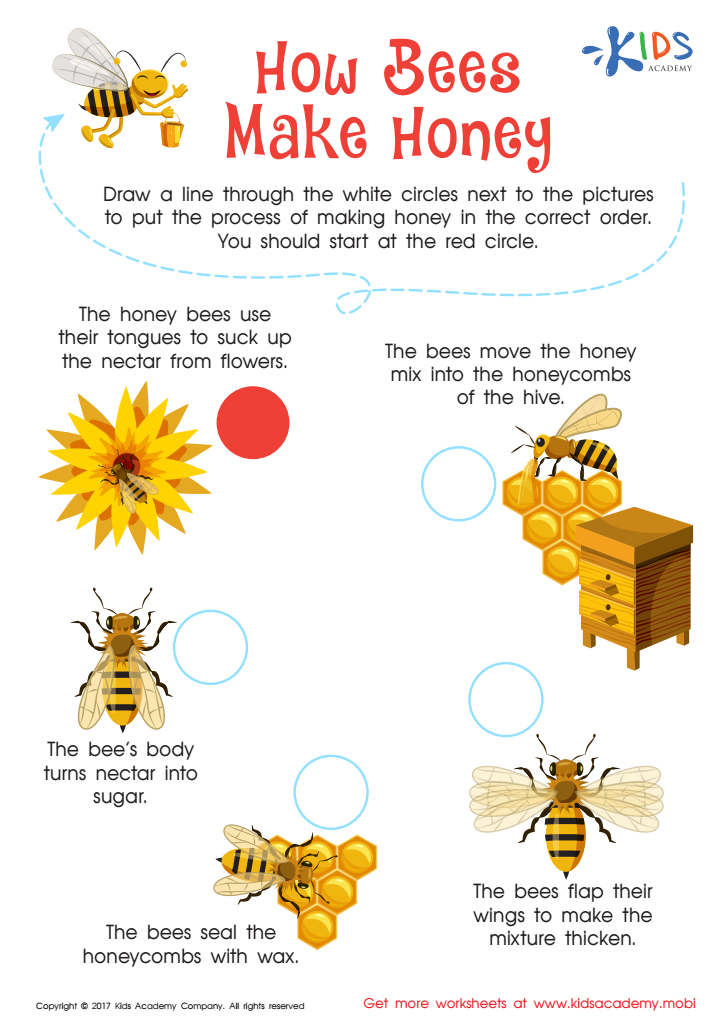
Honey Bee Worksheet
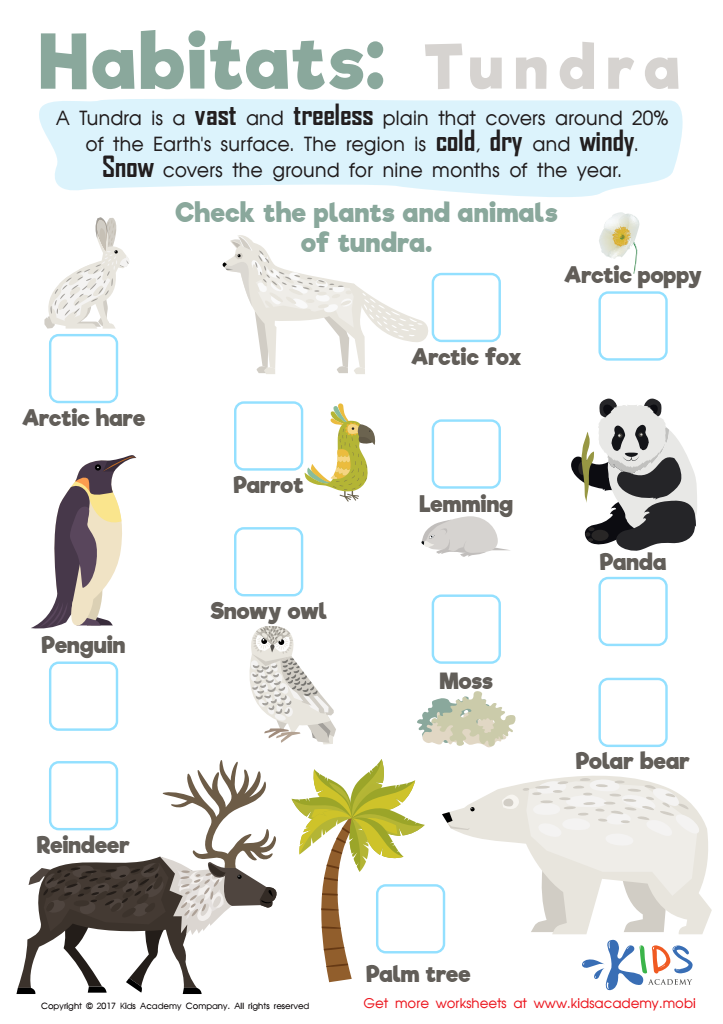
Tundra Habitats Worksheet




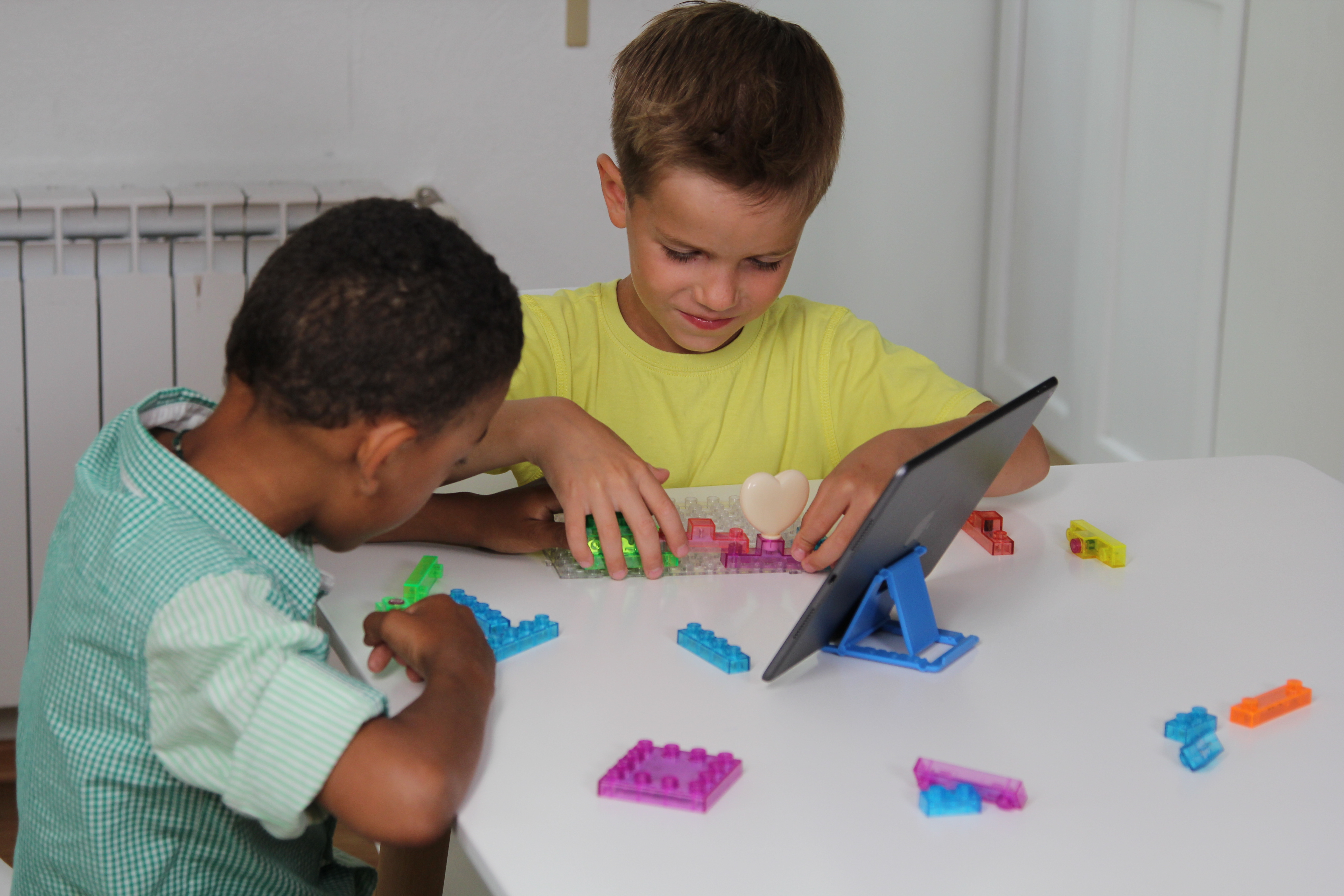



Life science education is crucial for children aged 5-9 because it lays the foundation for their understanding of the world around them. At this young age, children are naturally curious about living things, making it an ideal time to introduce concepts related to plants, animals, ecosystems, and human biology. Engaging in life science helps children develop critical thinking skills as they observe patterns, ask questions, and make connections between different aspects of nature.
Learning about life sciences fosters an appreciation for biodiversity and environmental stewardship, encouraging children to care for their surroundings and understand the interdependence of all living organisms. It sharpens their observational skills through hands-on activities like planting seeds or examining insects, nurturing a sense of wonder and exploration.
Furthermore, life science strengthens literacy and math skills through reading, recording observations, and measuring. As children make discoveries about life processes and ecosystems, they also enhance their vocabulary and comprehension abilities. As parents or teachers, nurturing this interest in life science instills a sense of curiosity and responsibility toward the environment, providing a strong educational foundation that encourages lifelong learning and an informed, compassionate approach to the world.