Plants and Animals Worksheets for Ages 5-9 - Page 2
141 filtered results
-
From - To
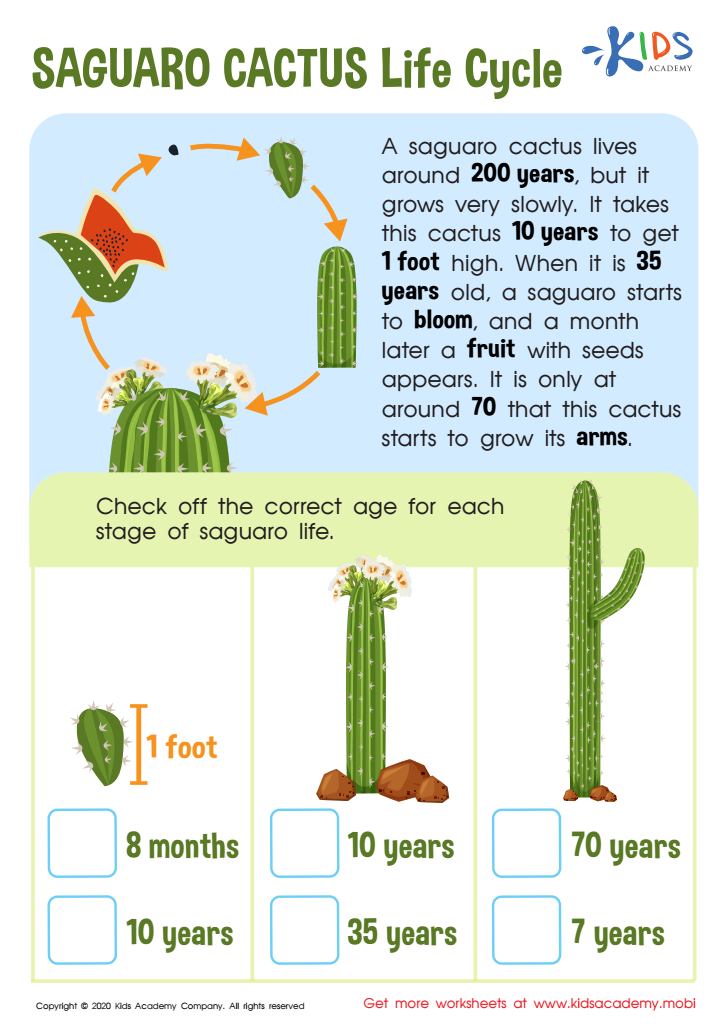
Saguaro Cactus Life Cycle Worksheet
 Assign to My Students











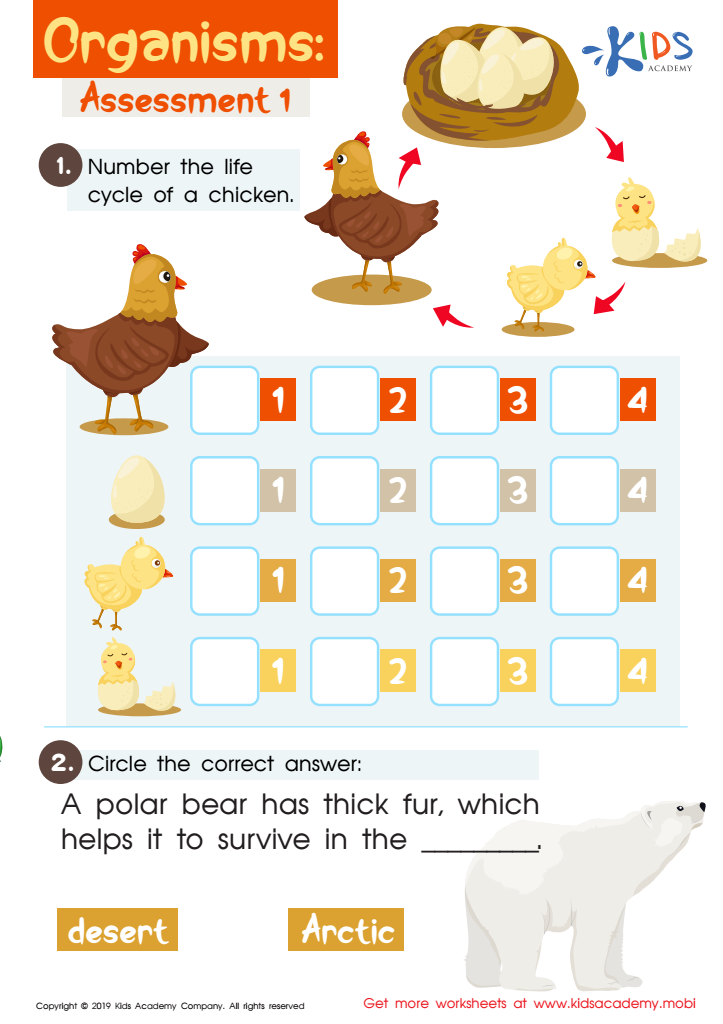
Organisms: Assessment 1 Worksheet
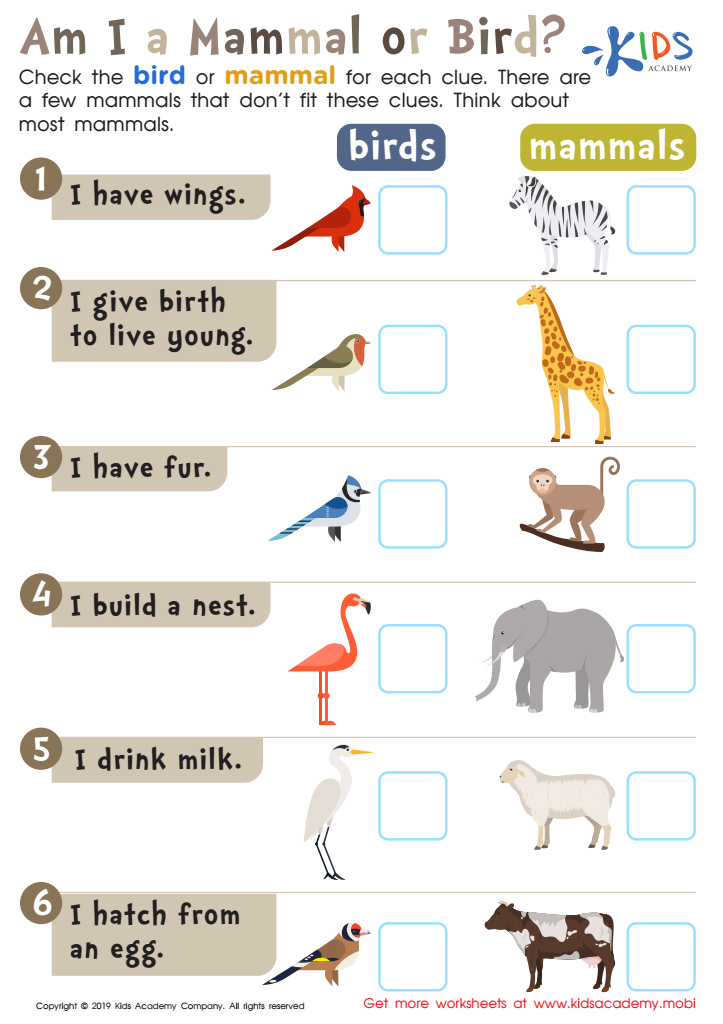
Am I a Mammal or Bird? Worksheet
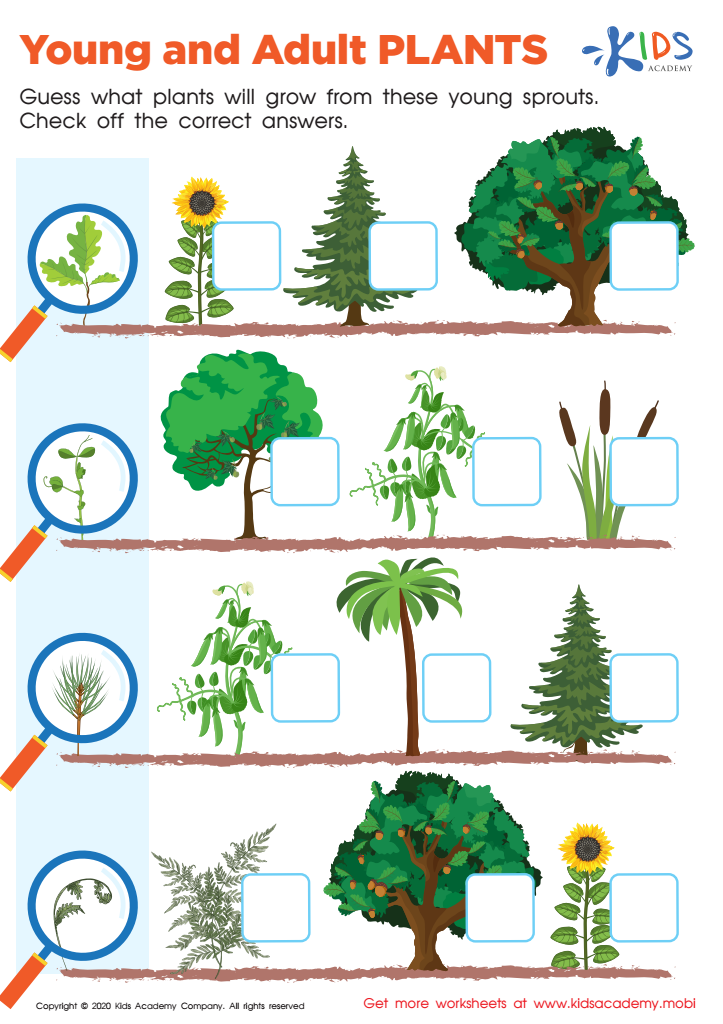
Young and Adult Plants Worksheet
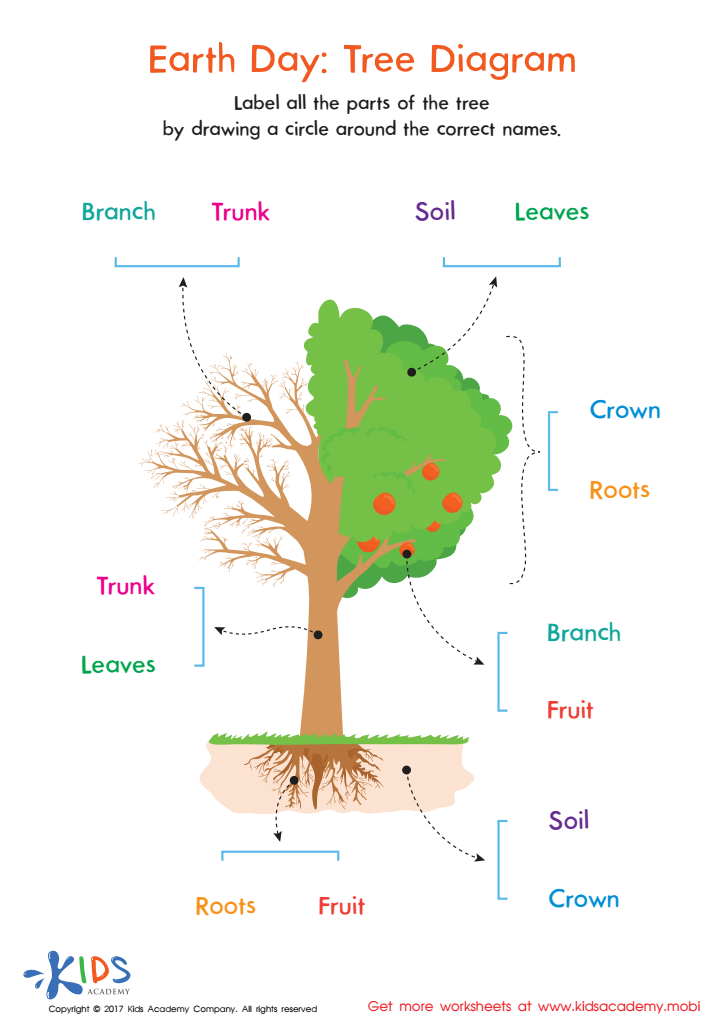
Earth Day: Tree Diagram Worksheet
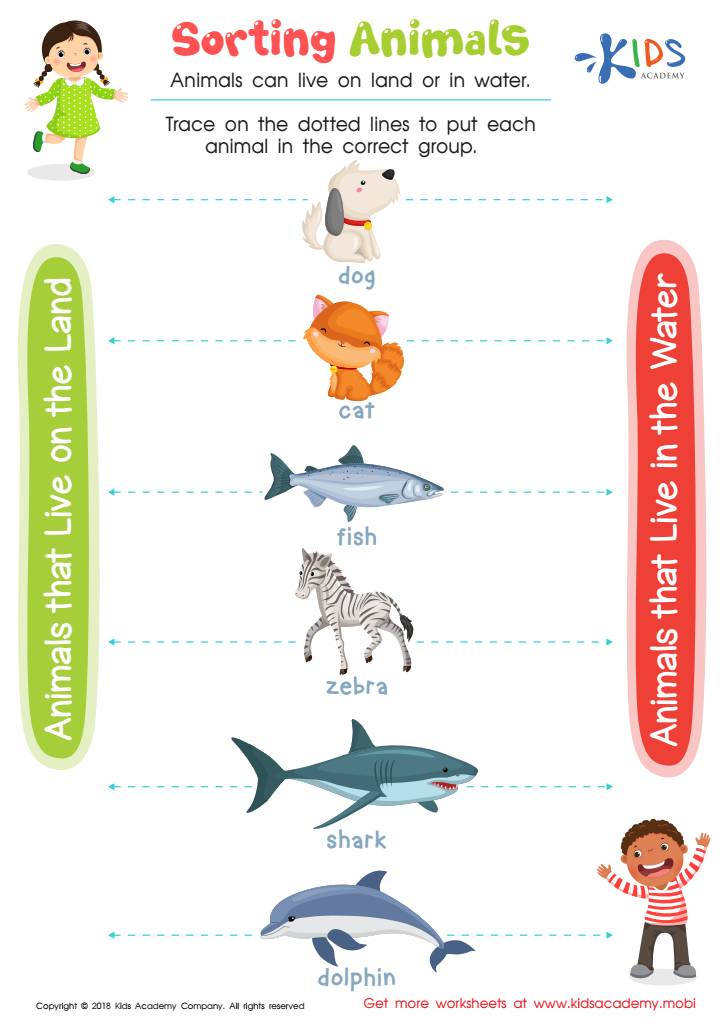
Sorting Animals Worksheet
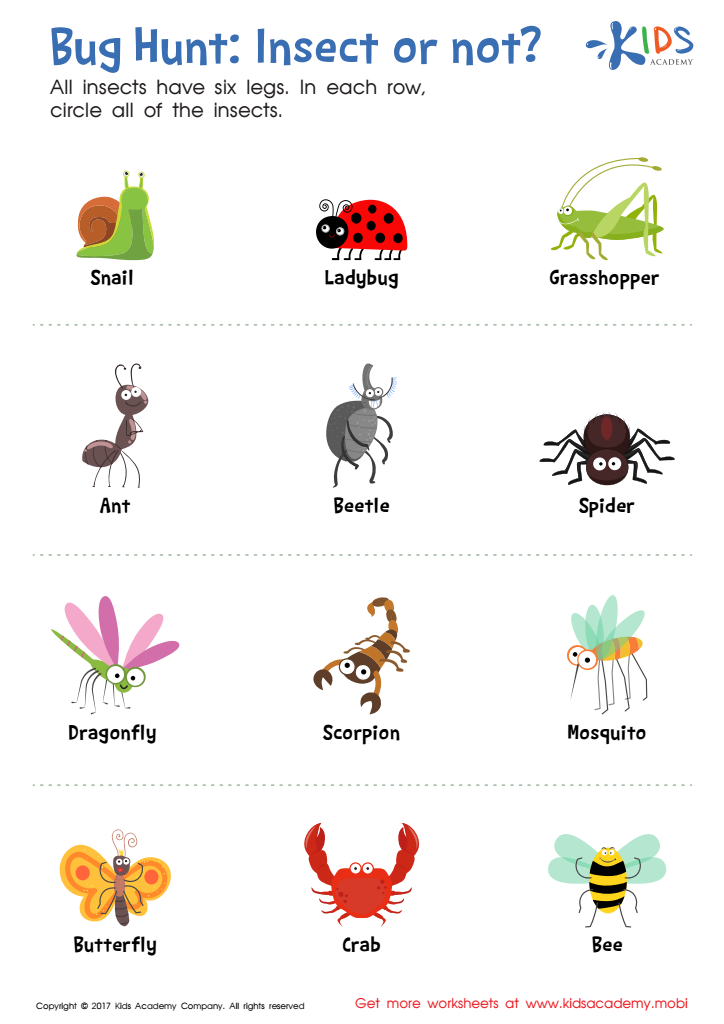
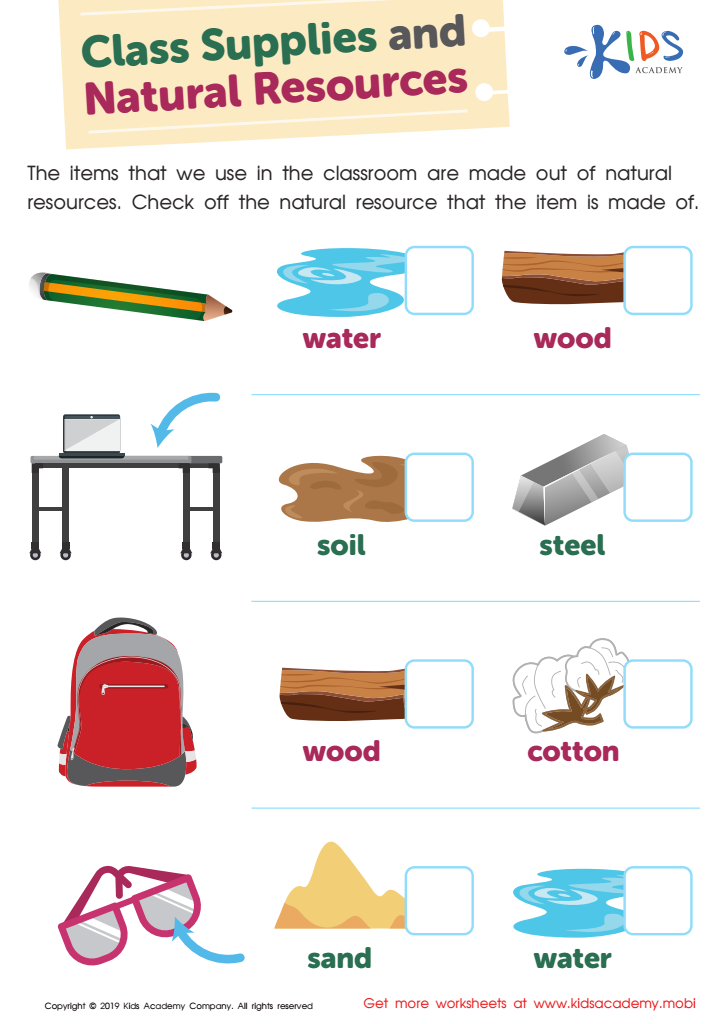
Class Supplies and Natural Resources Worksheet
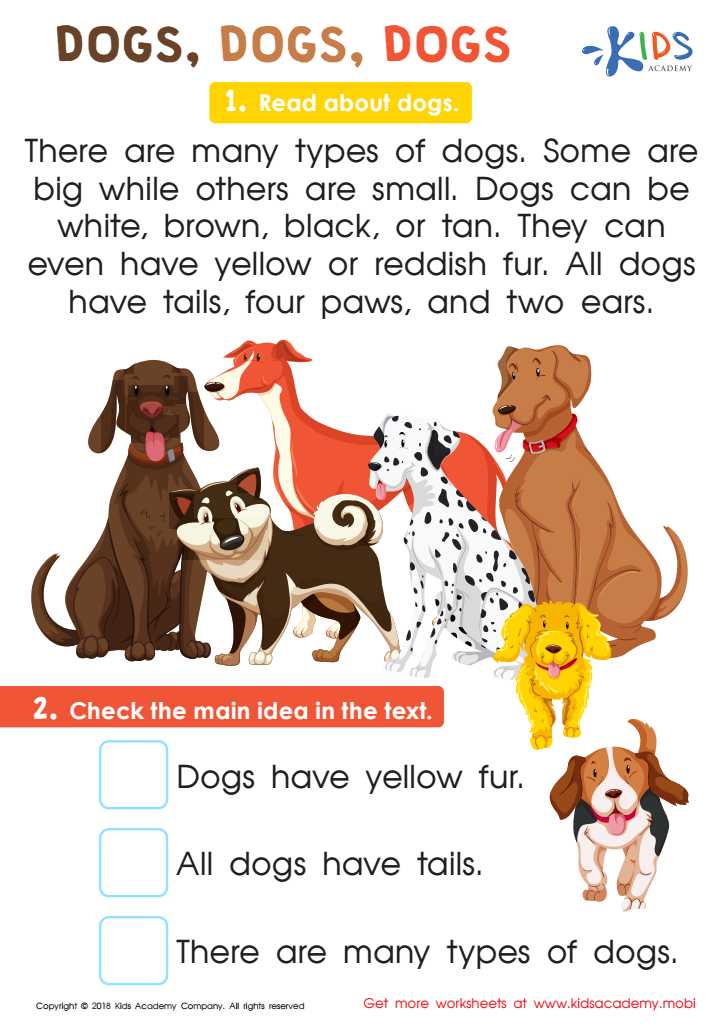
Dogs, Dogs Worksheet
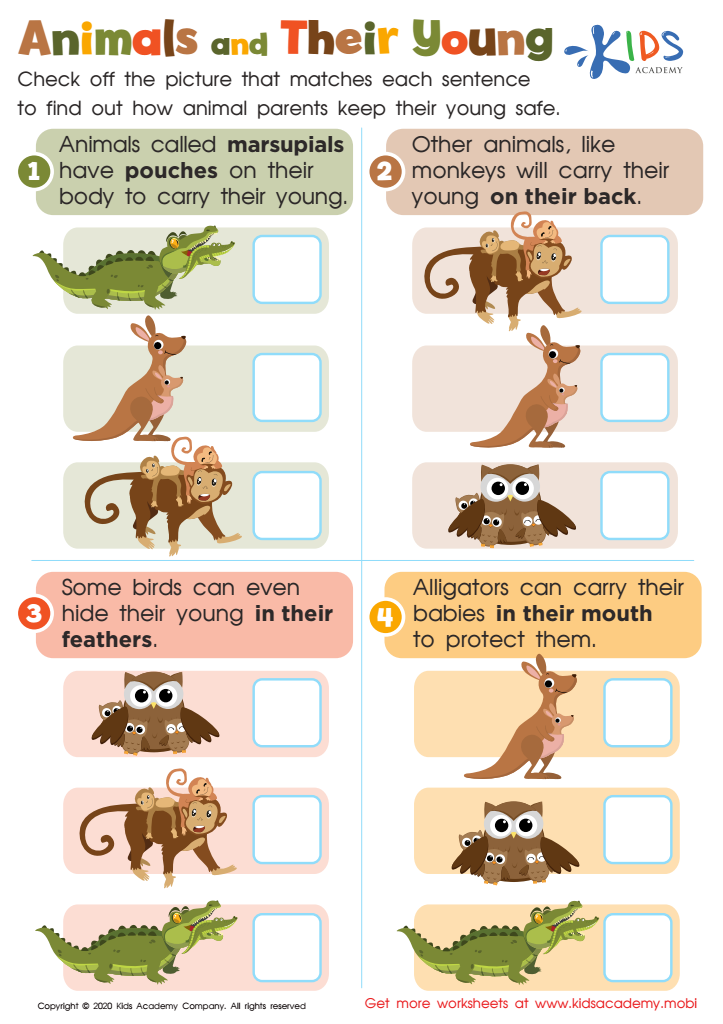
Animals and Their Young Worksheet
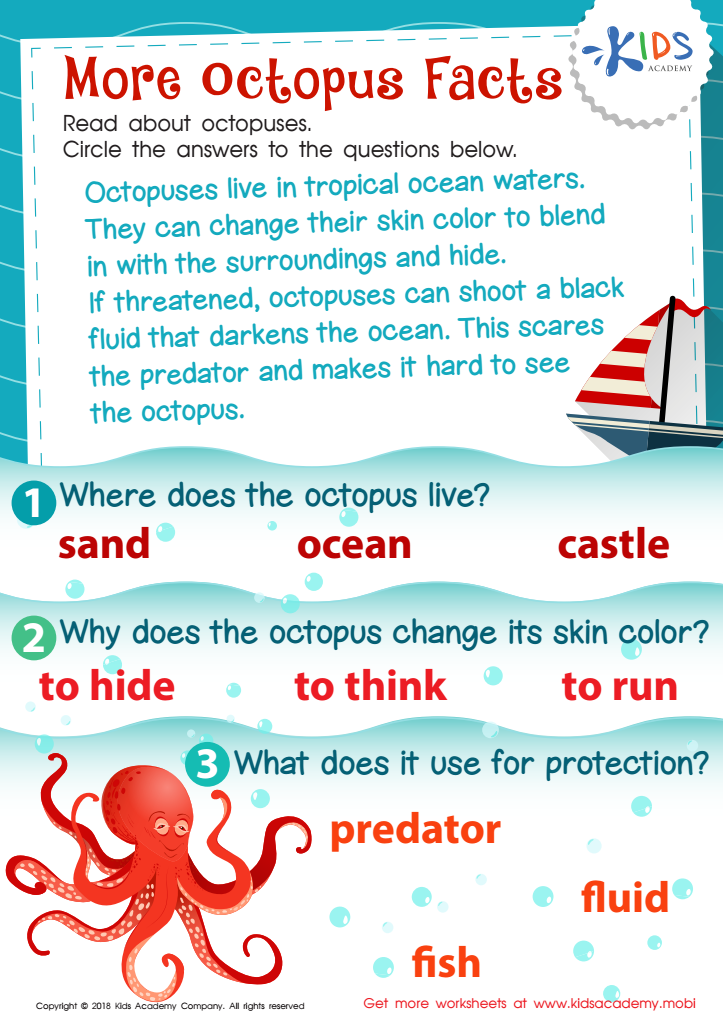
More Octopus Facts Worksheet
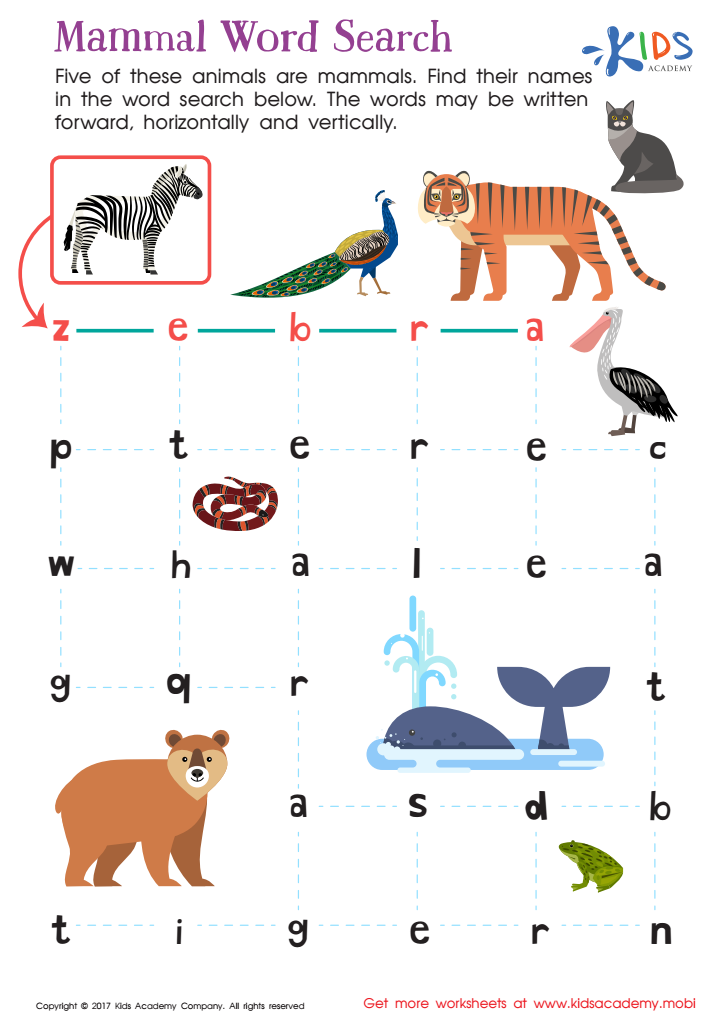
Printable Mammal Word Search
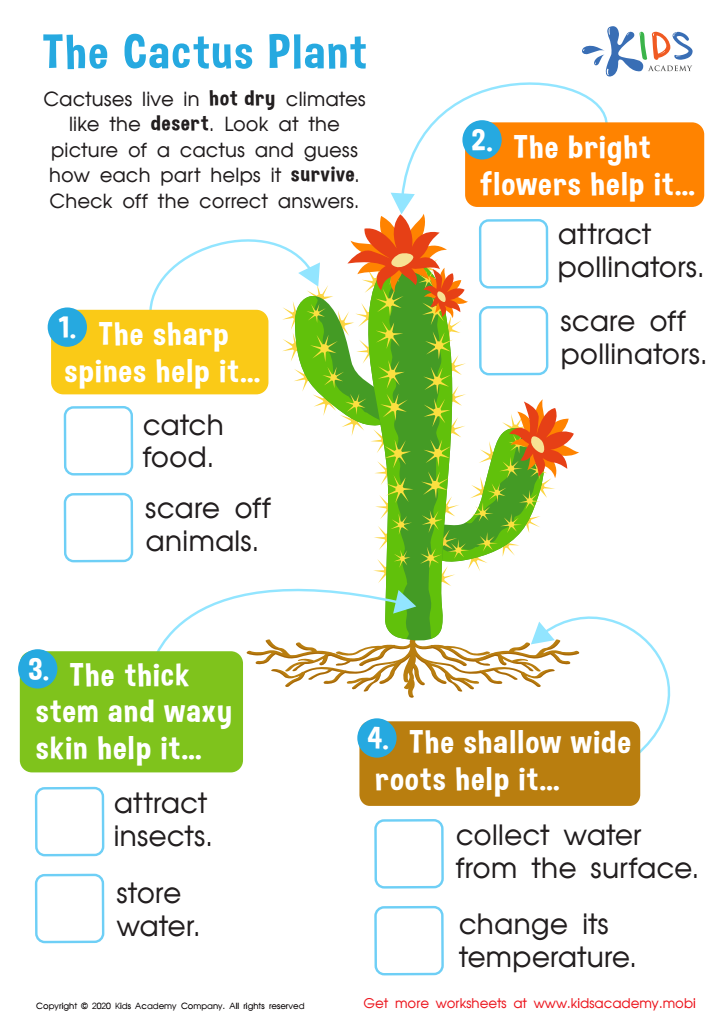
The Cactus Plant Worksheet
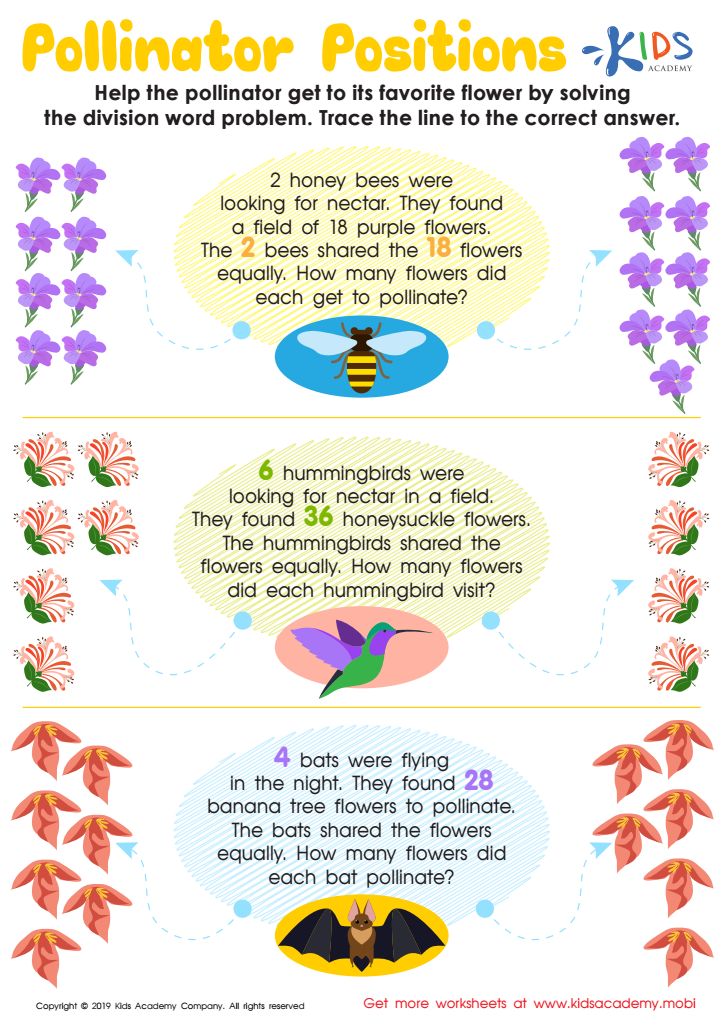
Pollinator Positions Worksheet
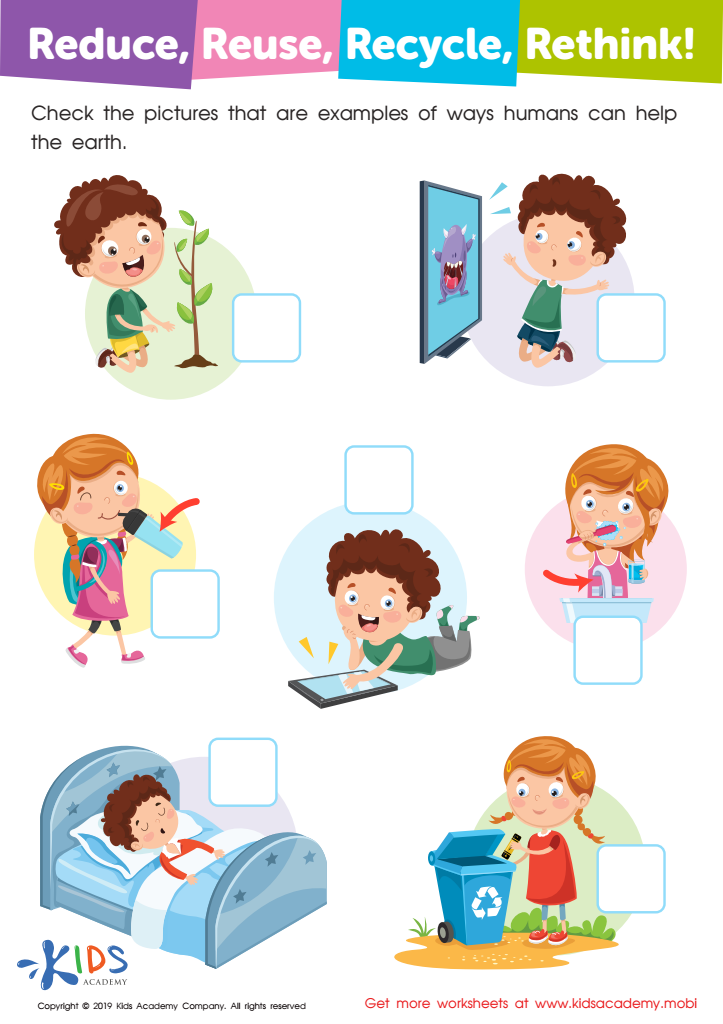
Reduce, Reuse, Recycle, Rethink Worksheet
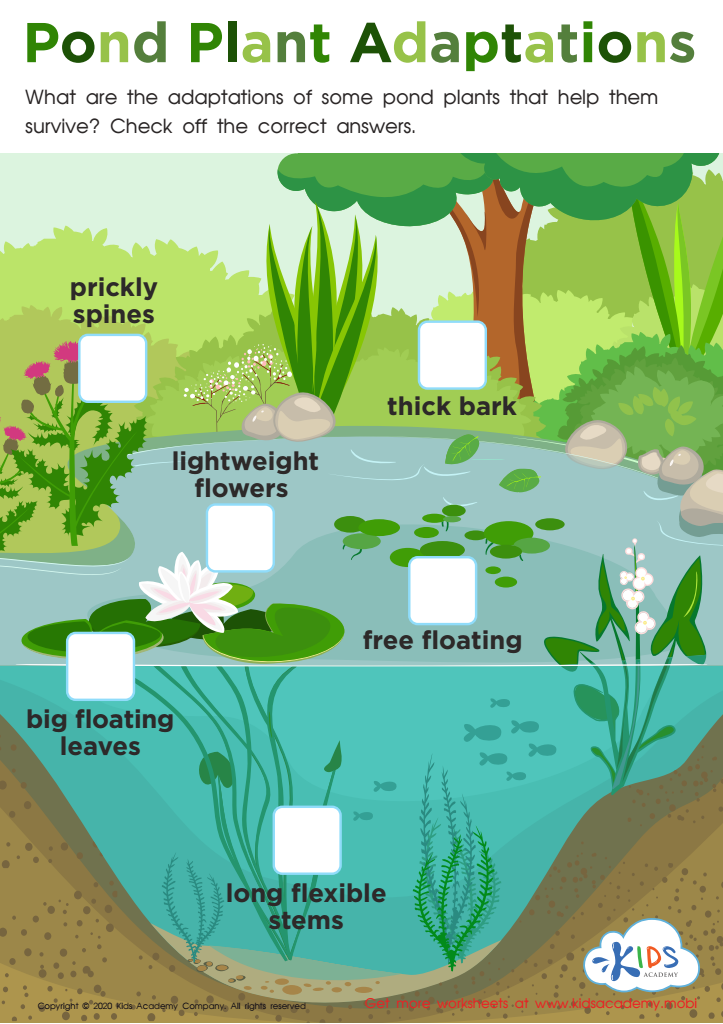
Pond Plant Adaptations
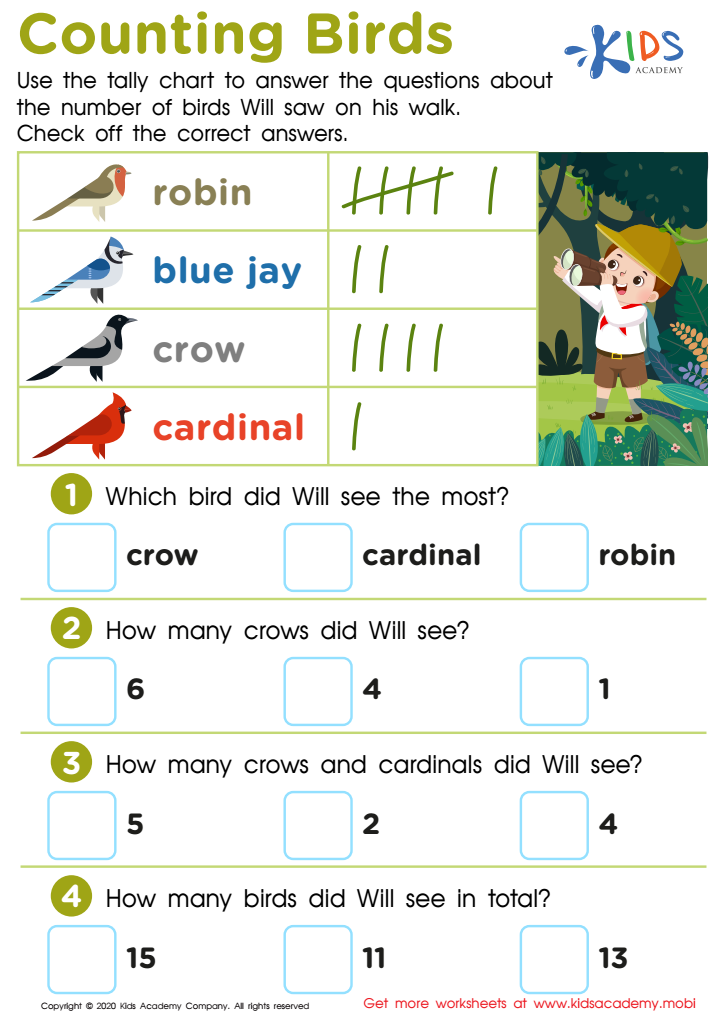
Counting Birds Worksheet
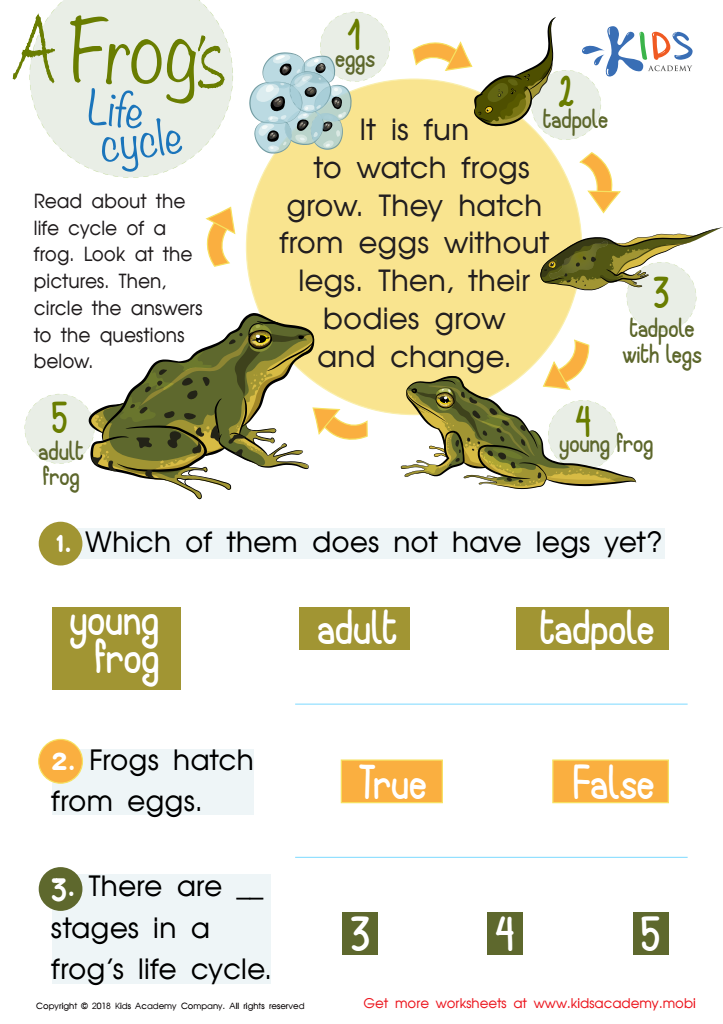
A Frog’s Life Cycle Worksheet
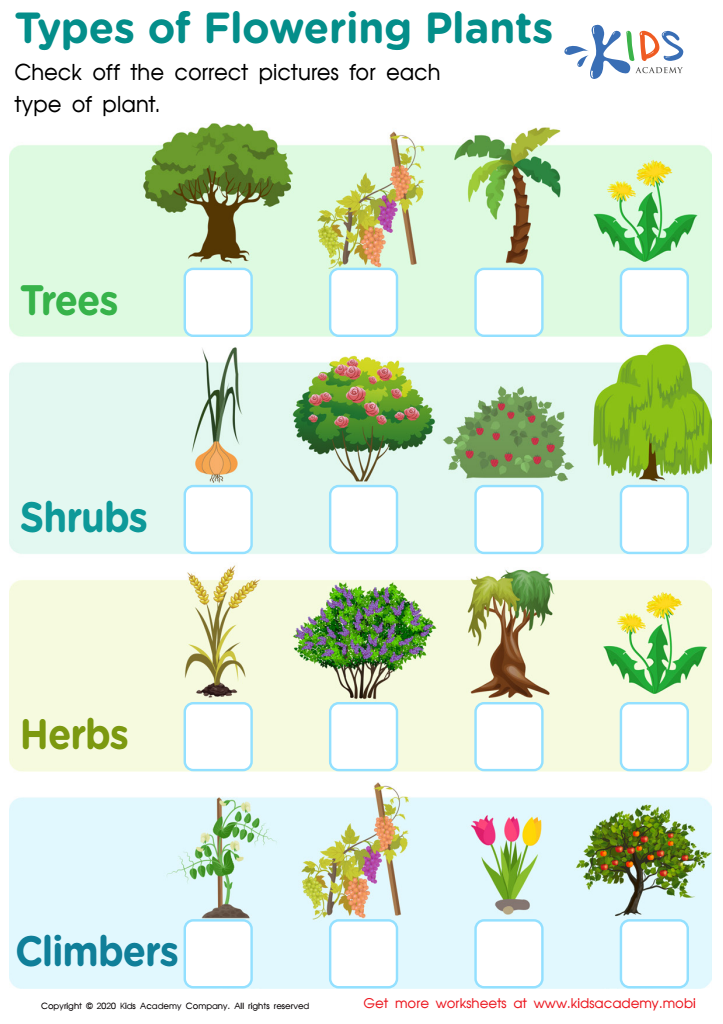
Types of Flowering Plants Worksheet
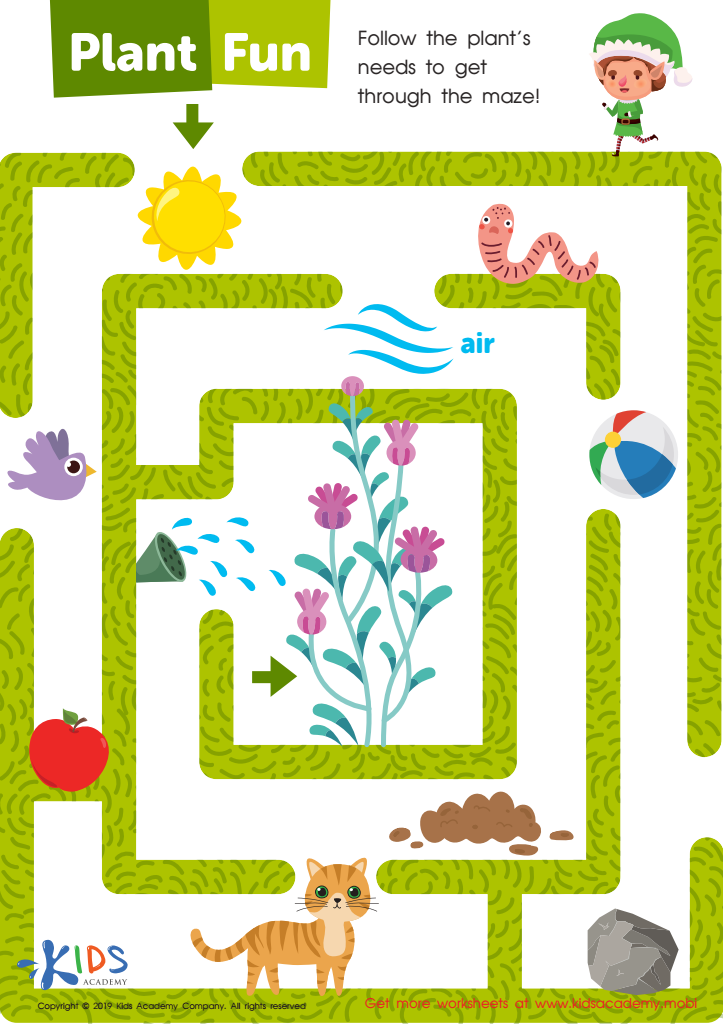
Plant Fun Worksheet
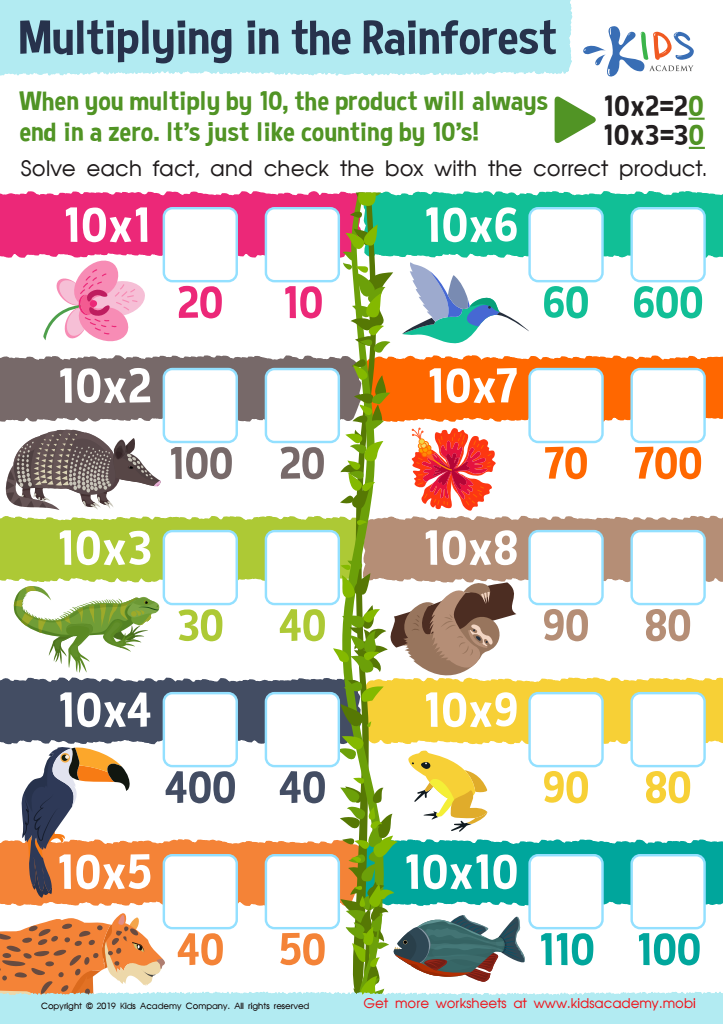
Multiplying in the Rainforest Worksheet
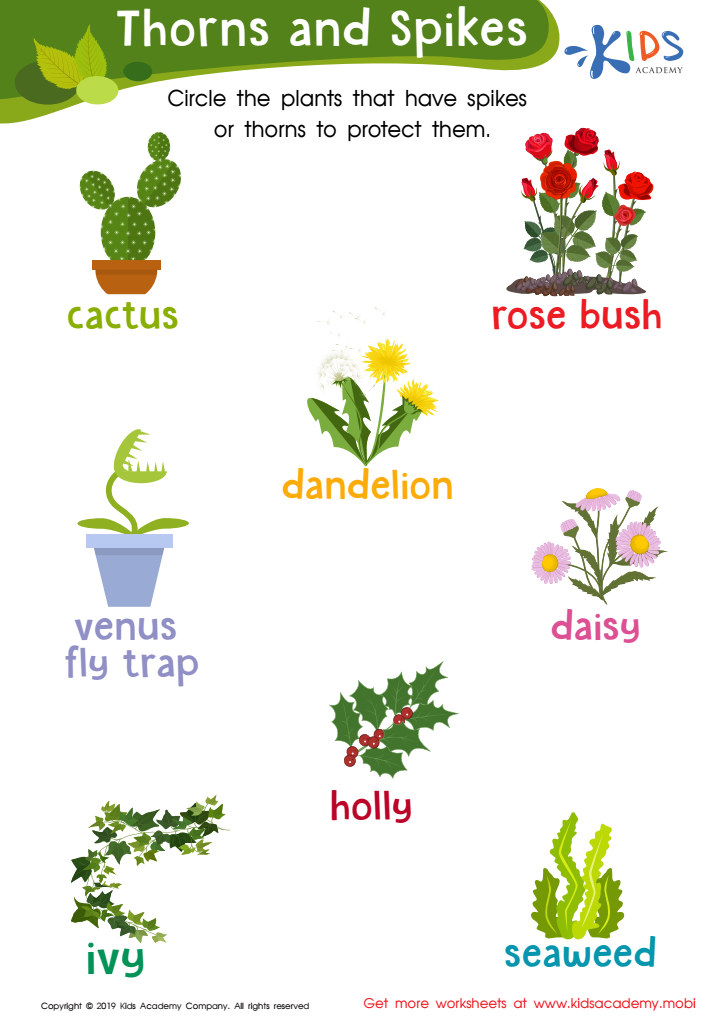
Thorns and Spikes Worksheet
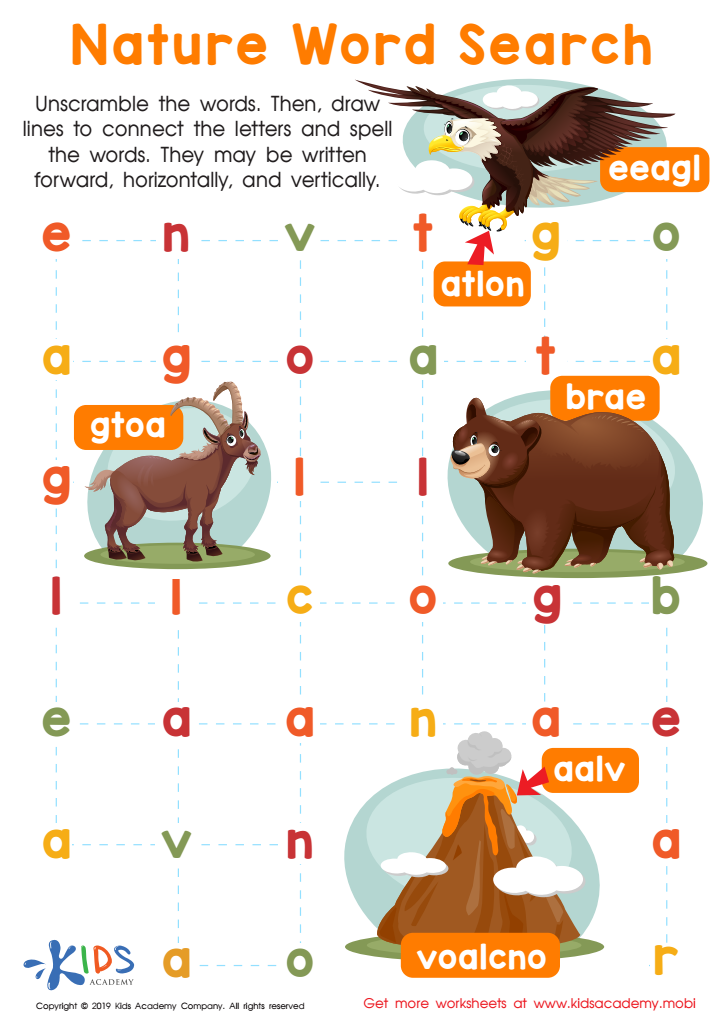
Nature Word Search Worksheet
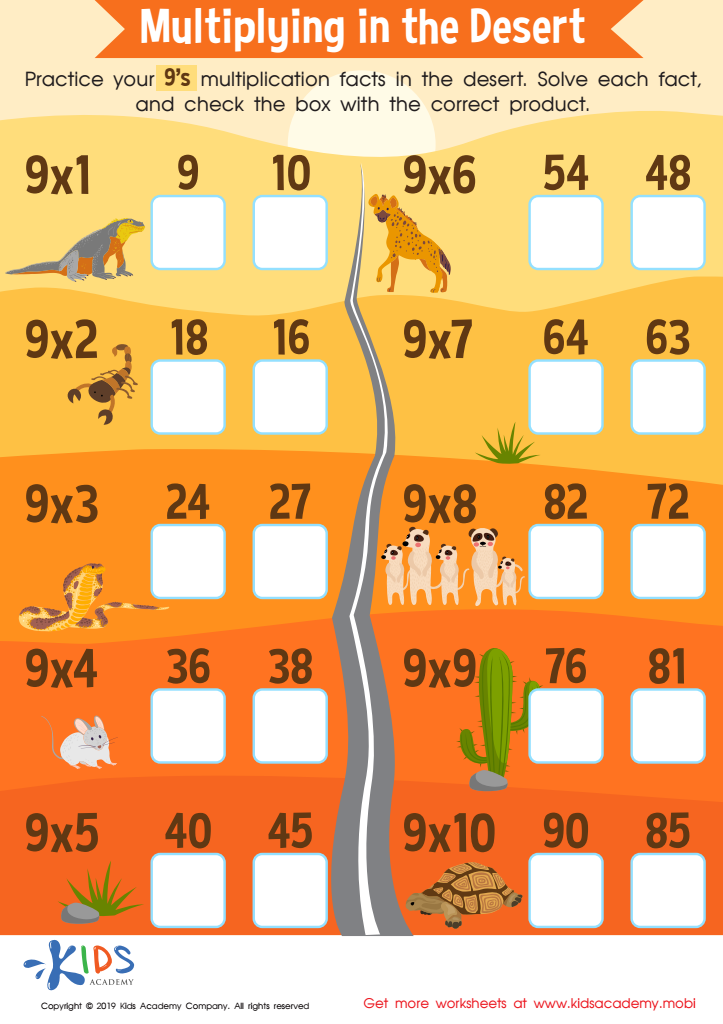
Multiplying in the Desert Worksheet








Understanding plants and animals is crucial for children aged 5 to 9 because it lays the foundation for their appreciation of nature and the environment. At this age, children's natural curiosity drives them to explore the world around them. Learning about plants and animals not only enhances their knowledge but also fosters a sense of wonder, encouraging them to ask questions and seek answers.
From a developmental perspective, this education promotes critical thinking, observation skills, and the ability to categorize and connect ideas. Recognizing different species, understanding their habitats, and learning about ecosystems also nurture empathy and respect for living things. This fosters a sense of responsibility towards nature and inspires children to care for their surroundings.
Furthermore, discussing plants and animals provides rich opportunities for cross-disciplinary learning. Science lessons become engaging and tangible when children explore local flora and fauna. Connections can also be made to language arts through stories and research projects, and to art through nature-inspired activities.
Ultimately, teaching children about plants and animals equips them with essential life skills and encourages a lifelong love for nature, promoting environmental stewardship from an early age. This foundational knowledge can lead to more informed, compassionate adults who value our planet.








