Science Worksheets for Ages 7-9 - Page 9
325 filtered results
-
From - To
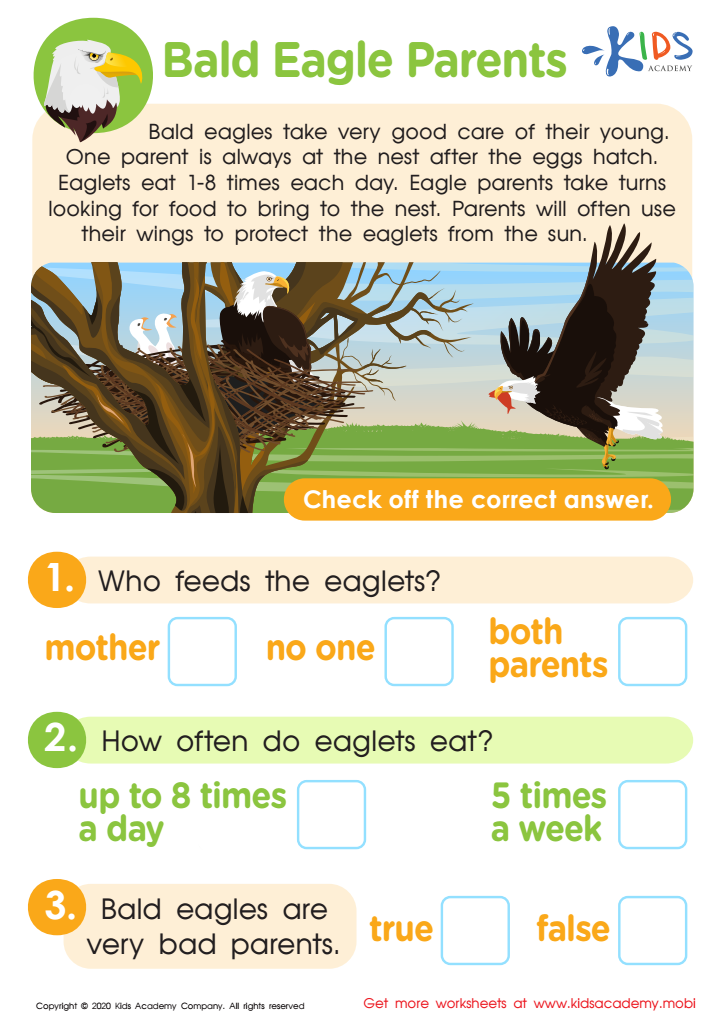
Bald Eagle Parents Worksheet
 Assign to My Students
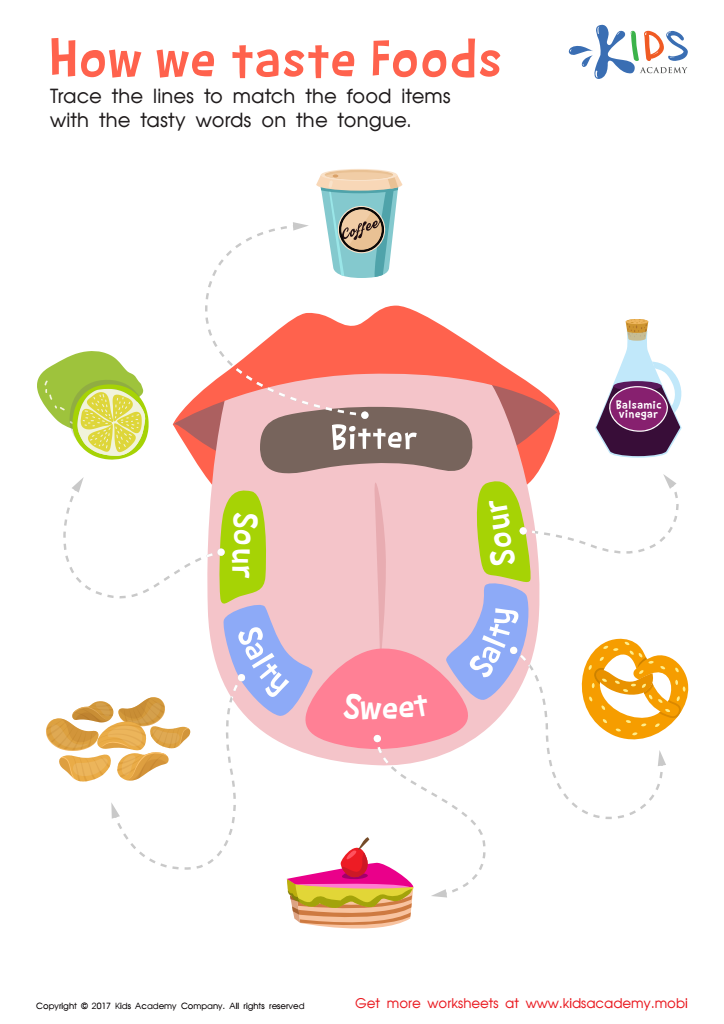
How We Taste Foods Worksheet
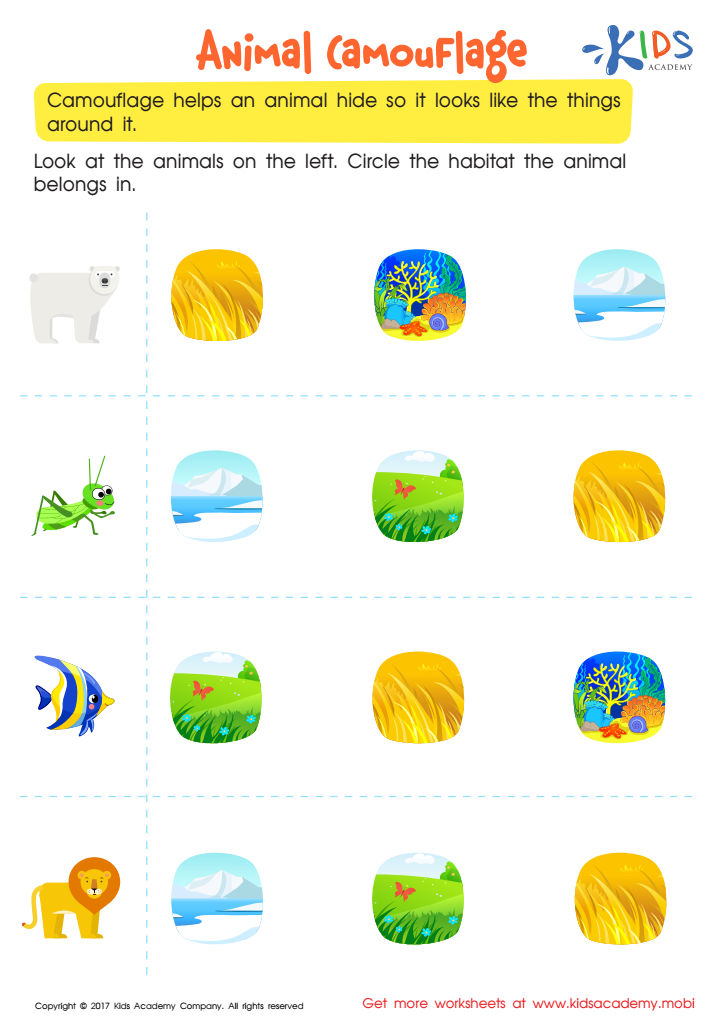
Animal Camouflage Worksheet
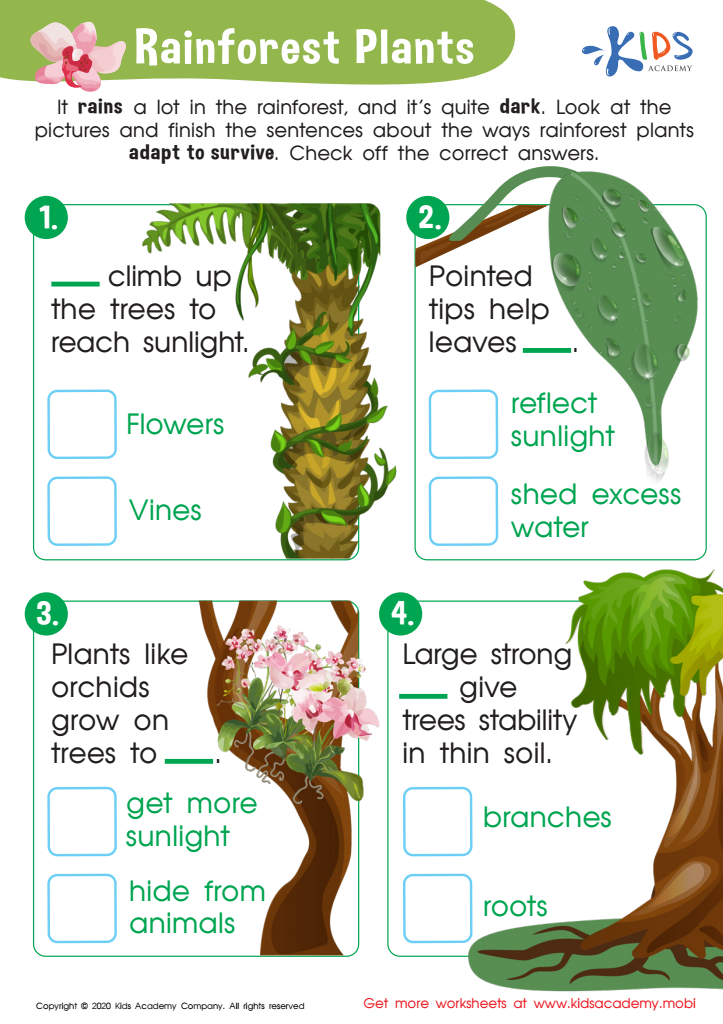
Rainforest Plants Worksheet
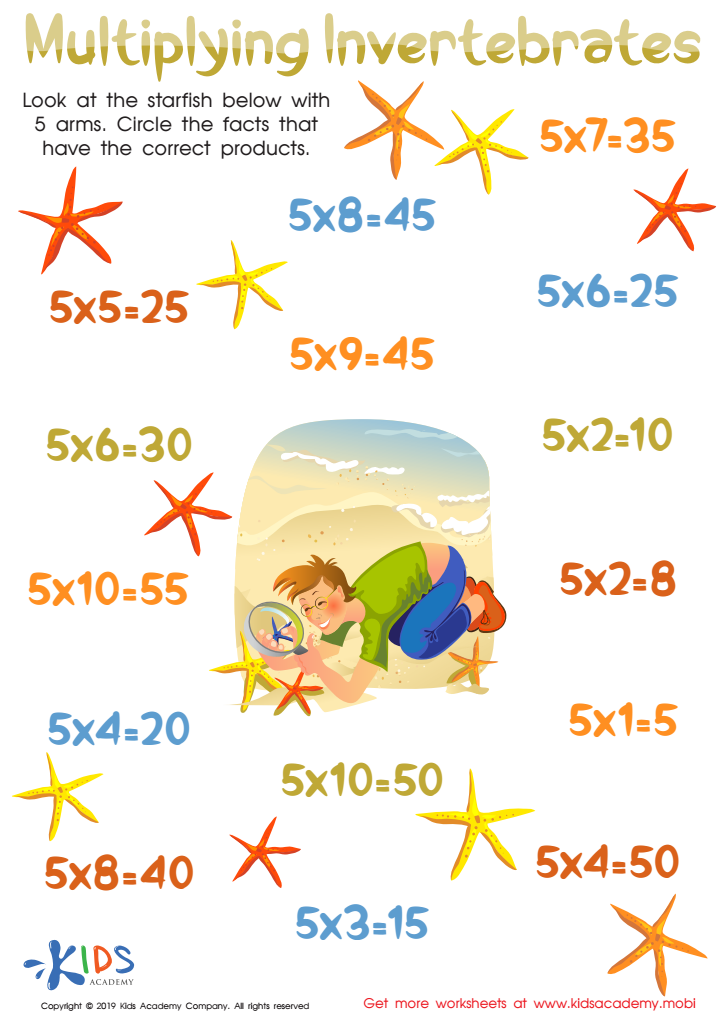
Multiplying Invertebrates Worksheet
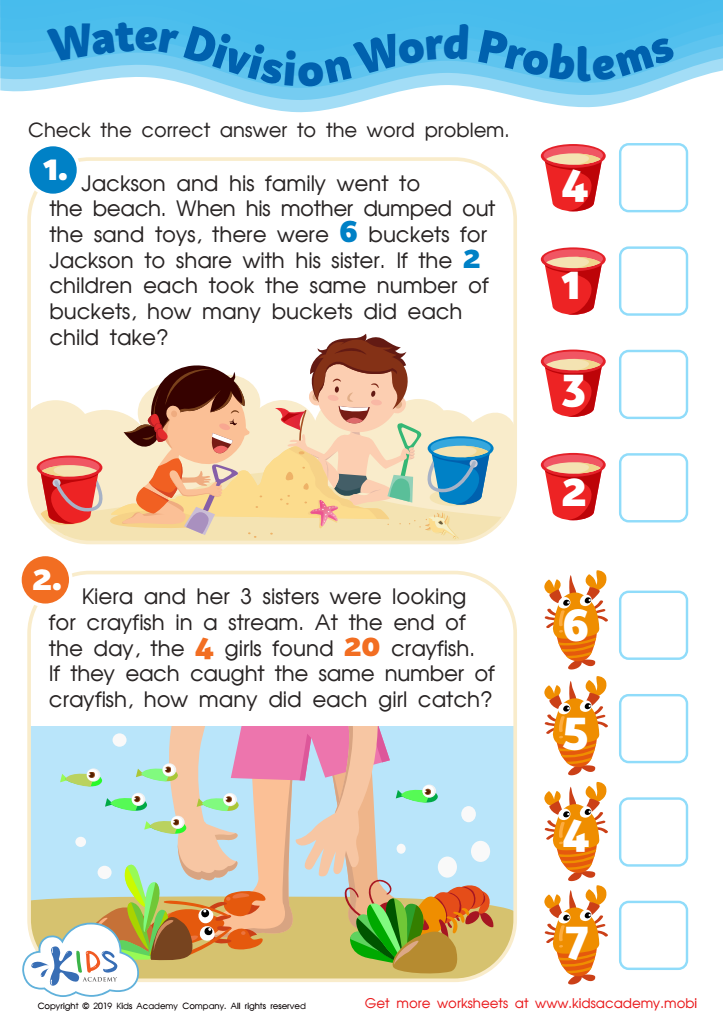
Water Division Word Problems Worksheet
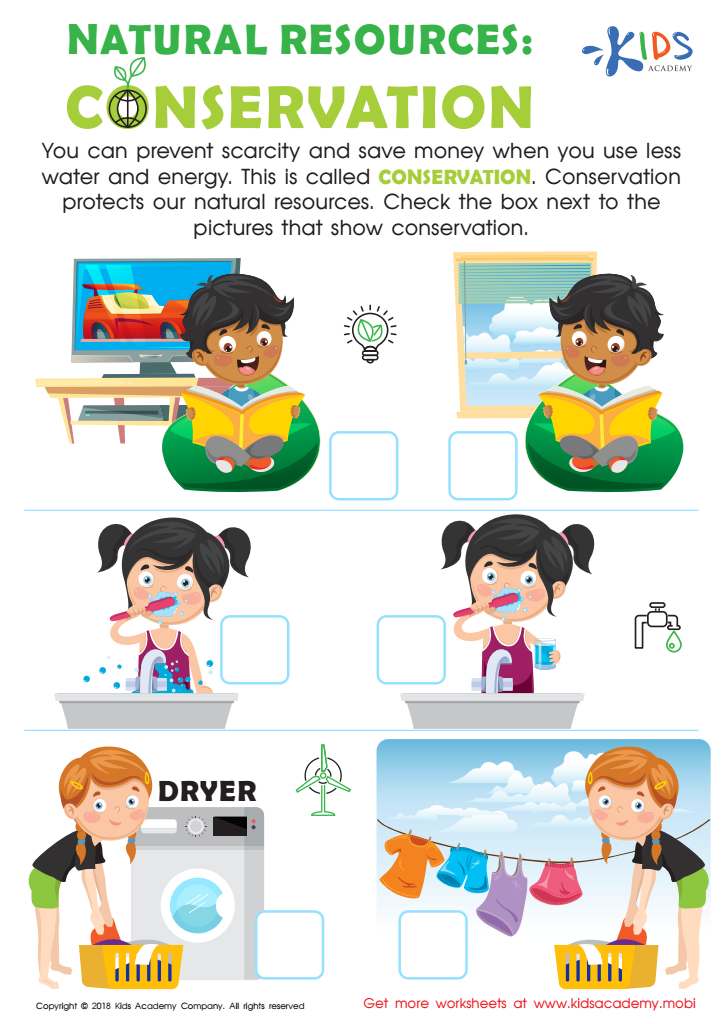
Natural Resources: Conservation Worksheet
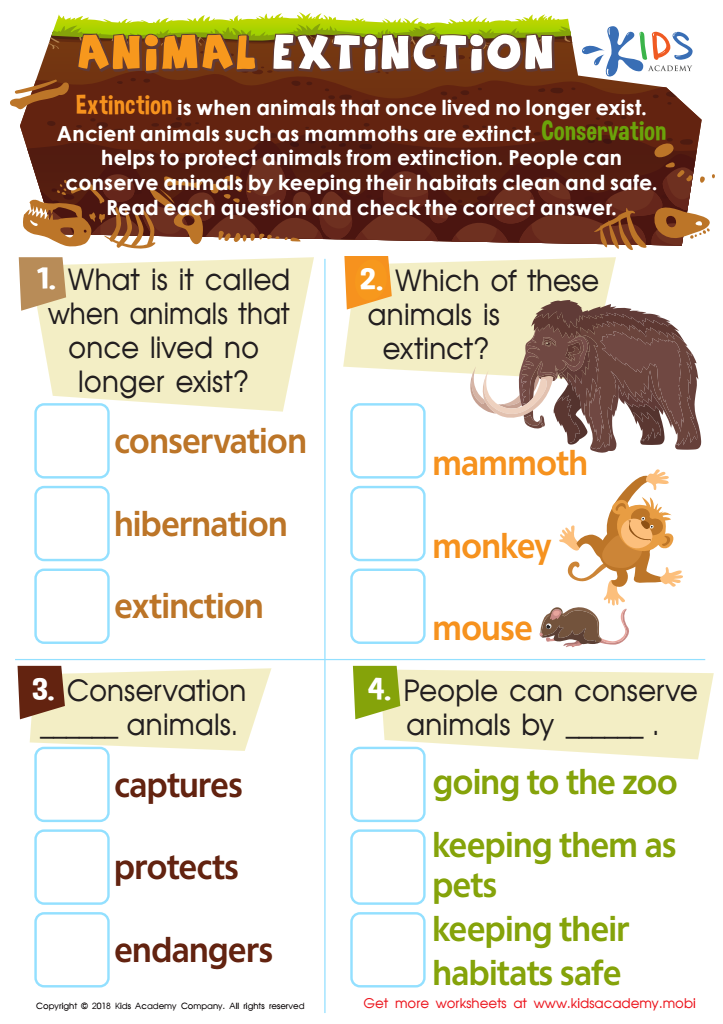
Animal Extinction Worksheet
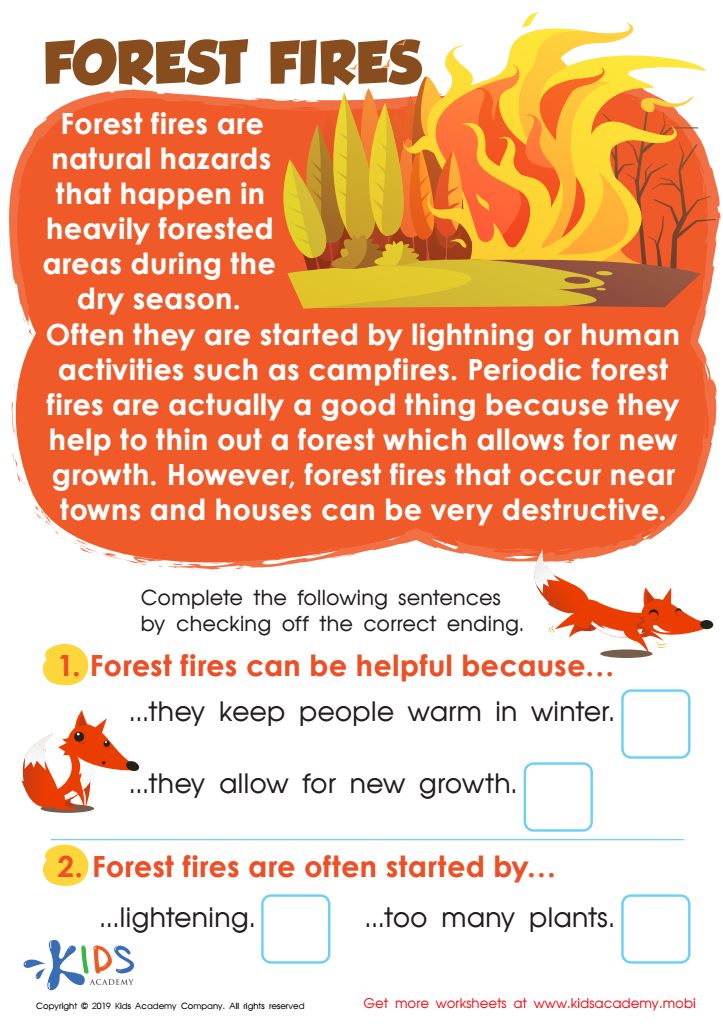
Forest Fires Worksheet
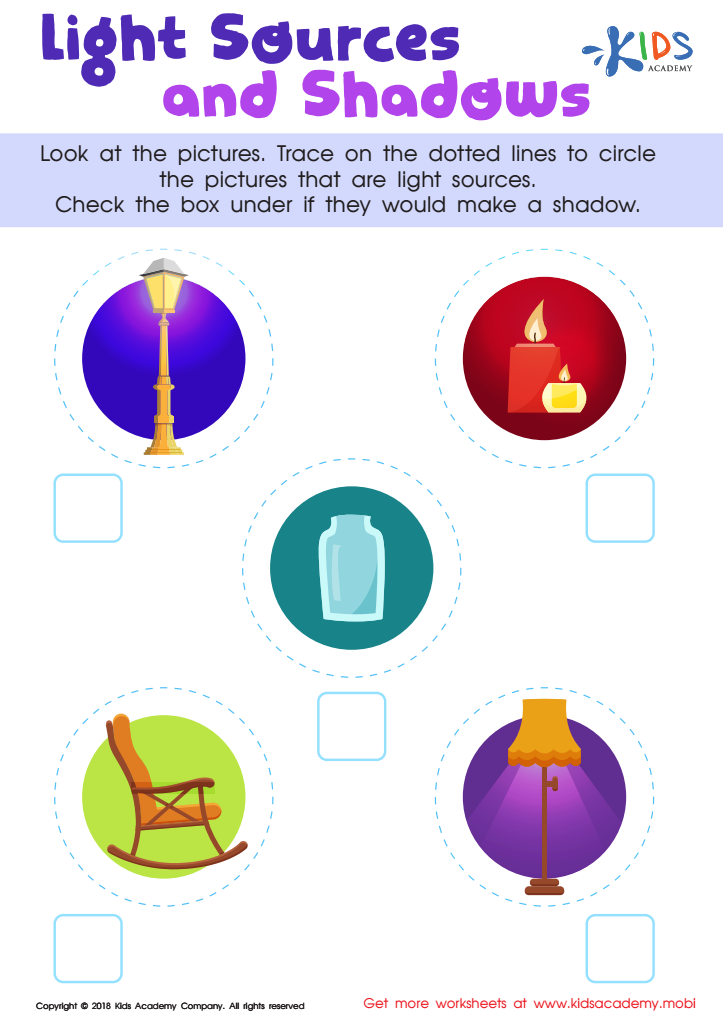
Light Sources and Shadows Worksheet
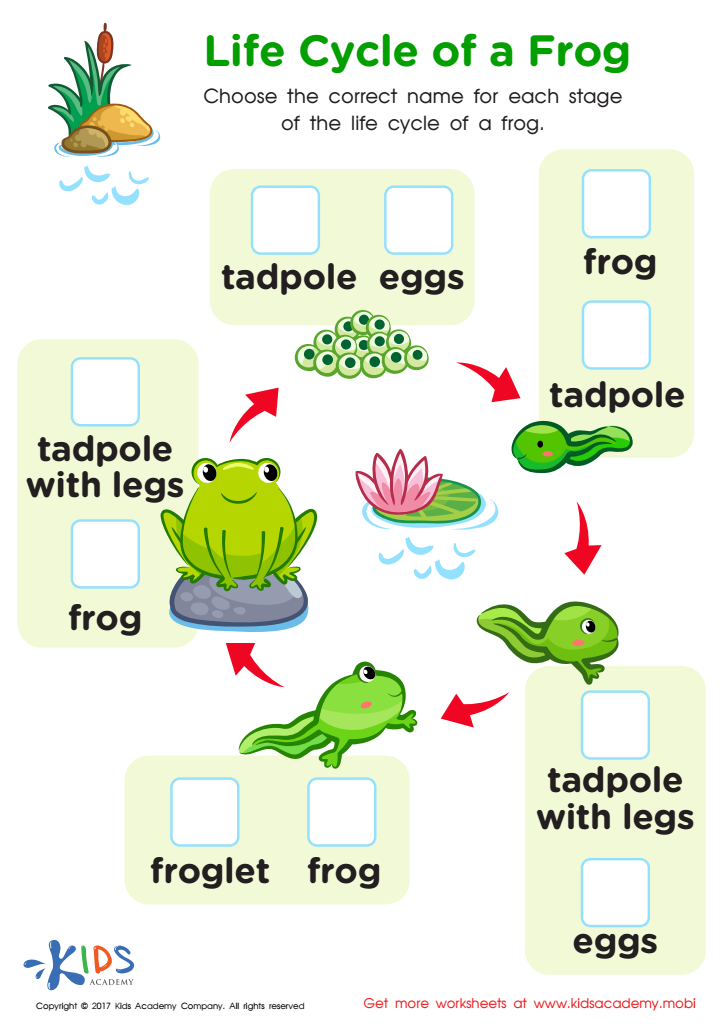
Life Cycle Frog Printable
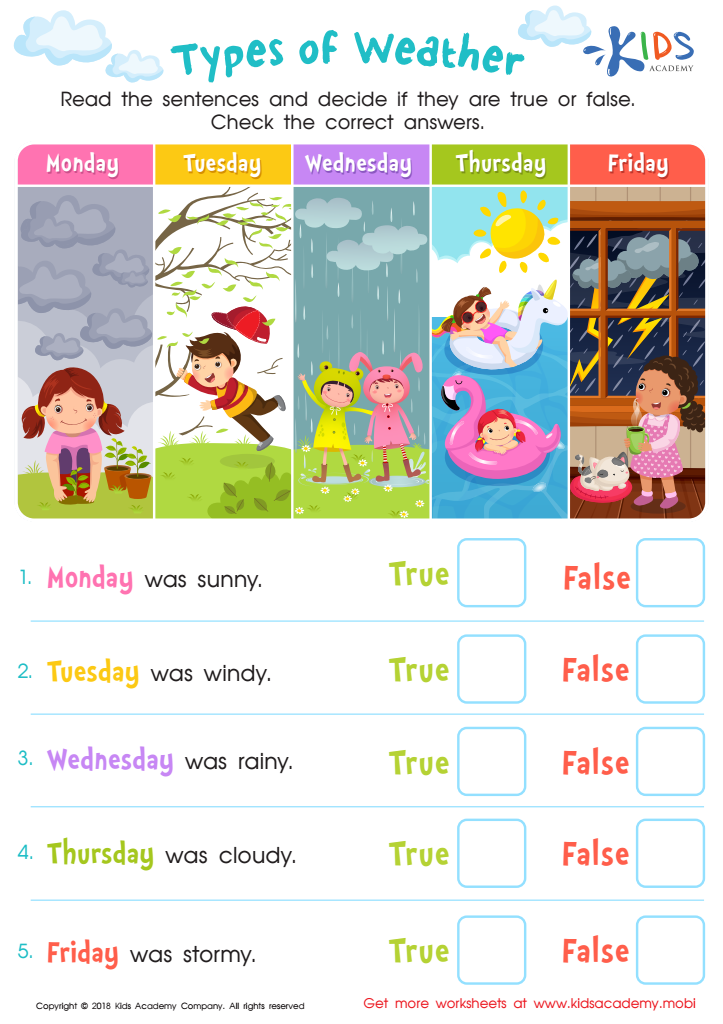
Types of Weather Worksheet
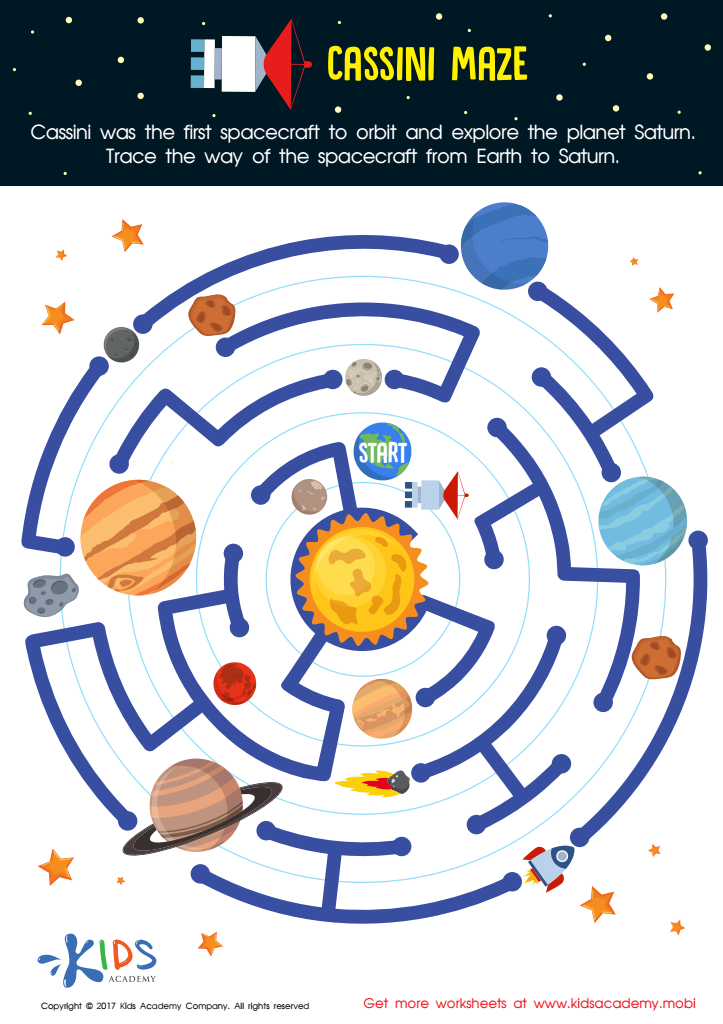
Cassini Printable Worksheet
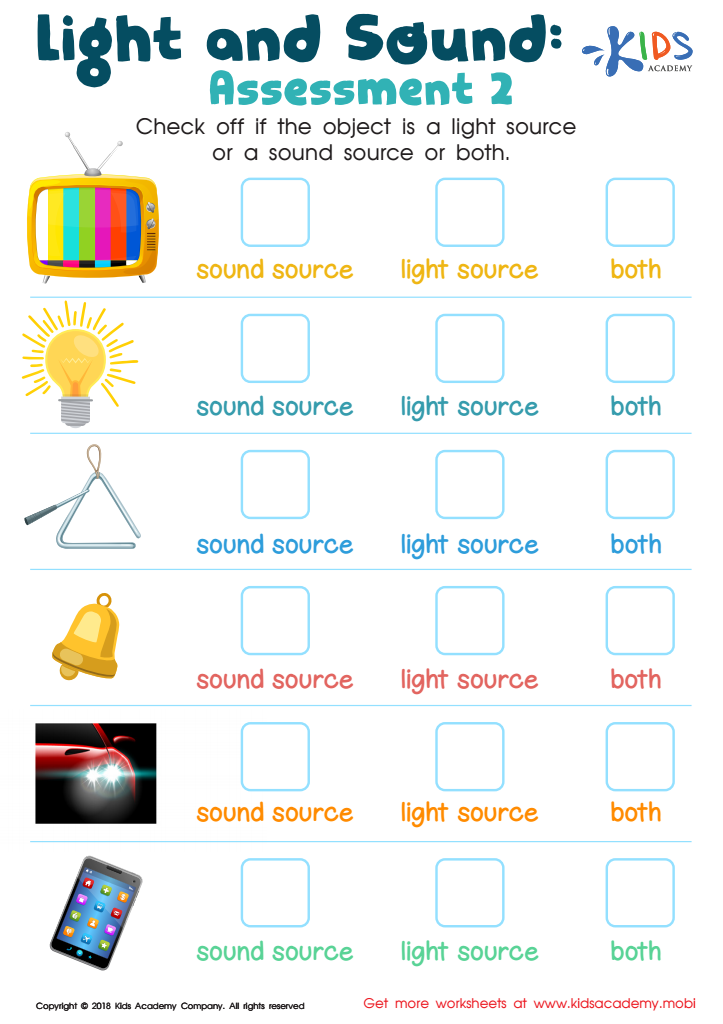
Light and Sound: Assessment 2 Worksheet
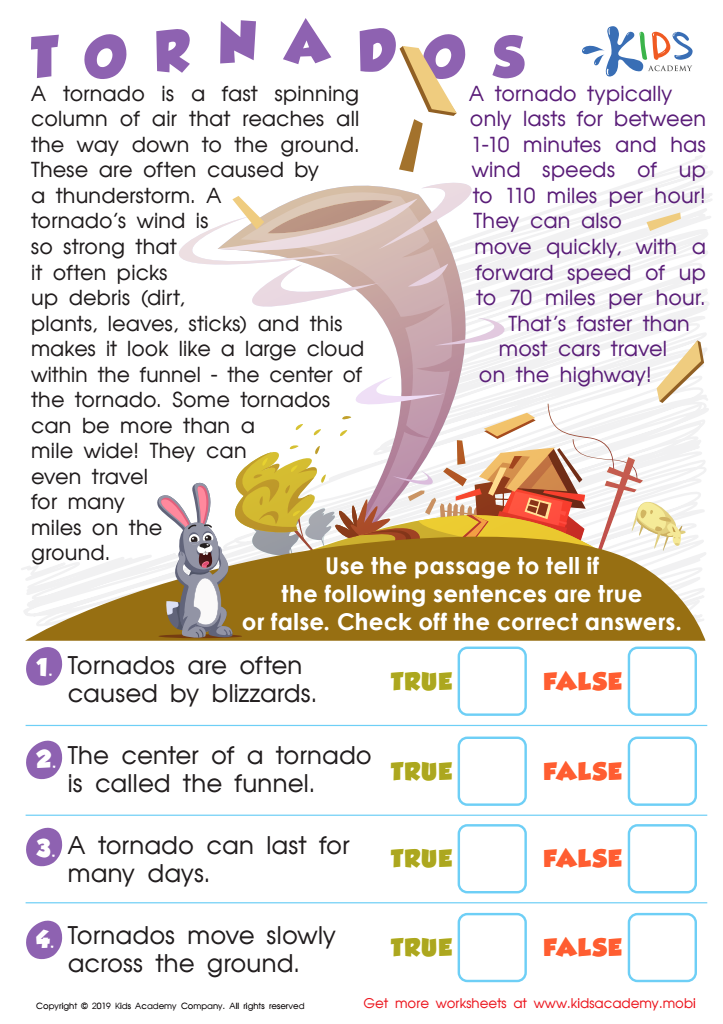
Tornados Worksheet
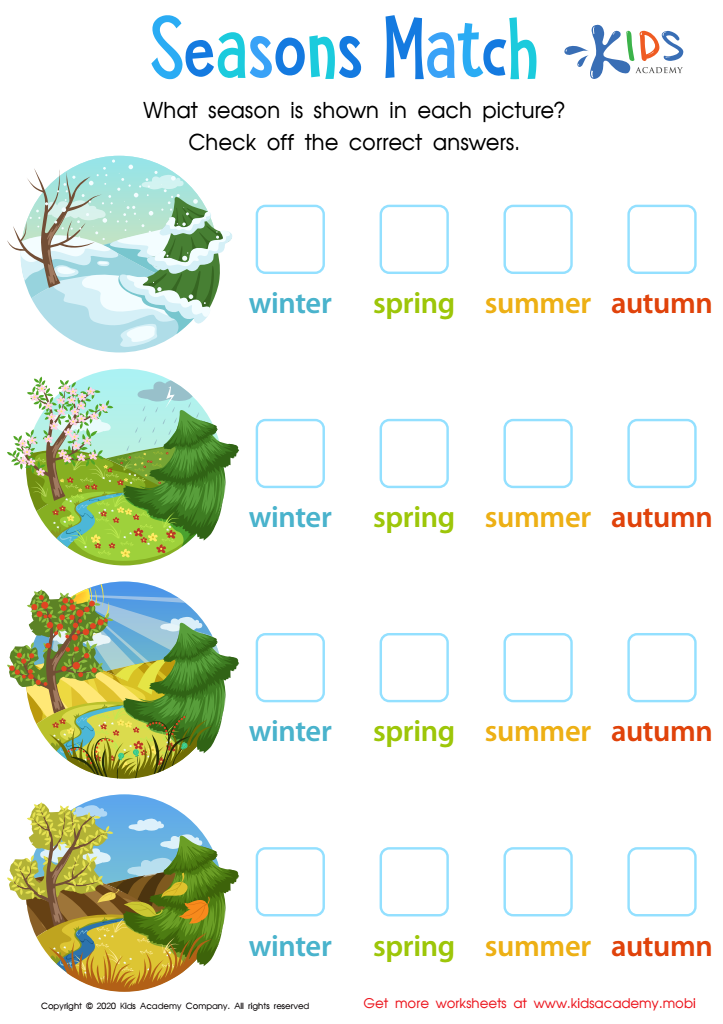
Seasons Match Worksheet
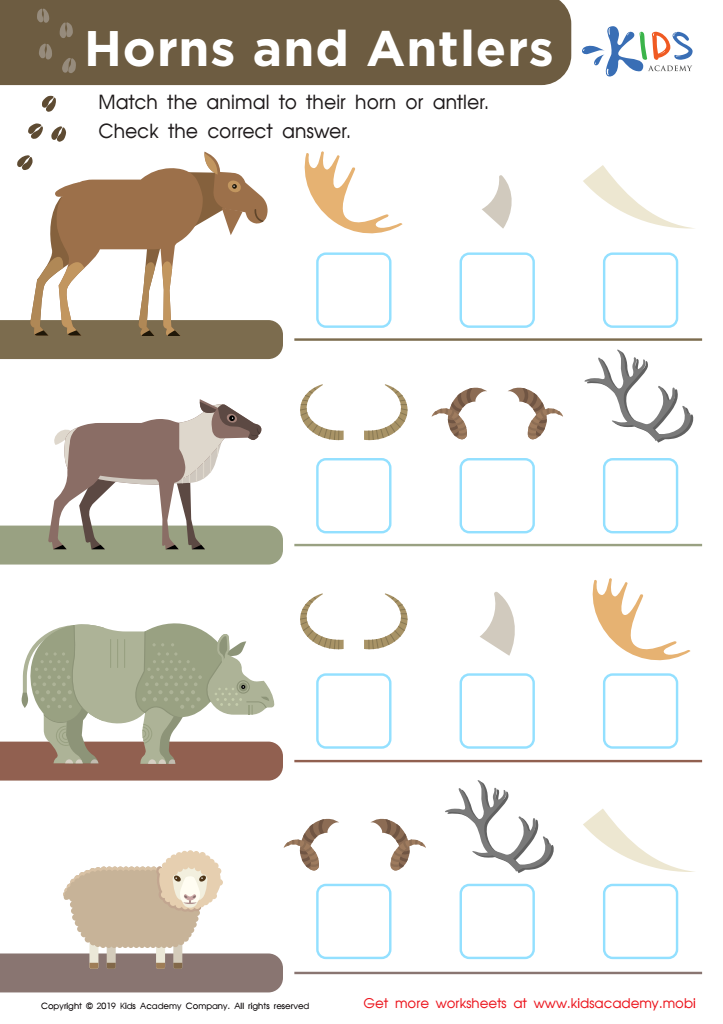
Horns and Antlers Worksheet
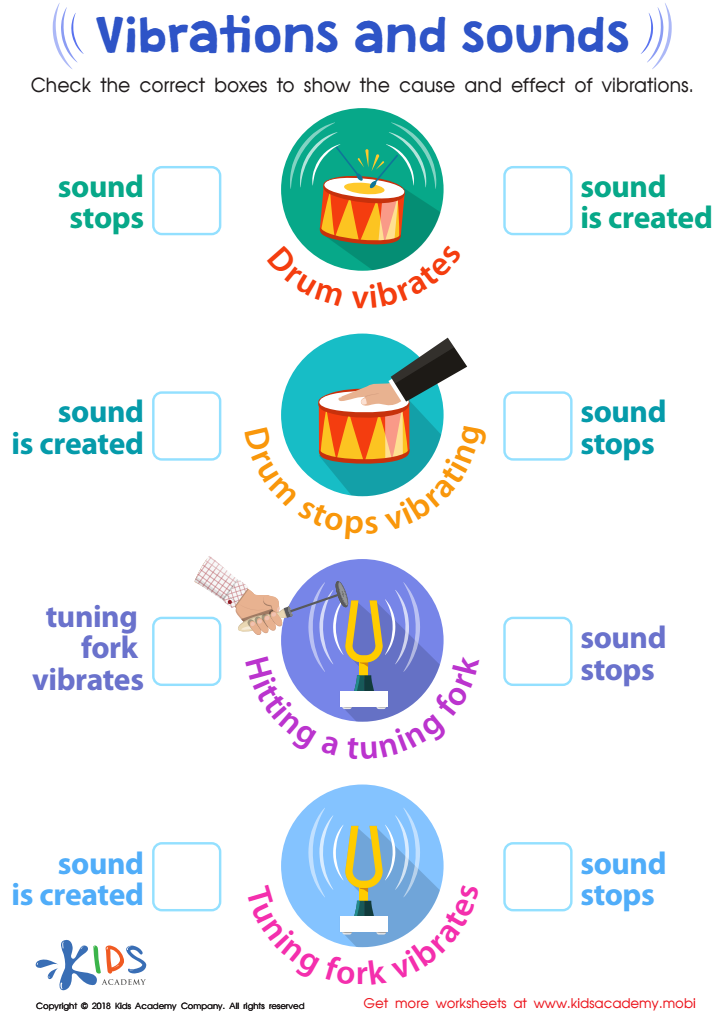
Vibrations and Sounds Worksheet
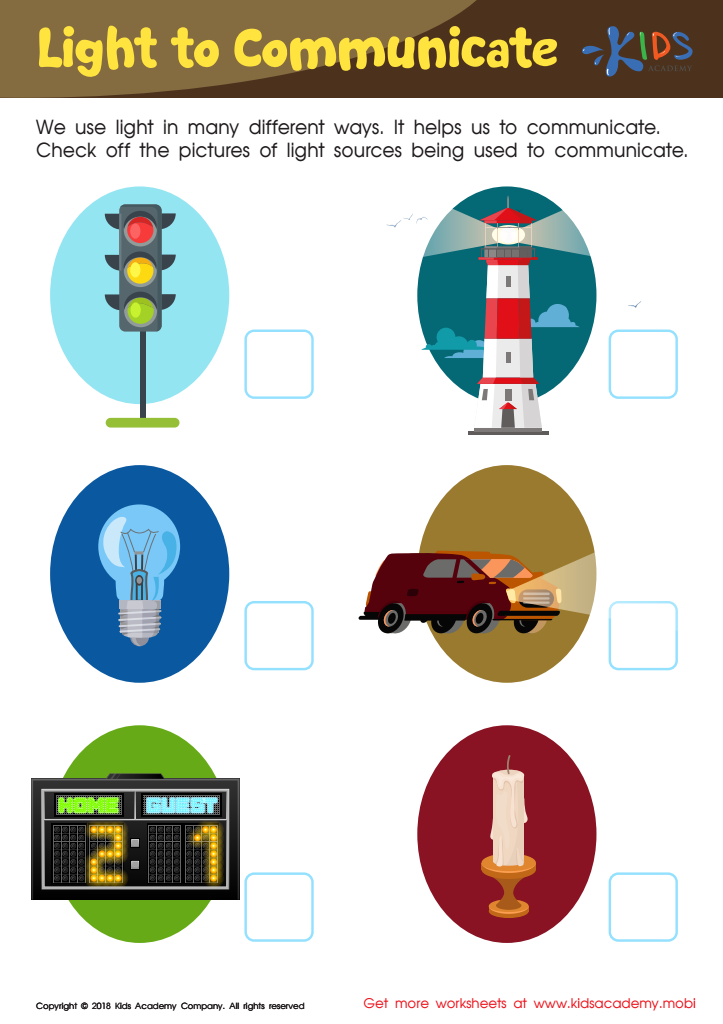
Light to Communicate Worksheet
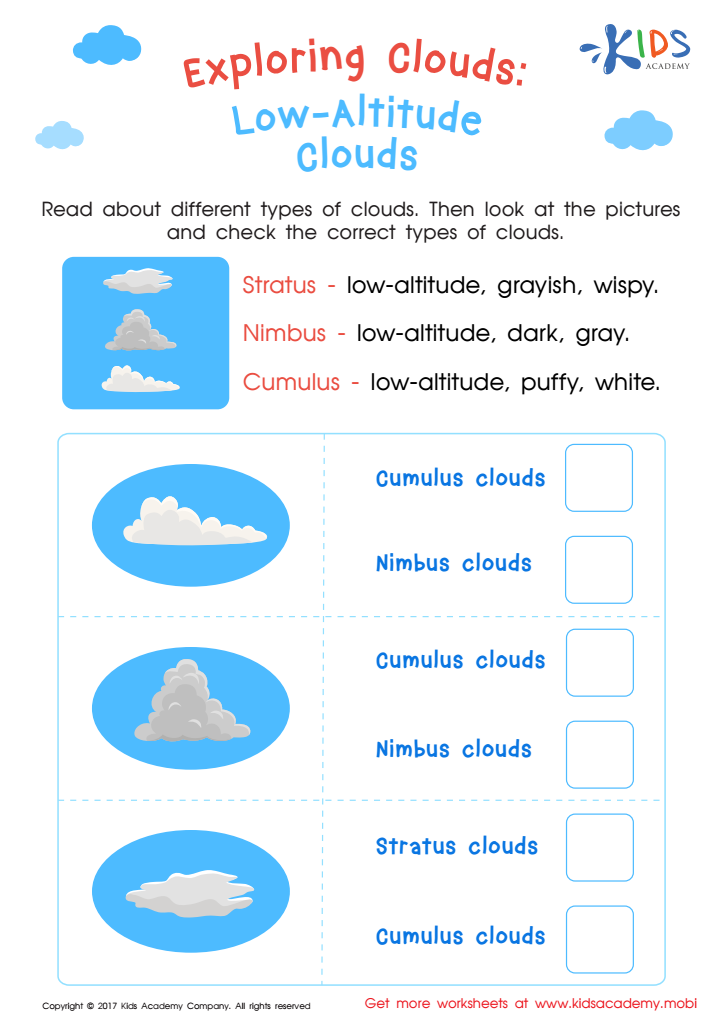
Exploring Clouds: Low Altitude Clouds Printable
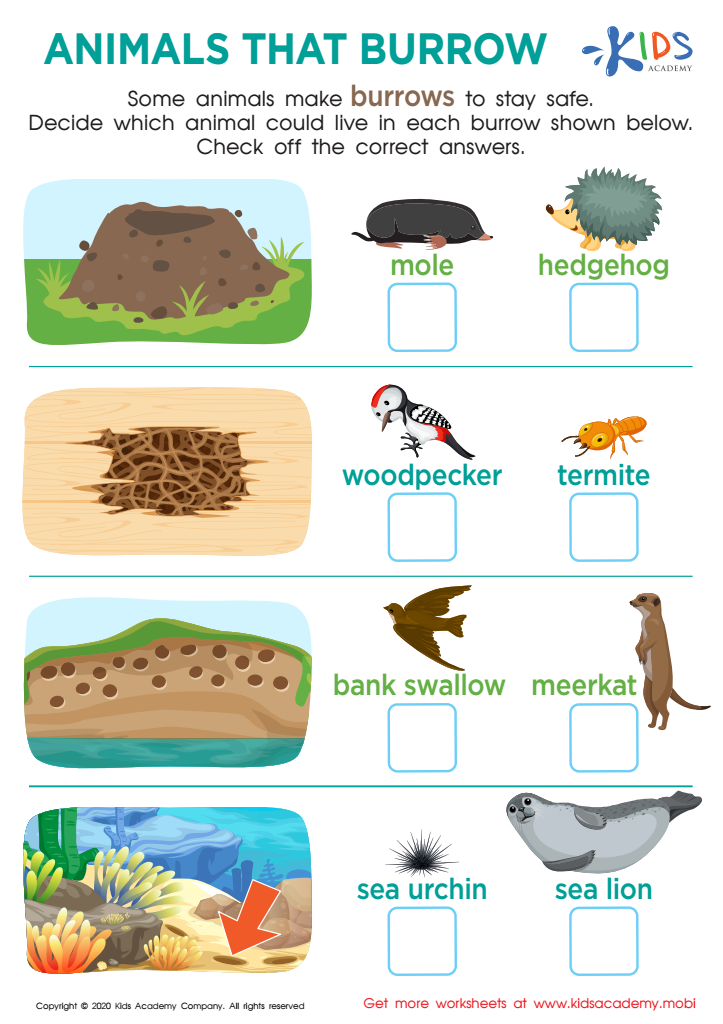
Animals That Burrow Worksheet
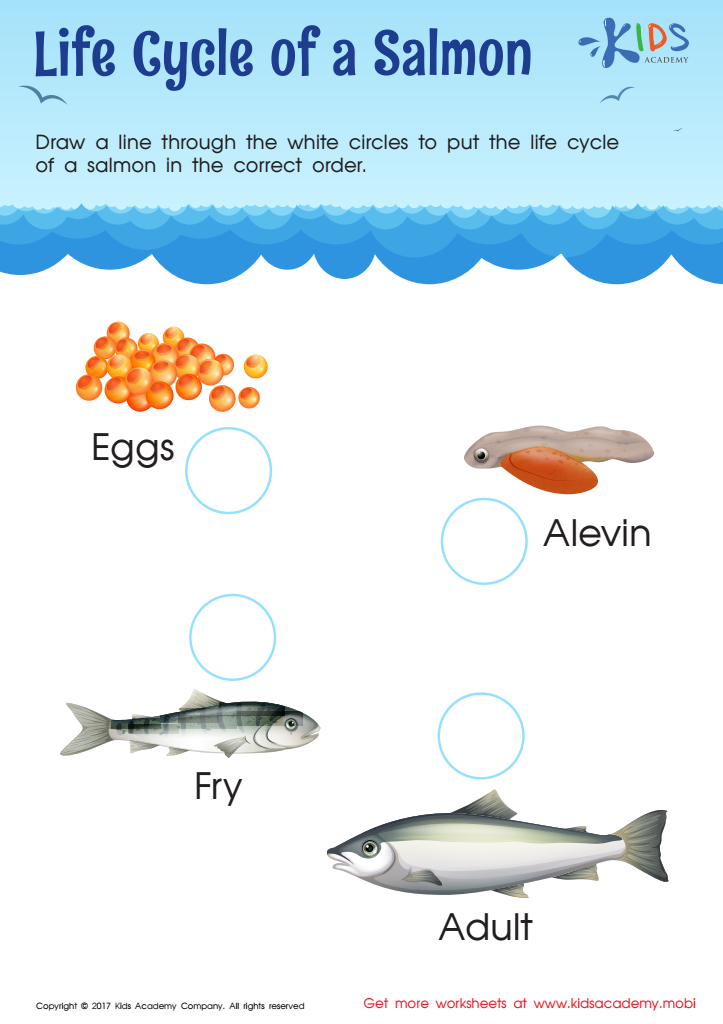
Cycle Of Salmon Worksheet
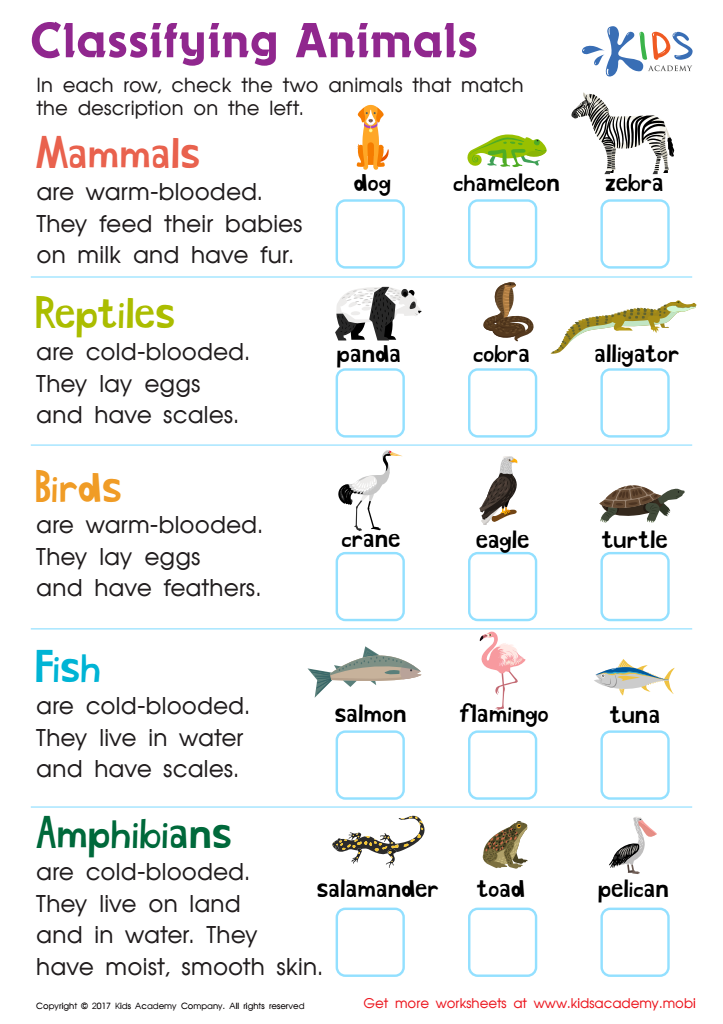
Classifying Animals Worksheet
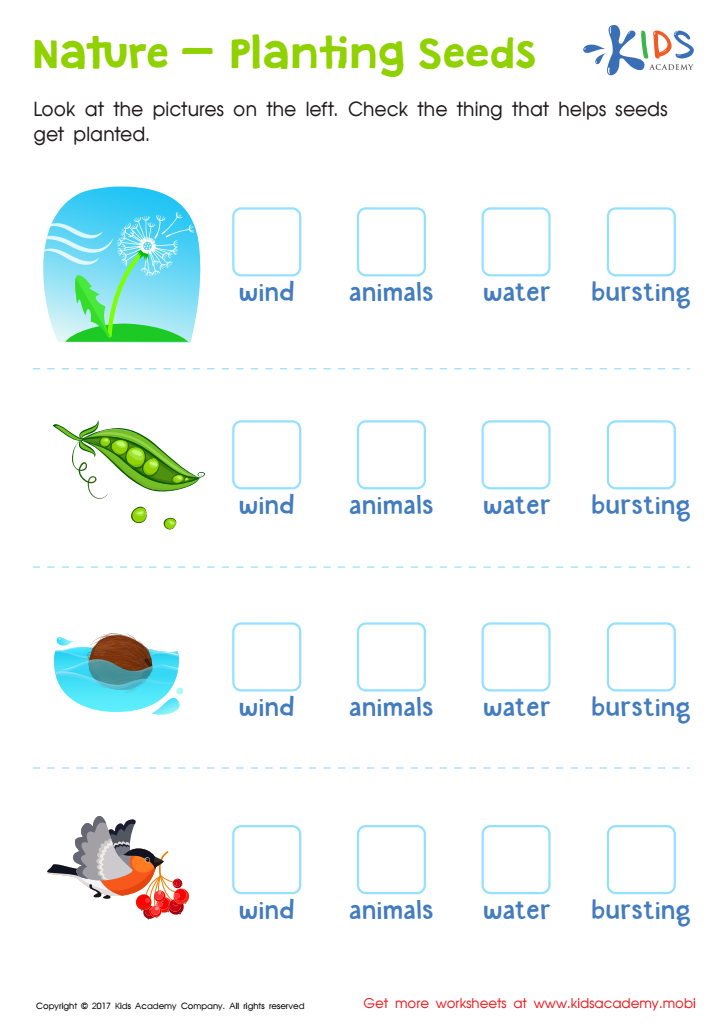
Nature Planting Seeds Worksheet



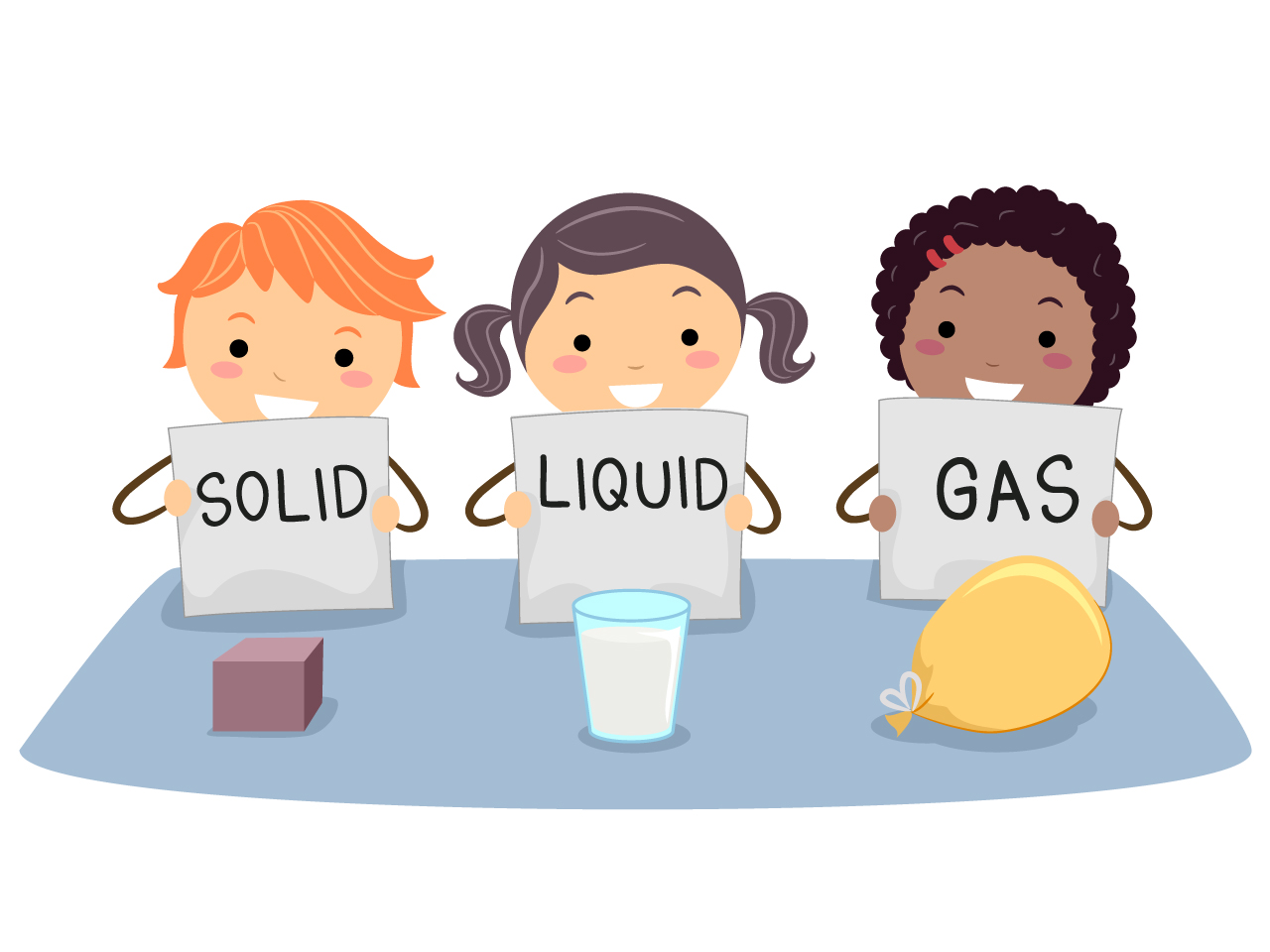




Parents and teachers should prioritize science for children ages 7-9 because it prepares them for the future and ignites their natural curiosity about the world. At this age, children's brains are exceptionally receptive to learning, making it an ideal time to introduce scientific concepts and stimulate a lifelong interest in discovery. Science education fosters critical thinking, problem-solving skills, and the ability to ask questions and seek evidence-based answers. These are essential skills not just for academic success, but also for navigating everyday life.
Furthermore, understanding science helps children appreciate the natural world, instilling a sense of environmental stewardship and responsibility towards their communities and the planet. Early exposure to science can demystify complex processes and technologies that shape our world, making children less intimidated and more adept at handling advanced concepts later in life.
It also encourages teamwork and communication skills through collaborative projects and experiments. By nurturing an interest in science, parents and teachers open doors to a wide array of future career opportunities, from medicine to technology. Importantly, experiencing the joy and excitement of making new discoveries can instill a love for learning that benefits children across all areas of education and personal growth.







