Normal Geometry Worksheets for Ages 3-7
63 filtered results
-
From - To
Explore our "Normal Geometry Worksheets for Ages 3-7" designed to cultivate young minds. Perfect for early learners, these worksheets introduce fundamental geometric concepts through fun and engaging activities. Kids will delight in identifying shapes, learning about spatial relations, and honing their fine motor skills. Each worksheet is carefully crafted to be age-appropriate, ensuring your child builds a robust foundation in geometry. With colorful illustrations and interactive tasks, these resources are ideal for both classroom and home learning. Boost your child's confidence and curiosity in math with these delightful, educational worksheets from Kids Academy.
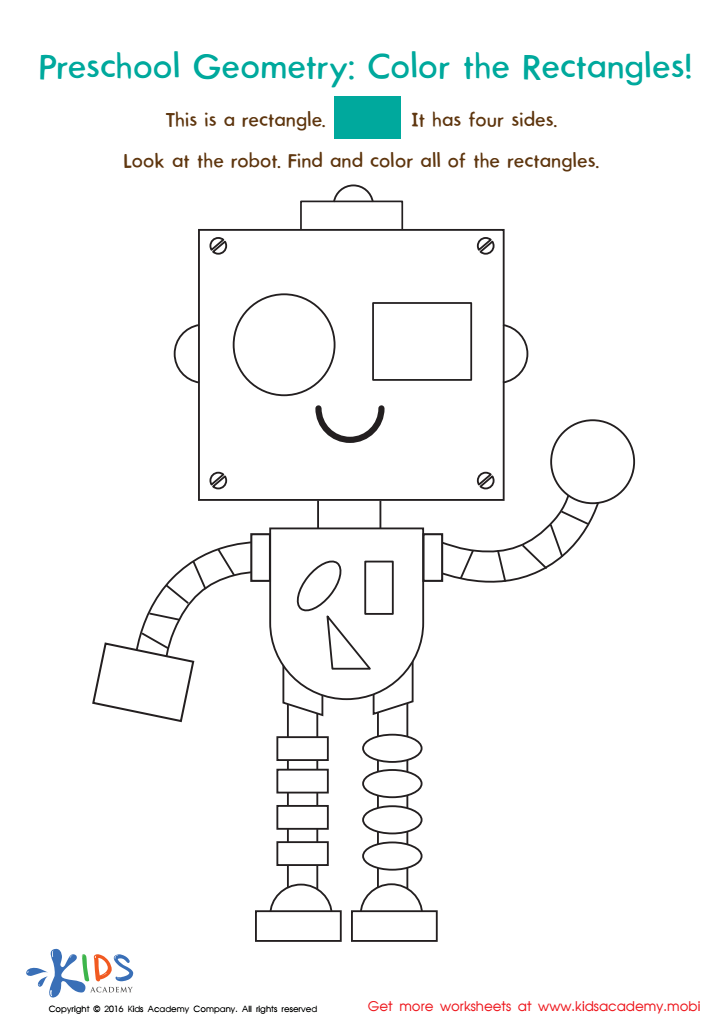
Geometry Worksheet
 Assign to My Students











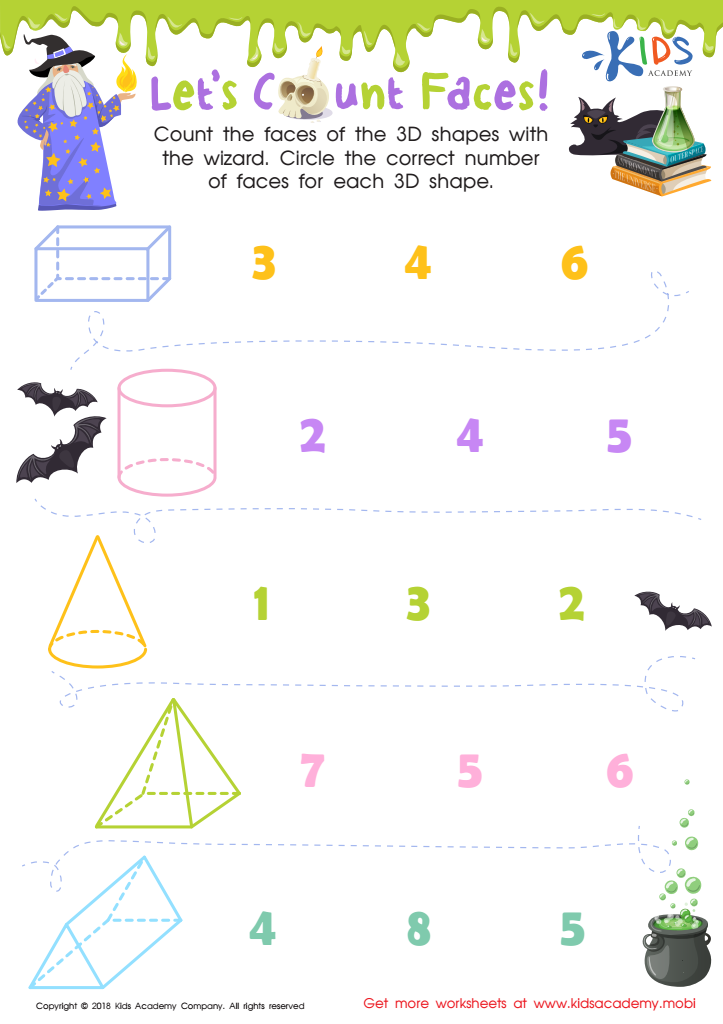
Let's Count Faces! Worksheet
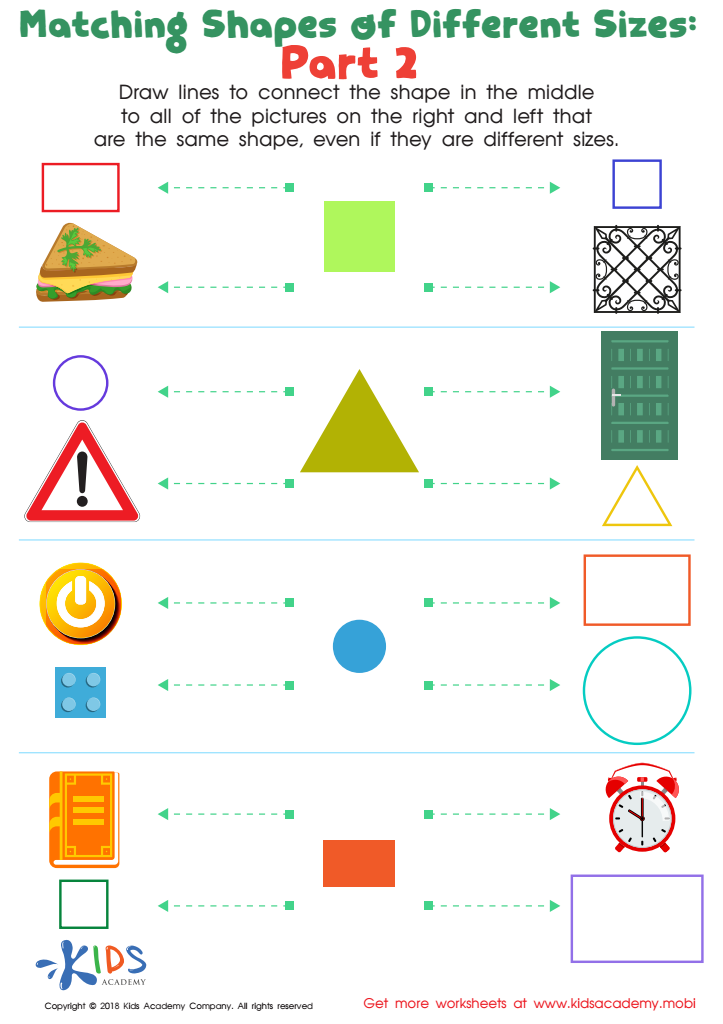
Geometry: Part 2 Worksheet
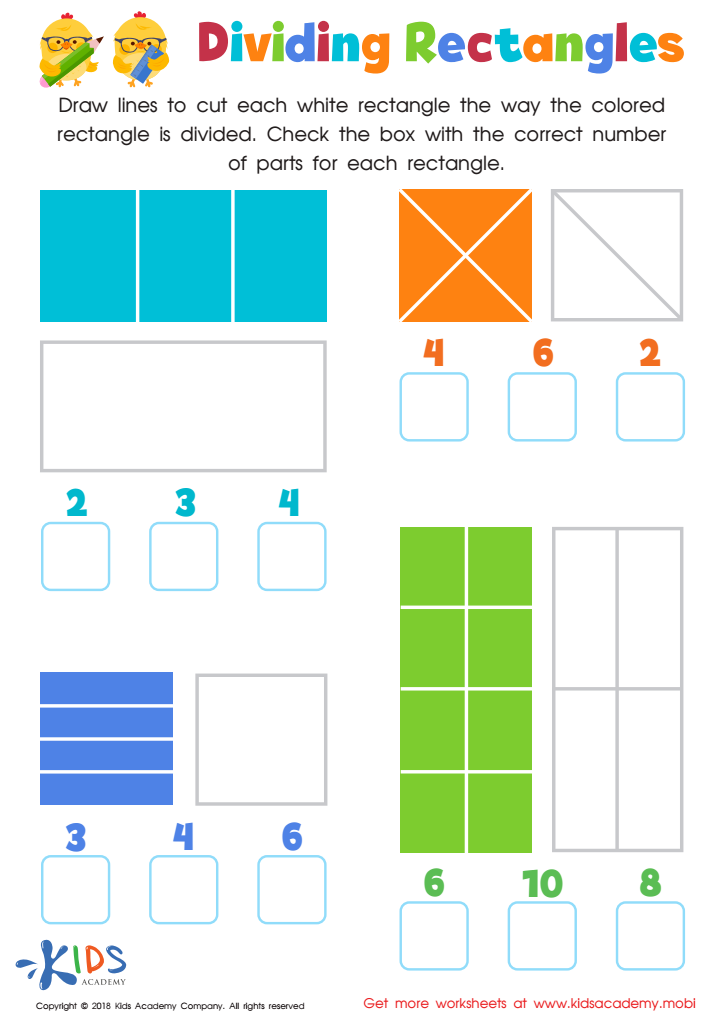
Dividing Rectangles Worksheet
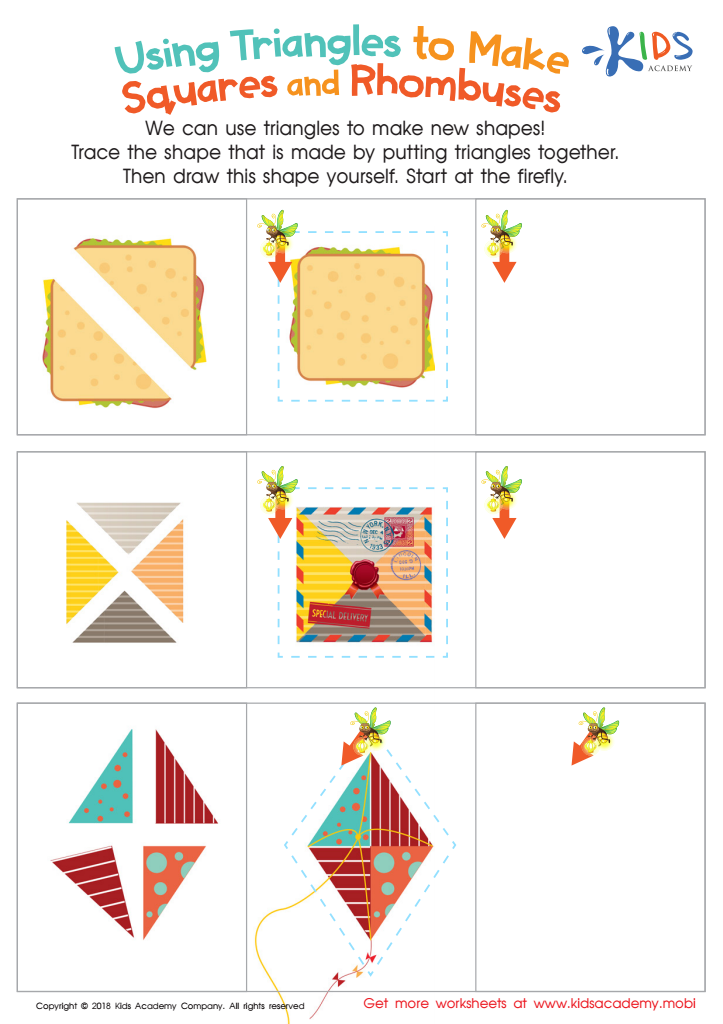
Using Triangles to Make Squares and Rhombuses Worksheet
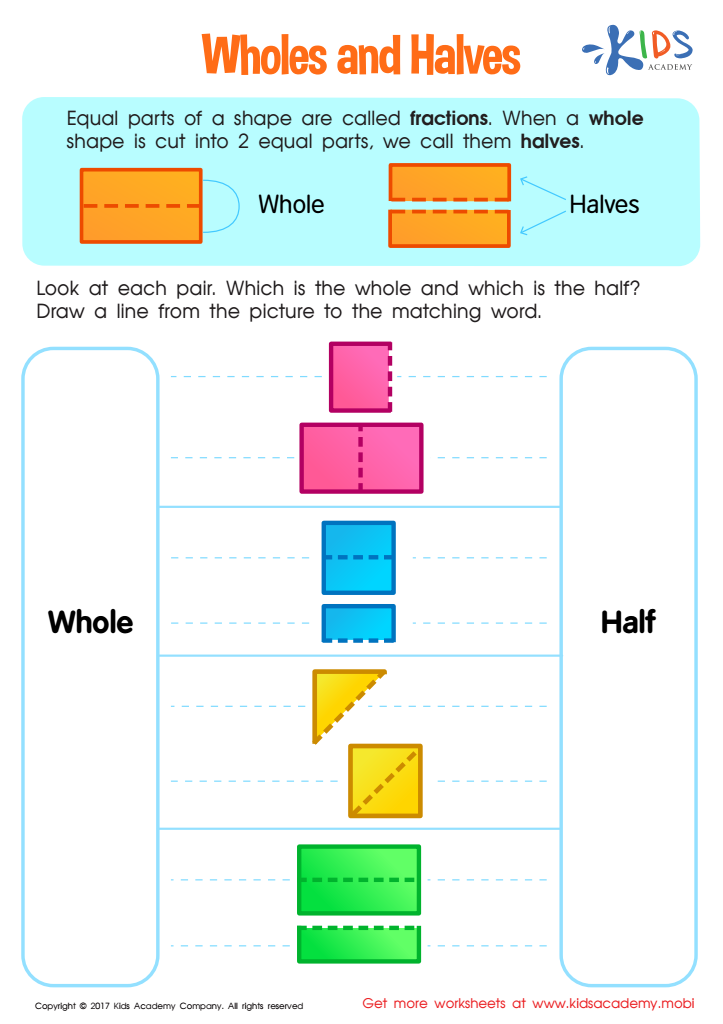
Wholes and Halves Worksheet
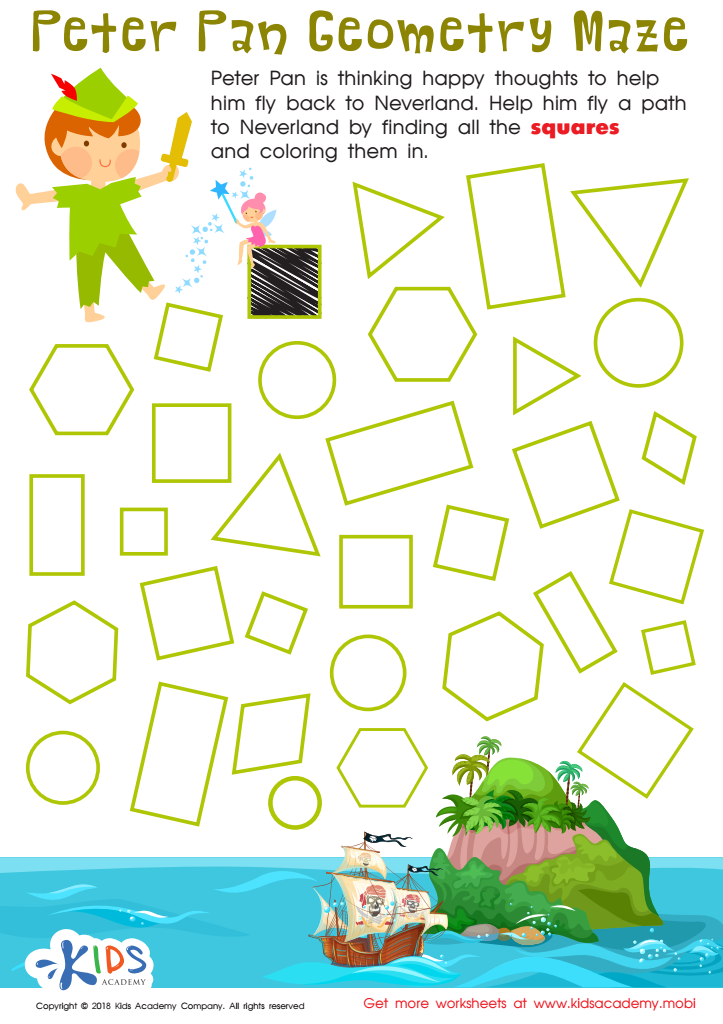
Peter Pan Worksheet
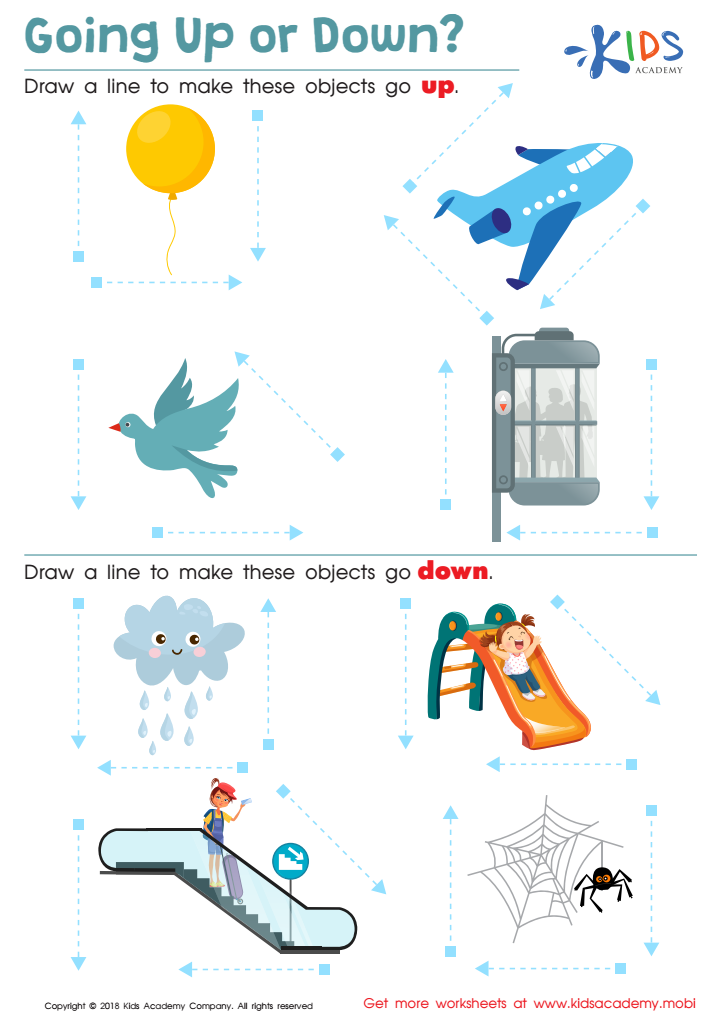
Going up or Down? Worksheet
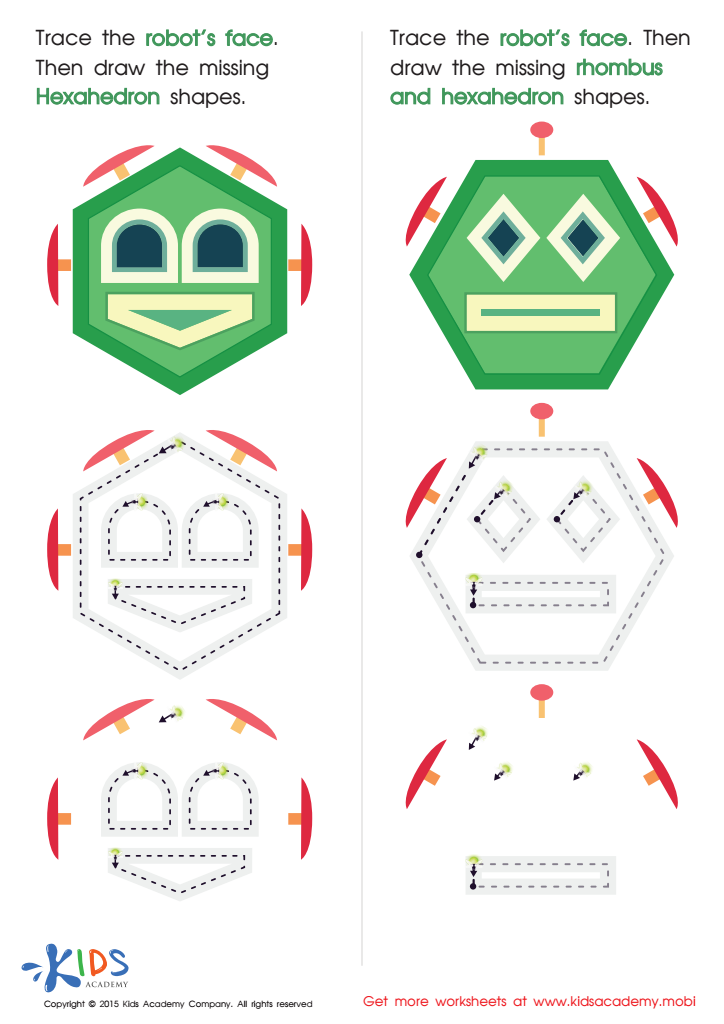
Practice Drawing Hexahedrons And a Rhombus Worksheet
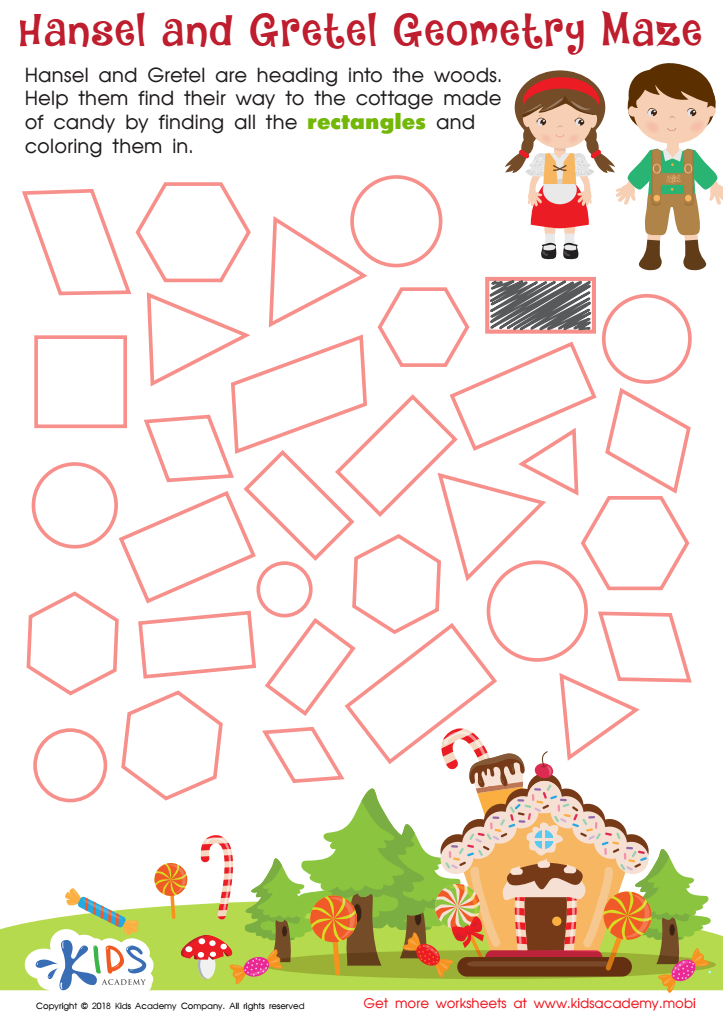
Hansel and Gretel Geometry Maze Worksheet
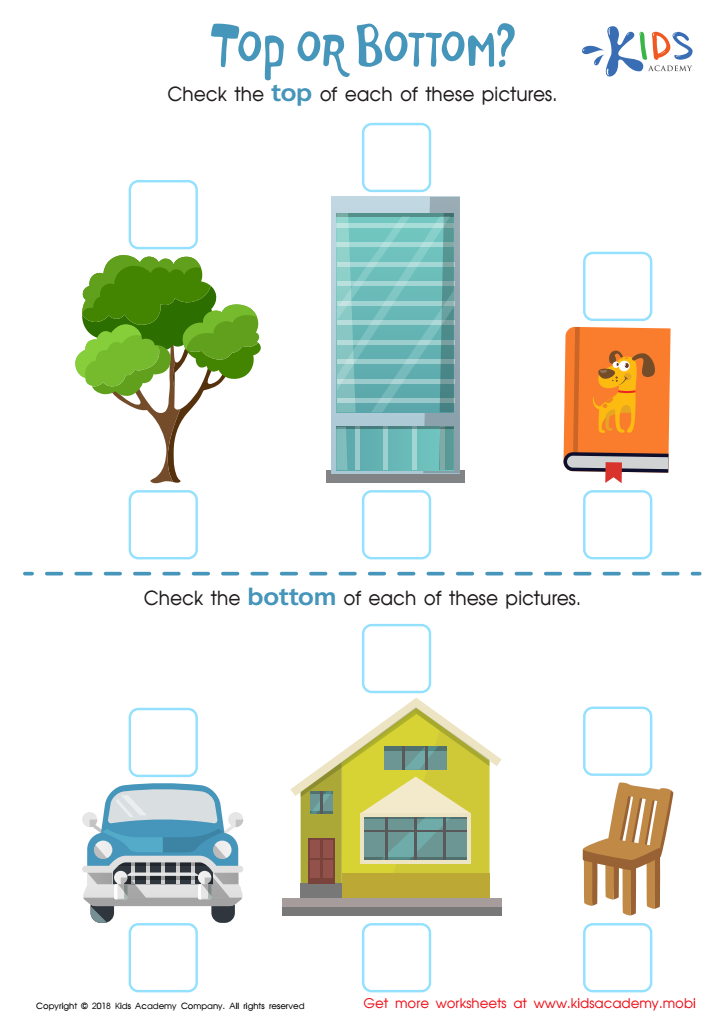
Top or Bottom Worksheet
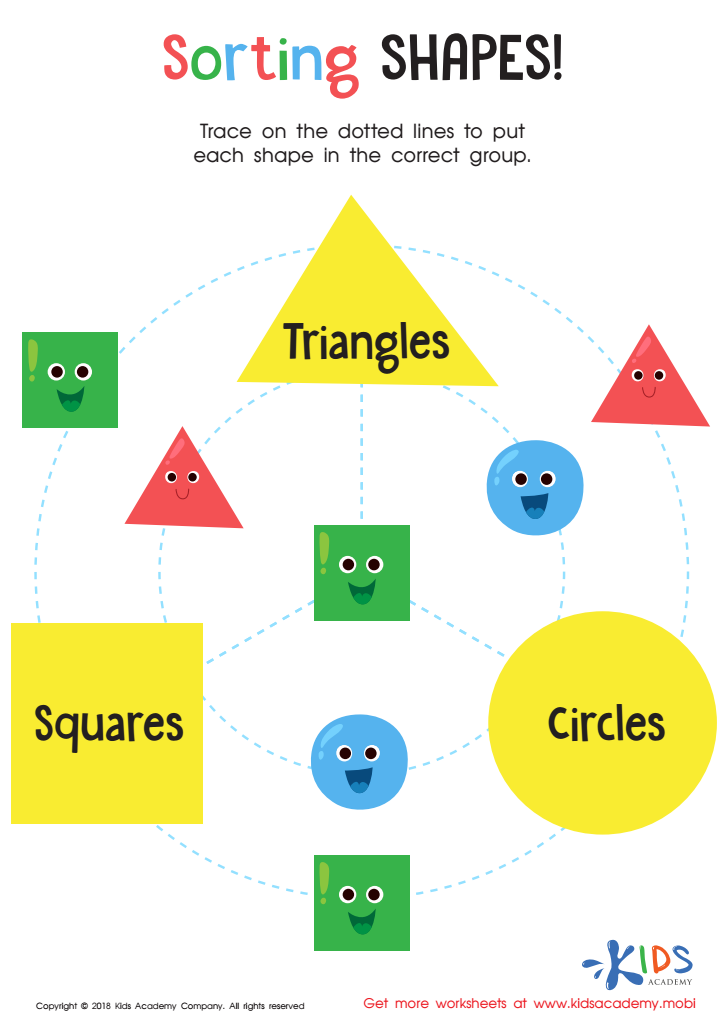
Sorting Shapes - Part 3 Worksheet
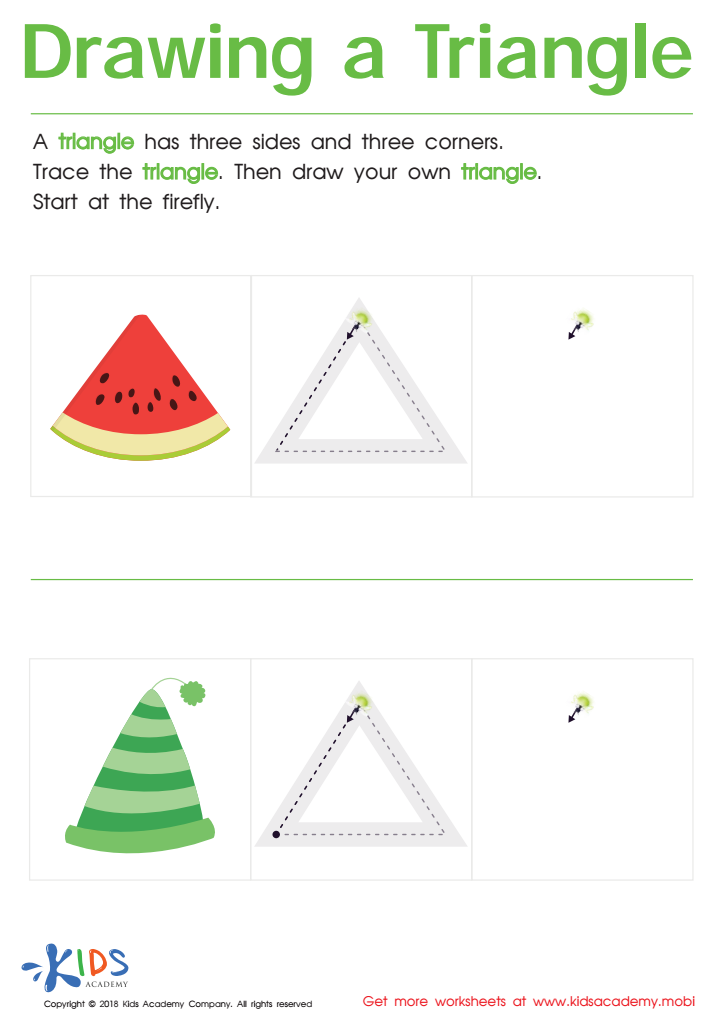
Drawing a Triangle Worksheet
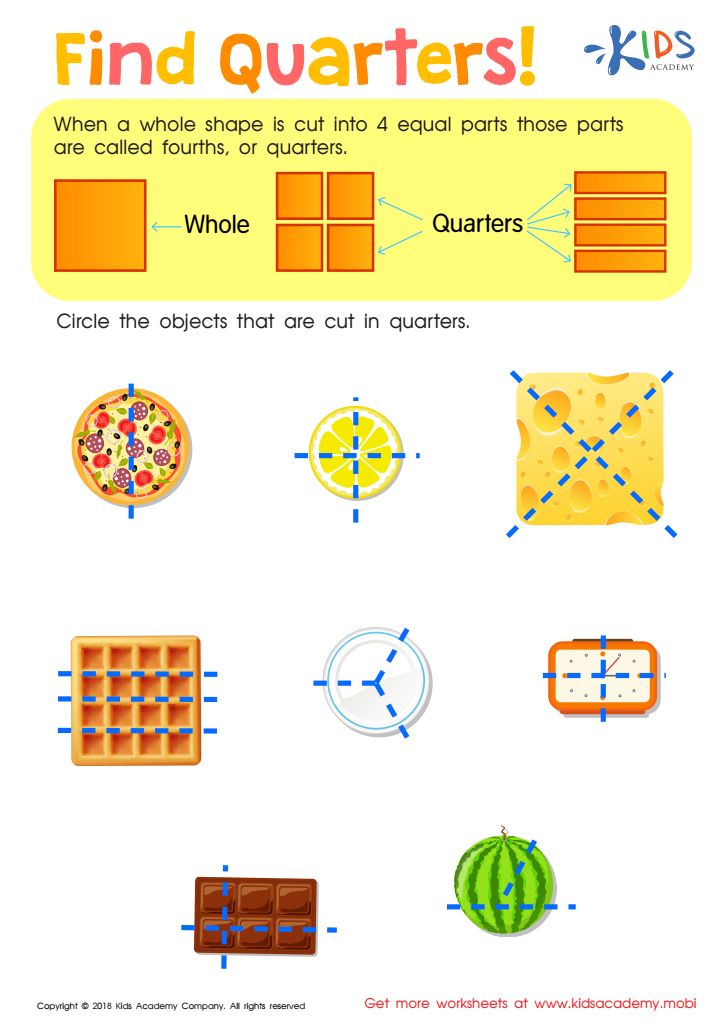
Find Quarters Worksheet
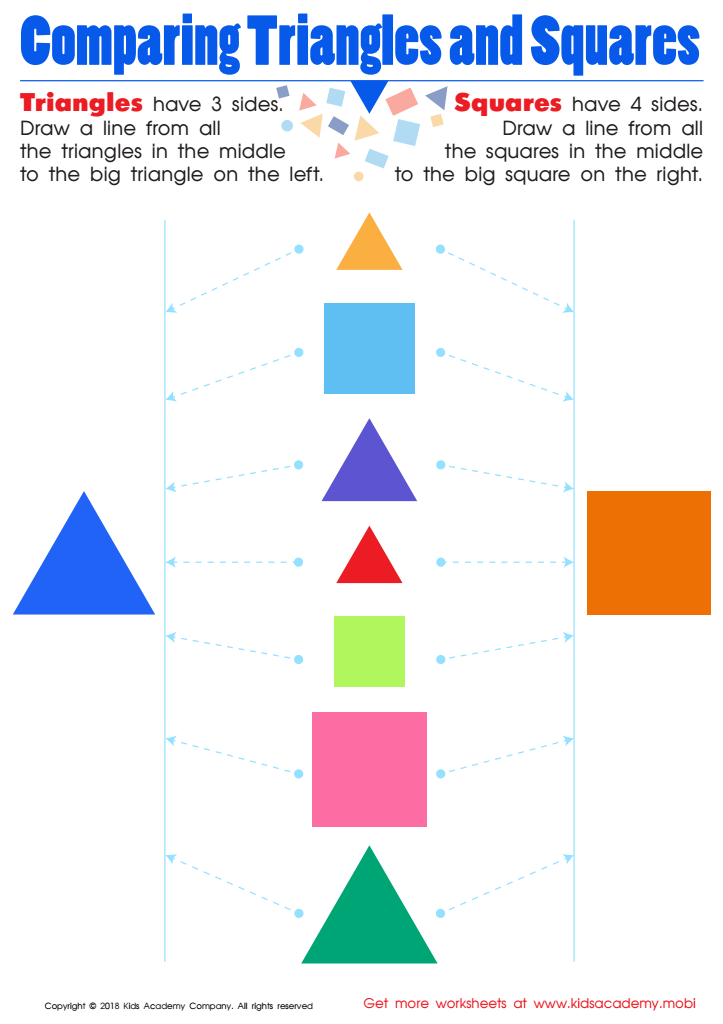
Comparing Triangles Squares Worksheet
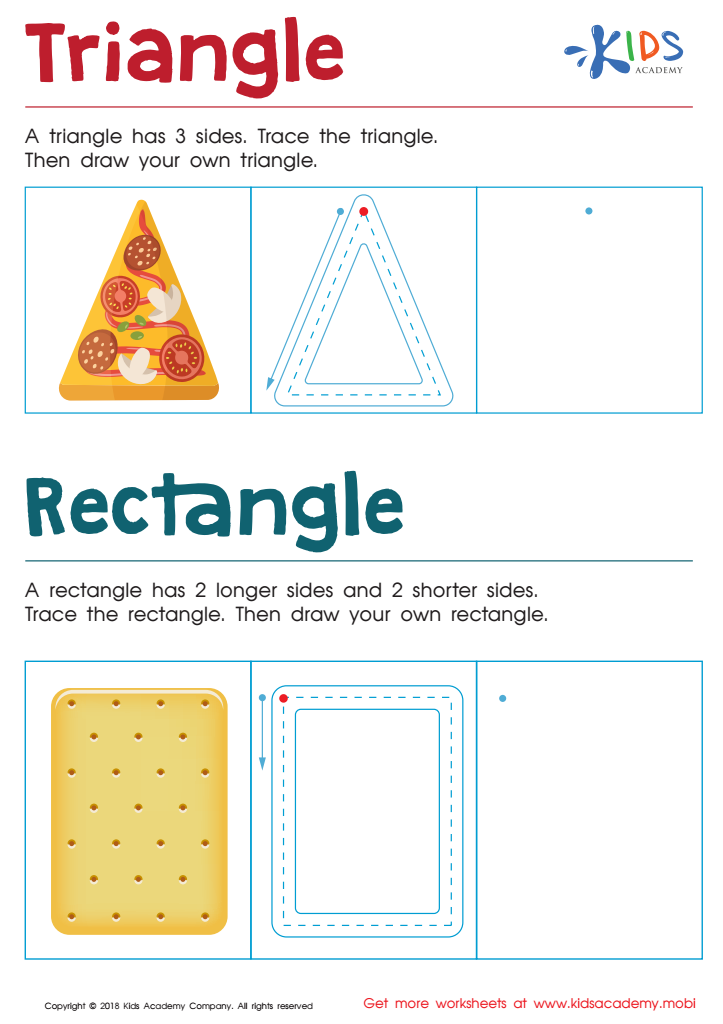
Triangle Rectangle Worksheet
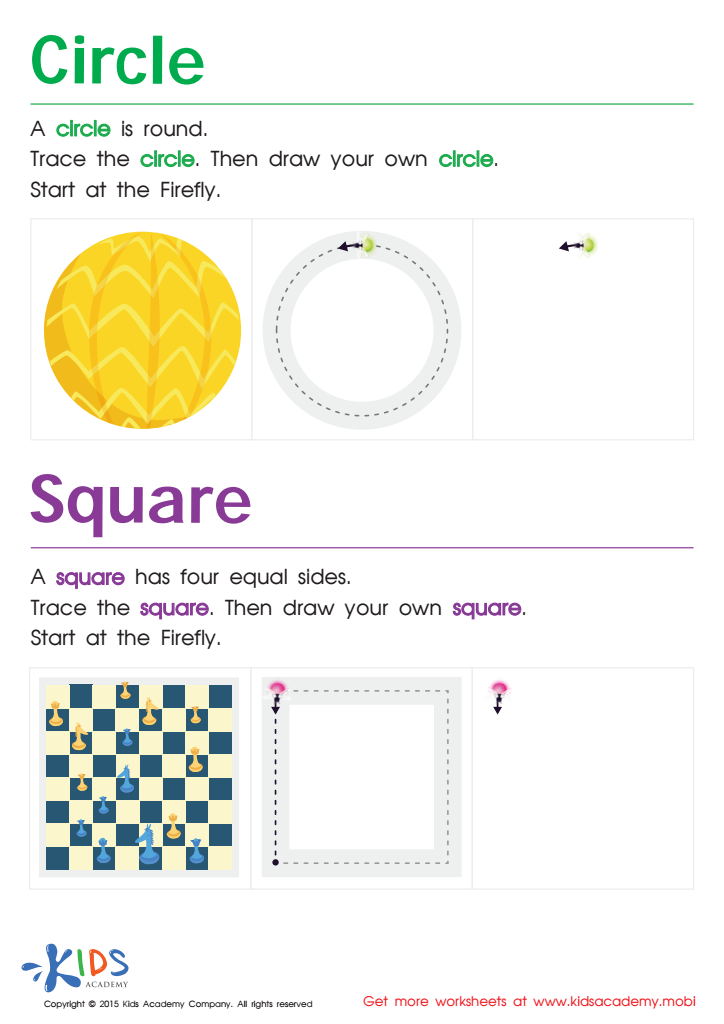
Trace And Draw a Circle And a Square Worksheet
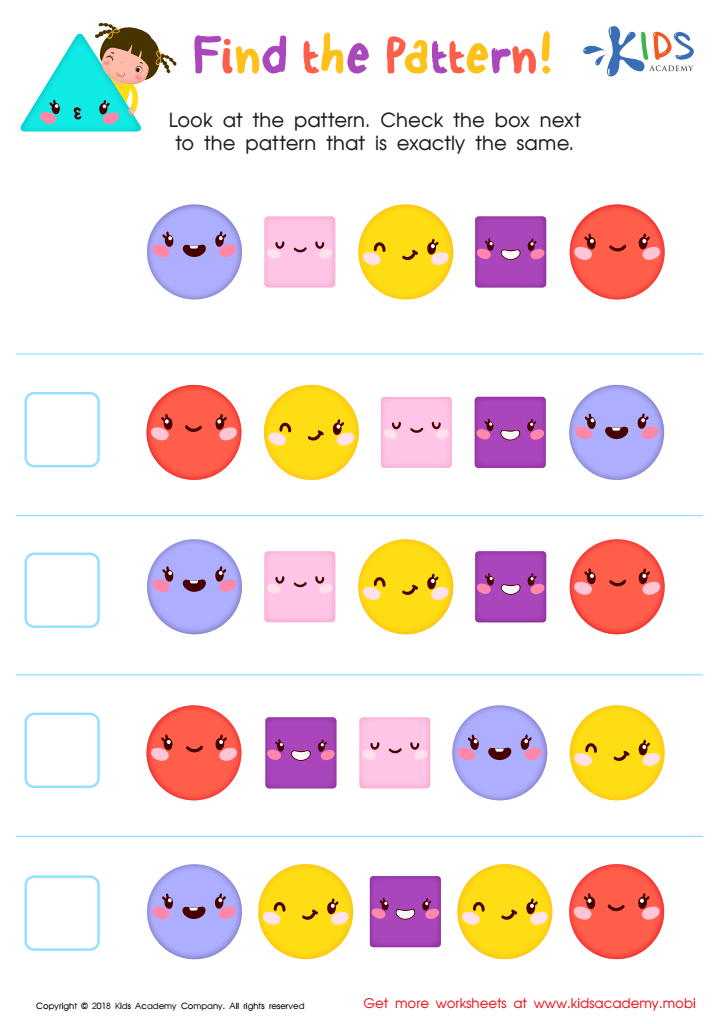
Find the Pattern Worksheet
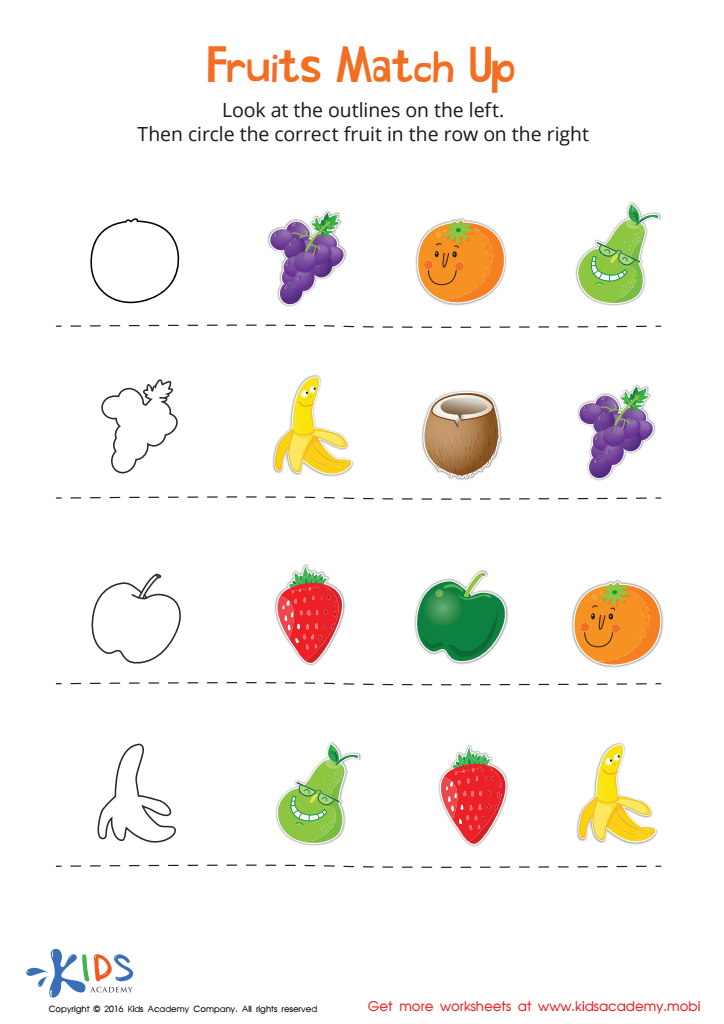
Fruits Match Up Worksheet
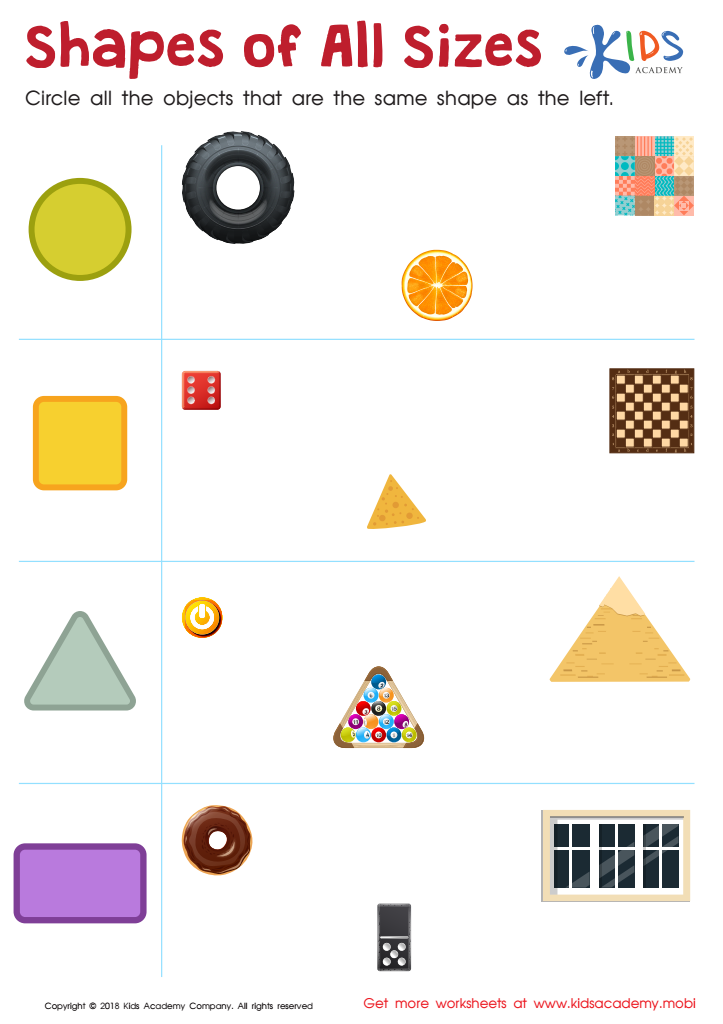
Shapes of All Sizes Worksheet
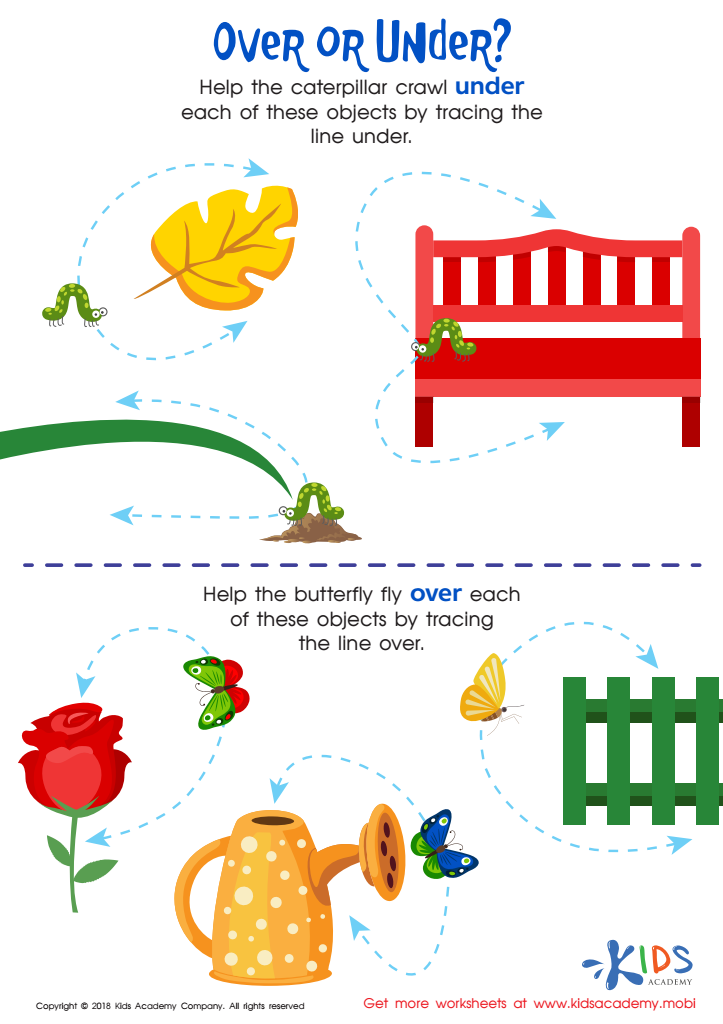
Over or Under? Worksheet
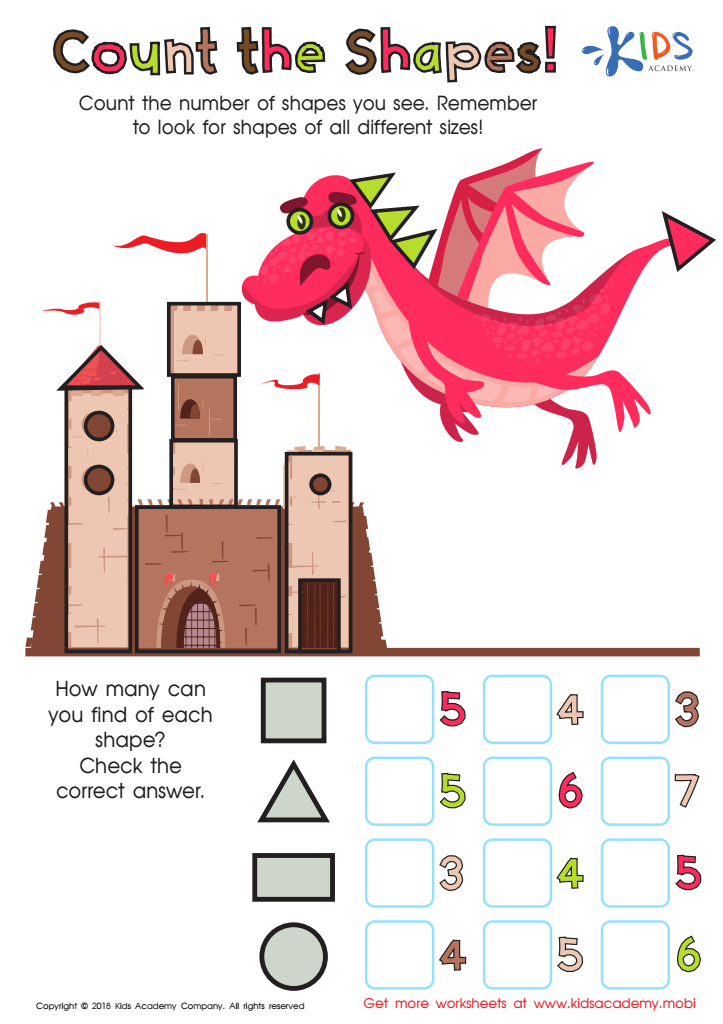
Count the Shapes Worksheet
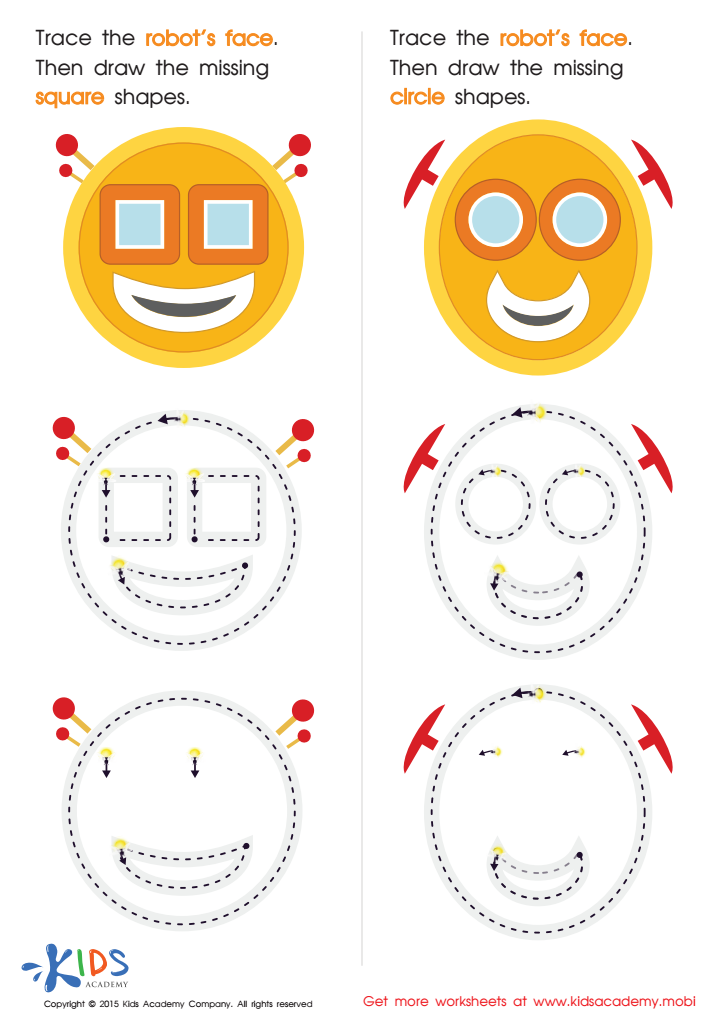
Practicing to Draw Circles And Squares Printable
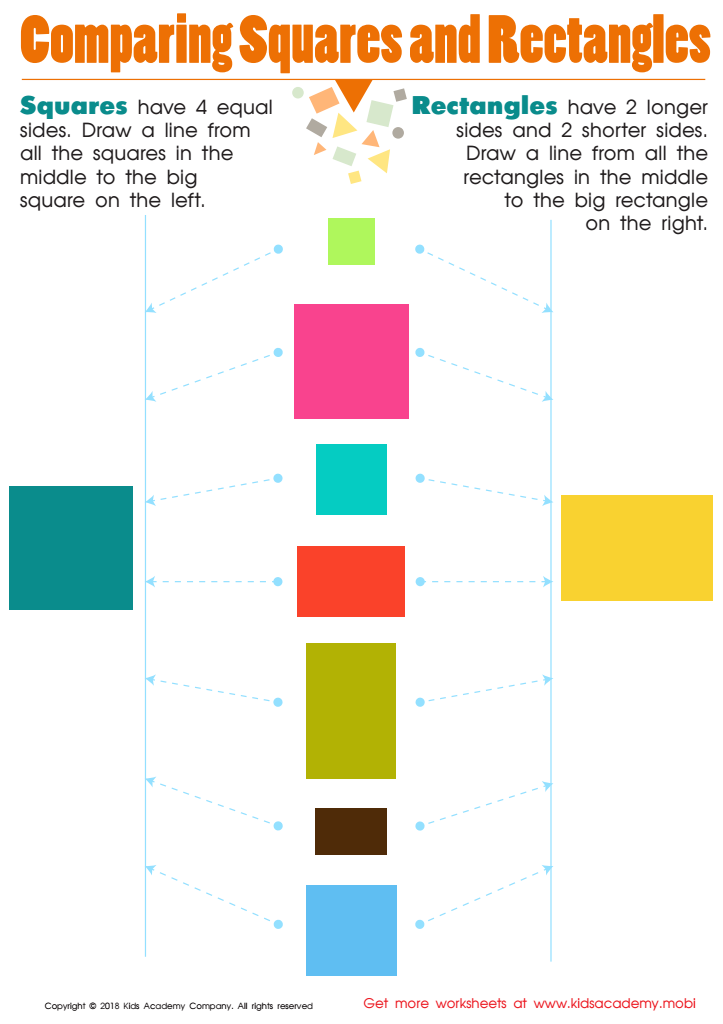
Comparing Squares Rectangles Worksheet








Normal Geometry, often simplified to basic shapes and spatial understanding for young children, plays a crucial role in early childhood development. At ages 3-7, children are in a critical period for cognitive growth, and engaging with geometric concepts can foster this development in multiple ways.
Firstly, learning shapes recurs as a fundamental skill that paves the way for future mathematical understanding. Recognizing and differentiating between shapes such as circles, squares, and triangles develops visual discrimination and categorization skills. These abilities are foundational for more advanced math concepts like geometry, measurement, and algebra.
Secondly, geometry aids in improving spatial awareness, which is the understanding of where objects are in relation to each other. This spatial reasoning is essential not only in mathematics but also in everyday activities, from fitting toys into a box to navigating spaces. Children with strong spatial skills often excel in fields linked to STEM (Science, Technology, Engineering, and Math).
Moreover, engaging with geometric concepts alongside parents or teachers provides an opportunity for kinesthetic learning. Hands-on activities like building with blocks or drawing shapes bridge the gap between abstract concepts and tangible experiences, making learning enjoyable and effective.
Thus, nurturing an early interest and understanding of normal geometry equips children with critical thinking tools that serve as building blocks for future academic and life skills.








