Normal Phonics Worksheets for Ages 3-8 - Page 2
178 filtered results
-
From - To
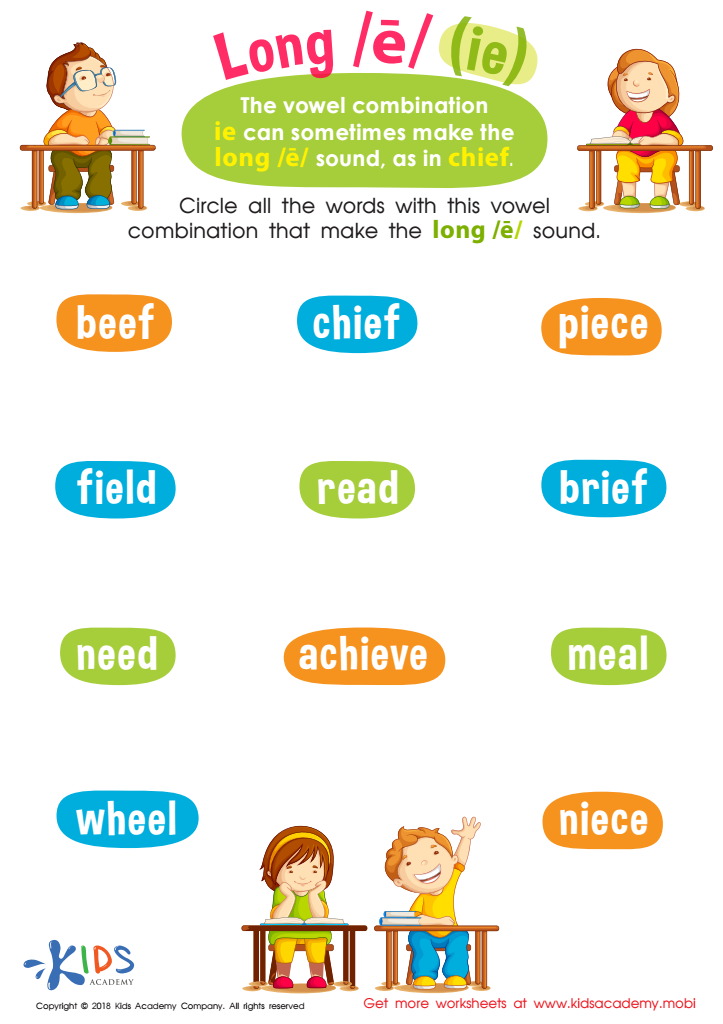
Reading: Long E and IE Worksheet
 Assign to My Students
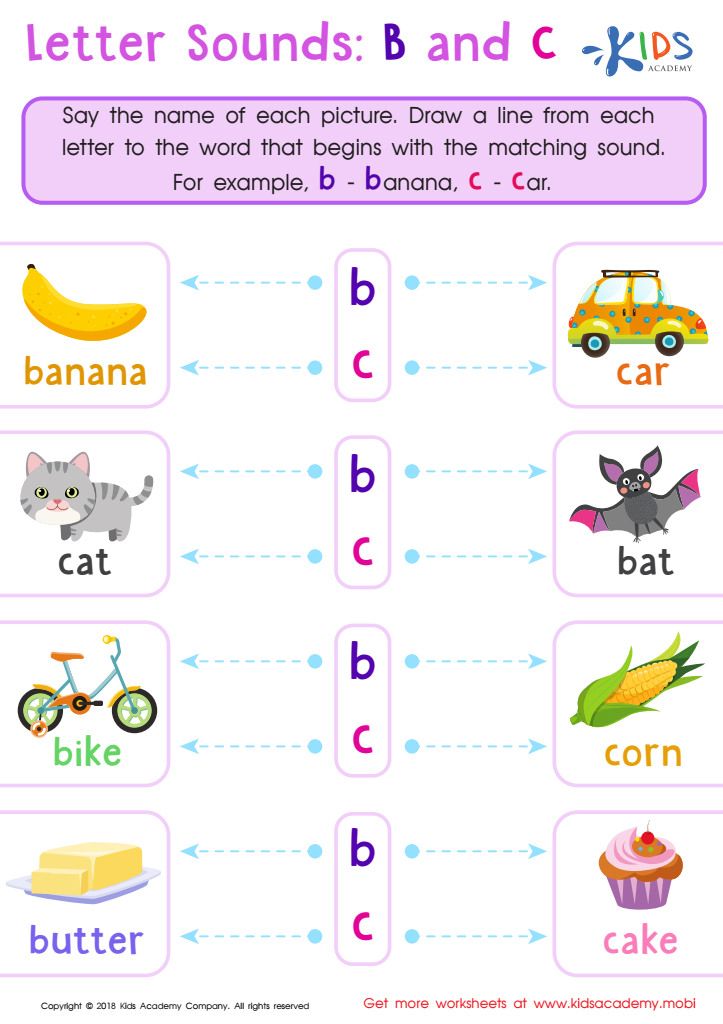
Letter B and C Sounds Worksheet
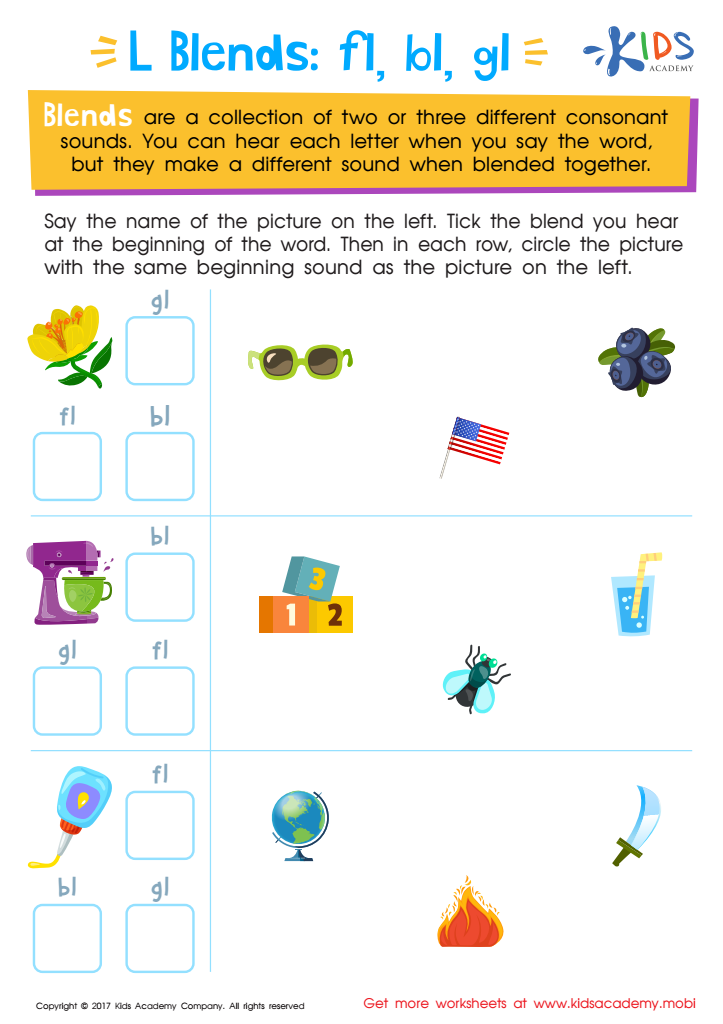
Blending Consonants: "Fl", "Bl" and "Gl" Printable
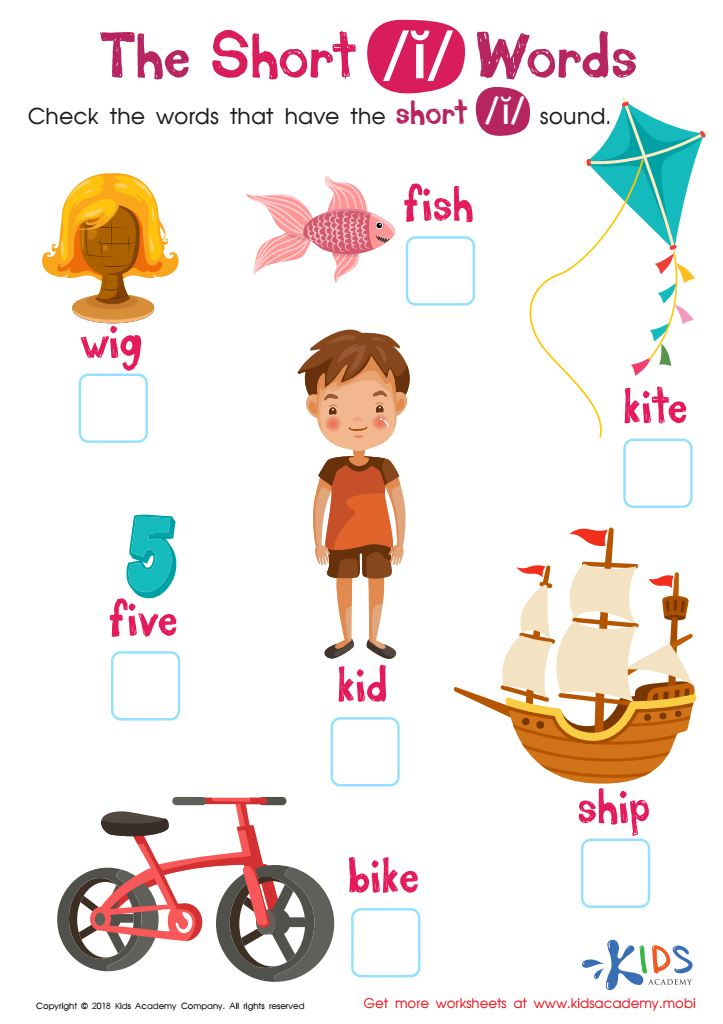
The Short I Words Reading Worksheet
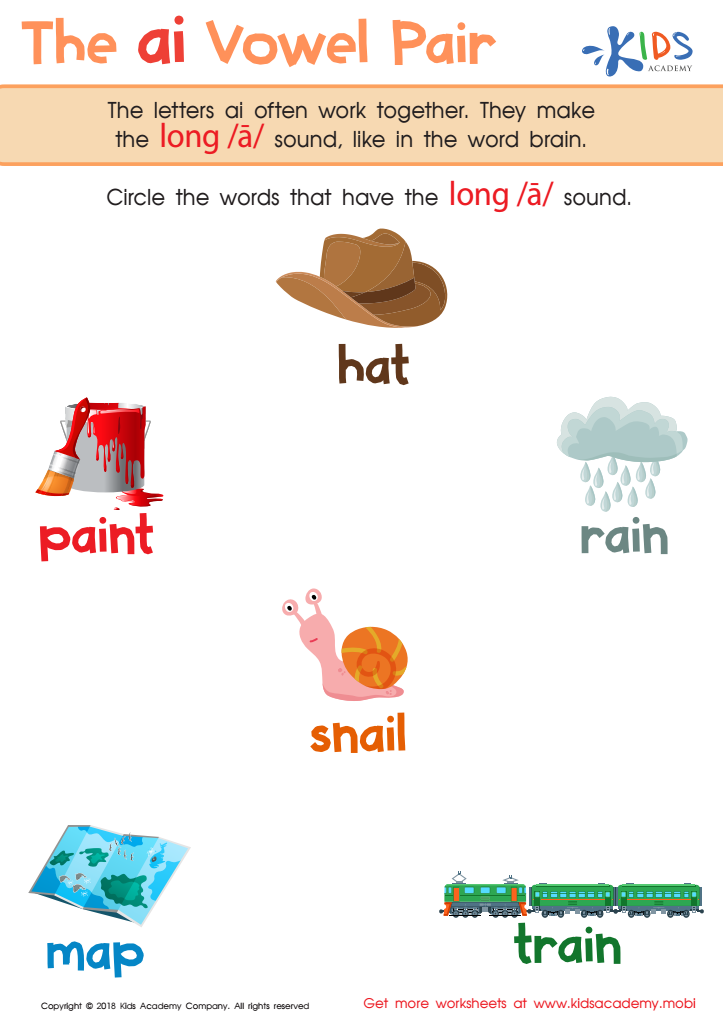
The AI Vowel Pair Worksheet
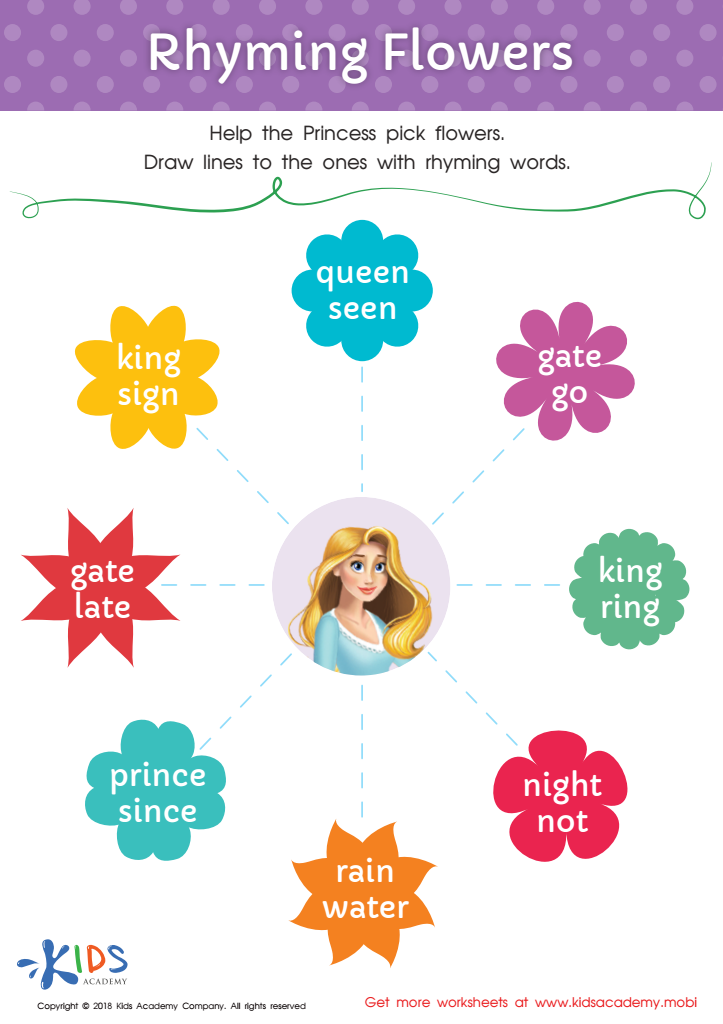
Rhyming Flowers Worksheet
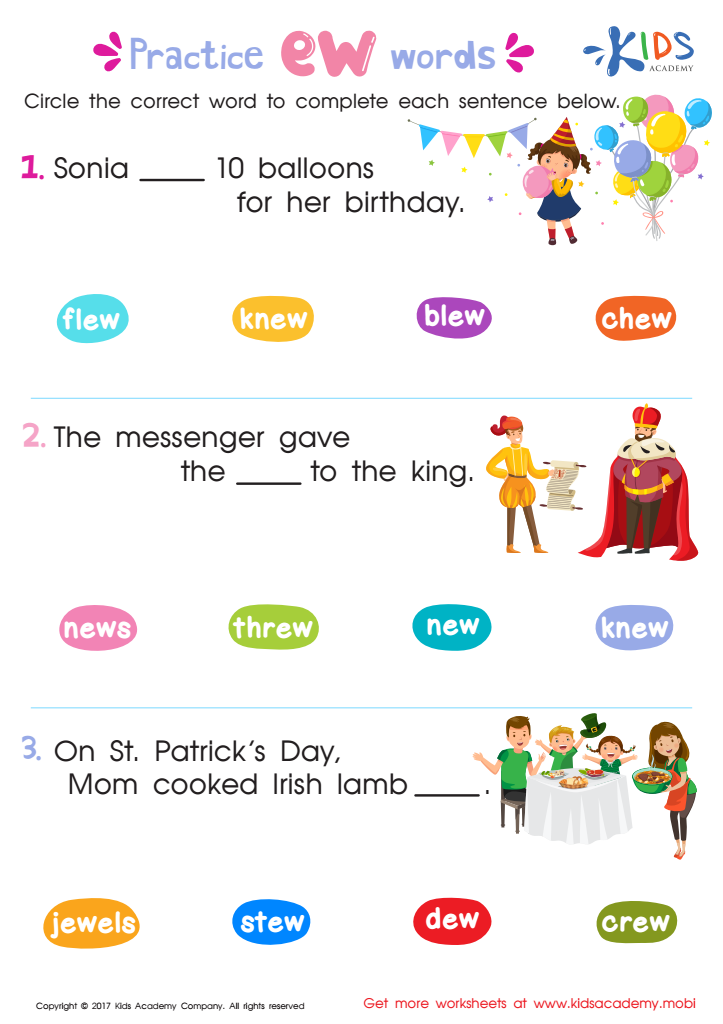
EW Words Worksheet
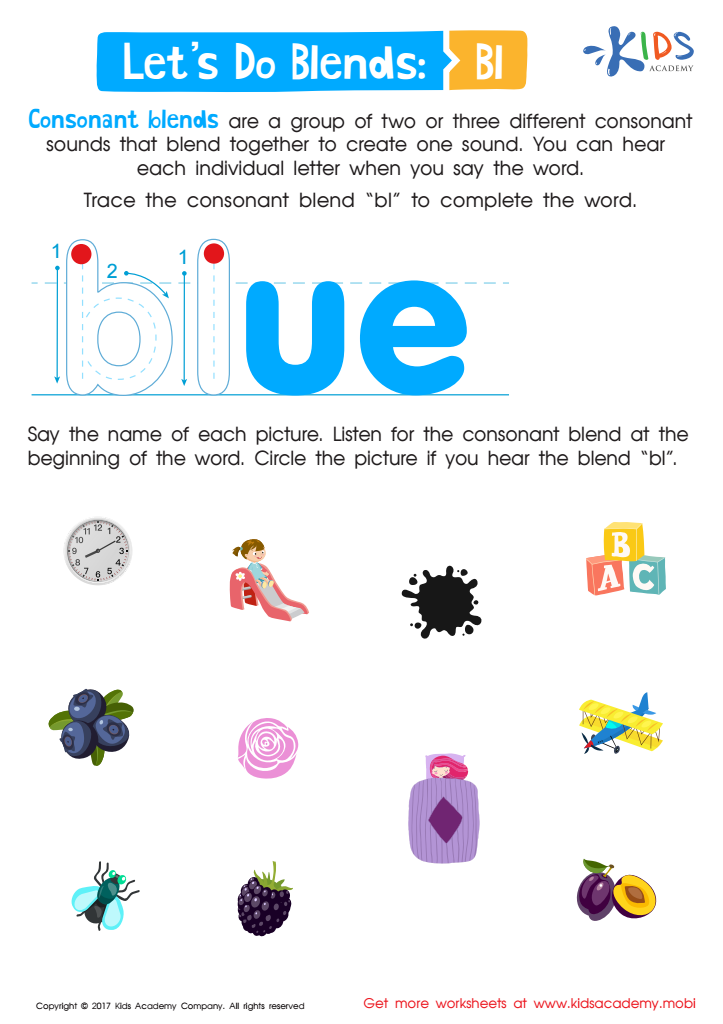
Beginning Blends: "Bl" Words Worksheet
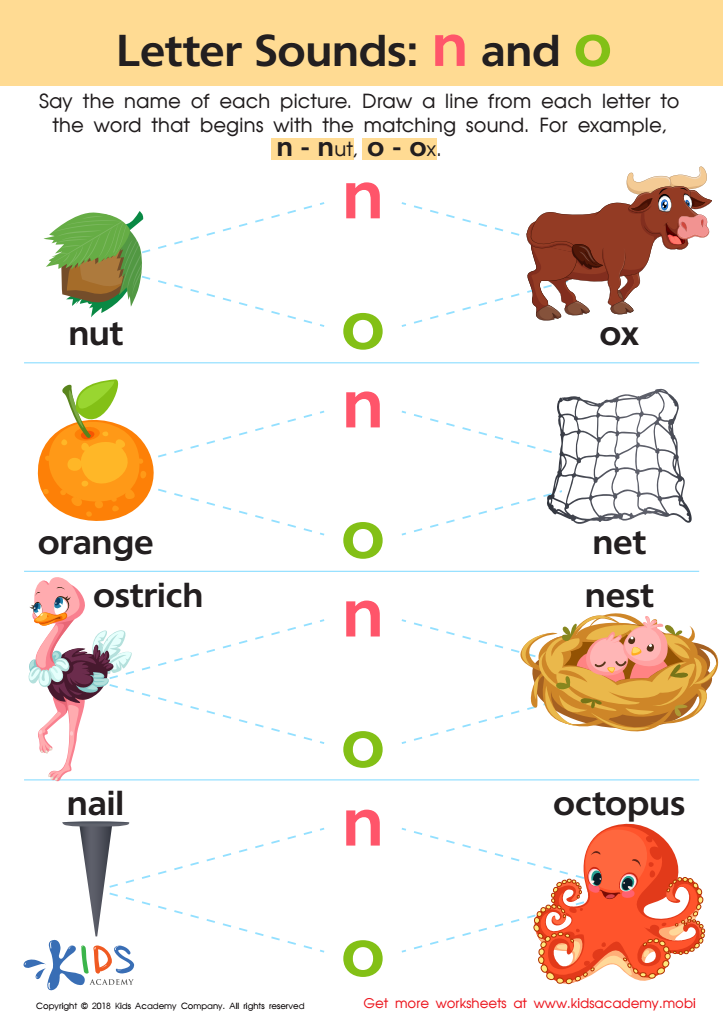
Letter N and O Sounds Worksheet
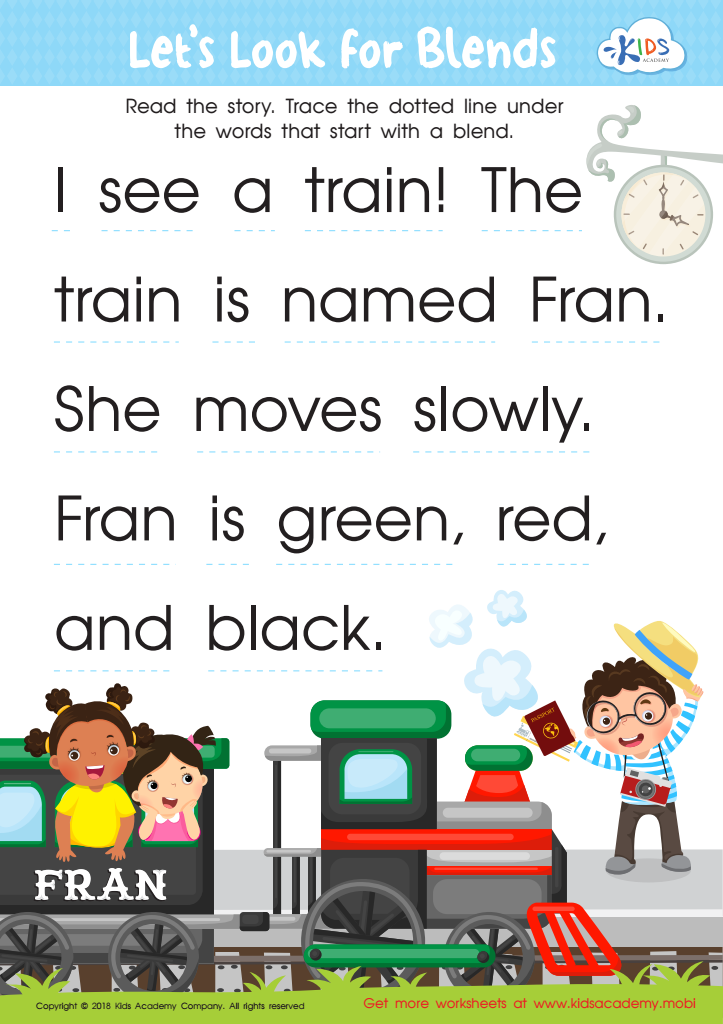
Let's Look for Blends Worksheet
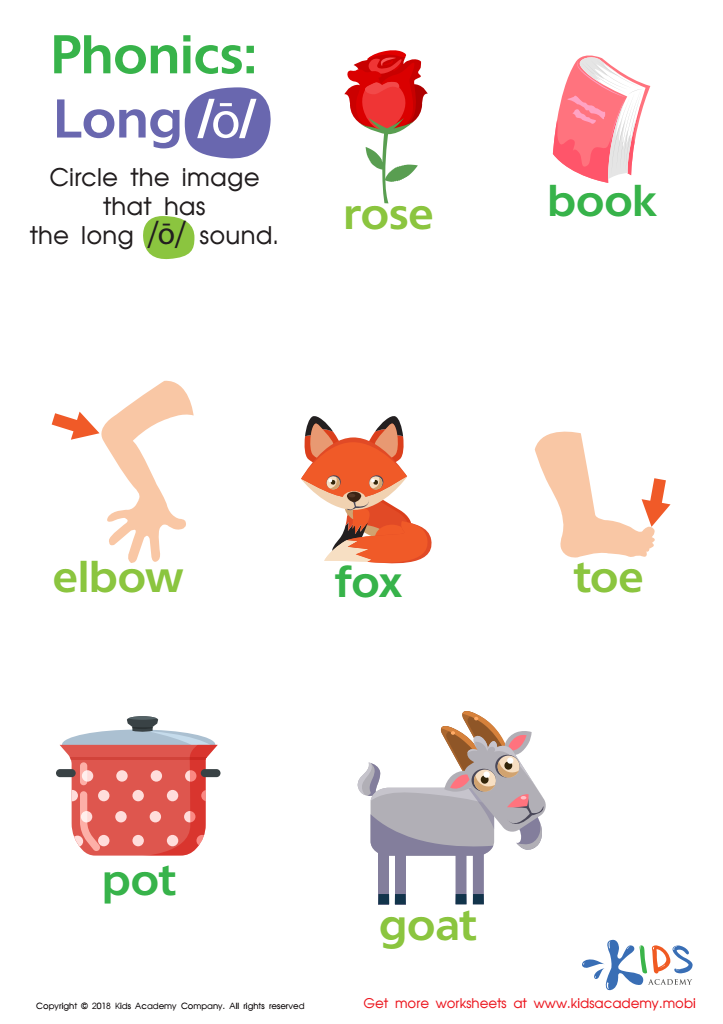
Phonics Long O Reading Worksheet
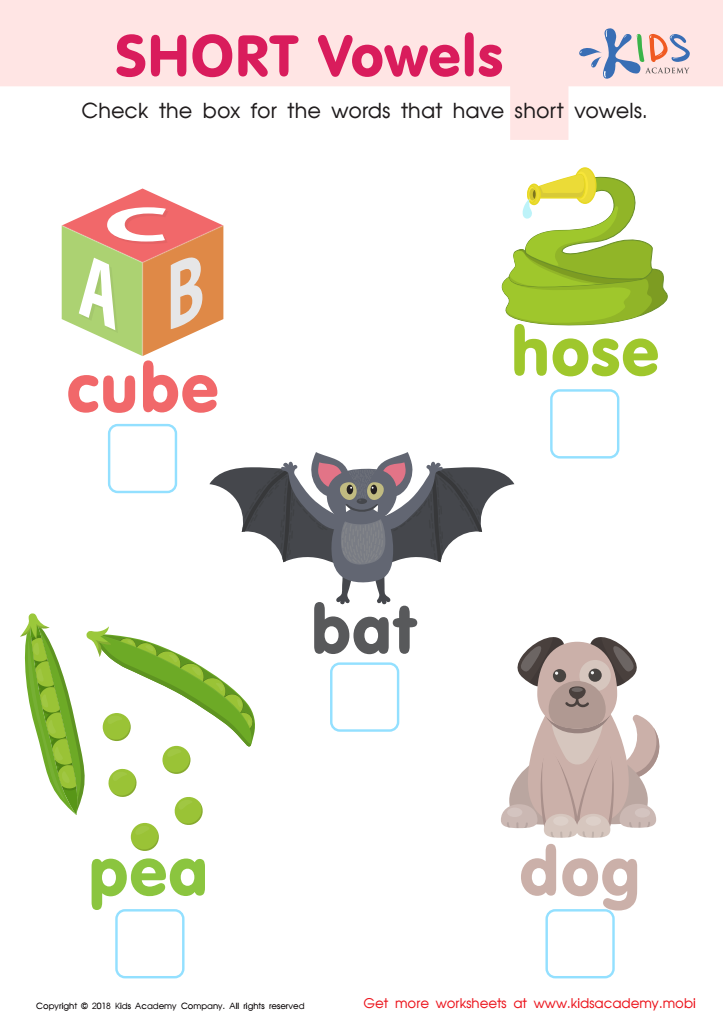
short vowels Worksheet
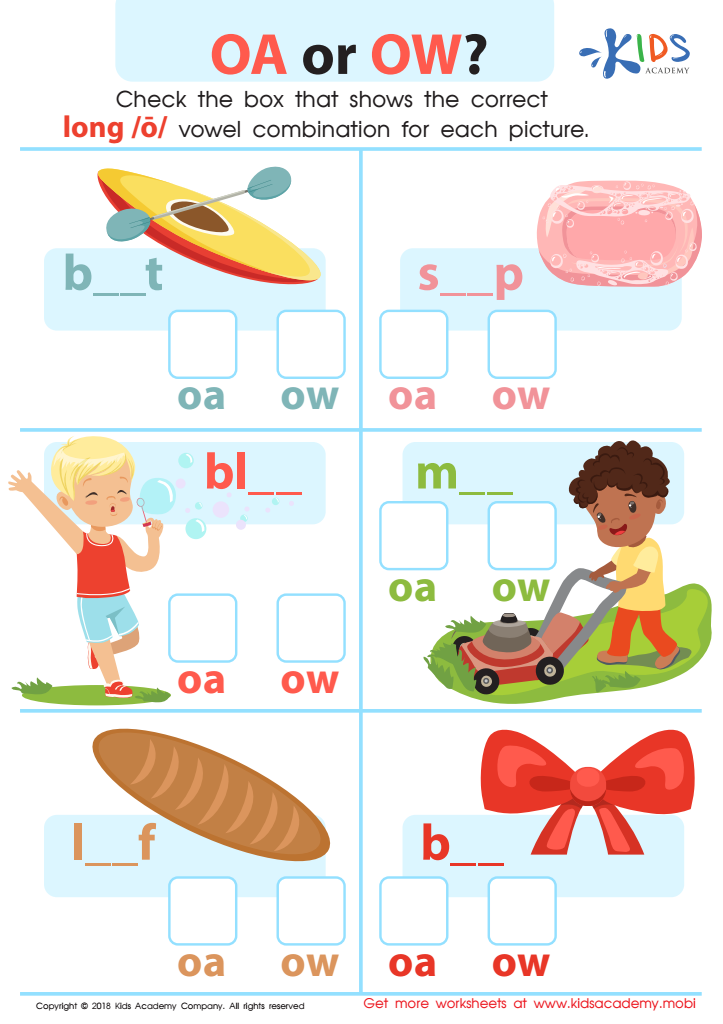
Reading: OA or OW Worksheet
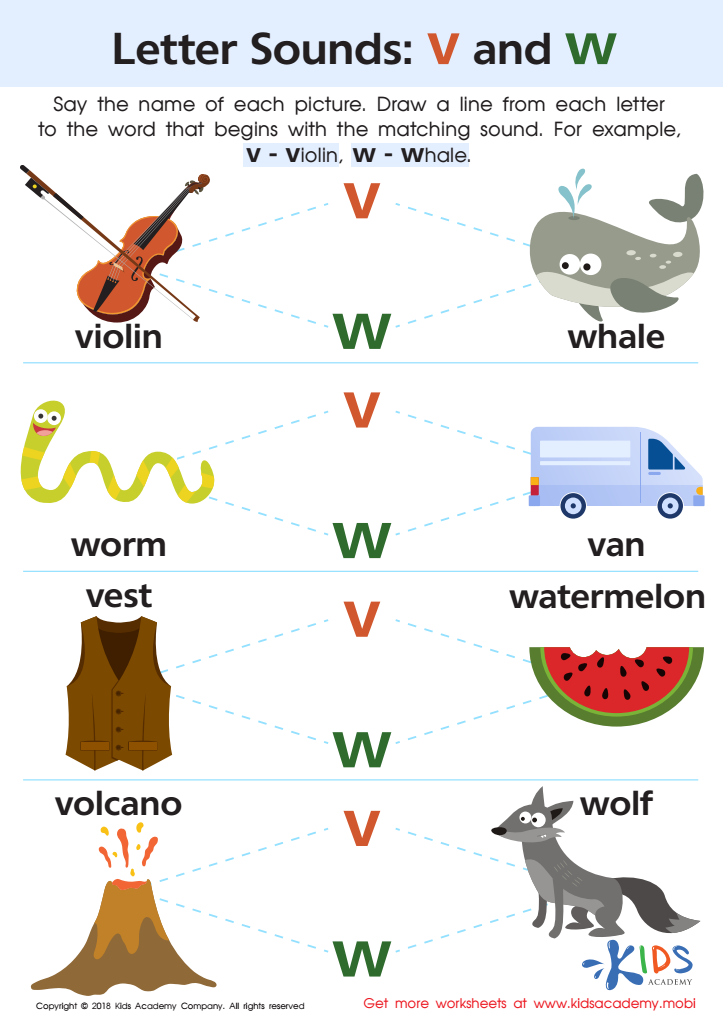
Letter V and W Sounds Worksheet
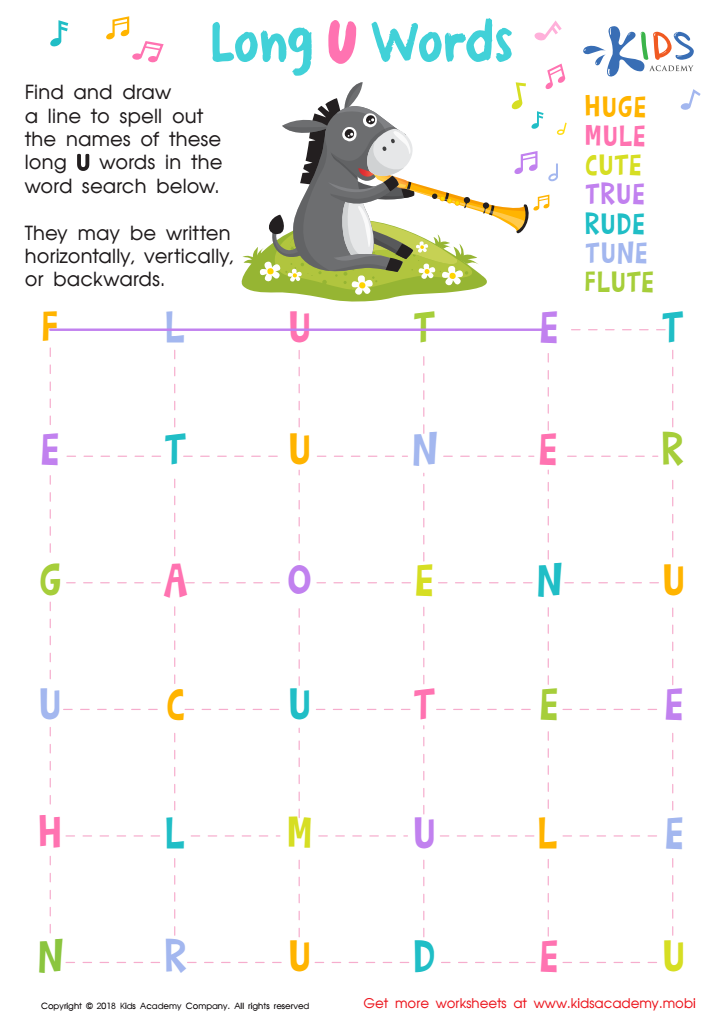
Long /u/ Words Worksheet
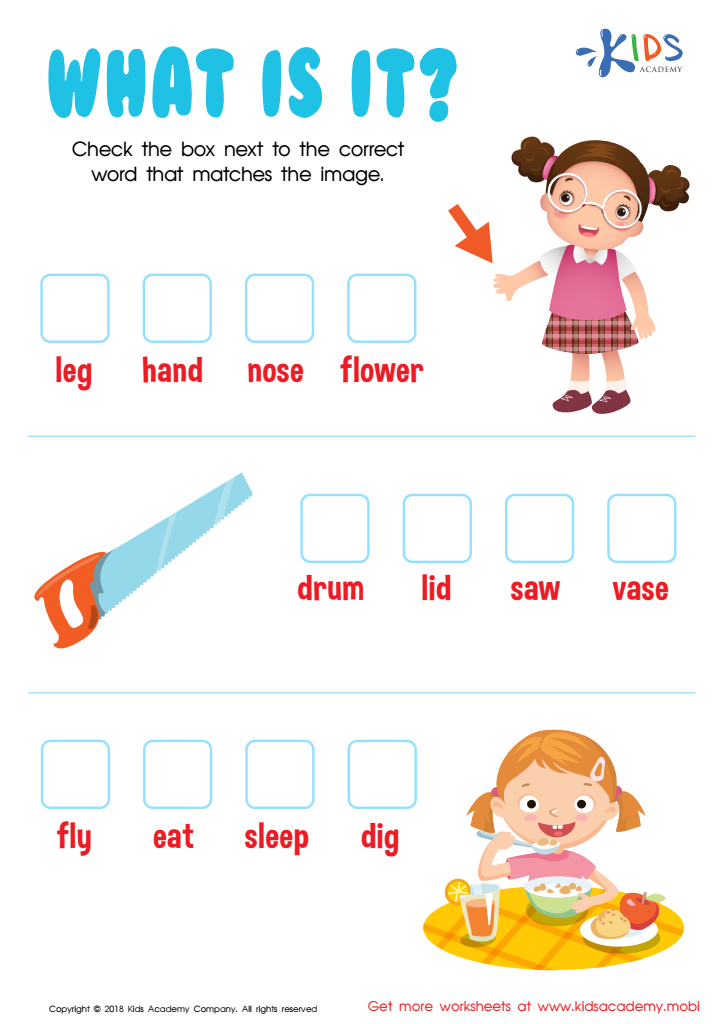
What Is It? Worksheet
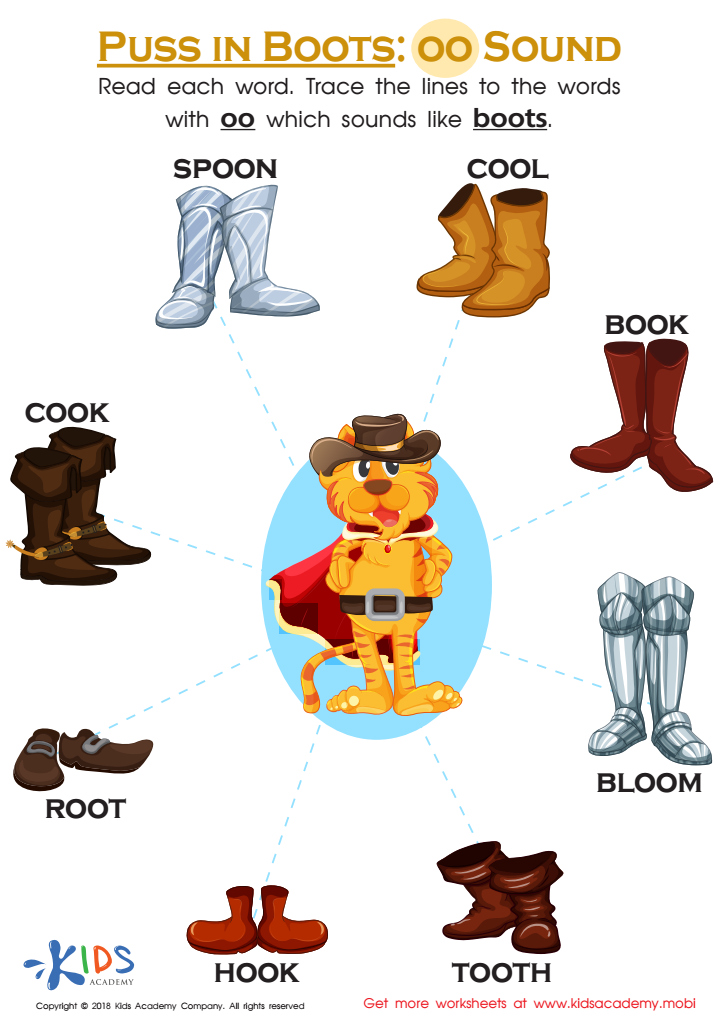
Puss in Boots: OO Sound Worksheet
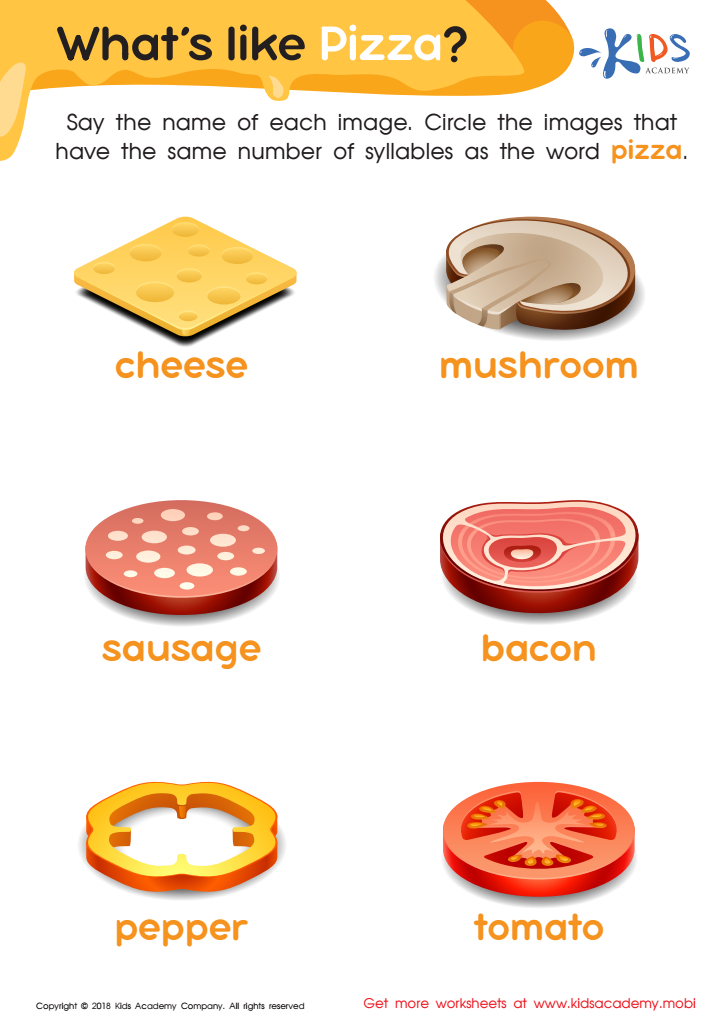
What's Like Pizza? Worksheet
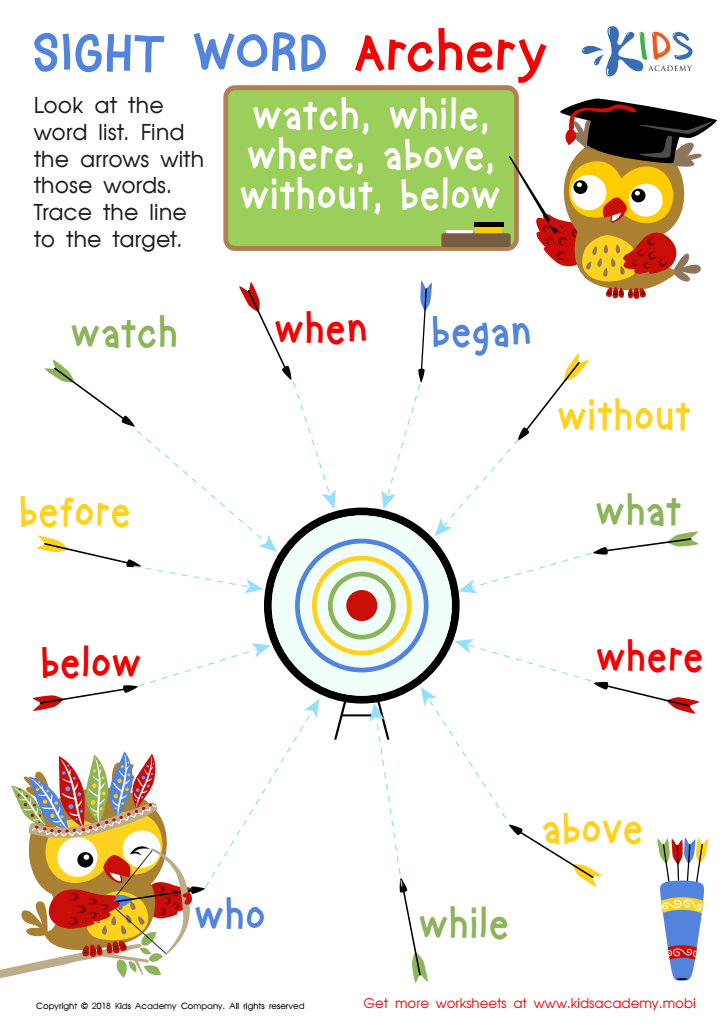
Sight Word Archery Worksheet
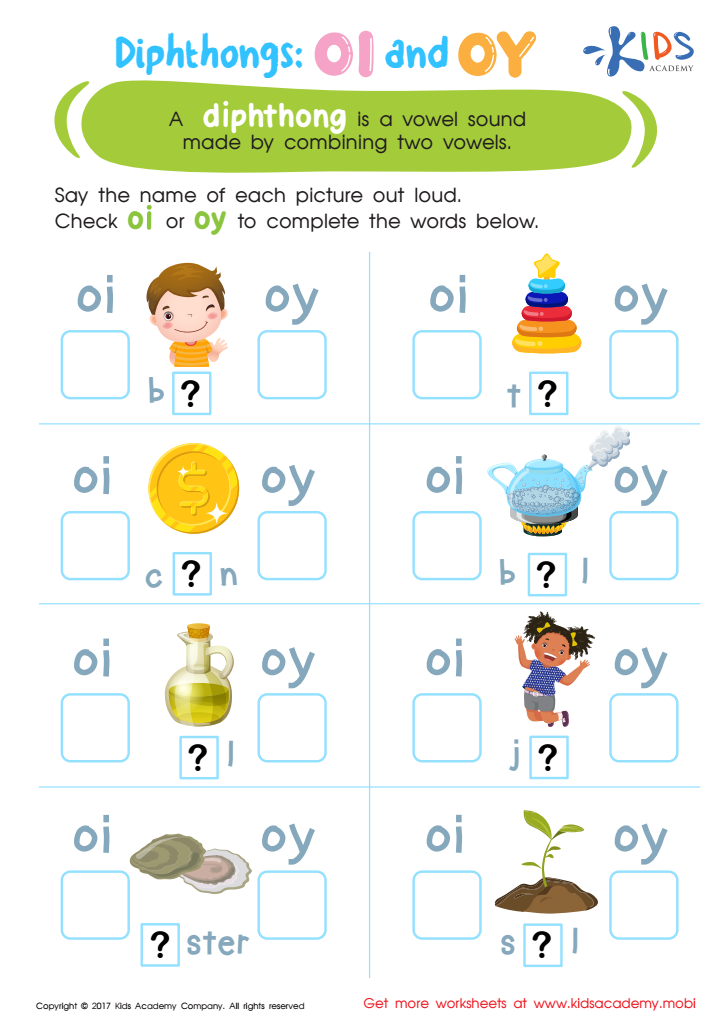
Vowel Diphthongs OI OY Worksheet
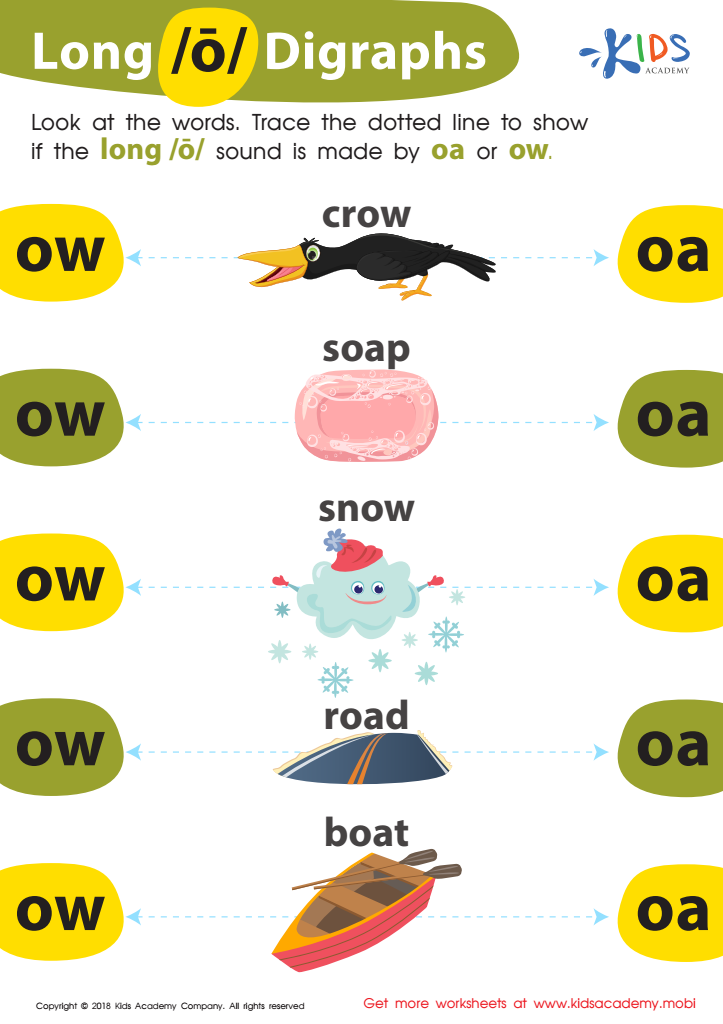
Reading: Long O Digraphs Worksheet
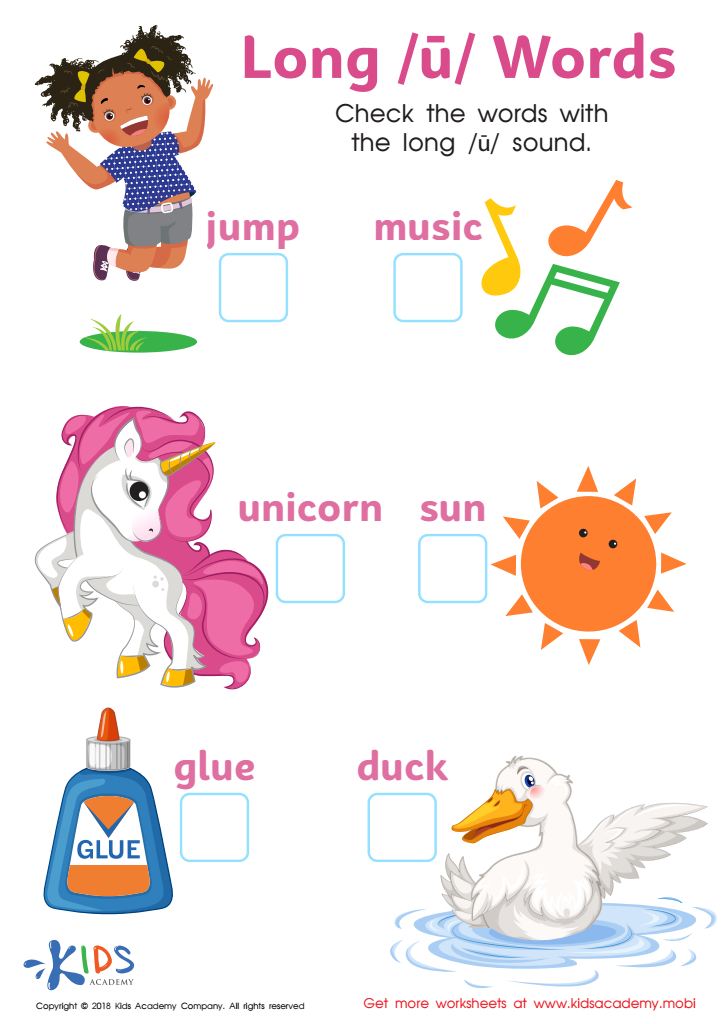
Long U Words Reading Worksheet
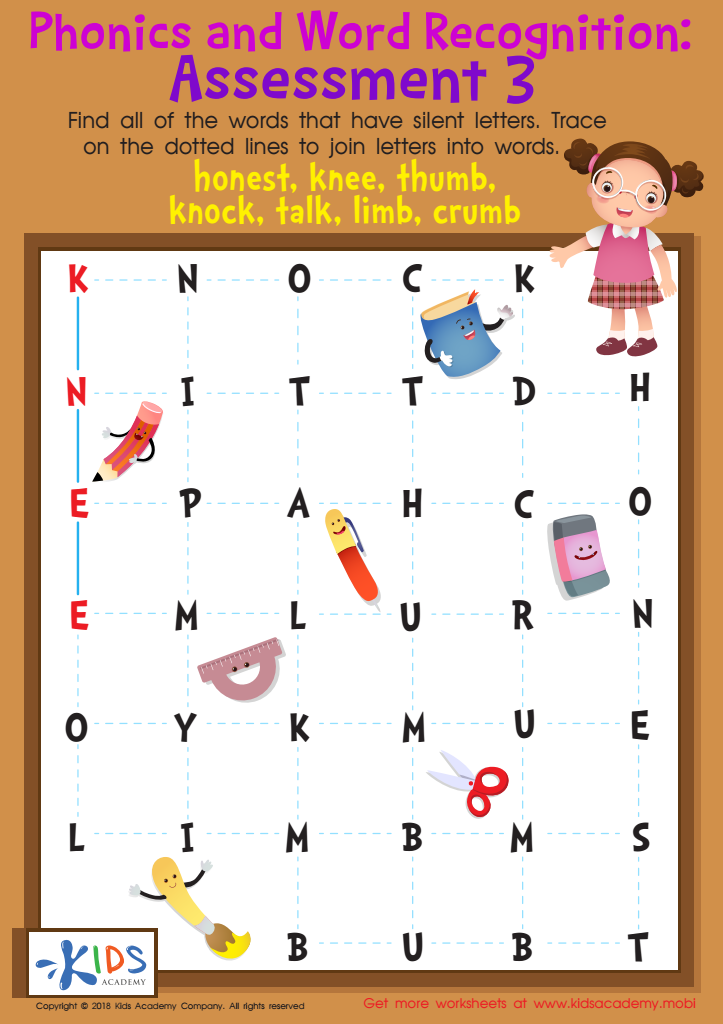
Phonics and Word Recognition: Assessment 3 Worksheet
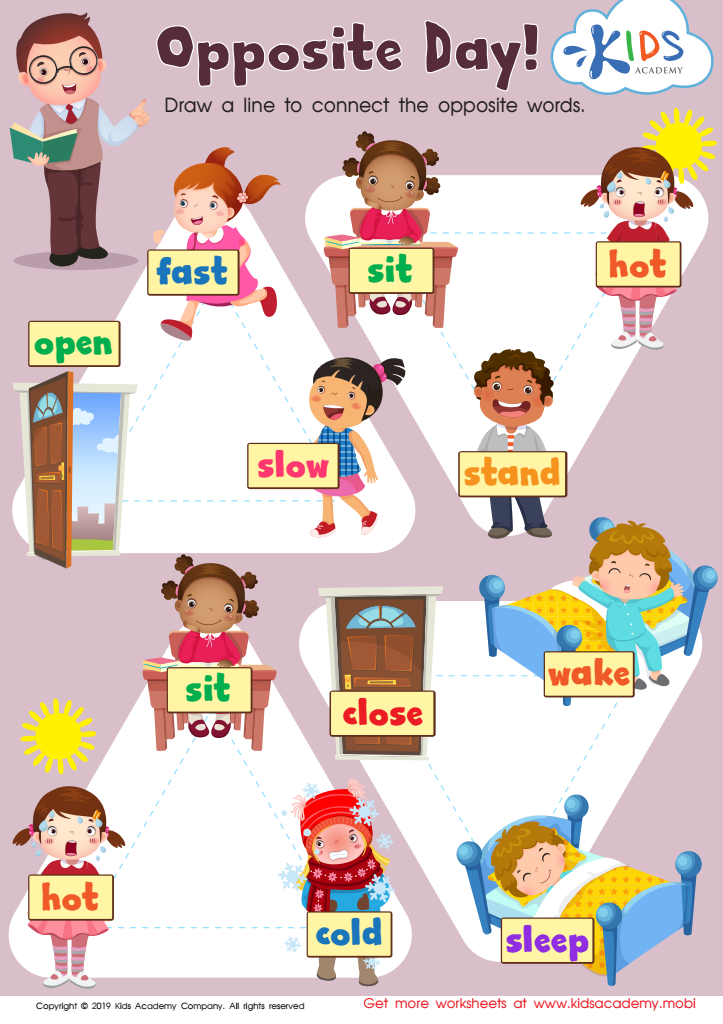
Opposite Day Worksheet








Understanding phonics is fundamental when it comes to early childhood literacy for ages 3-8. Phonics, the relationship between letters and sounds, is the building block for reading and writing. When parents and teachers prioritize normal phonics development, they unlock the door to a child's lifelong love for reading and learning.
During early childhood, children's brains are particularly receptive to language acquisition. By introducing phonics during this critical period, kids develop essential decoding skills, enabling them to translate written text into spoken words accurately. This, in turn, strengthens their reading fluency and comprehension abilities.
Phonics instruction also empowers children to become independent readers and writers. When kids understand the sound structure of words, they can confidently attempt new and unfamiliar words, fostering both creativity and critical thinking. Additionally, strong phonics skills correlate with higher academic achievement across all subjects, as reading proficiency underpins the ability to understand content in science, math, and social studies.
Moreover, early success in reading boosts children's self-esteem and enthusiasm for learning. When they realize they can decipher words, their confidence grows, making them more likely to tackle challenges and persist in their educational journey. Thus, parents and teachers play a crucial role in ensuring every child's phonics foundation is solid, setting them on a path to academic success and lifelong literacy.







