Normal Addition Worksheets for Ages 3-8 - Page 3
68 filtered results
-
From - To
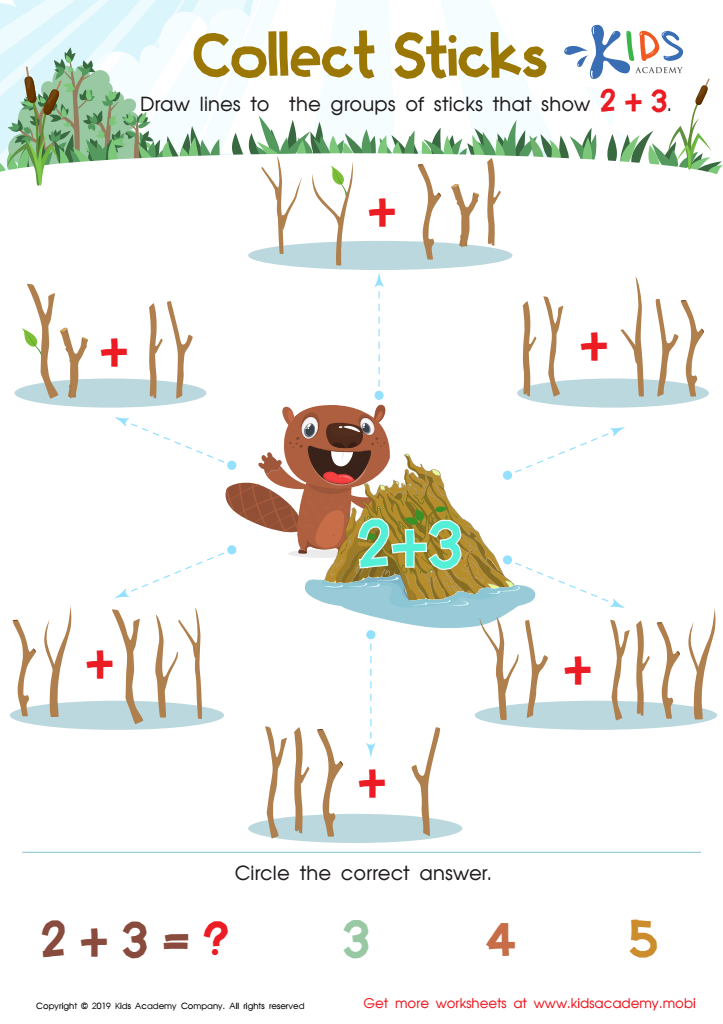
Collect Sticks Worksheet
 Assign to My Students
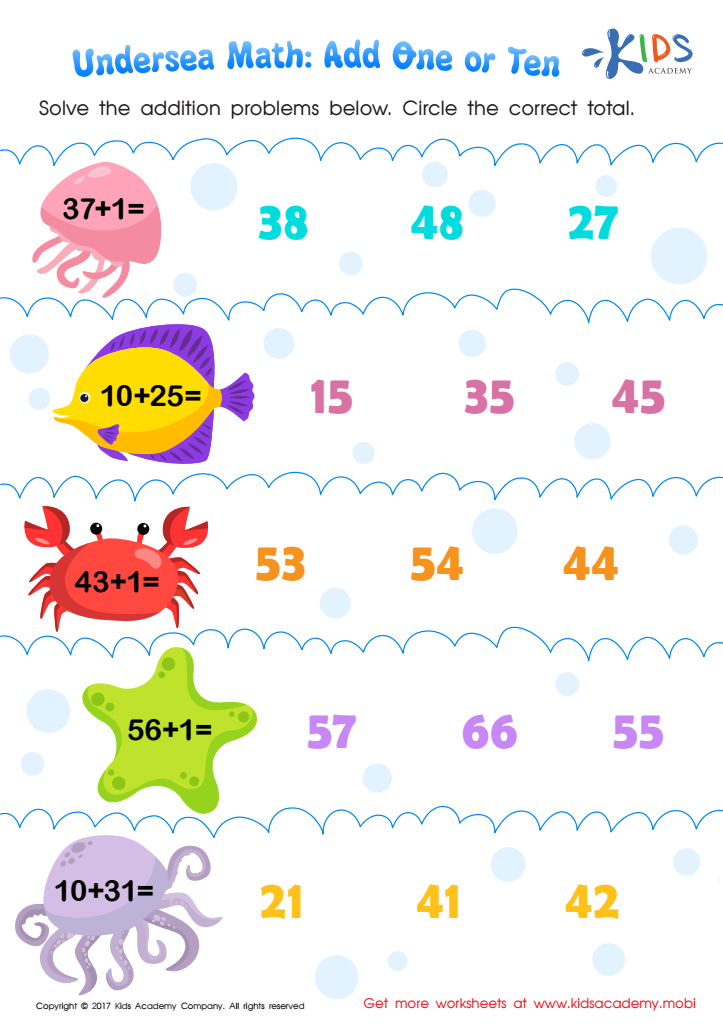
Undersea Math Worksheet
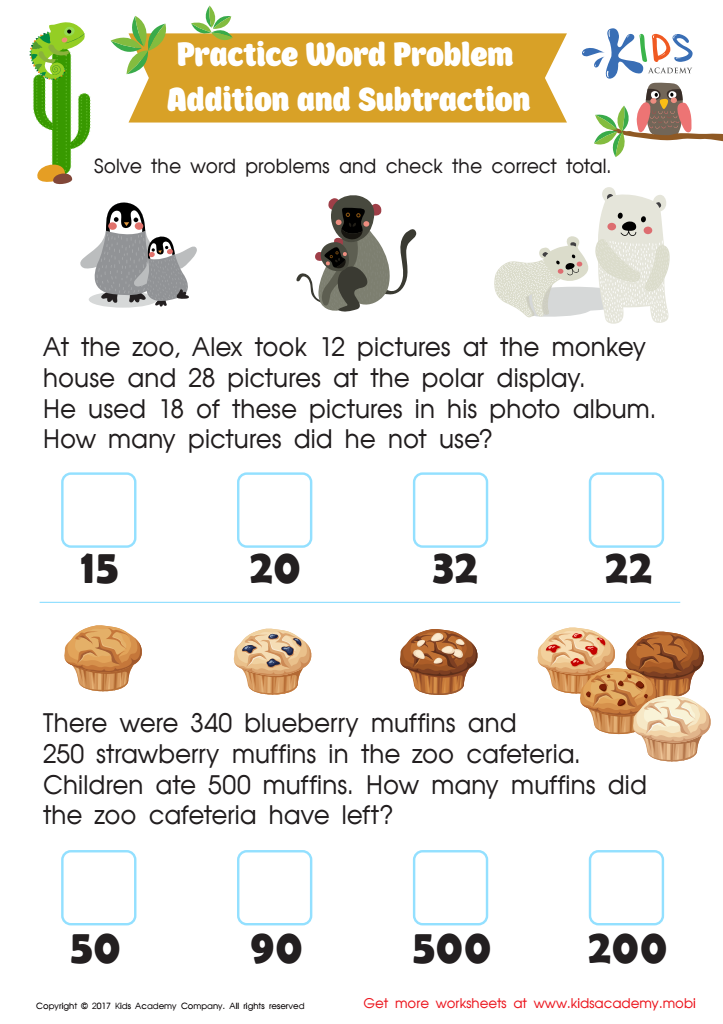
Addition and Subtraction: Word Problems Worksheet
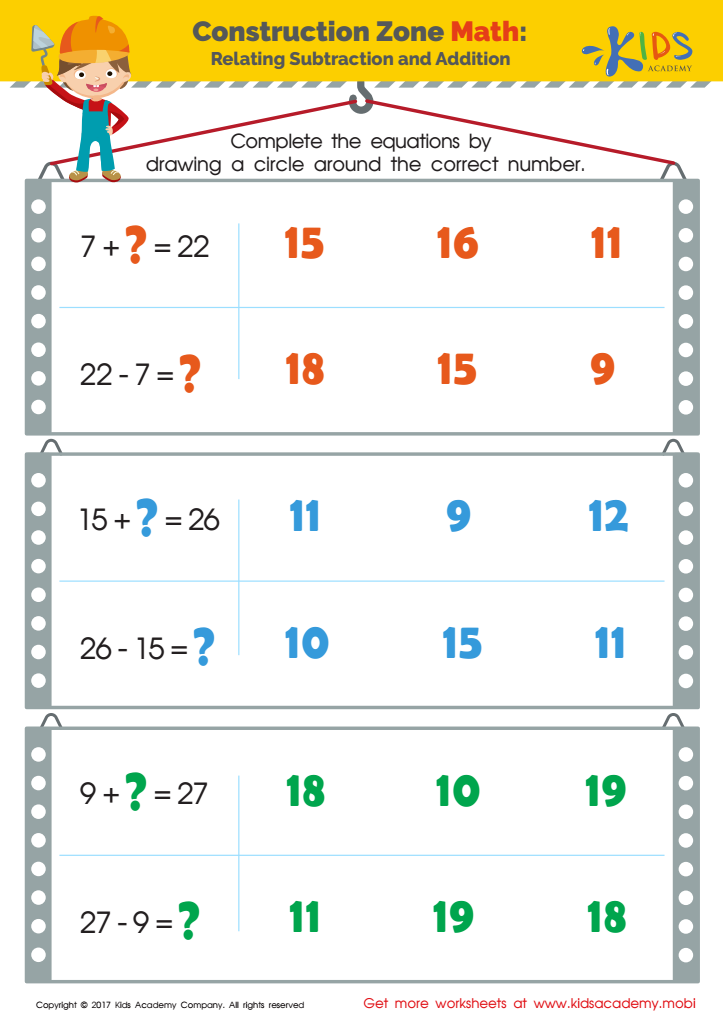
Related Addition and Subtraction Facts Worksheet
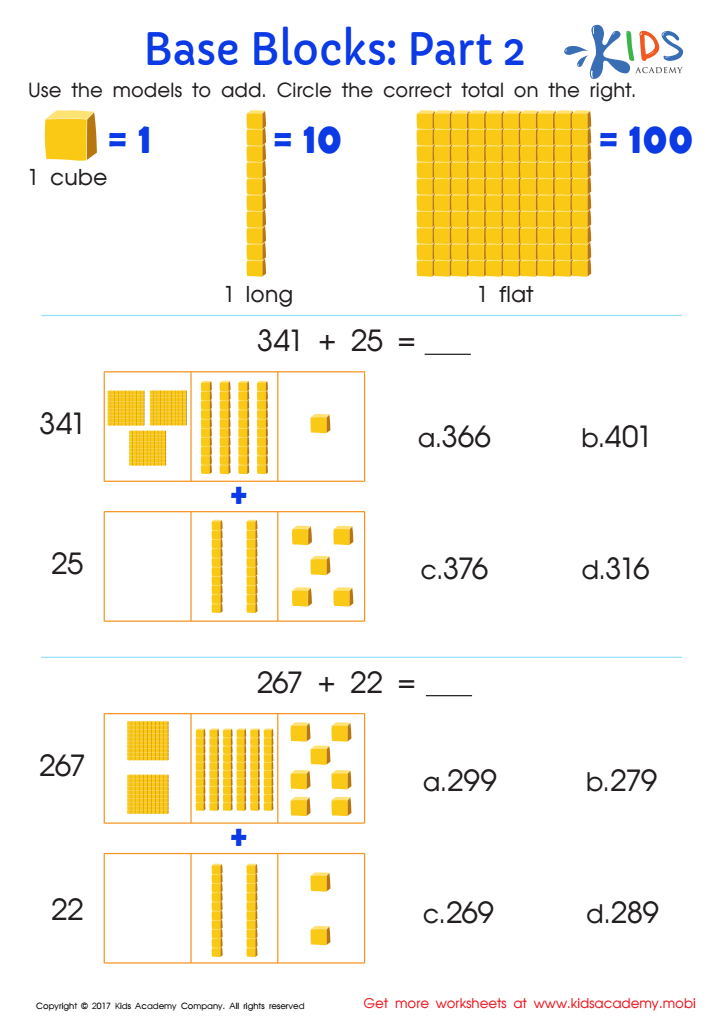
Base Ten Blocks Worksheet: Part 2
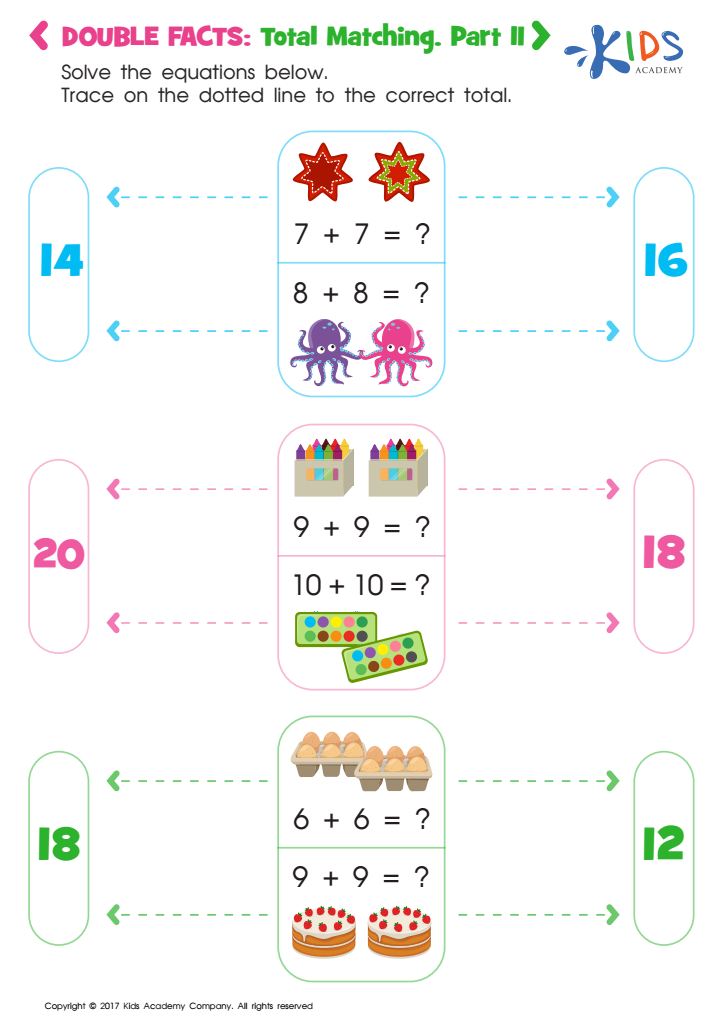
Double Facts: Total Matching 2 Worksheet
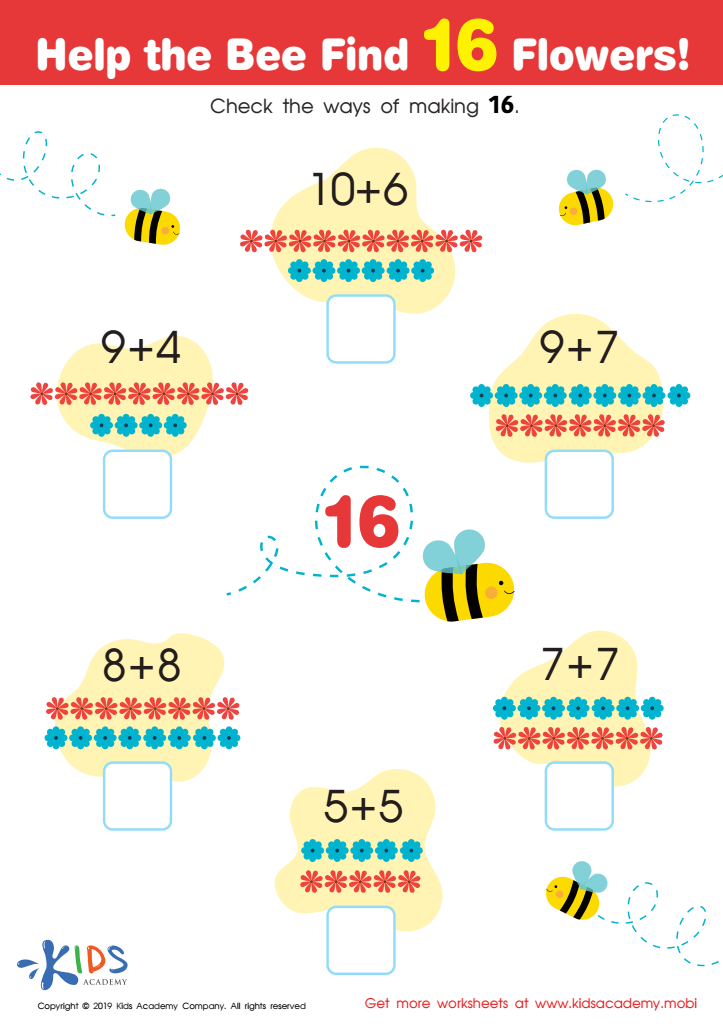
Help the Bee Find 16 Flowers Worksheet
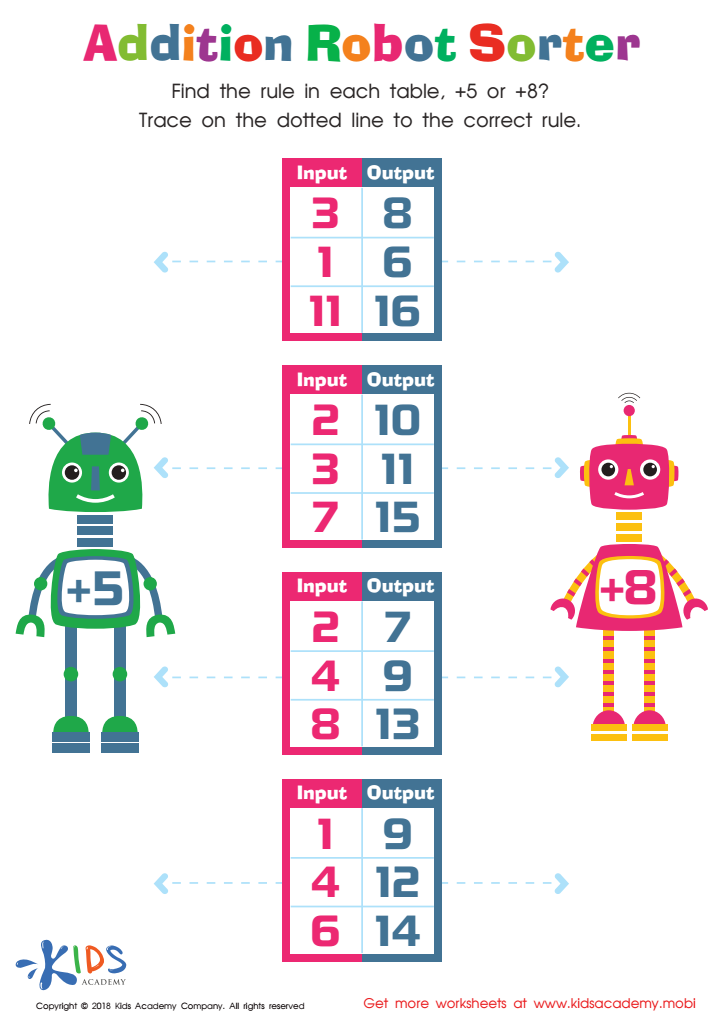
Addition Robot Sorter Worksheet
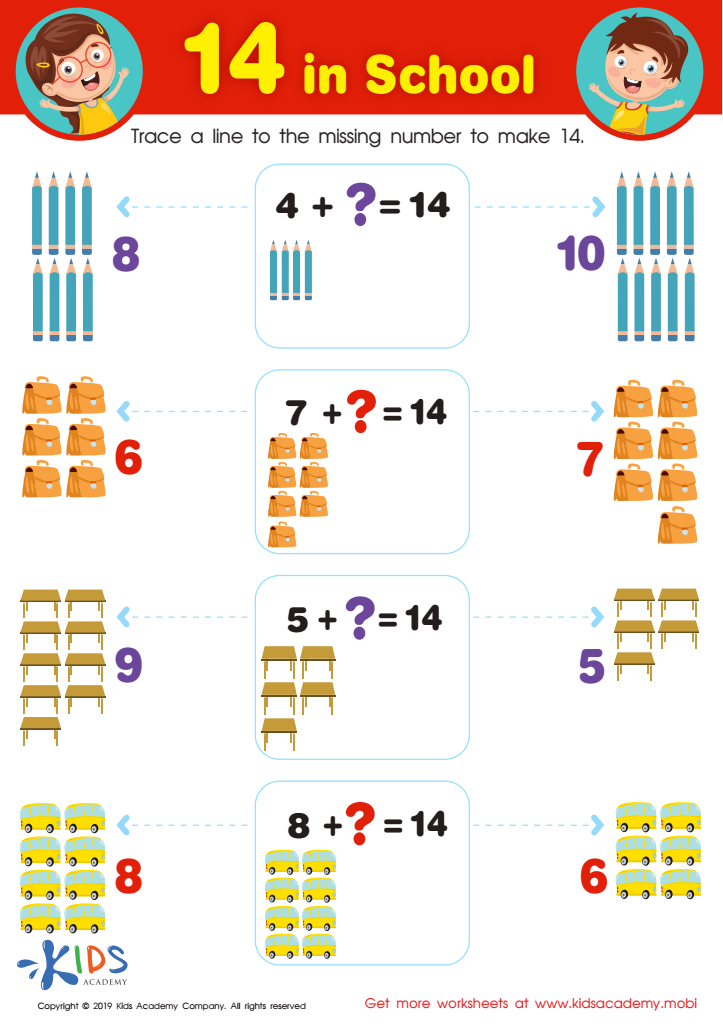
14 in School Worksheet
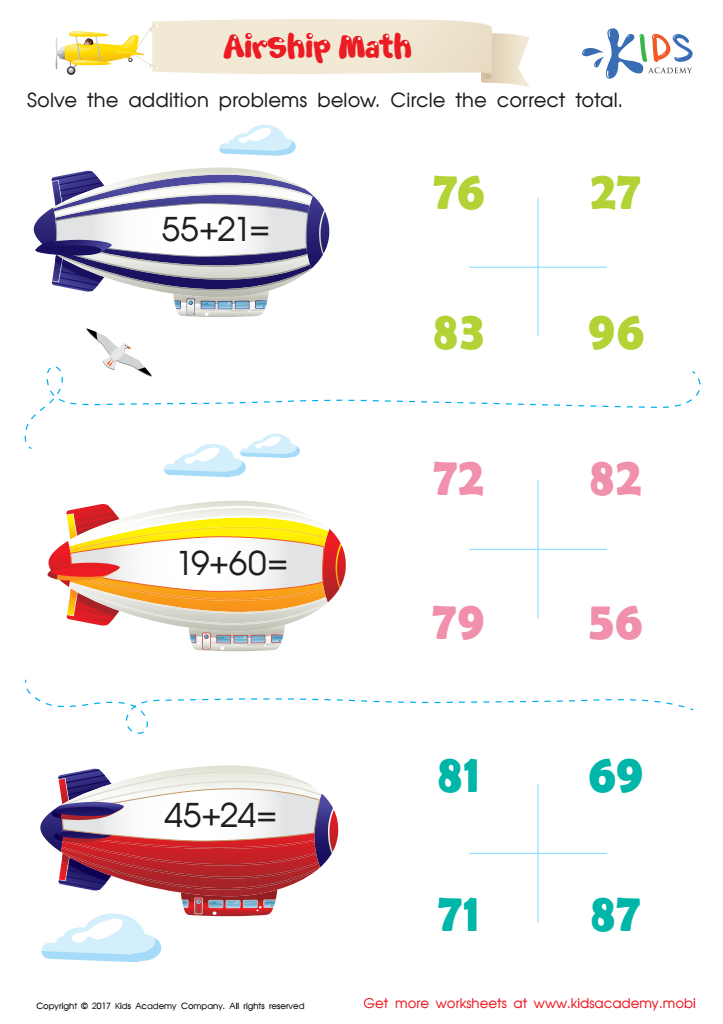
Airship Math Addition Printable
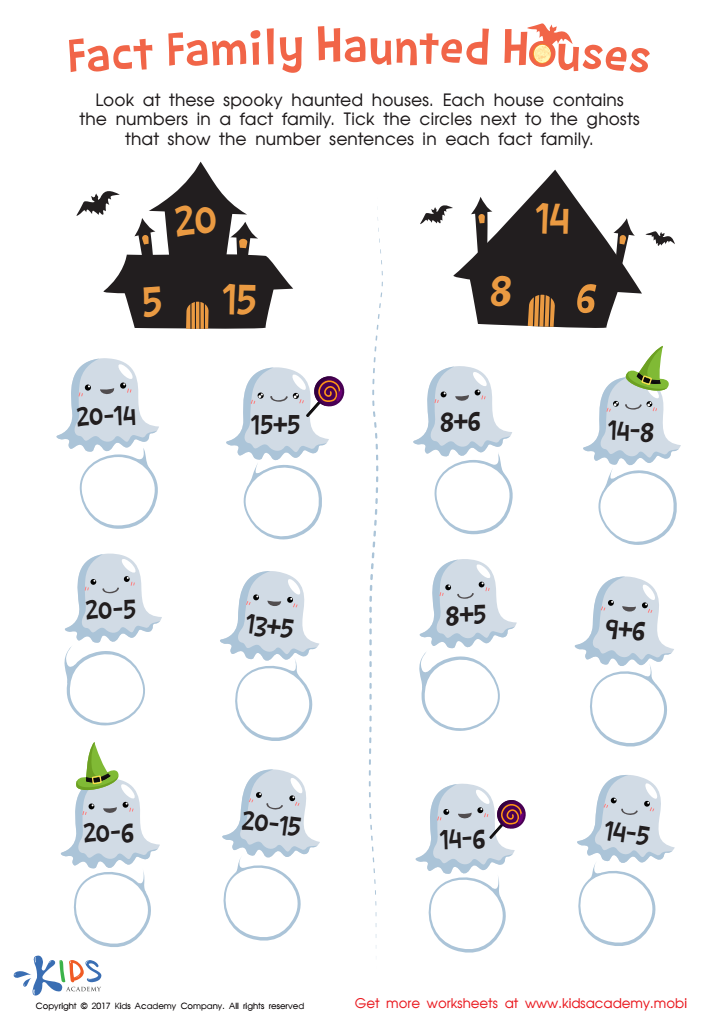

Adding Numbers: Cardinal Directions Worksheet
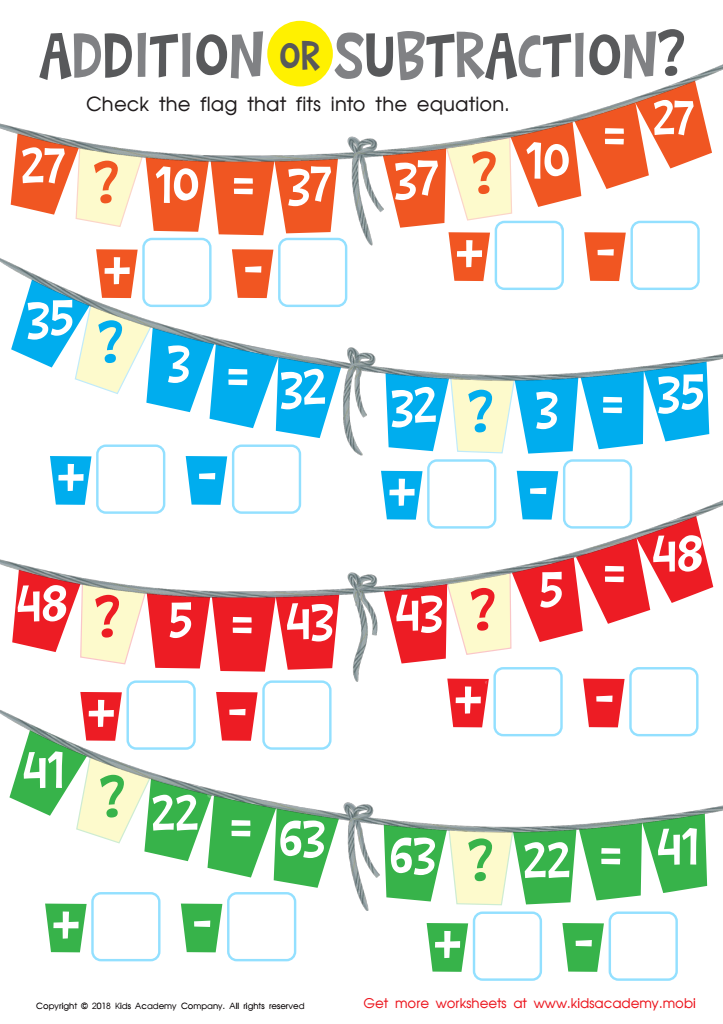
Addition or Subtraction? Worksheet
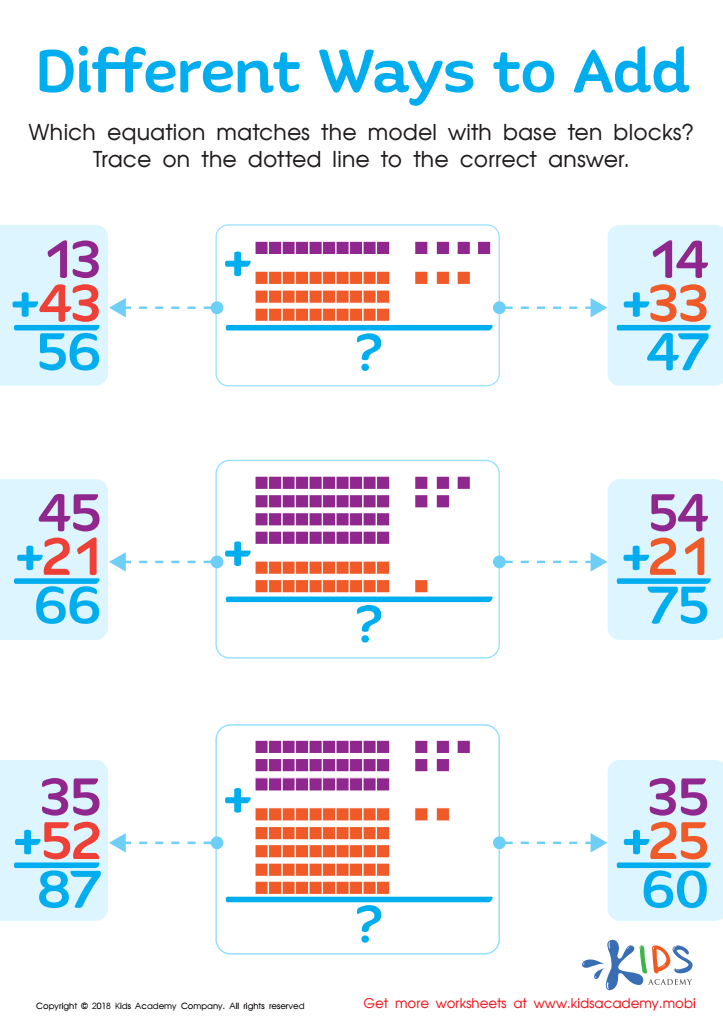
Different Ways to Add Worksheet
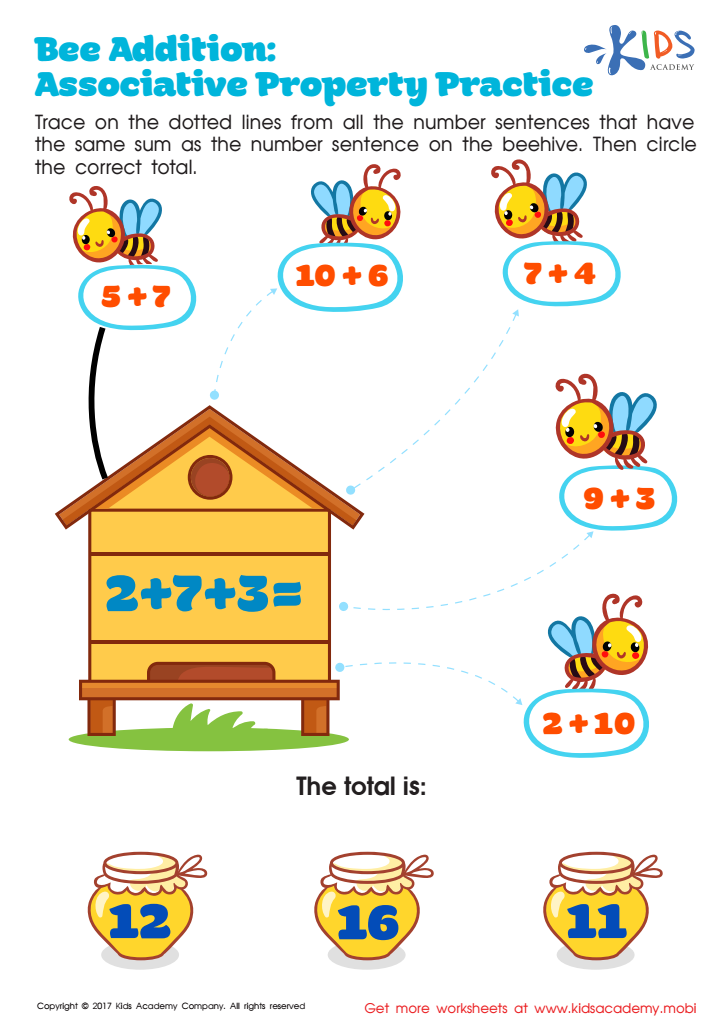
Bee Addition: Associative Property Practice Worksheet
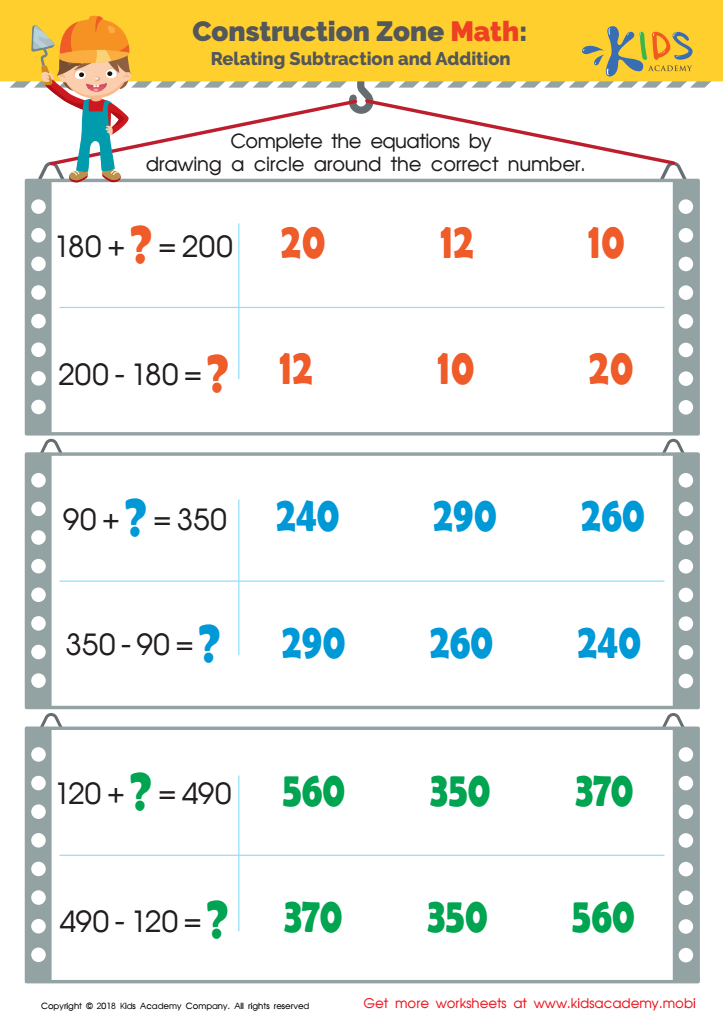
Construction Zone Math: Relating Subtraction and Addition Worksheet
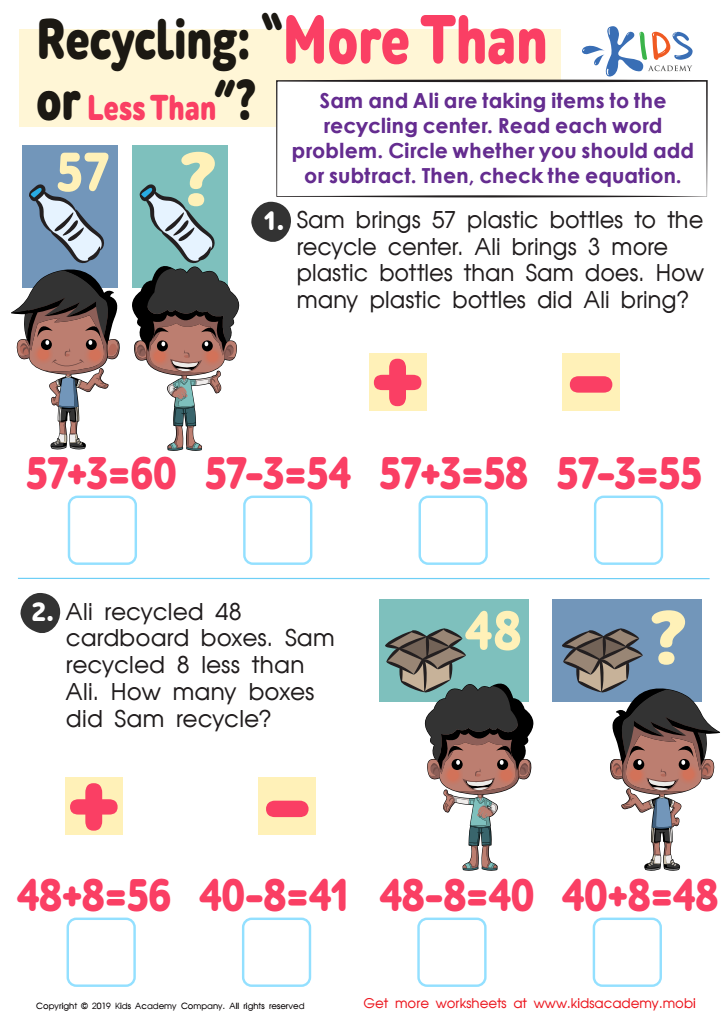
Recycling - More or Less Worksheet
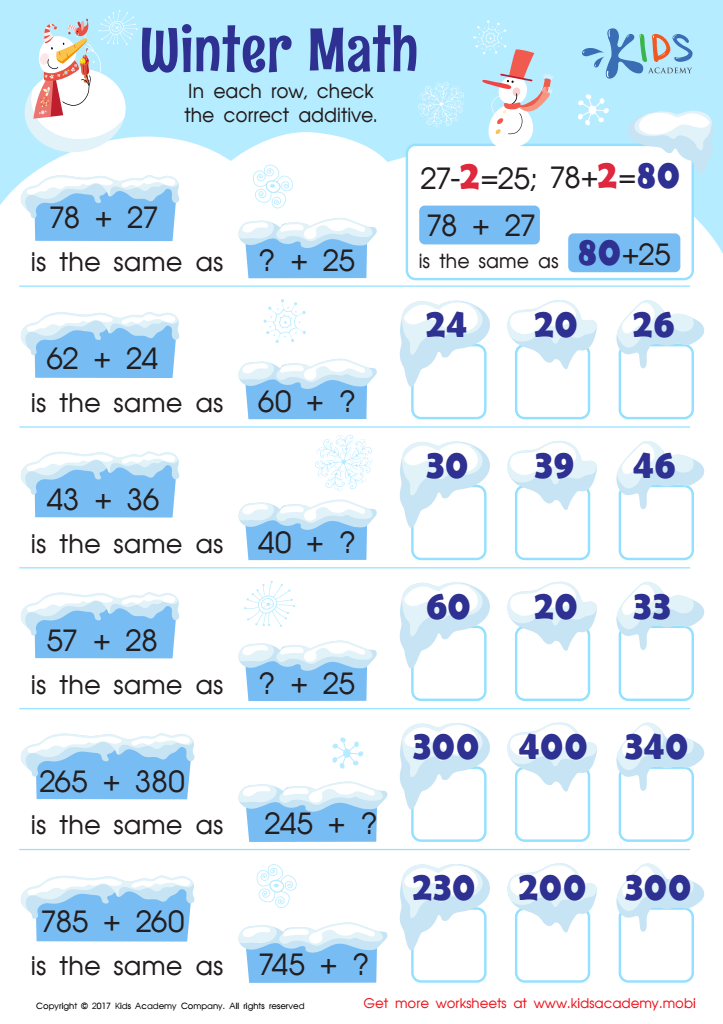
Free Addition Worksheet
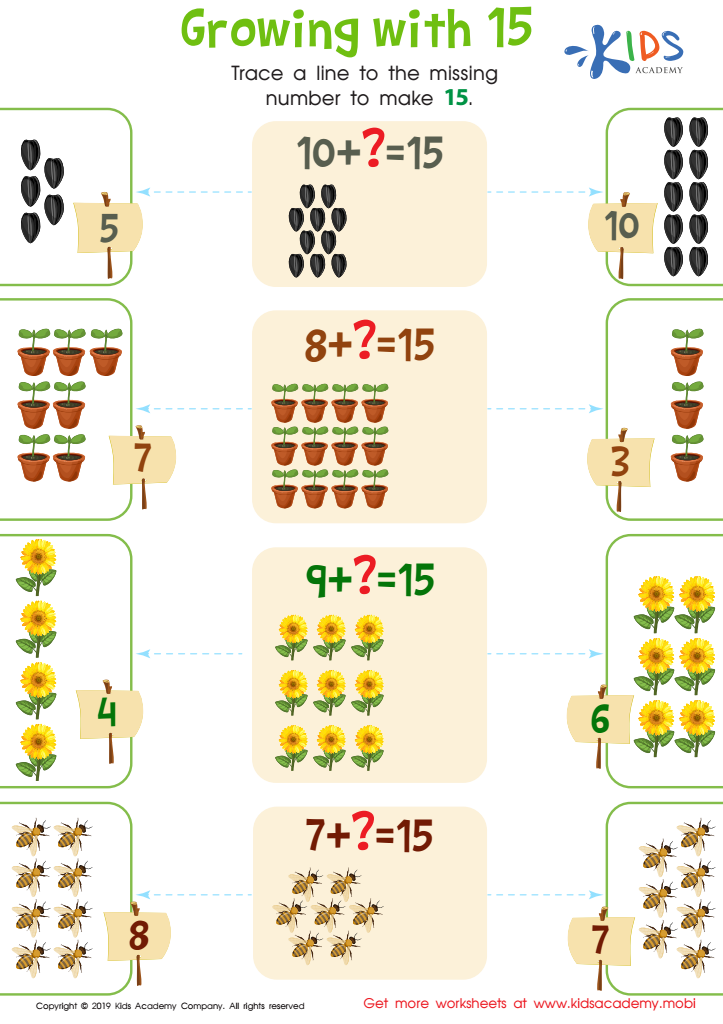
Growing with 15 Worksheet
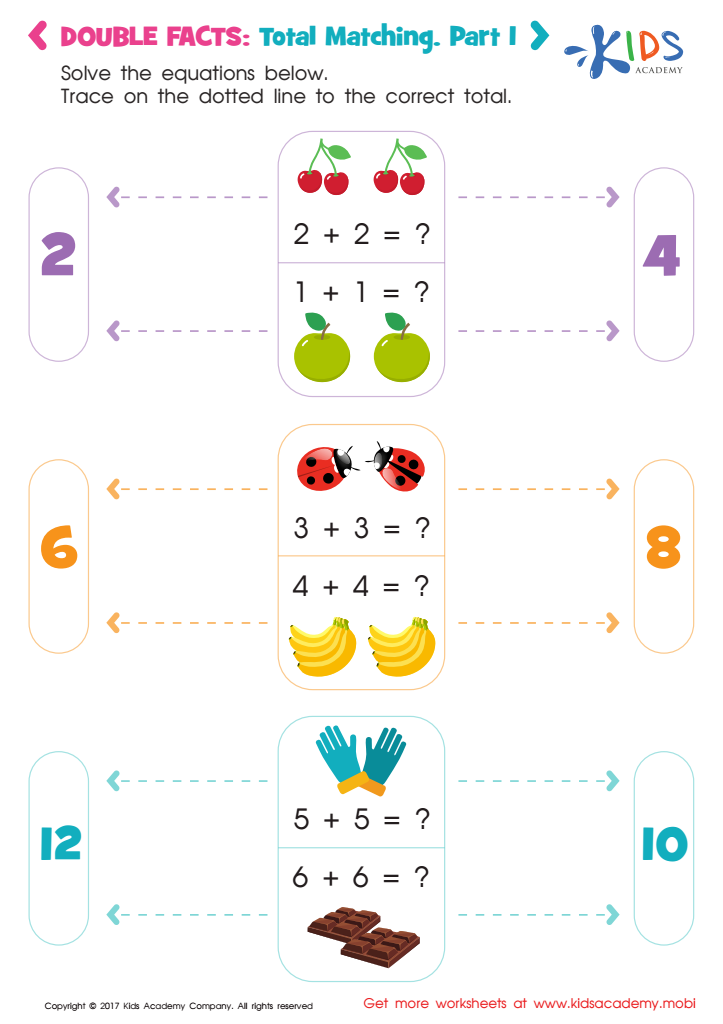
Double Facts: Total Matching Worksheet: Part 1








Parents and teachers should care deeply about normal addition for young children because it lays the groundwork for their future success in mathematics and other cognitive areas. For ages 3-8, children are in a critical period for brain development where foundational numeracy skills are formed. Understanding basic addition helps cultivate logical thinking, problem-solving abilities, and is linked to higher academic achievements later.
Moreover, mastering addition at an early age builds confidence. Positive early math experiences can foster a lifelong interest and aptitude in the subject. It also enhances their ability to understand and perform more complex arithmetic operations, and everyday functional tasks such as measuring, budgeting pocket money, or understanding time.
Addition skills are not just about memorizing facts. They also engage learners in pattern recognition, number relationships, and sequence, making math feel more interconnected and meaningful. It nurtures a child’s curiosity and encourages analytical thinking, which are transferable to other learning areas such as reading, science, and even social skills.
Incorporating fun, interactive activities that teach addition can make learning enjoyable and establish a strong educational foundation. Parents and teachers play crucial roles in this process, guiding children towards becoming competent and confident learners.