Normal Alphabet Worksheets for Ages 4-8 - Page 2
252 filtered results
-
From - To
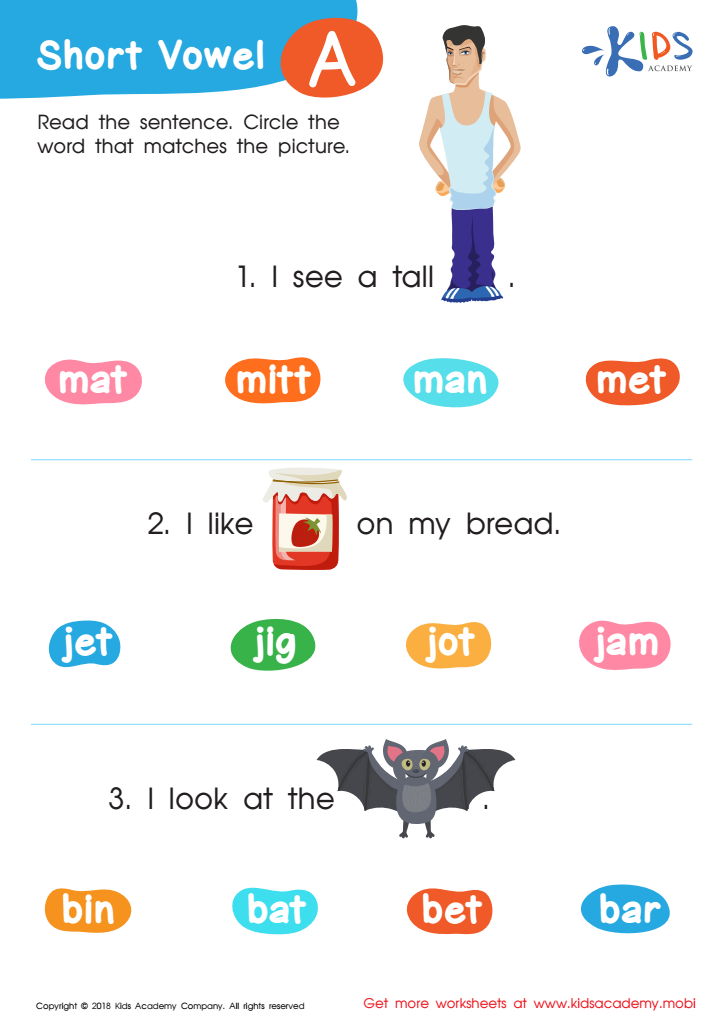
Short Vowel /a/ Worksheet
 Assign to My Students

Letter P Tracing Page
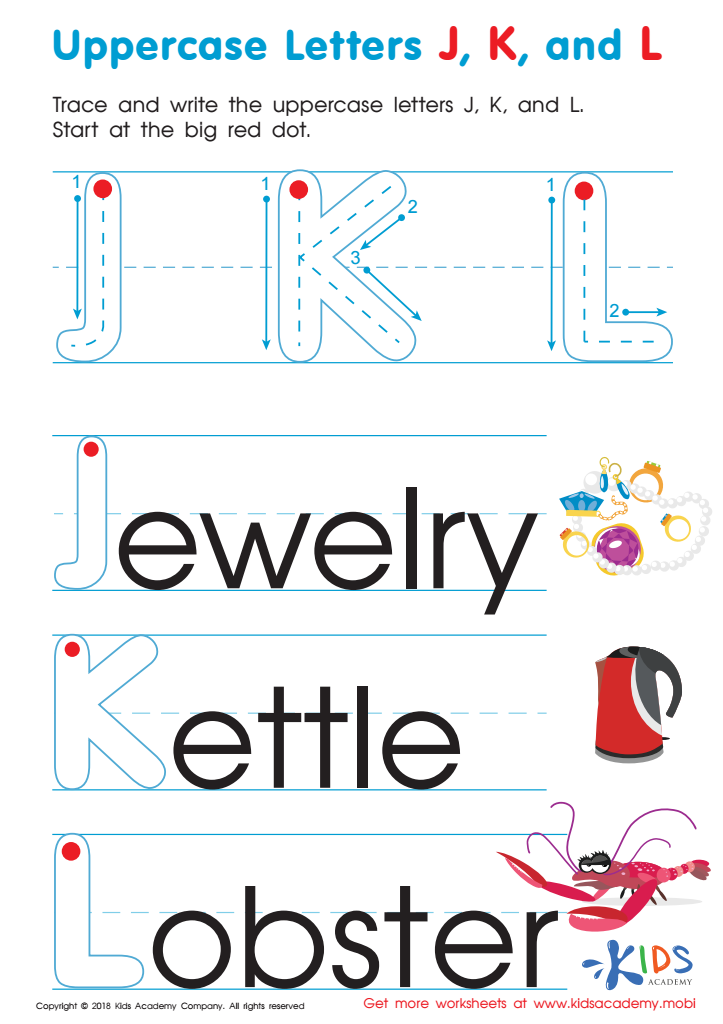
Uppercase Letters J, K, and L Worksheet
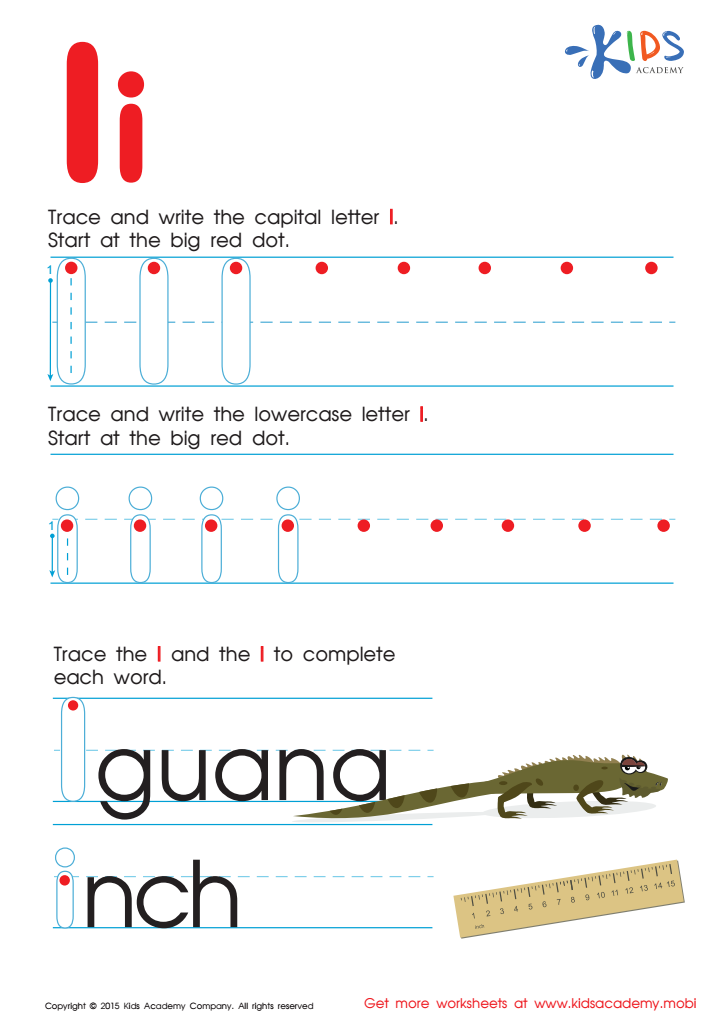
Letter I Tracing Page
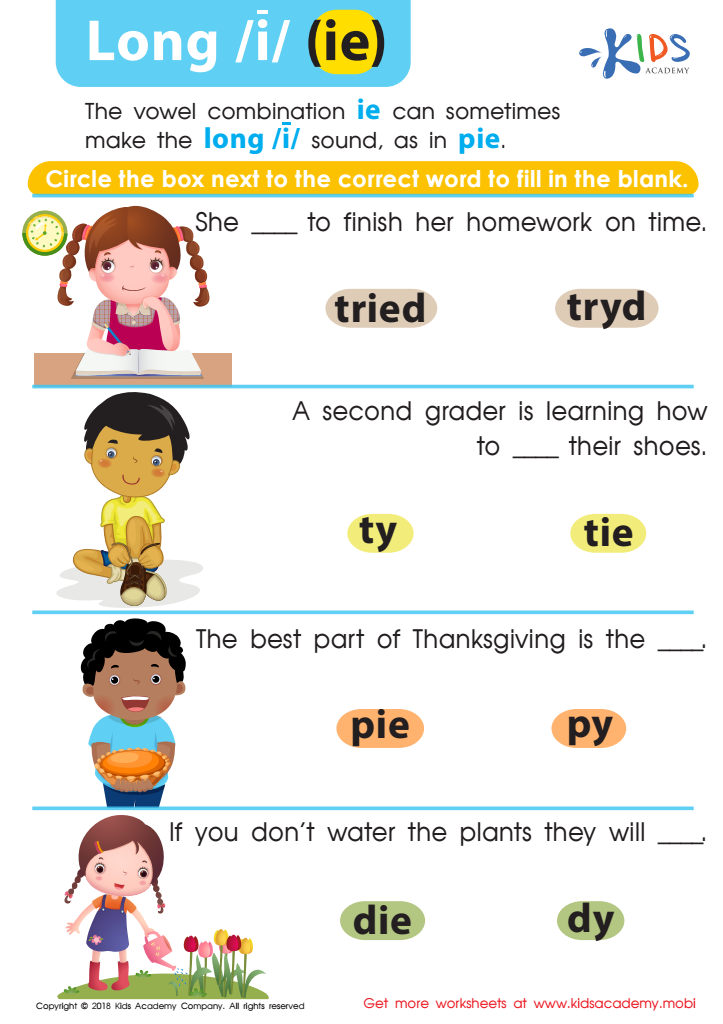
Reading: Long I and IE Worksheet
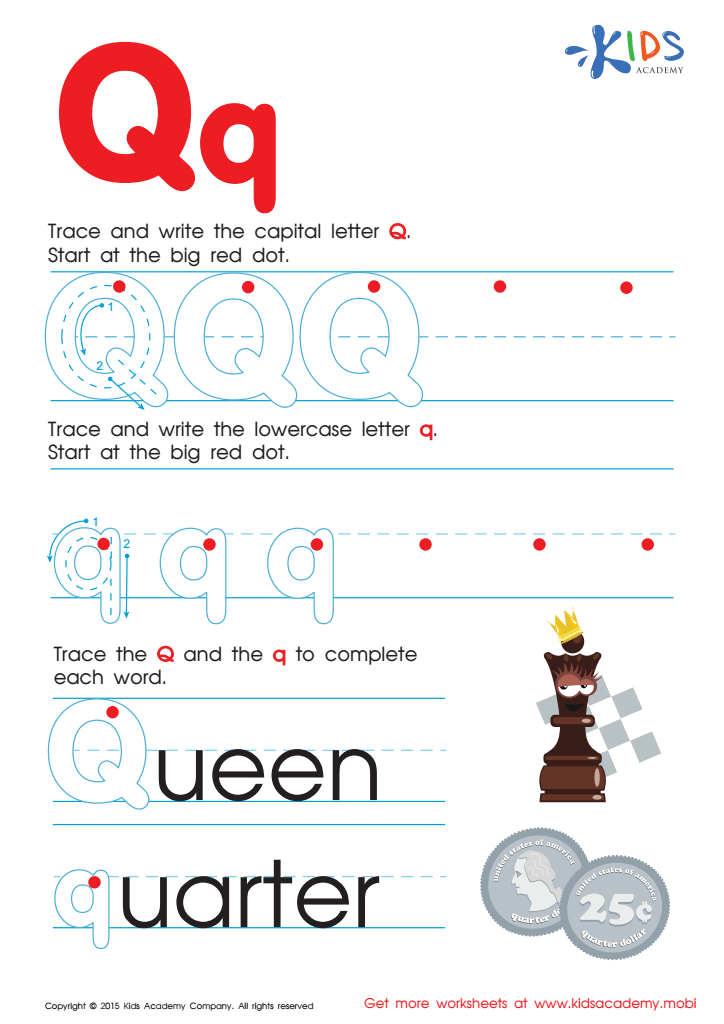
Letter Q Tracing Page
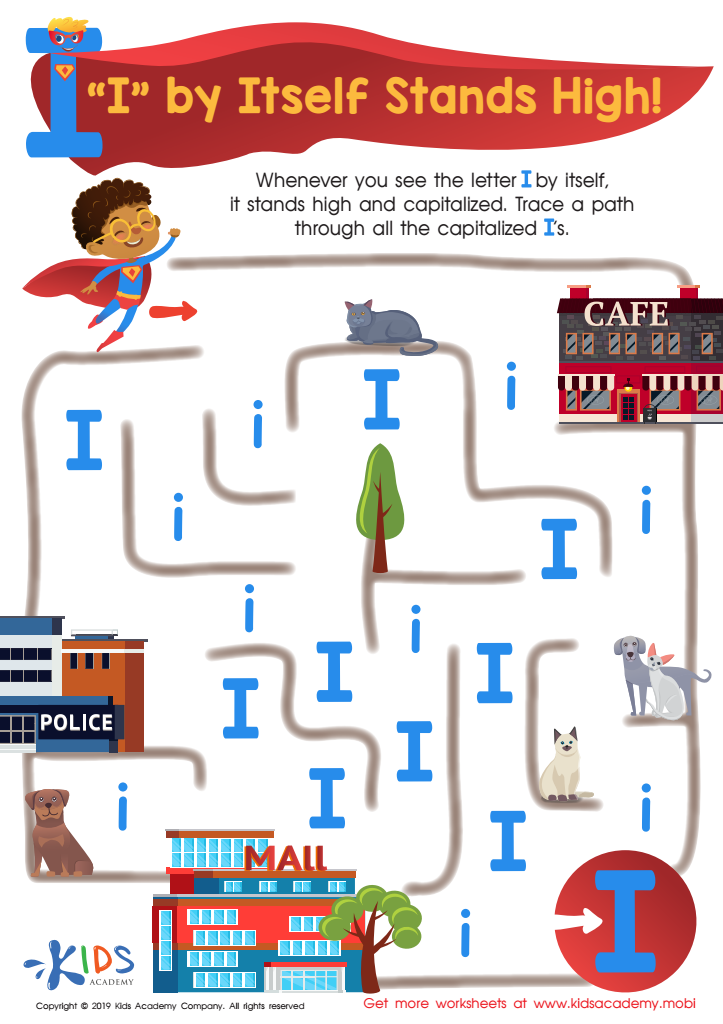
I Stands High Worksheet
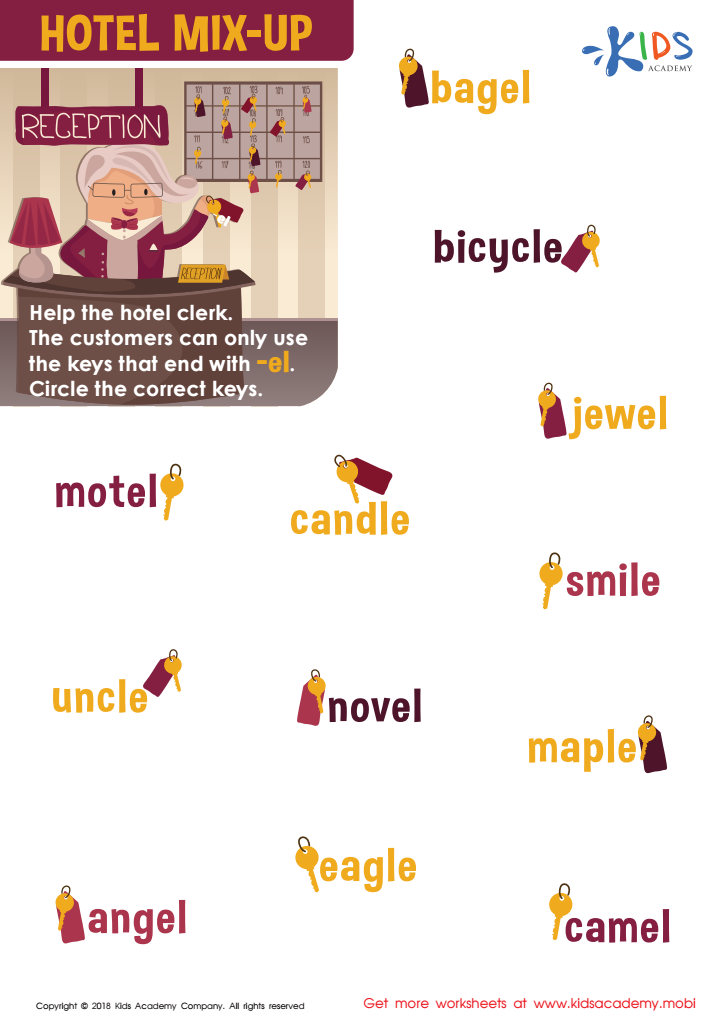
Hotel Mix-up Worksheet
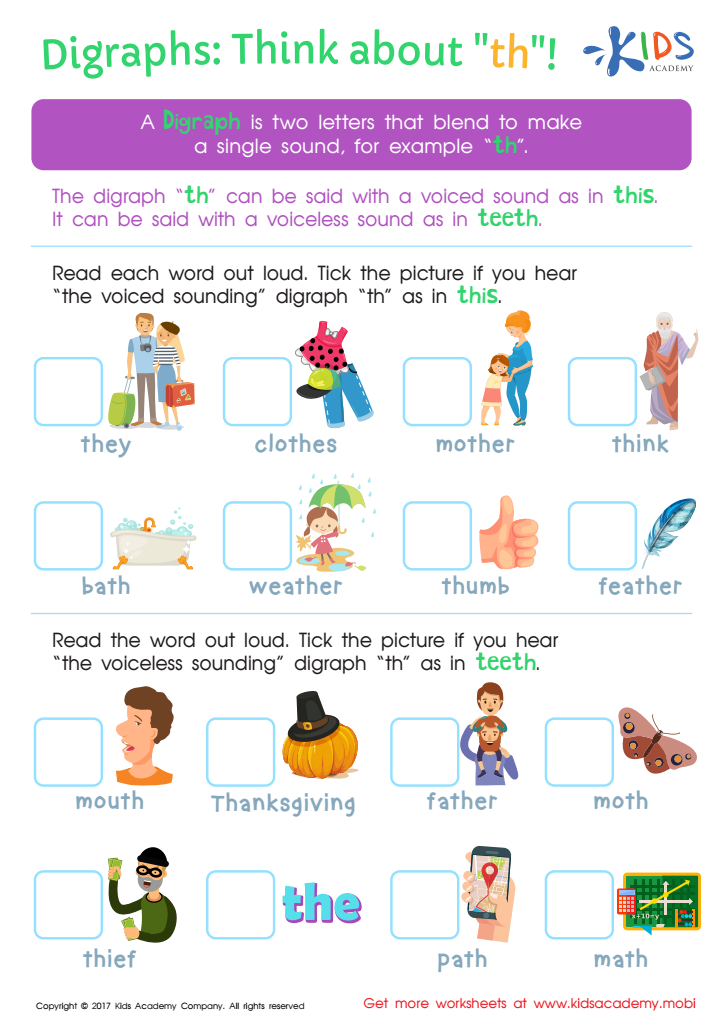
Digraphs: Think About "th" Worksheet
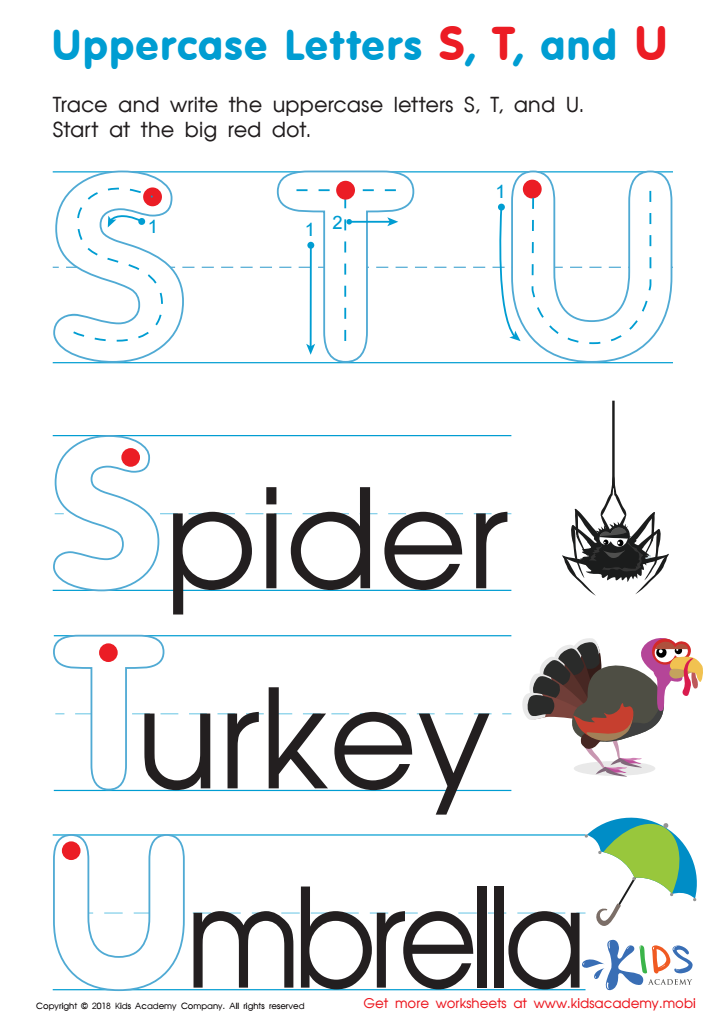
Uppercase Letters S, T, and U Worksheet
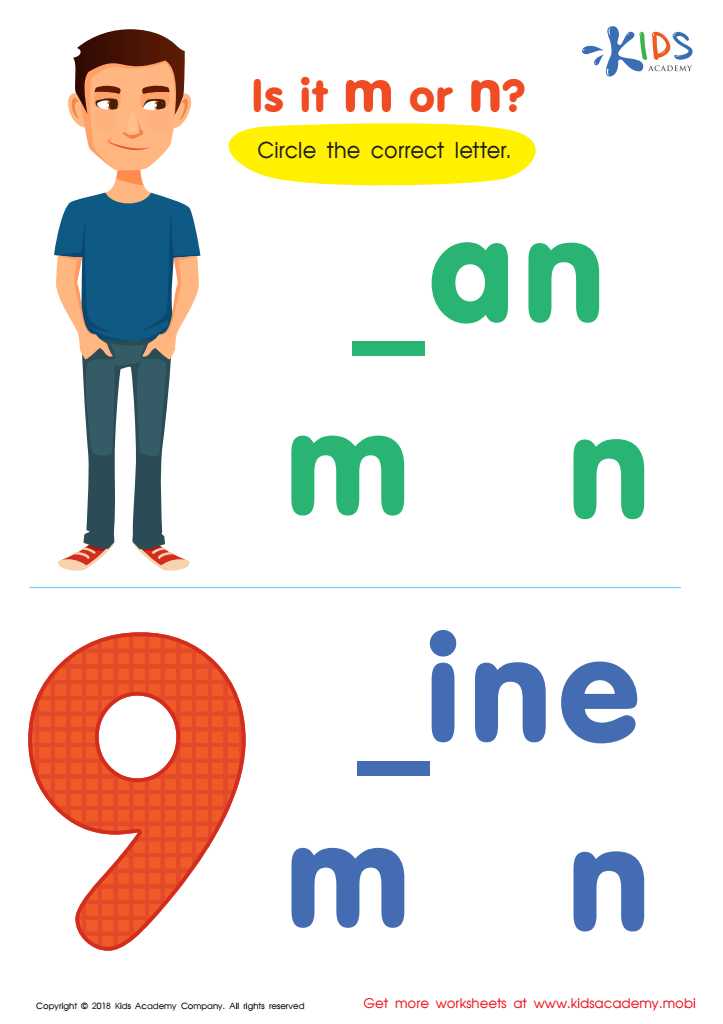
Is It m or n? Worksheet
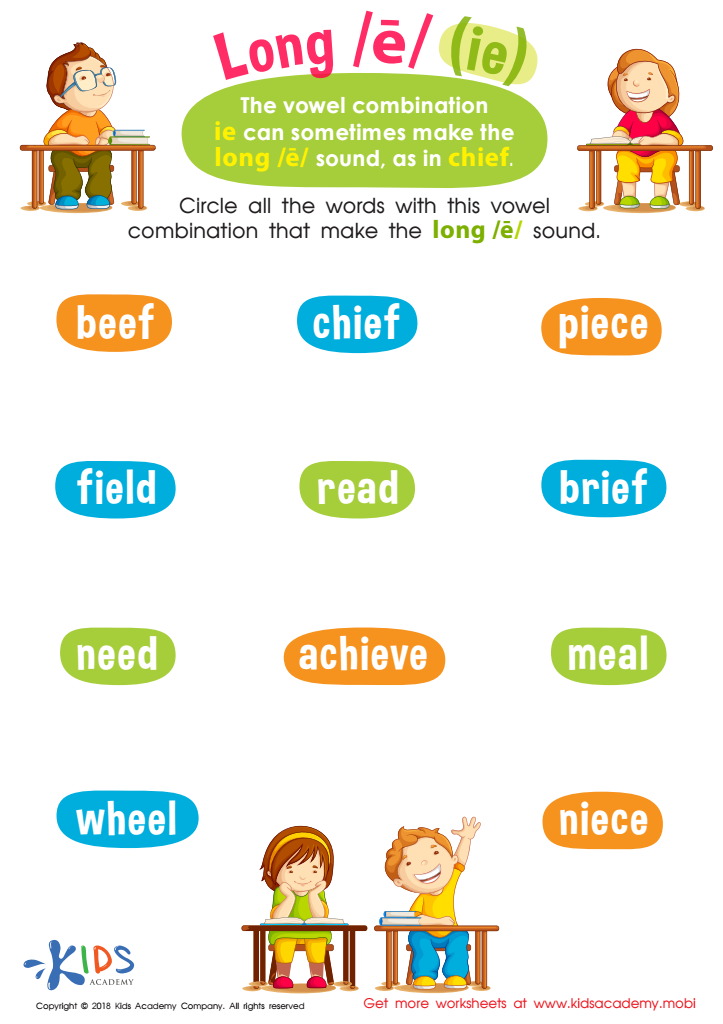
Reading: Long E and IE Worksheet
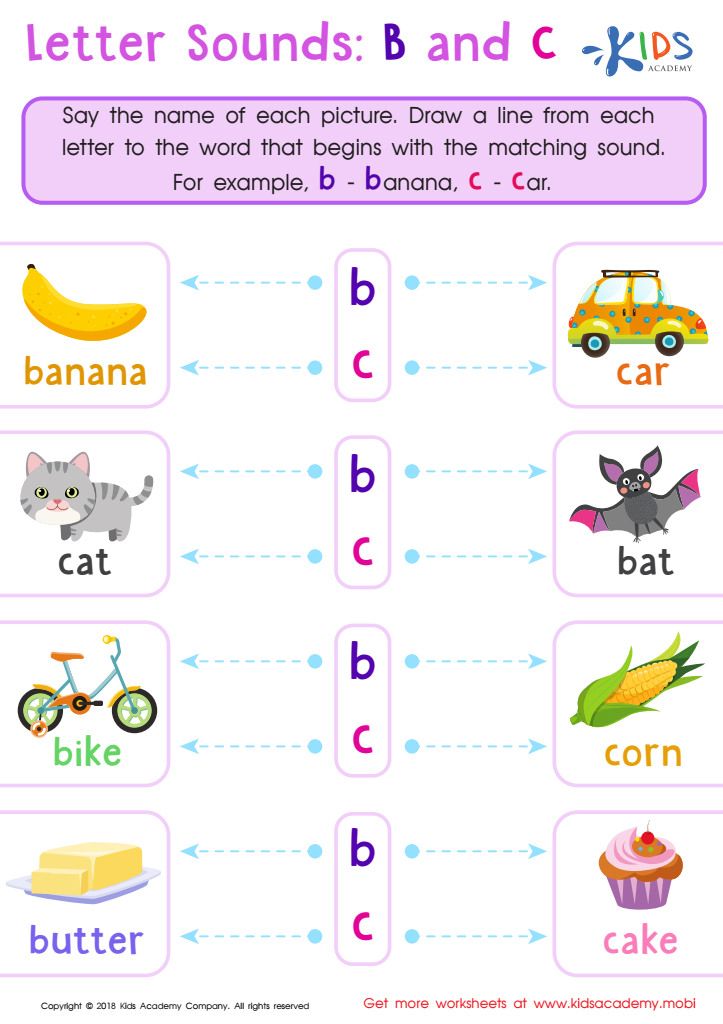
Letter B and C Sounds Worksheet
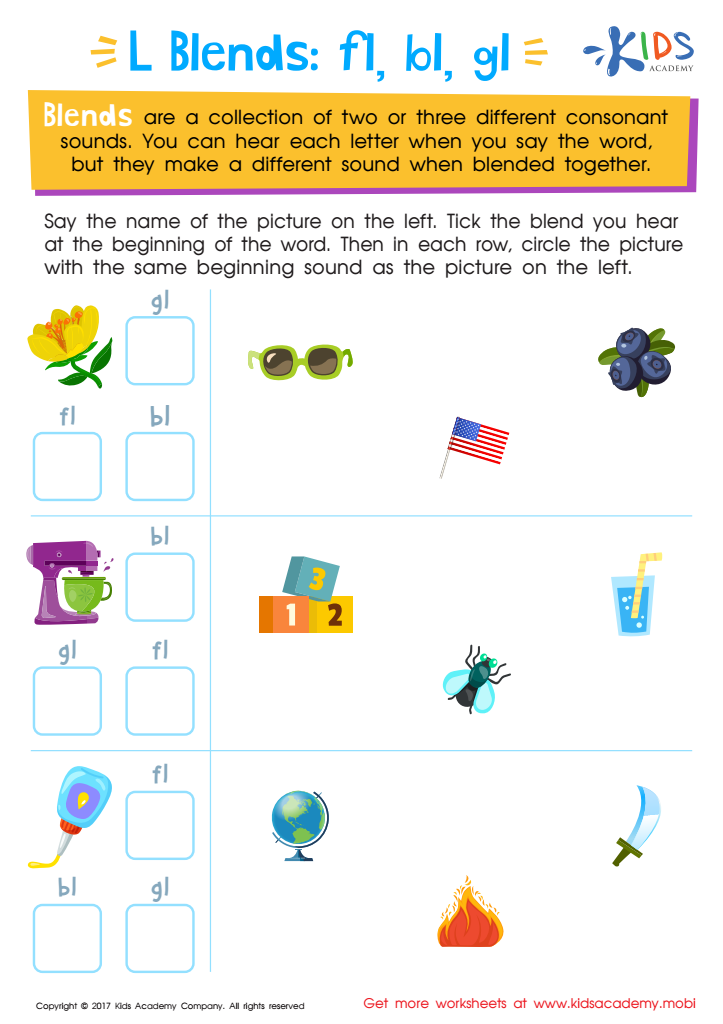
Blending Consonants: "Fl", "Bl" and "Gl" Printable
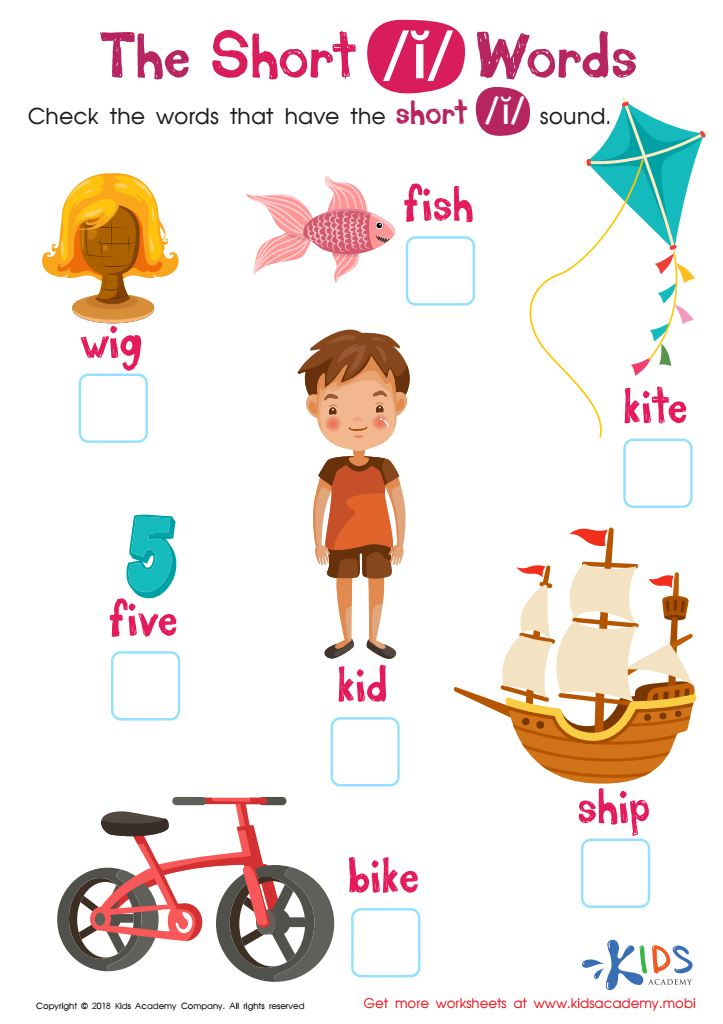
The Short I Words Reading Worksheet
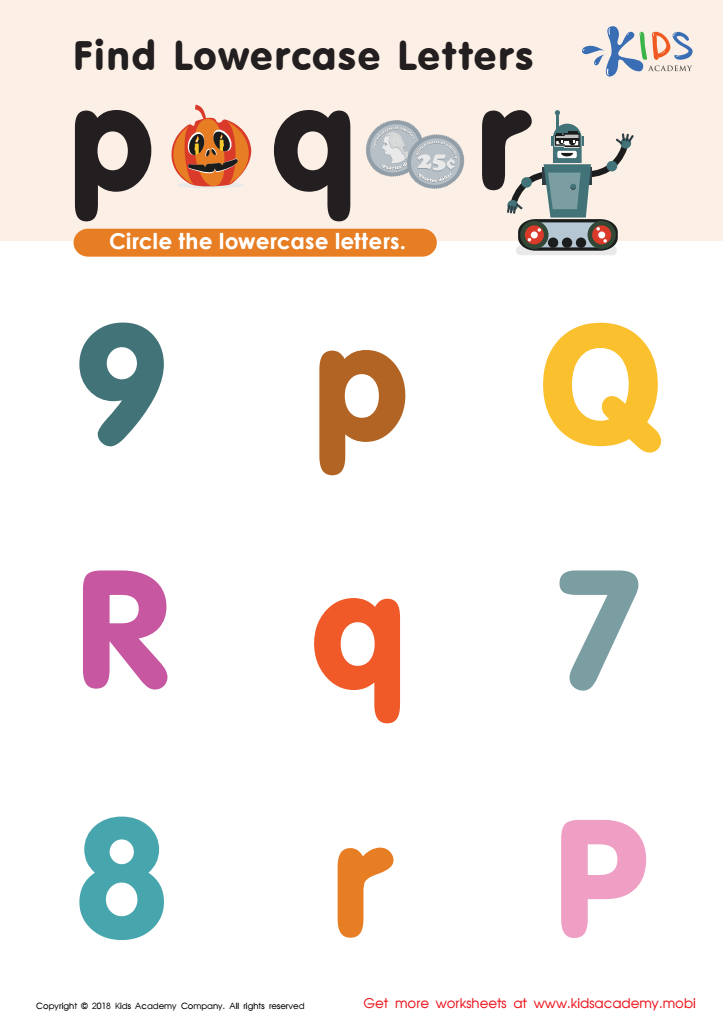
Find lowercase Letters p q r Worksheet
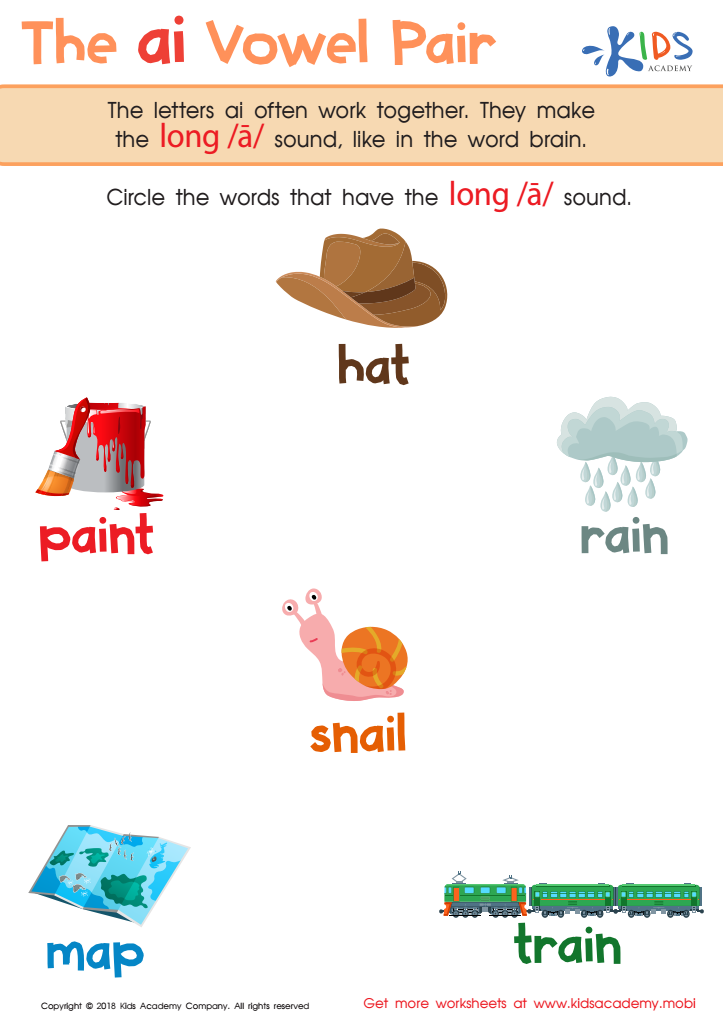
The AI Vowel Pair Worksheet
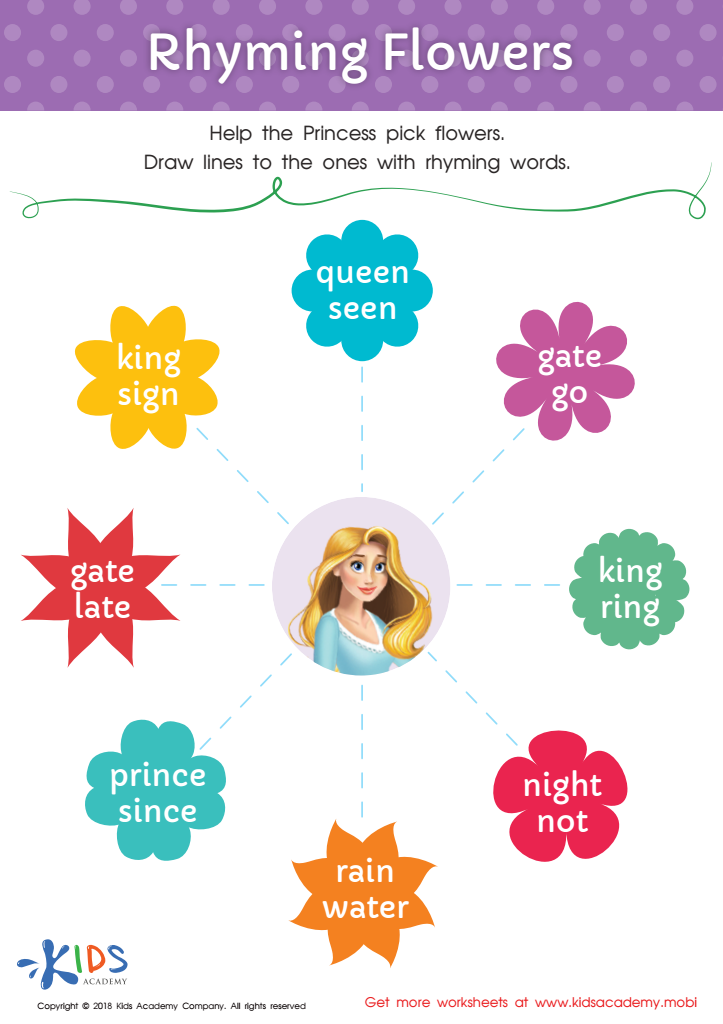
Rhyming Flowers Worksheet
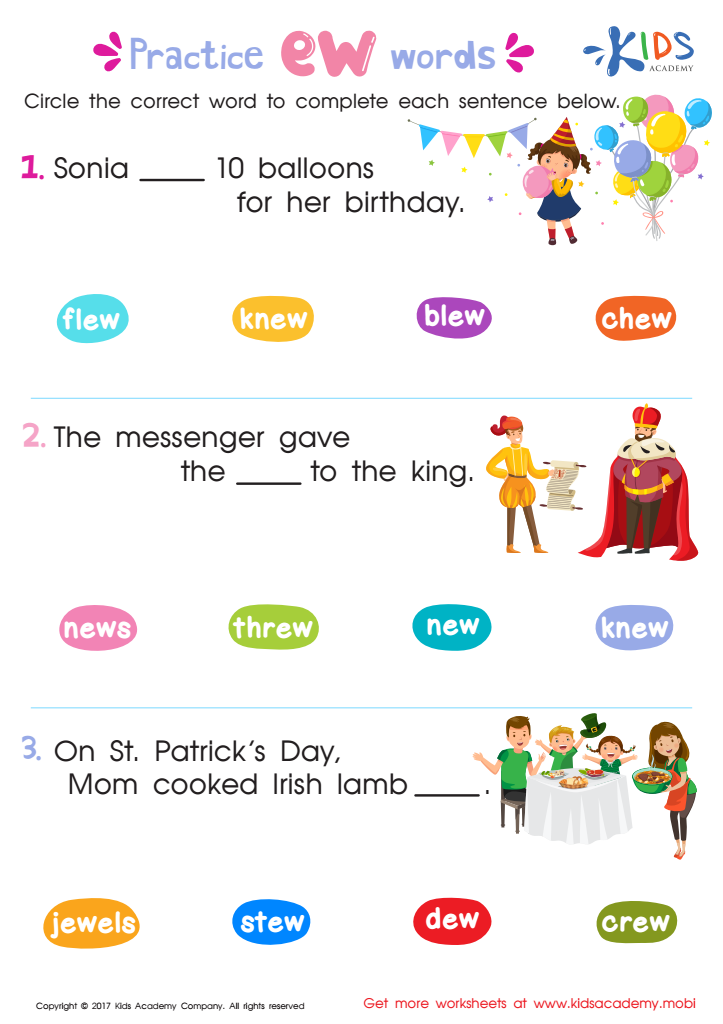
EW Words Worksheet
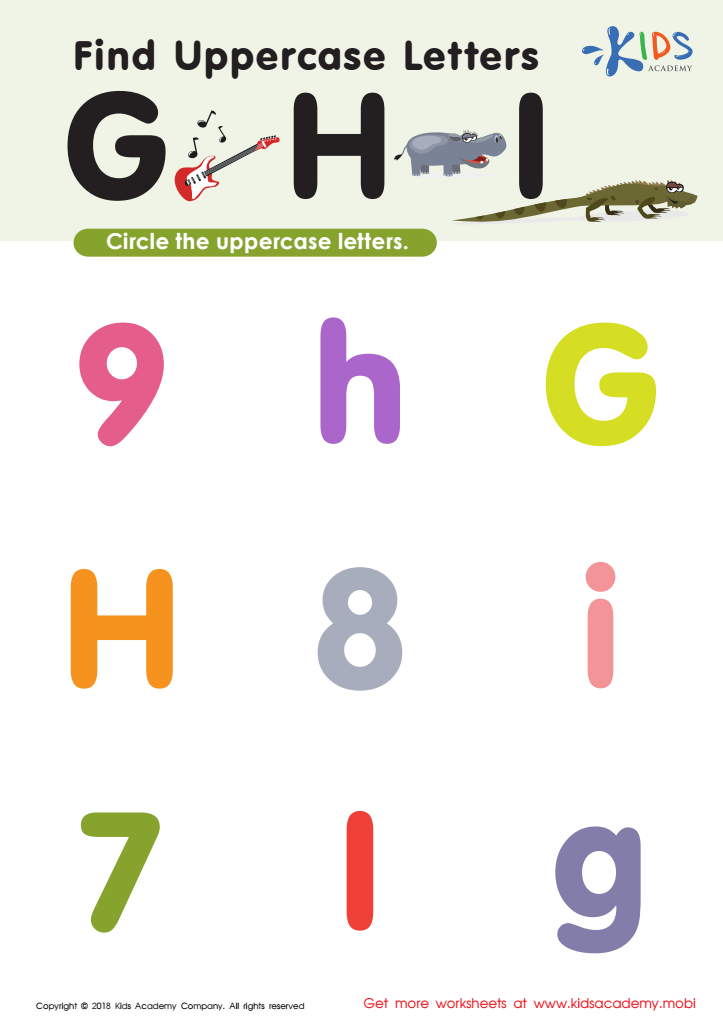
Find Uppercase Letters G, H, and I Worksheet
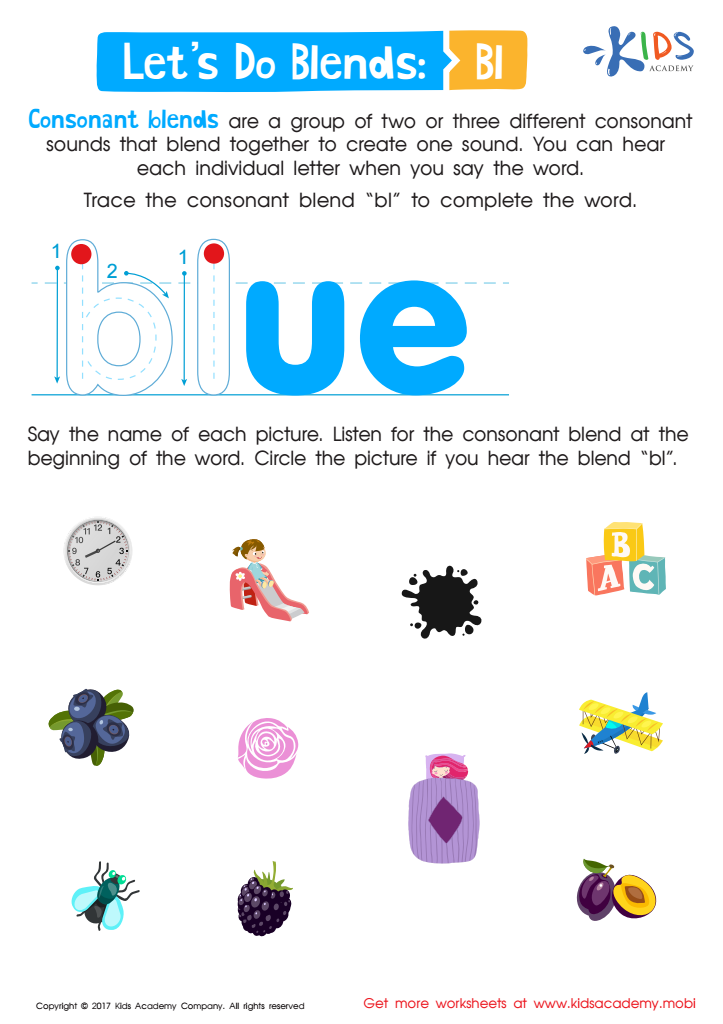
Beginning Blends: "Bl" Words Worksheet
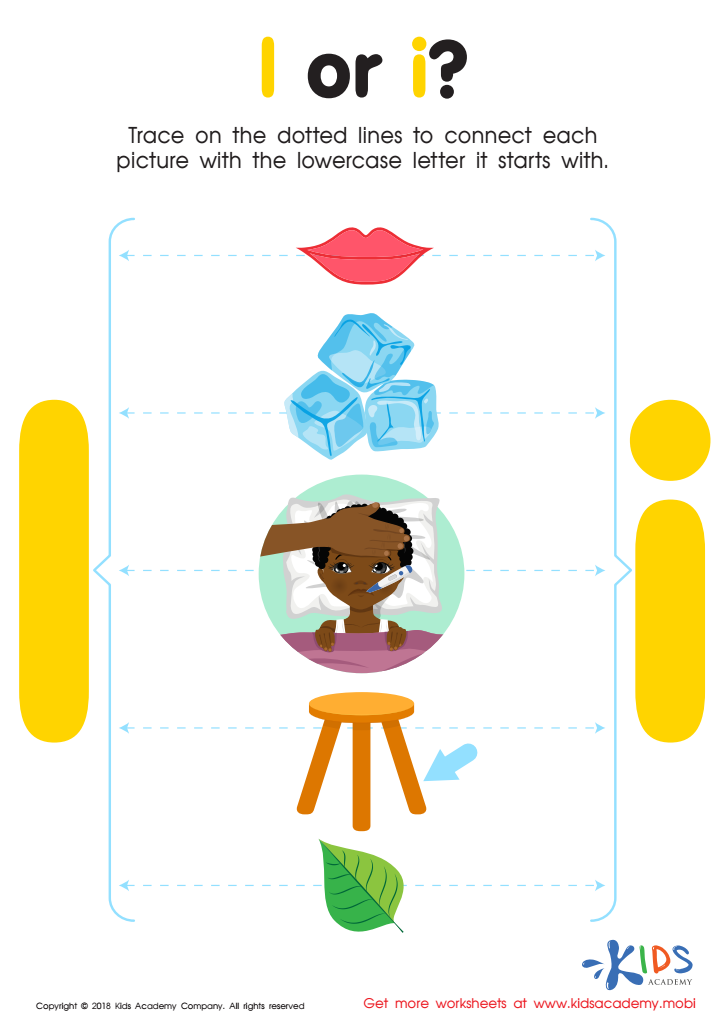
l or i? Worksheet
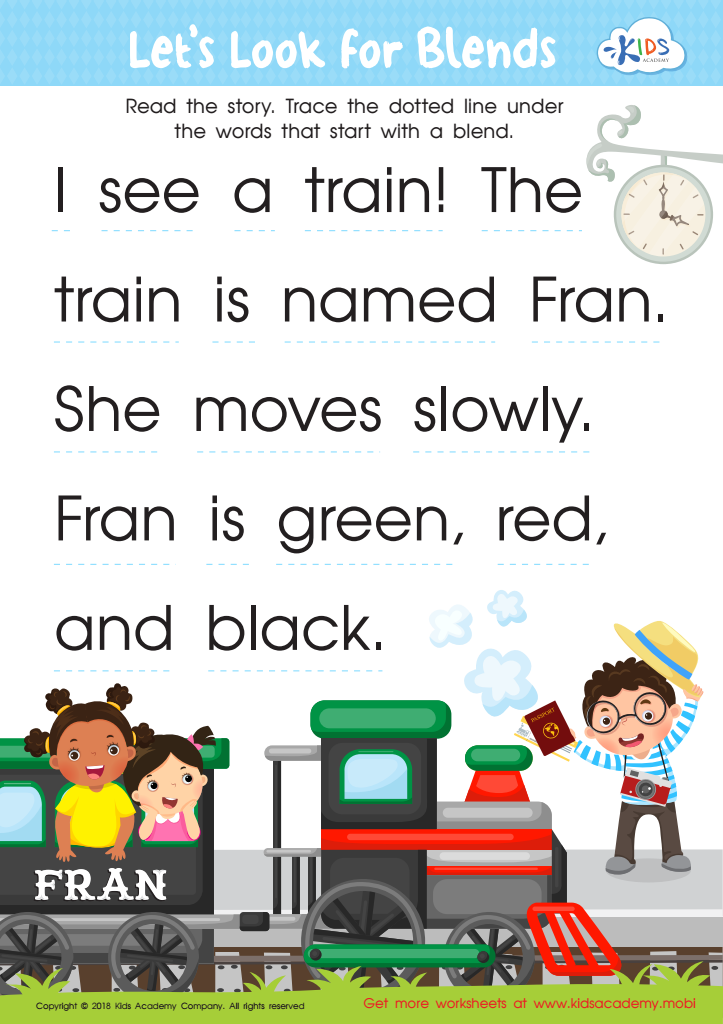
Let's Look for Blends Worksheet
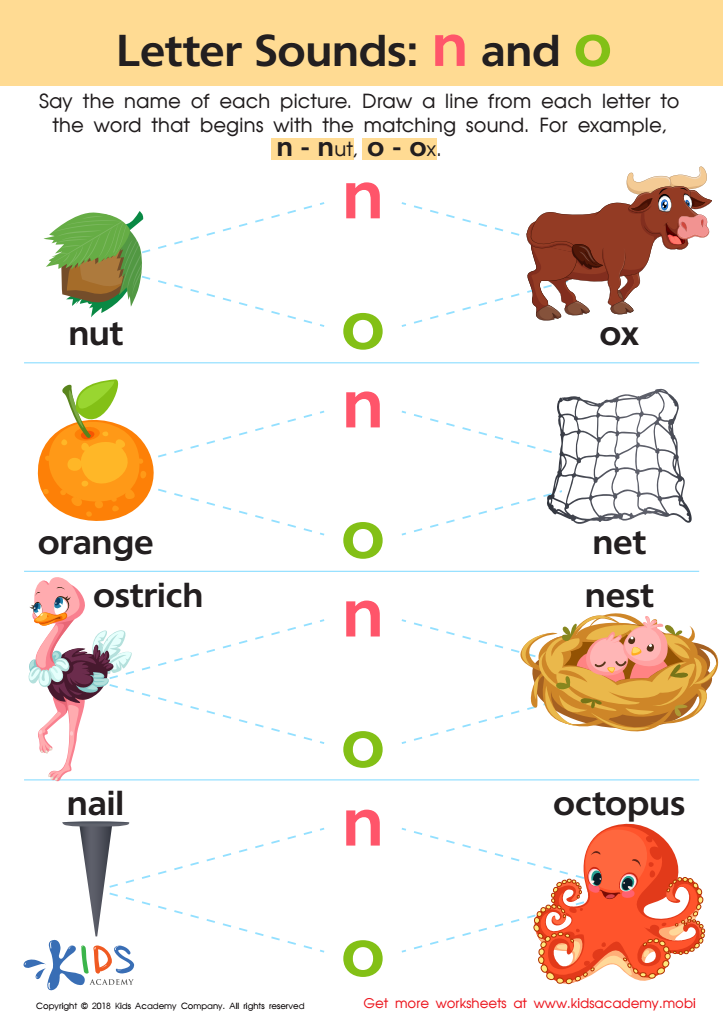
Letter N and O Sounds Worksheet







The Normal Alphabet, introduced during the foundational years between ages 4-8, plays a pivotal role in a child's education and development. This period is crucial as it coincides with the early stages of literacy that lay the groundwork for future learning. Ensuring children have a strong grasp of the alphabet helps them develop crucial skills such as reading, writing, and verbal communication.
For parents and teachers, the Normal Alphabet represents the first structured introduction to language which is inherent in almost every aspect of their child's achievements moving forward. A child who can recognize letters and understand their sounds tends to experience fewer difficulties when delving into reading and spelling, which are vital academic skills. Comprehending the alphabet also enhances cognitive abilities like memory, attention, and processing skills, all of which are essential for effective learning.
Furthermore, fostering alphabet knowledge in a fun and engaging manner encourages a love for learning, promoting self-esteem and confidence. Activities such as storytelling, singing the alphabet song, and alphabet games make the learning process enjoyable, ensuring that children remain interested and enthusiastic about their education.
Thus, parents and teachers should prioritize proficiency in the Normal Alphabet to equip children with the essential tools for lifelong learning and success both in and out of the classroom.







