Normal World Around Us Worksheets for Ages 4-9 - Page 3
70 filtered results
-
From - To
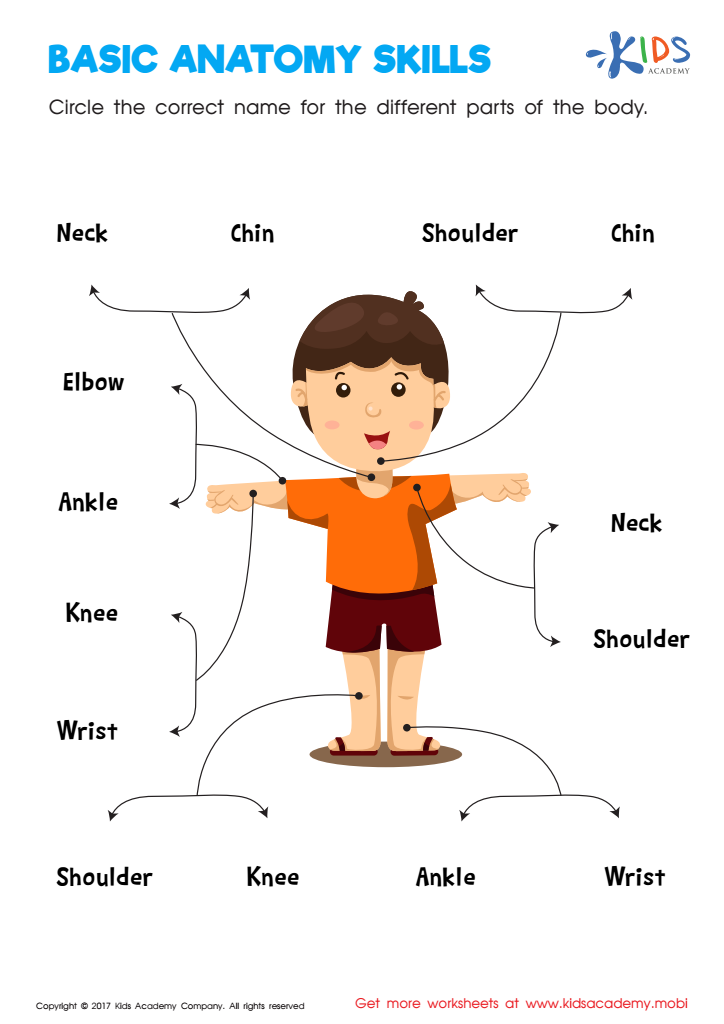
Basic Anatomy Skills Printable
 Assign to My Students

Christmas Holiday Worksheet
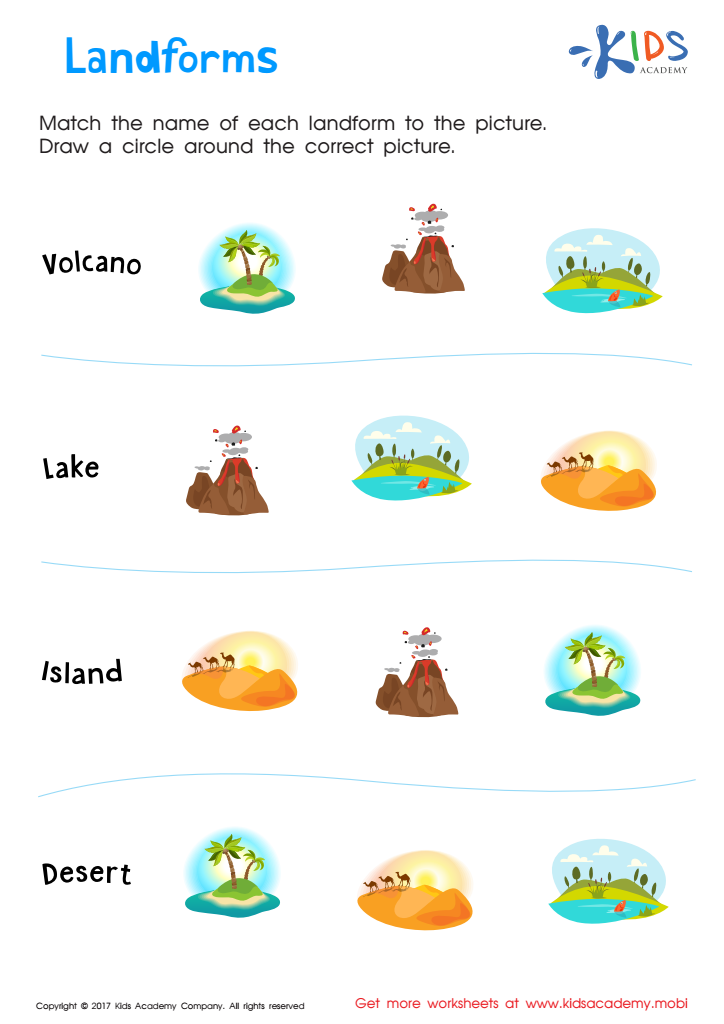
Landforms Printable
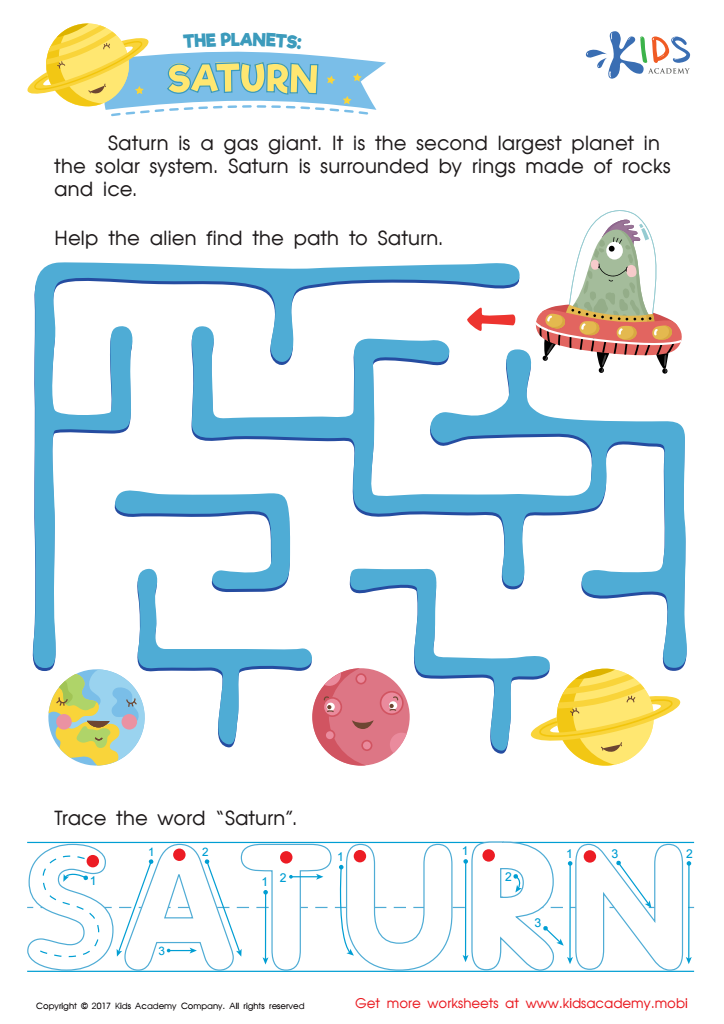
The Planets: Saturn Printable
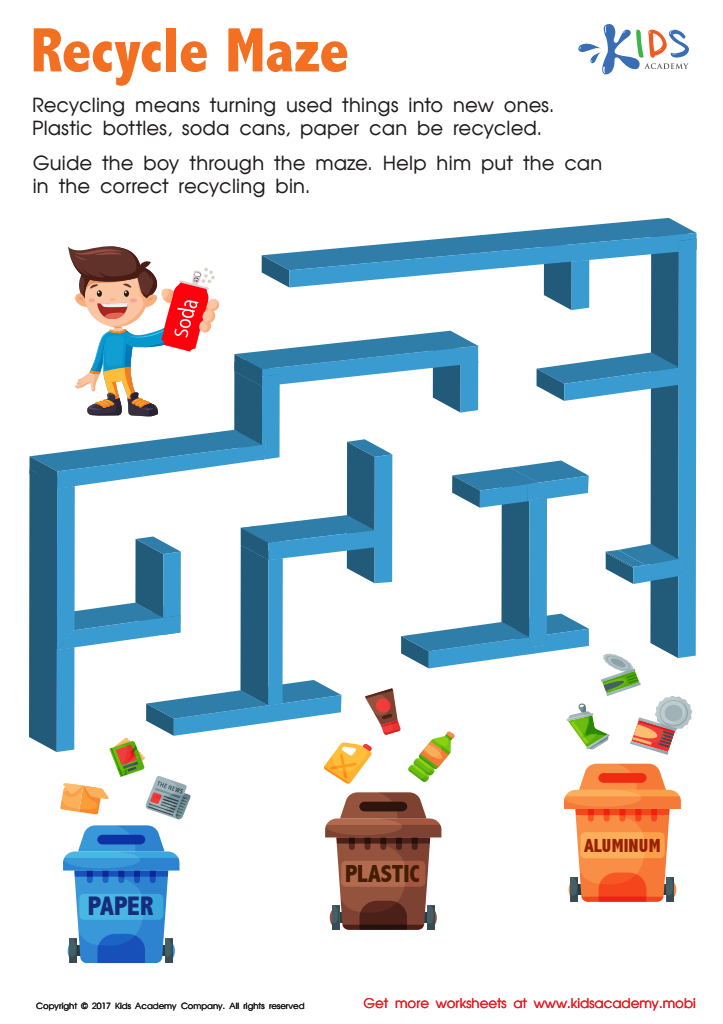
Recycle Maze Worksheet
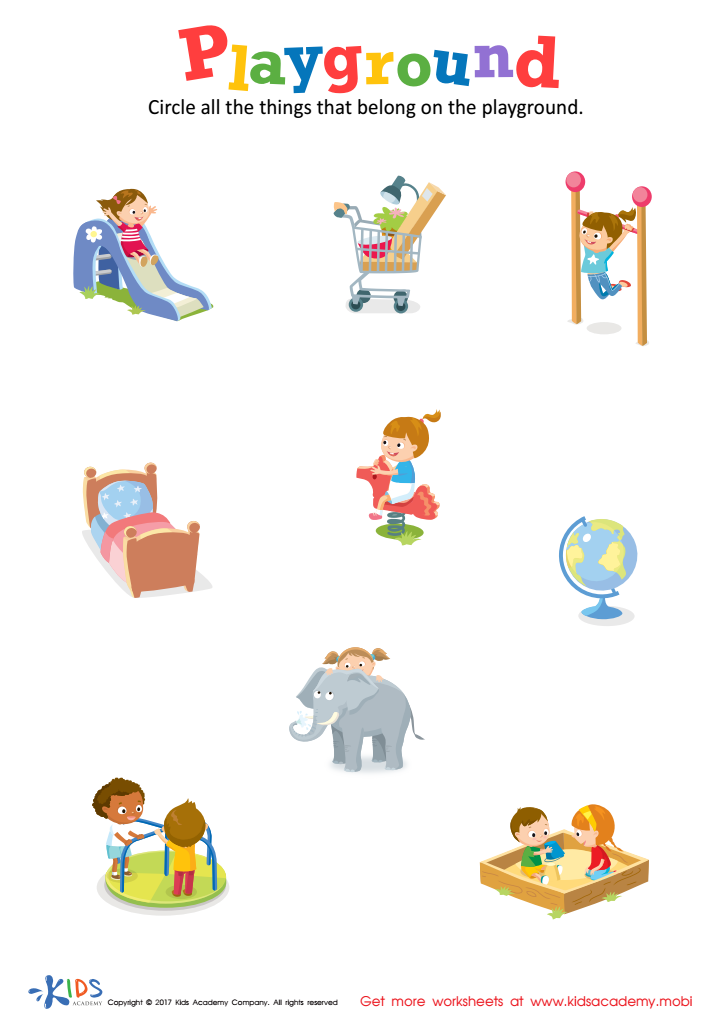
Playground Worksheet
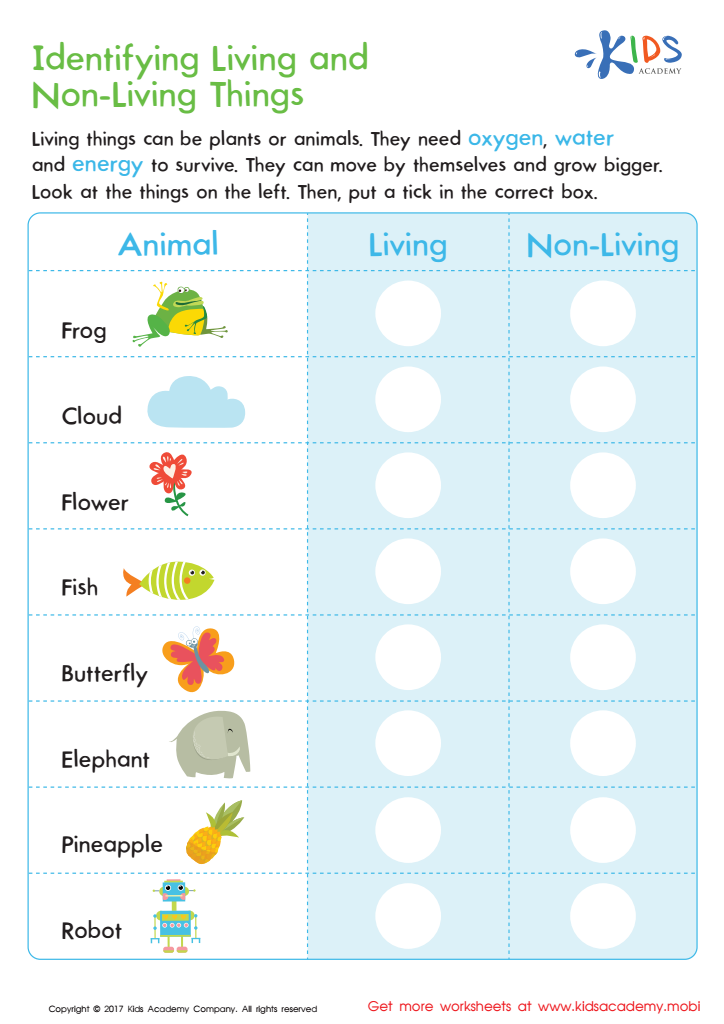
Identifying Living or Non–living Worksheet
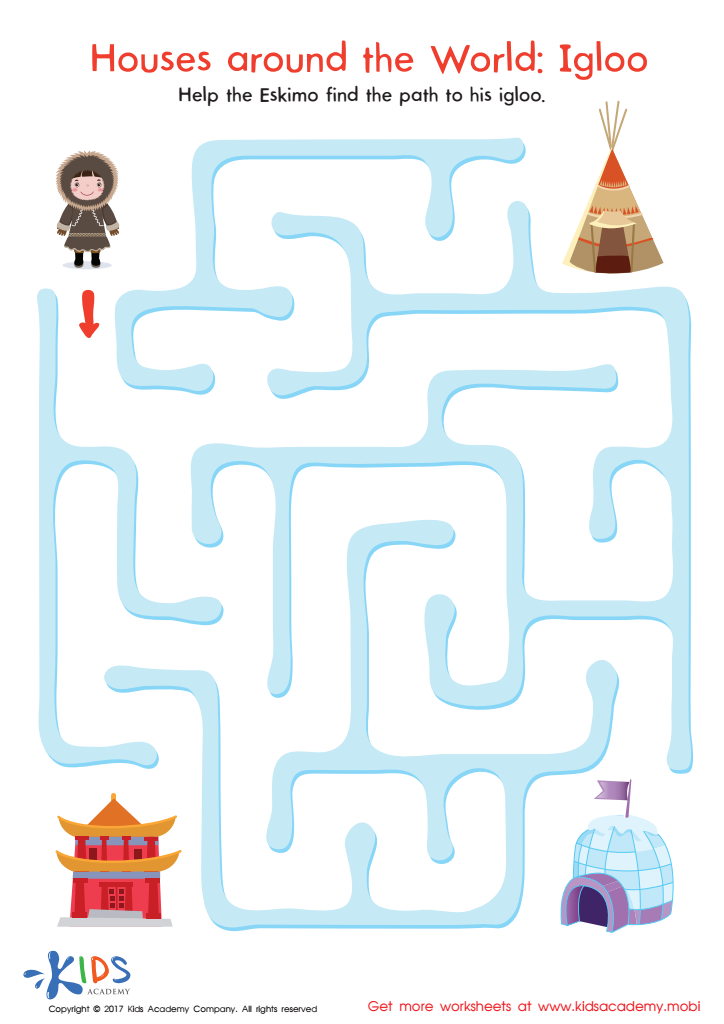
Houses Around the World: Igloo Printable
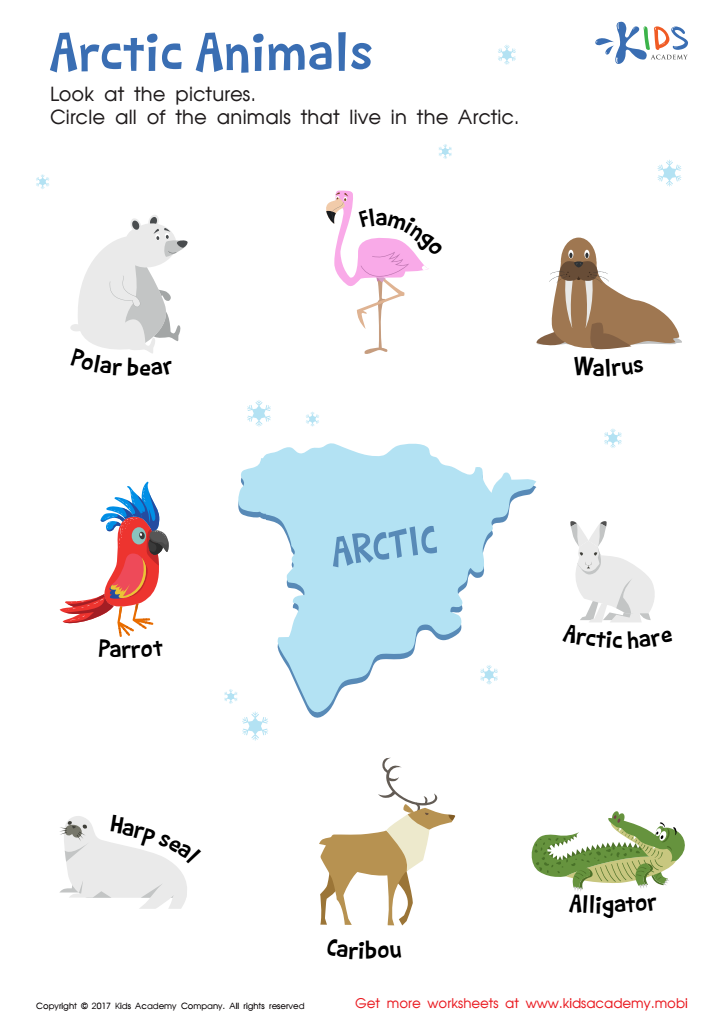
Arctic Animals Worksheet
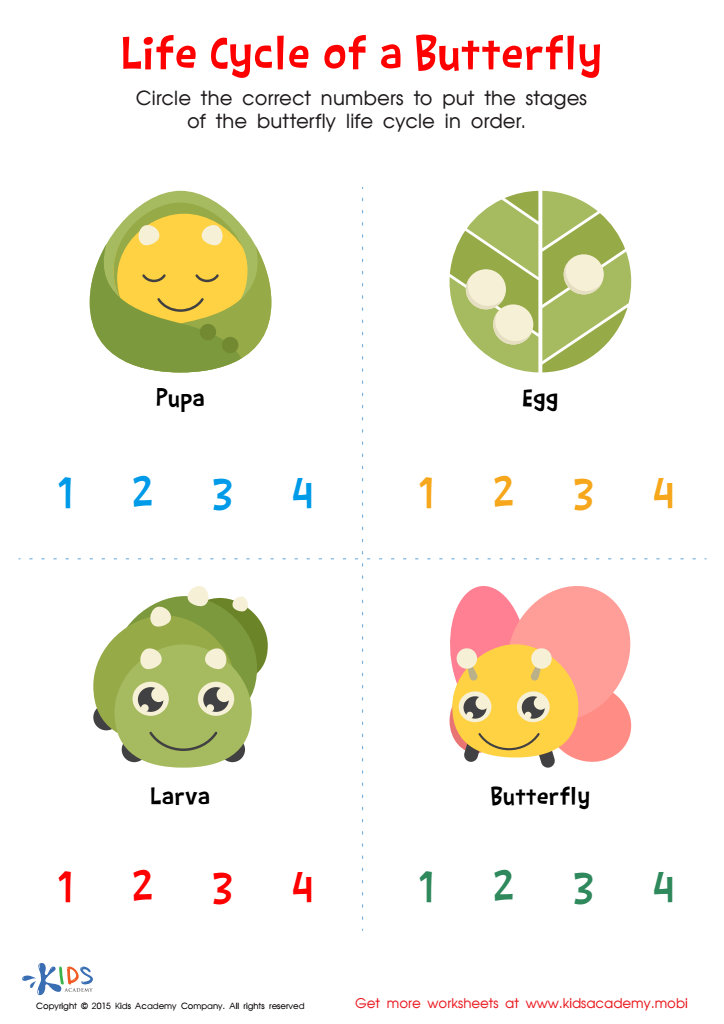
Life Cycle of Butterfly Printable
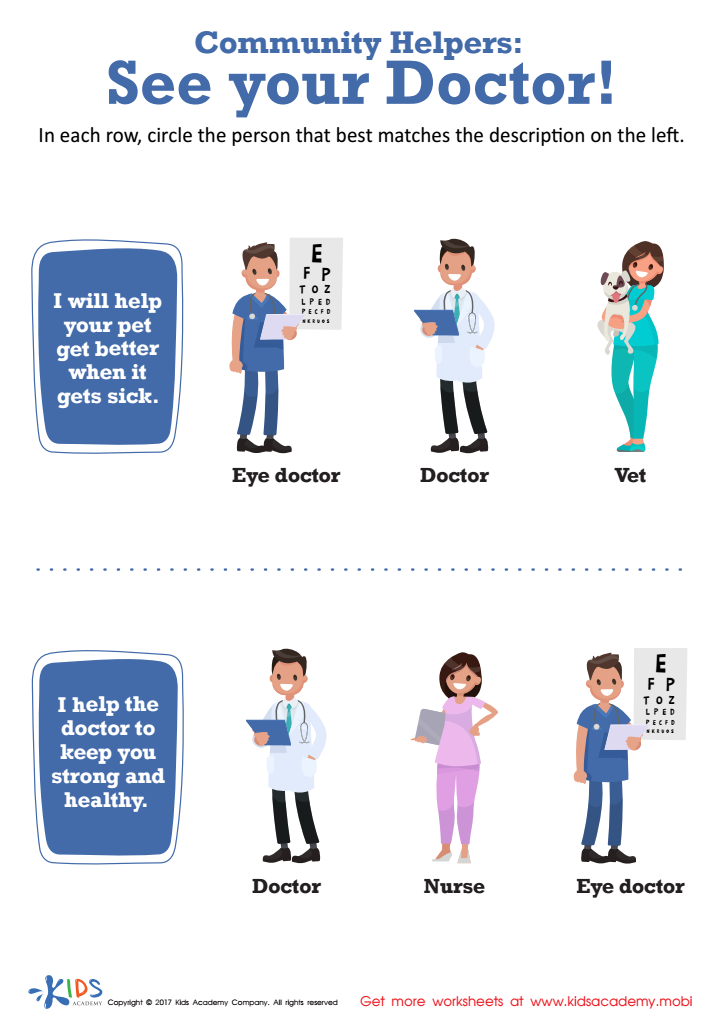
See Your Doctor (Part 2) Printable
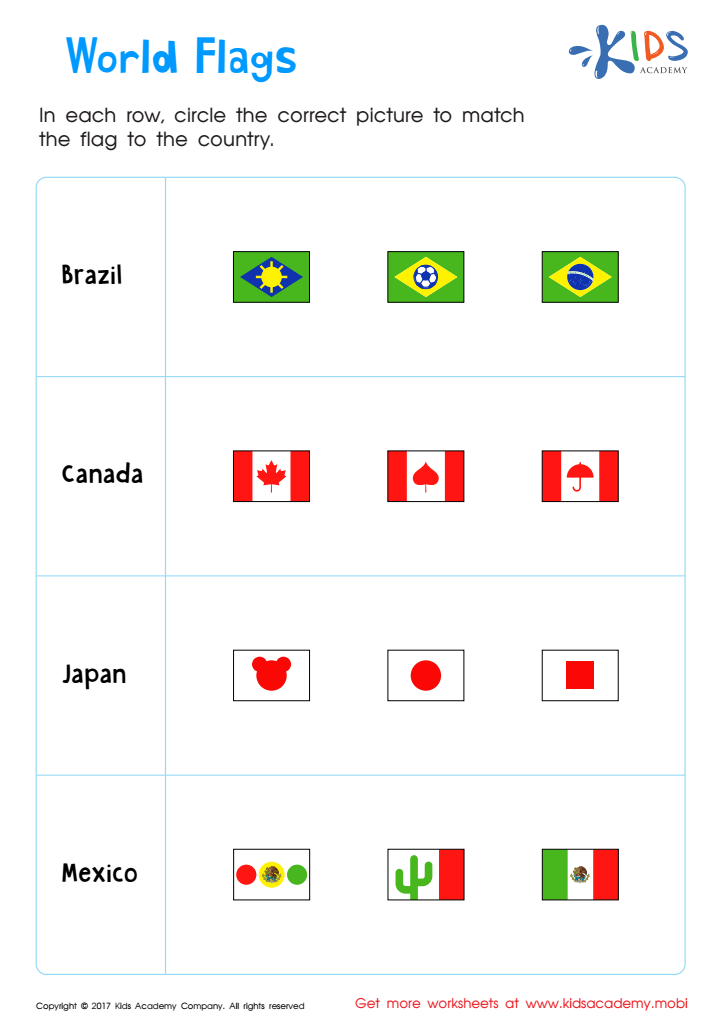
World Flags Printable
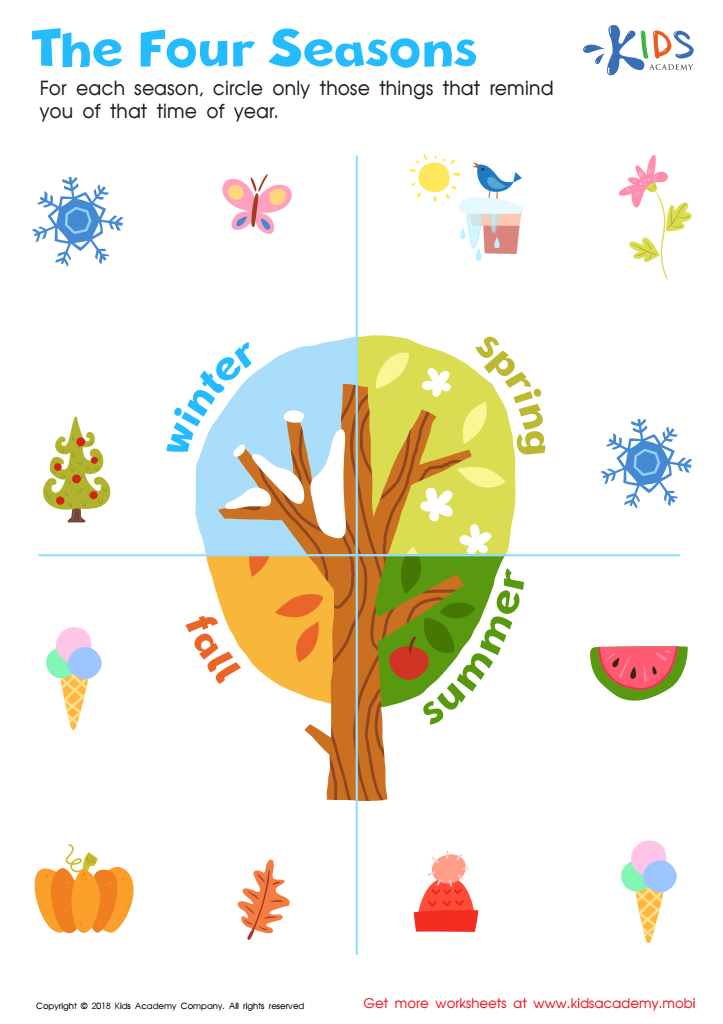
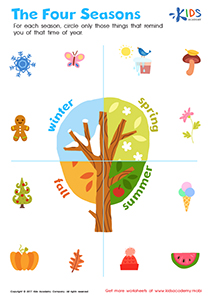
The Four Seasons Worksheet
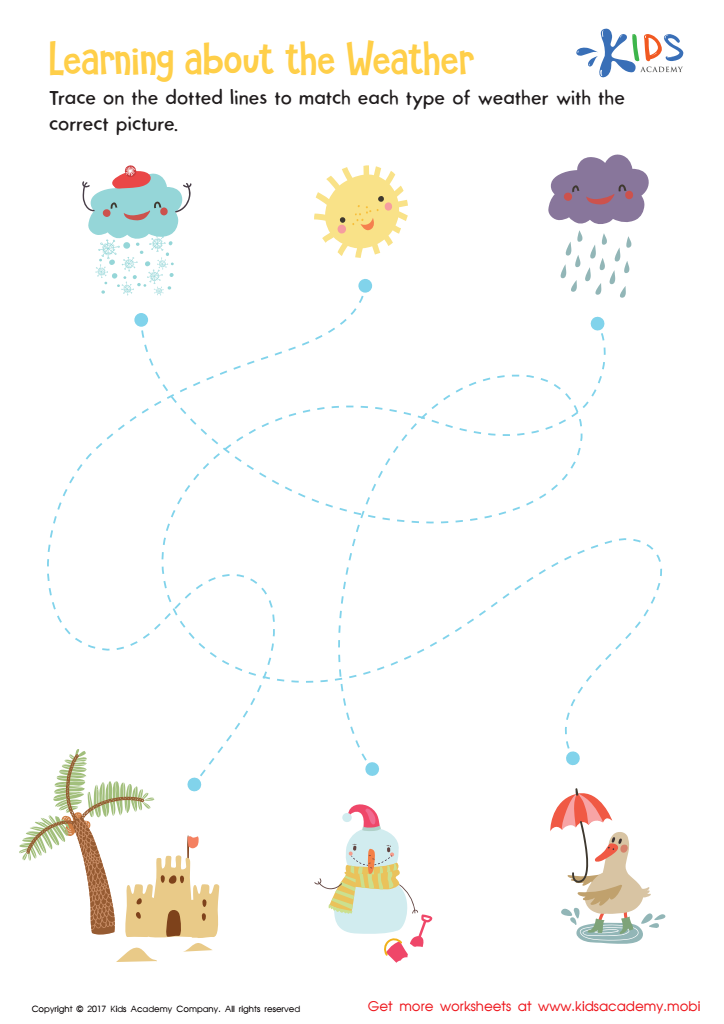
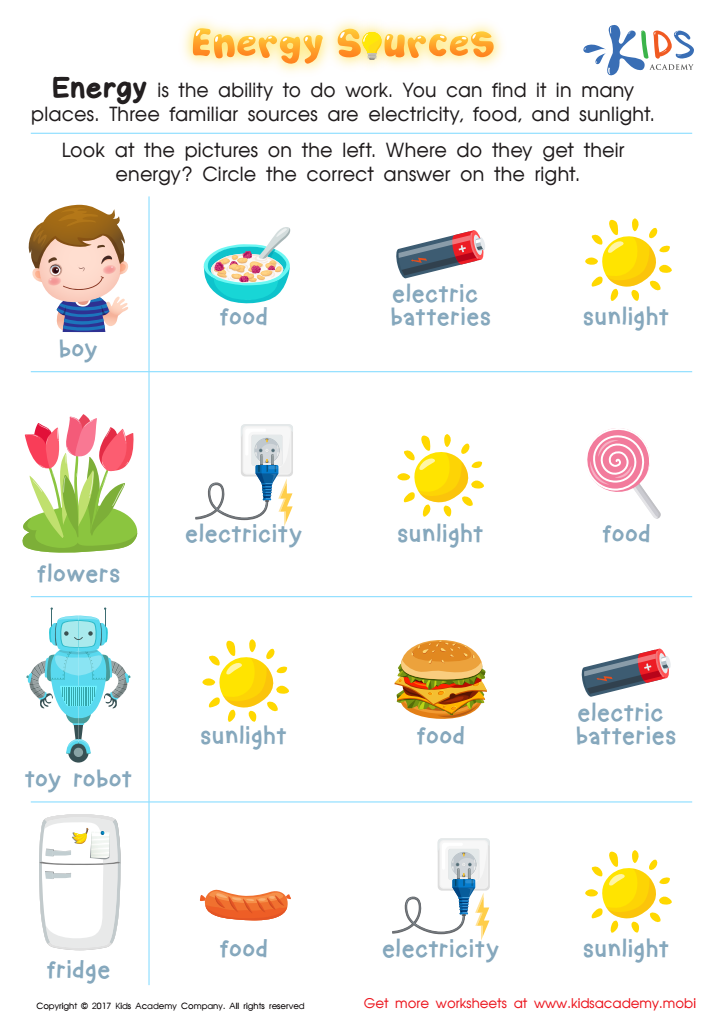
Energy Sources Printable
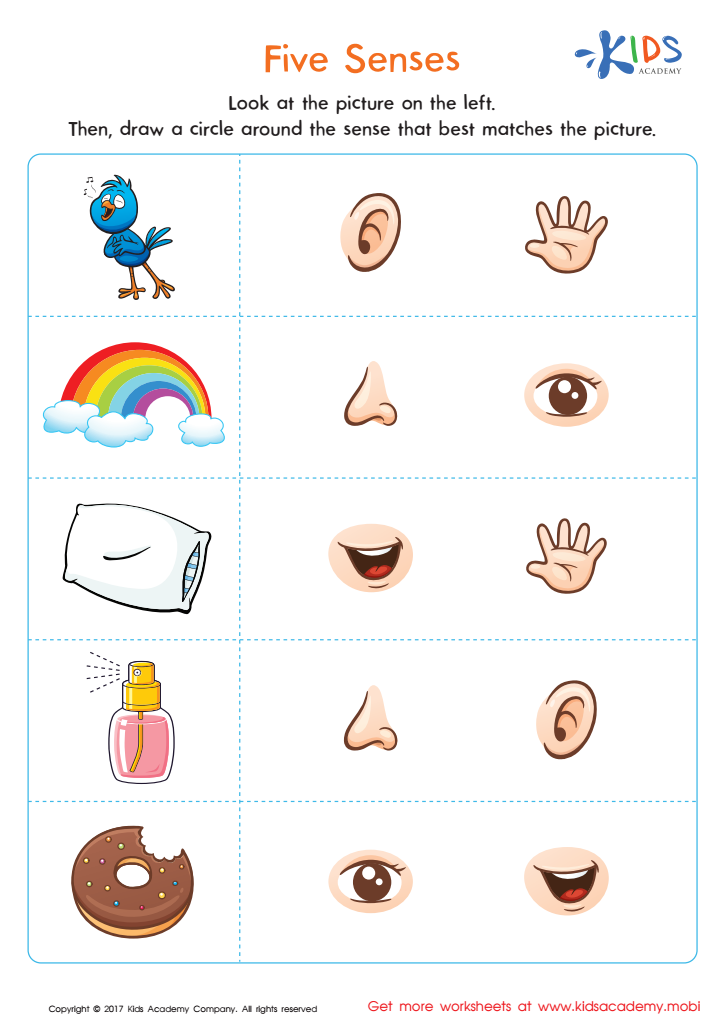
Five Senses Printable
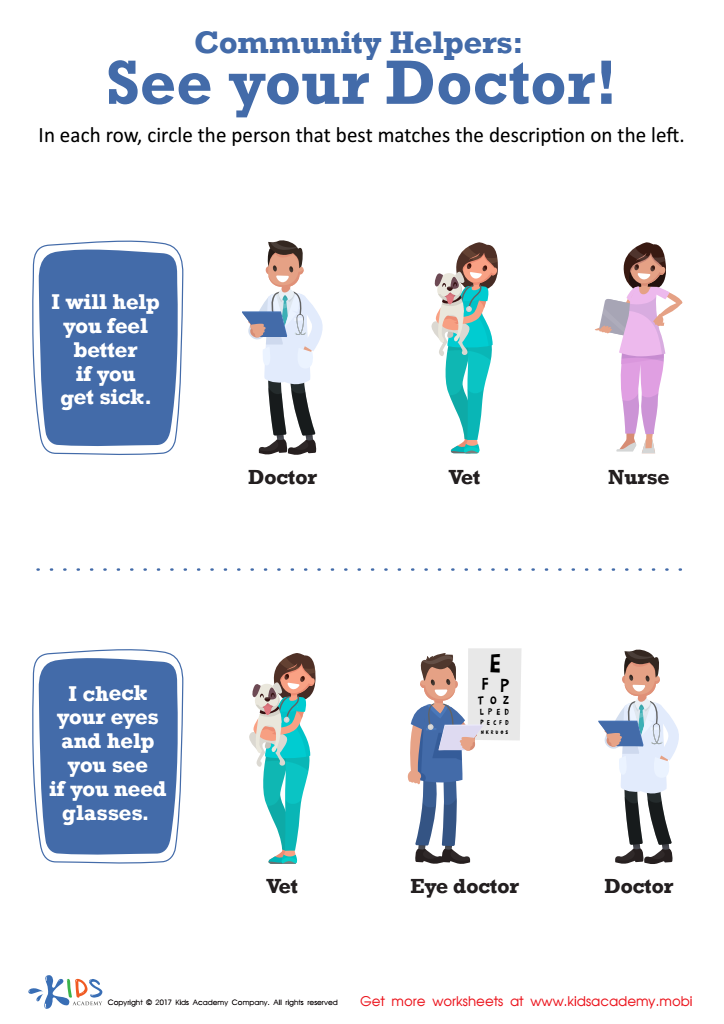
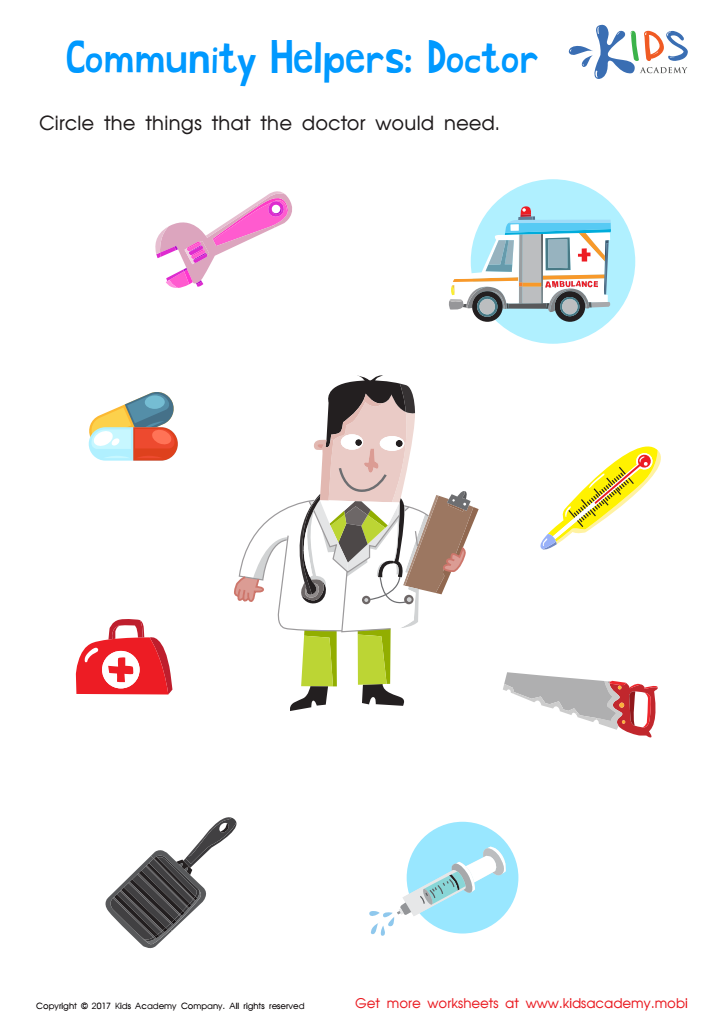
See Your Doctor (Part 1) Printable
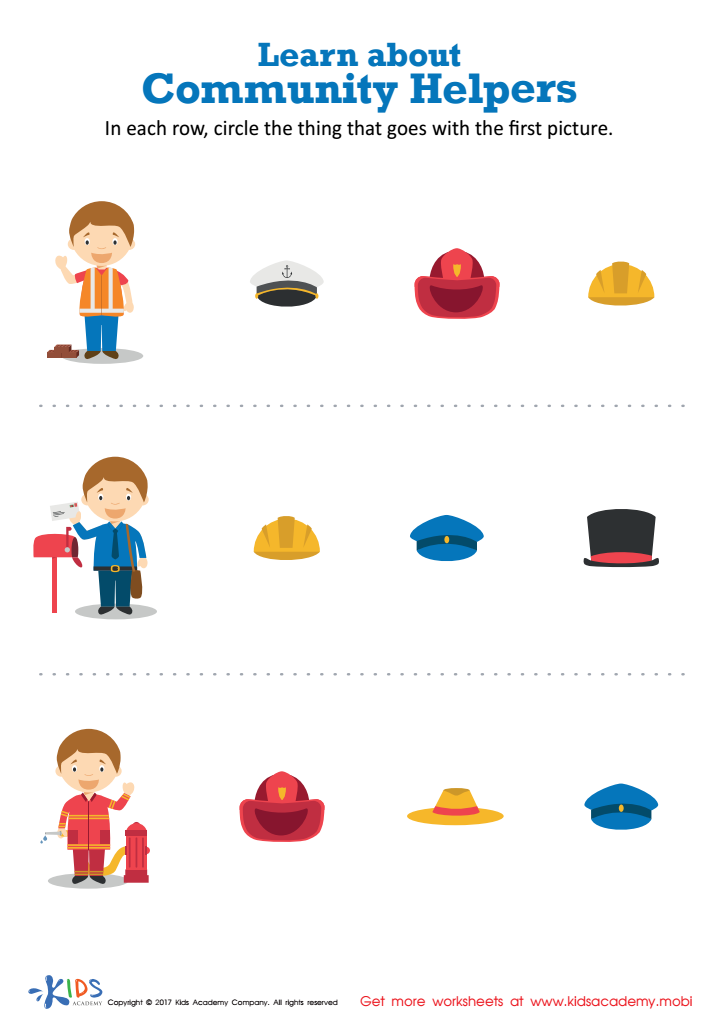
Learn about Community Helpers Printable
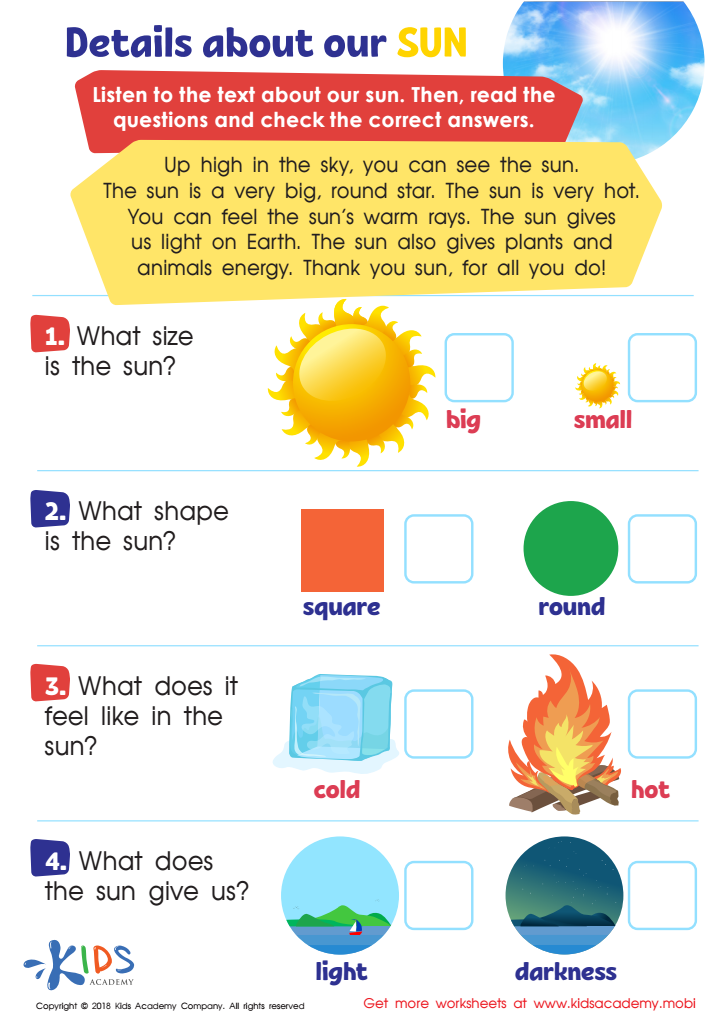
Details About Our Sun Worksheet
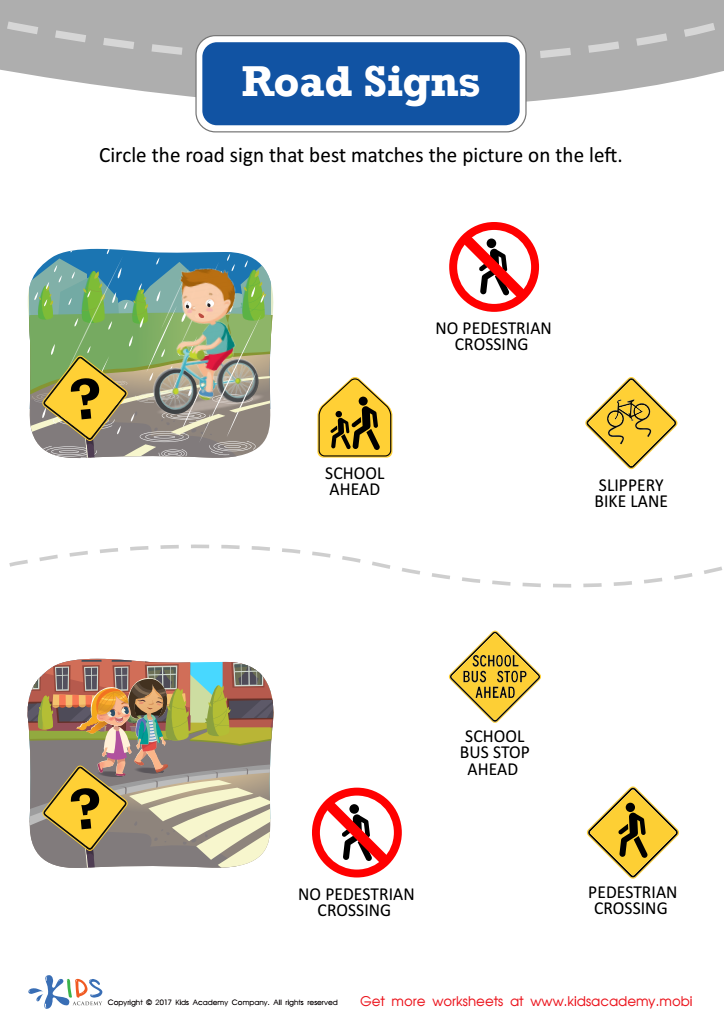
Road Signs (Part 2) Printable







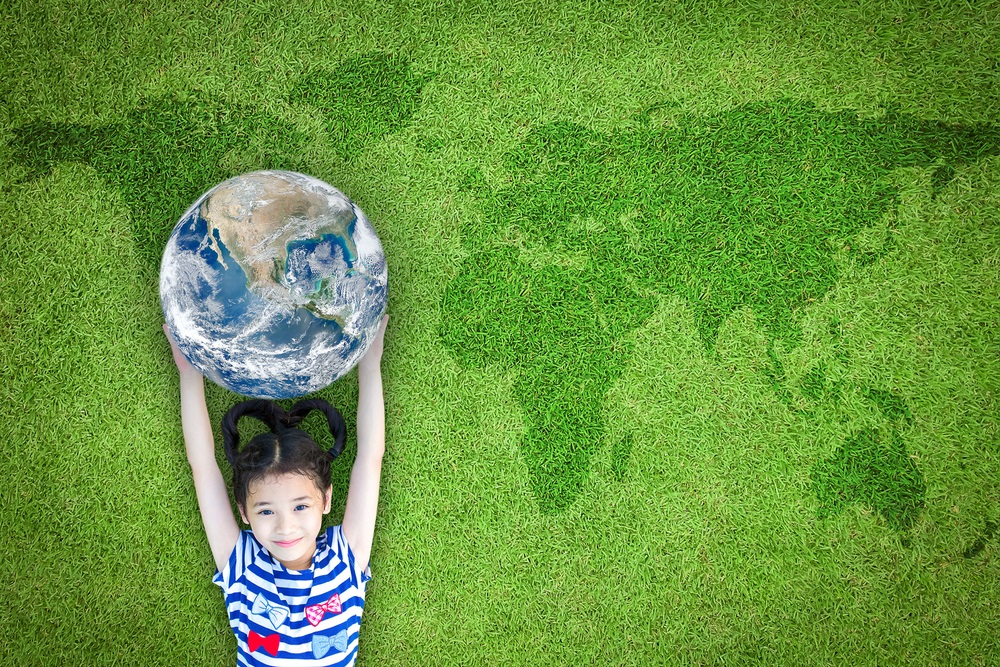
Parents and teachers should deeply “Normal World Around Us” awareness for children ages 4-9, as this understanding forms the bedrock of their cognitive and social development. In these formative years, children become curious explorers, keen to make sense of their surroundings. Offering them an accurate, enriched picture of the world aids in building critical thinking skills and promotes a solid understanding of basic principles in science, nature, and society.
Moreover, early exposure to diverse and accurate information fosters emotional and social growth. By learning about the world, children can develop empathy, respect for different cultures, and environmental stewardship. It creates a platform to discuss various life scenarios, nurturing a sense of inclusivity and compassion. Teaching young children about their environment bolsters language development and enriches vocabulary, as they learn to describe observations and express ideas about the world they engage with.
Additionally, grasping the "Normal World" helps children perceive routine patterns and societal norms, resulting in a smoother transition to formal schooling and social settings. A well-rounded comprehension of their environment supports curiosity-driven learning, boosting their readiness for more complex academic concepts later on. Consequently, a thoughtful approach to exploring the world around us can nurture well-informed, empathetic, and inquisitive individuals.